Tag: Roofing Contractor

  • Skylight Leaks When It Rains: Prevention and Solutions
    Protecting your home, one shingle at a time VA (703) 964-6233| MD (703) 964-6233| Free Estimate & Inspection
    Home Improvement

    Skylight Leaks When It Rains: Prevention and Solutions

    RNC Roofing and Construction Group July 10, 2023
    Skylight Leaks When It Rains: Prevention and Solutions

    Skylight Leaks When It Rains: Prevention and Solutions

    Unfortunately, one of the common problems associated with skylights is the occurrence of leaks when it rains. These leaks can lead to various issues, such as water damage, mold growth, and compromised structural integrity. Understanding the causes behind skylight leaks and finding effective solutions is crucial for maintaining a leak-free and secure roofing system.

    Causes and Common Problems

    Overview of Potential Causes for Skylight Leaks

    Skylight leaks during rainfall can occur due to several factors. Understanding these causes is crucial for effectively addressing and preventing the issue. Common causes include:

    • Faulty Installation: Improper installation of skylights can lead to gaps or inadequate sealing, allowing water to infiltrate during rainfall.
    • Poor Maintenance: Neglecting regular maintenance of skylights, such as cleaning debris or checking for damaged seals, can contribute to leaks over time.
    • Weathering: Exposure to harsh weather conditions, including extreme temperatures, UV rays, and heavy rain, can degrade the materials and seals of skylights, leading to potential leaks.
    • Aging Materials: Over time, the materials used in skylights, such as seals and flashing, can deteriorate, increasing the likelihood of leaks during rainfall.

    Identifying Common Issues Contributing to Leaks

    To effectively address skylight leaks when it rains, it is essential to identify the common issues that contribute to the problem. Some of these issues include:

    • Sealant Failure: If the sealant used around the skylight becomes damaged or deteriorates, it can allow water to penetrate the roofing system.
    • Improper Flashing: Inadequate or incorrect installation of flashing around the skylight can create gaps or weak points where water can seep in.
    • Condensation: Improper insulation or ventilation can cause condensation to form on the skylight, leading to moisture buildup and potential leaks.

    Importance of Timely Detection and Addressing Leaks

    Timely detection and addressing of skylight leaks are crucial to prevent further damage and maintain the integrity of your roofing system. Ignoring leaks can result in more significant issues, such as water damage, mold growth, and compromised structural stability. Regular inspections, proactive maintenance, and prompt repairs are vital to mitigate the risk of leaks and minimize potential long-term consequences.
    materials for roof replacement

    Understanding TPO Roofing Systems

    Introduction to TPO (Thermoplastic Olefin) Roofing

    TPO roofing is a popular option for both residential and commercial buildings due to its excellent performance and cost-effectiveness. Made from a blend of rubber and plastic, TPO membranes provide a durable and flexible solution for skylight leaks when it rains.

    Key Characteristics and Benefits of TPO Roofing

    • Durability: TPO roofing is highly resistant to tears, punctures, and impacts, making it a reliable choice for withstanding the elements, including heavy rain and hailstorms.
    • Energy Efficiency: TPO roofs are designed to reflect sunlight, reducing heat absorption and lowering cooling costs during hot weather. This energy-efficient characteristic contributes to the overall sustainability of the building.
    • Flexibility: TPO membranes exhibit flexibility, allowing them to accommodate the movement of the building’s structure and potential thermal expansion and contraction without compromising their integrity.

    Cost Considerations: TPO Roofing Installation, Maintenance, and Lifespan

    TPO roofing systems offer a cost-effective solution for preventing skylight leaks. The installation costs of TPO roofing are typically lower than other roofing materials, making it an attractive option for budget-conscious individuals or businesses.

    Additionally, TPO roofs require minimal maintenance, reducing long-term expenses. Regular inspections and basic upkeep, such as removing debris and ensuring proper drainage, can help maintain the roof’s performance and prevent leaks during rainfall.

    In terms of lifespan, TPO roofs can last anywhere from 15 to 30 years, depending on various factors such as installation quality, weather conditions, and maintenance practices. Proper installation by experienced professionals and routine inspections can help maximize the lifespan of TPO roofing systems.

    How TPO Roofing Can Help Prevent Skylight Leaks When It Rains

    TPO roofing provides a reliable barrier against skylight leaks when it rains. The thermoplastic material and welded seams create a seamless and watertight membrane, minimizing the risk of water infiltration.

    When combined with proper flashing installation and regular maintenance, TPO roofing systems can effectively prevent skylight leaks, ensuring a dry and secure environment even during heavy rainfall.

    metal roofing

    PVC Roofing Systems: An Alternative Solution

    Exploring PVC (Polyvinyl Chloride) Roofing Systems

    PVC roofing systems offer an alternative solution for addressing skylight leaks when it rains. PVC, a synthetic plastic material, provides several benefits and features that make it a popular choice among homeowners and businesses.

    Advantages of PVC Roofing

    UV Resistance: PVC roofs are designed to withstand prolonged exposure to the sun’s ultraviolet (UV) rays without significant degradation. This UV resistance ensures that the roofing material remains durable and intact, minimizing the risk of skylight leaks.

    • Chemical Stability: PVC is highly resistant to chemicals, including acids, oils, and pollutants, making it suitable for areas with potential exposure to such substances. This chemical stability further enhances the roof’s longevity and leak prevention capabilities.
    • Fire Resistance: PVC roofing systems possess inherent fire-resistant properties. They have a high ignition point and are self-extinguishing, reducing the risk of fire-related incidents and providing an added layer of safety for the structure.

    Comparing the Cost Factors: PVC Roofing Installation, Maintenance, and Lifespan

    When considering PVC roofing systems, it is essential to evaluate the cost factors associated with installation, maintenance, and lifespan. While PVC roofs may have a higher upfront installation cost compared to other roofing materials, their long-term benefits often outweigh the initial investment.

    PVC roofs require minimal maintenance, contributing to cost savings over time. Routine inspections, cleaning, and ensuring proper drainage can help maintain the roof’s performance and extend its lifespan.

    Speaking of longevity, PVC roofs typically have a lifespan of 20 to 30 years, depending on factors such as installation quality and maintenance practices. This extended lifespan contributes to their ability to effectively address skylight leaks during rainfall for an extended period.

    How PVC Roofing Can Address Skylight Leaks Effectively During Rainfall

    PVC roofing systems are engineered to provide excellent waterproofing capabilities, making them highly effective in preventing skylight leaks when it rains. The PVC membranes are heat-welded at the seams, creating a seamless and watertight barrier.

    This watertight seal, combined with the inherent properties of PVC, ensures that the roofing system remains impervious to water infiltration even during heavy rainfall. Proper installation, including the integration of flashing around skylights, further enhances the leak prevention capabilities of PVC roofs.
    roof water damage

    Factors to Consider: Choosing Between TPO and PVC Roofing

    Assessing the Specific Needs and Requirements of Your Skylight Project

    Before deciding between TPO and PVC roofing systems to address skylight leaks when it rains, it is crucial to assess your specific needs and project requirements. Consider factors such as the climate in your region, the age and condition of your current roof, and the extent of skylight leaks. Understanding these elements will help you make an informed decision and choose the most suitable solution.

    Comparative Analysis of TPO and PVC Roofing Systems

    Performing a comparative analysis of TPO and PVC roofing systems can aid in determining the best fit for your skylight leak prevention needs. Consider the following aspects:

    • Performance: Evaluate the performance characteristics of TPO and PVC roofing systems in terms of their ability to withstand harsh weather conditions and effectively prevent skylight leaks.
    • Longevity: Compare the expected lifespan of TPO and PVC roofs to ensure long-term durability and leak resistance.
    • Maintenance: Assess the maintenance requirements of both roofing systems, including the frequency of inspections, cleaning, and repairs.

    Cost Considerations: Initial Investment, Long-Term Savings, and Return on Investment (ROI)

    When comparing TPO and PVC roofing systems, consider the cost factors associated with each option. Evaluate the initial investment required for installation, including materials and labor. Additionally, assess the long-term savings potential, such as energy efficiency and reduced maintenance expenses. Calculate the return on investment (ROI) over the expected lifespan of the chosen roofing system.

    Consulting with Roofing Professionals to Determine the Best Solution for Skylight Leaks

    Seeking advice from roofing professionals is invaluable when deciding between TPO and PVC roofing systems. Their expertise and experience can provide valuable insights tailored to your specific skylight leak concerns. Professional roofers can assess your existing roof, analyze the extent of the leaks, and recommend the most suitable solution for long-lasting leak prevention.
    evaluating roof damage

    When to Replace the Roof: Age and Maintenance Considerations

    The Importance of Regular Roof Inspections and Maintenance

    Regular roof inspections and maintenance play a vital role in preventing skylight leaks when it rains. Routine inspections by qualified professionals allow for the early detection of potential issues, including deteriorating materials or damaged seals around skylights. Timely maintenance, such as clearing debris and ensuring proper drainage, can significantly extend the lifespan of the roof and minimize the risk of leaks.

    Signs Indicating the Need for Roof Replacement

    Several signs may indicate the need for roof replacement to prevent skylight leaks when it rains:

    • Extensive Leaks: If skylight leaks persist even after repairs or if multiple leaks occur throughout the roof, it may be a sign that the roof has reached the end of its lifespan.
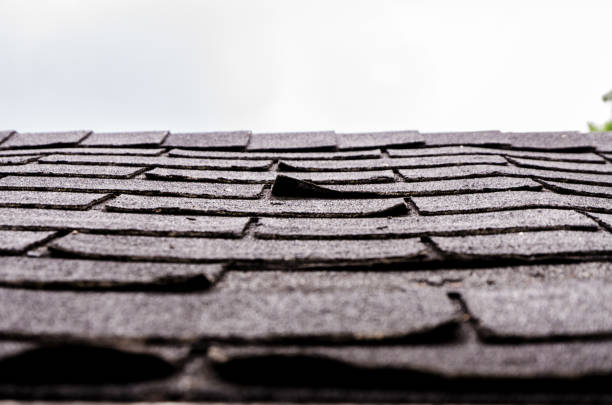
    • Significant Damage: Severe storm damage, such as missing or broken shingles, can compromise the roof’s integrity and increase the risk of leaks during rainfall.
    • Aging Materials: Over time, roofing materials deteriorate due to exposure to the elements. Cracked or curling shingles, brittle flashing, or worn-out seals around skylights are indicators of aging materials that may necessitate roof replacement.

    Factors to Consider When Determining the Lifespan of a Roof

    Several factors contribute to the lifespan of a roof and should be considered when determining whether replacement is necessary:

    • Material Quality: The quality of the roofing material used during installation influences its durability and longevity. Higher-quality materials typically offer longer lifespans.
    • Climate: Harsh weather conditions, such as heavy rain, strong winds, or extreme temperatures, can accelerate roof deterioration. Consider the impact of the climate in your region on the lifespan of your roof.
    • Maintenance: Regular maintenance and timely repairs can significantly extend the lifespan of a roof. Neglected maintenance can shorten the roof’s life expectancy and increase the risk of leaks.

    Expert Recommendations for When to Replace a Roof to Prevent Skylight Leaks and Ensure Overall Roof Integrity

    Roofing professionals recommend considering the following factors to determine the ideal time for roof replacement:

    • Age: Most roofs have an average lifespan of 20 to 25 years. If your roof is approaching or surpassing this age range, it is prudent to consider replacing it to proactively prevent skylight leaks and maintain overall roof integrity.
    • Extensive Damage: If the roof has sustained extensive damage or has reached a point where repairs are frequent and costly, replacement becomes a more viable and cost-effective option.
    • Professional Assessment: Consulting with roofing experts who can assess the condition of your roof and provide personalized recommendations based on their expertise is crucial. They can evaluate the extent of skylight leaks, overall roof health, and the urgency of replacement.

    View More Articles

    Free, No Obligation

    Request Your Free Estimate & Inspection

    Tell us about your roof and we’ll come take a look — no pressure, no cost. Or call us right now on (703) 964-6233.

    (703) 964-6233
    Contact Form Demo (#3)
    Owens Corning Preferred Contractor GAF System Plus CertainTeed SureStart PLUS BBB A+ Accredited HomeAdvisor

    RNC Roofing

    RNC Roofing and Construction Group — The Roofing Contractor Specialists. Protecting your home, one shingle at a time.

    Virginia

    (703) 964-6233 Sterling · Leesburg · Ashburn
    Loudoun & Fairfax County

    Maryland

    (703) 964-6233 Beltsville · District Heights
    All of Maryland
    © 2026 RNC Roofing and Construction Group — The Roofing Contractor Specialists Northern Virginia & Maryland
  • Best Time to Replace Roof | Choosing the Optimal Season

    Protecting your home, one shingle at a time VA (703) 964-6233| MD (703) 964-6233| Free Estimate & Inspection
    Home Improvement

    Best Time to Replace Roof | Choosing the Optimal Season

    RNC Roofing and Construction Group April 13, 2023
    Best Time to Replace Roof | Choosing the Optimal Season

    The Best Time to Replace Your Roof

    As a homeowner, it’s crucial to start thinking about the best time of year to replace your roof, especially if it has been 10 to 20 years since your last maintenance check. The weather, temperature, geographic climate, and appointment availability are all factors that can affect roofing replacement. While every season may have its advantages and disadvantages, roofing replacement is a job that can be done any time of the year when entrusted to a professional residential roofing contractor.So, what is the best season to replace your roof? Ultimately, the optimal time to get your roofing replaced is before it starts to cause problems or becomes a bigger inconvenience to you. The best season is mainly determined by your availability, your contractor’s availability, and unpredictable weather. Let’s take a closer look at each season and why they may or may not be the best time to replace your roofing.

    Winter

    Winter is a challenging time of year to replace your roof. However, it can be an excellent time for many homeowners because it’s usually a slower time for many roofing companies, creating greater flexibility for appointment scheduling. Depending on the climate of your geographic area, freezing temperatures and snow can interrupt roofing replacement projects or prevent sealants from setting. Extremely low temperatures can also cause roofing materials to become more susceptible to cracking. If you live in a state with mild winters, such as Florida, winter is a wonderful time of year for roofing repairs! Regardless, an experienced roofing contractor will have processes put in place to prevent or mediate complications.

    Cons of Winter Roof Replacement

    The biggest disadvantage of replacing a roof in the winter is the potential for snow and ice. These conditions can create hazards for the roofing crew and make the work more difficult, potentially leading to longer installation times and increased labor costs. Additionally, the cold temperatures can cause materials to become brittle and more difficult to work with.

    Spring

    Replacing your roof during early springtime is a good choice for many homeowners. The temperatures are not as extreme as either winter or summer, making roofing replacement a great spring-cleaning milestone to complete. Roofing damage caused during the colder months is often discovered during this time of year. Also, early spring is a great time to prep your roofing for any extreme weather that your state might see later in the season, such as thunderstorms in Florida or tornadoes in Oklahoma. However, if you wait too long, spring rain may throw a wrench into your roofing replacement plans. But, like winter, any quality roofing company should be able to adapt to such spring weather changes and get your roofing replaced on time.

    spring season best time to replace roof

    Cons of Spring Roof Replacement

    While you could get on the roofing crew’s schedule a little sooner, weather does tend to be wetter in the spring. This could cause your project to be pushed back slightly due to rain. However, with most companies, this delay only tends to be a day or two depending on if other projects were also moved due to weather.

    summer season best time to replace roof

    Summer

    The summertime is often the go-to season for roof replacement and maintenance. The warm temperature and often predictable weather make roofing during the summer months more straightforward. However, in states such as Florida, late summer can present higher temperatures than ideal for less-experienced roofing contractors. Also, if your state experiences extreme weather conditions such as tornadoes or hurricanes, it is worth noting through the later summer months until October. Florida is notorious for its hurricane season, typically experienced between May and September. Due to the damage frequently caused by hurricanes, the summer months can be quite a busy season for roofing replacement and repair! This can be a good thing–if you are engaging with a tenured roofing company that prepares for the extra workload often seen during the summer season.

    Cons of Summer Roof Replacement

    One of the biggest cons of getting a new roof installed in the summer is the extreme heat. High temperatures can make the work more difficult and uncomfortable for the roofing crew, and can also cause materials like shingles to become more pliable, potentially leading to damage or mistakes during installation.

    Fall

    Fall is commonly referred to as the best time of year to replace your roof. With spring’s mild temperatures and early summer’s weather consistency, fall is the universal go-to season for roofing replacement. Since this season is highly sought after, finding appointment times in the fall can become tedious, so it is best to plan ahead to beat the rush.Read More Here About Why Fall Is The Best Season To Replace Your Roof

    fall season best time to replace roof

    More Informative Articles

    Visit Our Home Page

    Free, No Obligation

    Request Your Free Estimate & Inspection

    Tell us about your roof and we’ll come take a look — no pressure, no cost. Or call us right now on (703) 964-6233.

    (703) 964-6233
    Contact Form Demo (#3)
    Owens Corning Preferred Contractor GAF System Plus CertainTeed SureStart PLUS BBB A+ Accredited HomeAdvisor

    RNC Roofing

    RNC Roofing and Construction Group — The Roofing Contractor Specialists. Protecting your home, one shingle at a time.

    Virginia

    (703) 964-6233 Sterling · Leesburg · Ashburn
    Loudoun & Fairfax County

    Maryland

    (703) 964-6233 Beltsville · District Heights
    All of Maryland
    © 2026 RNC Roofing and Construction Group — The Roofing Contractor Specialists Northern Virginia & Maryland
  • Summer Roofing Tips | Maintenance and Professional Services

    Protecting your home, one shingle at a time VA (703) 964-6233| MD (703) 964-6233| Free Estimate & Inspection
    Home Improvement

    Summer Roofing Tips | Maintenance and Professional Services

    RNC Roofing and Construction Group April 12, 2022
    Summer Roofing Tips | Maintenance and Professional Services

    Summer Roofing Tips | Maintenance and Professional Services

    Summer brings with it a unique set of challenges for roofs. The intense heat, relentless UV rays, and high humidity levels can take a toll on roofing materials and the overall structure. Excessive heat can cause shingles to expand, crack, or curl, making them vulnerable to leaks. UV rays gradually deteriorate the protective layers of your roof, leading to premature aging. Moreover, humidity can contribute to the growth of moss, algae, and mold, which can further damage the roof’s integrity.

    Roof Inspection and Maintenance

    Regular Roof Inspections: Key to Summer Roofing Care

    Regular roof inspections are essential, particularly before the summer season, to ensure your roof remains in optimal condition. By conducting thorough inspections, you can identify any signs of damage or wear that may compromise the integrity of your roof.

    Identifying Signs of Damage or Wear

    During your roof inspection, carefully examine the shingles for any cracks, chips, or curling. These issues can allow water to seep through, leading to leaks and potential water damage. Look for any signs of discoloration, as it may indicate the growth of moss or algae, which can deteriorate the roof’s surface.

    Clearing Debris and Maintaining Proper Drainage

    One crucial aspect of roof maintenance is clearing debris, such as leaves, branches, and other debris that may accumulate on the roof’s surface. Accumulated debris can hinder proper drainage, causing water to pool and potentially infiltrate your roof. Clearing the roof regularly allows water to flow freely off the roof, preventing water damage and extending its lifespan.

    roof ventilation

    Managing Roof Ventilation

    The Importance of Proper Ventilation for Summer Roofing

    Proper ventilation is a crucial element in maintaining a healthy and functional roof during the summer season. Adequate airflow helps regulate temperature, reduce heat buildup, and prevent moisture-related issues that can affect the roof’s integrity.

    Benefits of Attic Ventilation

    Attic ventilation plays a significant role in creating a balanced environment within your roof. It helps expel hot air and moisture, preventing them from accumulating and causing damage. By reducing heat buildup, proper attic ventilation can also improve energy efficiency, keeping your home cooler and potentially reducing cooling costs during the summer.

    Ensuring Adequate Airflow through Vents and Insulation

    To optimize roof ventilation, it’s essential to ensure adequate airflow through vents and proper insulation.

    • Vents: Check for any blockages or obstructions that may hinder the airflow through your roof vents. Make sure the vents are clean and free from debris such as leaves, dust, or bird nests. If necessary, consider installing additional vents to improve airflow and maintain proper ventilation.
    • Insulation: Insulation acts as a barrier, preventing heat transfer between your attic and the rest of your home. Ensure that your attic insulation is in good condition, without any gaps or damage that may compromise its effectiveness. Proper insulation helps maintain a stable temperature within the attic, reducing the strain on your cooling system and preventing excessive heat buildup.

    protecting against uv rays

    Protecting Against UV Rays

    Shielding Your Roof from Harmful UV Rays

    UV rays can have detrimental effects on roofs, gradually causing damage and deterioration over time. It is essential to take proactive measures to protect your roof from the harmful impact of UV rays.

    Exploring the Damaging Effects of UV Rays on Roofs

    UV rays can lead to the degradation of roofing materials. Continuous exposure to sunlight causes shingles to become brittle, crack, and lose their protective granules. This can result in leaks, reduced energy efficiency, and a shortened lifespan for your roof. Understanding the damaging effects of UV rays is crucial in implementing effective protection strategies.

    Choosing and Applying UV-Reflective Coatings or Materials

    To combat the damaging effects of UV rays, consider using UV-reflective coatings or materials on your roof. These specialized coatings are designed to reflect a significant portion of the sun’s rays, reducing the amount of heat absorbed by the roof. They act as a protective barrier, preventing UV rays from penetrating and causing damage. When selecting UV-reflective coatings or materials, opt for those specifically designed for summer roofing. These coatings typically have high solar reflectance and thermal emittance properties, effectively reducing heat transfer and minimizing the strain on your cooling system. Applying such coatings can help maintain lower roof temperatures and improve energy efficiency.

    Benefits of Using Light-Colored or Reflective Roofing Materials

    Another effective approach to protect your roof from UV rays is by opting for light-colored or reflective roofing materials. Light-colored roofs, such as white or light gray, naturally reflect more sunlight and heat compared to dark-colored roofs. Reflective roofing materials, such as metal or cool roofing membranes, are specifically engineered to reflect solar energy, reducing the absorption of heat into your home.

    contact professionals

    Identifying When to Seek Professional Assistance

    It’s essential to recognize when a roofing issue exceeds your capabilities and requires professional intervention. If you notice extensive damage, leaks, or significant wear and tear on your roof, it’s best to consult with a reputable roofing contractor. They have the knowledge, experience, and specialized tools to address complex roofing problems effectively.

    Choosing a Reputable Roofing Contractor

    When selecting a roofing contractor for summer maintenance, it’s crucial to do thorough research and choose a reputable company. Look for contractors with proper licensing, certifications, and insurance to ensure they meet industry standards. Additionally, read customer reviews and ask for recommendations to gauge their reputation and reliability.

    Benefits of Hiring Professionals for Complex Roof-Related Tasks

    Professional roofing services offer numerous benefits when it comes to complex roof-related tasks. They have in-depth knowledge of various roofing materials and can recommend the best solutions for your specific needs. Professional roofers are equipped to handle repairs, replacements, and installations safely and efficiently, minimizing the risk of further damage.

    View More Articles

    Free, No Obligation

    Request Your Free Estimate & Inspection

    Tell us about your roof and we’ll come take a look — no pressure, no cost. Or call us right now on (703) 964-6233.

    (703) 964-6233
    Contact Form Demo (#3)
    Owens Corning Preferred Contractor GAF System Plus CertainTeed SureStart PLUS BBB A+ Accredited HomeAdvisor

    RNC Roofing

    RNC Roofing and Construction Group — The Roofing Contractor Specialists. Protecting your home, one shingle at a time.

    Virginia

    (703) 964-6233 Sterling · Leesburg · Ashburn
    Loudoun & Fairfax County

    Maryland

    (703) 964-6233 Beltsville · District Heights
    All of Maryland
    © 2026 RNC Roofing and Construction Group — The Roofing Contractor Specialists Northern Virginia & Maryland
  • Materials Included With Your Roof Replacement.

    Protecting your home, one shingle at a time VA (703) 964-6233| MD (703) 964-6233| Free Estimate & Inspection
    Home Improvement

    Materials Included With Your Roof Replacement.

    RNC Roofing and Construction Group October 11, 2021
    Materials Included With Your Roof Replacement.

      Your Roof is more than just the shingles you see from the street, because it is a combination of different roofing materials and components that come together to form a complete roof system. What are these material and why are they important to your roof? RNC Construction Group helps you Understand what constitutes a roof, we break it down for you.  

    Roof Deck.

    The platform is the plywood boards that form the structure of your roof. These Plywood are where the shingles and other components are installed. Our RNC Constructions crews will not know you will have rotten boards until they finish tearing off the old roof. Our guys will document and capture pictures and share with you. At RNC Construction group our goal is to always keep our clients in the loop of the project.  

    Roof Flashing.

    The Roof Flashing is a metal that is placed anywhere the shingles lean against something, such as a wall, chimney or open valleys. If your flashing is not tarnished and the integrity of the metal is still strong, then there is no need for replacement. However, RNC construction Group will determine how strong and if your flashing is still in good conditions.  

    Underlayment.

    The underlayment is a felt material, that is used over the deck to provide additional protection, making it a crucial component for you roof. Underlayment is your roof system’s last line of defense for your deck. It is important to invest in the best possible roofing components that is why we offer a system that includes Certified by the supply.  

    Drip Edge.

    Is the metal Flashing that’s installed at the edges of the roof to help control the flow of water away from your fascia and other roofing components.  

    Ice Water Shield.

    Your Valleys are crucial to keep water flowing in the right direction down your roof. Because of this, they need something to protect them from the constant flow of water every time it rains. That’s why is called the waterproof membrane because it protects your roof during winter and rain season.  

    Asphalt Shingles

    Your shingles are the top layer of your roof that is visible to the outside world. When people think of a roof replacement, they usually only think of their shingles, RNC construction Group has certifications of roof tile suppliers that provide 50 year warrantee (CertainTeed, GAF, OwenScorning.  

    Ridge Capping.

    Ridge Capping Is the trim Installed at the peak where the two slopes of a roof meet. They’re thicker than regular shingles so our crews at RNC Construction Group bent to form to the ridges on your roof.  

    Pipe Boots

    Roof Pipes must be covered properly with synthetic rubber around your roof penetration so that water does not run into your home. That’s where tube boots come in handy because it prevents leak.

    Free, No Obligation

    Request Your Free Estimate & Inspection

    Tell us about your roof and we’ll come take a look — no pressure, no cost. Or call us right now on (703) 964-6233.

    (703) 964-6233
    Contact Form Demo (#3)
    Owens Corning Preferred Contractor GAF System Plus CertainTeed SureStart PLUS BBB A+ Accredited HomeAdvisor

    RNC Roofing

    RNC Roofing and Construction Group — The Roofing Contractor Specialists. Protecting your home, one shingle at a time.

    Virginia

    (703) 964-6233 Sterling · Leesburg · Ashburn
    Loudoun & Fairfax County

    Maryland

    (703) 964-6233 Beltsville · District Heights
    All of Maryland
    © 2026 RNC Roofing and Construction Group — The Roofing Contractor Specialists Northern Virginia & Maryland
  • 10 Tips to Help Homeowners Choose the Right Roofing Contractor

    Protecting your home, one shingle at a time VA (703) 964-6233| MD (703) 964-6233| Free Estimate & Inspection
    Home Improvement

    10 Tips to Help Homeowners Choose the Right Roofing Contractor

    RNC Roofing and Construction Group December 28, 2017
    10 Tips to Help Homeowners Choose the Right Roofing Contractor

    Published on GAF Blog

    The biggest obstacle homeowners face when looking to fix or replace their roof is choosing the right person to do the job. After a damaging storm, they need to quickly get back to normal and perform the necessary roofing repairs. But that doesn’t mean they should just choose the first contractor who knocks on their door. Finding a contractor who is trustworthy, honest, and professional may sound difficult – but that’s where you come in. Contractors should share these 10 important tips with homeowners to show them that your company is reputable and can be trusted to protect their home and their wallet.

    1. Get local referrals. There is less chance of potential issues or scams when you choose a contractor from your community. They are more familiar with local rules and code regulations and have a relationship with area crews and suppliers.
    2. Look for manufacturer designations. Manufacturer designations are considered a badge of honor because the contractor must pass certain minimum requirements to be factory-certified (although, some manufacturers have more stringent requirements than others). GAF strictly enforces their top designation by only allowing 2% of roofing contractors per market to be recognized as Master Elite® Contractors. (Unlike other manufacturer designations, Master Elite® Contractors cannot use this top designation in another territory, only in the location of the storm.
    3. Research Better Business Bureau (BBB) ratings. Some contractors blow in (no pun intended) right after a storm looking for work, so it’s important to look them up on the BBB website and make sure they have a good score. Stay away from contractors who do not exist on BBB.org. GAF Master Elite® Contractors are required to maintain satisfactory ratings with the BBB in order to retain their certification.
    4. Get an extensive warranty. Not all contractors can offer manufacturer warranties that include coverage of the contractor’s workmanship. If a contractor installs the roof incorrectly, it may take months or years for the damage to show up—and insurance won’t pay for it. If the contractor won’t fix it (or worse, has gone out of business), your only recourse is to pay for their mistake yourself. A Master Elite® Contractor can offer one of the longest workmanship warranties on the market—the Golden Pledge® Warranty.
    5. Be concerned about safety. A contractor without a training or safety program may not be the best person for your job. GAF sponsors a unique national training organization called the Center for the Advancement of Roofing Excellence (CARE), which has trained more than 200,000 professionals. GAF is the only roofing manufacturer with a dedicated team of trainers in the industry.
    6. Check for proper licensing and insurance. The contractor should have insurance for all employees and subcontractors and be able to provide a copy of their insurance certificate for validation. Not having adequate insurance could potentially lead to litigation between a contractor and homeowner if a roofing employee sustains an injury at the home. Most states require licensing for contractors, but that does not stop unlicensed contractors from attempting to do the roofing work. In states where licenses are required, make sure your contractor provides you with a copy of their license and confirm their status online. GAF Master Elite® Contractors must hold appropriate levels of Workers Compensation, at least $1 million worth of General Liability coverage, and have proper state licensing where they are performing the work.
    7. Pay your deductible. Any contractor who claims they can handle the repair without having the homeowner pay their insurance deductible is committing insurance fraud and endangering the homeowner. The insurance deductible is the responsibility of the insured, and the contractor should reflect that in the quote without inflating the estimate to cover all or part of the deductible.
    8. Handle your own claim. A contractor who says they are “a claim specialist” or can “handle your insurance claim” may be breaking the law. In most states, it is illegal for contractors to act on behalf of the homeowner when negotiating an insurance claim. Any contractor who opens the door to potential legal action is not acting in your best interest.
    9. Don’t give in to pressure. Watch out for a contractor who pressures you to sign a contract before the insurance company has estimated the damage. Some contractors say they can work with whatever your insurance company settles upon, however the homeowner needs to ensure it’s not just any amount, but the right amount. The contractor should thoroughly examine the home and check that their insurance adjuster didn’t miss any damages.
    10. Know your material choices. A contractor who does not offer you different shingle options is not looking out for your best interest. The style and color of the shingles you install can affect the resale value of your home. If the insurance company is paying for a new roof, it may be the perfect time to make a change and upgrade to a more unique style that suits your taste. GAF contractors can offer extensive design and color choices for your home. Check out the choices now so you’re ready. Knowledge is power.

    What separates The RNC Roofing Group from other residential roofing companies? With decades of experience installing, maintaining and repairing roofs we provide a knowledgeable, trustworthy and honest service to fulfill all your roofing needs. We are a Loudoun County, Virginia based residential roofing firm with an excellent reputation for quality and dependability. Whether it’s new construction, re-roofing or the challenge of leak repairs, no job is too large or too small.

    Free, No Obligation

    Request Your Free Estimate & Inspection

    Tell us about your roof and we’ll come take a look — no pressure, no cost. Or call us right now on (703) 964-6233.

    (703) 964-6233
    Contact Form Demo (#3)
    Owens Corning Preferred Contractor GAF System Plus CertainTeed SureStart PLUS BBB A+ Accredited HomeAdvisor

    RNC Roofing

    RNC Roofing and Construction Group — The Roofing Contractor Specialists. Protecting your home, one shingle at a time.

    Virginia

    (703) 964-6233 Sterling · Leesburg · Ashburn
    Loudoun & Fairfax County

    Maryland

    (703) 964-6233 Beltsville · District Heights
    All of Maryland
    © 2026 RNC Roofing and Construction Group — The Roofing Contractor Specialists Northern Virginia & Maryland
  • Components of Roof | Ultimate Guide By RNC

    Protecting your home, one shingle at a time VA (703) 964-6233| MD (703) 964-6233| Free Estimate & Inspection
    Home Improvement

    Components of Roof | Ultimate Guide By RNC

    RNC Roofing and Construction Group December 12, 2017
    Components of Roof | Ultimate Guide By RNC

    Components of Roof

    Roof Structure

    Roof Deck
    The roof deck is an integral part of any roofing system. It serves as the foundation for the entire roof and provides structural support. Typically made of plywood or oriented strand board (OSB), the roof deck is installed over the structural framework of the building. It acts as a sturdy base to which other roof components are attached.

    Roof Trusses or Rafters
    Roof trusses or rafters are essential components that give the roof its shape and support. They form the framework of the roof and are designed to carry the weight of the roof and any external forces, such as wind or snow loads. Trusses are pre-fabricated triangular structures made of wood or metal, while rafters are individual beams that are cut and assembled on-site.The roof trusses or rafters are strategically placed and spaced to distribute the load evenly across the roof structure, ensuring its stability and integrity. They provide the necessary support for the roof deck, as well as the roof covering material.Within the roof structure, each component plays a crucial role in maintaining the overall strength and durability of the roof. By understanding these essential components, homeowners and professionals can make informed decisions when it comes to roof maintenance, repairs, or even the installation of a new roof.

    roof shingle designs

    Roof Coverings

    Shingles
    Shingles are one of the most common types of roof coverings used in residential and commercial buildings. They are typically made from asphalt or fiberglass and are available in various shapes, sizes, and colors. Shingles provide a protective barrier against weather elements such as rain, snow, and UV rays.

    The installation process involves overlapping each shingle row, which helps create a watertight seal. The durability and lifespan of shingles depend on the quality of the materials used and the local climate conditions. Regular inspection and maintenance are essential to ensure the longevity and effectiveness of shingle roof coverings.

    Tiles
    Roof tiles are a popular choice for both residential and commercial buildings, offering durability and an aesthetically pleasing appearance. They are available in a variety of materials, including clay, concrete, and slate. Each material brings its unique advantages, such as clay tiles being fire-resistant, concrete tiles being cost-effective, and slate tiles offering exceptional durability.

    Roof tiles are typically interlocking and can withstand harsh weather conditions. They provide excellent insulation and can help regulate the temperature inside the building. Proper installation and regular maintenance are crucial to ensure the integrity of the roof and to prevent leaks or damage.

    Metal Roofing
    Metal roofing has gained popularity in recent years due to its durability, longevity, and energy efficiency. It is available in different metal materials such as steel, aluminum, copper, or zinc. Metal roofs offer excellent resistance against elements like rain, snow, hail, and wind.

    The installation of metal roofing involves using metal panels or sheets that are carefully attached to the roof structure. The panels are designed to interlock, providing a secure and weatherproof seal. Metal roofs require minimal maintenance and can last for several decades, making them a cost-effective choice in the long run.

    roof flashing and underlayment

    Flashing and Underlayment

    Flashing
    Flashing is a crucial component of a roof system that helps prevent water leakage at vulnerable areas, such as roof intersections, chimneys, vents, and skylights. It is typically made of metal, such as aluminum or galvanized steel, and is installed in overlapping layers to create a watertight seal.

    Flashing directs water away from critical areas by diverting it to the roof’s drainage system. It is strategically placed where different roof components meet or where the roof intersects with vertical surfaces. Common types of flashing include step flashing, chimney flashing, valley flashing, and drip edge flashing.

    Proper installation of flashing is essential to maintain the integrity of the roof and prevent water penetration. It should be inspected regularly to ensure that it remains intact and free from damage. Damaged or deteriorated flashing should be promptly repaired or replaced to prevent potential leaks and water damage.

    Underlayment
    Underlayment is a layer of material installed beneath the primary roof covering, providing an additional barrier against water penetration. It acts as a secondary line of defense and offers protection in case the primary roof covering gets damaged or fails.

    There are different types of underlayment available, including asphalt-saturated felt, synthetic underlayment, and rubberized asphalt membranes. The choice of underlayment depends on factors such as climate, roof slope, and the type of roof covering being used.

    Underlayment helps to improve the roof’s waterproofing capabilities and enhances its overall performance. It also provides an extra layer of insulation and can contribute to energy efficiency. Proper installation of underlayment is crucial to ensure its effectiveness and longevity.

    roof ventilation

    Ventilation

    Ridge Vents
    Ridge vents are an essential component of roof ventilation systems, allowing for the efficient exchange of air within the attic or roof space. They are installed along the ridgeline of the roof, providing an outlet for warm, moist air to escape.

    Ridge vents work in conjunction with intake vents, such as soffit vents, to create a continuous flow of air. As warm air rises, it exits through the ridge vents, while cooler air is drawn in through the soffit vents. This process helps regulate the temperature and moisture levels in the attic, preventing the buildup of heat and humidity that can lead to various problems, such as mold growth and premature deterioration of the roof components.

    By promoting proper airflow, ridge vents contribute to the overall health and longevity of the roof. They also aid in reducing energy costs by preventing the excessive heat buildup that can strain cooling systems during hot seasons.

    Soffit Vents
    Soffit vents are an integral part of roof ventilation systems, providing intake for fresh air into the attic or roof space. They are installed in the soffits, which are the underside of the roof’s overhangs.

    Soffit vents work in conjunction with ridge vents to create a continuous airflow. As cooler air enters through the soffit vents, it displaces the warm air, which then exits through the ridge vents. This continuous cycle helps maintain proper ventilation, preventing the accumulation of moisture and heat in the attic.

    Soffit vents come in various forms, such as individual vents, continuous vents, or perforated panels. They are strategically placed along the soffits to ensure optimal air circulation and prevent the formation of condensation and mold.

    Proper installation and maintenance of soffit vents are crucial for their effectiveness. Regular inspection and cleaning of the vents, as well as ensuring they are free from obstructions, will help maintain a well-ventilated and healthy roof space.

    gutters and downspouts

    Gutters and Downspouts

    Gutters
    Gutters are an integral part of the roofing system, responsible for channeling rainwater and melted snow away from the roof and the foundation of the building. They are typically installed along the eaves of the roof, collecting water that runs off the roof surface.

    Gutters are usually made of materials like aluminum, steel, or vinyl. They come in various shapes, sizes, and styles to accommodate different roof types and aesthetic preferences. The primary function of gutters is to prevent water from pooling on the roof, which can lead to leaks, water damage, and structural issues.

    Properly functioning gutters help protect the components of the roof by directing water away from the building. They prevent soil erosion, basement flooding, and damage to the foundation. Regular maintenance, including cleaning out debris and ensuring proper alignment, is essential to keep gutters working effectively.

    Downspouts
    Downspouts, also known as leaders or drainpipes, are connected to gutters and provide a pathway for water to flow from the roof to the ground. They play a crucial role in directing water away from the foundation and landscaping surrounding the building.

    Downspouts are typically vertical pipes attached to the corners or ends of gutters. They can be made of materials such as aluminum, vinyl, or steel. The size and number of downspouts depend on factors like the roof area and the expected volume of water runoff.

    Proper positioning of downspouts is vital to ensure efficient water drainage. They should extend several feet away from the foundation, allowing water to flow away from the building and prevent water-related issues, such as basement flooding or soil erosion.

    Regular inspection and maintenance of downspouts, including clearing any clogs or blockages, will help maintain their functionality and prevent water backup or overflow.

    update insulation

    Roof insulation

    Importance of Roof Insulation
    Roof insulation plays a crucial role in maintaining energy efficiency and comfort within a building. It acts as a barrier against heat transfer, helping to regulate the temperature inside and reduce energy consumption.

    Insulating the roof helps to prevent heat loss during colder seasons and minimize heat gain during hotter months. By creating a thermal envelope, it reduces the need for excessive heating and cooling, thereby lowering energy bills and reducing the carbon footprint of a building.

    Proper insulation also enhances the overall comfort of the living or working space by reducing temperature fluctuations and minimizing drafts. It creates a more stable and pleasant indoor environment.

    Additionally, roof insulation contributes to soundproofing, reducing the transmission of external noises into the building and creating a quieter interior.

    Types of Roof Insulation Materials
    There are various types of insulation materials available for roofs, each with its unique characteristics and benefits.

    • Fiberglass Insulation: Fiberglass insulation consists of fine glass fibers and is commonly used in both residential and commercial roofs. It is affordable, lightweight, and easy to install. Fiberglass insulation provides excellent thermal resistance and is available in rolls or batts.
    • Spray Foam Insulation: Spray foam insulation is a popular choice for roofs due to its exceptional insulating properties. It is applied as a liquid and expands to fill gaps and crevices, creating an airtight seal. Spray foam insulation provides superior energy efficiency and can conform to irregular roof shapes.
    • Cellulose Insulation: Cellulose insulation is made from recycled paper products treated with fire-retardant chemicals. It is an environmentally friendly option and provides excellent thermal and sound insulation. Cellulose insulation is typically blown into attics and can effectively insulate roof cavities.
    • Reflective Insulation: Reflective insulation is designed to reflect radiant heat away from the roof surface. It is often composed of aluminum foil or reflective films. Reflective insulation is particularly effective in hot climates, reducing heat gain and improving energy efficiency.

    View More Articles

    Free, No Obligation

    Request Your Free Estimate & Inspection

    Tell us about your roof and we’ll come take a look — no pressure, no cost. Or call us right now on (703) 964-6233.

    (703) 964-6233
    Contact Form Demo (#3)
    Owens Corning Preferred Contractor GAF System Plus CertainTeed SureStart PLUS BBB A+ Accredited HomeAdvisor

    RNC Roofing

    RNC Roofing and Construction Group — The Roofing Contractor Specialists. Protecting your home, one shingle at a time.

    Virginia

    (703) 964-6233 Sterling · Leesburg · Ashburn
    Loudoun & Fairfax County

    Maryland

    (703) 964-6233 Beltsville · District Heights
    All of Maryland
    © 2026 RNC Roofing and Construction Group — The Roofing Contractor Specialists Northern Virginia & Maryland
  • 5 Roofing Tips For New Homeowners | RNC Roofing

    Protecting your home, one shingle at a time VA (703) 964-6233| MD (703) 964-6233| Free Estimate & Inspection
    Home Improvement

    5 Roofing Tips For New Homeowners | RNC Roofing

    RNC Roofing and Construction Group January 5, 2017
    5 Roofing Tips For New Homeowners | RNC Roofing

    5 Roofing Tips For New Homeowners

    As a new homeowner, you may have many questions about how to take care of your home, and one of the most important aspects of home maintenance is roof care. Your roof is the first line of defense against the elements, and keeping it in good condition is essential for the safety and comfort of your family. In this article, we’ll share 5 roofing tips that every new homeowner should know to ensure their roof lasts for years to come.

    Tip #1:Get a Professional Roof inspection

    Before you move into your new home, it’s essential to have a professional roof inspection. A professional roofing contractor will assess the condition of your roof and identify any potential issues that may need to be addressed. This inspection is crucial to ensure that your roof is in good condition, and it will give you peace of mind knowing that you won’t be surprised by any unexpected repairs.

    Here are some reasons why a professional roof inspection is important:

    • Roofing experts can identify signs of wear and tear, leaks, and other issues that could affect the lifespan of your roof.
    • Early detection of problems can save you money in the long run by preventing expensive repairs.
    • You’ll have a better idea of how much life is left in your roof, which can help you plan for future repairs or replacement.

    clean gutters

    Tip #2:Keep Your Gutters Clean

    Your gutters play an essential role in keeping your roof in good condition. They channel water away from your home’s foundation, preventing water damage and mold growth. However, if your gutters are clogged with debris, they can’t do their job properly, and water can overflow onto your roof, causing leaks and other damage. That’s why it’s crucial to keep your gutters clean.

    Here are some tips for maintaining clean gutters:

    • Clean your gutters at least twice a year, or more often if you live in an area with a lot of trees or heavy rainfall.
    • Use a sturdy ladder and wear gloves to protect your hands.
    • Use a garden hose to flush out debris and ensure that water is flowing freely through your gutters.
    • Consider installing gutter guards to prevent debris from accumulating in your gutters.

    damaged blistering shingles

    Tip #3:Check Your Roof for Damage Regularly

    Roof damage can happen for many reasons, including severe weather, tree branches, and pests. Catching roof damage early is crucial to prevent expensive repairs down the road. Regular roof maintenance can help you catch problems before they become major issues.

    Here are some signs of roof damage to look out for:

    • Missing or broken shingles: These can be caused by wind, hail, or other severe weather conditions.
    • Leaks: Water stains on your ceiling or walls can indicate a leaky roof.
    • Cracks or holes: These can be caused by debris or foot traffic on your roof.
    • Sagging: A sagging roof may indicate that there is structural damage that needs to be addressed immediately.

    If you notice any of these signs, it’s important to have a roofing professional assess the damage and recommend repairs.

    tree branch hanging on roof. Overhanging tree branch

    Tip #4:Trim Trees Near Your Roof

    Trees provide shade and beauty to your home, but they can also be a hazard to your roof. Overhanging branches can scratch your roof, damage your shingles, and even fall on your roof during a storm causing significant damage. It’s essential to trim trees near your roof to prevent any of these problems from occurring. Here are some tips for tree trimming:

    • Trim branches that are within six feet of your roof.
    • Cut branches that hang over your roof.
    • Prune branches that touch or rub against your roof.
    • Remove any dead or diseased trees near your house.

    When trimming trees, make sure to use the proper equipment and techniques. If you are unsure how to do it yourself, consider hiring a professional tree service to do it for you. Not only will they have the necessary tools and experience, but they will also ensure that the job is done safely.

    roof inspection reston , roof maintenance tips , tpo roofing

    Tip #5:Regularly Inspect Your Roof

    Regular roof inspections are crucial to maintaining the health of your roof. As a new homeowner, you should inspect your roof at least twice a year, once in the spring and once in the fall. Here are some things to look for during a roof inspection:

    • Check for any missing or damaged shingles.
    • Look for any cracks or holes in your roof.
    • Check for any signs of water damage or leaks.
    • Inspect your gutters for debris or damage.
    • Look for any signs of animal or insect infestation.

    By regularly inspecting your roof, you can catch any potential problems early on and prevent them from turning into more significant issues. If you notice any issues during your inspection, be sure to address them promptly.

    house , roofing

    Look After Your Home

    Your roof is one of the most important parts of your home, and it’s essential to take care of it. As a new homeowner, following these five roofing tips can help you keep your roof in excellent condition and prevent any major issues from occurring. Remember to keep your gutters clean, address any leaks promptly, consider ventilation, trim trees near your roof, and regularly inspect your roof.

    Learn More Here

    Free, No Obligation

    Request Your Free Estimate & Inspection

    Tell us about your roof and we’ll come take a look — no pressure, no cost. Or call us right now on (703) 964-6233.

    (703) 964-6233
    Contact Form Demo (#3)
    Owens Corning Preferred Contractor GAF System Plus CertainTeed SureStart PLUS BBB A+ Accredited HomeAdvisor

    RNC Roofing

    RNC Roofing and Construction Group — The Roofing Contractor Specialists. Protecting your home, one shingle at a time.

    Virginia

    (703) 964-6233 Sterling · Leesburg · Ashburn
    Loudoun & Fairfax County

    Maryland

    (703) 964-6233 Beltsville · District Heights
    All of Maryland
    © 2026 RNC Roofing and Construction Group — The Roofing Contractor Specialists Northern Virginia & Maryland