Tag: energy efficiency

  • Fall Home Maintenance Tips: Prepare Your Home for Autumn
    Protecting your home, one shingle at a time VA (703) 964-6233| MD (703) 964-6233| Free Estimate & Inspection
    Home Improvement

    Fall Home Maintenance Tips: Prepare Your Home for Autumn

    RNC Roofing and Construction Group September 21, 2023
    Fall Home Maintenance Tips: Prepare Your Home for Autumn

    Fall Home Maintenance Tips: Prepare Your Home for Autumn

    Why is fall home maintenance important? Well, it’s not just about keeping up appearances (although that’s a nice bonus). Regular maintenance ensures that your home remains a safe, comfortable, and energy-efficient haven for you and your loved ones.

    As the temperature drops, your home becomes your sanctuary from the elements. By taking proactive steps now, you can prevent costly repairs and keep your family warm and secure throughout the chilly months ahead. Plus, a well-maintained home retains its value, which can be a significant advantage should you decide to sell in the future.


    Roofing Care in the Fall

    Caring for Your Overhead Shield

    When it comes to fall home maintenance tips, your roof should be at the top of your list of priorities. Your roof acts as a shield, protecting your home from the elements year-round. To ensure it remains strong during the fall season, here are some essential steps:

    Inspecting Your Roof for Damage

    Before the leaves start to fall, take a moment to inspect your roof carefully. Look for missing or damaged shingles, cracks, or signs of wear and tear. Addressing these issues early can prevent more extensive damage later on. Consider hiring a professional if you’re unsure about the condition of your roof.

    Clearing Gutters and Downspouts

    Gutters and downspouts play a vital role in directing rainwater away from your home. In the fall, they can become clogged with leaves and debris. Regularly clean them to prevent water from overflowing and potentially causing damage to your roof and foundation. This task is an integral part of fall home maintenance.

    Identifying and Addressing Roof Leaks

    As the weather gets cooler, it’s essential to be on the lookout for roof leaks. Even a small leak can lead to significant problems if left unattended. Inspect your attic and ceilings for any signs of water damage, such as stains or mildew. If you spot an issue, don’t delay in getting it repaired.

    Fall Roof Care Essentials

    Incorporating these fall roof care essentials into your seasonal home upkeep routine will help ensure your overhead shield remains strong and reliable throughout the autumn and beyond. Regular maintenance can extend the life of your roof and save you from costly repairs down the road.
    hoa roofing guidelines

    Exterior Maintenance

    Preserving Your Home’s Curb Appeal

    When it comes to fall home maintenance tips, don’t overlook the exterior of your home. Maintaining your home’s curb appeal not only enhances its aesthetic but also helps protect it from the challenges of the fall season.

    Weatherproofing Windows and Doors

    As temperatures drop, it’s crucial to ensure your windows and doors are properly sealed. Drafty windows and doors can lead to energy loss and chilly indoor temperatures. Consider using weatherstripping to seal any gaps and prevent cold air from entering your home.

    Sealing Cracks and Gaps

    Inspect the exterior of your home for cracks and gaps in the foundation, walls, or siding. These openings can allow moisture to seep in and potentially cause structural damage. Seal them with appropriate materials to keep your home dry and secure.

    Cleaning and Storing Outdoor Furniture

    Your outdoor furniture has likely served you well during the summer months, but it’s time to prepare it for the colder season. Clean and store your outdoor furniture properly to prevent damage from rain, snow, and frost. This will help prolong its lifespan and maintain your outdoor space’s appeal.

    Ensuring Proper Drainage

    Fall often brings rain and leaves, which can create drainage issues if not addressed. Make sure your gutters and downspouts are clear of debris to allow rainwater to flow away from your home’s foundation. Proper drainage prevents water damage and keeps your home’s exterior in good condition.
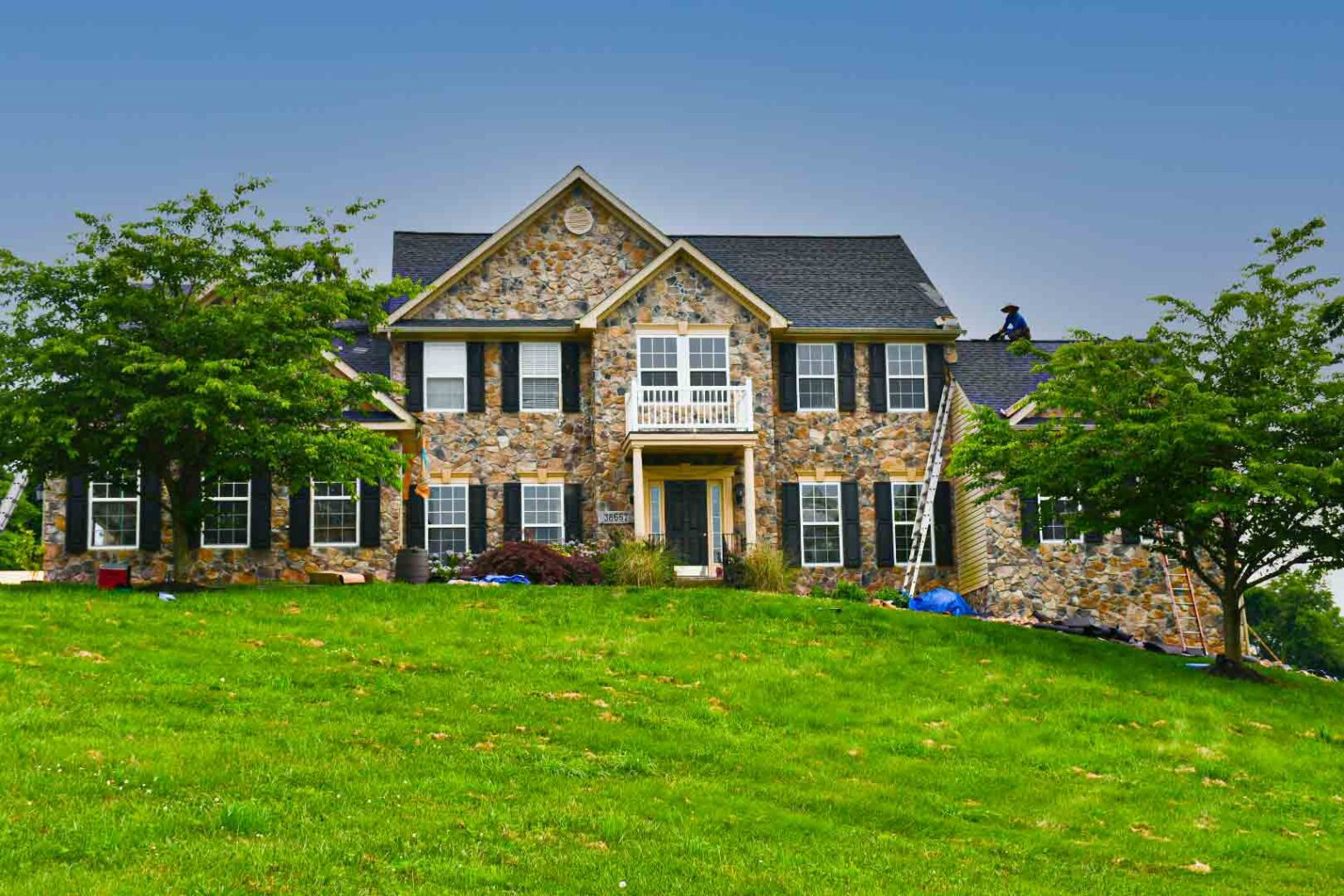
    refresh your landscaping

    Preparing the Landscape

    Tending to Your Outdoor Oasis

    As the leaves begin to change and temperatures cool down, it’s time to shift your attention to outdoor landscape maintenance. Your outdoor space is a precious oasis, and taking care of it in the fall ensures it remains inviting and healthy throughout the season.

    Lawn and Garden Care in Autumn

    Fall home maintenance tips extend beyond the house itself; they encompass your entire property, including your lawn and garden. Here’s how to keep your green spaces thriving in the autumn months:

    Autumn is an excellent time for lawn care. Start by aerating your lawn to allow oxygen, nutrients, and water to penetrate the soil. Apply a fall fertilizer to promote root growth and resilience during the winter. Consider overseeding to fill in bare spots.

    When it comes to your garden, remove spent annuals and vegetables that are no longer producing. Trim back perennials, but leave some for winter interest. Mulch the garden beds to protect against frost and keep weeds at bay.

    Pruning Trees and Shrubs

    Proper pruning of trees and shrubs in the fall not only enhances their appearance but also promotes healthier growth. Use sharp, clean tools to remove dead or diseased branches and any growth that obstructs pathways or structures. Avoid extensive pruning in the fall to prevent stimulating new growth that may not have time to harden before winter.

    Leaf Removal and Composting

    One of the iconic signs of fall is the colorful carpet of leaves on your lawn. While it may be picturesque, it’s essential to remove fallen leaves regularly. Accumulated leaves can smother your grass and become a breeding ground for pests and diseases. Consider composting leaves to create nutrient-rich soil for your garden next spring.

    Fall Landscaping Checklist

    Incorporating these fall landscaping tips into your home maintenance routine will help preserve the beauty and health of your outdoor oasis. From lawn care to tree pruning and leaf management, your landscape will thank you with a vibrant return in the spring.

    refresh your landscaping

    HVAC and Energy Efficiency

    Keeping Your Home Comfortable and Efficient

    Maintaining a comfortable and energy-efficient home during the fall season is vital for your overall well-being and your wallet. Here are some fall home maintenance tips to help you achieve just that:

    HVAC System Maintenance

    Your heating, ventilation, and air conditioning (HVAC) system plays a central role in maintaining indoor comfort. Ensure it’s in top shape:

    Inspect and Clean: Before the temperatures drop significantly, have your HVAC system inspected and cleaned by a professional. They will check for any issues and ensure it’s running efficiently.

    • Change Filters: Regularly change or clean the filters in your HVAC system. Clean filters help it operate efficiently and improve air quality.
    • Program Your Thermostat: Consider installing a programmable thermostat to adjust your home’s temperature automatically when you’re away or asleep, reducing energy consumption.

    Insulating Your Home

    Proper insulation is key to maintaining a comfortable temperature and energy efficiency in your home. Inspect and address these areas:

    • Attic Insulation: Inspect your attic’s insulation and add more if needed. Adequate attic insulation helps prevent heat loss.
    • Seal Windows and Doors: Apply weatherstripping or caulk to seal any gaps around windows and doors. This simple step can significantly reduce drafts.

    Checking and Replacing Weather Stripping

    Weather stripping is a cost-effective way to enhance energy efficiency. Check for worn or damaged weather stripping around doors and windows. Replace it as necessary to keep your home well-insulated.

    Optimizing Energy Usage in Autumn

    To optimize energy usage during the autumn season:

    • Use Natural Light: Take advantage of natural daylight to reduce the need for artificial lighting during the day.
    • Set Ceiling Fans to Reverse: Change the direction of your ceiling fans to clockwise to redistribute warm air that rises to the ceiling.
    • Regular Maintenance: Schedule regular maintenance for your HVAC system to ensure it operates efficiently.
    repairs roofing maintenance

    Safety and Security

    Creating a Safe and Secure Haven

    Ensuring the safety and security of your home and loved ones is paramount during the fall season. Here, we’ll cover some fall home maintenance tips that focus on safeguarding your home:

    Testing Smoke and Carbon Monoxide Detectors

    Smoke and carbon monoxide detectors are your first line of defense against potential disasters. Regularly testing these devices is essential:

    • Change Batteries: Replace the batteries in your smoke and carbon monoxide detectors every fall, even if they seem to be working fine. This small action can save lives.
    • Test Functionality: Test each detector to ensure it responds promptly to smoke or high carbon monoxide levels. If a device is malfunctioning, replace it immediately.

    Checking Home Security Systems

    With longer nights approaching, a well-functioning home security system is crucial for peace of mind. Here’s how to ensure it’s working correctly:

    • Test Alarms: Verify that your alarm system is functioning correctly by triggering a test alarm. Check all entry points, motion detectors, and surveillance cameras.
    • Update Access Codes: Change access codes and passwords regularly, and ensure that only authorized individuals have access to them.

    Winterizing Outdoor Plumbing

    As temperatures drop, it’s essential to protect your outdoor plumbing from freezing and potential damage:

    • Shut Off Exterior Faucets: Turn off the water supply to exterior faucets and drain any remaining water from the pipes to prevent freezing and bursting.
    • Insulate Pipes: Insulate exposed pipes in unheated areas, such as the garage or crawl spaces, to prevent freezing.

    Fall Home Safety Measures

    By implementing these fall home safety measures, you’ll create a secure haven for your family during the autumn and winter months. Regular maintenance and safety checks not only protect your home but also provide peace of mind knowing that you’ve taken the necessary steps to keep your loved ones safe.

    View More Articles

    Free, No Obligation

    Request Your Free Estimate & Inspection

    Tell us about your roof and we’ll come take a look — no pressure, no cost. Or call us right now on (703) 964-6233.

    (703) 964-6233
    Contact Form Demo (#3)
    Owens Corning Preferred Contractor GAF System Plus CertainTeed SureStart PLUS BBB A+ Accredited HomeAdvisor

    RNC Roofing

    RNC Roofing and Construction Group — The Roofing Contractor Specialists. Protecting your home, one shingle at a time.

    Virginia

    (703) 964-6233 Sterling · Leesburg · Ashburn
    Loudoun & Fairfax County

    Maryland

    (703) 964-6233 Beltsville · District Heights
    All of Maryland
    © 2026 RNC Roofing and Construction Group — The Roofing Contractor Specialists Northern Virginia & Maryland
  • Solar Shingles vs. Solar Panels: Making the Right Choice

    Protecting your home, one shingle at a time VA (703) 964-6233| MD (703) 964-6233| Free Estimate & Inspection
    Home Improvement

    Solar Shingles vs. Solar Panels: Making the Right Choice

    RNC Roofing and Construction Group September 20, 2023
    Solar Shingles vs. Solar Panels: Making the Right Choice

    Solar Shingles vs. Solar Panels: Making the Right Choice

    Choosing the right solar technology for your home is a decision that can significantly impact your energy efficiency, long-term savings, and even the aesthetics of your property. In this article, we will delve into the world of solar shingles vs. solar panels, exploring the pros and cons of each option to help you make an informed choice that suits your unique requirements.

    What are Solar Shingles?

    Understanding the Basics

    Solar shingles, often referred to as solar roof shingles, are a revolutionary solar energy solution that combines the functionality of traditional roofing materials with photovoltaic technology. These shingles are designed to serve a dual purpose: protecting your home from the elements while generating electricity from the sun.

    Seamless Integration with Aesthetics

    One of the standout features of solar shingles is their ability to seamlessly blend into your roofing structure. Unlike traditional solar panels, which are mounted on top of your existing roof, solar shingles replace your regular roofing materials. They sit flush with the roofline, providing a visually appealing and unobtrusive way to harness solar energy.

    Environmental Benefits and Sustainability

    Solar shingles are a green choice for environmentally conscious homeowners. By generating clean, renewable energy from the sun, they reduce your carbon footprint and decrease your reliance on fossil fuels. This eco-friendly approach not only benefits your household but also contributes to a more sustainable future.

    Cost Considerations and Potential Savings

    When evaluating solar shingles, it’s essential to consider the initial investment and long-term savings. While solar shingles may have a higher upfront cost compared to traditional roofing materials, they can result in substantial savings over time. You’ll not only generate your electricity but also potentially qualify for incentives and rebates, further enhancing your return on investment.

    solar panel tilt

    Solar Panels: Traditional Photovoltaic Systems

    Understanding Traditional Solar Panels

    Traditional solar panels, also known as photovoltaic (PV) panels, are the most widely recognized solar energy technology. These panels are designed to convert sunlight into electricity through the photovoltaic effect. They consist of solar cells made of semiconductor materials, typically silicon, which absorb sunlight and produce direct current (DC) electricity.

    Installation Options and Aesthetic Considerations

    When opting for traditional solar panels, you have various installation options. The most common approach involves mounting the panels on top of your existing roof. While this is a practical solution, it can impact the aesthetics of your home. Alternatively, solar panels can be integrated into roofing materials, similar to solar shingles, for a more seamless appearance.

    Efficiency and Energy Production

    Solar panels are renowned for their efficiency in converting sunlight into electricity. They tend to have a higher energy production capacity compared to solar shingles. However, the specific efficiency of your solar panel system can vary depending on factors such as panel type, orientation, and geographic location.

    Cost Considerations and Return on Investment (ROI)

    The initial cost of installing traditional solar panels can be lower than that of solar shingles. When considering solar panels, it’s essential to account for potential incentives, tax credits, and rebates offered by government programs or utilities. Over time, solar panels can yield significant long-term savings on your electricity bills, making them a financially sound investment.

    roof maintenance tips

    Comparing Efficiency and Performance

    Energy Generation Capabilities

    When comparing solar shingles vs. solar panels, one crucial aspect to consider is their energy generation capabilities. Solar panels, with their larger surface area, typically have a higher energy production capacity compared to solar shingles. This means that, under optimal conditions, traditional solar panels can generate more electricity. However, the specific efficiency of your system can vary depending on factors such as the type of panels used and their orientation towards the sun.

    Geographic Factors and Efficiency

    Efficiency isn’t solely determined by the technology itself. Geographic factors play a significant role. Solar panels tend to perform exceptionally well in areas with abundant sunlight, making them an ideal choice for regions with long, sunny days. On the other hand, solar shingles, while still effective, may be a better fit for locations with variable weather patterns since they can generate electricity even when partially shaded.

    Maintenance Requirements

    Maintenance is another aspect that sets these technologies apart. Solar panels typically require less maintenance than solar shingles. Panels need occasional cleaning and inspection to ensure they remain free of dirt and debris that can reduce efficiency. In contrast, solar shingles, being integrated into the roof, may be more challenging to access for maintenance but still require periodic checks to ensure their performance.

    Lifespan and Durability

    The lifespan and durability of both solar shingles and solar panels are essential considerations. Solar panels have a well-established track record, often lasting 25 years or more with proper maintenance. Solar shingles are relatively newer in the market, and while they are designed for durability, their longevity is still being assessed. When evaluating these options, it’s essential to consider the expected lifespan and warranty coverage to make an informed decision.

    solar panel installation steps

    Installation and Roofing Considerations

    Professional Installation is Key

    Whether you opt for solar shingles or traditional solar panels, the importance of professional installation cannot be overstated. Installing solar technology is a complex process that requires expertise to ensure the system’s safety, efficiency, and longevity. Hiring a certified solar installer ensures that your system is correctly set up, minimizing the risk of problems down the road.

    Roof Compatibility and Structural Considerations

    Before deciding on solar shingles or panels, it’s crucial to assess your roof’s compatibility and structural integrity. Both options require a solid foundation, but solar panels may impose additional weight, making it necessary to reinforce your roof’s structure. Solar shingles, being integrated into the roof, need to be compatible with your existing roofing materials and layout. A professional assessment will help determine which option suits your roof best.

    Warranty and Maintenance Differences

    Warranties and maintenance requirements can vary between solar shingles and panels. Solar panel systems typically come with separate warranties for panels and inverters, with warranties ranging from 10 to 25 years. Solar shingle warranties can vary based on the manufacturer but often align with traditional roofing warranties. Understanding these differences is essential for long-term peace of mind.

    Local Regulations and Permitting Processes

    Navigating local regulations and permitting processes is a crucial step in your solar installation journey. Requirements can vary by location, so it’s essential to research and comply with your area’s specific rules and regulations. This includes obtaining the necessary permits and approvals before installation begins.

    flat vs pitched roofing

    Making the Right Choice for Your Home

    Factors to Consider

    When faced with the decision between solar shingles and solar panels, several critical factors should guide your choice. Consider your location, budget, energy goals, and aesthetic preferences. Solar panels may be a more cost-effective choice upfront, but solar shingles offer seamless integration with your roof. Weigh these factors carefully to align your choice with your unique needs.

    Real-World Examples

    To help you visualize the practical implications of your decision, let’s explore some real-world examples. For instance, in a sun-drenched region with ample roof space, traditional solar panels might be the most cost-efficient solution. Conversely, in a neighborhood with strict aesthetic guidelines, solar shingles can preserve your home’s visual appeal.

    Expert Recommendations from Roofing Experience

    Drawing from our expertise in roofing, we recommend consulting with professionals who specialize in solar installations. Roofing contractors can assess your roof’s suitability for solar technology and provide valuable insights tailored to your specific situation. Their experience can be invaluable in making an informed decision.

    Emphasizing Informed Decision-Making

    In conclusion, the choice between solar shingles and solar panels hinges on a variety of factors, from efficiency and aesthetics to budget and location. By thoroughly evaluating these aspects and seeking expert guidance, you can make an informed decision that maximizes the benefits of solar energy for your home. Remember, it’s not just about choosing between solar shingles vs. solar panels; it’s about selecting the right energy solution to power your future sustainably.

    View More Articles

    Free, No Obligation

    Request Your Free Estimate & Inspection

    Tell us about your roof and we’ll come take a look — no pressure, no cost. Or call us right now on (703) 964-6233.

    (703) 964-6233
    Contact Form Demo (#3)
    Owens Corning Preferred Contractor GAF System Plus CertainTeed SureStart PLUS BBB A+ Accredited HomeAdvisor

    RNC Roofing

    RNC Roofing and Construction Group — The Roofing Contractor Specialists. Protecting your home, one shingle at a time.

    Virginia

    (703) 964-6233 Sterling · Leesburg · Ashburn
    Loudoun & Fairfax County

    Maryland

    (703) 964-6233 Beltsville · District Heights
    All of Maryland
    © 2026 RNC Roofing and Construction Group — The Roofing Contractor Specialists Northern Virginia & Maryland
  • Solar Roof Vents Pros and Cons – An In-Depth Analysis

    Protecting your home, one shingle at a time VA (703) 964-6233| MD (703) 964-6233| Free Estimate & Inspection
    Home Improvement

    Solar Roof Vents Pros and Cons – An In-Depth Analysis

    RNC Roofing and Construction Group September 20, 2023
    Solar Roof Vents Pros and Cons – An In-Depth Analysis

    Solar Roof Vents Pros and Cons – An In-Depth Analysis

    Solar roof vents, also known as solar attic fans or solar attic vents, are innovative ventilation systems designed to address the crucial issue of proper roof ventilation in residential and commercial buildings. These ingenious devices harness the power of the sun to promote effective air circulation within the attic or roof space.

    The Pros of Solar Roof Vents

    Enhanced Energy Efficiency

    Solar roof vents offer several advantages when it comes to improving energy efficiency in your home or building.

    • Reduced Cooling Costs: One of the primary benefits of solar roof vents is their ability to lower cooling costs. These vents expel hot air from your attic space, preventing it from seeping into your living areas. As a result, your air conditioning system doesn’t have to work as hard to maintain a comfortable indoor temperature, leading to energy savings.
    • Preservation of the Roof Structure: Solar roof vents help in maintaining the integrity of your roof. By venting out heat and moisture, they prevent the roof materials from overheating, warping, or deteriorating prematurely. This can extend the lifespan of your roof, potentially saving you from costly repairs.

    Eco-Friendly Operation

    In an era where sustainability is paramount, solar roof vents offer a green and eco-friendly solution.

    • Reduced Carbon Footprint: Solar roof vents harness the sun’s energy, which is a clean and renewable resource. By using solar power to operate, they reduce your reliance on electricity generated from fossil fuels, thereby lowering your carbon footprint and contributing to a more sustainable environment.
    • Utilization of Renewable Energy: Solar roof vents are entirely self-sustaining. They draw power from the sun during the day and continue to ventilate your attic even when the sun isn’t shining. This sustainable operation not only benefits the environment but also saves you money in the long run.

    Extended Roof Lifespan

    Proper ventilation plays a crucial role in extending the life of your roof.

    • Prevention of Moisture Damage: Solar roof vents help prevent moisture buildup in your attic, which can lead to rotting of wooden structures and insulation. By expelling moisture, they protect your roof from water-related damage, ensuring its longevity.
    • Reduced Risk of Mold and Mildew: Adequate ventilation also reduces the risk of mold and mildew growth in your attic. Mold can not only damage your roof structure but also pose health hazards to occupants. Solar roof vents actively combat this issue by maintaining a dry and well-ventilated attic space.

    Lower Maintenance Requirements

    Solar roof vents are designed for minimal hassle.

    • Self-Sustaining Operation: These vents require no external power source or ongoing electricity costs. Once installed, they operate autonomously, making them a low-maintenance ventilation solution.
    • Minimal Upkeep Necessary: Routine maintenance is minimal, typically involving cleaning the solar panel surface and ensuring the fan remains free of debris. This simplicity makes solar roof vents an attractive option for homeowners and property managers seeking hassle-free ventilation solutions.

    cons of solar roof vents

    The Cons of Solar Roof Vents

    While solar roof vents come with numerous advantages, it’s essential to consider the potential drawbacks before making a decision.

    Initial Installation Costs

    • Solar Panel and Ventilation System Expenses: One of the primary drawbacks of solar roof vents is the initial investment. Purchasing the solar vent unit and having it professionally installed can be relatively costly. The price can vary depending on the quality and capacity of the system, but it’s important to view this expense as a long-term investment in energy efficiency.
    • Professional Installation Requirements: Unlike some DIY ventilation solutions, solar roof vents typically require professional installation. This ensures that the unit is correctly placed, connected, and sealed to prevent leaks. While this adds to the upfront costs, it also guarantees proper operation and longevity.

    Climate Dependence

    • Variability in Energy Production: Solar roof vents rely on sunlight to generate power. Therefore, their effectiveness can vary depending on the climate and weather conditions in your location. In regions with frequent cloudy days or limited sunlight, the vents may not perform at their peak capacity, potentially reducing their overall benefits.
    • Limited Effectiveness in Certain Climates: In extremely cold climates, solar roof vents may not be as effective in preventing ice dam formation on roofs. Ice dams occur when snow melts, then refreezes at the roof’s edge, causing water backup. While solar vents can help to some extent, they may not entirely eliminate this issue in severe winter conditions.

    Aesthetic Considerations

    • Impact on the Roof’s Appearance: Installing solar roof vents can alter the look of your roof. While some people appreciate the modern, eco-friendly appearance of solar vents, others may find them less visually appealing. It’s important to consider how the addition of solar vents may affect the overall aesthetics of your home or building.
    • Potential Homeowner Associations Restrictions: If you live in a community governed by homeowner associations (HOAs), it’s crucial to check whether there are any restrictions or guidelines regarding the installation of solar roof vents. Some HOAs may have rules in place that limit the types or appearance of solar equipment that can be installed on roofs.

    budgeting tips financing roof

    Evaluating the Return on Investment (ROI)

    Calculating Potential Energy Savings

    When considering the installation of solar roof vents, it’s crucial to assess the potential return on investment in terms of energy savings.

    • Estimating Cooling Cost Reductions: Solar roof vents primarily contribute to energy savings by reducing cooling costs. They achieve this by expelling hot air from your attic, which, in turn, lowers the overall temperature inside your home. To calculate potential energy savings, start by estimating the reduction in your cooling expenses. This can vary depending on factors such as the size of your home, climate, and local energy prices.
    • Factoring in Tax Incentives and Rebates: Many regions offer tax incentives, rebates, or other financial incentives for adopting solar technologies, including solar roof vents. Be sure to research and consider these incentives when calculating your ROI. These incentives can significantly offset the initial installation costs, making the investment more attractive.

    Weighing Maintenance and Replacement Costs

    To assess the long-term benefits of solar roof vents, it’s essential to consider both maintenance requirements and potential replacement costs.

    • Analyzing Long-Term Savings: Solar roof vents are known for their self-sustaining operation and minimal upkeep. Calculate the potential long-term savings by comparing the ongoing maintenance costs of solar vents with traditional ventilation systems. While the initial investment may be higher, the lower maintenance expenses over time can contribute significantly to your ROI.
    • Comparing with Traditional Ventilation Systems: To make a well-informed decision, compare the ROI of solar roof vents with that of traditional ventilation systems. Traditional systems may have lower upfront costs but may require more energy and incur higher utility bills in the long run. By assessing the long-term benefits and savings, you can determine whether the investment in solar roof vents aligns with your financial goals.

    solar panel installation steps

    Maintenance and Troubleshooting

    When it comes to solar roof vents, ensuring their continued efficiency and longevity requires some routine maintenance. Let’s dive into the key aspects of maintenance and troubleshooting.

    Cleaning and Debris Removal

    To keep your solar roof vents operating optimally, it’s essential to regularly clean them. Dust, dirt, leaves, and other debris can accumulate on the panels, hindering their ability to harness sunlight. Here’s how you can do it:

    • Gently Remove Debris: Start by gently removing loose debris with a soft brush or a leaf blower. Avoid using abrasive materials that may scratch the surface.
    • Cleaning Solution: Mix a mild soapy solution with water and use a soft cloth or sponge to clean the surface. Rinse thoroughly with clean water.
    • Check for Clogs: Examine the vent openings for any clogs or obstructions, as these can affect airflow. Clear them carefully if necessary.

    Inspecting for Wear and Tear

    Regular inspections can help you catch potential issues early. Take the time to examine your solar roof vents for signs of wear and tear:

    • Check for Physical Damage: Look for cracks or damage to the vent housing, as this can compromise its integrity. Replace any damaged components promptly.
    • Inspect Wiring: Ensure that the electrical wiring connecting the vents is secure and undamaged. Loose or damaged wires can lead to electrical issues.

    Common Issues and Solutions

    Solar roof vents, like any technology, can encounter problems. Here are some common issues and steps to address them:

    Identifying and Addressing Performance Problems

    • Decreased Airflow: If you notice a decrease in airflow, it could be due to a clogged vent or a malfunctioning fan. Clean the vent and check for obstructions. If the issue persists, consult a professional.
    • Electrical Problems: Inconsistent or no operation could indicate electrical issues. Check the wiring and connections. If that doesn’t resolve the problem, consult an electrician.

    DIY Troubleshooting Tips

    • Strange Noises: Unusual noises from the solar roof vent may be caused by loose components or foreign objects inside. Turn off the vent, check for obstructions, and tighten any loose parts.
    • Reduced Efficiency: If your solar roof vent seems less efficient, it may need a thorough cleaning, or the solar panel could be damaged. Follow the maintenance steps mentioned earlier.

    Extending the Lifespan

    Solar roof vents are an investment, and you’ll want them to last as long as possible. Here are strategies to extend their lifespan

    • Regular Inspections: Perform routine checks to catch and address issues early, prolonging the vent’s lifespan.
    • Proactive Cleaning: Clean the vents at least twice a year to prevent dust buildup and maintain their efficiency.

    Upgrading and Modernizing Solar Roof Vents

    • Consider Upgrades: As technology advances, newer and more efficient solar roof vents may become available. Consider upgrading to take advantage of improved performance and energy savings.

    View More Articles

    Free, No Obligation

    Request Your Free Estimate & Inspection

    Tell us about your roof and we’ll come take a look — no pressure, no cost. Or call us right now on (703) 964-6233.

    (703) 964-6233
    Contact Form Demo (#3)
    Owens Corning Preferred Contractor GAF System Plus CertainTeed SureStart PLUS BBB A+ Accredited HomeAdvisor

    RNC Roofing

    RNC Roofing and Construction Group — The Roofing Contractor Specialists. Protecting your home, one shingle at a time.

    Virginia

    (703) 964-6233 Sterling · Leesburg · Ashburn
    Loudoun & Fairfax County

    Maryland

    (703) 964-6233 Beltsville · District Heights
    All of Maryland
    © 2026 RNC Roofing and Construction Group — The Roofing Contractor Specialists Northern Virginia & Maryland
  • Raised Shingles on Roof: Causes, Risks, and Solutions

    Protecting your home, one shingle at a time VA (703) 964-6233| MD (703) 964-6233| Free Estimate & Inspection
    Home Improvement

    Raised Shingles on Roof: Causes, Risks, and Solutions

    RNC Roofing and Construction Group September 13, 2023
    Raised Shingles on Roof: Causes, Risks, and Solutions

    Raised Shingles on Roof: Causes, Risks, and Solutions

    Addressing raised shingles promptly is essential for maintaining the integrity of your roof and the overall safety and comfort of your home. When shingles are lifted, they can expose your roof’s underlying structure to the elements, leading to potential water leaks, insulation problems, and even safety hazards.

    What Are Raised Shingles?

    When it comes to roofing issues, understanding the basics is the first step toward effective solutions. In this section, we will explore what raised shingles on roofs are, commonly referred to as “lifted roof shingles” or “elevated roofing material,” and the underlying causes that can lead to this problem.

    Definition and Explanation of Raised Shingles

    Raised shingles are sections of your roofing where the shingle material has lifted or become detached from its intended position. This can result in visible gaps or pockets on your roof’s surface, leaving it exposed to potential damage from the elements. To put it simply, raised shingles are like a gap in your home’s protective armor.

    While we primarily refer to them as raised shingles, it’s helpful to know that they may also be called “lifted roof shingles” or “elevated roofing material.” These terms are often used interchangeably in the industry and can help you better understand the issue when seeking information or assistance.

    Common Causes of Raised Shingles

    Now that we know what raised shingles are, let’s explore why they occur. There are several common causes, and understanding these factors can provide insights into how to prevent or address the issue effectively. In the next section, we’ll dive deeper into these causes to help you grasp the full picture of this roofing concern.

    wind damage roof repair

    Causes of Raised Shingles

    Understanding what leads to raised shingles on roofs is essential to prevent and address this issue effectively. Let’s delve into the various causes, grouped into three main categories: weather-related factors, poor installation practices, and age-related wear and tear.

    Weather-Related Factors

    Heavy Winds and Storms: Mother Nature can be relentless, and strong winds and severe storms are among the top culprits for raised shingles. When wind speeds pick up, they exert force on your roof’s shingles, potentially causing them to lift.

    • Extreme Temperature Fluctuations: Roofing materials expand and contract with temperature changes. Over time, this can lead to the adhesive properties of shingles weakening, making them more susceptible to lifting during temperature fluctuations.

    Poor Installation Practices

    Inadequate Sealing and Nailing: During the initial installation of your roof, improper sealing or nailing of shingles can leave them vulnerable to being lifted. Shingles must be securely fastened to prevent future issues.

    • Incorrect Alignment: If shingles are not aligned correctly during installation, they may not overlap properly. This misalignment can create weak points where wind and moisture can penetrate, potentially leading to raised shingles.

    Age and Wear

    • Effects of Aging on Roofing Materials: Like any other part of your home, your roof ages over time. As it does, the roofing materials can become less flexible and more prone to damage. Shingles may start to lose their grip, leading to raised areas.
    • Signs of Wear Leading to Raised Shingles: Keep an eye out for signs of wear and tear on your roof, such as cracked or missing shingles, loose granules, or visible gaps. These are indicators that your roof may be at risk of developing raised shingles.

    fix leaky roof

    Risks Associated with Raised Shingles

    Now that we understand what raised shingles on roofs are and what causes them, let’s explore the significant risks and potential consequences associated with this roofing issue. Addressing raised shingles promptly is crucial to avoid these problems.

    Leaks and Water Damage

    How Raised Shingles Can Lead to Leaks: When shingles become raised or detached, they create openings in your roof’s protective barrier. Rainwater and moisture can easily infiltrate through these gaps, leading to leaks inside your home. These leaks may not be immediately noticeable but can cause extensive damage over time.

    • Potential Interior and Structural Damage: Left untreated, water leaks can damage your home’s interior, including ceilings, walls, and insulation. In severe cases, it can even compromise the structural integrity of your home. Timely repair of raised shingles is essential to prevent costly water damage.

    Decreased Energy Efficiency

    Insulation and Ventilation Issues: Raised shingles can disrupt your roof’s insulation and ventilation system. When the roofing material is lifted, it can impact the effectiveness of insulation, making it harder to maintain a comfortable temperature inside your home. Additionally, poor ventilation can lead to excess heat buildup in the summer and moisture problems in the winter.

    • Impact on Heating and Cooling Costs: As your home’s energy efficiency decreases, you may notice an increase in heating and cooling costs. Your HVAC system will have to work harder to maintain a comfortable indoor temperature, leading to higher energy bills.

    Safety Hazards

    Slipping Hazards: Raised shingles can create uneven surfaces on your roof, making it hazardous for anyone who needs to access the roof for maintenance or repairs. It’s essential to ensure the safety of those working on your roof.

    • Potential Damage to People and Property: In severe cases, raised shingles can pose a danger to both people and property. Shingles that become dislodged during a storm, for example, can cause damage to vehicles or harm individuals nearby.

    choosing roof contractor tips

    Detecting Raised Shingles

    Detecting raised shingles on your roof in their early stages is crucial to prevent further damage and costly repairs. In this section, we will discuss effective techniques for identifying raised shingles and the signs that should prompt you to seek professional assistance.

    Visual Inspection Techniques

    • Walking the Roof Safely: To perform a visual inspection, it’s essential to do so safely. If you’re comfortable and confident, carefully walk the roof, ensuring you take necessary precautions like using safety harnesses and proper footwear. This up-close examination allows you to spot raised shingles and other issues.
    • Using Binoculars for Close-up Examination: If walking the roof isn’t feasible or safe, using binoculars from a safe vantage point can provide a detailed view. Focus on different sections of the roof, paying close attention to areas where raised shingles are more likely to occur, such as roof edges or valleys.

    Signs to Look For

    Curling or Buckling Shingles: One of the most visible signs of raised shingles is shingle curling or buckling. When shingles lift, they can curl at the edges or develop noticeable waves. These irregularities are clear indicators of a problem.

    • Visible Gaps or Cracks: Inspect the shingle seams for any gaps or cracks. Raised shingles may create openings between shingles or cause them to crack along their surface. These openings can allow moisture to penetrate your roof.
    • Loose or Missing Granules: Raised shingles can sometimes result in the loss of granules, the protective layer on the shingle’s surface. Check for granules in your gutters or downspouts, as this can signal shingle problems.

    When to Seek Professional Help

    While some homeowners may be comfortable with DIY roof inspections, it’s crucial to recognize when it’s time to seek professional assistance. If you notice any of the above signs or are unsure about the condition of your roof, it’s wise to consult with a roofing professional. They have the expertise and tools to conduct a comprehensive assessment and recommend the necessary repairs or replacements.

    labor cost for roofing

    Solutions and Repairs

    When it comes to addressing raised shingles on your roof, you have several options for solutions and repairs. In this section, we’ll explore the choices available, from do-it-yourself (DIY) fixes to seeking professional assistance and preventive measures to keep your roof in optimal condition.

    DIY vs. Professional Repairs

    Before deciding on the best approach, it’s essential to weigh the pros and cons of DIY repairs versus seeking professional help. DIY repairs can be cost-effective for minor issues if you have the necessary skills, tools, and safety precautions. However, for more extensive or complex problems, it’s often safer and more efficient to consult a roofing professional who can ensure a long-lasting solution.

    Repairing Raised Shingles

    Re-nailing or Re-sealing: For minor instances of raised shingles, you can attempt to re-nail or re-seal them back into place. Carefully lift the affected shingle, apply roofing cement or sealant underneath, and then secure it with roofing nails. Be cautious not to further damage the shingle during this process.

    • Replacing Damaged Shingles: In cases where the shingles are significantly damaged or cannot be re-secured, replacement may be necessary. Gently remove the damaged shingle by prying up the surrounding shingles, and then replace it with a new one. Ensure proper alignment and secure it with roofing nails and sealant.

    Preventing Raised Shingles

    • Regular Roof Maintenance: The best way to prevent raised shingles is through regular roof maintenance. Schedule routine inspections to identify and address potential issues early. Clear debris, trim overhanging branches, and clean your gutters to ensure water can flow freely off your roof.
    • Choosing Durable Roofing Materials: When it’s time for a roof replacement or installation, choose durable roofing materials that are less likely to develop raised shingles over time. Discuss your options with a roofing professional to make an informed choice.
    • Professional Roof Inspections: Periodic inspections by a qualified roofing contractor are invaluable for maintaining your roof’s health. Professionals can identify and fix problems before they escalate, saving you time and money in the long run.

    View More Articles

    Free, No Obligation

    Request Your Free Estimate & Inspection

    Tell us about your roof and we’ll come take a look — no pressure, no cost. Or call us right now on (703) 964-6233.

    (703) 964-6233
    Contact Form Demo (#3)
    Owens Corning Preferred Contractor GAF System Plus CertainTeed SureStart PLUS BBB A+ Accredited HomeAdvisor

    RNC Roofing

    RNC Roofing and Construction Group — The Roofing Contractor Specialists. Protecting your home, one shingle at a time.

    Virginia

    (703) 964-6233 Sterling · Leesburg · Ashburn
    Loudoun & Fairfax County

    Maryland

    (703) 964-6233 Beltsville · District Heights
    All of Maryland
    © 2026 RNC Roofing and Construction Group — The Roofing Contractor Specialists Northern Virginia & Maryland
  • Dark Shingles vs Light Shingles: Stay Informed On Your Roof

    Protecting your home, one shingle at a time VA (703) 964-6233| MD (703) 964-6233| Free Estimate & Inspection
    Home Improvement

    Dark Shingles vs Light Shingles: Stay Informed On Your Roof

    RNC Roofing and Construction Group September 6, 2023
    Dark Shingles vs Light Shingles: Stay Informed On Your Roof

    Dark Shingles vs Light Shingles: Stay Informed On Your Roof

    In the world of roofing, choosing the right material can be a critical decision for homeowners. One of the key choices they face is between dark shingles and light shingles, each offering its own set of advantages and considerations. In this article, we will explore the factors that should guide your decision when it comes to selecting the ideal roofing material for your home.

    Understanding Dark Shingles

    When it comes to roofing, dark shingles are a popular choice that offers a distinct set of characteristics. Let’s delve into what defines dark shingles and explore the advantages and drawbacks associated with them.

    Defining Dark Shingles

    Dark shingles, as the name suggests, are roofing materials that come in deep, rich colors. These shingles are typically darker shades of brown, gray, black, or even deep red. They are known for their ability to absorb and retain heat.

    Advantages of Choosing Dark Shingles

    Energy Efficiency in Colder Climates: Dark shingles excel in colder regions. They absorb sunlight and heat, which can help melt snow and ice on the roof more effectively. This can prevent the formation of ice dams and potential roof damage caused by the weight of accumulated snow.

    Enhanced Curb Appeal on Certain Architectural Styles: Dark shingles often provide a striking contrast to light-colored siding or architectural elements. They can lend a sophisticated and classic look to homes with specific design aesthetics.

    Drawbacks of Dark Shingles

    Increased Heat Absorption in Hot Climates: While the heat-absorbing quality of dark shingles can be an advantage in cold climates, it can be a drawback in hotter regions. Dark shingles can make your home warmer in the summer, potentially increasing cooling costs.

    Potential for Quicker Fading and Wear: Dark shingles may be more prone to fading over time due to their exposure to the sun’s ultraviolet (UV) rays. This can affect their appearance and longevity, leading to the need for more frequent replacements or repairs.

    exploring pitched roofs

    Exploring Light Shingles

    Light shingles, are a distinct category of roofing materials that bring their own unique qualities to the table. In this section, we will define and describe light shingles and delve into their advantages and disadvantages.

    Defining Light Shingles

    Light shingles are roofing materials that come in softer and lighter colors. These shingles typically include shades of beige, light gray, or even white. They are known for their reflective properties and their ability to resist heat absorption.

    Benefits of Opting for Light Shingles

    Reflective Properties for Energy Savings in Warm Climates: Light shingles excel in warmer regions. Their reflective surfaces bounce back a significant amount of sunlight, reducing heat absorption. This can help keep your home cooler during hot summers, potentially leading to energy savings and increased comfort.

    Reduced Heat Absorption, Potentially Extending the Roof’s Lifespan: Light shingles are less likely to absorb excessive heat. This quality can contribute to a longer lifespan for your roof by reducing the wear and tear caused by temperature fluctuations.

    Drawbacks of Light Shingles

    May Not Complement All Architectural Styles: While light shingles offer several advantages, they may not be the ideal choice for all architectural styles. Some homeowners may find that light shingles do not harmonize as well with the overall aesthetics of their homes.

    Less Effective at Melting Ice and Snow in Cold Climates: In regions with heavy snowfall and cold winters, light shingles may not be as effective at melting ice and snow compared to their dark counterparts. This can lead to the formation of ice dams, which may require extra maintenance.

    factors influencing roof replacement

    Factors to Consider

    When it comes to choosing between dark shingles and light shingles, homeowners should weigh several key factors to make an informed decision that suits their unique needs and circumstances. Let’s explore these essential considerations:

    Climate and Local Weather Patterns

    One of the foremost factors to ponder is your local climate. The weather in your region plays a pivotal role in determining the ideal shingle color for your roof. In colder climates, where snow and ice are prevalent during winter months, dark shingles might be advantageous. They can help melt snow and ice more efficiently, potentially preventing ice dams and the associated roof damage. In contrast, light shingles are better suited for warmer climates, where their reflective properties can reduce heat absorption and contribute to energy savings.

    Architectural Style and Home Aesthetics

    Consider the architectural style and overall aesthetics of your home. The color of your shingles should harmonize with your home’s design. Dark shingles can provide a classic and bold appearance, complementing certain architectural styles. On the other hand, light shingles offer a softer and more contemporary look. It’s important to choose a shingle color that enhances your home’s curb appeal and fits seamlessly with its style.

    Energy Efficiency Goals

    If you have specific energy efficiency goals for your home, such as reducing heating or cooling costs, your choice of shingle color can impact your success. Dark shingles can aid in heating your home more effectively in cold climates but may increase cooling costs in hot regions. Light shingles, with their reflective properties, are better suited for reducing cooling costs in warm climates. It’s essential to align your energy efficiency goals with your shingle choice.

    Long-Term Maintenance and Cost Considerations

    Roofing is a long-term investment, and the choice of shingle color can influence maintenance and replacement costs over time. Dark shingles may require more frequent maintenance and replacement due to potential fading and wear. Light shingles, by contrast, may have a longer lifespan. Consider the long-term cost implications and maintenance requirements associated with your chosen shingle color.

    what is roof flashing

    Making an Informed Decision

    Conduct a Climate Analysis for Your Region

    Start by assessing the climate in your local area. The weather patterns and temperature extremes in your region should play a pivotal role in your decision-making process. If you live in a colder climate with heavy snowfall, dark shingles may be more advantageous for their heat-absorbing properties, which can help prevent ice dams. Conversely, if you reside in a warmer area, light shingles with their reflective qualities may be a better fit, potentially reducing cooling costs.

    Consult with a Roofing Professional for Expert Advice

    Don’t hesitate to seek the expertise of a professional roofing contractor. They have hands-on experience and can provide valuable insights tailored to your specific situation. A roofing professional can assess your home, consider your climate, and discuss your aesthetic preferences to recommend the most suitable shingle color for your needs. Their advice can be invaluable in making the right choice.

    Consider the Long-Term Cost Implications

    Roofing is a long-term investment, and your choice of shingle color can impact maintenance and replacement costs over the years. While dark shingles may excel in certain climates, they might require more frequent maintenance and replacements due to potential fading. On the other hand, light shingles may have a longer lifespan. Consider not only the upfront cost but also the long-term expenses associated with your chosen shingle color.

    Factor in Personal Aesthetic Preferences

    Your home is an expression of your personal style, and the color of your shingles should complement your aesthetic preferences. Consider how each shingle color option will blend with your home’s architecture and exterior design. Visualize the final look and feel of your home with both dark and light shingles to ensure your choice aligns with your vision.

    View More Articles

    Free, No Obligation

    Request Your Free Estimate & Inspection

    Tell us about your roof and we’ll come take a look — no pressure, no cost. Or call us right now on (703) 964-6233.

    (703) 964-6233
    Contact Form Demo (#3)
    Owens Corning Preferred Contractor GAF System Plus CertainTeed SureStart PLUS BBB A+ Accredited HomeAdvisor

    RNC Roofing

    RNC Roofing and Construction Group — The Roofing Contractor Specialists. Protecting your home, one shingle at a time.

    Virginia

    (703) 964-6233 Sterling · Leesburg · Ashburn
    Loudoun & Fairfax County

    Maryland

    (703) 964-6233 Beltsville · District Heights
    All of Maryland
    © 2026 RNC Roofing and Construction Group — The Roofing Contractor Specialists Northern Virginia & Maryland
  • Solar Roof Benefits: Harnessing Clean Energy and Financial Gains

    Protecting your home, one shingle at a time VA (703) 964-6233| MD (703) 964-6233| Free Estimate & Inspection
    Home Improvement

    Solar Roof Benefits: Harnessing Clean Energy and Financial Gains

    RNC Roofing and Construction Group August 29, 2023
    Solar Roof Benefits: Harnessing Clean Energy and Financial Gains

    Solar Roof Benefits: Harnessing Clean Energy and Financial Gains

    As we step into a future fueled by sustainable practices, the concept of solar roofs has emerged as a shining beacon of innovation. In a world increasingly mindful of our environmental footprint, harnessing the power of the sun through solar roofs has gained remarkable traction. These roofs are not just about shelter; they embody a technological leap toward energy efficiency and independence.

    Energy Independence and Cost Savings

    Harnessing the Power of the Sun

    Embracing solar roof benefits isn’t just about installing solar panels on your roof; it’s about tapping into a boundless energy source that’s available every day. Solar roofs, also known as photovoltaic (PV) systems, work by capturing sunlight and converting it into usable electricity. This innovative process not only reduces your reliance on conventional energy sources but also transforms your roof into a miniature power plant, quietly producing clean energy right above your head.

    Savings That Add Up

    One of the most compelling solar roof benefits is the potential for substantial cost savings. By generating your own electricity, you’ll see a noticeable reduction in your monthly energy bills. As your solar roof harnesses the sun’s energy, it offsets the electricity you would otherwise need to purchase from the grid. Over time, these savings can accumulate, easing the strain on your household budget and providing you with more financial freedom.

    Net Metering: A Win-Win Scenario

    Understanding net metering is essential when discussing solar roof benefits. This practice allows you to send excess electricity generated by your solar roof back to the grid. In return, you receive credits from your utility company, effectively “banking” the surplus energy. During periods when your solar roof might not generate enough electricity (such as at night or during cloudy days), you can use these credits to draw power from the grid without incurring additional costs.

    Empowerment Through Solar Roofs

    Solar roofs epitomize the concept of energy independence. By producing your own electricity, you’re less vulnerable to fluctuations in energy prices and supply disruptions. Moreover, the more your solar roof generates, the less you rely on fossil fuels and their associated costs. This shift towards self-sufficiency not only benefits your wallet but also contributes to a more sustainable energy future for your community and beyond.

    environmental impact shingles

    Environmental Advantages

    Reducing the Carbon Footprint

    When we talk about solar roof benefits, one of the foremost environmental gains comes from the reduction in carbon footprint. Traditional energy production heavily relies on fossil fuels, emitting harmful greenhouse gases into the atmosphere. By adopting solar roofs, we take a significant stride towards a cleaner future. These innovative roofs harness the sun’s energy, eliminating the need for fossil fuel consumption and thus playing a vital role in curbing greenhouse gas emissions.

    Embracing Sustainable Home Practices

    Solar roofing isn’t just a technological advancement; it’s a commitment to sustainable living. As you power your home with renewable energy, you actively contribute to the preservation of natural resources. Solar roofs resonate with eco-conscious individuals who want to align their daily lives with environmentally friendly practices. By choosing solar energy, you become part of a larger movement that seeks to harmonize human activities with the planet’s wellbeing.

    Conservation of Precious Resources

    Beyond air quality, solar roofs also play a pivotal role in conserving another invaluable resource: water. Traditional electricity generation often demands vast amounts of water for cooling and other processes. Solar energy production, on the other hand, requires minimal water usage, significantly reducing strain on water supplies. By minimizing water consumption, solar roofs safeguard this finite resource and alleviate the stress on ecosystems that depend on it.

    A Greener Path Ahead

    Solar roofs symbolize more than just a technical innovation; they embody a greener, more sustainable path for our homes and communities. By adopting solar technology, you not only take advantage of cost savings and energy independence but also become an active participant in the global effort to combat climate change and environmental degradation. As we proceed through this article, we’ll delve into additional benefits that solar roofs bring to homeowners – benefits that extend beyond financial savings and into a brighter, healthier future for our planet.

    advantages of roofing maintenance

    Long-Term Investment and Property Value

    Calculating Returns with Solar Roofs

    When considering the implementation of solar roofs, understanding the financial aspect is crucial. Solar roof benefits extend beyond immediate energy savings. By harnessing solar energy, homeowners embark on a long-term investment that can yield substantial returns. Analyzing the return on investment (ROI) involves assessing factors such as installation costs, energy savings over time, and potential incentives. This calculation unveils the economic advantage of embracing solar technology, often leading to a positive financial outlook in the years to come.

    Elevating Property Value

    Studies consistently demonstrate that solar installations significantly elevate property values. Homes equipped with solar roofs tend to have higher market values compared to their non-solar counterparts. This increase isn’t merely a result of reduced energy bills; it’s a reflection of the growing demand for sustainable living and the allure of homes that contribute positively to the environment. As solar energy continues to gain prominence, properties with solar roofs are positioned as desirable assets in a world that values eco-conscious choices.

    Attracting Discerning Buyers

    The allure of a solar-equipped roof extends beyond financial considerations. In today’s real estate market, environmentally responsible choices hold immense appeal. A home with a solar roof becomes a statement of forward-thinking, showcasing the homeowner’s commitment to both modern technology and ecological preservation. The potential to generate clean energy on-site adds an attractive edge, drawing the attention of buyers who seek residences that align with their values.

    A Profitable Fusion of Sustainability and Value

    Solar roofs merge sustainability with tangible financial benefits. They signify not only a conscious decision to reduce carbon footprints but also a shrewd investment strategy. As we explore the subsequent sections, we’ll delve into the durability and minimal maintenance requirements of solar roofs, providing a comprehensive view of how these systems can truly redefine roofing expectations. Join us as we uncover the lasting advantages that solar roofs offer, transforming roofs from static structures to dynamic contributors to both financial security and environmental wellbeing.

    cost of new roof in virginia

    Durability and Maintenance

    Crafted for Resilience

    When it comes to solar roof benefits, durability takes center stage. Modern solar roofing systems are meticulously engineered to withstand the rigors of diverse weather conditions. These roofs are constructed using top-tier materials, ensuring they remain steadfast against rain, wind, snow, and even hail. The integration of solar panels doesn’t compromise the structural integrity; instead, it reinforces it, providing you with a roofing solution that not only generates energy but also safeguards your home for years to come.

    Simplicity in Maintenance

    One of the remarkable advantages of solar roofs is their minimal maintenance requirements. Unlike traditional roofing systems that might demand regular inspections and repairs, solar roofs have fewer moving parts, reducing the likelihood of malfunctions. These systems are designed to be self-sufficient, requiring little intervention beyond occasional cleaning to ensure optimal sunlight absorption. This simplicity in maintenance translates to convenience and peace of mind for homeowners.

    Extending the Roof’s Lifespan

    Solar panels aren’t just energy producers; they can also serve as protective shields for your underlying roof. By covering a portion of the roof’s surface, solar panels shield it from direct exposure to elements like harsh sunlight, rain, and debris. This protective layer can potentially extend the lifespan of your roof by minimizing wear and tear. As a result, your solar roof benefits aren’t limited to energy savings – they also contribute to the overall longevity of your home’s roofing system.

    Investing in Long-Term Reliability

    With solar roofs, durability and longevity intertwine seamlessly. By installing a solar roofing system, you’re not only adopting a sustainable energy solution but also securing a robust, enduring roof. The reduced maintenance demands and potential for an extended roof lifespan underscore the practicality and wisdom of choosing solar technology for your home. As we proceed through this article, we’ll delve further into the incentives and financial support available for adopting solar roofs, solidifying the notion that this investment is both forward-looking and value-driven.

    budgeting tips financing roof

    Government Incentives and Tax Benefits

    Promoting Solar Adoption

    Government incentives play a pivotal role in making solar roof benefits accessible to a broader audience. Various programs, operating at federal, state, and local levels, incentivize homeowners to embrace solar technology. These initiatives often take the form of rebates, grants, and tax incentives, significantly offsetting the initial investment. By participating in these solar incentive programs, you not only contribute to environmental sustainability but also reap financial rewards that make adopting solar roofs an attractive proposition.

    Unlocking Tax Credits

    Tax benefits further sweeten the deal when considering solar roof installations. Exploring the landscape of tax credits can lead to substantial reductions in the upfront costs associated with installing solar panels. Federal and state tax credits are available to homeowners who choose to integrate solar technology into their roofs. These credits directly lower the amount of taxes owed, creating a financial cushion that makes transitioning to solar roofs more financially feasible.

    Affordable Transition to Solar Roofs

    Financial support doesn’t end with tax credits; additional avenues exist to assist homeowners in making the leap to solar roofs. Rebates offered by utilities and organizations can further reduce the initial investment, making solar roof benefits attainable for a wider range of individuals. Furthermore, financing options, including loans and leasing arrangements, empower homeowners to install solar roofs without bearing the entire upfront cost. This diverse array of financial assistance transforms solar roofs from a luxury reserved for a few to a practical choice for many.

    Seizing the Opportunity

    Government incentives and tax benefits form the cornerstone of the solar roof revolution. As we conclude this exploration of the benefits of solar roofs, it’s essential to recognize the symbiotic relationship between environmental consciousness and financial gains. By harnessing solar energy, you contribute to a greener world while enjoying tangible economic advantages. The availability of solar incentive programs, tax credits, and financial support transforms the notion of solar roofs from a distant aspiration into a present-day possibility.

    View More Articles

    Free, No Obligation

    Request Your Free Estimate & Inspection

    Tell us about your roof and we’ll come take a look — no pressure, no cost. Or call us right now on (703) 964-6233.

    (703) 964-6233
    Contact Form Demo (#3)
    Owens Corning Preferred Contractor GAF System Plus CertainTeed SureStart PLUS BBB A+ Accredited HomeAdvisor

    RNC Roofing

    RNC Roofing and Construction Group — The Roofing Contractor Specialists. Protecting your home, one shingle at a time.

    Virginia

    (703) 964-6233 Sterling · Leesburg · Ashburn
    Loudoun & Fairfax County

    Maryland

    (703) 964-6233 Beltsville · District Heights
    All of Maryland
    © 2026 RNC Roofing and Construction Group — The Roofing Contractor Specialists Northern Virginia & Maryland
  • How Solar Works: Explaining Solar Energy Utilization

    Protecting your home, one shingle at a time VA (703) 964-6233| MD (703) 964-6233| Free Estimate & Inspection
    Home Improvement

    How Solar Works: Explaining Solar Energy Utilization

    RNC Roofing and Construction Group August 25, 2023
    How Solar Works: Explaining Solar Energy Utilization

    How Solar Works: Explaining Solar Energy Utilization

    In this article, we will dive into how solar works and its diverse applications. Solar power, a cornerstone of renewable energy, harnesses the sun’s radiant energy to generate electricity, offering a sustainable solution to our energy needs.

    Unveiling the Dynamics of Solar Energy

    Exploring the Fundamental Concept of Solar Energy

    Solar energy, often termed as photovoltaic energy, is a pivotal player in the realm of renewable resources. The significance of this clean and abundant energy source cannot be overstated, as it not only reduces our dependence on non-renewable fossil fuels but also curbs greenhouse gas emissions.

    The Sun’s Radiant Bounty:

    At the core of solar energy lies the sun, our colossal celestial furnace that showers our planet with an unfathomable amount of energy. This radiant energy is composed of tiny packets called photons, which travel from the sun to Earth in a mere 8 minutes and 20 seconds.

    Harnessing Photovoltaic Cells:

    The process of converting sunlight into usable energy is orchestrated by photovoltaic cells. These specialized cells, often known as solar cells, are predominantly made from silicon, a semiconductor material. When sunlight strikes these cells, the photons transfer their energy to electrons, liberating them from their atoms and creating an electric current.

    Transforming DC into AC:

    However, the electricity generated by solar cells is in the form of direct current (DC), whereas our homes and businesses primarily utilize alternating current (AC). Here’s where inverters come into play. Inverters are like linguistic interpreters, translating the language of energy from DC to AC, making it compatible with our electrical systems.

    How Solar Panels Harness Sunlight

    Solar panels, the heart of any photovoltaic system, are marvels of modern technology that capture the sun’s energy and transform it into usable electricity. Let’s explore the intricate dance within these panels that powers our homes and businesses.

    Composition and Components:

    Solar panels are intricate assemblies composed of several layers working in harmony. At the core are photovoltaic cells, often made from crystalline silicon or thin-film materials. These cells are sandwiched between protective layers, often tempered glass on the front and a polymer backing. Together, these elements shield the cells from the elements while allowing sunlight to penetrate.

    The Photovoltaic Effect:

    Central to the magic of solar panels is the photovoltaic effect. When photons, the tiny packets of energy from sunlight, strike the surface of the photovoltaic cells, they agitate the electrons within the cell’s material. This agitation knocks the electrons loose, creating an electric current. It’s like a choreographed dance where sunlight’s energy prompts an energetic response within the material.

    Semiconductor Alchemy:

    Key to this process is the semiconductor nature of the cell’s material, typically silicon. Silicon’s atomic structure allows it to hold both positively charged “holes” and negatively charged electrons. When sunlight frees an electron, the material guides it through an external circuit, creating an electric flow. This flow is direct current (DC), which is the form of electricity generated by the panels.

    role of inverters

    The Role of Inverters: Converting DC to AC Power

    In the realm of solar energy systems, inverters are unsung heroes that perform a vital task: transforming the direct current (DC) generated by solar panels into the alternating current (AC) that powers our homes and businesses. Let’s delve into the world of inverters and their pivotal role in making solar energy usable.

    Introduction to Inverters:

    Inverters are the linguistic bridge between the language of energy generated by solar panels and the electrical appliances that speak the AC dialect. They act as transformers, changing the nature of the current to match the requirements of our daily lives. In essence, they’re the interpreters ensuring a seamless conversation between solar panels and our homes.

    DC to AC Transformation:

    Solar panels are remarkably efficient at generating DC, but the majority of our appliances rely on AC. This is where inverters shine. They take the direct current produced by the panels and convert it into alternating current, which aligns with the power grid’s language. This transformed energy can then flow into our electrical systems, lighting up rooms and energizing devices.

    Types of Inverters:

    There’s a diverse range of inverters catering to different solar system setups. String inverters, for instance, are the traditional workhorses that connect an entire string of panels to a single inverter. On the other hand, microinverters are small, module-level inverters that accompany each solar panel, optimizing energy production and enabling better system monitoring. Power optimizers take a middle ground, ensuring maximum power harvest from each panel while using a centralized inverter.

    storing solar power

    Storing Excess Energy with Batteries

    Understanding the Functionality of Solar Battery Storage

    In the dynamic world of solar energy, storing the surplus power generated during sun-drenched days is a key puzzle piece for round-the-clock energy availability. Let’s delve into the captivating realm of solar battery storage and how it addresses the ebb and flow of energy supply.

    Challenges and the Role of Batteries:

    Harnessing the sun’s energy is a remarkable feat, but its availability fluctuates with the time of day and weather conditions. This challenge of intermittency can be mitigated by storing excess energy for later use. This is where solar batteries step in as reservoirs, allowing us to tap into stored energy during cloudy periods or even after the sun has set.

    Advantages of Energy Storage:

    The beauty of solar battery storage lies in its ability to extend the benefits of solar energy beyond daylight hours. By saving the excess energy produced during peak sun periods, homeowners can tap into their energy reserves during the evening or when the skies are overcast. This self-sufficiency not only reduces reliance on the grid but also provides a hedge against potential power outages.

    Variety of Battery Chemistries:

    Solar battery storage isn’t a one-size-fits-all solution; it’s an intricate tapestry of battery chemistries, each with its strengths. Lithium-ion batteries, for instance, are lauded for their high energy density and durability, making them a popular choice. Lead-acid batteries, on the other hand, offer cost-effective options and are well-suited for off-grid systems. Emerging technologies like flow batteries also show promise for larger-scale storage applications.

    solar panel installation steps

    Integrating Solar Energy into Roofing Systems

    Exploring the Synergy Between Solar Panels and Roof Replacement

    The fusion of solar panels with roofing systems is a powerful harmony that not only generates clean energy but also enhances the very structure sheltering us. This section uncovers the intriguing interplay between solar panels and roof replacement, paving the way for a more sustainable and aesthetically pleasing future.

    Introduction to Integrated Solar Solutions:

    Imagine a scenario where your roof not only shelters you from the elements but also harnesses the sun’s energy to power your life. This concept is at the heart of integrating solar panels with roof replacement, where the synergy of form and function coexists.

    Structural Integrity and Alignment:

    When integrating solar panels into a roofing system, structural integrity is paramount. The weight of solar panels, along with the additional load during installation, necessitates a sturdy foundation. Hence, aligning the installation with a roof replacement project allows for a comprehensive assessment of the structure’s capacity to support both the panels and the new roofing materials.

    Aesthetic and Efficiency Advantages:

    One of the standout benefits of combining solar installation with roof replacement is the aesthetic upgrade it offers. Replacing an aging roof alongside solar installation ensures a visually cohesive appearance. Moreover, the integration eliminates the need for retrofitting, maintaining the sleek lines and enhancing your property’s curb appeal.

    solar panel installation steps

    Steps to Seamlessly Replace a Roof with Solar Integration

    Step-by-Step Guide to Combining Roof Replacement with Solar Installation

    Embarking on the journey of integrating solar panels into a roof replacement project requires careful planning and execution. Let’s explore the systematic approach to achieving this harmonious blend of energy efficiency and architectural enhancement.

    • Preparing for the Project:

    Assessment is the cornerstone of success. Begin by evaluating the condition of the existing roof. Is it time for a replacement? Factor in your energy needs and budget considerations as well. These preliminary steps set the stage for a well-informed decision.

    • Collaboration with Experts:

    Seek guidance from roofing contractors and solar experts. Their insights are invaluable for devising a comprehensive plan that addresses the technical aspects of solar integration while ensuring the structural integrity of your roofing system.

    Step-by-Step Process:

    • a) Removing the Old Roof: A blank canvas starts with a clean slate. Old materials are carefully removed, making way for a fresh beginning.
    • b) Structural Reinforcement: Depending on the weight of solar panels, reinforcing the structure might be necessary. This ensures your roof is primed to support the additional load.
    • c) Solar Panel Installation: The heart of the project, solar panels are meticulously positioned. Precision is key to optimal energy production.
    • d) Sealing and Insulation: Weatherproofing and insulation are crucial. Proper sealing safeguards against leaks, while insulation ensures energy efficiency indoors.

    Post-Installation Considerations:

    After the installation dust settles, keep a vigilant eye on system performance. Regular monitoring guarantees optimal energy production. Routine maintenance checks the health of both roof and panels. Consider energy-maximizing strategies to make the most of your solar integration.

    View More Articles

    Free, No Obligation

    Request Your Free Estimate & Inspection

    Tell us about your roof and we’ll come take a look — no pressure, no cost. Or call us right now on (703) 964-6233.

    (703) 964-6233
    Contact Form Demo (#3)
    Owens Corning Preferred Contractor GAF System Plus CertainTeed SureStart PLUS BBB A+ Accredited HomeAdvisor

    RNC Roofing

    RNC Roofing and Construction Group — The Roofing Contractor Specialists. Protecting your home, one shingle at a time.

    Virginia

    (703) 964-6233 Sterling · Leesburg · Ashburn
    Loudoun & Fairfax County

    Maryland

    (703) 964-6233 Beltsville · District Heights
    All of Maryland
    © 2026 RNC Roofing and Construction Group — The Roofing Contractor Specialists Northern Virginia & Maryland
  • Interlocking Asphalt Shingles | Roofing Solutions for Durability

    Protecting your home, one shingle at a time VA (703) 964-6233| MD (703) 964-6233| Free Estimate & Inspection
    Homeowner Help

    Interlocking Asphalt Shingles | Roofing Solutions for Durability

    RNC Roofing and Construction Group August 22, 2023
    Interlocking Asphalt Shingles | Roofing Solutions for Durability

    Interlocking Asphalt Shingles | Roofing Solutions for Durability

    When it comes to safeguarding your home, the choice of roofing materials becomes crucial. Interlocking asphalt shingles, often referred to as interlocking asphalt tiles, are a notable choice due to their exceptional durability and inherent weather resistance. These shingles are engineered to withstand the challenges posed by changing weather conditions, including rain, wind, UV rays, and temperature fluctuations.

    Understanding Interlocking Asphalt Shingles

    Composition of Interlocking Asphalt Shingles

    Interlocking asphalt shingles, also known as connectable asphalt roofing tiles, are engineered from a combination of essential materials. The primary components include asphalt, a fiberglass mat, mineral granules, and layers of adhesive. This strategic composition contributes to the shingles’ remarkable durability and resilience against external forces.

    The Advantages of Asphalt Shingles

    Among the various roofing materials available, asphalt shingles stand out for their array of benefits. These shingles offer an optimal balance of qualities that make them a preferred choice for homeowners. Notably, they provide cost-effectiveness, making them a budget-friendly option without compromising on quality. The versatility of asphalt shingles allows them to complement a wide range of architectural styles while offering dependable protection.

    Ease of Installation for Effortless Roofs

    When considering roofing solutions, the installation process matters significantly. Interlocking asphalt shingles come with the advantage of easy installation. Roofing professionals appreciate their straightforward fitting process, which not only saves time but also minimizes installation-related expenses. Homeowners can trust that these shingles, along with their synonymous counterparts, will be efficiently installed to create a secure and visually appealing roof.

    advantages of roofing maintenance

    Advantages of Interlocking Design

    The Strength of Interlocking Mechanism

    The design of interlocking asphalt shingles is ingeniously engineered to reinforce the overall roof structure. The interlocking mechanism, sometimes referred to as connectable design, ensures a secure and snug fit between adjacent shingles. This interconnection creates a unified surface that enhances the roof’s integrity, effectively withstanding external pressures.

    A Barrier Against the Elements

    When it comes to safeguarding your home against the elements, the interlocking design plays a pivotal role. These shingles, and their synonymous alternatives, establish a formidable defense against adverse weather conditions. The snug interlocking not only prevents water infiltration through the seams but also guards against wind uplift, which is especially crucial in areas prone to storms and heavy winds.

    Comprehensive Protection for Your Home

    The significance of the interlocking design extends beyond its structural benefits. The prevention of water penetration and wind-driven damage translates to prolonged durability and longevity for your roofing system. This innovation, coupled with the inherent qualities of asphalt, ensures that your home remains protected from potential water leaks and structural compromise, ultimately contributing to a secure and comfortable living environment.

    what is roofing insulation

    Benefits of Asphalt Material

    Durability and Longevity in Challenging Conditions

    When it comes to roofing materials, interlocking asphalt shingles are a clear standout. Their robust composition and inherent properties grant them impressive durability and longevity. Thanks to their resistance to elements such as UV rays, heat, and impacts, these shingles maintain their structural integrity even in the face of challenging conditions. This reliability ensures that your roof remains steadfast over time, requiring minimal maintenance.

    Reflective Asphalt Shingles: Enhancing Energy Efficiency

    An often overlooked but vital aspect of asphalt shingles is their potential to enhance energy efficiency in your home. Reflective asphalt shingles, sometimes known as energy-efficient asphalt shingles, boast a reflective surface that minimizes the absorption of solar heat. By reflecting a significant portion of the sun’s rays, these shingles contribute to a cooler indoor environment, reducing the strain on your cooling systems during hot weather. This translates to potential savings on energy bills and a smaller carbon footprint.

    labor cost for roofing

    Installation Process of Interlocking Asphalt Shingles

    Step-by-Step Installation Guide

    Installing interlocking asphalt shingles is a systematic process that ensures a sturdy and aesthetically pleasing roofing outcome. Here’s a breakdown of the installation procedure, from initial preparation to achieving a seamless finish:

    Preparation

    Begin by preparing the roof surface. Ensure it is clean, dry, and free from any debris. This step forms the foundation for a successful installation.

    Underlayment

    Lay down an appropriate underlayment, such as roofing felt, to provide an additional barrier against moisture and create a smooth surface for the shingles.

    Starter Shingle Placement

    Position starter shingles along the eaves to create a secure base for the interlocking asphalt shingles. These starter shingles help prevent wind uplift and water infiltration.

    Interlocking Rows

    Start laying the interlocking asphalt shingles in rows, carefully aligning them to maintain a consistent appearance. The interlocking design facilitates a snug fit between shingles, enhancing the roof’s integrity.

    Precision in Installation Techniques

    The proper installation of interlocking asphalt shingles requires attention to detail and adherence to specific techniques:

    • Nailing Techniques

    Ensure each shingle is securely fastened with nails in the designated nailing area. Avoid overdriving or underdriving the nails to prevent damaging the shingles or compromising their integrity.

    • Alignment

    Maintain precise alignment throughout the installation process. This not only enhances the visual appeal but also contributes to a watertight roofing system.

    • Consistent Exposure

    Maintain a consistent exposure measurement between shingle rows. This uniformity creates a professional appearance while optimizing the shingles’ protective capabilities.

    A meticulous installation, guided by these steps and techniques, results in a roof that stands resilient against the elements and adds to the curb appeal of your home.

    repairs roofing maintenance

    Maintenance and Longevity

    Extending the Lifespan

    To ensure the lasting performance of interlocking asphalt shingles, regular maintenance practices are essential. By following these guidelines, you can extend the lifespan of your roofing investment:

    • Routine Inspections

    Conduct visual inspections at least twice a year, ideally in the spring and fall. Look for signs of wear, damage, or debris accumulation on the shingles and in the gutters.

    • Addressing Algae Growth

    Algae growth, often seen as dark streaks or discoloration, can mar the appearance of your roof. Use a mixture of water and mild detergent to gently clean affected areas, being cautious not to damage the shingles.

    Prompt Repairs for Optimal Protection

    Timely addressing potential issues is key to maintaining the integrity of your roof:

    • Tackling Damaged Shingles

    If you notice cracked, curled, or missing shingles, replace them promptly to prevent water infiltration and further damage.

    • Importance of Immediate Repairs

    Don’t delay repairs. Promptly address any issues to prevent minor problems from escalating into major structural concerns.

    • Expert Assistance

    While routine maintenance can be done by homeowners, engaging professional roofing contractors for comprehensive inspections is recommended. These experts can identify hidden issues and provide expert solutions to ensure the longevity of your interlocking asphalt shingles.

    View More Articles

    Free, No Obligation

    Request Your Free Estimate & Inspection

    Tell us about your roof and we’ll come take a look — no pressure, no cost. Or call us right now on (703) 964-6233.

    (703) 964-6233
    Contact Form Demo (#3)
    Owens Corning Preferred Contractor GAF System Plus CertainTeed SureStart PLUS BBB A+ Accredited HomeAdvisor

    RNC Roofing

    RNC Roofing and Construction Group — The Roofing Contractor Specialists. Protecting your home, one shingle at a time.

    Virginia

    (703) 964-6233 Sterling · Leesburg · Ashburn
    Loudoun & Fairfax County

    Maryland

    (703) 964-6233 Beltsville · District Heights
    All of Maryland
    © 2026 RNC Roofing and Construction Group — The Roofing Contractor Specialists Northern Virginia & Maryland
  • Weatherproofing Roofs: Ultimate Guide to Shielding Your Home

    Protecting your home, one shingle at a time VA (703) 964-6233| MD (703) 964-6233| Free Estimate & Inspection
    Homeowner Help

    Weatherproofing Roofs: Ultimate Guide to Shielding Your Home

    RNC Roofing and Construction Group August 14, 2023
    Weatherproofing Roofs: Ultimate Guide to Shielding Your Home

    Weatherproofing Roofs: Ultimate Guide to Shielding Your Home

    Weatherproofing roofs, also known as roof waterproofing, is a critical practice that safeguards your home from the harsh impacts of external elements. This method involves fortifying your roof against environmental factors such as rain, snow, UV rays, and temperature fluctuations, all of which can lead to gradual deterioration if not adequately addressed. By weatherproofing your roof, you create a resilient shield that extends the lifespan of your entire building structure.

    Assessing Your Roof’s Vulnerabilities

    When it comes to safeguarding your home through effective weatherproofing, a comprehensive assessment of your roof’s vulnerabilities is paramount. An experienced roofing contractor employs a meticulous inspection process to identify weak points that could compromise your roof’s integrity and the overall protection of your property.

    Thorough Inspection Process

    Roof inspections are multifaceted endeavors that delve into the various aspects of your roof’s structure. The process typically begins with a visual assessment, where professionals examine the overall condition of the roof’s surface. This initial step helps identify visible signs of wear, such as cracked or missing shingles, damaged flashing, and deteriorating seals. Roof age, a key factor in its vulnerability, is also considered during this stage.

    Factors Influencing Vulnerability

    Roof vulnerability is influenced by a combination of factors that roofing contractors take into account. The type of materials used in the roof’s construction, as well as the geographical location of your property, play significant roles in determining how exposed your roof is to different weather conditions. Regions with heavy rainfall, for instance, may require different weatherproofing strategies compared to areas with harsh winters and snow accumulation.

    Critical Components to Examine

    Inspecting crucial roof components is essential for a thorough assessment. Roof flashing, responsible for sealing joints and preventing water infiltration, needs close attention. Additionally, seals around vents, chimneys, and other roof penetrations must be inspected carefully, as any weak points here can result in leaks. Shingles, the first line of defense against the elements, should be examined for signs of deterioration or damage.

    roof water damage

    Choosing the Right Weatherproofing Techniques

    When it comes to fortifying your roof against the elements, selecting the appropriate weatherproofing techniques is a critical step in ensuring its long-term resilience. The right approach varies based on the type of roof you have, such as asphalt shingles, metal, tile, or flat roofs. Let’s delve into the various strategies and materials that can effectively weatherproof your roof and protect your home.

    Tailoring Techniques to Roof Type

    Different roofing materials demand different weatherproofing strategies. For asphalt shingle roofs, ensuring a tight seal between shingles and applying a durable waterproof membrane is essential. Metal roofs benefit from coatings that prevent rust and deterioration, while flat roofs may require specialized membranes to prevent pooling water. Each type necessitates a customized approach to address its unique vulnerabilities.

    The Power of Quality Materials

    High-quality materials play a pivotal role in enhancing your roof’s weatherproofing capabilities. Underlayment acts as a secondary barrier against water infiltration, bolstering the primary roofing material’s resistance. Sealants applied to gaps, joints, and seams create an impermeable barrier that prevents moisture from penetrating. Waterproof membranes provide an additional layer of protection, safeguarding your roof from relentless rain and other external elements.

    Ensuring a Comfortable Indoor Environment

    Weatherproofing goes beyond external protection – it also influences your indoor comfort. Proper insulation plays a vital role in maintaining a stable indoor environment. By minimizing heat transfer, insulation helps regulate indoor temperatures, reducing the strain on your heating and cooling systems. Additionally, well-insulated roofs prevent the formation of ice dams and condensation-related problems that can compromise your roof’s integrity.

    labor cost for roofing

    Step-by-Step Weatherproofing Process

    Embarking on a weatherproofing journey for your roof involves a systematic approach that encompasses crucial stages from start to finish. By meticulously following these steps, you can ensure a robust and effective weatherproofing solution that safeguards your home against the elements.

    Preparation for Success

    Before you begin the weatherproofing process, prepare your work area. Clear the roof surface of debris, leaves, and dirt that might hinder proper adhesion. A clean canvas ensures that weatherproofing materials adhere securely and perform optimally. This step is vital as it sets the foundation for a successful weatherproofing project.

    Addressing Damage and Weak Points

    Inspect your roof for any existing damage or weak points. Repairing these areas before weatherproofing is crucial to prevent moisture infiltration and further deterioration. Replace damaged shingles, flashing, or seals. Be thorough in your examination to identify potential sources of leaks and vulnerabilities that could compromise your roof’s integrity.

    Applying Weatherproofing Measures

    Apply high-quality sealants to gaps, joints, and seams to create an impermeable barrier against water infiltration. Reinforce flashing around chimneys, vents, and other penetrations to ensure a tight seal. Properly apply the chosen protective membrane to provide an additional layer of defense against the elements. This membrane acts as a shield against rain, snow, and other potential hazards.

    Safety, Tools, and Challenges

    During the weatherproofing process, prioritize safety by using appropriate personal protective equipment (PPE) to prevent accidents and injuries. Use recommended tools for each task to ensure accurate and efficient application. Be mindful of potential challenges such as adverse weather conditions, which can impact the effectiveness of certain materials. Adapting to challenges with flexibility and precautionary measures is essential for a successful project.

    roofing maintenance

    Maintaining the Weatherproofed Roof

    Safeguarding the integrity of your weatherproofed roof extends beyond the initial efforts – consistent maintenance is the key to upholding its longevity and effectiveness. By staying proactive and addressing minor issues promptly, you can maximize the benefits of your weatherproofing endeavors and ensure lasting protection for your home.

    Preserving the Weatherproofing Investment

    Regular roof maintenance serves as a critical investment in maintaining the efficacy of your weatherproofing measures. While initial weatherproofing fortifies your roof, continuous care ensures that it remains impervious to the elements. By committing to regular maintenance, you safeguard your investment and prevent the need for extensive repairs down the line.

    Seasonal Maintenance Checklist

    Create a seasonal maintenance checklist to guide your efforts throughout the year. Start by clearing debris and leaves that may accumulate on the roof’s surface, as they can obstruct drainage and promote moisture retention. Inspect seals and flashing for signs of wear or damage, addressing any issues promptly to prevent leaks. This proactive approach prevents minor vulnerabilities from escalating into major problems.

    Harnessing Professional Inspections

    While homeowner-driven maintenance is crucial, scheduling professional inspections on a periodic basis further enhances your roof’s longevity. Experienced roofing contractors possess the expertise to identify potential issues that might elude untrained eyes. Early detection of leaks, damaged shingles, or compromised seals allows for swift intervention, minimizing the need for extensive repairs.

    A Lasting Shield Against the Elements

    In conclusion, maintaining a weatherproofed roof involves consistent efforts to ensure the continued efficacy of your initial weatherproofing investment. By adhering to a seasonal maintenance checklist and harnessing the expertise of professionals, you extend the life of your roof and its protective capabilities. Regular maintenance is not only a practical measure but also a strategic one, offering lasting peace of mind and a steadfast shield against the unpredictable elements.

    roofing maintenance

    Professional vs. DIY Weatherproofing

    When it comes to weatherproofing roofs, you have the choice between enlisting the expertise of a professional roofing contractor or embarking on a do-it-yourself (DIY) project. Understanding the pros and cons of each option is crucial in making an informed decision that aligns with your needs and capabilities.

    Benefits of Professional Expertise

    Opting for professional weatherproofing brings a wealth of advantages. Experienced roofing contractors possess in-depth knowledge of various roofing materials, techniques, and local weather patterns. Their expertise ensures a comprehensive approach, leaving no vulnerabilities overlooked. Professionals utilize top-tier materials and tools, guaranteeing a superior and lasting weatherproofing solution. Furthermore, their work often comes with warranties, providing you with added peace of mind.

    Expertise and Comprehensive Coverage

    Professionals excel in identifying subtle vulnerabilities that might escape the untrained eye. Their rigorous inspections and accurate diagnoses result in comprehensive coverage, leaving your roof fortified against a wide range of potential threats. Through their experience, they navigate challenges efficiently, minimizing errors and optimizing the effectiveness of weatherproofing efforts.

    The DIY Consideration

    While DIY weatherproofing can be cost-effective, it’s crucial to approach it with caution. Some tasks, such as cleaning the roof surface or removing debris, can be safely handled by homeowners. However, complex tasks like repairing damaged areas or applying sealants demand a certain level of expertise to ensure proper execution. Venturing into unfamiliar territory without the necessary skills might lead to inadequate protection or unintentional damage.

    Seeking a Balance

    If you’re inclined towards a DIY approach, consider tasks that align with your skill set and the nature of the work. For intricate tasks like applying sealants or installing membranes, seeking professional assistance is recommended to guarantee optimal results. Balancing your own capabilities with the expertise of professionals can help you achieve a weatherproofing solution that effectively shields your roof.

    View More Articles

    Free, No Obligation

    Request Your Free Estimate & Inspection

    Tell us about your roof and we’ll come take a look — no pressure, no cost. Or call us right now on (703) 964-6233.

    (703) 964-6233
    Contact Form Demo (#3)
    Owens Corning Preferred Contractor GAF System Plus CertainTeed SureStart PLUS BBB A+ Accredited HomeAdvisor

    RNC Roofing

    RNC Roofing and Construction Group — The Roofing Contractor Specialists. Protecting your home, one shingle at a time.

    Virginia

    (703) 964-6233 Sterling · Leesburg · Ashburn
    Loudoun & Fairfax County

    Maryland

    (703) 964-6233 Beltsville · District Heights
    All of Maryland
    © 2026 RNC Roofing and Construction Group — The Roofing Contractor Specialists Northern Virginia & Maryland
  • Water Leak in Attic: Causes, Detection, and Solutions

    Protecting your home, one shingle at a time VA (703) 964-6233| MD (703) 964-6233| Free Estimate & Inspection
    Home Improvement

    Water Leak in Attic: Causes, Detection, and Solutions

    RNC Roofing and Construction Group July 11, 2023
    Water Leak in Attic: Causes, Detection, and Solutions

    Water Leak in Attic: Causes, Detection, and Solutions

    When it comes to maintaining the integrity of your home, addressing water leaks in the attic is of paramount importance. Neglecting these leaks can lead to severe damage, compromising the structural stability of your house and even posing health risks. By promptly identifying and addressing water leaks, you can prevent further damage and avoid costly repairs down the line.

    Identifying the Water Leak

    Locating the Source of the Water Leak

    When dealing with a water leak in the attic, the first step is to pinpoint its source. By identifying the exact location, you can effectively address the issue and prevent further damage. Here are a few key steps to help you locate the source of the water leak:

    • Visual Inspection: Carefully examine the attic area to look for visible signs of water intrusion. Look for water stains, discoloration, or wet spots on the ceiling, walls, and insulation. Pay close attention to areas near roof penetrations such as chimneys, vents, and skylights.
    • Follow the Trail: If you notice water stains or dampness, trace the trail of water back to its origin. Keep in mind that water can travel along beams, rafters, or piping, so the source may not always be directly above the visible signs.

    Utilizing Visual Inspections and Moisture Detectors

    • Visual Inspections: Inspect the attic during or after rainfall to observe any active leaks. Look for areas where water is seeping through, dripping, or forming puddles. Use a flashlight to thoroughly examine dark corners and hard-to-reach areas.
    • Moisture Detectors: Consider using moisture detection tools such as moisture meters or thermal imaging cameras. These devices can help identify hidden moisture pockets and potential sources of leaks that may not be visible to the naked eye.

    Remember, while locating the source of the water leak is crucial, it’s important to exercise caution and prioritize safety during the inspection process. If you encounter any structural concerns or feel unsure, it’s best to consult a professional roofing contractor who can provide expert guidance and assistance.


    roof water damage

    Assessing the Severity of the Leak

    Determining the Extent of Damage Caused by the Water Leak

    To effectively address a water leak in the attic, it’s essential to assess the extent of the damage it has caused. By understanding the severity, you can take appropriate measures to mitigate further harm. Consider the following steps:

    • Inspect Structural Components: Examine the attic’s structural elements, such as beams, rafters, and trusses, for signs of water damage. Look for wood rot, warping, or decay caused by prolonged exposure to moisture.
    • Check Insulation: Insulation can retain water and become a breeding ground for mold and mildew. Inspect the insulation for signs of dampness, sagging, or discoloration, as these indicate potential water infiltration.

    Understanding the Potential Risks and Consequences of Neglecting the Issue

    • Mold Growth: A water leak in the attic creates a conducive environment for mold and mildew to flourish. This can lead to respiratory issues, allergies, and other health problems for the occupants of the house.
    • Structural Damage: Prolonged exposure to water can compromise the structural integrity of your home. Wooden components may weaken, and sheetrock or plaster ceilings may deteriorate, risking the stability of the entire structure.
    • Electrical Hazards: Water leaks in the attic increase the risk of electrical hazards. If the leak reaches electrical wiring or fixtures, it can lead to short circuits, malfunctions, or even fires.
    • Decreased Energy Efficiency: Attic water leaks can cause insulation to lose its effectiveness, leading to energy wastage and increased utility bills. Properly addressing the leak can help restore energy efficiency in your home.

    labor cost for roofing

    Fixing the Water Leak

    Temporary Fixes to Prevent Further Damage

    When faced with a water leak in the attic, it’s crucial to implement temporary fixes to mitigate further damage until a permanent solution can be applied. Consider the following steps:

    • Contain the Leak: Place buckets or containers strategically to collect the leaking water and prevent it from spreading to other areas. This helps minimize water damage to your home’s interior.
    • Patching or Sealing: If the source of the leak is identifiable, apply a temporary sealant or patch to the affected area. This can be done using roofing cement, silicone caulk, or a waterproof sealant appropriate for the specific surface.

    Permanent Solutions to Address the Root Cause of the Leak

    While temporary fixes provide immediate relief, it’s essential to address the root cause of the water leak to prevent future issues. Consider the following permanent solutions:

    • Roof Repair or Replacement: If the leak is due to damaged or missing shingles, cracked flashing, or deteriorated roof valleys, it may be necessary to repair or replace the affected roofing components. Consult a professional roofing contractor to assess the extent of the damage and recommend the most appropriate course of action.
    • Gutters and Downspouts Maintenance: Clogged gutters and downspouts can contribute to water leaks in the attic. Ensure proper maintenance by regularly cleaning out debris, inspecting for any damage, and ensuring proper water flow away from the house.
    • Addressing Ventilation Issues: Inadequate attic ventilation can lead to moisture buildup, increasing the chances of a water leak. Consider installing or improving ventilation systems such as ridge vents, soffit vents, or powered attic fans to promote air circulation and reduce humidity.

    labor cost for roofing

    Roof Replacement Considerations

    Factors to Consider When Determining the Lifespan of a Roof

    The lifespan of a roof depends on various factors that can influence its durability and longevity. When assessing whether a roof replacement is necessary, consider the following factors:

    • Material Quality: The quality of the roofing material used during installation significantly affects its lifespan. High-quality materials tend to be more durable and withstand the elements better than lower-quality options.
    • Climate and Weather Conditions: The climate in which your home is located plays a crucial role in roof lifespan. Extreme temperatures, high humidity, heavy rainfall, and frequent exposure to harsh weather elements can accelerate wear and tear.
    • Maintenance and Upkeep: Regular roof maintenance, such as cleaning gutters, removing debris, and addressing minor issues promptly, can prolong the lifespan of your roof. Neglecting maintenance can lead to premature deterioration and reduce its overall durability.

    How to Assess the Condition of Your Roof and Determine if Replacement is Necessary

    • Visual Inspection: Conduct a thorough visual inspection of your roof’s exterior. Look for signs of damage, such as cracked, curling, or missing shingles, deteriorating flashing, or extensive granule loss. Water leaks in the attic can indicate more significant problems.
    • Professional Roof Inspection: Engage a professional roofing contractor to perform a comprehensive roof inspection. They have the expertise to identify hidden issues, assess the overall condition of the roof, and provide recommendations for repair or replacement.
    • Age of the Roof: Consider the age of your roof. Different roofing materials have varying lifespans. Generally, asphalt shingle roofs last around 20-25 years, while metal roofs can endure 40-70 years, and slate or tile roofs can last over a century.

    Average Lifespan of Different Roofing Materials

    • Asphalt Shingles: The most common roofing material, asphalt shingles, typically have a lifespan of 20-25 years. However, factors like climate and maintenance can affect their longevity.
    • Metal Roofs: Metal roofs are known for their durability, with an average lifespan of 40-70 years. They are resistant to weather damage and offer excellent longevity.
    • Slate and Tile Roofs: Slate and tile roofs are renowned for their longevity, often lasting over a century. With proper maintenance, these materials can endure for generations.


    contact professionals

    Hiring a Professional Roofing Contractor

    Importance of Hiring an Experienced and Licensed Roofing Contractor

    When dealing with a water leak in the attic, it’s crucial to hire an experienced and licensed roofing contractor. Here’s why:

    • Expertise and Knowledge: Experienced contractors possess in-depth knowledge of roofing systems and have extensive hands-on experience. They can accurately diagnose the cause of the water leak, identify underlying issues, and provide effective solutions.
    • Quality Workmanship: Licensed contractors adhere to industry standards and regulations, ensuring high-quality workmanship. They use proper techniques, materials, and equipment to address the water leak, ensuring long-lasting repairs and minimizing the risk of future issues.
    • Safety and Insurance: Professional roofing contractors prioritize safety during the repair or replacement process. They carry liability insurance, protecting you and your property in case of accidents or damage during the project.

    Qualities to Look for in a Reliable Roofing Professional

    When hiring a roofing contractor, consider the following qualities:

    • Reputation and Reviews: Check for positive customer reviews, testimonials, and referrals to gauge the contractor’s reputation. A reliable contractor will have a track record of satisfied customers and a good standing in the industry.
    • Licensing and Insurance: Ensure the contractor is licensed, bonded, and insured. Request proof of insurance coverage and verify their license information to protect yourself from liability.
    • Experience and Specialization: Look for contractors with experience in dealing with water leaks and attic-related issues. Specialized expertise in roofing systems will ensure they can handle the specific challenges associated with your situation.

    Questions to Ask During the Hiring Process

    • Are you licensed and insured?
    • How many years of experience do you have in the roofing industry?
    • Have you worked on projects involving water leaks in attics before?
    • Can you provide references or examples of similar projects you have completed?
    • What warranties or guarantees do you offer for your work?


    View More Articles

    Free, No Obligation

    Request Your Free Estimate & Inspection

    Tell us about your roof and we’ll come take a look — no pressure, no cost. Or call us right now on (703) 964-6233.

    (703) 964-6233
    Contact Form Demo (#3)
    Owens Corning Preferred Contractor GAF System Plus CertainTeed SureStart PLUS BBB A+ Accredited HomeAdvisor

    RNC Roofing

    RNC Roofing and Construction Group — The Roofing Contractor Specialists. Protecting your home, one shingle at a time.

    Virginia

    (703) 964-6233 Sterling · Leesburg · Ashburn
    Loudoun & Fairfax County

    Maryland

    (703) 964-6233 Beltsville · District Heights
    All of Maryland
    © 2026 RNC Roofing and Construction Group — The Roofing Contractor Specialists Northern Virginia & Maryland