Tag: RNC Construction Group

  • Roofing Shingles vs Metal: Choosing Your Roofing Material Wisely
    Protecting your home, one shingle at a time VA (703) 964-6233| MD (703) 964-6233| Free Estimate & Inspection
    Home Improvement

    Roofing Shingles vs Metal: Choosing Your Roofing Material Wisely

    RNC Roofing and Construction Group August 16, 2023
    Roofing Shingles vs Metal: Choosing Your Roofing Material Wisely

    Roofing Shingles vs Metal: Choosing Your Roofing Material Wisely

    In the realm of home improvement, the choice of roofing material holds a pivotal role in safeguarding your investment and enhancing the curb appeal of your abode. The decision between roofing shingles vs. metal roofing sets the foundation for a durable, weather-resistant shield that not only shields your dwelling from the elements but also elevates its visual allure.

    Understanding Roofing Shingles

    When considering the roofing options for your home, delving into the world of roofing shingles unveils a diverse spectrum of materials, each with its own set of attributes and advantages.

    Composition and Varieties

    Roofing shingles encompass a range of materials, including asphalt, wood, slate, and more. Asphalt shingles, being one of the most common choices, offer a balance of affordability and versatility. Wooden shingles exude natural charm while requiring meticulous maintenance. Slate shingles, with their timeless elegance, often withstand the test of time, albeit at a higher cost.

    Durability, Lifespan, and Maintenance

    The longevity of roofing shingles varies based on the material. Asphalt shingles typically endure for 20 to 30 years, while wood and slate can extend to 30 to 50 years or more. However, factors such as climate and proper maintenance play a pivotal role. Regular inspections, repairs, and cleaning are essential to maximize their lifespan.

    Uniqueness of Shingle Materials

    Diverse shingle materials cater to different aesthetics and preferences. For instance, asphalt shingles mimic the appearance of pricier materials, whereas wood shingles imbue a rustic charm. High-end slate shingles radiate sophistication and can elevate the visual appeal of historic homes. These unique features empower homeowners to align their choice with the architectural style and desired ambiance.

    Cost Considerations

    The financial aspect cannot be overlooked when discussing roofing shingles vs. metal roofing. Shingle installations come with varying costs, contingent on factors like material type, brand, and regional labor rates. While asphalt shingles tend to be more budget-friendly upfront, investing in premium materials like slate incurs a higher initial expense.

    wood shingles

    Advantages and Disadvantages of Roofing Shingles

    In the ever-evolving landscape of roofing materials, shingles hold their ground with a medley of advantages, balanced by their inherent limitations.

    Shingles’ Upsides

    Shingles offer a versatile canvas to express your home’s personality. Their vast array of styles, colors, and textures provide creative freedom, enabling you to align your roof with your architectural vision. The ease of installation is a noteworthy advantage, facilitating quicker project completion. Additionally, shingle familiarity among contractors streamlines the installation process, ensuring efficiency and reduced chances of errors.

    Challenges to Consider

    One of the primary limitations of roofing shingles is their relatively shorter lifespan when compared to metal roofing options. This translates to a future re-roofing endeavor, potentially in a couple of decades. Shingles’ vulnerability to weathering over time requires vigilant maintenance to prevent untimely deterioration. Moreover, the porous nature of some shingle materials can invite moss and algae growth, leading to aesthetic concerns and potential damage.

    Addressing Common Concerns

    Questions about the fire resistance of shingles often arise. While asphalt shingles possess a degree of fire resistance, wooden shingles can vary in this aspect based on treatment. Impact resistance is another aspect of consideration, particularly in regions prone to hailstorms. Some shingle materials offer better impact resistance than others, which homeowners should factor into their decision-making process.

    understanding asphalt shingles

    Unveiling the Benefits of Metal Roofing

    In the arena of roofing choices, metal emerges as a formidable contender, showcasing an array of benefits that cater to both practicality and aesthetics.

    Diversity in Metal Roofing

    Metal roofing presents a rich tapestry of options, including standing seam, corrugated panels, and metal shingles. This variety allows homeowners to align their choice with architectural preferences while reaping the rewards that metal roofing brings.

    Durability, Longevity, and Resilience

    The standout feature of metal roofing lies in its unparalleled durability and longevity. With the potential to last up to 50 years or more, metal roofing can outshine its shingle counterparts. Metal’s innate resistance to weather elements, including rain, snow, and wind, translates to fewer maintenance hassles and a prolonged life span.

    Energy Efficiency Advantages

    Metal roofing excels in energy efficiency, presenting a noteworthy advantage in a sustainable world. Reflective coatings applied to metal surfaces thwart the sun’s heat, minimizing heat absorption and thereby reducing cooling costs. This ecological touch aligns harmoniously with modern environmental concerns.
    how old should a roof be before replaced

    Drawbacks and Considerations of Metal Roofing

    While metal roofing offers a host of advantages, it’s essential to navigate its drawbacks and nuances to make an informed decision.

    Upfront Investment

    Metal roofing’s durability and longevity come at a cost – typically a higher upfront investment compared to roofing shingles. However, it’s crucial to consider this as a long-term investment that can potentially offset future maintenance and replacement expenses.

    Addressing Misconceptions

    One common misconception is the noise factor during rain or hailstorms. Modern metal roofing systems are designed with insulation and underlayment to minimize noise, debunking this concern. Additionally, the notion of limited style choices is a misnomer; metal roofing options span a range of styles, from sleek and modern to rustic and classic.

    Installation Expertise

    Proper installation is paramount with metal roofing. Inadequate installation can lead to issues such as leaks, improper drainage, and even rust formation. Partnering with experienced professionals ensures optimal performance and longevity of your metal roofing investment.

    Resale Value Implications

    The impact of metal roofing on home resale value is two-fold. While the upfront investment might deter some buyers, the allure of a durable, low-maintenance roof can enhance your home’s appeal and potentially increase its market value. The perception of quality and longevity that metal roofing exudes can be a selling point.
    contact professionals

    Making the Decision: Factors to Consider

    Choosing between roofing shingles and metal roofing entails a deliberate evaluation of multiple factors, culminating in a decision that aligns seamlessly with your home’s needs and your personal preferences.

    Comparative Analysis

    Begin with a comprehensive comparative analysis, juxtaposing the key differences between roofing shingles and metal roofing. This visual aid can illuminate their varying attributes, from longevity to maintenance requirements, aiding in a holistic understanding.

    Weighing Factors

    Several pivotal factors should guide your decision-making process. Start with budget considerations; while metal roofing might involve a higher initial investment, its long-term benefits might offset the upfront cost. Climate also plays a role, with metal roofing’s weather resistance a boon in harsh conditions. Aligning your choice with aesthetic preferences and the architectural style of your property is equally significant.

    Navigating Regulations and Codes

    Local regulations and building codes can influence your roofing decision. Some regions might have restrictions on certain roofing materials due to fire hazard concerns or architectural guidelines. Being aware of these regulations ensures compliance and avoids potential conflicts down the line.

    Expert Consultation

    In the quest to make the ultimate choice, consulting a professional roofing contractor proves invaluable. Their expertise, aligned with your specific needs, can provide tailored recommendations. They can assess your property, considering its structural integrity, load-bearing capacity, and unique characteristics to guide you towards a choice that ensures longevity and functionality.

    View More Articles

    Free, No Obligation

    Request Your Free Estimate & Inspection

    Tell us about your roof and we’ll come take a look — no pressure, no cost. Or call us right now on (703) 964-6233.

    (703) 964-6233
    Contact Form Demo (#3)
    Owens Corning Preferred Contractor GAF System Plus CertainTeed SureStart PLUS BBB A+ Accredited HomeAdvisor

    RNC Roofing

    RNC Roofing and Construction Group — The Roofing Contractor Specialists. Protecting your home, one shingle at a time.

    Virginia

    (703) 964-6233 Sterling · Leesburg · Ashburn
    Loudoun & Fairfax County

    Maryland

    (703) 964-6233 Beltsville · District Heights
    All of Maryland
    © 2026 RNC Roofing and Construction Group — The Roofing Contractor Specialists Northern Virginia & Maryland
  • Weatherproofing Roofs: Ultimate Guide to Shielding Your Home

    Protecting your home, one shingle at a time VA (703) 964-6233| MD (703) 964-6233| Free Estimate & Inspection
    Homeowner Help

    Weatherproofing Roofs: Ultimate Guide to Shielding Your Home

    RNC Roofing and Construction Group August 14, 2023
    Weatherproofing Roofs: Ultimate Guide to Shielding Your Home

    Weatherproofing Roofs: Ultimate Guide to Shielding Your Home

    Weatherproofing roofs, also known as roof waterproofing, is a critical practice that safeguards your home from the harsh impacts of external elements. This method involves fortifying your roof against environmental factors such as rain, snow, UV rays, and temperature fluctuations, all of which can lead to gradual deterioration if not adequately addressed. By weatherproofing your roof, you create a resilient shield that extends the lifespan of your entire building structure.

    Assessing Your Roof’s Vulnerabilities

    When it comes to safeguarding your home through effective weatherproofing, a comprehensive assessment of your roof’s vulnerabilities is paramount. An experienced roofing contractor employs a meticulous inspection process to identify weak points that could compromise your roof’s integrity and the overall protection of your property.

    Thorough Inspection Process

    Roof inspections are multifaceted endeavors that delve into the various aspects of your roof’s structure. The process typically begins with a visual assessment, where professionals examine the overall condition of the roof’s surface. This initial step helps identify visible signs of wear, such as cracked or missing shingles, damaged flashing, and deteriorating seals. Roof age, a key factor in its vulnerability, is also considered during this stage.

    Factors Influencing Vulnerability

    Roof vulnerability is influenced by a combination of factors that roofing contractors take into account. The type of materials used in the roof’s construction, as well as the geographical location of your property, play significant roles in determining how exposed your roof is to different weather conditions. Regions with heavy rainfall, for instance, may require different weatherproofing strategies compared to areas with harsh winters and snow accumulation.

    Critical Components to Examine

    Inspecting crucial roof components is essential for a thorough assessment. Roof flashing, responsible for sealing joints and preventing water infiltration, needs close attention. Additionally, seals around vents, chimneys, and other roof penetrations must be inspected carefully, as any weak points here can result in leaks. Shingles, the first line of defense against the elements, should be examined for signs of deterioration or damage.

    roof water damage

    Choosing the Right Weatherproofing Techniques

    When it comes to fortifying your roof against the elements, selecting the appropriate weatherproofing techniques is a critical step in ensuring its long-term resilience. The right approach varies based on the type of roof you have, such as asphalt shingles, metal, tile, or flat roofs. Let’s delve into the various strategies and materials that can effectively weatherproof your roof and protect your home.

    Tailoring Techniques to Roof Type

    Different roofing materials demand different weatherproofing strategies. For asphalt shingle roofs, ensuring a tight seal between shingles and applying a durable waterproof membrane is essential. Metal roofs benefit from coatings that prevent rust and deterioration, while flat roofs may require specialized membranes to prevent pooling water. Each type necessitates a customized approach to address its unique vulnerabilities.

    The Power of Quality Materials

    High-quality materials play a pivotal role in enhancing your roof’s weatherproofing capabilities. Underlayment acts as a secondary barrier against water infiltration, bolstering the primary roofing material’s resistance. Sealants applied to gaps, joints, and seams create an impermeable barrier that prevents moisture from penetrating. Waterproof membranes provide an additional layer of protection, safeguarding your roof from relentless rain and other external elements.

    Ensuring a Comfortable Indoor Environment

    Weatherproofing goes beyond external protection – it also influences your indoor comfort. Proper insulation plays a vital role in maintaining a stable indoor environment. By minimizing heat transfer, insulation helps regulate indoor temperatures, reducing the strain on your heating and cooling systems. Additionally, well-insulated roofs prevent the formation of ice dams and condensation-related problems that can compromise your roof’s integrity.

    labor cost for roofing

    Step-by-Step Weatherproofing Process

    Embarking on a weatherproofing journey for your roof involves a systematic approach that encompasses crucial stages from start to finish. By meticulously following these steps, you can ensure a robust and effective weatherproofing solution that safeguards your home against the elements.

    Preparation for Success

    Before you begin the weatherproofing process, prepare your work area. Clear the roof surface of debris, leaves, and dirt that might hinder proper adhesion. A clean canvas ensures that weatherproofing materials adhere securely and perform optimally. This step is vital as it sets the foundation for a successful weatherproofing project.

    Addressing Damage and Weak Points

    Inspect your roof for any existing damage or weak points. Repairing these areas before weatherproofing is crucial to prevent moisture infiltration and further deterioration. Replace damaged shingles, flashing, or seals. Be thorough in your examination to identify potential sources of leaks and vulnerabilities that could compromise your roof’s integrity.

    Applying Weatherproofing Measures

    Apply high-quality sealants to gaps, joints, and seams to create an impermeable barrier against water infiltration. Reinforce flashing around chimneys, vents, and other penetrations to ensure a tight seal. Properly apply the chosen protective membrane to provide an additional layer of defense against the elements. This membrane acts as a shield against rain, snow, and other potential hazards.

    Safety, Tools, and Challenges

    During the weatherproofing process, prioritize safety by using appropriate personal protective equipment (PPE) to prevent accidents and injuries. Use recommended tools for each task to ensure accurate and efficient application. Be mindful of potential challenges such as adverse weather conditions, which can impact the effectiveness of certain materials. Adapting to challenges with flexibility and precautionary measures is essential for a successful project.

    roofing maintenance

    Maintaining the Weatherproofed Roof

    Safeguarding the integrity of your weatherproofed roof extends beyond the initial efforts – consistent maintenance is the key to upholding its longevity and effectiveness. By staying proactive and addressing minor issues promptly, you can maximize the benefits of your weatherproofing endeavors and ensure lasting protection for your home.

    Preserving the Weatherproofing Investment

    Regular roof maintenance serves as a critical investment in maintaining the efficacy of your weatherproofing measures. While initial weatherproofing fortifies your roof, continuous care ensures that it remains impervious to the elements. By committing to regular maintenance, you safeguard your investment and prevent the need for extensive repairs down the line.

    Seasonal Maintenance Checklist

    Create a seasonal maintenance checklist to guide your efforts throughout the year. Start by clearing debris and leaves that may accumulate on the roof’s surface, as they can obstruct drainage and promote moisture retention. Inspect seals and flashing for signs of wear or damage, addressing any issues promptly to prevent leaks. This proactive approach prevents minor vulnerabilities from escalating into major problems.

    Harnessing Professional Inspections

    While homeowner-driven maintenance is crucial, scheduling professional inspections on a periodic basis further enhances your roof’s longevity. Experienced roofing contractors possess the expertise to identify potential issues that might elude untrained eyes. Early detection of leaks, damaged shingles, or compromised seals allows for swift intervention, minimizing the need for extensive repairs.

    A Lasting Shield Against the Elements

    In conclusion, maintaining a weatherproofed roof involves consistent efforts to ensure the continued efficacy of your initial weatherproofing investment. By adhering to a seasonal maintenance checklist and harnessing the expertise of professionals, you extend the life of your roof and its protective capabilities. Regular maintenance is not only a practical measure but also a strategic one, offering lasting peace of mind and a steadfast shield against the unpredictable elements.

    roofing maintenance

    Professional vs. DIY Weatherproofing

    When it comes to weatherproofing roofs, you have the choice between enlisting the expertise of a professional roofing contractor or embarking on a do-it-yourself (DIY) project. Understanding the pros and cons of each option is crucial in making an informed decision that aligns with your needs and capabilities.

    Benefits of Professional Expertise

    Opting for professional weatherproofing brings a wealth of advantages. Experienced roofing contractors possess in-depth knowledge of various roofing materials, techniques, and local weather patterns. Their expertise ensures a comprehensive approach, leaving no vulnerabilities overlooked. Professionals utilize top-tier materials and tools, guaranteeing a superior and lasting weatherproofing solution. Furthermore, their work often comes with warranties, providing you with added peace of mind.

    Expertise and Comprehensive Coverage

    Professionals excel in identifying subtle vulnerabilities that might escape the untrained eye. Their rigorous inspections and accurate diagnoses result in comprehensive coverage, leaving your roof fortified against a wide range of potential threats. Through their experience, they navigate challenges efficiently, minimizing errors and optimizing the effectiveness of weatherproofing efforts.

    The DIY Consideration

    While DIY weatherproofing can be cost-effective, it’s crucial to approach it with caution. Some tasks, such as cleaning the roof surface or removing debris, can be safely handled by homeowners. However, complex tasks like repairing damaged areas or applying sealants demand a certain level of expertise to ensure proper execution. Venturing into unfamiliar territory without the necessary skills might lead to inadequate protection or unintentional damage.

    Seeking a Balance

    If you’re inclined towards a DIY approach, consider tasks that align with your skill set and the nature of the work. For intricate tasks like applying sealants or installing membranes, seeking professional assistance is recommended to guarantee optimal results. Balancing your own capabilities with the expertise of professionals can help you achieve a weatherproofing solution that effectively shields your roof.

    View More Articles

    Free, No Obligation

    Request Your Free Estimate & Inspection

    Tell us about your roof and we’ll come take a look — no pressure, no cost. Or call us right now on (703) 964-6233.

    (703) 964-6233
    Contact Form Demo (#3)
    Owens Corning Preferred Contractor GAF System Plus CertainTeed SureStart PLUS BBB A+ Accredited HomeAdvisor

    RNC Roofing

    RNC Roofing and Construction Group — The Roofing Contractor Specialists. Protecting your home, one shingle at a time.

    Virginia

    (703) 964-6233 Sterling · Leesburg · Ashburn
    Loudoun & Fairfax County

    Maryland

    (703) 964-6233 Beltsville · District Heights
    All of Maryland
    © 2026 RNC Roofing and Construction Group — The Roofing Contractor Specialists Northern Virginia & Maryland
  • Roof Leaking into Attic: Signs, Causes, and Solutions

    Protecting your home, one shingle at a time VA (703) 964-6233| MD (703) 964-6233| Free Estimate & Inspection
    Home Improvement

    Roof Leaking into Attic: Signs, Causes, and Solutions

    RNC Roofing and Construction Group July 19, 2023
    Roof Leaking into Attic: Signs, Causes, and Solutions

    Roof Leaking into Attic: Signs, Causes, and Solutions

    As a homeowner, it’s important to be aware of the hidden signs that indicate a roof leak. By recognizing these indicators early on, you can take timely action and prevent further water damage. We will explore these signs in detail, allowing you to be proactive in protecting your attic from the harmful effects of a leaky roof.

    Understanding Roof Leaks

    Common Causes of Roof Leaks

    • Aging Roof: Over time, roofs become more susceptible to leaks due to deterioration caused by exposure to weather elements, UV rays, and temperature fluctuations.
    • Damaged Shingles: Cracked, missing, or improperly installed shingles can create openings for water to enter the roof structure and eventually reach the attic.
    • Faulty Flashings: Flashings, which are thin metal strips that seal vulnerable areas such as chimneys, vents, and skylights, can deteriorate or become loose, allowing water to penetrate.
    • Poor Roof Installation: Inadequate installation techniques, including improper sealing of joints or insufficient underlayment, can lead to weak spots that are prone to leaks.

    Impact of a Roof Leak on the Attic and the Entire House

    A roof leak left unattended can have detrimental effects on both the attic and the overall integrity of the house. Here are some potential impacts:

    • Structural Damage: Water that infiltrates the attic can saturate the insulation, weaken the roof’s support structure, and compromise the stability of the entire roof system.
    • Mold and Mildew Growth: Excess moisture in the attic due to a roof leak creates an ideal environment for mold and mildew to thrive. These fungi can cause health issues for occupants and further damage the building materials.
    • Damaged Insulation: Water-soaked insulation loses its effectiveness, leading to decreased energy efficiency and increased heating or cooling costs.
    • Electrical Hazards: If water reaches electrical components in the attic, it can pose a significant safety risk, including short circuits or electrical fires.

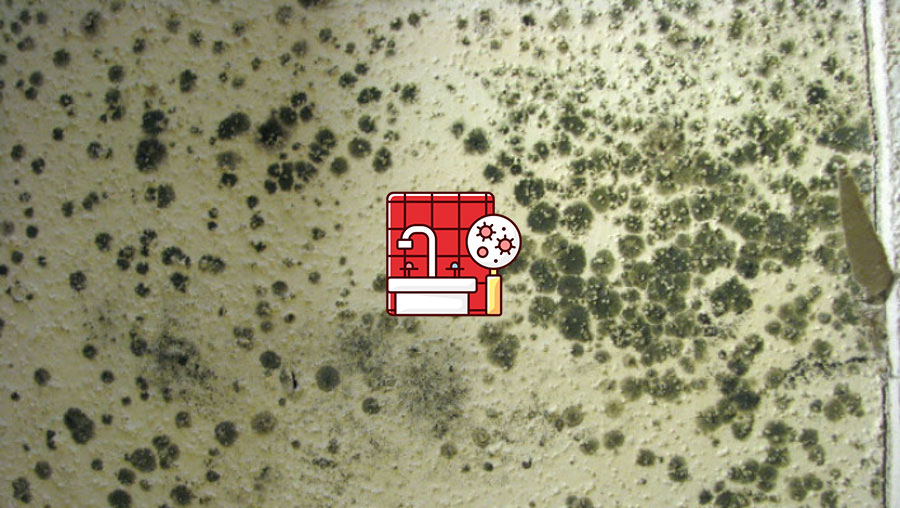
    mold in your walls

    Recognizing Hidden Signs of a Roof Leak

    Water Stains on the Ceiling and Walls

    One of the most apparent signs of a roof leak is the presence of water stains on the ceiling and walls. These stains can appear as discolored patches, often with a brownish or yellowish tint. They indicate that water has penetrated through the roof and made its way into the attic or the space between the roof and the ceiling. It’s important to address these stains promptly, as they can worsen over time and lead to further damage if the underlying cause is not resolved.

    Dampness or Musty Odors in the Attic

    If you notice a persistent dampness or musty odor in your attic, it could be a clear indication of a roof leak. When water enters the attic, it can create a humid environment that promotes the growth of mold and mildew. These fungi thrive in damp conditions and release distinct odors. Therefore, a musty smell in your attic should not be ignored, as it may signify an ongoing leak that needs attention.

    Increased Energy Bills due to Insulation Damage

    A roof leak can compromise the insulation in your attic, leading to decreased energy efficiency and higher utility bills. When insulation gets wet, it loses its effectiveness in regulating temperature and preventing heat transfer. As a result, your heating and cooling systems have to work harder to maintain a comfortable indoor environment, resulting in increased energy consumption. If you notice a sudden spike in your energy bills without a clear explanation, it’s worth investigating the possibility of a roof leak.

    Mold or Mildew Growth in the Attic

    The presence of mold or mildew in your attic is a red flag for a roof leak. These fungi thrive in moist environments and often develop in hidden corners or on surfaces affected by water infiltration. If you spot any mold growth on the attic walls, beams, or insulation, it indicates that there is excessive moisture entering your attic, likely from a leaking roof. Prompt action is necessary to prevent further mold proliferation and address the underlying leak issue.

    Sagging or Weakened Roof Structure

    A roof leak that goes undetected or unattended for a prolonged period can lead to structural damage, causing the roof to sag or weaken. This is a serious sign that the leak has progressed and affected the integrity of the roof’s supporting structure. If you notice any visible signs of sagging or weakened areas on your roof, it’s essential to have a professional inspection and repair performed immediately to prevent further damage and potential collapse.

    labor cost for roofing

    Temporary Measures to Mitigate Damage

    1. Tarps and Temporary Patches:

    • Covering the affected area with a waterproof tarp can provide immediate protection against water intrusion.
    • Securely fasten the tarp over the damaged portion of the roof using ropes or bungee cords.
    • Temporary patches, such as roofing cement or sealants, can be applied to small leaks or cracks in the roofing material as a temporary stop-gap measure.
    1. Clearing Debris from Gutters and Downspouts:

    • Clogged gutters and downspouts can contribute to roof leaks by causing water to overflow and seep into the attic.
    • Regularly inspect and clear any debris, such as leaves and twigs, from the gutters and downspouts to ensure proper water drainage away from the roof.
    1. Ensuring Proper Attic Ventilation and Insulation:

    • Inadequate ventilation and insulation in the attic can lead to condensation and moisture buildup, exacerbating the effects of a roof leak.
    • Check that attic vents are clear of obstructions and functioning properly to allow for proper air circulation.
    • Inspect and address any insulation issues, such as wet or damaged insulation, which may need to be temporarily removed and replaced after the leak is resolved.
    1. Taking Immediate Action:

    • Document the extent of the damage by taking photos and making notes to aid in insurance claims.
    • Safely move any valuable belongings or furniture away from the affected area to prevent further damage.
    • Place buckets or containers strategically to collect dripping water and prevent it from spreading to other areas of the attic or home.

    roof water damage

    Fixing the Roof Leak

    When it comes to fixing a roof leak into the attic, it is essential to hire a professional roofing contractor who possesses the necessary qualifications and expertise. Here are some key considerations to keep in mind:

    Hiring a Professional Roofing Contractor:

    • Look for a licensed and insured roofing contractor with a proven track record in handling roof leaks and repairs.
    • Seek recommendations from friends, family, or neighbors who have had positive experiences with roofing contractors.
    • Verify the contractor’s credentials and certifications to ensure they are qualified to work on your roof.

    Repair Options:

    • The approach to fixing a roof leak will depend on the severity and type of the leak. A professional contractor will conduct a thorough inspection to determine the best course of action.
    • Repair options may include shingle replacement, repairing damaged flashing, or applying roof coatings to reinforce the existing roofing material.
    • In some cases, if the damage is extensive or the roof is nearing the end of its lifespan, a roof replacement might be recommended.

    Exploring Potential Solutions:

    • Shingle Replacement: Damaged or missing shingles are a common cause of roof leaks. A professional contractor will carefully remove and replace the affected shingles, ensuring a proper seal to prevent future leaks.
    • Flashing Repair: Flashing around chimneys, vents, and skylights can deteriorate over time, leading to leaks. A skilled contractor will repair or replace damaged flashing to ensure water-tightness.
    • Roof Coatings: Applying a waterproof coating can provide an additional layer of protection against future leaks. The coating is applied directly to the roof surface, sealing any existing gaps or cracks.

    roof water damage

    Fixing the Roof Leak

    When it comes to fixing a roof leak into the attic, it is essential to hire a professional roofing contractor who possesses the necessary qualifications and expertise. Here are some key considerations to keep in mind:

    Hiring a Professional Roofing Contractor:

    • Look for a licensed and insured roofing contractor with a proven track record in handling roof leaks and repairs.
    • Seek recommendations from friends, family, or neighbors who have had positive experiences with roofing contractors.
    • Verify the contractor’s credentials and certifications to ensure they are qualified to work on your roof.

    Repair Options:

    • The approach to fixing a roof leak will depend on the severity and type of the leak. A professional contractor will conduct a thorough inspection to determine the best course of action.
    • Repair options may include shingle replacement, repairing damaged flashing, or applying roof coatings to reinforce the existing roofing material.
    • In some cases, if the damage is extensive or the roof is nearing the end of its lifespan, a roof replacement might be recommended.

    Exploring Potential Solutions:

    • Shingle Replacement: Damaged or missing shingles are a common cause of roof leaks. A professional contractor will carefully remove and replace the affected shingles, ensuring a proper seal to prevent future leaks.
    • Flashing Repair: Flashing around chimneys, vents, and skylights can deteriorate over time, leading to leaks. A skilled contractor will repair or replace damaged flashing to ensure water-tightness.
    • Roof Coatings: Applying a waterproof coating can provide an additional layer of protection against future leaks. The coating is applied directly to the roof surface, sealing any existing gaps or cracks.

    mold spread and growth

    Preventing Roof Leaks in the Future

    Regular Roof Inspections and Maintenance:

    • Schedule regular roof inspections, at least once a year, to identify any signs of damage or potential issues.
    • A professional roofer can assess the condition of your roof, detect early signs of damage, and address them promptly.
    • Regular maintenance, such as replacing damaged shingles, resealing flashing, and addressing minor issues, can prevent leaks from developing.

    Cleaning Gutters and Downspouts to Prevent Clogs:

    • Regularly clean your gutters and downspouts to prevent debris from accumulating and causing water backup.
    • Clogged gutters can lead to water overflow, which can seep into the attic and cause roof leaks.
    • Clearing leaves, twigs, and other debris will ensure proper water drainage away from the roof.

    Trimming Overhanging Tree Branches:

    • Trim tree branches that overhang your roof to minimize the risk of damage during storms or high winds.
    • Overhanging branches can scrape against the roof surface, dislodge shingles, and create entry points for water.

    Monitoring Attic Ventilation and Insulation:

    • Proper attic ventilation and insulation play a crucial role in preventing moisture buildup and condensation that can lead to roof leaks.
    • Ensure that attic vents are clear of obstructions and functioning correctly to allow for adequate air circulation.
    • Regularly inspect insulation for signs of damage, such as wet spots or mold growth, and address any issues promptly.

    Investing in High-Quality Roofing Materials and Professional Installation:

    • Choose high-quality roofing materials that are durable and designed to withstand harsh weather conditions.
    • Professional installation by experienced roofers ensures proper sealing and reduces the risk of installation errors that can lead to leaks.

    View More Articles

    Free, No Obligation

    Request Your Free Estimate & Inspection

    Tell us about your roof and we’ll come take a look — no pressure, no cost. Or call us right now on (703) 964-6233.

    (703) 964-6233
    Contact Form Demo (#3)
    Owens Corning Preferred Contractor GAF System Plus CertainTeed SureStart PLUS BBB A+ Accredited HomeAdvisor

    RNC Roofing

    RNC Roofing and Construction Group — The Roofing Contractor Specialists. Protecting your home, one shingle at a time.

    Virginia

    (703) 964-6233 Sterling · Leesburg · Ashburn
    Loudoun & Fairfax County

    Maryland

    (703) 964-6233 Beltsville · District Heights
    All of Maryland
    © 2026 RNC Roofing and Construction Group — The Roofing Contractor Specialists Northern Virginia & Maryland
  • Copper Strips for Roof Moss: Preventing / Protecting

    Protecting your home, one shingle at a time VA (703) 964-6233| MD (703) 964-6233| Free Estimate & Inspection
    Home Improvement

    Copper Strips for Roof Moss: Preventing / Protecting

    RNC Roofing and Construction Group July 19, 2023
    Copper Strips for Roof Moss: Preventing / Protecting

    Copper Strips for Roof Moss: Preventing / Protecting

    Roof moss may appear harmless at first, but if left unchecked, it can cause significant damage to your roof and compromise its integrity. Moss retains moisture, which can seep into the roof’s underlying materials, leading to rot, decay, and even structural issues. Additionally, moss can accelerate the wear and tear of roofing materials, reducing their lifespan and necessitating premature repairs or replacements.

    How Copper Strips Work

    The Science Behind Copper Strips

    Copper strips provide an innovative and natural solution for preventing moss growth on roofs. Understanding the scientific principles behind how copper strips work can help homeowners make informed decisions when it comes to moss prevention.

    Mechanism of Moss Prevention

    Copper strips work by utilizing the antimicrobial properties of copper to hinder moss growth. When rainwater comes into contact with the copper strips, a process known as electrolysis occurs. This process leads to the release of copper ions into the water.

    Inhibition of Moss Development

    As rainwater flows over the copper strips, the copper ions are carried down the roof surface. These ions act as a deterrent to moss and other organic growth, disrupting their ability to thrive. Copper ions have the ability to penetrate the cells of moss, interfering with their metabolic processes and ultimately inhibiting their development.

    Long-Lasting Effectiveness

    One of the key advantages of copper strips is their long-lasting effectiveness in preventing moss regrowth. The continuous release of copper ions ensures a sustained barrier against moss colonization. Unlike chemical treatments that require repeated applications, copper strips provide a more durable solution, reducing the need for frequent maintenance and reapplication.

    Benefits of Copper Strips:

    Natural moss prevention: Copper strips offer a natural and environmentally friendly way to prevent moss growth without the use of harsh chemicals.

    • Minimal maintenance: Once installed, copper strips require little to no maintenance, making them a convenient option for homeowners.
    • Cost-effective solution: Considering their long-lasting effectiveness, copper strips provide a cost-effective moss prevention method in the long run.
    • Versatile application: Copper strips can be applied to various types of roofs and are compatible with different architectural styles.

    labor cost for roofing

    Installation and Placement of Copper Strips

    Step-by-Step Guide

    Preparation: Start by cleaning the roof surface to remove any existing moss, debris, or dirt. Ensure the roof is dry before proceeding with the installation.

    • Measure and cut: Measure the length of the roof ridge or the areas prone to moss growth. Use a sturdy pair of tin snips or metal cutters to cut copper strips to the appropriate length.
    • Placement: Position the copper strips along the ridge line or other susceptible areas, such as valleys or areas with heavy shade. Ensure a consistent and even placement of the strips across the roof surface.
    • Attachment: Secure the copper strips to the roof using roofing nails or screws. Make sure they are firmly fastened to withstand wind and weather conditions.
    • Overlap and seal: If required, overlap the copper strips to ensure complete coverage. Use a waterproof sealant or roofing cement to seal the joints and prevent water penetration.

    Suitable Roof Types

    Copper strips can be installed on various roof types, including asphalt shingles, wood shakes, and metal roofs. They are versatile and compatible with most roofing materials. Consult a professional or refer to manufacturer guidelines to ensure proper installation on specific roof types.

    Importance of Proper Placement

    Proper placement and positioning of copper strips are crucial for achieving maximum effectiveness in moss prevention. The key considerations include:

    • Ridge line placement: Installing copper strips along the roof ridge helps create a barrier that prevents moss growth from spreading to other areas of the roof.
    • Vulnerable areas: Identify areas of the roof that are prone to moss growth, such as areas with heavy shade or dampness. Install copper strips in these areas to target moss prevention.
    • Coverage and spacing: Ensure the copper strips cover a sufficient area to effectively deter moss growth. Adequate spacing between the strips allows for proper water runoff and copper ion dispersion.

    environmental impact shingles

    Benefits of Copper Strips

    Advantages of Copper Strips

    When it comes to moss prevention on roofs, copper strips offer several distinct advantages over other methods. Let’s explore the benefits of using copper strips and why they are a preferred choice for homeowners.

    Superior Moss Prevention

    Compared to alternative moss prevention methods, such as chemical treatments or regular manual cleaning, copper strips provide superior and long-lasting effectiveness. While chemical treatments may require frequent reapplication, copper strips create a continuous barrier against moss growth. The sustained release of copper ions inhibits moss development, ensuring your roof remains moss-free.

    Eco-Friendly Solution

    Copper strips are an eco-friendly moss prevention solution, making them a sustainable choice for homeowners. Unlike chemical treatments that introduce potentially harmful substances into the environment, copper is a natural material that does not pose any significant risks to the ecosystem. By opting for copper strips, you can effectively prevent moss growth while minimizing your environmental footprint.

    Preservation of Structural Integrity

    Moss growth on a roof can lead to serious damage over time, compromising its structural integrity. However, by installing copper strips, you can protect your roof from the detrimental effects of moss. Moss often retains moisture, which can seep into the underlying materials and cause decay, rot, and even structural issues. Copper strips act as a preventive measure, keeping your roof dry and extending its lifespan.

    Additional Benefits:

    • Cost-effective: Copper strips offer long-term savings by reducing the need for frequent moss cleaning or chemical treatments.
    • Low maintenance: Once installed, copper strips require minimal maintenance, providing a hassle-free solution for moss prevention.
    • Compatibility: Copper strips can be installed on various roof types, making them versatile and suitable for different architectural styles.

    fix leaky roof

    Signs of Roof Leak and Damage

    Identifying Roof Leak

    Roof leaks can cause significant damage if left undetected and untreated. Homeowners should be aware of the hidden signs of a roof leak to prevent further issues. By promptly identifying these signs, you can take the necessary steps to address the problem before it worsens.

    Water Stains and Discoloration

    Water stains or discoloration on ceilings or walls are common indicators of a roof leak. These stains typically appear as yellowish-brown patches and may gradually spread over time. Pay attention to any new or growing stains, as they often signal an active leak. Remember to inspect areas near chimneys, skylights, vents, and plumbing penetrations, as these are prone to leaks.

    Mold and Mildew Growth

    The presence of mold or mildew in your home can indicate a hidden roof leak. Mold thrives in damp environments, making a leaking roof an ideal breeding ground. Look for signs of mold growth on walls, ceilings, or in attic spaces. The appearance of musty odors can also be an indication of mold caused by moisture infiltration from a roof leak.

    Peeling or Bubbling Paint

    If you notice paint peeling or bubbling on your walls or ceilings, it may be due to water seepage from a roof leak. When water enters through the roof, it can cause the paint to lose adhesion and result in these visible signs. Examine areas where paint is blistering or peeling, as it could be an indication of an underlying leak.

    The Importance of Regular Roof Inspections

    Regular roof inspections are essential for early detection of leaks and to prevent extensive damage. Schedule professional roof inspections at least once a year, especially before the rainy season or after severe weather events. A qualified roofing contractor can assess the condition of your roof, identify potential issues, and address them promptly. Additionally, homeowners can perform visual inspections themselves, checking for loose or damaged shingles, cracked flashing, or any signs of wear and tear.

    View More Articles

    Free, No Obligation

    Request Your Free Estimate & Inspection

    Tell us about your roof and we’ll come take a look — no pressure, no cost. Or call us right now on (703) 964-6233.

    (703) 964-6233
    Contact Form Demo (#3)
    Owens Corning Preferred Contractor GAF System Plus CertainTeed SureStart PLUS BBB A+ Accredited HomeAdvisor

    RNC Roofing

    RNC Roofing and Construction Group — The Roofing Contractor Specialists. Protecting your home, one shingle at a time.

    Virginia

    (703) 964-6233 Sterling · Leesburg · Ashburn
    Loudoun & Fairfax County

    Maryland

    (703) 964-6233 Beltsville · District Heights
    All of Maryland
    © 2026 RNC Roofing and Construction Group — The Roofing Contractor Specialists Northern Virginia & Maryland
  • Is a Sagging Ceiling Dangerous ? | Roof Structural Damage

    Protecting your home, one shingle at a time VA (703) 964-6233| MD (703) 964-6233| Free Estimate & Inspection
    Home Improvement

    Is a Sagging Ceiling Dangerous ? | Roof Structural Damage

    RNC Roofing and Construction Group July 5, 2023
    Is a Sagging Ceiling Dangerous ? | Roof Structural Damage

    Is a Sagging Ceiling Dangerous ? | Roof Structural Damage

    Is a Sagging Ceiling Dangerous? A sagging ceiling is a visible sign of potential structural roof damage that should not be overlooked. Understanding its significance and taking prompt action is crucial to ensure the safety and integrity of your home. In this article, we will explore the dangers associated with a sagging ceiling and shed light on why addressing this issue promptly is essential.

    Roof Layers and Their Functions

    Roofing System Components and Their Roles

    In order to comprehend the significance of a sagging ceiling, it’s essential to familiarize yourself with the fundamental components of a roofing system. These components work in harmony to safeguard your home from external elements and maintain its structural integrity. The main elements include the roof’s sheathing, underlayment, and roofing materials.

    Exploring the Primary Layers: Sheathing, Underlayment, and Roofing Materials

    Sheathing: The sheathing, typically made of plywood or oriented strand board (OSB), forms the base layer of the roof. It provides a sturdy surface for other roofing materials to be attached to and helps distribute the weight of the roof evenly across the underlying structure.

    • Underlayment: Positioned directly on top of the sheathing, the underlayment acts as a secondary barrier against moisture infiltration. It is usually made of asphalt-saturated felt or synthetic materials like synthetic underlayment. The underlayment plays a crucial role in preventing water penetration and protecting the roof’s integrity.
    • Roofing Materials: The outermost layer of the roof consists of various materials, such as shingles, tiles, metal panels, or other roofing systems. These materials serve as the primary defense against weather elements, including rain, snow, wind, and UV radiation. They provide an aesthetic appeal while acting as a protective shield for the underlying layers.

    How These Layers Work Together to Protect the Home’s Interior

    The different roof layers collaborate harmoniously to ensure the safety and comfort of your home’s interior. The sheathing provides structural support, distributing the weight evenly. The underlayment acts as a moisture barrier, preventing water intrusion and potential damage to the underlying structure. Lastly, the roofing materials serve as the first line of defense against external elements, shielding the home from rain, hail, and harsh weather conditions.

    Understanding the interplay between these roof layers is crucial in assessing the dangers associated with a sagging ceiling. Structural damage or failure in any of these layers can compromise the entire roofing system, leading to potential risks and necessitating prompt action.

    gutters and downspouts

    Recognizing the Signs of a Sagging Ceiling

    Common Causes of Structural Roof Damage

    Understanding the common causes of structural roof damage is vital in recognizing the signs of a sagging ceiling. Factors such as prolonged exposure to moisture, improper installation, aging materials, or inadequate structural support can contribute to roof deterioration. Other potential causes may include extreme weather conditions, impact damage, or pest infestations. Being aware of these underlying causes helps homeowners identify possible risks and take appropriate action.

    • Visible Drooping or Bulging: Look for areas where the ceiling appears uneven or shows signs of sagging or bulging. These irregularities indicate possible structural stress or compromised roof layers.
    • Cracks and Separations: Pay attention to cracks forming along the ceiling or walls, particularly near the roofline. These cracks can indicate movement or shifting caused by roof damage.
    • Uneven or Bouncy Floors: In some cases, a sagging ceiling may result in changes to the floor’s stability. If you notice areas of your floor feeling uneven or bouncy, it could be an indirect indication of roof damage.

    Identifying Potential Risks Associated with a Sagging Ceiling

    A sagging ceiling poses several potential risks to your home and its occupants. These risks can include:

    • Structural Integrity: A sagging ceiling suggests that the roof structure may be compromised. If left unaddressed, it could lead to further structural damage, weakening the entire building’s stability.
    • Water Intrusion: A sagging ceiling often accompanies water damage or a leaky roof. The compromised roof layers can allow water to infiltrate the interior spaces, leading to issues such as mold growth, rot, and damage to belongings.
    • Safety Hazards: The risk of a sagging ceiling collapsing cannot be ignored. It poses a significant safety hazard, potentially causing injury to occupants and further damaging the property.

    Recognizing these signs and potential risks associated with a sagging ceiling is crucial for homeowners. By being vigilant and taking appropriate action promptly, individuals can mitigate further damage and ensure the safety and stability of their homes.

    identifying roof algae

    Exploring the Potential Dangers of a Sagging Ceiling

    Structural Implications and Safety Hazards

    When a ceiling sags, it indicates severe structural implications and poses significant safety hazards. The structural integrity of the building is compromised, and the risk of a potential collapse increases. A sagging ceiling can be an indication of underlying roof damage, weakened support structures, or excessive structural stress. Immediate action is crucial to prevent further deterioration and ensure the safety of occupants and the property.

    Impact on the Overall Integrity of the Roof System

    A sagging ceiling directly affects the overall integrity of the roof system. It suggests that the underlying layers, including sheathing, underlayment, and roofing materials, have experienced damage or structural failure. This compromise jeopardizes the roof’s ability to effectively protect the home from external elements. Without prompt attention, the roof’s structural integrity can deteriorate further, making the entire system vulnerable to water infiltration, pest infestation, and other detrimental effects.

    Risk of Water Intrusion and Subsequent Damage

    A sagging ceiling increases the risk of water intrusion, which can lead to extensive damage and numerous complications. The compromised roof layers allow water to penetrate the interior spaces, resulting in issues such as moisture damage, mold growth, and rot. The presence of excess moisture not only weakens the structural components but also poses health risks to occupants. Addressing a sagging ceiling promptly is essential to prevent water intrusion and mitigate the subsequent damage that can affect the entire building.

    evaluating roof damage

    Evaluating the Age of a Roof: When to Consider Replacement

    Factors to Consider When Determining a Roof’s Lifespan

    Determining the lifespan of a roof involves considering several key factors. These factors include the type of roofing materials used, the quality of installation, climate conditions, maintenance history, and the overall level of wear and tear. Each roofing material has a different average lifespan, and understanding these factors can help homeowners assess whether their roof is reaching the end of its useful life.

    Signs of an Aging Roof Beyond the Sagging Ceiling

    While a sagging ceiling can be an obvious indicator of roof damage, there are additional signs that suggest an aging roof. These signs may include:

    • Curling or Buckling Shingles: Shingles that are curling at the edges or buckling indicate that they have lost their protective properties and are susceptible to further damage.
    • Missing or Damaged Shingles: Missing or damaged shingles expose the underlying layers of the roof, leaving it vulnerable to water infiltration and potential structural issues.
    • Granule Loss: Excessive granule loss on shingles can indicate their deterioration, reducing their ability to protect the roof from the sun’s UV rays and other weather elements.
    • Leaks or Water Stains: Water stains on ceilings or walls, along with evidence of leaks, can signify roof damage and the need for immediate attention.

    labor cost for roofing

    Addressing a Sagging Ceiling: Repair vs. Replacement

    Steps to Take When Facing a Sagging Ceiling Issue

    When confronted with a sagging ceiling, it’s essential to take prompt action to mitigate potential risks. Follow these steps to address the issue effectively:

    • Safety First: Ensure the safety of occupants by immediately evacuating the affected area and avoiding any contact with the sagging ceiling.
    • Document the Damage: Take photographs or videos of the sagging ceiling and any other visible signs of roof damage. This documentation can be useful for insurance claims and when consulting professionals.
    • Temporary Support: If feasible and safe, consider providing temporary support to the sagging area using props or braces to prevent further structural compromise.
    • Professional Inspection: Engage a reputable roofing contractor to conduct a thorough inspection of the roof and assess the extent of the damage. Their expertise will help determine the most appropriate course of action.

    Available Repair Options and Their Effectiveness

    Depending on the severity and underlying cause of the sagging ceiling, repair options may vary. Some potential repair solutions include:

    • Roof Reinforcement: Strengthening the roof structure by reinforcing compromised areas with additional support or installing additional beams or trusses.
    • Replacement of Damaged Components: Identifying and replacing damaged or deteriorated roof layers, such as sheathing, underlayment, or specific sections of roofing materials.
    • Repairing Water Intrusion Issues: Addressing any water leaks or sources of moisture that may have contributed to the sagging ceiling, ensuring proper sealing and waterproofing measures.

    The effectiveness of repair options depends on the specific situation and the advice of professionals after a thorough assessment.

    • When Replacement Becomes the Best Solution: Weighing the Costs and Benefits

    In some cases, roof replacement becomes the most viable solution for addressing a sagging ceiling. Factors to consider when weighing the costs and benefits of replacement include:

    • Extent of Damage: If the roof damage is extensive, pervasive, or affects multiple layers, a complete replacement may be necessary to restore the roof’s integrity.
    • Age of the Roof: Consider the age of the roof and its overall condition. If the roof is nearing the end of its expected lifespan, replacement may provide a longer-term solution with improved durability.
    • Cost-Effectiveness: Evaluate the cost-effectiveness of repair versus replacement. While repairs may seem more economical initially, repeated repairs and ongoing maintenance expenses can accumulate over time.
    • Safety and Peace of Mind: A roof replacement offers peace of mind, knowing that the entire roof system is new, structurally sound, and free from potential risks associated with an aging roof.

    Free, No Obligation

    Request Your Free Estimate & Inspection

    Tell us about your roof and we’ll come take a look — no pressure, no cost. Or call us right now on (703) 964-6233.

    (703) 964-6233
    Contact Form Demo (#3)
    Owens Corning Preferred Contractor GAF System Plus CertainTeed SureStart PLUS BBB A+ Accredited HomeAdvisor

    RNC Roofing

    RNC Roofing and Construction Group — The Roofing Contractor Specialists. Protecting your home, one shingle at a time.

    Virginia

    (703) 964-6233 Sterling · Leesburg · Ashburn
    Loudoun & Fairfax County

    Maryland

    (703) 964-6233 Beltsville · District Heights
    All of Maryland
    © 2026 RNC Roofing and Construction Group — The Roofing Contractor Specialists Northern Virginia & Maryland
  • Leaking Roof Mold: How it Develops and Prevention Tips-By RNC

    Protecting your home, one shingle at a time VA (703) 964-6233| MD (703) 964-6233| Free Estimate & Inspection
    Home Improvement

    Leaking Roof Mold: How it Develops and Prevention Tips-By RNC

    RNC Roofing and Construction Group April 13, 2023
    Leaking Roof Mold: How it Develops and Prevention Tips-By RNC

    Leaking Roof Mold: How it Develops and Prevention Tips-By RNC

    A leaking roof is not just a problem for your home’s structure; it can also lead to mold growth, which can be dangerous for your health. In this article, we’ll delve deeper into how a leaking roof can cause mold and provide comprehensive tips on how to prevent it.

    Understanding Mold

    Mold is a type of fungus that grows in damp and humid environments. It can be found indoors and outdoors, and mold spores are always present in the air. When mold spores come into contact with moisture, they can grow and spread quickly.

    How a Leaking Roof Can Cause Mold

    A leaking roof can create the perfect environment for mold growth. Water can enter your home through even the smallest cracks in your roof and accumulate on surfaces like ceilings, walls, and insulation. Mold can grow in as little as 24-48 hours, especially in areas with poor ventilation.Once mold has taken hold, it can be difficult to get rid of. It can spread quickly and release spores that can contaminate other areas of your home. That’s why it’s important to take action as soon as you notice a leaking roof or signs of mold growth.

    how a leaking roof can cause mold
    signs of blistering roof , signs to replace your roof

    Signs of a Leaking Roof

    It’s not always easy to detect a leaking roof, especially if the damage is minor. However, there are some signs you can look out for:

    • Water stains on your ceiling or walls
    • Damp or musty smells in your home
    • Discoloration or peeling paint on your walls
    • Visible damage to your roof, such as missing or damaged shingles or tiles

    If you notice any of these signs, it’s important to act quickly to prevent further damage and mold growth

    How to Prevent Mold from a Leaking Roof

    Here are some tips to help prevent mold growth from a leaking roof:

    prevent blistering shingles , preventing storm damage roof
    roof repair inspection icon

    Inspect Your Roof Regularly

    Regular roof inspections can help you spot damage early and prevent leaks from occurring. Check your roof for missing or damaged shingles, cracks, or other signs of wear and tear. You should also check for debris, such as leaves or branches, that can accumulate on your roof and trap moisture.

    gutter replacement

    Keep Your Gutters Clean

    Clogged gutters can cause water to back up onto your roof, creating a moist environment that is conducive to mold growth. Make sure to clean your gutters regularly and remove any debris that may be blocking the flow of water.

    ventilation fan

    Maintain Proper Ventilation

    Proper ventilation can help reduce humidity levels in your home and prevent mold growth. Make sure that your attic and crawl space are properly ventilated, and consider installing exhaust fans in your bathrooms and kitchen to help remove excess moisture.Read More Here About Proper Ventilation.

    waterproofing prevent blistering shingles sign , storm damage roof resistant

    Use Mold-Resistant Materials

    When replacing your roof or making repairs, consider using mold-resistant materials. Metal, tile, and slate roofs are less likely to support mold growth than traditional roofing materials like asphalt shingles.

    roofing contact

    Hire a Professional

    If you are not comfortable inspecting or repairing your roof yourself, consider hiring a professional roofing contractor. A qualified contractor can inspect your roof for damage, make any necessary repairs, and provide recommendations for preventing mold growth.

    mold symbol roof leak background

    Dealing With Mold Yourself

    If you suspect that you have mold growth in your home, it’s important to take action as soon as possible. Here are some tips for dealing with mold:

    • Wear Protective Gear

    Mold can be hazardous to your health, so it’s important to wear protective gear when cleaning it up. This includes gloves, a mask, and eye protection.

    • Clean and Dry Affected Areas

    If mold growth is limited to a small area, you If mold growth is limited to a small area, you may be able to clean it yourself. To clean mold, mix a solution of one part bleach to ten parts water and use a stiff brush to scrub the affected area. Be sure to rinse the area thoroughly with water and allow it to dry completely. If the affected area is larger than ten square feet, it’s best to contact a professional mold remediation company to handle the job.

    Contact a Professional

    A leaking roof can lead to mold growth, which can be harmful to your health. It’s important to take action as soon as you notice signs of a leak or mold growth to prevent further damage and protect your health. Regular roof inspections, proper ventilation, and using mold-resistant materials can all help prevent leaking roofs and mold growth. If you do experience mold growth, make sure to clean and dry affected areas promptly, and consider hiring a professional mold remediation company for larger jobs. By taking these steps, you can protect your home and your health from the harmful effects of leaking roofs and mold growth.

    More Informative Articles

    Free, No Obligation

    Request Your Free Estimate & Inspection

    Tell us about your roof and we’ll come take a look — no pressure, no cost. Or call us right now on (703) 964-6233.

    (703) 964-6233
    Contact Form Demo (#3)
    Owens Corning Preferred Contractor GAF System Plus CertainTeed SureStart PLUS BBB A+ Accredited HomeAdvisor

    RNC Roofing

    RNC Roofing and Construction Group — The Roofing Contractor Specialists. Protecting your home, one shingle at a time.

    Virginia

    (703) 964-6233 Sterling · Leesburg · Ashburn
    Loudoun & Fairfax County

    Maryland

    (703) 964-6233 Beltsville · District Heights
    All of Maryland
    © 2026 RNC Roofing and Construction Group — The Roofing Contractor Specialists Northern Virginia & Maryland
  • Best Time to Replace Roof | Choosing the Optimal Season

    Protecting your home, one shingle at a time VA (703) 964-6233| MD (703) 964-6233| Free Estimate & Inspection
    Home Improvement

    Best Time to Replace Roof | Choosing the Optimal Season

    RNC Roofing and Construction Group April 13, 2023
    Best Time to Replace Roof | Choosing the Optimal Season

    The Best Time to Replace Your Roof

    As a homeowner, it’s crucial to start thinking about the best time of year to replace your roof, especially if it has been 10 to 20 years since your last maintenance check. The weather, temperature, geographic climate, and appointment availability are all factors that can affect roofing replacement. While every season may have its advantages and disadvantages, roofing replacement is a job that can be done any time of the year when entrusted to a professional residential roofing contractor.So, what is the best season to replace your roof? Ultimately, the optimal time to get your roofing replaced is before it starts to cause problems or becomes a bigger inconvenience to you. The best season is mainly determined by your availability, your contractor’s availability, and unpredictable weather. Let’s take a closer look at each season and why they may or may not be the best time to replace your roofing.

    Winter

    Winter is a challenging time of year to replace your roof. However, it can be an excellent time for many homeowners because it’s usually a slower time for many roofing companies, creating greater flexibility for appointment scheduling. Depending on the climate of your geographic area, freezing temperatures and snow can interrupt roofing replacement projects or prevent sealants from setting. Extremely low temperatures can also cause roofing materials to become more susceptible to cracking. If you live in a state with mild winters, such as Florida, winter is a wonderful time of year for roofing repairs! Regardless, an experienced roofing contractor will have processes put in place to prevent or mediate complications.

    Cons of Winter Roof Replacement

    The biggest disadvantage of replacing a roof in the winter is the potential for snow and ice. These conditions can create hazards for the roofing crew and make the work more difficult, potentially leading to longer installation times and increased labor costs. Additionally, the cold temperatures can cause materials to become brittle and more difficult to work with.

    Spring

    Replacing your roof during early springtime is a good choice for many homeowners. The temperatures are not as extreme as either winter or summer, making roofing replacement a great spring-cleaning milestone to complete. Roofing damage caused during the colder months is often discovered during this time of year. Also, early spring is a great time to prep your roofing for any extreme weather that your state might see later in the season, such as thunderstorms in Florida or tornadoes in Oklahoma. However, if you wait too long, spring rain may throw a wrench into your roofing replacement plans. But, like winter, any quality roofing company should be able to adapt to such spring weather changes and get your roofing replaced on time.

    spring season best time to replace roof

    Cons of Spring Roof Replacement

    While you could get on the roofing crew’s schedule a little sooner, weather does tend to be wetter in the spring. This could cause your project to be pushed back slightly due to rain. However, with most companies, this delay only tends to be a day or two depending on if other projects were also moved due to weather.

    summer season best time to replace roof

    Summer

    The summertime is often the go-to season for roof replacement and maintenance. The warm temperature and often predictable weather make roofing during the summer months more straightforward. However, in states such as Florida, late summer can present higher temperatures than ideal for less-experienced roofing contractors. Also, if your state experiences extreme weather conditions such as tornadoes or hurricanes, it is worth noting through the later summer months until October. Florida is notorious for its hurricane season, typically experienced between May and September. Due to the damage frequently caused by hurricanes, the summer months can be quite a busy season for roofing replacement and repair! This can be a good thing–if you are engaging with a tenured roofing company that prepares for the extra workload often seen during the summer season.

    Cons of Summer Roof Replacement

    One of the biggest cons of getting a new roof installed in the summer is the extreme heat. High temperatures can make the work more difficult and uncomfortable for the roofing crew, and can also cause materials like shingles to become more pliable, potentially leading to damage or mistakes during installation.

    Fall

    Fall is commonly referred to as the best time of year to replace your roof. With spring’s mild temperatures and early summer’s weather consistency, fall is the universal go-to season for roofing replacement. Since this season is highly sought after, finding appointment times in the fall can become tedious, so it is best to plan ahead to beat the rush.Read More Here About Why Fall Is The Best Season To Replace Your Roof

    fall season best time to replace roof

    More Informative Articles

    Visit Our Home Page

    Free, No Obligation

    Request Your Free Estimate & Inspection

    Tell us about your roof and we’ll come take a look — no pressure, no cost. Or call us right now on (703) 964-6233.

    (703) 964-6233
    Contact Form Demo (#3)
    Owens Corning Preferred Contractor GAF System Plus CertainTeed SureStart PLUS BBB A+ Accredited HomeAdvisor

    RNC Roofing

    RNC Roofing and Construction Group — The Roofing Contractor Specialists. Protecting your home, one shingle at a time.

    Virginia

    (703) 964-6233 Sterling · Leesburg · Ashburn
    Loudoun & Fairfax County

    Maryland

    (703) 964-6233 Beltsville · District Heights
    All of Maryland
    © 2026 RNC Roofing and Construction Group — The Roofing Contractor Specialists Northern Virginia & Maryland
  • How Often Should You Replace Your Roof? -By RNC Roofing

    Protecting your home, one shingle at a time VA (703) 964-6233| MD (703) 964-6233| Free Estimate & Inspection
    Homeowner Help

    How Often Should You Replace Your Roof? -By RNC Roofing

    RNC Roofing and Construction Group April 7, 2023
    How Often Should You Replace Your Roof? -By RNC Roofing

    How Often Should You Replace Your Roof?

    As a homeowner, one of the biggest investments you can make is in your roof and one of the biggest questions asked is how often should I replace my roof?. It is essential to ensure that your roof is in good condition to protect your home and family from the elements. However, how often should you replace your roof? This question does not have a straightforward answer since many factors determine the lifespan of your roof. In this article, we’ll explore how often you should replace your roof and the factors that can affect its lifespan.

    Factors That Affect Your Roof’s Lifespan

    The lifespan of a roof can vary widely depending on factors such as:

    Roof Material

    The type of roof material you have installed can affect its lifespan. For example, asphalt shingle roofs can last up to 20 years, while metal roofs can last up to 50 years or more.

    Climate

    Your roof’s lifespan can also be affected by your local climate. For example, roofs in areas with heavy snow or rainfall may have a shorter lifespan due to the added weight and moisture exposure.Click Here To Learn More About Storm Roof Damage

    heavy rain fall

    Installation Quality

    Proper installation is critical to the longevity of your roof. A poorly installed roof may not last as long as one installed correctly.

    repair roofing Leesburg VA

    Maintenance

    Regular maintenance can help extend the lifespan of your roof. Neglecting maintenance can cause damage that can shorten the roof’s lifespan.

    roof repair inspection icon

    The Recommended Replacement Schedule

    Here’s a general guideline for the recommended replacement schedule based on the material used:

    12-20 Years

    Composition Shingles

    picture of composition shingles , how often roof replace

    15-30 Years

    Asphalt Shingles

    ridge vent on roof , shingles

    20-25 Years

    Wood Shingles

    wood shingle roofing material , how often roof replace

    30-50 Years

    Rubber Roofs

    roofer roof , how often roof replace

    50-75 Years

    Metal Roofs

    signs of blistering roof , signs to replace your roof

    Signs For When To Replace Your Roof

    While there is no one-size-fits-all answer to how often you should replace your roof, there are some signs to look out for that may indicate it is time to replace your roof.

    Age: The age of your roof is a good indicator of when you should consider replacing it. Most roofs have a lifespan of 20-25 years, so if your roof is approaching that age, it may be time to replace it.

    Damaged Shingles: If you notice shingles that are cracked, curling, or missing, it may be time to replace your roof. Damaged shingles can expose your roof to moisture and cause further damage.

    Leaks: If you notice water stains or leaks in your home, it could be a sign that your roof is damaged and needs to be replaced.

    Sagging: If you notice any sagging in your roofline, it may be a sign of a structural issue that requires immediate attention.

    Energy Bills: If you notice an increase in your energy bills, it could be a sign that your roof is not insulating your home correctly, and it may be time to replace it or if you have any other concerns regarding your energy bill Click Here

    How often you should replace your roof depends on several factors, including the roof material, climate, installation quality, and maintenance. While the average lifespan of a roof is 20-25 years, some factors can shorten or extend that lifespan. If you notice any signs of damage or aging, it may be time to replace your roof or Contact a Professional.

    Read More Informative Articles

    Free, No Obligation

    Request Your Free Estimate & Inspection

    Tell us about your roof and we’ll come take a look — no pressure, no cost. Or call us right now on (703) 964-6233.

    (703) 964-6233
    Contact Form Demo (#3)
    Owens Corning Preferred Contractor GAF System Plus CertainTeed SureStart PLUS BBB A+ Accredited HomeAdvisor

    RNC Roofing

    RNC Roofing and Construction Group — The Roofing Contractor Specialists. Protecting your home, one shingle at a time.

    Virginia

    (703) 964-6233 Sterling · Leesburg · Ashburn
    Loudoun & Fairfax County

    Maryland

    (703) 964-6233 Beltsville · District Heights
    All of Maryland
    © 2026 RNC Roofing and Construction Group — The Roofing Contractor Specialists Northern Virginia & Maryland
  • Roof Maintenance Tips: A Comprehensive Guide For Homeowners

    Protecting your home, one shingle at a time VA (703) 964-6233| MD (703) 964-6233| Free Estimate & Inspection
    Home Improvement

    Roof Maintenance Tips: A Comprehensive Guide For Homeowners

    RNC Roofing and Construction Group April 7, 2023
    Roof Maintenance Tips: A Comprehensive Guide For Homeowners

    Roof Maintenance Tips For Homeowners

    As a homeowner, one of the most important aspects of maintaining your home is taking care of your roof. A well-maintained roof not only adds value to your home but also protects you and your family from the elements. However, many homeowners overlook roof maintenance until a problem arises. In this article, we will provide you with a comprehensive guide of great roof maintenance tips.

    Inspect Your Roof Regularly

    The first of the roof maintenance tips is to inspect it regularly. Experts recommend that you inspect your roof twice a year, preferably in the spring and fall. Inspecting your roof can help you identify any damage or wear and tear that may have occurred. Look for cracked, curling, or missing shingles, as well as any debris such as leaves, branches, or moss. It is essential to address any issues promptly to prevent further damage.Schedule a Free Inspection With Us Today

    Keep Your Gutters Clean

    Clogged gutters can lead to water damage and rotting wood, which can compromise the integrity of your roof. To prevent this, make sure to clean your gutters regularly, especially during the fall when leaves and debris are more likely to accumulate. You can use a garden hose or a leaf blower to remove any debris from your gutters and downspouts.

    clean gutters

    Trim Overhanging Branches

    Overhanging branches can damage your roof by scraping against the shingles or causing debris to fall onto your roof. To prevent this, make sure to trim any overhanging branches regularly. This will not only protect your roof but also prevent any potential safety hazards.

    tree branch hanging on roof. Overhanging tree branch

    Check Your Attic Ventilation

    Proper attic ventilation is one of the crucial roof maintenance tips. Without proper ventilation, moisture can build up in your attic and cause mold and mildew to grow, which can weaken your roof’s structure. Make sure to check your attic ventilation regularly and consider adding additional vents if necessary.

    roof maintenance tips ventilation

    Repair Any Damage Promptly

    If you notice any damage or wear and tear on your roof, it is important to address it as soon as possible. Small issues can quickly turn into larger problems if left untreated, so make sure to repair any damage promptly. You can either fix the issue yourself or hire a professional roofing contractor to handle the repair for you.

    repairing storm damage roof

    Regularly Treat for Moss and Algae

    Moss and algae can grow on your roof, which can be detrimental to its appearance and integrity. Another one of the great roof maintenance tips is to have your roof professionally cleaned and protected with preventative products to keep moss and algae from reappearing. Regular treatment for moss and algae will help to prevent any damage or deterioration to your roof, making it last longer.Read About Advanced Algae Protection

    moss and algae symbol , roof maintenance tips

    Hire a Professional

    While you can handle some of the maintenance tasks yourself, it is always a good idea to hire a professional roofing contractor for regular maintenance. A professional will have the expertise and tools necessary to identify and address any issues that you may have missed. Additionally, regular maintenance can help extend the lifespan of your roof and prevent costly repairs down the line.

    roof maintenance tips

    Keep Your Home Healthy and Strong with These Essential Roof Maintenance Tips

    Maintaining your roof is crucial for the safety, security, and value of your home. By following these essential roof maintenance tips, you can keep your roof in top condition and avoid potential issues. Remember to inspect your roof regularly, keep your gutters clean, trim overhanging branches, check your attic ventilation, repair any damage promptly, and hire a professional for regular maintenance.

    More Informative Posts

    Free, No Obligation

    Request Your Free Estimate & Inspection

    Tell us about your roof and we’ll come take a look — no pressure, no cost. Or call us right now on (703) 964-6233.

    (703) 964-6233
    Contact Form Demo (#3)
    Owens Corning Preferred Contractor GAF System Plus CertainTeed SureStart PLUS BBB A+ Accredited HomeAdvisor

    RNC Roofing

    RNC Roofing and Construction Group — The Roofing Contractor Specialists. Protecting your home, one shingle at a time.

    Virginia

    (703) 964-6233 Sterling · Leesburg · Ashburn
    Loudoun & Fairfax County

    Maryland

    (703) 964-6233 Beltsville · District Heights
    All of Maryland
    © 2026 RNC Roofing and Construction Group — The Roofing Contractor Specialists Northern Virginia & Maryland
  • Storm Damage Roof: Types, Prevention, and Repair Guide

    Protecting your home, one shingle at a time VA (703) 964-6233| MD (703) 964-6233| Free Estimate & Inspection
    Homeowner Help

    Storm Damage Roof: Types, Prevention, and Repair Guide

    RNC Roofing and Construction Group April 6, 2023
    Storm Damage Roof: Types, Prevention, and Repair Guide

    Storm damage Roof

    As a professional roofer, we understand that a storm damage can be a homeowner’s worst nightmare. From water leaks to mold growth, storm damage can cause significant structural damage to your home, leading to costly repairs. In this article, we will provide you with comprehensive information on storm damage to roofs, how to prevent it, and how to repair it. We will also focus on how to make your roof more storm-resistant and the steps you can take to ensure that your roof remains structurally sound for years to come.

    Types Of Storm Damage

    Hail Damage

    Hailstones can cause dents, cracks, or holes in roofing materials, including asphalt shingles, metal roofs, and flat roofs.

    damaged white gutter , shingles , roof , hail damage , storm damaged roof

    Wind Damage

    Strong winds can lift shingles, tear off gutters, and damage flashing, causing leaks and other issues.

    cracked damaged shingles , roofing, blistering roof

    Water Damage

    Heavy rain or snow can cause water to penetrate through the roof’s surface, leading to leaks and water damage.

    dark areas on roofing from roof lean in heavy rain , peeling paint blistering roof

    Debris Damage

    Storms can bring debris such as tree branches, twigs, or rocks, which can cause significant damage to the roof.

    broken , dented roof flashing , roof leak in heavy rain

    Preventing Storm Damage to Roofs

    Preventing storm damage to your roof starts with proper maintenance and preparation. Here are some steps you can take to prevent storm damage to your roof:

    Regular Maintenance: Schedule regular roof inspections to identify and address any potential issues before they become major problems. Regular maintenance can also help you catch any storm damage early and make repairs before the damage worsens.

    Trimming Trees: Trim any overhanging branches that can cause damage to your roof during a storm. Overhanging branches can become a hazard during a storm, causing significant damage to your roof.

    Cleaning Gutters: Keep gutters and downspouts clean to prevent water from backing up and causing damage. Clogged gutters can cause water to overflow onto your roof, leading to water damage and other issues.

    Secure Loose Items: Secure any loose items on your roof, such as satellite dishes, to prevent them from becoming projectiles during a storm. Loose items can become a hazard during a storm, causing significant damage to your roof.

    prevent blistering shingles , preventing storm damage roof
    waterproofing prevent blistering shingles sign , storm damage roof resistant

    Making Your Roof More Storm Resistant

    Making your roof more storm-resistant is another way to prevent storm damage to your home. Here are some steps you can take to make your roof more storm-resistant:

    Install Impact-Resistant Roofing Materials: Impact-resistant roofing materials, such as asphalt shingles or metal roofing, can withstand the impact of hail and other debris.

    Strengthen Your Roof Decking: Adding extra support to your roof decking can make your roof more stable during high winds.

    Install Proper Flashing: Proper flashing can help prevent water from entering your home through the roof’s seams, preventing water damage.

    Install a Sealed Roof Deck: A sealed roof deck can prevent water from penetrating your roof’s surface, reducing the risk of water damage and leaks.

    Repairing Storm Damage to Roofs

    repairing storm damage roof

    If your roof has been damaged by a storm, it is essential to take immediate action to prevent further damage. Here are the steps you should take to repair storm damage to your roof:

    Safety First:

    Inspect Your Roof from the Ground: Before climbing onto your roof to inspect it, assess the safety risks. Ensure that the ladder is secure and stable before climbing onto your roof.

    Assess the Damage:

    Determine the extent of the damage to your roof. Look for missing or damaged shingles, flashing, or other roofing materials.

    Document the Damage:

    Take pictures of any damage you can see on your roof. This will be helpful when you file a claim with your insurance company. Make sure to take close-up shots of any damaged shingles, as well as wider shots that show the overall extent of the damage. If possible, take pictures from multiple angles.

    Contact Your Insurance Company:

    Once you have documented the damage, contact your insurance company as soon as possible. They will likely send out an adjuster to inspect the damage and determine the cost of repairs. Make sure to provide them with the pictures you took and any other relevant information they request.

    Time is of the essence:

    It’s crucial to act quickly and contact your insurance company as soon as you notice any potential storm damage to your roof. Most insurance policies have a time limit for filing a claim, and waiting too long could result in a denial of coverage. In addition, delaying repairs can lead to more extensive damage and more expensive repairs in the long run.

    Be wary of scams:

    Unfortunately, there are some unscrupulous roofing and insurance companies out there who may try to take advantage of homeowners in a vulnerable position. Be cautious of any contractor who shows up unannounced at your door offering to inspect your roof or promises to handle everything with your insurance company. Do your research and only work with reputable, licensed contractors who have a track record of quality work and good customer service.

    Choose your contractor wisely:

    Once your claim is approved, you’ll need to choose a contractor to handle the repairs. It’s important to choose a licensed and insured contractor with experience working with insurance claims. Don’t be tempted to choose the cheapest option, as this could lead to subpar workmanship and low-quality materials. Instead, look for a contractor with a strong reputation for quality work and excellent customer service.

    Get Professional Help:

    It is important to have a professional roofing contractor assess the damage as well. They can provide you with an estimate for repairs and can help you determine the best course of action. It is important to choose a reputable roofing contractor with experience in storm damage repairs. Look for reviews online and ask for references.

    Temporary Repairs:

    In some cases, it may be necessary to make temporary repairs to prevent further damage while you wait for repairs. This could include covering damaged areas with tarps or plastic sheeting, or using roofing cement to seal damaged shingles.

    Preventing Future Damage:

    There are steps you can take to help prevent future storm damage to your roof. Regular maintenance, such as cleaning gutters and trimming trees, can help prevent debris buildup on your roof. It is also a good idea to have your roof inspected regularly

    contact rnc roofing and construction

    Contact a Professional Today

    RNC Roofing and Construction

    Storm damage to your roof can be a stressful and overwhelming experience. However, by taking the right steps and working with professionals, you can ensure that your roof is repaired quickly and effectively. Remember to document the damage, contact your insurance company, get professional help, make temporary repairs if necessary, understand the insurance claims process, and take steps to prevent future damage. By following these guidelines, you can help protect your home and ensure that your roof remains in good condition for years to come. Read More Here About Storm Damage Roofs.

    View More Informative Articles

    Free, No Obligation

    Request Your Free Estimate & Inspection

    Tell us about your roof and we’ll come take a look — no pressure, no cost. Or call us right now on (703) 964-6233.

    (703) 964-6233
    Contact Form Demo (#3)
    Owens Corning Preferred Contractor GAF System Plus CertainTeed SureStart PLUS BBB A+ Accredited HomeAdvisor

    RNC Roofing

    RNC Roofing and Construction Group — The Roofing Contractor Specialists. Protecting your home, one shingle at a time.

    Virginia

    (703) 964-6233 Sterling · Leesburg · Ashburn
    Loudoun & Fairfax County

    Maryland

    (703) 964-6233 Beltsville · District Heights
    All of Maryland
    © 2026 RNC Roofing and Construction Group — The Roofing Contractor Specialists Northern Virginia & Maryland