Tag: GAF Roofing

  • Signs You Need to Call a Roofing Contractor
    Protecting your home, one shingle at a time VA (703) 964-6233| MD (703) 964-6233| Free Estimate & Inspection
    Home Improvement

    Signs You Need to Call a Roofing Contractor

    RNC Roofing and Construction Group February 10, 2023
    Signs You Need to Call a Roofing Contractor

    Signs You Need to Call a Roofing Contractor

    When it comes to maintaining or repairing your roof, hiring a professional roofing contractor is essential. These skilled experts possess the knowledge, experience, and tools necessary to handle various roofing issues efficiently and safely. From inspections to repairs and replacements, roofing contractors are trained to assess the condition of your roof and provide the appropriate solutions.

    Visible Roof Damage

    Recognizing missing or damaged shingles

    One of the clear signs you need to call a roofing contractor is the presence of missing or damaged shingles. During a visual inspection of your roof, keep an eye out for any areas where shingles are completely absent or visibly cracked, broken, or deteriorated. These issues can leave your roof vulnerable to water infiltration, leading to leaks and potential structural damage. Addressing missing or damaged shingles promptly is crucial to prevent further deterioration and ensure the overall stability of your roof.

    Identifying curling or buckling shingles

    Another visible sign that warrants the expertise of a roofing contractor is the presence of curling or buckling shingles. Over time, exposure to weather elements can cause shingles to warp, resulting in a curled or buckled appearance. This distortion compromises their ability to effectively protect your roof. Curling or buckling shingles are often an indication of underlying moisture issues or inadequate ventilation, which can accelerate the deterioration of your roof if not addressed promptly.

    Noticing cracked or blistered shingles

    Cracked or blistered shingles are red flags indicating potential roof problems. Cracks may result from aging, extreme weather conditions, or improper installation. Similarly, blistering can occur when moisture becomes trapped underneath the shingle’s surface. These conditions weaken the shingles and compromise their ability to shield your roof from the elements. If you spot cracked or blistered shingles during your inspection, it’s crucial to involve a roofing contractor to evaluate the extent of the damage and recommend suitable repair or replacement options.

    Detecting loose or detached flashing

    Flashing refers to the metal strips or sheets used to seal roof transitions and prevent water from penetrating vulnerable areas, such as chimney joints, vents, or skylights. If you notice loose or detached flashing, it’s a sign that your roof’s protective barrier has been compromised. Damaged or improperly installed flashing can lead to water leaks and potential structural damage. Engaging a roofing contractor to assess the flashing and make the necessary repairs or replacements is crucial to maintain the integrity of your roof.
    fix leaky roof

    Leaks and Water Intrusion

    Identifying water stains on the ceiling or walls

    Water stains on your ceiling or walls are clear indicators that you need to call a roofing contractor. These stains often result from roof leaks, which can be caused by damaged or deteriorated roofing materials. Look for brown or yellowish discoloration, peeling paint, or bubbling wallpaper on your ceilings or walls. These signs suggest that water is penetrating your roof and making its way into your home’s interior. Addressing these leaks promptly is crucial to prevent further damage, such as weakened structural integrity or mold growth.

    Observing wet spots or mold growth in the attic

    When inspecting your attic, be on the lookout for wet spots or signs of mold growth. If you notice damp areas or visible mold patches on the attic ceiling or walls, it’s a sign that water is entering your attic space. This could be due to roofing issues such as damaged shingles, faulty flashing, or inadequate ventilation. Mold growth poses health risks and can spread to other areas of your home if left untreated. Contacting a roofing contractor is necessary to identify the source of the water intrusion and resolve the underlying roofing problem.

    Noticing water pooling on the roof surface

    Water pooling on your roof surface after rain or storms is another sign that you need professional assistance. Flat or low-slope roofs are particularly prone to water pooling, and it can lead to roof damage and leaks. Pooling water indicates that the roof’s drainage system is not functioning properly, possibly due to clogged gutters, sagging areas, or inadequate slope. A roofing contractor can evaluate the roof’s drainage system, identify potential issues, and recommend appropriate solutions to prevent water damage and prolong your roof’s lifespan.

    Understanding the significance of consistent roof leaks

    Consistent roof leaks, even if they seem minor, should not be ignored. Persistent leaks indicate an ongoing problem that requires the attention of a roofing contractor. Such leaks can lead to significant water damage, compromised structural integrity, and increased energy costs. Ignoring consistent roof leaks can result in more extensive and costly repairs down the line. It’s essential to have a roofing professional assess the situation, identify the root cause, and provide the necessary repairs or replacements to prevent further water intrusion and protect your home.
    delaying roof repairs

    Age and Wear

    Recognizing the typical lifespan of different roofing materials

    Knowing the typical lifespan of different roofing materials is essential in determining when to call a roofing contractor. Asphalt shingles, for example, have an average lifespan of 20 to 30 years, while metal roofs can last 40 to 70 years. By understanding the age of your roof and the material it’s made of, you can better assess its condition and determine if it’s time to seek professional help. Keep in mind that harsh weather conditions, poor maintenance, and other factors can impact the lifespan of your roof.

    Understanding the effects of weathering and deterioration

    Over time, exposure to the elements takes a toll on your roof, causing weathering and deterioration. UV rays, rain, snow, hail, and fluctuating temperatures can all contribute to the degradation of roofing materials. Signs of weathering and deterioration include faded or discolored shingles, cracked tiles, rusted metal, and brittle or curling materials. These visible signs indicate that your roof is no longer providing adequate protection and may require the attention of a roofing contractor.

    Identifying signs of aging, such as granule loss or sagging

    As roofs age, they exhibit specific signs that indicate the need for professional intervention. One common sign of an aging roof is granule loss on asphalt shingles. These granules protect the shingles from UV rays and provide fire resistance. When they start to wear off and accumulate in gutters or downspouts, it’s a clear indication that your roof is nearing the end of its lifespan. Additionally, sagging areas or a visibly uneven roof surface are signs of structural issues that should be addressed promptly.

    Importance of professional assessment for an aging roof

    When your roof reaches a certain age or shows signs of wear, it’s crucial to have it professionally assessed by a roofing contractor. While you may observe some visible signs of aging, a roofing professional can provide a comprehensive evaluation of your roof’s condition. They have the expertise to identify hidden damage or underlying issues that may not be apparent to an untrained eye. This assessment will help determine the best course of action, whether it’s repair, maintenance, or roof replacement, to ensure the safety and longevity of your home.
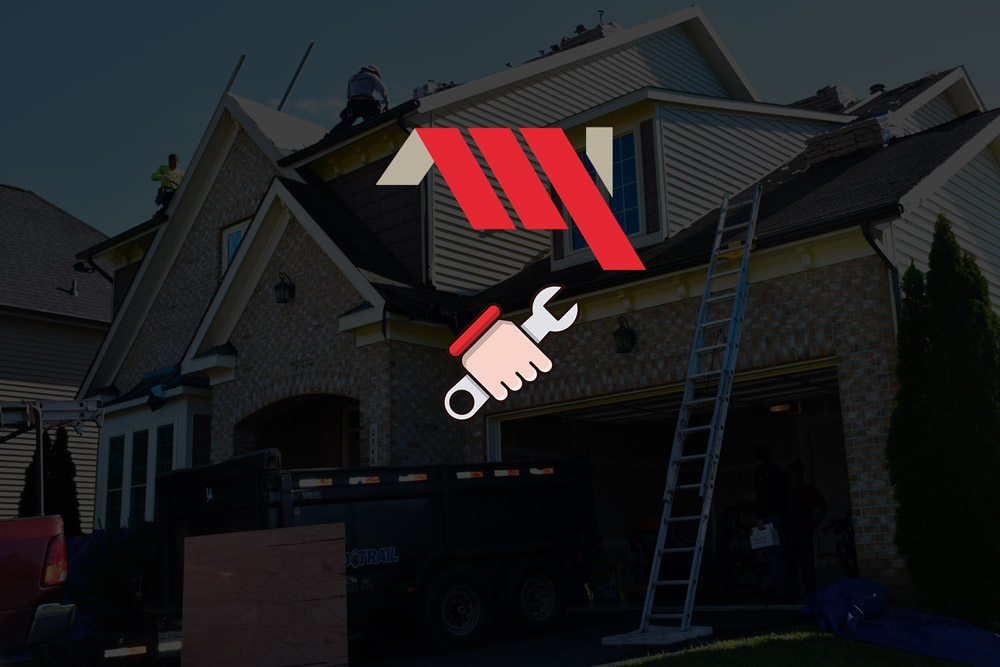
    storm damage roof repair

    Storm or Weather Damage

    Assessing the impact of severe weather conditions

    Severe weather conditions can wreak havoc on your roof, making it essential to know the signs that indicate you need to call a roofing contractor. Storms, high winds, heavy rain, and extreme temperature fluctuations can cause significant damage to your roof’s integrity. It’s crucial to assess the impact of these weather events on your roof. Look for visible signs of damage, such as missing or displaced shingles, damaged gutters, or debris scattered on your roof. Even if the damage appears minor, it’s wise to have a professional inspection to identify any underlying issues.

    Identifying signs of wind damage, such as lifted shingles or fallen debris

    Strong winds during a storm can cause considerable damage to your roof. Signs of wind damage include lifted or curled shingles, missing shingles, or shingles that have been torn or cracked. Additionally, fallen tree branches or debris on your roof are indicators of wind-related issues. If you notice any of these signs, it’s crucial to contact a roofing contractor promptly. They can assess the extent of the damage and provide the necessary repairs or replacements to restore the integrity of your roof.

    Recognizing hail damage, including dents and pockmarks

    Hailstorms can leave behind significant damage to your roof. When inspecting your roof after a hailstorm, look for dents, pockmarks, or bruised areas on your shingles or other roofing materials. Hail damage weakens the protective layers of your roof, making it more susceptible to leaks and other issues. If you observe any signs of hail damage, it’s vital to call a roofing contractor for a thorough inspection. They can evaluate the extent of the damage and recommend the appropriate repairs or replacements to ensure the longevity of your roof.

    Understanding the importance of prompt repairs after a storm

    After experiencing severe weather conditions, it’s crucial to prioritize prompt repairs for your roof. Delaying repairs can worsen existing damage and lead to more extensive problems, such as leaks or structural issues. Water intrusion resulting from storm damage can cause mold growth, rotting of underlying structures, or compromised insulation. By calling a roofing contractor without delay, you can mitigate the risk of further damage and protect the overall integrity of your home.

    energy efficiency spring roofing

    Energy Efficiency Concerns

    Understanding the role of the roof in energy conservation

    When it comes to energy efficiency, your roof plays a crucial role in keeping your home well-insulated. It acts as a protective barrier against heat transfer, helping to maintain a comfortable indoor temperature while reducing the need for excessive heating or cooling. Proper insulation and ventilation are essential for maximizing energy efficiency. A well-maintained roof with adequate insulation can prevent heat loss during the colder months and minimize heat gain during the hotter months, resulting in lower energy consumption and reduced utility costs.

    Identifying signs of poor insulation or ventilation

    Signs of poor insulation or ventilation can indicate the need to call a roofing contractor for assistance. Uneven indoor temperatures, drafts, and high energy bills are common indicators of inadequate insulation or ventilation. Additionally, if you notice excessive condensation or moisture buildup in your attic or around vents, it may suggest a ventilation problem. A professional roofing contractor can assess your roof’s insulation and ventilation systems, identifying any areas that require improvement to enhance energy efficiency and overall comfort.

    Recognizing the impact of a damaged roof on energy bills

    A damaged roof can have a significant impact on your energy bills. Leaks, gaps, or cracks in your roof can allow air infiltration, causing your heating and cooling systems to work harder to maintain a comfortable temperature. This results in increased energy consumption and higher utility costs. If you’ve noticed a sudden spike in your energy bills without a clear explanation, it’s important to consider the condition of your roof. Calling a roofing contractor to inspect and address any issues can help restore your roof’s integrity and improve energy efficiency.

    How a roofing contractor can help improve energy efficiency

    A professional roofing contractor can provide valuable assistance in improving your roof’s energy efficiency. They have the expertise to assess your roof’s insulation, ventilation, and overall condition. They can recommend and implement solutions such as adding insulation, sealing air leaks, installing proper ventilation systems, or replacing damaged roofing materials. These measures not only enhance energy efficiency but also contribute to the longevity and durability of your roof. By collaborating with a roofing contractor, you can create a more energy-efficient home and enjoy long-term savings on your energy bills.

    View More Articles

    Free, No Obligation

    Request Your Free Estimate & Inspection

    Tell us about your roof and we’ll come take a look — no pressure, no cost. Or call us right now on (703) 964-6233.

    (703) 964-6233
    Contact Form Demo (#3)
    Owens Corning Preferred Contractor GAF System Plus CertainTeed SureStart PLUS BBB A+ Accredited HomeAdvisor

    RNC Roofing

    RNC Roofing and Construction Group — The Roofing Contractor Specialists. Protecting your home, one shingle at a time.

    Virginia

    (703) 964-6233 Sterling · Leesburg · Ashburn
    Loudoun & Fairfax County

    Maryland

    (703) 964-6233 Beltsville · District Heights
    All of Maryland
    © 2026 RNC Roofing and Construction Group — The Roofing Contractor Specialists Northern Virginia & Maryland
  • Storm Damage Roof Repair: Essential Tips for Effective Solutions

    Protecting your home, one shingle at a time VA (703) 964-6233| MD (703) 964-6233| Free Estimate & Inspection
    Homeowner Help

    Storm Damage Roof Repair: Essential Tips for Effective Solutions

    RNC Roofing and Construction Group April 2, 2018
    Storm Damage Roof Repair: Essential Tips for Effective Solutions

    Storm Damage Roof Repair: Essential Tips for Effective Solutions

    Addressing storm damage promptly is crucial to minimize further issues and protect the integrity of your roof. Neglecting roof repairs can lead to severe consequences and costly repairs in the long run. This article aims to provide comprehensive guidance on storm damage roof repair, offering essential tips and insights.

    The Importance of Timely Action

    When a storm damages your roof, immediate action is essential to prevent additional harm. Failure to address storm damage promptly can result in water infiltration, structural damage, and compromised safety within your home. Ignoring minor issues can lead to more significant problems in the future.

    Potential Risks and Consequences

    Neglecting storm damage roof repairs can have several consequences:

    • Water leaks and moisture intrusion: Unrepaired damage allows water to penetrate the roof, leading to interior water leaks, mold growth, and rotting of underlying structures.
    • Weakened structural integrity: Delayed repairs can cause structural damage to the roof, compromising its stability and increasing the risk of collapse.
    • Increased energy costs: Damaged roofs often result in reduced insulation, leading to energy loss and higher heating or cooling expenses.
    • Decreased property value: An unrepaired storm-damaged roof can significantly reduce the value of your property and make it challenging to sell in the future.

    wind damage roof repair

    Assessing the Damage

    To assess storm damage to your roof, follow these step-by-step instructions:

    • Begin by ensuring your safety. Use proper safety equipment like a harness and sturdy footwear.
    • Carefully inspect the exterior of your roof from the ground, looking for visible signs of damage such as missing or broken shingles, dented flashing, or displaced gutters.
    • If it is safe to do so, use a ladder to access the roof. Walk carefully, avoiding fragile areas, and examine the surface for any additional visible damage.
    • Pay close attention to the condition of the shingles. Look for cracks, tears, curling, or granule loss, as these are indications of damage.
    • Inspect the gutters, downspouts, and drainage system for debris accumulation or signs of blockage that could lead to water backup and potential damage.
    • Examine the flashing around chimneys, vents, and skylights. Look for any signs of rust, corrosion, or dislodgment.
    • Check the condition of roof vents and ensure they are intact and functioning properly.

    Key Areas to Focus on During Assessment

    • Shingles: Check for missing, cracked, or damaged shingles, as well as signs of aging or deterioration.
    • Gutters: Examine the gutters for dents, sagging, or detachment, which could indicate damage caused by falling debris or excessive rainfall.
    • Flashing: Inspect the flashing around chimneys, vents, and other roof protrusions for signs of damage or displacement.
    • Vents: Ensure that roof vents are intact and free from damage that could compromise proper ventilation.
    • Documentation: Take clear photos and detailed notes of the damage observed, including the date and time of inspection, for insurance purposes.

    tpo roofing improvement

    Preventive Measures and Maintenance

    To safeguard your roof from future storm damage, taking preventive measures is crucial. By being proactive, you can minimize potential risks and costly repairs. Implementing the following preventive measures will help ensure the longevity of your roof.

    Regular Roof Maintenance Practices

    • Gutter Cleaning: Regularly clean your gutters to prevent clogs and ensure proper water drainage away from the roof. This will help prevent water backup and potential damage.
    • Tree Limb Removal: Trim tree limbs near your roof to minimize the risk of branches falling during storms. This proactive step reduces the chances of damage caused by falling debris.
    • Inspections: Schedule routine inspections by a professional roofing contractor. These inspections will help identify underlying issues or potential vulnerabilities before they become major problems.

    Adequate Homeowner’s Insurance Coverage

    Maintaining adequate homeowner’s insurance coverage is crucial, especially when it comes to storm-related incidents. Ensure your policy includes coverage for storm damage repairs and restoration. This will provide financial protection in case your roof sustains significant damage during severe weather events.

    Tips for Protecting the Roof During Severe Weather

    In addition to preventive measures and insurance coverage, there are additional steps you can take to protect your roof during severe weather conditions:

    • Secure Loose Objects: Before a storm hits, secure loose objects such as patio furniture or debris that could become projectiles during high winds. This simple action can prevent potential damage to your roof.
    • Enhance Roof Resistance: Consider installing impact-resistant shingles or using storm clips to enhance your roof’s resistance to wind damage. These measures provide added protection during severe weather events.
    • Reinforce the Roof Structure: If you live in an area prone to severe storms, consider reinforcing your roof structure. Consulting a professional roofing contractor will help you determine the most effective reinforcement methods for your specific needs.
    • Lightning Protection: Installing lightning rods can mitigate the risk of lightning strikes and protect your roof from potential damage. Consult with a professional to ensure proper installation and increased safety.

    tpo roofing maintenance

    Permanent Repairs and Restoration

    Types of Storm Damage and Necessary Steps

    Different types of storm damage require specific steps for permanent repairs. Understanding the nature of the damage is crucial to effectively address the issue. Here are some common types of storm damage and the necessary steps to repair them:

    • Wind Damage: If your roof has suffered wind damage, start by inspecting for loose or missing shingles. Secure any loose shingles using roofing cement and nails. Replace missing shingles with new ones, ensuring proper alignment and sealing.
    • Hail Damage: Hail damage may result in dented or cracked shingles. Inspect the roof for signs of impact and replace any damaged shingles. Additionally, check for signs of granule loss, which could indicate underlying damage. Consider consulting a professional roofer to assess the extent of the damage.
    • Water Damage: Water damage often occurs due to roof leaks caused by compromised shingles or flashing. Identify the source of the leak and repair or replace the damaged section. Ensure proper sealing and waterproofing to prevent future leaks.

    Importance of Using High-Quality Roofing Materials

    When repairing storm-damaged roofs, using high-quality roofing materials is essential. Opting for durable and reliable materials ensures longevity and protects your investment. Here are a few reasons why quality materials matter:

    • Enhanced Durability: High-quality materials offer superior resistance against future storms and weather conditions, reducing the risk of recurring damage.
    • Longevity: Investing in top-notch roofing materials extends the lifespan of your repaired roof, providing long-term protection for your home.
    • Aesthetics: Quality materials contribute to an attractive and well-maintained roof, enhancing the overall appearance of your home.

    Selecting Appropriate Replacement Materials

    Selecting the right replacement materials is crucial for restoring your roof’s functionality and durability. Consider the following factors when choosing replacement materials:

    • Shingles: Opt for shingles that are specifically designed to withstand your local weather conditions. Choose materials with high wind resistance and impact ratings.
    • Underlayment: Ensure the underlayment provides an additional layer of protection against moisture. Consider synthetic underlayment, which offers enhanced durability and water resistance.
    • Flashing: Use high-quality flashing materials to maintain a watertight seal around roof penetrations, such as chimneys and vents. Properly installed flashing prevents water intrusion and potential leaks.

    Restoring Functionality, Appearance, and Weather Resistance

    Restoring your roof after storm damage involves more than just repairs. It also entails bringing back its functionality, appearance, and weather resistance. Follow these steps for a comprehensive restoration:

    • Structural Assessment: Inspect the roof’s structure for any hidden damage that may compromise its integrity. Address any issues to ensure a solid foundation for the restoration process.
    • Repair and Replacement: Perform the necessary repairs and replacements as identified during the damage assessment. Use high-quality materials and adhere to recommended installation practices.
    • Sealing and Waterproofing: Apply appropriate sealants and waterproofing materials to ensure the roof is properly protected against water infiltration.
    • Final Inspection: Conduct a final inspection to ensure the restored roof meets the required standards for functionality, appearance, and weather resistance.

    contact professionals

    Hiring a Professional Roofing Contractor

    Benefits of Hiring a Professional:

    Professional roofers have extensive knowledge of storm damage and the specific repairs required.

    They possess the necessary tools, equipment, and safety gear to handle the job safely.

    Contractors are well-versed in local building codes and regulations, ensuring compliance.

    They have access to high-quality materials and can provide warranty options for their workmanship.

    Criteria for Selecting a Reliable Contractor:

    Experience and Expertise:

    Look for contractors with a proven track record in storm damage roof repairs.

    Consider their years of experience, specialized training, and certifications.

    Check for their portfolio or examples of previous storm damage repairs.

    Licensing and Insurance:

    Ensure that the contractor holds the required licenses and permits for your area.

    Verify their insurance coverage, including liability insurance and workers’ compensation.

    Reputation and References:

    Research online reviews and testimonials from previous clients.

    Request references from the contractor and follow up with those references.

    Essential Questions to Ask Potential Contractors:

    • How long have you been in the roofing business, specifically handling storm damage repairs?
    • Can you provide references or examples of storm damage roof repairs you have completed?
    • Do you have the necessary licenses and insurance coverage?
    • What is your approach to safety during the repair process?
    • Are you familiar with local building codes and regulations?

    Tips for Evaluating Contractor Estimates and Contracts:

    • Obtain detailed written estimates from multiple contractors for comparison.
    • Ensure that the estimates include the scope of work, materials to be used, and labor costs.
    • Verify if the estimate includes any potential additional expenses or unforeseen repairs.
    • Carefully review the contract, ensuring it covers timelines, payment terms, and warranty information.
    • Seek clarification on any ambiguous terms or conditions before signing the contract.

    View More Articles

    Free, No Obligation

    Request Your Free Estimate & Inspection

    Tell us about your roof and we’ll come take a look — no pressure, no cost. Or call us right now on (703) 964-6233.

    (703) 964-6233
    Contact Form Demo (#3)
    Owens Corning Preferred Contractor GAF System Plus CertainTeed SureStart PLUS BBB A+ Accredited HomeAdvisor

    RNC Roofing

    RNC Roofing and Construction Group — The Roofing Contractor Specialists. Protecting your home, one shingle at a time.

    Virginia

    (703) 964-6233 Sterling · Leesburg · Ashburn
    Loudoun & Fairfax County

    Maryland

    (703) 964-6233 Beltsville · District Heights
    All of Maryland
    © 2026 RNC Roofing and Construction Group — The Roofing Contractor Specialists Northern Virginia & Maryland
  • 10 Tips to Help Homeowners Choose the Right Roofing Contractor

    Protecting your home, one shingle at a time VA (703) 964-6233| MD (703) 964-6233| Free Estimate & Inspection
    Home Improvement

    10 Tips to Help Homeowners Choose the Right Roofing Contractor

    RNC Roofing and Construction Group December 28, 2017
    10 Tips to Help Homeowners Choose the Right Roofing Contractor

    Published on GAF Blog

    The biggest obstacle homeowners face when looking to fix or replace their roof is choosing the right person to do the job. After a damaging storm, they need to quickly get back to normal and perform the necessary roofing repairs. But that doesn’t mean they should just choose the first contractor who knocks on their door. Finding a contractor who is trustworthy, honest, and professional may sound difficult – but that’s where you come in. Contractors should share these 10 important tips with homeowners to show them that your company is reputable and can be trusted to protect their home and their wallet.

    1. Get local referrals. There is less chance of potential issues or scams when you choose a contractor from your community. They are more familiar with local rules and code regulations and have a relationship with area crews and suppliers.
    2. Look for manufacturer designations. Manufacturer designations are considered a badge of honor because the contractor must pass certain minimum requirements to be factory-certified (although, some manufacturers have more stringent requirements than others). GAF strictly enforces their top designation by only allowing 2% of roofing contractors per market to be recognized as Master Elite® Contractors. (Unlike other manufacturer designations, Master Elite® Contractors cannot use this top designation in another territory, only in the location of the storm.
    3. Research Better Business Bureau (BBB) ratings. Some contractors blow in (no pun intended) right after a storm looking for work, so it’s important to look them up on the BBB website and make sure they have a good score. Stay away from contractors who do not exist on BBB.org. GAF Master Elite® Contractors are required to maintain satisfactory ratings with the BBB in order to retain their certification.
    4. Get an extensive warranty. Not all contractors can offer manufacturer warranties that include coverage of the contractor’s workmanship. If a contractor installs the roof incorrectly, it may take months or years for the damage to show up—and insurance won’t pay for it. If the contractor won’t fix it (or worse, has gone out of business), your only recourse is to pay for their mistake yourself. A Master Elite® Contractor can offer one of the longest workmanship warranties on the market—the Golden Pledge® Warranty.
    5. Be concerned about safety. A contractor without a training or safety program may not be the best person for your job. GAF sponsors a unique national training organization called the Center for the Advancement of Roofing Excellence (CARE), which has trained more than 200,000 professionals. GAF is the only roofing manufacturer with a dedicated team of trainers in the industry.
    6. Check for proper licensing and insurance. The contractor should have insurance for all employees and subcontractors and be able to provide a copy of their insurance certificate for validation. Not having adequate insurance could potentially lead to litigation between a contractor and homeowner if a roofing employee sustains an injury at the home. Most states require licensing for contractors, but that does not stop unlicensed contractors from attempting to do the roofing work. In states where licenses are required, make sure your contractor provides you with a copy of their license and confirm their status online. GAF Master Elite® Contractors must hold appropriate levels of Workers Compensation, at least $1 million worth of General Liability coverage, and have proper state licensing where they are performing the work.
    7. Pay your deductible. Any contractor who claims they can handle the repair without having the homeowner pay their insurance deductible is committing insurance fraud and endangering the homeowner. The insurance deductible is the responsibility of the insured, and the contractor should reflect that in the quote without inflating the estimate to cover all or part of the deductible.
    8. Handle your own claim. A contractor who says they are “a claim specialist” or can “handle your insurance claim” may be breaking the law. In most states, it is illegal for contractors to act on behalf of the homeowner when negotiating an insurance claim. Any contractor who opens the door to potential legal action is not acting in your best interest.
    9. Don’t give in to pressure. Watch out for a contractor who pressures you to sign a contract before the insurance company has estimated the damage. Some contractors say they can work with whatever your insurance company settles upon, however the homeowner needs to ensure it’s not just any amount, but the right amount. The contractor should thoroughly examine the home and check that their insurance adjuster didn’t miss any damages.
    10. Know your material choices. A contractor who does not offer you different shingle options is not looking out for your best interest. The style and color of the shingles you install can affect the resale value of your home. If the insurance company is paying for a new roof, it may be the perfect time to make a change and upgrade to a more unique style that suits your taste. GAF contractors can offer extensive design and color choices for your home. Check out the choices now so you’re ready. Knowledge is power.

    What separates The RNC Roofing Group from other residential roofing companies? With decades of experience installing, maintaining and repairing roofs we provide a knowledgeable, trustworthy and honest service to fulfill all your roofing needs. We are a Loudoun County, Virginia based residential roofing firm with an excellent reputation for quality and dependability. Whether it’s new construction, re-roofing or the challenge of leak repairs, no job is too large or too small.

    Free, No Obligation

    Request Your Free Estimate & Inspection

    Tell us about your roof and we’ll come take a look — no pressure, no cost. Or call us right now on (703) 964-6233.

    (703) 964-6233
    Contact Form Demo (#3)
    Owens Corning Preferred Contractor GAF System Plus CertainTeed SureStart PLUS BBB A+ Accredited HomeAdvisor

    RNC Roofing

    RNC Roofing and Construction Group — The Roofing Contractor Specialists. Protecting your home, one shingle at a time.

    Virginia

    (703) 964-6233 Sterling · Leesburg · Ashburn
    Loudoun & Fairfax County

    Maryland

    (703) 964-6233 Beltsville · District Heights
    All of Maryland
    © 2026 RNC Roofing and Construction Group — The Roofing Contractor Specialists Northern Virginia & Maryland