Leaking Roof Mold: How it Develops and Prevention Tips-By RNC
RNC Roofing and Construction GroupApril 13, 2023
Leaking Roof Mold: How it Develops and Prevention Tips-By RNC
A leaking roof is not just a problem for your home’s structure; it can also lead to mold growth, which can be dangerous for your health. In this article, we’ll delve deeper into how a leaking roof can cause mold and provide comprehensive tips on how to prevent it.
Understanding Mold
Mold is a type of fungus that grows in damp and humid environments. It can be found indoors and outdoors, and mold spores are always present in the air. When mold spores come into contact with moisture, they can grow and spread quickly.
How a Leaking Roof Can Cause Mold
A leaking roof can create the perfect environment for mold growth. Water can enter your home through even the smallest cracks in your roof and accumulate on surfaces like ceilings, walls, and insulation. Mold can grow in as little as 24-48 hours, especially in areas with poor ventilation.Once mold has taken hold, it can be difficult to get rid of. It can spread quickly and release spores that can contaminate other areas of your home. That’s why it’s important to take action as soon as you notice a leaking roof or signs of mold growth.
Signs of a Leaking Roof
It’s not always easy to detect a leaking roof, especially if the damage is minor. However, there are some signs you can look out for:
Water stains on your ceiling or walls
Damp or musty smells in your home
Discoloration or peeling paint on your walls
Visible damage to your roof, such as missing or damaged shingles or tiles
If you notice any of these signs, it’s important to act quickly to prevent further damage and mold growth
How to Prevent Mold from a Leaking Roof
Here are some tips to help prevent mold growth from a leaking roof:
Inspect Your Roof Regularly
Regular roof inspections can help you spot damage early and prevent leaks from occurring. Check your roof for missing or damaged shingles, cracks, or other signs of wear and tear. You should also check for debris, such as leaves or branches, that can accumulate on your roof and trap moisture.
Keep Your Gutters Clean
Clogged gutters can cause water to back up onto your roof, creating a moist environment that is conducive to mold growth. Make sure to clean your gutters regularly and remove any debris that may be blocking the flow of water.
Maintain Proper Ventilation
Proper ventilation can help reduce humidity levels in your home and prevent mold growth. Make sure that your attic and crawl space are properly ventilated, and consider installing exhaust fans in your bathrooms and kitchen to help remove excess moisture.Read More Here About Proper Ventilation.
Use Mold-Resistant Materials
When replacing your roof or making repairs, consider using mold-resistant materials. Metal, tile, and slate roofs are less likely to support mold growth than traditional roofing materials like asphalt shingles.
Hire a Professional
If you are not comfortable inspecting or repairing your roof yourself, consider hiring a professional roofing contractor. A qualified contractor can inspect your roof for damage, make any necessary repairs, and provide recommendations for preventing mold growth.
Dealing With Mold Yourself
If you suspect that you have mold growth in your home, it’s important to take action as soon as possible. Here are some tips for dealing with mold:
Wear Protective Gear
Mold can be hazardous to your health, so it’s important to wear protective gear when cleaning it up. This includes gloves, a mask, and eye protection.
Clean and Dry Affected Areas
If mold growth is limited to a small area, you If mold growth is limited to a small area, you may be able to clean it yourself. To clean mold, mix a solution of one part bleach to ten parts water and use a stiff brush to scrub the affected area. Be sure to rinse the area thoroughly with water and allow it to dry completely. If the affected area is larger than ten square feet, it’s best to contact a professional mold remediation company to handle the job.
Contact a Professional
A leaking roof can lead to mold growth, which can be harmful to your health. It’s important to take action as soon as you notice signs of a leak or mold growth to prevent further damage and protect your health. Regular roof inspections, proper ventilation, and using mold-resistant materials can all help prevent leaking roofs and mold growth. If you do experience mold growth, make sure to clean and dry affected areas promptly, and consider hiring a professional mold remediation company for larger jobs. By taking these steps, you can protect your home and your health from the harmful effects of leaking roofs and mold growth.
More Informative Articles
Free, No Obligation
Request Your Free Estimate & Inspection
Tell us about your roof and we’ll come take a look — no pressure,
no cost. Or call us right now on
(571) 269-8153.
How Often Should You Replace Your Roof? -By RNC Roofing
RNC Roofing and Construction GroupApril 7, 2023
How Often Should You Replace Your Roof?
As a homeowner, one of the biggest investments you can make is in your roof and one of the biggest questions asked is how often should I replace my roof?. It is essential to ensure that your roof is in good condition to protect your home and family from the elements. However, how often should you replace your roof? This question does not have a straightforward answer since many factors determine the lifespan of your roof. In this article, we’ll explore how often you should replace your roof and the factors that can affect its lifespan.
Factors That Affect Your Roof’s Lifespan
The lifespan of a roof can vary widely depending on factors such as:
Roof Material
The type of roof material you have installed can affect its lifespan. For example, asphalt shingle roofs can last up to 20 years, while metal roofs can last up to 50 years or more.
Climate
Your roof’s lifespan can also be affected by your local climate. For example, roofs in areas with heavy snow or rainfall may have a shorter lifespan due to the added weight and moisture exposure.Click Here To Learn More About Storm Roof Damage
Installation Quality
Proper installation is critical to the longevity of your roof. A poorly installed roof may not last as long as one installed correctly.
Maintenance
Regular maintenance can help extend the lifespan of your roof. Neglecting maintenance can cause damage that can shorten the roof’s lifespan.
The Recommended Replacement Schedule
Here’s a general guideline for the recommended replacement schedule based on the material used:
12-20 Years
Composition Shingles
15-30 Years
Asphalt Shingles
20-25 Years
Wood Shingles
30-50 Years
Rubber Roofs
50-75 Years
Metal Roofs
Signs For When To Replace Your Roof
While there is no one-size-fits-all answer to how often you should replace your roof, there are some signs to look out for that may indicate it is time to replace your roof.
Age: The age of your roof is a good indicator of when you should consider replacing it. Most roofs have a lifespan of 20-25 years, so if your roof is approaching that age, it may be time to replace it.
Damaged Shingles: If you notice shingles that are cracked, curling, or missing, it may be time to replace your roof. Damaged shingles can expose your roof to moisture and cause further damage.
Leaks: If you notice water stains or leaks in your home, it could be a sign that your roof is damaged and needs to be replaced.
Sagging: If you notice any sagging in your roofline, it may be a sign of a structural issue that requires immediate attention.
Energy Bills: If you notice an increase in your energy bills, it could be a sign that your roof is not insulating your home correctly, and it may be time to replace it or if you have any other concerns regarding your energy bill Click Here
How often you should replace your roof depends on several factors, including the roof material, climate, installation quality, and maintenance. While the average lifespan of a roof is 20-25 years, some factors can shorten or extend that lifespan. If you notice any signs of damage or aging, it may be time to replace your roof or Contact a Professional.
Read More Informative Articles
Free, No Obligation
Request Your Free Estimate & Inspection
Tell us about your roof and we’ll come take a look — no pressure,
no cost. Or call us right now on
(571) 269-8153.
Roofing Repairs Near Me: Comprehensive Guide to Roof Repair
RNC Roofing and Construction GroupMarch 13, 2023
A sturdy roof is essential to the safety and comfort of your home. However, even the most well-built roofs can experience damage over time due to exposure to weather elements. That’s where roofing repairs come in. But before you start searching for “roofing repairs near me,” it’s essential to understand the basics of roof repair.
In this comprehensive guide, we’ll cover everything you need to know about roofing repairs, including common issues and concerns, the importance of timely repairs, how to find the right roofing contractor near you, and more.
Common Issues and Concerns:
Roofs are exposed to weather elements like rain, snow, hail, wind, and sun, which can cause wear and tear over time. Here are some common roofing issues and concerns that you should be aware of:
Leaks: Leaks are a common problem that occurs when the roof’s protective layer is compromised. Water can seep through and cause damage to the interior of your home, including walls, ceilings, and floors.
Shingle Damage: Shingles can become damaged due to harsh weather conditions, leading to missing or broken shingles. This can compromise the roof’s ability to protect your home from weather elements.
Aging Roof: Roofs have a lifespan, and over time they can become less effective in protecting your home. An aging roof is more susceptible to leaks and damage from weather elements.
Timely repairs are essential when it comes to roofing issues. Waiting too long to address a problem can lead to more extensive damage, resulting in higher repair costs. Here are some reasons why timely repairs are crucial:
Poor Installation: If your roof was not installed correctly, it can lead to various problems down the line, including leaks and shingle damage.
Debris Accumulation: Debris like leaves, branches, and other materials can accumulate on your roof and cause damage if left unattended.
Importance of Timely Repairs:
Prevent Further Damage: Timely repairs can prevent further damage to your roof and your home’s interior.
Save Money: Repairing a small issue in a timely manner is much cheaper than waiting for it to become a bigger problem.
Extend Roof’s Lifespan: Regular maintenance and timely repairs can help extend your roof’s lifespan, saving you money in the long run.
Finding the Right Roofing Contractor Near You:
When searching for “roofing repairs near me,” it’s essential to find the right roofing contractor. Here are some tips for finding the right contractor near you:
Research: Do your research to find reputable contractors in your area. Check reviews and ratings to ensure you’re working with a reliable contractor.
Get Estimates: Ask for estimates from multiple contractors to compare prices and services.
Check for Licensing and Insurance: Ensure that the contractor you choose is licensed and insured to protect yourself and your property.
Ask for References: Ask for references from past customers to get an idea of the contractor’s work quality.
FAQ’S
Q: How long does a roof repair take?
A: The length of time for a roof repair can vary depending on the extent of the damage. A minor repair can take a few hours, while a more extensive repair can take several days.
Q: How often should I have my roof inspected?
A: It’s recommended to have your roof inspected once a year to ensure that it’s in good condition and to catch any potential issues before they become more significant problems.
Q: How often should I have my roof inspected?
A: It’s recommended to have your roof inspected at least once a year, preferably in the spring or fall. However, if you’ve experienced severe weather conditions such as hailstorms or high winds, it’s best to have your roof inspected immediately after the storm has passed.
Q: Can I repair my roof myself?
A: While there are some minor repairs that you can do yourself, it’s generally not recommended to try to repair your roof without professional assistance. Climbing on your roof can be dangerous, and without proper training and equipment, you could cause more harm than good. Additionally, if you attempt a repair and it doesn’t fix the problem, you may end up causing more damage to your roof and increasing the repair costs.
Q: How long do roof repairs typically take?
A: The length of time it takes to complete a roof repair can vary depending on the extent of the damage and the type of repair needed. Minor repairs such as replacing a few shingles can typically be completed in a few hours, while more extensive repairs such as replacing a large section of the roof may take several days.
Q: How much does a roof repair cost?
A: The cost of a roof repair can vary widely depending on the extent of the damage, the materials needed, and the location of your home. Minor repairs may cost a few hundred dollars, while more extensive repairs can cost thousands of dollars. It’s best to get a written estimate from a professional roofing contractor before agreeing to any repair work.Click Here to Learn More About Roof Repair Cost
Conclusion:
If you’re in need of roofing repairs near you, it’s important to do your research and find a reputable roofing contractor. Look for a contractor who has experience with the type of roofing material on your home and who is licensed, insured, and bonded. Don’t be afraid to ask for references and read online reviews to ensure that you’re hiring a contractor who will provide quality work at a fair price.
By being proactive and having your roof inspected regularly, you can catch small problems before they turn into larger, more expensive issues. And if you do need a roof repair, it’s important to act quickly to prevent further damage to your home. With the right contractor on your side, you can rest assured that your roof repair will be completed safely and efficiently, allowing you to enjoy a safe and comfortable home for years to come
Free, No Obligation
Request Your Free Estimate & Inspection
Tell us about your roof and we’ll come take a look — no pressure,
no cost. Or call us right now on
(571) 269-8153.
Your roof is a crucial component of your home’s structure. It protects you and your family from the elements and keeps your home safe and secure. However, over time, your roof will start to wear down and may need to be replaced. Replacing your roof can be a daunting task, but it’s essential to ensure the safety and longevity of your home. In this article, we’ll go over everything you need to know about replacement of your roof
When to Replace Your Roof?:
Determining when to replace your roof can be tricky.The lifespan of a roof is around 20-25 years, but several factors can impact its lifespan. These factors include the quality of the installation, the type of material used, and the climate of your area. If you’re unsure when to replace your roof, you can consult with a roofing professional who can assess the condition of your roof and give you recommendations.
Age– If your roof is over 20 years old, it’s likely time for a replacement.
Curling or Buckling Shingles – If your shingles are curling or buckling, it’s a sign that your roof is nearing the end of its lifespan.
Missing Shingles – Missing shingles can leave your roof vulnerable to leaks and water damage.
Water Damage – If you notice water stains on your ceiling or walls, it’s a sign that your roof is leaking.
Granule Loss – If you notice granules from your shingles in your gutters, it’s a sign that your roof is deteriorating.
Choosing the Right Roofing Material:
When it comes to replacing your roof, you have several roofing materials to choose from. Each material has its pros and cons, and the one you choose will depend on your budget, climate, and aesthetic preferences View Our Resources For More Information Some of the most common roofing materials include:
Asphalt Shingles – These are the most popular roofing material due to their affordability and ease of installation.
Metal – Metal roofing is durable and long-lasting, making it an excellent choice for areas with severe weather.
Clay or Concrete Tiles – These roofing materials are durable and can give your home a unique look, but they can be expensive and heavy.
Wood Shingles or Shakes – These roofing materials can give your home a rustic look, but they require more maintenance than other materials.
Slate – Slate roofing is one of the most expensive roofing materials, but it’s also one of the most durable and long-lasting.
When choosing a roofing material, it’s essential to consider factors such as cost, durability, and maintenance requirements.
The Roofing Replacement Process:
Replacing your roof can be a complex process that requires several steps. Here’s what you can expect during the roofing replacement process:
Inspection – Before replacing your roof, a roofing professional will inspect your current roof to determine the extent of the damage and assess if a replacement is necessary.
Removal of Old Roofing Materials – Once it’s determined that a replacement is necessary, the old roofing materials will be removed to prepare for the new roof.
Installation of Underlayment – An underlayment will be installed to provide a barrier between the roof deck and the shingles.
Installation of New Roofing Materials – The new roofing materials will be installed according to the manufacturer’s instructions.
Cleanup – Once the installation is complete, the roofing contractor will clean up the job site and dispose of the old roofing materials.
How Long Does Roof Replacement Take?:
The time it takes to replace a roof varies depending on the factors mentioned above. In general, a roof replacement project can take anywhere from a few days to several weeks. A small roof with a simple design can take two to three days to replace, while a larger, more complex roof may take up to two weeks.
Factors That Affect Roof Replacement Timeline:
Several factors can affect how long it takes to replace a roof. These factors include:
Size of the roof: The larger the roof, the longer it will take to replace. A smaller roof may take only a few days, while a larger one may take a week or more.
Roof type: Different types of roofs have different installation requirements, which can affect the timeline. For instance, a flat roof may be quicker to install than a pitched roof.
Weather conditions: Inclement weather such as rain or high winds can delay roof replacement. It’s best to plan the project during a season with favorable weather conditions to minimize delays.
Accessibility: The ease of accessing the roof can also affect how long it takes to replace. If the roof is difficult to access, it may take longer to remove and install the new roof.
Complexity of the job: Some roofs are more complicated to replace than others. A roof with many angles, valleys, or skylights may require more time to install.
Tips for Successful Roof Replacement:
Here are some tips to help you stay within budget while still getting a high-quality replacement of roof:
Plan ahead: Start planning for your roof replacement early to give yourself enough time to research and compare options, as well as to save up for the cost.
Hire a professional: A professional roofing contractor has the expertise, tools, and experience needed to get the job done right. Hire a reputable contractor to avoid mistakes that could lead to costly repairs.
Choose a cost-effective roofing material: While there are many options available, some roofing materials are more cost-effective than others. Asphalt shingles are a popular and affordable choice for many homeowners.
Consider energy-efficient options: Energy-efficient roofing materials can help you save money on energy bills by reducing the amount of heat that enters your home during the summer months.
Get multiple quotes: Before hiring a contractor, get multiple quotes from different providers to compare prices and ensure you get the best value for your money.
Factors That Effect The Cost of Replacing Your Roof:
The total cost of a roof replacement project depends on various factors such as the size and pitch of the roof, the type and quality of roofing material, the labor charges, and the complexity of the job. Typically, a complete roof replacement can cost anywhere from $5,000 to $15,000 or more, depending on these factors. To avoid any surprises, it’s recommended to get a detailed estimate from a reputable roofing contractor that includes all the costs involved in the project.
Roof size: The larger the roof, the more materials and labor required, which can increase the cost.
Roof pitch: A steeper roof pitch requires more safety equipment and can be more difficult to work on, which can increase the cost.
Roofing materials: Different types of roofing materials have different costs, with some materials being more expensive than others.
Roofing accessories: Additional items such as flashing, ventilation systems, and skylights can add to the cost.
Removal of the old roof: The cost of removing the old roof and disposing of the debris can vary depending on the size of the roof and the amount of damage.
Repairs: If there is damage to the underlying structure or decking, repairs will need to be made, which can increase the cost.
Permit fees: Some areas require permits for roof replacement, which can add to the cost.
Labor costs: The amount of time and labor required for the project can affect the overall cost, with more complex jobs requiring more time and labor.
FAQ’s:
Q: Can I replace my roof without hiring a contractor? A: While it’s possible to replace your roof on your own, it’s not recommended. Roof replacement is a complex and dangerous process that requires specialized knowledge and equipment.
Q: How long does a roof replacement take? A: The length of time required for a roof replacement can vary depending on the size and complexity of your roof. On average, a roof replacement can take between a few days and a few weeks.
Q: Is it possible to replace my roof while staying within budget? A: While it’s possible to replace your roof yourself, it’s not recommended. Replacing a roof can be dangerous and requires specialized tools and knowledge. It’s best to hire a professional roofing contractor to ensure the job is done correctly and safely.
Q: How often should I replace my roof? A: The lifespan of a roof depends on several factors, such as the type of material, the quality of installation, and the weather conditions in your area. However, most roofs last between 15 and 25 years. If your roof is approaching this age or showing signs of wear and tear, it may be time for a replacement.
Q: What happens if I don’t replace my roof? A: If you don’t replace your roof when it’s necessary, you risk serious damage to your home’s interior and structure. Leaks can cause water damage, mold growth, and even compromise the structural integrity of your home.
Q: How do I know if I need a roof replacement or repair? A: The decision to repair or replace your roof depends on the extent of the damage. In general, if your roof has significant damage, such as missing shingles or severe leaks, it may be time for a replacement. However, minor damage can often be repaired without the need for a full replacement.
Q: Can I choose any roofing material for my replacement roof? A: While you can choose any roofing material for your replacement roof, it’s important to consider factors such as cost, durability, and the weather conditions in your area. A professional roofing contractor can help you select the best material for your specific needs.
Q: Will replacing my roof increase the value of my home? A: Yes, replacing your roof can increase the value of your home. A new roof can improve the curb appeal of your home and provide added protection against weather damage, which can be attractive to potential buyers.
Q: Do I need to obtain permits for a roof replacement? A: Permit requirements for roof replacement vary depending on your location and the extent of the work being done. A professional roofing contractor can help you determine what permits are necessary for your specific project.
Q: Can I live in my home while the roof is being replaced? A: While it’s possible to live in your home during a roof replacement, it can be noisy and disruptive. It’s best to plan ahead and make arrangements to stay somewhere else if possible.
Q: What should I look for in a roofing contractor? A: When choosing a roofing contractor, it’s important to look for a licensed and insured professional with experience in roof replacement. It’s also a good idea to ask for references and to read online reviews before making a decision.
Free, No Obligation
Request Your Free Estimate & Inspection
Tell us about your roof and we’ll come take a look — no pressure,
no cost. Or call us right now on
(571) 269-8153.
Delaying Roof Repairs: Risks, Consequences, and Solutions
RNC Roofing and Construction GroupAugust 22, 2022
Delaying Roof Repairs: Risks, Consequences, and Solutions
Regular roof maintenance is vital to ensure the longevity and functionality of your home’s roof. Neglecting necessary repairs can lead to significant risks and costly consequences. Your roof serves as the first line of defense against external elements such as rain, wind, and extreme weather conditions. It shields your property and its occupants from harm, making it crucial to address any issues promptly.
Identifying Common Roof Problems
Understanding common roofing issues is essential for homeowners to recognize potential problems and take timely action. Roofing problems can arise due to various factors such as age, weather conditions, improper installation, and lack of maintenance. By familiarizing yourself with these issues, you can be proactive in addressing them before they escalate.
Recognizing Signs of Roof Damage
Missing or Damaged Shingles: One of the most noticeable signs of roof damage is missing, cracked, or curled shingles. These issues can occur due to aging, wind damage, or improper installation. Keep an eye out for any shingles that appear discolored, deteriorated, or out of place.
Leaks and Water Stains: Water stains on ceilings or walls are clear indications of a roof leak. Pay attention to any discolored patches, peeling paint, or dripping water. Leaks can result from damaged flashing, deteriorated underlayment, or cracked roof tiles.
Sagging or Bowing Roof: A sagging or bowing roof indicates underlying structural problems. This issue often stems from excessive weight on the roof, compromised support beams, or water damage. If you notice any significant changes in the roofline, it is crucial to address it promptly.
Linking Symptoms to Potential Risks
Compromised Structural Integrity: Delaying roof repairs can lead to further damage to the roof’s structural integrity. This includes weakened support beams, rotting roof decking, and compromised load-bearing capacity. Over time, this can pose a safety risk and potentially result in a partial or total roof collapse.
Water Damage and Mold Growth:Roof leaks can allow water to seep into the underlying layers of the roof and the interior of the property. This can lead to extensive water damage, including rotting wood, weakened ceilings, and walls. The presence of moisture can also create an ideal environment for mold growth, which poses health risks to occupants.
Energy Inefficiency and Increased Costs: Damaged or poorly maintained roofs can compromise energy efficiency. Gaps, cracks, and inadequate insulation can lead to heat loss in winter and heat gain in summer, resulting in increased energy consumption and higher utility bills.
The Dangers of Delaying Roof Repairs
Delaying roof repairs can have serious consequences due to the progressive nature of roof damage. What may start as a small issue, if left unattended, can quickly escalate into more significant problems. For example, a minor leak can lead to water infiltration, causing rot and weakening the underlying structure of the roof. It’s crucial to address even seemingly minor issues promptly to prevent further deterioration and more extensive repairs down the line.
Water Leaks and Structural Integrity
One of the primary dangers of delaying roof repairs is the risk of water leaks and compromised structural integrity. When roof leaks are not promptly addressed, water can penetrate the roofing materials and seep into the underlying layers. This moisture intrusion can lead to rotting of wooden components, weakening of support beams, and compromising the overall stability of the roof structure. Furthermore, the presence of water can promote the growth of mold, which poses health risks to occupants.
Impact on Energy Efficiency and Insulation
Delaying roof repairs can also have a significant impact on energy efficiency and insulation. A damaged or poorly maintained roof may have gaps, cracks, or missing insulation, allowing air to escape or enter the property. This results in energy loss and an increased load on heating and cooling systems, leading to higher energy bills. Additionally, inadequate insulation can create temperature imbalances and discomfort within the living space.
Increased Susceptibility to Pests and Mold Growth
Roof damage that is left unaddressed provides an entry point for pests and encourages mold growth. Holes, gaps, or deteriorated roofing materials can invite pests such as rodents, birds, or insects into the attic or interior spaces. These unwanted visitors can cause damage, create noise, and pose health hazards. Moreover, the presence of moisture from roof leaks creates favorable conditions for mold growth, which not only damages the roof but also affects indoor air quality and can trigger allergies or respiratory issues.
Estimating Cost
Delaying roof repairs can lead to significant financial implications. What may initially seem like a minor issue can worsen over time, resulting in more extensive damage and higher repair costs. For example, a small roof leak left unattended can cause water damage to the underlying structure, insulation, and interior finishes. As the damage spreads, the complexity of the repair increases, and the associated costs rise. By addressing roof repairs promptly, homeowners can avoid unnecessary expenses and prevent the need for more extensive renovations.
Potential for Extensive Damage and Replacement
Neglecting roof repairs can result in extensive damage that may require roof replacement. The longer issues such as leaks, missing shingles, or damaged flashing persist, the greater the likelihood of more severe damage to the roof structure. This can compromise the integrity of the entire roofing system and necessitate a complete roof replacement. Roof replacement is a major expense and often involves additional costs such as labor, materials, and disposal fees. Timely repairs can help preserve the existing roof and prevent the need for costly replacements.
Impact on Property Value and Insurance Coverage
Delaying roof repairs can also have consequences for property value and insurance coverage. A damaged or poorly maintained roof can negatively impact the overall value of a property. Potential buyers may be hesitant to invest in a home with unresolved roof issues, or it may result in a lower appraisal value during a property assessment. Moreover, insurance providers may view a property with delayed roof repairs as a higher risk, leading to potential coverage limitations or increased premiums. By addressing roof repairs promptly, homeowners can protect the value of their property and maintain favorable insurance terms.
Health and Safety Concerns
Delaying roof repairs can also have consequences for property value and insurance coverage. A damaged or poorly maintained roof can negatively impact the overall value of a property. Potential buyers may be hesitant to invest in a home with unresolved roof issues, or it may result in a lower appraisal value during a property assessment. Moreover, insurance providers may view a property with delayed roof repairs as a higher risk, leading to potential coverage limitations or increased premiums. By addressing roof repairs promptly, homeowners can protect the value of their property and maintain favorable insurance terms.
Indoor Air Quality and Respiratory Health Risks
Delaying roof repairs can have a detrimental impact on indoor air quality, potentially leading to respiratory health risks. When roof damage allows water to enter the property, it creates a conducive environment for mold and mildew growth. These microorganisms release spores into the air, which, when inhaled, can trigger allergies, respiratory infections, or worsen existing respiratory conditions. By promptly addressing roof repairs, homeowners can safeguard the indoor air quality and protect the health of their family members.
Structural Stability and Personal Safety Hazards
Neglecting roof repairs can pose structural stability and personal safety hazards. A damaged roof may become weak and susceptible to collapse, especially during severe weather conditions. Loose or missing shingles, deteriorated flashing, or weakened support beams increase the risk of accidents, such as falling debris or potential roof cave-ins. Timely roof repairs ensure the structural integrity of the roof, reducing the risk of accidents and promoting a safe living environment.
Increased Fire Risk Due to Compromised Roofing
Delaying roof repairs can also contribute to an increased risk of fire. If the roofing materials, such as shingles or flashing, are damaged or missing, it exposes the underlying structure to the elements, including sparks or embers from nearby sources. These external fire sources can find their way into the property through compromised roofing, potentially leading to a fire hazard. Prompt roof repairs help maintain a protective barrier against external fire risks, reducing the likelihood of fire incidents.
Long-Term Effects on Property
Delaying roof repairs can have a negative impact on the curb appeal and overall aesthetics of a property. The roof is a prominent feature of any home, and visible signs of damage, such as missing shingles, sagging sections, or discolored patches, can detract from its visual appeal. A well-maintained roof contributes to the overall attractiveness of a property and enhances its curb appeal. By addressing roof repairs promptly, homeowners can preserve the aesthetics of their property and make a positive impression on potential buyers or visitors.
Potential Damage to Other Property Components
Neglected roof repairs can lead to potential damage to other components of a property. When water enters through a damaged roof, it can seep into the walls, ceilings, and insulation, causing further deterioration and compromising the integrity of these elements. Moisture can also reach electrical systems, posing a risk of electrical hazards. By addressing roof repairs in a timely manner, homeowners can prevent secondary damage to other property components and avoid additional repair costs.
Considerations for Future Property Transactions
The condition of the roof plays a crucial role in future property transactions. Prospective buyers typically conduct thorough inspections to assess the overall condition of the property, including the roof. Delayed roof repairs can raise concerns for potential buyers, affecting their decision-making process and potentially resulting in a lower offer or extended negotiation. Moreover, lenders and insurance companies may also scrutinize the condition of the roof, and unresolved issues can impact the financing or insurance terms for the property. By prioritizing roof repairs, homeowners can ensure a smooth property transaction process and maintain a competitive edge in the real estate market.
View More Articles
Free, No Obligation
Request Your Free Estimate & Inspection
Tell us about your roof and we’ll come take a look — no pressure,
no cost. Or call us right now on
(571) 269-8153.
RNC Roofing and Construction GroupOctober 11, 2021
Your Roof is more than just the shingles you see from the street, because it is a combination of different roofing materials and components that come together to form a complete roof system. What are these material and why are they important to your roof? RNC Construction Group helps you Understand what constitutes a roof, we break it down for you.
Roof Deck.
The platform is the plywood boards that form the structure of your roof. These Plywood are where the shingles and other components are installed. Our RNC Constructions crews will not know you will have rotten boards until they finish tearing off the old roof. Our guys will document and capture pictures and share with you. At RNC Construction group our goal is to always keep our clients in the loop of the project.
Roof Flashing.
The Roof Flashing is a metal that is placed anywhere the shingles lean against something, such as a wall, chimney or open valleys. If your flashing is not tarnished and the integrity of the metal is still strong, then there is no need for replacement. However, RNC construction Group will determine how strong and if your flashing is still in good conditions.
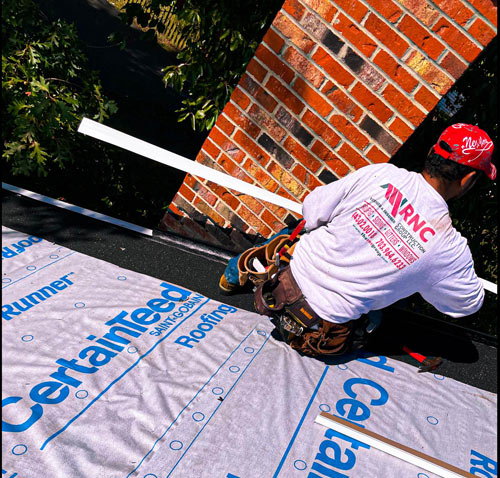
Underlayment.
The underlayment is a felt material, that is used over the deck to provide additional protection, making it a crucial component for you roof. Underlayment is your roof system’s last line of defense for your deck. It is important to invest in the best possible roofing components that is why we offer a system that includes Certified by the supply.
Drip Edge.
Is the metal Flashing that’s installed at the edges of the roof to help control the flow of water away from your fascia and other roofing components.
Ice Water Shield.
Your Valleys are crucial to keep water flowing in the right direction down your roof. Because of this, they need something to protect them from the constant flow of water every time it rains. That’s why is called the waterproof membrane because it protects your roof during winter and rain season.
Asphalt Shingles
Your shingles are the top layer of your roof that is visible to the outside world. When people think of a roof replacement, they usually only think of their shingles, RNC construction Group has certifications of roof tile suppliers that provide 50 year warrantee (CertainTeed, GAF, OwenScorning.
Ridge Capping.
Ridge Capping Is the trim Installed at the peak where the two slopes of a roof meet. They’re thicker than regular shingles so our crews at RNC Construction Group bent to form to the ridges on your roof.
Pipe Boots
Roof Pipes must be covered properly with synthetic rubber around your roof penetration so that water does not run into your home. That’s where tube boots come in handy because it prevents leak.
Free, No Obligation
Request Your Free Estimate & Inspection
Tell us about your roof and we’ll come take a look — no pressure,
no cost. Or call us right now on
(571) 269-8153.
Virginia Homeowner’s Guide to Replacing Your Roof in 2021
RNC Roofing and Construction GroupNovember 17, 2020
Roof replacement becomes a necessity at some point in the life of every home. In the best case scenario, a roof simply comes to the natural end of its life and needs to be replaced. Just looking at it you can see it’s old and worn, and replacing it is a matter of preventive maintenance rather than repair. If you ignore or put off doing that maintenance, however, you can wind up with more serious problems, including: Interior ceiling and wall damage, Mold, mildew, and the resulting health concerns, Risk of electrical fires, Higher energy bills, Discomfort in summer or winter months, and Compromised structural integrity of your home. Like anything else, it’s easier and less expensive to prevent problems, rather than let things get so bad you have no choice but to repair them. Roof replacement cost only goes up the longer you wait. If your roof is 15 to 20 years old or more, now’s the time to start planning to replace your roof in 2021. Reasons to replace your roof. There are many specific reasons for roof replacement, but most of them fall into two general categories. One on hand, your roof is your primary protection against scorching sun, soaking rain, freezing ice and snow, insects, wildlife, and all that nature has to throw at you. Exposure to all those elements naturally takes a toll, and eventually every roof simply wears out. If your roof is 15 to 20 years old or more, look for telltale signs of age and wear, including: Curled, worn, cupped, or cracked shingles, Storm and hail damage, such as missing or broken shingles, Mold, mildew, moss, and rot, Dark streaks caused by algae, Cracks that leak water or allow sunlight into your home. On the other hand, as one of its most highly visible features, the condition of your roof can dramatically affect how potential buyers (or pesky HOA inspectors) perceive your home. When considering the cost of a new roof, think of it as an investment not only in your comfort, safety, and security, but also in enhanced curb appeal and the increased value of your home when it comes time to sell. In the highly competitive Loudoun County, Virginia market, where new homes with fresh roofs are readily available, it’s important your home remains equally attractive to potential homebuyers. Re-roofing vs. Replacing. Re-roofing is the process of nailing down a fresh layer of shingles over an existing layer. Replacing your roof entails completely stripping the shingles and underlayment, inspecting the wood sheathing, making any necessary repairs, then installing new underlayment and shingles. While re-roofing can be less expensive up front, it may not be your best choice, nor the most cost-effective choice, in the long run. For one thing, a second layer of shingles will retain double the amount of heat in the summer, making roof-level rooms unbearably hot and requiring dramatically more air conditioning. What’s more, there are a few situations in which re-roofing isn’t an option, including: A roof that already has two layers of shingles, Damage to roof flashing or other structural damage, Homes with construction that can’t support the additional weight of a second layer of shingles, and A roof that sags, leaks water, or is covered in mold, mildew, or moss. In contrast, although the average cost to replace a roof may be higher than re-roofing, the benefits include: Ensuring all roofing issues are fully addressed at the same time, which saves money in the long run, Appropriate insulation and ventilation, which saves on heating and cooling costs, A more comfortable living space in cold and warm weather, Mold prevention for healthier air quality, Enhanced appearance, whether to enjoy for yourself, to comply with HOA requirements, or to boost the value of your home prior to selling it. Choosing your roofing materials You have a variety of materials to choose from when replacing your roof. Asphalt shingles are the most common, but other types include slate, concrete or clay tiles, cedar shakes, metal, various plastic polymers and more. Your choice of roofing material should also take into account a number of other factors, including style, color, durability and expected lifespan, weight, insulation value, Energy Star rating, cost, aesthetic appeal, and climate and weather conditions in your area. Questions to consider before settling on your roofing material include: How long will this roof last? Do I plan to live in the home for most of that period, or am I replacing the roof to sell my house? Will the construction and framing of my house support the weight of this material? Is this an appropriate material choice for the Northern Virginia region? Is my roof properly ventilated and does it have the required slope to install this type of material? Does this project involve repairing a roof leak, or skylight replacement or installation? Will the material work with the style of my home, and is this material permitted by local building codes or HOA guidelines? How much will my new roof cost? Do I expect to recoup some or all of that cost in energy savings or resale value? Whichever roofing material I select, how can I ensure I’m getting a top-quality product from a reputable manufacturer? What kind of warranty is provided for this type of roofing material? When replacing your roof, the materials that are used can make a huge difference not only in curb appeal, but in the longevity of your investment. That’s why we choose GAF and Certainteed as our material suppliers — two of the best brands available — to ensure your roof stays beautiful and hassle free for a long time to come. As a deeply experienced, fully insured, high-quality roofing service operating in Northern Virginia and Maryland, you can rely on RNC Construction to help you answer all of the questions above, and provide you with the trustworthy advice and guidance you need to select the best roof replacement for your home. If your roof is 15 years old or more, a new roof is one of the best investments you can make in 2021. You’ll enjoy the double benefit of enhanced comfort, safety, and lower energy costs while you live in your home, plus increased value when you sell your home.
Free, No Obligation
Request Your Free Estimate & Inspection
Tell us about your roof and we’ll come take a look — no pressure,
no cost. Or call us right now on
(571) 269-8153.
Virginia Homeowner’s Guide to Replacing Your Roof in 2023
RNC Roofing and Construction GroupNovember 17, 2020
Replacing Your Roof : Virginia Homeowner’s Guide 2023
Roofs are designed to last for many years, but they are not indestructible. Over time, they are exposed to the elements and can sustain damage from weather events such as wind, rain, snow, and hail. Additionally, the quality of the installation and the maintenance of the roof can affect its lifespan. if your roof is between the ages of 15-20 years it might be time to start considering a roof replacement.The frequency of roof replacement depends on various factors, including the type of material used, the climate in which the building is located, and the quality of the installation and maintenance. In this article, we will explore these factors in more detail and provide insights into replacing your roof
Factor That Affect the Life Expectancy of Roofs
The lifespan of your roof is influenced by several factors, including the climate in which you live, the type of roofing material you have, the maintenance you perform, and the quality of installation. In this section, we will delve into each of these factors to help you better understand how they impact your roof’s longevity.
Signs That Indicate a Roof Needs to be Replaced
Age of the Roof
The age of the roof is one of the most significant factors in determining whether it needs to be replaced. As roofs age, they become more susceptible to damage and wear and tear. If a roof is approaching the end of its expected lifespan, it may be time to consider replacement.
Damaged Shingles
Damaged or missing shingles can indicate that a roof needs to be replaced. Shingles that are cracked, curled, or warped are more susceptible to damage and may allow water to penetrate the roof. If a significant portion of the shingles is damaged, it may be time to replace the entire roof. Read More About Roof Maintenance Here
Leaks
Leaks are a clear indication that a roof needs to be replaced. If water is penetrating the roof and causing damage to the interior of the building, it is essential to take immediate action to replace the roof.
Moss and Algae Growth
Moss and algae growth on a roof can indicate that it is time for replacement. These organisms can trap moisture and cause damage to the shingles, leading to premature wear and tear. If the growth is extensive, it may be time to replace the roof.
The Roof Replacement Process
If a roof needs to be replaced, the process can seem daunting. However, with the right contractor and proper planning, it can be a smooth and stress-free experience. Here are the steps involved in the roof replacement process:
Read More Of Our Articles
Roofs are essential for the protection and structural integrity of any building. However, they do not last forever and require replacement over time. The frequency of replacement depends on various factors, including climate, material, installation, and maintenance. Signs that indicate a roof needs to be replaced include age, damaged shingles, leaks, and moss and algae growth. The roof replacement process involves choosing the right contractor, preparing for the replacement, removing the old roof, and installing the new roof.
Free, No Obligation
Request Your Free Estimate & Inspection
Tell us about your roof and we’ll come take a look — no pressure,
no cost. Or call us right now on
(571) 269-8153.