Tag: roofing

  • Solar Shingles vs. Solar Panels: Making the Right Choice
    Protecting your home, one shingle at a time VA (703) 964-6233| MD (703) 964-6233| Free Estimate & Inspection
    Home Improvement

    Solar Shingles vs. Solar Panels: Making the Right Choice

    RNC Roofing and Construction Group September 20, 2023
    Solar Shingles vs. Solar Panels: Making the Right Choice

    Solar Shingles vs. Solar Panels: Making the Right Choice

    Choosing the right solar technology for your home is a decision that can significantly impact your energy efficiency, long-term savings, and even the aesthetics of your property. In this article, we will delve into the world of solar shingles vs. solar panels, exploring the pros and cons of each option to help you make an informed choice that suits your unique requirements.

    What are Solar Shingles?

    Understanding the Basics

    Solar shingles, often referred to as solar roof shingles, are a revolutionary solar energy solution that combines the functionality of traditional roofing materials with photovoltaic technology. These shingles are designed to serve a dual purpose: protecting your home from the elements while generating electricity from the sun.

    Seamless Integration with Aesthetics

    One of the standout features of solar shingles is their ability to seamlessly blend into your roofing structure. Unlike traditional solar panels, which are mounted on top of your existing roof, solar shingles replace your regular roofing materials. They sit flush with the roofline, providing a visually appealing and unobtrusive way to harness solar energy.

    Environmental Benefits and Sustainability

    Solar shingles are a green choice for environmentally conscious homeowners. By generating clean, renewable energy from the sun, they reduce your carbon footprint and decrease your reliance on fossil fuels. This eco-friendly approach not only benefits your household but also contributes to a more sustainable future.

    Cost Considerations and Potential Savings

    When evaluating solar shingles, it’s essential to consider the initial investment and long-term savings. While solar shingles may have a higher upfront cost compared to traditional roofing materials, they can result in substantial savings over time. You’ll not only generate your electricity but also potentially qualify for incentives and rebates, further enhancing your return on investment.

    solar panel tilt

    Solar Panels: Traditional Photovoltaic Systems

    Understanding Traditional Solar Panels

    Traditional solar panels, also known as photovoltaic (PV) panels, are the most widely recognized solar energy technology. These panels are designed to convert sunlight into electricity through the photovoltaic effect. They consist of solar cells made of semiconductor materials, typically silicon, which absorb sunlight and produce direct current (DC) electricity.

    Installation Options and Aesthetic Considerations

    When opting for traditional solar panels, you have various installation options. The most common approach involves mounting the panels on top of your existing roof. While this is a practical solution, it can impact the aesthetics of your home. Alternatively, solar panels can be integrated into roofing materials, similar to solar shingles, for a more seamless appearance.

    Efficiency and Energy Production

    Solar panels are renowned for their efficiency in converting sunlight into electricity. They tend to have a higher energy production capacity compared to solar shingles. However, the specific efficiency of your solar panel system can vary depending on factors such as panel type, orientation, and geographic location.

    Cost Considerations and Return on Investment (ROI)

    The initial cost of installing traditional solar panels can be lower than that of solar shingles. When considering solar panels, it’s essential to account for potential incentives, tax credits, and rebates offered by government programs or utilities. Over time, solar panels can yield significant long-term savings on your electricity bills, making them a financially sound investment.
    roof maintenance tips

    Comparing Efficiency and Performance

    Energy Generation Capabilities

    When comparing solar shingles vs. solar panels, one crucial aspect to consider is their energy generation capabilities. Solar panels, with their larger surface area, typically have a higher energy production capacity compared to solar shingles. This means that, under optimal conditions, traditional solar panels can generate more electricity. However, the specific efficiency of your system can vary depending on factors such as the type of panels used and their orientation towards the sun.

    Geographic Factors and Efficiency

    Efficiency isn’t solely determined by the technology itself. Geographic factors play a significant role. Solar panels tend to perform exceptionally well in areas with abundant sunlight, making them an ideal choice for regions with long, sunny days. On the other hand, solar shingles, while still effective, may be a better fit for locations with variable weather patterns since they can generate electricity even when partially shaded.

    Maintenance Requirements

    Maintenance is another aspect that sets these technologies apart. Solar panels typically require less maintenance than solar shingles. Panels need occasional cleaning and inspection to ensure they remain free of dirt and debris that can reduce efficiency. In contrast, solar shingles, being integrated into the roof, may be more challenging to access for maintenance but still require periodic checks to ensure their performance.

    Lifespan and Durability

    The lifespan and durability of both solar shingles and solar panels are essential considerations. Solar panels have a well-established track record, often lasting 25 years or more with proper maintenance. Solar shingles are relatively newer in the market, and while they are designed for durability, their longevity is still being assessed. When evaluating these options, it’s essential to consider the expected lifespan and warranty coverage to make an informed decision.

    solar panel installation steps

    Installation and Roofing Considerations

    Professional Installation is Key

    Whether you opt for solar shingles or traditional solar panels, the importance of professional installation cannot be overstated. Installing solar technology is a complex process that requires expertise to ensure the system’s safety, efficiency, and longevity. Hiring a certified solar installer ensures that your system is correctly set up, minimizing the risk of problems down the road.

    Roof Compatibility and Structural Considerations

    Before deciding on solar shingles or panels, it’s crucial to assess your roof’s compatibility and structural integrity. Both options require a solid foundation, but solar panels may impose additional weight, making it necessary to reinforce your roof’s structure. Solar shingles, being integrated into the roof, need to be compatible with your existing roofing materials and layout. A professional assessment will help determine which option suits your roof best.

    Warranty and Maintenance Differences

    Warranties and maintenance requirements can vary between solar shingles and panels. Solar panel systems typically come with separate warranties for panels and inverters, with warranties ranging from 10 to 25 years. Solar shingle warranties can vary based on the manufacturer but often align with traditional roofing warranties. Understanding these differences is essential for long-term peace of mind.

    Local Regulations and Permitting Processes

    Navigating local regulations and permitting processes is a crucial step in your solar installation journey. Requirements can vary by location, so it’s essential to research and comply with your area’s specific rules and regulations. This includes obtaining the necessary permits and approvals before installation begins.
    flat vs pitched roofing

    Making the Right Choice for Your Home

    Factors to Consider

    When faced with the decision between solar shingles and solar panels, several critical factors should guide your choice. Consider your location, budget, energy goals, and aesthetic preferences. Solar panels may be a more cost-effective choice upfront, but solar shingles offer seamless integration with your roof. Weigh these factors carefully to align your choice with your unique needs.

    Real-World Examples

    To help you visualize the practical implications of your decision, let’s explore some real-world examples. For instance, in a sun-drenched region with ample roof space, traditional solar panels might be the most cost-efficient solution. Conversely, in a neighborhood with strict aesthetic guidelines, solar shingles can preserve your home’s visual appeal.

    Expert Recommendations from Roofing Experience

    Drawing from our expertise in roofing, we recommend consulting with professionals who specialize in solar installations. Roofing contractors can assess your roof’s suitability for solar technology and provide valuable insights tailored to your specific situation. Their experience can be invaluable in making an informed decision.

    Emphasizing Informed Decision-Making

    In conclusion, the choice between solar shingles and solar panels hinges on a variety of factors, from efficiency and aesthetics to budget and location. By thoroughly evaluating these aspects and seeking expert guidance, you can make an informed decision that maximizes the benefits of solar energy for your home. Remember, it’s not just about choosing between solar shingles vs. solar panels; it’s about selecting the right energy solution to power your future sustainably.

    View More Articles

    Free, No Obligation

    Request Your Free Estimate & Inspection

    Tell us about your roof and we’ll come take a look — no pressure, no cost. Or call us right now on (703) 964-6233.

    (703) 964-6233
    Contact Form Demo (#3)
    Owens Corning Preferred Contractor GAF System Plus CertainTeed SureStart PLUS BBB A+ Accredited HomeAdvisor

    RNC Roofing

    RNC Roofing and Construction Group — The Roofing Contractor Specialists. Protecting your home, one shingle at a time.

    Virginia

    (703) 964-6233 Sterling · Leesburg · Ashburn
    Loudoun & Fairfax County

    Maryland

    (703) 964-6233 Beltsville · District Heights
    All of Maryland
    © 2026 RNC Roofing and Construction Group — The Roofing Contractor Specialists Northern Virginia & Maryland
  • Dark Shingles vs Light Shingles: Stay Informed On Your Roof

    Protecting your home, one shingle at a time VA (703) 964-6233| MD (703) 964-6233| Free Estimate & Inspection
    Home Improvement

    Dark Shingles vs Light Shingles: Stay Informed On Your Roof

    RNC Roofing and Construction Group September 6, 2023
    Dark Shingles vs Light Shingles: Stay Informed On Your Roof

    Dark Shingles vs Light Shingles: Stay Informed On Your Roof

    In the world of roofing, choosing the right material can be a critical decision for homeowners. One of the key choices they face is between dark shingles and light shingles, each offering its own set of advantages and considerations. In this article, we will explore the factors that should guide your decision when it comes to selecting the ideal roofing material for your home.

    Understanding Dark Shingles

    When it comes to roofing, dark shingles are a popular choice that offers a distinct set of characteristics. Let’s delve into what defines dark shingles and explore the advantages and drawbacks associated with them.

    Defining Dark Shingles

    Dark shingles, as the name suggests, are roofing materials that come in deep, rich colors. These shingles are typically darker shades of brown, gray, black, or even deep red. They are known for their ability to absorb and retain heat.

    Advantages of Choosing Dark Shingles

    Energy Efficiency in Colder Climates: Dark shingles excel in colder regions. They absorb sunlight and heat, which can help melt snow and ice on the roof more effectively. This can prevent the formation of ice dams and potential roof damage caused by the weight of accumulated snow.

    Enhanced Curb Appeal on Certain Architectural Styles: Dark shingles often provide a striking contrast to light-colored siding or architectural elements. They can lend a sophisticated and classic look to homes with specific design aesthetics.

    Drawbacks of Dark Shingles

    Increased Heat Absorption in Hot Climates: While the heat-absorbing quality of dark shingles can be an advantage in cold climates, it can be a drawback in hotter regions. Dark shingles can make your home warmer in the summer, potentially increasing cooling costs.

    Potential for Quicker Fading and Wear: Dark shingles may be more prone to fading over time due to their exposure to the sun’s ultraviolet (UV) rays. This can affect their appearance and longevity, leading to the need for more frequent replacements or repairs.

    exploring pitched roofs

    Exploring Light Shingles

    Light shingles, are a distinct category of roofing materials that bring their own unique qualities to the table. In this section, we will define and describe light shingles and delve into their advantages and disadvantages.

    Defining Light Shingles

    Light shingles are roofing materials that come in softer and lighter colors. These shingles typically include shades of beige, light gray, or even white. They are known for their reflective properties and their ability to resist heat absorption.

    Benefits of Opting for Light Shingles

    Reflective Properties for Energy Savings in Warm Climates: Light shingles excel in warmer regions. Their reflective surfaces bounce back a significant amount of sunlight, reducing heat absorption. This can help keep your home cooler during hot summers, potentially leading to energy savings and increased comfort.

    Reduced Heat Absorption, Potentially Extending the Roof’s Lifespan: Light shingles are less likely to absorb excessive heat. This quality can contribute to a longer lifespan for your roof by reducing the wear and tear caused by temperature fluctuations.

    Drawbacks of Light Shingles

    May Not Complement All Architectural Styles: While light shingles offer several advantages, they may not be the ideal choice for all architectural styles. Some homeowners may find that light shingles do not harmonize as well with the overall aesthetics of their homes.

    Less Effective at Melting Ice and Snow in Cold Climates: In regions with heavy snowfall and cold winters, light shingles may not be as effective at melting ice and snow compared to their dark counterparts. This can lead to the formation of ice dams, which may require extra maintenance.

    factors influencing roof replacement

    Factors to Consider

    When it comes to choosing between dark shingles and light shingles, homeowners should weigh several key factors to make an informed decision that suits their unique needs and circumstances. Let’s explore these essential considerations:

    Climate and Local Weather Patterns

    One of the foremost factors to ponder is your local climate. The weather in your region plays a pivotal role in determining the ideal shingle color for your roof. In colder climates, where snow and ice are prevalent during winter months, dark shingles might be advantageous. They can help melt snow and ice more efficiently, potentially preventing ice dams and the associated roof damage. In contrast, light shingles are better suited for warmer climates, where their reflective properties can reduce heat absorption and contribute to energy savings.

    Architectural Style and Home Aesthetics

    Consider the architectural style and overall aesthetics of your home. The color of your shingles should harmonize with your home’s design. Dark shingles can provide a classic and bold appearance, complementing certain architectural styles. On the other hand, light shingles offer a softer and more contemporary look. It’s important to choose a shingle color that enhances your home’s curb appeal and fits seamlessly with its style.

    Energy Efficiency Goals

    If you have specific energy efficiency goals for your home, such as reducing heating or cooling costs, your choice of shingle color can impact your success. Dark shingles can aid in heating your home more effectively in cold climates but may increase cooling costs in hot regions. Light shingles, with their reflective properties, are better suited for reducing cooling costs in warm climates. It’s essential to align your energy efficiency goals with your shingle choice.

    Long-Term Maintenance and Cost Considerations

    Roofing is a long-term investment, and the choice of shingle color can influence maintenance and replacement costs over time. Dark shingles may require more frequent maintenance and replacement due to potential fading and wear. Light shingles, by contrast, may have a longer lifespan. Consider the long-term cost implications and maintenance requirements associated with your chosen shingle color.

    what is roof flashing

    Making an Informed Decision

    Conduct a Climate Analysis for Your Region

    Start by assessing the climate in your local area. The weather patterns and temperature extremes in your region should play a pivotal role in your decision-making process. If you live in a colder climate with heavy snowfall, dark shingles may be more advantageous for their heat-absorbing properties, which can help prevent ice dams. Conversely, if you reside in a warmer area, light shingles with their reflective qualities may be a better fit, potentially reducing cooling costs.

    Consult with a Roofing Professional for Expert Advice

    Don’t hesitate to seek the expertise of a professional roofing contractor. They have hands-on experience and can provide valuable insights tailored to your specific situation. A roofing professional can assess your home, consider your climate, and discuss your aesthetic preferences to recommend the most suitable shingle color for your needs. Their advice can be invaluable in making the right choice.

    Consider the Long-Term Cost Implications

    Roofing is a long-term investment, and your choice of shingle color can impact maintenance and replacement costs over the years. While dark shingles may excel in certain climates, they might require more frequent maintenance and replacements due to potential fading. On the other hand, light shingles may have a longer lifespan. Consider not only the upfront cost but also the long-term expenses associated with your chosen shingle color.

    Factor in Personal Aesthetic Preferences

    Your home is an expression of your personal style, and the color of your shingles should complement your aesthetic preferences. Consider how each shingle color option will blend with your home’s architecture and exterior design. Visualize the final look and feel of your home with both dark and light shingles to ensure your choice aligns with your vision.

    View More Articles

    Free, No Obligation

    Request Your Free Estimate & Inspection

    Tell us about your roof and we’ll come take a look — no pressure, no cost. Or call us right now on (703) 964-6233.

    (703) 964-6233
    Contact Form Demo (#3)
    Owens Corning Preferred Contractor GAF System Plus CertainTeed SureStart PLUS BBB A+ Accredited HomeAdvisor

    RNC Roofing

    RNC Roofing and Construction Group — The Roofing Contractor Specialists. Protecting your home, one shingle at a time.

    Virginia

    (703) 964-6233 Sterling · Leesburg · Ashburn
    Loudoun & Fairfax County

    Maryland

    (703) 964-6233 Beltsville · District Heights
    All of Maryland
    © 2026 RNC Roofing and Construction Group — The Roofing Contractor Specialists Northern Virginia & Maryland
  • Early Signs of Water Damage on Ceiling: Detection and Prevention

    Protecting your home, one shingle at a time VA (703) 964-6233| MD (703) 964-6233| Free Estimate & Inspection
    Home Improvement

    Early Signs of Water Damage on Ceiling: Detection and Prevention

    RNC Roofing and Construction Group August 15, 2023
    Early Signs of Water Damage on Ceiling: Detection and Prevention

    Early Signs of Water Damage on Ceiling: Detection and Prevention

    Recognizing the early signs of water damage is crucial to avoiding more extensive issues down the line.Water damage on ceilings can have far-reaching consequences if left unnoticed and untreated.Timely detection can save homeowners from costly repairs and structural complications. As an adept roofing contractor with years of experience, I’m here to provide you with valuable insights on identifying these telltale signs.

    Discoloration and Stains

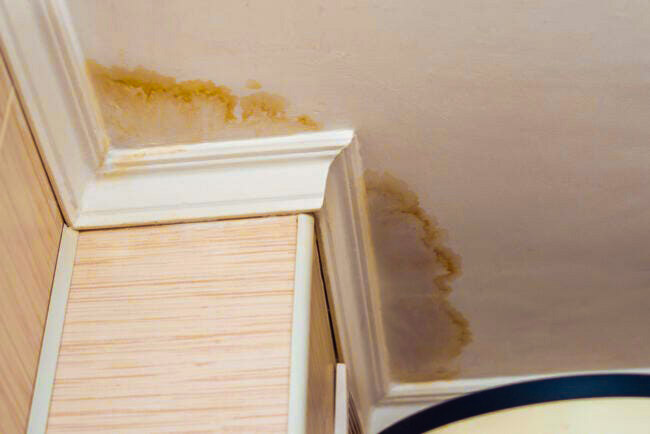
    Discoloration and stains on the ceiling serve as crucial initial signals of potential water damage. These conspicuous marks are often the first indicators that something isn’t right overhead. The early signs of water damage on the ceiling, such as discolored patches, can manifest in various shades and patterns, including hues like yellow, brown, or even darker spots.

    Understanding the Visual Clues

    These telltale signs are like nature’s way of alerting you to a hidden issue. Stains, which can be as subtle as faint discolorations or as bold as distinct patches, catch the eye for a reason. They hint at the presence of excess moisture or leaks above, often indicating an ongoing problem that requires attention.

    Colors Tell a Story

    The color of the stain can also provide insights into the severity and duration of the water damage. Lighter stains might suggest a recent issue, while deeper shades could imply longstanding leakage. This color variation is due to the interaction between the moisture and the ceiling material, which can help identify the potential extent of the problem.

    Surprising Stain Locations

    It’s worth noting that the location of the stain isn’t always directly beneath the source of the water. Water has a sneaky way of traveling along surfaces, defying gravity and sometimes appearing quite distant from its origin. Thus, the presence of a stain might indicate that the water’s entry point is not immediately adjacent.

    evaluating roof damage

    Deterioration of Paint and Texture

    Water damage on ceilings can lead to notable changes in both the appearance and feel of the affected area. As early signs of water damage on the ceiling begin to emerge, you might notice that the paint undergoes distinct alterations. Water infiltration can cause the paint to bubble, crack, or even peel off entirely, revealing the substrate underneath.

    The Transformation of Texture

    Beyond the visual changes, water exposure can also impact the texture of your ceiling. What was once smooth and uniform may become uneven and irregular due to moisture-related damage. Flaking, peeling, or a rough surface texture can indicate that water has permeated the ceiling materials, leading to a change in its structure.

    Unearthing Hidden Indications

    When inspecting for water damage, it’s paramount to cast a thorough gaze across the entire ceiling. Pay close attention not only to the central area but also to the corners and edges. Water doesn’t discriminate; it can infiltrate even the least expected spaces. By meticulously surveying the complete surface, you can uncover subtle changes in paint and texture that could signify early-stage damage.

    A Preventive Approach

    Understanding the evolution of paint and texture changes due to water exposure empowers you to take proactive measures. By identifying these signs early on, you can intervene before the damage progresses further. Timely repairs can prevent the need for extensive restoration and ensure the aesthetic and structural integrity of your ceiling.

    fix leaky roof

    Sagging or Bulging

    Prolonged exposure to moisture can trigger a series of adverse effects on your ceiling. One of the most conspicuous indications is the sagging or bulging of ceiling materials. As early signs of water damage on the ceiling become evident, it’s essential to recognize these physical transformations and understand their implications.

    The Impact of Moisture

    Ceiling materials are typically designed to be sturdy and resilient. However, when exposed to persistent moisture, such as from leaks or condensation, they can gradually weaken. This weakening process weakens their structural integrity, leading to noticeable sagging or bulging in certain areas.

    The Telltale Feel

    When examining your ceiling, run your hand gently over the surface. Areas that have been compromised by water damage might feel different from the rest. They could feel soft, spongy, or even damp to the touch. These subtle tactile changes can serve as a clear indicator that moisture has penetrated the ceiling materials, causing them to lose their strength.

    Urgent Action Required

    Recognizing sagging or bulging in your ceiling should trigger an immediate response. These changes are not merely cosmetic; they can escalate into a more severe problem. Ignoring such signs might lead to a potential collapse, posing a risk to occupants and property alike. To avoid hazardous outcomes, it’s imperative to involve professionals promptly upon identifying these issues.

    common types of mold

    Musty Odors and Mold Growth

    While some early signs of water damage on the ceiling might be visible, others are more elusive yet equally crucial to detect. Hidden water damage can give rise to a host of issues, including the growth of mold and mildew. Recognizing the presence of mold through its distinct musty odors is a pivotal aspect of identifying potential water-related problems.

    The Unseen Consequences

    Water damage often goes beyond what meets the eye. When moisture infiltrates concealed spaces, it provides the perfect breeding ground for mold and mildew. These microscopic organisms thrive in damp environments, and their growth can be indicative of ongoing water issues within your ceiling’s structure.

    Musty Odors: A Clear Indicator

    Mold and mildew growth is often accompanied by unmistakable musty odors. These scents, while unpleasant, serve as potent early warnings of underlying water damage. If you notice such odors around your ceiling, it’s a strong sign that moisture has infiltrated the area, potentially causing deterioration and structural concerns.

    Safeguarding Your Space

    It’s important to be able to distinguish musty odors from other smells. While cooking or pets might contribute to various scents in your home, musty odors have a distinct dampness to them. Additionally, the odor might become more pronounced in humid conditions or after rainfall. If you suspect the presence of these odors, it’s recommended to further investigate the source and address it promptly.

    peeling wallpaper

    Peeling Wallpaper or Peeling Tape

    In the realm of early signs of water damage on the ceiling, subtlety often holds the key to early detection. Excess moisture, a persistent adversary, can quietly compromise the adhesives that hold up your ceiling’s aesthetics. When wallpaper or tape starts to peel away from the ceiling, it’s a discreet yet significant indicator of water-related concerns.

    Unraveling the Effects of Moisture

    Adhesives that secure wallpaper or tape to your ceiling rely on a stable environment. However, excess moisture can undermine their effectiveness, causing them to lose their grip over time. When these adhesives weaken, peeling and detachment occur, revealing an underlying issue that warrants your attention.

    A Glimpse Beneath the Surface

    Peeling areas not only disrupt the visual harmony but also unveil the substrate beneath. This layer might exhibit signs of discoloration or dampness, both indicative of moisture infiltration. What may appear as minor peeling could, in fact, hint at a more extensive underlying problem that requires immediate investigation.

    The Power of Thorough Examination

    While minor instances of peeling might be tempting to overlook, it’s imperative to treat them as early red flags. Investigating and addressing these signs promptly can help prevent potential escalation. Don’t underestimate the impact of seemingly minor changes; they could be pointing towards a larger water damage issue that demands attention.

    how old should a roof be before replaced

    Changes in Ceiling Structure

    Water’s insidious effects extend beyond mere aesthetics; they can impact the very structure of your ceiling. Understanding how early signs of water damage on the ceiling can affect its integrity is pivotal for preserving the overall safety and stability of your living space.

    A Weakening Foundation

    The infiltration of water can gradually erode the strength of the ceiling’s materials. Over time, this weakening might cause certain areas to feel softer or less robust than others. These changes in the structural makeup are indicative of the damage that water can silently inflict.

    Visible Indicators of Trouble

    In extreme instances, the consequences of water damage become visually apparent. Visible cracks might emerge on the ceiling’s surface, serving as unmistakable signs of structural stress. Additionally, severe water infiltration can lead to sagging, where certain sections of the ceiling appear lower than others, underscoring the urgency of addressing the issue.

    Seeking Professional Expertise

    The potential implications of changes in ceiling structure underscore the necessity of swift action. When you notice any of these signs, consulting a professional roofing contractor becomes paramount. Experts can assess the extent of the damage, determine its underlying causes, and recommend appropriate remedial actions.

    View More Articles

    Free, No Obligation

    Request Your Free Estimate & Inspection

    Tell us about your roof and we’ll come take a look — no pressure, no cost. Or call us right now on (703) 964-6233.

    (703) 964-6233
    Contact Form Demo (#3)
    Owens Corning Preferred Contractor GAF System Plus CertainTeed SureStart PLUS BBB A+ Accredited HomeAdvisor

    RNC Roofing

    RNC Roofing and Construction Group — The Roofing Contractor Specialists. Protecting your home, one shingle at a time.

    Virginia

    (703) 964-6233 Sterling · Leesburg · Ashburn
    Loudoun & Fairfax County

    Maryland

    (703) 964-6233 Beltsville · District Heights
    All of Maryland
    © 2026 RNC Roofing and Construction Group — The Roofing Contractor Specialists Northern Virginia & Maryland
  • Roof Maintenance Tips: A Comprehensive Guide For Homeowners

    Protecting your home, one shingle at a time VA (703) 964-6233| MD (703) 964-6233| Free Estimate & Inspection
    Home Improvement

    Roof Maintenance Tips: A Comprehensive Guide For Homeowners

    RNC Roofing and Construction Group April 7, 2023
    Roof Maintenance Tips: A Comprehensive Guide For Homeowners

    Roof Maintenance Tips For Homeowners

    As a homeowner, one of the most important aspects of maintaining your home is taking care of your roof. A well-maintained roof not only adds value to your home but also protects you and your family from the elements. However, many homeowners overlook roof maintenance until a problem arises. In this article, we will provide you with a comprehensive guide of great roof maintenance tips.

    Inspect Your Roof Regularly

    The first of the roof maintenance tips is to inspect it regularly. Experts recommend that you inspect your roof twice a year, preferably in the spring and fall. Inspecting your roof can help you identify any damage or wear and tear that may have occurred. Look for cracked, curling, or missing shingles, as well as any debris such as leaves, branches, or moss. It is essential to address any issues promptly to prevent further damage.Schedule a Free Inspection With Us Today

    Keep Your Gutters Clean

    Clogged gutters can lead to water damage and rotting wood, which can compromise the integrity of your roof. To prevent this, make sure to clean your gutters regularly, especially during the fall when leaves and debris are more likely to accumulate. You can use a garden hose or a leaf blower to remove any debris from your gutters and downspouts.

    clean gutters

    Trim Overhanging Branches

    Overhanging branches can damage your roof by scraping against the shingles or causing debris to fall onto your roof. To prevent this, make sure to trim any overhanging branches regularly. This will not only protect your roof but also prevent any potential safety hazards.

    tree branch hanging on roof. Overhanging tree branch

    Check Your Attic Ventilation

    Proper attic ventilation is one of the crucial roof maintenance tips. Without proper ventilation, moisture can build up in your attic and cause mold and mildew to grow, which can weaken your roof’s structure. Make sure to check your attic ventilation regularly and consider adding additional vents if necessary.

    roof maintenance tips ventilation

    Repair Any Damage Promptly

    If you notice any damage or wear and tear on your roof, it is important to address it as soon as possible. Small issues can quickly turn into larger problems if left untreated, so make sure to repair any damage promptly. You can either fix the issue yourself or hire a professional roofing contractor to handle the repair for you.

    repairing storm damage roof

    Regularly Treat for Moss and Algae

    Moss and algae can grow on your roof, which can be detrimental to its appearance and integrity. Another one of the great roof maintenance tips is to have your roof professionally cleaned and protected with preventative products to keep moss and algae from reappearing. Regular treatment for moss and algae will help to prevent any damage or deterioration to your roof, making it last longer.Read About Advanced Algae Protection

    moss and algae symbol , roof maintenance tips

    Hire a Professional

    While you can handle some of the maintenance tasks yourself, it is always a good idea to hire a professional roofing contractor for regular maintenance. A professional will have the expertise and tools necessary to identify and address any issues that you may have missed. Additionally, regular maintenance can help extend the lifespan of your roof and prevent costly repairs down the line.

    roof maintenance tips

    Keep Your Home Healthy and Strong with These Essential Roof Maintenance Tips

    Maintaining your roof is crucial for the safety, security, and value of your home. By following these essential roof maintenance tips, you can keep your roof in top condition and avoid potential issues. Remember to inspect your roof regularly, keep your gutters clean, trim overhanging branches, check your attic ventilation, repair any damage promptly, and hire a professional for regular maintenance.

    More Informative Posts

    Free, No Obligation

    Request Your Free Estimate & Inspection

    Tell us about your roof and we’ll come take a look — no pressure, no cost. Or call us right now on (703) 964-6233.

    (703) 964-6233
    Contact Form Demo (#3)
    Owens Corning Preferred Contractor GAF System Plus CertainTeed SureStart PLUS BBB A+ Accredited HomeAdvisor

    RNC Roofing

    RNC Roofing and Construction Group — The Roofing Contractor Specialists. Protecting your home, one shingle at a time.

    Virginia

    (703) 964-6233 Sterling · Leesburg · Ashburn
    Loudoun & Fairfax County

    Maryland

    (703) 964-6233 Beltsville · District Heights
    All of Maryland
    © 2026 RNC Roofing and Construction Group — The Roofing Contractor Specialists Northern Virginia & Maryland
  • 6 Common Causes of Roof Leaks In Heavy Rain

    Protecting your home, one shingle at a time VA (703) 964-6233| MD (703) 964-6233| Free Estimate & Inspection
    Home Improvement

    6 Common Causes of Roof Leaks In Heavy Rain

    RNC Roofing and Construction Group March 21, 2023
    6 Common Causes of Roof Leaks In Heavy Rain

    6 Common Causes of Roof Leaks In Heavy Rain

    When it rains heavily, your roof should protect your home from water damage. However, if your roof leaks during heavy rain, it can cause significant problems, such as water stains, mold growth, wood rot, and structural damage. In this article, we will explore the six most common causes of roof leaks during heavy rain and suggest some practical solutions to help you avoid or fix them.

    1

    cracked damaged shingles , roofing, blistering roof

    Damaged or Missing Shingles

    The shingles on your roof serve as the first line of defense against rainwater. If they are damaged or missing, rainwater can penetrate your roof and seep into your attic or ceiling. Some signs of damaged or missing shingles include:

    • Cracked, curled, or warped shingles
    • Loose or missing shingles
    • Granules or debris in your gutters or downspouts

    To prevent or fix this problem, you should inspect your roof regularly, especially after a storm, and look for any signs of damage or wear. If you notice any damaged or missing shingles, you should replace them as soon as possible.

    2

    storm damaged gutters

    Clogged Gutters or Downspouts

    Your gutters and downspouts play a crucial role in channeling rainwater away from your roof and home. However, if they are clogged with leaves, twigs, or debris, they can cause water to back up and overflow, leading to water damage or leaks. Some signs of clogged gutters or downspouts include:

    • Water spilling over the edges of your gutters
    • Sagging or detached gutters
    • Damp or wet spots around your home’s foundation

    The key to preventing or fixing this is to clean your gutters and downspouts at least twice a year, or more frequently if you have many trees around your home. You can use a ladder, gloves, and a scoop to remove the debris manually, or you can hire a professional to do it for you.

    3

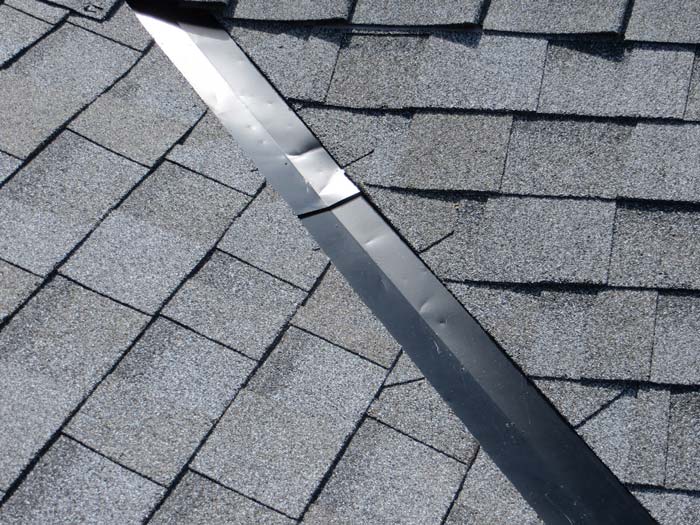
    broken , dented roof flashing , roof leak in heavy rain

    Faulty Flashing

    Flashing refers to the metal strips or sheets that seal the joints and seams of your roof, such as around the chimney, skylight, or vents. If the flashing is damaged, rusted, or improperly installed, rainwater can seep into your roof and cause leaks. Some signs of faulty flashing include:

    • Rust stains or corrosion around the flashing
    • Loose or missing flashing
    • Water stains or drips around the chimney or skylight

    To prevent a recurrence of this situation, you should inspect your flashing regularly and look for any signs of wear or damage. If you notice any problems, you should repair or replace the flashing as soon as possible. You can use a roofing cement or sealant to seal the gaps or joints, or you can hire a professional roofer to do it for you.

    4

    ice dam from roof leak in heavy rain

    Ice Dams

    Ice dams are a common problem in cold climates, where snow and ice can accumulate on your roof and form a barrier that prevents the melted snow from draining off your roof. The trapped water can then seep under your shingles and cause leaks. Some signs of ice dams include:

    • Icicles hanging from your roof or gutters
    • Ice or water stains on your ceiling or walls
    • Wet or soggy insulation in your attic

    This issue can be resolved by removing the snow and ice from your roof as soon as possible, using a roof rake or a broom, or hiring a professional to do it for you. You can also improve you

    5

    roof leak , leaking water damage inside

    Condensation

    Condensation occurs when warm, humid air from your home’s interior meets the cold surface of your roof or attic. The moisture can then accumulate and cause mold growth, wood rot, or water damage. Some signs of condensation include:

    • Water stains or discoloration on your ceiling or walls
    • Musty or damp odors in your attic or home
    • Peeling or bubbling paint or wallpaper

    To address this concern, it is recommended to improve your home’s ventilation and air circulation, especially in your attic. You can install vents, fans, or exhaust systems to remove the excess moisture and allow fresh air to circulate. You can also insulate your attic and seal any air leaks or gaps to prevent the warm air from escaping into your attic.

    6

    dark areas on roofing from roof lean in heavy rain , peeling paint blistering roof

    Aging or Poor Quality Roof

    Lastly, your roof’s age and quality can also affect its ability to withstand heavy rain and prevent leaks. If your roof is old, worn, or poorly installed, it may have weak spots, cracks, or gaps that can allow rainwater to seep in. Some signs of an aging or poor quality roof include:

    • Sagging or uneven roofline
    • Visible cracks or holes in your roof
    • High energy bills or poor insulation

    To prevent or fix this problem, you should consider replacing your roof with a newer, high-quality material, such as metal, asphalt, or tile. You should also hire a professional roofer to inspect your roof regularly and repair any damage or wear before it becomes a bigger problem.

    Conclusion

    Roof leaks in heavy rain can be caused by various factors, such as damaged shingles, clogged gutters, faulty flashing, ice dams, condensation, and aging or poor quality roof. By identifying and addressing these issues early on, you can prevent or fix roof leaks and protect your home from water damage. If you need help with your roof, you can contact a local roofing contractor or home improvement professional for advice and assistance or Read More About Roof Leaks In Heavy Rain Here.

    Our Informative Articles

    Free, No Obligation

    Request Your Free Estimate & Inspection

    Tell us about your roof and we’ll come take a look — no pressure, no cost. Or call us right now on (703) 964-6233.

    (703) 964-6233
    Contact Form Demo (#3)
    Owens Corning Preferred Contractor GAF System Plus CertainTeed SureStart PLUS BBB A+ Accredited HomeAdvisor

    RNC Roofing

    RNC Roofing and Construction Group — The Roofing Contractor Specialists. Protecting your home, one shingle at a time.

    Virginia

    (703) 964-6233 Sterling · Leesburg · Ashburn
    Loudoun & Fairfax County

    Maryland

    (703) 964-6233 Beltsville · District Heights
    All of Maryland
    © 2026 RNC Roofing and Construction Group — The Roofing Contractor Specialists Northern Virginia & Maryland
  • Delaying Roof Repairs: Risks, Consequences, and Solutions

    Protecting your home, one shingle at a time VA (703) 964-6233| MD (703) 964-6233| Free Estimate & Inspection
    Maryland

    Delaying Roof Repairs: Risks, Consequences, and Solutions

    RNC Roofing and Construction Group August 22, 2022
    Delaying Roof Repairs: Risks, Consequences, and Solutions

    Delaying Roof Repairs: Risks, Consequences, and Solutions

    Regular roof maintenance is vital to ensure the longevity and functionality of your home’s roof. Neglecting necessary repairs can lead to significant risks and costly consequences. Your roof serves as the first line of defense against external elements such as rain, wind, and extreme weather conditions. It shields your property and its occupants from harm, making it crucial to address any issues promptly.

    Identifying Common Roof Problems

    Understanding common roofing issues is essential for homeowners to recognize potential problems and take timely action. Roofing problems can arise due to various factors such as age, weather conditions, improper installation, and lack of maintenance. By familiarizing yourself with these issues, you can be proactive in addressing them before they escalate.

    Recognizing Signs of Roof Damage

    Missing or Damaged Shingles: One of the most noticeable signs of roof damage is missing, cracked, or curled shingles. These issues can occur due to aging, wind damage, or improper installation. Keep an eye out for any shingles that appear discolored, deteriorated, or out of place.

    • Leaks and Water Stains: Water stains on ceilings or walls are clear indications of a roof leak. Pay attention to any discolored patches, peeling paint, or dripping water. Leaks can result from damaged flashing, deteriorated underlayment, or cracked roof tiles.
    • Sagging or Bowing Roof: A sagging or bowing roof indicates underlying structural problems. This issue often stems from excessive weight on the roof, compromised support beams, or water damage. If you notice any significant changes in the roofline, it is crucial to address it promptly.

    Linking Symptoms to Potential Risks

    Compromised Structural Integrity: Delaying roof repairs can lead to further damage to the roof’s structural integrity. This includes weakened support beams, rotting roof decking, and compromised load-bearing capacity. Over time, this can pose a safety risk and potentially result in a partial or total roof collapse.

    • Water Damage and Mold Growth: Roof leaks can allow water to seep into the underlying layers of the roof and the interior of the property. This can lead to extensive water damage, including rotting wood, weakened ceilings, and walls. The presence of moisture can also create an ideal environment for mold growth, which poses health risks to occupants.
    • Energy Inefficiency and Increased Costs: Damaged or poorly maintained roofs can compromise energy efficiency. Gaps, cracks, and inadequate insulation can lead to heat loss in winter and heat gain in summer, resulting in increased energy consumption and higher utility bills.

    tpo roofing maintenance

    The Dangers of Delaying Roof Repairs

    Delaying roof repairs can have serious consequences due to the progressive nature of roof damage. What may start as a small issue, if left unattended, can quickly escalate into more significant problems. For example, a minor leak can lead to water infiltration, causing rot and weakening the underlying structure of the roof. It’s crucial to address even seemingly minor issues promptly to prevent further deterioration and more extensive repairs down the line.

    Water Leaks and Structural Integrity

    One of the primary dangers of delaying roof repairs is the risk of water leaks and compromised structural integrity. When roof leaks are not promptly addressed, water can penetrate the roofing materials and seep into the underlying layers. This moisture intrusion can lead to rotting of wooden components, weakening of support beams, and compromising the overall stability of the roof structure. Furthermore, the presence of water can promote the growth of mold, which poses health risks to occupants.

    Impact on Energy Efficiency and Insulation

    Delaying roof repairs can also have a significant impact on energy efficiency and insulation. A damaged or poorly maintained roof may have gaps, cracks, or missing insulation, allowing air to escape or enter the property. This results in energy loss and an increased load on heating and cooling systems, leading to higher energy bills. Additionally, inadequate insulation can create temperature imbalances and discomfort within the living space.

    Increased Susceptibility to Pests and Mold Growth

    Roof damage that is left unaddressed provides an entry point for pests and encourages mold growth. Holes, gaps, or deteriorated roofing materials can invite pests such as rodents, birds, or insects into the attic or interior spaces. These unwanted visitors can cause damage, create noise, and pose health hazards. Moreover, the presence of moisture from roof leaks creates favorable conditions for mold growth, which not only damages the roof but also affects indoor air quality and can trigger allergies or respiratory issues.

    financing roofing ashburn va

    Estimating Cost

    Delaying roof repairs can lead to significant financial implications. What may initially seem like a minor issue can worsen over time, resulting in more extensive damage and higher repair costs. For example, a small roof leak left unattended can cause water damage to the underlying structure, insulation, and interior finishes. As the damage spreads, the complexity of the repair increases, and the associated costs rise. By addressing roof repairs promptly, homeowners can avoid unnecessary expenses and prevent the need for more extensive renovations.

    Potential for Extensive Damage and Replacement

    Neglecting roof repairs can result in extensive damage that may require roof replacement. The longer issues such as leaks, missing shingles, or damaged flashing persist, the greater the likelihood of more severe damage to the roof structure. This can compromise the integrity of the entire roofing system and necessitate a complete roof replacement. Roof replacement is a major expense and often involves additional costs such as labor, materials, and disposal fees. Timely repairs can help preserve the existing roof and prevent the need for costly replacements.

    Impact on Property Value and Insurance Coverage

    Delaying roof repairs can also have consequences for property value and insurance coverage. A damaged or poorly maintained roof can negatively impact the overall value of a property. Potential buyers may be hesitant to invest in a home with unresolved roof issues, or it may result in a lower appraisal value during a property assessment. Moreover, insurance providers may view a property with delayed roof repairs as a higher risk, leading to potential coverage limitations or increased premiums. By addressing roof repairs promptly, homeowners can protect the value of their property and maintain favorable insurance terms.

    health risk with mold

    Health and Safety Concerns

    Delaying roof repairs can also have consequences for property value and insurance coverage. A damaged or poorly maintained roof can negatively impact the overall value of a property. Potential buyers may be hesitant to invest in a home with unresolved roof issues, or it may result in a lower appraisal value during a property assessment. Moreover, insurance providers may view a property with delayed roof repairs as a higher risk, leading to potential coverage limitations or increased premiums. By addressing roof repairs promptly, homeowners can protect the value of their property and maintain favorable insurance terms.

    Indoor Air Quality and Respiratory Health Risks

    Delaying roof repairs can have a detrimental impact on indoor air quality, potentially leading to respiratory health risks. When roof damage allows water to enter the property, it creates a conducive environment for mold and mildew growth. These microorganisms release spores into the air, which, when inhaled, can trigger allergies, respiratory infections, or worsen existing respiratory conditions. By promptly addressing roof repairs, homeowners can safeguard the indoor air quality and protect the health of their family members.

    Structural Stability and Personal Safety Hazards

    Neglecting roof repairs can pose structural stability and personal safety hazards. A damaged roof may become weak and susceptible to collapse, especially during severe weather conditions. Loose or missing shingles, deteriorated flashing, or weakened support beams increase the risk of accidents, such as falling debris or potential roof cave-ins. Timely roof repairs ensure the structural integrity of the roof, reducing the risk of accidents and promoting a safe living environment.

    Increased Fire Risk Due to Compromised Roofing

    Delaying roof repairs can also contribute to an increased risk of fire. If the roofing materials, such as shingles or flashing, are damaged or missing, it exposes the underlying structure to the elements, including sparks or embers from nearby sources. These external fire sources can find their way into the property through compromised roofing, potentially leading to a fire hazard. Prompt roof repairs help maintain a protective barrier against external fire risks, reducing the likelihood of fire incidents.

    evaluating roof damage

    Long-Term Effects on Property

    Delaying roof repairs can have a negative impact on the curb appeal and overall aesthetics of a property. The roof is a prominent feature of any home, and visible signs of damage, such as missing shingles, sagging sections, or discolored patches, can detract from its visual appeal. A well-maintained roof contributes to the overall attractiveness of a property and enhances its curb appeal. By addressing roof repairs promptly, homeowners can preserve the aesthetics of their property and make a positive impression on potential buyers or visitors.

    Potential Damage to Other Property Components

    Neglected roof repairs can lead to potential damage to other components of a property. When water enters through a damaged roof, it can seep into the walls, ceilings, and insulation, causing further deterioration and compromising the integrity of these elements. Moisture can also reach electrical systems, posing a risk of electrical hazards. By addressing roof repairs in a timely manner, homeowners can prevent secondary damage to other property components and avoid additional repair costs.

    Considerations for Future Property Transactions

    The condition of the roof plays a crucial role in future property transactions. Prospective buyers typically conduct thorough inspections to assess the overall condition of the property, including the roof. Delayed roof repairs can raise concerns for potential buyers, affecting their decision-making process and potentially resulting in a lower offer or extended negotiation. Moreover, lenders and insurance companies may also scrutinize the condition of the roof, and unresolved issues can impact the financing or insurance terms for the property. By prioritizing roof repairs, homeowners can ensure a smooth property transaction process and maintain a competitive edge in the real estate market.

    View More Articles

    Free, No Obligation

    Request Your Free Estimate & Inspection

    Tell us about your roof and we’ll come take a look — no pressure, no cost. Or call us right now on (703) 964-6233.

    (703) 964-6233
    Contact Form Demo (#3)
    Owens Corning Preferred Contractor GAF System Plus CertainTeed SureStart PLUS BBB A+ Accredited HomeAdvisor

    RNC Roofing

    RNC Roofing and Construction Group — The Roofing Contractor Specialists. Protecting your home, one shingle at a time.

    Virginia

    (703) 964-6233 Sterling · Leesburg · Ashburn
    Loudoun & Fairfax County

    Maryland

    (703) 964-6233 Beltsville · District Heights
    All of Maryland
    © 2026 RNC Roofing and Construction Group — The Roofing Contractor Specialists Northern Virginia & Maryland
  • Summer Roofing Tips | Maintenance and Professional Services

    Protecting your home, one shingle at a time VA (703) 964-6233| MD (703) 964-6233| Free Estimate & Inspection
    Home Improvement

    Summer Roofing Tips | Maintenance and Professional Services

    RNC Roofing and Construction Group April 12, 2022
    Summer Roofing Tips | Maintenance and Professional Services

    Summer Roofing Tips | Maintenance and Professional Services

    Summer brings with it a unique set of challenges for roofs. The intense heat, relentless UV rays, and high humidity levels can take a toll on roofing materials and the overall structure. Excessive heat can cause shingles to expand, crack, or curl, making them vulnerable to leaks. UV rays gradually deteriorate the protective layers of your roof, leading to premature aging. Moreover, humidity can contribute to the growth of moss, algae, and mold, which can further damage the roof’s integrity.

    Roof Inspection and Maintenance

    Regular Roof Inspections: Key to Summer Roofing Care

    Regular roof inspections are essential, particularly before the summer season, to ensure your roof remains in optimal condition. By conducting thorough inspections, you can identify any signs of damage or wear that may compromise the integrity of your roof.

    Identifying Signs of Damage or Wear

    During your roof inspection, carefully examine the shingles for any cracks, chips, or curling. These issues can allow water to seep through, leading to leaks and potential water damage. Look for any signs of discoloration, as it may indicate the growth of moss or algae, which can deteriorate the roof’s surface.

    Clearing Debris and Maintaining Proper Drainage

    One crucial aspect of roof maintenance is clearing debris, such as leaves, branches, and other debris that may accumulate on the roof’s surface. Accumulated debris can hinder proper drainage, causing water to pool and potentially infiltrate your roof. Clearing the roof regularly allows water to flow freely off the roof, preventing water damage and extending its lifespan.

    roof ventilation

    Managing Roof Ventilation

    The Importance of Proper Ventilation for Summer Roofing

    Proper ventilation is a crucial element in maintaining a healthy and functional roof during the summer season. Adequate airflow helps regulate temperature, reduce heat buildup, and prevent moisture-related issues that can affect the roof’s integrity.

    Benefits of Attic Ventilation

    Attic ventilation plays a significant role in creating a balanced environment within your roof. It helps expel hot air and moisture, preventing them from accumulating and causing damage. By reducing heat buildup, proper attic ventilation can also improve energy efficiency, keeping your home cooler and potentially reducing cooling costs during the summer.

    Ensuring Adequate Airflow through Vents and Insulation

    To optimize roof ventilation, it’s essential to ensure adequate airflow through vents and proper insulation.

    • Vents: Check for any blockages or obstructions that may hinder the airflow through your roof vents. Make sure the vents are clean and free from debris such as leaves, dust, or bird nests. If necessary, consider installing additional vents to improve airflow and maintain proper ventilation.
    • Insulation: Insulation acts as a barrier, preventing heat transfer between your attic and the rest of your home. Ensure that your attic insulation is in good condition, without any gaps or damage that may compromise its effectiveness. Proper insulation helps maintain a stable temperature within the attic, reducing the strain on your cooling system and preventing excessive heat buildup.

    protecting against uv rays

    Protecting Against UV Rays

    Shielding Your Roof from Harmful UV Rays

    UV rays can have detrimental effects on roofs, gradually causing damage and deterioration over time. It is essential to take proactive measures to protect your roof from the harmful impact of UV rays.

    Exploring the Damaging Effects of UV Rays on Roofs

    UV rays can lead to the degradation of roofing materials. Continuous exposure to sunlight causes shingles to become brittle, crack, and lose their protective granules. This can result in leaks, reduced energy efficiency, and a shortened lifespan for your roof. Understanding the damaging effects of UV rays is crucial in implementing effective protection strategies.

    Choosing and Applying UV-Reflective Coatings or Materials

    To combat the damaging effects of UV rays, consider using UV-reflective coatings or materials on your roof. These specialized coatings are designed to reflect a significant portion of the sun’s rays, reducing the amount of heat absorbed by the roof. They act as a protective barrier, preventing UV rays from penetrating and causing damage. When selecting UV-reflective coatings or materials, opt for those specifically designed for summer roofing. These coatings typically have high solar reflectance and thermal emittance properties, effectively reducing heat transfer and minimizing the strain on your cooling system. Applying such coatings can help maintain lower roof temperatures and improve energy efficiency.

    Benefits of Using Light-Colored or Reflective Roofing Materials

    Another effective approach to protect your roof from UV rays is by opting for light-colored or reflective roofing materials. Light-colored roofs, such as white or light gray, naturally reflect more sunlight and heat compared to dark-colored roofs. Reflective roofing materials, such as metal or cool roofing membranes, are specifically engineered to reflect solar energy, reducing the absorption of heat into your home.

    contact professionals

    Identifying When to Seek Professional Assistance

    It’s essential to recognize when a roofing issue exceeds your capabilities and requires professional intervention. If you notice extensive damage, leaks, or significant wear and tear on your roof, it’s best to consult with a reputable roofing contractor. They have the knowledge, experience, and specialized tools to address complex roofing problems effectively.

    Choosing a Reputable Roofing Contractor

    When selecting a roofing contractor for summer maintenance, it’s crucial to do thorough research and choose a reputable company. Look for contractors with proper licensing, certifications, and insurance to ensure they meet industry standards. Additionally, read customer reviews and ask for recommendations to gauge their reputation and reliability.

    Benefits of Hiring Professionals for Complex Roof-Related Tasks

    Professional roofing services offer numerous benefits when it comes to complex roof-related tasks. They have in-depth knowledge of various roofing materials and can recommend the best solutions for your specific needs. Professional roofers are equipped to handle repairs, replacements, and installations safely and efficiently, minimizing the risk of further damage.

    View More Articles

    Free, No Obligation

    Request Your Free Estimate & Inspection

    Tell us about your roof and we’ll come take a look — no pressure, no cost. Or call us right now on (703) 964-6233.

    (703) 964-6233
    Contact Form Demo (#3)
    Owens Corning Preferred Contractor GAF System Plus CertainTeed SureStart PLUS BBB A+ Accredited HomeAdvisor

    RNC Roofing

    RNC Roofing and Construction Group — The Roofing Contractor Specialists. Protecting your home, one shingle at a time.

    Virginia

    (703) 964-6233 Sterling · Leesburg · Ashburn
    Loudoun & Fairfax County

    Maryland

    (703) 964-6233 Beltsville · District Heights
    All of Maryland
    © 2026 RNC Roofing and Construction Group — The Roofing Contractor Specialists Northern Virginia & Maryland
  • Roof Moss Removal guide | By RNC

    Protecting your home, one shingle at a time VA (703) 964-6233| MD (703) 964-6233| Free Estimate & Inspection
    Home Improvement

    Roof Moss Removal guide | By RNC

    RNC Roofing and Construction Group June 29, 2018
    Roof Moss Removal guide | By RNC

    How To Remove Roof Moss | Ultimate Guide By RNC

    Roof moss, also referred to as roof algae or roof lichen, is a plant-like organism that thrives in damp and shaded areas on the roof surface. It typically appears as greenish patches or clumps, and its growth is facilitated by moisture and lack of sunlight. Roof moss is a non-vascular plant that absorbs water and nutrients through its leaves, anchoring itself to the roof’s surface with root-like structures.

    Common Causes of Roof Moss Growth

    To effectively address roof moss growth, it’s important to understand its underlying causes. Several factors contribute to the development of roof moss, including:

    • Moisture: Excessive moisture accumulation on the roof due to rain, condensation, or inadequate drainage can create a favorable environment for moss growth.
    • Shade: Lack of direct sunlight, especially in areas shaded by trees or adjacent structures, allows roof moss to flourish.
    • Humidity: High humidity levels, prevalent in certain climates, contribute to the growth and persistence of roof moss.
    • Organic Debris: The presence of leaves, twigs, or other organic matter on the roof provides a nutrient-rich substrate for moss to take root.

    Identifying Roof Moss: Signs and Symptoms
    Detecting roof moss early on can help prevent further damage and facilitate timely removal. Look for the following signs and symptoms:

    • Green Patches or Clumps: Moss growth appears as green or greenish-black patches on the roof surface, typically in areas with limited sunlight.
    • Fuzzy Texture: Roof moss has a soft, fuzzy texture that distinguishes it from other substances like dirt or debris.
    • Raised or Bumpy Surface: As moss grows and spreads, it can cause the shingles or roofing materials to lift or become uneven.
    • Moisture Retention: Roof moss retains moisture, resulting in a consistently damp or wet roof surface.

    identifying roof algae

    The Dangers of Roof Moss


    Structural Damage: Impact on Shingles and Roofing Materials
    The presence of roof moss can lead to significant structural damage to your roof. As roof moss spreads and grows, it can penetrate and lift the shingles, compromising their integrity and protective function. This can result in water infiltration, leading to leaks and potential damage to the underlying roof structure. The weight of accumulated roof moss can also strain the roofing materials, causing them to deteriorate more rapidly. Addressing roof moss promptly is crucial to preserve the structural stability of your roof and avoid costly repairs.

    Increased Moisture Retention: Potential for Leaks and Rot
    One of the primary concerns with roof moss is its ability to retain moisture. Moss acts like a sponge, absorbing and holding water against the roof surface. This prolonged moisture exposure can seep through the shingles, underlayment, and into the roof’s structural components. Over time, the constant moisture can lead to rot, decay, and the growth of mold and mildew. Not only does this compromise the integrity of the roof, but it also poses health risks and can negatively impact indoor air quality. Removing roof moss effectively is crucial to prevent moisture-related issues and maintain a dry and healthy roof environment.

    Aesthetic Concerns: Impact on Curb Appeal and Property Value
    In addition to the structural and functional consequences, roof moss can also have aesthetic implications for your home. A roof covered in moss can appear unsightly and neglected, diminishing the overall curb appeal of your property. The green patches and clumps can be particularly noticeable, especially against lighter-colored roofs. Moreover, a moss-infested roof can create the perception of poor maintenance and lack of care, potentially affecting the perceived value of your home. By proactively addressing roof moss, you can enhance the visual appeal of your property and maintain its market value.

    common types of mold

    Effective Methods for Removing Roof Moss


    Structural Damage: Impact on Shingles and Roofing Materials
    The presence of roof moss can lead to significant structural damage to your roof. As roof moss spreads and grows, it can penetrate and lift the shingles, compromising their integrity and protective function. This can result in water infiltration, leading to leaks and potential damage to the underlying roof structure. The weight of accumulated roof moss can also strain the roofing materials, causing them to deteriorate more rapidly. Addressing roof moss promptly is crucial to preserve the structural stability of your roof and avoid costly repairs.

    Increased Moisture Retention: Potential for Leaks and Rot
    One of the primary concerns with roof moss is its ability to retain moisture. Moss acts like a sponge, absorbing and holding water against the roof surface. This prolonged moisture exposure can seep through the shingles, underlayment, and into the roof’s structural components. Over time, the constant moisture can lead to rot, decay, and the growth of mold and mildew. Not only does this compromise the integrity of the roof, but it also poses health risks and can negatively impact indoor air quality. Removing roof moss effectively is crucial to prevent moisture-related issues and maintain a dry and healthy roof environment.

    Aesthetic Concerns: Impact on Curb Appeal and Property Value
    In addition to the structural and functional consequences, roof moss can also have aesthetic implications for your home. A roof covered in moss can appear unsightly and neglected, diminishing the overall curb appeal of your property. The green patches and clumps can be particularly noticeable, especially against lighter-colored roofs. Moreover, a moss-infested roof can create the perception of poor maintenance and lack of care, potentially affecting the perceived value of your home. By proactively addressing roof moss, you can enhance the visual appeal of your property and maintain its market value.

    tpo roofing improvement

    Preventive Measures to Avoid Roof Moss Regrowth

    Regular Roof Inspections and Maintenance

    Schedule regular inspections to detect and address any early signs of roof moss growth. Clear debris, such as leaves and twigs, from the roof surface to prevent moisture accumulation and moss colonization. Additionally, inspect and repair any damaged or missing shingles promptly to maintain a robust and moss-resistant roof.

    Improving Roof Ventilation and Sun Exposure
    Proper roof ventilation is vital for preventing moss growth. Ensure that your roof has adequate airflow by installing ridge vents, soffit vents, or attic fans. This helps to maintain a dry environment that discourages moss from thriving. Additionally, trimming tree branches near the roof can promote sunlight exposure and inhibit moss growth.

    Trimming Overhanging Tree Branches
    Overhanging tree branches provide shade and retain moisture on the roof, creating an ideal environment for moss to grow. Trim back any branches that touch or hang over the roof to minimize shade and improve air circulation. By reducing shade and promoting sunlight exposure, you can deter moss growth and enhance the overall health of your roof.

    Installing Zinc or Copper Strips to Inhibit Moss Growth
    Zinc and copper are effective in preventing moss growth on roofs. These metals release trace amounts of chemicals when exposed to moisture, inhibiting moss and algae growth. Install zinc or copper strips near the ridge of your roof, as rainwater will disperse the metal particles and discourage moss colonization.

    View More Articles

    Free, No Obligation

    Request Your Free Estimate & Inspection

    Tell us about your roof and we’ll come take a look — no pressure, no cost. Or call us right now on (703) 964-6233.

    (703) 964-6233
    Contact Form Demo (#3)
    Owens Corning Preferred Contractor GAF System Plus CertainTeed SureStart PLUS BBB A+ Accredited HomeAdvisor

    RNC Roofing

    RNC Roofing and Construction Group — The Roofing Contractor Specialists. Protecting your home, one shingle at a time.

    Virginia

    (703) 964-6233 Sterling · Leesburg · Ashburn
    Loudoun & Fairfax County

    Maryland

    (703) 964-6233 Beltsville · District Heights
    All of Maryland
    © 2026 RNC Roofing and Construction Group — The Roofing Contractor Specialists Northern Virginia & Maryland
  • Schedule Your Roof Inspection With RNC Today!

    Protecting your home, one shingle at a time VA (703) 964-6233| MD (703) 964-6233| Free Estimate & Inspection
    Home Improvement

    Schedule Your Roof Inspection With RNC Today!

    RNC Roofing and Construction Group April 17, 2018
    Schedule Your Roof Inspection With RNC Today!

    Once the snow and ice have melted and spring approaches, it becomes the time for homeowners to start checking items off their spring home maintenance list. First, one of the most important areas to tackle: your roof. The excessive rain showers brought on by spring and the general erratic weather pattern of 2018 could prove to be causes of concern for homeowners. The constant cycle of rain, snow, and heat may have had a significant impact on your roof.

    Getting your roof inspected will ensure that any weak areas or potential leaks can be addressed and repaired before they become a problem. While this may seem too precautionary, unfortunately, roof leaks can happen right under your nose, as the extensive damage caused by a leak can occur before water is even visibly detected inside the building. Be sure to have your roof inspected at least twice annually.

    Be sure to watch for the following telltale signs of significant roof damage:

    • Rusted roof panels
    • Stained ceiling tiles
    • Shifted insulation
    • Loose flashing
    • Lost or damaged shingles

    If you decide to perform an initial inspection of your roof in search of major damage by yourself, keep these safety tips in mind:

    • Do not place any weight (including yourself!) on skylights
    • Stay at least six feet away from the edge of the roof
    • Face the roof’s edges, and avoid turning your back to the edge
    • If using a roof hatch, be sure to close it completely to avoid tripping into it

    By following a roof inspection and maintenance schedule, you will be able to increase your roof’s longevity, strength, and durability. Prolonging your roof’s life allows you to save money on repairs, and budget accordingly for your next roof replacement. As always, if you detect any roof damage, be sure to give us a call! Contact RNC Construction Group for a quote today!

    What separates The RNC Roofing Group from other residential roofing companies? With decades of experience installing, maintaining and repairing roofs we provide a knowledgeable, trustworthy and honest service to fulfill all your roofing needs. We are a Loudoun County, Virginia based residential roofing firm with an excellent reputation for quality and dependability. Whether it’s new construction, re-roofing or the challenge of leak repairs, no job is too large or too small.

    This post first published on The RNC Group, your Virginia residential roofing company.

    Free, No Obligation

    Request Your Free Estimate & Inspection

    Tell us about your roof and we’ll come take a look — no pressure, no cost. Or call us right now on (703) 964-6233.

    (703) 964-6233
    Contact Form Demo (#3)
    Owens Corning Preferred Contractor GAF System Plus CertainTeed SureStart PLUS BBB A+ Accredited HomeAdvisor

    RNC Roofing

    RNC Roofing and Construction Group — The Roofing Contractor Specialists. Protecting your home, one shingle at a time.

    Virginia

    (703) 964-6233 Sterling · Leesburg · Ashburn
    Loudoun & Fairfax County

    Maryland

    (703) 964-6233 Beltsville · District Heights
    All of Maryland
    © 2026 RNC Roofing and Construction Group — The Roofing Contractor Specialists Northern Virginia & Maryland
  • Storm Damage Roof Repair: Essential Tips for Effective Solutions

    Protecting your home, one shingle at a time VA (703) 964-6233| MD (703) 964-6233| Free Estimate & Inspection
    Homeowner Help

    Storm Damage Roof Repair: Essential Tips for Effective Solutions

    RNC Roofing and Construction Group April 2, 2018
    Storm Damage Roof Repair: Essential Tips for Effective Solutions

    Storm Damage Roof Repair: Essential Tips for Effective Solutions

    Addressing storm damage promptly is crucial to minimize further issues and protect the integrity of your roof. Neglecting roof repairs can lead to severe consequences and costly repairs in the long run. This article aims to provide comprehensive guidance on storm damage roof repair, offering essential tips and insights.

    The Importance of Timely Action

    When a storm damages your roof, immediate action is essential to prevent additional harm. Failure to address storm damage promptly can result in water infiltration, structural damage, and compromised safety within your home. Ignoring minor issues can lead to more significant problems in the future.

    Potential Risks and Consequences

    Neglecting storm damage roof repairs can have several consequences:

    • Water leaks and moisture intrusion: Unrepaired damage allows water to penetrate the roof, leading to interior water leaks, mold growth, and rotting of underlying structures.
    • Weakened structural integrity: Delayed repairs can cause structural damage to the roof, compromising its stability and increasing the risk of collapse.
    • Increased energy costs: Damaged roofs often result in reduced insulation, leading to energy loss and higher heating or cooling expenses.
    • Decreased property value: An unrepaired storm-damaged roof can significantly reduce the value of your property and make it challenging to sell in the future.

    wind damage roof repair

    Assessing the Damage

    To assess storm damage to your roof, follow these step-by-step instructions:

    • Begin by ensuring your safety. Use proper safety equipment like a harness and sturdy footwear.
    • Carefully inspect the exterior of your roof from the ground, looking for visible signs of damage such as missing or broken shingles, dented flashing, or displaced gutters.
    • If it is safe to do so, use a ladder to access the roof. Walk carefully, avoiding fragile areas, and examine the surface for any additional visible damage.
    • Pay close attention to the condition of the shingles. Look for cracks, tears, curling, or granule loss, as these are indications of damage.
    • Inspect the gutters, downspouts, and drainage system for debris accumulation or signs of blockage that could lead to water backup and potential damage.
    • Examine the flashing around chimneys, vents, and skylights. Look for any signs of rust, corrosion, or dislodgment.
    • Check the condition of roof vents and ensure they are intact and functioning properly.

    Key Areas to Focus on During Assessment

    • Shingles: Check for missing, cracked, or damaged shingles, as well as signs of aging or deterioration.
    • Gutters: Examine the gutters for dents, sagging, or detachment, which could indicate damage caused by falling debris or excessive rainfall.
    • Flashing: Inspect the flashing around chimneys, vents, and other roof protrusions for signs of damage or displacement.
    • Vents: Ensure that roof vents are intact and free from damage that could compromise proper ventilation.
    • Documentation: Take clear photos and detailed notes of the damage observed, including the date and time of inspection, for insurance purposes.

    tpo roofing improvement

    Preventive Measures and Maintenance

    To safeguard your roof from future storm damage, taking preventive measures is crucial. By being proactive, you can minimize potential risks and costly repairs. Implementing the following preventive measures will help ensure the longevity of your roof.

    Regular Roof Maintenance Practices

    • Gutter Cleaning: Regularly clean your gutters to prevent clogs and ensure proper water drainage away from the roof. This will help prevent water backup and potential damage.
    • Tree Limb Removal: Trim tree limbs near your roof to minimize the risk of branches falling during storms. This proactive step reduces the chances of damage caused by falling debris.
    • Inspections: Schedule routine inspections by a professional roofing contractor. These inspections will help identify underlying issues or potential vulnerabilities before they become major problems.

    Adequate Homeowner’s Insurance Coverage

    Maintaining adequate homeowner’s insurance coverage is crucial, especially when it comes to storm-related incidents. Ensure your policy includes coverage for storm damage repairs and restoration. This will provide financial protection in case your roof sustains significant damage during severe weather events.

    Tips for Protecting the Roof During Severe Weather

    In addition to preventive measures and insurance coverage, there are additional steps you can take to protect your roof during severe weather conditions:

    • Secure Loose Objects: Before a storm hits, secure loose objects such as patio furniture or debris that could become projectiles during high winds. This simple action can prevent potential damage to your roof.
    • Enhance Roof Resistance: Consider installing impact-resistant shingles or using storm clips to enhance your roof’s resistance to wind damage. These measures provide added protection during severe weather events.
    • Reinforce the Roof Structure: If you live in an area prone to severe storms, consider reinforcing your roof structure. Consulting a professional roofing contractor will help you determine the most effective reinforcement methods for your specific needs.
    • Lightning Protection: Installing lightning rods can mitigate the risk of lightning strikes and protect your roof from potential damage. Consult with a professional to ensure proper installation and increased safety.

    tpo roofing maintenance

    Permanent Repairs and Restoration

    Types of Storm Damage and Necessary Steps

    Different types of storm damage require specific steps for permanent repairs. Understanding the nature of the damage is crucial to effectively address the issue. Here are some common types of storm damage and the necessary steps to repair them:

    • Wind Damage: If your roof has suffered wind damage, start by inspecting for loose or missing shingles. Secure any loose shingles using roofing cement and nails. Replace missing shingles with new ones, ensuring proper alignment and sealing.
    • Hail Damage: Hail damage may result in dented or cracked shingles. Inspect the roof for signs of impact and replace any damaged shingles. Additionally, check for signs of granule loss, which could indicate underlying damage. Consider consulting a professional roofer to assess the extent of the damage.
    • Water Damage: Water damage often occurs due to roof leaks caused by compromised shingles or flashing. Identify the source of the leak and repair or replace the damaged section. Ensure proper sealing and waterproofing to prevent future leaks.

    Importance of Using High-Quality Roofing Materials

    When repairing storm-damaged roofs, using high-quality roofing materials is essential. Opting for durable and reliable materials ensures longevity and protects your investment. Here are a few reasons why quality materials matter:

    • Enhanced Durability: High-quality materials offer superior resistance against future storms and weather conditions, reducing the risk of recurring damage.
    • Longevity: Investing in top-notch roofing materials extends the lifespan of your repaired roof, providing long-term protection for your home.
    • Aesthetics: Quality materials contribute to an attractive and well-maintained roof, enhancing the overall appearance of your home.

    Selecting Appropriate Replacement Materials

    Selecting the right replacement materials is crucial for restoring your roof’s functionality and durability. Consider the following factors when choosing replacement materials:

    • Shingles: Opt for shingles that are specifically designed to withstand your local weather conditions. Choose materials with high wind resistance and impact ratings.
    • Underlayment: Ensure the underlayment provides an additional layer of protection against moisture. Consider synthetic underlayment, which offers enhanced durability and water resistance.
    • Flashing: Use high-quality flashing materials to maintain a watertight seal around roof penetrations, such as chimneys and vents. Properly installed flashing prevents water intrusion and potential leaks.

    Restoring Functionality, Appearance, and Weather Resistance

    Restoring your roof after storm damage involves more than just repairs. It also entails bringing back its functionality, appearance, and weather resistance. Follow these steps for a comprehensive restoration:

    • Structural Assessment: Inspect the roof’s structure for any hidden damage that may compromise its integrity. Address any issues to ensure a solid foundation for the restoration process.
    • Repair and Replacement: Perform the necessary repairs and replacements as identified during the damage assessment. Use high-quality materials and adhere to recommended installation practices.
    • Sealing and Waterproofing: Apply appropriate sealants and waterproofing materials to ensure the roof is properly protected against water infiltration.
    • Final Inspection: Conduct a final inspection to ensure the restored roof meets the required standards for functionality, appearance, and weather resistance.

    contact professionals

    Hiring a Professional Roofing Contractor

    Benefits of Hiring a Professional:

    Professional roofers have extensive knowledge of storm damage and the specific repairs required.

    They possess the necessary tools, equipment, and safety gear to handle the job safely.

    Contractors are well-versed in local building codes and regulations, ensuring compliance.

    They have access to high-quality materials and can provide warranty options for their workmanship.

    Criteria for Selecting a Reliable Contractor:

    Experience and Expertise:

    Look for contractors with a proven track record in storm damage roof repairs.

    Consider their years of experience, specialized training, and certifications.

    Check for their portfolio or examples of previous storm damage repairs.

    Licensing and Insurance:

    Ensure that the contractor holds the required licenses and permits for your area.

    Verify their insurance coverage, including liability insurance and workers’ compensation.

    Reputation and References:

    Research online reviews and testimonials from previous clients.

    Request references from the contractor and follow up with those references.

    Essential Questions to Ask Potential Contractors:

    • How long have you been in the roofing business, specifically handling storm damage repairs?
    • Can you provide references or examples of storm damage roof repairs you have completed?
    • Do you have the necessary licenses and insurance coverage?
    • What is your approach to safety during the repair process?
    • Are you familiar with local building codes and regulations?

    Tips for Evaluating Contractor Estimates and Contracts:

    • Obtain detailed written estimates from multiple contractors for comparison.
    • Ensure that the estimates include the scope of work, materials to be used, and labor costs.
    • Verify if the estimate includes any potential additional expenses or unforeseen repairs.
    • Carefully review the contract, ensuring it covers timelines, payment terms, and warranty information.
    • Seek clarification on any ambiguous terms or conditions before signing the contract.

    View More Articles

    Free, No Obligation

    Request Your Free Estimate & Inspection

    Tell us about your roof and we’ll come take a look — no pressure, no cost. Or call us right now on (703) 964-6233.

    (703) 964-6233
    Contact Form Demo (#3)
    Owens Corning Preferred Contractor GAF System Plus CertainTeed SureStart PLUS BBB A+ Accredited HomeAdvisor

    RNC Roofing

    RNC Roofing and Construction Group — The Roofing Contractor Specialists. Protecting your home, one shingle at a time.

    Virginia

    (703) 964-6233 Sterling · Leesburg · Ashburn
    Loudoun & Fairfax County

    Maryland

    (703) 964-6233 Beltsville · District Heights
    All of Maryland
    © 2026 RNC Roofing and Construction Group — The Roofing Contractor Specialists Northern Virginia & Maryland