Blistering Shingles- Here’s What You Need to Know!
RNC Roofing and Construction GroupMarch 31, 2023
How to Deal with Blistering Shingles: A Comprehensive Guide for Roofing
At RNC Roofing and Construction, we know that a well-maintained roof is crucial for the safety and security of your home. If you are a homeowner, it is vital to keep an eye out for potential issues that could damage your roof’s integrity. One of these issues is blistering shingles. In this article, we will explore what blistering shingles are, what causes them, and what steps you can take to prevent and fix them.
What are Blistering Shingles?
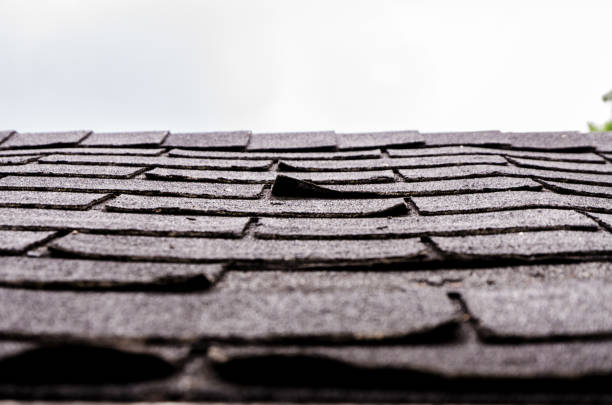
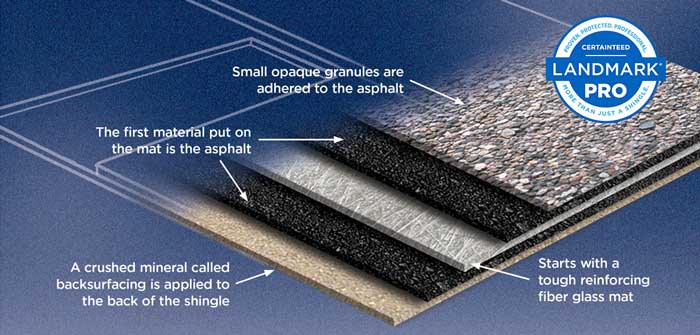
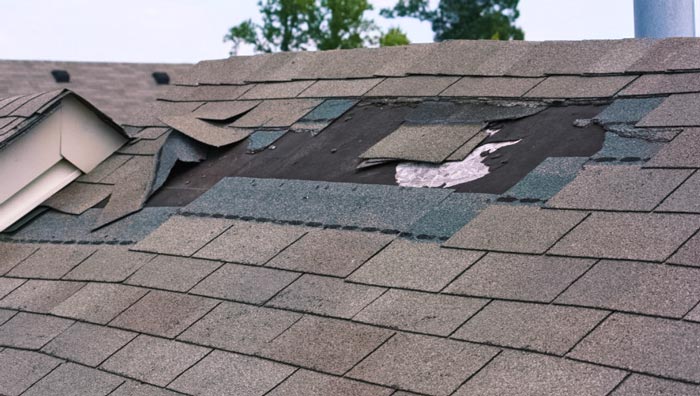
Blistering shingles are a common roofing problem that occurs when bubbles or blisters form on the surface of your shingles. These blisters can range in size and can appear on individual shingles or in larger patches. Although blistering shingles may not seem serious, they can damage your roof’s integrity and lead to more significant issues if left unaddressed.Asphalt shingles are the most common type of shingle used on residential roofs in North America. They are made of a base material (either organic or fiberglass) coated with asphalt and topped with a layer of ceramic granules. When the asphalt in the shingles is exposed to high temperatures, it can soften and expand, causing the shingles to blister.
What Causes Blistering Shingles?
Several factors can cause blistering shingles. One common cause is excessive heat. When shingles are exposed to high temperatures for extended periods, they can begin to blister and bubble. This is particularly true for roofs that are poorly ventilated or located in areas with intense sunlight.Moisture is another common cause of blistering . When water gets trapped between the layers of your shingles, it can cause them to bubble and blister. That’s why it is essential to ensure that your roof is correctly waterproofed, and any leaks are repaired promptly.
Why Are My Roof Shingles Blistering?
Blistering Shingles is a common issue with asphalt shingles. There are two main reasons for blistering on shingles
Trapped Moisture
The first cause of blistering on shingles is due to manufacturing errors that allow moisture to get trapped between the layers that comprise the shingle. Most asphalt roof shingles consist of three layers:
-The backing, composed of paper or fiberglass
-The asphalt
The granules
When the moisture stuck between these layers heats up from sun exposure or attic heat, it expands or turns to vapor, forming blisters.
Poor Ventilation
Blistering on shingles may develop or worsen if your roof is poorly ventilated. A poorly ventilated roof allows heat and moisture to build up in the attic, leading to shingle deterioration and damage.
Preventing Blistering Shingles:
The best way to prevent blistering is to ensure that your roof is correctly ventilated and waterproofed. Regular inspections and maintenance by a professional roofing contractor can achieve this. Additionally, it’s important to keep your gutters clear of debris and to remove any overhanging tree limbs that could damage your roof.
Proper Roof Ventilation
Ventilation is crucial in preventing blistering shingles. Attic vents allow for the release of warm, moist air that can build up in your attic. This, in turn, prevents the shingles from overheating and blistering. Proper attic ventilation also helps reduce energy costs by allowing hot air to escape, making it easier to cool your home.
Waterproofing
Waterproofing your roof is another critical step in preventing blistering shingles. Ensure that your roof is properly waterproofed by having a professional Roofing contractor install the right underlayment and ice and water shield. These materials help prevent moisture from getting trapped between the layers of your shingles and causing blisters. It’s essential to choose the right underlayment and ice and water shield for your roof type and climate, as different materials are designed to withstand different weather conditions.
Regular Inspections and Maintenance
Regular inspections and maintenance are critical in preventing shingles blistering. A professional roofing contractor can identify potential issues before they become significant problems and recommend the necessary repairs or replacements. It’s recommended to have your roof inspected at least once a year, especially after severe weather events.
Fixing Blistering Shingles:
If you notice blistering on your shingles, it’s essential to address the issue promptly to prevent further damage. Here are some steps to follow
Call a Professional
Fixing shingles blistering can be a complex and dangerous job, and it’s essential to call a professional roofing contractor to do the work. They have the necessary skills, equipment, and experience to fix the problem safely and effectively.
Identify the Cause
The first step is to identify the cause of the problem. If the issue is due to poor ventilation, it’s essential to improve your attic ventilation. If it’s due to trapped moisture, you’ll need to replace the affected shingles.
Replace Damaged Shingles
If the blistering is limited to a few shingles, it’s possible to replace them individually. However, if the problem is more widespread, it may be necessary to replace the entire roof.
Contact a Professional Today
Shingles Blistering may seem like a minor issue, but they can cause significant damage to your roof if left unaddressed. By understanding the causes of blistering and taking the necessary steps to prevent and fix them, you can ensure that your roof remains in excellent condition and protect your home and family from the elements.
View More of Our Informative Post Here
Free, No Obligation
Request Your Free Estimate & Inspection
Tell us about your roof and we’ll come take a look — no pressure,
no cost. Or call us right now on
(571) 269-8153.
Roofing Repairs Near Me: Comprehensive Guide to Roof Repair
RNC Roofing and Construction GroupMarch 13, 2023
A sturdy roof is essential to the safety and comfort of your home. However, even the most well-built roofs can experience damage over time due to exposure to weather elements. That’s where roofing repairs come in. But before you start searching for “roofing repairs near me,” it’s essential to understand the basics of roof repair.
In this comprehensive guide, we’ll cover everything you need to know about roofing repairs, including common issues and concerns, the importance of timely repairs, how to find the right roofing contractor near you, and more.
Common Issues and Concerns:
Roofs are exposed to weather elements like rain, snow, hail, wind, and sun, which can cause wear and tear over time. Here are some common roofing issues and concerns that you should be aware of:
Leaks: Leaks are a common problem that occurs when the roof’s protective layer is compromised. Water can seep through and cause damage to the interior of your home, including walls, ceilings, and floors.
Shingle Damage: Shingles can become damaged due to harsh weather conditions, leading to missing or broken shingles. This can compromise the roof’s ability to protect your home from weather elements.
Aging Roof: Roofs have a lifespan, and over time they can become less effective in protecting your home. An aging roof is more susceptible to leaks and damage from weather elements.
Timely repairs are essential when it comes to roofing issues. Waiting too long to address a problem can lead to more extensive damage, resulting in higher repair costs. Here are some reasons why timely repairs are crucial:
Poor Installation: If your roof was not installed correctly, it can lead to various problems down the line, including leaks and shingle damage.
Debris Accumulation: Debris like leaves, branches, and other materials can accumulate on your roof and cause damage if left unattended.
Importance of Timely Repairs:
Prevent Further Damage: Timely repairs can prevent further damage to your roof and your home’s interior.
Save Money: Repairing a small issue in a timely manner is much cheaper than waiting for it to become a bigger problem.
Extend Roof’s Lifespan: Regular maintenance and timely repairs can help extend your roof’s lifespan, saving you money in the long run.
Finding the Right Roofing Contractor Near You:
When searching for “roofing repairs near me,” it’s essential to find the right roofing contractor. Here are some tips for finding the right contractor near you:
Research: Do your research to find reputable contractors in your area. Check reviews and ratings to ensure you’re working with a reliable contractor.
Get Estimates: Ask for estimates from multiple contractors to compare prices and services.
Check for Licensing and Insurance: Ensure that the contractor you choose is licensed and insured to protect yourself and your property.
Ask for References: Ask for references from past customers to get an idea of the contractor’s work quality.
FAQ’S
Q: How long does a roof repair take?
A: The length of time for a roof repair can vary depending on the extent of the damage. A minor repair can take a few hours, while a more extensive repair can take several days.
Q: How often should I have my roof inspected?
A: It’s recommended to have your roof inspected once a year to ensure that it’s in good condition and to catch any potential issues before they become more significant problems.
Q: How often should I have my roof inspected?
A: It’s recommended to have your roof inspected at least once a year, preferably in the spring or fall. However, if you’ve experienced severe weather conditions such as hailstorms or high winds, it’s best to have your roof inspected immediately after the storm has passed.
Q: Can I repair my roof myself?
A: While there are some minor repairs that you can do yourself, it’s generally not recommended to try to repair your roof without professional assistance. Climbing on your roof can be dangerous, and without proper training and equipment, you could cause more harm than good. Additionally, if you attempt a repair and it doesn’t fix the problem, you may end up causing more damage to your roof and increasing the repair costs.
Q: How long do roof repairs typically take?
A: The length of time it takes to complete a roof repair can vary depending on the extent of the damage and the type of repair needed. Minor repairs such as replacing a few shingles can typically be completed in a few hours, while more extensive repairs such as replacing a large section of the roof may take several days.
Q: How much does a roof repair cost?
A: The cost of a roof repair can vary widely depending on the extent of the damage, the materials needed, and the location of your home. Minor repairs may cost a few hundred dollars, while more extensive repairs can cost thousands of dollars. It’s best to get a written estimate from a professional roofing contractor before agreeing to any repair work.Click Here to Learn More About Roof Repair Cost
Conclusion:
If you’re in need of roofing repairs near you, it’s important to do your research and find a reputable roofing contractor. Look for a contractor who has experience with the type of roofing material on your home and who is licensed, insured, and bonded. Don’t be afraid to ask for references and read online reviews to ensure that you’re hiring a contractor who will provide quality work at a fair price.
By being proactive and having your roof inspected regularly, you can catch small problems before they turn into larger, more expensive issues. And if you do need a roof repair, it’s important to act quickly to prevent further damage to your home. With the right contractor on your side, you can rest assured that your roof repair will be completed safely and efficiently, allowing you to enjoy a safe and comfortable home for years to come
Free, No Obligation
Request Your Free Estimate & Inspection
Tell us about your roof and we’ll come take a look — no pressure,
no cost. Or call us right now on
(571) 269-8153.
RNC Roofing and Construction GroupFebruary 10, 2023
Signs You Need to Call a Roofing Contractor
When it comes to maintaining or repairing your roof, hiring a professional roofing contractor is essential. These skilled experts possess the knowledge, experience, and tools necessary to handle various roofing issues efficiently and safely. From inspections to repairs and replacements, roofing contractors are trained to assess the condition of your roof and provide the appropriate solutions.
Visible Roof Damage
Recognizing missing or damaged shingles
One of the clear signs you need to call a roofing contractor is the presence of missing or damaged shingles. During a visual inspection of your roof, keep an eye out for any areas where shingles are completely absent or visibly cracked, broken, or deteriorated. These issues can leave your roof vulnerable to water infiltration, leading to leaks and potential structural damage. Addressing missing or damaged shingles promptly is crucial to prevent further deterioration and ensure the overall stability of your roof.
Identifying curling or buckling shingles
Another visible sign that warrants the expertise of a roofing contractor is the presence of curling or buckling shingles. Over time, exposure to weather elements can cause shingles to warp, resulting in a curled or buckled appearance. This distortion compromises their ability to effectively protect your roof. Curling or buckling shingles are often an indication of underlying moisture issues or inadequate ventilation, which can accelerate the deterioration of your roof if not addressed promptly.
Noticing cracked or blistered shingles
Cracked or blistered shingles are red flags indicating potential roof problems. Cracks may result from aging, extreme weather conditions, or improper installation. Similarly, blistering can occur when moisture becomes trapped underneath the shingle’s surface. These conditions weaken the shingles and compromise their ability to shield your roof from the elements. If you spot cracked or blistered shingles during your inspection, it’s crucial to involve a roofing contractor to evaluate the extent of the damage and recommend suitable repair or replacement options.
Detecting loose or detached flashing
Flashing refers to the metal strips or sheets used to seal roof transitions and prevent water from penetrating vulnerable areas, such as chimney joints, vents, or skylights. If you notice loose or detached flashing, it’s a sign that your roof’s protective barrier has been compromised. Damaged or improperly installed flashing can lead to water leaks and potential structural damage. Engaging a roofing contractor to assess the flashing and make the necessary repairs or replacements is crucial to maintain the integrity of your roof.
Leaks and Water Intrusion
Identifying water stains on the ceiling or walls
Water stains on your ceiling or walls are clear indicators that you need to call a roofing contractor. These stains often result from roof leaks, which can be caused by damaged or deteriorated roofing materials. Look for brown or yellowish discoloration, peeling paint, or bubbling wallpaper on your ceilings or walls. These signs suggest that water is penetrating your roof and making its way into your home’s interior. Addressing these leaks promptly is crucial to prevent further damage, such as weakened structural integrity or mold growth.
Observing wet spots or mold growth in the attic
When inspecting your attic, be on the lookout for wet spots or signs of mold growth. If you notice damp areas or visible mold patches on the attic ceiling or walls, it’s a sign that water is entering your attic space. This could be due to roofing issues such as damaged shingles, faulty flashing, or inadequate ventilation. Mold growth poses health risks and can spread to other areas of your home if left untreated. Contacting a roofing contractor is necessary to identify the source of the water intrusion and resolve the underlying roofing problem.
Noticing water pooling on the roof surface
Water pooling on your roof surface after rain or storms is another sign that you need professional assistance. Flat or low-slope roofs are particularly prone to water pooling, and it can lead to roof damage and leaks. Pooling water indicates that the roof’s drainage system is not functioning properly, possibly due to clogged gutters, sagging areas, or inadequate slope. A roofing contractor can evaluate the roof’s drainage system, identify potential issues, and recommend appropriate solutions to prevent water damage and prolong your roof’s lifespan.
Understanding the significance of consistent roof leaks
Consistent roof leaks, even if they seem minor, should not be ignored. Persistent leaks indicate an ongoing problem that requires the attention of a roofing contractor. Such leaks can lead to significant water damage, compromised structural integrity, and increased energy costs. Ignoring consistent roof leaks can result in more extensive and costly repairs down the line. It’s essential to have a roofing professional assess the situation, identify the root cause, and provide the necessary repairs or replacements to prevent further water intrusion and protect your home.
Age and Wear
Recognizing the typical lifespan of different roofing materials
Knowing the typical lifespan of different roofing materials is essential in determining when to call a roofing contractor. Asphalt shingles, for example, have an average lifespan of 20 to 30 years, while metal roofs can last 40 to 70 years. By understanding the age of your roof and the material it’s made of, you can better assess its condition and determine if it’s time to seek professional help. Keep in mind that harsh weather conditions, poor maintenance, and other factors can impact the lifespan of your roof.
Understanding the effects of weathering and deterioration
Over time, exposure to the elements takes a toll on your roof, causing weathering and deterioration. UV rays, rain, snow, hail, and fluctuating temperatures can all contribute to the degradation of roofing materials. Signs of weathering and deterioration include faded or discolored shingles, cracked tiles, rusted metal, and brittle or curling materials. These visible signs indicate that your roof is no longer providing adequate protection and may require the attention of a roofing contractor.
Identifying signs of aging, such as granule loss or sagging
As roofs age, they exhibit specific signs that indicate the need for professional intervention. One common sign of an aging roof is granule loss on asphalt shingles. These granules protect the shingles from UV rays and provide fire resistance. When they start to wear off and accumulate in gutters or downspouts, it’s a clear indication that your roof is nearing the end of its lifespan. Additionally, sagging areas or a visibly uneven roof surface are signs of structural issues that should be addressed promptly.
Importance of professional assessment for an aging roof
When your roof reaches a certain age or shows signs of wear, it’s crucial to have it professionally assessed by a roofing contractor. While you may observe some visible signs of aging, a roofing professional can provide a comprehensive evaluation of your roof’s condition. They have the expertise to identify hidden damage or underlying issues that may not be apparent to an untrained eye. This assessment will help determine the best course of action, whether it’s repair, maintenance, or roof replacement, to ensure the safety and longevity of your home.
Storm or Weather Damage
Assessing the impact of severe weather conditions
Severe weather conditions can wreak havoc on your roof, making it essential to know the signs that indicate you need to call a roofing contractor. Storms, high winds, heavy rain, and extreme temperature fluctuations can cause significant damage to your roof’s integrity. It’s crucial to assess the impact of these weather events on your roof. Look for visible signs of damage, such as missing or displaced shingles, damaged gutters, or debris scattered on your roof. Even if the damage appears minor, it’s wise to have a professional inspection to identify any underlying issues.
Identifying signs of wind damage, such as lifted shingles or fallen debris
Strong winds during a storm can cause considerable damage to your roof. Signs of wind damage include lifted or curled shingles, missing shingles, or shingles that have been torn or cracked. Additionally, fallen tree branches or debris on your roof are indicators of wind-related issues. If you notice any of these signs, it’s crucial to contact a roofing contractor promptly. They can assess the extent of the damage and provide the necessary repairs or replacements to restore the integrity of your roof.
Recognizing hail damage, including dents and pockmarks
Hailstorms can leave behind significant damage to your roof. When inspecting your roof after a hailstorm, look for dents, pockmarks, or bruised areas on your shingles or other roofing materials. Hail damage weakens the protective layers of your roof, making it more susceptible to leaks and other issues. If you observe any signs of hail damage, it’s vital to call a roofing contractor for a thorough inspection. They can evaluate the extent of the damage and recommend the appropriate repairs or replacements to ensure the longevity of your roof.
Understanding the importance of prompt repairs after a storm
After experiencing severe weather conditions, it’s crucial to prioritize prompt repairs for your roof. Delaying repairs can worsen existing damage and lead to more extensive problems, such as leaks or structural issues. Water intrusion resulting from storm damage can cause mold growth, rotting of underlying structures, or compromised insulation. By calling a roofing contractor without delay, you can mitigate the risk of further damage and protect the overall integrity of your home.
Energy Efficiency Concerns
Understanding the role of the roof in energy conservation
When it comes to energy efficiency, your roof plays a crucial role in keeping your home well-insulated. It acts as a protective barrier against heat transfer, helping to maintain a comfortable indoor temperature while reducing the need for excessive heating or cooling. Proper insulation and ventilation are essential for maximizing energy efficiency. A well-maintained roof with adequate insulation can prevent heat loss during the colder months and minimize heat gain during the hotter months, resulting in lower energy consumption and reduced utility costs.
Identifying signs of poor insulation or ventilation
Signs of poor insulation or ventilation can indicate the need to call a roofing contractor for assistance. Uneven indoor temperatures, drafts, and high energy bills are common indicators of inadequate insulation or ventilation. Additionally, if you notice excessive condensation or moisture buildup in your attic or around vents, it may suggest a ventilation problem. A professional roofing contractor can assess your roof’s insulation and ventilation systems, identifying any areas that require improvement to enhance energy efficiency and overall comfort.
Recognizing the impact of a damaged roof on energy bills
A damaged roof can have a significant impact on your energy bills. Leaks, gaps, or cracks in your roof can allow air infiltration, causing your heating and cooling systems to work harder to maintain a comfortable temperature. This results in increased energy consumption and higher utility costs. If you’ve noticed a sudden spike in your energy bills without a clear explanation, it’s important to consider the condition of your roof. Calling a roofing contractor to inspect and address any issues can help restore your roof’s integrity and improve energy efficiency.
How a roofing contractor can help improve energy efficiency
A professional roofing contractor can provide valuable assistance in improving your roof’s energy efficiency. They have the expertise to assess your roof’s insulation, ventilation, and overall condition. They can recommend and implement solutions such as adding insulation, sealing air leaks, installing proper ventilation systems, or replacing damaged roofing materials. These measures not only enhance energy efficiency but also contribute to the longevity and durability of your roof. By collaborating with a roofing contractor, you can create a more energy-efficient home and enjoy long-term savings on your energy bills.
View More Articles
Free, No Obligation
Request Your Free Estimate & Inspection
Tell us about your roof and we’ll come take a look — no pressure,
no cost. Or call us right now on
(571) 269-8153.
RNC Roofing and Construction GroupDecember 12, 2017
Components of Roof
Roof Structure
Roof Deck The roof deck is an integral part of any roofing system. It serves as the foundation for the entire roof and provides structural support. Typically made of plywood or oriented strand board (OSB), the roof deck is installed over the structural framework of the building. It acts as a sturdy base to which other roof components are attached.
Roof Trusses or Rafters Roof trusses or rafters are essential components that give the roof its shape and support. They form the framework of the roof and are designed to carry the weight of the roof and any external forces, such as wind or snow loads. Trusses are pre-fabricated triangular structures made of wood or metal, while rafters are individual beams that are cut and assembled on-site.The roof trusses or rafters are strategically placed and spaced to distribute the load evenly across the roof structure, ensuring its stability and integrity. They provide the necessary support for the roof deck, as well as the roof covering material.Within the roof structure, each component plays a crucial role in maintaining the overall strength and durability of the roof. By understanding these essential components, homeowners and professionals can make informed decisions when it comes to roof maintenance, repairs, or even the installation of a new roof.
The installation process involves overlapping each shingle row, which helps create a watertight seal. The durability and lifespan of shingles depend on the quality of the materials used and the local climate conditions. Regular inspection and maintenance are essential to ensure the longevity and effectiveness of shingle roof coverings.
Tiles Roof tiles are a popular choice for both residential and commercial buildings, offering durability and an aesthetically pleasing appearance. They are available in a variety of materials, including clay, concrete, and slate. Each material brings its unique advantages, such as clay tiles being fire-resistant, concrete tiles being cost-effective, and slate tiles offering exceptional durability.
Roof tiles are typically interlocking and can withstand harsh weather conditions. They provide excellent insulation and can help regulate the temperature inside the building. Proper installation and regular maintenance are crucial to ensure the integrity of the roof and to prevent leaks or damage.
Metal Roofing Metal roofing has gained popularity in recent years due to its durability, longevity, and energy efficiency. It is available in different metal materials such as steel, aluminum, copper, or zinc. Metal roofs offer excellent resistance against elements like rain, snow, hail, and wind.
The installation of metal roofing involves using metal panels or sheets that are carefully attached to the roof structure. The panels are designed to interlock, providing a secure and weatherproof seal. Metal roofs require minimal maintenance and can last for several decades, making them a cost-effective choice in the long run.
Flashing and Underlayment
Flashing Flashing is a crucial component of a roof system that helps prevent water leakage at vulnerable areas, such as roof intersections, chimneys, vents, and skylights. It is typically made of metal, such as aluminum or galvanized steel, and is installed in overlapping layers to create a watertight seal.
Flashing directs water away from critical areas by diverting it to the roof’s drainage system. It is strategically placed where different roof components meet or where the roof intersects with vertical surfaces. Common types of flashing include step flashing, chimney flashing, valley flashing, and drip edge flashing.
Proper installation of flashing is essential to maintain the integrity of the roof and prevent water penetration. It should be inspected regularly to ensure that it remains intact and free from damage. Damaged or deteriorated flashing should be promptly repaired or replaced to prevent potential leaks and water damage.
Underlayment Underlayment is a layer of material installed beneath the primary roof covering, providing an additional barrier against water penetration. It acts as a secondary line of defense and offers protection in case the primary roof covering gets damaged or fails.
There are different types of underlayment available, including asphalt-saturated felt, synthetic underlayment, and rubberized asphalt membranes. The choice of underlayment depends on factors such as climate, roof slope, and the type of roof covering being used.
Underlayment helps to improve the roof’s waterproofing capabilities and enhances its overall performance. It also provides an extra layer of insulation and can contribute to energy efficiency. Proper installation of underlayment is crucial to ensure its effectiveness and longevity.
Ventilation
Ridge Vents Ridge vents are an essential component of roof ventilation systems, allowing for the efficient exchange of air within the attic or roof space. They are installed along the ridgeline of the roof, providing an outlet for warm, moist air to escape.
Ridge vents work in conjunction with intake vents, such as soffit vents, to create a continuous flow of air. As warm air rises, it exits through the ridge vents, while cooler air is drawn in through the soffit vents. This process helps regulate the temperature and moisture levels in the attic, preventing the buildup of heat and humidity that can lead to various problems, such as mold growth and premature deterioration of the roof components.
By promoting proper airflow, ridge vents contribute to the overall health and longevity of the roof. They also aid in reducing energy costs by preventing the excessive heat buildup that can strain cooling systems during hot seasons.
Soffit Vents Soffit vents are an integral part of roof ventilation systems, providing intake for fresh air into the attic or roof space. They are installed in the soffits, which are the underside of the roof’s overhangs.
Soffit vents work in conjunction with ridge vents to create a continuous airflow. As cooler air enters through the soffit vents, it displaces the warm air, which then exits through the ridge vents. This continuous cycle helps maintain proper ventilation, preventing the accumulation of moisture and heat in the attic.
Soffit vents come in various forms, such as individual vents, continuous vents, or perforated panels. They are strategically placed along the soffits to ensure optimal air circulation and prevent the formation of condensation and mold.
Proper installation and maintenance of soffit vents are crucial for their effectiveness. Regular inspection and cleaning of the vents, as well as ensuring they are free from obstructions, will help maintain a well-ventilated and healthy roof space.
Gutters and Downspouts
Gutters Gutters are an integral part of the roofing system, responsible for channeling rainwater and melted snow away from the roof and the foundation of the building. They are typically installed along the eaves of the roof, collecting water that runs off the roof surface.
Gutters are usually made of materials like aluminum, steel, or vinyl. They come in various shapes, sizes, and styles to accommodate different roof types and aesthetic preferences. The primary function of gutters is to prevent water from pooling on the roof, which can lead to leaks, water damage, and structural issues.
Properly functioning gutters help protect the components of the roof by directing water away from the building. They prevent soil erosion, basement flooding, and damage to the foundation. Regular maintenance, including cleaning out debris and ensuring proper alignment, is essential to keep gutters working effectively.
Downspouts Downspouts, also known as leaders or drainpipes, are connected to gutters and provide a pathway for water to flow from the roof to the ground. They play a crucial role in directing water away from the foundation and landscaping surrounding the building.
Downspouts are typically vertical pipes attached to the corners or ends of gutters. They can be made of materials such as aluminum, vinyl, or steel. The size and number of downspouts depend on factors like the roof area and the expected volume of water runoff.
Proper positioning of downspouts is vital to ensure efficient water drainage. They should extend several feet away from the foundation, allowing water to flow away from the building and prevent water-related issues, such as basement flooding or soil erosion.
Regular inspection and maintenance of downspouts, including clearing any clogs or blockages, will help maintain their functionality and prevent water backup or overflow.
Roof insulation
Importance of Roof Insulation Roof insulation plays a crucial role in maintaining energy efficiency and comfort within a building. It acts as a barrier against heat transfer, helping to regulate the temperature inside and reduce energy consumption.
Insulating the roof helps to prevent heat loss during colder seasons and minimize heat gain during hotter months. By creating a thermal envelope, it reduces the need for excessive heating and cooling, thereby lowering energy bills and reducing the carbon footprint of a building.
Proper insulation also enhances the overall comfort of the living or working space by reducing temperature fluctuations and minimizing drafts. It creates a more stable and pleasant indoor environment.
Additionally, roof insulation contributes to soundproofing, reducing the transmission of external noises into the building and creating a quieter interior.
Types of Roof Insulation Materials There are various types of insulation materials available for roofs, each with its unique characteristics and benefits.
Fiberglass Insulation: Fiberglass insulation consists of fine glass fibers and is commonly used in both residential and commercial roofs. It is affordable, lightweight, and easy to install. Fiberglass insulation provides excellent thermal resistance and is available in rolls or batts.
Spray Foam Insulation: Spray foam insulation is a popular choice for roofs due to its exceptional insulating properties. It is applied as a liquid and expands to fill gaps and crevices, creating an airtight seal. Spray foam insulation provides superior energy efficiency and can conform to irregular roof shapes.
Cellulose Insulation: Cellulose insulation is made from recycled paper products treated with fire-retardant chemicals. It is an environmentally friendly option and provides excellent thermal and sound insulation. Cellulose insulation is typically blown into attics and can effectively insulate roof cavities.
Reflective Insulation: Reflective insulation is designed to reflect radiant heat away from the roof surface. It is often composed of aluminum foil or reflective films. Reflective insulation is particularly effective in hot climates, reducing heat gain and improving energy efficiency.
View More Articles
Free, No Obligation
Request Your Free Estimate & Inspection
Tell us about your roof and we’ll come take a look — no pressure,
no cost. Or call us right now on
(571) 269-8153.
Types Of Asphalt Roofing Shingles | RNC Roofing and Construction
RNC Roofing and Construction GroupJanuary 4, 2017
3-Tab
Dimensional
Luxury
The 3 Types of Asphalt Shingles
Asphalt shingles are a popular roofing material due to their affordability, durability, and versatility. Homeowners can choose from three main types of asphalt shingles: 3-tab, architectural, and luxury shingles. Each type has its unique features, benefits, and drawbacks. In this comprehensive guide, we will provide detailed information about each type of asphalt shingle to help homeowners make an informed decision when selecting a roofing material for their home.
3-tab Shingles
3-tab shingles are the most basic and affordable type of asphalt shingle. They have a flat, rectangular shape with three tabs cut into the lower edge, which creates a pattern that resembles individual shingles. These shingles are lightweight and easy to install, making them a popular choice for homeowners on a budget. They typically come with a 20- to 25-year warranty, but their lifespan can vary based on climate and maintenance.
Installation
3-tab shingles are easy to install and require less labor, which can reduce the overall cost of installation. They can be installed over existing shingles, which further reduces installation time and cost.
Cost
3-tab shingles are the most affordable option for homeowners on a tight budget. The cost per square foot ranges from $0.80 to $1.20, depending on the quality of the shingle and the location.
Lifespan
3-tab shingles have a lifespan of 15 to 25 years, depending on the climate and maintenance. They are prone to damage from strong winds, hail, and heavy rain, which can reduce their lifespan.
Pros
Affordable option for homeowners on a budget
Lightweight and easy to install, reducing labor costs
Easy to repair in case of damage
Cons
Shorter lifespan compared to other types of asphalt shingles
Less durable and more prone to damage than architectural or luxury shingles
Dimensional Shingles
Dimensional shingles, also known as architectural or laminate shingles, are a step up from 3-tab shingles in terms of durability and appearance. They have a multi-dimensional design with a thicker, textured appearance that mimics the look of traditional roofing materials such as wood or slate. Architectural shingles are more durable than 3-tab shingles, making them an excellent choice for homeowners who want a longer-lasting roof.
Installation
Architectural shingles require more labor and time to install than 3-tab shingles due to their thickness and weight. They cannot be installed over existing shingles, which adds to the cost of installation. However, they come in various colors and styles, allowing homeowners to choose a shingle that complements their home’s architectural style.
Cost
Architectural shingles are more expensive than 3-tab shingles due to their enhanced durability and appearance. The cost per square foot ranges from $1.50 to $4.00, depending on the quality of the shingle and the location.
Lifespan
Architectural shingles have a lifespan of up to 30 years or more, depending on the climate and maintenance. They are designed to withstand harsh weather conditions such as wind, rain, and hail, which makes them more durable than 3-tab shingles.
Pros
Durable with a longer lifespan than 3-tab shingles
Designed to withstand harsh weather conditions
Provides extra insulation, reducing energy costs and improving indoor comfort
Cons
More expensive than 3-tab shingles
Heavier than 3-tab shingles, which can increase installation time and costs
Luxury Shingles
Luxury shingles are the highest-end asphalt shingles available in the market. They are thicker and heavier than architectural shingles, providing even more durability and resistance to extreme weather conditions. Luxury shingles also have a more refined appearance, mimicking the look of natural slate or wood shakes. These shingles are an excellent choice for homeowners who want the look and feel of high-end roofing materials without the high cost and maintenance.
Installation
Luxury shingles require professional installation due to their weight and thickness. They cannot be installed over existing shingles and require a solid, stable substrate to ensure proper installation. The installation process can be more time-consuming and costly than other types of shingles, but the results are worth the investment.
Cost
Luxury shingles are the most expensive option among asphalt shingles. The cost per square foot ranges from $4.00 to $6.00 or more, depending on the quality of the shingle and the location. However, their lifespan and durability make them a cost-effective choice in the long run.
Lifespan
Luxury shingles have the longest lifespan among all asphalt shingles, with a lifespan of up to 50 years or more. They are designed to withstand even the most extreme weather conditions, making them an excellent investment for homeowners who want a long-lasting roof.
Pros
The highest level of durability and resistance to harsh weather conditions
The longest lifespan among all asphalt shingles
Provides an upscale look and feel without the high cost and maintenance of natural roofing materials
Cons
The most expensive option among asphalt shingles
Requires professional installation and a stable substrate
Additional maintenance and care may be necessary to maintain the shingle’s appearance and performance over time.
Factors to Consider When Choosing Asphalt Shingles
When selecting asphalt shingles for your home, several factors should be considered, including:
Style: The architectural style of your home should also be considered when selecting shingles. Certain shingles will complement specific architectural styles better than others. For example, traditional homes may benefit from wood or slate-look shingles, while contemporary homes may look better with a sleek, modern shingle design.
Budget: The cost of the shingles and installation should be factored into your decision. While luxury shingles may provide the most extended lifespan and durability, they may not be a practical option for those on a tight budget.
Read More of Our Articles
Asphalt shingles are an excellent roofing material for homeowners looking for an affordable, durable, and versatile option. By understanding the different types of asphalt shingles and the factors to consider when selecting a roofing material, homeowners can make an informed decision that meets their needs and budget. Additionally, choosing a professional roofing contractor will ensure proper installation, maintenance, and repair of your roof
Free, No Obligation
Request Your Free Estimate & Inspection
Tell us about your roof and we’ll come take a look — no pressure,
no cost. Or call us right now on
(571) 269-8153.