Tag: roof storm damage

  • Weatherproofing Roofs: Ultimate Guide to Shielding Your Home
    Protecting your home, one shingle at a time VA (703) 964-6233| MD (703) 964-6233| Free Estimate & Inspection
    Homeowner Help

    Weatherproofing Roofs: Ultimate Guide to Shielding Your Home

    RNC Roofing and Construction Group August 14, 2023
    Weatherproofing Roofs: Ultimate Guide to Shielding Your Home

    Weatherproofing Roofs: Ultimate Guide to Shielding Your Home

    Weatherproofing roofs, also known as roof waterproofing, is a critical practice that safeguards your home from the harsh impacts of external elements. This method involves fortifying your roof against environmental factors such as rain, snow, UV rays, and temperature fluctuations, all of which can lead to gradual deterioration if not adequately addressed. By weatherproofing your roof, you create a resilient shield that extends the lifespan of your entire building structure.

    Assessing Your Roof’s Vulnerabilities

    When it comes to safeguarding your home through effective weatherproofing, a comprehensive assessment of your roof’s vulnerabilities is paramount. An experienced roofing contractor employs a meticulous inspection process to identify weak points that could compromise your roof’s integrity and the overall protection of your property.

    Thorough Inspection Process

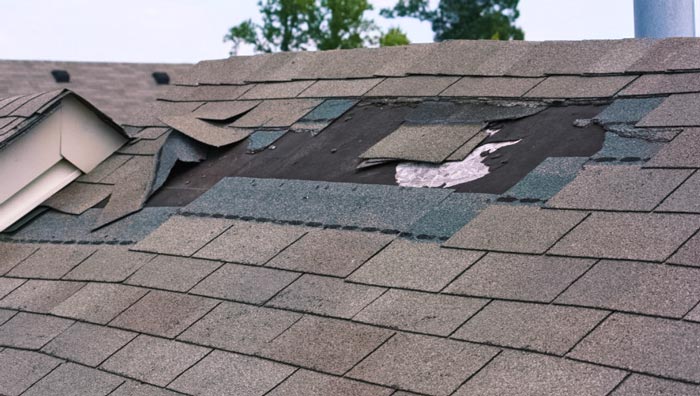
    Roof inspections are multifaceted endeavors that delve into the various aspects of your roof’s structure. The process typically begins with a visual assessment, where professionals examine the overall condition of the roof’s surface. This initial step helps identify visible signs of wear, such as cracked or missing shingles, damaged flashing, and deteriorating seals. Roof age, a key factor in its vulnerability, is also considered during this stage.

    Factors Influencing Vulnerability

    Roof vulnerability is influenced by a combination of factors that roofing contractors take into account. The type of materials used in the roof’s construction, as well as the geographical location of your property, play significant roles in determining how exposed your roof is to different weather conditions. Regions with heavy rainfall, for instance, may require different weatherproofing strategies compared to areas with harsh winters and snow accumulation.

    Critical Components to Examine

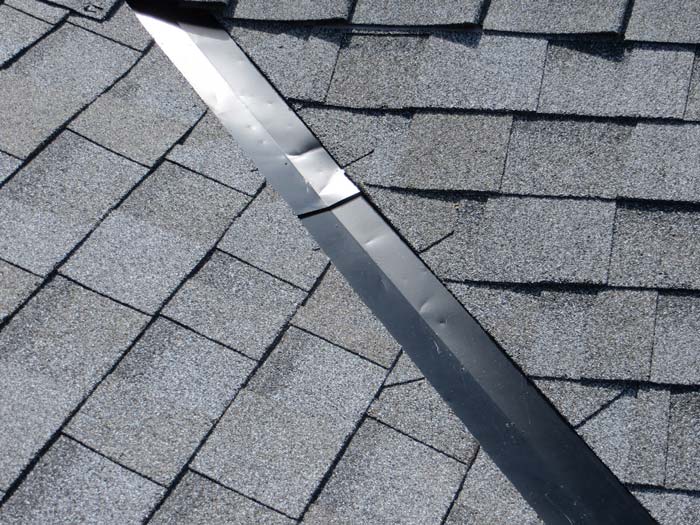
    Inspecting crucial roof components is essential for a thorough assessment. Roof flashing, responsible for sealing joints and preventing water infiltration, needs close attention. Additionally, seals around vents, chimneys, and other roof penetrations must be inspected carefully, as any weak points here can result in leaks. Shingles, the first line of defense against the elements, should be examined for signs of deterioration or damage.
    roof water damage

    Choosing the Right Weatherproofing Techniques

    When it comes to fortifying your roof against the elements, selecting the appropriate weatherproofing techniques is a critical step in ensuring its long-term resilience. The right approach varies based on the type of roof you have, such as asphalt shingles, metal, tile, or flat roofs. Let’s delve into the various strategies and materials that can effectively weatherproof your roof and protect your home.

    Tailoring Techniques to Roof Type

    Different roofing materials demand different weatherproofing strategies. For asphalt shingle roofs, ensuring a tight seal between shingles and applying a durable waterproof membrane is essential. Metal roofs benefit from coatings that prevent rust and deterioration, while flat roofs may require specialized membranes to prevent pooling water. Each type necessitates a customized approach to address its unique vulnerabilities.

    The Power of Quality Materials

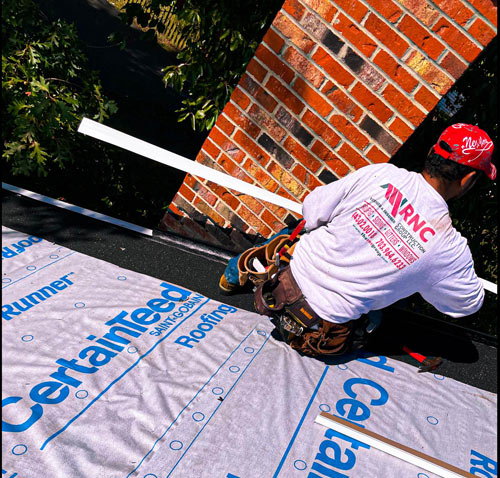
    High-quality materials play a pivotal role in enhancing your roof’s weatherproofing capabilities. Underlayment acts as a secondary barrier against water infiltration, bolstering the primary roofing material’s resistance. Sealants applied to gaps, joints, and seams create an impermeable barrier that prevents moisture from penetrating. Waterproof membranes provide an additional layer of protection, safeguarding your roof from relentless rain and other external elements.

    Ensuring a Comfortable Indoor Environment

    Weatherproofing goes beyond external protection – it also influences your indoor comfort. Proper insulation plays a vital role in maintaining a stable indoor environment. By minimizing heat transfer, insulation helps regulate indoor temperatures, reducing the strain on your heating and cooling systems. Additionally, well-insulated roofs prevent the formation of ice dams and condensation-related problems that can compromise your roof’s integrity.
    labor cost for roofing

    Step-by-Step Weatherproofing Process

    Embarking on a weatherproofing journey for your roof involves a systematic approach that encompasses crucial stages from start to finish. By meticulously following these steps, you can ensure a robust and effective weatherproofing solution that safeguards your home against the elements.

    Preparation for Success

    Before you begin the weatherproofing process, prepare your work area. Clear the roof surface of debris, leaves, and dirt that might hinder proper adhesion. A clean canvas ensures that weatherproofing materials adhere securely and perform optimally. This step is vital as it sets the foundation for a successful weatherproofing project.

    Addressing Damage and Weak Points

    Inspect your roof for any existing damage or weak points. Repairing these areas before weatherproofing is crucial to prevent moisture infiltration and further deterioration. Replace damaged shingles, flashing, or seals. Be thorough in your examination to identify potential sources of leaks and vulnerabilities that could compromise your roof’s integrity.

    Applying Weatherproofing Measures

    Apply high-quality sealants to gaps, joints, and seams to create an impermeable barrier against water infiltration. Reinforce flashing around chimneys, vents, and other penetrations to ensure a tight seal. Properly apply the chosen protective membrane to provide an additional layer of defense against the elements. This membrane acts as a shield against rain, snow, and other potential hazards.

    Safety, Tools, and Challenges

    During the weatherproofing process, prioritize safety by using appropriate personal protective equipment (PPE) to prevent accidents and injuries. Use recommended tools for each task to ensure accurate and efficient application. Be mindful of potential challenges such as adverse weather conditions, which can impact the effectiveness of certain materials. Adapting to challenges with flexibility and precautionary measures is essential for a successful project.
    roofing maintenance

    Maintaining the Weatherproofed Roof

    Safeguarding the integrity of your weatherproofed roof extends beyond the initial efforts – consistent maintenance is the key to upholding its longevity and effectiveness. By staying proactive and addressing minor issues promptly, you can maximize the benefits of your weatherproofing endeavors and ensure lasting protection for your home.

    Preserving the Weatherproofing Investment

    Regular roof maintenance serves as a critical investment in maintaining the efficacy of your weatherproofing measures. While initial weatherproofing fortifies your roof, continuous care ensures that it remains impervious to the elements. By committing to regular maintenance, you safeguard your investment and prevent the need for extensive repairs down the line.

    Seasonal Maintenance Checklist

    Create a seasonal maintenance checklist to guide your efforts throughout the year. Start by clearing debris and leaves that may accumulate on the roof’s surface, as they can obstruct drainage and promote moisture retention. Inspect seals and flashing for signs of wear or damage, addressing any issues promptly to prevent leaks. This proactive approach prevents minor vulnerabilities from escalating into major problems.

    Harnessing Professional Inspections

    While homeowner-driven maintenance is crucial, scheduling professional inspections on a periodic basis further enhances your roof’s longevity. Experienced roofing contractors possess the expertise to identify potential issues that might elude untrained eyes. Early detection of leaks, damaged shingles, or compromised seals allows for swift intervention, minimizing the need for extensive repairs.

    A Lasting Shield Against the Elements

    In conclusion, maintaining a weatherproofed roof involves consistent efforts to ensure the continued efficacy of your initial weatherproofing investment. By adhering to a seasonal maintenance checklist and harnessing the expertise of professionals, you extend the life of your roof and its protective capabilities. Regular maintenance is not only a practical measure but also a strategic one, offering lasting peace of mind and a steadfast shield against the unpredictable elements.

    roofing maintenance

    Professional vs. DIY Weatherproofing

    When it comes to weatherproofing roofs, you have the choice between enlisting the expertise of a professional roofing contractor or embarking on a do-it-yourself (DIY) project. Understanding the pros and cons of each option is crucial in making an informed decision that aligns with your needs and capabilities.

    Benefits of Professional Expertise

    Opting for professional weatherproofing brings a wealth of advantages. Experienced roofing contractors possess in-depth knowledge of various roofing materials, techniques, and local weather patterns. Their expertise ensures a comprehensive approach, leaving no vulnerabilities overlooked. Professionals utilize top-tier materials and tools, guaranteeing a superior and lasting weatherproofing solution. Furthermore, their work often comes with warranties, providing you with added peace of mind.

    Expertise and Comprehensive Coverage

    Professionals excel in identifying subtle vulnerabilities that might escape the untrained eye. Their rigorous inspections and accurate diagnoses result in comprehensive coverage, leaving your roof fortified against a wide range of potential threats. Through their experience, they navigate challenges efficiently, minimizing errors and optimizing the effectiveness of weatherproofing efforts.

    The DIY Consideration

    While DIY weatherproofing can be cost-effective, it’s crucial to approach it with caution. Some tasks, such as cleaning the roof surface or removing debris, can be safely handled by homeowners. However, complex tasks like repairing damaged areas or applying sealants demand a certain level of expertise to ensure proper execution. Venturing into unfamiliar territory without the necessary skills might lead to inadequate protection or unintentional damage.

    Seeking a Balance

    If you’re inclined towards a DIY approach, consider tasks that align with your skill set and the nature of the work. For intricate tasks like applying sealants or installing membranes, seeking professional assistance is recommended to guarantee optimal results. Balancing your own capabilities with the expertise of professionals can help you achieve a weatherproofing solution that effectively shields your roof.

    View More Articles

    Free, No Obligation

    Request Your Free Estimate & Inspection

    Tell us about your roof and we’ll come take a look — no pressure, no cost. Or call us right now on (703) 964-6233.

    (703) 964-6233
    Contact Form Demo (#3)
    Owens Corning Preferred Contractor GAF System Plus CertainTeed SureStart PLUS BBB A+ Accredited HomeAdvisor

    RNC Roofing

    RNC Roofing and Construction Group — The Roofing Contractor Specialists. Protecting your home, one shingle at a time.

    Virginia

    (703) 964-6233 Sterling · Leesburg · Ashburn
    Loudoun & Fairfax County

    Maryland

    (703) 964-6233 Beltsville · District Heights
    All of Maryland
    © 2026 RNC Roofing and Construction Group — The Roofing Contractor Specialists Northern Virginia & Maryland
  • Skylight Leaks When It Rains: Prevention and Solutions

    Protecting your home, one shingle at a time VA (703) 964-6233| MD (703) 964-6233| Free Estimate & Inspection
    Home Improvement

    Skylight Leaks When It Rains: Prevention and Solutions

    RNC Roofing and Construction Group July 10, 2023
    Skylight Leaks When It Rains: Prevention and Solutions

    Skylight Leaks When It Rains: Prevention and Solutions

    Unfortunately, one of the common problems associated with skylights is the occurrence of leaks when it rains. These leaks can lead to various issues, such as water damage, mold growth, and compromised structural integrity. Understanding the causes behind skylight leaks and finding effective solutions is crucial for maintaining a leak-free and secure roofing system.

    Causes and Common Problems

    Overview of Potential Causes for Skylight Leaks

    Skylight leaks during rainfall can occur due to several factors. Understanding these causes is crucial for effectively addressing and preventing the issue. Common causes include:

    • Faulty Installation: Improper installation of skylights can lead to gaps or inadequate sealing, allowing water to infiltrate during rainfall.
    • Poor Maintenance: Neglecting regular maintenance of skylights, such as cleaning debris or checking for damaged seals, can contribute to leaks over time.
    • Weathering: Exposure to harsh weather conditions, including extreme temperatures, UV rays, and heavy rain, can degrade the materials and seals of skylights, leading to potential leaks.
    • Aging Materials: Over time, the materials used in skylights, such as seals and flashing, can deteriorate, increasing the likelihood of leaks during rainfall.

    Identifying Common Issues Contributing to Leaks

    To effectively address skylight leaks when it rains, it is essential to identify the common issues that contribute to the problem. Some of these issues include:

    • Sealant Failure: If the sealant used around the skylight becomes damaged or deteriorates, it can allow water to penetrate the roofing system.
    • Improper Flashing: Inadequate or incorrect installation of flashing around the skylight can create gaps or weak points where water can seep in.
    • Condensation: Improper insulation or ventilation can cause condensation to form on the skylight, leading to moisture buildup and potential leaks.

    Importance of Timely Detection and Addressing Leaks

    Timely detection and addressing of skylight leaks are crucial to prevent further damage and maintain the integrity of your roofing system. Ignoring leaks can result in more significant issues, such as water damage, mold growth, and compromised structural stability. Regular inspections, proactive maintenance, and prompt repairs are vital to mitigate the risk of leaks and minimize potential long-term consequences.

    materials for roof replacement

    Understanding TPO Roofing Systems

    Introduction to TPO (Thermoplastic Olefin) Roofing

    TPO roofing is a popular option for both residential and commercial buildings due to its excellent performance and cost-effectiveness. Made from a blend of rubber and plastic, TPO membranes provide a durable and flexible solution for skylight leaks when it rains.

    Key Characteristics and Benefits of TPO Roofing

    • Durability: TPO roofing is highly resistant to tears, punctures, and impacts, making it a reliable choice for withstanding the elements, including heavy rain and hailstorms.
    • Energy Efficiency: TPO roofs are designed to reflect sunlight, reducing heat absorption and lowering cooling costs during hot weather. This energy-efficient characteristic contributes to the overall sustainability of the building.
    • Flexibility: TPO membranes exhibit flexibility, allowing them to accommodate the movement of the building’s structure and potential thermal expansion and contraction without compromising their integrity.

    Cost Considerations: TPO Roofing Installation, Maintenance, and Lifespan

    TPO roofing systems offer a cost-effective solution for preventing skylight leaks. The installation costs of TPO roofing are typically lower than other roofing materials, making it an attractive option for budget-conscious individuals or businesses.

    Additionally, TPO roofs require minimal maintenance, reducing long-term expenses. Regular inspections and basic upkeep, such as removing debris and ensuring proper drainage, can help maintain the roof’s performance and prevent leaks during rainfall.

    In terms of lifespan, TPO roofs can last anywhere from 15 to 30 years, depending on various factors such as installation quality, weather conditions, and maintenance practices. Proper installation by experienced professionals and routine inspections can help maximize the lifespan of TPO roofing systems.

    How TPO Roofing Can Help Prevent Skylight Leaks When It Rains

    TPO roofing provides a reliable barrier against skylight leaks when it rains. The thermoplastic material and welded seams create a seamless and watertight membrane, minimizing the risk of water infiltration.

    When combined with proper flashing installation and regular maintenance, TPO roofing systems can effectively prevent skylight leaks, ensuring a dry and secure environment even during heavy rainfall.

    metal roofing

    PVC Roofing Systems: An Alternative Solution

    Exploring PVC (Polyvinyl Chloride) Roofing Systems

    PVC roofing systems offer an alternative solution for addressing skylight leaks when it rains. PVC, a synthetic plastic material, provides several benefits and features that make it a popular choice among homeowners and businesses.

    Advantages of PVC Roofing

    UV Resistance: PVC roofs are designed to withstand prolonged exposure to the sun’s ultraviolet (UV) rays without significant degradation. This UV resistance ensures that the roofing material remains durable and intact, minimizing the risk of skylight leaks.

    • Chemical Stability: PVC is highly resistant to chemicals, including acids, oils, and pollutants, making it suitable for areas with potential exposure to such substances. This chemical stability further enhances the roof’s longevity and leak prevention capabilities.
    • Fire Resistance: PVC roofing systems possess inherent fire-resistant properties. They have a high ignition point and are self-extinguishing, reducing the risk of fire-related incidents and providing an added layer of safety for the structure.

    Comparing the Cost Factors: PVC Roofing Installation, Maintenance, and Lifespan

    When considering PVC roofing systems, it is essential to evaluate the cost factors associated with installation, maintenance, and lifespan. While PVC roofs may have a higher upfront installation cost compared to other roofing materials, their long-term benefits often outweigh the initial investment.

    PVC roofs require minimal maintenance, contributing to cost savings over time. Routine inspections, cleaning, and ensuring proper drainage can help maintain the roof’s performance and extend its lifespan.

    Speaking of longevity, PVC roofs typically have a lifespan of 20 to 30 years, depending on factors such as installation quality and maintenance practices. This extended lifespan contributes to their ability to effectively address skylight leaks during rainfall for an extended period.

    How PVC Roofing Can Address Skylight Leaks Effectively During Rainfall

    PVC roofing systems are engineered to provide excellent waterproofing capabilities, making them highly effective in preventing skylight leaks when it rains. The PVC membranes are heat-welded at the seams, creating a seamless and watertight barrier.

    This watertight seal, combined with the inherent properties of PVC, ensures that the roofing system remains impervious to water infiltration even during heavy rainfall. Proper installation, including the integration of flashing around skylights, further enhances the leak prevention capabilities of PVC roofs.

    roof water damage

    Factors to Consider: Choosing Between TPO and PVC Roofing

    Assessing the Specific Needs and Requirements of Your Skylight Project

    Before deciding between TPO and PVC roofing systems to address skylight leaks when it rains, it is crucial to assess your specific needs and project requirements. Consider factors such as the climate in your region, the age and condition of your current roof, and the extent of skylight leaks. Understanding these elements will help you make an informed decision and choose the most suitable solution.

    Comparative Analysis of TPO and PVC Roofing Systems

    Performing a comparative analysis of TPO and PVC roofing systems can aid in determining the best fit for your skylight leak prevention needs. Consider the following aspects:

    • Performance: Evaluate the performance characteristics of TPO and PVC roofing systems in terms of their ability to withstand harsh weather conditions and effectively prevent skylight leaks.
    • Longevity: Compare the expected lifespan of TPO and PVC roofs to ensure long-term durability and leak resistance.
    • Maintenance: Assess the maintenance requirements of both roofing systems, including the frequency of inspections, cleaning, and repairs.

    Cost Considerations: Initial Investment, Long-Term Savings, and Return on Investment (ROI)

    When comparing TPO and PVC roofing systems, consider the cost factors associated with each option. Evaluate the initial investment required for installation, including materials and labor. Additionally, assess the long-term savings potential, such as energy efficiency and reduced maintenance expenses. Calculate the return on investment (ROI) over the expected lifespan of the chosen roofing system.

    Consulting with Roofing Professionals to Determine the Best Solution for Skylight Leaks

    Seeking advice from roofing professionals is invaluable when deciding between TPO and PVC roofing systems. Their expertise and experience can provide valuable insights tailored to your specific skylight leak concerns. Professional roofers can assess your existing roof, analyze the extent of the leaks, and recommend the most suitable solution for long-lasting leak prevention.

    evaluating roof damage

    When to Replace the Roof: Age and Maintenance Considerations

    The Importance of Regular Roof Inspections and Maintenance

    Regular roof inspections and maintenance play a vital role in preventing skylight leaks when it rains. Routine inspections by qualified professionals allow for the early detection of potential issues, including deteriorating materials or damaged seals around skylights. Timely maintenance, such as clearing debris and ensuring proper drainage, can significantly extend the lifespan of the roof and minimize the risk of leaks.

    Signs Indicating the Need for Roof Replacement

    Several signs may indicate the need for roof replacement to prevent skylight leaks when it rains:

    • Extensive Leaks: If skylight leaks persist even after repairs or if multiple leaks occur throughout the roof, it may be a sign that the roof has reached the end of its lifespan.
    • Significant Damage: Severe storm damage, such as missing or broken shingles, can compromise the roof’s integrity and increase the risk of leaks during rainfall.
    • Aging Materials: Over time, roofing materials deteriorate due to exposure to the elements. Cracked or curling shingles, brittle flashing, or worn-out seals around skylights are indicators of aging materials that may necessitate roof replacement.

    Factors to Consider When Determining the Lifespan of a Roof

    Several factors contribute to the lifespan of a roof and should be considered when determining whether replacement is necessary:

    • Material Quality: The quality of the roofing material used during installation influences its durability and longevity. Higher-quality materials typically offer longer lifespans.
    • Climate: Harsh weather conditions, such as heavy rain, strong winds, or extreme temperatures, can accelerate roof deterioration. Consider the impact of the climate in your region on the lifespan of your roof.
    • Maintenance: Regular maintenance and timely repairs can significantly extend the lifespan of a roof. Neglected maintenance can shorten the roof’s life expectancy and increase the risk of leaks.

    Expert Recommendations for When to Replace a Roof to Prevent Skylight Leaks and Ensure Overall Roof Integrity

    Roofing professionals recommend considering the following factors to determine the ideal time for roof replacement:

    • Age: Most roofs have an average lifespan of 20 to 25 years. If your roof is approaching or surpassing this age range, it is prudent to consider replacing it to proactively prevent skylight leaks and maintain overall roof integrity.
    • Extensive Damage: If the roof has sustained extensive damage or has reached a point where repairs are frequent and costly, replacement becomes a more viable and cost-effective option.
    • Professional Assessment: Consulting with roofing experts who can assess the condition of your roof and provide personalized recommendations based on their expertise is crucial. They can evaluate the extent of skylight leaks, overall roof health, and the urgency of replacement.

    View More Articles

    Free, No Obligation

    Request Your Free Estimate & Inspection

    Tell us about your roof and we’ll come take a look — no pressure, no cost. Or call us right now on (703) 964-6233.

    (703) 964-6233
    Contact Form Demo (#3)
    Owens Corning Preferred Contractor GAF System Plus CertainTeed SureStart PLUS BBB A+ Accredited HomeAdvisor

    RNC Roofing

    RNC Roofing and Construction Group — The Roofing Contractor Specialists. Protecting your home, one shingle at a time.

    Virginia

    (703) 964-6233 Sterling · Leesburg · Ashburn
    Loudoun & Fairfax County

    Maryland

    (703) 964-6233 Beltsville · District Heights
    All of Maryland
    © 2026 RNC Roofing and Construction Group — The Roofing Contractor Specialists Northern Virginia & Maryland
  • Ceiling Leaking When It Rains: Effective Repairs and Prevention

    Protecting your home, one shingle at a time VA (703) 964-6233| MD (703) 964-6233| Free Estimate & Inspection
    Roof Maintenance

    Ceiling Leaking When It Rains: Effective Repairs and Prevention

    RNC Roofing and Construction Group June 20, 2023
    Ceiling Leaking When It Rains: Effective Repairs and Prevention

    Ceiling Leaking When It Rains: Effective Repairs and Prevention

    Ceiling leaks when it rains can be a cause for concern and require immediate attention. Neglecting such leaks can lead to extensive damage to your property, compromising its structural integrity and potentially causing mold growth or electrical hazards. In this article, we will explore the causes behind ceiling leaks, effective preventive measures, and appropriate solutions to address this issue.

    Understanding Ceiling Leaks

    Impact of Rain on the Structural Integrity of Roofs

    When rainwater infiltrates the roofing system, it can have detrimental effects on its structural integrity. The constant exposure to moisture can weaken various components, leading to potential leaks. The weight of the accumulated water can strain the roof structure, causing sagging or even collapse in severe cases.

    Ceiling leaks when it rains are often a result of compromised roofing materials, such as deteriorated shingles or tiles. The prolonged exposure to rainwater can cause these materials to become brittle, crack, or develop gaps, allowing water to seep through. It is essential to address such issues promptly to prevent further damage and maintain a safe living or working environment.

    Common Signs and Symptoms of a Leaking Ceiling

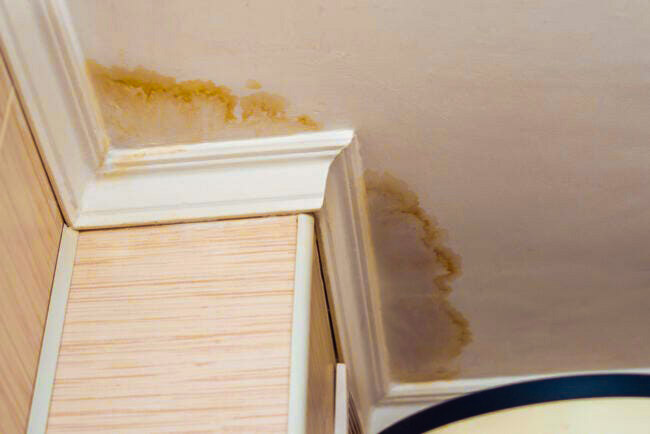
    Identifying the signs and symptoms of a leaking ceiling is crucial for prompt detection and mitigation. Look out for water stains or discoloration on the ceiling surface, as well as dampness or moisture in the affected area. Water dripping or pooling is a clear indication of an active leak.

    Other observable signs may include peeling paint or wallpaper, blistering or bubbling surfaces, and a musty odor. It’s important to note that these signs may not always be directly below the source of the leak, as water can travel along roof trusses or beams before making its way into the ceiling.

    Importance of Identifying the Source of the Leak

    To effectively address ceiling leaks when it rains, it is crucial to identify the exact source of the leak. The visible signs on the ceiling may not necessarily pinpoint the location of the problem. Water can travel along rafters, roof decking, or insulation, making it challenging to trace its origin.

    evaluating roof damage

    Causes of Ceiling Leaks during Rainfall

    Age-related Deterioration and Wear

    Ceiling leaks when it rains can often be attributed to the aging and wear of roofing materials. Over time, exposure to weather elements and temperature fluctuations can cause materials to deteriorate. The constant cycle of wet and dry conditions weakens the protective layers of shingles or tiles, making them more susceptible to water infiltration. Consequently, water finds its way through cracks, gaps, or curling edges, resulting in leaks.

    Damaged or Missing Shingles/Tiles

    Another common cause of ceiling leaks is the presence of damaged or missing shingles or tiles. Harsh weather conditions, falling debris, or improper installation can cause shingles or tiles to crack, break, or become dislodged. This creates vulnerable entry points for rainwater to penetrate the roof. Even a small number of damaged or missing pieces can lead to significant water intrusion, causing leaks and potential interior damage.

    Roofing System Problems

    Inadequate Flashing or Sealant

    Flashing and sealant play a crucial role in preventing water penetration in vulnerable areas of the roof, such as joints, valleys, and intersections. If the flashing (metal strips) or sealant (caulk or adhesive) deteriorates or was improperly installed, it can fail to provide a watertight barrier. This allows rainwater to seep through gaps and into the interior of the building, resulting in ceiling leaks when it rains.

    Clogged or Damaged Gutters and Downspouts

    Proper water drainage is essential to prevent leaks. Clogged or damaged gutters and downspouts can impede the flow of rainwater, causing it to overflow and accumulate on the roof. Excessive water accumulation can penetrate the roof’s protective layers, saturating the underlying materials and leading to leaks. Regular gutter and downspout maintenance is crucial in preventing this issue.

    tpo roofing improvement

    Detecting the Source of Ceiling Leaks

    Conducting a Visual Inspection of the Roof

    To identify the source of ceiling leaks when it rains, a visual inspection of the roof is an important first step. Start by examining the roofing materials, including shingles, tiles, or metal panels, for any visible damage, such as cracks, gaps, or missing pieces. Pay close attention to areas where different roofing components meet, such as valleys and flashing.

    Inspect the condition of the sealant around vents, chimneys, skylights, and any other roof penetrations. Look for signs of wear, deterioration, or improper installation. These vulnerable areas are prone to developing leaks. By systematically inspecting the roof, you can narrow down potential problem areas and gather valuable information for further investigation.

    Utilizing Moisture Meters and Thermal Imaging Technology

    In some cases, the source of ceiling leaks may not be apparent through visual inspection alone. Moisture meters and thermal imaging technology can provide invaluable assistance in detecting hidden leaks and identifying areas of moisture accumulation within the roof structure.

    Moisture meters measure the level of moisture content in materials such as wood, insulation, or drywall. By utilizing this tool, roofing professionals can pinpoint areas with elevated moisture levels, indicating potential leaks. Thermal imaging technology, on the other hand, captures infrared images that highlight temperature differences. This can help identify areas where water infiltration is occurring, as moisture often alters the temperature of affected materials.

    Consulting Professional Roofing Contractors for Expertise

    When it comes to accurately detecting the source of ceiling leaks when it rains, consulting professional roofing contractors is highly recommended. These experienced experts possess the knowledge, skills, and specialized equipment necessary to identify the precise origin of the leak.

    repairs roofing maintenance

    Prevention and Maintenance

    Regular Roof Inspections and Maintenance Routines

    Regular roof inspections are crucial for preventing ceiling leaks when it rains. Schedule inspections at least once a year, preferably before the rainy season begins. During inspections, roofing professionals can assess the overall condition of the roof, identify potential issues, and address them promptly.

    Maintenance routines should include tasks such as clearing debris from the roof surface, ensuring proper drainage, and checking for any signs of damage or wear. Fixing minor problems, such as replacing damaged shingles or reapplying sealant, can prevent them from escalating into major leaks during heavy rainfall.

    Importance of Keeping Gutters and Downspouts Clear

    Properly functioning gutters and downspouts play a significant role in diverting rainwater away from the roof and foundation. Regularly clean out debris, such as leaves, twigs, and sediment, to prevent clogging. Clogged gutters can lead to water overflow, which can seep into the roof and cause leaks. Additionally, check for any damages or leaks in the gutters and downspouts and repair them promptly.

    Understanding the Role of Proper Attic Ventilation

    Proper attic ventilation is essential for maintaining a healthy roofing system. It helps regulate temperature and humidity levels, reducing the risk of moisture buildup and subsequent damage. Excessive heat and moisture can compromise the integrity of the roof, leading to leaks and deterioration.

    Ensure that your attic has sufficient ventilation through vents or fans. This promotes air circulation, preventing condensation and the growth of mold or mildew. Proper insulation also contributes to maintaining a balanced attic environment.

    Applying Roof Coatings and Sealants for Added Protection

    Roof coatings and sealants provide an extra layer of protection against the elements, including rainwater. They help enhance the waterproofing capabilities of the roof and extend its lifespan. Consult with a professional roofing contractor to determine the most suitable coating or sealant for your specific roof type and climate conditions.

    labor cost for roofing

    Repairing Ceiling Leaks

    Temporary Fixes to Minimize Immediate Damage

    In cases of minor ceiling leaks, you can employ temporary fixes to minimize immediate damage. Start by placing a bucket or container under the leak to collect the dripping water. This helps prevent water from spreading and causing additional problems in your living space.

    Next, locate the source of the leak on the ceiling. Use a flashlight to inspect the area and look for any visible signs of damage, such as cracks or gaps. If possible, temporarily patch the area using waterproof tape or sealant. This can provide a temporary barrier to prevent water from entering until professional repairs can be performed.

    Identifying When Professional Repair is Necessary

    While temporary fixes can provide temporary relief, it’s important to understand when professional repair is necessary. If the ceiling leak persists, worsens, or occurs during heavy rainfall, it indicates a more serious underlying issue that requires professional attention.

    Additionally, if you notice significant water damage, sagging or bulging ceilings, or mold growth, it’s crucial to seek professional assistance. These signs may indicate structural damage or extensive water infiltration that requires professional expertise to address effectively.

    Exploring Repair Options Based on the Severity of the Leak

    The severity of the ceiling leak will determine the appropriate repair options. For minor leaks, a professional roofing contractor may recommend repairing or replacing damaged roofing materials, such as shingles or tiles. They will identify the exact source of the leak and perform the necessary repairs to restore the integrity of the roof.

    Free, No Obligation

    Request Your Free Estimate & Inspection

    Tell us about your roof and we’ll come take a look — no pressure, no cost. Or call us right now on (703) 964-6233.

    (703) 964-6233
    Contact Form Demo (#3)
    Owens Corning Preferred Contractor GAF System Plus CertainTeed SureStart PLUS BBB A+ Accredited HomeAdvisor

    RNC Roofing

    RNC Roofing and Construction Group — The Roofing Contractor Specialists. Protecting your home, one shingle at a time.

    Virginia

    (703) 964-6233 Sterling · Leesburg · Ashburn
    Loudoun & Fairfax County

    Maryland

    (703) 964-6233 Beltsville · District Heights
    All of Maryland
    © 2026 RNC Roofing and Construction Group — The Roofing Contractor Specialists Northern Virginia & Maryland
  • Is Mold From a Leaky Roof Dangerous? : A Guide By RNC Roofing

    Protecting your home, one shingle at a time VA (703) 964-6233| MD (703) 964-6233| Free Estimate & Inspection
    Roof Maintenance

    Is Mold From a Leaky Roof Dangerous? : A Guide By RNC Roofing

    RNC Roofing and Construction Group April 24, 2023
    Is Mold From a Leaky Roof Dangerous? : A Guide By RNC Roofing

    Is Mold From a Leaky Roof Dangerous?

    Risks of Mold from a Leaky Roof

    Is Mold From a Leaky Roof Dangerous? If you have a leaky roof, it can create a perfect environment for mold growth. Water can seep into your walls and ceilings, and it can create a damp and warm environment that mold spores can thrive in. The longer the leak goes unaddressed, the higher the risk of mold growth.Mold spores become problematic only when they settle in damp places, like a roof that leaks, and their impact on the people living in the affected premises may differ.

    understanding mold

    Understanding Mold

    Mold is a type of fungus that grows in damp and warm environments. It can develop indoors and outdoors, and it can spread quickly if not addressed promptly. Mold spores can be present in the air, and they can enter your home through open windows, doors, and ventilation systems. Once they find a damp surface, they can start to grow and spread.

    How Does Mold Develop?

    Mold can develop in any area of your home that has moisture, including bathrooms, kitchens, basements, and crawl spaces. It can also develop on walls, ceilings, and floors if there is a leaky roof or plumbing issue. Mold can grow on any surface, including wood, drywall, and carpet.

    health effect of mold

    Health Effects of Mold Exposure

    Exposure to mold can have various negative effects on your health, including:

    • Allergic reactions
    • Respiratory problems
    • Skin irritation
    • Headaches
    • Fatigue
    • Irritation of the eyes, nose, and throat

    The severity of these symptoms can depend on the type of mold and the duration of exposure.

    signs of blistering roof , signs to replace your roof

    Signs of Mold Growth

    Some of the most common signs of mold growth include:

    • A musty odor
    • Discoloration on walls or ceilings
    • Peeling or bubbling paint or wallpaper
    • Visible mold growth on surfaces
    • Water stains on walls or ceilings

    preventing mold , preventing roof algae

    Preventing Mold Growth from a Leaky Roof

    The best way to prevent mold growth from a leaky roof is to address the leak as soon as possible. You should also check your roof regularly for signs of damage or wear and tear. Other tips for preventing mold growth include:

    • Keeping your home well-ventilated
    • Using a dehumidifier in damp areas
    • Fixing plumbing leaks promptly
    • Cleaning up spills and moisture immediately
    • Using mold-resistant paint and building materials

    Mold Removal Process

    The mold removal process typically involves the following steps:

    insurance for mold

    Insurance

    If you have mold growth in your home from a leaky roof, you may be wondering if your homeowner’s insurance will cover the cost of mold remediation. The answer depends on the cause of the mold growth and your specific insurance policy. Some insurance policies may cover mold remediation if it’s caused by a covered peril, such as a burst pipe or a storm. However, many policies exclude coverage for mold remediation.

    DIY vs. Professional Mold Removal

    While you may be tempted to try to remove mold yourself to save money, it’s essential to consider the risks. DIY mold removal can be dangerous and can spread the mold to other areas of your home. Professional mold remediation companies have the equipment, training, and experience to safely remove mold and prevent further spread.

    myths about mold

    Common Myths About Mold

    There are many myths and misconceptions about mold, including:

    • Bleach kills mold: Bleach can kill some types of mold on non-porous surfaces, but it’s not effective on porous surfaces and can actually make the problem worse.
    • Mold is only a problem for people with allergies: While people with allergies may be more sensitive to mold, exposure to mold can have negative health effects on anyone.
    • You can remove mold with vinegar: While vinegar can be effective at removing some types of mold, it’s not effective on all types and may not completely eliminate the problem.

    Read More of Our Articles

    Mold growth from a leaky roof can be dangerous and can have negative effects on your health and property. It’s essential to address any leaks or water damage promptly and to hire a professional mold remediation company if you suspect mold growth in your home. By taking steps to prevent mold growth and addressing it promptly, you can keep your home safe and healthy.

    Free, No Obligation

    Request Your Free Estimate & Inspection

    Tell us about your roof and we’ll come take a look — no pressure, no cost. Or call us right now on (703) 964-6233.

    (703) 964-6233
    Contact Form Demo (#3)
    Owens Corning Preferred Contractor GAF System Plus CertainTeed SureStart PLUS BBB A+ Accredited HomeAdvisor

    RNC Roofing

    RNC Roofing and Construction Group — The Roofing Contractor Specialists. Protecting your home, one shingle at a time.

    Virginia

    (703) 964-6233 Sterling · Leesburg · Ashburn
    Loudoun & Fairfax County

    Maryland

    (703) 964-6233 Beltsville · District Heights
    All of Maryland
    © 2026 RNC Roofing and Construction Group — The Roofing Contractor Specialists Northern Virginia & Maryland
  • Blistering Shingles- Here’s What You Need to Know!

    Protecting your home, one shingle at a time VA (703) 964-6233| MD (703) 964-6233| Free Estimate & Inspection
    Roof Maintenance

    Blistering Shingles- Here’s What You Need to Know!

    RNC Roofing and Construction Group March 31, 2023
    Blistering Shingles- Here’s What You Need to Know!

    How to Deal with Blistering Shingles: A Comprehensive Guide for Roofing

    At RNC Roofing and Construction, we know that a well-maintained roof is crucial for the safety and security of your home. If you are a homeowner, it is vital to keep an eye out for potential issues that could damage your roof’s integrity. One of these issues is blistering shingles. In this article, we will explore what blistering shingles are, what causes them, and what steps you can take to prevent and fix them.

    What are Blistering Shingles?

    Blistering shingles are a common roofing problem that occurs when bubbles or blisters form on the surface of your shingles. These blisters can range in size and can appear on individual shingles or in larger patches. Although blistering shingles may not seem serious, they can damage your roof’s integrity and lead to more significant issues if left unaddressed.Asphalt shingles are the most common type of shingle used on residential roofs in North America. They are made of a base material (either organic or fiberglass) coated with asphalt and topped with a layer of ceramic granules. When the asphalt in the shingles is exposed to high temperatures, it can soften and expand, causing the shingles to blister.

    What Causes Blistering Shingles?

    Several factors can cause blistering shingles. One common cause is excessive heat. When shingles are exposed to high temperatures for extended periods, they can begin to blister and bubble. This is particularly true for roofs that are poorly ventilated or located in areas with intense sunlight.Moisture is another common cause of blistering . When water gets trapped between the layers of your shingles, it can cause them to bubble and blister. That’s why it is essential to ensure that your roof is correctly waterproofed, and any leaks are repaired promptly.

    questions and concerns about roofing repair

    Why Are My Roof Shingles Blistering?

    Blistering Shingles is a common issue with asphalt shingles. There are two main reasons for blistering on shingles

    • Trapped Moisture

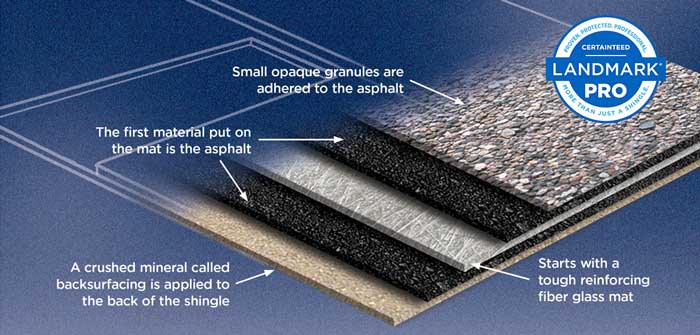
    The first cause of blistering on shingles is due to manufacturing errors that allow moisture to get trapped between the layers that comprise the shingle. Most asphalt roof shingles consist of three layers:

    -The backing, composed of paper or fiberglass

    -The asphalt

    The granules

    When the moisture stuck between these layers heats up from sun exposure or attic heat, it expands or turns to vapor, forming blisters.

    • Poor Ventilation

    Blistering on shingles may develop or worsen if your roof is poorly ventilated. A poorly ventilated roof allows heat and moisture to build up in the attic, leading to shingle deterioration and damage.

    certainteed shingle technology roofing
    prevent blistering shingles , preventing storm damage roof

    Preventing Blistering Shingles:

    The best way to prevent blistering is to ensure that your roof is correctly ventilated and waterproofed. Regular inspections and maintenance by a professional roofing contractor can achieve this. Additionally, it’s important to keep your gutters clear of debris and to remove any overhanging tree limbs that could damage your roof.

    Proper Roof Ventilation

    Ventilation is crucial in preventing blistering shingles. Attic vents allow for the release of warm, moist air that can build up in your attic. This, in turn, prevents the shingles from overheating and blistering. Proper attic ventilation also helps reduce energy costs by allowing hot air to escape, making it easier to cool your home.

    ventilation fan

    Waterproofing

    Waterproofing your roof is another critical step in preventing blistering shingles. Ensure that your roof is properly waterproofed by having a professional Roofing contractor install the right underlayment and ice and water shield. These materials help prevent moisture from getting trapped between the layers of your shingles and causing blisters. It’s essential to choose the right underlayment and ice and water shield for your roof type and climate, as different materials are designed to withstand different weather conditions.

    waterproofing prevent blistering shingles sign , storm damage roof resistant

    Regular Inspections and Maintenance

    Regular inspections and maintenance are critical in preventing shingles blistering. A professional roofing contractor can identify potential issues before they become significant problems and recommend the necessary repairs or replacements. It’s recommended to have your roof inspected at least once a year, especially after severe weather events.

    roof repair inspection icon

    Fixing Blistering Shingles:

    If you notice blistering on your shingles, it’s essential to address the issue promptly to prevent further damage. Here are some steps to follow

    • Call a Professional

    Fixing shingles blistering can be a complex and dangerous job, and it’s essential to call a professional roofing contractor to do the work. They have the necessary skills, equipment, and experience to fix the problem safely and effectively.

    • Identify the Cause

    The first step is to identify the cause of the problem. If the issue is due to poor ventilation, it’s essential to improve your attic ventilation. If it’s due to trapped moisture, you’ll need to replace the affected shingles.

    • Replace Damaged Shingles

    If the blistering is limited to a few shingles, it’s possible to replace them individually. However, if the problem is more widespread, it may be necessary to replace the entire roof.

    repairing storm damage roof

    Contact a Professional Today

    roofing quality
    contact rnc roofing and construction
    cracked damaged shingles , roofing, blistering roof

    Shingles Blistering may seem like a minor issue, but they can cause significant damage to your roof if left unaddressed. By understanding the causes of blistering and taking the necessary steps to prevent and fix them, you can ensure that your roof remains in excellent condition and protect your home and family from the elements.

    View More of Our Informative Post Here

    Free, No Obligation

    Request Your Free Estimate & Inspection

    Tell us about your roof and we’ll come take a look — no pressure, no cost. Or call us right now on (703) 964-6233.

    (703) 964-6233
    Contact Form Demo (#3)
    Owens Corning Preferred Contractor GAF System Plus CertainTeed SureStart PLUS BBB A+ Accredited HomeAdvisor

    RNC Roofing

    RNC Roofing and Construction Group — The Roofing Contractor Specialists. Protecting your home, one shingle at a time.

    Virginia

    (703) 964-6233 Sterling · Leesburg · Ashburn
    Loudoun & Fairfax County

    Maryland

    (703) 964-6233 Beltsville · District Heights
    All of Maryland
    © 2026 RNC Roofing and Construction Group — The Roofing Contractor Specialists Northern Virginia & Maryland
  • How Much Does a New Roof Cost in Maryland?

    Protecting your home, one shingle at a time VA (703) 964-6233| MD (703) 964-6233| Free Estimate & Inspection
    Maryland

    How Much Does a New Roof Cost in Maryland?

    RNC Roofing and Construction Group March 31, 2023
    How Much Does a New Roof Cost in Maryland?

    The Ultimate Guide to Roofing Costs in Maryland

    How Much Does a New Maryland Roof Cost?

    Roof replacement costs can vary significantly depending on a number of factors, but in Maryland, you can expect to pay anywhere from $5,000 to $30,000 or more for a full roof replacement. According to a 2023 cost vs. value report by Fixr.com the average cost to replace a 25-year shingle roof in Baltimore is around $24,700. While this may seem like a steep price tag, it’s important to understand what factors go into estimating the cost of a roof replacement in Maryland.

    Factors That Affect The Cost Of a New Roof In Maryland

    When it comes to estimating the cost of a roof replacement in Maryland, there are several factors that can influence the price. Here are some of the most important factors to consider:

    cost of roofing size of roof

    The Size of Your Roof:

    The size of your roof is one of the most significant factors that will impact the cost of your roof replacement. Most roofing companies charge by the square foot, so the larger your roof, the more you can expect to pay. Additionally, larger roofs require more labor, which can also increase the overall cost.

    gaf roofing
    owens corning roofing

    Materials:

    The materials you choose for your roof replacement can also have a significant impact on the cost. While most roofing contractors offer a range of materials at different price points, it’s important to remember that higher-quality materials will generally be more expensive. However, they may also last longer and require fewer repairs in the long run.View Our Selections of High Quality Materials Here

    dude in hardhat showing labor

    Labor:

    Labor costs are another important consideration when estimating the cost of a roof replacement in Maryland. While labor costs can vary from contractor to contractor, working with an efficient and experienced roofing company can help you get the most value for your money.

    stick figure climbing stairs showing steepness

    Steepness

    The steepness of your roof can also impact the overall cost of your roof replacement. Steeper roofs can be more difficult to work on, which can slow down the labor process and require additional equipment. Additionally, steep roofs can be more dangerous for roofers, which can lead to increased insurance costs for the contractor.

    damaged building in Maryland

    Unforeseen Damage

    In some cases, additional damage may be discovered during the roof replacement process. This can include damage to the plywood underlayment or water damage in the attic. If additional damage is discovered, it can add to the overall cost of your roof replacement.

    red chimney showing extra features

    Extra Features on the Roof

    If your roof features skylights, a chimney, or other additional features, it may require extra work and materials to replace damaged flashing and properly seal the roof during the replacement process. Alternatively, these features may need to be replaced entirely if they cannot be successfully repaired during the roof replacement.

    ventilation fan

    Ventilation Replacements

    Your roof is home to many of your home’s ventilation systems, including roof vents. During the roof replacement process, these vents may need to be replaced if they are damaged or if local building codes require it.

    gutter replacement

    Gutter Replacement

    If your gutters are damaged, it may be a good idea to replace them at the same time as your roof to save on additional labor costs down the line.

    waste removal basket

    Waste Removal

    When your old roof is torn off, the materials must be disposed of. This can add to the overall cost of a roof replacement. Dumpsters have to be brought on-site, and time has to be dedicated to disposing of the materials from your old roof. However, some roofing contractors may offer to include waste removal as part of their services, so it’s always a good idea to ask about it when you’re getting estimates.

    Choosing The Right Contractor

    When it comes to getting a roof replacement in Maryland, choosing the right contractor can make all the difference in terms of the cost and the quality of the work. Before hiring a roofing contractor, it’s important to do your research and ask the right questions. Here are some tips to help you choose the right contractor:

    choosing right contractor for cost of roofing

    Get Referrals

    Ask friends, family, and neighbors for referrals. If someone you know had a good experience with a roofing contractor, it’s a good sign that they do good work.

    Check Credentials

    Make sure the contractor you choose is licensed and insured. This will protect you in case something goes wrong during the project.

    Ask For References

    Ask the contractor for references from previous clients. If they’re hesitant to provide references, that could be a red flag.

    Get Multiple Estimates

    Always get multiple estimates from different contractors before making a decision. This will give you a better idea of what a fair price is for your project.

    Read Reviews

    Look for reviews of the contractor online. Sites like Yelp, Google, and Angie’s List can be great resources for finding reviews from previous clients.

    Why Should You Know This?

    A roof replacement can be a costly investment, but it’s also an important one. Your roof is what protects your home and everything inside it from the elements. If you’re in Maryland and need a roof replacement, make sure to do your research and choose a qualified, professional contractor. By understanding the factors that go into the cost of a roof replacement, you can make an informed decision about what type of roof to choose and how much you’re willing to spend.

    Free, No Obligation

    Request Your Free Estimate & Inspection

    Tell us about your roof and we’ll come take a look — no pressure, no cost. Or call us right now on (703) 964-6233.

    (703) 964-6233
    Contact Form Demo (#3)
    Owens Corning Preferred Contractor GAF System Plus CertainTeed SureStart PLUS BBB A+ Accredited HomeAdvisor

    RNC Roofing

    RNC Roofing and Construction Group — The Roofing Contractor Specialists. Protecting your home, one shingle at a time.

    Virginia

    (703) 964-6233 Sterling · Leesburg · Ashburn
    Loudoun & Fairfax County

    Maryland

    (703) 964-6233 Beltsville · District Heights
    All of Maryland
    © 2026 RNC Roofing and Construction Group — The Roofing Contractor Specialists Northern Virginia & Maryland
  • 6 Common Causes of Roof Leaks In Heavy Rain

    Protecting your home, one shingle at a time VA (703) 964-6233| MD (703) 964-6233| Free Estimate & Inspection
    Home Improvement

    6 Common Causes of Roof Leaks In Heavy Rain

    RNC Roofing and Construction Group March 21, 2023
    6 Common Causes of Roof Leaks In Heavy Rain

    6 Common Causes of Roof Leaks In Heavy Rain

    When it rains heavily, your roof should protect your home from water damage. However, if your roof leaks during heavy rain, it can cause significant problems, such as water stains, mold growth, wood rot, and structural damage. In this article, we will explore the six most common causes of roof leaks during heavy rain and suggest some practical solutions to help you avoid or fix them.

    1

    cracked damaged shingles , roofing, blistering roof

    Damaged or Missing Shingles

    The shingles on your roof serve as the first line of defense against rainwater. If they are damaged or missing, rainwater can penetrate your roof and seep into your attic or ceiling. Some signs of damaged or missing shingles include:

    • Cracked, curled, or warped shingles
    • Loose or missing shingles
    • Granules or debris in your gutters or downspouts

    To prevent or fix this problem, you should inspect your roof regularly, especially after a storm, and look for any signs of damage or wear. If you notice any damaged or missing shingles, you should replace them as soon as possible.

    2

    storm damaged gutters

    Clogged Gutters or Downspouts

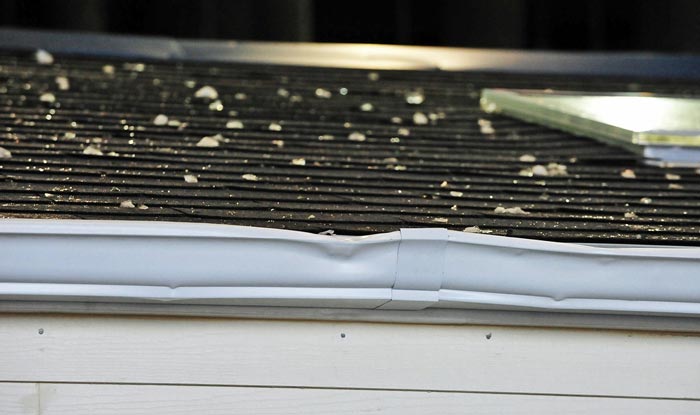
    Your gutters and downspouts play a crucial role in channeling rainwater away from your roof and home. However, if they are clogged with leaves, twigs, or debris, they can cause water to back up and overflow, leading to water damage or leaks. Some signs of clogged gutters or downspouts include:

    • Water spilling over the edges of your gutters
    • Sagging or detached gutters
    • Damp or wet spots around your home’s foundation

    The key to preventing or fixing this is to clean your gutters and downspouts at least twice a year, or more frequently if you have many trees around your home. You can use a ladder, gloves, and a scoop to remove the debris manually, or you can hire a professional to do it for you.

    3

    broken , dented roof flashing , roof leak in heavy rain

    Faulty Flashing

    Flashing refers to the metal strips or sheets that seal the joints and seams of your roof, such as around the chimney, skylight, or vents. If the flashing is damaged, rusted, or improperly installed, rainwater can seep into your roof and cause leaks. Some signs of faulty flashing include:

    • Rust stains or corrosion around the flashing
    • Loose or missing flashing
    • Water stains or drips around the chimney or skylight

    To prevent a recurrence of this situation, you should inspect your flashing regularly and look for any signs of wear or damage. If you notice any problems, you should repair or replace the flashing as soon as possible. You can use a roofing cement or sealant to seal the gaps or joints, or you can hire a professional roofer to do it for you.

    4

    ice dam from roof leak in heavy rain

    Ice Dams

    Ice dams are a common problem in cold climates, where snow and ice can accumulate on your roof and form a barrier that prevents the melted snow from draining off your roof. The trapped water can then seep under your shingles and cause leaks. Some signs of ice dams include:

    • Icicles hanging from your roof or gutters
    • Ice or water stains on your ceiling or walls
    • Wet or soggy insulation in your attic

    This issue can be resolved by removing the snow and ice from your roof as soon as possible, using a roof rake or a broom, or hiring a professional to do it for you. You can also improve you

    5

    roof leak , leaking water damage inside

    Condensation

    Condensation occurs when warm, humid air from your home’s interior meets the cold surface of your roof or attic. The moisture can then accumulate and cause mold growth, wood rot, or water damage. Some signs of condensation include:

    • Water stains or discoloration on your ceiling or walls
    • Musty or damp odors in your attic or home
    • Peeling or bubbling paint or wallpaper

    To address this concern, it is recommended to improve your home’s ventilation and air circulation, especially in your attic. You can install vents, fans, or exhaust systems to remove the excess moisture and allow fresh air to circulate. You can also insulate your attic and seal any air leaks or gaps to prevent the warm air from escaping into your attic.

    6

    dark areas on roofing from roof lean in heavy rain , peeling paint blistering roof

    Aging or Poor Quality Roof

    Lastly, your roof’s age and quality can also affect its ability to withstand heavy rain and prevent leaks. If your roof is old, worn, or poorly installed, it may have weak spots, cracks, or gaps that can allow rainwater to seep in. Some signs of an aging or poor quality roof include:

    • Sagging or uneven roofline
    • Visible cracks or holes in your roof
    • High energy bills or poor insulation

    To prevent or fix this problem, you should consider replacing your roof with a newer, high-quality material, such as metal, asphalt, or tile. You should also hire a professional roofer to inspect your roof regularly and repair any damage or wear before it becomes a bigger problem.

    Conclusion

    Roof leaks in heavy rain can be caused by various factors, such as damaged shingles, clogged gutters, faulty flashing, ice dams, condensation, and aging or poor quality roof. By identifying and addressing these issues early on, you can prevent or fix roof leaks and protect your home from water damage. If you need help with your roof, you can contact a local roofing contractor or home improvement professional for advice and assistance or Read More About Roof Leaks In Heavy Rain Here.

    Our Informative Articles

    Free, No Obligation

    Request Your Free Estimate & Inspection

    Tell us about your roof and we’ll come take a look — no pressure, no cost. Or call us right now on (703) 964-6233.

    (703) 964-6233
    Contact Form Demo (#3)
    Owens Corning Preferred Contractor GAF System Plus CertainTeed SureStart PLUS BBB A+ Accredited HomeAdvisor

    RNC Roofing

    RNC Roofing and Construction Group — The Roofing Contractor Specialists. Protecting your home, one shingle at a time.

    Virginia

    (703) 964-6233 Sterling · Leesburg · Ashburn
    Loudoun & Fairfax County

    Maryland

    (703) 964-6233 Beltsville · District Heights
    All of Maryland
    © 2026 RNC Roofing and Construction Group — The Roofing Contractor Specialists Northern Virginia & Maryland