Tag: home improvement

  • Parts of a Roof Names: Unveiling the Anatomy of Your Shelter
    Protecting your home, one shingle at a time VA (703) 964-6233| MD (703) 964-6233| Free Estimate & Inspection
    Home Improvement

    Parts of a Roof Names: Unveiling the Anatomy of Your Shelter

    RNC Roofing and Construction Group August 20, 2023
    Parts of a Roof Names: Unveiling the Anatomy of Your Shelter

    Parts of a Roof Names: Unveiling the Anatomy of Your Shelter

    Roof structures are more than just the uppermost layer of a building – they play a crucial role in safeguarding both the structure itself and the people within. A well-designed roof goes beyond aesthetics; it’s a shield against the elements, defending against rain, snow, wind, and more. As we delve into parts of a roof names, this article aims to shed light on the intricate components that collectively make up a roof, and the terminology associated with each part.

    The Roof Deck

    When we talk about the foundation of a roof, we’re referring to the roof deck – a critical component that sets the stage for everything else. Think of it as the canvas upon which the entire masterpiece of a roof is painted. The base layer of a roof structure, the roof deck provides a stable platform for the rest of the roofing elements to come together harmoniously.

    Materials Matter

    Roof decks are crafted using various materials, each with its unique characteristics and suitability. Plywood and oriented strand board (OSB) are two common choices. Plywood, known for its durability and strength, is often selected for its ability to withstand a variety of weather conditions. On the other hand, OSB, engineered by compressing wood strands with adhesives, offers its own set of advantages, including cost-effectiveness and structural integrity.

    A Supportive Role

    The role of the roof deck goes beyond being just a surface to build upon. It serves as the solid foundation that supports the weight of the entire roof structure – from the rafters to the roofing materials themselves. This foundational layer also helps distribute the load evenly, preventing any undue stress on specific points. As the backbone of the roof, the deck ensures stability, structural integrity, and longevity.

    roof flashing and underlayment

    Roofing Underlayment and Ice/Water Shield

    The Protective Layers

    Roofing underlayment is the unsung hero beneath the visible exterior of your roof. This vital layer, often overlooked, serves a paramount purpose in ensuring the longevity and weather-resistance of your roofing system. Acting as a barrier against leaks, moisture, and unwanted air infiltration, roofing underlayment acts as the safeguard between the roof deck and the final roofing materials.

    Snow, Ice, and Shielding

    For those in regions where snow and ice pose challenges, the ice and water shield becomes a crucial defender. Snow accumulation and freezing temperatures can lead to ice dams, causing water to seep underneath roofing materials. The ice and water shield is a specialized membrane that acts as a barrier against water infiltration, effectively preventing leaks that can cause damage to the roof and the structure beneath.

    Materials Matter, Again

    Roofing underlayment comes in different materials tailored to the specific needs of the roof. Traditional options include asphalt-saturated felt, a tried-and-true choice known for its durability and water-resistant properties. On the other hand, modern options like synthetic materials offer enhanced performance, better resistance to tear and moisture, and increased longevity.
    durability of metal roofing

    Roofing Material Varieties

    A Tapestry of Choices

    Roofing comes in an array of materials, each offering a distinct blend of functionality and aesthetics. From classic asphalt shingles to the timeless elegance of slate, the choices are as diverse as the landscapes they grace. Let’s take a tour through some of these remarkable roofing materials, each with its own tale to tell.

    Unveiling Unique Traits

    Metal roofing, known for its durability and versatility, can mimic other materials like shingles or tiles while delivering exceptional longevity. Clay tiles, on the other hand, are celebrated for their rustic charm and ability to withstand extreme weather conditions. Concrete tiles provide a modern twist with a wide range of colors and styles, marrying aesthetics with sturdiness. Lastly, the dignified beauty of slate tiles has stood the test of time, gracing historic buildings with its elegance.

    Weighing Pros and Cons

    As we explore these roofing materials, it’s important to consider their individual strengths and limitations. While asphalt shingles are cost-effective and easy to install, they might not offer the same lifespan as slate or metal. Metal roofing boasts longevity and energy efficiency, yet it can be pricier upfront. Clay and concrete tiles provide distinct aesthetics, but they can be heavier and require proper structural support. Slate, revered for its beauty and durability, demands specialized installation.

    Your Roof, Your Choice

    Selecting the right roofing material isn’t just about trends; it’s about aligning with your unique needs and preferences. Choosing the ideal roofing material involves assessing factors such as your local climate, budget, maintenance expectations, and desired appearance. Whether you prioritize eco-friendliness, longevity, or a specific aesthetic, each material has its own story to share and a role to play in your roofing journey.

    roof ventilation

    Roof Ventilation Systems

    Breathing Life into Your Roof

    Roof ventilation systems are the unsung heroes that ensure your roof breathes easy and stays in optimal condition. Their role goes beyond just preventing heat buildup – they contribute to a healthy, energy-efficient roof that stands the test of time. Let’s dive into the world of roof ventilation systems and discover how they impact your home’s well-being.

    Ventilation Components Unveiled

    Ventilation involves a symphony of components, each playing a vital role in maintaining a balanced airflow. Ridge vents are strategically placed along the roof’s peak, allowing hot air to escape from the attic. Soffit vents, located under the eaves, facilitate cool air intake, creating a continuous flow that keeps the roof environment temperate. Gable vents punctuate the sides of gable roofs, providing another outlet for warm air to exit.

    A Healthier Roof Environment

    Proper ventilation is essential in preventing moisture-related issues. When hot, moist air gets trapped in the attic, it can lead to mold growth, rot, and structural damage. Effective ventilation reduces humidity levels, preventing these problems and enhancing indoor air quality. Additionally, well-ventilated roofs reduce heat transfer, ensuring your home remains comfortable and energy-efficient.

    Lifespan Prolonged

    By maintaining a balanced temperature and moisture level, roof ventilation systems extend the lifespan of your roof. Heat-induced stress can accelerate wear and tear on roofing materials, causing premature deterioration. Proper ventilation, however, prevents excessive temperature fluctuations, preserving the integrity of shingles, tiles, and other roofing components.

    materials for roof replacement

    Flashing and Roof Penetrations

    Guardians Against Water

    Flashing is the unsung hero that shields your roof from water intrusion at its most vulnerable points. Picture it as the armor that prevents leaks and seepage in areas where the roof meets other structures. Its primary role is to create a watertight barrier that keeps moisture at bay, ensuring your roof remains sturdy and leak-free.

    A Symphony of Types

    Flashing comes in various forms, each tailored to address specific roofing challenges. Step flashing, for instance, provides protection where a sloped roof meets a vertical surface, like a chimney. Chimney flashing secures the intersection between the chimney and the roof, preventing water from seeping into the gaps. Valley flashing is designed to direct water away from the valleys formed by the meeting of two roof slopes.

    Where Roofs Penetrate

    Roof penetrations, such as chimneys, skylights, and vents, are vital components that enrich the functionality of a building but can pose challenges to a roof’s integrity. These elements, while adding value, create openings that must be managed with care. Proper flashing and sealing around these penetrations are essential to ensure a waterproof barrier and prevent potential leaks.

    Preserving the Whole

    Understanding flashing and roof penetrations is crucial to preserving the health of your roof and your entire structure. By preventing water intrusion and fortifying vulnerable points, flashing safeguards against potential damage and the costly repairs that can follow. Roof penetrations, when properly managed, complement your roof’s functionality without compromising its protective properties.
    gutters and downspouts

    Gutters and Downspouts

    Guiding Rainwater Wisely

    Gutters and downspouts form an essential duo in protecting your home’s integrity. Their primary role is to channel rainwater away from the roof and foundation, preventing potential damage that water accumulation can cause. These unassuming components play a critical role in ensuring your roof’s longevity and the structural soundness of your entire building.

    Diverse in Material and Form

    Gutters come in a variety of materials, ranging from traditional choices like aluminum and copper to more modern options like vinyl and stainless steel. Each material brings its own set of strengths, whether it’s durability, rust resistance, or affordability. Beyond material, gutters also come in various shapes and sizes, catering to different aesthetics and water-handling capacities.

    Maintenance and Longevity

    Maintaining your gutters is essential to their functionality and lifespan. Regular cleaning prevents clogs that can lead to overflow and water damage. Neglected gutters can cause leaks, erosion, and even foundation issues over time. Keeping gutters free from debris and ensuring proper drainage through downspouts is a small investment that pays off in protecting your home’s value.

    Installation and Beyond

    Proper installation is key to effective gutter performance. Ensuring the right pitch and correct positioning of downspouts is fundamental in directing water away from your roof and foundation. Additionally, routine maintenance includes removing leaves, sticks, and other debris that can obstruct water flow. Investing time in these steps can save you from major repairs down the line.

    View More Articles

    Free, No Obligation

    Request Your Free Estimate & Inspection

    Tell us about your roof and we’ll come take a look — no pressure, no cost. Or call us right now on (703) 964-6233.

    (703) 964-6233
    Contact Form Demo (#3)
    Owens Corning Preferred Contractor GAF System Plus CertainTeed SureStart PLUS BBB A+ Accredited HomeAdvisor

    RNC Roofing

    RNC Roofing and Construction Group — The Roofing Contractor Specialists. Protecting your home, one shingle at a time.

    Virginia

    (703) 964-6233 Sterling · Leesburg · Ashburn
    Loudoun & Fairfax County

    Maryland

    (703) 964-6233 Beltsville · District Heights
    All of Maryland
    © 2026 RNC Roofing and Construction Group — The Roofing Contractor Specialists Northern Virginia & Maryland
  • Roof Leaking into Attic: Signs, Causes, and Solutions

    Protecting your home, one shingle at a time VA (703) 964-6233| MD (703) 964-6233| Free Estimate & Inspection
    Home Improvement

    Roof Leaking into Attic: Signs, Causes, and Solutions

    RNC Roofing and Construction Group July 19, 2023
    Roof Leaking into Attic: Signs, Causes, and Solutions

    Roof Leaking into Attic: Signs, Causes, and Solutions

    As a homeowner, it’s important to be aware of the hidden signs that indicate a roof leak. By recognizing these indicators early on, you can take timely action and prevent further water damage. We will explore these signs in detail, allowing you to be proactive in protecting your attic from the harmful effects of a leaky roof.

    Understanding Roof Leaks

    Common Causes of Roof Leaks

    • Aging Roof: Over time, roofs become more susceptible to leaks due to deterioration caused by exposure to weather elements, UV rays, and temperature fluctuations.
    • Damaged Shingles: Cracked, missing, or improperly installed shingles can create openings for water to enter the roof structure and eventually reach the attic.
    • Faulty Flashings: Flashings, which are thin metal strips that seal vulnerable areas such as chimneys, vents, and skylights, can deteriorate or become loose, allowing water to penetrate.
    • Poor Roof Installation: Inadequate installation techniques, including improper sealing of joints or insufficient underlayment, can lead to weak spots that are prone to leaks.

    Impact of a Roof Leak on the Attic and the Entire House

    A roof leak left unattended can have detrimental effects on both the attic and the overall integrity of the house. Here are some potential impacts:

    • Structural Damage: Water that infiltrates the attic can saturate the insulation, weaken the roof’s support structure, and compromise the stability of the entire roof system.
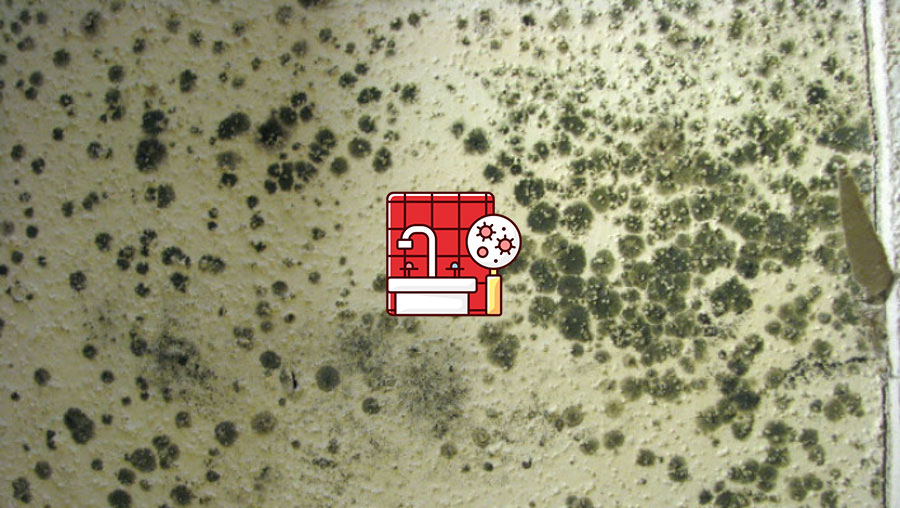
    • Mold and Mildew Growth: Excess moisture in the attic due to a roof leak creates an ideal environment for mold and mildew to thrive. These fungi can cause health issues for occupants and further damage the building materials.
    • Damaged Insulation: Water-soaked insulation loses its effectiveness, leading to decreased energy efficiency and increased heating or cooling costs.
    • Electrical Hazards: If water reaches electrical components in the attic, it can pose a significant safety risk, including short circuits or electrical fires.

    mold in your walls

    Recognizing Hidden Signs of a Roof Leak

    Water Stains on the Ceiling and Walls

    One of the most apparent signs of a roof leak is the presence of water stains on the ceiling and walls. These stains can appear as discolored patches, often with a brownish or yellowish tint. They indicate that water has penetrated through the roof and made its way into the attic or the space between the roof and the ceiling. It’s important to address these stains promptly, as they can worsen over time and lead to further damage if the underlying cause is not resolved.

    Dampness or Musty Odors in the Attic

    If you notice a persistent dampness or musty odor in your attic, it could be a clear indication of a roof leak. When water enters the attic, it can create a humid environment that promotes the growth of mold and mildew. These fungi thrive in damp conditions and release distinct odors. Therefore, a musty smell in your attic should not be ignored, as it may signify an ongoing leak that needs attention.

    Increased Energy Bills due to Insulation Damage

    A roof leak can compromise the insulation in your attic, leading to decreased energy efficiency and higher utility bills. When insulation gets wet, it loses its effectiveness in regulating temperature and preventing heat transfer. As a result, your heating and cooling systems have to work harder to maintain a comfortable indoor environment, resulting in increased energy consumption. If you notice a sudden spike in your energy bills without a clear explanation, it’s worth investigating the possibility of a roof leak.

    Mold or Mildew Growth in the Attic

    The presence of mold or mildew in your attic is a red flag for a roof leak. These fungi thrive in moist environments and often develop in hidden corners or on surfaces affected by water infiltration. If you spot any mold growth on the attic walls, beams, or insulation, it indicates that there is excessive moisture entering your attic, likely from a leaking roof. Prompt action is necessary to prevent further mold proliferation and address the underlying leak issue.

    Sagging or Weakened Roof Structure

    A roof leak that goes undetected or unattended for a prolonged period can lead to structural damage, causing the roof to sag or weaken. This is a serious sign that the leak has progressed and affected the integrity of the roof’s supporting structure. If you notice any visible signs of sagging or weakened areas on your roof, it’s essential to have a professional inspection and repair performed immediately to prevent further damage and potential collapse.

    labor cost for roofing

    Temporary Measures to Mitigate Damage

    1. Tarps and Temporary Patches:

    • Covering the affected area with a waterproof tarp can provide immediate protection against water intrusion.
    • Securely fasten the tarp over the damaged portion of the roof using ropes or bungee cords.
    • Temporary patches, such as roofing cement or sealants, can be applied to small leaks or cracks in the roofing material as a temporary stop-gap measure.
    1. Clearing Debris from Gutters and Downspouts:

    • Clogged gutters and downspouts can contribute to roof leaks by causing water to overflow and seep into the attic.
    • Regularly inspect and clear any debris, such as leaves and twigs, from the gutters and downspouts to ensure proper water drainage away from the roof.
    1. Ensuring Proper Attic Ventilation and Insulation:

    • Inadequate ventilation and insulation in the attic can lead to condensation and moisture buildup, exacerbating the effects of a roof leak.
    • Check that attic vents are clear of obstructions and functioning properly to allow for proper air circulation.
    • Inspect and address any insulation issues, such as wet or damaged insulation, which may need to be temporarily removed and replaced after the leak is resolved.
    1. Taking Immediate Action:

    • Document the extent of the damage by taking photos and making notes to aid in insurance claims.
    • Safely move any valuable belongings or furniture away from the affected area to prevent further damage.
    • Place buckets or containers strategically to collect dripping water and prevent it from spreading to other areas of the attic or home.

    roof water damage

    Fixing the Roof Leak

    When it comes to fixing a roof leak into the attic, it is essential to hire a professional roofing contractor who possesses the necessary qualifications and expertise. Here are some key considerations to keep in mind:

    Hiring a Professional Roofing Contractor:

    • Look for a licensed and insured roofing contractor with a proven track record in handling roof leaks and repairs.
    • Seek recommendations from friends, family, or neighbors who have had positive experiences with roofing contractors.
    • Verify the contractor’s credentials and certifications to ensure they are qualified to work on your roof.

    Repair Options:

    • The approach to fixing a roof leak will depend on the severity and type of the leak. A professional contractor will conduct a thorough inspection to determine the best course of action.
    • Repair options may include shingle replacement, repairing damaged flashing, or applying roof coatings to reinforce the existing roofing material.
    • In some cases, if the damage is extensive or the roof is nearing the end of its lifespan, a roof replacement might be recommended.

    Exploring Potential Solutions:

    • Shingle Replacement: Damaged or missing shingles are a common cause of roof leaks. A professional contractor will carefully remove and replace the affected shingles, ensuring a proper seal to prevent future leaks.
    • Flashing Repair: Flashing around chimneys, vents, and skylights can deteriorate over time, leading to leaks. A skilled contractor will repair or replace damaged flashing to ensure water-tightness.
    • Roof Coatings: Applying a waterproof coating can provide an additional layer of protection against future leaks. The coating is applied directly to the roof surface, sealing any existing gaps or cracks.

    roof water damage

    Fixing the Roof Leak

    When it comes to fixing a roof leak into the attic, it is essential to hire a professional roofing contractor who possesses the necessary qualifications and expertise. Here are some key considerations to keep in mind:

    Hiring a Professional Roofing Contractor:

    • Look for a licensed and insured roofing contractor with a proven track record in handling roof leaks and repairs.
    • Seek recommendations from friends, family, or neighbors who have had positive experiences with roofing contractors.
    • Verify the contractor’s credentials and certifications to ensure they are qualified to work on your roof.

    Repair Options:

    • The approach to fixing a roof leak will depend on the severity and type of the leak. A professional contractor will conduct a thorough inspection to determine the best course of action.
    • Repair options may include shingle replacement, repairing damaged flashing, or applying roof coatings to reinforce the existing roofing material.
    • In some cases, if the damage is extensive or the roof is nearing the end of its lifespan, a roof replacement might be recommended.

    Exploring Potential Solutions:

    • Shingle Replacement: Damaged or missing shingles are a common cause of roof leaks. A professional contractor will carefully remove and replace the affected shingles, ensuring a proper seal to prevent future leaks.
    • Flashing Repair: Flashing around chimneys, vents, and skylights can deteriorate over time, leading to leaks. A skilled contractor will repair or replace damaged flashing to ensure water-tightness.
    • Roof Coatings: Applying a waterproof coating can provide an additional layer of protection against future leaks. The coating is applied directly to the roof surface, sealing any existing gaps or cracks.

    mold spread and growth

    Preventing Roof Leaks in the Future

    Regular Roof Inspections and Maintenance:

    • Schedule regular roof inspections, at least once a year, to identify any signs of damage or potential issues.
    • A professional roofer can assess the condition of your roof, detect early signs of damage, and address them promptly.
    • Regular maintenance, such as replacing damaged shingles, resealing flashing, and addressing minor issues, can prevent leaks from developing.

    Cleaning Gutters and Downspouts to Prevent Clogs:

    • Regularly clean your gutters and downspouts to prevent debris from accumulating and causing water backup.
    • Clogged gutters can lead to water overflow, which can seep into the attic and cause roof leaks.
    • Clearing leaves, twigs, and other debris will ensure proper water drainage away from the roof.

    Trimming Overhanging Tree Branches:

    • Trim tree branches that overhang your roof to minimize the risk of damage during storms or high winds.
    • Overhanging branches can scrape against the roof surface, dislodge shingles, and create entry points for water.

    Monitoring Attic Ventilation and Insulation:

    • Proper attic ventilation and insulation play a crucial role in preventing moisture buildup and condensation that can lead to roof leaks.
    • Ensure that attic vents are clear of obstructions and functioning correctly to allow for adequate air circulation.
    • Regularly inspect insulation for signs of damage, such as wet spots or mold growth, and address any issues promptly.

    Investing in High-Quality Roofing Materials and Professional Installation:

    • Choose high-quality roofing materials that are durable and designed to withstand harsh weather conditions.
    • Professional installation by experienced roofers ensures proper sealing and reduces the risk of installation errors that can lead to leaks.

    View More Articles

    Free, No Obligation

    Request Your Free Estimate & Inspection

    Tell us about your roof and we’ll come take a look — no pressure, no cost. Or call us right now on (703) 964-6233.

    (703) 964-6233
    Contact Form Demo (#3)
    Owens Corning Preferred Contractor GAF System Plus CertainTeed SureStart PLUS BBB A+ Accredited HomeAdvisor

    RNC Roofing

    RNC Roofing and Construction Group — The Roofing Contractor Specialists. Protecting your home, one shingle at a time.

    Virginia

    (703) 964-6233 Sterling · Leesburg · Ashburn
    Loudoun & Fairfax County

    Maryland

    (703) 964-6233 Beltsville · District Heights
    All of Maryland
    © 2026 RNC Roofing and Construction Group — The Roofing Contractor Specialists Northern Virginia & Maryland
  • Water Leak in Attic: Causes, Detection, and Solutions

    Protecting your home, one shingle at a time VA (703) 964-6233| MD (703) 964-6233| Free Estimate & Inspection
    Home Improvement

    Water Leak in Attic: Causes, Detection, and Solutions

    RNC Roofing and Construction Group July 11, 2023
    Water Leak in Attic: Causes, Detection, and Solutions

    Water Leak in Attic: Causes, Detection, and Solutions

    When it comes to maintaining the integrity of your home, addressing water leaks in the attic is of paramount importance. Neglecting these leaks can lead to severe damage, compromising the structural stability of your house and even posing health risks. By promptly identifying and addressing water leaks, you can prevent further damage and avoid costly repairs down the line.

    Identifying the Water Leak

    Locating the Source of the Water Leak

    When dealing with a water leak in the attic, the first step is to pinpoint its source. By identifying the exact location, you can effectively address the issue and prevent further damage. Here are a few key steps to help you locate the source of the water leak:

    • Visual Inspection: Carefully examine the attic area to look for visible signs of water intrusion. Look for water stains, discoloration, or wet spots on the ceiling, walls, and insulation. Pay close attention to areas near roof penetrations such as chimneys, vents, and skylights.
    • Follow the Trail: If you notice water stains or dampness, trace the trail of water back to its origin. Keep in mind that water can travel along beams, rafters, or piping, so the source may not always be directly above the visible signs.

    Utilizing Visual Inspections and Moisture Detectors

    • Visual Inspections: Inspect the attic during or after rainfall to observe any active leaks. Look for areas where water is seeping through, dripping, or forming puddles. Use a flashlight to thoroughly examine dark corners and hard-to-reach areas.
    • Moisture Detectors: Consider using moisture detection tools such as moisture meters or thermal imaging cameras. These devices can help identify hidden moisture pockets and potential sources of leaks that may not be visible to the naked eye.

    Remember, while locating the source of the water leak is crucial, it’s important to exercise caution and prioritize safety during the inspection process. If you encounter any structural concerns or feel unsure, it’s best to consult a professional roofing contractor who can provide expert guidance and assistance.


    roof water damage

    Assessing the Severity of the Leak

    Determining the Extent of Damage Caused by the Water Leak

    To effectively address a water leak in the attic, it’s essential to assess the extent of the damage it has caused. By understanding the severity, you can take appropriate measures to mitigate further harm. Consider the following steps:

    • Inspect Structural Components: Examine the attic’s structural elements, such as beams, rafters, and trusses, for signs of water damage. Look for wood rot, warping, or decay caused by prolonged exposure to moisture.
    • Check Insulation: Insulation can retain water and become a breeding ground for mold and mildew. Inspect the insulation for signs of dampness, sagging, or discoloration, as these indicate potential water infiltration.

    Understanding the Potential Risks and Consequences of Neglecting the Issue

    • Mold Growth: A water leak in the attic creates a conducive environment for mold and mildew to flourish. This can lead to respiratory issues, allergies, and other health problems for the occupants of the house.
    • Structural Damage: Prolonged exposure to water can compromise the structural integrity of your home. Wooden components may weaken, and sheetrock or plaster ceilings may deteriorate, risking the stability of the entire structure.
    • Electrical Hazards: Water leaks in the attic increase the risk of electrical hazards. If the leak reaches electrical wiring or fixtures, it can lead to short circuits, malfunctions, or even fires.
    • Decreased Energy Efficiency: Attic water leaks can cause insulation to lose its effectiveness, leading to energy wastage and increased utility bills. Properly addressing the leak can help restore energy efficiency in your home.

    labor cost for roofing

    Fixing the Water Leak

    Temporary Fixes to Prevent Further Damage

    When faced with a water leak in the attic, it’s crucial to implement temporary fixes to mitigate further damage until a permanent solution can be applied. Consider the following steps:

    • Contain the Leak: Place buckets or containers strategically to collect the leaking water and prevent it from spreading to other areas. This helps minimize water damage to your home’s interior.
    • Patching or Sealing: If the source of the leak is identifiable, apply a temporary sealant or patch to the affected area. This can be done using roofing cement, silicone caulk, or a waterproof sealant appropriate for the specific surface.

    Permanent Solutions to Address the Root Cause of the Leak

    While temporary fixes provide immediate relief, it’s essential to address the root cause of the water leak to prevent future issues. Consider the following permanent solutions:

    • Roof Repair or Replacement: If the leak is due to damaged or missing shingles, cracked flashing, or deteriorated roof valleys, it may be necessary to repair or replace the affected roofing components. Consult a professional roofing contractor to assess the extent of the damage and recommend the most appropriate course of action.
    • Gutters and Downspouts Maintenance: Clogged gutters and downspouts can contribute to water leaks in the attic. Ensure proper maintenance by regularly cleaning out debris, inspecting for any damage, and ensuring proper water flow away from the house.
    • Addressing Ventilation Issues: Inadequate attic ventilation can lead to moisture buildup, increasing the chances of a water leak. Consider installing or improving ventilation systems such as ridge vents, soffit vents, or powered attic fans to promote air circulation and reduce humidity.

    labor cost for roofing

    Roof Replacement Considerations

    Factors to Consider When Determining the Lifespan of a Roof

    The lifespan of a roof depends on various factors that can influence its durability and longevity. When assessing whether a roof replacement is necessary, consider the following factors:

    • Material Quality: The quality of the roofing material used during installation significantly affects its lifespan. High-quality materials tend to be more durable and withstand the elements better than lower-quality options.
    • Climate and Weather Conditions: The climate in which your home is located plays a crucial role in roof lifespan. Extreme temperatures, high humidity, heavy rainfall, and frequent exposure to harsh weather elements can accelerate wear and tear.
    • Maintenance and Upkeep: Regular roof maintenance, such as cleaning gutters, removing debris, and addressing minor issues promptly, can prolong the lifespan of your roof. Neglecting maintenance can lead to premature deterioration and reduce its overall durability.

    How to Assess the Condition of Your Roof and Determine if Replacement is Necessary

    • Visual Inspection: Conduct a thorough visual inspection of your roof’s exterior. Look for signs of damage, such as cracked, curling, or missing shingles, deteriorating flashing, or extensive granule loss. Water leaks in the attic can indicate more significant problems.
    • Professional Roof Inspection: Engage a professional roofing contractor to perform a comprehensive roof inspection. They have the expertise to identify hidden issues, assess the overall condition of the roof, and provide recommendations for repair or replacement.
    • Age of the Roof: Consider the age of your roof. Different roofing materials have varying lifespans. Generally, asphalt shingle roofs last around 20-25 years, while metal roofs can endure 40-70 years, and slate or tile roofs can last over a century.

    Average Lifespan of Different Roofing Materials

    • Asphalt Shingles: The most common roofing material, asphalt shingles, typically have a lifespan of 20-25 years. However, factors like climate and maintenance can affect their longevity.
    • Metal Roofs: Metal roofs are known for their durability, with an average lifespan of 40-70 years. They are resistant to weather damage and offer excellent longevity.
    • Slate and Tile Roofs: Slate and tile roofs are renowned for their longevity, often lasting over a century. With proper maintenance, these materials can endure for generations.


    contact professionals

    Hiring a Professional Roofing Contractor

    Importance of Hiring an Experienced and Licensed Roofing Contractor

    When dealing with a water leak in the attic, it’s crucial to hire an experienced and licensed roofing contractor. Here’s why:

    • Expertise and Knowledge: Experienced contractors possess in-depth knowledge of roofing systems and have extensive hands-on experience. They can accurately diagnose the cause of the water leak, identify underlying issues, and provide effective solutions.
    • Quality Workmanship: Licensed contractors adhere to industry standards and regulations, ensuring high-quality workmanship. They use proper techniques, materials, and equipment to address the water leak, ensuring long-lasting repairs and minimizing the risk of future issues.
    • Safety and Insurance: Professional roofing contractors prioritize safety during the repair or replacement process. They carry liability insurance, protecting you and your property in case of accidents or damage during the project.

    Qualities to Look for in a Reliable Roofing Professional

    When hiring a roofing contractor, consider the following qualities:

    • Reputation and Reviews: Check for positive customer reviews, testimonials, and referrals to gauge the contractor’s reputation. A reliable contractor will have a track record of satisfied customers and a good standing in the industry.
    • Licensing and Insurance: Ensure the contractor is licensed, bonded, and insured. Request proof of insurance coverage and verify their license information to protect yourself from liability.
    • Experience and Specialization: Look for contractors with experience in dealing with water leaks and attic-related issues. Specialized expertise in roofing systems will ensure they can handle the specific challenges associated with your situation.

    Questions to Ask During the Hiring Process

    • Are you licensed and insured?
    • How many years of experience do you have in the roofing industry?
    • Have you worked on projects involving water leaks in attics before?
    • Can you provide references or examples of similar projects you have completed?
    • What warranties or guarantees do you offer for your work?


    View More Articles

    Free, No Obligation

    Request Your Free Estimate & Inspection

    Tell us about your roof and we’ll come take a look — no pressure, no cost. Or call us right now on (703) 964-6233.

    (703) 964-6233
    Contact Form Demo (#3)
    Owens Corning Preferred Contractor GAF System Plus CertainTeed SureStart PLUS BBB A+ Accredited HomeAdvisor

    RNC Roofing

    RNC Roofing and Construction Group — The Roofing Contractor Specialists. Protecting your home, one shingle at a time.

    Virginia

    (703) 964-6233 Sterling · Leesburg · Ashburn
    Loudoun & Fairfax County

    Maryland

    (703) 964-6233 Beltsville · District Heights
    All of Maryland
    © 2026 RNC Roofing and Construction Group — The Roofing Contractor Specialists Northern Virginia & Maryland
  • What Materials Are Needed to Replace a Roof?

    Protecting your home, one shingle at a time VA (703) 964-6233| MD (703) 964-6233| Free Estimate & Inspection
    Homeowner Help

    What Materials Are Needed to Replace a Roof?

    RNC Roofing and Construction Group June 20, 2023
    What Materials Are Needed to Replace a Roof?

    What Materials Are Needed to Replace a Roof?

    Considerations for Roof Replacement

    The process of roof replacement involves several crucial considerations. First and foremost, you need to evaluate the existing condition of your roof. Assess any damage, leaks, or structural issues that may require attention. Additionally, consider the climate and weather patterns in your region, as different materials perform better in varying environments.

    Researching Roofing Materials

    To make an informed decision, it is essential to research the different roofing materials available. Explore options such as asphalt shingles, metal roofing, clay or concrete tiles, and wood shakes or shingles. Each material has its unique features, advantages, and considerations, allowing you to find the best fit for your specific needs and preferences.

    Energy Efficiency and Sustainability

    In recent years, energy efficiency and sustainability have become significant factors in roof replacement. Look for materials that offer good insulation properties, such as reflective coatings or energy-efficient underlayment. Consider eco-friendly options like recycled materials or those with high recyclability rates to minimize your environmental impact.

    Understanding Your Roofing Needs

    Assessing the Condition of Your Existing Roof

    Before embarking on a roof replacement project, it is essential to assess the condition of your current roof. Inspect for signs of damage, such as missing or broken shingles, leaks, or sagging areas. Look out for any structural issues that may need attention, as addressing them during the replacement process can save time and money in the long run. By understanding the current state of your roof, you can determine the necessary materials for the replacement.

    Determining the Scope of the Roof Replacement Project

    Once you have assessed the condition of your roof, it is important to determine the scope of the replacement project. Consider whether you need a complete roof replacement or if partial repairs would suffice. Assess the age of your roof and evaluate if it has reached its expected lifespan. Understanding the extent of the project will help you determine the amount and type of materials required.

    Identifying Specific Requirements Based on Your Roof Type and Slope

    Roofing materials vary depending on the type and slope of your roof. Different materials are suitable for different roof styles and angles. For instance, asphalt shingles are a common choice for sloped roofs due to their versatility and cost-effectiveness. In contrast, flat roofs may require materials like modified bitumen or EPDM rubber membranes. By identifying your roof type and slope, you can narrow down the options and choose materials that are compatible with your specific requirements.

    metal roofing

    Roofing Materials for Sloped Roofs

    Asphalt Shingles: Versatile and Cost-Effective

    Asphalt shingles are the most popular choice for sloped roofs due to their versatility, affordability, and wide range of styles. They are available in various colors, textures, and designs, allowing homeowners to find the perfect match for their preferences. Asphalt shingles are durable, easy to install, and provide reliable protection against the elements. However, they may have a shorter lifespan compared to some other materials and can be susceptible to damage in severe weather conditions.

    Metal Roofing: Longevity and Energy Efficiency

    Metal roofing, such as steel or aluminum, offers excellent longevity and durability. It can last up to 50 years or more with proper maintenance. Metal roofs are resistant to fire, rot, and insect damage. They provide energy efficiency benefits by reflecting sunlight, reducing cooling costs in hot climates. Metal roofing comes in a variety of styles, including standing seam panels, metal tiles, or shingles. However, metal roofs can be relatively expensive compared to other options and may require professional installation.

    Clay and Concrete Tiles: Classic and Durable

    Clay and concrete tiles add a touch of elegance and timeless beauty to sloped roofs. They are known for their durability, longevity, and resistance to fire and insect damage. Clay tiles have a distinctive aesthetic appeal, while concrete tiles offer more design options and are often more affordable. Both materials provide excellent insulation, helping to regulate indoor temperatures. However, clay and concrete tiles are heavier than other roofing materials, so it is important to ensure your roof structure can support their weight.

    Wood Shakes and Shingles: Natural and Rustic Charm

    Wood shakes and shingles provide a unique, natural look and rustic charm to sloped roofs. They are typically made from cedar, redwood, or pine, offering excellent insulation properties and a long lifespan when properly maintained. Wood roofing materials are environmentally friendly and biodegradable. However, they require regular maintenance to prevent moss, rot, or insect damage. Wood shakes and shingles may not be suitable for areas prone to wildfires or high humidity.

    materials for roof replacement

    Flat Roofing Materials

    Flat roofing systems are designed to have a minimal slope or no slope at all, making proper water drainage crucial. Unlike sloped roofs, flat roofs require materials that can create a waterproof barrier to prevent water penetration. Additionally, these materials should be durable enough to withstand foot traffic and the potential for standing water.

    Built-Up Roofing (BUR): Time-Tested Reliability

    Built-up roofing, commonly known as BUR, has been a popular choice for flat roofs for many years. It consists of multiple layers of bitumen and reinforced fabrics, creating a sturdy and durable roof. BUR provides excellent waterproofing properties and is resistant to ultraviolet (UV) radiation. However, the installation process can be labor-intensive, and the roof may require regular maintenance to prevent issues like blistering or cracking.

    Modified Bitumen Roofing: Flexibility and Strength

    Modified bitumen roofing is a modern alternative to traditional BUR. It combines bitumen (asphalt) with modifiers to enhance its flexibility, strength, and resistance to temperature extremes. This type of roofing material comes in rolls or sheets, making installation more efficient. Modified bitumen roofing offers good waterproofing capabilities, excellent UV resistance, and improved durability. However, it may require periodic maintenance and inspections to ensure optimal performance.

    EPDM (Rubber) Roofing: Versatile and Cost-Effective

    EPDM (ethylene propylene diene terpolymer) roofing is a popular choice for flat roofs due to its versatility and cost-effectiveness. It is a synthetic rubber membrane that can be installed as large sheets, reducing the number of seams and potential weak points. EPDM roofing provides excellent resistance against UV radiation, ozone, and weathering. It offers easy installation and low maintenance requirements. However, EPDM roofs can be susceptible to punctures and may have a shorter lifespan compared to other materials.

    TPO and PVC Single-Ply Membranes: Energy Efficiency and Durability

    Thermoplastic Olefin (TPO) and Polyvinyl Chloride (PVC) single-ply membranes are gaining popularity for flat roofs. They are lightweight, flexible, and available in different thicknesses. TPO and PVC membranes offer exceptional heat reflectivity, energy efficiency, and resistance to UV radiation. They provide reliable waterproofing and require minimal maintenance. However, it is crucial to choose high-quality membranes from reputable manufacturers to ensure long-term performance.

    roof flashing and underlayment

    Roofing Underlayment and Insulation

    When replacing a roof, it’s crucial to consider the materials used for underlayment and insulation. These components play a vital role in ensuring the longevity, durability, energy efficiency, and comfort of your roof. Here’s an overview of the importance of quality underlayment and the role of insulation:

    Importance of Quality Underlayment

    Underlayment is a protective layer installed between the roof deck and the roofing material. It acts as an additional barrier against water infiltration, helps prevent leaks, and provides an added layer of protection for your roof. Quality underlayment is essential for a reliable and long-lasting roof replacement. It helps to protect your home from potential water damage, moisture buildup, and ice dams. Additionally, it helps to create a smooth and even surface for the roofing material installation.

    Types of Underlayment Materials

    • a) Synthetic Underlayment: Synthetic underlayment is a popular choice due to its durability, resistance to tearing, and enhanced water resistance. It is typically made from polypropylene or polyethylene materials and provides excellent protection against water infiltration.
    1. b) Asphalt-Saturated Felt: Asphalt-saturated felt, also known as roofing felt or tar paper, has been used for many years as a traditional underlayment material. It is made from organic or fiberglass materials and offers good protection against water infiltration.
    • c) Rubberized Underlayment: Rubberized underlayment provides superior water resistance and is often used in areas prone to heavy rainfall or extreme weather conditions. It offers enhanced durability and flexibility, ensuring long-term performance.

    The Role of Insulation in Energy Efficiency and Comfort

    Insulation is a crucial component of your roof replacement project, as it helps regulate indoor temperatures, reduce energy consumption, and enhance overall comfort. Proper insulation minimizes heat transfer, keeping your home cooler in hot weather and warmer in cold weather. It also reduces energy costs by preventing air leaks and heat loss.

    Popular Insulation Options

    • a) Fiberglass Insulation: Fiberglass insulation is one of the most commonly used insulation materials. It consists of tiny glass fibers and offers excellent thermal performance, fire resistance, and sound absorption properties. Fiberglass insulation is available in batts or rolls, making it easy to install.
    • b) Cellulose Insulation: Cellulose insulation is made from recycled paper materials treated with fire retardants. It provides good thermal insulation and has the advantage of being environmentally friendly. Cellulose insulation is often blown into attics or walls, filling gaps and crevices effectively.
    • c) Spray Foam Insulation: Spray foam insulation is a versatile option that expands to fill cavities and creates an airtight seal. It provides excellent thermal insulation, minimizes air leakage, and improves energy efficiency. Professional installation is recommended for spray foam insulation.

    roof ventilation

    Flashing and Ventilation Systems

    Flashing and ventilation systems are essential components of a roof replacement project. They play a crucial role in preventing water infiltration, maintaining the structural integrity of the roof, and ensuring proper airflow. Here’s a closer look at the significance of flashing and the importance of ventilation:

    The Significance of Flashing in Preventing Water Infiltration

    Flashing is a critical element that prevents water from seeping into vulnerable areas of the roof, such as intersections, joints, and transitions. It creates a watertight seal, directing water away from these areas and protecting the underlying structure. Properly installed flashing is essential for preventing leaks and water damage, contributing to the overall longevity of the roof.

    Different Flashing Materials

    • a) Aluminum Flashing: Aluminum flashing is a popular choice due to its durability, resistance to corrosion, and affordability. It is lightweight and easy to work with, making it a preferred option for many roofers.
    • b) Copper Flashing: Copper flashing offers excellent durability and resistance to corrosion. It develops a beautiful patina over time, adding aesthetic appeal to the roof. Although slightly more expensive than other options, copper flashing is highly effective in preventing water infiltration.
    • c) Lead Flashing: Lead flashing is a traditional choice known for its malleability and long-term performance. It can be easily shaped and formed to fit various roof configurations, ensuring a secure seal against water intrusion.

    The Importance of Proper Ventilation for Roof Longevity

    Proper ventilation is essential for a healthy and long-lasting roof. It helps regulate temperature, remove excess moisture, and prevent the buildup of heat and condensation in the attic space. Adequate ventilation plays a key role in preventing issues such as mold growth, wood rot, and premature aging of roofing materials.

    Various Ventilation Options

    • a) Ridge Vents: Ridge vents are installed along the peak of the roof, allowing hot air to escape from the attic while drawing in cooler air from the soffit vents. This continuous airflow promotes efficient ventilation and helps maintain a balanced temperature inside the attic.
    • b) Soffit Vents: Soffit vents are located under the eaves of the roof and allow fresh air to enter the attic. They work in conjunction with ridge vents, creating a natural flow of air that keeps the attic properly ventilated.
    • c) Turbines: Turbine vents, also known as whirlybirds, use wind power to facilitate ventilation. As the wind blows, the spinning action of the turbines draws air out of the attic, enhancing airflow and removing stale air.

    View More Articles

    Free, No Obligation

    Request Your Free Estimate & Inspection

    Tell us about your roof and we’ll come take a look — no pressure, no cost. Or call us right now on (703) 964-6233.

    (703) 964-6233
    Contact Form Demo (#3)
    Owens Corning Preferred Contractor GAF System Plus CertainTeed SureStart PLUS BBB A+ Accredited HomeAdvisor

    RNC Roofing

    RNC Roofing and Construction Group — The Roofing Contractor Specialists. Protecting your home, one shingle at a time.

    Virginia

    (703) 964-6233 Sterling · Leesburg · Ashburn
    Loudoun & Fairfax County

    Maryland

    (703) 964-6233 Beltsville · District Heights
    All of Maryland
    © 2026 RNC Roofing and Construction Group — The Roofing Contractor Specialists Northern Virginia & Maryland
  • Spring Roof Maintenance Essential Tips | By RNC

    Protecting your home, one shingle at a time VA (703) 964-6233| MD (703) 964-6233| Free Estimate & Inspection
    Home Improvement

    Spring Roof Maintenance Essential Tips | By RNC

    RNC Roofing and Construction Group February 15, 2018
    Spring Roof Maintenance Essential Tips | By RNC

    Spring Roof Maintenance Essential Tips

    Spring roof maintenance plays a crucial role in ensuring the longevity and durability of your roof. As the seasons transition from winter to spring, your roof faces new challenges such as heavy rains, wind, and potential damage from winter weather. Conducting regular maintenance during this time helps identify any issues that may have developed over the winter months and allows for timely repairs or adjustments.By investing time and effort into spring roof maintenance, you can prevent small problems from escalating into major, costly repairs down the line. A well-maintained roof not only protects your home from water leaks and structural damage but also contributes to its overall aesthetic appeal and market value.

    house , roofing

    Assessing the Roofs Condition

    • Conduct a visual inspection to identify any signs of damage or wear.

    When it comes to spring roof maintenance, a crucial first step is to conduct a thorough visual inspection of your roof. Begin by carefully examining the entire surface, paying close attention to details. Look for any visible signs of damage or wear that may have occurred during the winter months or due to other factors.Inspect the roof for cracked, curled, or blistered shingles. These could be indicators of aging or weather-related damage. Additionally, keep an eye out for shingles that have become loose or completely detached, as they may need to be replaced.

    • Look for loose or missing shingles that need to be replaced.

    During your inspection, be sure to check for any loose or missing shingles. These can leave your roof vulnerable to water leaks and further damage. If you come across loose shingles, carefully secure them back in place using roofing nails or consult a professional if the issue appears extensive. Missing shingles should be promptly replaced to maintain the roof’s integrity. Ignoring this issue can lead to water infiltration, which may result in costly repairs down the line. Ensure that the new shingles match the existing ones in terms of style and color for a seamless appearance.

    • Inspect the flashing and seals to ensure they are intact and in good condition.

    Flashing and seals are critical components of your roof’s waterproofing system. During the inspection, pay close attention to the flashing around chimneys, vents, skylights, and other roof penetrations. Look for signs of deterioration, such as rust, cracks, or gaps.Similarly, check the seals around these areas to ensure they are intact and providing a watertight barrier. Damaged flashing or seals can allow water to seep into your home, leading to moisture issues and potential structural damage. If you notice any problems, consult a professional to repair or replace the flashing and seals as needed.

    gutters and downspouts

    Clearing Debris and Cleaning the Roof

    • Remove leaves, branches, and other debris that may have accumulated on the roof.

    One important aspect of spring roof maintenance is clearing away any debris that has accumulated over time. Leaves, branches, and other debris can gather on the roof’s surface and in the gutters, potentially causing drainage issues and water buildup. Using a sturdy ladder and wearing appropriate safety gear, carefully remove the debris to ensure the roof remains free of obstructions.

    • Clear out gutters and downspouts to ensure proper drainage.

    While clearing debris from the roof, it’s equally important to pay attention to the gutters and downspouts. These components play a vital role in directing water away from your roof and foundation. Remove any leaves, twigs, or other debris that may have accumulated in the gutters. Ensure that the downspouts are clear and unobstructed, allowing water to flow freely.

    • Safely clean moss, algae, or mold that may be present on the roof’s surface.

    Springtime can promote the growth of moss, algae, or mold on your roof’s surface, especially in shaded areas or regions with high humidity. These organisms not only compromise the aesthetic appeal of your roof but can also lead to long-term damage if left unchecked. Using a gentle approach, consider cleaning the affected areas with a soft-bristle brush or low-pressure water stream to remove the growths.

    • Use appropriate cleaning solutions and tools to avoid damaging the roof.

    When cleaning your roof, it’s crucial to use the right cleaning solutions and tools to avoid causing any damage. Opt for mild, non-abrasive cleaners specifically formulated for roof cleaning. Avoid using harsh chemicals or high-pressure washers, as these can strip away protective layers and shingles’ granules. Additionally, ensure you follow safety guidelines and manufacturer instructions when using any cleaning tools or solutions.

    roof ventilation

    Ensuring Proper Ventilation

    • Recognize the importance of ventilation for a healthy roof.

    Proper ventilation is crucial for maintaining a healthy roof. It helps regulate temperature, control moisture levels, and prevent the accumulation of heat in the attic space. Adequate ventilation extends the lifespan of roofing materials, reduces the risk of mold and mildew growth, and enhances energy efficiency within your home.

    • Inspect and clean vents and exhaust fans to maintain proper airflow.

    As part of your spring roof maintenance routine, inspect the vents and exhaust fans to ensure they are clean and functioning effectively. Remove any debris, such as leaves or dust, that may have accumulated and obstructed the airflow. This allows fresh air to circulate freely, preventing moisture buildup and potential damage to the roof’s structure.

    • Clear any blocked air passages to ensure adequate ventilation.

    Blocked air passages can disrupt proper ventilation and compromise the health of your roof. Check for any obstructions, such as insulation or debris, that may be obstructing the flow of air. Clear these blockages to maintain consistent airflow throughout the attic and roof system.

    • Consider installing a ridge vent if additional ventilation is needed.

    In cases where your roof requires additional ventilation, consider installing a ridge vent. A ridge vent is a specialized ventilation system that runs along the peak of the roof. It allows hot air to escape, while intake vents located at the eaves draw in fresh, cooler air. This balanced airflow helps regulate the temperature and moisture levels in the attic, promoting a healthy environment for your roof.

    Addressing Repairs and Maintenance

    • Promptly fix minor issues to prevent them from escalating into larger problems.

    When it comes to spring roof maintenance, addressing minor issues promptly is key to preventing them from becoming major problems. Inspect your roof for any signs of damage, such as cracked or curling shingles, and address them as soon as possible. Taking care of small repairs early on can help maintain the overall integrity of your roof and save you from costlier repairs down the line.

    • Replace damaged or missing shingles to maintain the roof’s integrity.

    Damaged or missing shingles compromise the protection and longevity of your roof. If you notice any shingles that are cracked, broken, or completely missing, it’s crucial to replace them promptly. This helps maintain the waterproofing and structural integrity of your roof, preventing water infiltration and further damage to the underlying layers.

    • Repair leaks and damaged flashing to prevent water infiltration.

    Leaks can cause significant damage to your roof and the interior of your home. If you discover any signs of water infiltration, such as water stains on ceilings or walls, address them immediately. Identify the source of the leak and repair it, whether it’s a damaged seal around a vent or compromised flashing. Properly sealing these areas prevents water from entering your home and protects the overall health of your roof.

    • Reinforce weak spots or sagging areas to prevent further damage.

    Over time, certain areas of your roof may weaken or start to sag. It’s essential to reinforce these weak spots to prevent further damage. Consult a professional roofing contractor to assess the situation and determine the best course of action. Reinforcing weak areas ensures the structural integrity of your roof and minimizes the risk of collapse or additional damage during inclement weather

    roofing contact

    Contact Us Today

    Taking proactive steps to maintain your roof during the spring season is essential for ensuring its long-term durability. By prioritizing spring roof maintenance, you can safeguard your investment and avoid costly repairs in the future. Neglecting necessary maintenance can lead to issues such as water leaks, structural damage, and decreased energy efficiency. Contact RNC Roofing and Construction for more information or questions!

    View More Articles

    Free, No Obligation

    Request Your Free Estimate & Inspection

    Tell us about your roof and we’ll come take a look — no pressure, no cost. Or call us right now on (703) 964-6233.

    (703) 964-6233
    Contact Form Demo (#3)
    Owens Corning Preferred Contractor GAF System Plus CertainTeed SureStart PLUS BBB A+ Accredited HomeAdvisor

    RNC Roofing

    RNC Roofing and Construction Group — The Roofing Contractor Specialists. Protecting your home, one shingle at a time.

    Virginia

    (703) 964-6233 Sterling · Leesburg · Ashburn
    Loudoun & Fairfax County

    Maryland

    (703) 964-6233 Beltsville · District Heights
    All of Maryland
    © 2026 RNC Roofing and Construction Group — The Roofing Contractor Specialists Northern Virginia & Maryland
  • Roofing Maintenance | A Comprehensive Guide By RNC Roofing

    Protecting your home, one shingle at a time VA (703) 964-6233| MD (703) 964-6233| Free Estimate & Inspection
    Homeowner Help

    Roofing Maintenance | A Comprehensive Guide By RNC Roofing

    RNC Roofing and Construction Group May 15, 2017
    Roofing Maintenance | A Comprehensive Guide By RNC Roofing

    Roofing Maintenance | A Comprehensive Guide

    Roofing maintenance essential for several reasons. First, it helps prevent costly repairs and replacements down the line by catching problems early on. Second, it ensures that your roof remains structurally sound and can protect your home from the elements. Finally, it can help improve the energy efficiency of your home by keeping your roof in good condition and reducing the need for heating and cooling.

    Common Types of Roof Maintenance

    • Inspection: Regular inspections are essential to identify potential issues before they become major problems. Inspections should be conducted at least twice a year, ideally in the spring and fall.
    • Cleaning: Regular cleaning is important to prevent debris from building up on your roof. Debris can trap moisture, leading to mold and rot. It can also create a fire hazard in dryer climates.
    • Repair: Small issues, such as missing or damaged shingles or cracks in the flashing, can be repaired quickly and easily with the help of a professional. Ignoring these small issues can lead to major problems down the line.
    • Replacement: If your roof is beyond repair, or if it has reached the end of its lifespan, replacement is necessary. A professional roofer can help you choose the right material for your replacement roof

    roof inspection reston , roof maintenance tips , tpo roofing

    Importance of Regular Roof Inspections

    Regular roof inspections can help identify potential problems before they become major issues. By catching small problems early on, you can prevent costly repairs or even the need for a full roof replacement. Inspections also help ensure that your roof is structurally sound and can protect your home from the elements.

    When to Hire a Professional for Inspection

    You should have your roof inspected at least twice a year, ideally in the spring and fall. However, if you notice any of the following signs, you should have your roof inspected by a professional as soon as possible:

    • Signs of water damage on your ceilings or walls
    • Visible damage to your roof, such as missing shingles or damaged flashing
    • Pests or animals on your roof, which can damage your roof or create entry points for water

    Regular inspections, along with proper maintenance and repair, can help ensure that your roof remains in good condition for years to come. Don’t neglect your roof – regular inspections can save you money and prevent headaches in the long run.

    Regular roof inspections can help identify potential problems before they become major issues. By catching small problems early on, you can prevent costly repairs or even the need for a full roof replacement. Inspections also help ensure that your roof is structurally sound and can protect your home from the elements.

    1. What to Look for During Inspection

    During a roof inspection, you should look for a few key things. These include:

    • Missing or damaged shingles: Shingles that are cracked, curling, or missing can allow water to penetrate your roof, leading to leaks and water damage.
    • Damage to flashing: Flashing is the material that seals the joints and seams in your roof. If it is damaged, it can allow water to penetrate your roof.
    • Signs of wear and tear: Over time, all roofs will experience wear and tear. Look for signs of damage, such as loose or deteriorating materials.
    • Debris or vegetation: Debris, such as leaves or branches, can trap moisture and lead to mold and rot. Vegetation, such as moss or algae, can also trap moisture and damage your roof.

    cleaning roof maintenance

    Cleaning Your Roof

    Regular cleaning is an important part of roof maintenance. Here’s why

    Why Cleaning is Important

    Dirt, debris, and other contaminants can accumulate on your roof over time, compromising its integrity and shortening its lifespan. Additionally, debris can trap moisture, leading to mold growth and other issues. By regularly cleaning your roof, you can extend its life, prevent damage, and ensure that it continues to protect your home.

    Types of Debris that Need to be Cleaned

    There are several types of debris that commonly accumulate on roofs, including:

    • Leaves: Leaves can trap moisture and create an environment for mold and rot.
    • Branches: Branches can scratch and damage your roof, as well as trap moisture.
    • Moss: Moss can trap moisture, leading to damage and decay.
    • Algae: Algae can cause discoloration and decay.

    repairs roofing maintenance

    Repairs

    Timely repairs are crucial to maintaining the integrity of your roof. Here’s why:

    Importance of Timely Repairs

    • If you neglect repairs to your roof, even small problems can quickly escalate into larger and more expensive issues. By addressing issues promptly, you can extend the life of your roof and avoid more costly repairs down the line. Additionally, timely repairs can help prevent water damage and other problems that can be costly to repair.

    Common Types of Roof Damage

    There are several types of roof damage that are common in both residential and commercial settings, including:

    • Leaks: Leaks can be caused by a variety of factors, including damage to shingles, flashing, or other roof components.
    • Hail damage: Hail can cause dents and other damage to your roof, which can lead to leaks.
    • Wind damage: High winds can cause shingles to lift or blow off, which can compromise the integrity of your roof.
    • Tree damage: Falling branches or trees can cause significant damage to your roof.

    replacement of roofing maintenance

    Replacement

    Signs that indicate the need for replacement

    Roof replacement is a significant investment that requires careful consideration. However, it is often necessary if your roof is experiencing severe damage or has exceeded its lifespan. Here are some signs that indicate it may be time to replace your roof:

    • Age: Most roofing materials have a lifespan of 15-25 years. If your roof is reaching or exceeding that age, it may be time to consider a replacement.
    • Shingle damage: If you notice missing, cracked, or curled shingles, it is a sign that your roof is deteriorating, and you may need a replacement.
    • Energy bills: If your energy bills are increasing without any reason, it may be a sign that your roof is not providing adequate insulation, and you may need to replace it.

    roof shingle designs

    Choosing the Right Roofing Material

    Choosing the right roofing material is crucial to ensure that your roof lasts long and provides adequate protection. There are various roofing materials available, each with its advantages and disadvantages. Here are some popular roofing materials you can choose from:

    • Asphalt shingles: Asphalt shingles are the most commonly used roofing material due to their affordability and durability. They are available in various colors and styles and are easy to install.
    • Metal roofing: Metal roofing is becoming increasingly popular due to its durability, energy efficiency, and low maintenance. It is available in various colors and styles and can last for more than 50 years.
    • Tile roofing: Tile roofing is popular in warmer climates as it is energy efficient and can last for more than 100 years. However, it is heavy and requires professional installation.
    • Slate roofing: Slate roofing is the most expensive roofing material but provides excellent durability and fire resistance. It is available in various colors and styles and can last for more than 100 years.

    advantages of roofing maintenance

    Advantages of Roofing Maintenance

    Regular maintenance is crucial for extending the lifespan of your roof and avoiding costly repairs or replacements. Here are some of the top advantages of roofing maintenance:

    Increases Roof Lifespan

    • Roofing materials are exposed to harsh weather conditions such as rain, snow, and wind, which can cause damage over time. Regular maintenance can help prevent and address issues before they turn into major problems, ultimately extending the lifespan of your roof. On average, a well-maintained roof can last up to 20 years longer than a neglected one.

    Saves Money in the Long Run

    • While some may view roofing maintenance as an unnecessary expense, the truth is that it can actually save you money in the long run. Catching and addressing issues early can prevent costly repairs or replacements down the line. In fact, studies show that homeowners who invest in regular maintenance end up saving up to 50% on roofing costs over a 10-year period.

    Maintains Energy Efficiency

    A poorly maintained roof can lead to energy loss, causing your heating and cooling systems to work harder and ultimately increasing your energy bills. Regular maintenance can help identify and address issues with insulation, ventilation, and other factors that can impact the energy efficiency of your home.

    Enhances Curb Appeal

    • In addition to its functional benefits, roofing maintenance can also improve the appearance of your home. Regular cleaning, repairs, and replacements can help maintain the aesthetic appeal of your roof, enhancing the overall curb appeal of your property.

    insurance for mold

    Prevent Damage

    Regular maintenance is crucial to the longevity and durability of your roof. By implementing a regular maintenance schedule, you can prevent major problems from occurring and save yourself money in the long run. Here are some preventative measures that you can take to keep your roof in excellent condition:

    Regular Maintenance Schedule

    • Having a regular maintenance schedule is essential to keep your roof in excellent condition. You should have your roof inspected at least once a year by a professional to ensure that there are no underlying issues. Regular maintenance should include cleaning, repairs, and replacements as necessary. By implementing a regular maintenance schedule, you can catch any issues early and prevent them from turning into major problems.

    Protective Coatings

    • Protective coatings are an excellent way to protect your roof from the elements. These coatings are applied to the surface of your roof and can help to protect against UV rays, water damage, and other environmental factors. Protective coatings can extend the life of your roof and help to prevent costly repairs.

    Proper Ventilation

    • Proper ventilation is essential to the health of your roof. Good ventilation helps to regulate the temperature in your attic and prevents the buildup of moisture, which can cause mold and mildew to grow. Adequate ventilation also helps to prevent ice dams from forming during the winter months, which can cause significant damage to your roof.

    Professional Inspection

    • Hiring a professional to inspect your roof is one of the best preventative measures that you can take. A professional can identify potential problems before they become major issues, saving you time and money in the long run. During an inspection, the professional will check for signs of damage, leaks, and wear and tear. They will also check your flashing, gutters, and downspouts to ensure that they are functioning correctly.

    Read More Articles Here!

    Free, No Obligation

    Request Your Free Estimate & Inspection

    Tell us about your roof and we’ll come take a look — no pressure, no cost. Or call us right now on (703) 964-6233.

    (703) 964-6233
    Contact Form Demo (#3)
    Owens Corning Preferred Contractor GAF System Plus CertainTeed SureStart PLUS BBB A+ Accredited HomeAdvisor

    RNC Roofing

    RNC Roofing and Construction Group — The Roofing Contractor Specialists. Protecting your home, one shingle at a time.

    Virginia

    (703) 964-6233 Sterling · Leesburg · Ashburn
    Loudoun & Fairfax County

    Maryland

    (703) 964-6233 Beltsville · District Heights
    All of Maryland
    © 2026 RNC Roofing and Construction Group — The Roofing Contractor Specialists Northern Virginia & Maryland
  • Maintaining The Integrity Of Your Roof | By RNC Roofing

    Protecting your home, one shingle at a time VA (703) 964-6233| MD (703) 964-6233| Free Estimate & Inspection
    Home Improvement

    Maintaining The Integrity Of Your Roof | By RNC Roofing

    RNC Roofing and Construction Group May 15, 2017
    Maintaining The Integrity Of Your Roof | By RNC Roofing

    Roof Integrity | A Comprehensive Guide By RNC

    Maintaining the integrity of a roof is critical to the long-term health and safety of a building and its occupants. A roof in poor condition can lead to a host of problems, including leaks, water damage, mold growth, and structural failure. These issues can be costly to repair and can even pose a risk to the health and safety of those who live or work inside the building.

    Factors Affecting Roof Integrity

    • Climate: Extreme temperatures, precipitation, and wind can all take a toll on a roof over time.
    • Roof age: As a roof ages, it becomes more susceptible to damage and may need more frequent repairs and maintenance.
    • Roof design and installation: Poor design and installation can lead to problems such as leaks, poor drainage, and insufficient ventilation.
    • Maintenance and repairs: Regular maintenance and timely repairs can help extend the life of a roof and prevent minor problems from becoming major issues.
    • Environmental factors: Trees, wildlife, and other environmental factors can damage a roof and should be taken into account when designing and maintaining a roof system.

    summer season best time to replace roof

    Climate

    The climate is one of the most significant factors affecting roof integrity. Roofs are constantly exposed to the elements, including rain, snow, wind, and sun. Over time, these weather conditions can cause damage to the roof and compromise its structural integrity.

    Extreme Temperatures:

    • Extreme heat can cause the roof material to expand and contract, leading to cracks and fissures in the surface.
    • Extreme cold can cause the roof to become brittle and crack, especially with certain types of roofing materials like asphalt shingles.

    Precipitation:

    • Heavy rain, snow, and ice can all put pressure on the roof, leading to damage and leaks.
    • Water can seep into cracks and gaps in the roof, causing structural damage and promoting mold growth.

    Wind:

    • Strong winds can lift and remove roofing materials, exposing the underlayment and leading to leaks.
    • High winds can also cause branches and debris to fall on the roof, damaging the surface and underlying structure.

    cracked damaged shingles , roofing, blistering roof

    Roof Age

    Aging roofs are more susceptible to leaks due to the breakdown of roofing materials over time.Leaks can occur in areas where the roofing material has become brittle, cracked, or corroded.

    Damage:

    • Aging roofs may experience damage from weather events like hail, wind, and heavy rain.
    • Structural damage can also occur due to poor installation or lack of maintenance.

    Decreased Energy Efficiency:

    • Aging roofs may lose their ability to provide adequate insulation, which can lead to increased energy costs.
    • As roofs age, their reflective properties may also decrease, leading to increased heat absorption and higher cooling costs.

    Tips for Maintaining an Aging Roof

    Regular Inspections:

    • Regular inspections can help identify potential issues before they become major problems.
    • Inspections should be performed at least once a year, preferably in the spring or fall.

    Prompt Repairs:

    Any signs of damage or leaks should be addressed promptly to prevent further damage to the roof and the structure below.Quick repairs can also help extend the lifespan of an aging roof.

    Roof Replacement:

    • If a roof is beyond repair, replacement may be necessary.
    • When replacing an aging roof, building owners should choose high-quality materials and ensure proper installation to maximize the roof’s lifespan.

    roof installation , roof repair

    Impact of Roof Design and Installation

    The design and installation of a roof play a critical role in determining its durability and longevity. Proper design and installation can help ensure that a roof provides adequate protection against the elements and avoids structural damage.

    Improper Slope:

    • A roof’s slope should be appropriate for the climate and location to ensure proper drainage.
    • Insufficient slope can lead to standing water, which can damage the roofing material and cause leaks.

    Poor Ventilation:

    • Proper ventilation is essential to prevent moisture buildup in the attic or roof cavity.
    • Inadequate ventilation can lead to a buildup of heat and moisture, which can cause the roofing material to deteriorate.

    Incorrect Flashing:

    • Flashing is the material that seals the roof around chimneys, vents, and other protrusions.
    • Incorrect flashing installation can lead to leaks and other types of water damage.

    Choosing the Right Design / Ensuring Proper Installation

    Choose the Right Design:

    • The right roof design should take into account the climate, building codes, and aesthetic preferences.
    • Building owners should consult with a professional roofer or architect to determine the best design for their building.

    Hire a Professional:

    • A professional roofer with experience in roof design and installation can ensure that the roof is installed correctly.
    • Building owners should research potential contractors and choose one with a track record of quality work.

    Use Quality Materials:

    • High-quality roofing materials can make a significant difference in the durability and longevity of a roof.
    • Building owners should choose materials that are appropriate for their climate and budget and ensure that they are installed correctly.

    roofing maintenance

    Maintenance and Repairs

    Proper maintenance and timely repairs are essential to maintaining the integrity of a roof. Neglecting maintenance and repairs can lead to small problems escalating into larger and more costly issues, including complete roof failure.Here are some common maintenance and repair tasks that can help to preserve roof integrity:

    Regular inspections: Inspect your roof at least twice a year, in the spring and fall, to identify and address any issues early on.

    Clean gutters and downspouts: Clogged gutters and downspouts can cause water to overflow and damage your roof, so it’s essential to keep them clean.

    Remove debris: Debris like leaves, twigs, and branches can accumulate on your roof and trap moisture, leading to damage. Remove debris as soon as possible.

    Repair leaks promptly: If you notice any signs of a leak, such as water stains on your ceiling, address the issue promptly to avoid further damage.

    Replace damaged shingles: Damaged or missing shingles can compromise the integrity of your roof, so it’s important to replace them as soon as possible.

    Create a checklist: Create a checklist of maintenance and repair tasks that need to be performed regularly and stick to it.

    Hire a professional: Consider hiring a professional roofing contractor to perform regular inspections and maintenance tasks.

    Keep records: Keep detailed records of all maintenance and repairs performed on your roof, including the date and nature of the work performed.

    Address issues promptly: Address any issues promptly to avoid more significant and costly problems down the line.

    winter season best time to replace roof

    Environmental Factors

    Roofs are constantly exposed to various environmental factors that can cause damage and affect their overall integrity. Some of the common environmental factors that can affect roof integrity include:

    Sunlight: Exposure to prolonged sunlight can cause the roofing materials to deteriorate and break down over time.

    Wind: High winds can lift and tear off roof shingles, flashing, and other roofing components, leaving the roof vulnerable to water damage.

    Rain and moisture: Water can seep through the roof surface and cause structural damage, mold growth, and rot.

    Snow and ice: Heavy snow and ice can accumulate on the roof, putting excessive weight and stress on the roofing structure and causing damage.

    Nearby trees and wildlife: Falling tree branches, leaves, and animal activity can also cause damage to roofs.

    Specific environmental factors, such as nearby trees and wildlife, that can damage roofs:

    Nearby trees

    Overhanging branches: Trees with overhanging branches can cause damage to the roof by rubbing against it or breaking off and falling onto it.

    Leaf buildup: Leaves that accumulate on the roof can trap moisture and cause damage to the roofing material.

    Falling branches: Trees that are in close proximity to the roof can drop branches that can cause damage or puncture holes in the roofing material.

    Wildlife

    Birds and small animals: Birds, squirrels, and other small animals can create holes in the roof, and their nests can clog gutters and lead to water damage.

    Larger animals: Larger animals like raccoons and rodents can cause significant damage to roofs by tearing off shingles and creating holes.

    Minimizing environmental damage to roofs:

    Trim overhanging branches: Regularly trim branches that overhang the roof to prevent them from rubbing against the roof or falling onto it.

    Clean gutters: Regularly clean gutters to prevent leaf buildup and clogging, which can lead to water damage.

    Remove nearby trees: If trees are too close to the roof and pose a significant risk, consider removing them.

    Install animal barriers: Install animal barriers to prevent birds and small animals from entering the roof structure.

    Conduct regular inspections: Conduct regular inspections of the roof to detect any damage early and make repairs promptly.

    View More of Our Articles

    Free, No Obligation

    Request Your Free Estimate & Inspection

    Tell us about your roof and we’ll come take a look — no pressure, no cost. Or call us right now on (703) 964-6233.

    (703) 964-6233
    Contact Form Demo (#3)
    Owens Corning Preferred Contractor GAF System Plus CertainTeed SureStart PLUS BBB A+ Accredited HomeAdvisor

    RNC Roofing

    RNC Roofing and Construction Group — The Roofing Contractor Specialists. Protecting your home, one shingle at a time.

    Virginia

    (703) 964-6233 Sterling · Leesburg · Ashburn
    Loudoun & Fairfax County

    Maryland

    (703) 964-6233 Beltsville · District Heights
    All of Maryland
    © 2026 RNC Roofing and Construction Group — The Roofing Contractor Specialists Northern Virginia & Maryland