Tag: water damage

  • Roof Only Leaks in Heavy Rain: Causes and Prevention
    Protecting your home, one shingle at a time VA (703) 964-6233| MD (703) 964-6233| Free Estimate & Inspection
    Home Improvement

    Roof Only Leaks in Heavy Rain: Causes and Prevention

    RNC Roofing and Construction Group September 13, 2023
    Roof Only Leaks in Heavy Rain: Causes and Prevention

    Roof Only Leaks in Heavy Rain: Causes and Prevention

    Roof leaks during heavy rain can be a homeowner’s nightmare, causing not only immediate damage but potential long-term issues like mold and structural damage. Understanding the reasons behind these leaks is essential for homeowners to protect their investment and ensure a safe living environment.

    Identifying the Signs of a Roof Leak

    Water Stains and Discoloration on Ceilings and Walls

    One of the primary indicators that your roof may be leaking during heavy rain is the appearance of water stains and discoloration on your ceilings and walls. These unsightly marks are often a result of water seeping through the roof and into your home’s interior. Keep an eye out for brown, yellow, or grayish stains, as they can signal an ongoing issue with your roof’s integrity. Addressing these stains promptly is crucial to prevent further damage.

    Dripping or Water Trickling Inside During Heavy Rainfall

    A more obvious sign of a roof leak during heavy rain is the presence of actual water inside your home. If you notice dripping or water trickling down from your ceiling, it’s a clear indication that your roof is compromised. Don’t ignore this warning; take immediate action to locate and address the source of the leak to prevent further water damage and potential structural issues.

    Mold and Mildew Growth

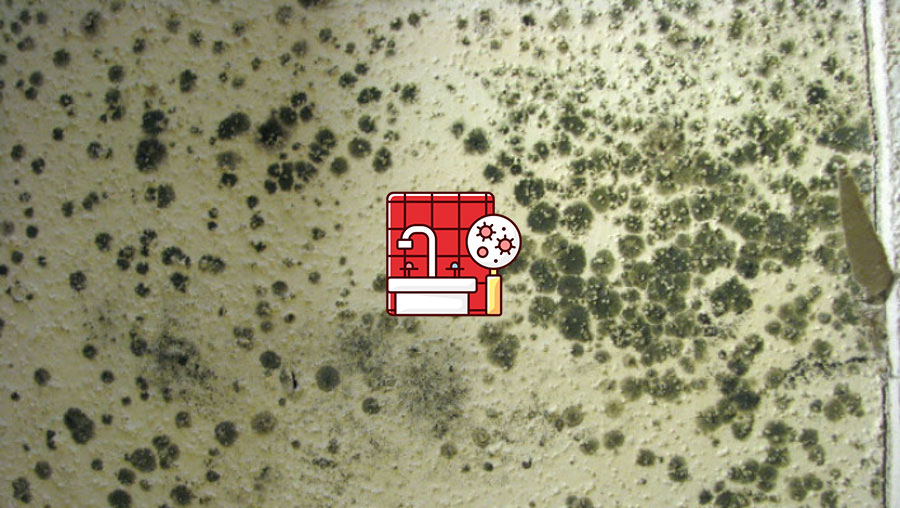
    Roof leaks that go unnoticed or untreated can create the perfect environment for mold and mildew growth. If you detect musty odors or see dark patches of mold on your ceilings or walls, it’s a sign that moisture from heavy rain is infiltrating your home through the roof. Mold not only damages your home but can also pose health risks, so it’s crucial to tackle the issue promptly.

    Sagging or Damaged Areas on the Ceiling

    In some cases, a roof leak during heavy rain can lead to the ceiling sagging or showing visible signs of damage. This occurs when water accumulates in the ceiling materials, causing them to weaken and deform. If you notice any sagging or visible damage on your ceiling, it’s essential to act swiftly to address the leak and prevent further deterioration of your home’s structure.
    evaluating roof damage

    Causes of Roof Leaks in Heavy Rain

    Roof Age and Wear and Tear

    The age of your roof plays a significant role in its susceptibility to leaks during heavy rain. Over time, exposure to the elements, temperature fluctuations, and UV radiation can cause roofing materials to deteriorate. This natural wear and tear can lead to cracks, holes, and weakened areas that allow water to penetrate during heavy downpours. Regular roof inspections, especially for older roofs, are crucial to identify and address these issues.

    Missing or Damaged Shingles and Tiles

    One of the most common reasons for roof leaks in heavy rain is missing or damaged shingles and tiles. These roofing materials act as the first line of defense against rainwater. When they are cracked, broken, or entirely missing, water can easily find its way into your home. Regularly inspect your roof for any signs of damaged shingles or tiles and replace them promptly to maintain the integrity of your roof.

    Inadequate Flashing and Sealant

    Flashing and sealant are essential components that help waterproof vulnerable areas of your roof, such as the intersections between the roof and chimneys, vents, or skylights. When flashing becomes corroded or sealant deteriorates, it creates openings for water to seep through during heavy rain. Ensuring that flashing and sealant are in good condition is vital to prevent leaks in these vulnerable areas.

    Clogged Gutters and Downspouts

    Clogged gutters and downspouts can contribute to roof leaks during heavy rain in unexpected ways. When debris accumulates in your gutters, it can block the flow of water, causing it to overflow and potentially seep under your roofing materials. Regular gutter cleaning is a simple yet effective preventive measure to keep rainwater flowing away from your roof as it should.

    Poor Attic Ventilation and Insulation

    Inadequate attic ventilation and insulation can indirectly lead to roof leaks in heavy rain. When your attic lacks proper ventilation, it can trap moisture, creating a humid environment. Over time, this moisture can compromise your roof’s structural integrity and cause leaks. Well-maintained attic ventilation and insulation can help regulate moisture levels and prevent this issue.
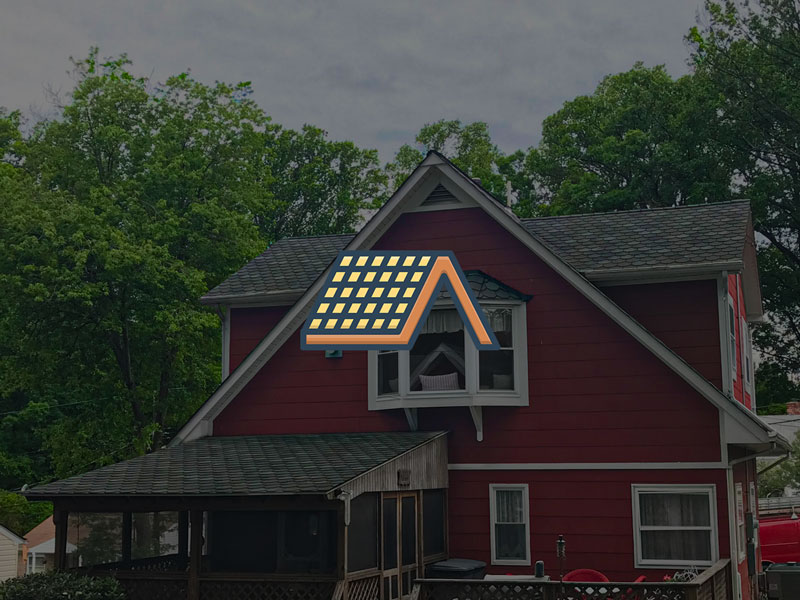
    how old should a roof be before replaced

    The Role of Roof Pitch and Design

    How Roof Slope Affects Water Drainage

    The pitch or slope of your roof has a significant impact on its ability to handle heavy rain. Roofs with a steeper pitch tend to shed water more effectively, preventing it from pooling or seeping through roofing materials. When heavy rain falls on a roof with a shallow pitch, there is a higher risk of water accumulation, which can lead to leaks. Roof designs that incorporate a steeper pitch are generally better equipped to handle heavy rain, ensuring that water flows away efficiently.

    The Importance of a Well-Designed Drainage System

    A well-designed drainage system is crucial in preventing roof leaks during heavy rain. This system includes gutters, downspouts, and proper grading around your home. Gutters collect rainwater and direct it away from the roof’s edge, preventing it from seeping into the structure. Downspouts then channel the water safely to the ground, where it is directed away from your foundation. Additionally, the grading around your home should promote water runoff away from the structure, minimizing the risk of water infiltration.

    Choosing the Right Roofing Materials for Your Climate

    The choice of roofing materials also plays a pivotal role in preventing leaks during heavy rain. Some roofing materials are better suited for specific climates than others. For regions prone to heavy rainfall, it’s essential to select materials that offer superior water resistance and durability. Asphalt shingles, metal roofing, and clay tiles are common choices that can effectively protect your home against heavy rain. Consider consulting with a roofing professional to determine the best material for your climate and weather conditions.
    repairs roofing maintenance

    Preventing Roof Leaks in Heavy Rain

    Regular Roof Inspections and Maintenance

    Regular roof inspections and maintenance are your first line of defense against roof leaks during heavy rain. Scheduling annual or semi-annual inspections by a professional roofing contractor can help detect and address potential issues before they become major problems. During these inspections, the roofer will check for signs of damage, missing or loose shingles, deteriorating sealant, and other vulnerabilities. Timely repairs and maintenance can extend the lifespan of your roof and keep it resilient against heavy rain.

    Replacing Damaged or Missing Shingles and Tiles

    Damaged or missing shingles and tiles are common culprits behind roof leaks in heavy rain. When these components are compromised, they expose your roof to the elements, allowing water to seep in. Promptly replacing any damaged or missing roofing materials is essential to maintain the integrity of your roof. By addressing these issues as they arise, you can prevent leaks and further damage to your home.

    Cleaning Gutters and Downspouts

    Clean gutters and downspouts are essential for proper water drainage and prevention of roof leaks. Regularly remove debris, leaves, and dirt from your gutters to ensure rainwater can flow freely. Clogged gutters can lead to water overflow, which may find its way under your roofing materials, causing leaks. By keeping your gutters and downspouts clean and well-maintained, you can significantly reduce the risk of heavy rain-related roof leaks.

    Ensuring Proper Attic Ventilation and Insulation

    Proper attic ventilation and insulation are indirect but crucial factors in preventing roof leaks during heavy rain. Inadequate ventilation can lead to moisture buildup in the attic, potentially compromising your roof’s structural integrity. Proper insulation helps regulate temperature and humidity in the attic, preventing the formation of ice dams and reducing the risk of leaks. Ensuring your attic is well-ventilated and insulated can contribute to a leak-free roof.

    Professional Roof Waterproofing Options

    For homeowners in regions prone to heavy rainfall, professional roof waterproofing options can provide an added layer of protection. These options include applying waterproof coatings or sealants to your roof’s surface. While not always necessary, they can be particularly beneficial for older roofs or in areas with extreme weather conditions. Consulting with a roofing professional can help you determine whether roof waterproofing is a suitable preventive measure for your home.

    View More Articles

    Free, No Obligation

    Request Your Free Estimate & Inspection

    Tell us about your roof and we’ll come take a look — no pressure, no cost. Or call us right now on (703) 964-6233.

    (703) 964-6233
    Contact Form Demo (#3)
    Owens Corning Preferred Contractor GAF System Plus CertainTeed SureStart PLUS BBB A+ Accredited HomeAdvisor

    RNC Roofing

    RNC Roofing and Construction Group — The Roofing Contractor Specialists. Protecting your home, one shingle at a time.

    Virginia

    (703) 964-6233 Sterling · Leesburg · Ashburn
    Loudoun & Fairfax County

    Maryland

    (703) 964-6233 Beltsville · District Heights
    All of Maryland
    © 2026 RNC Roofing and Construction Group — The Roofing Contractor Specialists Northern Virginia & Maryland
  • Solar Power Installation Guide: Energy Efficiency

    Protecting your home, one shingle at a time VA (703) 964-6233| MD (703) 964-6233| Free Estimate & Inspection
    Home Improvement

    Solar Power Installation Guide: Energy Efficiency

    RNC Roofing and Construction Group August 16, 2023
    Solar Power Installation Guide: Energy Efficiency

    Solar Power Installation Guide: Energy Efficiency

    In a world where sustainability and energy efficiency are becoming paramount, solar power has emerged as a game-changing solution for both residential and commercial energy needs. The utilization of solar energy not only reduces our carbon footprint but also provides numerous financial benefits. Understanding the potential of solar power installation is the first step toward reaping its rewards.

    Assessing Your Property for Solar Suitability

    Evaluating Solar Potential

    Before embarking on a solar power installation journey, it’s crucial to evaluate your property’s solar potential. This involves a comprehensive analysis of several factors that determine the feasibility of harnessing solar energy effectively. The number of sunlight hours your location receives, the presence of shading, and the orientation of your property all play pivotal roles in optimizing solar energy generation.

    Sunlight Hours and Shading

    The amount of sunlight your property receives directly impacts the efficiency of your solar power system. Sunlight hours vary based on geographic location, season, and local weather patterns. It’s essential to identify the areas on your property that receive maximum sunlight exposure throughout the day. Additionally, shading from trees, buildings, or other structures can hinder solar energy collection. Assess and address potential shading issues to ensure optimal energy production.

    Optimal Placement with Solar Site Assessment

    Conducting a solar site assessment is a critical step in determining the most advantageous placement of solar panels. Professionals typically use specialized tools and software to analyze the solar potential of different areas on your property. Through this assessment, experts consider factors such as solar irradiance, azimuth, and tilt angles to pinpoint the ideal locations for panel installation. This meticulous planning guarantees that your solar panels capture the maximum amount of sunlight and operate at peak efficiency.

    Planning Your Solar Power System

    Selecting the Ideal Solar Panels

    When delving into the planning phase of your solar power installation journey, one of the pivotal decisions you’ll make is selecting the appropriate type of solar panels for your needs. The market offers various options, each with distinct advantages and considerations. Monocrystalline, polycrystalline, and thin-film panels are the primary contenders, each catering to specific requirements.

    Considering Panel Types

    Monocrystalline Panels: These panels are known for their efficiency and sleek aesthetics. They are made from single-crystal silicon, making them highly efficient in converting sunlight into electricity. Monocrystalline panels are a popular choice when space is limited.

    Polycrystalline Panels: Polycrystalline panels are cost-effective and offer a good balance between efficiency and affordability. They are made from multiple silicon crystals, making them a reliable choice for residential installations.

    Thin-Film Panels: Thin-film panels are lightweight and flexible, offering versatility in installation. While they are generally less efficient than crystalline panels, they can be an excellent option for unconventional installations or areas with varying sunlight angles.

    Determining System Size

    The next crucial aspect of planning your solar power system is determining its size. This step involves understanding your energy consumption patterns, geographic location, and potential future growth. Sizing your solar system correctly ensures that you generate enough energy to cover your needs while taking into account variations in sunlight exposure.

    Calculating Energy Consumption: Assess your average energy consumption over a period of time. This helps you understand how much energy your solar panels need to generate to meet your demands.

    Considering Location: The amount of sunlight your location receives affects the efficiency of your solar panels. Regions with higher sunlight exposure will require smaller systems compared to those with lower exposure.

    Future Growth: If you anticipate an increase in energy consumption due to expansions or additional appliances, factor in this growth when sizing your system. It’s more cost-effective to plan for future needs during the initial installation.

    Navigating the Legal and Financial Aspects

    Ensuring Compliance with Regulations

    Before embarking on your solar power installation journey, it’s essential to navigate the legal landscape to ensure a smooth process. Acquiring the necessary permits and adhering to local regulations are crucial steps to avoid setbacks and potential fines. These regulations vary by region and might involve zoning restrictions, building codes, and utility interconnection standards.

    Obtaining Required Permits

    Zoning Permits: Check with your local zoning authorities to determine if any permits are required for solar installations. Zoning regulations might dictate the size, placement, and appearance of your solar panels.

    Building Permits: In some areas, you might need a building permit to install solar panels. This permit ensures that the installation complies with safety and structural standards.

    Exploring Financial Incentives

    The financial aspect of solar power installation is a significant consideration, and understanding available incentives can greatly impact your decision-making process.

    Tax Credits and Rebates: Many governments offer tax credits or rebates to incentivize solar adoption. These credits can significantly reduce the upfront costs of installation and make solar power more accessible.

    Net Metering: Net metering allows you to sell excess energy generated by your solar panels back to the grid, offsetting your energy costs.

    Exploring Financing Options

    Solar Loans: Many financial institutions offer specialized loans for solar installations. These loans typically have favorable terms and might not require a down payment.

    Power Purchase Agreements (PPAs): PPAs allow you to purchase solar energy from a third party at a fixed rate, often lower than traditional utility rates.

    green roofing

    The Solar Installation Process

    Step-by-Step Installation Guide

    Embarking on the solar installation process is an exciting journey that involves careful planning and precise execution. Here, we provide a comprehensive step-by-step breakdown of the installation process, ensuring a successful integration of solar power into your property.

    Emphasizing Safety Precautions

    Safety First: Prioritize safety throughout the installation process. Wear appropriate protective gear, follow safety guidelines, and avoid working on rooftops in adverse weather conditions.

    Electrical Precautions: Turn off all electrical connections before connecting panels. Consult a professional if you’re unsure about handling electrical components.

    Mounting Solar Panels

    Choosing Installation Type: Decide whether to mount panels on roofs, ground installations, or integrated solutions. Each option has specific considerations related to structure, exposure to elements, and aesthetic preferences.

    Roof Installations: For roof installations, ensure that the roof structure can support the added weight of solar panels. Properly anchor the panels to the roof to prevent movement.

    Ground Installations: Ground installations offer flexibility in placement and maintenance. Position panels on a sturdy foundation, considering factors like sun exposure and shading.

    Connecting Panels to the Electrical Grid

    Inverters and Converters: Connect solar panels to inverters or micro-inverters, which convert direct current (DC) generated by the panels into alternating current (AC) for use in your home or business.

    Grid Connection: A qualified electrician will connect your solar system to the electrical grid, allowing you to feed excess energy back to the grid and draw power when needed.

    solar roofing

    Maintenance and Maximizing Efficiency

    Ensuring Longevity Through Routine Maintenance

    The journey of solar power installation doesn’t conclude with system setup—it extends into the realm of maintenance and efficiency enhancement. Regular maintenance is vital to extending the lifespan of your solar power system and maximizing its energy-generating potential.

    Tips for Panel Care and Maintenance

    Cleaning Solar Panels: Dust, debris, and dirt can accumulate on solar panels over time, reducing their efficiency. Regularly clean panels with a gentle stream of water or a soft cloth. Avoid abrasive materials that might scratch the surface.

    Inspecting for Damage: Routinely inspect panels for any signs of damage, such as cracks or physical deformations. Addressing such issues promptly prevents further deterioration and ensures optimal performance.

    Troubleshooting and Problem Resolution

    Monitoring Performance: Utilize monitoring tools to keep track of your system’s performance. Sudden drops in energy production might indicate an issue that requires attention.

    Common Issues and Solutions: Familiarize yourself with common problems, such as wiring issues or inverter malfunctions. Understanding how to troubleshoot and resolve these problems can save both time and money.

    Exploring Efficiency-Boosting Technologies

    Solar Trackers: Solar trackers are mechanisms that orient solar panels to follow the sun’s path throughout the day. This increases panel exposure to sunlight, boosting energy generation.

    Smart Systems and Monitoring: Implementing smart systems allows for remote monitoring and control of your solar power system. These systems optimize energy production by adjusting panel angles and settings based on real-time data.

    View More Articles

    Free, No Obligation

    Request Your Free Estimate & Inspection

    Tell us about your roof and we’ll come take a look — no pressure, no cost. Or call us right now on (703) 964-6233.

    (703) 964-6233
    Contact Form Demo (#3)
    Owens Corning Preferred Contractor GAF System Plus CertainTeed SureStart PLUS BBB A+ Accredited HomeAdvisor

    RNC Roofing

    RNC Roofing and Construction Group — The Roofing Contractor Specialists. Protecting your home, one shingle at a time.

    Virginia

    (703) 964-6233 Sterling · Leesburg · Ashburn
    Loudoun & Fairfax County

    Maryland

    (703) 964-6233 Beltsville · District Heights
    All of Maryland
    © 2026 RNC Roofing and Construction Group — The Roofing Contractor Specialists Northern Virginia & Maryland
  • Flat Roof Maintenance Essentials: Longevity and Care

    Protecting your home, one shingle at a time VA (703) 964-6233| MD (703) 964-6233| Free Estimate & Inspection
    Home Improvement

    Flat Roof Maintenance Essentials: Longevity and Care

    RNC Roofing and Construction Group August 16, 2023
    Flat Roof Maintenance Essentials: Longevity and Care

    Flat Roof Maintenance Essentials: Longevity and Care

    Understanding the differences between flat roofs and sloped roofs is crucial. Flat roofs lack the natural water shedding capability of sloped roofs, making them more susceptible to water accumulation and leaks. Additionally, their minimal slope can lead to challenges in water drainage. Being aware of these distinctive features empowers you to tailor your maintenance strategies accordingly.

    Key Components of Flat Roof Systems

    Exploring Flat Roof Materials

    When delving into flat roof maintenance, understanding the diverse materials used is paramount. These materials play a pivotal role in determining the roof’s performance and lifespan. Common options encompass built-up roofing (BUR), single-ply membranes, and modified bitumen. Each material has distinct qualities that influence its durability, cost-effectiveness, and resistance to environmental factors.

    Pros and Cons of Different Materials

    A closer examination of these materials reveals a range of advantages and drawbacks. Built-up roofing offers exceptional durability but may be heavier and require more maintenance. Single-ply membranes provide flexibility and ease of installation, yet they can be vulnerable to punctures. Modified bitumen strikes a balance, offering enhanced resilience and longevity. Selecting the ideal material hinges on factors such as budget, climate, and intended use.

    Adapting to Climates and Conditions

    The choice of roofing material must align with the prevailing climate and conditions. In regions prone to extreme heat, reflective roofing materials can mitigate heat absorption, reducing energy costs. In areas experiencing heavy rainfall, materials with excellent waterproofing capabilities are essential to prevent leaks. Remember, proper material selection is the bedrock of efficient flat roof maintenance.

    Role of Insulation, Drainage, and Coatings

    Maintaining flat roof integrity transcends material selection. Adequate insulation ensures energy efficiency by regulating temperature and preventing heat loss. Effective drainage systems are crucial to avoid ponding water, which can lead to premature deterioration. Roof coatings provide an extra layer of protection, guarding against UV rays, water infiltration, and general wear.

    labor cost for roofing

    Best Practices for Preventive Maintenance

    Keeping Your Flat Roof Clear

    Regular flat roof maintenance starts with keeping it debris-free. Clearing away leaves, sticks, and other debris prevents clogs that can hinder proper drainage. Clogged drainage pathways can lead to ponding water, which accelerates roof deterioration. By maintaining a clutter-free surface, you’re taking a proactive step to preserve your roof’s integrity.

    Mitigating Ponding Water

    Ponding water is a common concern for flat roofs, often stemming from inadequate drainage. Address this issue promptly to avoid potential consequences. Consider adding slight slopes to facilitate water runoff or installing drains to redirect excess water. These strategies not only prevent water-related damage but also contribute to the overall longevity of your roof.

    Seal, Flashing, and Seam Inspection

    Leak prevention is a cornerstone of effective flat roof maintenance. Regularly inspect seals, flashings, and seams for signs of wear, cracking, or separation. These areas are common entry points for water infiltration. Ensuring tight seals through prompt repairs and replacements minimizes the risk of leaks, subsequently extending the life of your roof.

    Proactive Approach to Minor Issues

    Minor issues may seem inconsequential, but they can quickly escalate into major problems if left unaddressed. Make a habit of documenting and promptly addressing any observed issues, even if they appear minor. Timely repairs prevent further deterioration and potential water infiltration, safeguarding the structural integrity of your flat roof.

    storm damage roof repair

    Seasonal Care and Maintenance

    Spring Maintenance for Your Flat Roof

    As the winter thaw gives way to spring, it’s time to embark on essential flat roof maintenance routines. Begin by conducting a thorough inspection for any damage incurred during the cold months. Look out for cracks, blisters, and other signs of wear caused by freezing temperatures and heavy snow. Resealing seams that might have been compromised ensures a tight barrier against water infiltration. Additionally, clear away debris that has accumulated over the winter, preventing potential clogs in drainage systems.

    Summer Precautions to Preserve Your Roof

    The scorching summer months come with their set of challenges for flat roofs. Shield your roof from the harsh effects of ultraviolet (UV) rays by considering reflective coatings. These coatings not only protect against UV radiation but also help mitigate the expansion and contraction of roofing materials caused by temperature fluctuations. By taking these measures, you’re safeguarding your roof against premature deterioration and minimizing the need for repairs.

    Fall Preparation: Ready for Winter

    As autumn leaves begin to fall, it’s time to prepare your flat roof for the impending winter. Clearing leaves and debris is crucial to maintaining unobstructed drainage pathways. Clogged drains can lead to ponding water, accelerating wear on your roof. Check drainage systems for any blockages, ensuring efficient water runoff. While at it, make any necessary repairs identified during your inspection. This proactive approach prevents minor issues from escalating into major headaches during the winter months.

    contact professionals

    DIY vs. Professional Maintenance

    When it comes to flat roof maintenance, property owners often wonder whether to take matters into their own hands or seek professional assistance. Each approach has its merits, and understanding the line between DIY tasks and tasks best left to professionals is crucial.

    Handling Maintenance Tasks Yourself

    Flat roof maintenance offers some tasks that homeowners can tackle on their own. These include:

    1. Regular Inspections: Routine visual checks for visible damage, pooling water, or debris accumulation.
    2. Cleaning: Removing leaves, debris, and dirt from the roof’s surface and drainage systems.
    3. Small Repairs: Addressing minor cracks, blistering, and simple patching.

    Engaging in these tasks can be cost-effective and help you stay in tune with your roof’s condition. However, remember that even seemingly small issues can escalate if not addressed promptly. Moreover, it’s vital to maintain safety measures while working at heights and to have the appropriate tools and materials.

    Knowing When to Call a Professional

    Certain aspects of flat roof maintenance are better left to experienced roofing contractors due to their technical nature and potential risks involved. Consider involving professionals for:

    1. Complex Repairs: Significant cracks, membrane damage, or leaks that require specialized repair techniques and materials.
    2. Full Inspections: Hiring a professional for annual or bi-annual thorough inspections to identify hidden issues.
    3. Advanced Maintenance: Coating application, structural assessments, and addressing underlying problems.

    Professional roofers possess the expertise to diagnose problems accurately and perform repairs that adhere to industry standards. They have access to specialized tools and materials, ensuring a high-quality and lasting solution.

    advantages of roofing maintenance

    Long-Term Benefits of Flat Roof Maintenance

    Savings through Preventive Care

    Investing in regular flat roof maintenance proves to be a strategic move that can save you a substantial amount of money in the long run. By addressing minor issues early on, you prevent them from escalating into major, costly repairs. This approach eliminates the need for emergency fixes, which tend to come with a hefty price tag. In essence, consistent maintenance acts as a financial safeguard against unexpected expenses, allowing you to allocate your resources more efficiently.

    A Greener and More Efficient Future

    Flat roof maintenance doesn’t only benefit your wallet; it also contributes to the energy efficiency of your building. Well-maintained roofs with intact insulation and seals ensure that your property remains well-insulated, reducing the strain on your heating and cooling systems. This not only translates to lower utility bills but also a smaller carbon footprint, as you’ll consume less energy to maintain a comfortable indoor environment.

    Adding Value to Your Investment

    Beyond immediate financial gains, well-maintained flat roofs play a pivotal role in boosting the overall value of your property. When potential buyers or tenants see that a roof has been consistently cared for, they perceive it as a sign of responsible ownership and quality construction. A roof in excellent condition is a selling point that can set your property apart in a competitive market. In fact, studies have shown that properties with well-maintained roofs tend to command higher prices and attract more interest from prospective buyers.

    View More Articles

    Free, No Obligation

    Request Your Free Estimate & Inspection

    Tell us about your roof and we’ll come take a look — no pressure, no cost. Or call us right now on (703) 964-6233.

    (703) 964-6233
    Contact Form Demo (#3)
    Owens Corning Preferred Contractor GAF System Plus CertainTeed SureStart PLUS BBB A+ Accredited HomeAdvisor

    RNC Roofing

    RNC Roofing and Construction Group — The Roofing Contractor Specialists. Protecting your home, one shingle at a time.

    Virginia

    (703) 964-6233 Sterling · Leesburg · Ashburn
    Loudoun & Fairfax County

    Maryland

    (703) 964-6233 Beltsville · District Heights
    All of Maryland
    © 2026 RNC Roofing and Construction Group — The Roofing Contractor Specialists Northern Virginia & Maryland
  • Roofing Shingles vs Metal: Choosing Your Roofing Material Wisely

    Protecting your home, one shingle at a time VA (703) 964-6233| MD (703) 964-6233| Free Estimate & Inspection
    Home Improvement

    Roofing Shingles vs Metal: Choosing Your Roofing Material Wisely

    RNC Roofing and Construction Group August 16, 2023
    Roofing Shingles vs Metal: Choosing Your Roofing Material Wisely

    Roofing Shingles vs Metal: Choosing Your Roofing Material Wisely

    In the realm of home improvement, the choice of roofing material holds a pivotal role in safeguarding your investment and enhancing the curb appeal of your abode. The decision between roofing shingles vs. metal roofing sets the foundation for a durable, weather-resistant shield that not only shields your dwelling from the elements but also elevates its visual allure.

    Understanding Roofing Shingles

    When considering the roofing options for your home, delving into the world of roofing shingles unveils a diverse spectrum of materials, each with its own set of attributes and advantages.

    Composition and Varieties

    Roofing shingles encompass a range of materials, including asphalt, wood, slate, and more. Asphalt shingles, being one of the most common choices, offer a balance of affordability and versatility. Wooden shingles exude natural charm while requiring meticulous maintenance. Slate shingles, with their timeless elegance, often withstand the test of time, albeit at a higher cost.

    Durability, Lifespan, and Maintenance

    The longevity of roofing shingles varies based on the material. Asphalt shingles typically endure for 20 to 30 years, while wood and slate can extend to 30 to 50 years or more. However, factors such as climate and proper maintenance play a pivotal role. Regular inspections, repairs, and cleaning are essential to maximize their lifespan.

    Uniqueness of Shingle Materials

    Diverse shingle materials cater to different aesthetics and preferences. For instance, asphalt shingles mimic the appearance of pricier materials, whereas wood shingles imbue a rustic charm. High-end slate shingles radiate sophistication and can elevate the visual appeal of historic homes. These unique features empower homeowners to align their choice with the architectural style and desired ambiance.

    Cost Considerations

    The financial aspect cannot be overlooked when discussing roofing shingles vs. metal roofing. Shingle installations come with varying costs, contingent on factors like material type, brand, and regional labor rates. While asphalt shingles tend to be more budget-friendly upfront, investing in premium materials like slate incurs a higher initial expense.

    wood shingles

    Advantages and Disadvantages of Roofing Shingles

    In the ever-evolving landscape of roofing materials, shingles hold their ground with a medley of advantages, balanced by their inherent limitations.

    Shingles’ Upsides

    Shingles offer a versatile canvas to express your home’s personality. Their vast array of styles, colors, and textures provide creative freedom, enabling you to align your roof with your architectural vision. The ease of installation is a noteworthy advantage, facilitating quicker project completion. Additionally, shingle familiarity among contractors streamlines the installation process, ensuring efficiency and reduced chances of errors.

    Challenges to Consider

    One of the primary limitations of roofing shingles is their relatively shorter lifespan when compared to metal roofing options. This translates to a future re-roofing endeavor, potentially in a couple of decades. Shingles’ vulnerability to weathering over time requires vigilant maintenance to prevent untimely deterioration. Moreover, the porous nature of some shingle materials can invite moss and algae growth, leading to aesthetic concerns and potential damage.

    Addressing Common Concerns

    Questions about the fire resistance of shingles often arise. While asphalt shingles possess a degree of fire resistance, wooden shingles can vary in this aspect based on treatment. Impact resistance is another aspect of consideration, particularly in regions prone to hailstorms. Some shingle materials offer better impact resistance than others, which homeowners should factor into their decision-making process.

    understanding asphalt shingles

    Unveiling the Benefits of Metal Roofing

    In the arena of roofing choices, metal emerges as a formidable contender, showcasing an array of benefits that cater to both practicality and aesthetics.

    Diversity in Metal Roofing

    Metal roofing presents a rich tapestry of options, including standing seam, corrugated panels, and metal shingles. This variety allows homeowners to align their choice with architectural preferences while reaping the rewards that metal roofing brings.

    Durability, Longevity, and Resilience

    The standout feature of metal roofing lies in its unparalleled durability and longevity. With the potential to last up to 50 years or more, metal roofing can outshine its shingle counterparts. Metal’s innate resistance to weather elements, including rain, snow, and wind, translates to fewer maintenance hassles and a prolonged life span.

    Energy Efficiency Advantages

    Metal roofing excels in energy efficiency, presenting a noteworthy advantage in a sustainable world. Reflective coatings applied to metal surfaces thwart the sun’s heat, minimizing heat absorption and thereby reducing cooling costs. This ecological touch aligns harmoniously with modern environmental concerns.

    how old should a roof be before replaced

    Drawbacks and Considerations of Metal Roofing

    While metal roofing offers a host of advantages, it’s essential to navigate its drawbacks and nuances to make an informed decision.

    Upfront Investment

    Metal roofing’s durability and longevity come at a cost – typically a higher upfront investment compared to roofing shingles. However, it’s crucial to consider this as a long-term investment that can potentially offset future maintenance and replacement expenses.

    Addressing Misconceptions

    One common misconception is the noise factor during rain or hailstorms. Modern metal roofing systems are designed with insulation and underlayment to minimize noise, debunking this concern. Additionally, the notion of limited style choices is a misnomer; metal roofing options span a range of styles, from sleek and modern to rustic and classic.

    Installation Expertise

    Proper installation is paramount with metal roofing. Inadequate installation can lead to issues such as leaks, improper drainage, and even rust formation. Partnering with experienced professionals ensures optimal performance and longevity of your metal roofing investment.

    Resale Value Implications

    The impact of metal roofing on home resale value is two-fold. While the upfront investment might deter some buyers, the allure of a durable, low-maintenance roof can enhance your home’s appeal and potentially increase its market value. The perception of quality and longevity that metal roofing exudes can be a selling point.

    contact professionals

    Making the Decision: Factors to Consider

    Choosing between roofing shingles and metal roofing entails a deliberate evaluation of multiple factors, culminating in a decision that aligns seamlessly with your home’s needs and your personal preferences.

    Comparative Analysis

    Begin with a comprehensive comparative analysis, juxtaposing the key differences between roofing shingles and metal roofing. This visual aid can illuminate their varying attributes, from longevity to maintenance requirements, aiding in a holistic understanding.

    Weighing Factors

    Several pivotal factors should guide your decision-making process. Start with budget considerations; while metal roofing might involve a higher initial investment, its long-term benefits might offset the upfront cost. Climate also plays a role, with metal roofing’s weather resistance a boon in harsh conditions. Aligning your choice with aesthetic preferences and the architectural style of your property is equally significant.

    Navigating Regulations and Codes

    Local regulations and building codes can influence your roofing decision. Some regions might have restrictions on certain roofing materials due to fire hazard concerns or architectural guidelines. Being aware of these regulations ensures compliance and avoids potential conflicts down the line.

    Expert Consultation

    In the quest to make the ultimate choice, consulting a professional roofing contractor proves invaluable. Their expertise, aligned with your specific needs, can provide tailored recommendations. They can assess your property, considering its structural integrity, load-bearing capacity, and unique characteristics to guide you towards a choice that ensures longevity and functionality.

    View More Articles

    Free, No Obligation

    Request Your Free Estimate & Inspection

    Tell us about your roof and we’ll come take a look — no pressure, no cost. Or call us right now on (703) 964-6233.

    (703) 964-6233
    Contact Form Demo (#3)
    Owens Corning Preferred Contractor GAF System Plus CertainTeed SureStart PLUS BBB A+ Accredited HomeAdvisor

    RNC Roofing

    RNC Roofing and Construction Group — The Roofing Contractor Specialists. Protecting your home, one shingle at a time.

    Virginia

    (703) 964-6233 Sterling · Leesburg · Ashburn
    Loudoun & Fairfax County

    Maryland

    (703) 964-6233 Beltsville · District Heights
    All of Maryland
    © 2026 RNC Roofing and Construction Group — The Roofing Contractor Specialists Northern Virginia & Maryland
  • What To Do If Roof is Leaking During Storm: Expert Tips

    Protecting your home, one shingle at a time VA (703) 964-6233| MD (703) 964-6233| Free Estimate & Inspection
    Home Improvement

    What To Do If Roof is Leaking During Storm: Expert Tips

    RNC Roofing and Construction Group August 15, 2023
    What To Do If Roof is Leaking During Storm: Expert Tips

    What To Do If Roof is Leaking During Storm: Expert Tips

    During a storm, your roof is subjected to intense rain, wind, and sometimes hail. A compromised roof can quickly lead to extensive damage within your home. Recognizing signs of a leak becomes your first line of defense against potential structural issues, water damage, and mold growth.

    Immediate Precautions to Take

    Prioritizing Safety First

    In the event of a roof leak during a storm, safety should be your top concern. First and foremost, ensure you’re not exposed to electrical hazards. Avoid using any electrical appliances or touching switches in areas where water might have seeped through. Additionally, be cautious of slippery surfaces, both indoors and outdoors.

    Protecting Your Belongings

    Act swiftly to safeguard your belongings from potential water damage. Move valuable items, furniture, electronics, and other possessions away from the leak and any paths where water might flow. By taking this step, you’ll prevent costly damage to your belongings and minimize the extent of water-related losses.

    Temporary Water Containment

    When faced with a leaking roof, quick containment of the water is crucial. Place buckets, containers, or even large towels strategically to catch and control the dripping water. These makeshift measures can help mitigate the immediate impact of the leak, reducing the potential for further damage to your property.

    fix leaky roof

    Temporarily Mitigating the Leak

    Using Protective Coverings

    In the midst of a storm, utilizing protective coverings can help minimize the water’s impact on your home’s interior. Employ tarps, plastic sheets, or even repurposed blankets to create a barrier between the leaking roof and your living space. These coverings act as a shield, directing water away from the leak and preventing it from spreading further within your home.

    Creating an Effective Funnel System

    To efficiently manage the flow of water from the leaking area, consider crafting a funnel system. Arrange the coverings in a way that directs the water toward containers strategically placed to catch and contain the leakage. This systematic approach ensures that the water is channeled away from your home’s interior, mitigating the potential for widespread damage.

    Prioritizing Safety During Storms

    While it might be tempting to investigate or address the leak from the roof, it’s strongly advised against during a storm. Climbing onto a slippery, wet roof poses significant safety risks. Instead, opt for indoor solutions that do not jeopardize your well-being. By focusing on interior mitigation strategies, you’ll safeguard yourself and your property from potential harm.

    contact professionals

    Contacting Professionals for Immediate Assistance

    Prioritizing Expert Help

    In the event of a roof leak during a storm, seeking professional assistance is paramount. Whether the storm is ongoing or has passed, getting in touch with roofing experts is crucial for a swift resolution. Their specialized knowledge and experience can make a significant difference in addressing the issue effectively.

    The Role of Experienced Roofing Contractors

    Experienced roofing contractors play a pivotal role in managing leaks during storms. They possess the expertise to assess the extent of the damage caused by the leak. Their insights enable them to provide expert advice on the necessary steps to rectify the issue and prevent further deterioration.

    Selecting Reputable Roofing Companies

    When seeking professional help, it’s important to choose reputable roofing companies. Look for businesses with a proven track record of excellence in roofing services. To ensure reliability, check online reviews, ask for recommendations from friends and family, and verify the company’s credentials.

    Communicating Urgency

    When reaching out to roofing professionals, emphasize the urgency of the situation. Clearly convey that you’re dealing with a leak caused by a storm and require immediate assistance. Providing accurate details about the leak’s location, size, and any visible damage can help professionals better understand the scope of the issue.

    budgeting tips financing roof

    Documenting the Damage for Insurance Claims

    Capturing Evidence Through Documentation

    In the aftermath of a storm-induced roof leak, meticulous documentation of the damage is crucial. Use your smartphone or camera to take clear photographs and videos of the affected areas. Accompany these visuals with written descriptions that detail the extent of the leak, the areas impacted, and any visible structural damage.

    Preserving Maintenance and Repair Records

    To bolster your insurance claim, it’s valuable to maintain a record of past maintenance and repairs on your roof. This history provides context and demonstrates your commitment to keeping your home in good condition. It also helps paint a clearer picture of the pre-existing state of your roof before the storm-related leak occurred.

    Aiding the Insurance Claim Process

    Comprehensive documentation serves as compelling evidence when you file an insurance claim for the storm-related roof leak. The combination of photographs, written descriptions, and maintenance records provides a comprehensive view of the damage. This documentation enables your insurance provider to assess the situation accurately and expedites the claims process.

    budgeting tips financing roof

    Long-Term Solutions to Prevent Future Leaks

    Embracing Regular Roof Inspections and Maintenance

    Safeguarding your home against future storm-related leaks begins with a commitment to routine roof inspections and maintenance. Regular checks allow you to identify and address minor issues before they escalate into significant leaks. Partner with roofing professionals who specialize in comprehensive assessments, ensuring your roof’s longevity and resilience.

    Storms Unveil Vulnerabilities: The Need for Proactive Measures

    Storms have a knack for revealing the weak points in your roof’s structure. By exposing pre-existing vulnerabilities, storms underscore the importance of taking proactive steps to fortify your roof’s defenses. Addressing these weaknesses through timely repairs and upgrades can significantly reduce the likelihood of leaks during future storms.

    Exploring Potential Solutions

    Reinforcing critical elements of your roof can serve as a robust defense against leaks. Strengthening flashing, shingles, and sealant is essential to creating a watertight barrier. Collaborate with roofing experts to assess the most vulnerable areas and implement effective solutions that enhance your roof’s resilience.

    The Benefits of a Well-Maintained Roof

    A well-maintained roof not only protects your home from leaks but also offers an array of benefits. It improves energy efficiency, enhances curb appeal, and maintains the structural integrity of your property. Regular maintenance investments today can save you from the stress and costs of extensive repairs down the line.

    View More Articles

    Free, No Obligation

    Request Your Free Estimate & Inspection

    Tell us about your roof and we’ll come take a look — no pressure, no cost. Or call us right now on (703) 964-6233.

    (703) 964-6233
    Contact Form Demo (#3)
    Owens Corning Preferred Contractor GAF System Plus CertainTeed SureStart PLUS BBB A+ Accredited HomeAdvisor

    RNC Roofing

    RNC Roofing and Construction Group — The Roofing Contractor Specialists. Protecting your home, one shingle at a time.

    Virginia

    (703) 964-6233 Sterling · Leesburg · Ashburn
    Loudoun & Fairfax County

    Maryland

    (703) 964-6233 Beltsville · District Heights
    All of Maryland
    © 2026 RNC Roofing and Construction Group — The Roofing Contractor Specialists Northern Virginia & Maryland
  • Early Signs of Water Damage on Ceiling: Detection and Prevention

    Protecting your home, one shingle at a time VA (703) 964-6233| MD (703) 964-6233| Free Estimate & Inspection
    Home Improvement

    Early Signs of Water Damage on Ceiling: Detection and Prevention

    RNC Roofing and Construction Group August 15, 2023
    Early Signs of Water Damage on Ceiling: Detection and Prevention

    Early Signs of Water Damage on Ceiling: Detection and Prevention

    Recognizing the early signs of water damage is crucial to avoiding more extensive issues down the line.Water damage on ceilings can have far-reaching consequences if left unnoticed and untreated.Timely detection can save homeowners from costly repairs and structural complications. As an adept roofing contractor with years of experience, I’m here to provide you with valuable insights on identifying these telltale signs.

    Discoloration and Stains

    Discoloration and stains on the ceiling serve as crucial initial signals of potential water damage. These conspicuous marks are often the first indicators that something isn’t right overhead. The early signs of water damage on the ceiling, such as discolored patches, can manifest in various shades and patterns, including hues like yellow, brown, or even darker spots.

    Understanding the Visual Clues

    These telltale signs are like nature’s way of alerting you to a hidden issue. Stains, which can be as subtle as faint discolorations or as bold as distinct patches, catch the eye for a reason. They hint at the presence of excess moisture or leaks above, often indicating an ongoing problem that requires attention.

    Colors Tell a Story

    The color of the stain can also provide insights into the severity and duration of the water damage. Lighter stains might suggest a recent issue, while deeper shades could imply longstanding leakage. This color variation is due to the interaction between the moisture and the ceiling material, which can help identify the potential extent of the problem.

    Surprising Stain Locations

    It’s worth noting that the location of the stain isn’t always directly beneath the source of the water. Water has a sneaky way of traveling along surfaces, defying gravity and sometimes appearing quite distant from its origin. Thus, the presence of a stain might indicate that the water’s entry point is not immediately adjacent.

    evaluating roof damage

    Deterioration of Paint and Texture

    Water damage on ceilings can lead to notable changes in both the appearance and feel of the affected area. As early signs of water damage on the ceiling begin to emerge, you might notice that the paint undergoes distinct alterations. Water infiltration can cause the paint to bubble, crack, or even peel off entirely, revealing the substrate underneath.

    The Transformation of Texture

    Beyond the visual changes, water exposure can also impact the texture of your ceiling. What was once smooth and uniform may become uneven and irregular due to moisture-related damage. Flaking, peeling, or a rough surface texture can indicate that water has permeated the ceiling materials, leading to a change in its structure.

    Unearthing Hidden Indications

    When inspecting for water damage, it’s paramount to cast a thorough gaze across the entire ceiling. Pay close attention not only to the central area but also to the corners and edges. Water doesn’t discriminate; it can infiltrate even the least expected spaces. By meticulously surveying the complete surface, you can uncover subtle changes in paint and texture that could signify early-stage damage.

    A Preventive Approach

    Understanding the evolution of paint and texture changes due to water exposure empowers you to take proactive measures. By identifying these signs early on, you can intervene before the damage progresses further. Timely repairs can prevent the need for extensive restoration and ensure the aesthetic and structural integrity of your ceiling.

    fix leaky roof

    Sagging or Bulging

    Prolonged exposure to moisture can trigger a series of adverse effects on your ceiling. One of the most conspicuous indications is the sagging or bulging of ceiling materials. As early signs of water damage on the ceiling become evident, it’s essential to recognize these physical transformations and understand their implications.

    The Impact of Moisture

    Ceiling materials are typically designed to be sturdy and resilient. However, when exposed to persistent moisture, such as from leaks or condensation, they can gradually weaken. This weakening process weakens their structural integrity, leading to noticeable sagging or bulging in certain areas.

    The Telltale Feel

    When examining your ceiling, run your hand gently over the surface. Areas that have been compromised by water damage might feel different from the rest. They could feel soft, spongy, or even damp to the touch. These subtle tactile changes can serve as a clear indicator that moisture has penetrated the ceiling materials, causing them to lose their strength.

    Urgent Action Required

    Recognizing sagging or bulging in your ceiling should trigger an immediate response. These changes are not merely cosmetic; they can escalate into a more severe problem. Ignoring such signs might lead to a potential collapse, posing a risk to occupants and property alike. To avoid hazardous outcomes, it’s imperative to involve professionals promptly upon identifying these issues.

    common types of mold

    Musty Odors and Mold Growth

    While some early signs of water damage on the ceiling might be visible, others are more elusive yet equally crucial to detect. Hidden water damage can give rise to a host of issues, including the growth of mold and mildew. Recognizing the presence of mold through its distinct musty odors is a pivotal aspect of identifying potential water-related problems.

    The Unseen Consequences

    Water damage often goes beyond what meets the eye. When moisture infiltrates concealed spaces, it provides the perfect breeding ground for mold and mildew. These microscopic organisms thrive in damp environments, and their growth can be indicative of ongoing water issues within your ceiling’s structure.

    Musty Odors: A Clear Indicator

    Mold and mildew growth is often accompanied by unmistakable musty odors. These scents, while unpleasant, serve as potent early warnings of underlying water damage. If you notice such odors around your ceiling, it’s a strong sign that moisture has infiltrated the area, potentially causing deterioration and structural concerns.

    Safeguarding Your Space

    It’s important to be able to distinguish musty odors from other smells. While cooking or pets might contribute to various scents in your home, musty odors have a distinct dampness to them. Additionally, the odor might become more pronounced in humid conditions or after rainfall. If you suspect the presence of these odors, it’s recommended to further investigate the source and address it promptly.

    peeling wallpaper

    Peeling Wallpaper or Peeling Tape

    In the realm of early signs of water damage on the ceiling, subtlety often holds the key to early detection. Excess moisture, a persistent adversary, can quietly compromise the adhesives that hold up your ceiling’s aesthetics. When wallpaper or tape starts to peel away from the ceiling, it’s a discreet yet significant indicator of water-related concerns.

    Unraveling the Effects of Moisture

    Adhesives that secure wallpaper or tape to your ceiling rely on a stable environment. However, excess moisture can undermine their effectiveness, causing them to lose their grip over time. When these adhesives weaken, peeling and detachment occur, revealing an underlying issue that warrants your attention.

    A Glimpse Beneath the Surface

    Peeling areas not only disrupt the visual harmony but also unveil the substrate beneath. This layer might exhibit signs of discoloration or dampness, both indicative of moisture infiltration. What may appear as minor peeling could, in fact, hint at a more extensive underlying problem that requires immediate investigation.

    The Power of Thorough Examination

    While minor instances of peeling might be tempting to overlook, it’s imperative to treat them as early red flags. Investigating and addressing these signs promptly can help prevent potential escalation. Don’t underestimate the impact of seemingly minor changes; they could be pointing towards a larger water damage issue that demands attention.

    how old should a roof be before replaced

    Changes in Ceiling Structure

    Water’s insidious effects extend beyond mere aesthetics; they can impact the very structure of your ceiling. Understanding how early signs of water damage on the ceiling can affect its integrity is pivotal for preserving the overall safety and stability of your living space.

    A Weakening Foundation

    The infiltration of water can gradually erode the strength of the ceiling’s materials. Over time, this weakening might cause certain areas to feel softer or less robust than others. These changes in the structural makeup are indicative of the damage that water can silently inflict.

    Visible Indicators of Trouble

    In extreme instances, the consequences of water damage become visually apparent. Visible cracks might emerge on the ceiling’s surface, serving as unmistakable signs of structural stress. Additionally, severe water infiltration can lead to sagging, where certain sections of the ceiling appear lower than others, underscoring the urgency of addressing the issue.

    Seeking Professional Expertise

    The potential implications of changes in ceiling structure underscore the necessity of swift action. When you notice any of these signs, consulting a professional roofing contractor becomes paramount. Experts can assess the extent of the damage, determine its underlying causes, and recommend appropriate remedial actions.

    View More Articles

    Free, No Obligation

    Request Your Free Estimate & Inspection

    Tell us about your roof and we’ll come take a look — no pressure, no cost. Or call us right now on (703) 964-6233.

    (703) 964-6233
    Contact Form Demo (#3)
    Owens Corning Preferred Contractor GAF System Plus CertainTeed SureStart PLUS BBB A+ Accredited HomeAdvisor

    RNC Roofing

    RNC Roofing and Construction Group — The Roofing Contractor Specialists. Protecting your home, one shingle at a time.

    Virginia

    (703) 964-6233 Sterling · Leesburg · Ashburn
    Loudoun & Fairfax County

    Maryland

    (703) 964-6233 Beltsville · District Heights
    All of Maryland
    © 2026 RNC Roofing and Construction Group — The Roofing Contractor Specialists Northern Virginia & Maryland
  • Weatherproofing Roofs: Ultimate Guide to Shielding Your Home

    Protecting your home, one shingle at a time VA (703) 964-6233| MD (703) 964-6233| Free Estimate & Inspection
    Homeowner Help

    Weatherproofing Roofs: Ultimate Guide to Shielding Your Home

    RNC Roofing and Construction Group August 14, 2023
    Weatherproofing Roofs: Ultimate Guide to Shielding Your Home

    Weatherproofing Roofs: Ultimate Guide to Shielding Your Home

    Weatherproofing roofs, also known as roof waterproofing, is a critical practice that safeguards your home from the harsh impacts of external elements. This method involves fortifying your roof against environmental factors such as rain, snow, UV rays, and temperature fluctuations, all of which can lead to gradual deterioration if not adequately addressed. By weatherproofing your roof, you create a resilient shield that extends the lifespan of your entire building structure.

    Assessing Your Roof’s Vulnerabilities

    When it comes to safeguarding your home through effective weatherproofing, a comprehensive assessment of your roof’s vulnerabilities is paramount. An experienced roofing contractor employs a meticulous inspection process to identify weak points that could compromise your roof’s integrity and the overall protection of your property.

    Thorough Inspection Process

    Roof inspections are multifaceted endeavors that delve into the various aspects of your roof’s structure. The process typically begins with a visual assessment, where professionals examine the overall condition of the roof’s surface. This initial step helps identify visible signs of wear, such as cracked or missing shingles, damaged flashing, and deteriorating seals. Roof age, a key factor in its vulnerability, is also considered during this stage.

    Factors Influencing Vulnerability

    Roof vulnerability is influenced by a combination of factors that roofing contractors take into account. The type of materials used in the roof’s construction, as well as the geographical location of your property, play significant roles in determining how exposed your roof is to different weather conditions. Regions with heavy rainfall, for instance, may require different weatherproofing strategies compared to areas with harsh winters and snow accumulation.

    Critical Components to Examine

    Inspecting crucial roof components is essential for a thorough assessment. Roof flashing, responsible for sealing joints and preventing water infiltration, needs close attention. Additionally, seals around vents, chimneys, and other roof penetrations must be inspected carefully, as any weak points here can result in leaks. Shingles, the first line of defense against the elements, should be examined for signs of deterioration or damage.

    roof water damage

    Choosing the Right Weatherproofing Techniques

    When it comes to fortifying your roof against the elements, selecting the appropriate weatherproofing techniques is a critical step in ensuring its long-term resilience. The right approach varies based on the type of roof you have, such as asphalt shingles, metal, tile, or flat roofs. Let’s delve into the various strategies and materials that can effectively weatherproof your roof and protect your home.

    Tailoring Techniques to Roof Type

    Different roofing materials demand different weatherproofing strategies. For asphalt shingle roofs, ensuring a tight seal between shingles and applying a durable waterproof membrane is essential. Metal roofs benefit from coatings that prevent rust and deterioration, while flat roofs may require specialized membranes to prevent pooling water. Each type necessitates a customized approach to address its unique vulnerabilities.

    The Power of Quality Materials

    High-quality materials play a pivotal role in enhancing your roof’s weatherproofing capabilities. Underlayment acts as a secondary barrier against water infiltration, bolstering the primary roofing material’s resistance. Sealants applied to gaps, joints, and seams create an impermeable barrier that prevents moisture from penetrating. Waterproof membranes provide an additional layer of protection, safeguarding your roof from relentless rain and other external elements.

    Ensuring a Comfortable Indoor Environment

    Weatherproofing goes beyond external protection – it also influences your indoor comfort. Proper insulation plays a vital role in maintaining a stable indoor environment. By minimizing heat transfer, insulation helps regulate indoor temperatures, reducing the strain on your heating and cooling systems. Additionally, well-insulated roofs prevent the formation of ice dams and condensation-related problems that can compromise your roof’s integrity.

    labor cost for roofing

    Step-by-Step Weatherproofing Process

    Embarking on a weatherproofing journey for your roof involves a systematic approach that encompasses crucial stages from start to finish. By meticulously following these steps, you can ensure a robust and effective weatherproofing solution that safeguards your home against the elements.

    Preparation for Success

    Before you begin the weatherproofing process, prepare your work area. Clear the roof surface of debris, leaves, and dirt that might hinder proper adhesion. A clean canvas ensures that weatherproofing materials adhere securely and perform optimally. This step is vital as it sets the foundation for a successful weatherproofing project.

    Addressing Damage and Weak Points

    Inspect your roof for any existing damage or weak points. Repairing these areas before weatherproofing is crucial to prevent moisture infiltration and further deterioration. Replace damaged shingles, flashing, or seals. Be thorough in your examination to identify potential sources of leaks and vulnerabilities that could compromise your roof’s integrity.

    Applying Weatherproofing Measures

    Apply high-quality sealants to gaps, joints, and seams to create an impermeable barrier against water infiltration. Reinforce flashing around chimneys, vents, and other penetrations to ensure a tight seal. Properly apply the chosen protective membrane to provide an additional layer of defense against the elements. This membrane acts as a shield against rain, snow, and other potential hazards.

    Safety, Tools, and Challenges

    During the weatherproofing process, prioritize safety by using appropriate personal protective equipment (PPE) to prevent accidents and injuries. Use recommended tools for each task to ensure accurate and efficient application. Be mindful of potential challenges such as adverse weather conditions, which can impact the effectiveness of certain materials. Adapting to challenges with flexibility and precautionary measures is essential for a successful project.

    roofing maintenance

    Maintaining the Weatherproofed Roof

    Safeguarding the integrity of your weatherproofed roof extends beyond the initial efforts – consistent maintenance is the key to upholding its longevity and effectiveness. By staying proactive and addressing minor issues promptly, you can maximize the benefits of your weatherproofing endeavors and ensure lasting protection for your home.

    Preserving the Weatherproofing Investment

    Regular roof maintenance serves as a critical investment in maintaining the efficacy of your weatherproofing measures. While initial weatherproofing fortifies your roof, continuous care ensures that it remains impervious to the elements. By committing to regular maintenance, you safeguard your investment and prevent the need for extensive repairs down the line.

    Seasonal Maintenance Checklist

    Create a seasonal maintenance checklist to guide your efforts throughout the year. Start by clearing debris and leaves that may accumulate on the roof’s surface, as they can obstruct drainage and promote moisture retention. Inspect seals and flashing for signs of wear or damage, addressing any issues promptly to prevent leaks. This proactive approach prevents minor vulnerabilities from escalating into major problems.

    Harnessing Professional Inspections

    While homeowner-driven maintenance is crucial, scheduling professional inspections on a periodic basis further enhances your roof’s longevity. Experienced roofing contractors possess the expertise to identify potential issues that might elude untrained eyes. Early detection of leaks, damaged shingles, or compromised seals allows for swift intervention, minimizing the need for extensive repairs.

    A Lasting Shield Against the Elements

    In conclusion, maintaining a weatherproofed roof involves consistent efforts to ensure the continued efficacy of your initial weatherproofing investment. By adhering to a seasonal maintenance checklist and harnessing the expertise of professionals, you extend the life of your roof and its protective capabilities. Regular maintenance is not only a practical measure but also a strategic one, offering lasting peace of mind and a steadfast shield against the unpredictable elements.

    roofing maintenance

    Professional vs. DIY Weatherproofing

    When it comes to weatherproofing roofs, you have the choice between enlisting the expertise of a professional roofing contractor or embarking on a do-it-yourself (DIY) project. Understanding the pros and cons of each option is crucial in making an informed decision that aligns with your needs and capabilities.

    Benefits of Professional Expertise

    Opting for professional weatherproofing brings a wealth of advantages. Experienced roofing contractors possess in-depth knowledge of various roofing materials, techniques, and local weather patterns. Their expertise ensures a comprehensive approach, leaving no vulnerabilities overlooked. Professionals utilize top-tier materials and tools, guaranteeing a superior and lasting weatherproofing solution. Furthermore, their work often comes with warranties, providing you with added peace of mind.

    Expertise and Comprehensive Coverage

    Professionals excel in identifying subtle vulnerabilities that might escape the untrained eye. Their rigorous inspections and accurate diagnoses result in comprehensive coverage, leaving your roof fortified against a wide range of potential threats. Through their experience, they navigate challenges efficiently, minimizing errors and optimizing the effectiveness of weatherproofing efforts.

    The DIY Consideration

    While DIY weatherproofing can be cost-effective, it’s crucial to approach it with caution. Some tasks, such as cleaning the roof surface or removing debris, can be safely handled by homeowners. However, complex tasks like repairing damaged areas or applying sealants demand a certain level of expertise to ensure proper execution. Venturing into unfamiliar territory without the necessary skills might lead to inadequate protection or unintentional damage.

    Seeking a Balance

    If you’re inclined towards a DIY approach, consider tasks that align with your skill set and the nature of the work. For intricate tasks like applying sealants or installing membranes, seeking professional assistance is recommended to guarantee optimal results. Balancing your own capabilities with the expertise of professionals can help you achieve a weatherproofing solution that effectively shields your roof.

    View More Articles

    Free, No Obligation

    Request Your Free Estimate & Inspection

    Tell us about your roof and we’ll come take a look — no pressure, no cost. Or call us right now on (703) 964-6233.

    (703) 964-6233
    Contact Form Demo (#3)
    Owens Corning Preferred Contractor GAF System Plus CertainTeed SureStart PLUS BBB A+ Accredited HomeAdvisor

    RNC Roofing

    RNC Roofing and Construction Group — The Roofing Contractor Specialists. Protecting your home, one shingle at a time.

    Virginia

    (703) 964-6233 Sterling · Leesburg · Ashburn
    Loudoun & Fairfax County

    Maryland

    (703) 964-6233 Beltsville · District Heights
    All of Maryland
    © 2026 RNC Roofing and Construction Group — The Roofing Contractor Specialists Northern Virginia & Maryland
  • Eco-Friendly Roofing Options: A Comprehensive Guide

    Protecting your home, one shingle at a time VA (703) 964-6233| MD (703) 964-6233| Free Estimate & Inspection
    Home Improvement

    Eco-Friendly Roofing Options: A Comprehensive Guide

    RNC Roofing and Construction Group August 11, 2023
    Eco-Friendly Roofing Options: A Comprehensive Guide

    Eco-Friendly Roofing Options: A Comprehensive Guide

    The roofing industry has responded to the call for sustainability by introducing a diverse range of eco-friendly roofing options. These choices not only align with the ethos of environmental stewardship but also bring forth a host of benefits that extend well beyond energy efficiency.

    Understanding Energy-Efficient Roofing

    The Essence of Energy-Efficient Roofing

    Energy-efficient roofing stands as a testament to innovation that transcends conventional roofing norms. This concept centers on reducing energy consumption, an imperative facet of sustainable living. By adopting energy-efficient roofing options, we not only contribute to our own financial savings but also play a pivotal role in the broader objective of conserving resources for generations to come.

    Elements of Efficiency: Insulation, Ventilation, and Reflectance

    Within the realm of energy-efficient roofing, key components work in harmony to achieve optimal results. Adequate insulation acts as a thermal barrier, minimizing heat transfer between the indoor and outdoor environments. Proper ventilation ensures the continuous circulation of fresh air, preventing the buildup of moisture that could compromise the roof’s integrity. Moreover, the reflective properties of roofing materials play a significant role. By using materials with high solar reflectance, heat absorption is minimized, maintaining a cooler indoor environment and diminishing the demand for excess cooling.

    Diverse Approaches to Energy Savings

    The realm of energy-efficient roofing offers an array of approaches, each catering to distinct requirements. Cool roofs, for instance, employ reflective materials to reduce heat absorption, subsequently lowering cooling needs. Green roofs, on the other hand, introduce vegetation that absorbs sunlight and releases it slowly, creating a natural insulation effect. Each approach, while differing in execution, converges on the shared goal of energy conservation.

    understanding asphalt shingles

    Diverse Eco-Friendly Roofing Materials

    Exploring Sustainable Roofing Varieties

    When it comes to eco-friendly roofing options, a diverse palette of materials awaits homeowners seeking both environmental responsibility and aesthetic appeal. From classic recycled shingles to cutting-edge metal roofing, the choices are as varied as they are impactful.

    The Resilience of Recycled Shingles

    Recycled shingles emerge as a prime example of sustainability in action. Crafted from repurposed materials like wood, rubber, and plastic, these shingles reduce landfill waste while maintaining durability and reliability. Their installation is akin to embracing eco-consciousness, all without compromising on quality.

    Embracing Metal Roofing for Longevity

    Metal roofing not only embodies an attractive modern aesthetic but also provides exceptional longevity. With an extended lifespan that surpasses traditional roofing materials, metal roofing minimizes the frequency of replacements and the associated environmental impact.

    The Cool Benefits of Cool Roofs

    Cool roofs stand out as a practical choice for countering urban heat islands. By utilizing reflective materials, these roofs reduce heat absorption, contributing to a cooler indoor environment and decreased reliance on air conditioning. This exemplifies the synergy between technology and eco-friendliness.

    Green Roofs: Fusing Architecture and Nature

    Green roofs are a vivid testament to the harmonious coexistence of urban structures and nature. By introducing vegetation atop buildings, green roofs improve air quality, enhance insulation, and offer a serene aesthetic. This innovative approach transforms rooftops into vibrant ecosystems.

    Benefits of Cool Roofs and Reflective Roofing

    Cool Roofs: Temperature Control and Beyond

    Cool roofs emerge as a game-changer in the realm of eco-friendly roofing options. These roofs possess a unique ability to minimize heat absorption, resulting in significantly lower indoor temperatures during scorching summers. Beyond the comfort factor, this cooling effect translates to tangible energy savings as air conditioning requirements diminish.

    Reflective Roofing: Harnessing Sunlight’s Power

    Reflective roofing materials harness the power of sunlight to our advantage. By employing innovative materials with high solar reflectance, these roofs deflect a substantial portion of solar energy, preventing heat from infiltrating the building envelope. This heat-reflective attribute not only reduces cooling costs but also extends the overall lifespan of the roofing material.

    Prolonging Roof Longevity

    An often underestimated benefit of cool roofs and reflective roofing solutions lies in their contribution to the roof’s longevity. By shielding the roofing material from intense heat and UV radiation, these solutions mitigate the wear and tear that traditional roofs might endure. This results in fewer repairs and replacements, a boon for both your wallet and the environment.


    energy efficiency spring roofing

    Harnessing Solar Power with Roofing

    Synergy of Sustainability: Solar-Integrated Roofing Systems

    The marriage of roofing functionality and renewable energy generation has given rise to a dynamic solution: solar-integrated roofing systems. These innovative systems seamlessly integrate solar panels into the roofing design, transforming rooftops into efficient power generators. By capitalizing on the vast energy potential of the sun, these systems exemplify a harmonious blend of eco-friendliness and practicality.

    Unveiling the Solar Panel Installation Process

    The process of incorporating solar panels onto roofs is a meticulously orchestrated endeavor. Engineers and technicians work in concert to ensure that each panel is strategically positioned to maximize sun exposure and energy absorption. This careful installation not only guarantees optimal energy production but also extends the roof’s lifespan through the added layer of protection offered by the panels.

    A Ray of Savings and Environmental Impact

    The symbiotic relationship between solar-integrated roofing systems and energy savings is undeniable. As solar panels harness sunlight and convert it into clean electricity, households witness a reduction in their reliance on traditional power sources. This translates into lower utility bills and a diminished carbon footprint, making solar-integrated roofing systems a tangible contributor to a more sustainable future.

    repairs roofing maintenance

    Sustainable Roof Maintenance and Longevity

    Nurturing the Lifespan of Eco-Friendly Roofing

    The journey towards sustainability extends beyond the initial installation phase. Regular roof maintenance plays a pivotal role in safeguarding the integrity and longevity of eco-friendly roofing options. By cultivating a culture of vigilant care, we ensure that these environmentally conscious choices continue to deliver value for years to come.

    Proactive Roof Care: A Key to Preservation

    Proper maintenance rituals are the cornerstone of sustaining eco-friendly roofing materials. Regular inspections enable early detection of issues, preventing them from exacerbating and causing costly damages. Clearing debris, such as leaves and dirt, from the roof’s surface and gutters fosters proper drainage, reducing the risk of water-related damage.

    Addressing Repairs Promptly for Lasting Benefits

    Swift action in addressing minor repairs cannot be overstated. Whether it’s a loose shingle or a small leak, addressing these issues promptly prevents them from escalating into larger, more expensive problems. This practice not only preserves the structural integrity of the roof but also aligns with the eco-friendly ethos by minimizing resource wastage.

    Sustaining Green Roofs and Beyond

    For green roofs in particular, nurturing the plant life atop the structure is as vital as maintaining the roofing material itself. Regular pruning, watering, and monitoring ensure that the greenery flourishes and continues to provide its myriad benefits, from enhanced insulation to improved air quality.

    View More Articles

    Free, No Obligation

    Request Your Free Estimate & Inspection

    Tell us about your roof and we’ll come take a look — no pressure, no cost. Or call us right now on (703) 964-6233.

    (703) 964-6233
    Contact Form Demo (#3)
    Owens Corning Preferred Contractor GAF System Plus CertainTeed SureStart PLUS BBB A+ Accredited HomeAdvisor

    RNC Roofing

    RNC Roofing and Construction Group — The Roofing Contractor Specialists. Protecting your home, one shingle at a time.

    Virginia

    (703) 964-6233 Sterling · Leesburg · Ashburn
    Loudoun & Fairfax County

    Maryland

    (703) 964-6233 Beltsville · District Heights
    All of Maryland
    © 2026 RNC Roofing and Construction Group — The Roofing Contractor Specialists Northern Virginia & Maryland
  • Benefits of Metal Roofing: Exploring Advantages for Homes

    Protecting your home, one shingle at a time VA (703) 964-6233| MD (703) 964-6233| Free Estimate & Inspection
    Homeowner Help

    Benefits of Metal Roofing: Exploring Advantages for Homes

    RNC Roofing and Construction Group August 10, 2023
    Benefits of Metal Roofing: Exploring Advantages for Homes

    Benefits of Metal Roofing: Exploring Advantages for Homes

    As individuals search for optimal roofing solutions, understanding the benefits of metal roofing becomes crucial. With its durability, energy efficiency, and aesthetic appeal, metal roofing offers a range of advantages that set it apart from traditional options.

    The Longevity and Durability of Metal Roofing

    Lasting Strength and Durability

    When it comes to roofing solutions, the benefits of metal roofing truly shine through its remarkable longevity and unparalleled durability. Unlike traditional roofing options, metal roofing materials are designed to withstand the test of time, offering an impressive lifespan that outstrips alternatives.

    Defying Weather Extremes

    Metal roofing’s ability to endure various weather conditions sets it apart as a reliable choice. From heavy rain to snowstorms and scorching sun, metal roofing remains resilient, providing a shield against the elements. This durability translates to fewer repairs and replacements over the years.

    Guarded Against Corrosion

    One of the key factors contributing to metal roofing’s extended lifespan is its inherent resistance to corrosion. This protective feature ensures that the roofing materials remain robust and unaffected even in corrosive environments. As a result, homeowners can enjoy peace of mind knowing that their metal roof will continue to perform admirably over time.

    environmental impact shingles

    Energy Efficiency and Sustainability

    Cooling Effects through Reflective Properties

    Metal roofing’s remarkable ability to reflect sunlight plays a pivotal role in maintaining indoor comfort. By effectively minimizing heat absorption, metal roofing keeps the building cooler, reducing the need for excessive air conditioning during warmer months. This cooling effect contributes significantly to the overall energy efficiency of the structure.

    Cost Savings and Reduced Utility Bills

    The energy-efficient nature of metal roofing translates into tangible financial benefits. With reduced cooling requirements, homeowners can expect lower utility bills over time. The energy savings accumulate, making metal roofing a savvy long-term investment that not only benefits the environment but also eases the strain on your wallet.

    A Greener Choice for the Environment

    In the pursuit of eco-conscious choices, metal roofing stands out as a sustainable option. Its recyclable nature means that, once its lifespan comes to an end, the materials can be repurposed rather than becoming waste. Additionally, the minimal environmental impact of metal roofing production contributes to a greener, more sustainable construction industry.

    labor cost for roofing

    Low Maintenance Requirements

    Simplified Maintenance Regimen

    Metal roofing presents homeowners with a low-maintenance solution that stands apart from traditional roofing materials. Thanks to its robust composition, metal roofing requires minimal attention to maintain its integrity and appearance over the years.

    Effortless Debris Management

    The self-shedding properties of metal roofing prove invaluable in preventing the accumulation of debris, leaves, and snow. Unlike other roofing materials that can harbor clutter, metal roofing’s smooth surface allows these elements to slide off effortlessly, reducing the need for regular cleaning and preventing potential damage.

    Periodic Inspection for Optimal Performance

    While metal roofing boasts minimal maintenance needs, periodic inspection is recommended to ensure its ongoing performance. Occasional checks allow you to identify and address any potential issues promptly. This might involve simple maintenance tasks such as resealing or addressing minor wear and tear, ensuring that your metal roof remains in prime condition.

    evaluating roof damage

    Enhanced Safety and Fire Resistance

    Fortified Protection Through Fire Resistance

    Metal roofing stands out for its inherent fire-resistant qualities, significantly enhancing the safety of homes. In the unfortunate event of a fire outbreak, the non-combustible nature of metal roofing materials becomes a crucial advantage, acting as an effective barrier against the spread of flames.

    Shielding Against External Fire Hazards

    Metal roofing goes beyond safeguarding against internal fires; it also provides a robust defense against external fire sources. This is particularly evident in scenarios like wildfires or neighboring structure fires. Metal roofing’s ability to prevent the propagation of flames can be pivotal in preserving a property and its surroundings.

    A Comparison with Asphalt Shingles

    When evaluating fire resistance, the distinction between metal roofing and traditional alternatives like asphalt shingles becomes evident. While metal roofing possesses inherent fire-resistant properties, asphalt shingles are more susceptible to ignition. This comparison highlights metal roofing’s advantage in providing an added layer of safety.

    tpo roofing maintenance

    Aesthetics and Variety

    Unveiling Design Diversity

    Metal roofing offers an array of design options, debunking the myth that it lacks visual appeal. Contrary to misconceptions, metal roofs come in various styles, patterns, and finishes that cater to diverse aesthetic preferences, seamlessly integrating with a range of architectural designs.

    Emulating Traditional Elegance

    Metal’s adaptability extends to mimicking the look of traditional roofing materials, such as wood shakes or classic shingles. This versatility enables homeowners to achieve the timeless charm of these materials while benefiting from the exceptional durability and longevity of metal roofing.

    Elevating Curb Appeal and Architectural Charm

    The visual impact of metal roofing goes beyond durability; it elevates a building’s overall curb appeal. The availability of different colors and finishes allows homeowners to match or contrast with exterior elements, enhancing the aesthetic cohesion of the property. From rustic to contemporary, metal roofing seamlessly complements diverse architectural styles.

    how old should a roof be before replaced

    Comparison with Asphalt Shingles

    Weighing the Options: Metal Roofing vs. Asphalt Shingles

    An informed choice between metal roofing and the conventional alternative of asphalt shingles requires a comprehensive comparison. Let’s explore how these roofing materials measure up in terms of their advantages and drawbacks.

    Benefits of Metal Roofing vs. Pros of Asphalt Shingles

    Metal roofing’s benefits, as discussed in earlier sections, position it as a durable, energy-efficient, and visually appealing choice. In contrast, asphalt shingles offer their own set of advantages, such as initial affordability and ease of installation.

    Evaluating Drawbacks: Cons of Asphalt Shingles

    While asphalt shingles may appear attractive initially, it’s crucial to recognize their limitations. These include a comparatively shorter lifespan, increased maintenance requirements, and lower energy efficiency compared to metal roofing.

    View More Articles

    Free, No Obligation

    Request Your Free Estimate & Inspection

    Tell us about your roof and we’ll come take a look — no pressure, no cost. Or call us right now on (703) 964-6233.

    (703) 964-6233
    Contact Form Demo (#3)
    Owens Corning Preferred Contractor GAF System Plus CertainTeed SureStart PLUS BBB A+ Accredited HomeAdvisor

    RNC Roofing

    RNC Roofing and Construction Group — The Roofing Contractor Specialists. Protecting your home, one shingle at a time.

    Virginia

    (703) 964-6233 Sterling · Leesburg · Ashburn
    Loudoun & Fairfax County

    Maryland

    (703) 964-6233 Beltsville · District Heights
    All of Maryland
    © 2026 RNC Roofing and Construction Group — The Roofing Contractor Specialists Northern Virginia & Maryland
  • Roof Leaking into Attic: Signs, Causes, and Solutions

    Protecting your home, one shingle at a time VA (703) 964-6233| MD (703) 964-6233| Free Estimate & Inspection
    Home Improvement

    Roof Leaking into Attic: Signs, Causes, and Solutions

    RNC Roofing and Construction Group July 19, 2023
    Roof Leaking into Attic: Signs, Causes, and Solutions

    Roof Leaking into Attic: Signs, Causes, and Solutions

    As a homeowner, it’s important to be aware of the hidden signs that indicate a roof leak. By recognizing these indicators early on, you can take timely action and prevent further water damage. We will explore these signs in detail, allowing you to be proactive in protecting your attic from the harmful effects of a leaky roof.

    Understanding Roof Leaks

    Common Causes of Roof Leaks

    • Aging Roof: Over time, roofs become more susceptible to leaks due to deterioration caused by exposure to weather elements, UV rays, and temperature fluctuations.
    • Damaged Shingles: Cracked, missing, or improperly installed shingles can create openings for water to enter the roof structure and eventually reach the attic.
    • Faulty Flashings: Flashings, which are thin metal strips that seal vulnerable areas such as chimneys, vents, and skylights, can deteriorate or become loose, allowing water to penetrate.
    • Poor Roof Installation: Inadequate installation techniques, including improper sealing of joints or insufficient underlayment, can lead to weak spots that are prone to leaks.

    Impact of a Roof Leak on the Attic and the Entire House

    A roof leak left unattended can have detrimental effects on both the attic and the overall integrity of the house. Here are some potential impacts:

    • Structural Damage: Water that infiltrates the attic can saturate the insulation, weaken the roof’s support structure, and compromise the stability of the entire roof system.
    • Mold and Mildew Growth: Excess moisture in the attic due to a roof leak creates an ideal environment for mold and mildew to thrive. These fungi can cause health issues for occupants and further damage the building materials.
    • Damaged Insulation: Water-soaked insulation loses its effectiveness, leading to decreased energy efficiency and increased heating or cooling costs.
    • Electrical Hazards: If water reaches electrical components in the attic, it can pose a significant safety risk, including short circuits or electrical fires.

    mold in your walls

    Recognizing Hidden Signs of a Roof Leak

    Water Stains on the Ceiling and Walls

    One of the most apparent signs of a roof leak is the presence of water stains on the ceiling and walls. These stains can appear as discolored patches, often with a brownish or yellowish tint. They indicate that water has penetrated through the roof and made its way into the attic or the space between the roof and the ceiling. It’s important to address these stains promptly, as they can worsen over time and lead to further damage if the underlying cause is not resolved.

    Dampness or Musty Odors in the Attic

    If you notice a persistent dampness or musty odor in your attic, it could be a clear indication of a roof leak. When water enters the attic, it can create a humid environment that promotes the growth of mold and mildew. These fungi thrive in damp conditions and release distinct odors. Therefore, a musty smell in your attic should not be ignored, as it may signify an ongoing leak that needs attention.

    Increased Energy Bills due to Insulation Damage

    A roof leak can compromise the insulation in your attic, leading to decreased energy efficiency and higher utility bills. When insulation gets wet, it loses its effectiveness in regulating temperature and preventing heat transfer. As a result, your heating and cooling systems have to work harder to maintain a comfortable indoor environment, resulting in increased energy consumption. If you notice a sudden spike in your energy bills without a clear explanation, it’s worth investigating the possibility of a roof leak.

    Mold or Mildew Growth in the Attic

    The presence of mold or mildew in your attic is a red flag for a roof leak. These fungi thrive in moist environments and often develop in hidden corners or on surfaces affected by water infiltration. If you spot any mold growth on the attic walls, beams, or insulation, it indicates that there is excessive moisture entering your attic, likely from a leaking roof. Prompt action is necessary to prevent further mold proliferation and address the underlying leak issue.

    Sagging or Weakened Roof Structure

    A roof leak that goes undetected or unattended for a prolonged period can lead to structural damage, causing the roof to sag or weaken. This is a serious sign that the leak has progressed and affected the integrity of the roof’s supporting structure. If you notice any visible signs of sagging or weakened areas on your roof, it’s essential to have a professional inspection and repair performed immediately to prevent further damage and potential collapse.

    labor cost for roofing

    Temporary Measures to Mitigate Damage

    1. Tarps and Temporary Patches:

    • Covering the affected area with a waterproof tarp can provide immediate protection against water intrusion.
    • Securely fasten the tarp over the damaged portion of the roof using ropes or bungee cords.
    • Temporary patches, such as roofing cement or sealants, can be applied to small leaks or cracks in the roofing material as a temporary stop-gap measure.
    1. Clearing Debris from Gutters and Downspouts:

    • Clogged gutters and downspouts can contribute to roof leaks by causing water to overflow and seep into the attic.
    • Regularly inspect and clear any debris, such as leaves and twigs, from the gutters and downspouts to ensure proper water drainage away from the roof.
    1. Ensuring Proper Attic Ventilation and Insulation:

    • Inadequate ventilation and insulation in the attic can lead to condensation and moisture buildup, exacerbating the effects of a roof leak.
    • Check that attic vents are clear of obstructions and functioning properly to allow for proper air circulation.
    • Inspect and address any insulation issues, such as wet or damaged insulation, which may need to be temporarily removed and replaced after the leak is resolved.
    1. Taking Immediate Action:

    • Document the extent of the damage by taking photos and making notes to aid in insurance claims.
    • Safely move any valuable belongings or furniture away from the affected area to prevent further damage.
    • Place buckets or containers strategically to collect dripping water and prevent it from spreading to other areas of the attic or home.

    roof water damage

    Fixing the Roof Leak

    When it comes to fixing a roof leak into the attic, it is essential to hire a professional roofing contractor who possesses the necessary qualifications and expertise. Here are some key considerations to keep in mind:

    Hiring a Professional Roofing Contractor:

    • Look for a licensed and insured roofing contractor with a proven track record in handling roof leaks and repairs.
    • Seek recommendations from friends, family, or neighbors who have had positive experiences with roofing contractors.
    • Verify the contractor’s credentials and certifications to ensure they are qualified to work on your roof.

    Repair Options:

    • The approach to fixing a roof leak will depend on the severity and type of the leak. A professional contractor will conduct a thorough inspection to determine the best course of action.
    • Repair options may include shingle replacement, repairing damaged flashing, or applying roof coatings to reinforce the existing roofing material.
    • In some cases, if the damage is extensive or the roof is nearing the end of its lifespan, a roof replacement might be recommended.

    Exploring Potential Solutions:

    • Shingle Replacement: Damaged or missing shingles are a common cause of roof leaks. A professional contractor will carefully remove and replace the affected shingles, ensuring a proper seal to prevent future leaks.
    • Flashing Repair: Flashing around chimneys, vents, and skylights can deteriorate over time, leading to leaks. A skilled contractor will repair or replace damaged flashing to ensure water-tightness.
    • Roof Coatings: Applying a waterproof coating can provide an additional layer of protection against future leaks. The coating is applied directly to the roof surface, sealing any existing gaps or cracks.

    roof water damage

    Fixing the Roof Leak

    When it comes to fixing a roof leak into the attic, it is essential to hire a professional roofing contractor who possesses the necessary qualifications and expertise. Here are some key considerations to keep in mind:

    Hiring a Professional Roofing Contractor:

    • Look for a licensed and insured roofing contractor with a proven track record in handling roof leaks and repairs.
    • Seek recommendations from friends, family, or neighbors who have had positive experiences with roofing contractors.
    • Verify the contractor’s credentials and certifications to ensure they are qualified to work on your roof.

    Repair Options:

    • The approach to fixing a roof leak will depend on the severity and type of the leak. A professional contractor will conduct a thorough inspection to determine the best course of action.
    • Repair options may include shingle replacement, repairing damaged flashing, or applying roof coatings to reinforce the existing roofing material.
    • In some cases, if the damage is extensive or the roof is nearing the end of its lifespan, a roof replacement might be recommended.

    Exploring Potential Solutions:

    • Shingle Replacement: Damaged or missing shingles are a common cause of roof leaks. A professional contractor will carefully remove and replace the affected shingles, ensuring a proper seal to prevent future leaks.
    • Flashing Repair: Flashing around chimneys, vents, and skylights can deteriorate over time, leading to leaks. A skilled contractor will repair or replace damaged flashing to ensure water-tightness.
    • Roof Coatings: Applying a waterproof coating can provide an additional layer of protection against future leaks. The coating is applied directly to the roof surface, sealing any existing gaps or cracks.

    mold spread and growth

    Preventing Roof Leaks in the Future

    Regular Roof Inspections and Maintenance:

    • Schedule regular roof inspections, at least once a year, to identify any signs of damage or potential issues.
    • A professional roofer can assess the condition of your roof, detect early signs of damage, and address them promptly.
    • Regular maintenance, such as replacing damaged shingles, resealing flashing, and addressing minor issues, can prevent leaks from developing.

    Cleaning Gutters and Downspouts to Prevent Clogs:

    • Regularly clean your gutters and downspouts to prevent debris from accumulating and causing water backup.
    • Clogged gutters can lead to water overflow, which can seep into the attic and cause roof leaks.
    • Clearing leaves, twigs, and other debris will ensure proper water drainage away from the roof.

    Trimming Overhanging Tree Branches:

    • Trim tree branches that overhang your roof to minimize the risk of damage during storms or high winds.
    • Overhanging branches can scrape against the roof surface, dislodge shingles, and create entry points for water.

    Monitoring Attic Ventilation and Insulation:

    • Proper attic ventilation and insulation play a crucial role in preventing moisture buildup and condensation that can lead to roof leaks.
    • Ensure that attic vents are clear of obstructions and functioning correctly to allow for adequate air circulation.
    • Regularly inspect insulation for signs of damage, such as wet spots or mold growth, and address any issues promptly.

    Investing in High-Quality Roofing Materials and Professional Installation:

    • Choose high-quality roofing materials that are durable and designed to withstand harsh weather conditions.
    • Professional installation by experienced roofers ensures proper sealing and reduces the risk of installation errors that can lead to leaks.

    View More Articles

    Free, No Obligation

    Request Your Free Estimate & Inspection

    Tell us about your roof and we’ll come take a look — no pressure, no cost. Or call us right now on (703) 964-6233.

    (703) 964-6233
    Contact Form Demo (#3)
    Owens Corning Preferred Contractor GAF System Plus CertainTeed SureStart PLUS BBB A+ Accredited HomeAdvisor

    RNC Roofing

    RNC Roofing and Construction Group — The Roofing Contractor Specialists. Protecting your home, one shingle at a time.

    Virginia

    (703) 964-6233 Sterling · Leesburg · Ashburn
    Loudoun & Fairfax County

    Maryland

    (703) 964-6233 Beltsville · District Heights
    All of Maryland
    © 2026 RNC Roofing and Construction Group — The Roofing Contractor Specialists Northern Virginia & Maryland