Tag: Residential Roofing

  • Roofing Shingles vs Metal: Choosing Your Roofing Material Wisely
    Protecting your home, one shingle at a time VA (703) 964-6233| MD (703) 964-6233| Free Estimate & Inspection
    Home Improvement

    Roofing Shingles vs Metal: Choosing Your Roofing Material Wisely

    RNC Roofing and Construction Group August 16, 2023
    Roofing Shingles vs Metal: Choosing Your Roofing Material Wisely

    Roofing Shingles vs Metal: Choosing Your Roofing Material Wisely

    In the realm of home improvement, the choice of roofing material holds a pivotal role in safeguarding your investment and enhancing the curb appeal of your abode. The decision between roofing shingles vs. metal roofing sets the foundation for a durable, weather-resistant shield that not only shields your dwelling from the elements but also elevates its visual allure.

    Understanding Roofing Shingles

    When considering the roofing options for your home, delving into the world of roofing shingles unveils a diverse spectrum of materials, each with its own set of attributes and advantages.

    Composition and Varieties

    Roofing shingles encompass a range of materials, including asphalt, wood, slate, and more. Asphalt shingles, being one of the most common choices, offer a balance of affordability and versatility. Wooden shingles exude natural charm while requiring meticulous maintenance. Slate shingles, with their timeless elegance, often withstand the test of time, albeit at a higher cost.

    Durability, Lifespan, and Maintenance

    The longevity of roofing shingles varies based on the material. Asphalt shingles typically endure for 20 to 30 years, while wood and slate can extend to 30 to 50 years or more. However, factors such as climate and proper maintenance play a pivotal role. Regular inspections, repairs, and cleaning are essential to maximize their lifespan.

    Uniqueness of Shingle Materials

    Diverse shingle materials cater to different aesthetics and preferences. For instance, asphalt shingles mimic the appearance of pricier materials, whereas wood shingles imbue a rustic charm. High-end slate shingles radiate sophistication and can elevate the visual appeal of historic homes. These unique features empower homeowners to align their choice with the architectural style and desired ambiance.

    Cost Considerations

    The financial aspect cannot be overlooked when discussing roofing shingles vs. metal roofing. Shingle installations come with varying costs, contingent on factors like material type, brand, and regional labor rates. While asphalt shingles tend to be more budget-friendly upfront, investing in premium materials like slate incurs a higher initial expense.

    wood shingles

    Advantages and Disadvantages of Roofing Shingles

    In the ever-evolving landscape of roofing materials, shingles hold their ground with a medley of advantages, balanced by their inherent limitations.

    Shingles’ Upsides

    Shingles offer a versatile canvas to express your home’s personality. Their vast array of styles, colors, and textures provide creative freedom, enabling you to align your roof with your architectural vision. The ease of installation is a noteworthy advantage, facilitating quicker project completion. Additionally, shingle familiarity among contractors streamlines the installation process, ensuring efficiency and reduced chances of errors.

    Challenges to Consider

    One of the primary limitations of roofing shingles is their relatively shorter lifespan when compared to metal roofing options. This translates to a future re-roofing endeavor, potentially in a couple of decades. Shingles’ vulnerability to weathering over time requires vigilant maintenance to prevent untimely deterioration. Moreover, the porous nature of some shingle materials can invite moss and algae growth, leading to aesthetic concerns and potential damage.

    Addressing Common Concerns

    Questions about the fire resistance of shingles often arise. While asphalt shingles possess a degree of fire resistance, wooden shingles can vary in this aspect based on treatment. Impact resistance is another aspect of consideration, particularly in regions prone to hailstorms. Some shingle materials offer better impact resistance than others, which homeowners should factor into their decision-making process.

    understanding asphalt shingles

    Unveiling the Benefits of Metal Roofing

    In the arena of roofing choices, metal emerges as a formidable contender, showcasing an array of benefits that cater to both practicality and aesthetics.

    Diversity in Metal Roofing

    Metal roofing presents a rich tapestry of options, including standing seam, corrugated panels, and metal shingles. This variety allows homeowners to align their choice with architectural preferences while reaping the rewards that metal roofing brings.

    Durability, Longevity, and Resilience

    The standout feature of metal roofing lies in its unparalleled durability and longevity. With the potential to last up to 50 years or more, metal roofing can outshine its shingle counterparts. Metal’s innate resistance to weather elements, including rain, snow, and wind, translates to fewer maintenance hassles and a prolonged life span.

    Energy Efficiency Advantages

    Metal roofing excels in energy efficiency, presenting a noteworthy advantage in a sustainable world. Reflective coatings applied to metal surfaces thwart the sun’s heat, minimizing heat absorption and thereby reducing cooling costs. This ecological touch aligns harmoniously with modern environmental concerns.
    how old should a roof be before replaced

    Drawbacks and Considerations of Metal Roofing

    While metal roofing offers a host of advantages, it’s essential to navigate its drawbacks and nuances to make an informed decision.

    Upfront Investment

    Metal roofing’s durability and longevity come at a cost – typically a higher upfront investment compared to roofing shingles. However, it’s crucial to consider this as a long-term investment that can potentially offset future maintenance and replacement expenses.

    Addressing Misconceptions

    One common misconception is the noise factor during rain or hailstorms. Modern metal roofing systems are designed with insulation and underlayment to minimize noise, debunking this concern. Additionally, the notion of limited style choices is a misnomer; metal roofing options span a range of styles, from sleek and modern to rustic and classic.

    Installation Expertise

    Proper installation is paramount with metal roofing. Inadequate installation can lead to issues such as leaks, improper drainage, and even rust formation. Partnering with experienced professionals ensures optimal performance and longevity of your metal roofing investment.

    Resale Value Implications

    The impact of metal roofing on home resale value is two-fold. While the upfront investment might deter some buyers, the allure of a durable, low-maintenance roof can enhance your home’s appeal and potentially increase its market value. The perception of quality and longevity that metal roofing exudes can be a selling point.
    contact professionals

    Making the Decision: Factors to Consider

    Choosing between roofing shingles and metal roofing entails a deliberate evaluation of multiple factors, culminating in a decision that aligns seamlessly with your home’s needs and your personal preferences.

    Comparative Analysis

    Begin with a comprehensive comparative analysis, juxtaposing the key differences between roofing shingles and metal roofing. This visual aid can illuminate their varying attributes, from longevity to maintenance requirements, aiding in a holistic understanding.

    Weighing Factors

    Several pivotal factors should guide your decision-making process. Start with budget considerations; while metal roofing might involve a higher initial investment, its long-term benefits might offset the upfront cost. Climate also plays a role, with metal roofing’s weather resistance a boon in harsh conditions. Aligning your choice with aesthetic preferences and the architectural style of your property is equally significant.

    Navigating Regulations and Codes

    Local regulations and building codes can influence your roofing decision. Some regions might have restrictions on certain roofing materials due to fire hazard concerns or architectural guidelines. Being aware of these regulations ensures compliance and avoids potential conflicts down the line.

    Expert Consultation

    In the quest to make the ultimate choice, consulting a professional roofing contractor proves invaluable. Their expertise, aligned with your specific needs, can provide tailored recommendations. They can assess your property, considering its structural integrity, load-bearing capacity, and unique characteristics to guide you towards a choice that ensures longevity and functionality.

    View More Articles

    Free, No Obligation

    Request Your Free Estimate & Inspection

    Tell us about your roof and we’ll come take a look — no pressure, no cost. Or call us right now on (703) 964-6233.

    (703) 964-6233
    Contact Form Demo (#3)
    Owens Corning Preferred Contractor GAF System Plus CertainTeed SureStart PLUS BBB A+ Accredited HomeAdvisor

    RNC Roofing

    RNC Roofing and Construction Group — The Roofing Contractor Specialists. Protecting your home, one shingle at a time.

    Virginia

    (703) 964-6233 Sterling · Leesburg · Ashburn
    Loudoun & Fairfax County

    Maryland

    (703) 964-6233 Beltsville · District Heights
    All of Maryland
    © 2026 RNC Roofing and Construction Group — The Roofing Contractor Specialists Northern Virginia & Maryland
  • Lichen on Roof Removal: Preventing Growth

    Protecting your home, one shingle at a time VA (703) 964-6233| MD (703) 964-6233| Free Estimate & Inspection
    Home Improvement

    Lichen on Roof Removal: Preventing Growth

    RNC Roofing and Construction Group July 13, 2023
    Lichen on Roof Removal: Preventing Growth

    Lichen on Roof Removal: Preventing Growth

    Lichen is a unique organism that consists of a symbiotic relationship between fungi and algae. It typically appears as small patches or crusty growth on various surfaces, including roofs. Lichen growth on roofs can have several detrimental effects. Its presence can not only compromise the aesthetics of your roof but also lead to potential damage and roof deterioration if left untreated.

    Understanding Lichen on Roofs

    Definition and Characteristics of Lichen

    Lichen, also known as lichenized fungi, is a composite organism that consists of a mutualistic association between fungi and algae or cyanobacteria. It thrives in various environments, including roofs. Lichen exhibits a diverse range of appearances, such as crusty patches, leafy structures, or powdery growth. Its adaptability allows it to survive in harsh conditions, making it a common occurrence on roofs.

    Types of Lichen Commonly Found on Roofs

    Several types of lichen can be found on roofs, including but not limited to:

    • Foliose Lichen: This type has leaf-like lobes and a distinct upper and lower surface. It often appears as circular patches on roofs.
    • Crustose Lichen: Crustose lichen forms a tightly adhered crust to the roof surface. It is commonly seen as flat, crusty growth.
    • Fruticose Lichen: Fruticose lichen has a shrubby or bushy appearance, with branching structures that extend from the roof surface.

    Lichen Growth on Roofs

    Growth on roofs typically occurs in areas that provide suitable conditions, such as shaded or moist sections. It can thrive in both sunny and rainy climates. Lichen utilizes the roof’s surface as a substrate for attachment and absorbs essential nutrients from the surrounding environment. Over time, lichen can spread and cover larger areas if not addressed.

    Potential Damage Caused by Lichen on Roofs

    While lichen may seem harmless, it can cause significant damage to roofs if left unchecked. Lichen growth can compromise the integrity of roofing materials, such as shingles or tiles. It can retain moisture and create a conducive environment for water penetration, leading to potential roof leaks. Additionally, lichen’s root-like structures can penetrate the surface and cause physical damage, exacerbating the deterioration of the roof.

    signs of blistering roof , signs to replace your roof

    Signs of Lichen Infestation

    Visible Signs of Lichen on the Roof’s Surface

    When inspecting your roof, keep an eye out for visible signs of lichen infestation. These signs may include patches or growths of lichen scattered across the roof’s surface. You might observe discoloration, ranging from greenish hues to yellow, gray, or even black, depending on the specific type of lichen present. These visual indicators can help identify the need for lichen removal.

    Impact of Lichen on Roof Aesthetics

    Lichen growth can significantly impact the aesthetics of your roof. As it spreads and covers larger areas, it creates an unsightly appearance that can detract from the overall appeal of your property. Discolored patches and a weathered appearance are common when lichen infestation occurs. Addressing lichen on roof removal not only restores the visual appeal but also preserves the overall attractiveness of your home.

    Acceleration of Roof Deterioration

    One of the hidden dangers of lichen infestation is its potential to accelerate roof deterioration. Lichen, particularly crustose and foliose types, can penetrate the surface of the roof, compromising its protective layer. As lichen grows, it retains moisture, leading to the deterioration of roofing materials. This moisture retention can weaken shingles or tiles, making them more prone to damage and increasing the risk of leaks.

    Hidden Signs of a Roof Leak Associated with Lichen Presence

    Lichen on the roof can be an indicator of underlying roof issues, including hidden leaks. As lichen attaches itself to the roof surface, it creates small crevices or cracks that allow water to seep through. Over time, this water intrusion can result in damp spots, discoloration on interior ceilings or walls, or even mold growth. If you notice lichen growth, it’s important to investigate further for potential roof leaks and address them promptly.

    evaluating roof damage

    Effects of Lichen on Roof Longevity

    Impact of Lichen on Roof Materials

    Growth on roofs can have detrimental effects on various roofing materials such as shingles and tiles. As lichen attaches itself to the surface, it releases enzymes and acids that slowly deteriorate the protective layers of the roof. Over time, this can weaken the integrity of the materials, making them more susceptible to damage from external factors like weather conditions and UV radiation. Regular lichen removal is crucial to preserving the longevity of your roof.

    Influence on Roof Structural Integrity

    Not only does lichen affect the external appearance but can also compromise the structural integrity of the roof. As lichen spreads, it can infiltrate the gaps and crevices of the roof, causing it to lift or separate. This can lead to weakened structural support, making the roof more vulnerable to potential damage, especially during severe weather events. Removing lichen in a timely manner helps maintain the strength and stability of the roof.

    Potential for Roof Leaks Due to Lichen Growth

    Lichen’s ability to retain moisture poses a significant risk for roof leaks. As lichen absorbs and holds water, it creates an environment where moisture can seep through the roofing materials. Over time, this moisture intrusion can result in leaks that may go unnoticed until significant damage occurs. Regular inspection and lichen removal help mitigate the potential for roof leaks, protecting your property from water damage.

    Importance of Proactive Lichen Removal

    To ensure the longevity of your roof, proactive lichen removal is essential. By addressing lichen growth promptly, you can prevent further damage to the roof materials and maintain its structural integrity. Regular maintenance, including lichen removal, prolongs the lifespan of your roof, reducing the need for costly repairs or premature replacement. It is recommended to consult professional roofing services for effective and safe lichen removal.

    labor cost for roofing

    Lichen Removal Techniques

    Non-destructive Methods for Lichen Removal

    When it comes to removing lichen from your roof, non-destructive methods are recommended to minimize any potential damage. One effective technique is manual removal using a soft-bristle brush or scraping tool. Gently scrubbing the affected areas helps dislodge the lichen without harming the underlying roof materials. Another non-destructive approach is the use of specialized lichen removal solutions that dissolve the lichen without causing harm to the roof surface.

    Use of Environmentally Friendly Cleaning Agents

    In the pursuit of sustainable practices, using environmentally friendly cleaning agents is an excellent choice for lichen removal. There are eco-friendly solutions available that are specifically formulated to target lichen while being safe for the environment. These cleaning agents effectively break down the lichen without introducing harmful chemicals into the ecosystem.

    Soft Washing and Pressure Washing Techniques

    Soft washing and pressure washing are two commonly employed techniques for lichen removal. Soft washing involves the use of low-pressure water combined with specialized cleaning solutions to gently remove lichen from the roof surface. This method ensures thorough cleaning without causing damage. Pressure washing, on the other hand, utilizes higher water pressure to dislodge and remove lichen. However, caution must be exercised to avoid excessive pressure that could harm the roof materials.

    Safety Precautions and Considerations During Lichen Removal

    During the lichen removal process, it is essential to prioritize safety. First and foremost, ensure proper personal protective equipment (PPE) is worn, including gloves, goggles, and a respiratory mask, to protect against any potential hazards. Additionally, exercise caution while working at heights and use appropriate safety equipment, such as harnesses or fall protection systems. Following safety guidelines and considering environmental factors like weather conditions will help ensure a safe and successful lichen removal procedure.

    tpo roofing improvement

    Preventing Lichen Regrowth

    Roof Maintenance Tips to Prevent Lichen Growth

    To prevent lichen regrowth on your roof, regular maintenance is key. Keep the roof clean by removing debris, such as leaves and branches, that can provide a favorable environment for lichen to thrive. Trim overhanging branches to reduce shade and allow sunlight to reach the roof. Additionally, maintain gutters and downspouts to ensure proper water drainage, as excessive moisture can contribute to lichen growth.

    Importance of Regular Roof Inspections

    Regular roof inspections play a vital role in preventing lichen regrowth. Schedule professional inspections at least once a year to identify early signs of lichen or other roof issues. A trained eye can spot areas prone to lichen growth and take preventive measures. Timely detection allows for prompt lichen removal and prevents further spread, protecting your roof from potential damage and costly repairs.

    Role of Proper Ventilation in Preventing Lichen

    Proper ventilation is crucial in preventing lichen growth on the roof. Adequate airflow helps regulate moisture levels, reducing the conditions favorable for lichen to flourish. Ensure that your attic or roof space is well-ventilated, allowing moisture to escape. This can be achieved through the installation of vents, exhaust fans, or a balanced ventilation system. By controlling moisture levels, you create an unfavorable environment for lichen growth.

    Recommendations for Long-Term Lichen Prevention

    In addition to regular maintenance and inspections, there are other measures you can take to prevent long-term lichen regrowth. Applying specialized roof coatings or treatments designed to inhibit lichen growth can provide an added layer of protection. These coatings create an unfavorable surface for lichen attachment and make it easier to remove any regrowth. Consulting with roofing professionals can help you identify suitable products and techniques for long-term lichen prevention.

    View More Articles

    Free, No Obligation

    Request Your Free Estimate & Inspection

    Tell us about your roof and we’ll come take a look — no pressure, no cost. Or call us right now on (703) 964-6233.

    (703) 964-6233
    Contact Form Demo (#3)
    Owens Corning Preferred Contractor GAF System Plus CertainTeed SureStart PLUS BBB A+ Accredited HomeAdvisor

    RNC Roofing

    RNC Roofing and Construction Group — The Roofing Contractor Specialists. Protecting your home, one shingle at a time.

    Virginia

    (703) 964-6233 Sterling · Leesburg · Ashburn
    Loudoun & Fairfax County

    Maryland

    (703) 964-6233 Beltsville · District Heights
    All of Maryland
    © 2026 RNC Roofing and Construction Group — The Roofing Contractor Specialists Northern Virginia & Maryland
  • Is a Sagging Ceiling Dangerous ? | Roof Structural Damage

    Protecting your home, one shingle at a time VA (703) 964-6233| MD (703) 964-6233| Free Estimate & Inspection
    Home Improvement

    Is a Sagging Ceiling Dangerous ? | Roof Structural Damage

    RNC Roofing and Construction Group July 5, 2023
    Is a Sagging Ceiling Dangerous ? | Roof Structural Damage

    Is a Sagging Ceiling Dangerous ? | Roof Structural Damage

    Is a Sagging Ceiling Dangerous? A sagging ceiling is a visible sign of potential structural roof damage that should not be overlooked. Understanding its significance and taking prompt action is crucial to ensure the safety and integrity of your home. In this article, we will explore the dangers associated with a sagging ceiling and shed light on why addressing this issue promptly is essential.

    Roof Layers and Their Functions

    Roofing System Components and Their Roles

    In order to comprehend the significance of a sagging ceiling, it’s essential to familiarize yourself with the fundamental components of a roofing system. These components work in harmony to safeguard your home from external elements and maintain its structural integrity. The main elements include the roof’s sheathing, underlayment, and roofing materials.

    Exploring the Primary Layers: Sheathing, Underlayment, and Roofing Materials

    Sheathing: The sheathing, typically made of plywood or oriented strand board (OSB), forms the base layer of the roof. It provides a sturdy surface for other roofing materials to be attached to and helps distribute the weight of the roof evenly across the underlying structure.

    • Underlayment: Positioned directly on top of the sheathing, the underlayment acts as a secondary barrier against moisture infiltration. It is usually made of asphalt-saturated felt or synthetic materials like synthetic underlayment. The underlayment plays a crucial role in preventing water penetration and protecting the roof’s integrity.
    • Roofing Materials: The outermost layer of the roof consists of various materials, such as shingles, tiles, metal panels, or other roofing systems. These materials serve as the primary defense against weather elements, including rain, snow, wind, and UV radiation. They provide an aesthetic appeal while acting as a protective shield for the underlying layers.

    How These Layers Work Together to Protect the Home’s Interior

    The different roof layers collaborate harmoniously to ensure the safety and comfort of your home’s interior. The sheathing provides structural support, distributing the weight evenly. The underlayment acts as a moisture barrier, preventing water intrusion and potential damage to the underlying structure. Lastly, the roofing materials serve as the first line of defense against external elements, shielding the home from rain, hail, and harsh weather conditions.

    Understanding the interplay between these roof layers is crucial in assessing the dangers associated with a sagging ceiling. Structural damage or failure in any of these layers can compromise the entire roofing system, leading to potential risks and necessitating prompt action.

    gutters and downspouts

    Recognizing the Signs of a Sagging Ceiling

    Common Causes of Structural Roof Damage

    Understanding the common causes of structural roof damage is vital in recognizing the signs of a sagging ceiling. Factors such as prolonged exposure to moisture, improper installation, aging materials, or inadequate structural support can contribute to roof deterioration. Other potential causes may include extreme weather conditions, impact damage, or pest infestations. Being aware of these underlying causes helps homeowners identify possible risks and take appropriate action.

    • Visible Drooping or Bulging: Look for areas where the ceiling appears uneven or shows signs of sagging or bulging. These irregularities indicate possible structural stress or compromised roof layers.
    • Cracks and Separations: Pay attention to cracks forming along the ceiling or walls, particularly near the roofline. These cracks can indicate movement or shifting caused by roof damage.
    • Uneven or Bouncy Floors: In some cases, a sagging ceiling may result in changes to the floor’s stability. If you notice areas of your floor feeling uneven or bouncy, it could be an indirect indication of roof damage.

    Identifying Potential Risks Associated with a Sagging Ceiling

    A sagging ceiling poses several potential risks to your home and its occupants. These risks can include:

    • Structural Integrity: A sagging ceiling suggests that the roof structure may be compromised. If left unaddressed, it could lead to further structural damage, weakening the entire building’s stability.
    • Water Intrusion: A sagging ceiling often accompanies water damage or a leaky roof. The compromised roof layers can allow water to infiltrate the interior spaces, leading to issues such as mold growth, rot, and damage to belongings.
    • Safety Hazards: The risk of a sagging ceiling collapsing cannot be ignored. It poses a significant safety hazard, potentially causing injury to occupants and further damaging the property.

    Recognizing these signs and potential risks associated with a sagging ceiling is crucial for homeowners. By being vigilant and taking appropriate action promptly, individuals can mitigate further damage and ensure the safety and stability of their homes.

    identifying roof algae

    Exploring the Potential Dangers of a Sagging Ceiling

    Structural Implications and Safety Hazards

    When a ceiling sags, it indicates severe structural implications and poses significant safety hazards. The structural integrity of the building is compromised, and the risk of a potential collapse increases. A sagging ceiling can be an indication of underlying roof damage, weakened support structures, or excessive structural stress. Immediate action is crucial to prevent further deterioration and ensure the safety of occupants and the property.

    Impact on the Overall Integrity of the Roof System

    A sagging ceiling directly affects the overall integrity of the roof system. It suggests that the underlying layers, including sheathing, underlayment, and roofing materials, have experienced damage or structural failure. This compromise jeopardizes the roof’s ability to effectively protect the home from external elements. Without prompt attention, the roof’s structural integrity can deteriorate further, making the entire system vulnerable to water infiltration, pest infestation, and other detrimental effects.

    Risk of Water Intrusion and Subsequent Damage

    A sagging ceiling increases the risk of water intrusion, which can lead to extensive damage and numerous complications. The compromised roof layers allow water to penetrate the interior spaces, resulting in issues such as moisture damage, mold growth, and rot. The presence of excess moisture not only weakens the structural components but also poses health risks to occupants. Addressing a sagging ceiling promptly is essential to prevent water intrusion and mitigate the subsequent damage that can affect the entire building.

    evaluating roof damage

    Evaluating the Age of a Roof: When to Consider Replacement

    Factors to Consider When Determining a Roof’s Lifespan

    Determining the lifespan of a roof involves considering several key factors. These factors include the type of roofing materials used, the quality of installation, climate conditions, maintenance history, and the overall level of wear and tear. Each roofing material has a different average lifespan, and understanding these factors can help homeowners assess whether their roof is reaching the end of its useful life.

    Signs of an Aging Roof Beyond the Sagging Ceiling

    While a sagging ceiling can be an obvious indicator of roof damage, there are additional signs that suggest an aging roof. These signs may include:

    • Curling or Buckling Shingles: Shingles that are curling at the edges or buckling indicate that they have lost their protective properties and are susceptible to further damage.
    • Missing or Damaged Shingles: Missing or damaged shingles expose the underlying layers of the roof, leaving it vulnerable to water infiltration and potential structural issues.
    • Granule Loss: Excessive granule loss on shingles can indicate their deterioration, reducing their ability to protect the roof from the sun’s UV rays and other weather elements.
    • Leaks or Water Stains: Water stains on ceilings or walls, along with evidence of leaks, can signify roof damage and the need for immediate attention.

    labor cost for roofing

    Addressing a Sagging Ceiling: Repair vs. Replacement

    Steps to Take When Facing a Sagging Ceiling Issue

    When confronted with a sagging ceiling, it’s essential to take prompt action to mitigate potential risks. Follow these steps to address the issue effectively:

    • Safety First: Ensure the safety of occupants by immediately evacuating the affected area and avoiding any contact with the sagging ceiling.
    • Document the Damage: Take photographs or videos of the sagging ceiling and any other visible signs of roof damage. This documentation can be useful for insurance claims and when consulting professionals.
    • Temporary Support: If feasible and safe, consider providing temporary support to the sagging area using props or braces to prevent further structural compromise.
    • Professional Inspection: Engage a reputable roofing contractor to conduct a thorough inspection of the roof and assess the extent of the damage. Their expertise will help determine the most appropriate course of action.

    Available Repair Options and Their Effectiveness

    Depending on the severity and underlying cause of the sagging ceiling, repair options may vary. Some potential repair solutions include:

    • Roof Reinforcement: Strengthening the roof structure by reinforcing compromised areas with additional support or installing additional beams or trusses.
    • Replacement of Damaged Components: Identifying and replacing damaged or deteriorated roof layers, such as sheathing, underlayment, or specific sections of roofing materials.
    • Repairing Water Intrusion Issues: Addressing any water leaks or sources of moisture that may have contributed to the sagging ceiling, ensuring proper sealing and waterproofing measures.

    The effectiveness of repair options depends on the specific situation and the advice of professionals after a thorough assessment.

    • When Replacement Becomes the Best Solution: Weighing the Costs and Benefits

    In some cases, roof replacement becomes the most viable solution for addressing a sagging ceiling. Factors to consider when weighing the costs and benefits of replacement include:

    • Extent of Damage: If the roof damage is extensive, pervasive, or affects multiple layers, a complete replacement may be necessary to restore the roof’s integrity.
    • Age of the Roof: Consider the age of the roof and its overall condition. If the roof is nearing the end of its expected lifespan, replacement may provide a longer-term solution with improved durability.
    • Cost-Effectiveness: Evaluate the cost-effectiveness of repair versus replacement. While repairs may seem more economical initially, repeated repairs and ongoing maintenance expenses can accumulate over time.
    • Safety and Peace of Mind: A roof replacement offers peace of mind, knowing that the entire roof system is new, structurally sound, and free from potential risks associated with an aging roof.

    Free, No Obligation

    Request Your Free Estimate & Inspection

    Tell us about your roof and we’ll come take a look — no pressure, no cost. Or call us right now on (703) 964-6233.

    (703) 964-6233
    Contact Form Demo (#3)
    Owens Corning Preferred Contractor GAF System Plus CertainTeed SureStart PLUS BBB A+ Accredited HomeAdvisor

    RNC Roofing

    RNC Roofing and Construction Group — The Roofing Contractor Specialists. Protecting your home, one shingle at a time.

    Virginia

    (703) 964-6233 Sterling · Leesburg · Ashburn
    Loudoun & Fairfax County

    Maryland

    (703) 964-6233 Beltsville · District Heights
    All of Maryland
    © 2026 RNC Roofing and Construction Group — The Roofing Contractor Specialists Northern Virginia & Maryland
  • Types of Roof Damage | Understanding and Addressing Issues

    Protecting your home, one shingle at a time VA (703) 964-6233| MD (703) 964-6233| Free Estimate & Inspection
    Homeowner Help

    Types of Roof Damage | Understanding and Addressing Issues

    RNC Roofing and Construction Group June 20, 2023
    Types of Roof Damage | Understanding and Addressing Issues

    Types of Roof Damage | Understanding and Addressing Issues

    Roofs can experience various types of damage due to weather conditions, aging, structural issues, and external factors. Some common types of roof damage include wind damage, hail damage, water-related damage such as leaks and ponding water, age-related wear and tear, and structural problems like roof sagging and punctures. Each type of damage requires specific attention and repair techniques to ensure the longevity and functionality of the roof.

    Weather-Related Roof Damage

    Wind and Storm Damage

    Wind and storm damage can wreak havoc on roofs, compromising their integrity and leading to potential leaks and other issues. Understanding the causes and signs of wind damage is essential for homeowners.

    Causes and signs of wind damage

    Strong winds can arise from severe storms, hurricanes, or even regular weather patterns in certain regions. They can cause various types of roof damage, such as:

    • Dislodged or missing shingles: High winds can loosen or tear off shingles, leaving the underlying roof structure exposed.
    • Lifted or damaged flashing: The flashing around chimneys, vents, and skylights can be lifted or damaged, allowing water to penetrate the roof.
    • Weakened or displaced fascia and soffits: Intense wind gusts can impact the fascia and soffits, leading to structural damage.

    Signs of wind damage may include visibly missing or damaged shingles, exposed areas of the roof, leaks, or water stains on interior ceilings or walls.

    Impact on roof components

    When wind damage occurs, it can affect various roof components:

    • Shingles: Damaged or missing shingles compromise the waterproofing and protective capabilities of the roof, making it susceptible to leaks and further damage.
    • Flashing: Lifted or damaged flashing allows water to infiltrate the roof, potentially leading to water-related damage and deterioration.
    • Gutters: Strong winds can cause debris and branches to impact gutters, leading to blockages and affecting proper drainage.

    Precautionary measures and repairs

    To mitigate wind damage, homeowners can take precautionary measures such as:

    • Ensuring proper installation: Roofing materials should be installed according to manufacturer guidelines and local building codes to withstand high winds.
    • Regular inspections: Periodic roof inspections by professionals can identify potential weaknesses and address them promptly.
    • Reinforcing vulnerable areas: Adding extra fasteners, using stronger adhesives, or reinforcing vulnerable components can enhance the roof’s resistance to wind damage.

    Hail Damage

    Hail can be a significant threat to roofs, causing various types of damage. Understanding how to identify hail damage, its common signs, and the necessary steps for assessing and restoring hail-damaged roofs is crucial for homeowners.

    Identifying hail damage on roofs

    Identifying hail damage requires a thorough inspection of the roof. Look for the following indicators:

    • Dented or cracked shingles: Hailstones can leave visible dents or cracks on shingles, compromising their integrity.
    • Bruised or punctured underlayment: The underlayment beneath the shingles may exhibit signs of bruising or punctures caused by the impact of hailstones.
    • Damaged flashing: Hail can also cause damage to flashing around roof penetrations such as chimneys, vents, and skylights.

    Common signs and consequences

    The consequences of hail damage can vary depending on the severity and size of the hailstones. Common signs include:

    • Granule loss: Hailstones can dislodge granules from the shingles, exposing the underlying material and reducing the roof’s protective capabilities.
    • Cracked or broken shingles: Hail impact can lead to shingles cracking or breaking, compromising their ability to shed water effectively.
    • Leaks and water infiltration: Hail damage can create vulnerabilities that allow water to penetrate the roof, leading to leaks and potential water damage within the structure.

    Assessing and restoring hail-damaged roofs

    If you suspect hail damage, it’s crucial to have a professional roofing contractor assess the extent of the damage. They will provide a comprehensive inspection and recommend appropriate restoration measures.

    • Insurance claims: In cases of significant hail damage, it may be necessary to file an insurance claim. Document the damage with photographs and consult with your insurance provider to understand the process and requirements.
    • Repairs and replacements: Depending on the severity of the hail damage, repairs or replacements may be necessary. This can involve replacing damaged shingles, addressing underlying issues, and restoring the roof’s integrity.

    fix leaky roof

    Water-Related Roof Damage

    Roof Leaks and Water Intrusion

    Roof leaks and water intrusion are common types of water-related roof damage that homeowners may encounter. Understanding the causes, detecting leaks, and knowing the consequences of water damage is essential to address these issues effectively.

    Causes and detection of leaks

    Roof leaks can be caused by various factors, including:

    • Damaged or missing shingles: Cracked or missing shingles create openings for water to penetrate the roof structure.
    • Damaged flashing: Improperly installed or deteriorated flashing around chimneys, vents, and skylights can allow water to infiltrate.
    • Clogged gutters: When gutters are clogged with debris, water can overflow and seep into the roof, causing damage over time.

    Detecting roof leaks requires a systematic approach:

    • Visual inspection: Look for water stains on ceilings or walls, peeling paint, or mold and mildew growth, which may indicate water intrusion.
    • Attic examination: Inspect the attic for signs of water damage, such as damp insulation, rotting wood, or water drips.

    Consequences of water damage

    Water damage can have severe consequences if left unaddressed:

    • Structural damage: Prolonged exposure to water can weaken the roof structure, leading to sagging, rot, or even collapse.
    • Mold and mildew growth: Excess moisture can create an ideal environment for mold and mildew to flourish, posing health risks and further damaging the property.
    • Electrical hazards: Water infiltration can compromise electrical systems, increasing the risk of electrical malfunctions or fires.

    Repair options for roof leaks

    Repairing roof leaks requires proper identification of the source and suitable repair techniques:

    • Patching: Small leaks caused by localized damage can often be repaired by applying sealants or patches to the affected areas.
    • Shingle replacement: If damaged shingles are the source of the leak, replacing the affected shingles can help prevent further water intrusion.
    • Flashing repair or replacement: Damaged flashing should be repaired or replaced to ensure proper water sealing around roof penetrations.

    repairs roofing maintenance

    Age-Related Roof Damage

    Signs of an Aging Roof

    Over time, roofs naturally deteriorate due to age-related factors. Recognizing the signs of an aging roof is crucial for homeowners to take proactive measures and address potential damage promptly.

    • Curling or buckling shingles: Shingles that have curled or buckled at the edges are indicative of an aging roof. This can occur due to prolonged exposure to the elements.
    • Cracked or missing shingles: As a roof ages, shingles may crack or become dislodged, leaving vulnerable areas that can lead to water intrusion and further damage.
    • Granule loss: Aging roofs often experience granule loss, which can be observed as a buildup of granules in gutters or downspouts. This indicates a decrease in the shingles’ protective capabilities.

    Effects of UV radiation and weathering

    UV radiation and weathering are two primary factors that contribute to the aging process of a roof. Understanding their effects can help homeowners grasp the importance of maintaining and protecting their roofs.

    • UV radiation: Prolonged exposure to the sun’s UV rays can cause shingles to become brittle, fade in color, and lose their structural integrity. This can lead to increased vulnerability to other types of roof damage.
    • Weathering: Extreme weather conditions such as rain, snow, hail, and fluctuating temperatures take a toll on the roof over time. They can cause the materials to expand, contract, and deteriorate, accelerating the aging process.

    Addressing age-related damage through maintenance

    Regular maintenance is key to extending the lifespan of an aging roof and minimizing potential damage. Homeowners should consider the following maintenance practices:

    • Inspections: Schedule periodic roof inspections by a professional to assess the condition of the roof, identify areas of concern, and address any potential issues promptly.
    • Repairs and replacements: Perform necessary repairs or replacements as soon as signs of age-related damage are identified. This includes replacing cracked or missing shingles and addressing areas of granule loss.
    • Cleaning and debris removal: Keep the roof clean and free from debris that can retain moisture and promote the growth of mold and algae, which can further deteriorate the roof.

    how to remove roof moss

    Vegetation-Related Roof Damage

    Moss and Algae Growth

    The presence of moss and algae on roofs is a common issue that can lead to various types of damage if left unaddressed. Understanding the impact of moss and algae, preventive measures, and the consequences of neglecting vegetation-related damage is crucial for maintaining a healthy roof.

    Impact on roof surfaces

    Moss and algae growth can have detrimental effects on roof surfaces:

    • Moisture retention: Moss and algae trap moisture, which can accelerate the deterioration of roofing materials, especially in humid environments. This can lead to the weakening of the roof structure over time.
    • Shingle damage: Moss and algae can penetrate beneath the shingles, causing them to lift, crack, or warp. This compromises the roof’s ability to shed water, leading to potential leaks and water damage.
    • Reduced lifespan: The presence of moss and algae can shorten the lifespan of roofing materials, resulting in the need for premature repairs or replacements.

    Preventing and removing moss and algae

    To prevent moss and algae growth on the roof, consider the following measures:

    • Regular roof maintenance: Keep the roof clean by removing debris, leaves, and twigs that can provide a favorable environment for moss and algae to thrive.
    • Trimming nearby trees: Ensure that tree branches are adequately trimmed to minimize shade and improve air circulation, reducing moisture buildup.
    • Zinc or copper strips: Installing strips of zinc or copper near the roof’s ridge can inhibit moss and algae growth by releasing small amounts of metal ions during rainfall.
    • Biocide treatments: Applying specialized biocide treatments can effectively eliminate existing moss and algae and inhibit their future growth.

    Consequences of neglecting vegetation-related damage

    Neglecting vegetation-related damage can lead to severe repercussions:

    • Structural degradation: Moss and algae can compromise the integrity of the roof, leading to leaks, water damage, and even structural issues if left unchecked.
    • Increased maintenance costs: Delaying the removal of moss and algae can result in more extensive damage, requiring costly repairs or even a complete roof replacement.
    • Aesthetics and curb appeal: Excessive moss and algae growth can make a roof appear unsightly, negatively impacting the overall aesthetics and value of a property.

    evaluating roof damage

    Structural Roof Damage

    Sagging Roofs

    Sagging roofs are a serious type of structural damage that can compromise the integrity and safety of a building. Understanding the causes, signs, and necessary actions to rectify this issue is essential for homeowners.

    Causes and signs of roof sagging

    Roof sagging can occur due to various factors, including:

    • Overload: Excessive weight on the roof, such as accumulated snow, heavy equipment, or multiple layers of roofing materials, can cause the roof structure to sag over time.
    • Poor construction or design: Inadequate construction techniques, improper use of materials, or insufficient support structures during the initial installation can lead to roof sagging.
    • Water damage: Prolonged water infiltration due to leaks or inadequate drainage can weaken the roof’s structural components, leading to sagging.

    Signs of roof sagging may include:

    • Visibly dipping or bowing sections of the roofline.
    • Cracked or distorted ceilings and walls inside the building.
    • Uneven or sagging areas on the roof surface.

    Structural implications and safety concerns

    A sagging roof indicates significant structural problems that should not be ignored. The implications of a sagging roof include:

    • Increased risk of roof collapse: The compromised structural integrity of a sagging roof poses a potential hazard to the occupants of the building, making it crucial to address the issue promptly.
    • Damage to other building components: Roof sagging can exert stress on the walls, windows, and foundation, potentially causing additional damage throughout the structure.

    Rectifying sagging roofs through reinforcements

    When dealing with a sagging roof, it is vital to consult a professional roofing contractor or structural engineer who can assess the severity of the damage and recommend appropriate measures. Reinforcements may include:

    • Installing additional support beams or trusses to strengthen the roof structure.
    • Removing excess weight, such as snow accumulation or unnecessary layers of roofing materials.
    • Repairing or replacing damaged structural components, such as rafters or joists.

    Free, No Obligation

    Request Your Free Estimate & Inspection

    Tell us about your roof and we’ll come take a look — no pressure, no cost. Or call us right now on (703) 964-6233.

    (703) 964-6233
    Contact Form Demo (#3)
    Owens Corning Preferred Contractor GAF System Plus CertainTeed SureStart PLUS BBB A+ Accredited HomeAdvisor

    RNC Roofing

    RNC Roofing and Construction Group — The Roofing Contractor Specialists. Protecting your home, one shingle at a time.

    Virginia

    (703) 964-6233 Sterling · Leesburg · Ashburn
    Loudoun & Fairfax County

    Maryland

    (703) 964-6233 Beltsville · District Heights
    All of Maryland
    © 2026 RNC Roofing and Construction Group — The Roofing Contractor Specialists Northern Virginia & Maryland
  • Best Time to Replace Roof | Choosing the Optimal Season

    Protecting your home, one shingle at a time VA (703) 964-6233| MD (703) 964-6233| Free Estimate & Inspection
    Home Improvement

    Best Time to Replace Roof | Choosing the Optimal Season

    RNC Roofing and Construction Group April 13, 2023
    Best Time to Replace Roof | Choosing the Optimal Season

    The Best Time to Replace Your Roof

    As a homeowner, it’s crucial to start thinking about the best time of year to replace your roof, especially if it has been 10 to 20 years since your last maintenance check. The weather, temperature, geographic climate, and appointment availability are all factors that can affect roofing replacement. While every season may have its advantages and disadvantages, roofing replacement is a job that can be done any time of the year when entrusted to a professional residential roofing contractor.So, what is the best season to replace your roof? Ultimately, the optimal time to get your roofing replaced is before it starts to cause problems or becomes a bigger inconvenience to you. The best season is mainly determined by your availability, your contractor’s availability, and unpredictable weather. Let’s take a closer look at each season and why they may or may not be the best time to replace your roofing.

    Winter

    Winter is a challenging time of year to replace your roof. However, it can be an excellent time for many homeowners because it’s usually a slower time for many roofing companies, creating greater flexibility for appointment scheduling. Depending on the climate of your geographic area, freezing temperatures and snow can interrupt roofing replacement projects or prevent sealants from setting. Extremely low temperatures can also cause roofing materials to become more susceptible to cracking. If you live in a state with mild winters, such as Florida, winter is a wonderful time of year for roofing repairs! Regardless, an experienced roofing contractor will have processes put in place to prevent or mediate complications.

    Cons of Winter Roof Replacement

    The biggest disadvantage of replacing a roof in the winter is the potential for snow and ice. These conditions can create hazards for the roofing crew and make the work more difficult, potentially leading to longer installation times and increased labor costs. Additionally, the cold temperatures can cause materials to become brittle and more difficult to work with.

    Spring

    Replacing your roof during early springtime is a good choice for many homeowners. The temperatures are not as extreme as either winter or summer, making roofing replacement a great spring-cleaning milestone to complete. Roofing damage caused during the colder months is often discovered during this time of year. Also, early spring is a great time to prep your roofing for any extreme weather that your state might see later in the season, such as thunderstorms in Florida or tornadoes in Oklahoma. However, if you wait too long, spring rain may throw a wrench into your roofing replacement plans. But, like winter, any quality roofing company should be able to adapt to such spring weather changes and get your roofing replaced on time.

    spring season best time to replace roof

    Cons of Spring Roof Replacement

    While you could get on the roofing crew’s schedule a little sooner, weather does tend to be wetter in the spring. This could cause your project to be pushed back slightly due to rain. However, with most companies, this delay only tends to be a day or two depending on if other projects were also moved due to weather.

    summer season best time to replace roof

    Summer

    The summertime is often the go-to season for roof replacement and maintenance. The warm temperature and often predictable weather make roofing during the summer months more straightforward. However, in states such as Florida, late summer can present higher temperatures than ideal for less-experienced roofing contractors. Also, if your state experiences extreme weather conditions such as tornadoes or hurricanes, it is worth noting through the later summer months until October. Florida is notorious for its hurricane season, typically experienced between May and September. Due to the damage frequently caused by hurricanes, the summer months can be quite a busy season for roofing replacement and repair! This can be a good thing–if you are engaging with a tenured roofing company that prepares for the extra workload often seen during the summer season.

    Cons of Summer Roof Replacement

    One of the biggest cons of getting a new roof installed in the summer is the extreme heat. High temperatures can make the work more difficult and uncomfortable for the roofing crew, and can also cause materials like shingles to become more pliable, potentially leading to damage or mistakes during installation.

    Fall

    Fall is commonly referred to as the best time of year to replace your roof. With spring’s mild temperatures and early summer’s weather consistency, fall is the universal go-to season for roofing replacement. Since this season is highly sought after, finding appointment times in the fall can become tedious, so it is best to plan ahead to beat the rush.Read More Here About Why Fall Is The Best Season To Replace Your Roof

    fall season best time to replace roof

    More Informative Articles

    Visit Our Home Page

    Free, No Obligation

    Request Your Free Estimate & Inspection

    Tell us about your roof and we’ll come take a look — no pressure, no cost. Or call us right now on (703) 964-6233.

    (703) 964-6233
    Contact Form Demo (#3)
    Owens Corning Preferred Contractor GAF System Plus CertainTeed SureStart PLUS BBB A+ Accredited HomeAdvisor

    RNC Roofing

    RNC Roofing and Construction Group — The Roofing Contractor Specialists. Protecting your home, one shingle at a time.

    Virginia

    (703) 964-6233 Sterling · Leesburg · Ashburn
    Loudoun & Fairfax County

    Maryland

    (703) 964-6233 Beltsville · District Heights
    All of Maryland
    © 2026 RNC Roofing and Construction Group — The Roofing Contractor Specialists Northern Virginia & Maryland
  • Roofing Repairs Near Me: Comprehensive Guide to Roof Repair

    Protecting your home, one shingle at a time VA (703) 964-6233| MD (703) 964-6233| Free Estimate & Inspection
    Home Improvement

    Roofing Repairs Near Me: Comprehensive Guide to Roof Repair

    RNC Roofing and Construction Group March 13, 2023
    Roofing Repairs Near Me: Comprehensive Guide to Roof Repair

    A sturdy roof is essential to the safety and comfort of your home. However, even the most well-built roofs can experience damage over time due to exposure to weather elements. That’s where roofing repairs come in. But before you start searching for “roofing repairs near me,” it’s essential to understand the basics of roof repair.

    In this comprehensive guide, we’ll cover everything you need to know about roofing repairs, including common issues and concerns, the importance of timely repairs, how to find the right roofing contractor near you, and more.

    Common Issues and Concerns:

    questions and concerns about roofing repair

    Roofs are exposed to weather elements like rain, snow, hail, wind, and sun, which can cause wear and tear over time. Here are some common roofing issues and concerns that you should be aware of:

    • Leaks: Leaks are a common problem that occurs when the roof’s protective layer is compromised. Water can seep through and cause damage to the interior of your home, including walls, ceilings, and floors.
    • Shingle Damage: Shingles can become damaged due to harsh weather conditions, leading to missing or broken shingles. This can compromise the roof’s ability to protect your home from weather elements.
    • Aging Roof: Roofs have a lifespan, and over time they can become less effective in protecting your home. An aging roof is more susceptible to leaks and damage from weather elements.
    • Timely repairs are essential when it comes to roofing issues. Waiting too long to address a problem can lead to more extensive damage, resulting in higher repair costs. Here are some reasons why timely repairs are crucial:
    • Poor Installation: If your roof was not installed correctly, it can lead to various problems down the line, including leaks and shingle damage.
    • Debris Accumulation: Debris like leaves, branches, and other materials can accumulate on your roof and cause damage if left unattended.

    Importance of Timely Repairs:

    • Prevent Further Damage: Timely repairs can prevent further damage to your roof and your home’s interior.
    • Save Money: Repairing a small issue in a timely manner is much cheaper than waiting for it to become a bigger problem.
    • Extend Roof’s Lifespan: Regular maintenance and timely repairs can help extend your roof’s lifespan, saving you money in the long run.

    Finding the Right Roofing Contractor Near You:

    choosing right contractor for cost of roofing

    When searching for “roofing repairs near me,” it’s essential to find the right roofing contractor. Here are some tips for finding the right contractor near you:

    • Research: Do your research to find reputable contractors in your area. Check reviews and ratings to ensure you’re working with a reliable contractor.
    • Get Estimates: Ask for estimates from multiple contractors to compare prices and services.
    • Check for Licensing and Insurance: Ensure that the contractor you choose is licensed and insured to protect yourself and your property.
    • Ask for References: Ask for references from past customers to get an idea of the contractor’s work quality.

    FAQ’S

    Q and Q roofing replacement questions

    Q: How long does a roof repair take?

    A: The length of time for a roof repair can vary depending on the extent of the damage. A minor repair can take a few hours, while a more extensive repair can take several days.

    Q: How often should I have my roof inspected?

    A: It’s recommended to have your roof inspected once a year to ensure that it’s in good condition and to catch any potential issues before they become more significant problems.

    Q: How often should I have my roof inspected?

    A: It’s recommended to have your roof inspected at least once a year, preferably in the spring or fall. However, if you’ve experienced severe weather conditions such as hailstorms or high winds, it’s best to have your roof inspected immediately after the storm has passed.

    Q: Can I repair my roof myself?

    A: While there are some minor repairs that you can do yourself, it’s generally not recommended to try to repair your roof without professional assistance. Climbing on your roof can be dangerous, and without proper training and equipment, you could cause more harm than good. Additionally, if you attempt a repair and it doesn’t fix the problem, you may end up causing more damage to your roof and increasing the repair costs.

    Q: How long do roof repairs typically take?

    A: The length of time it takes to complete a roof repair can vary depending on the extent of the damage and the type of repair needed. Minor repairs such as replacing a few shingles can typically be completed in a few hours, while more extensive repairs such as replacing a large section of the roof may take several days.

    Q: How much does a roof repair cost?

    A: The cost of a roof repair can vary widely depending on the extent of the damage, the materials needed, and the location of your home. Minor repairs may cost a few hundred dollars, while more extensive repairs can cost thousands of dollars. It’s best to get a written estimate from a professional roofing contractor before agreeing to any repair work.Click Here to Learn More About Roof Repair Cost

    Conclusion:

    red tips icon over house. tips for successful replacement of roof

    If you’re in need of roofing repairs near you, it’s important to do your research and find a reputable roofing contractor. Look for a contractor who has experience with the type of roofing material on your home and who is licensed, insured, and bonded. Don’t be afraid to ask for references and read online reviews to ensure that you’re hiring a contractor who will provide quality work at a fair price.

    By being proactive and having your roof inspected regularly, you can catch small problems before they turn into larger, more expensive issues. And if you do need a roof repair, it’s important to act quickly to prevent further damage to your home. With the right contractor on your side, you can rest assured that your roof repair will be completed safely and efficiently, allowing you to enjoy a safe and comfortable home for years to come

    Free, No Obligation

    Request Your Free Estimate & Inspection

    Tell us about your roof and we’ll come take a look — no pressure, no cost. Or call us right now on (703) 964-6233.

    (703) 964-6233
    Contact Form Demo (#3)
    Owens Corning Preferred Contractor GAF System Plus CertainTeed SureStart PLUS BBB A+ Accredited HomeAdvisor

    RNC Roofing

    RNC Roofing and Construction Group — The Roofing Contractor Specialists. Protecting your home, one shingle at a time.

    Virginia

    (703) 964-6233 Sterling · Leesburg · Ashburn
    Loudoun & Fairfax County

    Maryland

    (703) 964-6233 Beltsville · District Heights
    All of Maryland
    © 2026 RNC Roofing and Construction Group — The Roofing Contractor Specialists Northern Virginia & Maryland
  • The Ultimate Guide to Roof Replacement

    Protecting your home, one shingle at a time VA (703) 964-6233| MD (703) 964-6233| Free Estimate & Inspection
    Home Improvement

    The Ultimate Guide to Roof Replacement

    RNC Roofing and Construction Group March 1, 2023
    The Ultimate Guide to Roof Replacement

    Your roof is a crucial component of your home’s structure. It protects you and your family from the elements and keeps your home safe and secure. However, over time, your roof will start to wear down and may need to be replaced. Replacing your roof can be a daunting task, but it’s essential to ensure the safety and longevity of your home. In this article, we’ll go over everything you need to know about replacement of your roof

    When to Replace Your Roof?:

    when to replace roof

    Determining when to replace your roof can be tricky.The lifespan of a roof is around 20-25 years, but several factors can impact its lifespan. These factors include the quality of the installation, the type of material used, and the climate of your area. If you’re unsure when to replace your roof, you can consult with a roofing professional who can assess the condition of your roof and give you recommendations.

    • Age – If your roof is over 20 years old, it’s likely time for a replacement.
    • Curling or Buckling Shingles – If your shingles are curling or buckling, it’s a sign that your roof is nearing the end of its lifespan.
    • Missing Shingles – Missing shingles can leave your roof vulnerable to leaks and water damage.
    • Water Damage – If you notice water stains on your ceiling or walls, it’s a sign that your roof is leaking.
    • Granule Loss – If you notice granules from your shingles in your gutters, it’s a sign that your roof is deteriorating.

    Choosing the Right Roofing Material:

    red roof icon over roofing job

    When it comes to replacing your roof, you have several roofing materials to choose from. Each material has its pros and cons, and the one you choose will depend on your budget, climate, and aesthetic preferences View Our Resources For More Information Some of the most common roofing materials include:

    gaf roofing
    owens corning roofing

    • Asphalt Shingles – These are the most popular roofing material due to their affordability and ease of installation.
    • Metal – Metal roofing is durable and long-lasting, making it an excellent choice for areas with severe weather.
    • Clay or Concrete Tiles – These roofing materials are durable and can give your home a unique look, but they can be expensive and heavy.
    • Wood Shingles or Shakes – These roofing materials can give your home a rustic look, but they require more maintenance than other materials.
    • Slate – Slate roofing is one of the most expensive roofing materials, but it’s also one of the most durable and long-lasting.

    When choosing a roofing material, it’s essential to consider factors such as cost, durability, and maintenance requirements.

    The Roofing Replacement Process:

    replacement icon roof replacement process

    Replacing your roof can be a complex process that requires several steps. Here’s what you can expect during the roofing replacement process:

    1. Inspection – Before replacing your roof, a roofing professional will inspect your current roof to determine the extent of the damage and assess if a replacement is necessary.
    2. Removal of Old Roofing Materials – Once it’s determined that a replacement is necessary, the old roofing materials will be removed to prepare for the new roof.
    3. Installation of Underlayment – An underlayment will be installed to provide a barrier between the roof deck and the shingles.
    4. Installation of New Roofing Materials – The new roofing materials will be installed according to the manufacturer’s instructions.
    5. Cleanup – Once the installation is complete, the roofing contractor will clean up the job site and dispose of the old roofing materials.

    How Long Does Roof Replacement Take?:

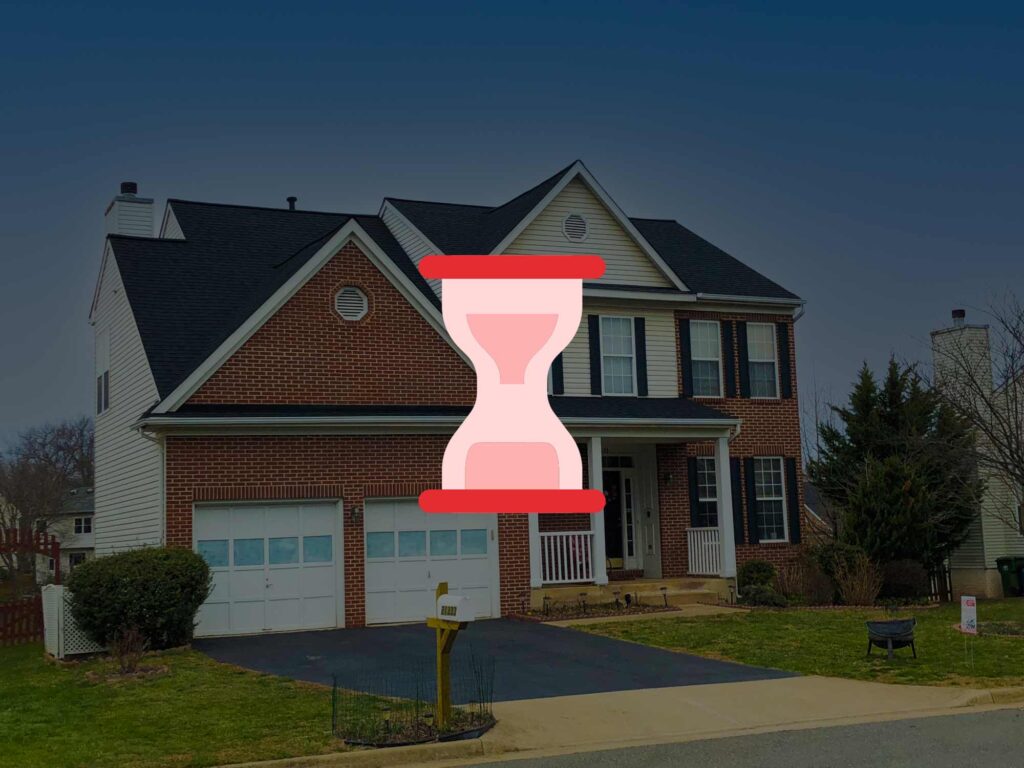
    hourglass , time it takes to replace roof. house with hour glass icon

    The time it takes to replace a roof varies depending on the factors mentioned above. In general, a roof replacement project can take anywhere from a few days to several weeks. A small roof with a simple design can take two to three days to replace, while a larger, more complex roof may take up to two weeks.

    Factors That Affect Roof Replacement Timeline:

    maintenance roofing

    Several factors can affect how long it takes to replace a roof. These factors include:

    • Size of the roof: The larger the roof, the longer it will take to replace. A smaller roof may take only a few days, while a larger one may take a week or more.
    • Roof type: Different types of roofs have different installation requirements, which can affect the timeline. For instance, a flat roof may be quicker to install than a pitched roof.
    • Weather conditions: Inclement weather such as rain or high winds can delay roof replacement. It’s best to plan the project during a season with favorable weather conditions to minimize delays.
    • Accessibility: The ease of accessing the roof can also affect how long it takes to replace. If the roof is difficult to access, it may take longer to remove and install the new roof.
    • Complexity of the job: Some roofs are more complicated to replace than others. A roof with many angles, valleys, or skylights may require more time to install.

    Tips for Successful Roof Replacement:

    red tips icon over house. tips for successful replacement of roof

    Here are some tips to help you stay within budget while still getting a high-quality replacement of roof:

    • Plan ahead: Start planning for your roof replacement early to give yourself enough time to research and compare options, as well as to save up for the cost.
    • Hire a professional: A professional roofing contractor has the expertise, tools, and experience needed to get the job done right. Hire a reputable contractor to avoid mistakes that could lead to costly repairs.
    • Choose a cost-effective roofing material: While there are many options available, some roofing materials are more cost-effective than others. Asphalt shingles are a popular and affordable choice for many homeowners.
    • Consider energy-efficient options: Energy-efficient roofing materials can help you save money on energy bills by reducing the amount of heat that enters your home during the summer months.
    • Get multiple quotes: Before hiring a contractor, get multiple quotes from different providers to compare prices and ensure you get the best value for your money.

    Factors That Effect The Cost of Replacing Your Roof:

    cost of roofing replacement

    The total cost of a roof replacement project depends on various factors such as the size and pitch of the roof, the type and quality of roofing material, the labor charges, and the complexity of the job. Typically, a complete roof replacement can cost anywhere from $5,000 to $15,000 or more, depending on these factors. To avoid any surprises, it’s recommended to get a detailed estimate from a reputable roofing contractor that includes all the costs involved in the project.

    1. Roof size: The larger the roof, the more materials and labor required, which can increase the cost.

    2. Roof pitch: A steeper roof pitch requires more safety equipment and can be more difficult to work on, which can increase the cost.

    3. Roofing materials: Different types of roofing materials have different costs, with some materials being more expensive than others.

    4. Roofing accessories: Additional items such as flashing, ventilation systems, and skylights can add to the cost.

    5. Removal of the old roof: The cost of removing the old roof and disposing of the debris can vary depending on the size of the roof and the amount of damage.

    6. Repairs: If there is damage to the underlying structure or decking, repairs will need to be made, which can increase the cost.

    7. Permit fees: Some areas require permits for roof replacement, which can add to the cost.

    8. Labor costs: The amount of time and labor required for the project can affect the overall cost, with more complex jobs requiring more time and labor.

    FAQ’s:

    Q and Q roofing replacement questions

    • Q: Can I replace my roof without hiring a contractor?
      A: While it’s possible to replace your roof on your own, it’s not recommended. Roof replacement is a complex and dangerous process that requires specialized knowledge and equipment.
    • Q: How long does a roof replacement take?
      A: The length of time required for a roof replacement can vary depending on the size and complexity of your roof. On average, a roof replacement can take between a few days and a few weeks.
    • Q: Is it possible to replace my roof while staying within budget?
      A: While it’s possible to replace your roof yourself, it’s not recommended. Replacing a roof can be dangerous and requires specialized tools and knowledge. It’s best to hire a professional roofing contractor to ensure the job is done correctly and safely.
    • Q: How often should I replace my roof?
      A: The lifespan of a roof depends on several factors, such as the type of material, the quality of installation, and the weather conditions in your area. However, most roofs last between 15 and 25 years. If your roof is approaching this age or showing signs of wear and tear, it may be time for a replacement.
    • Q: What happens if I don’t replace my roof?
      A: If you don’t replace your roof when it’s necessary, you risk serious damage to your home’s interior and structure. Leaks can cause water damage, mold growth, and even compromise the structural integrity of your home.
    • Q: How do I know if I need a roof replacement or repair?
      A: The decision to repair or replace your roof depends on the extent of the damage. In general, if your roof has significant damage, such as missing shingles or severe leaks, it may be time for a replacement. However, minor damage can often be repaired without the need for a full replacement.
    • Q: Can I choose any roofing material for my replacement roof?
      A: While you can choose any roofing material for your replacement roof, it’s important to consider factors such as cost, durability, and the weather conditions in your area. A professional roofing contractor can help you select the best material for your specific needs.
    • Q: Will replacing my roof increase the value of my home?
      A: Yes, replacing your roof can increase the value of your home. A new roof can improve the curb appeal of your home and provide added protection against weather damage, which can be attractive to potential buyers.
    • Q: Do I need to obtain permits for a roof replacement?
      A: Permit requirements for roof replacement vary depending on your location and the extent of the work being done. A professional roofing contractor can help you determine what permits are necessary for your specific project.
    • Q: Can I live in my home while the roof is being replaced?
      A: While it’s possible to live in your home during a roof replacement, it can be noisy and disruptive. It’s best to plan ahead and make arrangements to stay somewhere else if possible.
    • Q: What should I look for in a roofing contractor?
      A: When choosing a roofing contractor, it’s important to look for a licensed and insured professional with experience in roof replacement. It’s also a good idea to ask for references and to read online reviews before making a decision.

    Free, No Obligation

    Request Your Free Estimate & Inspection

    Tell us about your roof and we’ll come take a look — no pressure, no cost. Or call us right now on (703) 964-6233.

    (703) 964-6233
    Contact Form Demo (#3)
    Owens Corning Preferred Contractor GAF System Plus CertainTeed SureStart PLUS BBB A+ Accredited HomeAdvisor

    RNC Roofing

    RNC Roofing and Construction Group — The Roofing Contractor Specialists. Protecting your home, one shingle at a time.

    Virginia

    (703) 964-6233 Sterling · Leesburg · Ashburn
    Loudoun & Fairfax County

    Maryland

    (703) 964-6233 Beltsville · District Heights
    All of Maryland
    © 2026 RNC Roofing and Construction Group — The Roofing Contractor Specialists Northern Virginia & Maryland
  • Signs You Need to Call a Roofing Contractor

    Protecting your home, one shingle at a time VA (703) 964-6233| MD (703) 964-6233| Free Estimate & Inspection
    Home Improvement

    Signs You Need to Call a Roofing Contractor

    RNC Roofing and Construction Group February 10, 2023
    Signs You Need to Call a Roofing Contractor

    Signs You Need to Call a Roofing Contractor

    When it comes to maintaining or repairing your roof, hiring a professional roofing contractor is essential. These skilled experts possess the knowledge, experience, and tools necessary to handle various roofing issues efficiently and safely. From inspections to repairs and replacements, roofing contractors are trained to assess the condition of your roof and provide the appropriate solutions.

    Visible Roof Damage

    Recognizing missing or damaged shingles

    One of the clear signs you need to call a roofing contractor is the presence of missing or damaged shingles. During a visual inspection of your roof, keep an eye out for any areas where shingles are completely absent or visibly cracked, broken, or deteriorated. These issues can leave your roof vulnerable to water infiltration, leading to leaks and potential structural damage. Addressing missing or damaged shingles promptly is crucial to prevent further deterioration and ensure the overall stability of your roof.

    Identifying curling or buckling shingles

    Another visible sign that warrants the expertise of a roofing contractor is the presence of curling or buckling shingles. Over time, exposure to weather elements can cause shingles to warp, resulting in a curled or buckled appearance. This distortion compromises their ability to effectively protect your roof. Curling or buckling shingles are often an indication of underlying moisture issues or inadequate ventilation, which can accelerate the deterioration of your roof if not addressed promptly.

    Noticing cracked or blistered shingles

    Cracked or blistered shingles are red flags indicating potential roof problems. Cracks may result from aging, extreme weather conditions, or improper installation. Similarly, blistering can occur when moisture becomes trapped underneath the shingle’s surface. These conditions weaken the shingles and compromise their ability to shield your roof from the elements. If you spot cracked or blistered shingles during your inspection, it’s crucial to involve a roofing contractor to evaluate the extent of the damage and recommend suitable repair or replacement options.

    Detecting loose or detached flashing

    Flashing refers to the metal strips or sheets used to seal roof transitions and prevent water from penetrating vulnerable areas, such as chimney joints, vents, or skylights. If you notice loose or detached flashing, it’s a sign that your roof’s protective barrier has been compromised. Damaged or improperly installed flashing can lead to water leaks and potential structural damage. Engaging a roofing contractor to assess the flashing and make the necessary repairs or replacements is crucial to maintain the integrity of your roof.

    fix leaky roof

    Leaks and Water Intrusion

    Identifying water stains on the ceiling or walls

    Water stains on your ceiling or walls are clear indicators that you need to call a roofing contractor. These stains often result from roof leaks, which can be caused by damaged or deteriorated roofing materials. Look for brown or yellowish discoloration, peeling paint, or bubbling wallpaper on your ceilings or walls. These signs suggest that water is penetrating your roof and making its way into your home’s interior. Addressing these leaks promptly is crucial to prevent further damage, such as weakened structural integrity or mold growth.

    Observing wet spots or mold growth in the attic

    When inspecting your attic, be on the lookout for wet spots or signs of mold growth. If you notice damp areas or visible mold patches on the attic ceiling or walls, it’s a sign that water is entering your attic space. This could be due to roofing issues such as damaged shingles, faulty flashing, or inadequate ventilation. Mold growth poses health risks and can spread to other areas of your home if left untreated. Contacting a roofing contractor is necessary to identify the source of the water intrusion and resolve the underlying roofing problem.

    Noticing water pooling on the roof surface

    Water pooling on your roof surface after rain or storms is another sign that you need professional assistance. Flat or low-slope roofs are particularly prone to water pooling, and it can lead to roof damage and leaks. Pooling water indicates that the roof’s drainage system is not functioning properly, possibly due to clogged gutters, sagging areas, or inadequate slope. A roofing contractor can evaluate the roof’s drainage system, identify potential issues, and recommend appropriate solutions to prevent water damage and prolong your roof’s lifespan.

    Understanding the significance of consistent roof leaks

    Consistent roof leaks, even if they seem minor, should not be ignored. Persistent leaks indicate an ongoing problem that requires the attention of a roofing contractor. Such leaks can lead to significant water damage, compromised structural integrity, and increased energy costs. Ignoring consistent roof leaks can result in more extensive and costly repairs down the line. It’s essential to have a roofing professional assess the situation, identify the root cause, and provide the necessary repairs or replacements to prevent further water intrusion and protect your home.

    delaying roof repairs

    Age and Wear

    Recognizing the typical lifespan of different roofing materials

    Knowing the typical lifespan of different roofing materials is essential in determining when to call a roofing contractor. Asphalt shingles, for example, have an average lifespan of 20 to 30 years, while metal roofs can last 40 to 70 years. By understanding the age of your roof and the material it’s made of, you can better assess its condition and determine if it’s time to seek professional help. Keep in mind that harsh weather conditions, poor maintenance, and other factors can impact the lifespan of your roof.

    Understanding the effects of weathering and deterioration

    Over time, exposure to the elements takes a toll on your roof, causing weathering and deterioration. UV rays, rain, snow, hail, and fluctuating temperatures can all contribute to the degradation of roofing materials. Signs of weathering and deterioration include faded or discolored shingles, cracked tiles, rusted metal, and brittle or curling materials. These visible signs indicate that your roof is no longer providing adequate protection and may require the attention of a roofing contractor.

    Identifying signs of aging, such as granule loss or sagging

    As roofs age, they exhibit specific signs that indicate the need for professional intervention. One common sign of an aging roof is granule loss on asphalt shingles. These granules protect the shingles from UV rays and provide fire resistance. When they start to wear off and accumulate in gutters or downspouts, it’s a clear indication that your roof is nearing the end of its lifespan. Additionally, sagging areas or a visibly uneven roof surface are signs of structural issues that should be addressed promptly.

    Importance of professional assessment for an aging roof

    When your roof reaches a certain age or shows signs of wear, it’s crucial to have it professionally assessed by a roofing contractor. While you may observe some visible signs of aging, a roofing professional can provide a comprehensive evaluation of your roof’s condition. They have the expertise to identify hidden damage or underlying issues that may not be apparent to an untrained eye. This assessment will help determine the best course of action, whether it’s repair, maintenance, or roof replacement, to ensure the safety and longevity of your home.

    storm damage roof repair

    Storm or Weather Damage

    Assessing the impact of severe weather conditions

    Severe weather conditions can wreak havoc on your roof, making it essential to know the signs that indicate you need to call a roofing contractor. Storms, high winds, heavy rain, and extreme temperature fluctuations can cause significant damage to your roof’s integrity. It’s crucial to assess the impact of these weather events on your roof. Look for visible signs of damage, such as missing or displaced shingles, damaged gutters, or debris scattered on your roof. Even if the damage appears minor, it’s wise to have a professional inspection to identify any underlying issues.

    Identifying signs of wind damage, such as lifted shingles or fallen debris

    Strong winds during a storm can cause considerable damage to your roof. Signs of wind damage include lifted or curled shingles, missing shingles, or shingles that have been torn or cracked. Additionally, fallen tree branches or debris on your roof are indicators of wind-related issues. If you notice any of these signs, it’s crucial to contact a roofing contractor promptly. They can assess the extent of the damage and provide the necessary repairs or replacements to restore the integrity of your roof.

    Recognizing hail damage, including dents and pockmarks

    Hailstorms can leave behind significant damage to your roof. When inspecting your roof after a hailstorm, look for dents, pockmarks, or bruised areas on your shingles or other roofing materials. Hail damage weakens the protective layers of your roof, making it more susceptible to leaks and other issues. If you observe any signs of hail damage, it’s vital to call a roofing contractor for a thorough inspection. They can evaluate the extent of the damage and recommend the appropriate repairs or replacements to ensure the longevity of your roof.

    Understanding the importance of prompt repairs after a storm

    After experiencing severe weather conditions, it’s crucial to prioritize prompt repairs for your roof. Delaying repairs can worsen existing damage and lead to more extensive problems, such as leaks or structural issues. Water intrusion resulting from storm damage can cause mold growth, rotting of underlying structures, or compromised insulation. By calling a roofing contractor without delay, you can mitigate the risk of further damage and protect the overall integrity of your home.

    energy efficiency spring roofing

    Energy Efficiency Concerns

    Understanding the role of the roof in energy conservation

    When it comes to energy efficiency, your roof plays a crucial role in keeping your home well-insulated. It acts as a protective barrier against heat transfer, helping to maintain a comfortable indoor temperature while reducing the need for excessive heating or cooling. Proper insulation and ventilation are essential for maximizing energy efficiency. A well-maintained roof with adequate insulation can prevent heat loss during the colder months and minimize heat gain during the hotter months, resulting in lower energy consumption and reduced utility costs.

    Identifying signs of poor insulation or ventilation

    Signs of poor insulation or ventilation can indicate the need to call a roofing contractor for assistance. Uneven indoor temperatures, drafts, and high energy bills are common indicators of inadequate insulation or ventilation. Additionally, if you notice excessive condensation or moisture buildup in your attic or around vents, it may suggest a ventilation problem. A professional roofing contractor can assess your roof’s insulation and ventilation systems, identifying any areas that require improvement to enhance energy efficiency and overall comfort.

    Recognizing the impact of a damaged roof on energy bills

    A damaged roof can have a significant impact on your energy bills. Leaks, gaps, or cracks in your roof can allow air infiltration, causing your heating and cooling systems to work harder to maintain a comfortable temperature. This results in increased energy consumption and higher utility costs. If you’ve noticed a sudden spike in your energy bills without a clear explanation, it’s important to consider the condition of your roof. Calling a roofing contractor to inspect and address any issues can help restore your roof’s integrity and improve energy efficiency.

    How a roofing contractor can help improve energy efficiency

    A professional roofing contractor can provide valuable assistance in improving your roof’s energy efficiency. They have the expertise to assess your roof’s insulation, ventilation, and overall condition. They can recommend and implement solutions such as adding insulation, sealing air leaks, installing proper ventilation systems, or replacing damaged roofing materials. These measures not only enhance energy efficiency but also contribute to the longevity and durability of your roof. By collaborating with a roofing contractor, you can create a more energy-efficient home and enjoy long-term savings on your energy bills.

    View More Articles

    Free, No Obligation

    Request Your Free Estimate & Inspection

    Tell us about your roof and we’ll come take a look — no pressure, no cost. Or call us right now on (703) 964-6233.

    (703) 964-6233
    Contact Form Demo (#3)
    Owens Corning Preferred Contractor GAF System Plus CertainTeed SureStart PLUS BBB A+ Accredited HomeAdvisor

    RNC Roofing

    RNC Roofing and Construction Group — The Roofing Contractor Specialists. Protecting your home, one shingle at a time.

    Virginia

    (703) 964-6233 Sterling · Leesburg · Ashburn
    Loudoun & Fairfax County

    Maryland

    (703) 964-6233 Beltsville · District Heights
    All of Maryland
    © 2026 RNC Roofing and Construction Group — The Roofing Contractor Specialists Northern Virginia & Maryland
  • Summer Roofing Issues: Shrinking, Blistering, & Curling Shingles

    Protecting your home, one shingle at a time VA (703) 964-6233| MD (703) 964-6233| Free Estimate & Inspection
    Roof Maintenance

    Summer Roofing Issues: Shrinking, Blistering, & Curling Shingles

    RNC Roofing and Construction Group July 16, 2018
    Summer Roofing Issues: Shrinking, Blistering, & Curling Shingles

    With the blistering heat of summer beating down on your rooftop, you may begin to notice that your roofing materials are looking dry, damaged, or weathered. With our guide, learn how to recognize the signs of a deteriorating roof and their causes.

    Shrinking Shingles

    While it’s probably not noticeable on the surface, your shingles will contract in cold temperatures and expand during warm weather. During summer, temperatures tend to spike and drop dramatically, depending on the time of day, which causes a process known as thermal cycling. Depending on how dramatic the temperature differences are in your region, your roof shingles can deteriorate rapidly, and your roof’s stability could be at risk.

    “Craze-cracking” is a tell-tale sign of shrinking shingles—if you notice continuous cracking in your shingles’ weather surfaces, contact RNC for a consultation from a roofing professional today.

    Blistering Shingles

    Blistering ShingleBlistering shingles can be identified by their bubbled appearance, and while they’re typically a sign of natural aging, they can be indicative that your attic isn’t properly ventilated, or debris has built onto the roof.

    As long as the blisters on the shingles keep their granules, they shouldn’t affect your roof’s lifespan or overall health. If these blisters “pop” and their granules become dislodged, those areas will be especially sensitive to sunlight and heat, which could lessen your roof’s lifespan and make your shingles prone to granule loss.

    Curling Shingles

    Curling shingles can be easy to spot, as they disrupt the uniform pattern of your roof shingles. Typically, they’re caused by improper storing of your roofing materials, but there are other reasons curling shingles can occur. A dry asphalt base, improper installation of roofing materials, and natural wear and tear of your roof can contribute to curling shingles.

    Unfortunately, this can leave your roofing structure vulnerable to extreme weather and moisture.

    If you find that your shingles are suffering from any of these summer roofing issues, contact RNC to get in touch with a roofing professional today!

    What separates The RNC Roofing Group from other residential roofing companies? With decades of experience installing, maintaining and repairing roofs we provide a knowledgeable, trustworthy and honest service to fulfill all your roofing needs. We are a Loudoun County, Virginia based residential roofing firm with an excellent reputation for quality and dependability. Whether it’s new construction, re-roofing or the challenge of leak repairs, no job is too large or too small.

    This post first published on The RNC Group, your Virginia residential roofing company.

    Free, No Obligation

    Request Your Free Estimate & Inspection

    Tell us about your roof and we’ll come take a look — no pressure, no cost. Or call us right now on (703) 964-6233.

    (703) 964-6233
    Contact Form Demo (#3)
    Owens Corning Preferred Contractor GAF System Plus CertainTeed SureStart PLUS BBB A+ Accredited HomeAdvisor

    RNC Roofing

    RNC Roofing and Construction Group — The Roofing Contractor Specialists. Protecting your home, one shingle at a time.

    Virginia

    (703) 964-6233 Sterling · Leesburg · Ashburn
    Loudoun & Fairfax County

    Maryland

    (703) 964-6233 Beltsville · District Heights
    All of Maryland
    © 2026 RNC Roofing and Construction Group — The Roofing Contractor Specialists Northern Virginia & Maryland
  • Blistering Roof Shingles | Guide to Repair and Prevention

    Protecting your home, one shingle at a time VA (703) 964-6233| MD (703) 964-6233| Free Estimate & Inspection
    Roof Maintenance

    Blistering Roof Shingles | Guide to Repair and Prevention

    RNC Roofing and Construction Group July 16, 2018
    Blistering Roof Shingles | Guide to Repair and Prevention

    Blistering Roof Shingles | Guide to Repair and Prevention

    Blistering shingles are characterized by raised bubbles or blisters on the surface of the shingles. These blisters can be caused by various factors, such as excessive heat, poor ventilation, or moisture-related problems. When the shingles blister, they become vulnerable to damage and can compromise the overall functionality of the roof.

    Identifying Blistering Shingles

    When it comes to identifying blistering shingles, there are several common signs and symptoms to look out for. These indicators can help you determine whether your roof has been affected by blistering. Keep an eye out for the following:

    Bubbles or raised areas on the surface of the shingles: Blistering shingles often exhibit visible bubbles or raised sections. These irregularities can be felt by running your hand over the surface of the shingles.

    Discoloration or changes in the appearance of shingles: Blistered shingles may appear discolored or have a different texture compared to unaffected areas. Look for variations in color, texture, or overall integrity of the shingles.

    Visual Inspection Techniques to Detect Blistering

    Performing a thorough visual inspection is crucial in detecting blistering shingles. By employing the following techniques, you can effectively identify the presence of blistering:

    • Observe the roof from a safe vantage point: Start by inspecting your roof from the ground or a safe distance using binoculars. Look for any signs of blistering, such as raised areas or discoloration.
    • Conduct a close-up inspection: If possible, climb a ladder and conduct a closer examination. Pay attention to individual shingles, checking for bubbles, raised sections, or other abnormalities. Be cautious and ensure your safety when accessing the roof.

    Differentiating Blistering from Other Roof Issues

    While blistering shingles share similarities with other roofing problems, understanding the distinctions is vital for accurate diagnosis. Here’s how you can differentiate blistering shingles from other roof issues:

    • Blistering vs. curling shingles: Curling shingles typically exhibit edges that curl upward or downward. In contrast, blistering shingles have raised sections or bubbles on the surface.
    • Blistering vs. granule loss: Blistering may cause some granules to dislodge from the shingles, but the raised sections are the primary distinguishing factor. Granule loss, on the other hand, results in a visible absence of granules on the shingle surface.

    summer season best time to replace roof

    Causes of Blistering Shingles

    Excessive Heat and Sun Exposure as a Leading Cause

    One of the primary factors that can lead to blistering shingles is excessive heat and prolonged exposure to the sun. When shingles are constantly exposed to high temperatures, the asphalt in the shingles can soften and become more susceptible to blistering. The heat causes the trapped moisture within the shingles to expand, resulting in the formation of bubbles or blisters on the surface.

    Poor Attic Ventilation and Its Impact on Shingle Health

    Inadequate attic ventilation can also contribute to the development of blistering shingles. When a roof lacks proper ventilation, heat can accumulate in the attic, causing the shingles to become excessively hot. This heat buildup accelerates the aging process of the shingles and increases the likelihood of blistering. It’s essential to ensure that your attic has proper ventilation to prevent the formation of blisters on the shingles.

    Moisture-Related Factors and Their Contribution to Blistering

    Moisture-related issues can significantly impact the health of your roof shingles and contribute to blistering. There are several moisture-related factors that can lead to blistering shingles:

    • Poor installation or damaged underlayment: If the underlayment beneath the shingles is not properly installed or has become damaged, it can allow moisture to seep into the shingle layers. Over time, this moisture can lead to blistering.
    • Trapped moisture within the shingle layers: In some cases, moisture can become trapped within the shingle layers during the manufacturing process. This trapped moisture can expand when exposed to heat, resulting in the formation of blisters.
    • Roof leaks and water damage: Roof leaks can introduce water into the shingle layers, leading to blistering. It is crucial to address any leaks promptly to prevent further damage.

    fix leaky roof

    Potential Consequences of Blistering Shingles

    Risk of Leaks and Water Damage to the Roof Structure

    Blistering shingles can pose a significant risk of leaks and water damage to the underlying roof structure. The raised bubbles or blisters on the shingle surface create vulnerable areas where water can penetrate. Over time, the trapped moisture can seep into the roof layers, compromising the integrity of the roof system. If left unaddressed, these leaks can lead to extensive water damage, rotting of the roof decking, and even structural issues within the home.

    Effects on Energy Efficiency and Indoor Climate Control

    Blistering shingles can also impact the energy efficiency of your home and indoor climate control. The raised areas on the shingle surface create pockets of trapped air, reducing the shingle’s ability to reflect sunlight and regulate heat. As a result, your home may experience increased heat absorption, leading to higher cooling costs during hot weather. Additionally, compromised shingles can allow air infiltration, affecting the insulation’s effectiveness and causing temperature fluctuations inside the house.

    Structural Implications and the Potential for Long-Term Damage

    Beyond the immediate risks of leaks and energy inefficiency, blistering shingles can have long-term structural implications. The presence of blisters indicates damage to the shingle’s protective layers and compromises its ability to withstand environmental stresses, such as wind and hail. Over time, these compromised shingles can deteriorate further, leading to more extensive damage and the potential for costly repairs or even a complete roof replacement.

    repairs roofing maintenance

    Repairing and Preventing Blistering Shingles

    When you notice blistering shingles on your roof, it’s essential to address the issue promptly to prevent further damage. Here are the steps to follow for immediate repair:

    Inspect the affected area: Carefully examine the blistered shingles to assess the extent of the damage and determine if nearby shingles are also affected.

    Gather necessary tools and materials: Prepare the tools required for the repair, such as a pry bar, roofing nails, hammer, roofing adhesive, and replacement shingles.

    Safely remove damaged shingles: Use a pry bar to carefully lift the blistered shingles, ensuring not to damage surrounding shingles. Peel back the shingle to expose the underlying layers.

    Replace shingles with proper techniques: Clean the exposed area and apply roofing adhesive to secure the replacement shingle. Press it down firmly and secure with roofing nails. Be sure to follow the manufacturer’s instructions for proper installation.

    Seal the repaired area: Apply a small amount of roofing adhesive around the edges of the replacement shingle to ensure a watertight seal.

    Strategies for Long-Term Prevention of Blistering

    While immediate repairs are essential, implementing preventive measures can help avoid future instances of blistering shingles. Here are some strategies to consider:

    Ensure proper attic ventilation: Proper attic ventilation plays a vital role in maintaining a healthy roof. It helps regulate temperature and moisture levels, reducing the likelihood of blistering. Consult a roofing professional to assess your attic ventilation and make necessary improvements.

    Install reflective or heat-resistant shingles: Consider using shingles with reflective or heat-resistant properties. These shingles are designed to minimize heat absorption and reduce the risk of blistering. They can help keep your roof cooler, especially in hot climates.

    Regular maintenance and inspections: Perform regular inspections of your roof to identify any potential issues, including blistering shingles. Schedule professional roof maintenance at least once a year to address minor problems before they escalate.

    repairs roofing maintenance

    When to Seek Professional Help

    While some blistering shingle repairs can be handled as a DIY project, it’s crucial to evaluate the complexity of the repair task before deciding to tackle it yourself. Factors to consider include:

    Extent of damage: If the blistering is limited to a small area and doesn’t involve significant structural issues, it may be manageable for a skilled DIY enthusiast. However, if the blistering covers a large portion of the roof or is accompanied by other signs of severe damage, it’s advisable to seek professional help.

    Roofing knowledge and experience: Assess your own expertise in roofing repairs. Repairing blistering shingles requires a good understanding of roofing techniques, including proper shingle installation and ensuring a watertight seal. If you lack the necessary knowledge and experience, it’s best to leave the job to professionals.

    Recognizing Situations That Require Professional Intervention

    Certain situations indicate the need for professional intervention when dealing with blistering shingles:

    • Widespread blistering: If the blistering is widespread and affects a significant portion of the roof, it indicates a more severe underlying issue. A professional roofer can assess the extent of the damage and provide comprehensive repairs or recommend a roof replacement if necessary.
    • Roof age and warranty considerations: If your roof is relatively new and still under warranty, attempting repairs yourself may void the warranty. It’s essential to consult the manufacturer’s guidelines and consider professional assistance to ensure warranty coverage.
    • Safety concerns: Working on a roof can be dangerous, especially for those without proper safety training and equipment. If you’re uncomfortable with heights or lack the necessary safety gear, it’s safer to hire a professional who is equipped to handle the job safely.

    Benefits of Hiring an Experienced Roofing Contractor

    • Expertise and knowledge: Professional roofers have extensive knowledge of roof repair techniques and materials. They can accurately assess the condition of blistering shingles, identify underlying causes, and provide effective solutions.
    • Quality workmanship: Roofing contractors are equipped with the tools, equipment, and expertise to deliver high-quality repairs. They can ensure that the replacement shingles are properly installed, minimizing the risk of future issues.
    • Time and cost savings: Hiring professionals can save you time and effort by completing the repairs efficiently. Additionally, they have access to wholesale material prices, potentially reducing the overall cost of repairs compared to purchasing materials individually.

    View More Articles

    Free, No Obligation

    Request Your Free Estimate & Inspection

    Tell us about your roof and we’ll come take a look — no pressure, no cost. Or call us right now on (703) 964-6233.

    (703) 964-6233
    Contact Form Demo (#3)
    Owens Corning Preferred Contractor GAF System Plus CertainTeed SureStart PLUS BBB A+ Accredited HomeAdvisor

    RNC Roofing

    RNC Roofing and Construction Group — The Roofing Contractor Specialists. Protecting your home, one shingle at a time.

    Virginia

    (703) 964-6233 Sterling · Leesburg · Ashburn
    Loudoun & Fairfax County

    Maryland

    (703) 964-6233 Beltsville · District Heights
    All of Maryland
    © 2026 RNC Roofing and Construction Group — The Roofing Contractor Specialists Northern Virginia & Maryland