Tag: Roof repairs

  • Elements of a Roof: Understanding Key Components for Longevity
    Protecting your home, one shingle at a time VA (703) 964-6233| MD (703) 964-6233| Free Estimate & Inspection
    Homeowner Help

    Elements of a Roof: Understanding Key Components for Longevity

    RNC Roofing and Construction Group August 28, 2023
    Elements of a Roof: Understanding Key Components for Longevity

    Elements of a Roof: Understanding Key Components for Longevity

    A roof is more than just a covering; it’s a shield that safeguards your home from the elements. Understanding the elements of a roof is crucial for homeowners, ensuring not only protection but also informed decisions for maintenance and repairs.

    Roof Structure

    Roof Framing

    Roof framing serves as the foundational framework for every roof, and understanding its components is essential.

    Trusses and Rafters: The Backbone of a Roof

    Trusses and rafters are the primary load-bearing members of a roof’s frame. Trusses, often pre-fabricated, offer strength and stability, distributing the weight evenly across the structure. Rafters, on the other hand, give the roof its traditional look, typically placed at specific intervals to support the roof’s shape and load.

    Roof Pitch: Understanding Slope Variations

    Roof pitch refers to the steepness of the roof’s slope. This element of roof design affects not only the aesthetics but also the functionality. Steeper pitches shed water and snow efficiently, reducing the risk of water damage and leaks. Shallower pitches, while easier to maintain, might require additional waterproofing measures.

    Roof Decking

    A solid roof deck forms the base upon which the rest of the roofing materials are installed.

    Plywood vs. OSB: Choosing the Right Roofing Material

    When it comes to roof decking, both plywood and oriented strand board (OSB) are popular choices. Plywood offers proven durability and resistance to moisture, while OSB is cost-effective and equally resilient. The choice often comes down to budget and regional climate considerations.

    Proper Roof Deck Preparation

    Regardless of the decking material, proper preparation is vital. Ensuring the roof deck is smooth, free from any irregularities, and adequately secured guarantees a stable foundation for the rest of the roofing system. Proper preparation also prevents potential problems like sagging or uneven surfaces.
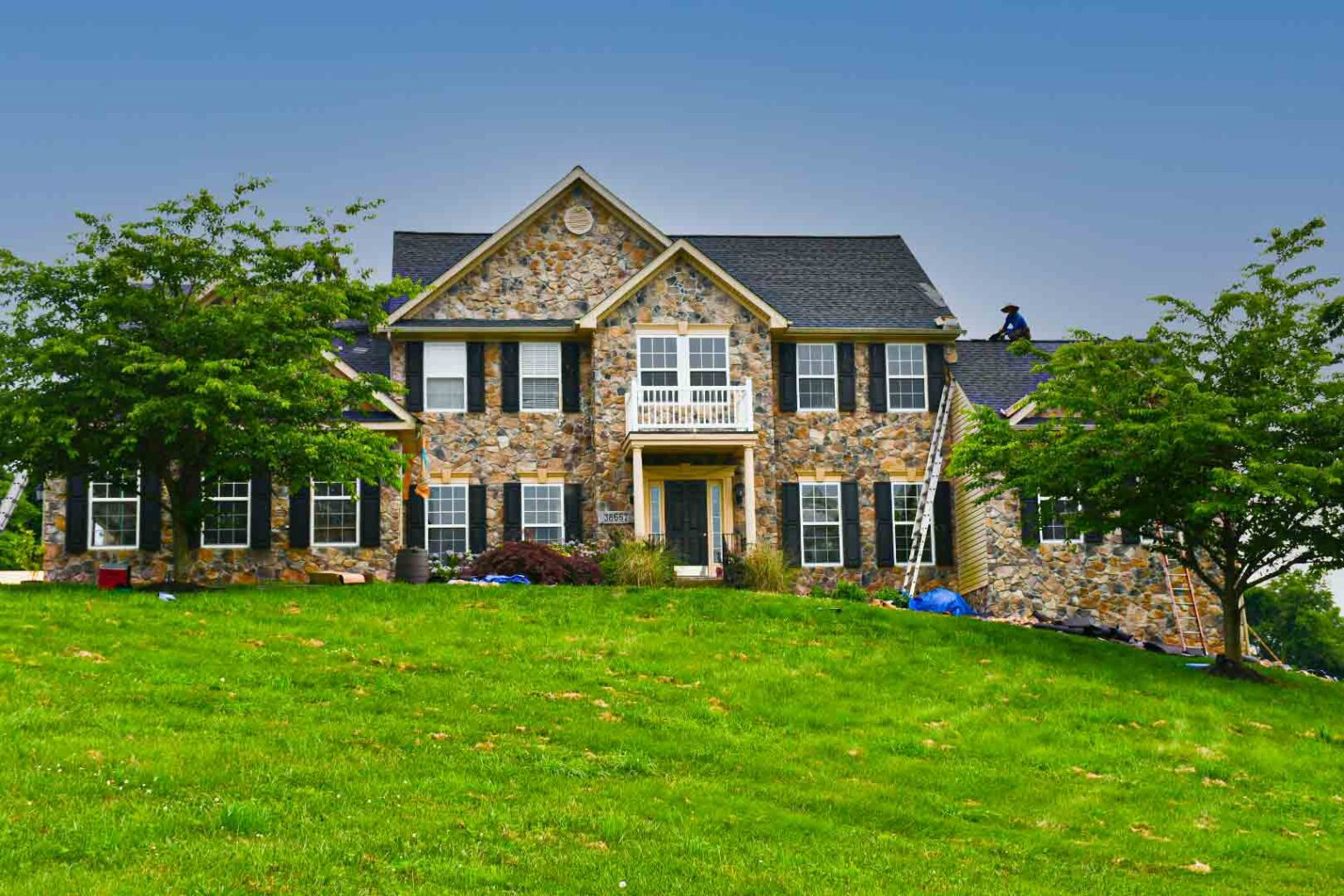
    exploring pitched roofs

    Roofing Materials

    Roof Covering

    The choice of roofing materials is a critical decision that impacts both the aesthetics and functionality of your roof.

    Shingles: Varieties and Lifespan

    Shingles are one of the most common roofing options, available in a range of materials such as asphalt, wood, and synthetic compounds. Asphalt shingles, particularly, offer affordability and a good balance between durability and appearance. Wood shingles lend a natural charm, while synthetic options mimic the look of premium materials. Understanding the lifespan of each type helps you plan for maintenance and replacements.

    Metal Roofing: Durability and Energy Efficiency

    Metal roofing has gained popularity due to its exceptional durability and energy-efficient properties. It comes in various forms, including standing seam, corrugated, and metal shingles. Metal roofs are highly resistant to weathering, rust, and fire, making them a long-lasting choice. Additionally, their reflective surface contributes to energy savings by reducing heat absorption.

    Tiles and Slate: Aesthetic and Longevity

    For those seeking a distinct and elegant appearance, roof tiles and slate offer a timeless aesthetic. Roof tiles, available in clay or concrete, provide a Mediterranean or Spanish-style flair. Slate, on the other hand, boasts a sophisticated appearance and can last for generations when properly maintained. However, these options can be heavier and require sturdy roof framing.

    Underlayment and Insulation

    The layers beneath the visible roof covering play a crucial role in maintaining the integrity and efficiency of your roof.

    Importance of Roof Underlayment

    Roof underlayment acts as a secondary barrier against water infiltration. It provides an extra layer of protection in case moisture penetrates the outer roofing material. Synthetic underlayment offers lightweight durability, while traditional felt paper provides a cost-effective solution. Properly installed underlayment is essential to prevent leaks and extend your roof’s lifespan.

    roof ventilation

    Roof Ventilation

    Ridge Vents vs. Gable Vents

    Roof ventilation is a vital aspect that impacts the overall health and performance of your roof.

    Ridge Vents vs. Gable Vents: Making the Right Choice

    Ridge vents and gable vents are two popular options for ensuring proper airflow within your attic space. Ridge vents run along the peak of the roof, allowing hot air to escape naturally. Gable vents are located on the sides of the attic and facilitate cross-ventilation. Choosing between these options depends on your roof’s design, climate, and overall ventilation needs.

    The Science of Ventilation: How It Affects Your Roof

    Understanding the science behind ventilation is key to appreciating its significance. Without adequate airflow, heat and moisture can accumulate in the attic, leading to a range of problems, including premature roof deterioration, mold growth, and higher energy bills. Proper ventilation not only prolongs your roof’s lifespan but also contributes to a more comfortable living environment.

    Proper Ventilation for a Healthy Roof

    Achieving proper ventilation involves a combination of intake and exhaust vents. Intake vents, typically placed at the soffits, allow fresh air to enter the attic. Exhaust vents, such as ridge vents, turbine vents, or powered attic fans, ensure that hot and moist air is expelled. This continuous airflow prevents the formation of condensation and regulates attic temperatures.

    Balancing ventilation elements ensures that your roof maintains consistent temperature and humidity levels, protecting it from potential damage caused by extreme weather conditions. By choosing the appropriate vents and understanding the dynamics of air circulation, you contribute to the longevity and optimal performance of your roof.

    roof ventilation

    Flashing and Sealants

    Roof Flashing: Preventing Leaks at Vulnerable Points

    Properly installed roof flashing acts as a safeguard against leaks in areas of your roof susceptible to water penetration.

    Roof Flashing: The Shield Against Leaks

    Flashing consists of thin, weather-resistant materials, often metal, strategically placed at vulnerable points like roof valleys, chimneys, vents, and skylights. These areas are more prone to water intrusion due to their intersections and angles. Flashing redirects water away from these critical junctions, preventing moisture from seeping into your home’s interior.

    Sealants and Caulking: Protecting Against Water Intrusion

    Sealants and caulking are the unsung heroes of a watertight roof. These compounds provide an additional layer of protection around flashings, joints, and gaps.

    Enhancing Protection with Sealants

    Often silicone or roofing cement, form flexible barriers that fill gaps and seal edges. They create a tight seal between roofing materials, preventing water, wind-driven rain, and debris from infiltrating. Regular inspections and touch-ups ensure that these protective barriers remain intact.

    Maintenance Tips for Flashing and Sealants

    Proper maintenance of flashing and sealants is crucial for preventing potential leaks.

    Regular Inspection and Maintenance

    Scheduled roof inspections, ideally twice a year, allow you to identify any deterioration or damage to flashing and sealants. Look for signs of rust, cracks, or gaps that might compromise their effectiveness. Prompt repairs or replacements are necessary to ensure your roof’s continued protection.

    View More Articles

    Free, No Obligation

    Request Your Free Estimate & Inspection

    Tell us about your roof and we’ll come take a look — no pressure, no cost. Or call us right now on (703) 964-6233.

    (703) 964-6233
    Contact Form Demo (#3)
    Owens Corning Preferred Contractor GAF System Plus CertainTeed SureStart PLUS BBB A+ Accredited HomeAdvisor

    RNC Roofing

    RNC Roofing and Construction Group — The Roofing Contractor Specialists. Protecting your home, one shingle at a time.

    Virginia

    (703) 964-6233 Sterling · Leesburg · Ashburn
    Loudoun & Fairfax County

    Maryland

    (703) 964-6233 Beltsville · District Heights
    All of Maryland
    © 2026 RNC Roofing and Construction Group — The Roofing Contractor Specialists Northern Virginia & Maryland
  • How Long Does Roof Repair Take? Factors and Quality Work

    Protecting your home, one shingle at a time VA (703) 964-6233| MD (703) 964-6233| Free Estimate & Inspection
    Homeowner Help

    How Long Does Roof Repair Take? Factors and Quality Work

    RNC Roofing and Construction Group June 22, 2023
    How Long Does Roof Repair Take? Factors and Quality Work

    How Long Does Roof Repair Take? Factors and Quality Work

    Several factors come into play when determining the duration of roof repairs. The extent and nature of the damage are key considerations. A simple patching job might take significantly less time than a complete replacement of damaged shingles or structural repairs. Additionally, accessibility and location challenges can affect repair timelines. Roofs with complex designs or hard-to-reach areas may require more time and effort to address the issues effectively.

    Types of Roof Repairs

    Shingle Replacement:

    One of the most common roof repairs involves replacing damaged or missing shingles. This task typically requires identifying the affected areas, carefully removing the old shingles, and installing new ones. The time required for shingle replacement depends on the number of shingles involved and the accessibility of the roof.

    Patching Leaks:

    Leaks can arise from various sources, such as damaged flashing or worn-out seals around vents and chimneys. Patching leaks involves identifying the source, repairing or replacing the damaged components, and ensuring proper sealing. The repair duration depends on the complexity and extent of the leaks.

    Structural Repairs: In some cases, roof repairs may involve addressing structural issues, such as weakened trusses, sagging supports, or deteriorated decking. These repairs require careful assessment and may involve collaboration with a structural engineer or contractor. The duration will vary depending on the severity of the damage and the necessary remedial actions.

    Complexity and Extent of Repairs

    Roof repair timelines can vary based on the complexity and extent of the repair required. Simple repairs, like replacing a few missing shingles, can be completed within a few hours or a day. However, more extensive repairs, such as structural issues or extensive water damage, may take several days or even weeks to address fully.

    Factors such as the size of the repair area, the availability of materials, and the expertise of the roofing contractor can also impact the duration. For instance, large-scale repairs on expansive roofs with intricate designs may require more time and specialized skills.

    cost of new roof in virginia

    Evaluating the Extent of Damage

    Thorough Inspection by a Roofing Professional

    A comprehensive inspection conducted by a qualified roofing professional is vital in determining the extent of damage and estimating the time required for roof repairs. Roofing experts possess the knowledge and experience to identify underlying issues that may not be apparent to the untrained eye. They carefully examine the roof, assessing the condition of shingles, flashing, seals, and other components. This evaluation helps in accurately understanding the scope of repairs needed and estimating the time required to address them effectively.

    Common Types of Damage and Their Impact on Repair Timeframes

    Roofs can suffer from various types of damage, each requiring different approaches and timelines for repair. Some common forms of damage include:

    • Leaks: Water penetration through the roof can cause extensive damage, including structural issues and mold growth. Repairing leaks involves locating the source, assessing the damage, and implementing necessary fixes. The time required for leak repairs depends on the complexity of the leak and the extent of damage caused.
    • Shingle Damage: Damaged or missing shingles compromise the roof’s integrity and leave it vulnerable to further issues. Repairing shingle damage involves identifying the affected areas, removing and replacing damaged shingles, and ensuring proper installation. The time needed for shingle repairs varies based on the number of shingles involved and the accessibility of the roof.
    • Weather-related Damage: Environmental factors, such as severe storms, hail, or high winds, can cause significant roof damage. Repairing weather-related damage may require addressing multiple issues, including shingle replacement, repairing or reinforcing the underlying structure, and ensuring proper weatherproofing. The duration of these repairs depends on the severity of the damage and the availability of resources.

    Role of Environmental Factors in Determining Damage

    Environmental factors, such as weather and climate, play a crucial role in determining the extent of damage to roofs. Harsh weather conditions, including heavy rain, snow, or extreme temperature fluctuations, can accelerate the deterioration of roofing materials. For example, prolonged exposure to moisture can lead to rot, while high winds can cause shingles to lift or blow off entirely. Evaluating the impact of environmental factors on roof damage helps in understanding the required repairs and estimating the repair timelines accurately.

    wood shingles

    Factors Influencing Roof Repair Timeline

    Size and Complexity of the Roof

    The size and complexity of a roof directly impact the time required for repairs. Larger roofs naturally require more materials, labor, and time to address the issues adequately. Additionally, roofs with intricate designs, multiple slopes, or unique architectural features may pose challenges during the repair process. The complexity of the roof’s structure influences the duration of repairs, as it may involve additional steps, specialized techniques, or the need to work in confined spaces.

    Accessibility and Location Challenges

    The accessibility and location of the roof significantly affect repair timelines. Roofs that are difficult to reach, such as those with steep slopes or located at significant heights, may require additional safety measures and specialized equipment. The time spent on setting up safety precautions, maneuvering around challenging areas, and ensuring the well-being of the roofing professionals can impact the overall duration of repairs.

    Availability of Materials and Resources

    The availability of materials and resources is another crucial factor influencing roof repair timelines. Some repairs may require specific roofing materials or components that need to be sourced and delivered. The time taken to procure these materials can add to the overall duration of the repair process. Additionally, the availability of skilled labor, tools, and equipment also plays a role in the efficiency and speed of repairs.

    Local Regulations and Permit Requirements

    Local regulations and permit requirements can impact the timeline of roof repairs. Certain jurisdictions may have specific regulations regarding roof repairs, such as obtaining permits or adhering to building codes. Complying with these requirements may introduce additional steps and potential delays in the repair process. It is important for homeowners and roofing contractors to be aware of and follow the necessary regulations to ensure a smooth and legal repair process

    labor cost for roofing

    Average Time Frames for Roof Repairs

    Breakdown of Repair Durations for Specific Issues

    When it comes to roof repairs, the duration can vary depending on the specific issues that need to be addressed. Here are some average timeframes for common roof repairs:

    • Leaks: Repairing a roof leak typically takes anywhere from a few hours to a couple of days, depending on the complexity of the leak and the extent of water damage. Locating the source of the leak, repairing damaged areas, and ensuring proper waterproofing are essential steps in the repair process.
    • Missing Shingles: Replacing missing shingles is relatively straightforward and can usually be completed within a day or two. The time required depends on the number of missing shingles and the accessibility of the roof. It’s important to address missing shingles promptly to prevent further damage and protect the underlying roof structure.
    • Flashing Problems: Repairing faulty flashing around chimneys, vents, or skylights involves removing the old flashing, applying new flashing, and ensuring a proper seal. The duration of flashing repairs can range from a few hours to a full day, depending on the complexity of the flashing system and the extent of repairs needed.

    Extent of Damage and Repair Timelines

    The extent of damage directly affects the timelines for roof repairs. Minor issues, such as a small leak or a few missing shingles, can be resolved relatively quickly. However, if the damage is more extensive, such as widespread water penetration or significant structural issues, the repair process may take longer.

    planning and scheduling

    Planning and Scheduling the Repair

    Importance of Communication and Coordination with Roofing Contractors

    Effective communication and coordination with roofing contractors are crucial for a smooth and efficient roof repair process. Homeowners should establish clear lines of communication with the contractor, discussing the project’s scope, timeline, and any specific requirements. This helps to align expectations and ensures that both parties are on the same page. Regular communication allows homeowners to stay informed about the progress of the repairs and address any concerns promptly. It also enables contractors to provide updates on the estimated completion time and any unforeseen challenges that may arise during the repair process. Maintaining open and transparent communication is key to a successful roof repair experience.

    Tips for Homeowners to Ensure an Efficient Repair Process

    • Plan Ahead: Schedule the roof repairs well in advance to allow sufficient time for preparation and ensure the availability of materials and contractors. Planning ahead minimizes potential delays and allows for a smoother workflow.
    • Clear the Work Area: Before the contractors arrive, clear the area around the roof, removing any obstacles or items that could impede the repair process. This includes moving vehicles, patio furniture, or any other belongings that might hinder access to the roof.
    • Provide Access: Ensure that the roofing contractors have easy access to the property and the roof. Clear pathways, gates, or locked areas to avoid unnecessary delays and facilitate a seamless repair process.
    • Consider Weather Conditions: Take into account weather forecasts when scheduling the repairs. Inclement weather can affect the ability to work on the roof safely, potentially leading to delays. Discuss contingency plans with the contractor in case of adverse weather conditions.

    Potential Delays and Unforeseen Challenges

    Despite careful planning, it’s essential to recognize that certain factors can cause delays and unforeseen challenges during roof repairs. Adverse weather conditions, unanticipated structural issues, or the need for additional repairs beyond the initial assessment can extend the project’s timeline.

    materials for roof replacement

    Factors Affecting Repair Duration vs. Quality Work

    Balancing Speed and Quality in Roof Repairs

    When it comes to roof repairs, finding the right balance between speed and quality is crucial. While homeowners understandably want their roof repaired quickly, it’s equally important to prioritize the quality of the workmanship. Rushing through repairs can compromise the long-term durability and reliability of the roof.

    The Impact of Rushed Repairs on Long-Term Durability and Reliability

    Quick fixes and rushed repairs may provide temporary relief, but they often fail to address the underlying issues adequately. This can result in recurring problems and the need for more frequent repairs in the future. It’s essential to invest in thorough and comprehensive repairs that address the root cause of the problem to ensure long-term durability. Additionally, rushing the repair process can lead to errors or oversight in the workmanship, compromising the quality of the repair. A poorly executed repair may not hold up against harsh weather conditions or stand the test of time, potentially causing further damage and inconvenience down the line.

    Finding Reputable Roofing Contractors Who Prioritize Speed and Quality

    To ensure both speed and quality in roof repairs, homeowners should seek reputable roofing contractors who prioritize both aspects. Here are a few tips to help find such contractors:

    • Research and Reviews: Conduct thorough research and read customer reviews to gauge the reputation of different roofing contractors. Look for contractors who have a track record of delivering high-quality work within reasonable timeframes.
    • Credentials and Experience: Verify the credentials and experience of the contractors. Check if they are licensed, insured, and have relevant certifications. Experience in handling similar repair projects is an added advantage.
    • Detailed Estimates: Request detailed repair estimates from multiple contractors. Assess the proposed timelines and compare them with the scope of work outlined. Avoid contractors who provide significantly shorter timelines without proper justification.

    Communication and Transparency:

    Prioritize contractors who communicate clearly, answer your questions satisfactorily, and provide updates throughout the repair process. Transparent communication ensures that you are aware of the progress and any unexpected delays.

    Free, No Obligation

    Request Your Free Estimate & Inspection

    Tell us about your roof and we’ll come take a look — no pressure, no cost. Or call us right now on (703) 964-6233.

    (703) 964-6233
    Contact Form Demo (#3)
    Owens Corning Preferred Contractor GAF System Plus CertainTeed SureStart PLUS BBB A+ Accredited HomeAdvisor

    RNC Roofing

    RNC Roofing and Construction Group — The Roofing Contractor Specialists. Protecting your home, one shingle at a time.

    Virginia

    (703) 964-6233 Sterling · Leesburg · Ashburn
    Loudoun & Fairfax County

    Maryland

    (703) 964-6233 Beltsville · District Heights
    All of Maryland
    © 2026 RNC Roofing and Construction Group — The Roofing Contractor Specialists Northern Virginia & Maryland