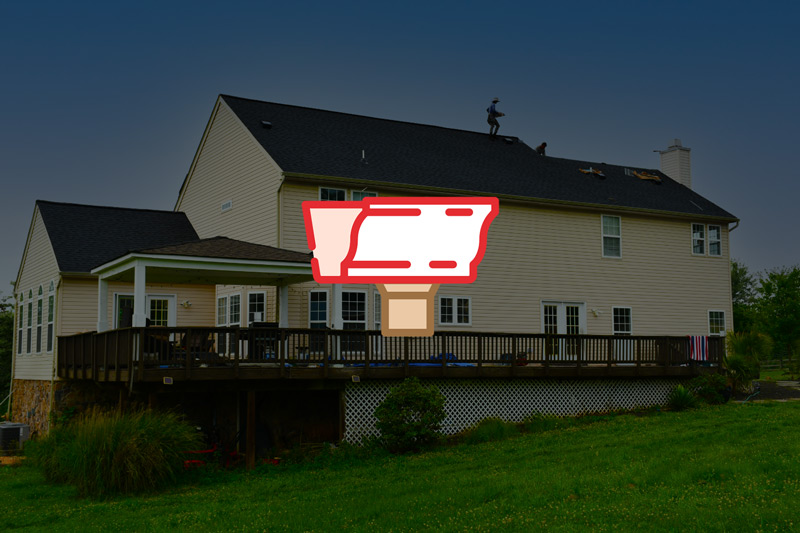
Delaying Roof Repairs or Replacement Can Cause Extreme Consequences
RNC Roofing and Construction GroupAugust 22, 2022
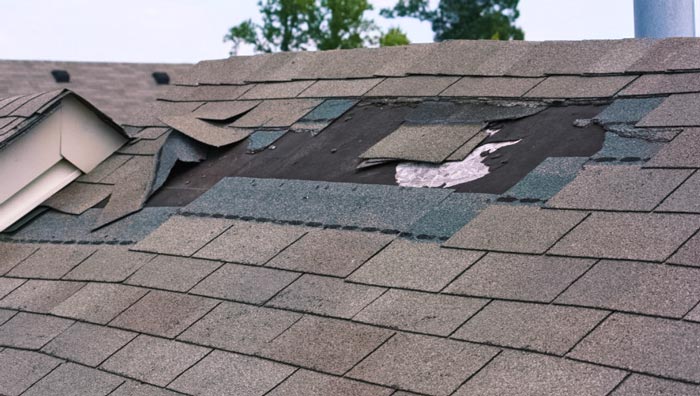
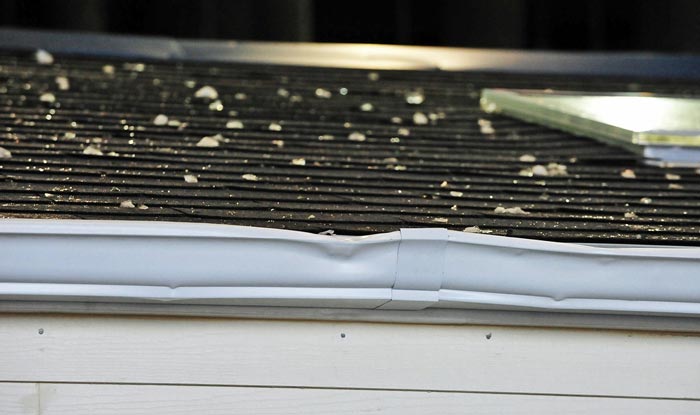
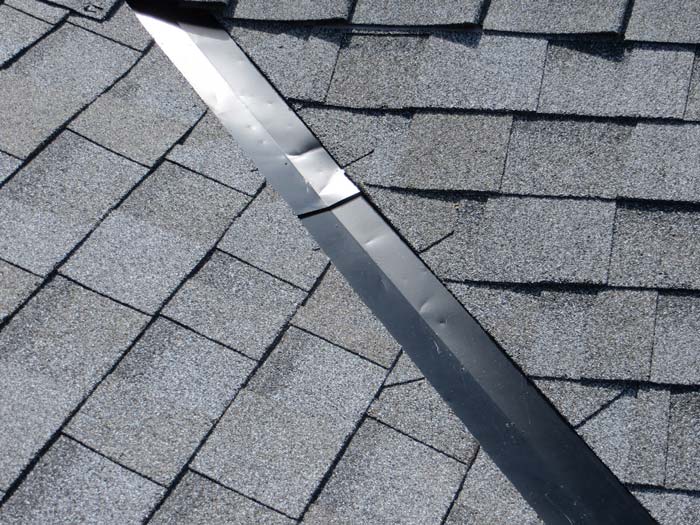
Examples are Leaks, Mold, Pests and Increased utility bills
All of these problems come from the same source: a roof that requires repairs or replacement.
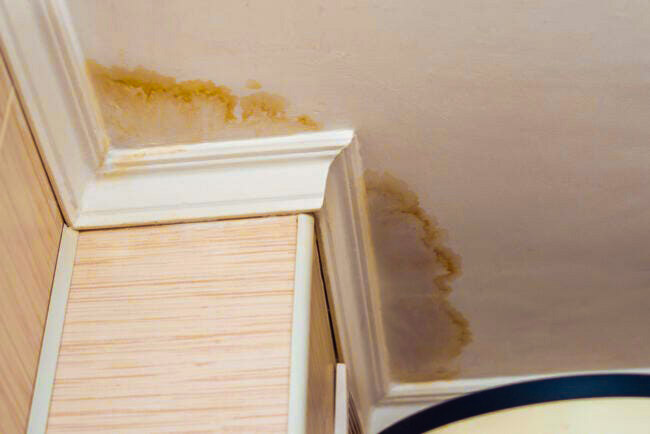
Leaks in your roof that seem like a small matter will become a big deal over time.
When water gets inside, it leads to more problems with the structure of your roof. Unless it is stopped, and repairs are made, the structure of your home can get soaked, and mold can proliferate.Did you know that mold can start growing in as little as 24 hours?
Also, if holes in your roof go un-repaired, they become invitations for pests to invade – mice, birds and other rodents can fit into surprisingly small holes and invade your home.
With holes created on a damaged roof, your energy costs will increase because heat and cooled air will escape.
Eventually a damaged roof can have costly consequences the can lead to additional costs like you may have roof decking to replace, pests to remove, walls and beams to clean, or even a crumbling structure to fix.
Don’t Wait call us today, the consequences caused by waiting to replace a bad roof can be extreme. We also have great financing options that you may be interested in with no payments and no interest for 12 months and it only takes about 5 minutes to apply
OFFICE LOCATION
Free, No Obligation
Request Your Free Estimate & Inspection
Tell us about your roof and we’ll come take a look — no pressure,
no cost. Or call us right now on
(703) 964-6233.
Delaying Roof Repairs: Risks, Consequences, and Solutions
RNC Roofing and Construction GroupAugust 22, 2022
Delaying Roof Repairs: Risks, Consequences, and Solutions
Regular roof maintenance is vital to ensure the longevity and functionality of your home’s roof. Neglecting necessary repairs can lead to significant risks and costly consequences. Your roof serves as the first line of defense against external elements such as rain, wind, and extreme weather conditions. It shields your property and its occupants from harm, making it crucial to address any issues promptly.
Identifying Common Roof Problems
Understanding common roofing issues is essential for homeowners to recognize potential problems and take timely action. Roofing problems can arise due to various factors such as age, weather conditions, improper installation, and lack of maintenance. By familiarizing yourself with these issues, you can be proactive in addressing them before they escalate.
Recognizing Signs of Roof Damage
Missing or Damaged Shingles: One of the most noticeable signs of roof damage is missing, cracked, or curled shingles. These issues can occur due to aging, wind damage, or improper installation. Keep an eye out for any shingles that appear discolored, deteriorated, or out of place.
Leaks and Water Stains: Water stains on ceilings or walls are clear indications of a roof leak. Pay attention to any discolored patches, peeling paint, or dripping water. Leaks can result from damaged flashing, deteriorated underlayment, or cracked roof tiles.
Sagging or Bowing Roof: A sagging or bowing roof indicates underlying structural problems. This issue often stems from excessive weight on the roof, compromised support beams, or water damage. If you notice any significant changes in the roofline, it is crucial to address it promptly.
Linking Symptoms to Potential Risks
Compromised Structural Integrity: Delaying roof repairs can lead to further damage to the roof’s structural integrity. This includes weakened support beams, rotting roof decking, and compromised load-bearing capacity. Over time, this can pose a safety risk and potentially result in a partial or total roof collapse.
Water Damage and Mold Growth:Roof leaks can allow water to seep into the underlying layers of the roof and the interior of the property. This can lead to extensive water damage, including rotting wood, weakened ceilings, and walls. The presence of moisture can also create an ideal environment for mold growth, which poses health risks to occupants.
Energy Inefficiency and Increased Costs: Damaged or poorly maintained roofs can compromise energy efficiency. Gaps, cracks, and inadequate insulation can lead to heat loss in winter and heat gain in summer, resulting in increased energy consumption and higher utility bills.
The Dangers of Delaying Roof Repairs
Delaying roof repairs can have serious consequences due to the progressive nature of roof damage. What may start as a small issue, if left unattended, can quickly escalate into more significant problems. For example, a minor leak can lead to water infiltration, causing rot and weakening the underlying structure of the roof. It’s crucial to address even seemingly minor issues promptly to prevent further deterioration and more extensive repairs down the line.
Water Leaks and Structural Integrity
One of the primary dangers of delaying roof repairs is the risk of water leaks and compromised structural integrity. When roof leaks are not promptly addressed, water can penetrate the roofing materials and seep into the underlying layers. This moisture intrusion can lead to rotting of wooden components, weakening of support beams, and compromising the overall stability of the roof structure. Furthermore, the presence of water can promote the growth of mold, which poses health risks to occupants.
Impact on Energy Efficiency and Insulation
Delaying roof repairs can also have a significant impact on energy efficiency and insulation. A damaged or poorly maintained roof may have gaps, cracks, or missing insulation, allowing air to escape or enter the property. This results in energy loss and an increased load on heating and cooling systems, leading to higher energy bills. Additionally, inadequate insulation can create temperature imbalances and discomfort within the living space.
Increased Susceptibility to Pests and Mold Growth
Roof damage that is left unaddressed provides an entry point for pests and encourages mold growth. Holes, gaps, or deteriorated roofing materials can invite pests such as rodents, birds, or insects into the attic or interior spaces. These unwanted visitors can cause damage, create noise, and pose health hazards. Moreover, the presence of moisture from roof leaks creates favorable conditions for mold growth, which not only damages the roof but also affects indoor air quality and can trigger allergies or respiratory issues.
Estimating Cost
Delaying roof repairs can lead to significant financial implications. What may initially seem like a minor issue can worsen over time, resulting in more extensive damage and higher repair costs. For example, a small roof leak left unattended can cause water damage to the underlying structure, insulation, and interior finishes. As the damage spreads, the complexity of the repair increases, and the associated costs rise. By addressing roof repairs promptly, homeowners can avoid unnecessary expenses and prevent the need for more extensive renovations.
Potential for Extensive Damage and Replacement
Neglecting roof repairs can result in extensive damage that may require roof replacement. The longer issues such as leaks, missing shingles, or damaged flashing persist, the greater the likelihood of more severe damage to the roof structure. This can compromise the integrity of the entire roofing system and necessitate a complete roof replacement. Roof replacement is a major expense and often involves additional costs such as labor, materials, and disposal fees. Timely repairs can help preserve the existing roof and prevent the need for costly replacements.
Impact on Property Value and Insurance Coverage
Delaying roof repairs can also have consequences for property value and insurance coverage. A damaged or poorly maintained roof can negatively impact the overall value of a property. Potential buyers may be hesitant to invest in a home with unresolved roof issues, or it may result in a lower appraisal value during a property assessment. Moreover, insurance providers may view a property with delayed roof repairs as a higher risk, leading to potential coverage limitations or increased premiums. By addressing roof repairs promptly, homeowners can protect the value of their property and maintain favorable insurance terms.
Health and Safety Concerns
Delaying roof repairs can also have consequences for property value and insurance coverage. A damaged or poorly maintained roof can negatively impact the overall value of a property. Potential buyers may be hesitant to invest in a home with unresolved roof issues, or it may result in a lower appraisal value during a property assessment. Moreover, insurance providers may view a property with delayed roof repairs as a higher risk, leading to potential coverage limitations or increased premiums. By addressing roof repairs promptly, homeowners can protect the value of their property and maintain favorable insurance terms.
Indoor Air Quality and Respiratory Health Risks
Delaying roof repairs can have a detrimental impact on indoor air quality, potentially leading to respiratory health risks. When roof damage allows water to enter the property, it creates a conducive environment for mold and mildew growth. These microorganisms release spores into the air, which, when inhaled, can trigger allergies, respiratory infections, or worsen existing respiratory conditions. By promptly addressing roof repairs, homeowners can safeguard the indoor air quality and protect the health of their family members.
Structural Stability and Personal Safety Hazards
Neglecting roof repairs can pose structural stability and personal safety hazards. A damaged roof may become weak and susceptible to collapse, especially during severe weather conditions. Loose or missing shingles, deteriorated flashing, or weakened support beams increase the risk of accidents, such as falling debris or potential roof cave-ins. Timely roof repairs ensure the structural integrity of the roof, reducing the risk of accidents and promoting a safe living environment.
Increased Fire Risk Due to Compromised Roofing
Delaying roof repairs can also contribute to an increased risk of fire. If the roofing materials, such as shingles or flashing, are damaged or missing, it exposes the underlying structure to the elements, including sparks or embers from nearby sources. These external fire sources can find their way into the property through compromised roofing, potentially leading to a fire hazard. Prompt roof repairs help maintain a protective barrier against external fire risks, reducing the likelihood of fire incidents.
Long-Term Effects on Property
Delaying roof repairs can have a negative impact on the curb appeal and overall aesthetics of a property. The roof is a prominent feature of any home, and visible signs of damage, such as missing shingles, sagging sections, or discolored patches, can detract from its visual appeal. A well-maintained roof contributes to the overall attractiveness of a property and enhances its curb appeal. By addressing roof repairs promptly, homeowners can preserve the aesthetics of their property and make a positive impression on potential buyers or visitors.
Potential Damage to Other Property Components
Neglected roof repairs can lead to potential damage to other components of a property. When water enters through a damaged roof, it can seep into the walls, ceilings, and insulation, causing further deterioration and compromising the integrity of these elements. Moisture can also reach electrical systems, posing a risk of electrical hazards. By addressing roof repairs in a timely manner, homeowners can prevent secondary damage to other property components and avoid additional repair costs.
Considerations for Future Property Transactions
The condition of the roof plays a crucial role in future property transactions. Prospective buyers typically conduct thorough inspections to assess the overall condition of the property, including the roof. Delayed roof repairs can raise concerns for potential buyers, affecting their decision-making process and potentially resulting in a lower offer or extended negotiation. Moreover, lenders and insurance companies may also scrutinize the condition of the roof, and unresolved issues can impact the financing or insurance terms for the property. By prioritizing roof repairs, homeowners can ensure a smooth property transaction process and maintain a competitive edge in the real estate market.
View More Articles
Free, No Obligation
Request Your Free Estimate & Inspection
Tell us about your roof and we’ll come take a look — no pressure,
no cost. Or call us right now on
(703) 964-6233.
Summer Roofing Tips | Maintenance and Professional Services
RNC Roofing and Construction GroupApril 12, 2022
Summer Roofing Tips | Maintenance and Professional Services
Summer brings with it a unique set of challenges for roofs. The intense heat, relentless UV rays, and high humidity levels can take a toll on roofing materials and the overall structure. Excessive heat can cause shingles to expand, crack, or curl, making them vulnerable to leaks. UV rays gradually deteriorate the protective layers of your roof, leading to premature aging. Moreover, humidity can contribute to the growth of moss, algae, and mold, which can further damage the roof’s integrity.
Roof Inspection and Maintenance
Regular Roof Inspections: Key to Summer Roofing Care
Regular roof inspections are essential, particularly before the summer season, to ensure your roof remains in optimal condition. By conducting thorough inspections, you can identify any signs of damage or wear that may compromise the integrity of your roof.
Identifying Signs of Damage or Wear
During your roof inspection, carefully examine the shingles for any cracks, chips, or curling. These issues can allow water to seep through, leading to leaks and potential water damage. Look for any signs of discoloration, as it may indicate the growth of moss or algae, which can deteriorate the roof’s surface.
Clearing Debris and Maintaining Proper Drainage
One crucial aspect of roof maintenance is clearing debris, such as leaves, branches, and other debris that may accumulate on the roof’s surface. Accumulated debris can hinder proper drainage, causing water to pool and potentially infiltrate your roof. Clearing the roof regularly allows water to flow freely off the roof, preventing water damage and extending its lifespan.
Managing Roof Ventilation
The Importance of Proper Ventilation for Summer Roofing
Proper ventilation is a crucial element in maintaining a healthy and functional roof during the summer season. Adequate airflow helps regulate temperature, reduce heat buildup, and prevent moisture-related issues that can affect the roof’s integrity.
Benefits of Attic Ventilation
Attic ventilation plays a significant role in creating a balanced environment within your roof. It helps expel hot air and moisture, preventing them from accumulating and causing damage. By reducing heat buildup, proper attic ventilation can also improve energy efficiency, keeping your home cooler and potentially reducing cooling costs during the summer.
Ensuring Adequate Airflow through Vents and Insulation
To optimize roof ventilation, it’s essential to ensure adequate airflow through vents and proper insulation.
Vents: Check for any blockages or obstructions that may hinder the airflow through your roof vents. Make sure the vents are clean and free from debris such as leaves, dust, or bird nests. If necessary, consider installing additional vents to improve airflow and maintain proper ventilation.
Insulation: Insulation acts as a barrier, preventing heat transfer between your attic and the rest of your home. Ensure that your attic insulation is in good condition, without any gaps or damage that may compromise its effectiveness. Proper insulation helps maintain a stable temperature within the attic, reducing the strain on your cooling system and preventing excessive heat buildup.
Protecting Against UV Rays
Shielding Your Roof from Harmful UV Rays
UV rays can have detrimental effects on roofs, gradually causing damage and deterioration over time. It is essential to take proactive measures to protect your roof from the harmful impact of UV rays.
Exploring the Damaging Effects of UV Rays on Roofs
UV rays can lead to the degradation of roofing materials. Continuous exposure to sunlight causes shingles to become brittle, crack, and lose their protective granules. This can result in leaks, reduced energy efficiency, and a shortened lifespan for your roof. Understanding the damaging effects of UV rays is crucial in implementing effective protection strategies.
Choosing and Applying UV-Reflective Coatings or Materials
To combat the damaging effects of UV rays, consider using UV-reflective coatings or materials on your roof. These specialized coatings are designed to reflect a significant portion of the sun’s rays, reducing the amount of heat absorbed by the roof. They act as a protective barrier, preventing UV rays from penetrating and causing damage. When selecting UV-reflective coatings or materials, opt for those specifically designed for summer roofing. These coatings typically have high solar reflectance and thermal emittance properties, effectively reducing heat transfer and minimizing the strain on your cooling system. Applying such coatings can help maintain lower roof temperatures and improve energy efficiency.
Benefits of Using Light-Colored or Reflective Roofing Materials
Another effective approach to protect your roof from UV rays is by opting for light-colored or reflective roofing materials. Light-colored roofs, such as white or light gray, naturally reflect more sunlight and heat compared to dark-colored roofs. Reflective roofing materials, such as metal or cool roofing membranes, are specifically engineered to reflect solar energy, reducing the absorption of heat into your home.
Identifying When to Seek Professional Assistance
It’s essential to recognize when a roofing issue exceeds your capabilities and requires professional intervention. If you notice extensive damage, leaks, or significant wear and tear on your roof, it’s best to consult with a reputable roofing contractor. They have the knowledge, experience, and specialized tools to address complex roofing problems effectively.
Choosing a Reputable Roofing Contractor
When selecting a roofing contractor for summer maintenance, it’s crucial to do thorough research and choose a reputable company. Look for contractors with proper licensing, certifications, and insurance to ensure they meet industry standards. Additionally, read customer reviews and ask for recommendations to gauge their reputation and reliability.
Benefits of Hiring Professionals for Complex Roof-Related Tasks
Professional roofing services offer numerous benefits when it comes to complex roof-related tasks. They have in-depth knowledge of various roofing materials and can recommend the best solutions for your specific needs. Professional roofers are equipped to handle repairs, replacements, and installations safely and efficiently, minimizing the risk of further damage.
View More Articles
Free, No Obligation
Request Your Free Estimate & Inspection
Tell us about your roof and we’ll come take a look — no pressure,
no cost. Or call us right now on
(703) 964-6233.
Roof Replacement Cost for 2022 in Virginia and Maryland
RNC Roofing and Construction GroupMarch 7, 2022
Whether you’re considering limited roof repair and maintenance, or complete roof replacement, there are five main factors to evaluate when you begin researching the cost of a new roof. Pay particular attention to the following areas when requesting quotes from roofing contractors:
Company reputation, Quality of roofing materials, Installation methods and techniques, Crew experience and expertise, and Warranty.
Choosing a roofing contractor and negotiating cost is a matter of achieving a balanced mix of how highly you value each of those five factors.
The Roofing Company and Their Reputation.
There’s a lot more to selecting a roofing contractor than simply searching the internet for “roofers near me.” Just as no two roofs are the same, not all roofing companies are created equal.
A good first step is to check the Better Business Bureau website to see how highly the company is rated and whether there are any unresolved consumer complaints about them. It’s also important to find a company with a solid track record of roof repair and installation in northern Virginia and Maryland. They’ll be most familiar with the problems that commonly affect roofs in your area, and they’ll have the most experience solving those specific problems. It also will make it easier for you to check out their work by visiting nearby homes. And always ask to see proof the roofing company you choose is fully licensed and insured, so you are not held responsible in the event of accident.
Quality of Roofing Materials.
Quality of Roofing Materials. The materials you use to replace your roof will affect the cost, durability, and curb appeal of your investment. Asphalt shingles are the most common material, and they come in a variety of styles and price points. Other types of roof covering include slate, tile, cedar shakes, metal, and plastic polymers. Some of these options may not be possible to install on your home depending on your home’s age or construction. Although the shingles are what everyone sees, there are additional materials to consider when replacing your roof. The most common materials include: The wood decking, A water/ice barrier, Starter strip, Flashing, Drip edge, Underlayment, Ridge caps, And possibly other specialized materials depending on your particular project. Don’t ignore these “hidden” materials just because they’re not obvious to your eye. Make sure you know all the specific roofing components that will be included in the price you negotiate for your roof. Verify also that all supplies will be top grade, first run, new material — no seconds, expired, or previously installed materials.
Roofing Installation Method and Techniques.
The average cost to replace a roof is highly dependent on the materials and installation methods used. The two factors are closely related and affect one another. Following are some of the major factors in roof installation you should clarify up front so you know exactly what you’re paying for, and why one roofing estimate may be higher or lower than another. Re-roof, or replace? Re-roofing means nailing down a fresh layer of shingles over existing shingles. Replacement means stripping the roof to the wood decking and installing an all-new roof. Re-roofing is much less expensive and is acceptable in some situations. On the other hand, it might be a bad idea, dangerous, or even impossible in some cases. Make sure you know which one is right for you, and the difference in cost. Water/ice barrier and underlayment. Various materials and suppliers may be used for these two important layers of your roof. Each will perform differently in terms of leak prevention, temperature regulation inside your home, durability, and longevity. Installation methods will depend on what type of shingle material you choose, home age and construction, environmental factors, and more. Costs vary by installation method and material. Make sure you know which options are included in your price quote. Not-so-obvious roof components. There’s a lot more included in the average cost of a new roof than the top layer of shingles everyone sees. Depending on your home’s age and condition, you may even need to replace some or all of the wood decking that forms the first layer of your roof. Other possible special installation considerations include soffit vents, exhaust vents, ridge vent replacement, drip edging, and even gutters. The more not-so-obvious components you need or choose to install, the greater the cost.
Lorem ipsum dolor sit amet, consectetur adipiscing elit. Ut elit tellus, luctus nec ullamcorper mattis, pulvinar dapibus leo.
Free, No Obligation
Request Your Free Estimate & Inspection
Tell us about your roof and we’ll come take a look — no pressure,
no cost. Or call us right now on
(703) 964-6233.
RNC Roofing and Construction GroupOctober 11, 2021
Your Roof is more than just the shingles you see from the street, because it is a combination of different roofing materials and components that come together to form a complete roof system. What are these material and why are they important to your roof? RNC Construction Group helps you Understand what constitutes a roof, we break it down for you.
Roof Deck.
The platform is the plywood boards that form the structure of your roof. These Plywood are where the shingles and other components are installed. Our RNC Constructions crews will not know you will have rotten boards until they finish tearing off the old roof. Our guys will document and capture pictures and share with you. At RNC Construction group our goal is to always keep our clients in the loop of the project.
Roof Flashing.
The Roof Flashing is a metal that is placed anywhere the shingles lean against something, such as a wall, chimney or open valleys. If your flashing is not tarnished and the integrity of the metal is still strong, then there is no need for replacement. However, RNC construction Group will determine how strong and if your flashing is still in good conditions.
Underlayment.
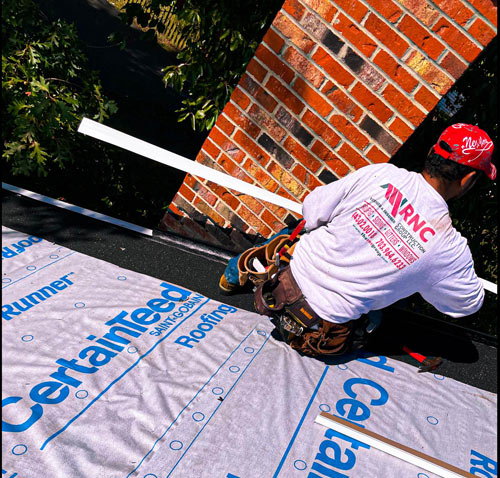
The underlayment is a felt material, that is used over the deck to provide additional protection, making it a crucial component for you roof. Underlayment is your roof system’s last line of defense for your deck. It is important to invest in the best possible roofing components that is why we offer a system that includes Certified by the supply.
Drip Edge.
Is the metal Flashing that’s installed at the edges of the roof to help control the flow of water away from your fascia and other roofing components.
Ice Water Shield.
Your Valleys are crucial to keep water flowing in the right direction down your roof. Because of this, they need something to protect them from the constant flow of water every time it rains. That’s why is called the waterproof membrane because it protects your roof during winter and rain season.
Asphalt Shingles
Your shingles are the top layer of your roof that is visible to the outside world. When people think of a roof replacement, they usually only think of their shingles, RNC construction Group has certifications of roof tile suppliers that provide 50 year warrantee (CertainTeed, GAF, OwenScorning.
Ridge Capping.
Ridge Capping Is the trim Installed at the peak where the two slopes of a roof meet. They’re thicker than regular shingles so our crews at RNC Construction Group bent to form to the ridges on your roof.
Pipe Boots
Roof Pipes must be covered properly with synthetic rubber around your roof penetration so that water does not run into your home. That’s where tube boots come in handy because it prevents leak.
Free, No Obligation
Request Your Free Estimate & Inspection
Tell us about your roof and we’ll come take a look — no pressure,
no cost. Or call us right now on
(703) 964-6233.
Roof Replacement Cost in Virginia | Expenses and Quality
RNC Roofing and Construction GroupFebruary 15, 2021
Roof Replacement Cost in Virginia | Expenses and Quality
Several factors contribute to the overall cost of roof replacement in Virginia. These factors include the size, pitch, and complexity of the roof. Additionally, the choice of roofing materials, insulation, ventilation systems, and necessary repairs to the underlying structure also impact the total expenses. Being aware of these factors allows homeowners to make informed decisions when budgeting for a roof replacement project.
Assessing Your Roofing Needs
Initial Inspection and Evaluation
Before embarking on a roof replacement project, it is crucial to conduct a thorough initial inspection and evaluation of the existing roof. This assessment will help determine the condition of the roof and identify any areas that require attention. During the inspection, look for visible signs of damage, such as missing or cracked shingles, leaks, or sagging sections. It is essential to pay attention to roof ventilation during the inspection. Proper roof ventilation plays a significant role in maintaining the longevity and efficiency of a roof. It helps regulate temperature, prevent moisture buildup, and prolong the life of roofing materials. Inadequate ventilation can lead to issues such as roof deterioration, mold growth, and increased energy costs.
Identifying Common Signs of Roof Damage
Understanding the common signs of roof damage is vital in assessing your roofing needs accurately. Look for indications such as water stains on ceilings or walls, mold or mildew growth, peeling paint, or visible cracks on the roof surface. These signs may suggest underlying issues that require repair or replacement. When inspecting roof ventilation, be aware of symptoms that may indicate inadequate airflow. These include excessive heat buildup in the attic, condensation on interior surfaces, or the presence of a musty odor. Such signs could point to improper ventilation, highlighting the need for evaluation and potential improvements during the roof replacement process.
Determining the Extent of Repair or Replacement Required
Once you have identified the issues, it is crucial to determine the extent of repair or replacement required. Some minor roof damage may be resolved through repairs, while severe damage or an aging roof may necessitate a full replacement. Consider factors such as the age of the roof, the extent of damage, and the overall condition when making this determination. Regarding roof ventilation, evaluate whether the existing ventilation system adequately meets industry standards and guidelines. Assess if modifications or upgrades are necessary to improve airflow and ensure optimal ventilation. Proper ventilation contributes to the longevity of the new roof and enhances its performance in terms of energy efficiency and moisture control.
Factors Influencing Roof Replacement Cost
Roofing Material Options and Their Associated Costs
The choice of roofing material significantly impacts the overall cost of roof replacement in Virginia. There are various options available, each with its unique characteristics and price range. Common roofing materials include asphalt shingles, metal, slate, wood shakes, and clay tiles.The cost of roofing materials varies based on factors such as durability, aesthetics, and longevity. Asphalt shingles are generally the most affordable option, while materials like slate and clay tiles tend to be more expensive due to their premium quality and longevity. Consider the pros and cons of each material and evaluate their costs to make an informed decision that aligns with your budget and preferences.
Roof Size, Pitch, and Complexity of the Structure
The size, pitch, and complexity of the roof also play a significant role in determining the roof replacement cost in Virginia. Larger roofs require more materials and labor, which can increase the overall expenses. Roofs with steep pitches or intricate designs may pose challenges during the installation process, potentially raising the cost due to the additional time and expertise required.
When calculating the replacement cost, take accurate measurements of the roof’s surface area and factor in the pitch and complexity. This information will enable you to obtain accurate estimates from roofing contractors and plan your budget accordingly.
In addition to roofing materials and roof size, several additional components can affect the overall cost of roof replacement in Virginia. One such crucial component is insulation. Proper insulation helps improve energy efficiency and reduces heating and cooling costs. Including insulation during the roof replacement process may have upfront costs but can result in long-term savings. Another essential factor to consider is roof ventilation. Adequate roof ventilation allows for proper airflow, reducing moisture buildup and extending the lifespan of the roof. Ventilation systems can include ridge vents, soffit vents, or exhaust fans, among other options. Incorporating proper ventilation may involve additional costs, but it is a vital investment to maintain a healthy and durable roof.
Understanding the Roof Replacement Process
Removal and Disposal of the Old Roof
The roof replacement process in Virginia typically starts with the removal and disposal of the old roof. This step involves stripping off the existing roofing materials, such as shingles or tiles, to expose the underlying structure. Professional roofing contractors utilize specialized tools and techniques to ensure the safe and efficient removal of the old roof. Proper disposal of the old roof is essential for environmental reasons and may incur additional costs. Contractors adhere to local regulations and guidelines when disposing of the roofing materials, which may involve recycling or responsible waste management practices. By complying with these regulations, you contribute to sustainable practices and minimize the impact on the environment.
Necessary Repairs to the Underlying Structure
Once the old roof is removed, the underlying structure is inspected for any damage or issues that require attention. This step is crucial in ensuring a solid foundation for the new roof. Any identified problems, such as rotting or weakened rafters, will be addressed and repaired by skilled roofing professionals. During the inspection of the underlying structure, it is also essential to assess the roof ventilation system. Inadequate ventilation can cause moisture buildup and reduce the lifespan of the new roof. If necessary, improvements or modifications to the ventilation system will be made to ensure optimal airflow and proper moisture control.
Installation of New Roofing Materials
After the underlying structure is repaired and prepared, the installation of new roofing materials begins. The choice of roofing materials, as discussed in section III, influences the overall cost and durability of the new roof. Skilled roofers meticulously install the selected materials, following manufacturer guidelines and industry best practices. During the installation process, attention is given to roof ventilation to maintain proper airflow. Ventilation components, such as ridge vents, soffit vents, or exhaust fans, are installed to facilitate the movement of air and prevent moisture-related issues. Proper ventilation promotes the longevity and performance of the new roof, ensuring optimal energy efficiency and comfort.
Estimating Roof Replacement Costs in Virginia
Gathering Quotes and Comparing Estimates
When considering a roof replacement in Virginia, it’s crucial to gather quotes from multiple reputable roofing contractors. Requesting quotes allows you to compare different estimates and make an informed decision based on the cost and services provided. By reaching out to several contractors, you can gain a comprehensive understanding of the average roof replacement cost in Virginia and identify any outliers. During the quote gathering process, ensure that each contractor includes a breakdown of the costs involved, such as materials, labor, permits, and any additional services. This detailed information will help you assess the value you’re receiving for the price quoted and make an accurate cost comparison.
Understanding Cost Variations Based on Location
The cost of roof replacement in Virginia can vary depending on the specific location within the state. Factors such as local building codes, permit fees, and regional supply and demand dynamics can influence pricing. For instance, urban areas might have higher labor and material costs compared to rural regions. It’s essential to consider these location-based cost variations when estimating your roof replacement expenses. Consulting with local roofing experts who have experience in Virginia can provide valuable insights into the specific factors impacting the costs in your area.
Importance of Considering Long-Term Value and Warranties
While it’s tempting to focus solely on the upfront cost of roof replacement, it’s essential to consider long-term value and warranties. Investing in high-quality materials and professional installation can increase the initial cost but offer greater durability and longevity. Consider the warranties offered by roofing contractors and manufacturers. A comprehensive warranty not only provides peace of mind but also indicates the confidence the contractor has in their workmanship. By choosing a reputable contractor and opting for quality materials with longer warranties, you can potentially avoid unexpected expenses and enjoy a roof that stands the test of time.
.
Tips for Managing Roof Replacement Costs
Exploring Financing Options and Insurance Coverage
Managing the cost of roof replacement in Virginia can be a significant concern for homeowners. One way to ease the financial burden is by exploring financing options. Some roofing contractors may offer financing plans or partnerships with lending institutions that can help spread out the cost over time. Additionally, it’s worth checking if your homeowner’s insurance policy covers roof replacement due to specific causes like storm damage or leaks. Understanding your insurance coverage can potentially reduce out-of-pocket expenses.
Negotiating with Contractors and Seeking Competitive Bids
When it comes to roof replacement, it’s crucial to obtain competitive bids from multiple contractors. This allows you to compare pricing, services offered, and overall value. When reviewing the bids, carefully consider the breakdown of costs and ensure that all necessary aspects, such as materials, labor, and permits, are included. It’s also essential to evaluate the reputation and experience of the contractors bidding on the project. Don’t hesitate to negotiate the terms and pricing to find a balance that works for both parties.
Prioritizing Quality and Experience Over the Lowest Price
While it may be tempting to choose the contractor with the lowest bid, it’s important to prioritize quality and experience. Remember that roof replacement is a long-term investment, and selecting a reputable and experienced contractor can save you money in the long run. Quality craftsmanship, the use of durable materials, and adherence to industry standards ensure a roof that withstands the test of time. Consider testimonials, reviews, and past projects to gauge the expertise and reliability of the contractor.
View More Articles
Free, No Obligation
Request Your Free Estimate & Inspection
Tell us about your roof and we’ll come take a look — no pressure,
no cost. Or call us right now on
(703) 964-6233.
Roof Replacement Cost for 2021 in Virginia and Maryland
RNC Roofing and Construction GroupFebruary 15, 2021
Whether you’re considering limited roof repair and maintenance, or complete roof replacement, there are five main factors to evaluate when you begin researching the cost of a new roof. Pay particular attention to the following areas when requesting quotes from roofing contractors:
Company reputation, Quality of roofing materials, Installation methods and techniques, Crew experience and expertise, and Warranty.
Choosing a roofing contractor and negotiating cost is a matter of achieving a balanced mix of how highly you value each of those five factors.
The Roofing Company and Their Reputation.
There’s a lot more to selecting a roofing contractor than simply searching the internet for “roofers near me.” Just as no two roofs are the same, not all roofing companies are created equal.
A good first step is to check the Better Business Bureau website to see how highly the company is rated and whether there are any unresolved consumer complaints about them. It’s also important to find a company with a solid track record of roof repair and installation in northern Virginia and Maryland. They’ll be most familiar with the problems that commonly affect roofs in your area, and they’ll have the most experience solving those specific problems. It also will make it easier for you to check out their work by visiting nearby homes. And always ask to see proof the roofing company you choose is fully licensed and insured, so you are not held responsible in the event of accident.
Quality of Roofing Materials.
Quality of Roofing Materials. The materials you use to replace your roof will affect the cost, durability, and curb appeal of your investment. Asphalt shingles are the most common material, and they come in a variety of styles and price points. Other types of roof covering include slate, tile, cedar shakes, metal, and plastic polymers. Some of these options may not be possible to install on your home depending on your home’s age or construction. Although the shingles are what everyone sees, there are additional materials to consider when replacing your roof. The most common materials include: The wood decking, A water/ice barrier, Starter strip, Flashing, Drip edge, Underlayment, Ridge caps, And possibly other specialized materials depending on your particular project. Don’t ignore these “hidden” materials just because they’re not obvious to your eye. Make sure you know all the specific roofing components that will be included in the price you negotiate for your roof. Verify also that all supplies will be top grade, first run, new material — no seconds, expired, or previously installed materials.
Roofing Installation Method and Techniques.
The average cost to replace a roof is highly dependent on the materials and installation methods used. The two factors are closely related and affect one another. Following are some of the major factors in roof installation you should clarify up front so you know exactly what you’re paying for, and why one roofing estimate may be higher or lower than another. Re-roof, or replace? Re-roofing means nailing down a fresh layer of shingles over existing shingles. Replacement means stripping the roof to the wood decking and installing an all-new roof. Re-roofing is much less expensive and is acceptable in some situations. On the other hand, it might be a bad idea, dangerous, or even impossible in some cases. Make sure you know which one is right for you, and the difference in cost. Water/ice barrier and underlayment. Various materials and suppliers may be used for these two important layers of your roof. Each will perform differently in terms of leak prevention, temperature regulation inside your home, durability, and longevity. Installation methods will depend on what type of shingle material you choose, home age and construction, environmental factors, and more. Costs vary by installation method and material. Make sure you know which options are included in your price quote. Not-so-obvious roof components. There’s a lot more included in the average cost of a new roof than the top layer of shingles everyone sees. Depending on your home’s age and condition, you may even need to replace some or all of the wood decking that forms the first layer of your roof. Other possible special installation considerations include soffit vents, exhaust vents, ridge vent replacement, drip edging, and even gutters. The more not-so-obvious components you need or choose to install, the greater the cost.
Lorem ipsum dolor sit amet, consectetur adipiscing elit. Ut elit tellus, luctus nec ullamcorper mattis, pulvinar dapibus leo.
Free, No Obligation
Request Your Free Estimate & Inspection
Tell us about your roof and we’ll come take a look — no pressure,
no cost. Or call us right now on
(703) 964-6233.
How Proper Attic Ventilation Benefits Your Roof and Your Wallet
RNC Roofing and Construction GroupJanuary 12, 2021
Your attic is much more than just a storage space. It is a part of your overall roof system, and in order to get the most from your roof you will want to make sure that your attic is properly ventilated. Not only can proper attic ventilation keep your energy costs down, it will help your roof last as long as possible.
Why Ventilation Matters
Proper ventilation necessitates that fresh air is able to find its way in the attic space, while allowing stale air to get out. This is accomplished through the placement of ventilation near the bottom of the attic space at the soffits or eaves (intake), and at the top peak(s), or ridge(s), of your attic space (exhaust). This will permit the circulation of air, which will keep the attic space at a uniform temperature and humidity level, regardless of the season. In order for attic ventilation to work effectively, however, the ventilation system must have balanced intake and exhaust.
Balanced Ventilation
Balanced ventilation is achieved when intake and exhaust allow for same amount of airflow, because the natural forces of air pressure create a push-pull effect around your roof. Without proper exhaust, hot air cannot escape. Without proper intake, air will only circulate across the top of the attic space, leaving stagnant air at the bottom of the attic. Circulation is also restricted when there are vents on only one side of the attic, similar to the effect one would get if only opening windows on one side of a house on a breezy day.
Attic Ventilation Helps Keep Cooling Costs Low
Since hot air rises, warm air naturally makes its way into an attic, and it will remain there if the space is poorly ventilated. On a 90° day, attic temperatures can reach 140° or higher, and this unventilated air can work its way back into lower level living spaces and cause AC units, fans, and other energy consuming appliances to work harder. This is no small thing when you consider that cooling accounts for 6% of total utility costs in the average home (http://energy.gov/articles/energy-saver-101-infographic-home-cooling. With proper ventilation, however, this warm air find its way up and out of the home rather than staying trapped.
Preventing Cold-Weather Condensation
Winter weather can also presents challenges for attics. As temperatures plummet, the warm, moist air that rises from living spaces into an improperly ventilated attic will condense on cold surfaces. Over time this moisture can build and cause the roof decking to buckle, swell, and rot, making it unable to hold nails securely and reduce its load capacity. Condensation also creates optimal conditions for mold and mildew growth, which affects allergy sufferers and has a negative impact on indoor air quality.
Lowering the Likelihood of Ice Dams
During the winter, heat trapped in the attic causes snow on a roof to melt and slide downward toward the eaves and gutters, which are not exposed to the heat from within the attic. When the snow melt reaches these cold areas it can refreeze, creating a buildup that will dam additional snowmelt, which then refreezes. This continual buildup of ice is called an ice dam. This is dangerous because water expands when it freezes, and the expansion of pooled water refreezing can push roofing materials apart and allow water to infiltrate the roof system. If left unchecked, this infiltration can soak through roof decking, and may even make its way inside living spaces to ruin paint, mark ceilings, and stain walls. A properly ventilated attic space, however, will exhaust the heat, remain uniformly cool, and not allow this harmful freeze-thaw cycle to take hold.
What Can Be Done?
Have no fear – just because your attic is not properly ventilated does not mean that you need to replace your roof system. Proper ventilation is a simple but effective way to protect your investment and your wallet, and there are ventilation options for all roofs that will prevent your home from encountering any of the above mentioned issues. To discover which venting solution is best for your home reach out to The RNC Roofing group and request an inspection. We are happy to inspect your roof system at no charge.
Need more info or a roof inspection? Call us at (703) 964-6233 or contact us at https://www.therncgroup.com/contact/ for more info.
This post was first published on Certainteed: https://www.certainteed.com/residential-roofing/how-proper-attic-ventilation-benefits-your-roof-and-your-wallet
Free, No Obligation
Request Your Free Estimate & Inspection
Tell us about your roof and we’ll come take a look — no pressure,
no cost. Or call us right now on
(703) 964-6233.
Virginia Homeowner’s Guide to Replacing Your Roof in 2023
RNC Roofing and Construction GroupNovember 17, 2020
Replacing Your Roof : Virginia Homeowner’s Guide 2023
Roofs are designed to last for many years, but they are not indestructible. Over time, they are exposed to the elements and can sustain damage from weather events such as wind, rain, snow, and hail. Additionally, the quality of the installation and the maintenance of the roof can affect its lifespan. if your roof is between the ages of 15-20 years it might be time to start considering a roof replacement.The frequency of roof replacement depends on various factors, including the type of material used, the climate in which the building is located, and the quality of the installation and maintenance. In this article, we will explore these factors in more detail and provide insights into replacing your roof
Factor That Affect the Life Expectancy of Roofs
The lifespan of your roof is influenced by several factors, including the climate in which you live, the type of roofing material you have, the maintenance you perform, and the quality of installation. In this section, we will delve into each of these factors to help you better understand how they impact your roof’s longevity.
Signs That Indicate a Roof Needs to be Replaced
Age of the Roof
The age of the roof is one of the most significant factors in determining whether it needs to be replaced. As roofs age, they become more susceptible to damage and wear and tear. If a roof is approaching the end of its expected lifespan, it may be time to consider replacement.
Damaged Shingles
Damaged or missing shingles can indicate that a roof needs to be replaced. Shingles that are cracked, curled, or warped are more susceptible to damage and may allow water to penetrate the roof. If a significant portion of the shingles is damaged, it may be time to replace the entire roof. Read More About Roof Maintenance Here
Leaks
Leaks are a clear indication that a roof needs to be replaced. If water is penetrating the roof and causing damage to the interior of the building, it is essential to take immediate action to replace the roof.
Moss and Algae Growth
Moss and algae growth on a roof can indicate that it is time for replacement. These organisms can trap moisture and cause damage to the shingles, leading to premature wear and tear. If the growth is extensive, it may be time to replace the roof.
The Roof Replacement Process
If a roof needs to be replaced, the process can seem daunting. However, with the right contractor and proper planning, it can be a smooth and stress-free experience. Here are the steps involved in the roof replacement process:
Read More Of Our Articles
Roofs are essential for the protection and structural integrity of any building. However, they do not last forever and require replacement over time. The frequency of replacement depends on various factors, including climate, material, installation, and maintenance. Signs that indicate a roof needs to be replaced include age, damaged shingles, leaks, and moss and algae growth. The roof replacement process involves choosing the right contractor, preparing for the replacement, removing the old roof, and installing the new roof.
Free, No Obligation
Request Your Free Estimate & Inspection
Tell us about your roof and we’ll come take a look — no pressure,
no cost. Or call us right now on
(703) 964-6233.
Virginia Homeowner’s Guide to Replacing Your Roof in 2021
RNC Roofing and Construction GroupNovember 17, 2020
Roof replacement becomes a necessity at some point in the life of every home. In the best case scenario, a roof simply comes to the natural end of its life and needs to be replaced. Just looking at it you can see it’s old and worn, and replacing it is a matter of preventive maintenance rather than repair. If you ignore or put off doing that maintenance, however, you can wind up with more serious problems, including: Interior ceiling and wall damage, Mold, mildew, and the resulting health concerns, Risk of electrical fires, Higher energy bills, Discomfort in summer or winter months, and Compromised structural integrity of your home. Like anything else, it’s easier and less expensive to prevent problems, rather than let things get so bad you have no choice but to repair them. Roof replacement cost only goes up the longer you wait. If your roof is 15 to 20 years old or more, now’s the time to start planning to replace your roof in 2021. Reasons to replace your roof. There are many specific reasons for roof replacement, but most of them fall into two general categories. One on hand, your roof is your primary protection against scorching sun, soaking rain, freezing ice and snow, insects, wildlife, and all that nature has to throw at you. Exposure to all those elements naturally takes a toll, and eventually every roof simply wears out. If your roof is 15 to 20 years old or more, look for telltale signs of age and wear, including: Curled, worn, cupped, or cracked shingles, Storm and hail damage, such as missing or broken shingles, Mold, mildew, moss, and rot, Dark streaks caused by algae, Cracks that leak water or allow sunlight into your home. On the other hand, as one of its most highly visible features, the condition of your roof can dramatically affect how potential buyers (or pesky HOA inspectors) perceive your home. When considering the cost of a new roof, think of it as an investment not only in your comfort, safety, and security, but also in enhanced curb appeal and the increased value of your home when it comes time to sell. In the highly competitive Loudoun County, Virginia market, where new homes with fresh roofs are readily available, it’s important your home remains equally attractive to potential homebuyers. Re-roofing vs. Replacing. Re-roofing is the process of nailing down a fresh layer of shingles over an existing layer. Replacing your roof entails completely stripping the shingles and underlayment, inspecting the wood sheathing, making any necessary repairs, then installing new underlayment and shingles. While re-roofing can be less expensive up front, it may not be your best choice, nor the most cost-effective choice, in the long run. For one thing, a second layer of shingles will retain double the amount of heat in the summer, making roof-level rooms unbearably hot and requiring dramatically more air conditioning. What’s more, there are a few situations in which re-roofing isn’t an option, including: A roof that already has two layers of shingles, Damage to roof flashing or other structural damage, Homes with construction that can’t support the additional weight of a second layer of shingles, and A roof that sags, leaks water, or is covered in mold, mildew, or moss. In contrast, although the average cost to replace a roof may be higher than re-roofing, the benefits include: Ensuring all roofing issues are fully addressed at the same time, which saves money in the long run, Appropriate insulation and ventilation, which saves on heating and cooling costs, A more comfortable living space in cold and warm weather, Mold prevention for healthier air quality, Enhanced appearance, whether to enjoy for yourself, to comply with HOA requirements, or to boost the value of your home prior to selling it. Choosing your roofing materials You have a variety of materials to choose from when replacing your roof. Asphalt shingles are the most common, but other types include slate, concrete or clay tiles, cedar shakes, metal, various plastic polymers and more. Your choice of roofing material should also take into account a number of other factors, including style, color, durability and expected lifespan, weight, insulation value, Energy Star rating, cost, aesthetic appeal, and climate and weather conditions in your area. Questions to consider before settling on your roofing material include: How long will this roof last? Do I plan to live in the home for most of that period, or am I replacing the roof to sell my house? Will the construction and framing of my house support the weight of this material? Is this an appropriate material choice for the Northern Virginia region? Is my roof properly ventilated and does it have the required slope to install this type of material? Does this project involve repairing a roof leak, or skylight replacement or installation? Will the material work with the style of my home, and is this material permitted by local building codes or HOA guidelines? How much will my new roof cost? Do I expect to recoup some or all of that cost in energy savings or resale value? Whichever roofing material I select, how can I ensure I’m getting a top-quality product from a reputable manufacturer? What kind of warranty is provided for this type of roofing material? When replacing your roof, the materials that are used can make a huge difference not only in curb appeal, but in the longevity of your investment. That’s why we choose GAF and Certainteed as our material suppliers — two of the best brands available — to ensure your roof stays beautiful and hassle free for a long time to come. As a deeply experienced, fully insured, high-quality roofing service operating in Northern Virginia and Maryland, you can rely on RNC Construction to help you answer all of the questions above, and provide you with the trustworthy advice and guidance you need to select the best roof replacement for your home. If your roof is 15 years old or more, a new roof is one of the best investments you can make in 2021. You’ll enjoy the double benefit of enhanced comfort, safety, and lower energy costs while you live in your home, plus increased value when you sell your home.
Free, No Obligation
Request Your Free Estimate & Inspection
Tell us about your roof and we’ll come take a look — no pressure,
no cost. Or call us right now on
(703) 964-6233.