Author: fernando@therncgroup.com

  • Types of Roof Damage | Understanding and Addressing Issues

    Protecting your home, one shingle at a time VA (703) 964-6233| MD (703) 964-6233| Free Estimate & Inspection
    Homeowner Help

    Types of Roof Damage | Understanding and Addressing Issues

    RNC Roofing and Construction Group June 20, 2023
    Types of Roof Damage | Understanding and Addressing Issues

    Types of Roof Damage | Understanding and Addressing Issues

    Roofs can experience various types of damage due to weather conditions, aging, structural issues, and external factors. Some common types of roof damage include wind damage, hail damage, water-related damage such as leaks and ponding water, age-related wear and tear, and structural problems like roof sagging and punctures. Each type of damage requires specific attention and repair techniques to ensure the longevity and functionality of the roof.

    Weather-Related Roof Damage

    Wind and Storm Damage

    Wind and storm damage can wreak havoc on roofs, compromising their integrity and leading to potential leaks and other issues. Understanding the causes and signs of wind damage is essential for homeowners.

    Causes and signs of wind damage

    Strong winds can arise from severe storms, hurricanes, or even regular weather patterns in certain regions. They can cause various types of roof damage, such as:

    • Dislodged or missing shingles: High winds can loosen or tear off shingles, leaving the underlying roof structure exposed.
    • Lifted or damaged flashing: The flashing around chimneys, vents, and skylights can be lifted or damaged, allowing water to penetrate the roof.
    • Weakened or displaced fascia and soffits: Intense wind gusts can impact the fascia and soffits, leading to structural damage.

    Signs of wind damage may include visibly missing or damaged shingles, exposed areas of the roof, leaks, or water stains on interior ceilings or walls.

    Impact on roof components

    When wind damage occurs, it can affect various roof components:

    • Shingles: Damaged or missing shingles compromise the waterproofing and protective capabilities of the roof, making it susceptible to leaks and further damage.
    • Flashing: Lifted or damaged flashing allows water to infiltrate the roof, potentially leading to water-related damage and deterioration.
    • Gutters: Strong winds can cause debris and branches to impact gutters, leading to blockages and affecting proper drainage.

    Precautionary measures and repairs

    To mitigate wind damage, homeowners can take precautionary measures such as:

    • Ensuring proper installation: Roofing materials should be installed according to manufacturer guidelines and local building codes to withstand high winds.
    • Regular inspections: Periodic roof inspections by professionals can identify potential weaknesses and address them promptly.
    • Reinforcing vulnerable areas: Adding extra fasteners, using stronger adhesives, or reinforcing vulnerable components can enhance the roof’s resistance to wind damage.

    Hail Damage

    Hail can be a significant threat to roofs, causing various types of damage. Understanding how to identify hail damage, its common signs, and the necessary steps for assessing and restoring hail-damaged roofs is crucial for homeowners.

    Identifying hail damage on roofs

    Identifying hail damage requires a thorough inspection of the roof. Look for the following indicators:

    • Dented or cracked shingles: Hailstones can leave visible dents or cracks on shingles, compromising their integrity.
    • Bruised or punctured underlayment: The underlayment beneath the shingles may exhibit signs of bruising or punctures caused by the impact of hailstones.
    • Damaged flashing: Hail can also cause damage to flashing around roof penetrations such as chimneys, vents, and skylights.

    Common signs and consequences

    The consequences of hail damage can vary depending on the severity and size of the hailstones. Common signs include:

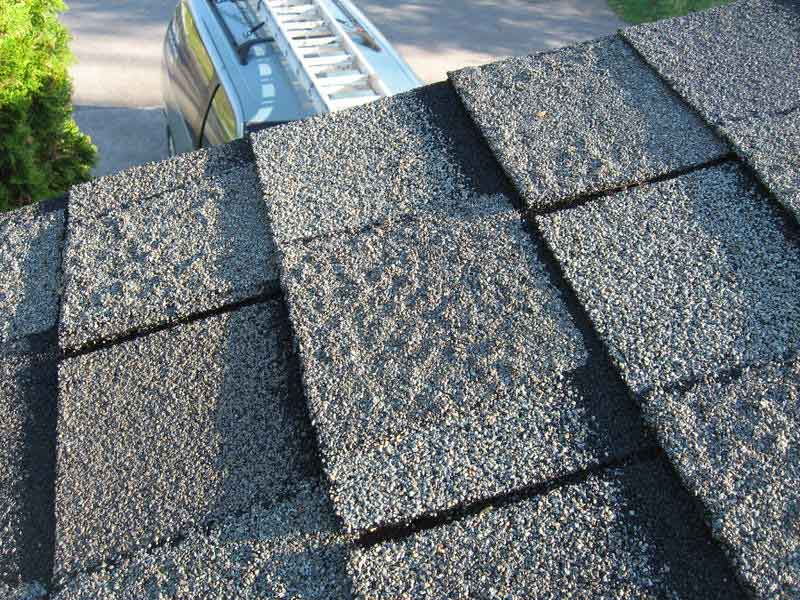
    • Granule loss: Hailstones can dislodge granules from the shingles, exposing the underlying material and reducing the roof’s protective capabilities.
    • Cracked or broken shingles: Hail impact can lead to shingles cracking or breaking, compromising their ability to shed water effectively.
    • Leaks and water infiltration: Hail damage can create vulnerabilities that allow water to penetrate the roof, leading to leaks and potential water damage within the structure.

    Assessing and restoring hail-damaged roofs

    If you suspect hail damage, it’s crucial to have a professional roofing contractor assess the extent of the damage. They will provide a comprehensive inspection and recommend appropriate restoration measures.

    • Insurance claims: In cases of significant hail damage, it may be necessary to file an insurance claim. Document the damage with photographs and consult with your insurance provider to understand the process and requirements.
    • Repairs and replacements: Depending on the severity of the hail damage, repairs or replacements may be necessary. This can involve replacing damaged shingles, addressing underlying issues, and restoring the roof’s integrity.

    fix leaky roof

    Water-Related Roof Damage

    Roof Leaks and Water Intrusion

    Roof leaks and water intrusion are common types of water-related roof damage that homeowners may encounter. Understanding the causes, detecting leaks, and knowing the consequences of water damage is essential to address these issues effectively.

    Causes and detection of leaks

    Roof leaks can be caused by various factors, including:

    • Damaged or missing shingles: Cracked or missing shingles create openings for water to penetrate the roof structure.
    • Damaged flashing: Improperly installed or deteriorated flashing around chimneys, vents, and skylights can allow water to infiltrate.
    • Clogged gutters: When gutters are clogged with debris, water can overflow and seep into the roof, causing damage over time.

    Detecting roof leaks requires a systematic approach:

    • Visual inspection: Look for water stains on ceilings or walls, peeling paint, or mold and mildew growth, which may indicate water intrusion.
    • Attic examination: Inspect the attic for signs of water damage, such as damp insulation, rotting wood, or water drips.

    Consequences of water damage

    Water damage can have severe consequences if left unaddressed:

    • Structural damage: Prolonged exposure to water can weaken the roof structure, leading to sagging, rot, or even collapse.
    • Mold and mildew growth: Excess moisture can create an ideal environment for mold and mildew to flourish, posing health risks and further damaging the property.
    • Electrical hazards: Water infiltration can compromise electrical systems, increasing the risk of electrical malfunctions or fires.

    Repair options for roof leaks

    Repairing roof leaks requires proper identification of the source and suitable repair techniques:

    • Patching: Small leaks caused by localized damage can often be repaired by applying sealants or patches to the affected areas.
    • Shingle replacement: If damaged shingles are the source of the leak, replacing the affected shingles can help prevent further water intrusion.
    • Flashing repair or replacement: Damaged flashing should be repaired or replaced to ensure proper water sealing around roof penetrations.

    repairs roofing maintenance

    Age-Related Roof Damage

    Signs of an Aging Roof

    Over time, roofs naturally deteriorate due to age-related factors. Recognizing the signs of an aging roof is crucial for homeowners to take proactive measures and address potential damage promptly.

    • Curling or buckling shingles: Shingles that have curled or buckled at the edges are indicative of an aging roof. This can occur due to prolonged exposure to the elements.
    • Cracked or missing shingles: As a roof ages, shingles may crack or become dislodged, leaving vulnerable areas that can lead to water intrusion and further damage.
    • Granule loss: Aging roofs often experience granule loss, which can be observed as a buildup of granules in gutters or downspouts. This indicates a decrease in the shingles’ protective capabilities.

    Effects of UV radiation and weathering

    UV radiation and weathering are two primary factors that contribute to the aging process of a roof. Understanding their effects can help homeowners grasp the importance of maintaining and protecting their roofs.

    • UV radiation: Prolonged exposure to the sun’s UV rays can cause shingles to become brittle, fade in color, and lose their structural integrity. This can lead to increased vulnerability to other types of roof damage.
    • Weathering: Extreme weather conditions such as rain, snow, hail, and fluctuating temperatures take a toll on the roof over time. They can cause the materials to expand, contract, and deteriorate, accelerating the aging process.

    Addressing age-related damage through maintenance

    Regular maintenance is key to extending the lifespan of an aging roof and minimizing potential damage. Homeowners should consider the following maintenance practices:

    • Inspections: Schedule periodic roof inspections by a professional to assess the condition of the roof, identify areas of concern, and address any potential issues promptly.
    • Repairs and replacements: Perform necessary repairs or replacements as soon as signs of age-related damage are identified. This includes replacing cracked or missing shingles and addressing areas of granule loss.
    • Cleaning and debris removal: Keep the roof clean and free from debris that can retain moisture and promote the growth of mold and algae, which can further deteriorate the roof.

    how to remove roof moss

    Vegetation-Related Roof Damage

    Moss and Algae Growth

    The presence of moss and algae on roofs is a common issue that can lead to various types of damage if left unaddressed. Understanding the impact of moss and algae, preventive measures, and the consequences of neglecting vegetation-related damage is crucial for maintaining a healthy roof.

    Impact on roof surfaces

    Moss and algae growth can have detrimental effects on roof surfaces:

    • Moisture retention: Moss and algae trap moisture, which can accelerate the deterioration of roofing materials, especially in humid environments. This can lead to the weakening of the roof structure over time.
    • Shingle damage: Moss and algae can penetrate beneath the shingles, causing them to lift, crack, or warp. This compromises the roof’s ability to shed water, leading to potential leaks and water damage.
    • Reduced lifespan: The presence of moss and algae can shorten the lifespan of roofing materials, resulting in the need for premature repairs or replacements.

    Preventing and removing moss and algae

    To prevent moss and algae growth on the roof, consider the following measures:

    • Regular roof maintenance: Keep the roof clean by removing debris, leaves, and twigs that can provide a favorable environment for moss and algae to thrive.
    • Trimming nearby trees: Ensure that tree branches are adequately trimmed to minimize shade and improve air circulation, reducing moisture buildup.
    • Zinc or copper strips: Installing strips of zinc or copper near the roof’s ridge can inhibit moss and algae growth by releasing small amounts of metal ions during rainfall.
    • Biocide treatments: Applying specialized biocide treatments can effectively eliminate existing moss and algae and inhibit their future growth.

    Consequences of neglecting vegetation-related damage

    Neglecting vegetation-related damage can lead to severe repercussions:

    • Structural degradation: Moss and algae can compromise the integrity of the roof, leading to leaks, water damage, and even structural issues if left unchecked.
    • Increased maintenance costs: Delaying the removal of moss and algae can result in more extensive damage, requiring costly repairs or even a complete roof replacement.
    • Aesthetics and curb appeal: Excessive moss and algae growth can make a roof appear unsightly, negatively impacting the overall aesthetics and value of a property.

    evaluating roof damage

    Structural Roof Damage

    Sagging Roofs

    Sagging roofs are a serious type of structural damage that can compromise the integrity and safety of a building. Understanding the causes, signs, and necessary actions to rectify this issue is essential for homeowners.

    Causes and signs of roof sagging

    Roof sagging can occur due to various factors, including:

    • Overload: Excessive weight on the roof, such as accumulated snow, heavy equipment, or multiple layers of roofing materials, can cause the roof structure to sag over time.
    • Poor construction or design: Inadequate construction techniques, improper use of materials, or insufficient support structures during the initial installation can lead to roof sagging.
    • Water damage: Prolonged water infiltration due to leaks or inadequate drainage can weaken the roof’s structural components, leading to sagging.

    Signs of roof sagging may include:

    • Visibly dipping or bowing sections of the roofline.
    • Cracked or distorted ceilings and walls inside the building.
    • Uneven or sagging areas on the roof surface.

    Structural implications and safety concerns

    A sagging roof indicates significant structural problems that should not be ignored. The implications of a sagging roof include:

    • Increased risk of roof collapse: The compromised structural integrity of a sagging roof poses a potential hazard to the occupants of the building, making it crucial to address the issue promptly.
    • Damage to other building components: Roof sagging can exert stress on the walls, windows, and foundation, potentially causing additional damage throughout the structure.

    Rectifying sagging roofs through reinforcements

    When dealing with a sagging roof, it is vital to consult a professional roofing contractor or structural engineer who can assess the severity of the damage and recommend appropriate measures. Reinforcements may include:

    • Installing additional support beams or trusses to strengthen the roof structure.
    • Removing excess weight, such as snow accumulation or unnecessary layers of roofing materials.
    • Repairing or replacing damaged structural components, such as rafters or joists.

    Free, No Obligation

    Request Your Free Estimate & Inspection

    Tell us about your roof and we’ll come take a look — no pressure, no cost. Or call us right now on (703) 964-6233.

    (703) 964-6233
    Contact Form Demo (#3)
    Owens Corning Preferred Contractor GAF System Plus CertainTeed SureStart PLUS BBB A+ Accredited HomeAdvisor

    RNC Roofing

    RNC Roofing and Construction Group — The Roofing Contractor Specialists. Protecting your home, one shingle at a time.

    Virginia

    (703) 964-6233 Sterling · Leesburg · Ashburn
    Loudoun & Fairfax County

    Maryland

    (703) 964-6233 Beltsville · District Heights
    All of Maryland
    © 2026 RNC Roofing and Construction Group — The Roofing Contractor Specialists Northern Virginia & Maryland
  • Green Algae on Roof: Maintaining a Healthy Roof

    Protecting your home, one shingle at a time VA (703) 964-6233| MD (703) 964-6233| Free Estimate & Inspection
    Home Improvement

    Green Algae on Roof: Maintaining a Healthy Roof

    RNC Roofing and Construction Group June 12, 2023
    Green Algae on Roof: Maintaining a Healthy Roof

    Green Algae on Roof: Maintaining a Healthy Roof

    Green algae growth on roofs is a common issue that homeowners often encounter. These unsightly green patches can mar the appearance of your roof, but their impact extends beyond aesthetics. Green algae can compromise the integrity of your roofing materials, leading to potential structural damage and costly repairs.

    Understanding Green Algae on Roofs

    Defining Green Algae and Its Characteristics

    Green algae, also known as roof moss or roof mold, refers to a type of microorganism that thrives in moist and shaded environments. It commonly appears as green or dark patches on the surface of roofs. These algae organisms are photosynthetic, meaning they obtain energy from sunlight, and they can reproduce and spread rapidly under favorable conditions.

    Reasons for Algae Growth on Roofs

    Green algae growth on roofs is primarily triggered by a combination of factors, including moisture, shade, and organic debris accumulation. When roofs are exposed to excessive moisture, such as from rain, humidity, or water runoff, it creates a favorable environment for algae to flourish. Additionally, roofs with inadequate sunlight or areas that are constantly shaded become more susceptible to algae infestation.

    Moisture: Algae’s Ally

    Moisture acts as a catalyst for algae growth on roofs. It provides the necessary hydration for the organisms to thrive and multiply. Areas with poor drainage, clogged gutters, or insufficient ventilation can retain moisture for longer periods, creating a conducive habitat for algae to develop and spread.

    Shade: A Breeding Ground for Algae

    Shaded sections of a roof hinder the evaporation of moisture, making them ideal locations for algae to take hold. Trees, overhanging branches, or nearby structures that obstruct sunlight can create persistent shade, allowing algae to flourish. Lack of direct sunlight also prevents natural drying, providing a moist environment for algae growth.

    Organic Debris: Algae’s Feeding Source

    Organic debris, such as leaves, twigs, or dirt, accumulated on a roof can contribute to algae growth. These materials trap moisture and provide a nutrient-rich environment for algae to feed on. Algae utilize the organic matter as a food source, further accelerating their growth and spread.

    Potential Damage Caused by Algae

    Green algae on roofs can lead to various aesthetic and structural issues if left untreated. Aesthetically, the presence of algae stains can significantly diminish the curb appeal of a home, making it appear neglected and unkempt. Structurally, algae can deteriorate roofing materials over time, compromising their integrity and reducing their lifespan. This can result in issues such as shingle decay, warping, leaks, and even structural damage to the roof.

    identifying roof algae

    Identifying Green Algae on Your Roof

    Visual Appearance of Green Algae

    Green algae on roofs typically appears as dark green or black patches or streaks. It often starts as small spots that gradually expand and merge together, forming larger areas of discoloration. The algae may have a slimy or velvety texture, and when observed closely, it may exhibit a fuzzy or moss-like appearance.

    Distinguishing Green Algae from Other Roof Stains

    Differentiating green algae from other types of roof stains or discoloration is crucial for accurate identification. One common misconception is mistaking green algae for moss or lichen. While they all thrive in similar conditions, they have distinct characteristics.

    Green Algae vs. Moss

    Green algae appears as dark green or black patches with a slimy texture, while moss typically forms thicker tufts or clumps that have a three-dimensional structure. Unlike algae, moss has roots that anchor it to the roof surface.

    Green Algae vs. Lichen

    Lichen is another growth commonly mistaken for green algae. Lichen consists of a symbiotic relationship between fungi and algae. It typically appears as a crusty or scaly growth with a combination of colors, including green, gray, or yellow. Unlike green algae, lichen tends to have a more textured and raised appearance.

    Signs and Indicators of Algae Growth

    Several signs can indicate the presence of green algae on your roof. One of the most noticeable signs is the appearance of dark streaks or patches, often concentrated in shaded areas or on the north-facing side of the roof. These streaks may extend downward from the roof ridge or cluster around chimney stacks or roof vents.

    Roof Age and Algae Growth

    As roofs age, they become more susceptible to algae growth. If your roof is older and shows signs of discoloration, it is more likely to have algae. However, it’s essential to note that algae growth can occur on roofs of any age, especially in areas with high humidity or frequent rainfall.

    Climate and Algae Growth

    Green algae thrives in humid climates with sufficient rainfall or areas prone to high moisture levels. If you live in a region with these conditions, your roof may be at a higher risk of algae infestation.

    evaluating roof damage

    The Impact of Green Algae on Roof Longevity

    Deterioration of Roofing Materials by Green Algae

    Green algae can have detrimental effects on various roofing materials, including shingles, tiles, and metal roofs. When algae colonize the roof’s surface, they create a layer that holds moisture, accelerating the deterioration process. This prolonged exposure to moisture can cause shingles to decay, lose granules, and become weak and brittle. Tiles can become dislodged or cracked, and metal roofs may experience corrosion or rusting.

    Consequences of Ignoring or Neglecting Algae Growth

    Ignoring or neglecting green algae growth on your roof can lead to a range of problems, both aesthetically and structurally. Aesthetically, the presence of green algae stains can significantly diminish the visual appeal of your home, making it appear unkempt and potentially lowering its value. These stains can be particularly visible on lighter-colored roofs, contrasting with the surrounding clean areas.

    Structural Consequences of Algae Growth

    Beyond aesthetics, the structural integrity of your roof can be compromised if algae growth is left unchecked. Over time, the moisture retained by the algae can seep into the underlying roofing materials, leading to rotting, warping, and potential leaks. This can result in expensive repairs or even the need for a roof replacement.

    tpo roofing improvement

    Preventing Green Algae Growth

    Proactive Measures for Preventing Green Algae Growth

    Preventing green algae growth on your roof involves implementing proactive measures to create an environment less conducive to its development. By taking preventive actions, you can minimize the risk of algae infestation and preserve the integrity of your roof.

    Importance of Proper Roof Maintenance

    Proper roof maintenance is crucial in preventing green algae growth. Regular cleaning and inspection play a significant role in maintaining a clean and healthy roof. Clearing debris, such as leaves or branches, from the roof surface can prevent moisture buildup and create unfavorable conditions for algae to thrive.

    Regular Cleaning and Inspection

    Regularly cleaning your roof can remove organic matter that serves as a food source for algae. Use a gentle cleaning solution specifically designed for roofs, and avoid using high-pressure washers that can damage roofing materials. Inspecting the roof for any signs of algae growth or damage allows for early detection and timely intervention.

    Practical Tips for Minimizing Algae Risk

    Implementing practical tips can help homeowners minimize the risk of algae growth on their roofs. First, consider trimming overhanging branches that cast shade on the roof, as sunlight inhibits algae growth. Improving ventilation in the attic can reduce moisture levels, as excess humidity can contribute to algae formation. Additionally, ensuring proper gutter maintenance and drainage helps prevent water accumulation on the roof.

    how to clean algae from roof

    Cleaning and Removing Green Algae from Roofs

    Methods and Techniques for Cleaning Algae-Infested Roofs

    Cleaning algae-infested roofs requires effective methods and techniques to safely and efficiently remove the green algae growth. There are several approaches homeowners can consider, including chemical treatments, pressure washing, and eco-friendly solutions.

    DIY Cleaning vs. Professional Services

    When it comes to cleaning green algae from roofs, homeowners can choose between DIY cleaning or hiring professional services. Each option has its advantages and considerations. DIY cleaning can be cost-effective and convenient for those who prefer a hands-on approach. However, professional services offer expertise, specialized equipment, and the assurance of a thorough and professional job.

    Step-by-Step Instructions for DIY Cleaning

    If you decide to clean the green algae from your roof on your own, it is important to follow proper procedures and safety precautions. Here is a step-by-step guide:

    • Assess the Roof: Inspect the roof for the extent of algae growth and identify any damaged areas that may require repair.
    • Gather Supplies: Gather the necessary supplies, including a soft-bristle brush or broom, a garden hose with a spray nozzle, a cleaning solution suitable for roofs (avoid harsh chemicals that can damage roofing materials), safety goggles, gloves, and appropriate footwear.
    • Pre-Clean: Before applying the cleaning solution, remove loose debris and leaves from the roof surface using the brush or broom.
    • Apply Cleaning Solution: Following the manufacturer’s instructions, apply the roof cleaning solution to the affected areas. Use the soft-bristle brush or broom to gently scrub the algae-infested spots.
    • Rinse: After allowing the cleaning solution to dwell for the recommended time, rinse the roof thoroughly using a garden hose with a spray nozzle. Ensure that the water flows downward to avoid forcing water under the shingles.
    • Safety Precautions: During the cleaning process, prioritize safety by wearing goggles to protect your eyes from debris, gloves to shield your hands, and appropriate footwear to maintain stability on the roof.

    roofing maintenance

    Maintaining a Healthy Roof to Prevent Algae Return

    Importance of Ongoing Roof Maintenance

    Maintaining a clean and healthy roof is crucial in preventing the return of green algae growth. Regular roof maintenance helps to identify and address potential issues early on, ensuring the longevity and durability of the roof. By investing time and effort into ongoing roof maintenance, homeowners can minimize the risk of algae recurrence and other roof-related problems.

    Strategies to Prevent Algae Return

    To prevent the return of green algae on a clean roof, homeowners can implement several effective strategies:

    • Ensure Proper Roof Ventilation: Adequate roof ventilation plays a key role in reducing moisture buildup, which is a primary factor contributing to algae growth. Proper ventilation allows for the circulation of air, preventing excess humidity and promoting a drier roof environment.
    • Trim Overhanging Branches: Tree branches that overhang the roof can create shade and trap moisture, providing an ideal environment for algae to thrive. Regularly trim branches to minimize shade and reduce the accumulation of debris on the roof.
    • Clean Gutters and Downspouts: Clogged gutters and downspouts can lead to water backup, which can contribute to roof moisture and algae growth. Regularly clean and maintain gutters to ensure proper water flow and prevent water from pooling on the roof.

    Recommendations for Long-Term Roof Care

    In addition to preventative measures, long-term roof care is essential in maintaining a healthy and algae-resistant roof. Consider the following recommendations:

    • Regular Roof Inspections: Schedule regular roof inspections, ideally twice a year, to identify any signs of damage, leaks, or potential algae growth. Addressing issues promptly can prevent them from escalating and causing further damage.
    • Prompt Repairs: If any damage or leaks are detected during inspections or otherwise, it is crucial to promptly address and repair them. Timely repairs help maintain the integrity of the roof and minimize the risk of algae growth and other related problems.
    • Protective Roof Coatings: Applying a protective roof coating can provide an additional layer of defense against algae growth. These coatings are designed to inhibit the growth of algae and protect the roof from environmental factors. Consult with a roofing professional to determine the most suitable coating for your specific roof type.

    View More Articles

    Free, No Obligation

    Request Your Free Estimate & Inspection

    Tell us about your roof and we’ll come take a look — no pressure, no cost. Or call us right now on (703) 964-6233.

    (703) 964-6233
    Contact Form Demo (#3)
    Owens Corning Preferred Contractor GAF System Plus CertainTeed SureStart PLUS BBB A+ Accredited HomeAdvisor

    RNC Roofing

    RNC Roofing and Construction Group — The Roofing Contractor Specialists. Protecting your home, one shingle at a time.

    Virginia

    (703) 964-6233 Sterling · Leesburg · Ashburn
    Loudoun & Fairfax County

    Maryland

    (703) 964-6233 Beltsville · District Heights
    All of Maryland
    © 2026 RNC Roofing and Construction Group — The Roofing Contractor Specialists Northern Virginia & Maryland
  • Is Mold From a Leaky Roof Dangerous? : A Guide By RNC Roofing

    Protecting your home, one shingle at a time VA (703) 964-6233| MD (703) 964-6233| Free Estimate & Inspection
    Roof Maintenance

    Is Mold From a Leaky Roof Dangerous? : A Guide By RNC Roofing

    RNC Roofing and Construction Group April 24, 2023
    Is Mold From a Leaky Roof Dangerous? : A Guide By RNC Roofing

    Is Mold From a Leaky Roof Dangerous?

    Risks of Mold from a Leaky Roof

    Is Mold From a Leaky Roof Dangerous? If you have a leaky roof, it can create a perfect environment for mold growth. Water can seep into your walls and ceilings, and it can create a damp and warm environment that mold spores can thrive in. The longer the leak goes unaddressed, the higher the risk of mold growth.Mold spores become problematic only when they settle in damp places, like a roof that leaks, and their impact on the people living in the affected premises may differ.

    understanding mold

    Understanding Mold

    Mold is a type of fungus that grows in damp and warm environments. It can develop indoors and outdoors, and it can spread quickly if not addressed promptly. Mold spores can be present in the air, and they can enter your home through open windows, doors, and ventilation systems. Once they find a damp surface, they can start to grow and spread.

    How Does Mold Develop?

    Mold can develop in any area of your home that has moisture, including bathrooms, kitchens, basements, and crawl spaces. It can also develop on walls, ceilings, and floors if there is a leaky roof or plumbing issue. Mold can grow on any surface, including wood, drywall, and carpet.

    health effect of mold

    Health Effects of Mold Exposure

    Exposure to mold can have various negative effects on your health, including:

    • Allergic reactions
    • Respiratory problems
    • Skin irritation
    • Headaches
    • Fatigue
    • Irritation of the eyes, nose, and throat

    The severity of these symptoms can depend on the type of mold and the duration of exposure.

    signs of blistering roof , signs to replace your roof

    Signs of Mold Growth

    Some of the most common signs of mold growth include:

    • A musty odor
    • Discoloration on walls or ceilings
    • Peeling or bubbling paint or wallpaper
    • Visible mold growth on surfaces
    • Water stains on walls or ceilings

    preventing mold , preventing roof algae

    Preventing Mold Growth from a Leaky Roof

    The best way to prevent mold growth from a leaky roof is to address the leak as soon as possible. You should also check your roof regularly for signs of damage or wear and tear. Other tips for preventing mold growth include:

    • Keeping your home well-ventilated
    • Using a dehumidifier in damp areas
    • Fixing plumbing leaks promptly
    • Cleaning up spills and moisture immediately
    • Using mold-resistant paint and building materials

    Mold Removal Process

    The mold removal process typically involves the following steps:

    insurance for mold

    Insurance

    If you have mold growth in your home from a leaky roof, you may be wondering if your homeowner’s insurance will cover the cost of mold remediation. The answer depends on the cause of the mold growth and your specific insurance policy. Some insurance policies may cover mold remediation if it’s caused by a covered peril, such as a burst pipe or a storm. However, many policies exclude coverage for mold remediation.

    DIY vs. Professional Mold Removal

    While you may be tempted to try to remove mold yourself to save money, it’s essential to consider the risks. DIY mold removal can be dangerous and can spread the mold to other areas of your home. Professional mold remediation companies have the equipment, training, and experience to safely remove mold and prevent further spread.

    myths about mold

    Common Myths About Mold

    There are many myths and misconceptions about mold, including:

    • Bleach kills mold: Bleach can kill some types of mold on non-porous surfaces, but it’s not effective on porous surfaces and can actually make the problem worse.
    • Mold is only a problem for people with allergies: While people with allergies may be more sensitive to mold, exposure to mold can have negative health effects on anyone.
    • You can remove mold with vinegar: While vinegar can be effective at removing some types of mold, it’s not effective on all types and may not completely eliminate the problem.

    Read More of Our Articles

    Mold growth from a leaky roof can be dangerous and can have negative effects on your health and property. It’s essential to address any leaks or water damage promptly and to hire a professional mold remediation company if you suspect mold growth in your home. By taking steps to prevent mold growth and addressing it promptly, you can keep your home safe and healthy.

    Free, No Obligation

    Request Your Free Estimate & Inspection

    Tell us about your roof and we’ll come take a look — no pressure, no cost. Or call us right now on (703) 964-6233.

    (703) 964-6233
    Contact Form Demo (#3)
    Owens Corning Preferred Contractor GAF System Plus CertainTeed SureStart PLUS BBB A+ Accredited HomeAdvisor

    RNC Roofing

    RNC Roofing and Construction Group — The Roofing Contractor Specialists. Protecting your home, one shingle at a time.

    Virginia

    (703) 964-6233 Sterling · Leesburg · Ashburn
    Loudoun & Fairfax County

    Maryland

    (703) 964-6233 Beltsville · District Heights
    All of Maryland
    © 2026 RNC Roofing and Construction Group — The Roofing Contractor Specialists Northern Virginia & Maryland
  • Can Clogged Gutters Cause Ceiling Leaks? | RNC Roofing

    Protecting your home, one shingle at a time VA (703) 964-6233| MD (703) 964-6233| Free Estimate & Inspection
    Homeowner Help

    Can Clogged Gutters Cause Ceiling Leaks? | RNC Roofing

    RNC Roofing and Construction Group April 21, 2023
    Can Clogged Gutters Cause Ceiling Leaks? | RNC Roofing

    Can Clogged Gutters Cause Ceiling Leaks?

    Ceiling leaks can be a nightmare for homeowners. They not only cause damage to your ceiling but also to your walls, floors, and electrical systems. In severe cases, they can even compromise the structural integrity of your home. While there are several reasons why your ceiling may be leaking, clogged gutters can be a major contributor. In the following sections, we will discuss how clogged gutters can lead to ceiling leaks and what you can do to prevent them.

    What Causes Ceiling Leaks?

    Ceiling leaks can be caused by several factors, including:

    • Damaged or missing shingles
    • Cracked or damaged flashing
    • Damaged roof vents
    • Ice dams
    • Clogged gutters
    • Condensation

    While all of these factors can contribute to ceiling leaks, clogged gutters are often overlooked as a potential cause.

    clean gutters

    How Clogged Gutters Can Cause Ceiling Leaks

    When gutters become clogged with debris such as leaves, twigs, and dirt, they are unable to channel water away from your home effectively. As a result, the water can overflow from the gutters and spill onto your roof, causing damage to your shingles and flashing. Over time, this can lead to water seeping into your home, causing ceiling leaks.Moreover, clogged gutters can also lead to ice dams during winter months. When gutters are clogged, water accumulates in them and freezes, forming ice dams. These ice dams prevent the water from draining properly, which causes it to back up into your roof and eventually seep into your home, causing ceiling leaks.

    signs of blistering roof , signs to replace your roof

    Signs of Clogged Gutters

    The following are some signs that your gutters may be clogged:

    • Water overflowing from the gutters during heavy rainfall
    • Sagging gutters
    • Water damage to the walls and ceilings
    • Mold growth
    • Insects and rodents nesting in the gutters

    prevent blistering shingles , preventing storm damage roof

    How to Prevent Clogged Gutters

    Preventing clogged gutters is essential to prevent ceiling leaks. The following are some steps you can take to prevent clogged gutters:

    • Regularly clean your gutters
    • Trim nearby trees to prevent leaves and twigs from falling into the gutters
    • Install gutter guards to prevent debris from accumulating in the gutters
    • Install downspout extensions to direct water away from your home’s foundation

    How Often Should You Clean Your Gutters?

    How often you should clean your gutters depends on several factors, such as the number of trees surrounding your home, the amount of rainfall you receive, and the size of your gutters. As a general rule, you should clean your gutters at least twice a year, preferably in the spring and fall. However, if you notice any signs of clogging, you should clean them immediately.

    repairing storm damage roof

    What to Do If You Have a Ceiling Leak

    If you notice water stains on your ceiling or walls, you may have a ceiling leak. The following are some steps you can take to prevent further damage:

    Locate the source of the leak by checking your attic or crawl space.

    If the leak is caused by clogged gutters, clean them immediately.

    Repair any damaged shingles, flashing, or vents.

    Remove any water-damaged materials such as drywall or insulation.

    Dry out the affected area using fans or dehumidifiers.

    Apply a mold inhibitor to prevent mold growth.

    If the leak is severe or you are unable to locate the source, you should contact a professional like RNC Roofing and Construction to inspect your roof today!

    View More Informative Articles

    Free, No Obligation

    Request Your Free Estimate & Inspection

    Tell us about your roof and we’ll come take a look — no pressure, no cost. Or call us right now on (703) 964-6233.

    (703) 964-6233
    Contact Form Demo (#3)
    Owens Corning Preferred Contractor GAF System Plus CertainTeed SureStart PLUS BBB A+ Accredited HomeAdvisor

    RNC Roofing

    RNC Roofing and Construction Group — The Roofing Contractor Specialists. Protecting your home, one shingle at a time.

    Virginia

    (703) 964-6233 Sterling · Leesburg · Ashburn
    Loudoun & Fairfax County

    Maryland

    (703) 964-6233 Beltsville · District Heights
    All of Maryland
    © 2026 RNC Roofing and Construction Group — The Roofing Contractor Specialists Northern Virginia & Maryland
  • Leaking Roof Mold: How it Develops and Prevention Tips-By RNC

    Protecting your home, one shingle at a time VA (703) 964-6233| MD (703) 964-6233| Free Estimate & Inspection
    Home Improvement

    Leaking Roof Mold: How it Develops and Prevention Tips-By RNC

    RNC Roofing and Construction Group April 13, 2023
    Leaking Roof Mold: How it Develops and Prevention Tips-By RNC

    Leaking Roof Mold: How it Develops and Prevention Tips-By RNC

    A leaking roof is not just a problem for your home’s structure; it can also lead to mold growth, which can be dangerous for your health. In this article, we’ll delve deeper into how a leaking roof can cause mold and provide comprehensive tips on how to prevent it.

    Understanding Mold

    Mold is a type of fungus that grows in damp and humid environments. It can be found indoors and outdoors, and mold spores are always present in the air. When mold spores come into contact with moisture, they can grow and spread quickly.

    How a Leaking Roof Can Cause Mold

    A leaking roof can create the perfect environment for mold growth. Water can enter your home through even the smallest cracks in your roof and accumulate on surfaces like ceilings, walls, and insulation. Mold can grow in as little as 24-48 hours, especially in areas with poor ventilation.Once mold has taken hold, it can be difficult to get rid of. It can spread quickly and release spores that can contaminate other areas of your home. That’s why it’s important to take action as soon as you notice a leaking roof or signs of mold growth.

    how a leaking roof can cause mold
    signs of blistering roof , signs to replace your roof

    Signs of a Leaking Roof

    It’s not always easy to detect a leaking roof, especially if the damage is minor. However, there are some signs you can look out for:

    • Water stains on your ceiling or walls
    • Damp or musty smells in your home
    • Discoloration or peeling paint on your walls
    • Visible damage to your roof, such as missing or damaged shingles or tiles

    If you notice any of these signs, it’s important to act quickly to prevent further damage and mold growth

    How to Prevent Mold from a Leaking Roof

    Here are some tips to help prevent mold growth from a leaking roof:

    prevent blistering shingles , preventing storm damage roof
    roof repair inspection icon

    Inspect Your Roof Regularly

    Regular roof inspections can help you spot damage early and prevent leaks from occurring. Check your roof for missing or damaged shingles, cracks, or other signs of wear and tear. You should also check for debris, such as leaves or branches, that can accumulate on your roof and trap moisture.

    gutter replacement

    Keep Your Gutters Clean

    Clogged gutters can cause water to back up onto your roof, creating a moist environment that is conducive to mold growth. Make sure to clean your gutters regularly and remove any debris that may be blocking the flow of water.

    ventilation fan

    Maintain Proper Ventilation

    Proper ventilation can help reduce humidity levels in your home and prevent mold growth. Make sure that your attic and crawl space are properly ventilated, and consider installing exhaust fans in your bathrooms and kitchen to help remove excess moisture.Read More Here About Proper Ventilation.

    waterproofing prevent blistering shingles sign , storm damage roof resistant

    Use Mold-Resistant Materials

    When replacing your roof or making repairs, consider using mold-resistant materials. Metal, tile, and slate roofs are less likely to support mold growth than traditional roofing materials like asphalt shingles.

    roofing contact

    Hire a Professional

    If you are not comfortable inspecting or repairing your roof yourself, consider hiring a professional roofing contractor. A qualified contractor can inspect your roof for damage, make any necessary repairs, and provide recommendations for preventing mold growth.

    mold symbol roof leak background

    Dealing With Mold Yourself

    If you suspect that you have mold growth in your home, it’s important to take action as soon as possible. Here are some tips for dealing with mold:

    • Wear Protective Gear

    Mold can be hazardous to your health, so it’s important to wear protective gear when cleaning it up. This includes gloves, a mask, and eye protection.

    • Clean and Dry Affected Areas

    If mold growth is limited to a small area, you If mold growth is limited to a small area, you may be able to clean it yourself. To clean mold, mix a solution of one part bleach to ten parts water and use a stiff brush to scrub the affected area. Be sure to rinse the area thoroughly with water and allow it to dry completely. If the affected area is larger than ten square feet, it’s best to contact a professional mold remediation company to handle the job.

    Contact a Professional

    A leaking roof can lead to mold growth, which can be harmful to your health. It’s important to take action as soon as you notice signs of a leak or mold growth to prevent further damage and protect your health. Regular roof inspections, proper ventilation, and using mold-resistant materials can all help prevent leaking roofs and mold growth. If you do experience mold growth, make sure to clean and dry affected areas promptly, and consider hiring a professional mold remediation company for larger jobs. By taking these steps, you can protect your home and your health from the harmful effects of leaking roofs and mold growth.

    More Informative Articles

    Free, No Obligation

    Request Your Free Estimate & Inspection

    Tell us about your roof and we’ll come take a look — no pressure, no cost. Or call us right now on (703) 964-6233.

    (703) 964-6233
    Contact Form Demo (#3)
    Owens Corning Preferred Contractor GAF System Plus CertainTeed SureStart PLUS BBB A+ Accredited HomeAdvisor

    RNC Roofing

    RNC Roofing and Construction Group — The Roofing Contractor Specialists. Protecting your home, one shingle at a time.

    Virginia

    (703) 964-6233 Sterling · Leesburg · Ashburn
    Loudoun & Fairfax County

    Maryland

    (703) 964-6233 Beltsville · District Heights
    All of Maryland
    © 2026 RNC Roofing and Construction Group — The Roofing Contractor Specialists Northern Virginia & Maryland
  • Best Time to Replace Roof | Choosing the Optimal Season

    Protecting your home, one shingle at a time VA (703) 964-6233| MD (703) 964-6233| Free Estimate & Inspection
    Home Improvement

    Best Time to Replace Roof | Choosing the Optimal Season

    RNC Roofing and Construction Group April 13, 2023
    Best Time to Replace Roof | Choosing the Optimal Season

    The Best Time to Replace Your Roof

    As a homeowner, it’s crucial to start thinking about the best time of year to replace your roof, especially if it has been 10 to 20 years since your last maintenance check. The weather, temperature, geographic climate, and appointment availability are all factors that can affect roofing replacement. While every season may have its advantages and disadvantages, roofing replacement is a job that can be done any time of the year when entrusted to a professional residential roofing contractor.So, what is the best season to replace your roof? Ultimately, the optimal time to get your roofing replaced is before it starts to cause problems or becomes a bigger inconvenience to you. The best season is mainly determined by your availability, your contractor’s availability, and unpredictable weather. Let’s take a closer look at each season and why they may or may not be the best time to replace your roofing.

    Winter

    Winter is a challenging time of year to replace your roof. However, it can be an excellent time for many homeowners because it’s usually a slower time for many roofing companies, creating greater flexibility for appointment scheduling. Depending on the climate of your geographic area, freezing temperatures and snow can interrupt roofing replacement projects or prevent sealants from setting. Extremely low temperatures can also cause roofing materials to become more susceptible to cracking. If you live in a state with mild winters, such as Florida, winter is a wonderful time of year for roofing repairs! Regardless, an experienced roofing contractor will have processes put in place to prevent or mediate complications.

    Cons of Winter Roof Replacement

    The biggest disadvantage of replacing a roof in the winter is the potential for snow and ice. These conditions can create hazards for the roofing crew and make the work more difficult, potentially leading to longer installation times and increased labor costs. Additionally, the cold temperatures can cause materials to become brittle and more difficult to work with.

    Spring

    Replacing your roof during early springtime is a good choice for many homeowners. The temperatures are not as extreme as either winter or summer, making roofing replacement a great spring-cleaning milestone to complete. Roofing damage caused during the colder months is often discovered during this time of year. Also, early spring is a great time to prep your roofing for any extreme weather that your state might see later in the season, such as thunderstorms in Florida or tornadoes in Oklahoma. However, if you wait too long, spring rain may throw a wrench into your roofing replacement plans. But, like winter, any quality roofing company should be able to adapt to such spring weather changes and get your roofing replaced on time.

    spring season best time to replace roof

    Cons of Spring Roof Replacement

    While you could get on the roofing crew’s schedule a little sooner, weather does tend to be wetter in the spring. This could cause your project to be pushed back slightly due to rain. However, with most companies, this delay only tends to be a day or two depending on if other projects were also moved due to weather.

    summer season best time to replace roof

    Summer

    The summertime is often the go-to season for roof replacement and maintenance. The warm temperature and often predictable weather make roofing during the summer months more straightforward. However, in states such as Florida, late summer can present higher temperatures than ideal for less-experienced roofing contractors. Also, if your state experiences extreme weather conditions such as tornadoes or hurricanes, it is worth noting through the later summer months until October. Florida is notorious for its hurricane season, typically experienced between May and September. Due to the damage frequently caused by hurricanes, the summer months can be quite a busy season for roofing replacement and repair! This can be a good thing–if you are engaging with a tenured roofing company that prepares for the extra workload often seen during the summer season.

    Cons of Summer Roof Replacement

    One of the biggest cons of getting a new roof installed in the summer is the extreme heat. High temperatures can make the work more difficult and uncomfortable for the roofing crew, and can also cause materials like shingles to become more pliable, potentially leading to damage or mistakes during installation.

    Fall

    Fall is commonly referred to as the best time of year to replace your roof. With spring’s mild temperatures and early summer’s weather consistency, fall is the universal go-to season for roofing replacement. Since this season is highly sought after, finding appointment times in the fall can become tedious, so it is best to plan ahead to beat the rush.Read More Here About Why Fall Is The Best Season To Replace Your Roof

    fall season best time to replace roof

    More Informative Articles

    Visit Our Home Page

    Free, No Obligation

    Request Your Free Estimate & Inspection

    Tell us about your roof and we’ll come take a look — no pressure, no cost. Or call us right now on (703) 964-6233.

    (703) 964-6233
    Contact Form Demo (#3)
    Owens Corning Preferred Contractor GAF System Plus CertainTeed SureStart PLUS BBB A+ Accredited HomeAdvisor

    RNC Roofing

    RNC Roofing and Construction Group — The Roofing Contractor Specialists. Protecting your home, one shingle at a time.

    Virginia

    (703) 964-6233 Sterling · Leesburg · Ashburn
    Loudoun & Fairfax County

    Maryland

    (703) 964-6233 Beltsville · District Heights
    All of Maryland
    © 2026 RNC Roofing and Construction Group — The Roofing Contractor Specialists Northern Virginia & Maryland
  • How Often Should You Replace Your Roof? -By RNC Roofing

    Protecting your home, one shingle at a time VA (703) 964-6233| MD (703) 964-6233| Free Estimate & Inspection
    Homeowner Help

    How Often Should You Replace Your Roof? -By RNC Roofing

    RNC Roofing and Construction Group April 7, 2023
    How Often Should You Replace Your Roof? -By RNC Roofing

    How Often Should You Replace Your Roof?

    As a homeowner, one of the biggest investments you can make is in your roof and one of the biggest questions asked is how often should I replace my roof?. It is essential to ensure that your roof is in good condition to protect your home and family from the elements. However, how often should you replace your roof? This question does not have a straightforward answer since many factors determine the lifespan of your roof. In this article, we’ll explore how often you should replace your roof and the factors that can affect its lifespan.

    Factors That Affect Your Roof’s Lifespan

    The lifespan of a roof can vary widely depending on factors such as:

    Roof Material

    The type of roof material you have installed can affect its lifespan. For example, asphalt shingle roofs can last up to 20 years, while metal roofs can last up to 50 years or more.

    Climate

    Your roof’s lifespan can also be affected by your local climate. For example, roofs in areas with heavy snow or rainfall may have a shorter lifespan due to the added weight and moisture exposure.Click Here To Learn More About Storm Roof Damage

    heavy rain fall

    Installation Quality

    Proper installation is critical to the longevity of your roof. A poorly installed roof may not last as long as one installed correctly.

    repair roofing Leesburg VA

    Maintenance

    Regular maintenance can help extend the lifespan of your roof. Neglecting maintenance can cause damage that can shorten the roof’s lifespan.

    roof repair inspection icon

    The Recommended Replacement Schedule

    Here’s a general guideline for the recommended replacement schedule based on the material used:

    12-20 Years

    Composition Shingles

    picture of composition shingles , how often roof replace

    15-30 Years

    Asphalt Shingles

    ridge vent on roof , shingles

    20-25 Years

    Wood Shingles

    wood shingle roofing material , how often roof replace

    30-50 Years

    Rubber Roofs

    roofer roof , how often roof replace

    50-75 Years

    Metal Roofs

    signs of blistering roof , signs to replace your roof

    Signs For When To Replace Your Roof

    While there is no one-size-fits-all answer to how often you should replace your roof, there are some signs to look out for that may indicate it is time to replace your roof.

    Age: The age of your roof is a good indicator of when you should consider replacing it. Most roofs have a lifespan of 20-25 years, so if your roof is approaching that age, it may be time to replace it.

    Damaged Shingles: If you notice shingles that are cracked, curling, or missing, it may be time to replace your roof. Damaged shingles can expose your roof to moisture and cause further damage.

    Leaks: If you notice water stains or leaks in your home, it could be a sign that your roof is damaged and needs to be replaced.

    Sagging: If you notice any sagging in your roofline, it may be a sign of a structural issue that requires immediate attention.

    Energy Bills: If you notice an increase in your energy bills, it could be a sign that your roof is not insulating your home correctly, and it may be time to replace it or if you have any other concerns regarding your energy bill Click Here

    How often you should replace your roof depends on several factors, including the roof material, climate, installation quality, and maintenance. While the average lifespan of a roof is 20-25 years, some factors can shorten or extend that lifespan. If you notice any signs of damage or aging, it may be time to replace your roof or Contact a Professional.

    Read More Informative Articles

    Free, No Obligation

    Request Your Free Estimate & Inspection

    Tell us about your roof and we’ll come take a look — no pressure, no cost. Or call us right now on (703) 964-6233.

    (703) 964-6233
    Contact Form Demo (#3)
    Owens Corning Preferred Contractor GAF System Plus CertainTeed SureStart PLUS BBB A+ Accredited HomeAdvisor

    RNC Roofing

    RNC Roofing and Construction Group — The Roofing Contractor Specialists. Protecting your home, one shingle at a time.

    Virginia

    (703) 964-6233 Sterling · Leesburg · Ashburn
    Loudoun & Fairfax County

    Maryland

    (703) 964-6233 Beltsville · District Heights
    All of Maryland
    © 2026 RNC Roofing and Construction Group — The Roofing Contractor Specialists Northern Virginia & Maryland
  • Roof Maintenance Tips: A Comprehensive Guide For Homeowners

    Protecting your home, one shingle at a time VA (703) 964-6233| MD (703) 964-6233| Free Estimate & Inspection
    Home Improvement

    Roof Maintenance Tips: A Comprehensive Guide For Homeowners

    RNC Roofing and Construction Group April 7, 2023
    Roof Maintenance Tips: A Comprehensive Guide For Homeowners

    Roof Maintenance Tips For Homeowners

    As a homeowner, one of the most important aspects of maintaining your home is taking care of your roof. A well-maintained roof not only adds value to your home but also protects you and your family from the elements. However, many homeowners overlook roof maintenance until a problem arises. In this article, we will provide you with a comprehensive guide of great roof maintenance tips.

    Inspect Your Roof Regularly

    The first of the roof maintenance tips is to inspect it regularly. Experts recommend that you inspect your roof twice a year, preferably in the spring and fall. Inspecting your roof can help you identify any damage or wear and tear that may have occurred. Look for cracked, curling, or missing shingles, as well as any debris such as leaves, branches, or moss. It is essential to address any issues promptly to prevent further damage.Schedule a Free Inspection With Us Today

    Keep Your Gutters Clean

    Clogged gutters can lead to water damage and rotting wood, which can compromise the integrity of your roof. To prevent this, make sure to clean your gutters regularly, especially during the fall when leaves and debris are more likely to accumulate. You can use a garden hose or a leaf blower to remove any debris from your gutters and downspouts.

    clean gutters

    Trim Overhanging Branches

    Overhanging branches can damage your roof by scraping against the shingles or causing debris to fall onto your roof. To prevent this, make sure to trim any overhanging branches regularly. This will not only protect your roof but also prevent any potential safety hazards.

    tree branch hanging on roof. Overhanging tree branch

    Check Your Attic Ventilation

    Proper attic ventilation is one of the crucial roof maintenance tips. Without proper ventilation, moisture can build up in your attic and cause mold and mildew to grow, which can weaken your roof’s structure. Make sure to check your attic ventilation regularly and consider adding additional vents if necessary.

    roof maintenance tips ventilation

    Repair Any Damage Promptly

    If you notice any damage or wear and tear on your roof, it is important to address it as soon as possible. Small issues can quickly turn into larger problems if left untreated, so make sure to repair any damage promptly. You can either fix the issue yourself or hire a professional roofing contractor to handle the repair for you.

    repairing storm damage roof

    Regularly Treat for Moss and Algae

    Moss and algae can grow on your roof, which can be detrimental to its appearance and integrity. Another one of the great roof maintenance tips is to have your roof professionally cleaned and protected with preventative products to keep moss and algae from reappearing. Regular treatment for moss and algae will help to prevent any damage or deterioration to your roof, making it last longer.Read About Advanced Algae Protection

    moss and algae symbol , roof maintenance tips

    Hire a Professional

    While you can handle some of the maintenance tasks yourself, it is always a good idea to hire a professional roofing contractor for regular maintenance. A professional will have the expertise and tools necessary to identify and address any issues that you may have missed. Additionally, regular maintenance can help extend the lifespan of your roof and prevent costly repairs down the line.

    roof maintenance tips

    Keep Your Home Healthy and Strong with These Essential Roof Maintenance Tips

    Maintaining your roof is crucial for the safety, security, and value of your home. By following these essential roof maintenance tips, you can keep your roof in top condition and avoid potential issues. Remember to inspect your roof regularly, keep your gutters clean, trim overhanging branches, check your attic ventilation, repair any damage promptly, and hire a professional for regular maintenance.

    More Informative Posts

    Free, No Obligation

    Request Your Free Estimate & Inspection

    Tell us about your roof and we’ll come take a look — no pressure, no cost. Or call us right now on (703) 964-6233.

    (703) 964-6233
    Contact Form Demo (#3)
    Owens Corning Preferred Contractor GAF System Plus CertainTeed SureStart PLUS BBB A+ Accredited HomeAdvisor

    RNC Roofing

    RNC Roofing and Construction Group — The Roofing Contractor Specialists. Protecting your home, one shingle at a time.

    Virginia

    (703) 964-6233 Sterling · Leesburg · Ashburn
    Loudoun & Fairfax County

    Maryland

    (703) 964-6233 Beltsville · District Heights
    All of Maryland
    © 2026 RNC Roofing and Construction Group — The Roofing Contractor Specialists Northern Virginia & Maryland
  • Storm Damage Roof: Types, Prevention, and Repair Guide

    Protecting your home, one shingle at a time VA (703) 964-6233| MD (703) 964-6233| Free Estimate & Inspection
    Homeowner Help

    Storm Damage Roof: Types, Prevention, and Repair Guide

    RNC Roofing and Construction Group April 6, 2023
    Storm Damage Roof: Types, Prevention, and Repair Guide

    Storm damage Roof

    As a professional roofer, we understand that a storm damage can be a homeowner’s worst nightmare. From water leaks to mold growth, storm damage can cause significant structural damage to your home, leading to costly repairs. In this article, we will provide you with comprehensive information on storm damage to roofs, how to prevent it, and how to repair it. We will also focus on how to make your roof more storm-resistant and the steps you can take to ensure that your roof remains structurally sound for years to come.

    Types Of Storm Damage

    Hail Damage

    Hailstones can cause dents, cracks, or holes in roofing materials, including asphalt shingles, metal roofs, and flat roofs.

    damaged white gutter , shingles , roof , hail damage , storm damaged roof

    Wind Damage

    Strong winds can lift shingles, tear off gutters, and damage flashing, causing leaks and other issues.

    cracked damaged shingles , roofing, blistering roof

    Water Damage

    Heavy rain or snow can cause water to penetrate through the roof’s surface, leading to leaks and water damage.

    dark areas on roofing from roof lean in heavy rain , peeling paint blistering roof

    Debris Damage

    Storms can bring debris such as tree branches, twigs, or rocks, which can cause significant damage to the roof.

    broken , dented roof flashing , roof leak in heavy rain

    Preventing Storm Damage to Roofs

    Preventing storm damage to your roof starts with proper maintenance and preparation. Here are some steps you can take to prevent storm damage to your roof:

    Regular Maintenance: Schedule regular roof inspections to identify and address any potential issues before they become major problems. Regular maintenance can also help you catch any storm damage early and make repairs before the damage worsens.

    Trimming Trees: Trim any overhanging branches that can cause damage to your roof during a storm. Overhanging branches can become a hazard during a storm, causing significant damage to your roof.

    Cleaning Gutters: Keep gutters and downspouts clean to prevent water from backing up and causing damage. Clogged gutters can cause water to overflow onto your roof, leading to water damage and other issues.

    Secure Loose Items: Secure any loose items on your roof, such as satellite dishes, to prevent them from becoming projectiles during a storm. Loose items can become a hazard during a storm, causing significant damage to your roof.

    prevent blistering shingles , preventing storm damage roof
    waterproofing prevent blistering shingles sign , storm damage roof resistant

    Making Your Roof More Storm Resistant

    Making your roof more storm-resistant is another way to prevent storm damage to your home. Here are some steps you can take to make your roof more storm-resistant:

    Install Impact-Resistant Roofing Materials: Impact-resistant roofing materials, such as asphalt shingles or metal roofing, can withstand the impact of hail and other debris.

    Strengthen Your Roof Decking: Adding extra support to your roof decking can make your roof more stable during high winds.

    Install Proper Flashing: Proper flashing can help prevent water from entering your home through the roof’s seams, preventing water damage.

    Install a Sealed Roof Deck: A sealed roof deck can prevent water from penetrating your roof’s surface, reducing the risk of water damage and leaks.

    Repairing Storm Damage to Roofs

    repairing storm damage roof

    If your roof has been damaged by a storm, it is essential to take immediate action to prevent further damage. Here are the steps you should take to repair storm damage to your roof:

    Safety First:

    Inspect Your Roof from the Ground: Before climbing onto your roof to inspect it, assess the safety risks. Ensure that the ladder is secure and stable before climbing onto your roof.

    Assess the Damage:

    Determine the extent of the damage to your roof. Look for missing or damaged shingles, flashing, or other roofing materials.

    Document the Damage:

    Take pictures of any damage you can see on your roof. This will be helpful when you file a claim with your insurance company. Make sure to take close-up shots of any damaged shingles, as well as wider shots that show the overall extent of the damage. If possible, take pictures from multiple angles.

    Contact Your Insurance Company:

    Once you have documented the damage, contact your insurance company as soon as possible. They will likely send out an adjuster to inspect the damage and determine the cost of repairs. Make sure to provide them with the pictures you took and any other relevant information they request.

    Time is of the essence:

    It’s crucial to act quickly and contact your insurance company as soon as you notice any potential storm damage to your roof. Most insurance policies have a time limit for filing a claim, and waiting too long could result in a denial of coverage. In addition, delaying repairs can lead to more extensive damage and more expensive repairs in the long run.

    Be wary of scams:

    Unfortunately, there are some unscrupulous roofing and insurance companies out there who may try to take advantage of homeowners in a vulnerable position. Be cautious of any contractor who shows up unannounced at your door offering to inspect your roof or promises to handle everything with your insurance company. Do your research and only work with reputable, licensed contractors who have a track record of quality work and good customer service.

    Choose your contractor wisely:

    Once your claim is approved, you’ll need to choose a contractor to handle the repairs. It’s important to choose a licensed and insured contractor with experience working with insurance claims. Don’t be tempted to choose the cheapest option, as this could lead to subpar workmanship and low-quality materials. Instead, look for a contractor with a strong reputation for quality work and excellent customer service.

    Get Professional Help:

    It is important to have a professional roofing contractor assess the damage as well. They can provide you with an estimate for repairs and can help you determine the best course of action. It is important to choose a reputable roofing contractor with experience in storm damage repairs. Look for reviews online and ask for references.

    Temporary Repairs:

    In some cases, it may be necessary to make temporary repairs to prevent further damage while you wait for repairs. This could include covering damaged areas with tarps or plastic sheeting, or using roofing cement to seal damaged shingles.

    Preventing Future Damage:

    There are steps you can take to help prevent future storm damage to your roof. Regular maintenance, such as cleaning gutters and trimming trees, can help prevent debris buildup on your roof. It is also a good idea to have your roof inspected regularly

    contact rnc roofing and construction

    Contact a Professional Today

    RNC Roofing and Construction

    Storm damage to your roof can be a stressful and overwhelming experience. However, by taking the right steps and working with professionals, you can ensure that your roof is repaired quickly and effectively. Remember to document the damage, contact your insurance company, get professional help, make temporary repairs if necessary, understand the insurance claims process, and take steps to prevent future damage. By following these guidelines, you can help protect your home and ensure that your roof remains in good condition for years to come. Read More Here About Storm Damage Roofs.

    View More Informative Articles

    Free, No Obligation

    Request Your Free Estimate & Inspection

    Tell us about your roof and we’ll come take a look — no pressure, no cost. Or call us right now on (703) 964-6233.

    (703) 964-6233
    Contact Form Demo (#3)
    Owens Corning Preferred Contractor GAF System Plus CertainTeed SureStart PLUS BBB A+ Accredited HomeAdvisor

    RNC Roofing

    RNC Roofing and Construction Group — The Roofing Contractor Specialists. Protecting your home, one shingle at a time.

    Virginia

    (703) 964-6233 Sterling · Leesburg · Ashburn
    Loudoun & Fairfax County

    Maryland

    (703) 964-6233 Beltsville · District Heights
    All of Maryland
    © 2026 RNC Roofing and Construction Group — The Roofing Contractor Specialists Northern Virginia & Maryland
  • Blistering Roof: What Causes It and How to Prevent and Repair

    Protecting your home, one shingle at a time VA (703) 964-6233| MD (703) 964-6233| Free Estimate & Inspection
    Roof Maintenance

    Blistering Roof: What Causes It and How to Prevent and Repair

    RNC Roofing and Construction Group April 6, 2023
    Blistering Roof: What Causes It and How to Prevent and Repair

    Blistering Roof: What Causes it And How To Prevent And Repair

    Your roof is a crucial component of your home’s protection against the weather. It shields your living space from the elements, ensuring comfort and safety. Nevertheless, roofs are susceptible to damage and wear over time. One prevalent problem that homeowners encounter is a blistering roof. Blistering occurs due to various reasons, and if not addressed, it can lead to more severe issues. In this blog post, we will explain the causes and prevention measures of blistering roofs, along with effective repair methods.

    What is a Blistering Roof?

    A blistering roof is when bubbles or bumps form on the surface of the roof. These blisters can be small or large, and they can form in clusters or spread out across the entire roof. While blistering may seem like a minor issue, it can lead to bigger problems if left unchecked. Water can seep into the blisters and cause the roofing material to deteriorate, which can lead to leaks and other issues.

    picture of shingles blistering

    What Causes Blistering?

    Blistering can be caused by a variety of factors, including:

    Poor Ventilation

    Poor ventilation in the attic can cause heat to build up, which can lead to blistering. The heat causes the roofing material to expand and contract, which can lead to blisters forming.

    ventilation fan

    Moisture

    Excessive moisture can also cause blistering. Water can seep into the roofing material and cause it to expand, which can lead to blisters forming.

    heavy rain fall

    Low-Quality Materials

    Low-quality roofing materials can also cause blistering. If the roofing material is not designed to withstand the elements, it can deteriorate and blister over time.

    material shingle how much does roof cost in Maryland

    Age

    As a roof ages, it becomes more susceptible to damage. Over time, the roofing material can deteriorate and lead to blistering.

    damaged building in Maryland

    Signs of a Blistering Roof

    The most obvious sign of a blistering roof is the presence of bubbles or bumps on the surface of the roof. However, there are other signs to look out for, including:

    signs of blistering roof , signs to replace your roof

    Cracking

    As the blisters grow and spread, they can cause the roofing material to crack. This can lead to leaks and other issues.

    cracked damaged shingles , roofing, blistering roof

    Peeling Paint

    If the blisters are large enough, they can cause the paint on the roof to peel.

    peeling paint , blistering roof

    Water Stains

    If the blisters have caused leaks, you may notice water stains on the ceiling or walls inside your home.

    dark areas on roofing from roof lean in heavy rain , peeling paint blistering roof

    Preventing Blistering on Your Roof

    The best way to prevent blistering on your roof is to ensure that it is properly ventilated. Good ventilation allows heat to escape and prevents moisture from building up in the attic. Other ways to prevent blistering include choosing high-quality roofing materials and hiring a professional roofing contractor to install or repair your roof.Another way to prevent blistering is to apply a reflective roof coating. This type of coating reflects sunlight and heat away from the roof, which can help to prevent overheating and blistering. Additionally, keeping your roof clean and free of debris can help to prevent moisture buildup, which is a common cause of blistering.Regular roof inspections and maintenance are also important for preventing blistering. By catching and addressing any issues early on, you can avoid costly repairs down the line.

    prevent blistering shingles , preventing storm damage roof
    contact rnc roofing and construction

    Contact a Professional Today

    cracked damaged shingles , roofing, blistering roof

    Blistering on your roof can be a frustrating and costly issue to deal with. It can compromise the integrity of your roof and lead to more serious problems if left untreated. By identifying the cause, removing damaged material, and repairing the affected area, you can effectively address blistering on your roof. Taking preventative measures such as proper ventilation, using high-quality materials, and regular maintenance can also help to prevent blistering from occurring in the first place.Remember, addressing blistering on your roof should be done promptly and by a professional to ensure that the job is done correctly and effectively. With proper care and attention, you can keep your roof in good condition and avoid issues like blistering.Read More About Roof Replacement Here

    More Informative Post

    Free, No Obligation

    Request Your Free Estimate & Inspection

    Tell us about your roof and we’ll come take a look — no pressure, no cost. Or call us right now on (703) 964-6233.

    (703) 964-6233
    Contact Form Demo (#3)
    Owens Corning Preferred Contractor GAF System Plus CertainTeed SureStart PLUS BBB A+ Accredited HomeAdvisor

    RNC Roofing

    RNC Roofing and Construction Group — The Roofing Contractor Specialists. Protecting your home, one shingle at a time.

    Virginia

    (703) 964-6233 Sterling · Leesburg · Ashburn
    Loudoun & Fairfax County

    Maryland

    (703) 964-6233 Beltsville · District Heights
    All of Maryland
    © 2026 RNC Roofing and Construction Group — The Roofing Contractor Specialists Northern Virginia & Maryland