Author: fernando@therncgroup.com

  • Blistering Shingles- Here’s What You Need to Know!

    Protecting your home, one shingle at a time VA (703) 964-6233| MD (703) 964-6233| Free Estimate & Inspection
    Roof Maintenance

    Blistering Shingles- Here’s What You Need to Know!

    RNC Roofing and Construction Group March 31, 2023
    Blistering Shingles- Here’s What You Need to Know!

    How to Deal with Blistering Shingles: A Comprehensive Guide for Roofing

    At RNC Roofing and Construction, we know that a well-maintained roof is crucial for the safety and security of your home. If you are a homeowner, it is vital to keep an eye out for potential issues that could damage your roof’s integrity. One of these issues is blistering shingles. In this article, we will explore what blistering shingles are, what causes them, and what steps you can take to prevent and fix them.

    What are Blistering Shingles?

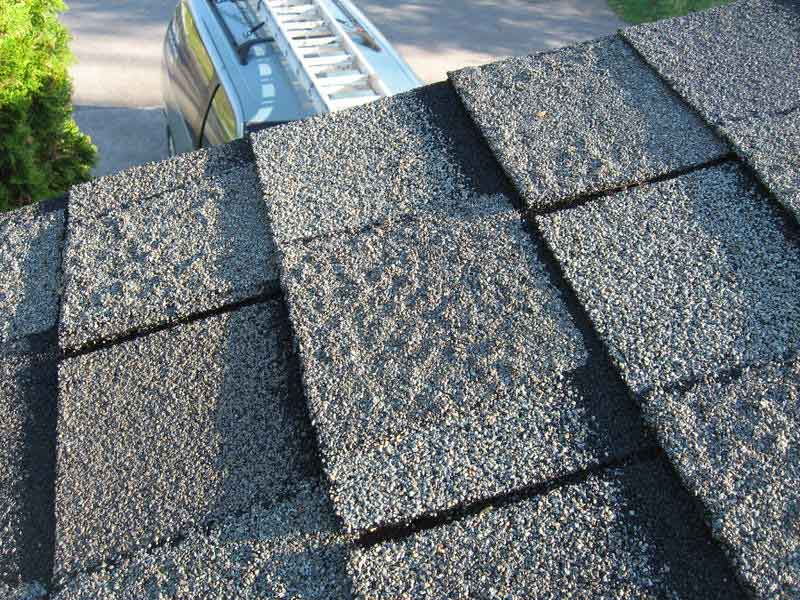
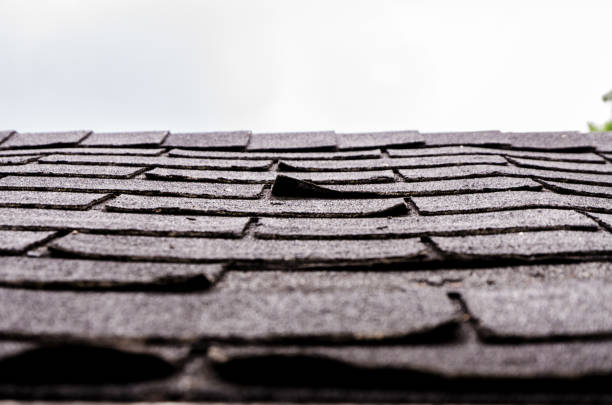
    Blistering shingles are a common roofing problem that occurs when bubbles or blisters form on the surface of your shingles. These blisters can range in size and can appear on individual shingles or in larger patches. Although blistering shingles may not seem serious, they can damage your roof’s integrity and lead to more significant issues if left unaddressed.Asphalt shingles are the most common type of shingle used on residential roofs in North America. They are made of a base material (either organic or fiberglass) coated with asphalt and topped with a layer of ceramic granules. When the asphalt in the shingles is exposed to high temperatures, it can soften and expand, causing the shingles to blister.

    What Causes Blistering Shingles?

    Several factors can cause blistering shingles. One common cause is excessive heat. When shingles are exposed to high temperatures for extended periods, they can begin to blister and bubble. This is particularly true for roofs that are poorly ventilated or located in areas with intense sunlight.Moisture is another common cause of blistering . When water gets trapped between the layers of your shingles, it can cause them to bubble and blister. That’s why it is essential to ensure that your roof is correctly waterproofed, and any leaks are repaired promptly.

    questions and concerns about roofing repair

    Why Are My Roof Shingles Blistering?

    Blistering Shingles is a common issue with asphalt shingles. There are two main reasons for blistering on shingles

    • Trapped Moisture

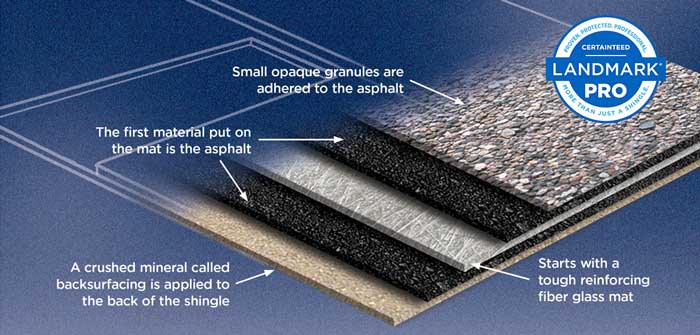
    The first cause of blistering on shingles is due to manufacturing errors that allow moisture to get trapped between the layers that comprise the shingle. Most asphalt roof shingles consist of three layers:

    -The backing, composed of paper or fiberglass

    -The asphalt

    The granules

    When the moisture stuck between these layers heats up from sun exposure or attic heat, it expands or turns to vapor, forming blisters.

    • Poor Ventilation

    Blistering on shingles may develop or worsen if your roof is poorly ventilated. A poorly ventilated roof allows heat and moisture to build up in the attic, leading to shingle deterioration and damage.

    certainteed shingle technology roofing
    prevent blistering shingles , preventing storm damage roof

    Preventing Blistering Shingles:

    The best way to prevent blistering is to ensure that your roof is correctly ventilated and waterproofed. Regular inspections and maintenance by a professional roofing contractor can achieve this. Additionally, it’s important to keep your gutters clear of debris and to remove any overhanging tree limbs that could damage your roof.

    Proper Roof Ventilation

    Ventilation is crucial in preventing blistering shingles. Attic vents allow for the release of warm, moist air that can build up in your attic. This, in turn, prevents the shingles from overheating and blistering. Proper attic ventilation also helps reduce energy costs by allowing hot air to escape, making it easier to cool your home.

    ventilation fan

    Waterproofing

    Waterproofing your roof is another critical step in preventing blistering shingles. Ensure that your roof is properly waterproofed by having a professional Roofing contractor install the right underlayment and ice and water shield. These materials help prevent moisture from getting trapped between the layers of your shingles and causing blisters. It’s essential to choose the right underlayment and ice and water shield for your roof type and climate, as different materials are designed to withstand different weather conditions.

    waterproofing prevent blistering shingles sign , storm damage roof resistant

    Regular Inspections and Maintenance

    Regular inspections and maintenance are critical in preventing shingles blistering. A professional roofing contractor can identify potential issues before they become significant problems and recommend the necessary repairs or replacements. It’s recommended to have your roof inspected at least once a year, especially after severe weather events.

    roof repair inspection icon

    Fixing Blistering Shingles:

    If you notice blistering on your shingles, it’s essential to address the issue promptly to prevent further damage. Here are some steps to follow

    • Call a Professional

    Fixing shingles blistering can be a complex and dangerous job, and it’s essential to call a professional roofing contractor to do the work. They have the necessary skills, equipment, and experience to fix the problem safely and effectively.

    • Identify the Cause

    The first step is to identify the cause of the problem. If the issue is due to poor ventilation, it’s essential to improve your attic ventilation. If it’s due to trapped moisture, you’ll need to replace the affected shingles.

    • Replace Damaged Shingles

    If the blistering is limited to a few shingles, it’s possible to replace them individually. However, if the problem is more widespread, it may be necessary to replace the entire roof.

    repairing storm damage roof

    Contact a Professional Today

    roofing quality
    contact rnc roofing and construction
    cracked damaged shingles , roofing, blistering roof

    Shingles Blistering may seem like a minor issue, but they can cause significant damage to your roof if left unaddressed. By understanding the causes of blistering and taking the necessary steps to prevent and fix them, you can ensure that your roof remains in excellent condition and protect your home and family from the elements.

    View More of Our Informative Post Here

    Free, No Obligation

    Request Your Free Estimate & Inspection

    Tell us about your roof and we’ll come take a look — no pressure, no cost. Or call us right now on (703) 964-6233.

    (703) 964-6233
    Contact Form Demo (#3)
    Owens Corning Preferred Contractor GAF System Plus CertainTeed SureStart PLUS BBB A+ Accredited HomeAdvisor

    RNC Roofing

    RNC Roofing and Construction Group — The Roofing Contractor Specialists. Protecting your home, one shingle at a time.

    Virginia

    (703) 964-6233 Sterling · Leesburg · Ashburn
    Loudoun & Fairfax County

    Maryland

    (703) 964-6233 Beltsville · District Heights
    All of Maryland
    © 2026 RNC Roofing and Construction Group — The Roofing Contractor Specialists Northern Virginia & Maryland
  • How Much Does a New Roof Cost in Maryland?

    Protecting your home, one shingle at a time VA (703) 964-6233| MD (703) 964-6233| Free Estimate & Inspection
    Maryland

    How Much Does a New Roof Cost in Maryland?

    RNC Roofing and Construction Group March 31, 2023
    How Much Does a New Roof Cost in Maryland?

    The Ultimate Guide to Roofing Costs in Maryland

    How Much Does a New Maryland Roof Cost?

    Roof replacement costs can vary significantly depending on a number of factors, but in Maryland, you can expect to pay anywhere from $5,000 to $30,000 or more for a full roof replacement. According to a 2023 cost vs. value report by Fixr.com the average cost to replace a 25-year shingle roof in Baltimore is around $24,700. While this may seem like a steep price tag, it’s important to understand what factors go into estimating the cost of a roof replacement in Maryland.

    Factors That Affect The Cost Of a New Roof In Maryland

    When it comes to estimating the cost of a roof replacement in Maryland, there are several factors that can influence the price. Here are some of the most important factors to consider:

    cost of roofing size of roof

    The Size of Your Roof:

    The size of your roof is one of the most significant factors that will impact the cost of your roof replacement. Most roofing companies charge by the square foot, so the larger your roof, the more you can expect to pay. Additionally, larger roofs require more labor, which can also increase the overall cost.

    gaf roofing
    owens corning roofing

    Materials:

    The materials you choose for your roof replacement can also have a significant impact on the cost. While most roofing contractors offer a range of materials at different price points, it’s important to remember that higher-quality materials will generally be more expensive. However, they may also last longer and require fewer repairs in the long run.View Our Selections of High Quality Materials Here

    dude in hardhat showing labor

    Labor:

    Labor costs are another important consideration when estimating the cost of a roof replacement in Maryland. While labor costs can vary from contractor to contractor, working with an efficient and experienced roofing company can help you get the most value for your money.

    stick figure climbing stairs showing steepness

    Steepness

    The steepness of your roof can also impact the overall cost of your roof replacement. Steeper roofs can be more difficult to work on, which can slow down the labor process and require additional equipment. Additionally, steep roofs can be more dangerous for roofers, which can lead to increased insurance costs for the contractor.

    damaged building in Maryland

    Unforeseen Damage

    In some cases, additional damage may be discovered during the roof replacement process. This can include damage to the plywood underlayment or water damage in the attic. If additional damage is discovered, it can add to the overall cost of your roof replacement.

    red chimney showing extra features

    Extra Features on the Roof

    If your roof features skylights, a chimney, or other additional features, it may require extra work and materials to replace damaged flashing and properly seal the roof during the replacement process. Alternatively, these features may need to be replaced entirely if they cannot be successfully repaired during the roof replacement.

    ventilation fan

    Ventilation Replacements

    Your roof is home to many of your home’s ventilation systems, including roof vents. During the roof replacement process, these vents may need to be replaced if they are damaged or if local building codes require it.

    gutter replacement

    Gutter Replacement

    If your gutters are damaged, it may be a good idea to replace them at the same time as your roof to save on additional labor costs down the line.

    waste removal basket

    Waste Removal

    When your old roof is torn off, the materials must be disposed of. This can add to the overall cost of a roof replacement. Dumpsters have to be brought on-site, and time has to be dedicated to disposing of the materials from your old roof. However, some roofing contractors may offer to include waste removal as part of their services, so it’s always a good idea to ask about it when you’re getting estimates.

    Choosing The Right Contractor

    When it comes to getting a roof replacement in Maryland, choosing the right contractor can make all the difference in terms of the cost and the quality of the work. Before hiring a roofing contractor, it’s important to do your research and ask the right questions. Here are some tips to help you choose the right contractor:

    choosing right contractor for cost of roofing

    Get Referrals

    Ask friends, family, and neighbors for referrals. If someone you know had a good experience with a roofing contractor, it’s a good sign that they do good work.

    Check Credentials

    Make sure the contractor you choose is licensed and insured. This will protect you in case something goes wrong during the project.

    Ask For References

    Ask the contractor for references from previous clients. If they’re hesitant to provide references, that could be a red flag.

    Get Multiple Estimates

    Always get multiple estimates from different contractors before making a decision. This will give you a better idea of what a fair price is for your project.

    Read Reviews

    Look for reviews of the contractor online. Sites like Yelp, Google, and Angie’s List can be great resources for finding reviews from previous clients.

    Why Should You Know This?

    A roof replacement can be a costly investment, but it’s also an important one. Your roof is what protects your home and everything inside it from the elements. If you’re in Maryland and need a roof replacement, make sure to do your research and choose a qualified, professional contractor. By understanding the factors that go into the cost of a roof replacement, you can make an informed decision about what type of roof to choose and how much you’re willing to spend.

    Free, No Obligation

    Request Your Free Estimate & Inspection

    Tell us about your roof and we’ll come take a look — no pressure, no cost. Or call us right now on (703) 964-6233.

    (703) 964-6233
    Contact Form Demo (#3)
    Owens Corning Preferred Contractor GAF System Plus CertainTeed SureStart PLUS BBB A+ Accredited HomeAdvisor

    RNC Roofing

    RNC Roofing and Construction Group — The Roofing Contractor Specialists. Protecting your home, one shingle at a time.

    Virginia

    (703) 964-6233 Sterling · Leesburg · Ashburn
    Loudoun & Fairfax County

    Maryland

    (703) 964-6233 Beltsville · District Heights
    All of Maryland
    © 2026 RNC Roofing and Construction Group — The Roofing Contractor Specialists Northern Virginia & Maryland
  • 6 Common Causes of Roof Leaks In Heavy Rain

    Protecting your home, one shingle at a time VA (703) 964-6233| MD (703) 964-6233| Free Estimate & Inspection
    Home Improvement

    6 Common Causes of Roof Leaks In Heavy Rain

    RNC Roofing and Construction Group March 21, 2023
    6 Common Causes of Roof Leaks In Heavy Rain

    6 Common Causes of Roof Leaks In Heavy Rain

    When it rains heavily, your roof should protect your home from water damage. However, if your roof leaks during heavy rain, it can cause significant problems, such as water stains, mold growth, wood rot, and structural damage. In this article, we will explore the six most common causes of roof leaks during heavy rain and suggest some practical solutions to help you avoid or fix them.

    1

    cracked damaged shingles , roofing, blistering roof

    Damaged or Missing Shingles

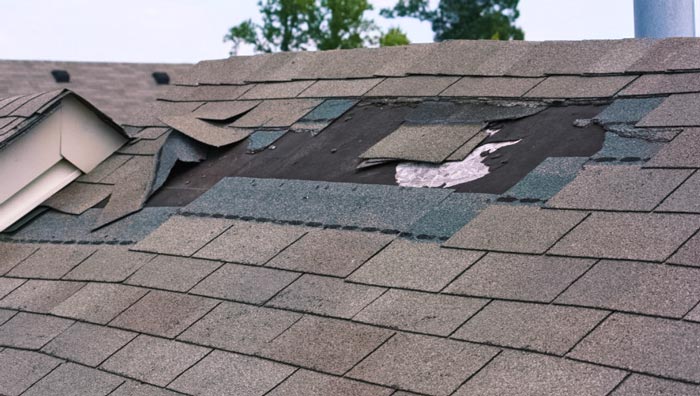
    The shingles on your roof serve as the first line of defense against rainwater. If they are damaged or missing, rainwater can penetrate your roof and seep into your attic or ceiling. Some signs of damaged or missing shingles include:

    • Cracked, curled, or warped shingles
    • Loose or missing shingles
    • Granules or debris in your gutters or downspouts

    To prevent or fix this problem, you should inspect your roof regularly, especially after a storm, and look for any signs of damage or wear. If you notice any damaged or missing shingles, you should replace them as soon as possible.

    2

    storm damaged gutters

    Clogged Gutters or Downspouts

    Your gutters and downspouts play a crucial role in channeling rainwater away from your roof and home. However, if they are clogged with leaves, twigs, or debris, they can cause water to back up and overflow, leading to water damage or leaks. Some signs of clogged gutters or downspouts include:

    • Water spilling over the edges of your gutters
    • Sagging or detached gutters
    • Damp or wet spots around your home’s foundation

    The key to preventing or fixing this is to clean your gutters and downspouts at least twice a year, or more frequently if you have many trees around your home. You can use a ladder, gloves, and a scoop to remove the debris manually, or you can hire a professional to do it for you.

    3

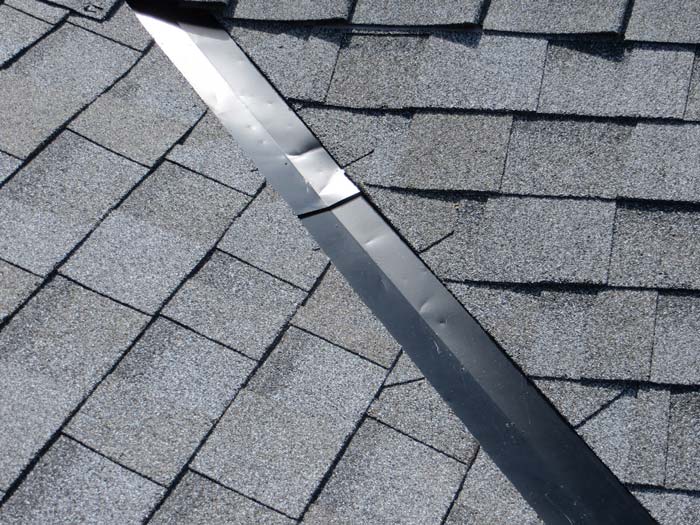
    broken , dented roof flashing , roof leak in heavy rain

    Faulty Flashing

    Flashing refers to the metal strips or sheets that seal the joints and seams of your roof, such as around the chimney, skylight, or vents. If the flashing is damaged, rusted, or improperly installed, rainwater can seep into your roof and cause leaks. Some signs of faulty flashing include:

    • Rust stains or corrosion around the flashing
    • Loose or missing flashing
    • Water stains or drips around the chimney or skylight

    To prevent a recurrence of this situation, you should inspect your flashing regularly and look for any signs of wear or damage. If you notice any problems, you should repair or replace the flashing as soon as possible. You can use a roofing cement or sealant to seal the gaps or joints, or you can hire a professional roofer to do it for you.

    4

    ice dam from roof leak in heavy rain

    Ice Dams

    Ice dams are a common problem in cold climates, where snow and ice can accumulate on your roof and form a barrier that prevents the melted snow from draining off your roof. The trapped water can then seep under your shingles and cause leaks. Some signs of ice dams include:

    • Icicles hanging from your roof or gutters
    • Ice or water stains on your ceiling or walls
    • Wet or soggy insulation in your attic

    This issue can be resolved by removing the snow and ice from your roof as soon as possible, using a roof rake or a broom, or hiring a professional to do it for you. You can also improve you

    5

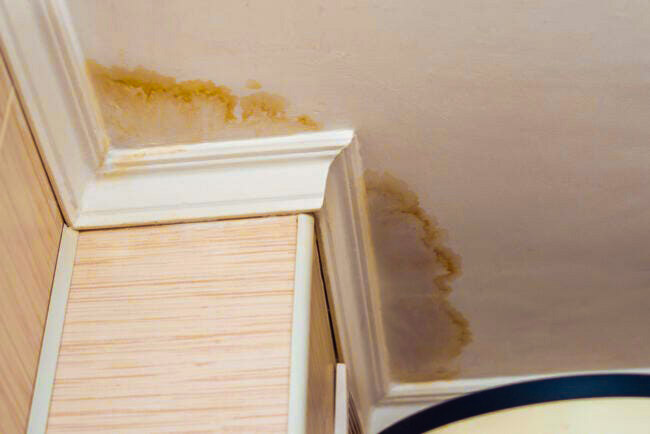
    roof leak , leaking water damage inside

    Condensation

    Condensation occurs when warm, humid air from your home’s interior meets the cold surface of your roof or attic. The moisture can then accumulate and cause mold growth, wood rot, or water damage. Some signs of condensation include:

    • Water stains or discoloration on your ceiling or walls
    • Musty or damp odors in your attic or home
    • Peeling or bubbling paint or wallpaper

    To address this concern, it is recommended to improve your home’s ventilation and air circulation, especially in your attic. You can install vents, fans, or exhaust systems to remove the excess moisture and allow fresh air to circulate. You can also insulate your attic and seal any air leaks or gaps to prevent the warm air from escaping into your attic.

    6

    dark areas on roofing from roof lean in heavy rain , peeling paint blistering roof

    Aging or Poor Quality Roof

    Lastly, your roof’s age and quality can also affect its ability to withstand heavy rain and prevent leaks. If your roof is old, worn, or poorly installed, it may have weak spots, cracks, or gaps that can allow rainwater to seep in. Some signs of an aging or poor quality roof include:

    • Sagging or uneven roofline
    • Visible cracks or holes in your roof
    • High energy bills or poor insulation

    To prevent or fix this problem, you should consider replacing your roof with a newer, high-quality material, such as metal, asphalt, or tile. You should also hire a professional roofer to inspect your roof regularly and repair any damage or wear before it becomes a bigger problem.

    Conclusion

    Roof leaks in heavy rain can be caused by various factors, such as damaged shingles, clogged gutters, faulty flashing, ice dams, condensation, and aging or poor quality roof. By identifying and addressing these issues early on, you can prevent or fix roof leaks and protect your home from water damage. If you need help with your roof, you can contact a local roofing contractor or home improvement professional for advice and assistance or Read More About Roof Leaks In Heavy Rain Here.

    Our Informative Articles

    Free, No Obligation

    Request Your Free Estimate & Inspection

    Tell us about your roof and we’ll come take a look — no pressure, no cost. Or call us right now on (703) 964-6233.

    (703) 964-6233
    Contact Form Demo (#3)
    Owens Corning Preferred Contractor GAF System Plus CertainTeed SureStart PLUS BBB A+ Accredited HomeAdvisor

    RNC Roofing

    RNC Roofing and Construction Group — The Roofing Contractor Specialists. Protecting your home, one shingle at a time.

    Virginia

    (703) 964-6233 Sterling · Leesburg · Ashburn
    Loudoun & Fairfax County

    Maryland

    (703) 964-6233 Beltsville · District Heights
    All of Maryland
    © 2026 RNC Roofing and Construction Group — The Roofing Contractor Specialists Northern Virginia & Maryland
  • Roofing Repairs Near Me: Comprehensive Guide to Roof Repair

    Protecting your home, one shingle at a time VA (703) 964-6233| MD (703) 964-6233| Free Estimate & Inspection
    Home Improvement

    Roofing Repairs Near Me: Comprehensive Guide to Roof Repair

    RNC Roofing and Construction Group March 13, 2023
    Roofing Repairs Near Me: Comprehensive Guide to Roof Repair

    A sturdy roof is essential to the safety and comfort of your home. However, even the most well-built roofs can experience damage over time due to exposure to weather elements. That’s where roofing repairs come in. But before you start searching for “roofing repairs near me,” it’s essential to understand the basics of roof repair.

    In this comprehensive guide, we’ll cover everything you need to know about roofing repairs, including common issues and concerns, the importance of timely repairs, how to find the right roofing contractor near you, and more.

    Common Issues and Concerns:

    questions and concerns about roofing repair

    Roofs are exposed to weather elements like rain, snow, hail, wind, and sun, which can cause wear and tear over time. Here are some common roofing issues and concerns that you should be aware of:

    • Leaks: Leaks are a common problem that occurs when the roof’s protective layer is compromised. Water can seep through and cause damage to the interior of your home, including walls, ceilings, and floors.
    • Shingle Damage: Shingles can become damaged due to harsh weather conditions, leading to missing or broken shingles. This can compromise the roof’s ability to protect your home from weather elements.
    • Aging Roof: Roofs have a lifespan, and over time they can become less effective in protecting your home. An aging roof is more susceptible to leaks and damage from weather elements.
    • Timely repairs are essential when it comes to roofing issues. Waiting too long to address a problem can lead to more extensive damage, resulting in higher repair costs. Here are some reasons why timely repairs are crucial:
    • Poor Installation: If your roof was not installed correctly, it can lead to various problems down the line, including leaks and shingle damage.
    • Debris Accumulation: Debris like leaves, branches, and other materials can accumulate on your roof and cause damage if left unattended.

    Importance of Timely Repairs:

    • Prevent Further Damage: Timely repairs can prevent further damage to your roof and your home’s interior.
    • Save Money: Repairing a small issue in a timely manner is much cheaper than waiting for it to become a bigger problem.
    • Extend Roof’s Lifespan: Regular maintenance and timely repairs can help extend your roof’s lifespan, saving you money in the long run.

    Finding the Right Roofing Contractor Near You:

    choosing right contractor for cost of roofing

    When searching for “roofing repairs near me,” it’s essential to find the right roofing contractor. Here are some tips for finding the right contractor near you:

    • Research: Do your research to find reputable contractors in your area. Check reviews and ratings to ensure you’re working with a reliable contractor.
    • Get Estimates: Ask for estimates from multiple contractors to compare prices and services.
    • Check for Licensing and Insurance: Ensure that the contractor you choose is licensed and insured to protect yourself and your property.
    • Ask for References: Ask for references from past customers to get an idea of the contractor’s work quality.

    FAQ’S

    Q and Q roofing replacement questions

    Q: How long does a roof repair take?

    A: The length of time for a roof repair can vary depending on the extent of the damage. A minor repair can take a few hours, while a more extensive repair can take several days.

    Q: How often should I have my roof inspected?

    A: It’s recommended to have your roof inspected once a year to ensure that it’s in good condition and to catch any potential issues before they become more significant problems.

    Q: How often should I have my roof inspected?

    A: It’s recommended to have your roof inspected at least once a year, preferably in the spring or fall. However, if you’ve experienced severe weather conditions such as hailstorms or high winds, it’s best to have your roof inspected immediately after the storm has passed.

    Q: Can I repair my roof myself?

    A: While there are some minor repairs that you can do yourself, it’s generally not recommended to try to repair your roof without professional assistance. Climbing on your roof can be dangerous, and without proper training and equipment, you could cause more harm than good. Additionally, if you attempt a repair and it doesn’t fix the problem, you may end up causing more damage to your roof and increasing the repair costs.

    Q: How long do roof repairs typically take?

    A: The length of time it takes to complete a roof repair can vary depending on the extent of the damage and the type of repair needed. Minor repairs such as replacing a few shingles can typically be completed in a few hours, while more extensive repairs such as replacing a large section of the roof may take several days.

    Q: How much does a roof repair cost?

    A: The cost of a roof repair can vary widely depending on the extent of the damage, the materials needed, and the location of your home. Minor repairs may cost a few hundred dollars, while more extensive repairs can cost thousands of dollars. It’s best to get a written estimate from a professional roofing contractor before agreeing to any repair work.Click Here to Learn More About Roof Repair Cost

    Conclusion:

    red tips icon over house. tips for successful replacement of roof

    If you’re in need of roofing repairs near you, it’s important to do your research and find a reputable roofing contractor. Look for a contractor who has experience with the type of roofing material on your home and who is licensed, insured, and bonded. Don’t be afraid to ask for references and read online reviews to ensure that you’re hiring a contractor who will provide quality work at a fair price.

    By being proactive and having your roof inspected regularly, you can catch small problems before they turn into larger, more expensive issues. And if you do need a roof repair, it’s important to act quickly to prevent further damage to your home. With the right contractor on your side, you can rest assured that your roof repair will be completed safely and efficiently, allowing you to enjoy a safe and comfortable home for years to come

    Free, No Obligation

    Request Your Free Estimate & Inspection

    Tell us about your roof and we’ll come take a look — no pressure, no cost. Or call us right now on (703) 964-6233.

    (703) 964-6233
    Contact Form Demo (#3)
    Owens Corning Preferred Contractor GAF System Plus CertainTeed SureStart PLUS BBB A+ Accredited HomeAdvisor

    RNC Roofing

    RNC Roofing and Construction Group — The Roofing Contractor Specialists. Protecting your home, one shingle at a time.

    Virginia

    (703) 964-6233 Sterling · Leesburg · Ashburn
    Loudoun & Fairfax County

    Maryland

    (703) 964-6233 Beltsville · District Heights
    All of Maryland
    © 2026 RNC Roofing and Construction Group — The Roofing Contractor Specialists Northern Virginia & Maryland
  • The Ultimate Guide to Roof Replacement

    Protecting your home, one shingle at a time VA (703) 964-6233| MD (703) 964-6233| Free Estimate & Inspection
    Home Improvement

    The Ultimate Guide to Roof Replacement

    RNC Roofing and Construction Group March 1, 2023
    The Ultimate Guide to Roof Replacement

    Your roof is a crucial component of your home’s structure. It protects you and your family from the elements and keeps your home safe and secure. However, over time, your roof will start to wear down and may need to be replaced. Replacing your roof can be a daunting task, but it’s essential to ensure the safety and longevity of your home. In this article, we’ll go over everything you need to know about replacement of your roof

    When to Replace Your Roof?:

    when to replace roof

    Determining when to replace your roof can be tricky.The lifespan of a roof is around 20-25 years, but several factors can impact its lifespan. These factors include the quality of the installation, the type of material used, and the climate of your area. If you’re unsure when to replace your roof, you can consult with a roofing professional who can assess the condition of your roof and give you recommendations.

    • Age – If your roof is over 20 years old, it’s likely time for a replacement.
    • Curling or Buckling Shingles – If your shingles are curling or buckling, it’s a sign that your roof is nearing the end of its lifespan.
    • Missing Shingles – Missing shingles can leave your roof vulnerable to leaks and water damage.
    • Water Damage – If you notice water stains on your ceiling or walls, it’s a sign that your roof is leaking.
    • Granule Loss – If you notice granules from your shingles in your gutters, it’s a sign that your roof is deteriorating.

    Choosing the Right Roofing Material:

    red roof icon over roofing job

    When it comes to replacing your roof, you have several roofing materials to choose from. Each material has its pros and cons, and the one you choose will depend on your budget, climate, and aesthetic preferences View Our Resources For More Information Some of the most common roofing materials include:

    gaf roofing
    owens corning roofing

    • Asphalt Shingles – These are the most popular roofing material due to their affordability and ease of installation.
    • Metal – Metal roofing is durable and long-lasting, making it an excellent choice for areas with severe weather.
    • Clay or Concrete Tiles – These roofing materials are durable and can give your home a unique look, but they can be expensive and heavy.
    • Wood Shingles or Shakes – These roofing materials can give your home a rustic look, but they require more maintenance than other materials.
    • Slate – Slate roofing is one of the most expensive roofing materials, but it’s also one of the most durable and long-lasting.

    When choosing a roofing material, it’s essential to consider factors such as cost, durability, and maintenance requirements.

    The Roofing Replacement Process:

    replacement icon roof replacement process

    Replacing your roof can be a complex process that requires several steps. Here’s what you can expect during the roofing replacement process:

    1. Inspection – Before replacing your roof, a roofing professional will inspect your current roof to determine the extent of the damage and assess if a replacement is necessary.
    2. Removal of Old Roofing Materials – Once it’s determined that a replacement is necessary, the old roofing materials will be removed to prepare for the new roof.
    3. Installation of Underlayment – An underlayment will be installed to provide a barrier between the roof deck and the shingles.
    4. Installation of New Roofing Materials – The new roofing materials will be installed according to the manufacturer’s instructions.
    5. Cleanup – Once the installation is complete, the roofing contractor will clean up the job site and dispose of the old roofing materials.

    How Long Does Roof Replacement Take?:

    hourglass , time it takes to replace roof. house with hour glass icon

    The time it takes to replace a roof varies depending on the factors mentioned above. In general, a roof replacement project can take anywhere from a few days to several weeks. A small roof with a simple design can take two to three days to replace, while a larger, more complex roof may take up to two weeks.

    Factors That Affect Roof Replacement Timeline:

    maintenance roofing

    Several factors can affect how long it takes to replace a roof. These factors include:

    • Size of the roof: The larger the roof, the longer it will take to replace. A smaller roof may take only a few days, while a larger one may take a week or more.
    • Roof type: Different types of roofs have different installation requirements, which can affect the timeline. For instance, a flat roof may be quicker to install than a pitched roof.
    • Weather conditions: Inclement weather such as rain or high winds can delay roof replacement. It’s best to plan the project during a season with favorable weather conditions to minimize delays.
    • Accessibility: The ease of accessing the roof can also affect how long it takes to replace. If the roof is difficult to access, it may take longer to remove and install the new roof.
    • Complexity of the job: Some roofs are more complicated to replace than others. A roof with many angles, valleys, or skylights may require more time to install.

    Tips for Successful Roof Replacement:

    red tips icon over house. tips for successful replacement of roof

    Here are some tips to help you stay within budget while still getting a high-quality replacement of roof:

    • Plan ahead: Start planning for your roof replacement early to give yourself enough time to research and compare options, as well as to save up for the cost.
    • Hire a professional: A professional roofing contractor has the expertise, tools, and experience needed to get the job done right. Hire a reputable contractor to avoid mistakes that could lead to costly repairs.
    • Choose a cost-effective roofing material: While there are many options available, some roofing materials are more cost-effective than others. Asphalt shingles are a popular and affordable choice for many homeowners.
    • Consider energy-efficient options: Energy-efficient roofing materials can help you save money on energy bills by reducing the amount of heat that enters your home during the summer months.
    • Get multiple quotes: Before hiring a contractor, get multiple quotes from different providers to compare prices and ensure you get the best value for your money.

    Factors That Effect The Cost of Replacing Your Roof:

    cost of roofing replacement

    The total cost of a roof replacement project depends on various factors such as the size and pitch of the roof, the type and quality of roofing material, the labor charges, and the complexity of the job. Typically, a complete roof replacement can cost anywhere from $5,000 to $15,000 or more, depending on these factors. To avoid any surprises, it’s recommended to get a detailed estimate from a reputable roofing contractor that includes all the costs involved in the project.

    1. Roof size: The larger the roof, the more materials and labor required, which can increase the cost.

    2. Roof pitch: A steeper roof pitch requires more safety equipment and can be more difficult to work on, which can increase the cost.

    3. Roofing materials: Different types of roofing materials have different costs, with some materials being more expensive than others.

    4. Roofing accessories: Additional items such as flashing, ventilation systems, and skylights can add to the cost.

    5. Removal of the old roof: The cost of removing the old roof and disposing of the debris can vary depending on the size of the roof and the amount of damage.

    6. Repairs: If there is damage to the underlying structure or decking, repairs will need to be made, which can increase the cost.

    7. Permit fees: Some areas require permits for roof replacement, which can add to the cost.

    8. Labor costs: The amount of time and labor required for the project can affect the overall cost, with more complex jobs requiring more time and labor.

    FAQ’s:

    Q and Q roofing replacement questions

    • Q: Can I replace my roof without hiring a contractor?
      A: While it’s possible to replace your roof on your own, it’s not recommended. Roof replacement is a complex and dangerous process that requires specialized knowledge and equipment.
    • Q: How long does a roof replacement take?
      A: The length of time required for a roof replacement can vary depending on the size and complexity of your roof. On average, a roof replacement can take between a few days and a few weeks.
    • Q: Is it possible to replace my roof while staying within budget?
      A: While it’s possible to replace your roof yourself, it’s not recommended. Replacing a roof can be dangerous and requires specialized tools and knowledge. It’s best to hire a professional roofing contractor to ensure the job is done correctly and safely.
    • Q: How often should I replace my roof?
      A: The lifespan of a roof depends on several factors, such as the type of material, the quality of installation, and the weather conditions in your area. However, most roofs last between 15 and 25 years. If your roof is approaching this age or showing signs of wear and tear, it may be time for a replacement.
    • Q: What happens if I don’t replace my roof?
      A: If you don’t replace your roof when it’s necessary, you risk serious damage to your home’s interior and structure. Leaks can cause water damage, mold growth, and even compromise the structural integrity of your home.
    • Q: How do I know if I need a roof replacement or repair?
      A: The decision to repair or replace your roof depends on the extent of the damage. In general, if your roof has significant damage, such as missing shingles or severe leaks, it may be time for a replacement. However, minor damage can often be repaired without the need for a full replacement.
    • Q: Can I choose any roofing material for my replacement roof?
      A: While you can choose any roofing material for your replacement roof, it’s important to consider factors such as cost, durability, and the weather conditions in your area. A professional roofing contractor can help you select the best material for your specific needs.
    • Q: Will replacing my roof increase the value of my home?
      A: Yes, replacing your roof can increase the value of your home. A new roof can improve the curb appeal of your home and provide added protection against weather damage, which can be attractive to potential buyers.
    • Q: Do I need to obtain permits for a roof replacement?
      A: Permit requirements for roof replacement vary depending on your location and the extent of the work being done. A professional roofing contractor can help you determine what permits are necessary for your specific project.
    • Q: Can I live in my home while the roof is being replaced?
      A: While it’s possible to live in your home during a roof replacement, it can be noisy and disruptive. It’s best to plan ahead and make arrangements to stay somewhere else if possible.
    • Q: What should I look for in a roofing contractor?
      A: When choosing a roofing contractor, it’s important to look for a licensed and insured professional with experience in roof replacement. It’s also a good idea to ask for references and to read online reviews before making a decision.

    Free, No Obligation

    Request Your Free Estimate & Inspection

    Tell us about your roof and we’ll come take a look — no pressure, no cost. Or call us right now on (703) 964-6233.

    (703) 964-6233
    Contact Form Demo (#3)
    Owens Corning Preferred Contractor GAF System Plus CertainTeed SureStart PLUS BBB A+ Accredited HomeAdvisor

    RNC Roofing

    RNC Roofing and Construction Group — The Roofing Contractor Specialists. Protecting your home, one shingle at a time.

    Virginia

    (703) 964-6233 Sterling · Leesburg · Ashburn
    Loudoun & Fairfax County

    Maryland

    (703) 964-6233 Beltsville · District Heights
    All of Maryland
    © 2026 RNC Roofing and Construction Group — The Roofing Contractor Specialists Northern Virginia & Maryland
  • Roofing Energy Efficiency: Maximizing Sustainability and Savings

    Protecting your home, one shingle at a time VA (703) 964-6233| MD (703) 964-6233| Free Estimate & Inspection
    Home Improvement

    Roofing Energy Efficiency: Maximizing Sustainability and Savings

    RNC Roofing and Construction Group February 10, 2023
    Roofing Energy Efficiency: Maximizing Sustainability and Savings

    Roof Energy Efficiency: Maximizing Sustainability and Savings

    Roofing energy efficiency is a crucial aspect of creating an environmentally sustainable and cost-effective home. With the increasing emphasis on reducing energy consumption and minimizing carbon footprints, understanding the importance of energy efficiency in roofing systems is paramount. This article aims to provide a comprehensive overview of the subject, guiding homeowners and contractors towards making informed decisions about their roofing choices.

    Understanding Roofing Energy Efficiency

    Definition and Impact of Roofing Energy Efficiency

    Roofing energy efficiency refers to the ability of a roofing system to effectively minimize energy consumption and optimize thermal performance. By employing various techniques and materials, energy-efficient roofs reduce heat transfer, maintain comfortable indoor temperatures, and decrease the reliance on heating and cooling systems. This results in lower energy bills and reduced environmental impact.

    Insulation Materials and Their R-Value

    Insulation plays a critical role in roofing energy efficiency. Insulation materials with high R-values, such as fiberglass, spray foam, or cellulose, effectively resist heat flow and prevent thermal energy loss. The R-value measures the insulation’s resistance to heat transfer, with higher values indicating greater efficiency in reducing energy consumption.

    Reflective Properties of Roofing Materials

    The choice of roofing materials significantly impacts energy efficiency. Reflective roofing materials, such as cool roofs or those with high solar reflectance, minimize heat absorption and reduce the need for air conditioning. Metal roofs, for example, offer excellent reflectivity, while clay or concrete tiles provide thermal mass properties that help regulate indoor temperatures.

    Ventilation and Airflow Considerations

    Proper ventilation and airflow are essential for maintaining roofing energy efficiency. Adequate ventilation systems, including ridge vents, soffit vents, and gable vents, facilitate the exchange of hot and cool air, preventing heat buildup in the attic space. This helps in reducing the strain on cooling systems and enhancing overall energy efficiency.

    evaluating roof damage

    Evaluating Your Current Roofing System

    Conducting a Comprehensive Assessment of Your Existing Roofing System’s Energy Efficiency

    To ensure optimal roofing energy efficiency, it is crucial to evaluate your current roofing system. This assessment will help identify any potential areas for improvement and address common energy efficiency issues.

    Identifying Common Energy Efficiency Issues in Roofs

    Inspect your roof for common energy efficiency issues, such as inadequate insulation, air leaks, or damaged roofing materials. These issues can result in heat loss during winter and heat gain during summer, compromising energy efficiency. Addressing these issues promptly can significantly improve the overall performance of your roofing system.

    Assessing Insulation Quality and Identifying Potential Areas for Improvement

    Evaluate the quality and effectiveness of your roof insulation. Check for proper installation and insulation thickness to ensure optimal energy efficiency. Identify any gaps, compression, or deterioration in the insulation that might lead to energy loss. By identifying areas that require improvement, you can enhance the insulation’s ability to minimize heat transfer and improve energy efficiency.

    Analyzing the Reflective Properties of the Roofing Materials

    Consider the reflective properties of your roofing materials. Roofing materials with higher reflectivity, such as cool roofs or those with high solar reflectance, help deflect sunlight and reduce heat absorption. This can significantly improve energy efficiency by minimizing the need for air conditioning. Assess the current roofing material’s reflectivity and explore options for more energy-efficient alternatives if necessary.

    update insulation

    Upgrading Roof Insulation for Optimal Energy Efficiency

    Exploring Different Types of Insulation Materials for Roofs

    When aiming to enhance roofing energy efficiency, upgrading roof insulation is a crucial step. Several insulation materials can effectively minimize heat transfer and improve energy performance.

    Fiberglass Insulation

    Fiberglass insulation is a commonly used material for roof insulation due to its affordability and effectiveness. It consists of fine glass fibers that trap air, reducing heat flow. Fiberglass insulation is available in rolls, batts, or loose-fill forms, offering flexibility in installation and coverage.

    Spray Foam Insulation

    Spray foam insulation is another excellent option for maximizing energy efficiency. It is applied as a liquid that expands and solidifies, creating a seamless insulating layer. Spray foam insulation fills gaps, cracks, and hard-to-reach areas, providing exceptional air sealing properties and thermal resistance.

    Cellulose Insulation

    Cellulose insulation is made from recycled paper products treated with fire-retardant chemicals. It offers good thermal performance and helps reduce energy consumption. Cellulose insulation is available as loose-fill or dense-packed, making it suitable for both new construction and retrofit projects.

    Determining the Appropriate Insulation Type Based on Climate and Specific Requirements

    Choosing the right insulation type is essential for achieving optimal energy efficiency in roofing systems. Factors such as climate, local building codes, and specific requirements should be considered. Consultation with a professional contractor can provide valuable guidance in selecting the most suitable insulation material for your specific needs.

    Proper Installation Techniques and Considerations for Achieving Maximum Effectiveness

    Proper installation is crucial for maximizing the effectiveness of roof insulation. It ensures a continuous and airtight barrier, minimizing thermal bridging and heat loss. Attention should be given to proper sealing of gaps, avoiding compression of insulation, and providing adequate ventilation to prevent moisture buildup. Following manufacturer guidelines and utilizing the expertise of a qualified contractor will help ensure proper installation techniques are employed.

    metal roofing

    Selecting Energy-Efficient Roofing Materials

    Comparing Roofing Materials Based on Their Energy Efficiency Attributes

    When it comes to enhancing roofing energy efficiency, selecting the right roofing material is crucial. Different materials offer varying levels of energy performance. Let’s explore some commonly used options:

    Asphalt Shingles

    Asphalt shingles are a popular choice due to their affordability and versatility. While they may not be the most energy-efficient option, advancements in technology have led to the development of cool asphalt shingles that incorporate reflective properties, reducing heat absorption and improving energy efficiency.

    Metal Roofing

    Metal roofs are known for their exceptional longevity and durability. They have excellent solar reflectance properties, helping to reduce heat transfer to the building’s interior. Metal roofs can also be combined with insulation layers to enhance energy efficiency further.

    Clay or Concrete Tiles

    Clay or concrete tiles are renowned for their thermal mass properties. They absorb heat during the day and release it gradually at night, helping to regulate indoor temperatures. This natural cooling effect can reduce the need for air conditioning, resulting in improved energy efficiency.

    Green Roofs

    Green roofs, or vegetative roofs, offer a unique approach to energy efficiency. They consist of a layer of vegetation and soil, providing natural insulation and reducing heat island effect. Green roofs can improve energy efficiency by reducing heat gain, enhancing air quality, and mitigating stormwater runoff.

    Understanding the Benefits and Limitations of Each Material

    While each roofing material has its benefits, it’s essential to consider their limitations as well. Factors such as cost, maintenance requirements, weight, and compatibility with your home’s structural integrity should be taken into account when selecting the most suitable option for your roofing energy efficiency goals.

    Choosing the Most Suitable Roofing Material for Your Climate and Energy Goals

    When choosing a roofing material, it is crucial to consider your local climate and specific energy goals. For instance, in hot climates, materials with high reflectivity and insulation properties may be more beneficial, while in colder regions, materials with excellent insulation and thermal mass qualities might be preferred. Consulting with a roofing professional can help determine the most suitable material for your specific needs.

    roof ventilation

    Enhancing Ventilation and Airflow

    The Role of Proper Ventilation in Maintaining Roofing Energy Efficiency

    Proper ventilation plays a crucial role in maintaining optimal roofing energy efficiency. It helps regulate temperature, moisture levels, and airflow within the attic space, preventing heat buildup and reducing the strain on your cooling systems. By ensuring adequate ventilation, you can enhance the overall energy performance of your roofing system.

    Types of Ventilation Systems for Roofs

    There are several types of ventilation systems commonly used in roofing to promote airflow and ventilation:

    Ridge Vents

    Ridge vents are installed along the ridge line of the roof. They allow hot air to escape from the attic space, creating a natural flow of cool air from the eaves. Ridge vents work in conjunction with intake vents, such as soffit vents or gable vents, to create a balanced ventilation system.

    Soffit Vents

    Soffit vents are located in the underside of the eaves, allowing fresh air to enter the attic space. They help maintain proper airflow by drawing in cool air from outside, which displaces the hot air and removes excess moisture. Soffit vents work effectively when combined with exhaust vents, such as ridge vents or gable vents.

    Gable Vents

    Gable vents are installed on the gable ends of the roof. They facilitate the expulsion of hot air from the attic space, creating a natural flow of air. Gable vents work alongside intake vents to promote proper ventilation and prevent heat buildup.

    Strategies for Optimizing Airflow and Preventing Heat Buildup in the Attic Space

    To maximize the benefits of ventilation and prevent heat buildup in the attic space, consider the following strategies:

    • Ensure proper installation and sealing of vents to prevent air leaks.
    • Keep the attic well-insulated to minimize heat transfer between the attic and the living spaces.
    • Clear any obstructions, such as debris or insulation, that may hinder airflow through vents.
    • Regularly inspect and maintain your ventilation system to ensure its effectiveness

    repairs roofing maintenance

    Maintenance and Tips for Sustaining Roofing Energy Efficiency

    Regular Inspections and Maintenance Routines to Preserve Roofing Energy Efficiency

    Regular inspections and maintenance routines are essential for preserving the energy efficiency of your roofing system. By identifying and addressing potential issues promptly, you can prevent energy loss and maintain optimal performance.

    Identifying and Addressing Potential Issues Promptly

    Regularly inspect your roof for signs of damage, such as cracked shingles, leaks, or gaps. Address these issues promptly to prevent further damage and energy loss. Pay attention to areas where insulation may have deteriorated or become compressed, compromising its effectiveness. Additionally, check for proper sealing around vents, chimneys, and other roof penetrations to ensure a tight envelope.

    Additional Tips and Practices for Maximizing Roofing Energy Efficiency

    Keep your roof clean and free of debris, as accumulated leaves or branches can trap moisture and hinder proper drainage, leading to potential energy loss.

    Consider adding a reflective coating to your roof to enhance its solar reflectance and reduce heat absorption. These coatings, often called cool roof coatings, can help lower cooling costs and improve energy efficiency.

    Install or upgrade attic insulation to meet recommended R-value guidelines for your region. Insulation helps to minimize heat transfer and maintain a comfortable indoor temperature.

    Incorporate energy-efficient practices within your home, such as using energy-efficient appliances, sealing air leaks, and optimizing heating and cooling systems. These measures complement the energy efficiency of your roofing system.

    Resources for Professional Assistance and Guidance

    When it comes to maintaining and improving roofing energy efficiency, it can be beneficial to seek professional assistance. Roofing contractors with expertise in energy efficiency can provide guidance on insulation upgrades, ventilation improvements, and other measures specific to your roofing system. Additionally, energy efficiency programs or organizations in your region may offer resources and incentives for energy-saving initiatives.

    View More Articles

    Free, No Obligation

    Request Your Free Estimate & Inspection

    Tell us about your roof and we’ll come take a look — no pressure, no cost. Or call us right now on (703) 964-6233.

    (703) 964-6233
    Contact Form Demo (#3)
    Owens Corning Preferred Contractor GAF System Plus CertainTeed SureStart PLUS BBB A+ Accredited HomeAdvisor

    RNC Roofing

    RNC Roofing and Construction Group — The Roofing Contractor Specialists. Protecting your home, one shingle at a time.

    Virginia

    (703) 964-6233 Sterling · Leesburg · Ashburn
    Loudoun & Fairfax County

    Maryland

    (703) 964-6233 Beltsville · District Heights
    All of Maryland
    © 2026 RNC Roofing and Construction Group — The Roofing Contractor Specialists Northern Virginia & Maryland
  • Signs You Need to Call a Roofing Contractor

    Protecting your home, one shingle at a time VA (703) 964-6233| MD (703) 964-6233| Free Estimate & Inspection
    Home Improvement

    Signs You Need to Call a Roofing Contractor

    RNC Roofing and Construction Group February 10, 2023
    Signs You Need to Call a Roofing Contractor

    Signs You Need to Call a Roofing Contractor

    When it comes to maintaining or repairing your roof, hiring a professional roofing contractor is essential. These skilled experts possess the knowledge, experience, and tools necessary to handle various roofing issues efficiently and safely. From inspections to repairs and replacements, roofing contractors are trained to assess the condition of your roof and provide the appropriate solutions.

    Visible Roof Damage

    Recognizing missing or damaged shingles

    One of the clear signs you need to call a roofing contractor is the presence of missing or damaged shingles. During a visual inspection of your roof, keep an eye out for any areas where shingles are completely absent or visibly cracked, broken, or deteriorated. These issues can leave your roof vulnerable to water infiltration, leading to leaks and potential structural damage. Addressing missing or damaged shingles promptly is crucial to prevent further deterioration and ensure the overall stability of your roof.

    Identifying curling or buckling shingles

    Another visible sign that warrants the expertise of a roofing contractor is the presence of curling or buckling shingles. Over time, exposure to weather elements can cause shingles to warp, resulting in a curled or buckled appearance. This distortion compromises their ability to effectively protect your roof. Curling or buckling shingles are often an indication of underlying moisture issues or inadequate ventilation, which can accelerate the deterioration of your roof if not addressed promptly.

    Noticing cracked or blistered shingles

    Cracked or blistered shingles are red flags indicating potential roof problems. Cracks may result from aging, extreme weather conditions, or improper installation. Similarly, blistering can occur when moisture becomes trapped underneath the shingle’s surface. These conditions weaken the shingles and compromise their ability to shield your roof from the elements. If you spot cracked or blistered shingles during your inspection, it’s crucial to involve a roofing contractor to evaluate the extent of the damage and recommend suitable repair or replacement options.

    Detecting loose or detached flashing

    Flashing refers to the metal strips or sheets used to seal roof transitions and prevent water from penetrating vulnerable areas, such as chimney joints, vents, or skylights. If you notice loose or detached flashing, it’s a sign that your roof’s protective barrier has been compromised. Damaged or improperly installed flashing can lead to water leaks and potential structural damage. Engaging a roofing contractor to assess the flashing and make the necessary repairs or replacements is crucial to maintain the integrity of your roof.

    fix leaky roof

    Leaks and Water Intrusion

    Identifying water stains on the ceiling or walls

    Water stains on your ceiling or walls are clear indicators that you need to call a roofing contractor. These stains often result from roof leaks, which can be caused by damaged or deteriorated roofing materials. Look for brown or yellowish discoloration, peeling paint, or bubbling wallpaper on your ceilings or walls. These signs suggest that water is penetrating your roof and making its way into your home’s interior. Addressing these leaks promptly is crucial to prevent further damage, such as weakened structural integrity or mold growth.

    Observing wet spots or mold growth in the attic

    When inspecting your attic, be on the lookout for wet spots or signs of mold growth. If you notice damp areas or visible mold patches on the attic ceiling or walls, it’s a sign that water is entering your attic space. This could be due to roofing issues such as damaged shingles, faulty flashing, or inadequate ventilation. Mold growth poses health risks and can spread to other areas of your home if left untreated. Contacting a roofing contractor is necessary to identify the source of the water intrusion and resolve the underlying roofing problem.

    Noticing water pooling on the roof surface

    Water pooling on your roof surface after rain or storms is another sign that you need professional assistance. Flat or low-slope roofs are particularly prone to water pooling, and it can lead to roof damage and leaks. Pooling water indicates that the roof’s drainage system is not functioning properly, possibly due to clogged gutters, sagging areas, or inadequate slope. A roofing contractor can evaluate the roof’s drainage system, identify potential issues, and recommend appropriate solutions to prevent water damage and prolong your roof’s lifespan.

    Understanding the significance of consistent roof leaks

    Consistent roof leaks, even if they seem minor, should not be ignored. Persistent leaks indicate an ongoing problem that requires the attention of a roofing contractor. Such leaks can lead to significant water damage, compromised structural integrity, and increased energy costs. Ignoring consistent roof leaks can result in more extensive and costly repairs down the line. It’s essential to have a roofing professional assess the situation, identify the root cause, and provide the necessary repairs or replacements to prevent further water intrusion and protect your home.

    delaying roof repairs

    Age and Wear

    Recognizing the typical lifespan of different roofing materials

    Knowing the typical lifespan of different roofing materials is essential in determining when to call a roofing contractor. Asphalt shingles, for example, have an average lifespan of 20 to 30 years, while metal roofs can last 40 to 70 years. By understanding the age of your roof and the material it’s made of, you can better assess its condition and determine if it’s time to seek professional help. Keep in mind that harsh weather conditions, poor maintenance, and other factors can impact the lifespan of your roof.

    Understanding the effects of weathering and deterioration

    Over time, exposure to the elements takes a toll on your roof, causing weathering and deterioration. UV rays, rain, snow, hail, and fluctuating temperatures can all contribute to the degradation of roofing materials. Signs of weathering and deterioration include faded or discolored shingles, cracked tiles, rusted metal, and brittle or curling materials. These visible signs indicate that your roof is no longer providing adequate protection and may require the attention of a roofing contractor.

    Identifying signs of aging, such as granule loss or sagging

    As roofs age, they exhibit specific signs that indicate the need for professional intervention. One common sign of an aging roof is granule loss on asphalt shingles. These granules protect the shingles from UV rays and provide fire resistance. When they start to wear off and accumulate in gutters or downspouts, it’s a clear indication that your roof is nearing the end of its lifespan. Additionally, sagging areas or a visibly uneven roof surface are signs of structural issues that should be addressed promptly.

    Importance of professional assessment for an aging roof

    When your roof reaches a certain age or shows signs of wear, it’s crucial to have it professionally assessed by a roofing contractor. While you may observe some visible signs of aging, a roofing professional can provide a comprehensive evaluation of your roof’s condition. They have the expertise to identify hidden damage or underlying issues that may not be apparent to an untrained eye. This assessment will help determine the best course of action, whether it’s repair, maintenance, or roof replacement, to ensure the safety and longevity of your home.

    storm damage roof repair

    Storm or Weather Damage

    Assessing the impact of severe weather conditions

    Severe weather conditions can wreak havoc on your roof, making it essential to know the signs that indicate you need to call a roofing contractor. Storms, high winds, heavy rain, and extreme temperature fluctuations can cause significant damage to your roof’s integrity. It’s crucial to assess the impact of these weather events on your roof. Look for visible signs of damage, such as missing or displaced shingles, damaged gutters, or debris scattered on your roof. Even if the damage appears minor, it’s wise to have a professional inspection to identify any underlying issues.

    Identifying signs of wind damage, such as lifted shingles or fallen debris

    Strong winds during a storm can cause considerable damage to your roof. Signs of wind damage include lifted or curled shingles, missing shingles, or shingles that have been torn or cracked. Additionally, fallen tree branches or debris on your roof are indicators of wind-related issues. If you notice any of these signs, it’s crucial to contact a roofing contractor promptly. They can assess the extent of the damage and provide the necessary repairs or replacements to restore the integrity of your roof.

    Recognizing hail damage, including dents and pockmarks

    Hailstorms can leave behind significant damage to your roof. When inspecting your roof after a hailstorm, look for dents, pockmarks, or bruised areas on your shingles or other roofing materials. Hail damage weakens the protective layers of your roof, making it more susceptible to leaks and other issues. If you observe any signs of hail damage, it’s vital to call a roofing contractor for a thorough inspection. They can evaluate the extent of the damage and recommend the appropriate repairs or replacements to ensure the longevity of your roof.

    Understanding the importance of prompt repairs after a storm

    After experiencing severe weather conditions, it’s crucial to prioritize prompt repairs for your roof. Delaying repairs can worsen existing damage and lead to more extensive problems, such as leaks or structural issues. Water intrusion resulting from storm damage can cause mold growth, rotting of underlying structures, or compromised insulation. By calling a roofing contractor without delay, you can mitigate the risk of further damage and protect the overall integrity of your home.

    energy efficiency spring roofing

    Energy Efficiency Concerns

    Understanding the role of the roof in energy conservation

    When it comes to energy efficiency, your roof plays a crucial role in keeping your home well-insulated. It acts as a protective barrier against heat transfer, helping to maintain a comfortable indoor temperature while reducing the need for excessive heating or cooling. Proper insulation and ventilation are essential for maximizing energy efficiency. A well-maintained roof with adequate insulation can prevent heat loss during the colder months and minimize heat gain during the hotter months, resulting in lower energy consumption and reduced utility costs.

    Identifying signs of poor insulation or ventilation

    Signs of poor insulation or ventilation can indicate the need to call a roofing contractor for assistance. Uneven indoor temperatures, drafts, and high energy bills are common indicators of inadequate insulation or ventilation. Additionally, if you notice excessive condensation or moisture buildup in your attic or around vents, it may suggest a ventilation problem. A professional roofing contractor can assess your roof’s insulation and ventilation systems, identifying any areas that require improvement to enhance energy efficiency and overall comfort.

    Recognizing the impact of a damaged roof on energy bills

    A damaged roof can have a significant impact on your energy bills. Leaks, gaps, or cracks in your roof can allow air infiltration, causing your heating and cooling systems to work harder to maintain a comfortable temperature. This results in increased energy consumption and higher utility costs. If you’ve noticed a sudden spike in your energy bills without a clear explanation, it’s important to consider the condition of your roof. Calling a roofing contractor to inspect and address any issues can help restore your roof’s integrity and improve energy efficiency.

    How a roofing contractor can help improve energy efficiency

    A professional roofing contractor can provide valuable assistance in improving your roof’s energy efficiency. They have the expertise to assess your roof’s insulation, ventilation, and overall condition. They can recommend and implement solutions such as adding insulation, sealing air leaks, installing proper ventilation systems, or replacing damaged roofing materials. These measures not only enhance energy efficiency but also contribute to the longevity and durability of your roof. By collaborating with a roofing contractor, you can create a more energy-efficient home and enjoy long-term savings on your energy bills.

    View More Articles

    Free, No Obligation

    Request Your Free Estimate & Inspection

    Tell us about your roof and we’ll come take a look — no pressure, no cost. Or call us right now on (703) 964-6233.

    (703) 964-6233
    Contact Form Demo (#3)
    Owens Corning Preferred Contractor GAF System Plus CertainTeed SureStart PLUS BBB A+ Accredited HomeAdvisor

    RNC Roofing

    RNC Roofing and Construction Group — The Roofing Contractor Specialists. Protecting your home, one shingle at a time.

    Virginia

    (703) 964-6233 Sterling · Leesburg · Ashburn
    Loudoun & Fairfax County

    Maryland

    (703) 964-6233 Beltsville · District Heights
    All of Maryland
    © 2026 RNC Roofing and Construction Group — The Roofing Contractor Specialists Northern Virginia & Maryland
  • Storm Damage Roof? Contact Us

    Protecting your home, one shingle at a time VA (703) 964-6233| MD (703) 964-6233| Free Estimate & Inspection
    Roofing

    Storm Damage Roof? Contact Us

    RNC Roofing and Construction Group February 10, 2023
    Storm Damage Roof? Contact Us

    Recognizing the Effects of Severe Weather on Your Roofing System

    Roof damage from severe weather can be devastating to your home, and it is important to recognize the signs of damage as soon as possible. In this article, we will guide you through the common indicators of storm damage on your roof, helping you to take the necessary steps to protect your home. Storm Damaged Roof? Contact Us

    Indicators of Severe Weather Impacts on Your Roof

    Missing Or Damaged Shingle

    One of the most common signs of roof damage from storms is missing or damaged shingles. High winds, hail, and heavy rain can all cause shingles to become dislodged or damaged. If you notice any missing or damaged shingles on your roof, it is important to address the issue as soon as possible to prevent further damage to your roof and home. In this section, we will discuss the steps you can take to identify and repair missing or damaged shingles.

    roof leak , leaking water damage inside

    Leakage And Water Stains

    Another clear indicator of roof damage from storms is leakage and water stains inside your home. If you notice any water stains on your ceilings or walls, it is important to locate the source of the leak as soon as possible. This can be a sign that your roof has sustained damage and is allowing water to penetrate through to the interior of your home. In this section, we will discuss the steps you can take to identify the source of the leak and take the necessary steps to repair your roof.

    damaged white gutter , shingles , roof , hail damage , storm damaged roof

    Damaged Gutters/Downspouts

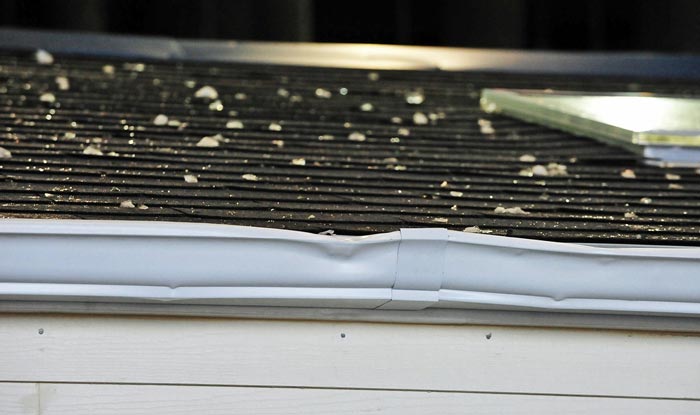
    The gutters and downspouts on your home play an important role in protecting your roof from storm damage. If these components become damaged, they can no longer effectively channel water away from your roof, increasing the risk of damage. Signs of damaged gutters and downspouts include bent or detached sections, clogs, and leaks. In this section, we will discuss the importance of maintaining your gutters and downspouts and the steps you can take to repair any damage and prevent further harm to your roof.

    broken , dented roof flashing , roof leak in heavy rain

    Cracked Or Broken Flashings

    Flashings are metal strips that are installed at the intersections of your roof, such as at the edges and around chimneys, to prevent water from penetrating into your home. If these flashings become cracked or broken, water can penetrate into your home and cause significant damage. To determine if your flashings are damaged, inspect them for any signs of rust, corrosion, or visible cracks. In this section, we will discuss the importance of properly maintained flashings and the steps you can take to repair any damage and prevent water from entering your home.

    Click Here For Free Estimate

    contact rnc roofing and construction

    The Benefits of Regular Roof Inspections and Maintenance

    Regular roof inspections and maintenance are essential to protecting your home from storm damage. By catching small problems early, you can prevent them from becoming major issues that can cause significant damage to your roof and home. Regular maintenance also helps to extend the lifespan of your roof, saving you money in the long run. Whether you have a flat or pitched roof, it is important to have a professional inspect your roof at least once a year to ensure it is in good condition and to identify any potential issues that may need to be addressed. Additionally, make sure to keep your gutters clear, trim any trees near your home, and secure loose items around your yard to help prevent storm damage to your roof

    Click Here To Schedule Inspection!!

    workers on top of roof , roofing

    The benefits of using high-quality materials and proper installation techniques when repairing or replacing a damaged roof

    When repairing or replacing a damaged roof, it is essential to use high-quality materials and ensure proper installation techniques. Using top-notch materials not only enhances the appearance of your roof, but it also increases its durability, ensuring it will last for years to come. Additionally, utilizing proper installation techniques, such as those performed by a professional roofing contractor, guarantees that your roof will be securely in place, providing reliable protection for your home. By investing in high-quality materials and professional installation, you can ensure that your roof will withstand severe weather and be less likely to experience future damage. In the end, investing in a quality roof repair or replacement is a smart choice, providing peace of mind and protection for your home.

    owens corning roofing

    The Process Of Repairing A Storm Damaged Roof

    The repair of storm-damaged roofs necessitates a proficient approach incorporating technical aptitude, competence, and the utilization of appropriate equipment. The objective is to reinstate the roof to its prior undamaged state, while concurrently guaranteeing the safety of the workers and the inhabitants of the building

    Understanding Your Insurance Coverage for Storm Damage

    Homeowners should have a clear understanding of their insurance coverage when it comes to storm damage. In most cases, storm damage is covered by homeowners insurance, but it is crucial to review your policy to determine what is covered and what is not. It is also important to keep in mind that there may be certain restrictions or deductibles that apply. It is recommended to work with a professional roofing contractor like RNC Roofing and Construction to ensure that your insurance claim is properly submitted and that you receive the full amount of coverage you are entitled to. Our team is knowledgeable in navigating insurance claims and can assist you in making the process as seamless as possible.

    The Advantages of Partnering with RNC Roofing and Construction for Storm Damage Repair

    RNC Roofing and Construction provides affordable, reliable, and high-quality storm damage repair services. Our team of professionals is dedicated to completing projects quickly and efficiently, using only the best materials. We strive to offer fair and transparent pricing and are committed to ensuring complete customer satisfaction with the final result. Trust us to be your partner in restoring your home to its pre-damage condition.

    Click Here For Free Estimate

    contact rnc roofing and construction
    Free, No Obligation

    Request Your Free Estimate & Inspection

    Tell us about your roof and we’ll come take a look — no pressure, no cost. Or call us right now on (703) 964-6233.

    (703) 964-6233
    Contact Form Demo (#3)
    Owens Corning Preferred Contractor GAF System Plus CertainTeed SureStart PLUS BBB A+ Accredited HomeAdvisor

    RNC Roofing

    RNC Roofing and Construction Group — The Roofing Contractor Specialists. Protecting your home, one shingle at a time.

    Virginia

    (703) 964-6233 Sterling · Leesburg · Ashburn
    Loudoun & Fairfax County

    Maryland

    (703) 964-6233 Beltsville · District Heights
    All of Maryland
    © 2026 RNC Roofing and Construction Group — The Roofing Contractor Specialists Northern Virginia & Maryland
  • Roof Maintenance – Learn More Today about Roofing Maintenance

    Protecting your home, one shingle at a time VA (703) 964-6233| MD (703) 964-6233| Free Estimate & Inspection
    Roofing

    Roof Maintenance – Learn More Today about Roofing Maintenance

    RNC Roofing and Construction Group
    Roof Maintenance - Learn More Today about Roofing Maintenance

    ROOF MAINTENANCE

    As a homeowner, it is your responsibility to maintain your home, and one of the most important components of your home’s structure is the roof. Proper roof maintenance can help prevent damage, extend the life of your roof, and save you money in the long run. In this article, we will discuss the importance of roof maintenance and provide tips on how to keep your roof in good condition.

    Schedule Inspection

    Inspecting Your Roof for Maintenance

    Regular inspections are key to keeping your roof in excellent condition. We recommend inspecting your roof at least once a year, and after any severe weather events. When inspecting your roof, it is essential to keep an eye out for any signs of wear and tear. During your inspection, be sure to check for any damage or missing shingles, cracked or worn flashing, leaks, or water damage. These signs indicate that your roof needs attention and should be addressed promptly to prevent further damage. Additionally, debris buildup in gutters and on your roof can cause damage and should be removed during your inspection.

    house roofing

    Cleaning Your Roof for Maintenance

    Cleaning your roof is another essential maintenance task. Debris such as leaves and branches can accumulate on your roof over time, leading to damage if left unchecked. To clean your roof properly:


    • Remove any debris by hand or with a leaf blower.
    • Use a roof cleaner and a soft-bristle brush to remove any stains or discoloration.
    • Rinse your roof thoroughly with a hose.
    • It’s crucial to note that pressure washers should not be used on roofs as they can damage the shingles and lead to leaks.


    Contact Us!

    contact rnc roofing and construction

    Repairing Your Roof for Maintenance

    If you notice any damage during your inspection, repair it promptly to prevent further damage. Small repairs, such as replacing a few shingles, can often be done yourself. However, larger repairs should be done by a professional roofer. Signs that you may need professional repair include:

    • Multiple damaged or missing shingles
    • Large areas of damage or wear
    • Signs of water damage or leaks

    Hiring a professional roofer can ensure that the repair is done correctly and safely.

    repair roof icon and house background

    Replacing Your Roof for Maintenance

    All roofs will eventually need to be replaced. The lifespan of a roof depends on factors such as the material, climate, and maintenance. If your roof is nearing the end of its lifespan, it may be time to consider a replacement. Signs that it may be time for a replacement include:


    • Multiple areas of damage or wear
    • Signs of water damage or leaks
    • Your roof is over 20 years old

    Replacing your roof is a significant investment, but it can increase the value of your property and provide peace of mind, knowing your home is protected.

    Proper Installation for Roof Maintenance

    Another crucial aspect of roof maintenance is ensuring that your roof was installed correctly in the first place. Proper installation can prevent issues such as leaks, damage, and premature aging. To ensure proper installation:

    • Hire a professional and licensed roofer to install your roof
    • Choose a reputable roofing material manufacturer
    • Ensure that your roof is installed according to the manufacturer’s guidelines
    • Make sure that your roof is properly ventilated

    By taking these steps, you can avoid common installation mistakes and ensure that your roof lasts as long as possible.


    roofing

    Regular Roof Maintenance

    Regular maintenance is essential to keep your roof in good condition. Inspecting your roof, cleaning it, repairing any damage promptly, and replacing it when necessary can ensure that your roof lasts for years to come. By following these best practices, you can protect your home and increase its value.It’s important to note that roof maintenance should not be neglected as it can lead to significant damage and costly repairs. Additionally, proper roof maintenance can prevent potential health hazards such as mold growth, which can occur in areas of water damage.

    Seasonal Maintenance

    Roof maintenance can be divided into three categories: seasonal roof care, regular inspections, and smart practices. Safety should be your first priority before starting any roof work. Some maintenance chores must be completed from inside the attic or from a ladder. Hiring a roofer is often the best way to ensure the job gets done right without endangering you or a family member. Roofing contractors are familiar with roof hazards and can spot problem areas that a DIYer might overlook. reword this part to sound more intelligent

    roofing contact

    1.Remove Debris

    Remove any debris that has accumulated on the roof, such as leaves, branches, and trash. This debris can block drainage and create pockets where water can pool, leading to leaks and damage. Use a broom or leaf blower to clear the debris. However, avoid using a pressure washer, as it can damage the shingles.


    cracked damaged shingles , roofing, blistering roof

    2. Clean The Gutters

    Cleaning the gutters is a crucial aspect of roof maintenance. When gutters become clogged with leaves and debris, they can cause water to overflow, leading to damage to your roof, siding, and foundation. To clean the gutters, scoop out any debris and flush the gutters with a hose. Consider installing gutter guards to reduce the amount of debris that accumulates in the gutters.


    storm damaged gutters

    3. Inspect Flashing

    Flashing is the metal or plastic strips that protect the seams and joints of your roof from water damage. Over time, flashing can become damaged, corroded, or loose, leading to leaks and water damage. Inspect the flashing around chimneys, skylights, and vents to ensure they are in good condition. If you notice any damage, replace the flashing or contact a professional roofer for repairs.


    broken , dented roof flashing , roof leak in heavy rain

    4.Trim Overhanging Branches

    Trees can provide shade and improve the curb appeal of your home, but overhanging branches can damage your roof. Branches that touch or rub against the roof can cause abrasion and damage to the shingles, leading to leaks and moisture damage. Trim any branches that overhang your roof to prevent damage.


    tree branch hanging on roof. Overhanging tree branch

    5.Conduct a Visual Inspection

    Inspect your roof visually from the ground to check for any obvious signs of damage, such as missing or damaged shingles, cracks, or discoloration. If you notice any issues, contact a professional roofer to conduct a more thorough inspection.


    6.Check For Leaks

    Look for signs of leaks inside your home, such as water stains on ceilings or walls, mold or mildew growth, or musty odors. These signs can indicate a leak in your roof that needs to be addressed immediately.


    roof leak , leaking water damage inside

    7. Inspect The Attic

    Inspecting the attic is a crucial aspect of roof maintenance. Look for signs of water damage, such as water stains on the ceiling or walls, mold or mildew growth, or musty odors. Additionally, check for proper ventilation and insulation, as poor ventilation and insulation can lead to moisture buildup and damage.


    attic picture with insulation , roofing Leesburg VA

    8.Schedule Professional Inspection

    We recommend scheduling a professional roof inspection at least once a year. A professional roofer can conduct a thorough inspection of your roof, identify any issues, and recommend repairs or maintenance to ensure your roof is in good condition.


    roof shingle house photo

    Best Practices

    1. Address Issues Promptly

    If you notice any issues with your roof, such as missing or damaged shingles, leaks, or water damage, address them promptly to prevent further damage. Small repairs can often be done yourself, but larger repairs should be done by a professional roofer.


    roof worker , roofing

    2.Keep Records

    Keep a record of all repairs, maintenance, and inspections of your roof. This record can help you identify issues and track the lifespan of your roof.


    3.Hire A Professional

    Finally, when in doubt, hire a professional roofer for repairs, maintenance, and installations. A professional roofer has the knowledge and experience to ensure that your roof is in good condition and can identify and address any issues promptly.


    choosing right contractor for cost of roofing

    Protect Your Home

    red roof maintenance icon
    gaf roofing
    owens corning roofing

    Maintaining your roof is a critical part of being a responsible homeowner. By regularly inspecting, cleaning, repairing, and replacing your roof when necessary, you can prevent damage, extend the life of your roof, and save money in the long run. It’s important to hire a professional roofer for larger repairs and replacements and to ensure that your roof was installed correctly in the first place. By following these best practices, you can protect your home and increase its value.


    Contact Us!

    contact rnc roofing and construction
    Free, No Obligation

    Request Your Free Estimate & Inspection

    Tell us about your roof and we’ll come take a look — no pressure, no cost. Or call us right now on (703) 964-6233.

    (703) 964-6233
    Contact Form Demo (#3)
    Owens Corning Preferred Contractor GAF System Plus CertainTeed SureStart PLUS BBB A+ Accredited HomeAdvisor

    RNC Roofing

    RNC Roofing and Construction Group — The Roofing Contractor Specialists. Protecting your home, one shingle at a time.

    Virginia

    (703) 964-6233 Sterling · Leesburg · Ashburn
    Loudoun & Fairfax County

    Maryland

    (703) 964-6233 Beltsville · District Heights
    All of Maryland
    © 2026 RNC Roofing and Construction Group — The Roofing Contractor Specialists Northern Virginia & Maryland
  • Replacing Your Roof in Spring: Enhancing Value and Protection

    Protecting your home, one shingle at a time VA (703) 964-6233| MD (703) 964-6233| Free Estimate & Inspection
    Homeowner Help

    Replacing Your Roof in Spring: Enhancing Value and Protection

    RNC Roofing and Construction Group November 9, 2022
    Replacing Your Roof in Spring: Enhancing Value and Protection

    Replacing Your Roof in Spring: Enhancing Value and Protection

    Maintaining a structurally sound roof is vital to safeguard your home from various weather conditions, such as rain, snow, wind, and extreme temperatures. Over time, roofs can deteriorate due to aging, wear and tear, and exposure to the elements. Regular inspections and necessary repairs are essential to ensure your roof remains in optimal condition. However, in some cases, roof replacement becomes necessary to guarantee maximum protection.

    Understanding the Optimal Timing for Roof Replacement

    The Significance of Timing and Weather Conditions

    When it comes to replacing your roof, timing is crucial. The weather conditions during the installation process can greatly impact the outcome and durability of your new roof. Spring, with its mild and predictable weather patterns, emerges as an ideal season for roof replacement. The moderate temperatures and reduced chances of extreme weather events allow for a smoother and more efficient installation process.

    Spring: An Ideal Season for Roof Replacement

    Spring brings a host of advantages that make it the optimal time to replace your roof. First, the mild temperatures of spring provide a favorable working environment for roofing contractors. Extreme heat or cold can impede the proper sealing of roofing materials, making it challenging to achieve a reliable and long-lasting installation. By choosing spring, you ensure that the materials bond effectively, resulting in a structurally sound roof.

    Effects of Winter on Roofs and the Need for Spring Repairs

    Winter can be harsh on roofs, exposing them to freezing temperatures, heavy snow, ice dams, and moisture infiltration. These factors can cause damage to shingles, compromise the integrity of the roof’s structure, and increase the risk of leaks. Therefore, it is essential to inspect your roof after the winter season and address any existing issues promptly.Replacing your roof in spring allows you to tackle the damage caused by winter effectively. It ensures that any vulnerabilities or weaknesses are addressed before the more intense weather conditions of summer arrive. By being proactive in spring, you can prevent further deterioration and extend the lifespan of your roof.

    vac home improvement

    Taking Advantage of Milder Weather Conditions

    Explaining the Impact of Weather on the Roof Replacement Process

    Weather plays a significant role in the roof replacement process. Extreme temperatures, high humidity, or inclement weather can pose challenges and affect the quality of the installation. Optimal weather conditions are crucial to ensure that the roofing materials adhere correctly and that the overall process proceeds smoothly.

    Detailing How Spring Offers Favorable Conditions for Efficient Roof Installation

    Spring, with its milder weather conditions, provides an excellent opportunity for efficient roof replacement. The moderate temperatures allow for better flexibility of roofing materials, making them easier to handle and install. Additionally, the reduced moisture levels in the air during spring help ensure proper bonding of shingles, preventing issues such as lifting or warping that can occur in more humid conditions. Furthermore, spring offers longer daylight hours, providing contractors with ample time to complete the installation without feeling rushed. The extended daylight allows for better visibility and facilitates the roofing team’s ability to inspect and address any potential issues that may arise during the installation process.

    Benefits of Avoiding Extreme Temperatures and Inclement Weather during the Replacement

    By choosing to replace your roof in spring, you can avoid the challenges associated with extreme temperatures. High temperatures can cause materials to expand and become more pliable, making them susceptible to damage during installation. On the other hand, freezing temperatures can hinder the proper sealing and adhesion of roofing components, leading to potential leaks or premature deterioration.

    winter season best time to replace roof

    Addressing Winter Damage and Wear

    Highlighting the Potential Damage Caused by Winter Elements to Roofs

    Winter can take a toll on roofs, subjecting them to various damaging elements. Snow, ice, freezing temperatures, and fluctuating weather conditions can lead to significant wear and tear over time. It’s essential to address these issues to maintain a structurally sound roof.

    Discussing Common Issues like Ice Dams, Snow Accumulation, and Water Infiltration

    One of the most common problems during winter is the formation of ice dams. When snow accumulates on the roof, uneven heat distribution causes the melting snow to refreeze at the eaves, creating ice dams. These dams prevent proper drainage, leading to water pooling and potential leaks. Snow accumulation itself can also put excessive weight on the roof, potentially causing structural damage. Furthermore, winter brings an increased risk of water infiltration. As snow and ice melt, water can seep into the smallest cracks or gaps in the roof’s surface, leading to moisture penetration and subsequent damage to the underlying structure. This moisture intrusion can result in rot, mold growth, and compromised insulation, affecting both the roof’s integrity and the overall indoor environment.

    Explaining How Early Spring Roof Replacement Helps Prevent Further Deterioration

    Replacing your roof early in spring is a proactive approach to preventing further deterioration caused by winter damage. By promptly addressing issues such as ice dams, snow accumulation, and water infiltration, you can safeguard your home from potential long-term consequences. A new roof installed in early spring ensures that any existing problems are resolved, minimizing the risk of further damage as the seasons progress. It provides a fresh start and strengthens the roof’s ability to withstand the challenges of the upcoming year, including heavy rain, strong winds, and the heat of summer.

    wind damage roof repair

    Preparing Your Roof for Summer Challenges

    Upcoming Summer Season and Its Potential Challenges for Roofs

    As spring transitions into summer, it’s essential to prepare your roof for the upcoming season’s challenges. Summer brings its own set of weather conditions that can impact the longevity and performance of your roof. By understanding these challenges, you can take proactive steps to ensure your roof remains in optimal condition.

    How a Newly Replaced Roof Can Better Withstand Intense Heat, UV Radiation, and Heavy Rainstorms

    A newly replaced roof provides enhanced protection against the intense heat, UV radiation, and heavy rainstorms commonly experienced during summer. By choosing the right roofing materials and installing them during spring, you create a strong defense against these challenges. The materials used in a roof replacement, such as heat-reflective shingles or metal roofing, can help mitigate the effects of intense heat. These materials reflect a significant portion of the sun’s rays, reducing the amount of heat absorbed by the roof and minimizing thermal expansion, which can lead to premature aging and deterioration.

    energy efficiency spring roofing

    Maximizing Energy Efficiency

    Exploring How a New Roof in Spring Can Improve Energy Efficiency

    Replacing your roof in spring provides an excellent opportunity to enhance the energy efficiency of your home. An old or damaged roof can compromise insulation, ventilation, and solar reflectance, leading to energy loss and increased utility bills. By investing in a new roof during the spring season, you can optimize energy efficiency and enjoy long-term cost savings.

    Discussing the Benefits of Proper Insulation, Ventilation, and Solar Reflectance

    Proper insulation is crucial for maintaining a comfortable indoor temperature and reducing the strain on your cooling system during the hot summer months. A new roof installation allows for the integration of modern insulation materials, such as spray foam or fiberglass batts, which effectively minimize heat transfer between the interior and exterior of your home. This insulation helps to keep your home cooler in the summer, reducing the need for excessive air conditioning and lowering energy consumption. In addition to insulation, proper ventilation plays a vital role in maximizing energy efficiency. Adequate airflow through the attic and roof space helps regulate temperature and prevent the buildup of heat and moisture. A well-ventilated roof allows hot air to escape, reducing the need for excessive air conditioning and improving overall energy efficiency.

    How a Well-Insulated Roof Can Reduce Cooling Costs During Hot Summer Months

    When your roof is properly insulated, it acts as a barrier against heat transfer, keeping your home cooler and reducing the need for excessive air conditioning. This directly translates into lower cooling costs during the hot summer months. By investing in a new roof in spring and ensuring proper insulation, you can enjoy a more energy-efficient home, reduce your carbon footprint, and save money on your utility bills.

    financing roofing ashburn va

    Enhancing the Value of Your Home

    Explaining How a Roof Replacement Can Increase Property Value

    Replacing your roof in spring is not only a practical decision but also a smart investment that can significantly enhance the value of your home. A new roof is an attractive feature for potential buyers and can make your property stand out in the competitive real estate market. It gives the impression of a well-maintained and cared-for home, which can increase its overall market value. When potential buyers consider purchasing a home, they often prioritize the condition of the roof. By replacing your roof in spring, you ensure that your property has a fresh, sturdy, and visually appealing roof that can serve as a selling point. This investment not only offers peace of mind to potential buyers but also increases their confidence in the overall quality and condition of the property.

    How a New Roof Improves Curb Appeal and Boosts Buyer Confidence

    The roof is a prominent visual element of your home’s exterior, contributing significantly to its curb appeal. A worn-out, damaged, or outdated roof can detract from the overall aesthetic appeal of your property. On the other hand, a new roof instantly revitalizes the look of your home, making it more visually appealing and appealing to potential buyers. Aesthetics aside, a new roof also boosts buyer confidence. It provides assurance that the home is protected from the elements and that they won’t have to worry about costly roof repairs or replacements in the near future. A well-maintained roof indicates that the homeowner has taken care of the property, giving buyers the confidence to move forward with the purchase.

    Highlighting the Potential Return on Investment and Long-Term Savings

    While replacing your roof in spring requires an initial investment, it offers long-term financial benefits. A new roof can provide a high return on investment by increasing the value of your home. The money spent on the roof replacement can be recouped when selling the property, making it a worthwhile investment.

    Free, No Obligation

    Request Your Free Estimate & Inspection

    Tell us about your roof and we’ll come take a look — no pressure, no cost. Or call us right now on (703) 964-6233.

    (703) 964-6233
    Contact Form Demo (#3)
    Owens Corning Preferred Contractor GAF System Plus CertainTeed SureStart PLUS BBB A+ Accredited HomeAdvisor

    RNC Roofing

    RNC Roofing and Construction Group — The Roofing Contractor Specialists. Protecting your home, one shingle at a time.

    Virginia

    (703) 964-6233 Sterling · Leesburg · Ashburn
    Loudoun & Fairfax County

    Maryland

    (703) 964-6233 Beltsville · District Heights
    All of Maryland
    © 2026 RNC Roofing and Construction Group — The Roofing Contractor Specialists Northern Virginia & Maryland