Author: fernando@therncgroup.com

  • Rain Leakage in House: Prevention, Detection, and Repair

    Protecting your home, one shingle at a time VA (703) 964-6233| MD (703) 964-6233| Free Estimate & Inspection
    Home Improvement

    Rain Leakage in House: Prevention, Detection, and Repair

    RNC Roofing and Construction Group August 15, 2023
    Rain Leakage in House: Prevention, Detection, and Repair

    Rain Leakage in House: Prevention, Detection, and Repair

    Rain Leakage occurs when rainwater seeps through vulnerable points in a house’s exterior, such as roofs, walls, windows, and foundations. This moisture intrusion can gradually weaken the structural integrity of the building materials, leading to rot, decay, and eventual failure. Moreover, damp conditions provide an ideal breeding ground for mold and mildew, posing health risks to the occupants.

    Understanding the Causes of Rain Leakage

    Rain leakage in houses can stem from various factors, each playing a pivotal role in compromising the integrity of your home’s structure. By identifying these causes, you can take proactive measures to mitigate the risk of water infiltration.

    Roof Vulnerabilities

    One of the primary culprits behind rain leakage is roof damage. Whether it’s missing shingles, cracked tiles, or deteriorating flashing, any breach in the roof’s protective layer can allow rainwater to seep into your home. These vulnerabilities can be exacerbated by heavy rainfall, snow accumulation, and strong winds.

    Drainage System Inadequacies

    Poorly designed or clogged drainage systems can lead to rainwater pooling on your roof or around your foundation. This excess water increases the likelihood of rain leakage through compromised areas. Gutters that are improperly sloped or filled with debris can impede water flow, causing backups that put additional stress on your home’s exterior.

    Sealant and Caulking Breakdown

    Sealants and caulking around windows, doors, vents, and other openings can deteriorate over time due to exposure to the elements. This breakdown leaves gaps that rainwater can infiltrate. Regular inspections and maintenance of these seals are essential to prevent water from finding its way indoors.

    Weather Extremes

    Extreme weather conditions, such as heavy downpours and strong winds, can intensify rain leakage problems. In regions prone to frequent storms, the impact of rain and wind on vulnerable areas can result in accelerated water infiltration. These weather extremes highlight the necessity of fortified roofing and effective drainage systems.

    Real-Life Examples

    To underscore the importance of addressing rain leakage, let’s consider a real-life scenario. In a coastal town, a house with compromised roofing and inadequate gutter systems experienced repeated rainwater infiltration during monsoon season. The resulting interior damage necessitated costly repairs and mold remediation. This example emphasizes the significance of proactive maintenance and timely repairs to avoid such situations.

    identifying roof algae

    Detecting Rain Leakage Early

    Detecting rain leakage in its early stages is essential to prevent extensive damage and costly repairs. Here’s a comprehensive guide to help homeowners identify signs of water infiltration and take prompt action.

    Recognizing Warning Signs

    Water Stains: Keep an eye out for discolored patches on walls and ceilings, often accompanied by a yellow or brownish tint. These stains are indicative of water seeping through cracks or gaps.

    • Peeling Paint or Wallpaper: If you notice paint or wallpaper peeling off, it might be due to the underlying moisture weakening the adhesive. This is a clear indicator of rain leakage.
    • Damp Odors: Musty, damp odors in specific areas of your home can signal the presence of moisture intrusion. Investigate these areas promptly.

    Regular Visual Inspections

    Regularly inspect your home’s interior and exterior for any signs of rain leakage. Pay close attention to vulnerable areas, such as the attic, around windows and doors, and beneath sinks. These proactive checks can help you catch leaks before they escalate.

    Prompt Addressing

    Addressing rain leakage promptly is crucial. Ignoring the issue can lead to more significant damage over time, including structural deterioration, mold growth, and compromised insulation. Consult a professional to assess the extent of the leakage and recommend appropriate solutions.

    labor cost for roofing

    DIY Fixes and Temporary Solutions

    In the event of rain leakage, homeowners can take immediate steps to manage the situation before seeking professional assistance. While these measures offer temporary relief, it’s essential to keep in mind their limitations and the need for long-term solutions.

    Waterproof Sealants Application

    Applying waterproof sealants to the affected areas can help create a barrier against rainwater infiltration. Clean the area thoroughly, ensuring it’s dry and free from debris. Follow the manufacturer’s instructions to apply the sealant, and allow it to dry completely before testing its effectiveness.

    Temporary Patches and Barriers

    For minor leaks, using temporary patches can prevent further water entry. Use materials like plastic sheeting, waterproof tape, or even plastic bags to cover the leak temporarily. While this can help during emergencies, remember that it’s not a permanent fix and professional intervention is still necessary.

    Clearing Clogged Gutters and Drains

    Rainwater leakage can be exacerbated by clogged gutters and drains. Clear out leaves, twigs, and debris that may obstruct the flow of water. Proper drainage helps prevent water from pooling and reduces the risk of infiltration.

    The Importance of Expert Consultation

    While DIY fixes and temporary solutions can provide immediate relief, it’s crucial to recognize their limitations. These measures might not address underlying issues and can only serve as a stopgap until a permanent solution is implemented. Consulting roofing professionals is imperative to accurately diagnose the root cause of rain leakage and recommend appropriate repairs.

    contact professionals

    Professional Solutions and Repairs

    When rain leakage becomes a persistent issue, seeking professional assistance from roofing contractors is essential to ensure a thorough and lasting solution. These experts utilize a range of techniques and materials to address rain leakage effectively and prevent further damage to your house.

    Expert Techniques and Materials

    Roofing contractors employ specialized techniques to pinpoint the source of rain leakage accurately. They utilize advanced tools such as moisture detectors and thermal imaging to identify hidden vulnerabilities. By analyzing the data, they can determine the most appropriate repair methods.

    Comprehensive Roof Inspection

    Before initiating repairs, roofing professionals conduct a comprehensive inspection of your roof and its components. This step is crucial in identifying not only the visible signs of leakage but also underlying issues that might be contributing to the problem. From damaged shingles to compromised flashing, a thorough assessment guides the repair process.

    Tailored Repair Solutions

    Based on the inspection results, roofing experts propose tailored repair solutions. These may include replacing damaged roof shingles, reinforcing sealing around penetrations, and addressing any structural weaknesses. The goal is not only to fix the immediate issue but also to fortify your roof against future rain leakage.

    Importance of Professional Help

    While temporary fixes can provide short-term relief, engaging professionals is crucial for a permanent resolution. Roofing contractors possess the expertise, experience, and resources to address rain leakage comprehensively, ensuring that the underlying causes are eradicated.

    tpo roofing improvement

    Preventing Rain Leakage in the Future

    Preventing rain leakage is an essential aspect of maintaining the integrity of your home and ensuring its longevity. By adopting proactive measures and investing in quality, you can minimize the risk of water infiltration and its associated damages.

    Proactive Homeowner Practices

    Homeowners can take proactive steps to minimize the chances of rain leakage. Regularly inspect your roof for signs of wear and tear, focusing on shingles, flashing, and sealing. Address any minor issues promptly to prevent them from escalating into larger problems.

    Routine Roof Maintenance

    Regular roof maintenance is paramount in preventing rain leakage. Schedule annual inspections by professionals to identify and rectify potential vulnerabilities. Prompt repairs and upkeep extend the lifespan of your roof, reducing the likelihood of water infiltration.

    Proper Gutter Care

    Gutters play a crucial role in directing rainwater away from your house. Clean your gutters regularly to prevent clogs that can cause water to overflow and pool on your roof. Ensure proper drainage and consider gutter guards to minimize debris accumulation.

    Investing in Quality

    When it comes to roofing materials, insulation, and ventilation, quality matters. Invest in high-quality roofing materials designed to withstand weather extremes. Proper insulation and ventilation reduce the risk of condensation and moisture buildup within your home’s structure.

    Long-Term Protection

    By implementing these expert-recommended practices, homeowners can establish a strong defense against rain leakage. Proactive measures, routine maintenance, and investing in quality materials collectively contribute to a robust shield against the potential risks of water infiltration. Taking these steps not only preserves the value of your home but also ensures the comfort and safety of your living environment for years to come.

    Free, No Obligation

    Request Your Free Estimate & Inspection

    Tell us about your roof and we’ll come take a look — no pressure, no cost. Or call us right now on (703) 964-6233.

    (703) 964-6233
    Contact Form Demo (#3)
    Owens Corning Preferred Contractor GAF System Plus CertainTeed SureStart PLUS BBB A+ Accredited HomeAdvisor

    RNC Roofing

    RNC Roofing and Construction Group — The Roofing Contractor Specialists. Protecting your home, one shingle at a time.

    Virginia

    (703) 964-6233 Sterling · Leesburg · Ashburn
    Loudoun & Fairfax County

    Maryland

    (703) 964-6233 Beltsville · District Heights
    All of Maryland
    © 2026 RNC Roofing and Construction Group — The Roofing Contractor Specialists Northern Virginia & Maryland
  • Weatherproofing Roofs: Ultimate Guide to Shielding Your Home

    Protecting your home, one shingle at a time VA (703) 964-6233| MD (703) 964-6233| Free Estimate & Inspection
    Homeowner Help

    Weatherproofing Roofs: Ultimate Guide to Shielding Your Home

    RNC Roofing and Construction Group August 14, 2023
    Weatherproofing Roofs: Ultimate Guide to Shielding Your Home

    Weatherproofing Roofs: Ultimate Guide to Shielding Your Home

    Weatherproofing roofs, also known as roof waterproofing, is a critical practice that safeguards your home from the harsh impacts of external elements. This method involves fortifying your roof against environmental factors such as rain, snow, UV rays, and temperature fluctuations, all of which can lead to gradual deterioration if not adequately addressed. By weatherproofing your roof, you create a resilient shield that extends the lifespan of your entire building structure.

    Assessing Your Roof’s Vulnerabilities

    When it comes to safeguarding your home through effective weatherproofing, a comprehensive assessment of your roof’s vulnerabilities is paramount. An experienced roofing contractor employs a meticulous inspection process to identify weak points that could compromise your roof’s integrity and the overall protection of your property.

    Thorough Inspection Process

    Roof inspections are multifaceted endeavors that delve into the various aspects of your roof’s structure. The process typically begins with a visual assessment, where professionals examine the overall condition of the roof’s surface. This initial step helps identify visible signs of wear, such as cracked or missing shingles, damaged flashing, and deteriorating seals. Roof age, a key factor in its vulnerability, is also considered during this stage.

    Factors Influencing Vulnerability

    Roof vulnerability is influenced by a combination of factors that roofing contractors take into account. The type of materials used in the roof’s construction, as well as the geographical location of your property, play significant roles in determining how exposed your roof is to different weather conditions. Regions with heavy rainfall, for instance, may require different weatherproofing strategies compared to areas with harsh winters and snow accumulation.

    Critical Components to Examine

    Inspecting crucial roof components is essential for a thorough assessment. Roof flashing, responsible for sealing joints and preventing water infiltration, needs close attention. Additionally, seals around vents, chimneys, and other roof penetrations must be inspected carefully, as any weak points here can result in leaks. Shingles, the first line of defense against the elements, should be examined for signs of deterioration or damage.

    roof water damage

    Choosing the Right Weatherproofing Techniques

    When it comes to fortifying your roof against the elements, selecting the appropriate weatherproofing techniques is a critical step in ensuring its long-term resilience. The right approach varies based on the type of roof you have, such as asphalt shingles, metal, tile, or flat roofs. Let’s delve into the various strategies and materials that can effectively weatherproof your roof and protect your home.

    Tailoring Techniques to Roof Type

    Different roofing materials demand different weatherproofing strategies. For asphalt shingle roofs, ensuring a tight seal between shingles and applying a durable waterproof membrane is essential. Metal roofs benefit from coatings that prevent rust and deterioration, while flat roofs may require specialized membranes to prevent pooling water. Each type necessitates a customized approach to address its unique vulnerabilities.

    The Power of Quality Materials

    High-quality materials play a pivotal role in enhancing your roof’s weatherproofing capabilities. Underlayment acts as a secondary barrier against water infiltration, bolstering the primary roofing material’s resistance. Sealants applied to gaps, joints, and seams create an impermeable barrier that prevents moisture from penetrating. Waterproof membranes provide an additional layer of protection, safeguarding your roof from relentless rain and other external elements.

    Ensuring a Comfortable Indoor Environment

    Weatherproofing goes beyond external protection – it also influences your indoor comfort. Proper insulation plays a vital role in maintaining a stable indoor environment. By minimizing heat transfer, insulation helps regulate indoor temperatures, reducing the strain on your heating and cooling systems. Additionally, well-insulated roofs prevent the formation of ice dams and condensation-related problems that can compromise your roof’s integrity.

    labor cost for roofing

    Step-by-Step Weatherproofing Process

    Embarking on a weatherproofing journey for your roof involves a systematic approach that encompasses crucial stages from start to finish. By meticulously following these steps, you can ensure a robust and effective weatherproofing solution that safeguards your home against the elements.

    Preparation for Success

    Before you begin the weatherproofing process, prepare your work area. Clear the roof surface of debris, leaves, and dirt that might hinder proper adhesion. A clean canvas ensures that weatherproofing materials adhere securely and perform optimally. This step is vital as it sets the foundation for a successful weatherproofing project.

    Addressing Damage and Weak Points

    Inspect your roof for any existing damage or weak points. Repairing these areas before weatherproofing is crucial to prevent moisture infiltration and further deterioration. Replace damaged shingles, flashing, or seals. Be thorough in your examination to identify potential sources of leaks and vulnerabilities that could compromise your roof’s integrity.

    Applying Weatherproofing Measures

    Apply high-quality sealants to gaps, joints, and seams to create an impermeable barrier against water infiltration. Reinforce flashing around chimneys, vents, and other penetrations to ensure a tight seal. Properly apply the chosen protective membrane to provide an additional layer of defense against the elements. This membrane acts as a shield against rain, snow, and other potential hazards.

    Safety, Tools, and Challenges

    During the weatherproofing process, prioritize safety by using appropriate personal protective equipment (PPE) to prevent accidents and injuries. Use recommended tools for each task to ensure accurate and efficient application. Be mindful of potential challenges such as adverse weather conditions, which can impact the effectiveness of certain materials. Adapting to challenges with flexibility and precautionary measures is essential for a successful project.

    roofing maintenance

    Maintaining the Weatherproofed Roof

    Safeguarding the integrity of your weatherproofed roof extends beyond the initial efforts – consistent maintenance is the key to upholding its longevity and effectiveness. By staying proactive and addressing minor issues promptly, you can maximize the benefits of your weatherproofing endeavors and ensure lasting protection for your home.

    Preserving the Weatherproofing Investment

    Regular roof maintenance serves as a critical investment in maintaining the efficacy of your weatherproofing measures. While initial weatherproofing fortifies your roof, continuous care ensures that it remains impervious to the elements. By committing to regular maintenance, you safeguard your investment and prevent the need for extensive repairs down the line.

    Seasonal Maintenance Checklist

    Create a seasonal maintenance checklist to guide your efforts throughout the year. Start by clearing debris and leaves that may accumulate on the roof’s surface, as they can obstruct drainage and promote moisture retention. Inspect seals and flashing for signs of wear or damage, addressing any issues promptly to prevent leaks. This proactive approach prevents minor vulnerabilities from escalating into major problems.

    Harnessing Professional Inspections

    While homeowner-driven maintenance is crucial, scheduling professional inspections on a periodic basis further enhances your roof’s longevity. Experienced roofing contractors possess the expertise to identify potential issues that might elude untrained eyes. Early detection of leaks, damaged shingles, or compromised seals allows for swift intervention, minimizing the need for extensive repairs.

    A Lasting Shield Against the Elements

    In conclusion, maintaining a weatherproofed roof involves consistent efforts to ensure the continued efficacy of your initial weatherproofing investment. By adhering to a seasonal maintenance checklist and harnessing the expertise of professionals, you extend the life of your roof and its protective capabilities. Regular maintenance is not only a practical measure but also a strategic one, offering lasting peace of mind and a steadfast shield against the unpredictable elements.

    roofing maintenance

    Professional vs. DIY Weatherproofing

    When it comes to weatherproofing roofs, you have the choice between enlisting the expertise of a professional roofing contractor or embarking on a do-it-yourself (DIY) project. Understanding the pros and cons of each option is crucial in making an informed decision that aligns with your needs and capabilities.

    Benefits of Professional Expertise

    Opting for professional weatherproofing brings a wealth of advantages. Experienced roofing contractors possess in-depth knowledge of various roofing materials, techniques, and local weather patterns. Their expertise ensures a comprehensive approach, leaving no vulnerabilities overlooked. Professionals utilize top-tier materials and tools, guaranteeing a superior and lasting weatherproofing solution. Furthermore, their work often comes with warranties, providing you with added peace of mind.

    Expertise and Comprehensive Coverage

    Professionals excel in identifying subtle vulnerabilities that might escape the untrained eye. Their rigorous inspections and accurate diagnoses result in comprehensive coverage, leaving your roof fortified against a wide range of potential threats. Through their experience, they navigate challenges efficiently, minimizing errors and optimizing the effectiveness of weatherproofing efforts.

    The DIY Consideration

    While DIY weatherproofing can be cost-effective, it’s crucial to approach it with caution. Some tasks, such as cleaning the roof surface or removing debris, can be safely handled by homeowners. However, complex tasks like repairing damaged areas or applying sealants demand a certain level of expertise to ensure proper execution. Venturing into unfamiliar territory without the necessary skills might lead to inadequate protection or unintentional damage.

    Seeking a Balance

    If you’re inclined towards a DIY approach, consider tasks that align with your skill set and the nature of the work. For intricate tasks like applying sealants or installing membranes, seeking professional assistance is recommended to guarantee optimal results. Balancing your own capabilities with the expertise of professionals can help you achieve a weatherproofing solution that effectively shields your roof.

    View More Articles

    Free, No Obligation

    Request Your Free Estimate & Inspection

    Tell us about your roof and we’ll come take a look — no pressure, no cost. Or call us right now on (703) 964-6233.

    (703) 964-6233
    Contact Form Demo (#3)
    Owens Corning Preferred Contractor GAF System Plus CertainTeed SureStart PLUS BBB A+ Accredited HomeAdvisor

    RNC Roofing

    RNC Roofing and Construction Group — The Roofing Contractor Specialists. Protecting your home, one shingle at a time.

    Virginia

    (703) 964-6233 Sterling · Leesburg · Ashburn
    Loudoun & Fairfax County

    Maryland

    (703) 964-6233 Beltsville · District Heights
    All of Maryland
    © 2026 RNC Roofing and Construction Group — The Roofing Contractor Specialists Northern Virginia & Maryland
  • What Is Roofing Insulation?: Understanding Installation & Benefits

    Protecting your home, one shingle at a time VA (703) 964-6233| MD (703) 964-6233| Free Estimate & Inspection
    Homeowner Help

    What Is Roofing Insulation?: Understanding Installation & Benefits

    RNC Roofing and Construction Group August 14, 2023
    What Is Roofing Insulation?: Understanding Installation & Benefits

    What Is Roofing Insulation?: Understanding Installation & Benefits

    Roofing insulation, an integral component of any well-designed home, plays a pivotal role in maintaining energy efficiency, ensuring optimal comfort levels, and minimizing environmental impact. As homeowners become increasingly conscious of their energy consumption and its ecological consequences, understanding the significance of roofing insulation becomes paramount.

    What Is Roofing Insulation

    Defining Roofing Insulation

    Roofing insulation is a vital component of a building’s thermal envelope. It is a material that is strategically installed within the roofing structure to effectively impede the transfer of heat between the interior and exterior environments. The primary purpose of roofing insulation is to provide a barrier that minimizes heat loss during colder months and heat gain during warmer months, thus contributing significantly to energy efficiency and indoor comfort.

    Regulating Temperature and Preventing Heat Transfer

    Roofing insulation operates based on the principles of thermal resistance and conductivity. The insulation material, such as fiberglass, cellulose, or spray foam, acts as a buffer against external temperature fluctuations. During winter, it prevents warm indoor air from escaping through the roof, while in summer, it blocks the entry of external heat into the living spaces. This regulation of temperature ensures a consistent and comfortable atmosphere inside the building, reducing the need for excessive heating or cooling.

    The mechanism behind roofing insulation involves the material’s ability to trap air pockets within its structure. Air is a poor conductor of heat, and these trapped pockets act as barriers to prevent the rapid transfer of thermal energy. By doing so, the insulation maintains a balanced indoor climate and reduces the workload on HVAC systems, ultimately leading to reduced energy consumption and utility bills.

    update insulation

    Types of Roofing Insulation Materials

    Exploring Insulation Material Options

    When considering roofing insulation, a range of materials comes into play, each with its distinct characteristics and advantages. The selection of the right insulation material can significantly impact energy efficiency and comfort levels within a home. Let’s take a closer look at some of the commonly used insulation materials in roofing:

    Fiberglass Insulation

    Fiberglass insulation is one of the most prevalent choices due to its affordability and versatility. It consists of thin glass fibers that trap air, creating a barrier against heat transfer. Fiberglass insulation is known for its ease of installation and can be fitted between roof rafters, ensuring a snug fit and effective thermal resistance.

    Cellulose Insulation

    Made from recycled paper products, cellulose insulation is an eco-friendly option. It offers excellent resistance to heat transfer and can be blown into tight spaces, ensuring comprehensive coverage. Its ability to conform to irregular spaces makes it a suitable choice for attics with complex designs.

    Spray Foam Insulation

    Spray foam insulation creates an airtight seal upon application, preventing air leakage and providing exceptional insulation. It can expand to fill even the smallest gaps, making it ideal for preventing drafts and maximizing energy efficiency. Spray foam insulation is particularly effective in climates with extreme temperature variations.

    Rigid Foam Insulation

    Rigid foam insulation is a sturdy option that offers high insulation value and structural support. It comes in various types, such as expanded polystyrene (EPS), extruded polystyrene (XPS), and polyisocyanurate (polyiso). Rigid foam insulation is commonly used in roof decks and provides a high R-value, making it suitable for areas with limited space for insulation.

    Assessing R-Value and Environmental Impact

    Each insulation material boasts a specific R-value, which quantifies its thermal resistance. A higher R-value indicates greater insulation effectiveness. Alongside the R-value, it’s crucial to consider the environmental impact of the chosen material. Opting for sustainable and recycled materials aligns with eco-conscious choices and contributes to reducing the carbon footprint.

    how old should a roof be before replaced

    Benefits of Proper Roofing Insulation

    Unveiling the Advantages

    The benefits of ensuring proper roofing insulation extend far beyond mere temperature regulation. Installing effective insulation translates into a range of advantages that enhance both your living experience and your financial well-being.

    Energy Savings and Reduced Utility Bills

    When your home is equipped with quality roofing insulation, it acts as a formidable barrier against temperature fluctuations. This means your heating and cooling systems don’t need to work overtime to maintain a comfortable indoor climate. As a result, you’ll experience significant energy savings, which can lead to lower monthly utility bills. It’s an investment that not only pays off in the long run but also contributes to a greener planet by reducing overall energy consumption.

    Enhanced Indoor Comfort

    Imagine a home where you don’t need to constantly adjust the thermostat to stay comfortable. Proper roofing insulation ensures consistent indoor temperatures, eliminating chilly drafts in the winter and stifling heat in the summer. This balanced environment creates a haven where you and your family can thrive, irrespective of the weather outside. Say goodbye to those uncomfortable temperature swings and welcome a more enjoyable living space.

    Prolonged Roof Lifespan

    Roofing insulation not only benefits your living spaces but also extends the life of your entire roofing system. By preventing excessive heat buildup in the summer and minimizing heat loss during winter, insulation helps to reduce the expansion and contraction of roofing materials. This decrease in thermal stress can ultimately lead to a prolonged lifespan for your roof. Additionally, insulation acts as a shield against moisture infiltration, which can be particularly damaging to roofing structures over time.

    labor cost for roofing

    Factors to Consider During Roofing Installation

    Key Considerations for Successful Installation

    Installing roofing insulation involves careful planning and consideration of various factors to ensure optimal performance and longevity. From climate conditions to specific roofing attributes, here are the key aspects that demand attention during the installation process.

    Climate Considerations

    The climate in which your home is situated plays a pivotal role in determining the appropriate type and thickness of insulation. In colder climates, higher R-values may be recommended to combat heat loss, while in warmer regions, the emphasis might be on minimizing heat gain. Understanding the local climate allows for the selection of insulation that aligns with the specific temperature challenges.

    Roof Type and Design

    Different roof types require tailored insulation solutions. A pitched roof, for instance, may accommodate different installation methods compared to a flat roof. The design intricacies, such as dormers, skylights, and valleys, must also be taken into account to ensure uniform coverage and effective thermal performance.

    Adequate Ventilation

    Ventilation is crucial to prevent the buildup of moisture within the insulation and the underlying structure. Improper ventilation can lead to condensation, mold growth, and structural damage. It’s essential to consider the ventilation requirements of both the insulation and the roof space to maintain a healthy and dry environment.

    Moisture Management

    Moisture infiltration can compromise the effectiveness of insulation and even lead to structural degradation. Prior to installation, it’s vital to identify potential sources of moisture and address any existing leaks or vulnerabilities. This proactive approach ensures that your insulation remains functional and durable over time.

    Professional Expertise

    While DIY projects have their merits, roofing insulation installation is best left to professionals with expertise in the field. Experienced contractors can assess the specific needs of your home, recommend the most suitable insulation material, and ensure precise installation that maximizes energy efficiency and minimizes potential issues.

    A Comprehensive Approach

    Incorporating these considerations into your roofing insulation installation ensures that you’re making a well-informed and strategic decision. By addressing climate, roof type, ventilation, moisture, and enlisting professional expertise, you’re not only safeguarding your home’s energy efficiency but also guaranteeing its structural integrity for years to come.

    repairs roofing maintenance

    Professional Installation Process

    Step-by-Step Guide to Roofing Insulation Installation

    Achieving the full benefits of roofing insulation requires a methodical installation process. Follow this comprehensive guide to ensure a successful and efficient insulation installation that optimizes energy efficiency and indoor comfort.

    Pre-Installation Inspection

    Before embarking on the installation journey, a thorough inspection of your roof’s condition is essential. Address any existing damage or leaks, and ensure that the roofing structure is sound. This step creates a solid foundation for the insulation installation and prevents potential complications down the line.

    Selecting the Appropriate Insulation Material

    Based on your home’s location, climate, and specific requirements, choose the insulation material that aligns best with your goals. Whether it’s fiberglass, cellulose, spray foam, or rigid foam, the right choice sets the stage for optimal insulation performance.

    Installation Techniques and Procedures

    With the insulation material selected, it’s time to proceed with installation. The techniques employed will depend on the chosen material and the intricacies of your roof’s structure. From laying out fiberglass batts to applying spray foam in gaps and crevices, each technique contributes to a seamless and effective insulation layer.

    Attention to Detail: Ensuring Proper Coverage

    During installation, meticulous attention to detail is crucial. Ensuring proper coverage and sealing gaps and joints guarantee consistent insulation performance. Achieving a continuous barrier against heat transfer and maintaining the insulation’s integrity are central to long-term success.

    Post-Installation Checks

    Once the insulation is in place, it’s prudent to conduct post-installation checks. Ensure that no areas are overlooked, and that the insulation hasn’t been displaced during the process. This final assessment guarantees that your insulation system is ready to deliver the anticipated energy efficiency benefits.

    The Power of Professionalism

    While some may consider insulation installation as a DIY project, enlisting the services of skilled professionals ensures precise and effective results. Professionals possess the knowledge and experience to navigate the nuances of different insulation materials and roof types, leading to optimal outcomes.

    Elevate Your Home’s Efficiency

    Following this step-by-step guide ensures that your roofing insulation is installed with precision, maximizing energy efficiency and comfort. As we conclude our exploration of “what is roofing insulation,” you’ll find yourself equipped with the insights needed to make informed decisions about insulation choices and installation methods.

    View More Articles

    Free, No Obligation

    Request Your Free Estimate & Inspection

    Tell us about your roof and we’ll come take a look — no pressure, no cost. Or call us right now on (703) 964-6233.

    (703) 964-6233
    Contact Form Demo (#3)
    Owens Corning Preferred Contractor GAF System Plus CertainTeed SureStart PLUS BBB A+ Accredited HomeAdvisor

    RNC Roofing

    RNC Roofing and Construction Group — The Roofing Contractor Specialists. Protecting your home, one shingle at a time.

    Virginia

    (703) 964-6233 Sterling · Leesburg · Ashburn
    Loudoun & Fairfax County

    Maryland

    (703) 964-6233 Beltsville · District Heights
    All of Maryland
    © 2026 RNC Roofing and Construction Group — The Roofing Contractor Specialists Northern Virginia & Maryland
  • Eco-Friendly Roofing Options: A Comprehensive Guide

    Protecting your home, one shingle at a time VA (703) 964-6233| MD (703) 964-6233| Free Estimate & Inspection
    Home Improvement

    Eco-Friendly Roofing Options: A Comprehensive Guide

    RNC Roofing and Construction Group August 11, 2023
    Eco-Friendly Roofing Options: A Comprehensive Guide

    Eco-Friendly Roofing Options: A Comprehensive Guide

    The roofing industry has responded to the call for sustainability by introducing a diverse range of eco-friendly roofing options. These choices not only align with the ethos of environmental stewardship but also bring forth a host of benefits that extend well beyond energy efficiency.

    Understanding Energy-Efficient Roofing

    The Essence of Energy-Efficient Roofing

    Energy-efficient roofing stands as a testament to innovation that transcends conventional roofing norms. This concept centers on reducing energy consumption, an imperative facet of sustainable living. By adopting energy-efficient roofing options, we not only contribute to our own financial savings but also play a pivotal role in the broader objective of conserving resources for generations to come.

    Elements of Efficiency: Insulation, Ventilation, and Reflectance

    Within the realm of energy-efficient roofing, key components work in harmony to achieve optimal results. Adequate insulation acts as a thermal barrier, minimizing heat transfer between the indoor and outdoor environments. Proper ventilation ensures the continuous circulation of fresh air, preventing the buildup of moisture that could compromise the roof’s integrity. Moreover, the reflective properties of roofing materials play a significant role. By using materials with high solar reflectance, heat absorption is minimized, maintaining a cooler indoor environment and diminishing the demand for excess cooling.

    Diverse Approaches to Energy Savings

    The realm of energy-efficient roofing offers an array of approaches, each catering to distinct requirements. Cool roofs, for instance, employ reflective materials to reduce heat absorption, subsequently lowering cooling needs. Green roofs, on the other hand, introduce vegetation that absorbs sunlight and releases it slowly, creating a natural insulation effect. Each approach, while differing in execution, converges on the shared goal of energy conservation.

    understanding asphalt shingles

    Diverse Eco-Friendly Roofing Materials

    Exploring Sustainable Roofing Varieties

    When it comes to eco-friendly roofing options, a diverse palette of materials awaits homeowners seeking both environmental responsibility and aesthetic appeal. From classic recycled shingles to cutting-edge metal roofing, the choices are as varied as they are impactful.

    The Resilience of Recycled Shingles

    Recycled shingles emerge as a prime example of sustainability in action. Crafted from repurposed materials like wood, rubber, and plastic, these shingles reduce landfill waste while maintaining durability and reliability. Their installation is akin to embracing eco-consciousness, all without compromising on quality.

    Embracing Metal Roofing for Longevity

    Metal roofing not only embodies an attractive modern aesthetic but also provides exceptional longevity. With an extended lifespan that surpasses traditional roofing materials, metal roofing minimizes the frequency of replacements and the associated environmental impact.

    The Cool Benefits of Cool Roofs

    Cool roofs stand out as a practical choice for countering urban heat islands. By utilizing reflective materials, these roofs reduce heat absorption, contributing to a cooler indoor environment and decreased reliance on air conditioning. This exemplifies the synergy between technology and eco-friendliness.

    Green Roofs: Fusing Architecture and Nature

    Green roofs are a vivid testament to the harmonious coexistence of urban structures and nature. By introducing vegetation atop buildings, green roofs improve air quality, enhance insulation, and offer a serene aesthetic. This innovative approach transforms rooftops into vibrant ecosystems.

    Benefits of Cool Roofs and Reflective Roofing

    Cool Roofs: Temperature Control and Beyond

    Cool roofs emerge as a game-changer in the realm of eco-friendly roofing options. These roofs possess a unique ability to minimize heat absorption, resulting in significantly lower indoor temperatures during scorching summers. Beyond the comfort factor, this cooling effect translates to tangible energy savings as air conditioning requirements diminish.

    Reflective Roofing: Harnessing Sunlight’s Power

    Reflective roofing materials harness the power of sunlight to our advantage. By employing innovative materials with high solar reflectance, these roofs deflect a substantial portion of solar energy, preventing heat from infiltrating the building envelope. This heat-reflective attribute not only reduces cooling costs but also extends the overall lifespan of the roofing material.

    Prolonging Roof Longevity

    An often underestimated benefit of cool roofs and reflective roofing solutions lies in their contribution to the roof’s longevity. By shielding the roofing material from intense heat and UV radiation, these solutions mitigate the wear and tear that traditional roofs might endure. This results in fewer repairs and replacements, a boon for both your wallet and the environment.


    energy efficiency spring roofing

    Harnessing Solar Power with Roofing

    Synergy of Sustainability: Solar-Integrated Roofing Systems

    The marriage of roofing functionality and renewable energy generation has given rise to a dynamic solution: solar-integrated roofing systems. These innovative systems seamlessly integrate solar panels into the roofing design, transforming rooftops into efficient power generators. By capitalizing on the vast energy potential of the sun, these systems exemplify a harmonious blend of eco-friendliness and practicality.

    Unveiling the Solar Panel Installation Process

    The process of incorporating solar panels onto roofs is a meticulously orchestrated endeavor. Engineers and technicians work in concert to ensure that each panel is strategically positioned to maximize sun exposure and energy absorption. This careful installation not only guarantees optimal energy production but also extends the roof’s lifespan through the added layer of protection offered by the panels.

    A Ray of Savings and Environmental Impact

    The symbiotic relationship between solar-integrated roofing systems and energy savings is undeniable. As solar panels harness sunlight and convert it into clean electricity, households witness a reduction in their reliance on traditional power sources. This translates into lower utility bills and a diminished carbon footprint, making solar-integrated roofing systems a tangible contributor to a more sustainable future.

    repairs roofing maintenance

    Sustainable Roof Maintenance and Longevity

    Nurturing the Lifespan of Eco-Friendly Roofing

    The journey towards sustainability extends beyond the initial installation phase. Regular roof maintenance plays a pivotal role in safeguarding the integrity and longevity of eco-friendly roofing options. By cultivating a culture of vigilant care, we ensure that these environmentally conscious choices continue to deliver value for years to come.

    Proactive Roof Care: A Key to Preservation

    Proper maintenance rituals are the cornerstone of sustaining eco-friendly roofing materials. Regular inspections enable early detection of issues, preventing them from exacerbating and causing costly damages. Clearing debris, such as leaves and dirt, from the roof’s surface and gutters fosters proper drainage, reducing the risk of water-related damage.

    Addressing Repairs Promptly for Lasting Benefits

    Swift action in addressing minor repairs cannot be overstated. Whether it’s a loose shingle or a small leak, addressing these issues promptly prevents them from escalating into larger, more expensive problems. This practice not only preserves the structural integrity of the roof but also aligns with the eco-friendly ethos by minimizing resource wastage.

    Sustaining Green Roofs and Beyond

    For green roofs in particular, nurturing the plant life atop the structure is as vital as maintaining the roofing material itself. Regular pruning, watering, and monitoring ensure that the greenery flourishes and continues to provide its myriad benefits, from enhanced insulation to improved air quality.

    View More Articles

    Free, No Obligation

    Request Your Free Estimate & Inspection

    Tell us about your roof and we’ll come take a look — no pressure, no cost. Or call us right now on (703) 964-6233.

    (703) 964-6233
    Contact Form Demo (#3)
    Owens Corning Preferred Contractor GAF System Plus CertainTeed SureStart PLUS BBB A+ Accredited HomeAdvisor

    RNC Roofing

    RNC Roofing and Construction Group — The Roofing Contractor Specialists. Protecting your home, one shingle at a time.

    Virginia

    (703) 964-6233 Sterling · Leesburg · Ashburn
    Loudoun & Fairfax County

    Maryland

    (703) 964-6233 Beltsville · District Heights
    All of Maryland
    © 2026 RNC Roofing and Construction Group — The Roofing Contractor Specialists Northern Virginia & Maryland
  • Benefits of Metal Roofing: Exploring Advantages for Homes

    Protecting your home, one shingle at a time VA (703) 964-6233| MD (703) 964-6233| Free Estimate & Inspection
    Homeowner Help

    Benefits of Metal Roofing: Exploring Advantages for Homes

    RNC Roofing and Construction Group August 10, 2023
    Benefits of Metal Roofing: Exploring Advantages for Homes

    Benefits of Metal Roofing: Exploring Advantages for Homes

    As individuals search for optimal roofing solutions, understanding the benefits of metal roofing becomes crucial. With its durability, energy efficiency, and aesthetic appeal, metal roofing offers a range of advantages that set it apart from traditional options.

    The Longevity and Durability of Metal Roofing

    Lasting Strength and Durability

    When it comes to roofing solutions, the benefits of metal roofing truly shine through its remarkable longevity and unparalleled durability. Unlike traditional roofing options, metal roofing materials are designed to withstand the test of time, offering an impressive lifespan that outstrips alternatives.

    Defying Weather Extremes

    Metal roofing’s ability to endure various weather conditions sets it apart as a reliable choice. From heavy rain to snowstorms and scorching sun, metal roofing remains resilient, providing a shield against the elements. This durability translates to fewer repairs and replacements over the years.

    Guarded Against Corrosion

    One of the key factors contributing to metal roofing’s extended lifespan is its inherent resistance to corrosion. This protective feature ensures that the roofing materials remain robust and unaffected even in corrosive environments. As a result, homeowners can enjoy peace of mind knowing that their metal roof will continue to perform admirably over time.

    environmental impact shingles

    Energy Efficiency and Sustainability

    Cooling Effects through Reflective Properties

    Metal roofing’s remarkable ability to reflect sunlight plays a pivotal role in maintaining indoor comfort. By effectively minimizing heat absorption, metal roofing keeps the building cooler, reducing the need for excessive air conditioning during warmer months. This cooling effect contributes significantly to the overall energy efficiency of the structure.

    Cost Savings and Reduced Utility Bills

    The energy-efficient nature of metal roofing translates into tangible financial benefits. With reduced cooling requirements, homeowners can expect lower utility bills over time. The energy savings accumulate, making metal roofing a savvy long-term investment that not only benefits the environment but also eases the strain on your wallet.

    A Greener Choice for the Environment

    In the pursuit of eco-conscious choices, metal roofing stands out as a sustainable option. Its recyclable nature means that, once its lifespan comes to an end, the materials can be repurposed rather than becoming waste. Additionally, the minimal environmental impact of metal roofing production contributes to a greener, more sustainable construction industry.

    labor cost for roofing

    Low Maintenance Requirements

    Simplified Maintenance Regimen

    Metal roofing presents homeowners with a low-maintenance solution that stands apart from traditional roofing materials. Thanks to its robust composition, metal roofing requires minimal attention to maintain its integrity and appearance over the years.

    Effortless Debris Management

    The self-shedding properties of metal roofing prove invaluable in preventing the accumulation of debris, leaves, and snow. Unlike other roofing materials that can harbor clutter, metal roofing’s smooth surface allows these elements to slide off effortlessly, reducing the need for regular cleaning and preventing potential damage.

    Periodic Inspection for Optimal Performance

    While metal roofing boasts minimal maintenance needs, periodic inspection is recommended to ensure its ongoing performance. Occasional checks allow you to identify and address any potential issues promptly. This might involve simple maintenance tasks such as resealing or addressing minor wear and tear, ensuring that your metal roof remains in prime condition.

    evaluating roof damage

    Enhanced Safety and Fire Resistance

    Fortified Protection Through Fire Resistance

    Metal roofing stands out for its inherent fire-resistant qualities, significantly enhancing the safety of homes. In the unfortunate event of a fire outbreak, the non-combustible nature of metal roofing materials becomes a crucial advantage, acting as an effective barrier against the spread of flames.

    Shielding Against External Fire Hazards

    Metal roofing goes beyond safeguarding against internal fires; it also provides a robust defense against external fire sources. This is particularly evident in scenarios like wildfires or neighboring structure fires. Metal roofing’s ability to prevent the propagation of flames can be pivotal in preserving a property and its surroundings.

    A Comparison with Asphalt Shingles

    When evaluating fire resistance, the distinction between metal roofing and traditional alternatives like asphalt shingles becomes evident. While metal roofing possesses inherent fire-resistant properties, asphalt shingles are more susceptible to ignition. This comparison highlights metal roofing’s advantage in providing an added layer of safety.

    tpo roofing maintenance

    Aesthetics and Variety

    Unveiling Design Diversity

    Metal roofing offers an array of design options, debunking the myth that it lacks visual appeal. Contrary to misconceptions, metal roofs come in various styles, patterns, and finishes that cater to diverse aesthetic preferences, seamlessly integrating with a range of architectural designs.

    Emulating Traditional Elegance

    Metal’s adaptability extends to mimicking the look of traditional roofing materials, such as wood shakes or classic shingles. This versatility enables homeowners to achieve the timeless charm of these materials while benefiting from the exceptional durability and longevity of metal roofing.

    Elevating Curb Appeal and Architectural Charm

    The visual impact of metal roofing goes beyond durability; it elevates a building’s overall curb appeal. The availability of different colors and finishes allows homeowners to match or contrast with exterior elements, enhancing the aesthetic cohesion of the property. From rustic to contemporary, metal roofing seamlessly complements diverse architectural styles.

    how old should a roof be before replaced

    Comparison with Asphalt Shingles

    Weighing the Options: Metal Roofing vs. Asphalt Shingles

    An informed choice between metal roofing and the conventional alternative of asphalt shingles requires a comprehensive comparison. Let’s explore how these roofing materials measure up in terms of their advantages and drawbacks.

    Benefits of Metal Roofing vs. Pros of Asphalt Shingles

    Metal roofing’s benefits, as discussed in earlier sections, position it as a durable, energy-efficient, and visually appealing choice. In contrast, asphalt shingles offer their own set of advantages, such as initial affordability and ease of installation.

    Evaluating Drawbacks: Cons of Asphalt Shingles

    While asphalt shingles may appear attractive initially, it’s crucial to recognize their limitations. These include a comparatively shorter lifespan, increased maintenance requirements, and lower energy efficiency compared to metal roofing.

    View More Articles

    Free, No Obligation

    Request Your Free Estimate & Inspection

    Tell us about your roof and we’ll come take a look — no pressure, no cost. Or call us right now on (703) 964-6233.

    (703) 964-6233
    Contact Form Demo (#3)
    Owens Corning Preferred Contractor GAF System Plus CertainTeed SureStart PLUS BBB A+ Accredited HomeAdvisor

    RNC Roofing

    RNC Roofing and Construction Group — The Roofing Contractor Specialists. Protecting your home, one shingle at a time.

    Virginia

    (703) 964-6233 Sterling · Leesburg · Ashburn
    Loudoun & Fairfax County

    Maryland

    (703) 964-6233 Beltsville · District Heights
    All of Maryland
    © 2026 RNC Roofing and Construction Group — The Roofing Contractor Specialists Northern Virginia & Maryland
  • Roof Leaking into Attic: Signs, Causes, and Solutions

    Protecting your home, one shingle at a time VA (703) 964-6233| MD (703) 964-6233| Free Estimate & Inspection
    Home Improvement

    Roof Leaking into Attic: Signs, Causes, and Solutions

    RNC Roofing and Construction Group July 19, 2023
    Roof Leaking into Attic: Signs, Causes, and Solutions

    Roof Leaking into Attic: Signs, Causes, and Solutions

    As a homeowner, it’s important to be aware of the hidden signs that indicate a roof leak. By recognizing these indicators early on, you can take timely action and prevent further water damage. We will explore these signs in detail, allowing you to be proactive in protecting your attic from the harmful effects of a leaky roof.

    Understanding Roof Leaks

    Common Causes of Roof Leaks

    • Aging Roof: Over time, roofs become more susceptible to leaks due to deterioration caused by exposure to weather elements, UV rays, and temperature fluctuations.
    • Damaged Shingles: Cracked, missing, or improperly installed shingles can create openings for water to enter the roof structure and eventually reach the attic.
    • Faulty Flashings: Flashings, which are thin metal strips that seal vulnerable areas such as chimneys, vents, and skylights, can deteriorate or become loose, allowing water to penetrate.
    • Poor Roof Installation: Inadequate installation techniques, including improper sealing of joints or insufficient underlayment, can lead to weak spots that are prone to leaks.

    Impact of a Roof Leak on the Attic and the Entire House

    A roof leak left unattended can have detrimental effects on both the attic and the overall integrity of the house. Here are some potential impacts:

    • Structural Damage: Water that infiltrates the attic can saturate the insulation, weaken the roof’s support structure, and compromise the stability of the entire roof system.
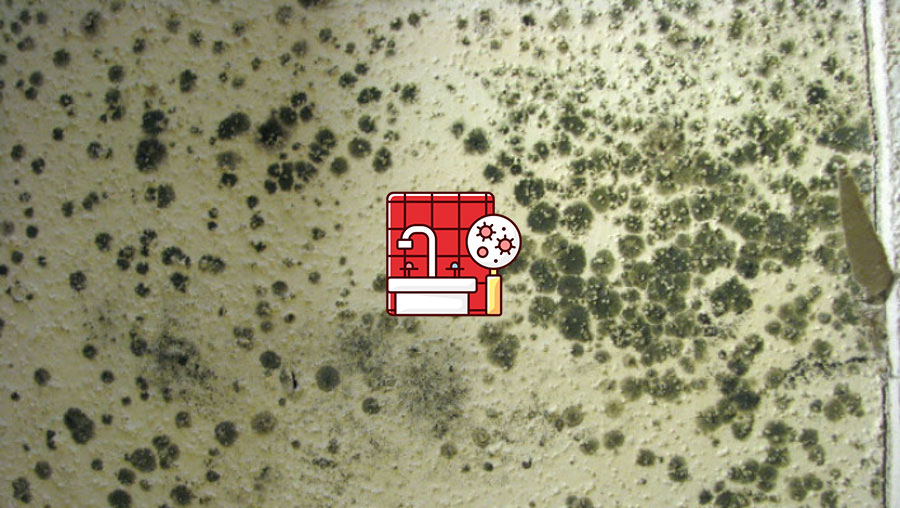
    • Mold and Mildew Growth: Excess moisture in the attic due to a roof leak creates an ideal environment for mold and mildew to thrive. These fungi can cause health issues for occupants and further damage the building materials.
    • Damaged Insulation: Water-soaked insulation loses its effectiveness, leading to decreased energy efficiency and increased heating or cooling costs.
    • Electrical Hazards: If water reaches electrical components in the attic, it can pose a significant safety risk, including short circuits or electrical fires.

    mold in your walls

    Recognizing Hidden Signs of a Roof Leak

    Water Stains on the Ceiling and Walls

    One of the most apparent signs of a roof leak is the presence of water stains on the ceiling and walls. These stains can appear as discolored patches, often with a brownish or yellowish tint. They indicate that water has penetrated through the roof and made its way into the attic or the space between the roof and the ceiling. It’s important to address these stains promptly, as they can worsen over time and lead to further damage if the underlying cause is not resolved.

    Dampness or Musty Odors in the Attic

    If you notice a persistent dampness or musty odor in your attic, it could be a clear indication of a roof leak. When water enters the attic, it can create a humid environment that promotes the growth of mold and mildew. These fungi thrive in damp conditions and release distinct odors. Therefore, a musty smell in your attic should not be ignored, as it may signify an ongoing leak that needs attention.

    Increased Energy Bills due to Insulation Damage

    A roof leak can compromise the insulation in your attic, leading to decreased energy efficiency and higher utility bills. When insulation gets wet, it loses its effectiveness in regulating temperature and preventing heat transfer. As a result, your heating and cooling systems have to work harder to maintain a comfortable indoor environment, resulting in increased energy consumption. If you notice a sudden spike in your energy bills without a clear explanation, it’s worth investigating the possibility of a roof leak.

    Mold or Mildew Growth in the Attic

    The presence of mold or mildew in your attic is a red flag for a roof leak. These fungi thrive in moist environments and often develop in hidden corners or on surfaces affected by water infiltration. If you spot any mold growth on the attic walls, beams, or insulation, it indicates that there is excessive moisture entering your attic, likely from a leaking roof. Prompt action is necessary to prevent further mold proliferation and address the underlying leak issue.

    Sagging or Weakened Roof Structure

    A roof leak that goes undetected or unattended for a prolonged period can lead to structural damage, causing the roof to sag or weaken. This is a serious sign that the leak has progressed and affected the integrity of the roof’s supporting structure. If you notice any visible signs of sagging or weakened areas on your roof, it’s essential to have a professional inspection and repair performed immediately to prevent further damage and potential collapse.

    labor cost for roofing

    Temporary Measures to Mitigate Damage

    1. Tarps and Temporary Patches:

    • Covering the affected area with a waterproof tarp can provide immediate protection against water intrusion.
    • Securely fasten the tarp over the damaged portion of the roof using ropes or bungee cords.
    • Temporary patches, such as roofing cement or sealants, can be applied to small leaks or cracks in the roofing material as a temporary stop-gap measure.
    1. Clearing Debris from Gutters and Downspouts:

    • Clogged gutters and downspouts can contribute to roof leaks by causing water to overflow and seep into the attic.
    • Regularly inspect and clear any debris, such as leaves and twigs, from the gutters and downspouts to ensure proper water drainage away from the roof.
    1. Ensuring Proper Attic Ventilation and Insulation:

    • Inadequate ventilation and insulation in the attic can lead to condensation and moisture buildup, exacerbating the effects of a roof leak.
    • Check that attic vents are clear of obstructions and functioning properly to allow for proper air circulation.
    • Inspect and address any insulation issues, such as wet or damaged insulation, which may need to be temporarily removed and replaced after the leak is resolved.
    1. Taking Immediate Action:

    • Document the extent of the damage by taking photos and making notes to aid in insurance claims.
    • Safely move any valuable belongings or furniture away from the affected area to prevent further damage.
    • Place buckets or containers strategically to collect dripping water and prevent it from spreading to other areas of the attic or home.

    roof water damage

    Fixing the Roof Leak

    When it comes to fixing a roof leak into the attic, it is essential to hire a professional roofing contractor who possesses the necessary qualifications and expertise. Here are some key considerations to keep in mind:

    Hiring a Professional Roofing Contractor:

    • Look for a licensed and insured roofing contractor with a proven track record in handling roof leaks and repairs.
    • Seek recommendations from friends, family, or neighbors who have had positive experiences with roofing contractors.
    • Verify the contractor’s credentials and certifications to ensure they are qualified to work on your roof.

    Repair Options:

    • The approach to fixing a roof leak will depend on the severity and type of the leak. A professional contractor will conduct a thorough inspection to determine the best course of action.
    • Repair options may include shingle replacement, repairing damaged flashing, or applying roof coatings to reinforce the existing roofing material.
    • In some cases, if the damage is extensive or the roof is nearing the end of its lifespan, a roof replacement might be recommended.

    Exploring Potential Solutions:

    • Shingle Replacement: Damaged or missing shingles are a common cause of roof leaks. A professional contractor will carefully remove and replace the affected shingles, ensuring a proper seal to prevent future leaks.
    • Flashing Repair: Flashing around chimneys, vents, and skylights can deteriorate over time, leading to leaks. A skilled contractor will repair or replace damaged flashing to ensure water-tightness.
    • Roof Coatings: Applying a waterproof coating can provide an additional layer of protection against future leaks. The coating is applied directly to the roof surface, sealing any existing gaps or cracks.

    roof water damage

    Fixing the Roof Leak

    When it comes to fixing a roof leak into the attic, it is essential to hire a professional roofing contractor who possesses the necessary qualifications and expertise. Here are some key considerations to keep in mind:

    Hiring a Professional Roofing Contractor:

    • Look for a licensed and insured roofing contractor with a proven track record in handling roof leaks and repairs.
    • Seek recommendations from friends, family, or neighbors who have had positive experiences with roofing contractors.
    • Verify the contractor’s credentials and certifications to ensure they are qualified to work on your roof.

    Repair Options:

    • The approach to fixing a roof leak will depend on the severity and type of the leak. A professional contractor will conduct a thorough inspection to determine the best course of action.
    • Repair options may include shingle replacement, repairing damaged flashing, or applying roof coatings to reinforce the existing roofing material.
    • In some cases, if the damage is extensive or the roof is nearing the end of its lifespan, a roof replacement might be recommended.

    Exploring Potential Solutions:

    • Shingle Replacement: Damaged or missing shingles are a common cause of roof leaks. A professional contractor will carefully remove and replace the affected shingles, ensuring a proper seal to prevent future leaks.
    • Flashing Repair: Flashing around chimneys, vents, and skylights can deteriorate over time, leading to leaks. A skilled contractor will repair or replace damaged flashing to ensure water-tightness.
    • Roof Coatings: Applying a waterproof coating can provide an additional layer of protection against future leaks. The coating is applied directly to the roof surface, sealing any existing gaps or cracks.

    mold spread and growth

    Preventing Roof Leaks in the Future

    Regular Roof Inspections and Maintenance:

    • Schedule regular roof inspections, at least once a year, to identify any signs of damage or potential issues.
    • A professional roofer can assess the condition of your roof, detect early signs of damage, and address them promptly.
    • Regular maintenance, such as replacing damaged shingles, resealing flashing, and addressing minor issues, can prevent leaks from developing.

    Cleaning Gutters and Downspouts to Prevent Clogs:

    • Regularly clean your gutters and downspouts to prevent debris from accumulating and causing water backup.
    • Clogged gutters can lead to water overflow, which can seep into the attic and cause roof leaks.
    • Clearing leaves, twigs, and other debris will ensure proper water drainage away from the roof.

    Trimming Overhanging Tree Branches:

    • Trim tree branches that overhang your roof to minimize the risk of damage during storms or high winds.
    • Overhanging branches can scrape against the roof surface, dislodge shingles, and create entry points for water.

    Monitoring Attic Ventilation and Insulation:

    • Proper attic ventilation and insulation play a crucial role in preventing moisture buildup and condensation that can lead to roof leaks.
    • Ensure that attic vents are clear of obstructions and functioning correctly to allow for adequate air circulation.
    • Regularly inspect insulation for signs of damage, such as wet spots or mold growth, and address any issues promptly.

    Investing in High-Quality Roofing Materials and Professional Installation:

    • Choose high-quality roofing materials that are durable and designed to withstand harsh weather conditions.
    • Professional installation by experienced roofers ensures proper sealing and reduces the risk of installation errors that can lead to leaks.

    View More Articles

    Free, No Obligation

    Request Your Free Estimate & Inspection

    Tell us about your roof and we’ll come take a look — no pressure, no cost. Or call us right now on (703) 964-6233.

    (703) 964-6233
    Contact Form Demo (#3)
    Owens Corning Preferred Contractor GAF System Plus CertainTeed SureStart PLUS BBB A+ Accredited HomeAdvisor

    RNC Roofing

    RNC Roofing and Construction Group — The Roofing Contractor Specialists. Protecting your home, one shingle at a time.

    Virginia

    (703) 964-6233 Sterling · Leesburg · Ashburn
    Loudoun & Fairfax County

    Maryland

    (703) 964-6233 Beltsville · District Heights
    All of Maryland
    © 2026 RNC Roofing and Construction Group — The Roofing Contractor Specialists Northern Virginia & Maryland
  • Copper Strips for Roof Moss: Preventing / Protecting

    Protecting your home, one shingle at a time VA (703) 964-6233| MD (703) 964-6233| Free Estimate & Inspection
    Home Improvement

    Copper Strips for Roof Moss: Preventing / Protecting

    RNC Roofing and Construction Group July 19, 2023
    Copper Strips for Roof Moss: Preventing / Protecting

    Copper Strips for Roof Moss: Preventing / Protecting

    Roof moss may appear harmless at first, but if left unchecked, it can cause significant damage to your roof and compromise its integrity. Moss retains moisture, which can seep into the roof’s underlying materials, leading to rot, decay, and even structural issues. Additionally, moss can accelerate the wear and tear of roofing materials, reducing their lifespan and necessitating premature repairs or replacements.

    How Copper Strips Work

    The Science Behind Copper Strips

    Copper strips provide an innovative and natural solution for preventing moss growth on roofs. Understanding the scientific principles behind how copper strips work can help homeowners make informed decisions when it comes to moss prevention.

    Mechanism of Moss Prevention

    Copper strips work by utilizing the antimicrobial properties of copper to hinder moss growth. When rainwater comes into contact with the copper strips, a process known as electrolysis occurs. This process leads to the release of copper ions into the water.

    Inhibition of Moss Development

    As rainwater flows over the copper strips, the copper ions are carried down the roof surface. These ions act as a deterrent to moss and other organic growth, disrupting their ability to thrive. Copper ions have the ability to penetrate the cells of moss, interfering with their metabolic processes and ultimately inhibiting their development.

    Long-Lasting Effectiveness

    One of the key advantages of copper strips is their long-lasting effectiveness in preventing moss regrowth. The continuous release of copper ions ensures a sustained barrier against moss colonization. Unlike chemical treatments that require repeated applications, copper strips provide a more durable solution, reducing the need for frequent maintenance and reapplication.

    Benefits of Copper Strips:

    Natural moss prevention: Copper strips offer a natural and environmentally friendly way to prevent moss growth without the use of harsh chemicals.

    • Minimal maintenance: Once installed, copper strips require little to no maintenance, making them a convenient option for homeowners.
    • Cost-effective solution: Considering their long-lasting effectiveness, copper strips provide a cost-effective moss prevention method in the long run.
    • Versatile application: Copper strips can be applied to various types of roofs and are compatible with different architectural styles.

    labor cost for roofing

    Installation and Placement of Copper Strips

    Step-by-Step Guide

    Preparation: Start by cleaning the roof surface to remove any existing moss, debris, or dirt. Ensure the roof is dry before proceeding with the installation.

    • Measure and cut: Measure the length of the roof ridge or the areas prone to moss growth. Use a sturdy pair of tin snips or metal cutters to cut copper strips to the appropriate length.
    • Placement: Position the copper strips along the ridge line or other susceptible areas, such as valleys or areas with heavy shade. Ensure a consistent and even placement of the strips across the roof surface.
    • Attachment: Secure the copper strips to the roof using roofing nails or screws. Make sure they are firmly fastened to withstand wind and weather conditions.
    • Overlap and seal: If required, overlap the copper strips to ensure complete coverage. Use a waterproof sealant or roofing cement to seal the joints and prevent water penetration.

    Suitable Roof Types

    Copper strips can be installed on various roof types, including asphalt shingles, wood shakes, and metal roofs. They are versatile and compatible with most roofing materials. Consult a professional or refer to manufacturer guidelines to ensure proper installation on specific roof types.

    Importance of Proper Placement

    Proper placement and positioning of copper strips are crucial for achieving maximum effectiveness in moss prevention. The key considerations include:

    • Ridge line placement: Installing copper strips along the roof ridge helps create a barrier that prevents moss growth from spreading to other areas of the roof.
    • Vulnerable areas: Identify areas of the roof that are prone to moss growth, such as areas with heavy shade or dampness. Install copper strips in these areas to target moss prevention.
    • Coverage and spacing: Ensure the copper strips cover a sufficient area to effectively deter moss growth. Adequate spacing between the strips allows for proper water runoff and copper ion dispersion.

    environmental impact shingles

    Benefits of Copper Strips

    Advantages of Copper Strips

    When it comes to moss prevention on roofs, copper strips offer several distinct advantages over other methods. Let’s explore the benefits of using copper strips and why they are a preferred choice for homeowners.

    Superior Moss Prevention

    Compared to alternative moss prevention methods, such as chemical treatments or regular manual cleaning, copper strips provide superior and long-lasting effectiveness. While chemical treatments may require frequent reapplication, copper strips create a continuous barrier against moss growth. The sustained release of copper ions inhibits moss development, ensuring your roof remains moss-free.

    Eco-Friendly Solution

    Copper strips are an eco-friendly moss prevention solution, making them a sustainable choice for homeowners. Unlike chemical treatments that introduce potentially harmful substances into the environment, copper is a natural material that does not pose any significant risks to the ecosystem. By opting for copper strips, you can effectively prevent moss growth while minimizing your environmental footprint.

    Preservation of Structural Integrity

    Moss growth on a roof can lead to serious damage over time, compromising its structural integrity. However, by installing copper strips, you can protect your roof from the detrimental effects of moss. Moss often retains moisture, which can seep into the underlying materials and cause decay, rot, and even structural issues. Copper strips act as a preventive measure, keeping your roof dry and extending its lifespan.

    Additional Benefits:

    • Cost-effective: Copper strips offer long-term savings by reducing the need for frequent moss cleaning or chemical treatments.
    • Low maintenance: Once installed, copper strips require minimal maintenance, providing a hassle-free solution for moss prevention.
    • Compatibility: Copper strips can be installed on various roof types, making them versatile and suitable for different architectural styles.

    fix leaky roof

    Signs of Roof Leak and Damage

    Identifying Roof Leak

    Roof leaks can cause significant damage if left undetected and untreated. Homeowners should be aware of the hidden signs of a roof leak to prevent further issues. By promptly identifying these signs, you can take the necessary steps to address the problem before it worsens.

    Water Stains and Discoloration

    Water stains or discoloration on ceilings or walls are common indicators of a roof leak. These stains typically appear as yellowish-brown patches and may gradually spread over time. Pay attention to any new or growing stains, as they often signal an active leak. Remember to inspect areas near chimneys, skylights, vents, and plumbing penetrations, as these are prone to leaks.

    Mold and Mildew Growth

    The presence of mold or mildew in your home can indicate a hidden roof leak. Mold thrives in damp environments, making a leaking roof an ideal breeding ground. Look for signs of mold growth on walls, ceilings, or in attic spaces. The appearance of musty odors can also be an indication of mold caused by moisture infiltration from a roof leak.

    Peeling or Bubbling Paint

    If you notice paint peeling or bubbling on your walls or ceilings, it may be due to water seepage from a roof leak. When water enters through the roof, it can cause the paint to lose adhesion and result in these visible signs. Examine areas where paint is blistering or peeling, as it could be an indication of an underlying leak.

    The Importance of Regular Roof Inspections

    Regular roof inspections are essential for early detection of leaks and to prevent extensive damage. Schedule professional roof inspections at least once a year, especially before the rainy season or after severe weather events. A qualified roofing contractor can assess the condition of your roof, identify potential issues, and address them promptly. Additionally, homeowners can perform visual inspections themselves, checking for loose or damaged shingles, cracked flashing, or any signs of wear and tear.

    View More Articles

    Free, No Obligation

    Request Your Free Estimate & Inspection

    Tell us about your roof and we’ll come take a look — no pressure, no cost. Or call us right now on (703) 964-6233.

    (703) 964-6233
    Contact Form Demo (#3)
    Owens Corning Preferred Contractor GAF System Plus CertainTeed SureStart PLUS BBB A+ Accredited HomeAdvisor

    RNC Roofing

    RNC Roofing and Construction Group — The Roofing Contractor Specialists. Protecting your home, one shingle at a time.

    Virginia

    (703) 964-6233 Sterling · Leesburg · Ashburn
    Loudoun & Fairfax County

    Maryland

    (703) 964-6233 Beltsville · District Heights
    All of Maryland
    © 2026 RNC Roofing and Construction Group — The Roofing Contractor Specialists Northern Virginia & Maryland
  • Lichen on Roof Removal: Preventing Growth

    Protecting your home, one shingle at a time VA (703) 964-6233| MD (703) 964-6233| Free Estimate & Inspection
    Home Improvement

    Lichen on Roof Removal: Preventing Growth

    RNC Roofing and Construction Group July 13, 2023
    Lichen on Roof Removal: Preventing Growth

    Lichen on Roof Removal: Preventing Growth

    Lichen is a unique organism that consists of a symbiotic relationship between fungi and algae. It typically appears as small patches or crusty growth on various surfaces, including roofs. Lichen growth on roofs can have several detrimental effects. Its presence can not only compromise the aesthetics of your roof but also lead to potential damage and roof deterioration if left untreated.

    Understanding Lichen on Roofs

    Definition and Characteristics of Lichen

    Lichen, also known as lichenized fungi, is a composite organism that consists of a mutualistic association between fungi and algae or cyanobacteria. It thrives in various environments, including roofs. Lichen exhibits a diverse range of appearances, such as crusty patches, leafy structures, or powdery growth. Its adaptability allows it to survive in harsh conditions, making it a common occurrence on roofs.

    Types of Lichen Commonly Found on Roofs

    Several types of lichen can be found on roofs, including but not limited to:

    • Foliose Lichen: This type has leaf-like lobes and a distinct upper and lower surface. It often appears as circular patches on roofs.
    • Crustose Lichen: Crustose lichen forms a tightly adhered crust to the roof surface. It is commonly seen as flat, crusty growth.
    • Fruticose Lichen: Fruticose lichen has a shrubby or bushy appearance, with branching structures that extend from the roof surface.

    Lichen Growth on Roofs

    Growth on roofs typically occurs in areas that provide suitable conditions, such as shaded or moist sections. It can thrive in both sunny and rainy climates. Lichen utilizes the roof’s surface as a substrate for attachment and absorbs essential nutrients from the surrounding environment. Over time, lichen can spread and cover larger areas if not addressed.

    Potential Damage Caused by Lichen on Roofs

    While lichen may seem harmless, it can cause significant damage to roofs if left unchecked. Lichen growth can compromise the integrity of roofing materials, such as shingles or tiles. It can retain moisture and create a conducive environment for water penetration, leading to potential roof leaks. Additionally, lichen’s root-like structures can penetrate the surface and cause physical damage, exacerbating the deterioration of the roof.

    signs of blistering roof , signs to replace your roof

    Signs of Lichen Infestation

    Visible Signs of Lichen on the Roof’s Surface

    When inspecting your roof, keep an eye out for visible signs of lichen infestation. These signs may include patches or growths of lichen scattered across the roof’s surface. You might observe discoloration, ranging from greenish hues to yellow, gray, or even black, depending on the specific type of lichen present. These visual indicators can help identify the need for lichen removal.

    Impact of Lichen on Roof Aesthetics

    Lichen growth can significantly impact the aesthetics of your roof. As it spreads and covers larger areas, it creates an unsightly appearance that can detract from the overall appeal of your property. Discolored patches and a weathered appearance are common when lichen infestation occurs. Addressing lichen on roof removal not only restores the visual appeal but also preserves the overall attractiveness of your home.

    Acceleration of Roof Deterioration

    One of the hidden dangers of lichen infestation is its potential to accelerate roof deterioration. Lichen, particularly crustose and foliose types, can penetrate the surface of the roof, compromising its protective layer. As lichen grows, it retains moisture, leading to the deterioration of roofing materials. This moisture retention can weaken shingles or tiles, making them more prone to damage and increasing the risk of leaks.

    Hidden Signs of a Roof Leak Associated with Lichen Presence

    Lichen on the roof can be an indicator of underlying roof issues, including hidden leaks. As lichen attaches itself to the roof surface, it creates small crevices or cracks that allow water to seep through. Over time, this water intrusion can result in damp spots, discoloration on interior ceilings or walls, or even mold growth. If you notice lichen growth, it’s important to investigate further for potential roof leaks and address them promptly.

    evaluating roof damage

    Effects of Lichen on Roof Longevity

    Impact of Lichen on Roof Materials

    Growth on roofs can have detrimental effects on various roofing materials such as shingles and tiles. As lichen attaches itself to the surface, it releases enzymes and acids that slowly deteriorate the protective layers of the roof. Over time, this can weaken the integrity of the materials, making them more susceptible to damage from external factors like weather conditions and UV radiation. Regular lichen removal is crucial to preserving the longevity of your roof.

    Influence on Roof Structural Integrity

    Not only does lichen affect the external appearance but can also compromise the structural integrity of the roof. As lichen spreads, it can infiltrate the gaps and crevices of the roof, causing it to lift or separate. This can lead to weakened structural support, making the roof more vulnerable to potential damage, especially during severe weather events. Removing lichen in a timely manner helps maintain the strength and stability of the roof.

    Potential for Roof Leaks Due to Lichen Growth

    Lichen’s ability to retain moisture poses a significant risk for roof leaks. As lichen absorbs and holds water, it creates an environment where moisture can seep through the roofing materials. Over time, this moisture intrusion can result in leaks that may go unnoticed until significant damage occurs. Regular inspection and lichen removal help mitigate the potential for roof leaks, protecting your property from water damage.

    Importance of Proactive Lichen Removal

    To ensure the longevity of your roof, proactive lichen removal is essential. By addressing lichen growth promptly, you can prevent further damage to the roof materials and maintain its structural integrity. Regular maintenance, including lichen removal, prolongs the lifespan of your roof, reducing the need for costly repairs or premature replacement. It is recommended to consult professional roofing services for effective and safe lichen removal.

    labor cost for roofing

    Lichen Removal Techniques

    Non-destructive Methods for Lichen Removal

    When it comes to removing lichen from your roof, non-destructive methods are recommended to minimize any potential damage. One effective technique is manual removal using a soft-bristle brush or scraping tool. Gently scrubbing the affected areas helps dislodge the lichen without harming the underlying roof materials. Another non-destructive approach is the use of specialized lichen removal solutions that dissolve the lichen without causing harm to the roof surface.

    Use of Environmentally Friendly Cleaning Agents

    In the pursuit of sustainable practices, using environmentally friendly cleaning agents is an excellent choice for lichen removal. There are eco-friendly solutions available that are specifically formulated to target lichen while being safe for the environment. These cleaning agents effectively break down the lichen without introducing harmful chemicals into the ecosystem.

    Soft Washing and Pressure Washing Techniques

    Soft washing and pressure washing are two commonly employed techniques for lichen removal. Soft washing involves the use of low-pressure water combined with specialized cleaning solutions to gently remove lichen from the roof surface. This method ensures thorough cleaning without causing damage. Pressure washing, on the other hand, utilizes higher water pressure to dislodge and remove lichen. However, caution must be exercised to avoid excessive pressure that could harm the roof materials.

    Safety Precautions and Considerations During Lichen Removal

    During the lichen removal process, it is essential to prioritize safety. First and foremost, ensure proper personal protective equipment (PPE) is worn, including gloves, goggles, and a respiratory mask, to protect against any potential hazards. Additionally, exercise caution while working at heights and use appropriate safety equipment, such as harnesses or fall protection systems. Following safety guidelines and considering environmental factors like weather conditions will help ensure a safe and successful lichen removal procedure.

    tpo roofing improvement

    Preventing Lichen Regrowth

    Roof Maintenance Tips to Prevent Lichen Growth

    To prevent lichen regrowth on your roof, regular maintenance is key. Keep the roof clean by removing debris, such as leaves and branches, that can provide a favorable environment for lichen to thrive. Trim overhanging branches to reduce shade and allow sunlight to reach the roof. Additionally, maintain gutters and downspouts to ensure proper water drainage, as excessive moisture can contribute to lichen growth.

    Importance of Regular Roof Inspections

    Regular roof inspections play a vital role in preventing lichen regrowth. Schedule professional inspections at least once a year to identify early signs of lichen or other roof issues. A trained eye can spot areas prone to lichen growth and take preventive measures. Timely detection allows for prompt lichen removal and prevents further spread, protecting your roof from potential damage and costly repairs.

    Role of Proper Ventilation in Preventing Lichen

    Proper ventilation is crucial in preventing lichen growth on the roof. Adequate airflow helps regulate moisture levels, reducing the conditions favorable for lichen to flourish. Ensure that your attic or roof space is well-ventilated, allowing moisture to escape. This can be achieved through the installation of vents, exhaust fans, or a balanced ventilation system. By controlling moisture levels, you create an unfavorable environment for lichen growth.

    Recommendations for Long-Term Lichen Prevention

    In addition to regular maintenance and inspections, there are other measures you can take to prevent long-term lichen regrowth. Applying specialized roof coatings or treatments designed to inhibit lichen growth can provide an added layer of protection. These coatings create an unfavorable surface for lichen attachment and make it easier to remove any regrowth. Consulting with roofing professionals can help you identify suitable products and techniques for long-term lichen prevention.

    View More Articles

    Free, No Obligation

    Request Your Free Estimate & Inspection

    Tell us about your roof and we’ll come take a look — no pressure, no cost. Or call us right now on (703) 964-6233.

    (703) 964-6233
    Contact Form Demo (#3)
    Owens Corning Preferred Contractor GAF System Plus CertainTeed SureStart PLUS BBB A+ Accredited HomeAdvisor

    RNC Roofing

    RNC Roofing and Construction Group — The Roofing Contractor Specialists. Protecting your home, one shingle at a time.

    Virginia

    (703) 964-6233 Sterling · Leesburg · Ashburn
    Loudoun & Fairfax County

    Maryland

    (703) 964-6233 Beltsville · District Heights
    All of Maryland
    © 2026 RNC Roofing and Construction Group — The Roofing Contractor Specialists Northern Virginia & Maryland
  • Hidden Signs of a Roof Leak: Unveiling the Telltale Indicators

    Protecting your home, one shingle at a time VA (703) 964-6233| MD (703) 964-6233| Free Estimate & Inspection
    Home Improvement

    Hidden Signs of a Roof Leak: Unveiling the Telltale Indicators

    RNC Roofing and Construction Group July 13, 2023
    Hidden Signs of a Roof Leak: Unveiling the Telltale Indicators

    Hidden Signs of a Roof Leak: Unveiling the Telltale Indicators

    As a responsible homeowner, being aware of the hidden signs of a roof leak is crucial in maintaining the integrity of your home and preventing potential damages. By recognizing these signs early on, you can take prompt action to address the issue and avoid more extensive repairs down the line.

    Assessing Interior Clues

    Stains and Discoloration on Ceilings and Walls

    One of the most common signs of a roof leak is the presence of stains or discoloration on your ceilings or walls. These stains may appear as dark patches, yellowing, or watermarks. They often indicate that water has penetrated through the roof and seeped into your home’s interior. Keep an eye out for these stains, especially in areas directly below the roof or near chimneys and skylights.

    Peeling Paint and Wallpaper

    If you notice peeling paint or wallpaper in certain areas of your home, it could be a result of water damage caused by a hidden roof leak. The moisture from the leak can cause the paint to bubble or peel off, and wallpaper may begin to loosen or show signs of deterioration. Pay attention to any unusual changes in your walls’ appearance, as they could be linked to a roof leak.

    Musty Odors and Mold Growth

    Hidden roof leaks can create a damp environment that fosters the growth of mold and mildew. If you detect a musty odor in your home, particularly in areas close to the roof, it may indicate the presence of mold caused by a leak. Additionally, keep an eye out for visible mold growth on walls, ceilings, or in the corners of rooms. Mold can not only damage your home’s structure but also pose health risks to you and your family.

    evaluating roof damage

    Examining Exterior Indicators

    Damaged or Missing Shingles

    One of the prominent signs of a roof leak is the presence of damaged or missing shingles. Inspect your roof regularly for any shingles that are cracked, broken, or completely absent. These damaged areas create vulnerable spots where water can penetrate the roof structure, leading to leaks. Keep an eye out for any shingles that appear dislodged, torn, or deteriorated, as they may indicate potential areas of concern.

    Curling, Buckling, or Warping Shingles

    Another exterior clue pointing to a hidden roof leak is the curling, buckling, or warping of shingles. Exposure to extreme weather conditions, age, and inadequate installation can cause shingles to lose their shape and integrity. These deformities compromise the effectiveness of your roof’s waterproofing capabilities, allowing water to seep through and infiltrate your home. Look for any noticeable curling or bulging of shingles, as well as sections that appear uneven or distorted.

    Accumulation of Granules in Gutters

    Inspecting your gutters can provide valuable insights into the condition of your roof. If you notice a significant accumulation of granules in the gutters, it may indicate deteriorating shingles. As shingles age, they tend to shed granules, which often end up in the gutter system. Excessive granule loss can weaken the shingles and compromise their ability to protect against water infiltration. Therefore, the presence of granules in the gutters can be an indication of potential roof leaks.

    how old should a roof be before replaced

    Inspecting Attic Leaks

    Water Stains or Dampness on Attic Rafters or Insulation

    Inspect the attic for any water stains or signs of dampness on the rafters or insulation. These stains can indicate a roof leak that has allowed water to seep through the roof structure. Look for discolored areas, dark patches, or areas that appear wet or damp to the touch. These signs suggest an ongoing or previous leak that may require immediate attention.

    Mold or Mildew Growth in the Attic

    The presence of mold or mildew in the attic is a strong indication of a hidden roof leak. Roof leaks create a moist environment, providing an ideal breeding ground for mold and mildew. Check for any visible signs of mold growth on the attic walls, ceilings, or in corners. If you detect a musty odor or see fuzzy patches of mold, it’s important to address the roof leak promptly to prevent further mold proliferation.

    Sunlight Penetration or Visible Holes

    During a daytime inspection, check for any signs of sunlight penetrating through the attic. Sunlight beams or visible holes in the roof indicate compromised areas where water can enter. Look for any gaps, cracks, or openings that allow light to pass through. Such openings should be repaired to prevent water infiltration and subsequent roof leaks.

    roof water damage

    Detecting Water In Other Areas

    Wet or Discolored Roof Decking

    Inspect the roof decking for any signs of wetness or discoloration. If you have access to your roof, carefully examine the surface. Wet spots or areas that appear darker than the surrounding decking can suggest the presence of a roof leak. By identifying these indications, you can narrow down the location of the leak and take appropriate action.

    Damaged Flashing around Chimneys, Skylights, or Vents

    Flashing plays a crucial role in preventing water penetration around chimneys, skylights, vents, and other roof penetrations. Check the condition of the flashing in these areas for any signs of damage, such as cracks, gaps, or missing sections. Faulty or deteriorated flashing can allow water to seep into your home, resulting in hidden roof leaks. Ensure the flashing is intact and properly sealed to maintain a watertight roof.

    Overflowing or Clogged Gutters

    While not directly related to the roof itself, overflowing or clogged gutters can contribute to roof leaks. When gutters are obstructed or unable to drain water effectively, it can lead to water backing up and seeping under the roof’s edge. Regularly inspect and clean your gutters to prevent water overflow, ensuring that they are functioning properly.

    fix leaky roof

    Steps to Address Roof Leaks

    Hiring a Professional Roofing Contractor

    Engaging the expertise of a professional roofing contractor is vital when dealing with roof leaks. A qualified contractor will have the knowledge and experience to identify the root cause of the leak and recommend appropriate solutions. They can conduct a thorough inspection of your roof, assess the extent of the damage, and provide expert advice on the necessary repairs. Hiring a professional ensures that the issue is addressed effectively and reduces the risk of recurring leaks.

    Conducting Regular Roof Inspections

    Regular roof inspections are essential to catch hidden signs of a roof leak before they escalate. Schedule professional roof inspections at least once a year, or after severe weather events, to detect any potential issues early on. During these inspections, the contractor can assess the condition of your roof, identify any signs of damage or leaks, and recommend preventive measures. Being proactive with regular inspections helps maintain the longevity and integrity of your roof.

    Importance of Timely Repairs to Prevent Further Damage

    Prompt repairs are crucial to prevent further damage caused by roof leaks. Ignoring or delaying repairs can result in more extensive and costly issues, such as structural damage, mold growth, and compromised insulation. As soon as signs of a roof leak are identified, take immediate action to address the problem. This may involve patching damaged areas, replacing broken shingles, or sealing gaps and cracks. Timely repairs help maintain the structural integrity of your roof and protect your home from potential water damage.

    View More Articles

    Free, No Obligation

    Request Your Free Estimate & Inspection

    Tell us about your roof and we’ll come take a look — no pressure, no cost. Or call us right now on (703) 964-6233.

    (703) 964-6233
    Contact Form Demo (#3)
    Owens Corning Preferred Contractor GAF System Plus CertainTeed SureStart PLUS BBB A+ Accredited HomeAdvisor

    RNC Roofing

    RNC Roofing and Construction Group — The Roofing Contractor Specialists. Protecting your home, one shingle at a time.

    Virginia

    (703) 964-6233 Sterling · Leesburg · Ashburn
    Loudoun & Fairfax County

    Maryland

    (703) 964-6233 Beltsville · District Heights
    All of Maryland
    © 2026 RNC Roofing and Construction Group — The Roofing Contractor Specialists Northern Virginia & Maryland
  • Water Leak in Attic: Causes, Detection, and Solutions

    Protecting your home, one shingle at a time VA (703) 964-6233| MD (703) 964-6233| Free Estimate & Inspection
    Home Improvement

    Water Leak in Attic: Causes, Detection, and Solutions

    RNC Roofing and Construction Group July 11, 2023
    Water Leak in Attic: Causes, Detection, and Solutions

    Water Leak in Attic: Causes, Detection, and Solutions

    When it comes to maintaining the integrity of your home, addressing water leaks in the attic is of paramount importance. Neglecting these leaks can lead to severe damage, compromising the structural stability of your house and even posing health risks. By promptly identifying and addressing water leaks, you can prevent further damage and avoid costly repairs down the line.

    Identifying the Water Leak

    Locating the Source of the Water Leak

    When dealing with a water leak in the attic, the first step is to pinpoint its source. By identifying the exact location, you can effectively address the issue and prevent further damage. Here are a few key steps to help you locate the source of the water leak:

    • Visual Inspection: Carefully examine the attic area to look for visible signs of water intrusion. Look for water stains, discoloration, or wet spots on the ceiling, walls, and insulation. Pay close attention to areas near roof penetrations such as chimneys, vents, and skylights.
    • Follow the Trail: If you notice water stains or dampness, trace the trail of water back to its origin. Keep in mind that water can travel along beams, rafters, or piping, so the source may not always be directly above the visible signs.

    Utilizing Visual Inspections and Moisture Detectors

    • Visual Inspections: Inspect the attic during or after rainfall to observe any active leaks. Look for areas where water is seeping through, dripping, or forming puddles. Use a flashlight to thoroughly examine dark corners and hard-to-reach areas.
    • Moisture Detectors: Consider using moisture detection tools such as moisture meters or thermal imaging cameras. These devices can help identify hidden moisture pockets and potential sources of leaks that may not be visible to the naked eye.

    Remember, while locating the source of the water leak is crucial, it’s important to exercise caution and prioritize safety during the inspection process. If you encounter any structural concerns or feel unsure, it’s best to consult a professional roofing contractor who can provide expert guidance and assistance.


    roof water damage

    Assessing the Severity of the Leak

    Determining the Extent of Damage Caused by the Water Leak

    To effectively address a water leak in the attic, it’s essential to assess the extent of the damage it has caused. By understanding the severity, you can take appropriate measures to mitigate further harm. Consider the following steps:

    • Inspect Structural Components: Examine the attic’s structural elements, such as beams, rafters, and trusses, for signs of water damage. Look for wood rot, warping, or decay caused by prolonged exposure to moisture.
    • Check Insulation: Insulation can retain water and become a breeding ground for mold and mildew. Inspect the insulation for signs of dampness, sagging, or discoloration, as these indicate potential water infiltration.

    Understanding the Potential Risks and Consequences of Neglecting the Issue

    • Mold Growth: A water leak in the attic creates a conducive environment for mold and mildew to flourish. This can lead to respiratory issues, allergies, and other health problems for the occupants of the house.
    • Structural Damage: Prolonged exposure to water can compromise the structural integrity of your home. Wooden components may weaken, and sheetrock or plaster ceilings may deteriorate, risking the stability of the entire structure.
    • Electrical Hazards: Water leaks in the attic increase the risk of electrical hazards. If the leak reaches electrical wiring or fixtures, it can lead to short circuits, malfunctions, or even fires.
    • Decreased Energy Efficiency: Attic water leaks can cause insulation to lose its effectiveness, leading to energy wastage and increased utility bills. Properly addressing the leak can help restore energy efficiency in your home.

    labor cost for roofing

    Fixing the Water Leak

    Temporary Fixes to Prevent Further Damage

    When faced with a water leak in the attic, it’s crucial to implement temporary fixes to mitigate further damage until a permanent solution can be applied. Consider the following steps:

    • Contain the Leak: Place buckets or containers strategically to collect the leaking water and prevent it from spreading to other areas. This helps minimize water damage to your home’s interior.
    • Patching or Sealing: If the source of the leak is identifiable, apply a temporary sealant or patch to the affected area. This can be done using roofing cement, silicone caulk, or a waterproof sealant appropriate for the specific surface.

    Permanent Solutions to Address the Root Cause of the Leak

    While temporary fixes provide immediate relief, it’s essential to address the root cause of the water leak to prevent future issues. Consider the following permanent solutions:

    • Roof Repair or Replacement: If the leak is due to damaged or missing shingles, cracked flashing, or deteriorated roof valleys, it may be necessary to repair or replace the affected roofing components. Consult a professional roofing contractor to assess the extent of the damage and recommend the most appropriate course of action.
    • Gutters and Downspouts Maintenance: Clogged gutters and downspouts can contribute to water leaks in the attic. Ensure proper maintenance by regularly cleaning out debris, inspecting for any damage, and ensuring proper water flow away from the house.
    • Addressing Ventilation Issues: Inadequate attic ventilation can lead to moisture buildup, increasing the chances of a water leak. Consider installing or improving ventilation systems such as ridge vents, soffit vents, or powered attic fans to promote air circulation and reduce humidity.

    labor cost for roofing

    Roof Replacement Considerations

    Factors to Consider When Determining the Lifespan of a Roof

    The lifespan of a roof depends on various factors that can influence its durability and longevity. When assessing whether a roof replacement is necessary, consider the following factors:

    • Material Quality: The quality of the roofing material used during installation significantly affects its lifespan. High-quality materials tend to be more durable and withstand the elements better than lower-quality options.
    • Climate and Weather Conditions: The climate in which your home is located plays a crucial role in roof lifespan. Extreme temperatures, high humidity, heavy rainfall, and frequent exposure to harsh weather elements can accelerate wear and tear.
    • Maintenance and Upkeep: Regular roof maintenance, such as cleaning gutters, removing debris, and addressing minor issues promptly, can prolong the lifespan of your roof. Neglecting maintenance can lead to premature deterioration and reduce its overall durability.

    How to Assess the Condition of Your Roof and Determine if Replacement is Necessary

    • Visual Inspection: Conduct a thorough visual inspection of your roof’s exterior. Look for signs of damage, such as cracked, curling, or missing shingles, deteriorating flashing, or extensive granule loss. Water leaks in the attic can indicate more significant problems.
    • Professional Roof Inspection: Engage a professional roofing contractor to perform a comprehensive roof inspection. They have the expertise to identify hidden issues, assess the overall condition of the roof, and provide recommendations for repair or replacement.
    • Age of the Roof: Consider the age of your roof. Different roofing materials have varying lifespans. Generally, asphalt shingle roofs last around 20-25 years, while metal roofs can endure 40-70 years, and slate or tile roofs can last over a century.

    Average Lifespan of Different Roofing Materials

    • Asphalt Shingles: The most common roofing material, asphalt shingles, typically have a lifespan of 20-25 years. However, factors like climate and maintenance can affect their longevity.
    • Metal Roofs: Metal roofs are known for their durability, with an average lifespan of 40-70 years. They are resistant to weather damage and offer excellent longevity.
    • Slate and Tile Roofs: Slate and tile roofs are renowned for their longevity, often lasting over a century. With proper maintenance, these materials can endure for generations.


    contact professionals

    Hiring a Professional Roofing Contractor

    Importance of Hiring an Experienced and Licensed Roofing Contractor

    When dealing with a water leak in the attic, it’s crucial to hire an experienced and licensed roofing contractor. Here’s why:

    • Expertise and Knowledge: Experienced contractors possess in-depth knowledge of roofing systems and have extensive hands-on experience. They can accurately diagnose the cause of the water leak, identify underlying issues, and provide effective solutions.
    • Quality Workmanship: Licensed contractors adhere to industry standards and regulations, ensuring high-quality workmanship. They use proper techniques, materials, and equipment to address the water leak, ensuring long-lasting repairs and minimizing the risk of future issues.
    • Safety and Insurance: Professional roofing contractors prioritize safety during the repair or replacement process. They carry liability insurance, protecting you and your property in case of accidents or damage during the project.

    Qualities to Look for in a Reliable Roofing Professional

    When hiring a roofing contractor, consider the following qualities:

    • Reputation and Reviews: Check for positive customer reviews, testimonials, and referrals to gauge the contractor’s reputation. A reliable contractor will have a track record of satisfied customers and a good standing in the industry.
    • Licensing and Insurance: Ensure the contractor is licensed, bonded, and insured. Request proof of insurance coverage and verify their license information to protect yourself from liability.
    • Experience and Specialization: Look for contractors with experience in dealing with water leaks and attic-related issues. Specialized expertise in roofing systems will ensure they can handle the specific challenges associated with your situation.

    Questions to Ask During the Hiring Process

    • Are you licensed and insured?
    • How many years of experience do you have in the roofing industry?
    • Have you worked on projects involving water leaks in attics before?
    • Can you provide references or examples of similar projects you have completed?
    • What warranties or guarantees do you offer for your work?


    View More Articles

    Free, No Obligation

    Request Your Free Estimate & Inspection

    Tell us about your roof and we’ll come take a look — no pressure, no cost. Or call us right now on (703) 964-6233.

    (703) 964-6233
    Contact Form Demo (#3)
    Owens Corning Preferred Contractor GAF System Plus CertainTeed SureStart PLUS BBB A+ Accredited HomeAdvisor

    RNC Roofing

    RNC Roofing and Construction Group — The Roofing Contractor Specialists. Protecting your home, one shingle at a time.

    Virginia

    (703) 964-6233 Sterling · Leesburg · Ashburn
    Loudoun & Fairfax County

    Maryland

    (703) 964-6233 Beltsville · District Heights
    All of Maryland
    © 2026 RNC Roofing and Construction Group — The Roofing Contractor Specialists Northern Virginia & Maryland