Category: Roof Maintenance

  • Summer Roofing Issues: Leaky Roof

    Protecting your home, one shingle at a time VA (703) 964-6233| MD (703) 964-6233| Free Estimate & Inspection
    Homeowner Help

    Summer Roofing Issues: Leaky Roof

    RNC Roofing and Construction Group July 27, 2018
    Summer Roofing Issues: Leaky Roof

    A list of roofing problems would be incomplete without a leaky roof as one of the primary issues to be on the lookout for this summer. Especially with heavy precipitation dominating this time of year, no one wants to run to get the drip bucket every time it rains. Not only is a leaky roof annoying, one small drip could be indicative of a larger roofing issue—and we all know a larger roofing issue calls for a larger amount of money and time invested in its repair.

    No matter your roof’s age, be sure to keep this list close by, as you never know when your roof’s problem could be solved with a quick repair, or if a major remodel is necessary.

    Read on to learn the most common causes of a leaky roof and their solutions.

    You Have Broken Shingles

    Because shingles make up the exterior of your roof, it’s easy to tell when one is damaged or missing. You should be able to identify broken or missing shingles by the different colored patches on your roof.

    The Solution: (Via This Old House): Slide a pry bar underneath the row of nails that connects the damaged shingle to the one below it. Lift up until the nail pops and then press down on the shingle while you remove the nail. Repeat for the remaining nails. Pull out the damaged shingle, replace it with a new one, and secure it with four new nails.

    Your Flashing Has Cracked

    Flashing are thin pieces of metal installed under shingles and between joints to create a waterproof barrier. Broken flashing can be identified by exposed areas on a roof.

    The Solution: (Via The Family Handyman): Once you locate the source of the leak, pry up the nails used to secure the old flashing. Lift any shingles out of the way and remove the cracked segment. Gently put a new run of flashing in its place, fasten the new flashing in the same pattern as your old piece using roofing nails. Then, apply a coat of roofing sealant to the nail heads.

    Your Gutters are Clogged

    You may be able to see that your gutters are clogged without getting up on your roof, but if not, the sure way to tell is if you notice a lack of water pouring out of your gutters during a rainstorm. If your gutters are clogged, water can get backed up and pool over an area of your roof.

    The Solution: (Via Freshome) Get up on a ladder and get in there with your hands. Many recommend placing a large tarp underneath the area where you are working. That way, you can drop any debris as you go and wrap it up for easy disposal later.

    If you prefer a professional to take a look at your leaky roof, contact RNC today!

    What separates The RNC Roofing Group from other residential roofing companies? With decades of experience installing, maintaining and repairing roofs we provide a knowledgeable, trustworthy and honest service to fulfill all your roofing needs. We are a Loudoun County, Virginia based residential roofing firm with an excellent reputation for quality and dependability. Whether it’s new construction, re-roofing or the challenge of leak repairs, no job is too large or too small.

    Free, No Obligation

    Request Your Free Estimate & Inspection

    Tell us about your roof and we’ll come take a look — no pressure, no cost. Or call us right now on (703) 964-6233.

    (703) 964-6233
    Contact Form Demo (#3)
    Owens Corning Preferred Contractor GAF System Plus CertainTeed SureStart PLUS BBB A+ Accredited HomeAdvisor

    RNC Roofing

    RNC Roofing and Construction Group — The Roofing Contractor Specialists. Protecting your home, one shingle at a time.

    Virginia

    (703) 964-6233 Sterling · Leesburg · Ashburn
    Loudoun & Fairfax County

    Maryland

    (703) 964-6233 Beltsville · District Heights
    All of Maryland
    © 2026 RNC Roofing and Construction Group — The Roofing Contractor Specialists Northern Virginia & Maryland
  • Blistering Roof Shingles | Guide to Repair and Prevention

    Protecting your home, one shingle at a time VA (703) 964-6233| MD (703) 964-6233| Free Estimate & Inspection
    Roof Maintenance

    Blistering Roof Shingles | Guide to Repair and Prevention

    RNC Roofing and Construction Group July 16, 2018
    Blistering Roof Shingles | Guide to Repair and Prevention

    Blistering Roof Shingles | Guide to Repair and Prevention

    Blistering shingles are characterized by raised bubbles or blisters on the surface of the shingles. These blisters can be caused by various factors, such as excessive heat, poor ventilation, or moisture-related problems. When the shingles blister, they become vulnerable to damage and can compromise the overall functionality of the roof.

    Identifying Blistering Shingles

    When it comes to identifying blistering shingles, there are several common signs and symptoms to look out for. These indicators can help you determine whether your roof has been affected by blistering. Keep an eye out for the following:

    Bubbles or raised areas on the surface of the shingles: Blistering shingles often exhibit visible bubbles or raised sections. These irregularities can be felt by running your hand over the surface of the shingles.

    Discoloration or changes in the appearance of shingles: Blistered shingles may appear discolored or have a different texture compared to unaffected areas. Look for variations in color, texture, or overall integrity of the shingles.

    Visual Inspection Techniques to Detect Blistering

    Performing a thorough visual inspection is crucial in detecting blistering shingles. By employing the following techniques, you can effectively identify the presence of blistering:

    • Observe the roof from a safe vantage point: Start by inspecting your roof from the ground or a safe distance using binoculars. Look for any signs of blistering, such as raised areas or discoloration.
    • Conduct a close-up inspection: If possible, climb a ladder and conduct a closer examination. Pay attention to individual shingles, checking for bubbles, raised sections, or other abnormalities. Be cautious and ensure your safety when accessing the roof.

    Differentiating Blistering from Other Roof Issues

    While blistering shingles share similarities with other roofing problems, understanding the distinctions is vital for accurate diagnosis. Here’s how you can differentiate blistering shingles from other roof issues:

    • Blistering vs. curling shingles: Curling shingles typically exhibit edges that curl upward or downward. In contrast, blistering shingles have raised sections or bubbles on the surface.
    • Blistering vs. granule loss: Blistering may cause some granules to dislodge from the shingles, but the raised sections are the primary distinguishing factor. Granule loss, on the other hand, results in a visible absence of granules on the shingle surface.

    summer season best time to replace roof

    Causes of Blistering Shingles

    Excessive Heat and Sun Exposure as a Leading Cause

    One of the primary factors that can lead to blistering shingles is excessive heat and prolonged exposure to the sun. When shingles are constantly exposed to high temperatures, the asphalt in the shingles can soften and become more susceptible to blistering. The heat causes the trapped moisture within the shingles to expand, resulting in the formation of bubbles or blisters on the surface.

    Poor Attic Ventilation and Its Impact on Shingle Health

    Inadequate attic ventilation can also contribute to the development of blistering shingles. When a roof lacks proper ventilation, heat can accumulate in the attic, causing the shingles to become excessively hot. This heat buildup accelerates the aging process of the shingles and increases the likelihood of blistering. It’s essential to ensure that your attic has proper ventilation to prevent the formation of blisters on the shingles.

    Moisture-Related Factors and Their Contribution to Blistering

    Moisture-related issues can significantly impact the health of your roof shingles and contribute to blistering. There are several moisture-related factors that can lead to blistering shingles:

    • Poor installation or damaged underlayment: If the underlayment beneath the shingles is not properly installed or has become damaged, it can allow moisture to seep into the shingle layers. Over time, this moisture can lead to blistering.
    • Trapped moisture within the shingle layers: In some cases, moisture can become trapped within the shingle layers during the manufacturing process. This trapped moisture can expand when exposed to heat, resulting in the formation of blisters.
    • Roof leaks and water damage: Roof leaks can introduce water into the shingle layers, leading to blistering. It is crucial to address any leaks promptly to prevent further damage.

    fix leaky roof

    Potential Consequences of Blistering Shingles

    Risk of Leaks and Water Damage to the Roof Structure

    Blistering shingles can pose a significant risk of leaks and water damage to the underlying roof structure. The raised bubbles or blisters on the shingle surface create vulnerable areas where water can penetrate. Over time, the trapped moisture can seep into the roof layers, compromising the integrity of the roof system. If left unaddressed, these leaks can lead to extensive water damage, rotting of the roof decking, and even structural issues within the home.

    Effects on Energy Efficiency and Indoor Climate Control

    Blistering shingles can also impact the energy efficiency of your home and indoor climate control. The raised areas on the shingle surface create pockets of trapped air, reducing the shingle’s ability to reflect sunlight and regulate heat. As a result, your home may experience increased heat absorption, leading to higher cooling costs during hot weather. Additionally, compromised shingles can allow air infiltration, affecting the insulation’s effectiveness and causing temperature fluctuations inside the house.

    Structural Implications and the Potential for Long-Term Damage

    Beyond the immediate risks of leaks and energy inefficiency, blistering shingles can have long-term structural implications. The presence of blisters indicates damage to the shingle’s protective layers and compromises its ability to withstand environmental stresses, such as wind and hail. Over time, these compromised shingles can deteriorate further, leading to more extensive damage and the potential for costly repairs or even a complete roof replacement.

    repairs roofing maintenance

    Repairing and Preventing Blistering Shingles

    When you notice blistering shingles on your roof, it’s essential to address the issue promptly to prevent further damage. Here are the steps to follow for immediate repair:

    Inspect the affected area: Carefully examine the blistered shingles to assess the extent of the damage and determine if nearby shingles are also affected.

    Gather necessary tools and materials: Prepare the tools required for the repair, such as a pry bar, roofing nails, hammer, roofing adhesive, and replacement shingles.

    Safely remove damaged shingles: Use a pry bar to carefully lift the blistered shingles, ensuring not to damage surrounding shingles. Peel back the shingle to expose the underlying layers.

    Replace shingles with proper techniques: Clean the exposed area and apply roofing adhesive to secure the replacement shingle. Press it down firmly and secure with roofing nails. Be sure to follow the manufacturer’s instructions for proper installation.

    Seal the repaired area: Apply a small amount of roofing adhesive around the edges of the replacement shingle to ensure a watertight seal.

    Strategies for Long-Term Prevention of Blistering

    While immediate repairs are essential, implementing preventive measures can help avoid future instances of blistering shingles. Here are some strategies to consider:

    Ensure proper attic ventilation: Proper attic ventilation plays a vital role in maintaining a healthy roof. It helps regulate temperature and moisture levels, reducing the likelihood of blistering. Consult a roofing professional to assess your attic ventilation and make necessary improvements.

    Install reflective or heat-resistant shingles: Consider using shingles with reflective or heat-resistant properties. These shingles are designed to minimize heat absorption and reduce the risk of blistering. They can help keep your roof cooler, especially in hot climates.

    Regular maintenance and inspections: Perform regular inspections of your roof to identify any potential issues, including blistering shingles. Schedule professional roof maintenance at least once a year to address minor problems before they escalate.

    repairs roofing maintenance

    When to Seek Professional Help

    While some blistering shingle repairs can be handled as a DIY project, it’s crucial to evaluate the complexity of the repair task before deciding to tackle it yourself. Factors to consider include:

    Extent of damage: If the blistering is limited to a small area and doesn’t involve significant structural issues, it may be manageable for a skilled DIY enthusiast. However, if the blistering covers a large portion of the roof or is accompanied by other signs of severe damage, it’s advisable to seek professional help.

    Roofing knowledge and experience: Assess your own expertise in roofing repairs. Repairing blistering shingles requires a good understanding of roofing techniques, including proper shingle installation and ensuring a watertight seal. If you lack the necessary knowledge and experience, it’s best to leave the job to professionals.

    Recognizing Situations That Require Professional Intervention

    Certain situations indicate the need for professional intervention when dealing with blistering shingles:

    • Widespread blistering: If the blistering is widespread and affects a significant portion of the roof, it indicates a more severe underlying issue. A professional roofer can assess the extent of the damage and provide comprehensive repairs or recommend a roof replacement if necessary.
    • Roof age and warranty considerations: If your roof is relatively new and still under warranty, attempting repairs yourself may void the warranty. It’s essential to consult the manufacturer’s guidelines and consider professional assistance to ensure warranty coverage.
    • Safety concerns: Working on a roof can be dangerous, especially for those without proper safety training and equipment. If you’re uncomfortable with heights or lack the necessary safety gear, it’s safer to hire a professional who is equipped to handle the job safely.

    Benefits of Hiring an Experienced Roofing Contractor

    • Expertise and knowledge: Professional roofers have extensive knowledge of roof repair techniques and materials. They can accurately assess the condition of blistering shingles, identify underlying causes, and provide effective solutions.
    • Quality workmanship: Roofing contractors are equipped with the tools, equipment, and expertise to deliver high-quality repairs. They can ensure that the replacement shingles are properly installed, minimizing the risk of future issues.
    • Time and cost savings: Hiring professionals can save you time and effort by completing the repairs efficiently. Additionally, they have access to wholesale material prices, potentially reducing the overall cost of repairs compared to purchasing materials individually.

    View More Articles

    Free, No Obligation

    Request Your Free Estimate & Inspection

    Tell us about your roof and we’ll come take a look — no pressure, no cost. Or call us right now on (703) 964-6233.

    (703) 964-6233
    Contact Form Demo (#3)
    Owens Corning Preferred Contractor GAF System Plus CertainTeed SureStart PLUS BBB A+ Accredited HomeAdvisor

    RNC Roofing

    RNC Roofing and Construction Group — The Roofing Contractor Specialists. Protecting your home, one shingle at a time.

    Virginia

    (703) 964-6233 Sterling · Leesburg · Ashburn
    Loudoun & Fairfax County

    Maryland

    (703) 964-6233 Beltsville · District Heights
    All of Maryland
    © 2026 RNC Roofing and Construction Group — The Roofing Contractor Specialists Northern Virginia & Maryland
  • Summer Roofing Issues: Shrinking, Blistering, & Curling Shingles

    Protecting your home, one shingle at a time VA (703) 964-6233| MD (703) 964-6233| Free Estimate & Inspection
    Roof Maintenance

    Summer Roofing Issues: Shrinking, Blistering, & Curling Shingles

    RNC Roofing and Construction Group July 16, 2018
    Summer Roofing Issues: Shrinking, Blistering, & Curling Shingles

    With the blistering heat of summer beating down on your rooftop, you may begin to notice that your roofing materials are looking dry, damaged, or weathered. With our guide, learn how to recognize the signs of a deteriorating roof and their causes.

    Shrinking Shingles

    While it’s probably not noticeable on the surface, your shingles will contract in cold temperatures and expand during warm weather. During summer, temperatures tend to spike and drop dramatically, depending on the time of day, which causes a process known as thermal cycling. Depending on how dramatic the temperature differences are in your region, your roof shingles can deteriorate rapidly, and your roof’s stability could be at risk.

    “Craze-cracking” is a tell-tale sign of shrinking shingles—if you notice continuous cracking in your shingles’ weather surfaces, contact RNC for a consultation from a roofing professional today.

    Blistering Shingles

    Blistering ShingleBlistering shingles can be identified by their bubbled appearance, and while they’re typically a sign of natural aging, they can be indicative that your attic isn’t properly ventilated, or debris has built onto the roof.
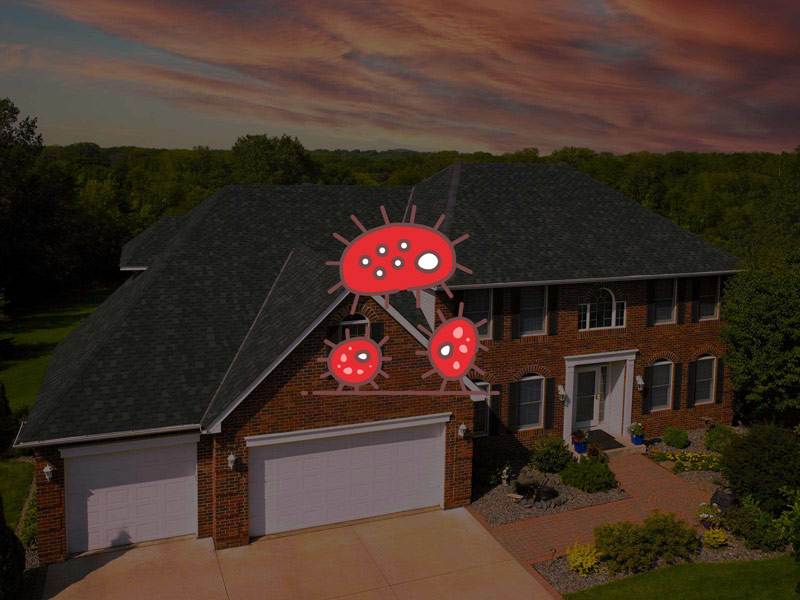
    As long as the blisters on the shingles keep their granules, they shouldn’t affect your roof’s lifespan or overall health. If these blisters “pop” and their granules become dislodged, those areas will be especially sensitive to sunlight and heat, which could lessen your roof’s lifespan and make your shingles prone to granule loss.

    Curling Shingles

    Curling shingles can be easy to spot, as they disrupt the uniform pattern of your roof shingles. Typically, they’re caused by improper storing of your roofing materials, but there are other reasons curling shingles can occur. A dry asphalt base, improper installation of roofing materials, and natural wear and tear of your roof can contribute to curling shingles.

    Unfortunately, this can leave your roofing structure vulnerable to extreme weather and moisture.

    If you find that your shingles are suffering from any of these summer roofing issues, contact RNC to get in touch with a roofing professional today!

    What separates The RNC Roofing Group from other residential roofing companies? With decades of experience installing, maintaining and repairing roofs we provide a knowledgeable, trustworthy and honest service to fulfill all your roofing needs. We are a Loudoun County, Virginia based residential roofing firm with an excellent reputation for quality and dependability. Whether it’s new construction, re-roofing or the challenge of leak repairs, no job is too large or too small.

    This post first published on The RNC Group, your Virginia residential roofing company.

    Free, No Obligation

    Request Your Free Estimate & Inspection

    Tell us about your roof and we’ll come take a look — no pressure, no cost. Or call us right now on (703) 964-6233.

    (703) 964-6233
    Contact Form Demo (#3)
    Owens Corning Preferred Contractor GAF System Plus CertainTeed SureStart PLUS BBB A+ Accredited HomeAdvisor

    RNC Roofing

    RNC Roofing and Construction Group — The Roofing Contractor Specialists. Protecting your home, one shingle at a time.

    Virginia

    (703) 964-6233 Sterling · Leesburg · Ashburn
    Loudoun & Fairfax County

    Maryland

    (703) 964-6233 Beltsville · District Heights
    All of Maryland
    © 2026 RNC Roofing and Construction Group — The Roofing Contractor Specialists Northern Virginia & Maryland
  • Roof Moss Removal guide | By RNC

    Protecting your home, one shingle at a time VA (703) 964-6233| MD (703) 964-6233| Free Estimate & Inspection
    Home Improvement

    Roof Moss Removal guide | By RNC

    RNC Roofing and Construction Group June 29, 2018
    Roof Moss Removal guide | By RNC

    How To Remove Roof Moss | Ultimate Guide By RNC

    Roof moss, also referred to as roof algae or roof lichen, is a plant-like organism that thrives in damp and shaded areas on the roof surface. It typically appears as greenish patches or clumps, and its growth is facilitated by moisture and lack of sunlight. Roof moss is a non-vascular plant that absorbs water and nutrients through its leaves, anchoring itself to the roof’s surface with root-like structures.

    Common Causes of Roof Moss Growth

    To effectively address roof moss growth, it’s important to understand its underlying causes. Several factors contribute to the development of roof moss, including:

    • Moisture: Excessive moisture accumulation on the roof due to rain, condensation, or inadequate drainage can create a favorable environment for moss growth.
    • Shade: Lack of direct sunlight, especially in areas shaded by trees or adjacent structures, allows roof moss to flourish.
    • Humidity: High humidity levels, prevalent in certain climates, contribute to the growth and persistence of roof moss.
    • Organic Debris: The presence of leaves, twigs, or other organic matter on the roof provides a nutrient-rich substrate for moss to take root.

    Identifying Roof Moss: Signs and Symptoms
    Detecting roof moss early on can help prevent further damage and facilitate timely removal. Look for the following signs and symptoms:

    • Green Patches or Clumps: Moss growth appears as green or greenish-black patches on the roof surface, typically in areas with limited sunlight.
    • Fuzzy Texture: Roof moss has a soft, fuzzy texture that distinguishes it from other substances like dirt or debris.
    • Raised or Bumpy Surface: As moss grows and spreads, it can cause the shingles or roofing materials to lift or become uneven.
    • Moisture Retention: Roof moss retains moisture, resulting in a consistently damp or wet roof surface.

    identifying roof algae

    The Dangers of Roof Moss


    Structural Damage: Impact on Shingles and Roofing Materials
    The presence of roof moss can lead to significant structural damage to your roof. As roof moss spreads and grows, it can penetrate and lift the shingles, compromising their integrity and protective function. This can result in water infiltration, leading to leaks and potential damage to the underlying roof structure. The weight of accumulated roof moss can also strain the roofing materials, causing them to deteriorate more rapidly. Addressing roof moss promptly is crucial to preserve the structural stability of your roof and avoid costly repairs.

    Increased Moisture Retention: Potential for Leaks and Rot
    One of the primary concerns with roof moss is its ability to retain moisture. Moss acts like a sponge, absorbing and holding water against the roof surface. This prolonged moisture exposure can seep through the shingles, underlayment, and into the roof’s structural components. Over time, the constant moisture can lead to rot, decay, and the growth of mold and mildew. Not only does this compromise the integrity of the roof, but it also poses health risks and can negatively impact indoor air quality. Removing roof moss effectively is crucial to prevent moisture-related issues and maintain a dry and healthy roof environment.

    Aesthetic Concerns: Impact on Curb Appeal and Property Value
    In addition to the structural and functional consequences, roof moss can also have aesthetic implications for your home. A roof covered in moss can appear unsightly and neglected, diminishing the overall curb appeal of your property. The green patches and clumps can be particularly noticeable, especially against lighter-colored roofs. Moreover, a moss-infested roof can create the perception of poor maintenance and lack of care, potentially affecting the perceived value of your home. By proactively addressing roof moss, you can enhance the visual appeal of your property and maintain its market value.

    common types of mold

    Effective Methods for Removing Roof Moss


    Structural Damage: Impact on Shingles and Roofing Materials
    The presence of roof moss can lead to significant structural damage to your roof. As roof moss spreads and grows, it can penetrate and lift the shingles, compromising their integrity and protective function. This can result in water infiltration, leading to leaks and potential damage to the underlying roof structure. The weight of accumulated roof moss can also strain the roofing materials, causing them to deteriorate more rapidly. Addressing roof moss promptly is crucial to preserve the structural stability of your roof and avoid costly repairs.

    Increased Moisture Retention: Potential for Leaks and Rot
    One of the primary concerns with roof moss is its ability to retain moisture. Moss acts like a sponge, absorbing and holding water against the roof surface. This prolonged moisture exposure can seep through the shingles, underlayment, and into the roof’s structural components. Over time, the constant moisture can lead to rot, decay, and the growth of mold and mildew. Not only does this compromise the integrity of the roof, but it also poses health risks and can negatively impact indoor air quality. Removing roof moss effectively is crucial to prevent moisture-related issues and maintain a dry and healthy roof environment.

    Aesthetic Concerns: Impact on Curb Appeal and Property Value
    In addition to the structural and functional consequences, roof moss can also have aesthetic implications for your home. A roof covered in moss can appear unsightly and neglected, diminishing the overall curb appeal of your property. The green patches and clumps can be particularly noticeable, especially against lighter-colored roofs. Moreover, a moss-infested roof can create the perception of poor maintenance and lack of care, potentially affecting the perceived value of your home. By proactively addressing roof moss, you can enhance the visual appeal of your property and maintain its market value.

    tpo roofing improvement

    Preventive Measures to Avoid Roof Moss Regrowth

    Regular Roof Inspections and Maintenance

    Schedule regular inspections to detect and address any early signs of roof moss growth. Clear debris, such as leaves and twigs, from the roof surface to prevent moisture accumulation and moss colonization. Additionally, inspect and repair any damaged or missing shingles promptly to maintain a robust and moss-resistant roof.

    Improving Roof Ventilation and Sun Exposure
    Proper roof ventilation is vital for preventing moss growth. Ensure that your roof has adequate airflow by installing ridge vents, soffit vents, or attic fans. This helps to maintain a dry environment that discourages moss from thriving. Additionally, trimming tree branches near the roof can promote sunlight exposure and inhibit moss growth.

    Trimming Overhanging Tree Branches
    Overhanging tree branches provide shade and retain moisture on the roof, creating an ideal environment for moss to grow. Trim back any branches that touch or hang over the roof to minimize shade and improve air circulation. By reducing shade and promoting sunlight exposure, you can deter moss growth and enhance the overall health of your roof.

    Installing Zinc or Copper Strips to Inhibit Moss Growth
    Zinc and copper are effective in preventing moss growth on roofs. These metals release trace amounts of chemicals when exposed to moisture, inhibiting moss and algae growth. Install zinc or copper strips near the ridge of your roof, as rainwater will disperse the metal particles and discourage moss colonization.

    View More Articles

    Free, No Obligation

    Request Your Free Estimate & Inspection

    Tell us about your roof and we’ll come take a look — no pressure, no cost. Or call us right now on (703) 964-6233.

    (703) 964-6233
    Contact Form Demo (#3)
    Owens Corning Preferred Contractor GAF System Plus CertainTeed SureStart PLUS BBB A+ Accredited HomeAdvisor

    RNC Roofing

    RNC Roofing and Construction Group — The Roofing Contractor Specialists. Protecting your home, one shingle at a time.

    Virginia

    (703) 964-6233 Sterling · Leesburg · Ashburn
    Loudoun & Fairfax County

    Maryland

    (703) 964-6233 Beltsville · District Heights
    All of Maryland
    © 2026 RNC Roofing and Construction Group — The Roofing Contractor Specialists Northern Virginia & Maryland
  • 5 Unexpected Dangers of a Leaky Roof

    Protecting your home, one shingle at a time VA (703) 964-6233| MD (703) 964-6233| Free Estimate & Inspection
    Home Improvement

    5 Unexpected Dangers of a Leaky Roof

    RNC Roofing and Construction Group June 1, 2018
    5 Unexpected Dangers of a Leaky Roof

    Attic or Ceiling Damage

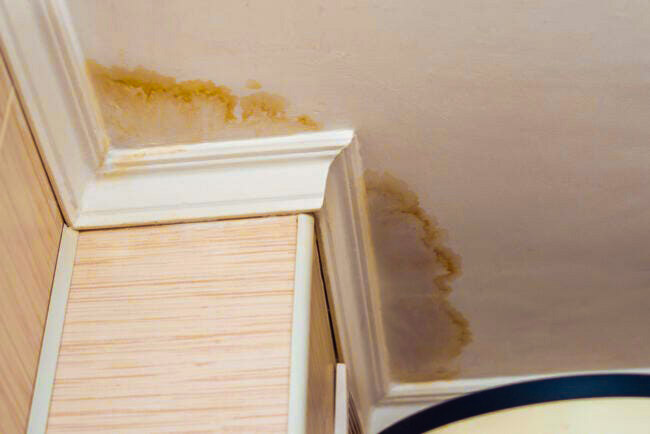
    Initially, roof leaks will damage the attic area and any items stored there. If there is no attic, roof leaks will cause damage directly to your interior ceiling. This damage can be difficult to notice, as homeowners don’t typically inspect their ceilings regularly. Small ceiling leaks can cause spots of slight discoloration, sagging ceilings, bulging drywall, and bubbling ceiling plaster, while larger ceiling leaks can produce a visible hole where water can come through.

    Interior Mold and Mildew

    One of the more serious consequences of a roof leak is the growth of mold and mildew. Mold can spread to your home’s HVAC system, which in turn, allows it to invade your carpets, furniture, and clothing through vents.

    Chronic water intrusion typically results in the growth of black mold. Toxic black mold is rare, but even non-toxic black mold can have dire consequences. Non-toxic black mold attacks ceiling tiles, wood framing, and wall and floor coverings.

    Health Consequences of Mold and Mildew

    According to the Centers for Disease Control and Prevention (CDC), molds can cause nasal stuffiness, throat irritation, coughing or wheezing, eye irritation, or, in some cases, skin irritation, and those with mold allergies can have more severe reactions. Mold can be especially dangerous to those with compromised immune systems, as they can get serious lung infections.

    Fire Hazards

    If electric wiring is present in your attic or ceilings, a leak can pose a fire hazard. A leaky roofing could potentially trigger an electrical fire, especially if broken wiring is present. It is recommended that you turn off electricity to the affected area, and have an electrician examine it as soon as possible.

    Compromised Structural Integrity

    Another pressing concern caused by a leaky roof is the compromising of your home’s structural integrity. Ceiling joists, rafters, wall framing, fascia boards, and even exterior trim can become deteriorated if they fall victim to water intrusion. Rotted structural components of your home can lead to serious problems that will require you to seek assistance from a professional contractor.

    To avoid all the possible consequences of a leaky roof, call RNC for a roof inspection today!

    What separates The RNC Roofing Group from other residential roofing companies? With decades of experience installing, maintaining and repairing roofs we provide a knowledgeable, trustworthy and honest service to fulfill all your roofing needs. We are a Loudoun County, Virginia based residential roofing firm with an excellent reputation for quality and dependability. Whether it’s new construction, re-roofing or the challenge of leak repairs, no job is too large or too small.

    This post first published on The RNC Group, your Virginia residential roofing company.

    Apply for new roof financing!

    Free, No Obligation

    Request Your Free Estimate & Inspection

    Tell us about your roof and we’ll come take a look — no pressure, no cost. Or call us right now on (703) 964-6233.

    (703) 964-6233
    Contact Form Demo (#3)
    Owens Corning Preferred Contractor GAF System Plus CertainTeed SureStart PLUS BBB A+ Accredited HomeAdvisor

    RNC Roofing

    RNC Roofing and Construction Group — The Roofing Contractor Specialists. Protecting your home, one shingle at a time.

    Virginia

    (703) 964-6233 Sterling · Leesburg · Ashburn
    Loudoun & Fairfax County

    Maryland

    (703) 964-6233 Beltsville · District Heights
    All of Maryland
    © 2026 RNC Roofing and Construction Group — The Roofing Contractor Specialists Northern Virginia & Maryland
  • Best Questions to Ask During a Roof Inspection

    Protecting your home, one shingle at a time VA (703) 964-6233| MD (703) 964-6233| Free Estimate & Inspection
    Homeowner Help

    Best Questions to Ask During a Roof Inspection

    RNC Roofing and Construction Group May 15, 2018
    Best Questions to Ask During a Roof Inspection

    Best Questions to Ask During a Roof Inspection

    When it comes to roof inspections, asking the right questions is crucial for making informed decisions about repairs or replacements. Conducting thorough roof inspections prior to any work is of utmost importance. By asking the right questions, homeowners and contractors can gather valuable information that will guide them in determining the best course of action. This article will delve into the significance of asking pertinent questions during roof inspections and how it contributes to a successful outcome.

    Why Conduct Thorough Roof Inspections?

    Roof inspections serve as a crucial step in maintaining the structural integrity of a building. By thoroughly assessing the roof’s condition, potential issues can be identified and addressed promptly, preventing further damage and costly repairs. Moreover, inspections are essential before undertaking any roof-related project, such as repairs or replacements, as they provide a comprehensive understanding of the current state of the roof.

    evaluating roof damage

    What is the Current Condition of the Roof?

    Before proceeding with a roof inspection, it is essential to inquire about the current condition of the roof. This question allows homeowners to gather initial information about any known issues or concerns. By asking this question, individuals can begin their assessment with a baseline understanding of what to look for and what to address during the inspection.

    Understanding the Roof’s Condition

    The condition of a roof involves considering various factors, such as its age, wear and tear, and potential damage. Age indicates the general lifespan of the roof, while wear and tear highlight the impact of weather conditions and time. Assessing potential damage helps identify any underlying issues that may worsen over time if left unattended.

    Visually Inspecting the Roof for Signs of Deterioration

    A visual inspection is an important part of assessing a roof’s condition. Homeowners should look for specific signs of deterioration, including missing or damaged shingles, sagging areas, or visible leaks. Missing or damaged shingles can expose the underlying layers to moisture, potentially leading to rot or structural damage. Sagging areas might indicate structural issues, while leaks can cause water damage to the interior of the property.

    How Condition Assessment Guides the Appropriate Course of Action

    By evaluating the condition of the roof, homeowners can determine the appropriate course of action. If the roof is in good condition with only minor issues, regular maintenance and repairs might be sufficient. However, if significant damage or extensive wear is present, a full replacement or major repairs may be necessary. Understanding the roof’s condition helps homeowners make informed decisions and allocate resources effectively.

    ceiling leak roof

    Are There Any Signs of Water Damage or Leaks?

    One crucial question to ask during a roof inspection is whether there are any signs of water damage or leaks. Water infiltration can cause significant damage to a roof and its underlying structure. By asking this question, homeowners can direct their attention to areas where leaks or water-related issues may be present.

    Importance of Checking for Signs of Water Infiltration

    Checking for signs of water damage is vital during a roof inspection. Stains, dampness, or mold growth are clear indicators of water infiltration. Detecting these signs early on can help prevent further damage to the roof and the interior of the property.

    Potential Consequences of Undetected Water Damage

    Undetected water damage can lead to serious consequences if left unaddressed. Structural issues may arise, compromising the stability of the roof and the entire building. Additionally, water damage can create an environment conducive to mold growth, posing health hazards to occupants. Identifying and resolving water-related issues promptly is essential for maintaining a safe and structurally sound property.

    Common Areas Prone to Leaks and Signs of Water Damage

    Certain areas of a roof are more prone to leaks and water damage. Homeowners should pay close attention to the following:

    • Roof valleys: These areas where two roof planes intersect are susceptible to water accumulation.
    • Around chimneys and skylights: Flashing and seals around these structures should be inspected for potential leaks.
    • Gutters and downspouts: Clogged or damaged gutters can cause water to back up and seep into the roof.
    • Roof vents: Damaged or improperly sealed vents can be entry points for water.

    roof shingle designs

    What Type of Roofing Material is Currently Installed?

    There are several common roofing materials homeowners may encounter. Each material has its unique advantages and considerations:

    • Asphalt shingles: Widely used due to their affordability, versatility, and ease of installation. However, they may have a shorter lifespan compared to other materials.
    • Metal: Provides durability, energy efficiency, and a long lifespan. However, it can be more expensive and may require professional installation.
    • Tile: Offers an aesthetic appeal, durability, and excellent resistance to fire. However, it is heavy and may require additional structural support.
    • Slate: Known for its beauty, longevity, and resistance to fire and rot. However, it is expensive and requires professional installation due to its weight.

    Impact of Current Roofing Material on Inspection Process, Repair Options, and Longevity

    The current roofing material significantly influences the inspection process, available repair options, and the roof’s potential longevity. For instance:

    • Asphalt shingles: Inspection focuses on issues like curling, cracking, or missing shingles. Repairs often involve replacing damaged shingles or addressing issues with the underlayment.
    • Metal roofs: Inspection includes checking for loose or damaged panels, corrosion, or faulty flashing. Repairs may involve resealing seams or replacing damaged sections.
    • Tile roofs: Inspection assesses cracked or broken tiles, loose or damaged flashing, or issues with the underlayment. Repairs often involve replacing individual tiles or addressing underlying issues with the support structure.
    • Slate roofs: Inspection examines for cracked or missing tiles, damaged flashing, or issues with the roof’s integrity. Repairs typically involve replacing damaged tiles or addressing any underlying structural concerns.

    roof ventilation

    Is the Roof Properly Ventilated and Insulated?

    Assessing the roof’s ventilation and insulation is an important question to ask during a roof inspection. This helps determine if the property has sufficient measures in place to promote a well-ventilated and properly insulated roofing system.

    Significance of Ventilation in Preventing Moisture Buildup and Premature Deterioration

    Proper ventilation plays a vital role in maintaining a healthy roof. It helps prevent moisture buildup by allowing air circulation and expelling excess humidity. Without adequate ventilation, trapped moisture can lead to the growth of mold, rot, and premature deterioration of the roof’s structure and materials. Assessing the ventilation system ensures that it is functioning optimally to safeguard against these issues.

    Importance of Insulation in Maintaining Energy Efficiency

    Insulation is essential for maintaining energy efficiency in a home. It acts as a barrier, preventing heat transfer between the interior and exterior of the property. Inadequate insulation can result in excessive heat loss during colder months and unwanted heat gain during hotter months. Assessing the insulation levels and quality ensures that the roof retains the desired temperature, reducing energy consumption and associated costs.

    Guidance on Assessing Ventilation and Insulation

    During a roof inspection, it is crucial to assess the ventilation and insulation systems. Consider the following steps:

    Ventilation assessment:

    • Look for signs of inadequate ventilation, such as excessive condensation, musty odors, or visible mold growth.
    • Check for the presence of vents, ensuring they are unobstructed and properly installed.
    • Evaluate the balance between intake and exhaust vents to ensure proper airflow.

    Insulation evaluation:

    • Inspect the insulation materials for any damage, compression, or gaps.
    • Assess the thickness and coverage of insulation, ensuring it meets the recommended standards for the climate zone.
    • Look for areas where insulation may be lacking, such as around attic access points or within roof cavities.

    repairs roofing maintenance

    Are There Any Signs of Structural Issues?

    Several indicators may point to structural issues with a roof. Homeowners and inspectors should be vigilant for the following signs:

    • Sagging: Any noticeable sagging or dipping in the roof’s surface can indicate structural problems, such as weakened support beams or excessive weight load.
    • Unevenness: An uneven roofline or areas that appear to be lower or higher than others may suggest issues with the underlying structure.
    • Damaged support components: Look for signs of damaged or deteriorated support components, such as cracked or rotted beams, trusses, or rafters.
    • Risks Associated with Compromised Roof Structures

    A compromised roof structure poses significant risks to the safety and integrity of the entire property. Ignoring or neglecting structural issues can lead to:

    • Collapses: Weakened structures may eventually collapse, resulting in property damage, injuries, or even fatalities.
    • Increased damage: Structural issues can worsen over time, potentially causing additional damage to the roof, walls, and other parts of the house.
    • Financial implications: Delaying repairs can lead to more extensive and costly repairs in the future, affecting the homeowner’s budget.

    Assessing and Addressing Structural Concerns

    To evaluate and address structural concerns, it is recommended to:

    Engage a professional: Consult with a qualified roofing contractor or structural engineer to assess the severity of the issue and provide expert guidance.

    Visual inspection: Conduct a visual examination of the roof’s structure, paying attention to signs of sagging, unevenness, or damaged support components.

    Documentation: Take photos or notes to record the observed structural problems as evidence for discussions with professionals.

    Timely repairs: Once structural issues are identified, promptly address them by following the recommendations of the professional. This may involve repairs, reinforcements, or even roof replacement in severe cases.

    roofing maintenance

    What Maintenance or Repairs Are Required?

    Regular maintenance and timely repairs are vital for several reasons:

    • Prolonged lifespan: Regular maintenance, including inspections, cleaning, and minor repairs, can significantly extend the lifespan of the roof.
    • Prevention of major issues: Addressing small maintenance needs and promptly repairing minor damages can prevent them from escalating into larger and more costly problems.
    • Energy efficiency: Properly maintained roofs with intact insulation and well-sealed components contribute to better energy efficiency, reducing heating and cooling costs.
    • Protecting property: Timely repairs help safeguard the overall property by preventing water leaks, mold growth, and other potential damage.

    Identifying Common Maintenance Needs

    • Cleaning: Assess if the roof has accumulated debris, leaves, or moss that can hinder drainage and cause water pooling.
    • Resealing: Check the condition of sealants around penetrations, such as vents and chimneys, to ensure they are intact and preventing water infiltration.
    • Clearing gutters and downspouts: Examine gutters and downspouts for clogs or blockages that can impede proper water drainage.
    • Checking flashings: Inspect flashings around roof penetrations and edges to ensure they are secure and not deteriorated.

    Potential Repair Requirements and Effective Solutions

    Based on the inspection findings, there may be repair requirements that need to be addressed. Potential repair needs can include:

    • Fixing damaged or missing shingles
    • Repairing leaks or addressing water infiltration issues
    • Replacing cracked or deteriorated flashing
    • Fixing loose or damaged roof components

    View More Articles

    Free, No Obligation

    Request Your Free Estimate & Inspection

    Tell us about your roof and we’ll come take a look — no pressure, no cost. Or call us right now on (703) 964-6233.

    (703) 964-6233
    Contact Form Demo (#3)
    Owens Corning Preferred Contractor GAF System Plus CertainTeed SureStart PLUS BBB A+ Accredited HomeAdvisor

    RNC Roofing

    RNC Roofing and Construction Group — The Roofing Contractor Specialists. Protecting your home, one shingle at a time.

    Virginia

    (703) 964-6233 Sterling · Leesburg · Ashburn
    Loudoun & Fairfax County

    Maryland

    (703) 964-6233 Beltsville · District Heights
    All of Maryland
    © 2026 RNC Roofing and Construction Group — The Roofing Contractor Specialists Northern Virginia & Maryland
  • Drone Roof Inspections: After the Job is Done

    Protecting your home, one shingle at a time VA (703) 964-6233| MD (703) 964-6233| Free Estimate & Inspection
    Homeowner Help

    Drone Roof Inspections: After the Job is Done

    RNC Roofing and Construction Group May 3, 2018
    Drone Roof Inspections: After the Job is Done

    At RNC, we constantly emphasize the importance of roof inspections, as getting your roof inspected will ensure that any weak areas or potential leaks can be addressed and repaired before they become a problem. While many take this on the traditional way, recent technology has allowed for a safer and faster roof inspection.

    This technology has come in the form of drones. Drones, usually used for entertainment or professional photography, are fundamentally changing the way roof inspections are performed. Drones can offer an accurate, safe, relatively low-cost, and quick inspection.

    However, not just any drone can be used for this application. There are camera-drones specifically suited for roof inspection purposes. The drones listed below are $500 or less, and although this amount seems expensive, after the initial investment, the money you will save in manual roof inspections will be monumental.

    DJI Phantom 3 Standard ($491.98)

    This drone is relatively low-cost, with fair camera quality. The DJI Phantom 3 Standard drone has 2.7K camera quality, and while 4K is preferable, 2.7K is high-quality enough for inspection purposes. Also, the video can stream real-time to your tablet or smartphone.

    Parrot Bebop 2 ($399.99)

    This drone is also low-cost, with a 14mpx camera and FPV capabilities. Parrot also offers a bundle with a VR headset, for an even better drone experience.

    Yuneec Q500 4K Typhoon Quadcopter Drone ($369.99)

    This drone is affordable, with 4K camera-quality, 1080p video recording at up to 120 fps, and it takes photos at 12-megapixels. The video streams live directly to the controller screen.

    To view more drones recommended for roof inspections click here.

    As you can see, the advancement of drone technology allows for a safe, fast, and high-quality roof inspection. If you find any damage or leaks during the course of your drone roof inspection, or you prefer to do things the traditional way, give us a call or click here for a quote!

    What separates The RNC Roofing Group from other residential roofing companies? With decades of experience installing, maintaining and repairing roofs we provide a knowledgeable, trustworthy and honest service to fulfill all your roofing needs. We are a Loudoun County, Virginia based residential roofing firm with an excellent reputation for quality and dependability. Whether it’s new construction, re-roofing or the challenge of leak repairs, no job is too large or too small.

    This post first published on The RNC Group, your Virginia residential roofing company.

    Free, No Obligation

    Request Your Free Estimate & Inspection

    Tell us about your roof and we’ll come take a look — no pressure, no cost. Or call us right now on (703) 964-6233.

    (703) 964-6233
    Contact Form Demo (#3)
    Owens Corning Preferred Contractor GAF System Plus CertainTeed SureStart PLUS BBB A+ Accredited HomeAdvisor

    RNC Roofing

    RNC Roofing and Construction Group — The Roofing Contractor Specialists. Protecting your home, one shingle at a time.

    Virginia

    (703) 964-6233 Sterling · Leesburg · Ashburn
    Loudoun & Fairfax County

    Maryland

    (703) 964-6233 Beltsville · District Heights
    All of Maryland
    © 2026 RNC Roofing and Construction Group — The Roofing Contractor Specialists Northern Virginia & Maryland
  • Schedule Your Roof Inspection With RNC Today!

    Protecting your home, one shingle at a time VA (703) 964-6233| MD (703) 964-6233| Free Estimate & Inspection
    Home Improvement

    Schedule Your Roof Inspection With RNC Today!

    RNC Roofing and Construction Group April 17, 2018
    Schedule Your Roof Inspection With RNC Today!

    Once the snow and ice have melted and spring approaches, it becomes the time for homeowners to start checking items off their spring home maintenance list. First, one of the most important areas to tackle: your roof. The excessive rain showers brought on by spring and the general erratic weather pattern of 2018 could prove to be causes of concern for homeowners. The constant cycle of rain, snow, and heat may have had a significant impact on your roof.

    Getting your roof inspected will ensure that any weak areas or potential leaks can be addressed and repaired before they become a problem. While this may seem too precautionary, unfortunately, roof leaks can happen right under your nose, as the extensive damage caused by a leak can occur before water is even visibly detected inside the building. Be sure to have your roof inspected at least twice annually.

    Be sure to watch for the following telltale signs of significant roof damage:

    • Rusted roof panels
    • Stained ceiling tiles
    • Shifted insulation
    • Loose flashing
    • Lost or damaged shingles

    If you decide to perform an initial inspection of your roof in search of major damage by yourself, keep these safety tips in mind:

    • Do not place any weight (including yourself!) on skylights
    • Stay at least six feet away from the edge of the roof
    • Face the roof’s edges, and avoid turning your back to the edge
    • If using a roof hatch, be sure to close it completely to avoid tripping into it

    By following a roof inspection and maintenance schedule, you will be able to increase your roof’s longevity, strength, and durability. Prolonging your roof’s life allows you to save money on repairs, and budget accordingly for your next roof replacement. As always, if you detect any roof damage, be sure to give us a call! Contact RNC Construction Group for a quote today!

    What separates The RNC Roofing Group from other residential roofing companies? With decades of experience installing, maintaining and repairing roofs we provide a knowledgeable, trustworthy and honest service to fulfill all your roofing needs. We are a Loudoun County, Virginia based residential roofing firm with an excellent reputation for quality and dependability. Whether it’s new construction, re-roofing or the challenge of leak repairs, no job is too large or too small.

    This post first published on The RNC Group, your Virginia residential roofing company.

    Free, No Obligation

    Request Your Free Estimate & Inspection

    Tell us about your roof and we’ll come take a look — no pressure, no cost. Or call us right now on (703) 964-6233.

    (703) 964-6233
    Contact Form Demo (#3)
    Owens Corning Preferred Contractor GAF System Plus CertainTeed SureStart PLUS BBB A+ Accredited HomeAdvisor

    RNC Roofing

    RNC Roofing and Construction Group — The Roofing Contractor Specialists. Protecting your home, one shingle at a time.

    Virginia

    (703) 964-6233 Sterling · Leesburg · Ashburn
    Loudoun & Fairfax County

    Maryland

    (703) 964-6233 Beltsville · District Heights
    All of Maryland
    © 2026 RNC Roofing and Construction Group — The Roofing Contractor Specialists Northern Virginia & Maryland
  • Is Your Roof at Risk? Spring Rain and Roof Leaks

    Protecting your home, one shingle at a time VA (703) 964-6233| MD (703) 964-6233| Free Estimate & Inspection
    Home Improvement

    Is Your Roof at Risk? Spring Rain and Roof Leaks

    RNC Roofing and Construction Group March 15, 2018
    Is Your Roof at Risk? Spring Rain and Roof Leaks

    Heavy rain showers are essentially a guarantee during the spring season, and while spring showers bring May flowers, they also bring a widespread onslaught of residential roof leaks and other potential roofing issues. The combination of extreme precipitation and winter thaw can prove to be harmful to your roof, especially if your roof has areas of vulnerability, such as skylights. Roofs that are properly maintained are less likely to have leaks during the Spring, however, if any of the following criteria apply to your roof, you may be at an increased risk for a springtime leak.

    • Your roof is 15 years or older: As a roof ages, it begins to break down, leaving areas exposed and vulnerable to leaks and other potential cosmetic or structural issues. While leaks can occur at any age, older roofs are more prone, regardless of how well they may have been maintained. If your roof is 15 years or older, consider a consultation with a roofing professional to get it replaced.
    • Your roof is missing shingles: While missing shingles happen frequently and fairly easily, they can become a cause for concern. Missing shingles leave areas of your roof exposed, which increases the likelihood of leaks.
    • Your roof has had a history of leaks: If your roof is prone to leaks, in all likelihood, it could indicate a larger issue within its structure. Call a professional to receive a consultation and rate to get your roof replaced or repaired.
    • Your roof has curled shingles: Curled shingles can be an indicator that a roof already has severe water damage. Water damage weakens your roof, which increases your risk for a roof leak during the spring season.

    Be sure that your roof is not vulnerable to spring leaks, and call RNC Construction Group for a quote or consultation for a roof replacement or repair. Contact us today!

    What separates The RNC Roofing Group from other residential roofing companies? With decades of experience installing, maintaining and repairing roofs we provide a knowledgeable, trustworthy and honest service to fulfill all your roofing needs. We are a Loudoun County, Virginia based residential roofing firm with an excellent reputation for quality and dependability. Whether it’s new construction, re-roofing or the challenge of leak repairs, no job is too large or too small.

    Free, No Obligation

    Request Your Free Estimate & Inspection

    Tell us about your roof and we’ll come take a look — no pressure, no cost. Or call us right now on (703) 964-6233.

    (703) 964-6233
    Contact Form Demo (#3)
    Owens Corning Preferred Contractor GAF System Plus CertainTeed SureStart PLUS BBB A+ Accredited HomeAdvisor

    RNC Roofing

    RNC Roofing and Construction Group — The Roofing Contractor Specialists. Protecting your home, one shingle at a time.

    Virginia

    (703) 964-6233 Sterling · Leesburg · Ashburn
    Loudoun & Fairfax County

    Maryland

    (703) 964-6233 Beltsville · District Heights
    All of Maryland
    © 2026 RNC Roofing and Construction Group — The Roofing Contractor Specialists Northern Virginia & Maryland
  • How Do I Repair My Roof From Wind Damage?

    Protecting your home, one shingle at a time VA (703) 964-6233| MD (703) 964-6233| Free Estimate & Inspection
    Home Improvement

    How Do I Repair My Roof From Wind Damage?

    RNC Roofing and Construction Group March 6, 2018
    How Do I Repair My Roof From Wind Damage?

    After Winter Storm Riley rocked DC area roofs this weekend, many of its residents are in the recovery phase. Your roof is designed to keep the wind and rain out-but what happens when the wind is so strong it literally knocks you off your feet? Does your roof stand a chance?

    The answer is yes, absolutely. Your roof has many different components designed to make the structure as hardy as possible.It’s important the roofing materials used in the build and repair are top of the line-the materials from companies such as GAF and Certainteed stand up to the hard knocks and shakes storms cause.

    While winter is coming to an end, homeowners face heavy spring rain and summer storms, so repairing damage now is vital to maintaining the integrity of your roof. A home with missing shingles and siding can not only be an eyesore but can be cause for concern about the structural health of your roof. How do you KNOW your roof is safe?

    The answer is always to have a professional roofer take a look. More often than not as with RNC, the initial review comes at no cost to you.

    At the point the news comes that repairs will need to be made, we offer financing to help get the repair finished faster. Your budget should never stop you from making sure your roof, home and family are safe.

    A few signs your roof needs to be examined:

    -Cracking Shingles
    -Missing Shingles
    -Water Stains on Your Ceiling
    -Granules in the Gutters

    At the end of the day, your safety is our number one concern. Contact us today to have us certify your roof is in good shape and problem free. Take a look at these incredible images shared online from the storm.

    Need financial assistance to make the repairs or replace your roof? We offer financing! See our Rates or learn more about different types of financing.

    What separates The RNC Roofing Group from other residential roofing companies? With decades of experience installing, maintaining and repairing roofs we provide a knowledgeable, trustworthy and honest service to fulfill all your roofing needs. We are a Loudoun County, Virginia based residential roofing firm with an excellent reputation for quality and dependability. Whether it’s new construction, re-roofing or the challenge of leak repairs, no job is too large or too small.

    Free, No Obligation

    Request Your Free Estimate & Inspection

    Tell us about your roof and we’ll come take a look — no pressure, no cost. Or call us right now on (703) 964-6233.

    (703) 964-6233
    Contact Form Demo (#3)
    Owens Corning Preferred Contractor GAF System Plus CertainTeed SureStart PLUS BBB A+ Accredited HomeAdvisor

    RNC Roofing

    RNC Roofing and Construction Group — The Roofing Contractor Specialists. Protecting your home, one shingle at a time.

    Virginia

    (703) 964-6233 Sterling · Leesburg · Ashburn
    Loudoun & Fairfax County

    Maryland

    (703) 964-6233 Beltsville · District Heights
    All of Maryland
    © 2026 RNC Roofing and Construction Group — The Roofing Contractor Specialists Northern Virginia & Maryland