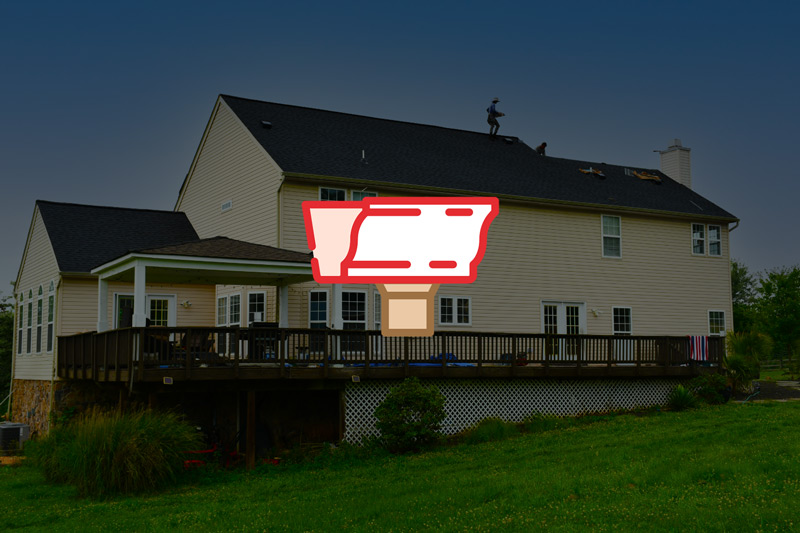
After Winter Storm Riley rocked DC area roofs this weekend, many of its residents are in the recovery phase. Your roof is designed to keep the wind and rain out-but what happens when the wind is so strong it literally knocks you off your feet? Does your roof stand a chance?
The answer is yes, absolutely. Your roof has many different components designed to make the structure as hardy as possible.It’s important the roofing materials used in the build and repair are top of the line-the materials from companies such as GAF and Certainteed stand up to the hard knocks and shakes storms cause.
While winter is coming to an end, homeowners face heavy spring rain and summer storms, so repairing damage now is vital to maintaining the integrity of your roof. A home with missing shingles and siding can not only be an eyesore but can be cause for concern about the structural health of your roof. How do you KNOW your roof is safe?
The answer is always to have a professional roofer take a look. More often than not as with RNC, the initial review comes at no cost to you.
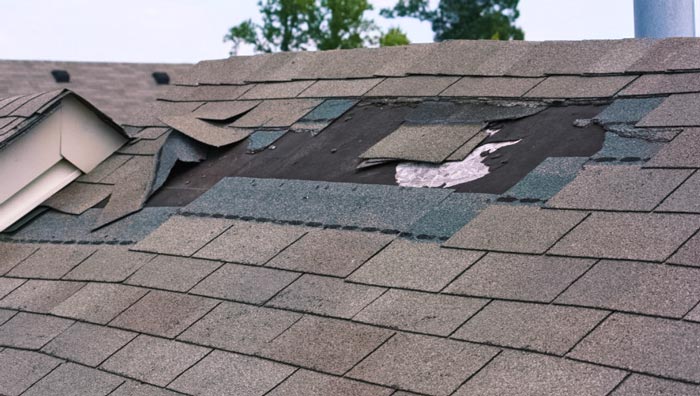
-Cracking Shingles -Missing Shingles -Water Stains on Your Ceiling -Granules in the Gutters
At the end of the day, your safety is our number one concern. Contact us today to have us certify your roof is in good shape and problem free. Take a look at these incredible images shared online from the storm.
What separates The RNC Roofing Group from other residential roofing companies? With decades of experience installing, maintaining and repairing roofs we provide a knowledgeable, trustworthy and honest service to fulfill all your roofing needs. We are a Loudoun County, Virginia based residential roofing firm with an excellent reputation for quality and dependability. Whether it’s new construction, re-roofing or the challenge of leak repairs, no job is too large or too small.
Free, No Obligation
Request Your Free Estimate & Inspection
Tell us about your roof and we’ll come take a look — no pressure,
no cost. Or call us right now on
(571) 269-8153.
Wind Damage Roof Repair: Essential Tips and Techniques
RNC Roofing and Construction GroupMarch 6, 2018
Wind Damage Roof Repair: Essential Tips and Techniques
Understanding the Impact of Wind Damage on Roofs
Wind damage can wreak havoc on roofs, leading to a range of issues that require immediate attention. From loose shingles to structural damage, the impact of strong winds can compromise the integrity and functionality of your roof. It’s crucial to comprehend the potential consequences of wind damage to ensure timely and appropriate repairs. When high winds strike, they exert tremendous force on your roof, causing shingles, tiles, or other roofing materials to become dislodged or damaged. This can result in water leaks, which can further damage the underlying structure of your home. Additionally, if wind damage is left unaddressed, it can lead to more severe problems, such as mold growth, decreased energy efficiency, and even structural instability.
Importance of Timely Wind Damage Roof Repairs
Addressing wind damage promptly is essential to prevent further deterioration and mitigate potential risks. Delaying repairs can exacerbate the existing damage, allowing water infiltration and further compromising the structural integrity of your roof. By acting promptly, you can minimize the extent of the damage and avoid costly repairs down the line. Timely wind damage roof repairs not only protect your home but also preserve its value. A well-maintained roof enhances the curb appeal and marketability of your property. Furthermore, by promptly addressing wind damage, you can potentially prevent other issues from arising, such as interior water damage, mold infestation, or even the need for a full roof replacement.
Inspection for Roof Wind Damage
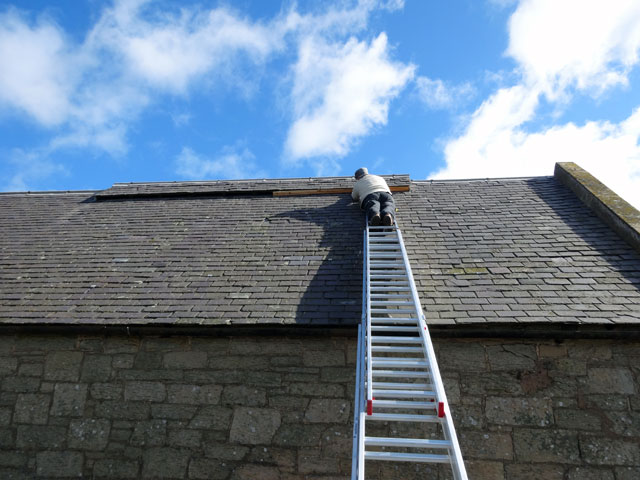
To effectively address wind damage roof repair, a comprehensive roof inspection is crucial. Begin by examining the overall condition of the roof, paying close attention to areas susceptible to wind damage, such as the edges, corners, and ridges. Inspect the shingles, tiles, or other roofing materials for any signs of displacement, cracks, or tears. During the inspection, check for loose or missing fasteners, such as nails or screws, which can indicate wind damage. Inspect the flashing around chimneys, vents, and skylights to ensure they are secure and undamaged. Use appropriate safety measures, such as a sturdy ladder and proper protective gear, while conducting the inspection.
Identifying Common Signs of Wind Damage
Identifying the common signs of wind damage is essential for accurate assessment. Look for lifted or curled shingles, as well as broken, cracked, or missing pieces. Additionally, check for granule loss on asphalt shingles, which can occur due to wind abrasion. Visible signs of leaks or water stains on the ceiling or walls inside the house may also indicate wind damage. Inspect the gutters and downspouts for accumulated roofing materials or debris, as these can be indications of wind damage. Furthermore, pay attention to any unusual noises, such as creaking or rattling sounds during windy conditions, which may suggest loose or damaged roofing components.
Documenting the Extent of the Damage
Once you have assessed the wind damage, it is crucial to document the extent of the damage thoroughly. Take detailed photographs or videos that clearly capture the affected areas. Make notes about the specific areas and types of damage observed, including the number of displaced shingles, cracked tiles, or any other visible issues. Accurate documentation serves multiple purposes. It helps communicate the scope of the damage to roofing professionals, assists with insurance claims, and provides a reference for monitoring the progress of repairs. Remember to include relevant details such as the date of the inspection, weather conditions at the time, and any other relevant information that may be useful later.
Temporary Repairs to Prevent Further Damage
Securing Loose or Damaged Roofing Materials
After assessing the wind damage to your roof, it is essential to secure any loose or damaged roofing materials promptly. Begin by carefully inspecting the affected areas and identifying loose or displaced shingles, tiles, or other components. Using appropriate safety precautions, such as sturdy footwear and safety harnesses, carefully reposition and secure the materials back into place. Utilize roofing adhesives or sealants specifically designed for your roofing material to reinforce loose elements. Pay special attention to the edges and corners, as they are often more vulnerable to wind damage. By securing these materials promptly, you can prevent further damage and potential water leaks.
Tarping or Boarding Up Vulnerable Areas
In cases where wind damage is severe or immediate repairs cannot be conducted, it is crucial to protect your roof from further exposure to the elements. Tarping or boarding up vulnerable areas can provide temporary protection until comprehensive repairs can be made.Cover areas with missing or severely damaged roofing materials using heavy-duty tarps. Ensure the tarps are tightly secured to prevent wind uplift. For areas that require additional reinforcement, consider boarding up with plywood or similar materials. This temporary measure helps prevent water intrusion and further damage to the underlying structure.
Mitigating Interior Water Damage
Wind damage to the roof often leads to water infiltration, which can cause interior damage to your home. To mitigate the effects of water intrusion, address interior water damage promptly. Place buckets or containers to collect dripping water and use absorbent materials like towels or mops to soak up excess moisture. Inspect affected ceilings, walls, or insulation for signs of water stains or mold growth. If necessary, contact a professional water damage restoration company to assess the extent of the damage and initiate appropriate mitigation measures. Promptly addressing interior water damage helps minimize potential health hazards and prevents further deterioration of your home’s structure.
Seeking Professional Roofing Services
When it comes to wind damage roof repair, engaging the services of a reputable roofing contractor is crucial. Start by researching and shortlisting potential contractors in your area. Look for companies that specialize in wind damage roof repairs or have extensive experience in handling similar projects. Check for licenses, certifications, and insurance coverage to ensure the contractor meets industry standards. Additionally, read online reviews and testimonials from previous customers to gauge their reputation and customer satisfaction levels. A reputable contractor will have a track record of delivering quality workmanship and exceptional customer service.
Evaluating the Contractor’s Experience and Credentials
Assessing the experience and credentials of a roofing contractor helps ensure that they have the necessary expertise to handle your wind damage roof repair effectively. Inquire about the number of years they have been in the industry and their specific experience with wind-related repairs. Ask for references or examples of similar projects they have successfully completed. Verify if the contractor holds certifications or memberships in professional organizations related to the roofing industry. These affiliations demonstrate their commitment to staying updated with the latest techniques and best practices. By evaluating their experience and credentials, you can make an informed decision and choose a contractor with the skills needed to address your specific repair needs.
Obtaining Detailed Quotes and Timelines
Before finalizing a roofing contractor, it is important to obtain detailed quotes and timelines for the project. Invite the shortlisted contractors to assess the damage and provide a written estimate that includes the scope of work, materials required, labor costs, and any additional charges. Ask about the estimated timeline for completing the repairs. A professional contractor will provide a reasonable timeframe based on the extent of the damage and their availability. Compare the quotes and timelines provided by different contractors to make an informed decision that aligns with your budget and time constraints. Contact RNC Roofing and Construction Today !
Roof Repair Process
Removing and Replacing Damaged Shingles or Tiles
The first step in the comprehensive wind damage roof repair process is to remove and replace any damaged shingles or tiles. Carefully inspect the extent of the damage and identify the specific areas that require attention. Remove the compromised roofing materials, taking care not to cause further damage to the surrounding components. Replace the damaged shingles or tiles with new ones that match the existing roof material. Properly secure them in place using appropriate fasteners and techniques recommended by the manufacturer. This ensures a seamless integration and restores the protective barrier of the roof.
Addressing Structural Issues and Reinforcement
In some cases of severe wind damage, structural issues may arise that require additional attention. It is essential to address these issues promptly to restore the structural integrity of the roof. Engage the expertise of a professional roofing contractor to assess and determine the appropriate measures needed. Reinforce weakened or damaged structural elements to enhance the overall stability of the roof. This may involve strengthening trusses, repairing rafters, or reinforcing the underlying support system. It is crucial to ensure that the roof can withstand future wind events and maintain its integrity over time.
Properly Sealing and Waterproofing the Roof
To complete the comprehensive wind damage roof repair process, it is important to properly seal and waterproof the roof. This step is vital in preventing water penetration and ensuring long-term durability. Apply a high-quality roofing sealant or waterproofing membrane to all seams, joints, and areas prone to water infiltration. Inspect and repair any damaged or deteriorated flashing around chimneys, vents, and skylights. Properly sealing these areas prevents water from seeping into the roof system and causing further damage. Additionally, ensure that all roof penetrations, such as vents and pipes, are properly sealed to maintain the roof’s watertight integrity.
Long-Term Prevention and Maintenance
Enhancing Wind Resistance with Roofing Upgrades
To minimize the risk of wind damage to your roof in the future, consider enhancing its wind resistance through roofing upgrades. Opt for impact-resistant shingles or tiles that are designed to withstand high winds. These materials are specifically engineered to provide increased durability and resistance against wind-driven debris.Additionally, evaluate the installation of a secondary water barrier, such as a self-adhering underlayment or ice and water shield, during roof replacement or repair. This extra layer of protection helps prevent water intrusion, even in case of damaged or missing shingles or tiles due to wind.
Regular Roof Inspections and Maintenance Practices
Regular roof inspections and maintenance practices play a vital role in identifying and addressing potential issues before they develop into significant problems. Schedule professional roof inspections at least once a year, preferably during the spring season, to detect any signs of wind damage or other issues. During inspections, pay attention to loose or damaged shingles, deteriorated flashing, and any signs of roof aging or wear. Promptly repair or replace any damaged or deteriorated components. Clear debris, such as leaves and branches, from the roof and gutters to ensure proper drainage and prevent blockages.
Insurance Considerations for Wind Damage Coverage
When it comes to wind damage roof repair, it is crucial to review your insurance policy and understand the coverage provided. Ensure that your policy includes adequate coverage for wind damage specifically, as some policies may have limitations or exclusions for certain types of wind events. Contact your insurance provider to discuss the details of your policy and any available endorsements or riders that can enhance wind damage coverage. Keep a detailed record of the condition of your roof, including photographs and inspection reports, to facilitate the claims process in the event of wind damage.Regularly review and update your insurance policy to ensure it aligns with the current state of your roof and your desired level of protection. By being proactive and adequately insured, you can have peace of mind knowing that you are financially prepared to address wind damage should it occur.
View More Articles
Free, No Obligation
Request Your Free Estimate & Inspection
Tell us about your roof and we’ll come take a look — no pressure,
no cost. Or call us right now on
(571) 269-8153.
Homeowners’ Essential Spring Roof Maintenance Tips
RNC Roofing and Construction GroupFebruary 15, 2018
Your roof may have survived high winds, ice, and heavy snow, but now it’s time to address any damage your roof endured during winter. Spring roof maintenance is an important part of increasing your roof’s lifespan. So, when it’s time to conduct your spring roof inspection, take the following tips into consideration.
GUTTERS INSPECTION AND MAINTENANCE
Gutters that have not been properly maintained can shorten the life span of your roof, which emphasizes the importance of cleaning your gutters at least once or twice a year. Remove large debris with a garden towel or by hand. Follow this step with power washing to clean out any remaining dirt or small debris.
Keep in mind, you may have to check your gutters more often if trees are near your roof, as small twigs or leaves may buildup in your gutter.
MAINTAINING SHINGLE INTEGRITY
After inspecting and cleaning your gutters, be sure to examine your roof shingles.
Carefully climb onto your roof and survey the roof’s surface for any signs of damage. Visible signs of damage include the following: warping, missing shingles, grain loss, and discoloration. If your shingles look smooth, it’s most likely time to replace them.
If your shingles need to be replaced, don’t panic, as it is a simple and relatively inexpensive process.
First, remove the old shingle (if needed remove two or three surrounding shingles).
After removing fasteners and nails, slide a new, identical shingle into place and nail it down. Cover each nail with a generous amount of roofing cement to prevent water penetration.
Weigh the shingle down for at least a few hours, but preferably overnight.
REPAIRING FLASHINGS
Flashings, or the metal strips that prevent water from leaking under roof tiles, should be thoroughly examined during each semi-annual roof inspection. Over time, rain and wind can easily loosen flashing, which can lead to mold growth or overlooked water damage inside your home.
While checking flashing, also check for cracked caulk. Scrape off any weathered or damaged caulk, clean, and reseal with fresh caulk.
Keep in mind that while there are many methods that can be done by yourself to maintain your roof, severe damage or leaks should be left to an experienced Virginia roof repair expert. If you have any questions or concerns about your roof, contact us! Our reputation is based on service, safety, and quality, regardless of how large or small the job. Give us a call today!
What separates The RNC Roofing Group from other residential roofing companies? With decades of experience installing, maintaining and repairing roofs we provide a knowledgeable, trustworthy and honest service to fulfill all your roofing needs. We are a Loudoun County, Virginia based residential roofing firm with an excellent reputation for quality and dependability. Whether it’s new construction, re-roofing or the challenge of leak repairs, no job is too large or too small.
Free, No Obligation
Request Your Free Estimate & Inspection
Tell us about your roof and we’ll come take a look — no pressure,
no cost. Or call us right now on
(571) 269-8153.
RNC Roofing and Construction GroupFebruary 15, 2018
Spring Roof Maintenance Essential Tips
Spring roof maintenance plays a crucial role in ensuring the longevity and durability of your roof. As the seasons transition from winter to spring, your roof faces new challenges such as heavy rains, wind, and potential damage from winter weather. Conducting regular maintenance during this time helps identify any issues that may have developed over the winter months and allows for timely repairs or adjustments.By investing time and effort into spring roof maintenance, you can prevent small problems from escalating into major, costly repairs down the line. A well-maintained roof not only protects your home from water leaks and structural damage but also contributes to its overall aesthetic appeal and market value.
Assessing the Roofs Condition
Conduct a visual inspection to identify any signs of damage or wear.
When it comes to spring roof maintenance, a crucial first step is to conduct a thorough visual inspection of your roof. Begin by carefully examining the entire surface, paying close attention to details. Look for any visible signs of damage or wear that may have occurred during the winter months or due to other factors.Inspect the roof for cracked, curled, or blistered shingles. These could be indicators of aging or weather-related damage. Additionally, keep an eye out for shingles that have become loose or completely detached, as they may need to be replaced.
Look for loose or missing shingles that need to be replaced.
During your inspection, be sure to check for any loose or missing shingles. These can leave your roof vulnerable to water leaks and further damage. If you come across loose shingles, carefully secure them back in place using roofing nails or consult a professional if the issue appears extensive. Missing shingles should be promptly replaced to maintain the roof’s integrity. Ignoring this issue can lead to water infiltration, which may result in costly repairs down the line. Ensure that the new shingles match the existing ones in terms of style and color for a seamless appearance.
Inspect the flashing and seals to ensure they are intact and in good condition.
Flashing and seals are critical components of your roof’s waterproofing system. During the inspection, pay close attention to the flashing around chimneys, vents, skylights, and other roof penetrations. Look for signs of deterioration, such as rust, cracks, or gaps.Similarly, check the seals around these areas to ensure they are intact and providing a watertight barrier. Damaged flashing or seals can allow water to seep into your home, leading to moisture issues and potential structural damage. If you notice any problems, consult a professional to repair or replace the flashing and seals as needed.
Clearing Debris and Cleaning the Roof
Remove leaves, branches, and other debris that may have accumulated on the roof.
One important aspect of spring roof maintenance is clearing away any debris that has accumulated over time. Leaves, branches, and other debris can gather on the roof’s surface and in the gutters, potentially causing drainage issues and water buildup. Using a sturdy ladder and wearing appropriate safety gear, carefully remove the debris to ensure the roof remains free of obstructions.
Clear out gutters and downspouts to ensure proper drainage.
While clearing debris from the roof, it’s equally important to pay attention to the gutters and downspouts. These components play a vital role in directing water away from your roof and foundation. Remove any leaves, twigs, or other debris that may have accumulated in the gutters. Ensure that the downspouts are clear and unobstructed, allowing water to flow freely.
Safely clean moss, algae, or mold that may be present on the roof’s surface.
Springtime can promote the growth of moss, algae, or mold on your roof’s surface, especially in shaded areas or regions with high humidity. These organisms not only compromise the aesthetic appeal of your roof but can also lead to long-term damage if left unchecked. Using a gentle approach, consider cleaning the affected areas with a soft-bristle brush or low-pressure water stream to remove the growths.
Use appropriate cleaning solutions and tools to avoid damaging the roof.
When cleaning your roof, it’s crucial to use the right cleaning solutions and tools to avoid causing any damage. Opt for mild, non-abrasive cleaners specifically formulated for roof cleaning. Avoid using harsh chemicals or high-pressure washers, as these can strip away protective layers and shingles’ granules. Additionally, ensure you follow safety guidelines and manufacturer instructions when using any cleaning tools or solutions.
Ensuring Proper Ventilation
Recognize the importance of ventilation for a healthy roof.
Proper ventilation is crucial for maintaining a healthy roof. It helps regulate temperature, control moisture levels, and prevent the accumulation of heat in the attic space. Adequate ventilation extends the lifespan of roofing materials, reduces the risk of mold and mildew growth, and enhances energy efficiency within your home.
Inspect and clean vents and exhaust fans to maintain proper airflow.
As part of your spring roof maintenance routine, inspect the vents and exhaust fans to ensure they are clean and functioning effectively. Remove any debris, such as leaves or dust, that may have accumulated and obstructed the airflow. This allows fresh air to circulate freely, preventing moisture buildup and potential damage to the roof’s structure.
Clear any blocked air passages to ensure adequate ventilation.
Blocked air passages can disrupt proper ventilation and compromise the health of your roof. Check for any obstructions, such as insulation or debris, that may be obstructing the flow of air. Clear these blockages to maintain consistent airflow throughout the attic and roof system.
Consider installing a ridge vent if additional ventilation is needed.
In cases where your roof requires additional ventilation, consider installing a ridge vent. A ridge vent is a specialized ventilation system that runs along the peak of the roof. It allows hot air to escape, while intake vents located at the eaves draw in fresh, cooler air. This balanced airflow helps regulate the temperature and moisture levels in the attic, promoting a healthy environment for your roof.
Addressing Repairs and Maintenance
Promptly fix minor issues to prevent them from escalating into larger problems.
When it comes to spring roof maintenance, addressing minor issues promptly is key to preventing them from becoming major problems. Inspect your roof for any signs of damage, such as cracked or curling shingles, and address them as soon as possible. Taking care of small repairs early on can help maintain the overall integrity of your roof and save you from costlier repairs down the line.
Replace damaged or missing shingles to maintain the roof’s integrity.
Damaged or missing shingles compromise the protection and longevity of your roof. If you notice any shingles that are cracked, broken, or completely missing, it’s crucial to replace them promptly. This helps maintain the waterproofing and structural integrity of your roof, preventing water infiltration and further damage to the underlying layers.
Repair leaks and damaged flashing to prevent water infiltration.
Leaks can cause significant damage to your roof and the interior of your home. If you discover any signs of water infiltration, such as water stains on ceilings or walls, address them immediately. Identify the source of the leak and repair it, whether it’s a damaged seal around a vent or compromised flashing. Properly sealing these areas prevents water from entering your home and protects the overall health of your roof.
Reinforce weak spots or sagging areas to prevent further damage.
Over time, certain areas of your roof may weaken or start to sag. It’s essential to reinforce these weak spots to prevent further damage. Consult a professional roofing contractor to assess the situation and determine the best course of action. Reinforcing weak areas ensures the structural integrity of your roof and minimizes the risk of collapse or additional damage during inclement weather
Contact Us Today
Taking proactive steps to maintain your roof during the spring season is essential for ensuring its long-term durability. By prioritizing spring roof maintenance, you can safeguard your investment and avoid costly repairs in the future. Neglecting necessary maintenance can lead to issues such as water leaks, structural damage, and decreased energy efficiency. Contact RNC Roofing and Construction for more information or questions!
View More Articles
Free, No Obligation
Request Your Free Estimate & Inspection
Tell us about your roof and we’ll come take a look — no pressure,
no cost. Or call us right now on
(571) 269-8153.
TPO Roofing Maintenance | Ensuring Longevity and Performance
RNC Roofing and Construction GroupFebruary 1, 2018
TPO Roofing Maintenance | Ensuring Longevity and Performance
Understanding TPO Roofing
TPO (Thermoplastic Olefin) roofing is a popular choice for commercial and residential buildings due to its durability, energy efficiency, and cost-effectiveness. It is a single-ply membrane made from a blend of rubber and plastic polymers. TPO roofing offers excellent resistance to ultraviolet (UV) rays, ozone, and chemical exposure, making it a reliable choice for various climates.
Importance of Regular Maintenance
Regular maintenance is crucial to ensure the longevity and performance of TPO roofing systems. By proactively addressing potential issues, you can avoid costly repairs and premature replacement. Proper maintenance helps to preserve the integrity of the TPO membrane, prevent leaks, and maintain the roof’s energy-efficient properties.Without regular maintenance, TPO roofs are susceptible to damage caused by weather elements, foot traffic, debris accumulation, and other factors. Timely inspections and maintenance can identify small problems before they escalate into larger issues, saving you time, money, and stress in the long run.
Inspecting Your TPO Roof
Checking TPO for Surface Damage and Discoloration
During visual inspections of your TPO roof, carefully examine the surface for any signs of damage or discoloration. Look for punctures, tears, or abrasions that could compromise the integrity of the membrane. Additionally, inspect for any areas where the TPO roofing material appears faded, discolored, or blistered, as these may indicate potential issues that require attention.
Examining Seams, Flashings, and Edges
Pay close attention to the seams, flashings, and edges of your TPO roofing system. These areas are prone to vulnerabilities and should be inspected thoroughly. Look for signs of separation, loose seams, or any visible gaps. Check the flashings for any signs of deterioration or detachment. Examining the edges of the roof will help you identify any potential issues with secure attachment or damage caused by wind or other external factors.
Documenting and Recording Findings/Establishing a Maintenance Log
It is essential to maintain a detailed maintenance log for your TPO roof. Keep a record of all inspections, repairs, and maintenance tasks performed. Include dates, observations, and the actions taken. This log will help you track the history of maintenance and provide valuable information for future reference or potential warranty claims.
Noting Potential Problem Areas
As you conduct inspections, make a note of any areas that require further attention or potential problem areas that may need future monitoring. These could include areas with recurring issues, signs of wear and tear, or places where repairs may be necessary. By documenting these findings, you can address them promptly and proactively, ensuring the long-term health of your TPO roofing system.
Cleaning TPO Roof
Using Non-abrasive Cleaning TPO Solutions
When cleaning your TPO roof, it’s important to use non-abrasive cleaning solutions to prevent damage to the membrane. Opt for mild, pH-neutral detergents or specialized TPO roof cleaners recommended by manufacturers. Avoid harsh chemicals or abrasive cleaners that can cause discoloration or deterioration of the roofing material. Dilute the cleaning solution according to the manufacturer’s instructions and apply it using a soft-bristle brush or a low-pressure sprayer.
Appropriate Tools and Techniques
Selecting the right tools and employing proper cleaning techniques is essential for maintaining the optimal performance of your TPO roof. Use soft-bristle brushes or non-abrasive scrub pads to gently remove dirt and debris from the surface. Avoid using sharp or abrasive tools that can puncture or damage the membrane. When applying cleaning solutions or rinsing the roof, work from the top down and ensure thorough coverage. Rinse the roof with clean water to remove any residue from the cleaning process.
Removing Debris and Dirt Build-up
Regular Sweeping and Blowing
Regular sweeping and blowing are key maintenance tasks to remove debris and dirt build-up from your TPO roof. Use a soft-bristle broom or a leaf blower to gently sweep away leaves, twigs, dirt, and other loose particles. Pay close attention to areas where debris tends to accumulate, such as around rooftop equipment or in corners and crevices. By keeping the roof clear of debris, you can prevent clogs in the drainage system and minimize the risk of water pooling or roof damage.
Addressing Stubborn Stains
In some cases, your TPO roof may develop stubborn stains that require additional attention. For light stains, gently scrub the affected area with a mild detergent solution and rinse thoroughly. For tougher stains, consider using a specialized TPO roof stain remover, following the manufacturer’s instructions. Avoid aggressive scrubbing or the use of abrasive cleaners, as these can damage the surface. If stains persist or are particularly challenging, consult a professional roofing contractor for guidance on appropriate stain removal techniques.
Preventative Measures for TPO Roof
Importance of Adequate Drainage
Proper drainage is essential for maintaining the longevity of your TPO roof. Ensure that roof drains and gutters are clear of debris, leaves, and other obstructions. Adequate drainage prevents water from pooling on the roof’s surface, which can lead to structural damage and compromised performance. Regularly inspect and clean the drains and gutters to ensure a smooth flow of water away from the roof.
Preventing Clogs and Water Accumulation
Clogged roof drains and gutters can cause water accumulation and potential leaks. Install gutter guards to prevent the buildup of leaves and debris, reducing the risk of clogs. Regularly remove any debris that may accumulate in the gutters and drains. Additionally, ensure that downspouts are properly connected and directed away from the building’s foundation to prevent water damage.
Controlling Moss, Algae, and Fungus
Vegetation and biological growth, such as moss, algae, and fungus, can negatively impact the performance of your TPO roof. These organisms can retain moisture, leading to accelerated degradation of the roofing material. Regularly inspect your roof for any signs of vegetation growth. If you notice moss, algae, or fungus, take appropriate measures to control their growth. This may involve using environmentally friendly treatments specifically designed for TPO roofs.
Applying Environmentally Friendly Treatments
When addressing vegetation and biological growth on your TPO roof, choose environmentally friendly treatments that won’t harm the roofing material or the surrounding environment. Consult with a professional roofing contractor or follow the manufacturer’s recommendations for suitable treatments. Apply the treatments as directed, focusing on the affected areas while taking care to minimize any impact on the overall ecosystem.
Understanding the Limits of DIY Maintenance
Identifying Complex Issues
While regular DIY maintenance is important, it’s crucial to recognize the limits of your expertise. Some roofing issues may be complex and require professional attention. If you encounter problems beyond your knowledge or skill level, it’s best to call a qualified roofing contractor. They have the necessary training and experience to assess and address intricate issues, ensuring the proper maintenance of your TPO roof.
Risks of Unauthorized Repairs
Attempting unauthorized repairs on your TPO roof can have severe consequences. Improper techniques or the use of incorrect materials may further damage the roof, leading to more costly repairs in the long run. Additionally, unauthorized repairs can void manufacturer warranties or insurance coverage. To mitigate these risks and maintain the integrity of your roof, it’s advisable to rely on professional roofing contractors for any complex or specialized maintenance tasks.
Early Detection of Hidden Problems
Regular inspections conducted by roofing contractors offer several benefits. These professionals possess the expertise to identify hidden problems that may not be apparent during DIY inspections. They have a trained eye for spotting early signs of damage, such as small leaks, deteriorating flashings, or compromised seams. By detecting these issues early, roofing contractors can address them promptly, preventing further damage and costly repairs.
Preserving Manufacturer Warranty
Regular inspections by qualified roofing contractors are often a requirement to maintain the manufacturer’s warranty on your TPO roof. Adhering to these warranty conditions helps protect your investment and ensures that any potential manufacturing defects are identified and resolved within the specified warranty period. By engaging professional roofing contractors for inspections, you can fulfill warranty requirements and enjoy the added peace of mind that comes with comprehensive coverage.
Contact Us Today
Knowing when to call in professional roofing contractors is essential for maintaining the long-term health and performance of your TPO roof. Recognize the limits of DIY maintenance, seek expert help for complex issues, and take advantage of regular inspections to detect hidden problems and preserve your manufacturer warranty. Contact RNC Roofing and Construction Today!
View More Articles
Free, No Obligation
Request Your Free Estimate & Inspection
Tell us about your roof and we’ll come take a look — no pressure,
no cost. Or call us right now on
(571) 269-8153.
Roofing Maintenance | A Comprehensive Guide By RNC Roofing
RNC Roofing and Construction GroupMay 15, 2017
Roofing Maintenance | A Comprehensive Guide
Roofing maintenance essential for several reasons. First, it helps prevent costly repairs and replacements down the line by catching problems early on. Second, it ensures that your roof remains structurally sound and can protect your home from the elements. Finally, it can help improve the energy efficiency of your home by keeping your roof in good condition and reducing the need for heating and cooling.
Common Types of Roof Maintenance
Inspection: Regular inspections are essential to identify potential issues before they become major problems. Inspections should be conducted at least twice a year, ideally in the spring and fall.
Cleaning: Regular cleaning is important to prevent debris from building up on your roof. Debris can trap moisture, leading to mold and rot. It can also create a fire hazard in dryer climates.
Repair: Small issues, such as missing or damaged shingles or cracks in the flashing, can be repaired quickly and easily with the help of a professional. Ignoring these small issues can lead to major problems down the line.
Replacement: If your roof is beyond repair, or if it has reached the end of its lifespan, replacement is necessary. A professional roofer can help you choose the right material for your replacement roof
Importance of Regular Roof Inspections
Regular roof inspections can help identify potential problems before they become major issues. By catching small problems early on, you can prevent costly repairs or even the need for a full roof replacement. Inspections also help ensure that your roof is structurally sound and can protect your home from the elements.
When to Hire a Professional for Inspection
You should have your roof inspected at least twice a year, ideally in the spring and fall. However, if you notice any of the following signs, you should have your roof inspected by a professional as soon as possible:
Signs of water damage on your ceilings or walls
Visible damage to your roof, such as missing shingles or damaged flashing
Pests or animals on your roof, which can damage your roof or create entry points for water
Regular inspections, along with proper maintenance and repair, can help ensure that your roof remains in good condition for years to come. Don’t neglect your roof – regular inspections can save you money and prevent headaches in the long run.
Regular roof inspections can help identify potential problems before they become major issues. By catching small problems early on, you can prevent costly repairs or even the need for a full roof replacement. Inspections also help ensure that your roof is structurally sound and can protect your home from the elements.
What to Look for During Inspection
During a roof inspection, you should look for a few key things. These include:
Missing or damaged shingles: Shingles that are cracked, curling, or missing can allow water to penetrate your roof, leading to leaks and water damage.
Damage to flashing: Flashing is the material that seals the joints and seams in your roof. If it is damaged, it can allow water to penetrate your roof.
Signs of wear and tear: Over time, all roofs will experience wear and tear. Look for signs of damage, such as loose or deteriorating materials.
Debris or vegetation: Debris, such as leaves or branches, can trap moisture and lead to mold and rot. Vegetation, such as moss or algae, can also trap moisture and damage your roof.
Cleaning Your Roof
Regular cleaning is an important part of roof maintenance. Here’s why
Why Cleaning is Important
Dirt, debris, and other contaminants can accumulate on your roof over time, compromising its integrity and shortening its lifespan. Additionally, debris can trap moisture, leading to mold growth and other issues. By regularly cleaning your roof, you can extend its life, prevent damage, and ensure that it continues to protect your home.
Types of Debris that Need to be Cleaned
There are several types of debris that commonly accumulate on roofs, including:
Leaves: Leaves can trap moisture and create an environment for mold and rot.
Branches: Branches can scratch and damage your roof, as well as trap moisture.
Moss: Moss can trap moisture, leading to damage and decay.
Algae: Algae can cause discoloration and decay.
Repairs
Timely repairs are crucial to maintaining the integrity of your roof. Here’s why:
Importance of Timely Repairs
If you neglect repairs to your roof, even small problems can quickly escalate into larger and more expensive issues. By addressing issues promptly, you can extend the life of your roof and avoid more costly repairs down the line. Additionally, timely repairs can help prevent water damage and other problems that can be costly to repair.
Common Types of Roof Damage
There are several types of roof damage that are common in both residential and commercial settings, including:
Leaks: Leaks can be caused by a variety of factors, including damage to shingles, flashing, or other roof components.
Hail damage: Hail can cause dents and other damage to your roof, which can lead to leaks.
Wind damage: High winds can cause shingles to lift or blow off, which can compromise the integrity of your roof.
Tree damage: Falling branches or trees can cause significant damage to your roof.
Replacement
Signs that indicate the need for replacement
Roof replacement is a significant investment that requires careful consideration. However, it is often necessary if your roof is experiencing severe damage or has exceeded its lifespan. Here are some signs that indicate it may be time to replace your roof:
Age: Most roofing materials have a lifespan of 15-25 years. If your roof is reaching or exceeding that age, it may be time to consider a replacement.
Water damage: Water damage can occur due to several reasons, such as leaks, moisture, or inadequate drainage. If you notice water stains or discoloration on your ceiling or walls, it may be a sign of significant water damage, and you may need a replacement.
Shingle damage: If you notice missing, cracked, or curled shingles, it is a sign that your roof is deteriorating, and you may need a replacement.
Energy bills: If your energy bills are increasing without any reason, it may be a sign that your roof is not providing adequate insulation, and you may need to replace it.
Choosing the Right Roofing Material
Choosing the right roofing material is crucial to ensure that your roof lasts long and provides adequate protection. There are various roofing materials available, each with its advantages and disadvantages. Here are some popular roofing materials you can choose from:
Asphalt shingles: Asphalt shingles are the most commonly used roofing material due to their affordability and durability. They are available in various colors and styles and are easy to install.
Metal roofing: Metal roofing is becoming increasingly popular due to its durability, energy efficiency, and low maintenance. It is available in various colors and styles and can last for more than 50 years.
Tile roofing: Tile roofing is popular in warmer climates as it is energy efficient and can last for more than 100 years. However, it is heavy and requires professional installation.
Slate roofing: Slate roofing is the most expensive roofing material but provides excellent durability and fire resistance. It is available in various colors and styles and can last for more than 100 years.
Advantages of Roofing Maintenance
Regular maintenance is crucial for extending the lifespan of your roof and avoiding costly repairs or replacements. Here are some of the top advantages of roofing maintenance:
Increases Roof Lifespan
Roofing materials are exposed to harsh weather conditions such as rain, snow, and wind, which can cause damage over time. Regular maintenance can help prevent and address issues before they turn into major problems, ultimately extending the lifespan of your roof. On average, a well-maintained roof can last up to 20 years longer than a neglected one.
Saves Money in the Long Run
While some may view roofing maintenance as an unnecessary expense, the truth is that it can actually save you money in the long run. Catching and addressing issues early can prevent costly repairs or replacements down the line. In fact, studies show that homeowners who invest in regular maintenance end up saving up to 50% on roofing costs over a 10-year period.
Maintains Energy Efficiency
A poorly maintained roof can lead to energy loss, causing your heating and cooling systems to work harder and ultimately increasing your energy bills. Regular maintenance can help identify and address issues with insulation, ventilation, and other factors that can impact the energy efficiency of your home.
Enhances Curb Appeal
In addition to its functional benefits, roofing maintenance can also improve the appearance of your home. Regular cleaning, repairs, and replacements can help maintain the aesthetic appeal of your roof, enhancing the overall curb appeal of your property.
Prevent Damage
Regular maintenance is crucial to the longevity and durability of your roof. By implementing a regular maintenance schedule, you can prevent major problems from occurring and save yourself money in the long run. Here are some preventative measures that you can take to keep your roof in excellent condition:
Regular Maintenance Schedule
Having a regular maintenance schedule is essential to keep your roof in excellent condition. You should have your roof inspected at least once a year by a professional to ensure that there are no underlying issues. Regular maintenance should include cleaning, repairs, and replacements as necessary. By implementing a regular maintenance schedule, you can catch any issues early and prevent them from turning into major problems.
Protective Coatings
Protective coatings are an excellent way to protect your roof from the elements. These coatings are applied to the surface of your roof and can help to protect against UV rays, water damage, and other environmental factors. Protective coatings can extend the life of your roof and help to prevent costly repairs.
Proper Ventilation
Proper ventilation is essential to the health of your roof. Good ventilation helps to regulate the temperature in your attic and prevents the buildup of moisture, which can cause mold and mildew to grow. Adequate ventilation also helps to prevent ice dams from forming during the winter months, which can cause significant damage to your roof.
Professional Inspection
Hiring a professional to inspect your roof is one of the best preventative measures that you can take. A professional can identify potential problems before they become major issues, saving you time and money in the long run. During an inspection, the professional will check for signs of damage, leaks, and wear and tear. They will also check your flashing, gutters, and downspouts to ensure that they are functioning correctly.
Read More Articles Here!
Free, No Obligation
Request Your Free Estimate & Inspection
Tell us about your roof and we’ll come take a look — no pressure,
no cost. Or call us right now on
(571) 269-8153.
Maintaining The Integrity Of Your Roof | By RNC Roofing
RNC Roofing and Construction GroupMay 15, 2017
Roof Integrity | A Comprehensive Guide By RNC
Maintaining the integrity of a roof is critical to the long-term health and safety of a building and its occupants. A roof in poor condition can lead to a host of problems, including leaks, water damage, mold growth, and structural failure. These issues can be costly to repair and can even pose a risk to the health and safety of those who live or work inside the building.
Factors Affecting Roof Integrity
Climate: Extreme temperatures, precipitation, and wind can all take a toll on a roof over time.
Roof age: As a roof ages, it becomes more susceptible to damage and may need more frequent repairs and maintenance.
Roof design and installation: Poor design and installation can lead to problems such as leaks, poor drainage, and insufficient ventilation.
Maintenance and repairs: Regular maintenance and timely repairs can help extend the life of a roof and prevent minor problems from becoming major issues.
Environmental factors: Trees, wildlife, and other environmental factors can damage a roof and should be taken into account when designing and maintaining a roof system.
Extreme heat can cause the roof material to expand and contract, leading to cracks and fissures in the surface.
Extreme cold can cause the roof to become brittle and crack, especially with certain types of roofing materials like asphalt shingles.
Precipitation:
Heavy rain, snow, and ice can all put pressure on the roof, leading to damage and leaks.
Water can seep into cracks and gaps in the roof, causing structural damage and promoting mold growth.
Wind:
Strong winds can lift and remove roofing materials, exposing the underlayment and leading to leaks.
High winds can also cause branches and debris to fall on the roof, damaging the surface and underlying structure.
Roof Age
Aging roofs are more susceptible to leaks due to the breakdown of roofing materials over time.Leaks can occur in areas where the roofing material has become brittle, cracked, or corroded.
Damage:
Aging roofs may experience damage from weather events like hail, wind, and heavy rain.
Structural damage can also occur due to poor installation or lack of maintenance.
Decreased Energy Efficiency:
Aging roofs may lose their ability to provide adequate insulation, which can lead to increased energy costs.
As roofs age, their reflective properties may also decrease, leading to increased heat absorption and higher cooling costs.
Tips for Maintaining an Aging Roof
Regular Inspections:
Regular inspections can help identify potential issues before they become major problems.
Inspections should be performed at least once a year, preferably in the spring or fall.
Prompt Repairs:
Any signs of damage or leaks should be addressed promptly to prevent further damage to the roof and the structure below.Quick repairs can also help extend the lifespan of an aging roof.
When replacing an aging roof, building owners should choose high-quality materials and ensure proper installation to maximize the roof’s lifespan.
Impact of Roof Design and Installation
The design and installation of a roof play a critical role in determining its durability and longevity. Proper design and installation can help ensure that a roof provides adequate protection against the elements and avoids structural damage.
Improper Slope:
A roof’s slope should be appropriate for the climate and location to ensure proper drainage.
Insufficient slope can lead to standing water, which can damage the roofing material and cause leaks.
Poor Ventilation:
Proper ventilation is essential to prevent moisture buildup in the attic or roof cavity.
Inadequate ventilation can lead to a buildup of heat and moisture, which can cause the roofing material to deteriorate.
Incorrect Flashing:
Flashing is the material that seals the roof around chimneys, vents, and other protrusions.
Incorrect flashing installation can lead to leaks and other types of water damage.
Choosing the Right Design / Ensuring Proper Installation
Choose the Right Design:
The right roof design should take into account the climate, building codes, and aesthetic preferences.
Building owners should consult with a professional roofer or architect to determine the best design for their building.
Hire a Professional:
A professional roofer with experience in roof design and installation can ensure that the roof is installed correctly.
Building owners should research potential contractors and choose one with a track record of quality work.
Use Quality Materials:
High-quality roofing materials can make a significant difference in the durability and longevity of a roof.
Building owners should choose materials that are appropriate for their climate and budget and ensure that they are installed correctly.
Maintenance and Repairs
Proper maintenance and timely repairs are essential to maintaining the integrity of a roof. Neglecting maintenance and repairs can lead to small problems escalating into larger and more costly issues, including complete roof failure.Here are some common maintenance and repair tasks that can help to preserve roof integrity:
Regular inspections: Inspect your roof at least twice a year, in the spring and fall, to identify and address any issues early on.
Clean gutters and downspouts: Clogged gutters and downspouts can cause water to overflow and damage your roof, so it’s essential to keep them clean.
Remove debris: Debris like leaves, twigs, and branches can accumulate on your roof and trap moisture, leading to damage. Remove debris as soon as possible.
Repair leaks promptly: If you notice any signs of a leak, such as water stains on your ceiling, address the issue promptly to avoid further damage.
Replace damaged shingles: Damaged or missing shingles can compromise the integrity of your roof, so it’s important to replace them as soon as possible.
Create a checklist: Create a checklist of maintenance and repair tasks that need to be performed regularly and stick to it.
Hire a professional: Consider hiring a professional roofing contractor to perform regular inspections and maintenance tasks.
Keep records: Keep detailed records of all maintenance and repairs performed on your roof, including the date and nature of the work performed.
Address issues promptly: Address any issues promptly to avoid more significant and costly problems down the line.
Environmental Factors
Roofs are constantly exposed to various environmental factors that can cause damage and affect their overall integrity. Some of the common environmental factors that can affect roof integrity include:
Sunlight: Exposure to prolonged sunlight can cause the roofing materials to deteriorate and break down over time.
Wind: High winds can lift and tear off roof shingles, flashing, and other roofing components, leaving the roof vulnerable to water damage.
Rain and moisture: Water can seep through the roof surface and cause structural damage, mold growth, and rot.
Snow and ice: Heavy snow and ice can accumulate on the roof, putting excessive weight and stress on the roofing structure and causing damage.
Nearby trees and wildlife: Falling tree branches, leaves, and animal activity can also cause damage to roofs.
Specific environmental factors, such as nearby trees and wildlife, that can damage roofs:
Nearby trees
Overhanging branches: Trees with overhanging branches can cause damage to the roof by rubbing against it or breaking off and falling onto it.
Leaf buildup: Leaves that accumulate on the roof can trap moisture and cause damage to the roofing material.
Falling branches: Trees that are in close proximity to the roof can drop branches that can cause damage or puncture holes in the roofing material.
Wildlife
Birds and small animals: Birds, squirrels, and other small animals can create holes in the roof, and their nests can clog gutters and lead to water damage.
Larger animals: Larger animals like raccoons and rodents can cause significant damage to roofs by tearing off shingles and creating holes.
Minimizing environmental damage to roofs:
Trim overhanging branches: Regularly trim branches that overhang the roof to prevent them from rubbing against the roof or falling onto it.
Clean gutters: Regularly clean gutters to prevent leaf buildup and clogging, which can lead to water damage.
Remove nearby trees: If trees are too close to the roof and pose a significant risk, consider removing them.
Install animal barriers: Install animal barriers to prevent birds and small animals from entering the roof structure.
Conduct regular inspections: Conduct regular inspections of the roof to detect any damage early and make repairs promptly.
View More of Our Articles
Free, No Obligation
Request Your Free Estimate & Inspection
Tell us about your roof and we’ll come take a look — no pressure,
no cost. Or call us right now on
(571) 269-8153.