Roof Maintenance Tips: A Comprehensive Guide For Homeowners
RNC Roofing and Construction GroupApril 7, 2023
Roof Maintenance Tips For Homeowners
As a homeowner, one of the most important aspects of maintaining your home is taking care of your roof. A well-maintained roof not only adds value to your home but also protects you and your family from the elements. However, many homeowners overlook roof maintenance until a problem arises. In this article, we will provide you with a comprehensive guide of great roof maintenance tips.
Inspect Your Roof Regularly
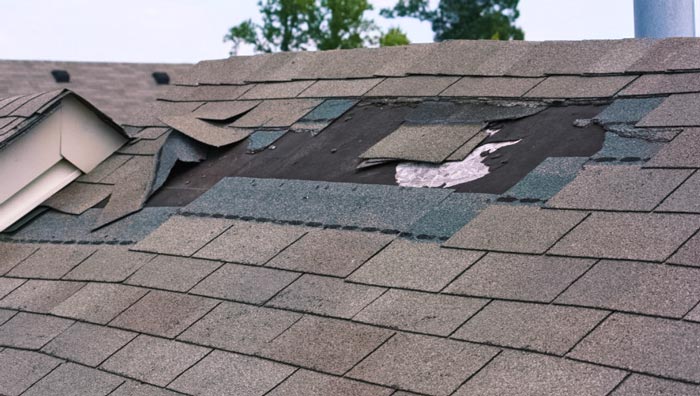
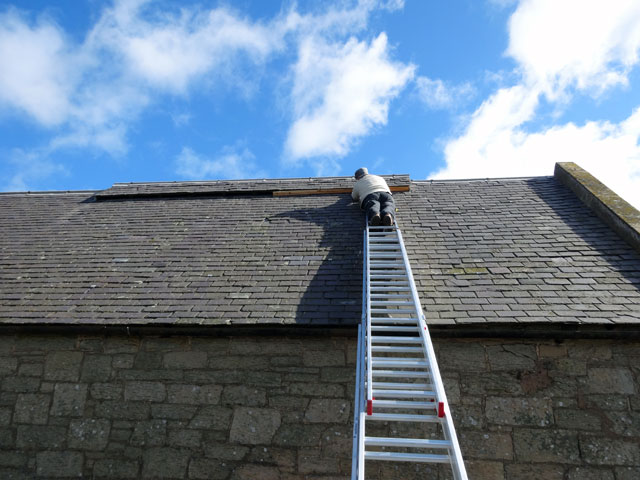
The first of the roof maintenance tips is to inspect it regularly. Experts recommend that you inspect your roof twice a year, preferably in the spring and fall. Inspecting your roof can help you identify any damage or wear and tear that may have occurred. Look for cracked, curling, or missing shingles, as well as any debris such as leaves, branches, or moss. It is essential to address any issues promptly to prevent further damage.Schedule a Free Inspection With Us Today
Keep Your Gutters Clean
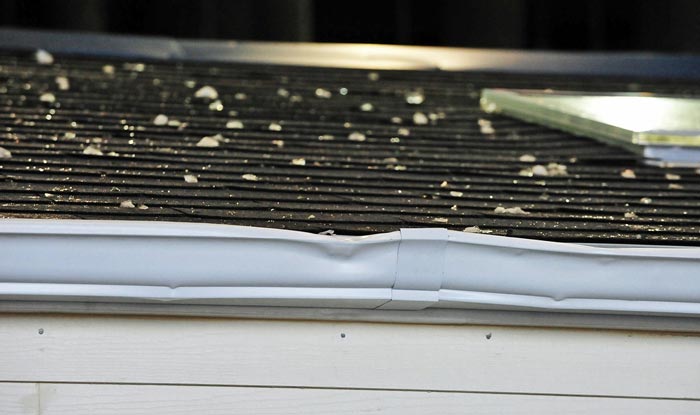
Clogged gutters can lead to water damage and rotting wood, which can compromise the integrity of your roof. To prevent this, make sure to clean your gutters regularly, especially during the fall when leaves and debris are more likely to accumulate. You can use a garden hose or a leaf blower to remove any debris from your gutters and downspouts.
Trim Overhanging Branches
Overhanging branches can damage your roof by scraping against the shingles or causing debris to fall onto your roof. To prevent this, make sure to trim any overhanging branches regularly. This will not only protect your roof but also prevent any potential safety hazards.
Check Your Attic Ventilation
Proper attic ventilation is one of the crucial roof maintenance tips. Without proper ventilation, moisture can build up in your attic and cause mold and mildew to grow, which can weaken your roof’s structure. Make sure to check your attic ventilation regularly and consider adding additional vents if necessary.
Repair Any Damage Promptly
If you notice any damage or wear and tear on your roof, it is important to address it as soon as possible. Small issues can quickly turn into larger problems if left untreated, so make sure to repair any damage promptly. You can either fix the issue yourself or hire a professional roofing contractor to handle the repair for you.
Regularly Treat for Moss and Algae
Moss and algae can grow on your roof, which can be detrimental to its appearance and integrity. Another one of the great roof maintenance tips is to have your roof professionally cleaned and protected with preventative products to keep moss and algae from reappearing. Regular treatment for moss and algae will help to prevent any damage or deterioration to your roof, making it last longer.Read About Advanced Algae Protection
Hire a Professional
While you can handle some of the maintenance tasks yourself, it is always a good idea to hire a professional roofing contractor for regular maintenance. A professional will have the expertise and tools necessary to identify and address any issues that you may have missed. Additionally, regular maintenance can help extend the lifespan of your roof and prevent costly repairs down the line.
Keep Your Home Healthy and Strong with These Essential Roof Maintenance Tips
Maintaining your roof is crucial for the safety, security, and value of your home. By following these essential roof maintenance tips, you can keep your roof in top condition and avoid potential issues. Remember to inspect your roof regularly, keep your gutters clean, trim overhanging branches, check your attic ventilation, repair any damage promptly, and hire a professional for regular maintenance.
More Informative Posts
Free, No Obligation
Request Your Free Estimate & Inspection
Tell us about your roof and we’ll come take a look — no pressure,
no cost. Or call us right now on
(571) 269-8153.
When it rains heavily, your roof should protect your home from water damage. However, if your roof leaks during heavy rain, it can cause significant problems, such as water stains, mold growth, wood rot, and structural damage. In this article, we will explore the six most common causes of roof leaks during heavy rain and suggest some practical solutions to help you avoid or fix them.
1
Damaged or Missing Shingles
The shingles on your roof serve as the first line of defense against rainwater. If they are damaged or missing, rainwater can penetrate your roof and seep into your attic or ceiling. Some signs of damaged or missing shingles include:
Cracked, curled, or warped shingles
Loose or missing shingles
Granules or debris in your gutters or downspouts
To prevent or fix this problem, you should inspect your roof regularly, especially after a storm, and look for any signs of damage or wear. If you notice any damaged or missing shingles, you should replace them as soon as possible.
2
Clogged Gutters or Downspouts
Your gutters and downspouts play a crucial role in channeling rainwater away from your roof and home. However, if they are clogged with leaves, twigs, or debris, they can cause water to back up and overflow, leading to water damage or leaks. Some signs of clogged gutters or downspouts include:
Water spilling over the edges of your gutters
Sagging or detached gutters
Damp or wet spots around your home’s foundation
The key to preventing or fixing this is to clean your gutters and downspouts at least twice a year, or more frequently if you have many trees around your home. You can use a ladder, gloves, and a scoop to remove the debris manually, or you can hire a professional to do it for you.
3
Faulty Flashing
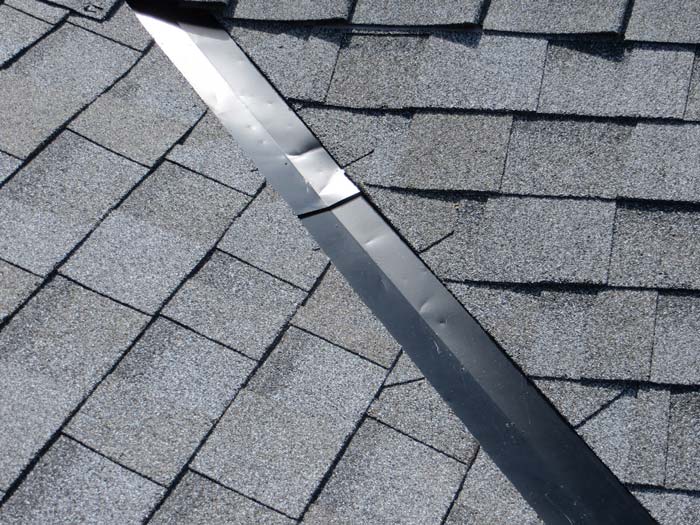
Flashing refers to the metal strips or sheets that seal the joints and seams of your roof, such as around the chimney, skylight, or vents. If the flashing is damaged, rusted, or improperly installed, rainwater can seep into your roof and cause leaks. Some signs of faulty flashing include:
Rust stains or corrosion around the flashing
Loose or missing flashing
Water stains or drips around the chimney or skylight
To prevent a recurrence of this situation, you should inspect your flashing regularly and look for any signs of wear or damage. If you notice any problems, you should repair or replace the flashing as soon as possible. You can use a roofing cement or sealant to seal the gaps or joints, or you can hire a professional roofer to do it for you.
4
Ice Dams
Ice dams are a common problem in cold climates, where snow and ice can accumulate on your roof and form a barrier that prevents the melted snow from draining off your roof. The trapped water can then seep under your shingles and cause leaks. Some signs of ice dams include:
Icicles hanging from your roof or gutters
Ice or water stains on your ceiling or walls
Wet or soggy insulation in your attic
This issue can be resolved by removing the snow and ice from your roof as soon as possible, using a roof rake or a broom, or hiring a professional to do it for you. You can also improve you
5
Condensation
Condensation occurs when warm, humid air from your home’s interior meets the cold surface of your roof or attic. The moisture can then accumulate and cause mold growth, wood rot, or water damage. Some signs of condensation include:
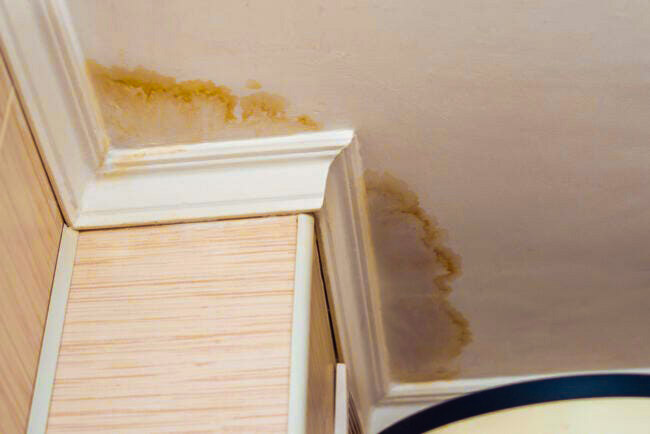
Water stains or discoloration on your ceiling or walls
Musty or damp odors in your attic or home
Peeling or bubbling paint or wallpaper
To address this concern, it is recommended to improve your home’s ventilation and air circulation, especially in your attic. You can install vents, fans, or exhaust systems to remove the excess moisture and allow fresh air to circulate. You can also insulate your attic and seal any air leaks or gaps to prevent the warm air from escaping into your attic.
6
Aging or Poor Quality Roof
Lastly, your roof’s age and quality can also affect its ability to withstand heavy rain and prevent leaks. If your roof is old, worn, or poorly installed, it may have weak spots, cracks, or gaps that can allow rainwater to seep in. Some signs of an aging or poor quality roof include:
Sagging or uneven roofline
Visible cracks or holes in your roof
High energy bills or poor insulation
To prevent or fix this problem, you should consider replacing your roof with a newer, high-quality material, such as metal, asphalt, or tile. You should also hire a professional roofer to inspect your roof regularly and repair any damage or wear before it becomes a bigger problem.
Conclusion
Roof leaks in heavy rain can be caused by various factors, such as damaged shingles, clogged gutters, faulty flashing, ice dams, condensation, and aging or poor quality roof. By identifying and addressing these issues early on, you can prevent or fix roof leaks and protect your home from water damage. If you need help with your roof, you can contact a local roofing contractor or home improvement professional for advice and assistance or Read More About Roof Leaks In Heavy Rain Here.
Our Informative Articles
Free, No Obligation
Request Your Free Estimate & Inspection
Tell us about your roof and we’ll come take a look — no pressure,
no cost. Or call us right now on
(571) 269-8153.
Your roof is a crucial component of your home’s structure. It protects you and your family from the elements and keeps your home safe and secure. However, over time, your roof will start to wear down and may need to be replaced. Replacing your roof can be a daunting task, but it’s essential to ensure the safety and longevity of your home. In this article, we’ll go over everything you need to know about replacement of your roof
When to Replace Your Roof?:
Determining when to replace your roof can be tricky.The lifespan of a roof is around 20-25 years, but several factors can impact its lifespan. These factors include the quality of the installation, the type of material used, and the climate of your area. If you’re unsure when to replace your roof, you can consult with a roofing professional who can assess the condition of your roof and give you recommendations.
Age– If your roof is over 20 years old, it’s likely time for a replacement.
Curling or Buckling Shingles – If your shingles are curling or buckling, it’s a sign that your roof is nearing the end of its lifespan.
Missing Shingles – Missing shingles can leave your roof vulnerable to leaks and water damage.
Water Damage – If you notice water stains on your ceiling or walls, it’s a sign that your roof is leaking.
Granule Loss – If you notice granules from your shingles in your gutters, it’s a sign that your roof is deteriorating.
Choosing the Right Roofing Material:
When it comes to replacing your roof, you have several roofing materials to choose from. Each material has its pros and cons, and the one you choose will depend on your budget, climate, and aesthetic preferences View Our Resources For More Information Some of the most common roofing materials include:
Asphalt Shingles – These are the most popular roofing material due to their affordability and ease of installation.
Metal – Metal roofing is durable and long-lasting, making it an excellent choice for areas with severe weather.
Clay or Concrete Tiles – These roofing materials are durable and can give your home a unique look, but they can be expensive and heavy.
Wood Shingles or Shakes – These roofing materials can give your home a rustic look, but they require more maintenance than other materials.
Slate – Slate roofing is one of the most expensive roofing materials, but it’s also one of the most durable and long-lasting.
When choosing a roofing material, it’s essential to consider factors such as cost, durability, and maintenance requirements.
The Roofing Replacement Process:
Replacing your roof can be a complex process that requires several steps. Here’s what you can expect during the roofing replacement process:
Inspection – Before replacing your roof, a roofing professional will inspect your current roof to determine the extent of the damage and assess if a replacement is necessary.
Removal of Old Roofing Materials – Once it’s determined that a replacement is necessary, the old roofing materials will be removed to prepare for the new roof.
Installation of Underlayment – An underlayment will be installed to provide a barrier between the roof deck and the shingles.
Installation of New Roofing Materials – The new roofing materials will be installed according to the manufacturer’s instructions.
Cleanup – Once the installation is complete, the roofing contractor will clean up the job site and dispose of the old roofing materials.
How Long Does Roof Replacement Take?:
The time it takes to replace a roof varies depending on the factors mentioned above. In general, a roof replacement project can take anywhere from a few days to several weeks. A small roof with a simple design can take two to three days to replace, while a larger, more complex roof may take up to two weeks.
Factors That Affect Roof Replacement Timeline:
Several factors can affect how long it takes to replace a roof. These factors include:
Size of the roof: The larger the roof, the longer it will take to replace. A smaller roof may take only a few days, while a larger one may take a week or more.
Roof type: Different types of roofs have different installation requirements, which can affect the timeline. For instance, a flat roof may be quicker to install than a pitched roof.
Weather conditions: Inclement weather such as rain or high winds can delay roof replacement. It’s best to plan the project during a season with favorable weather conditions to minimize delays.
Accessibility: The ease of accessing the roof can also affect how long it takes to replace. If the roof is difficult to access, it may take longer to remove and install the new roof.
Complexity of the job: Some roofs are more complicated to replace than others. A roof with many angles, valleys, or skylights may require more time to install.
Tips for Successful Roof Replacement:
Here are some tips to help you stay within budget while still getting a high-quality replacement of roof:
Plan ahead: Start planning for your roof replacement early to give yourself enough time to research and compare options, as well as to save up for the cost.
Hire a professional: A professional roofing contractor has the expertise, tools, and experience needed to get the job done right. Hire a reputable contractor to avoid mistakes that could lead to costly repairs.
Choose a cost-effective roofing material: While there are many options available, some roofing materials are more cost-effective than others. Asphalt shingles are a popular and affordable choice for many homeowners.
Consider energy-efficient options: Energy-efficient roofing materials can help you save money on energy bills by reducing the amount of heat that enters your home during the summer months.
Get multiple quotes: Before hiring a contractor, get multiple quotes from different providers to compare prices and ensure you get the best value for your money.
Factors That Effect The Cost of Replacing Your Roof:
The total cost of a roof replacement project depends on various factors such as the size and pitch of the roof, the type and quality of roofing material, the labor charges, and the complexity of the job. Typically, a complete roof replacement can cost anywhere from $5,000 to $15,000 or more, depending on these factors. To avoid any surprises, it’s recommended to get a detailed estimate from a reputable roofing contractor that includes all the costs involved in the project.
Roof size: The larger the roof, the more materials and labor required, which can increase the cost.
Roof pitch: A steeper roof pitch requires more safety equipment and can be more difficult to work on, which can increase the cost.
Roofing materials: Different types of roofing materials have different costs, with some materials being more expensive than others.
Roofing accessories: Additional items such as flashing, ventilation systems, and skylights can add to the cost.
Removal of the old roof: The cost of removing the old roof and disposing of the debris can vary depending on the size of the roof and the amount of damage.
Repairs: If there is damage to the underlying structure or decking, repairs will need to be made, which can increase the cost.
Permit fees: Some areas require permits for roof replacement, which can add to the cost.
Labor costs: The amount of time and labor required for the project can affect the overall cost, with more complex jobs requiring more time and labor.
FAQ’s:
Q: Can I replace my roof without hiring a contractor? A: While it’s possible to replace your roof on your own, it’s not recommended. Roof replacement is a complex and dangerous process that requires specialized knowledge and equipment.
Q: How long does a roof replacement take? A: The length of time required for a roof replacement can vary depending on the size and complexity of your roof. On average, a roof replacement can take between a few days and a few weeks.
Q: Is it possible to replace my roof while staying within budget? A: While it’s possible to replace your roof yourself, it’s not recommended. Replacing a roof can be dangerous and requires specialized tools and knowledge. It’s best to hire a professional roofing contractor to ensure the job is done correctly and safely.
Q: How often should I replace my roof? A: The lifespan of a roof depends on several factors, such as the type of material, the quality of installation, and the weather conditions in your area. However, most roofs last between 15 and 25 years. If your roof is approaching this age or showing signs of wear and tear, it may be time for a replacement.
Q: What happens if I don’t replace my roof? A: If you don’t replace your roof when it’s necessary, you risk serious damage to your home’s interior and structure. Leaks can cause water damage, mold growth, and even compromise the structural integrity of your home.
Q: How do I know if I need a roof replacement or repair? A: The decision to repair or replace your roof depends on the extent of the damage. In general, if your roof has significant damage, such as missing shingles or severe leaks, it may be time for a replacement. However, minor damage can often be repaired without the need for a full replacement.
Q: Can I choose any roofing material for my replacement roof? A: While you can choose any roofing material for your replacement roof, it’s important to consider factors such as cost, durability, and the weather conditions in your area. A professional roofing contractor can help you select the best material for your specific needs.
Q: Will replacing my roof increase the value of my home? A: Yes, replacing your roof can increase the value of your home. A new roof can improve the curb appeal of your home and provide added protection against weather damage, which can be attractive to potential buyers.
Q: Do I need to obtain permits for a roof replacement? A: Permit requirements for roof replacement vary depending on your location and the extent of the work being done. A professional roofing contractor can help you determine what permits are necessary for your specific project.
Q: Can I live in my home while the roof is being replaced? A: While it’s possible to live in your home during a roof replacement, it can be noisy and disruptive. It’s best to plan ahead and make arrangements to stay somewhere else if possible.
Q: What should I look for in a roofing contractor? A: When choosing a roofing contractor, it’s important to look for a licensed and insured professional with experience in roof replacement. It’s also a good idea to ask for references and to read online reviews before making a decision.
Free, No Obligation
Request Your Free Estimate & Inspection
Tell us about your roof and we’ll come take a look — no pressure,
no cost. Or call us right now on
(571) 269-8153.
Replacing Your Roof in Spring: Enhancing Value and Protection
RNC Roofing and Construction GroupNovember 9, 2022
Replacing Your Roof in Spring: Enhancing Value and Protection
Maintaining a structurally sound roof is vital to safeguard your home from various weather conditions, such as rain, snow, wind, and extreme temperatures. Over time, roofs can deteriorate due to aging, wear and tear, and exposure to the elements. Regular inspections and necessary repairs are essential to ensure your roof remains in optimal condition. However, in some cases, roof replacement becomes necessary to guarantee maximum protection.
Understanding the Optimal Timing for Roof Replacement
The Significance of Timing and Weather Conditions
When it comes to replacing your roof, timing is crucial. The weather conditions during the installation process can greatly impact the outcome and durability of your new roof. Spring, with its mild and predictable weather patterns, emerges as an ideal season for roof replacement. The moderate temperatures and reduced chances of extreme weather events allow for a smoother and more efficient installation process.
Spring: An Ideal Season for Roof Replacement
Spring brings a host of advantages that make it the optimal time to replace your roof. First, the mild temperatures of spring provide a favorable working environment for roofing contractors. Extreme heat or cold can impede the proper sealing of roofing materials, making it challenging to achieve a reliable and long-lasting installation. By choosing spring, you ensure that the materials bond effectively, resulting in a structurally sound roof.
Effects of Winter on Roofs and the Need for Spring Repairs
Winter can be harsh on roofs, exposing them to freezing temperatures, heavy snow, ice dams, and moisture infiltration. These factors can cause damage to shingles, compromise the integrity of the roof’s structure, and increase the risk of leaks. Therefore, it is essential to inspect your roof after the winter season and address any existing issues promptly.Replacing your roof in spring allows you to tackle the damage caused by winter effectively. It ensures that any vulnerabilities or weaknesses are addressed before the more intense weather conditions of summer arrive. By being proactive in spring, you can prevent further deterioration and extend the lifespan of your roof.
Taking Advantage of Milder Weather Conditions
Explaining the Impact of Weather on the Roof Replacement Process
Weather plays a significant role in the roof replacement process. Extreme temperatures, high humidity, or inclement weather can pose challenges and affect the quality of the installation. Optimal weather conditions are crucial to ensure that the roofing materials adhere correctly and that the overall process proceeds smoothly.
Detailing How Spring Offers Favorable Conditions for Efficient Roof Installation
Spring, with its milder weather conditions, provides an excellent opportunity for efficient roof replacement. The moderate temperatures allow for better flexibility of roofing materials, making them easier to handle and install. Additionally, the reduced moisture levels in the air during spring help ensure proper bonding of shingles, preventing issues such as lifting or warping that can occur in more humid conditions. Furthermore, spring offers longer daylight hours, providing contractors with ample time to complete the installation without feeling rushed. The extended daylight allows for better visibility and facilitates the roofing team’s ability to inspect and address any potential issues that may arise during the installation process.
Benefits of Avoiding Extreme Temperatures and Inclement Weather during the Replacement
By choosing to replace your roof in spring, you can avoid the challenges associated with extreme temperatures. High temperatures can cause materials to expand and become more pliable, making them susceptible to damage during installation. On the other hand, freezing temperatures can hinder the proper sealing and adhesion of roofing components, leading to potential leaks or premature deterioration.
Addressing Winter Damage and Wear
Highlighting the Potential Damage Caused by Winter Elements to Roofs
Winter can take a toll on roofs, subjecting them to various damaging elements. Snow, ice, freezing temperatures, and fluctuating weather conditions can lead to significant wear and tear over time. It’s essential to address these issues to maintain a structurally sound roof.
Discussing Common Issues like Ice Dams, Snow Accumulation, and Water Infiltration
One of the most common problems during winter is the formation of ice dams. When snow accumulates on the roof, uneven heat distribution causes the melting snow to refreeze at the eaves, creating ice dams. These dams prevent proper drainage, leading to water pooling and potential leaks. Snow accumulation itself can also put excessive weight on the roof, potentially causing structural damage. Furthermore, winter brings an increased risk of water infiltration. As snow and ice melt, water can seep into the smallest cracks or gaps in the roof’s surface, leading to moisture penetration and subsequent damage to the underlying structure. This moisture intrusion can result in rot, mold growth, and compromised insulation, affecting both the roof’s integrity and the overall indoor environment.
Explaining How Early Spring Roof Replacement Helps Prevent Further Deterioration
Replacing your roof early in spring is a proactive approach to preventing further deterioration caused by winter damage. By promptly addressing issues such as ice dams, snow accumulation, and water infiltration, you can safeguard your home from potential long-term consequences. A new roof installed in early spring ensures that any existing problems are resolved, minimizing the risk of further damage as the seasons progress. It provides a fresh start and strengthens the roof’s ability to withstand the challenges of the upcoming year, including heavy rain, strong winds, and the heat of summer.
Preparing Your Roof for Summer Challenges
Upcoming Summer Season and Its Potential Challenges for Roofs
As spring transitions into summer, it’s essential to prepare your roof for the upcoming season’s challenges. Summer brings its own set of weather conditions that can impact the longevity and performance of your roof. By understanding these challenges, you can take proactive steps to ensure your roof remains in optimal condition.
How a Newly Replaced Roof Can Better Withstand Intense Heat, UV Radiation, and Heavy Rainstorms
A newly replaced roof provides enhanced protection against the intense heat, UV radiation, and heavy rainstorms commonly experienced during summer. By choosing the right roofing materials and installing them during spring, you create a strong defense against these challenges. The materials used in a roof replacement, such as heat-reflective shingles or metal roofing, can help mitigate the effects of intense heat. These materials reflect a significant portion of the sun’s rays, reducing the amount of heat absorbed by the roof and minimizing thermal expansion, which can lead to premature aging and deterioration.
Maximizing Energy Efficiency
Exploring How a New Roof in Spring Can Improve Energy Efficiency
Replacing your roof in spring provides an excellent opportunity to enhance the energy efficiency of your home. An old or damaged roof can compromise insulation, ventilation, and solar reflectance, leading to energy loss and increased utility bills. By investing in a new roof during the spring season, you can optimize energy efficiency and enjoy long-term cost savings.
Discussing the Benefits of Proper Insulation, Ventilation, and Solar Reflectance
Proper insulation is crucial for maintaining a comfortable indoor temperature and reducing the strain on your cooling system during the hot summer months. A new roof installation allows for the integration of modern insulation materials, such as spray foam or fiberglass batts, which effectively minimize heat transfer between the interior and exterior of your home. This insulation helps to keep your home cooler in the summer, reducing the need for excessive air conditioning and lowering energy consumption. In addition to insulation, proper ventilation plays a vital role in maximizing energy efficiency. Adequate airflow through the attic and roof space helps regulate temperature and prevent the buildup of heat and moisture. A well-ventilated roof allows hot air to escape, reducing the need for excessive air conditioning and improving overall energy efficiency.
How a Well-Insulated Roof Can Reduce Cooling Costs During Hot Summer Months
When your roof is properly insulated, it acts as a barrier against heat transfer, keeping your home cooler and reducing the need for excessive air conditioning. This directly translates into lower cooling costs during the hot summer months. By investing in a new roof in spring and ensuring proper insulation, you can enjoy a more energy-efficient home, reduce your carbon footprint, and save money on your utility bills.
Enhancing the Value of Your Home
Explaining How a Roof Replacement Can Increase Property Value
Replacing your roof in spring is not only a practical decision but also a smart investment that can significantly enhance the value of your home. A new roof is an attractive feature for potential buyers and can make your property stand out in the competitive real estate market. It gives the impression of a well-maintained and cared-for home, which can increase its overall market value. When potential buyers consider purchasing a home, they often prioritize the condition of the roof. By replacing your roof in spring, you ensure that your property has a fresh, sturdy, and visually appealing roof that can serve as a selling point. This investment not only offers peace of mind to potential buyers but also increases their confidence in the overall quality and condition of the property.
How a New Roof Improves Curb Appeal and Boosts Buyer Confidence
The roof is a prominent visual element of your home’s exterior, contributing significantly to its curb appeal. A worn-out, damaged, or outdated roof can detract from the overall aesthetic appeal of your property. On the other hand, a new roof instantly revitalizes the look of your home, making it more visually appealing and appealing to potential buyers. Aesthetics aside, a new roof also boosts buyer confidence. It provides assurance that the home is protected from the elements and that they won’t have to worry about costly roof repairs or replacements in the near future. A well-maintained roof indicates that the homeowner has taken care of the property, giving buyers the confidence to move forward with the purchase.
Highlighting the Potential Return on Investment and Long-Term Savings
While replacing your roof in spring requires an initial investment, it offers long-term financial benefits. A new roof can provide a high return on investment by increasing the value of your home. The money spent on the roof replacement can be recouped when selling the property, making it a worthwhile investment.
Free, No Obligation
Request Your Free Estimate & Inspection
Tell us about your roof and we’ll come take a look — no pressure,
no cost. Or call us right now on
(571) 269-8153.
RNC Roofing and Construction GroupOctober 11, 2021
Your Roof is more than just the shingles you see from the street, because it is a combination of different roofing materials and components that come together to form a complete roof system. What are these material and why are they important to your roof? RNC Construction Group helps you Understand what constitutes a roof, we break it down for you.
Roof Deck.
The platform is the plywood boards that form the structure of your roof. These Plywood are where the shingles and other components are installed. Our RNC Constructions crews will not know you will have rotten boards until they finish tearing off the old roof. Our guys will document and capture pictures and share with you. At RNC Construction group our goal is to always keep our clients in the loop of the project.
Roof Flashing.
The Roof Flashing is a metal that is placed anywhere the shingles lean against something, such as a wall, chimney or open valleys. If your flashing is not tarnished and the integrity of the metal is still strong, then there is no need for replacement. However, RNC construction Group will determine how strong and if your flashing is still in good conditions.
Underlayment.
The underlayment is a felt material, that is used over the deck to provide additional protection, making it a crucial component for you roof. Underlayment is your roof system’s last line of defense for your deck. It is important to invest in the best possible roofing components that is why we offer a system that includes Certified by the supply.
Drip Edge.
Is the metal Flashing that’s installed at the edges of the roof to help control the flow of water away from your fascia and other roofing components.
Ice Water Shield.
Your Valleys are crucial to keep water flowing in the right direction down your roof. Because of this, they need something to protect them from the constant flow of water every time it rains. That’s why is called the waterproof membrane because it protects your roof during winter and rain season.
Asphalt Shingles
Your shingles are the top layer of your roof that is visible to the outside world. When people think of a roof replacement, they usually only think of their shingles, RNC construction Group has certifications of roof tile suppliers that provide 50 year warrantee (CertainTeed, GAF, OwenScorning.
Ridge Capping.
Ridge Capping Is the trim Installed at the peak where the two slopes of a roof meet. They’re thicker than regular shingles so our crews at RNC Construction Group bent to form to the ridges on your roof.
Pipe Boots
Roof Pipes must be covered properly with synthetic rubber around your roof penetration so that water does not run into your home. That’s where tube boots come in handy because it prevents leak.
Free, No Obligation
Request Your Free Estimate & Inspection
Tell us about your roof and we’ll come take a look — no pressure,
no cost. Or call us right now on
(571) 269-8153.
Storm Damage Roof Repair: Essential Tips for Effective Solutions
RNC Roofing and Construction GroupApril 2, 2018
Storm Damage Roof Repair: Essential Tips for Effective Solutions
Addressing storm damage promptly is crucial to minimize further issues and protect the integrity of your roof. Neglecting roof repairs can lead to severe consequences and costly repairs in the long run. This article aims to provide comprehensive guidance on storm damage roof repair, offering essential tips and insights.
The Importance of Timely Action
When a storm damages your roof, immediate action is essential to prevent additional harm. Failure to address storm damage promptly can result in water infiltration, structural damage, and compromised safety within your home. Ignoring minor issues can lead to more significant problems in the future.
Potential Risks and Consequences
Neglecting storm damage roof repairs can have several consequences:
Water leaks and moisture intrusion: Unrepaired damage allows water to penetrate the roof, leading to interior water leaks, mold growth, and rotting of underlying structures.
Weakened structural integrity: Delayed repairs can cause structural damage to the roof, compromising its stability and increasing the risk of collapse.
Increased energy costs: Damaged roofs often result in reduced insulation, leading to energy loss and higher heating or cooling expenses.
Decreased property value: An unrepaired storm-damaged roof can significantly reduce the value of your property and make it challenging to sell in the future.
Assessing the Damage
To assess storm damage to your roof, follow these step-by-step instructions:
Begin by ensuring your safety. Use proper safety equipment like a harness and sturdy footwear.
Carefully inspect the exterior of your roof from the ground, looking for visible signs of damage such as missing or broken shingles, dented flashing, or displaced gutters.
If it is safe to do so, use a ladder to access the roof. Walk carefully, avoiding fragile areas, and examine the surface for any additional visible damage.
Pay close attention to the condition of the shingles. Look for cracks, tears, curling, or granule loss, as these are indications of damage.
Inspect the gutters, downspouts, and drainage system for debris accumulation or signs of blockage that could lead to water backup and potential damage.
Examine the flashing around chimneys, vents, and skylights. Look for any signs of rust, corrosion, or dislodgment.
Check the condition of roof vents and ensure they are intact and functioning properly.
Key Areas to Focus on During Assessment
Shingles: Check for missing, cracked, or damaged shingles, as well as signs of aging or deterioration.
Gutters: Examine the gutters for dents, sagging, or detachment, which could indicate damage caused by falling debris or excessive rainfall.
Flashing: Inspect the flashing around chimneys, vents, and other roof protrusions for signs of damage or displacement.
Vents: Ensure that roof vents are intact and free from damage that could compromise proper ventilation.
Documentation: Take clear photos and detailed notes of the damage observed, including the date and time of inspection, for insurance purposes.
Preventive Measures and Maintenance
To safeguard your roof from future storm damage, taking preventive measures is crucial. By being proactive, you can minimize potential risks and costly repairs. Implementing the following preventive measures will help ensure the longevity of your roof.
Regular Roof Maintenance Practices
Gutter Cleaning: Regularly clean your gutters to prevent clogs and ensure proper water drainage away from the roof. This will help prevent water backup and potential damage.
Tree Limb Removal: Trim tree limbs near your roof to minimize the risk of branches falling during storms. This proactive step reduces the chances of damage caused by falling debris.
Inspections: Schedule routine inspections by a professional roofing contractor. These inspections will help identify underlying issues or potential vulnerabilities before they become major problems.
Adequate Homeowner’s Insurance Coverage
Maintaining adequate homeowner’s insurance coverage is crucial, especially when it comes to storm-related incidents. Ensure your policy includes coverage for storm damage repairs and restoration. This will provide financial protection in case your roof sustains significant damage during severe weather events.
Tips for Protecting the Roof During Severe Weather
In addition to preventive measures and insurance coverage, there are additional steps you can take to protect your roof during severe weather conditions:
Secure Loose Objects: Before a storm hits, secure loose objects such as patio furniture or debris that could become projectiles during high winds. This simple action can prevent potential damage to your roof.
Enhance Roof Resistance: Consider installing impact-resistant shingles or using storm clips to enhance your roof’s resistance to wind damage. These measures provide added protection during severe weather events.
Reinforce the Roof Structure: If you live in an area prone to severe storms, consider reinforcing your roof structure. Consulting a professional roofing contractor will help you determine the most effective reinforcement methods for your specific needs.
Lightning Protection: Installing lightning rods can mitigate the risk of lightning strikes and protect your roof from potential damage. Consult with a professional to ensure proper installation and increased safety.
Permanent Repairs and Restoration
Types of Storm Damage and Necessary Steps
Different types of storm damage require specific steps for permanent repairs. Understanding the nature of the damage is crucial to effectively address the issue. Here are some common types of storm damage and the necessary steps to repair them:
Wind Damage: If your roof has suffered wind damage, start by inspecting for loose or missing shingles. Secure any loose shingles using roofing cement and nails. Replace missing shingles with new ones, ensuring proper alignment and sealing.
Hail Damage: Hail damage may result in dented or cracked shingles. Inspect the roof for signs of impact and replace any damaged shingles. Additionally, check for signs of granule loss, which could indicate underlying damage. Consider consulting a professional roofer to assess the extent of the damage.
Water Damage: Water damage often occurs due to roof leaks caused by compromised shingles or flashing. Identify the source of the leak and repair or replace the damaged section. Ensure proper sealing and waterproofing to prevent future leaks.
Importance of Using High-Quality Roofing Materials
When repairing storm-damaged roofs, using high-quality roofing materials is essential. Opting for durable and reliable materials ensures longevity and protects your investment. Here are a few reasons why quality materials matter:
Enhanced Durability: High-quality materials offer superior resistance against future storms and weather conditions, reducing the risk of recurring damage.
Longevity: Investing in top-notch roofing materials extends the lifespan of your repaired roof, providing long-term protection for your home.
Aesthetics: Quality materials contribute to an attractive and well-maintained roof, enhancing the overall appearance of your home.
Selecting Appropriate Replacement Materials
Selecting the right replacement materials is crucial for restoring your roof’s functionality and durability. Consider the following factors when choosing replacement materials:
Shingles: Opt for shingles that are specifically designed to withstand your local weather conditions. Choose materials with high wind resistance and impact ratings.
Underlayment: Ensure the underlayment provides an additional layer of protection against moisture. Consider synthetic underlayment, which offers enhanced durability and water resistance.
Flashing: Use high-quality flashing materials to maintain a watertight seal around roof penetrations, such as chimneys and vents. Properly installed flashing prevents water intrusion and potential leaks.
Restoring Functionality, Appearance, and Weather Resistance
Restoring your roof after storm damage involves more than just repairs. It also entails bringing back its functionality, appearance, and weather resistance. Follow these steps for a comprehensive restoration:
Structural Assessment: Inspect the roof’s structure for any hidden damage that may compromise its integrity. Address any issues to ensure a solid foundation for the restoration process.
Repair and Replacement: Perform the necessary repairs and replacements as identified during the damage assessment. Use high-quality materials and adhere to recommended installation practices.
Sealing and Waterproofing: Apply appropriate sealants and waterproofing materials to ensure the roof is properly protected against water infiltration.
Final Inspection: Conduct a final inspection to ensure the restored roof meets the required standards for functionality, appearance, and weather resistance.
Hiring a Professional Roofing Contractor
Benefits of Hiring a Professional:
Professional roofers have extensive knowledge of storm damage and the specific repairs required.
They possess the necessary tools, equipment, and safety gear to handle the job safely.
Contractors are well-versed in local building codes and regulations, ensuring compliance.
They have access to high-quality materials and can provide warranty options for their workmanship.
Criteria for Selecting a Reliable Contractor:
Experience and Expertise:
Look for contractors with a proven track record in storm damage roof repairs.
Consider their years of experience, specialized training, and certifications.
Check for their portfolio or examples of previous storm damage repairs.
Licensing and Insurance:
Ensure that the contractor holds the required licenses and permits for your area.
Verify their insurance coverage, including liability insurance and workers’ compensation.
Reputation and References:
Research online reviews and testimonials from previous clients.
Request references from the contractor and follow up with those references.
Essential Questions to Ask Potential Contractors:
How long have you been in the roofing business, specifically handling storm damage repairs?
Can you provide references or examples of storm damage roof repairs you have completed?
Do you have the necessary licenses and insurance coverage?
What is your approach to safety during the repair process?
Are you familiar with local building codes and regulations?
Tips for Evaluating Contractor Estimates and Contracts:
Obtain detailed written estimates from multiple contractors for comparison.
Ensure that the estimates include the scope of work, materials to be used, and labor costs.
Verify if the estimate includes any potential additional expenses or unforeseen repairs.
Carefully review the contract, ensuring it covers timelines, payment terms, and warranty information.
Seek clarification on any ambiguous terms or conditions before signing the contract.
View More Articles
Free, No Obligation
Request Your Free Estimate & Inspection
Tell us about your roof and we’ll come take a look — no pressure,
no cost. Or call us right now on
(571) 269-8153.
After Winter Storm Riley rocked DC area roofs this weekend, many of its residents are in the recovery phase. Your roof is designed to keep the wind and rain out-but what happens when the wind is so strong it literally knocks you off your feet? Does your roof stand a chance?
The answer is yes, absolutely. Your roof has many different components designed to make the structure as hardy as possible.It’s important the roofing materials used in the build and repair are top of the line-the materials from companies such as GAF and Certainteed stand up to the hard knocks and shakes storms cause.
While winter is coming to an end, homeowners face heavy spring rain and summer storms, so repairing damage now is vital to maintaining the integrity of your roof. A home with missing shingles and siding can not only be an eyesore but can be cause for concern about the structural health of your roof. How do you KNOW your roof is safe?
The answer is always to have a professional roofer take a look. More often than not as with RNC, the initial review comes at no cost to you.
-Cracking Shingles -Missing Shingles -Water Stains on Your Ceiling -Granules in the Gutters
At the end of the day, your safety is our number one concern. Contact us today to have us certify your roof is in good shape and problem free. Take a look at these incredible images shared online from the storm.
What separates The RNC Roofing Group from other residential roofing companies? With decades of experience installing, maintaining and repairing roofs we provide a knowledgeable, trustworthy and honest service to fulfill all your roofing needs. We are a Loudoun County, Virginia based residential roofing firm with an excellent reputation for quality and dependability. Whether it’s new construction, re-roofing or the challenge of leak repairs, no job is too large or too small.
Free, No Obligation
Request Your Free Estimate & Inspection
Tell us about your roof and we’ll come take a look — no pressure,
no cost. Or call us right now on
(571) 269-8153.