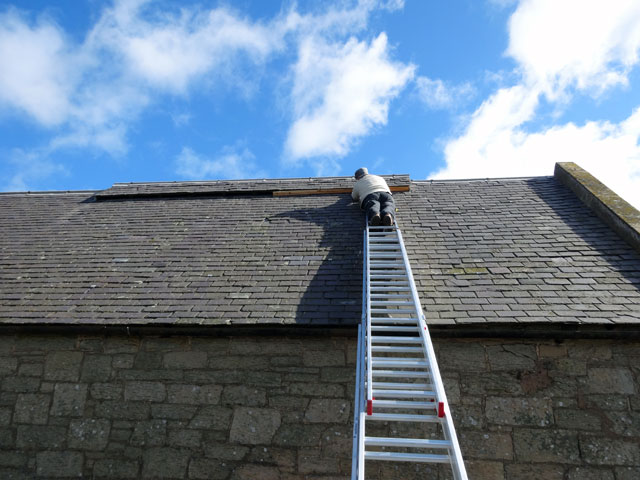
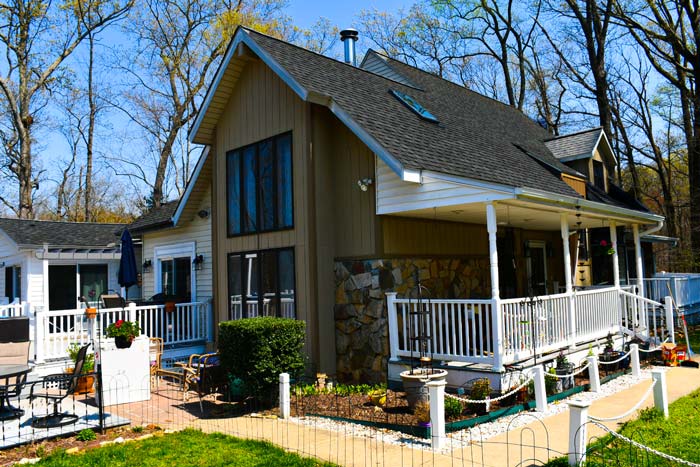
Heavy rain showers are essentially a guarantee during the spring season, and while spring showers bring May flowers, they also bring a widespread onslaught of residential roof leaks and other potential roofing issues. The combination of extreme precipitation and winter thaw can prove to be harmful to your roof, especially if your roof has areas of vulnerability, such as skylights. Roofs that are properly maintained are less likely to have leaks during the Spring, however, if any of the following criteria apply to your roof, you may be at an increased risk for a springtime leak.
Your roof is 15 years or older: As a roof ages, it begins to break down, leaving areas exposed and vulnerable to leaks and other potential cosmetic or structural issues. While leaks can occur at any age, older roofs are more prone, regardless of how well they may have been maintained. If your roof is 15 years or older, consider a consultation with a roofing professional to get it replaced.
Your roof is missing shingles: While missing shingles happen frequently and fairly easily, they can become a cause for concern. Missing shingles leave areas of your roof exposed, which increases the likelihood of leaks.
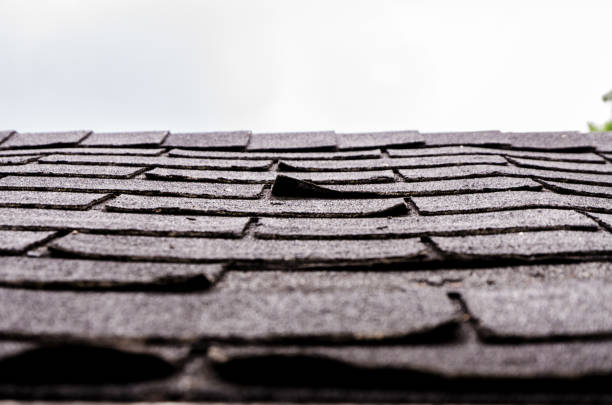
Your roof has curled shingles: Curled shingles can be an indicator that a roof already has severe water damage. Water damage weakens your roof, which increases your risk for a roof leak during the spring season.
Be sure that your roof is not vulnerable to spring leaks, and call RNC Construction Group for a quote or consultation for a roof replacement or repair. Contact us today!
What separates The RNC Roofing Group from other residential roofing companies? With decades of experience installing, maintaining and repairing roofs we provide a knowledgeable, trustworthy and honest service to fulfill all your roofing needs. We are a Loudoun County, Virginia based residential roofing firm with an excellent reputation for quality and dependability. Whether it’s new construction, re-roofing or the challenge of leak repairs, no job is too large or too small.
Free, No Obligation
Request Your Free Estimate & Inspection
Tell us about your roof and we’ll come take a look — no pressure,
no cost. Or call us right now on
(571) 269-8153.
Financing Your Roof Repair: Smart Solutions for a Solid Investment
RNC Roofing and Construction GroupMarch 1, 2018
Financing Your Roof Repair: Smart Solutions for a Solid Investment
Roof repairs or replacements can be significant investments, and it’s important to address the financial concerns associated with these projects. The expenses involved can vary depending on factors like the extent of damage, roofing materials, labor costs, and local market conditions. Delaying repairs may lead to more severe damage and increased costs in the long run. It’s crucial to act promptly to prevent further deterioration and minimize the financial impact.
Evaluating the Extent of Roof Damage
Before embarking on any roof repair project, it is crucial to assess the extent of damage to determine the necessary steps for restoration. Carefully inspect your roof for signs of wear and tear, such as missing or damaged shingles, leaks, sagging areas, or signs of water damage on the ceiling. Identifying these issues early on can help prevent further deterioration and minimize repair costs.
Determining the Scope of Repair Work Required
Once you have identified the areas in need of repair, it’s important to determine the scope of the work required. This involves assessing whether the damage is localized or widespread, as well as identifying any underlying structural issues that may need attention. By understanding the full extent of the repair work, you can effectively plan and budget for the project.
Consulting with a Professional Roofing Contractor
To ensure accurate assessment and professional guidance, it is recommended to consult with a reputable roofing contractor. A qualified contractor can provide expert insights into the condition of your roof, offer advice on the best course of action, and suggest suitable repair options. Their expertise will help you make informed decisions regarding the financing and execution of your roof repair project.
Obtaining Detailed Cost Estimates
Obtaining detailed cost estimates from multiple roofing contractors is essential for effective financial planning. These estimates should encompass the materials required, labor costs, permits, and any additional expenses associated with the repair work. Comparing quotes will allow you to make an informed decision based on affordability, quality of service, and the overall value offered.
Understanding Financing Options
Exploring Personal Savings
When it comes to financing your roof repair, one option to consider is utilizing your personal savings. Using your own funds allows you to have full control over the financing process. If you have been saving money specifically for home maintenance or unexpected expenses, it can be a convenient and cost-effective choice for financing your roof repair. By using your personal savings, you can avoid the need to take on additional debt or interest payments.
Traditional Financing Avenues
Another option for financing your roof repair is through traditional financing avenues such as home equity loans and personal loans. Home equity loans allow you to borrow against the equity you have built in your home. These loans typically have competitive interest rates and longer repayment terms. Personal loans, on the other hand, are unsecured loans that can be used for various purposes, including home repairs. They often have higher interest rates but may be more accessible for individuals who do not have significant home equity.
Government-Sponsored Programs and Grants
There are government-sponsored programs and grants available to assist homeowners with financing their roof repairs. These programs are often aimed at low-income households or specific regional initiatives. They can provide financial assistance or low-interest loans to help cover the costs of roof repairs. Researching and exploring these programs can be beneficial, as they can significantly reduce the financial burden of repairing your roof.
Roofing Company Financing Programs
Many roofing companies offer financing programs tailored to their customers’ needs. These programs provide convenient payment plans and options to help homeowners manage the cost of their roof repair. Roofing company financing programs can be a viable solution for individuals who prefer to work directly with a trusted contractor. It is important to review the terms and conditions of these programs to ensure they align with your financial goals and capabilities.
Insurance Coverage and Claims
Reviewing Homeowners’ Insurance Policies
Before exploring financing options, it’s essential to review your homeowners’ insurance policy to understand the coverage for roof repairs. Familiarize yourself with the terms, conditions, and limitations of your policy, including any deductibles or exclusions that may apply. This will help you determine the extent to which your insurance can assist in financing your roof repair.
Understanding Coverage for Roof Repairs
In your homeowners’ insurance policy, there should be specific provisions related to roof repairs and replacements. Take note of the types of damage covered, such as storms, hail, or accidental events, and the associated reimbursement criteria. It’s important to understand the limitations and exclusions related to pre-existing conditions or improper maintenance.
The Claims Process: Steps to Follow
In the event of roof damage, filing an insurance claim is often necessary to receive financial assistance. Familiarize yourself with the claims process outlined by your insurance provider. This may involve documenting the damage, gathering evidence, and submitting the claim within a specified timeframe. Adhering to the required procedures will help ensure a smooth and successful claims process.
Maximizing Insurance Benefits for Roof Repair
To maximize the insurance benefits for your roof repair, there are certain steps you can take. Firstly, document the damage thoroughly through photographs and written descriptions. Provide accurate and detailed information about the repairs needed to support your claim. Additionally, consider obtaining multiple estimates from reputable roofing contractors to strengthen your case and ensure a fair assessment of the repair costs.
Financing Alternatives: Energy-Efficient Upgrades
Highlighting the Benefits of Energy-Efficient Roof Upgrades
Investing in energy-efficient roof upgrades not only improves the overall functionality of your roof but also provides numerous benefits for homeowners. Energy-efficient roofing materials, such as reflective coatings or cool roofs, can help regulate indoor temperatures, reducing the reliance on heating and cooling systems. This leads to lower energy consumption and utility bills. Additionally, these upgrades contribute to a greener environment by reducing carbon emissions associated with energy usage.
Financing Options for Eco-Friendly Roofing Materials
To finance energy-efficient roof upgrades, various financing options are available. Homeowners can consider personal savings, traditional financing methods, or specialized loans and grants for eco-friendly improvements. Personal savings provide a self-financing approach, allowing you to directly invest in the upgrade. Traditional financing avenues, such as home equity loans or personal loans, can be used to cover the costs. Additionally, some financial institutions offer specific loan programs designed for energy-efficient upgrades, allowing homeowners to spread out the payments over a more manageable period.
Tax Incentives and Rebates for Energy-Efficient Roofing
When financing energy-efficient roof upgrades, it’s essential to explore potential tax incentives and rebates. Many governments and local authorities offer tax credits or deductions for homeowners who make energy-efficient improvements to their properties. These incentives can significantly reduce the overall cost of the project. Additionally, utility companies and energy-efficiency programs may provide rebates or incentives for installing energy-efficient roofing materials. Researching and leveraging these opportunities can help make the financing process more affordable.
Long-Term Savings and Return on Investment
One of the significant advantages of financing energy-efficient roof upgrades is the long-term savings and return on investment. While the initial costs may seem higher compared to conventional materials, energy-efficient upgrades can yield substantial savings in the long run. Lower energy bills, reduced maintenance costs, and potential property value appreciation contribute to the return on investment. These long-term savings offset the upfront expenses and make financing energy-efficient upgrades a financially sound decision.
Planning and Budgeting Tips
Creating a Realistic Roof Repair Budget
When financing your roof repair, it is crucial to create a realistic budget to ensure you have adequate funds for the project. Consider the scope of the repairs, the materials required, and any additional costs, such as labor or permits. Research the average costs associated with similar roof repairs in your area to get a general idea of the budget range. Be sure to account for unexpected expenses or contingencies that may arise during the project.
Prioritizing Repair Needs Based on Urgency
If your roof requires multiple repairs, it’s essential to prioritize them based on urgency. Identify the critical repairs that need immediate attention to prevent further damage or leaks. Addressing these urgent issues first will help protect your home and ensure the longevity of your roof. By tackling the most pressing repairs first, you can allocate your budget effectively and address the most critical issues promptly.
Obtaining Multiple Quotes for Comparison
To make an informed decision when financing your roof repair, it’s recommended to obtain multiple quotes from reputable roofing contractors. Reach out to several professionals in your area and request detailed estimates for the repair work. Review each quote carefully, considering factors such as pricing, materials, and the proposed timeline for completion. Comparing multiple quotes will give you a better understanding of the costs involved and enable you to choose the most suitable option.
Negotiating Payment Terms with Contractors
Once you have selected a roofing contractor, it’s important to discuss and negotiate payment terms. Some contractors may require a deposit upfront, while others may offer installment options or payment plans. Discuss your preferred payment method and schedule with the contractor and ensure it aligns with your budget and financial capabilities. Open communication and negotiation can help create a mutually beneficial agreement that works for both parties.
View Our Financing Options
At RNC Roofing and Construction, we understand that replacing your roof can be a significant investment. That’s why we offer two financing options to make it more affordable:
12 Months Same As Cash Financing:
The first option is our 12 Months Same As Cash financing, which allows you to enjoy zero payments, zero interest, and zero headaches for a year. You can either pay the entire amount in 12 months with no interest, or avoid making any payments for 12 months and start making low monthly payments with interest being charged from month 13 onwards.
GreenSky Financing:
The second financing option we offer is through GreenSky. With GreenSky financing, you can make low monthly payments for 84 months, subject to credit approval at a fixed APR of 9.99%.
View More Articles
Free, No Obligation
Request Your Free Estimate & Inspection
Tell us about your roof and we’ll come take a look — no pressure,
no cost. Or call us right now on
(571) 269-8153.
RNC Roofing and Construction GroupFebruary 1, 2018
If you are currently evaluating your roofing options, and seeking to install an energy efficient, single ply roofing membrane, consider TPO (thermoplastic olefin) roofing. TPO is touted to have the advantages of PVC and EPDM roofing, without the drawbacks and extra expenses. This means that TPO roofing is as UV-resistant and as heat-resistant as EPDM, and as heat-weldable as PVC.
Fillers commonly used in TPO production include, but are not limited to talc, fiberglass, carbon fiber, and wollastonite. Rubbers commonly used in TPO production include ethylene-propylene rubber and EPDM.
Benefits of TPO Roofing
Cost
TPO roofing remains a viable option for both residential and business owners, as it is relatively low in cost. On average, TPO roofing can cost anywhere from $5.00 to $7.50 per sq. ft. installed.
Durability
TPO roofing is incredibly effective in resisting bacteria, debris, algae, and dirt, as well as ultraviolet and chemical exposure. In addition to its high resistance to debris build-up, TPO’s flexible membrane allows it to withstand punctures, tears, and impact damage.
Simple Setup
Due to TPO’s lightweight and flexible properties, it is much simpler to install, as there as fewer seams. Less work and time spent on installing TPO translates into direct savings.
Energy Efficient
The energy efficiency of TPO roofing attracts many homeowners, as TPO roofing produces monumental savings on cooling fees, and is good for the environment. TPO’s white reflective surface exceeds the EPA’s energy star requirements and white, tan, and gray are indexed with the Cool Roof Rating Council. Installing a TPO roof on your private home or building will keep the indoor temperature comfortable on blistering summer days while reducing HVAC costs!
What separates The RNC Roofing Group from other residential roofing companies? With decades of experience installing, maintaining and repairing roofs we provide a knowledgeable, trustworthy and honest service to fulfill all your roofing needs. We are a Loudoun County, Virginia based residential roofing firm with an excellent reputation for quality and dependability. Whether it’s new construction, re-roofing or the challenge of leak repairs, no job is too large or too small.
Free, No Obligation
Request Your Free Estimate & Inspection
Tell us about your roof and we’ll come take a look — no pressure,
no cost. Or call us right now on
(571) 269-8153.
As a new homeowner, you may have many questions about how to take care of your home, and one of the most important aspects of home maintenance is roof care. Your roof is the first line of defense against the elements, and keeping it in good condition is essential for the safety and comfort of your family. In this article, we’ll share 5 roofing tips that every new homeowner should know to ensure their roof lasts for years to come.
Tip #1:Get a Professional Roof inspection
Before you move into your new home, it’s essential to have a professional roof inspection. A professional roofing contractor will assess the condition of your roof and identify any potential issues that may need to be addressed. This inspection is crucial to ensure that your roof is in good condition, and it will give you peace of mind knowing that you won’t be surprised by any unexpected repairs.
Here are some reasons why a professional roof inspection is important:
Roofing experts can identify signs of wear and tear, leaks, and other issues that could affect the lifespan of your roof.
Early detection of problems can save you money in the long run by preventing expensive repairs.
You’ll have a better idea of how much life is left in your roof, which can help you plan for future repairs or replacement.
Tip #2:Keep Your Gutters Clean
Your gutters play an essential role in keeping your roof in good condition. They channel water away from your home’s foundation, preventing water damage and mold growth. However, if your gutters are clogged with debris, they can’t do their job properly, and water can overflow onto your roof, causing leaks and other damage. That’s why it’s crucial to keep your gutters clean.
Here are some tips for maintaining clean gutters:
Clean your gutters at least twice a year, or more often if you live in an area with a lot of trees or heavy rainfall.
Use a sturdy ladder and wear gloves to protect your hands.
Use a garden hose to flush out debris and ensure that water is flowing freely through your gutters.
Consider installing gutter guards to prevent debris from accumulating in your gutters.
Tip #3:Check Your Roof for Damage Regularly
Roof damage can happen for many reasons, including severe weather, tree branches, and pests. Catching roof damage early is crucial to prevent expensive repairs down the road. Regular roof maintenance can help you catch problems before they become major issues.
Here are some signs of roof damage to look out for:
Missing or broken shingles: These can be caused by wind, hail, or other severe weather conditions.
Leaks: Water stains on your ceiling or walls can indicate a leaky roof.
Cracks or holes: These can be caused by debris or foot traffic on your roof.
Sagging: A sagging roof may indicate that there is structural damage that needs to be addressed immediately.
If you notice any of these signs, it’s important to have a roofing professional assess the damage and recommend repairs.
Tip #4:Trim Trees Near Your Roof
Trees provide shade and beauty to your home, but they can also be a hazard to your roof. Overhanging branches can scratch your roof, damage your shingles, and even fall on your roof during a storm causing significant damage. It’s essential to trim trees near your roof to prevent any of these problems from occurring. Here are some tips for tree trimming:
Trim branches that are within six feet of your roof.
Cut branches that hang over your roof.
Prune branches that touch or rub against your roof.
Remove any dead or diseased trees near your house.
When trimming trees, make sure to use the proper equipment and techniques. If you are unsure how to do it yourself, consider hiring a professional tree service to do it for you. Not only will they have the necessary tools and experience, but they will also ensure that the job is done safely.
Tip #5:Regularly Inspect Your Roof
Regular roof inspections are crucial to maintaining the health of your roof. As a new homeowner, you should inspect your roof at least twice a year, once in the spring and once in the fall. Here are some things to look for during a roof inspection:
Check for any missing or damaged shingles.
Look for any cracks or holes in your roof.
Check for any signs of water damage or leaks.
Inspect your gutters for debris or damage.
Look for any signs of animal or insect infestation.
By regularly inspecting your roof, you can catch any potential problems early on and prevent them from turning into more significant issues. If you notice any issues during your inspection, be sure to address them promptly.
Look After Your Home
Your roof is one of the most important parts of your home, and it’s essential to take care of it. As a new homeowner, following these five roofing tips can help you keep your roof in excellent condition and prevent any major issues from occurring. Remember to keep your gutters clean, address any leaks promptly, consider ventilation, trim trees near your roof, and regularly inspect your roof.
Learn More Here
Free, No Obligation
Request Your Free Estimate & Inspection
Tell us about your roof and we’ll come take a look — no pressure,
no cost. Or call us right now on
(571) 269-8153.