Tag: Roof leaks

  • Fix Leaky Roof | Preventive Measures, Identification, and Repairs
    Protecting your home, one shingle at a time VA (703) 964-6233| MD (703) 964-6233| Free Estimate & Inspection
    Homeowner Help

    Fix Leaky Roof | Preventive Measures, Identification, and Repairs

    RNC Roofing and Construction Group July 27, 2018
    Fix Leaky Roof | Preventive Measures, Identification, and Repairs

    Fix Leaky Roof | Preventive Measures, Identification, and Repairs

    When it comes to home maintenance, addressing a leaky roof promptly is of utmost importance. A leaky roof can lead to significant damage if left unattended. Not only can it compromise the structural integrity of your home, but it can also cause water damage to the interior, leading to mold growth, rotting wood, and potential health hazards. By addressing a leaky roof promptly, you can prevent further damage and ensure the safety and longevity of your home.

    Common causes of roof leaks

    Understanding the common causes of roof leaks can help you identify the underlying issues and take appropriate action. Some of the most common causes of roof leaks include:

    • Damaged or Missing Shingles:

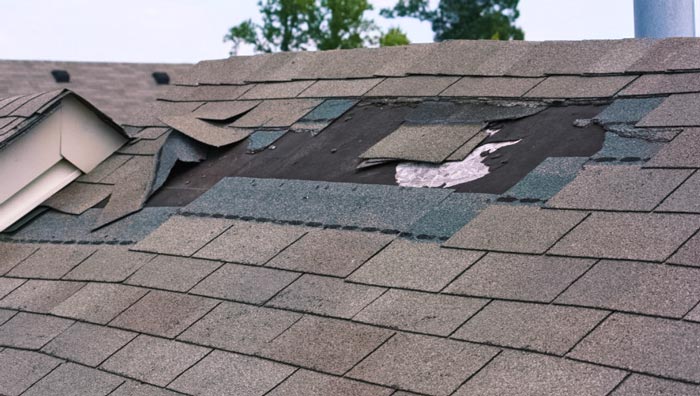
    Over time, shingles can become cracked, curl up, or go missing, allowing water to penetrate through the roof.

    • Improper Roof Flashing:

    Poorly installed or damaged flashing around chimneys, vents, skylights, or roof valleys can create entry points for water.

    • Clogged Gutters:

    When gutters are clogged with leaves, debris, or moss, they can overflow, causing water to seep under the roofing materials.

    • Age and Wear:

    As a roof ages, it becomes more susceptible to leaks due to deterioration and wear of the roofing materials.

    Identifying the Source of The Leak

    Inspect the roof surface carefully, paying attention to areas around chimneys, vents, skylights, and any other roof penetrations. Look for gaps, deteriorated sealant, or loose flashing, as these can also contribute to leaks. Take note of any areas with moss, algae, or debris buildup, as they can hold moisture and accelerate roof deterioration.

    Checking for signs of water damage inside the house

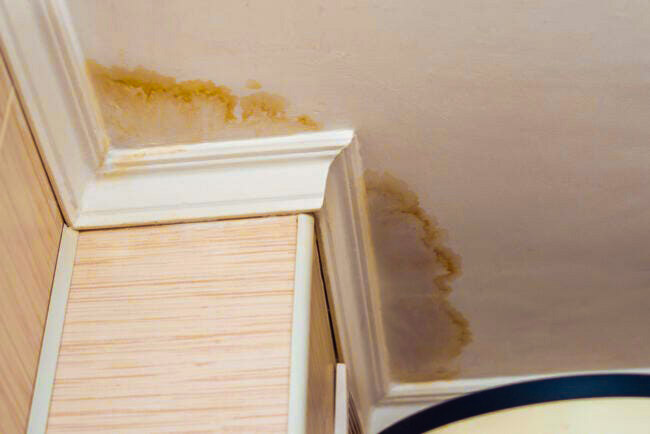
    While a visual inspection is essential, it’s equally crucial to check for signs of water damage inside your house. Leaks may not always manifest directly below the damaged area on the roof. Look for water stains on ceilings, walls, or near windows. Examine the attic for dampness, mold growth, or rotting wood, as these are indicative of roof leaks. Keep in mind that water can travel along rafters or insulation before finding a visible entry point. By identifying the interior signs of water damage, you can narrow down the potential source of the leak and ensure a more accurate repair.

    Utilizing tools and techniques to locate the precise leak location

    Sometimes, identifying the precise location of a roof leak can be challenging, especially if the damage is not readily apparent. In such cases, additional tools and techniques can aid in pinpointing the source:

    • Hose Test: Enlist a helper to run water over specific sections of the roof while you observe the interior for signs of leakage. This method can help determine the exact area where water is entering.
    • Thermal Imaging: Infrared cameras can detect temperature differences, revealing areas of moisture intrusion or insulation gaps that may lead to leaks.
    • Moisture Meters: These handy tools measure moisture levels in materials, helping to identify areas of saturation or water accumulation.
    repairs roofing maintenance

    Preparing for Repairs

    Before beginning on the repair of a leaky roof, it is crucial to gather all the required tools and materials. This preparation ensures that you have everything on hand for a smooth and efficient repair process. Some essential tools and materials you may need include:

    Safety Equipment:

    Ensure you have safety goggles, work gloves, and non-slip shoes or boots to protect yourself during the repair.

    Roofing Tools:

    Collect a hammer, pry bar, roofing nails, utility knife, caulking gun, roofing cement, roofing adhesive, and roofing tape. These tools will assist you in removing damaged materials, applying new materials, and sealing any gaps or cracks.

    Replacement Materials:

    Procure shingles or tiles that match your existing roof. Additionally, gather roofing felt or underlayment, flashing (if required), and sealant or caulk for effective repairs.

    Ensuring personal safety during the repair process

    Your safety should be a top priority when fixing a leaky roof. Follow these precautions to minimize any risks:

    • Use Proper Safety Gear:

    Wear safety goggles to protect your eyes from debris, work gloves to safeguard your hands, and non-slip shoes or boots to maintain stability while working at heights.

    • Secure a Stable Work Surface:

    Ensure that your ladder is sturdy and properly positioned. Place it on a stable and level ground, and consider using ladder stabilizers or standoffs for added security.

    • Take Caution with Power Tools:

    If power tools such as nail guns or drills are necessary, ensure you are familiar with their operation and use them according to the manufacturer’s guidelines. Exercise caution and follow proper safety protocols to prevent accidents.
    evaluating roof damage

    Repairing Common Roof Leak Issues

    Patching small holes and cracks

    When dealing with small holes and cracks in your roof, it’s crucial to address them promptly to prevent further leaks. Follow these steps to effectively patch such areas:

    Identifying suitable patching materials

    Look for appropriate patching materials that are compatible with your roof’s material. This may include roofing cement, roofing tape, or sealant. Ensure the materials are designed to withstand weather conditions and provide a durable seal.

    Applying patches to damaged areas

    Clean the area around the hole or crack using a brush or broom to remove debris and loose particles. Apply the chosen patching material carefully, following the manufacturer’s instructions. Press the patch firmly into place and smooth it out to create a tight seal. Allow it to dry and cure properly before moving on to the next step.

    Replacing damaged shingles or tiles

    If your roof has damaged shingles or tiles, replacing them is necessary to prevent water infiltration. Here’s how you can accomplish this:

    • Assessing the extent of damage

    Thoroughly inspect your roof to identify the damaged shingles or tiles. Look for signs of curling, cracking, or missing pieces. Assess the overall condition of the surrounding roofing materials to ensure they are in good shape.

    • Removing and replacing individual shingles or tiles

    Carefully lift the damaged shingle or tile using a pry bar or similar tool. Remove any nails or adhesive securing it in place. Slide the new shingle or tile into position, ensuring it aligns properly with the adjacent ones. Secure it firmly using roofing nails or adhesive, following the manufacturer’s guidelines.

    Fixing flashing issues

    Flashing plays a vital role in preventing water penetration around roof openings and joints. If you encounter issues with the flashing, take the following steps to fix them:

    • Understanding the importance of proper flashing

    Recognize the significance of intact and properly installed flashing. It helps redirect water away from vulnerable areas such as chimneys, skylights, or roof valleys. Damaged or improperly installed flashing can lead to leaks, so addressing any issues is essential.

    • Repairing or replacing damaged flashing

    Inspect the flashing for signs of damage, such as rust, corrosion, or gaps. If possible, repair minor issues by applying new sealant or caulk. For more extensive damage, consider replacing the flashing entirely. Ensure the new flashing is correctly installed, properly sealed, and securely fastened to the roof.

    roof ventilation

    Addressing Underlying Roofing Problems

    Dealing with inadequate or damaged insulation

    Insulation plays a crucial role in maintaining a comfortable indoor environment and preventing heat loss or gain through the roof. Here’s how you can address insulation issues:

    Identifying insulation issues

    Inspect your attic or crawl space to assess the condition of the insulation. Look for signs of damage, such as moisture, mold growth, or uneven coverage. Inadequate insulation can lead to energy inefficiency and potential roof problems, including ice dams or condensation issues.

    Repairing or replacing insulation as necessary

    If you identify damaged or insufficient insulation, take appropriate action. Repair minor issues by patching damaged sections or adding additional insulation to improve coverage. For more significant problems, consider replacing the insulation entirely. Choose insulation materials that are appropriate for your climate and follow the manufacturer’s instructions for installation.

    Resolving ventilation problems

    Proper ventilation is essential for maintaining a healthy roof and preventing a range of issues, including moisture buildup, mold growth, and premature deterioration. Address ventilation problems using the following steps:

    • Understanding the impact of poor ventilation on roof health

    Improper ventilation can trap excess heat and moisture in the attic, leading to a variety of problems. These include roof deck deterioration, shingle damage, and increased energy costs. It’s important to recognize the signs of poor ventilation, such as musty odors, excessive humidity, or visible moisture.

    • Implementing appropriate ventilation solutions

    Consult with a roofing professional to determine the best ventilation solution for your specific roof structure and climate. This may involve installing ridge vents, soffit vents, gable vents, or powered attic fans. Ensure that the ventilation system promotes proper airflow, allowing hot air to escape while drawing in fresh air from the outside.
    gutters and downspouts

    Preventive Measures and Maintenance Tips

    Regular roof inspections and maintenance

    Regular roof inspections are essential for identifying and addressing potential issues before they escalate into costly repairs. Follow these preventive measures to maintain a leak-free roof:

    • Schedule routine inspections: Arrange for professional inspections at least once a year, preferably in spring or fall. A qualified roofer can assess the condition of your roof, identify any signs of damage or deterioration, and recommend appropriate actions.
    • Check for damaged or missing shingles: Inspect the roof surface for cracked, curled, or missing shingles. These can be entry points for water and lead to leaks. Promptly replace any damaged or compromised shingles to maintain a watertight seal.
    • Clearing debris from the roof and gutters

    Debris accumulation on the roof and in the gutters can impede proper water drainage, leading to water pooling and potential leaks. Take the following steps to keep your roof free of debris:

    • Regularly clean the gutters: Remove leaves, twigs, and other debris from your gutters to prevent clogging. Blocked gutters can cause water to overflow, damaging the roof and siding. Consider installing gutter guards to minimize debris accumulation.
    • Trim overhanging branches: Trim back tree branches that hang over the roof. Falling branches and leaves can damage the roof surface and create a conducive environment for moss or algae growth, which can contribute to leaks.

    Hiring professional roofers for complex repairs or ongoing maintenance

    While some roof repairs and maintenance tasks can be done by homeowners, certain complex issues require the expertise of professional roofers. Consider the following scenarios:

    • Complex repairs: If your roof has extensive damage or requires structural repairs, it’s best to hire a professional roofer. They have the necessary knowledge, skills, and equipment to handle complex repairs safely and effectively.
    • Ongoing maintenance: Engaging a professional roofer for regular maintenance tasks can ensure comprehensive care for your roof. They can perform tasks such as resealing flashing, inspecting seals around vents or chimneys, and addressing any potential issues that may arise.

    View More Articles

    Free, No Obligation

    Request Your Free Estimate & Inspection

    Tell us about your roof and we’ll come take a look — no pressure, no cost. Or call us right now on (703) 964-6233.

    (703) 964-6233
    Contact Form Demo (#3)
    Owens Corning Preferred Contractor GAF System Plus CertainTeed SureStart PLUS BBB A+ Accredited HomeAdvisor

    RNC Roofing

    RNC Roofing and Construction Group — The Roofing Contractor Specialists. Protecting your home, one shingle at a time.

    Virginia

    (703) 964-6233 Sterling · Leesburg · Ashburn
    Loudoun & Fairfax County

    Maryland

    (703) 964-6233 Beltsville · District Heights
    All of Maryland
    © 2026 RNC Roofing and Construction Group — The Roofing Contractor Specialists Northern Virginia & Maryland
  • Summer Roofing Issues: Leaky Roof

    Protecting your home, one shingle at a time VA (703) 964-6233| MD (703) 964-6233| Free Estimate & Inspection
    Homeowner Help

    Summer Roofing Issues: Leaky Roof

    RNC Roofing and Construction Group July 27, 2018
    Summer Roofing Issues: Leaky Roof

    A list of roofing problems would be incomplete without a leaky roof as one of the primary issues to be on the lookout for this summer. Especially with heavy precipitation dominating this time of year, no one wants to run to get the drip bucket every time it rains. Not only is a leaky roof annoying, one small drip could be indicative of a larger roofing issue—and we all know a larger roofing issue calls for a larger amount of money and time invested in its repair.

    No matter your roof’s age, be sure to keep this list close by, as you never know when your roof’s problem could be solved with a quick repair, or if a major remodel is necessary.

    Read on to learn the most common causes of a leaky roof and their solutions.

    You Have Broken Shingles

    Because shingles make up the exterior of your roof, it’s easy to tell when one is damaged or missing. You should be able to identify broken or missing shingles by the different colored patches on your roof.

    The Solution: (Via This Old House): Slide a pry bar underneath the row of nails that connects the damaged shingle to the one below it. Lift up until the nail pops and then press down on the shingle while you remove the nail. Repeat for the remaining nails. Pull out the damaged shingle, replace it with a new one, and secure it with four new nails.

    Your Flashing Has Cracked

    Flashing are thin pieces of metal installed under shingles and between joints to create a waterproof barrier. Broken flashing can be identified by exposed areas on a roof.

    The Solution: (Via The Family Handyman): Once you locate the source of the leak, pry up the nails used to secure the old flashing. Lift any shingles out of the way and remove the cracked segment. Gently put a new run of flashing in its place, fasten the new flashing in the same pattern as your old piece using roofing nails. Then, apply a coat of roofing sealant to the nail heads.

    Your Gutters are Clogged

    You may be able to see that your gutters are clogged without getting up on your roof, but if not, the sure way to tell is if you notice a lack of water pouring out of your gutters during a rainstorm. If your gutters are clogged, water can get backed up and pool over an area of your roof.

    The Solution: (Via Freshome) Get up on a ladder and get in there with your hands. Many recommend placing a large tarp underneath the area where you are working. That way, you can drop any debris as you go and wrap it up for easy disposal later.

    If you prefer a professional to take a look at your leaky roof, contact RNC today!

    What separates The RNC Roofing Group from other residential roofing companies? With decades of experience installing, maintaining and repairing roofs we provide a knowledgeable, trustworthy and honest service to fulfill all your roofing needs. We are a Loudoun County, Virginia based residential roofing firm with an excellent reputation for quality and dependability. Whether it’s new construction, re-roofing or the challenge of leak repairs, no job is too large or too small.

    Free, No Obligation

    Request Your Free Estimate & Inspection

    Tell us about your roof and we’ll come take a look — no pressure, no cost. Or call us right now on (703) 964-6233.

    (703) 964-6233
    Contact Form Demo (#3)
    Owens Corning Preferred Contractor GAF System Plus CertainTeed SureStart PLUS BBB A+ Accredited HomeAdvisor

    RNC Roofing

    RNC Roofing and Construction Group — The Roofing Contractor Specialists. Protecting your home, one shingle at a time.

    Virginia

    (703) 964-6233 Sterling · Leesburg · Ashburn
    Loudoun & Fairfax County

    Maryland

    (703) 964-6233 Beltsville · District Heights
    All of Maryland
    © 2026 RNC Roofing and Construction Group — The Roofing Contractor Specialists Northern Virginia & Maryland
  • 5 Unexpected Dangers of a Leaky Roof

    Protecting your home, one shingle at a time VA (703) 964-6233| MD (703) 964-6233| Free Estimate & Inspection
    Home Improvement

    5 Unexpected Dangers of a Leaky Roof

    RNC Roofing and Construction Group June 1, 2018
    5 Unexpected Dangers of a Leaky Roof

    Attic or Ceiling Damage

    Initially, roof leaks will damage the attic area and any items stored there. If there is no attic, roof leaks will cause damage directly to your interior ceiling. This damage can be difficult to notice, as homeowners don’t typically inspect their ceilings regularly. Small ceiling leaks can cause spots of slight discoloration, sagging ceilings, bulging drywall, and bubbling ceiling plaster, while larger ceiling leaks can produce a visible hole where water can come through.

    Interior Mold and Mildew

    One of the more serious consequences of a roof leak is the growth of mold and mildew. Mold can spread to your home’s HVAC system, which in turn, allows it to invade your carpets, furniture, and clothing through vents.

    Chronic water intrusion typically results in the growth of black mold. Toxic black mold is rare, but even non-toxic black mold can have dire consequences. Non-toxic black mold attacks ceiling tiles, wood framing, and wall and floor coverings.

    Health Consequences of Mold and Mildew

    According to the Centers for Disease Control and Prevention (CDC), molds can cause nasal stuffiness, throat irritation, coughing or wheezing, eye irritation, or, in some cases, skin irritation, and those with mold allergies can have more severe reactions. Mold can be especially dangerous to those with compromised immune systems, as they can get serious lung infections.

    Fire Hazards

    If electric wiring is present in your attic or ceilings, a leak can pose a fire hazard. A leaky roofing could potentially trigger an electrical fire, especially if broken wiring is present. It is recommended that you turn off electricity to the affected area, and have an electrician examine it as soon as possible.

    Compromised Structural Integrity

    Another pressing concern caused by a leaky roof is the compromising of your home’s structural integrity. Ceiling joists, rafters, wall framing, fascia boards, and even exterior trim can become deteriorated if they fall victim to water intrusion. Rotted structural components of your home can lead to serious problems that will require you to seek assistance from a professional contractor.

    To avoid all the possible consequences of a leaky roof, call RNC for a roof inspection today!

    What separates The RNC Roofing Group from other residential roofing companies? With decades of experience installing, maintaining and repairing roofs we provide a knowledgeable, trustworthy and honest service to fulfill all your roofing needs. We are a Loudoun County, Virginia based residential roofing firm with an excellent reputation for quality and dependability. Whether it’s new construction, re-roofing or the challenge of leak repairs, no job is too large or too small.

    This post first published on The RNC Group, your Virginia residential roofing company.

    Apply for new roof financing!

    Free, No Obligation

    Request Your Free Estimate & Inspection

    Tell us about your roof and we’ll come take a look — no pressure, no cost. Or call us right now on (703) 964-6233.

    (703) 964-6233
    Contact Form Demo (#3)
    Owens Corning Preferred Contractor GAF System Plus CertainTeed SureStart PLUS BBB A+ Accredited HomeAdvisor

    RNC Roofing

    RNC Roofing and Construction Group — The Roofing Contractor Specialists. Protecting your home, one shingle at a time.

    Virginia

    (703) 964-6233 Sterling · Leesburg · Ashburn
    Loudoun & Fairfax County

    Maryland

    (703) 964-6233 Beltsville · District Heights
    All of Maryland
    © 2026 RNC Roofing and Construction Group — The Roofing Contractor Specialists Northern Virginia & Maryland
  • Spring Roof Maintenance Essential Tips | By RNC

    Protecting your home, one shingle at a time VA (703) 964-6233| MD (703) 964-6233| Free Estimate & Inspection
    Home Improvement

    Spring Roof Maintenance Essential Tips | By RNC

    RNC Roofing and Construction Group February 15, 2018
    Spring Roof Maintenance Essential Tips | By RNC

    Spring Roof Maintenance Essential Tips

    Spring roof maintenance plays a crucial role in ensuring the longevity and durability of your roof. As the seasons transition from winter to spring, your roof faces new challenges such as heavy rains, wind, and potential damage from winter weather. Conducting regular maintenance during this time helps identify any issues that may have developed over the winter months and allows for timely repairs or adjustments.By investing time and effort into spring roof maintenance, you can prevent small problems from escalating into major, costly repairs down the line. A well-maintained roof not only protects your home from water leaks and structural damage but also contributes to its overall aesthetic appeal and market value.

    house , roofing

    Assessing the Roofs Condition

    • Conduct a visual inspection to identify any signs of damage or wear.

    When it comes to spring roof maintenance, a crucial first step is to conduct a thorough visual inspection of your roof. Begin by carefully examining the entire surface, paying close attention to details. Look for any visible signs of damage or wear that may have occurred during the winter months or due to other factors.Inspect the roof for cracked, curled, or blistered shingles. These could be indicators of aging or weather-related damage. Additionally, keep an eye out for shingles that have become loose or completely detached, as they may need to be replaced.

    • Look for loose or missing shingles that need to be replaced.

    During your inspection, be sure to check for any loose or missing shingles. These can leave your roof vulnerable to water leaks and further damage. If you come across loose shingles, carefully secure them back in place using roofing nails or consult a professional if the issue appears extensive. Missing shingles should be promptly replaced to maintain the roof’s integrity. Ignoring this issue can lead to water infiltration, which may result in costly repairs down the line. Ensure that the new shingles match the existing ones in terms of style and color for a seamless appearance.

    • Inspect the flashing and seals to ensure they are intact and in good condition.

    Flashing and seals are critical components of your roof’s waterproofing system. During the inspection, pay close attention to the flashing around chimneys, vents, skylights, and other roof penetrations. Look for signs of deterioration, such as rust, cracks, or gaps.Similarly, check the seals around these areas to ensure they are intact and providing a watertight barrier. Damaged flashing or seals can allow water to seep into your home, leading to moisture issues and potential structural damage. If you notice any problems, consult a professional to repair or replace the flashing and seals as needed.

    gutters and downspouts

    Clearing Debris and Cleaning the Roof

    • Remove leaves, branches, and other debris that may have accumulated on the roof.

    One important aspect of spring roof maintenance is clearing away any debris that has accumulated over time. Leaves, branches, and other debris can gather on the roof’s surface and in the gutters, potentially causing drainage issues and water buildup. Using a sturdy ladder and wearing appropriate safety gear, carefully remove the debris to ensure the roof remains free of obstructions.

    • Clear out gutters and downspouts to ensure proper drainage.

    While clearing debris from the roof, it’s equally important to pay attention to the gutters and downspouts. These components play a vital role in directing water away from your roof and foundation. Remove any leaves, twigs, or other debris that may have accumulated in the gutters. Ensure that the downspouts are clear and unobstructed, allowing water to flow freely.

    • Safely clean moss, algae, or mold that may be present on the roof’s surface.

    Springtime can promote the growth of moss, algae, or mold on your roof’s surface, especially in shaded areas or regions with high humidity. These organisms not only compromise the aesthetic appeal of your roof but can also lead to long-term damage if left unchecked. Using a gentle approach, consider cleaning the affected areas with a soft-bristle brush or low-pressure water stream to remove the growths.

    • Use appropriate cleaning solutions and tools to avoid damaging the roof.

    When cleaning your roof, it’s crucial to use the right cleaning solutions and tools to avoid causing any damage. Opt for mild, non-abrasive cleaners specifically formulated for roof cleaning. Avoid using harsh chemicals or high-pressure washers, as these can strip away protective layers and shingles’ granules. Additionally, ensure you follow safety guidelines and manufacturer instructions when using any cleaning tools or solutions.

    roof ventilation

    Ensuring Proper Ventilation

    • Recognize the importance of ventilation for a healthy roof.

    Proper ventilation is crucial for maintaining a healthy roof. It helps regulate temperature, control moisture levels, and prevent the accumulation of heat in the attic space. Adequate ventilation extends the lifespan of roofing materials, reduces the risk of mold and mildew growth, and enhances energy efficiency within your home.

    • Inspect and clean vents and exhaust fans to maintain proper airflow.

    As part of your spring roof maintenance routine, inspect the vents and exhaust fans to ensure they are clean and functioning effectively. Remove any debris, such as leaves or dust, that may have accumulated and obstructed the airflow. This allows fresh air to circulate freely, preventing moisture buildup and potential damage to the roof’s structure.

    • Clear any blocked air passages to ensure adequate ventilation.

    Blocked air passages can disrupt proper ventilation and compromise the health of your roof. Check for any obstructions, such as insulation or debris, that may be obstructing the flow of air. Clear these blockages to maintain consistent airflow throughout the attic and roof system.

    • Consider installing a ridge vent if additional ventilation is needed.

    In cases where your roof requires additional ventilation, consider installing a ridge vent. A ridge vent is a specialized ventilation system that runs along the peak of the roof. It allows hot air to escape, while intake vents located at the eaves draw in fresh, cooler air. This balanced airflow helps regulate the temperature and moisture levels in the attic, promoting a healthy environment for your roof.

    Addressing Repairs and Maintenance

    • Promptly fix minor issues to prevent them from escalating into larger problems.

    When it comes to spring roof maintenance, addressing minor issues promptly is key to preventing them from becoming major problems. Inspect your roof for any signs of damage, such as cracked or curling shingles, and address them as soon as possible. Taking care of small repairs early on can help maintain the overall integrity of your roof and save you from costlier repairs down the line.

    • Replace damaged or missing shingles to maintain the roof’s integrity.

    Damaged or missing shingles compromise the protection and longevity of your roof. If you notice any shingles that are cracked, broken, or completely missing, it’s crucial to replace them promptly. This helps maintain the waterproofing and structural integrity of your roof, preventing water infiltration and further damage to the underlying layers.

    • Repair leaks and damaged flashing to prevent water infiltration.

    Leaks can cause significant damage to your roof and the interior of your home. If you discover any signs of water infiltration, such as water stains on ceilings or walls, address them immediately. Identify the source of the leak and repair it, whether it’s a damaged seal around a vent or compromised flashing. Properly sealing these areas prevents water from entering your home and protects the overall health of your roof.

    • Reinforce weak spots or sagging areas to prevent further damage.

    Over time, certain areas of your roof may weaken or start to sag. It’s essential to reinforce these weak spots to prevent further damage. Consult a professional roofing contractor to assess the situation and determine the best course of action. Reinforcing weak areas ensures the structural integrity of your roof and minimizes the risk of collapse or additional damage during inclement weather

    roofing contact

    Contact Us Today

    Taking proactive steps to maintain your roof during the spring season is essential for ensuring its long-term durability. By prioritizing spring roof maintenance, you can safeguard your investment and avoid costly repairs in the future. Neglecting necessary maintenance can lead to issues such as water leaks, structural damage, and decreased energy efficiency. Contact RNC Roofing and Construction for more information or questions!

    View More Articles

    Free, No Obligation

    Request Your Free Estimate & Inspection

    Tell us about your roof and we’ll come take a look — no pressure, no cost. Or call us right now on (703) 964-6233.

    (703) 964-6233
    Contact Form Demo (#3)
    Owens Corning Preferred Contractor GAF System Plus CertainTeed SureStart PLUS BBB A+ Accredited HomeAdvisor

    RNC Roofing

    RNC Roofing and Construction Group — The Roofing Contractor Specialists. Protecting your home, one shingle at a time.

    Virginia

    (703) 964-6233 Sterling · Leesburg · Ashburn
    Loudoun & Fairfax County

    Maryland

    (703) 964-6233 Beltsville · District Heights
    All of Maryland
    © 2026 RNC Roofing and Construction Group — The Roofing Contractor Specialists Northern Virginia & Maryland
  • Maintaining The Integrity Of Your Roof | By RNC Roofing

    Protecting your home, one shingle at a time VA (703) 964-6233| MD (703) 964-6233| Free Estimate & Inspection
    Home Improvement

    Maintaining The Integrity Of Your Roof | By RNC Roofing

    RNC Roofing and Construction Group May 15, 2017
    Maintaining The Integrity Of Your Roof | By RNC Roofing

    Roof Integrity | A Comprehensive Guide By RNC

    Maintaining the integrity of a roof is critical to the long-term health and safety of a building and its occupants. A roof in poor condition can lead to a host of problems, including leaks, water damage, mold growth, and structural failure. These issues can be costly to repair and can even pose a risk to the health and safety of those who live or work inside the building.

    Factors Affecting Roof Integrity

    • Climate: Extreme temperatures, precipitation, and wind can all take a toll on a roof over time.
    • Roof age: As a roof ages, it becomes more susceptible to damage and may need more frequent repairs and maintenance.
    • Roof design and installation: Poor design and installation can lead to problems such as leaks, poor drainage, and insufficient ventilation.
    • Maintenance and repairs: Regular maintenance and timely repairs can help extend the life of a roof and prevent minor problems from becoming major issues.
    • Environmental factors: Trees, wildlife, and other environmental factors can damage a roof and should be taken into account when designing and maintaining a roof system.

    summer season best time to replace roof

    Climate

    The climate is one of the most significant factors affecting roof integrity. Roofs are constantly exposed to the elements, including rain, snow, wind, and sun. Over time, these weather conditions can cause damage to the roof and compromise its structural integrity.

    Extreme Temperatures:

    • Extreme heat can cause the roof material to expand and contract, leading to cracks and fissures in the surface.
    • Extreme cold can cause the roof to become brittle and crack, especially with certain types of roofing materials like asphalt shingles.

    Precipitation:

    • Heavy rain, snow, and ice can all put pressure on the roof, leading to damage and leaks.
    • Water can seep into cracks and gaps in the roof, causing structural damage and promoting mold growth.

    Wind:

    • Strong winds can lift and remove roofing materials, exposing the underlayment and leading to leaks.
    • High winds can also cause branches and debris to fall on the roof, damaging the surface and underlying structure.

    cracked damaged shingles , roofing, blistering roof

    Roof Age

    Aging roofs are more susceptible to leaks due to the breakdown of roofing materials over time.Leaks can occur in areas where the roofing material has become brittle, cracked, or corroded.

    Damage:

    • Aging roofs may experience damage from weather events like hail, wind, and heavy rain.
    • Structural damage can also occur due to poor installation or lack of maintenance.

    Decreased Energy Efficiency:

    • Aging roofs may lose their ability to provide adequate insulation, which can lead to increased energy costs.
    • As roofs age, their reflective properties may also decrease, leading to increased heat absorption and higher cooling costs.

    Tips for Maintaining an Aging Roof

    Regular Inspections:

    • Regular inspections can help identify potential issues before they become major problems.
    • Inspections should be performed at least once a year, preferably in the spring or fall.

    Prompt Repairs:

    Any signs of damage or leaks should be addressed promptly to prevent further damage to the roof and the structure below.Quick repairs can also help extend the lifespan of an aging roof.

    Roof Replacement:

    • If a roof is beyond repair, replacement may be necessary.
    • When replacing an aging roof, building owners should choose high-quality materials and ensure proper installation to maximize the roof’s lifespan.

    roof installation , roof repair

    Impact of Roof Design and Installation

    The design and installation of a roof play a critical role in determining its durability and longevity. Proper design and installation can help ensure that a roof provides adequate protection against the elements and avoids structural damage.

    Improper Slope:

    • A roof’s slope should be appropriate for the climate and location to ensure proper drainage.
    • Insufficient slope can lead to standing water, which can damage the roofing material and cause leaks.

    Poor Ventilation:

    • Proper ventilation is essential to prevent moisture buildup in the attic or roof cavity.
    • Inadequate ventilation can lead to a buildup of heat and moisture, which can cause the roofing material to deteriorate.

    Incorrect Flashing:

    • Flashing is the material that seals the roof around chimneys, vents, and other protrusions.
    • Incorrect flashing installation can lead to leaks and other types of water damage.

    Choosing the Right Design / Ensuring Proper Installation

    Choose the Right Design:

    • The right roof design should take into account the climate, building codes, and aesthetic preferences.
    • Building owners should consult with a professional roofer or architect to determine the best design for their building.

    Hire a Professional:

    • A professional roofer with experience in roof design and installation can ensure that the roof is installed correctly.
    • Building owners should research potential contractors and choose one with a track record of quality work.

    Use Quality Materials:

    • High-quality roofing materials can make a significant difference in the durability and longevity of a roof.
    • Building owners should choose materials that are appropriate for their climate and budget and ensure that they are installed correctly.

    roofing maintenance

    Maintenance and Repairs

    Proper maintenance and timely repairs are essential to maintaining the integrity of a roof. Neglecting maintenance and repairs can lead to small problems escalating into larger and more costly issues, including complete roof failure.Here are some common maintenance and repair tasks that can help to preserve roof integrity:

    Regular inspections: Inspect your roof at least twice a year, in the spring and fall, to identify and address any issues early on.

    Clean gutters and downspouts: Clogged gutters and downspouts can cause water to overflow and damage your roof, so it’s essential to keep them clean.

    Remove debris: Debris like leaves, twigs, and branches can accumulate on your roof and trap moisture, leading to damage. Remove debris as soon as possible.

    Repair leaks promptly: If you notice any signs of a leak, such as water stains on your ceiling, address the issue promptly to avoid further damage.

    Replace damaged shingles: Damaged or missing shingles can compromise the integrity of your roof, so it’s important to replace them as soon as possible.

    Create a checklist: Create a checklist of maintenance and repair tasks that need to be performed regularly and stick to it.

    Hire a professional: Consider hiring a professional roofing contractor to perform regular inspections and maintenance tasks.

    Keep records: Keep detailed records of all maintenance and repairs performed on your roof, including the date and nature of the work performed.

    Address issues promptly: Address any issues promptly to avoid more significant and costly problems down the line.

    winter season best time to replace roof

    Environmental Factors

    Roofs are constantly exposed to various environmental factors that can cause damage and affect their overall integrity. Some of the common environmental factors that can affect roof integrity include:

    Sunlight: Exposure to prolonged sunlight can cause the roofing materials to deteriorate and break down over time.

    Wind: High winds can lift and tear off roof shingles, flashing, and other roofing components, leaving the roof vulnerable to water damage.

    Rain and moisture: Water can seep through the roof surface and cause structural damage, mold growth, and rot.

    Snow and ice: Heavy snow and ice can accumulate on the roof, putting excessive weight and stress on the roofing structure and causing damage.

    Nearby trees and wildlife: Falling tree branches, leaves, and animal activity can also cause damage to roofs.

    Specific environmental factors, such as nearby trees and wildlife, that can damage roofs:

    Nearby trees

    Overhanging branches: Trees with overhanging branches can cause damage to the roof by rubbing against it or breaking off and falling onto it.

    Leaf buildup: Leaves that accumulate on the roof can trap moisture and cause damage to the roofing material.

    Falling branches: Trees that are in close proximity to the roof can drop branches that can cause damage or puncture holes in the roofing material.

    Wildlife

    Birds and small animals: Birds, squirrels, and other small animals can create holes in the roof, and their nests can clog gutters and lead to water damage.

    Larger animals: Larger animals like raccoons and rodents can cause significant damage to roofs by tearing off shingles and creating holes.

    Minimizing environmental damage to roofs:

    Trim overhanging branches: Regularly trim branches that overhang the roof to prevent them from rubbing against the roof or falling onto it.

    Clean gutters: Regularly clean gutters to prevent leaf buildup and clogging, which can lead to water damage.

    Remove nearby trees: If trees are too close to the roof and pose a significant risk, consider removing them.

    Install animal barriers: Install animal barriers to prevent birds and small animals from entering the roof structure.

    Conduct regular inspections: Conduct regular inspections of the roof to detect any damage early and make repairs promptly.

    View More of Our Articles

    Free, No Obligation

    Request Your Free Estimate & Inspection

    Tell us about your roof and we’ll come take a look — no pressure, no cost. Or call us right now on (703) 964-6233.

    (703) 964-6233
    Contact Form Demo (#3)
    Owens Corning Preferred Contractor GAF System Plus CertainTeed SureStart PLUS BBB A+ Accredited HomeAdvisor

    RNC Roofing

    RNC Roofing and Construction Group — The Roofing Contractor Specialists. Protecting your home, one shingle at a time.

    Virginia

    (703) 964-6233 Sterling · Leesburg · Ashburn
    Loudoun & Fairfax County

    Maryland

    (703) 964-6233 Beltsville · District Heights
    All of Maryland
    © 2026 RNC Roofing and Construction Group — The Roofing Contractor Specialists Northern Virginia & Maryland