Tag: Roof Inspection

  • Spring Roof Maintenance Essential Tips | By RNC

    Protecting your home, one shingle at a time VA (703) 964-6233| MD (703) 964-6233| Free Estimate & Inspection
    Home Improvement

    Spring Roof Maintenance Essential Tips | By RNC

    RNC Roofing and Construction Group February 15, 2018
    Spring Roof Maintenance Essential Tips | By RNC

    Spring Roof Maintenance Essential Tips

    Spring roof maintenance plays a crucial role in ensuring the longevity and durability of your roof. As the seasons transition from winter to spring, your roof faces new challenges such as heavy rains, wind, and potential damage from winter weather. Conducting regular maintenance during this time helps identify any issues that may have developed over the winter months and allows for timely repairs or adjustments.By investing time and effort into spring roof maintenance, you can prevent small problems from escalating into major, costly repairs down the line. A well-maintained roof not only protects your home from water leaks and structural damage but also contributes to its overall aesthetic appeal and market value.
    house , roofing

    Assessing the Roofs Condition

    • Conduct a visual inspection to identify any signs of damage or wear.

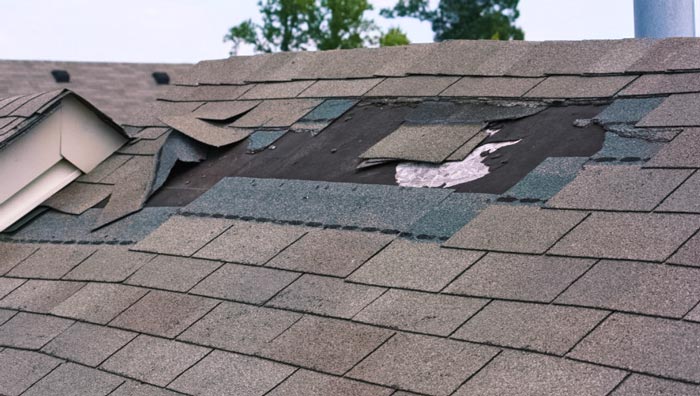
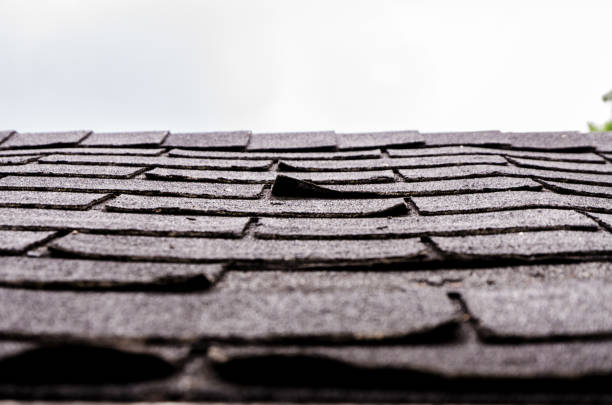
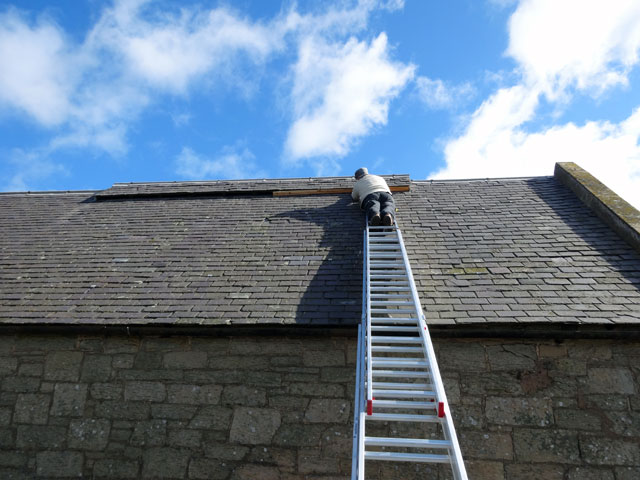
    When it comes to spring roof maintenance, a crucial first step is to conduct a thorough visual inspection of your roof. Begin by carefully examining the entire surface, paying close attention to details. Look for any visible signs of damage or wear that may have occurred during the winter months or due to other factors.Inspect the roof for cracked, curled, or blistered shingles. These could be indicators of aging or weather-related damage. Additionally, keep an eye out for shingles that have become loose or completely detached, as they may need to be replaced.

    • Look for loose or missing shingles that need to be replaced.

    During your inspection, be sure to check for any loose or missing shingles. These can leave your roof vulnerable to water leaks and further damage. If you come across loose shingles, carefully secure them back in place using roofing nails or consult a professional if the issue appears extensive. Missing shingles should be promptly replaced to maintain the roof’s integrity. Ignoring this issue can lead to water infiltration, which may result in costly repairs down the line. Ensure that the new shingles match the existing ones in terms of style and color for a seamless appearance.

    • Inspect the flashing and seals to ensure they are intact and in good condition.

    Flashing and seals are critical components of your roof’s waterproofing system. During the inspection, pay close attention to the flashing around chimneys, vents, skylights, and other roof penetrations. Look for signs of deterioration, such as rust, cracks, or gaps.Similarly, check the seals around these areas to ensure they are intact and providing a watertight barrier. Damaged flashing or seals can allow water to seep into your home, leading to moisture issues and potential structural damage. If you notice any problems, consult a professional to repair or replace the flashing and seals as needed.
    gutters and downspouts

    Clearing Debris and Cleaning the Roof

    • Remove leaves, branches, and other debris that may have accumulated on the roof.

    One important aspect of spring roof maintenance is clearing away any debris that has accumulated over time. Leaves, branches, and other debris can gather on the roof’s surface and in the gutters, potentially causing drainage issues and water buildup. Using a sturdy ladder and wearing appropriate safety gear, carefully remove the debris to ensure the roof remains free of obstructions.

    • Clear out gutters and downspouts to ensure proper drainage.

    While clearing debris from the roof, it’s equally important to pay attention to the gutters and downspouts. These components play a vital role in directing water away from your roof and foundation. Remove any leaves, twigs, or other debris that may have accumulated in the gutters. Ensure that the downspouts are clear and unobstructed, allowing water to flow freely.

    • Safely clean moss, algae, or mold that may be present on the roof’s surface.

    Springtime can promote the growth of moss, algae, or mold on your roof’s surface, especially in shaded areas or regions with high humidity. These organisms not only compromise the aesthetic appeal of your roof but can also lead to long-term damage if left unchecked. Using a gentle approach, consider cleaning the affected areas with a soft-bristle brush or low-pressure water stream to remove the growths.

    • Use appropriate cleaning solutions and tools to avoid damaging the roof.

    When cleaning your roof, it’s crucial to use the right cleaning solutions and tools to avoid causing any damage. Opt for mild, non-abrasive cleaners specifically formulated for roof cleaning. Avoid using harsh chemicals or high-pressure washers, as these can strip away protective layers and shingles’ granules. Additionally, ensure you follow safety guidelines and manufacturer instructions when using any cleaning tools or solutions.

    roof ventilation

    Ensuring Proper Ventilation

    • Recognize the importance of ventilation for a healthy roof.

    Proper ventilation is crucial for maintaining a healthy roof. It helps regulate temperature, control moisture levels, and prevent the accumulation of heat in the attic space. Adequate ventilation extends the lifespan of roofing materials, reduces the risk of mold and mildew growth, and enhances energy efficiency within your home.

    • Inspect and clean vents and exhaust fans to maintain proper airflow.

    As part of your spring roof maintenance routine, inspect the vents and exhaust fans to ensure they are clean and functioning effectively. Remove any debris, such as leaves or dust, that may have accumulated and obstructed the airflow. This allows fresh air to circulate freely, preventing moisture buildup and potential damage to the roof’s structure.

    • Clear any blocked air passages to ensure adequate ventilation.

    Blocked air passages can disrupt proper ventilation and compromise the health of your roof. Check for any obstructions, such as insulation or debris, that may be obstructing the flow of air. Clear these blockages to maintain consistent airflow throughout the attic and roof system.

    • Consider installing a ridge vent if additional ventilation is needed.

    In cases where your roof requires additional ventilation, consider installing a ridge vent. A ridge vent is a specialized ventilation system that runs along the peak of the roof. It allows hot air to escape, while intake vents located at the eaves draw in fresh, cooler air. This balanced airflow helps regulate the temperature and moisture levels in the attic, promoting a healthy environment for your roof.

    Addressing Repairs and Maintenance

    • Promptly fix minor issues to prevent them from escalating into larger problems.

    When it comes to spring roof maintenance, addressing minor issues promptly is key to preventing them from becoming major problems. Inspect your roof for any signs of damage, such as cracked or curling shingles, and address them as soon as possible. Taking care of small repairs early on can help maintain the overall integrity of your roof and save you from costlier repairs down the line.

    • Replace damaged or missing shingles to maintain the roof’s integrity.

    Damaged or missing shingles compromise the protection and longevity of your roof. If you notice any shingles that are cracked, broken, or completely missing, it’s crucial to replace them promptly. This helps maintain the waterproofing and structural integrity of your roof, preventing water infiltration and further damage to the underlying layers.

    • Repair leaks and damaged flashing to prevent water infiltration.

    Leaks can cause significant damage to your roof and the interior of your home. If you discover any signs of water infiltration, such as water stains on ceilings or walls, address them immediately. Identify the source of the leak and repair it, whether it’s a damaged seal around a vent or compromised flashing. Properly sealing these areas prevents water from entering your home and protects the overall health of your roof.

    • Reinforce weak spots or sagging areas to prevent further damage.

    Over time, certain areas of your roof may weaken or start to sag. It’s essential to reinforce these weak spots to prevent further damage. Consult a professional roofing contractor to assess the situation and determine the best course of action. Reinforcing weak areas ensures the structural integrity of your roof and minimizes the risk of collapse or additional damage during inclement weather
    roofing contact

    Contact Us Today

    Taking proactive steps to maintain your roof during the spring season is essential for ensuring its long-term durability. By prioritizing spring roof maintenance, you can safeguard your investment and avoid costly repairs in the future. Neglecting necessary maintenance can lead to issues such as water leaks, structural damage, and decreased energy efficiency. Contact RNC Roofing and Construction for more information or questions!

    View More Articles

    Free, No Obligation

    Request Your Free Estimate & Inspection

    Tell us about your roof and we’ll come take a look — no pressure, no cost. Or call us right now on (703) 964-6233.

    (703) 964-6233
    Contact Form Demo (#3)
    Owens Corning Preferred Contractor GAF System Plus CertainTeed SureStart PLUS BBB A+ Accredited HomeAdvisor

    RNC Roofing

    RNC Roofing and Construction Group — The Roofing Contractor Specialists. Protecting your home, one shingle at a time.

    Virginia

    (703) 964-6233 Sterling · Leesburg · Ashburn
    Loudoun & Fairfax County

    Maryland

    (703) 964-6233 Beltsville · District Heights
    All of Maryland
    © 2026 RNC Roofing and Construction Group — The Roofing Contractor Specialists Northern Virginia & Maryland
  • Maintaining The Integrity Of Your Roof | By RNC Roofing

    Protecting your home, one shingle at a time VA (703) 964-6233| MD (703) 964-6233| Free Estimate & Inspection
    Home Improvement

    Maintaining The Integrity Of Your Roof | By RNC Roofing

    RNC Roofing and Construction Group May 15, 2017
    Maintaining The Integrity Of Your Roof | By RNC Roofing

    Roof Integrity | A Comprehensive Guide By RNC

    Maintaining the integrity of a roof is critical to the long-term health and safety of a building and its occupants. A roof in poor condition can lead to a host of problems, including leaks, water damage, mold growth, and structural failure. These issues can be costly to repair and can even pose a risk to the health and safety of those who live or work inside the building.

    Factors Affecting Roof Integrity

    • Climate: Extreme temperatures, precipitation, and wind can all take a toll on a roof over time.
    • Roof age: As a roof ages, it becomes more susceptible to damage and may need more frequent repairs and maintenance.
    • Roof design and installation: Poor design and installation can lead to problems such as leaks, poor drainage, and insufficient ventilation.
    • Maintenance and repairs: Regular maintenance and timely repairs can help extend the life of a roof and prevent minor problems from becoming major issues.
    • Environmental factors: Trees, wildlife, and other environmental factors can damage a roof and should be taken into account when designing and maintaining a roof system.

    summer season best time to replace roof

    Climate

    The climate is one of the most significant factors affecting roof integrity. Roofs are constantly exposed to the elements, including rain, snow, wind, and sun. Over time, these weather conditions can cause damage to the roof and compromise its structural integrity.

    Extreme Temperatures:

    • Extreme heat can cause the roof material to expand and contract, leading to cracks and fissures in the surface.
    • Extreme cold can cause the roof to become brittle and crack, especially with certain types of roofing materials like asphalt shingles.

    Precipitation:

    • Heavy rain, snow, and ice can all put pressure on the roof, leading to damage and leaks.
    • Water can seep into cracks and gaps in the roof, causing structural damage and promoting mold growth.

    Wind:

    • Strong winds can lift and remove roofing materials, exposing the underlayment and leading to leaks.
    • High winds can also cause branches and debris to fall on the roof, damaging the surface and underlying structure.

    cracked damaged shingles , roofing, blistering roof

    Roof Age

    Aging roofs are more susceptible to leaks due to the breakdown of roofing materials over time.Leaks can occur in areas where the roofing material has become brittle, cracked, or corroded.

    Damage:

    • Aging roofs may experience damage from weather events like hail, wind, and heavy rain.
    • Structural damage can also occur due to poor installation or lack of maintenance.

    Decreased Energy Efficiency:

    • Aging roofs may lose their ability to provide adequate insulation, which can lead to increased energy costs.
    • As roofs age, their reflective properties may also decrease, leading to increased heat absorption and higher cooling costs.

    Tips for Maintaining an Aging Roof

    Regular Inspections:

    • Regular inspections can help identify potential issues before they become major problems.
    • Inspections should be performed at least once a year, preferably in the spring or fall.

    Prompt Repairs:

    Any signs of damage or leaks should be addressed promptly to prevent further damage to the roof and the structure below.Quick repairs can also help extend the lifespan of an aging roof.

    Roof Replacement:

    • If a roof is beyond repair, replacement may be necessary.
    • When replacing an aging roof, building owners should choose high-quality materials and ensure proper installation to maximize the roof’s lifespan.

    roof installation , roof repair

    Impact of Roof Design and Installation

    The design and installation of a roof play a critical role in determining its durability and longevity. Proper design and installation can help ensure that a roof provides adequate protection against the elements and avoids structural damage.

    Improper Slope:

    • A roof’s slope should be appropriate for the climate and location to ensure proper drainage.
    • Insufficient slope can lead to standing water, which can damage the roofing material and cause leaks.

    Poor Ventilation:

    • Proper ventilation is essential to prevent moisture buildup in the attic or roof cavity.
    • Inadequate ventilation can lead to a buildup of heat and moisture, which can cause the roofing material to deteriorate.

    Incorrect Flashing:

    • Flashing is the material that seals the roof around chimneys, vents, and other protrusions.
    • Incorrect flashing installation can lead to leaks and other types of water damage.

    Choosing the Right Design / Ensuring Proper Installation

    Choose the Right Design:

    • The right roof design should take into account the climate, building codes, and aesthetic preferences.
    • Building owners should consult with a professional roofer or architect to determine the best design for their building.

    Hire a Professional:

    • A professional roofer with experience in roof design and installation can ensure that the roof is installed correctly.
    • Building owners should research potential contractors and choose one with a track record of quality work.

    Use Quality Materials:

    • High-quality roofing materials can make a significant difference in the durability and longevity of a roof.
    • Building owners should choose materials that are appropriate for their climate and budget and ensure that they are installed correctly.

    roofing maintenance

    Maintenance and Repairs

    Proper maintenance and timely repairs are essential to maintaining the integrity of a roof. Neglecting maintenance and repairs can lead to small problems escalating into larger and more costly issues, including complete roof failure.Here are some common maintenance and repair tasks that can help to preserve roof integrity:

    Regular inspections: Inspect your roof at least twice a year, in the spring and fall, to identify and address any issues early on.

    Clean gutters and downspouts: Clogged gutters and downspouts can cause water to overflow and damage your roof, so it’s essential to keep them clean.

    Remove debris: Debris like leaves, twigs, and branches can accumulate on your roof and trap moisture, leading to damage. Remove debris as soon as possible.

    Repair leaks promptly: If you notice any signs of a leak, such as water stains on your ceiling, address the issue promptly to avoid further damage.

    Replace damaged shingles: Damaged or missing shingles can compromise the integrity of your roof, so it’s important to replace them as soon as possible.

    Create a checklist: Create a checklist of maintenance and repair tasks that need to be performed regularly and stick to it.

    Hire a professional: Consider hiring a professional roofing contractor to perform regular inspections and maintenance tasks.

    Keep records: Keep detailed records of all maintenance and repairs performed on your roof, including the date and nature of the work performed.

    Address issues promptly: Address any issues promptly to avoid more significant and costly problems down the line.

    winter season best time to replace roof

    Environmental Factors

    Roofs are constantly exposed to various environmental factors that can cause damage and affect their overall integrity. Some of the common environmental factors that can affect roof integrity include:

    Sunlight: Exposure to prolonged sunlight can cause the roofing materials to deteriorate and break down over time.

    Wind: High winds can lift and tear off roof shingles, flashing, and other roofing components, leaving the roof vulnerable to water damage.

    Rain and moisture: Water can seep through the roof surface and cause structural damage, mold growth, and rot.

    Snow and ice: Heavy snow and ice can accumulate on the roof, putting excessive weight and stress on the roofing structure and causing damage.

    Nearby trees and wildlife: Falling tree branches, leaves, and animal activity can also cause damage to roofs.

    Specific environmental factors, such as nearby trees and wildlife, that can damage roofs:

    Nearby trees

    Overhanging branches: Trees with overhanging branches can cause damage to the roof by rubbing against it or breaking off and falling onto it.

    Leaf buildup: Leaves that accumulate on the roof can trap moisture and cause damage to the roofing material.

    Falling branches: Trees that are in close proximity to the roof can drop branches that can cause damage or puncture holes in the roofing material.

    Wildlife

    Birds and small animals: Birds, squirrels, and other small animals can create holes in the roof, and their nests can clog gutters and lead to water damage.

    Larger animals: Larger animals like raccoons and rodents can cause significant damage to roofs by tearing off shingles and creating holes.

    Minimizing environmental damage to roofs:

    Trim overhanging branches: Regularly trim branches that overhang the roof to prevent them from rubbing against the roof or falling onto it.

    Clean gutters: Regularly clean gutters to prevent leaf buildup and clogging, which can lead to water damage.

    Remove nearby trees: If trees are too close to the roof and pose a significant risk, consider removing them.

    Install animal barriers: Install animal barriers to prevent birds and small animals from entering the roof structure.

    Conduct regular inspections: Conduct regular inspections of the roof to detect any damage early and make repairs promptly.

    View More of Our Articles

    Free, No Obligation

    Request Your Free Estimate & Inspection

    Tell us about your roof and we’ll come take a look — no pressure, no cost. Or call us right now on (703) 964-6233.

    (703) 964-6233
    Contact Form Demo (#3)
    Owens Corning Preferred Contractor GAF System Plus CertainTeed SureStart PLUS BBB A+ Accredited HomeAdvisor

    RNC Roofing

    RNC Roofing and Construction Group — The Roofing Contractor Specialists. Protecting your home, one shingle at a time.

    Virginia

    (703) 964-6233 Sterling · Leesburg · Ashburn
    Loudoun & Fairfax County

    Maryland

    (703) 964-6233 Beltsville · District Heights
    All of Maryland
    © 2026 RNC Roofing and Construction Group — The Roofing Contractor Specialists Northern Virginia & Maryland
  • 5 Roofing Tips For New Homeowners | RNC Roofing

    Protecting your home, one shingle at a time VA (703) 964-6233| MD (703) 964-6233| Free Estimate & Inspection
    Home Improvement

    5 Roofing Tips For New Homeowners | RNC Roofing

    RNC Roofing and Construction Group January 5, 2017
    5 Roofing Tips For New Homeowners | RNC Roofing

    5 Roofing Tips For New Homeowners

    As a new homeowner, you may have many questions about how to take care of your home, and one of the most important aspects of home maintenance is roof care. Your roof is the first line of defense against the elements, and keeping it in good condition is essential for the safety and comfort of your family. In this article, we’ll share 5 roofing tips that every new homeowner should know to ensure their roof lasts for years to come.

    Tip #1:Get a Professional Roof inspection

    Before you move into your new home, it’s essential to have a professional roof inspection. A professional roofing contractor will assess the condition of your roof and identify any potential issues that may need to be addressed. This inspection is crucial to ensure that your roof is in good condition, and it will give you peace of mind knowing that you won’t be surprised by any unexpected repairs.

    Here are some reasons why a professional roof inspection is important:

    • Roofing experts can identify signs of wear and tear, leaks, and other issues that could affect the lifespan of your roof.
    • Early detection of problems can save you money in the long run by preventing expensive repairs.
    • You’ll have a better idea of how much life is left in your roof, which can help you plan for future repairs or replacement.

    clean gutters

    Tip #2:Keep Your Gutters Clean

    Your gutters play an essential role in keeping your roof in good condition. They channel water away from your home’s foundation, preventing water damage and mold growth. However, if your gutters are clogged with debris, they can’t do their job properly, and water can overflow onto your roof, causing leaks and other damage. That’s why it’s crucial to keep your gutters clean.

    Here are some tips for maintaining clean gutters:

    • Clean your gutters at least twice a year, or more often if you live in an area with a lot of trees or heavy rainfall.
    • Use a sturdy ladder and wear gloves to protect your hands.
    • Use a garden hose to flush out debris and ensure that water is flowing freely through your gutters.
    • Consider installing gutter guards to prevent debris from accumulating in your gutters.

    damaged blistering shingles

    Tip #3:Check Your Roof for Damage Regularly

    Roof damage can happen for many reasons, including severe weather, tree branches, and pests. Catching roof damage early is crucial to prevent expensive repairs down the road. Regular roof maintenance can help you catch problems before they become major issues.

    Here are some signs of roof damage to look out for:

    • Missing or broken shingles: These can be caused by wind, hail, or other severe weather conditions.
    • Leaks: Water stains on your ceiling or walls can indicate a leaky roof.
    • Cracks or holes: These can be caused by debris or foot traffic on your roof.
    • Sagging: A sagging roof may indicate that there is structural damage that needs to be addressed immediately.

    If you notice any of these signs, it’s important to have a roofing professional assess the damage and recommend repairs.

    tree branch hanging on roof. Overhanging tree branch

    Tip #4:Trim Trees Near Your Roof

    Trees provide shade and beauty to your home, but they can also be a hazard to your roof. Overhanging branches can scratch your roof, damage your shingles, and even fall on your roof during a storm causing significant damage. It’s essential to trim trees near your roof to prevent any of these problems from occurring. Here are some tips for tree trimming:

    • Trim branches that are within six feet of your roof.
    • Cut branches that hang over your roof.
    • Prune branches that touch or rub against your roof.
    • Remove any dead or diseased trees near your house.

    When trimming trees, make sure to use the proper equipment and techniques. If you are unsure how to do it yourself, consider hiring a professional tree service to do it for you. Not only will they have the necessary tools and experience, but they will also ensure that the job is done safely.

    roof inspection reston , roof maintenance tips , tpo roofing

    Tip #5:Regularly Inspect Your Roof

    Regular roof inspections are crucial to maintaining the health of your roof. As a new homeowner, you should inspect your roof at least twice a year, once in the spring and once in the fall. Here are some things to look for during a roof inspection:

    • Check for any missing or damaged shingles.
    • Look for any cracks or holes in your roof.
    • Check for any signs of water damage or leaks.
    • Inspect your gutters for debris or damage.
    • Look for any signs of animal or insect infestation.

    By regularly inspecting your roof, you can catch any potential problems early on and prevent them from turning into more significant issues. If you notice any issues during your inspection, be sure to address them promptly.

    house , roofing

    Look After Your Home

    Your roof is one of the most important parts of your home, and it’s essential to take care of it. As a new homeowner, following these five roofing tips can help you keep your roof in excellent condition and prevent any major issues from occurring. Remember to keep your gutters clean, address any leaks promptly, consider ventilation, trim trees near your roof, and regularly inspect your roof.

    Learn More Here

    Free, No Obligation

    Request Your Free Estimate & Inspection

    Tell us about your roof and we’ll come take a look — no pressure, no cost. Or call us right now on (703) 964-6233.

    (703) 964-6233
    Contact Form Demo (#3)
    Owens Corning Preferred Contractor GAF System Plus CertainTeed SureStart PLUS BBB A+ Accredited HomeAdvisor

    RNC Roofing

    RNC Roofing and Construction Group — The Roofing Contractor Specialists. Protecting your home, one shingle at a time.

    Virginia

    (703) 964-6233 Sterling · Leesburg · Ashburn
    Loudoun & Fairfax County

    Maryland

    (703) 964-6233 Beltsville · District Heights
    All of Maryland
    © 2026 RNC Roofing and Construction Group — The Roofing Contractor Specialists Northern Virginia & Maryland