Tag: Residential Roofing

  • Roof Moss Removal guide | By RNC
    Protecting your home, one shingle at a time VA (703) 964-6233| MD (703) 964-6233| Free Estimate & Inspection
    Home Improvement

    Roof Moss Removal guide | By RNC

    RNC Roofing and Construction Group June 29, 2018
    Roof Moss Removal guide | By RNC

    How To Remove Roof Moss | Ultimate Guide By RNC

    Roof moss, also referred to as roof algae or roof lichen, is a plant-like organism that thrives in damp and shaded areas on the roof surface. It typically appears as greenish patches or clumps, and its growth is facilitated by moisture and lack of sunlight. Roof moss is a non-vascular plant that absorbs water and nutrients through its leaves, anchoring itself to the roof’s surface with root-like structures.

    Common Causes of Roof Moss Growth

    To effectively address roof moss growth, it’s important to understand its underlying causes. Several factors contribute to the development of roof moss, including:

    • Moisture: Excessive moisture accumulation on the roof due to rain, condensation, or inadequate drainage can create a favorable environment for moss growth.
    • Shade: Lack of direct sunlight, especially in areas shaded by trees or adjacent structures, allows roof moss to flourish.
    • Humidity: High humidity levels, prevalent in certain climates, contribute to the growth and persistence of roof moss.
    • Organic Debris: The presence of leaves, twigs, or other organic matter on the roof provides a nutrient-rich substrate for moss to take root.

    Identifying Roof Moss: Signs and Symptoms
    Detecting roof moss early on can help prevent further damage and facilitate timely removal. Look for the following signs and symptoms:

    • Green Patches or Clumps: Moss growth appears as green or greenish-black patches on the roof surface, typically in areas with limited sunlight.
    • Fuzzy Texture: Roof moss has a soft, fuzzy texture that distinguishes it from other substances like dirt or debris.
    • Raised or Bumpy Surface: As moss grows and spreads, it can cause the shingles or roofing materials to lift or become uneven.
    • Moisture Retention: Roof moss retains moisture, resulting in a consistently damp or wet roof surface.
    identifying roof algae

    The Dangers of Roof Moss


    Structural Damage: Impact on Shingles and Roofing Materials
    The presence of roof moss can lead to significant structural damage to your roof. As roof moss spreads and grows, it can penetrate and lift the shingles, compromising their integrity and protective function. This can result in water infiltration, leading to leaks and potential damage to the underlying roof structure. The weight of accumulated roof moss can also strain the roofing materials, causing them to deteriorate more rapidly. Addressing roof moss promptly is crucial to preserve the structural stability of your roof and avoid costly repairs.

    Increased Moisture Retention: Potential for Leaks and Rot
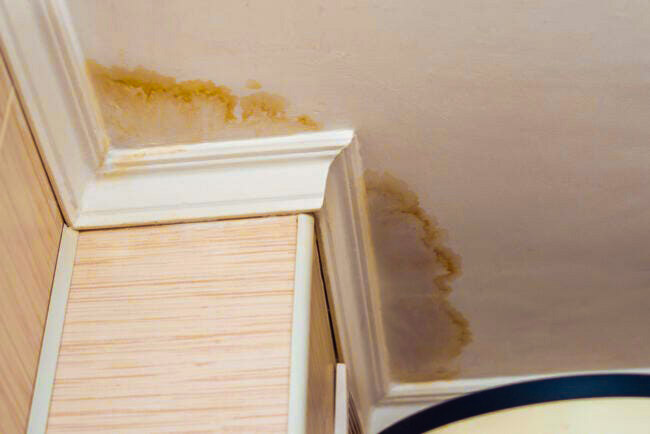
    One of the primary concerns with roof moss is its ability to retain moisture. Moss acts like a sponge, absorbing and holding water against the roof surface. This prolonged moisture exposure can seep through the shingles, underlayment, and into the roof’s structural components. Over time, the constant moisture can lead to rot, decay, and the growth of mold and mildew. Not only does this compromise the integrity of the roof, but it also poses health risks and can negatively impact indoor air quality. Removing roof moss effectively is crucial to prevent moisture-related issues and maintain a dry and healthy roof environment.

    Aesthetic Concerns: Impact on Curb Appeal and Property Value
    In addition to the structural and functional consequences, roof moss can also have aesthetic implications for your home. A roof covered in moss can appear unsightly and neglected, diminishing the overall curb appeal of your property. The green patches and clumps can be particularly noticeable, especially against lighter-colored roofs. Moreover, a moss-infested roof can create the perception of poor maintenance and lack of care, potentially affecting the perceived value of your home. By proactively addressing roof moss, you can enhance the visual appeal of your property and maintain its market value.
    common types of mold

    Effective Methods for Removing Roof Moss


    Structural Damage: Impact on Shingles and Roofing Materials
    The presence of roof moss can lead to significant structural damage to your roof. As roof moss spreads and grows, it can penetrate and lift the shingles, compromising their integrity and protective function. This can result in water infiltration, leading to leaks and potential damage to the underlying roof structure. The weight of accumulated roof moss can also strain the roofing materials, causing them to deteriorate more rapidly. Addressing roof moss promptly is crucial to preserve the structural stability of your roof and avoid costly repairs.

    Increased Moisture Retention: Potential for Leaks and Rot
    One of the primary concerns with roof moss is its ability to retain moisture. Moss acts like a sponge, absorbing and holding water against the roof surface. This prolonged moisture exposure can seep through the shingles, underlayment, and into the roof’s structural components. Over time, the constant moisture can lead to rot, decay, and the growth of mold and mildew. Not only does this compromise the integrity of the roof, but it also poses health risks and can negatively impact indoor air quality. Removing roof moss effectively is crucial to prevent moisture-related issues and maintain a dry and healthy roof environment.

    Aesthetic Concerns: Impact on Curb Appeal and Property Value
    In addition to the structural and functional consequences, roof moss can also have aesthetic implications for your home. A roof covered in moss can appear unsightly and neglected, diminishing the overall curb appeal of your property. The green patches and clumps can be particularly noticeable, especially against lighter-colored roofs. Moreover, a moss-infested roof can create the perception of poor maintenance and lack of care, potentially affecting the perceived value of your home. By proactively addressing roof moss, you can enhance the visual appeal of your property and maintain its market value.
    tpo roofing improvement

    Preventive Measures to Avoid Roof Moss Regrowth

    Regular Roof Inspections and Maintenance

    Schedule regular inspections to detect and address any early signs of roof moss growth. Clear debris, such as leaves and twigs, from the roof surface to prevent moisture accumulation and moss colonization. Additionally, inspect and repair any damaged or missing shingles promptly to maintain a robust and moss-resistant roof.

    Improving Roof Ventilation and Sun Exposure
    Proper roof ventilation is vital for preventing moss growth. Ensure that your roof has adequate airflow by installing ridge vents, soffit vents, or attic fans. This helps to maintain a dry environment that discourages moss from thriving. Additionally, trimming tree branches near the roof can promote sunlight exposure and inhibit moss growth.

    Trimming Overhanging Tree Branches
    Overhanging tree branches provide shade and retain moisture on the roof, creating an ideal environment for moss to grow. Trim back any branches that touch or hang over the roof to minimize shade and improve air circulation. By reducing shade and promoting sunlight exposure, you can deter moss growth and enhance the overall health of your roof.

    Installing Zinc or Copper Strips to Inhibit Moss Growth
    Zinc and copper are effective in preventing moss growth on roofs. These metals release trace amounts of chemicals when exposed to moisture, inhibiting moss and algae growth. Install zinc or copper strips near the ridge of your roof, as rainwater will disperse the metal particles and discourage moss colonization.

    View More Articles

    Free, No Obligation

    Request Your Free Estimate & Inspection

    Tell us about your roof and we’ll come take a look — no pressure, no cost. Or call us right now on (703) 964-6233.

    (703) 964-6233
    Contact Form Demo (#3)
    Owens Corning Preferred Contractor GAF System Plus CertainTeed SureStart PLUS BBB A+ Accredited HomeAdvisor

    RNC Roofing

    RNC Roofing and Construction Group — The Roofing Contractor Specialists. Protecting your home, one shingle at a time.

    Virginia

    (703) 964-6233 Sterling · Leesburg · Ashburn
    Loudoun & Fairfax County

    Maryland

    (703) 964-6233 Beltsville · District Heights
    All of Maryland
    © 2026 RNC Roofing and Construction Group — The Roofing Contractor Specialists Northern Virginia & Maryland
  • 5 Unexpected Dangers of a Leaky Roof

    Protecting your home, one shingle at a time VA (703) 964-6233| MD (703) 964-6233| Free Estimate & Inspection
    Home Improvement

    5 Unexpected Dangers of a Leaky Roof

    RNC Roofing and Construction Group June 1, 2018
    5 Unexpected Dangers of a Leaky Roof

    Attic or Ceiling Damage

    Initially, roof leaks will damage the attic area and any items stored there. If there is no attic, roof leaks will cause damage directly to your interior ceiling. This damage can be difficult to notice, as homeowners don’t typically inspect their ceilings regularly. Small ceiling leaks can cause spots of slight discoloration, sagging ceilings, bulging drywall, and bubbling ceiling plaster, while larger ceiling leaks can produce a visible hole where water can come through.

    Interior Mold and Mildew

    One of the more serious consequences of a roof leak is the growth of mold and mildew. Mold can spread to your home’s HVAC system, which in turn, allows it to invade your carpets, furniture, and clothing through vents.

    Chronic water intrusion typically results in the growth of black mold. Toxic black mold is rare, but even non-toxic black mold can have dire consequences. Non-toxic black mold attacks ceiling tiles, wood framing, and wall and floor coverings.

    Health Consequences of Mold and Mildew

    According to the Centers for Disease Control and Prevention (CDC), molds can cause nasal stuffiness, throat irritation, coughing or wheezing, eye irritation, or, in some cases, skin irritation, and those with mold allergies can have more severe reactions. Mold can be especially dangerous to those with compromised immune systems, as they can get serious lung infections.

    Fire Hazards

    If electric wiring is present in your attic or ceilings, a leak can pose a fire hazard. A leaky roofing could potentially trigger an electrical fire, especially if broken wiring is present. It is recommended that you turn off electricity to the affected area, and have an electrician examine it as soon as possible.

    Compromised Structural Integrity

    Another pressing concern caused by a leaky roof is the compromising of your home’s structural integrity. Ceiling joists, rafters, wall framing, fascia boards, and even exterior trim can become deteriorated if they fall victim to water intrusion. Rotted structural components of your home can lead to serious problems that will require you to seek assistance from a professional contractor.

    To avoid all the possible consequences of a leaky roof, call RNC for a roof inspection today!

    What separates The RNC Roofing Group from other residential roofing companies? With decades of experience installing, maintaining and repairing roofs we provide a knowledgeable, trustworthy and honest service to fulfill all your roofing needs. We are a Loudoun County, Virginia based residential roofing firm with an excellent reputation for quality and dependability. Whether it’s new construction, re-roofing or the challenge of leak repairs, no job is too large or too small.

    This post first published on The RNC Group, your Virginia residential roofing company.

    Apply for new roof financing!

    Free, No Obligation

    Request Your Free Estimate & Inspection

    Tell us about your roof and we’ll come take a look — no pressure, no cost. Or call us right now on (703) 964-6233.

    (703) 964-6233
    Contact Form Demo (#3)
    Owens Corning Preferred Contractor GAF System Plus CertainTeed SureStart PLUS BBB A+ Accredited HomeAdvisor

    RNC Roofing

    RNC Roofing and Construction Group — The Roofing Contractor Specialists. Protecting your home, one shingle at a time.

    Virginia

    (703) 964-6233 Sterling · Leesburg · Ashburn
    Loudoun & Fairfax County

    Maryland

    (703) 964-6233 Beltsville · District Heights
    All of Maryland
    © 2026 RNC Roofing and Construction Group — The Roofing Contractor Specialists Northern Virginia & Maryland
  • Schedule Your Roof Inspection With RNC Today!

    Protecting your home, one shingle at a time VA (703) 964-6233| MD (703) 964-6233| Free Estimate & Inspection
    Home Improvement

    Schedule Your Roof Inspection With RNC Today!

    RNC Roofing and Construction Group April 17, 2018
    Schedule Your Roof Inspection With RNC Today!

    Once the snow and ice have melted and spring approaches, it becomes the time for homeowners to start checking items off their spring home maintenance list. First, one of the most important areas to tackle: your roof. The excessive rain showers brought on by spring and the general erratic weather pattern of 2018 could prove to be causes of concern for homeowners. The constant cycle of rain, snow, and heat may have had a significant impact on your roof.

    Getting your roof inspected will ensure that any weak areas or potential leaks can be addressed and repaired before they become a problem. While this may seem too precautionary, unfortunately, roof leaks can happen right under your nose, as the extensive damage caused by a leak can occur before water is even visibly detected inside the building. Be sure to have your roof inspected at least twice annually.

    Be sure to watch for the following telltale signs of significant roof damage:

    • Rusted roof panels
    • Stained ceiling tiles
    • Shifted insulation
    • Loose flashing
    • Lost or damaged shingles

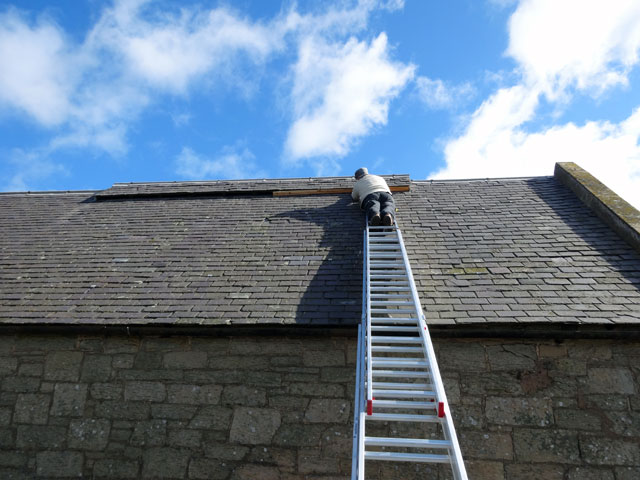
    If you decide to perform an initial inspection of your roof in search of major damage by yourself, keep these safety tips in mind:

    • Do not place any weight (including yourself!) on skylights
    • Stay at least six feet away from the edge of the roof
    • Face the roof’s edges, and avoid turning your back to the edge
    • If using a roof hatch, be sure to close it completely to avoid tripping into it

    By following a roof inspection and maintenance schedule, you will be able to increase your roof’s longevity, strength, and durability. Prolonging your roof’s life allows you to save money on repairs, and budget accordingly for your next roof replacement. As always, if you detect any roof damage, be sure to give us a call! Contact RNC Construction Group for a quote today!

    What separates The RNC Roofing Group from other residential roofing companies? With decades of experience installing, maintaining and repairing roofs we provide a knowledgeable, trustworthy and honest service to fulfill all your roofing needs. We are a Loudoun County, Virginia based residential roofing firm with an excellent reputation for quality and dependability. Whether it’s new construction, re-roofing or the challenge of leak repairs, no job is too large or too small.

    This post first published on The RNC Group, your Virginia residential roofing company.

    Free, No Obligation

    Request Your Free Estimate & Inspection

    Tell us about your roof and we’ll come take a look — no pressure, no cost. Or call us right now on (703) 964-6233.

    (703) 964-6233
    Contact Form Demo (#3)
    Owens Corning Preferred Contractor GAF System Plus CertainTeed SureStart PLUS BBB A+ Accredited HomeAdvisor

    RNC Roofing

    RNC Roofing and Construction Group — The Roofing Contractor Specialists. Protecting your home, one shingle at a time.

    Virginia

    (703) 964-6233 Sterling · Leesburg · Ashburn
    Loudoun & Fairfax County

    Maryland

    (703) 964-6233 Beltsville · District Heights
    All of Maryland
    © 2026 RNC Roofing and Construction Group — The Roofing Contractor Specialists Northern Virginia & Maryland
  • Storm Damage Roof Repair: Essential Tips for Effective Solutions

    Protecting your home, one shingle at a time VA (703) 964-6233| MD (703) 964-6233| Free Estimate & Inspection
    Homeowner Help

    Storm Damage Roof Repair: Essential Tips for Effective Solutions

    RNC Roofing and Construction Group April 2, 2018
    Storm Damage Roof Repair: Essential Tips for Effective Solutions

    Storm Damage Roof Repair: Essential Tips for Effective Solutions

    Addressing storm damage promptly is crucial to minimize further issues and protect the integrity of your roof. Neglecting roof repairs can lead to severe consequences and costly repairs in the long run. This article aims to provide comprehensive guidance on storm damage roof repair, offering essential tips and insights.

    The Importance of Timely Action

    When a storm damages your roof, immediate action is essential to prevent additional harm. Failure to address storm damage promptly can result in water infiltration, structural damage, and compromised safety within your home. Ignoring minor issues can lead to more significant problems in the future.

    Potential Risks and Consequences

    Neglecting storm damage roof repairs can have several consequences:

    • Water leaks and moisture intrusion: Unrepaired damage allows water to penetrate the roof, leading to interior water leaks, mold growth, and rotting of underlying structures.
    • Weakened structural integrity: Delayed repairs can cause structural damage to the roof, compromising its stability and increasing the risk of collapse.
    • Increased energy costs: Damaged roofs often result in reduced insulation, leading to energy loss and higher heating or cooling expenses.
    • Decreased property value: An unrepaired storm-damaged roof can significantly reduce the value of your property and make it challenging to sell in the future.

    wind damage roof repair

    Assessing the Damage

    To assess storm damage to your roof, follow these step-by-step instructions:

    • Begin by ensuring your safety. Use proper safety equipment like a harness and sturdy footwear.
    • Carefully inspect the exterior of your roof from the ground, looking for visible signs of damage such as missing or broken shingles, dented flashing, or displaced gutters.
    • If it is safe to do so, use a ladder to access the roof. Walk carefully, avoiding fragile areas, and examine the surface for any additional visible damage.
    • Pay close attention to the condition of the shingles. Look for cracks, tears, curling, or granule loss, as these are indications of damage.
    • Inspect the gutters, downspouts, and drainage system for debris accumulation or signs of blockage that could lead to water backup and potential damage.
    • Examine the flashing around chimneys, vents, and skylights. Look for any signs of rust, corrosion, or dislodgment.
    • Check the condition of roof vents and ensure they are intact and functioning properly.

    Key Areas to Focus on During Assessment

    • Shingles: Check for missing, cracked, or damaged shingles, as well as signs of aging or deterioration.
    • Gutters: Examine the gutters for dents, sagging, or detachment, which could indicate damage caused by falling debris or excessive rainfall.
    • Flashing: Inspect the flashing around chimneys, vents, and other roof protrusions for signs of damage or displacement.
    • Vents: Ensure that roof vents are intact and free from damage that could compromise proper ventilation.
    • Documentation: Take clear photos and detailed notes of the damage observed, including the date and time of inspection, for insurance purposes.

    tpo roofing improvement

    Preventive Measures and Maintenance

    To safeguard your roof from future storm damage, taking preventive measures is crucial. By being proactive, you can minimize potential risks and costly repairs. Implementing the following preventive measures will help ensure the longevity of your roof.

    Regular Roof Maintenance Practices

    • Gutter Cleaning: Regularly clean your gutters to prevent clogs and ensure proper water drainage away from the roof. This will help prevent water backup and potential damage.
    • Tree Limb Removal: Trim tree limbs near your roof to minimize the risk of branches falling during storms. This proactive step reduces the chances of damage caused by falling debris.
    • Inspections: Schedule routine inspections by a professional roofing contractor. These inspections will help identify underlying issues or potential vulnerabilities before they become major problems.

    Adequate Homeowner’s Insurance Coverage

    Maintaining adequate homeowner’s insurance coverage is crucial, especially when it comes to storm-related incidents. Ensure your policy includes coverage for storm damage repairs and restoration. This will provide financial protection in case your roof sustains significant damage during severe weather events.

    Tips for Protecting the Roof During Severe Weather

    In addition to preventive measures and insurance coverage, there are additional steps you can take to protect your roof during severe weather conditions:

    • Secure Loose Objects: Before a storm hits, secure loose objects such as patio furniture or debris that could become projectiles during high winds. This simple action can prevent potential damage to your roof.
    • Enhance Roof Resistance: Consider installing impact-resistant shingles or using storm clips to enhance your roof’s resistance to wind damage. These measures provide added protection during severe weather events.
    • Reinforce the Roof Structure: If you live in an area prone to severe storms, consider reinforcing your roof structure. Consulting a professional roofing contractor will help you determine the most effective reinforcement methods for your specific needs.
    • Lightning Protection: Installing lightning rods can mitigate the risk of lightning strikes and protect your roof from potential damage. Consult with a professional to ensure proper installation and increased safety.

    tpo roofing maintenance

    Permanent Repairs and Restoration

    Types of Storm Damage and Necessary Steps

    Different types of storm damage require specific steps for permanent repairs. Understanding the nature of the damage is crucial to effectively address the issue. Here are some common types of storm damage and the necessary steps to repair them:

    • Wind Damage: If your roof has suffered wind damage, start by inspecting for loose or missing shingles. Secure any loose shingles using roofing cement and nails. Replace missing shingles with new ones, ensuring proper alignment and sealing.
    • Hail Damage: Hail damage may result in dented or cracked shingles. Inspect the roof for signs of impact and replace any damaged shingles. Additionally, check for signs of granule loss, which could indicate underlying damage. Consider consulting a professional roofer to assess the extent of the damage.
    • Water Damage: Water damage often occurs due to roof leaks caused by compromised shingles or flashing. Identify the source of the leak and repair or replace the damaged section. Ensure proper sealing and waterproofing to prevent future leaks.

    Importance of Using High-Quality Roofing Materials

    When repairing storm-damaged roofs, using high-quality roofing materials is essential. Opting for durable and reliable materials ensures longevity and protects your investment. Here are a few reasons why quality materials matter:

    • Enhanced Durability: High-quality materials offer superior resistance against future storms and weather conditions, reducing the risk of recurring damage.
    • Longevity: Investing in top-notch roofing materials extends the lifespan of your repaired roof, providing long-term protection for your home.
    • Aesthetics: Quality materials contribute to an attractive and well-maintained roof, enhancing the overall appearance of your home.

    Selecting Appropriate Replacement Materials

    Selecting the right replacement materials is crucial for restoring your roof’s functionality and durability. Consider the following factors when choosing replacement materials:

    • Shingles: Opt for shingles that are specifically designed to withstand your local weather conditions. Choose materials with high wind resistance and impact ratings.
    • Underlayment: Ensure the underlayment provides an additional layer of protection against moisture. Consider synthetic underlayment, which offers enhanced durability and water resistance.
    • Flashing: Use high-quality flashing materials to maintain a watertight seal around roof penetrations, such as chimneys and vents. Properly installed flashing prevents water intrusion and potential leaks.

    Restoring Functionality, Appearance, and Weather Resistance

    Restoring your roof after storm damage involves more than just repairs. It also entails bringing back its functionality, appearance, and weather resistance. Follow these steps for a comprehensive restoration:

    • Structural Assessment: Inspect the roof’s structure for any hidden damage that may compromise its integrity. Address any issues to ensure a solid foundation for the restoration process.
    • Repair and Replacement: Perform the necessary repairs and replacements as identified during the damage assessment. Use high-quality materials and adhere to recommended installation practices.
    • Sealing and Waterproofing: Apply appropriate sealants and waterproofing materials to ensure the roof is properly protected against water infiltration.
    • Final Inspection: Conduct a final inspection to ensure the restored roof meets the required standards for functionality, appearance, and weather resistance.

    contact professionals

    Hiring a Professional Roofing Contractor

    Benefits of Hiring a Professional:

    Professional roofers have extensive knowledge of storm damage and the specific repairs required.

    They possess the necessary tools, equipment, and safety gear to handle the job safely.

    Contractors are well-versed in local building codes and regulations, ensuring compliance.

    They have access to high-quality materials and can provide warranty options for their workmanship.

    Criteria for Selecting a Reliable Contractor:

    Experience and Expertise:

    Look for contractors with a proven track record in storm damage roof repairs.

    Consider their years of experience, specialized training, and certifications.

    Check for their portfolio or examples of previous storm damage repairs.

    Licensing and Insurance:

    Ensure that the contractor holds the required licenses and permits for your area.

    Verify their insurance coverage, including liability insurance and workers’ compensation.

    Reputation and References:

    Research online reviews and testimonials from previous clients.

    Request references from the contractor and follow up with those references.

    Essential Questions to Ask Potential Contractors:

    • How long have you been in the roofing business, specifically handling storm damage repairs?
    • Can you provide references or examples of storm damage roof repairs you have completed?
    • Do you have the necessary licenses and insurance coverage?
    • What is your approach to safety during the repair process?
    • Are you familiar with local building codes and regulations?

    Tips for Evaluating Contractor Estimates and Contracts:

    • Obtain detailed written estimates from multiple contractors for comparison.
    • Ensure that the estimates include the scope of work, materials to be used, and labor costs.
    • Verify if the estimate includes any potential additional expenses or unforeseen repairs.
    • Carefully review the contract, ensuring it covers timelines, payment terms, and warranty information.
    • Seek clarification on any ambiguous terms or conditions before signing the contract.

    View More Articles

    Free, No Obligation

    Request Your Free Estimate & Inspection

    Tell us about your roof and we’ll come take a look — no pressure, no cost. Or call us right now on (703) 964-6233.

    (703) 964-6233
    Contact Form Demo (#3)
    Owens Corning Preferred Contractor GAF System Plus CertainTeed SureStart PLUS BBB A+ Accredited HomeAdvisor

    RNC Roofing

    RNC Roofing and Construction Group — The Roofing Contractor Specialists. Protecting your home, one shingle at a time.

    Virginia

    (703) 964-6233 Sterling · Leesburg · Ashburn
    Loudoun & Fairfax County

    Maryland

    (703) 964-6233 Beltsville · District Heights
    All of Maryland
    © 2026 RNC Roofing and Construction Group — The Roofing Contractor Specialists Northern Virginia & Maryland
  • Is Your Roof at Risk? Spring Rain and Roof Leaks

    Protecting your home, one shingle at a time VA (703) 964-6233| MD (703) 964-6233| Free Estimate & Inspection
    Home Improvement

    Is Your Roof at Risk? Spring Rain and Roof Leaks

    RNC Roofing and Construction Group March 15, 2018
    Is Your Roof at Risk? Spring Rain and Roof Leaks

    Heavy rain showers are essentially a guarantee during the spring season, and while spring showers bring May flowers, they also bring a widespread onslaught of residential roof leaks and other potential roofing issues. The combination of extreme precipitation and winter thaw can prove to be harmful to your roof, especially if your roof has areas of vulnerability, such as skylights. Roofs that are properly maintained are less likely to have leaks during the Spring, however, if any of the following criteria apply to your roof, you may be at an increased risk for a springtime leak.

    • Your roof is 15 years or older: As a roof ages, it begins to break down, leaving areas exposed and vulnerable to leaks and other potential cosmetic or structural issues. While leaks can occur at any age, older roofs are more prone, regardless of how well they may have been maintained. If your roof is 15 years or older, consider a consultation with a roofing professional to get it replaced.
    • Your roof is missing shingles: While missing shingles happen frequently and fairly easily, they can become a cause for concern. Missing shingles leave areas of your roof exposed, which increases the likelihood of leaks.
    • Your roof has had a history of leaks: If your roof is prone to leaks, in all likelihood, it could indicate a larger issue within its structure. Call a professional to receive a consultation and rate to get your roof replaced or repaired.
    • Your roof has curled shingles: Curled shingles can be an indicator that a roof already has severe water damage. Water damage weakens your roof, which increases your risk for a roof leak during the spring season.

    Be sure that your roof is not vulnerable to spring leaks, and call RNC Construction Group for a quote or consultation for a roof replacement or repair. Contact us today!

    What separates The RNC Roofing Group from other residential roofing companies? With decades of experience installing, maintaining and repairing roofs we provide a knowledgeable, trustworthy and honest service to fulfill all your roofing needs. We are a Loudoun County, Virginia based residential roofing firm with an excellent reputation for quality and dependability. Whether it’s new construction, re-roofing or the challenge of leak repairs, no job is too large or too small.

    Free, No Obligation

    Request Your Free Estimate & Inspection

    Tell us about your roof and we’ll come take a look — no pressure, no cost. Or call us right now on (703) 964-6233.

    (703) 964-6233
    Contact Form Demo (#3)
    Owens Corning Preferred Contractor GAF System Plus CertainTeed SureStart PLUS BBB A+ Accredited HomeAdvisor

    RNC Roofing

    RNC Roofing and Construction Group — The Roofing Contractor Specialists. Protecting your home, one shingle at a time.

    Virginia

    (703) 964-6233 Sterling · Leesburg · Ashburn
    Loudoun & Fairfax County

    Maryland

    (703) 964-6233 Beltsville · District Heights
    All of Maryland
    © 2026 RNC Roofing and Construction Group — The Roofing Contractor Specialists Northern Virginia & Maryland
  • How Do I Repair My Roof From Wind Damage?

    Protecting your home, one shingle at a time VA (703) 964-6233| MD (703) 964-6233| Free Estimate & Inspection
    Home Improvement

    How Do I Repair My Roof From Wind Damage?

    RNC Roofing and Construction Group March 6, 2018
    How Do I Repair My Roof From Wind Damage?

    After Winter Storm Riley rocked DC area roofs this weekend, many of its residents are in the recovery phase. Your roof is designed to keep the wind and rain out-but what happens when the wind is so strong it literally knocks you off your feet? Does your roof stand a chance?

    The answer is yes, absolutely. Your roof has many different components designed to make the structure as hardy as possible.It’s important the roofing materials used in the build and repair are top of the line-the materials from companies such as GAF and Certainteed stand up to the hard knocks and shakes storms cause.

    While winter is coming to an end, homeowners face heavy spring rain and summer storms, so repairing damage now is vital to maintaining the integrity of your roof. A home with missing shingles and siding can not only be an eyesore but can be cause for concern about the structural health of your roof. How do you KNOW your roof is safe?

    The answer is always to have a professional roofer take a look. More often than not as with RNC, the initial review comes at no cost to you.

    At the point the news comes that repairs will need to be made, we offer financing to help get the repair finished faster. Your budget should never stop you from making sure your roof, home and family are safe.

    A few signs your roof needs to be examined:

    -Cracking Shingles
    -Missing Shingles
    -Water Stains on Your Ceiling
    -Granules in the Gutters

    At the end of the day, your safety is our number one concern. Contact us today to have us certify your roof is in good shape and problem free. Take a look at these incredible images shared online from the storm.

    Need financial assistance to make the repairs or replace your roof? We offer financing! See our Rates or learn more about different types of financing.

    What separates The RNC Roofing Group from other residential roofing companies? With decades of experience installing, maintaining and repairing roofs we provide a knowledgeable, trustworthy and honest service to fulfill all your roofing needs. We are a Loudoun County, Virginia based residential roofing firm with an excellent reputation for quality and dependability. Whether it’s new construction, re-roofing or the challenge of leak repairs, no job is too large or too small.

    Free, No Obligation

    Request Your Free Estimate & Inspection

    Tell us about your roof and we’ll come take a look — no pressure, no cost. Or call us right now on (703) 964-6233.

    (703) 964-6233
    Contact Form Demo (#3)
    Owens Corning Preferred Contractor GAF System Plus CertainTeed SureStart PLUS BBB A+ Accredited HomeAdvisor

    RNC Roofing

    RNC Roofing and Construction Group — The Roofing Contractor Specialists. Protecting your home, one shingle at a time.

    Virginia

    (703) 964-6233 Sterling · Leesburg · Ashburn
    Loudoun & Fairfax County

    Maryland

    (703) 964-6233 Beltsville · District Heights
    All of Maryland
    © 2026 RNC Roofing and Construction Group — The Roofing Contractor Specialists Northern Virginia & Maryland
  • Financing Your Roof Repair: Smart Solutions for a Solid Investment

    Protecting your home, one shingle at a time VA (703) 964-6233| MD (703) 964-6233| Free Estimate & Inspection
    Home Improvement

    Financing Your Roof Repair: Smart Solutions for a Solid Investment

    RNC Roofing and Construction Group March 1, 2018
    Financing Your Roof Repair: Smart Solutions for a Solid Investment

    Financing Your Roof Repair: Smart Solutions for a Solid Investment

    Roof repairs or replacements can be significant investments, and it’s important to address the financial concerns associated with these projects. The expenses involved can vary depending on factors like the extent of damage, roofing materials, labor costs, and local market conditions. Delaying repairs may lead to more severe damage and increased costs in the long run. It’s crucial to act promptly to prevent further deterioration and minimize the financial impact.

    Evaluating the Extent of Roof Damage

    Before embarking on any roof repair project, it is crucial to assess the extent of damage to determine the necessary steps for restoration. Carefully inspect your roof for signs of wear and tear, such as missing or damaged shingles, leaks, sagging areas, or signs of water damage on the ceiling. Identifying these issues early on can help prevent further deterioration and minimize repair costs.

    Determining the Scope of Repair Work Required

    Once you have identified the areas in need of repair, it’s important to determine the scope of the work required. This involves assessing whether the damage is localized or widespread, as well as identifying any underlying structural issues that may need attention. By understanding the full extent of the repair work, you can effectively plan and budget for the project.

    Consulting with a Professional Roofing Contractor

    To ensure accurate assessment and professional guidance, it is recommended to consult with a reputable roofing contractor. A qualified contractor can provide expert insights into the condition of your roof, offer advice on the best course of action, and suggest suitable repair options. Their expertise will help you make informed decisions regarding the financing and execution of your roof repair project.

    Obtaining Detailed Cost Estimates

    Obtaining detailed cost estimates from multiple roofing contractors is essential for effective financial planning. These estimates should encompass the materials required, labor costs, permits, and any additional expenses associated with the repair work. Comparing quotes will allow you to make an informed decision based on affordability, quality of service, and the overall value offered.

    financing roofing ashburn va

    Understanding Financing Options

    Exploring Personal Savings

    When it comes to financing your roof repair, one option to consider is utilizing your personal savings. Using your own funds allows you to have full control over the financing process. If you have been saving money specifically for home maintenance or unexpected expenses, it can be a convenient and cost-effective choice for financing your roof repair. By using your personal savings, you can avoid the need to take on additional debt or interest payments.

    Traditional Financing Avenues

    Another option for financing your roof repair is through traditional financing avenues such as home equity loans and personal loans. Home equity loans allow you to borrow against the equity you have built in your home. These loans typically have competitive interest rates and longer repayment terms. Personal loans, on the other hand, are unsecured loans that can be used for various purposes, including home repairs. They often have higher interest rates but may be more accessible for individuals who do not have significant home equity.

    Government-Sponsored Programs and Grants

    There are government-sponsored programs and grants available to assist homeowners with financing their roof repairs. These programs are often aimed at low-income households or specific regional initiatives. They can provide financial assistance or low-interest loans to help cover the costs of roof repairs. Researching and exploring these programs can be beneficial, as they can significantly reduce the financial burden of repairing your roof.

    Roofing Company Financing Programs

    Many roofing companies offer financing programs tailored to their customers’ needs. These programs provide convenient payment plans and options to help homeowners manage the cost of their roof repair. Roofing company financing programs can be a viable solution for individuals who prefer to work directly with a trusted contractor. It is important to review the terms and conditions of these programs to ensure they align with your financial goals and capabilities.

    insurance for mold

    Insurance Coverage and Claims

    Reviewing Homeowners’ Insurance Policies

    Before exploring financing options, it’s essential to review your homeowners’ insurance policy to understand the coverage for roof repairs. Familiarize yourself with the terms, conditions, and limitations of your policy, including any deductibles or exclusions that may apply. This will help you determine the extent to which your insurance can assist in financing your roof repair.

    Understanding Coverage for Roof Repairs

    In your homeowners’ insurance policy, there should be specific provisions related to roof repairs and replacements. Take note of the types of damage covered, such as storms, hail, or accidental events, and the associated reimbursement criteria. It’s important to understand the limitations and exclusions related to pre-existing conditions or improper maintenance.

    The Claims Process: Steps to Follow

    In the event of roof damage, filing an insurance claim is often necessary to receive financial assistance. Familiarize yourself with the claims process outlined by your insurance provider. This may involve documenting the damage, gathering evidence, and submitting the claim within a specified timeframe. Adhering to the required procedures will help ensure a smooth and successful claims process.

    Maximizing Insurance Benefits for Roof Repair

    To maximize the insurance benefits for your roof repair, there are certain steps you can take. Firstly, document the damage thoroughly through photographs and written descriptions. Provide accurate and detailed information about the repairs needed to support your claim. Additionally, consider obtaining multiple estimates from reputable roofing contractors to strengthen your case and ensure a fair assessment of the repair costs.

    energy efficiency spring roofing

    Financing Alternatives: Energy-Efficient Upgrades

    Highlighting the Benefits of Energy-Efficient Roof Upgrades

    Investing in energy-efficient roof upgrades not only improves the overall functionality of your roof but also provides numerous benefits for homeowners. Energy-efficient roofing materials, such as reflective coatings or cool roofs, can help regulate indoor temperatures, reducing the reliance on heating and cooling systems. This leads to lower energy consumption and utility bills. Additionally, these upgrades contribute to a greener environment by reducing carbon emissions associated with energy usage.

    Financing Options for Eco-Friendly Roofing Materials

    To finance energy-efficient roof upgrades, various financing options are available. Homeowners can consider personal savings, traditional financing methods, or specialized loans and grants for eco-friendly improvements. Personal savings provide a self-financing approach, allowing you to directly invest in the upgrade. Traditional financing avenues, such as home equity loans or personal loans, can be used to cover the costs. Additionally, some financial institutions offer specific loan programs designed for energy-efficient upgrades, allowing homeowners to spread out the payments over a more manageable period.

    Tax Incentives and Rebates for Energy-Efficient Roofing

    When financing energy-efficient roof upgrades, it’s essential to explore potential tax incentives and rebates. Many governments and local authorities offer tax credits or deductions for homeowners who make energy-efficient improvements to their properties. These incentives can significantly reduce the overall cost of the project. Additionally, utility companies and energy-efficiency programs may provide rebates or incentives for installing energy-efficient roofing materials. Researching and leveraging these opportunities can help make the financing process more affordable.

    Long-Term Savings and Return on Investment

    One of the significant advantages of financing energy-efficient roof upgrades is the long-term savings and return on investment. While the initial costs may seem higher compared to conventional materials, energy-efficient upgrades can yield substantial savings in the long run. Lower energy bills, reduced maintenance costs, and potential property value appreciation contribute to the return on investment. These long-term savings offset the upfront expenses and make financing energy-efficient upgrades a financially sound decision.

    budgeting tips financing roof

    Planning and Budgeting Tips

    Creating a Realistic Roof Repair Budget

    When financing your roof repair, it is crucial to create a realistic budget to ensure you have adequate funds for the project. Consider the scope of the repairs, the materials required, and any additional costs, such as labor or permits. Research the average costs associated with similar roof repairs in your area to get a general idea of the budget range. Be sure to account for unexpected expenses or contingencies that may arise during the project.

    Prioritizing Repair Needs Based on Urgency

    If your roof requires multiple repairs, it’s essential to prioritize them based on urgency. Identify the critical repairs that need immediate attention to prevent further damage or leaks. Addressing these urgent issues first will help protect your home and ensure the longevity of your roof. By tackling the most pressing repairs first, you can allocate your budget effectively and address the most critical issues promptly.

    Obtaining Multiple Quotes for Comparison

    To make an informed decision when financing your roof repair, it’s recommended to obtain multiple quotes from reputable roofing contractors. Reach out to several professionals in your area and request detailed estimates for the repair work. Review each quote carefully, considering factors such as pricing, materials, and the proposed timeline for completion. Comparing multiple quotes will give you a better understanding of the costs involved and enable you to choose the most suitable option.

    Negotiating Payment Terms with Contractors

    Once you have selected a roofing contractor, it’s important to discuss and negotiate payment terms. Some contractors may require a deposit upfront, while others may offer installment options or payment plans. Discuss your preferred payment method and schedule with the contractor and ensure it aligns with your budget and financial capabilities. Open communication and negotiation can help create a mutually beneficial agreement that works for both parties.

    View Our Financing Options

    At RNC Roofing and Construction, we understand that replacing your roof can be a significant investment. That’s why we offer two financing options to make it more affordable:

    • 12 Months Same As Cash Financing:

      The first option is our 12 Months Same As Cash financing, which allows you to enjoy zero payments, zero interest, and zero headaches for a year. You can either pay the entire amount in 12 months with no interest, or avoid making any payments for 12 months and start making low monthly payments with interest being charged from month 13 onwards.

    • GreenSky Financing:

      The second financing option we offer is through GreenSky. With GreenSky financing, you can make low monthly payments for 84 months, subject to credit approval at a fixed APR of 9.99%.

    View More Articles

    Free, No Obligation

    Request Your Free Estimate & Inspection

    Tell us about your roof and we’ll come take a look — no pressure, no cost. Or call us right now on (703) 964-6233.

    (703) 964-6233
    Contact Form Demo (#3)
    Owens Corning Preferred Contractor GAF System Plus CertainTeed SureStart PLUS BBB A+ Accredited HomeAdvisor

    RNC Roofing

    RNC Roofing and Construction Group — The Roofing Contractor Specialists. Protecting your home, one shingle at a time.

    Virginia

    (703) 964-6233 Sterling · Leesburg · Ashburn
    Loudoun & Fairfax County

    Maryland

    (703) 964-6233 Beltsville · District Heights
    All of Maryland
    © 2026 RNC Roofing and Construction Group — The Roofing Contractor Specialists Northern Virginia & Maryland
  • The Benefits of TPO Roofing

    Protecting your home, one shingle at a time VA (703) 964-6233| MD (703) 964-6233| Free Estimate & Inspection
    Residential Roofing Design

    The Benefits of TPO Roofing

    RNC Roofing and Construction Group February 1, 2018
    The Benefits of TPO Roofing

    If you are currently evaluating your roofing options, and seeking to install an energy efficient, single ply roofing membrane, consider TPO (thermoplastic olefin) roofing. TPO is touted to have the advantages of PVC and EPDM roofing, without the drawbacks and extra expenses. This means that TPO roofing is as UV-resistant and as heat-resistant as EPDM, and as heat-weldable as PVC.

    What is TPO?

    Thermoplastic Polyolefin (TPO) is a single-ply reflective roofing membrane made of polypropylene and ethylene-propylene rubber polymerized together. It is typically installed in a fully adhered or mechanically attached system, allowing the white membrane to remain exposed throughout the life of the roof.

    The membrane is composed of three parts:

    1. TPO polymer base.

    2. polyester-reinforced fabric middle (scrim).

    3. thermoplastic polyolefin compounded pinnacle ply.

    Fillers commonly used in TPO production include, but are not limited to talc, fiberglass, carbon fiber, and wollastonite. Rubbers commonly used in TPO production include ethylene-propylene rubber and EPDM.

    Benefits of TPO Roofing

    Cost

    TPO roofing remains a viable option for both residential and business owners, as it is relatively low in cost. On average, TPO roofing can cost anywhere from $5.00 to $7.50 per sq. ft. installed.

    Durability

    TPO roofing is incredibly effective in resisting bacteria, debris, algae, and dirt, as well as ultraviolet and chemical exposure. In addition to its high resistance to debris build-up, TPO’s flexible membrane allows it to withstand punctures, tears, and impact damage.

    Simple Setup

    Due to TPO’s lightweight and flexible properties, it is much simpler to install, as there as fewer seams. Less work and time spent on installing TPO translates into direct savings.

    Energy Efficient

    The energy efficiency of TPO roofing attracts many homeowners, as TPO roofing produces monumental savings on cooling fees, and is good for the environment. TPO’s white reflective surface exceeds the EPA’s energy star requirements and white, tan, and gray are indexed with the Cool Roof Rating Council. Installing a TPO roof on your private home or building will keep the indoor temperature comfortable on blistering summer days while reducing HVAC costs!

    What separates The RNC Roofing Group from other residential roofing companies? With decades of experience installing, maintaining and repairing roofs we provide a knowledgeable, trustworthy and honest service to fulfill all your roofing needs. We are a Loudoun County, Virginia based residential roofing firm with an excellent reputation for quality and dependability. Whether it’s new construction, re-roofing or the challenge of leak repairs, no job is too large or too small.

    Free, No Obligation

    Request Your Free Estimate & Inspection

    Tell us about your roof and we’ll come take a look — no pressure, no cost. Or call us right now on (703) 964-6233.

    (703) 964-6233
    Contact Form Demo (#3)
    Owens Corning Preferred Contractor GAF System Plus CertainTeed SureStart PLUS BBB A+ Accredited HomeAdvisor

    RNC Roofing

    RNC Roofing and Construction Group — The Roofing Contractor Specialists. Protecting your home, one shingle at a time.

    Virginia

    (703) 964-6233 Sterling · Leesburg · Ashburn
    Loudoun & Fairfax County

    Maryland

    (703) 964-6233 Beltsville · District Heights
    All of Maryland
    © 2026 RNC Roofing and Construction Group — The Roofing Contractor Specialists Northern Virginia & Maryland
  • 10 Tips to Help Homeowners Choose the Right Roofing Contractor

    Protecting your home, one shingle at a time VA (703) 964-6233| MD (703) 964-6233| Free Estimate & Inspection
    Home Improvement

    10 Tips to Help Homeowners Choose the Right Roofing Contractor

    RNC Roofing and Construction Group December 28, 2017
    10 Tips to Help Homeowners Choose the Right Roofing Contractor

    Published on GAF Blog

    The biggest obstacle homeowners face when looking to fix or replace their roof is choosing the right person to do the job. After a damaging storm, they need to quickly get back to normal and perform the necessary roofing repairs. But that doesn’t mean they should just choose the first contractor who knocks on their door. Finding a contractor who is trustworthy, honest, and professional may sound difficult – but that’s where you come in. Contractors should share these 10 important tips with homeowners to show them that your company is reputable and can be trusted to protect their home and their wallet.

    1. Get local referrals. There is less chance of potential issues or scams when you choose a contractor from your community. They are more familiar with local rules and code regulations and have a relationship with area crews and suppliers.
    2. Look for manufacturer designations. Manufacturer designations are considered a badge of honor because the contractor must pass certain minimum requirements to be factory-certified (although, some manufacturers have more stringent requirements than others). GAF strictly enforces their top designation by only allowing 2% of roofing contractors per market to be recognized as Master Elite® Contractors. (Unlike other manufacturer designations, Master Elite® Contractors cannot use this top designation in another territory, only in the location of the storm.
    3. Research Better Business Bureau (BBB) ratings. Some contractors blow in (no pun intended) right after a storm looking for work, so it’s important to look them up on the BBB website and make sure they have a good score. Stay away from contractors who do not exist on BBB.org. GAF Master Elite® Contractors are required to maintain satisfactory ratings with the BBB in order to retain their certification.
    4. Get an extensive warranty. Not all contractors can offer manufacturer warranties that include coverage of the contractor’s workmanship. If a contractor installs the roof incorrectly, it may take months or years for the damage to show up—and insurance won’t pay for it. If the contractor won’t fix it (or worse, has gone out of business), your only recourse is to pay for their mistake yourself. A Master Elite® Contractor can offer one of the longest workmanship warranties on the market—the Golden Pledge® Warranty.
    5. Be concerned about safety. A contractor without a training or safety program may not be the best person for your job. GAF sponsors a unique national training organization called the Center for the Advancement of Roofing Excellence (CARE), which has trained more than 200,000 professionals. GAF is the only roofing manufacturer with a dedicated team of trainers in the industry.
    6. Check for proper licensing and insurance. The contractor should have insurance for all employees and subcontractors and be able to provide a copy of their insurance certificate for validation. Not having adequate insurance could potentially lead to litigation between a contractor and homeowner if a roofing employee sustains an injury at the home. Most states require licensing for contractors, but that does not stop unlicensed contractors from attempting to do the roofing work. In states where licenses are required, make sure your contractor provides you with a copy of their license and confirm their status online. GAF Master Elite® Contractors must hold appropriate levels of Workers Compensation, at least $1 million worth of General Liability coverage, and have proper state licensing where they are performing the work.
    7. Pay your deductible. Any contractor who claims they can handle the repair without having the homeowner pay their insurance deductible is committing insurance fraud and endangering the homeowner. The insurance deductible is the responsibility of the insured, and the contractor should reflect that in the quote without inflating the estimate to cover all or part of the deductible.
    8. Handle your own claim. A contractor who says they are “a claim specialist” or can “handle your insurance claim” may be breaking the law. In most states, it is illegal for contractors to act on behalf of the homeowner when negotiating an insurance claim. Any contractor who opens the door to potential legal action is not acting in your best interest.
    9. Don’t give in to pressure. Watch out for a contractor who pressures you to sign a contract before the insurance company has estimated the damage. Some contractors say they can work with whatever your insurance company settles upon, however the homeowner needs to ensure it’s not just any amount, but the right amount. The contractor should thoroughly examine the home and check that their insurance adjuster didn’t miss any damages.
    10. Know your material choices. A contractor who does not offer you different shingle options is not looking out for your best interest. The style and color of the shingles you install can affect the resale value of your home. If the insurance company is paying for a new roof, it may be the perfect time to make a change and upgrade to a more unique style that suits your taste. GAF contractors can offer extensive design and color choices for your home. Check out the choices now so you’re ready. Knowledge is power.

    What separates The RNC Roofing Group from other residential roofing companies? With decades of experience installing, maintaining and repairing roofs we provide a knowledgeable, trustworthy and honest service to fulfill all your roofing needs. We are a Loudoun County, Virginia based residential roofing firm with an excellent reputation for quality and dependability. Whether it’s new construction, re-roofing or the challenge of leak repairs, no job is too large or too small.

    Free, No Obligation

    Request Your Free Estimate & Inspection

    Tell us about your roof and we’ll come take a look — no pressure, no cost. Or call us right now on (703) 964-6233.

    (703) 964-6233
    Contact Form Demo (#3)
    Owens Corning Preferred Contractor GAF System Plus CertainTeed SureStart PLUS BBB A+ Accredited HomeAdvisor

    RNC Roofing

    RNC Roofing and Construction Group — The Roofing Contractor Specialists. Protecting your home, one shingle at a time.

    Virginia

    (703) 964-6233 Sterling · Leesburg · Ashburn
    Loudoun & Fairfax County

    Maryland

    (703) 964-6233 Beltsville · District Heights
    All of Maryland
    © 2026 RNC Roofing and Construction Group — The Roofing Contractor Specialists Northern Virginia & Maryland
  • Components of Roof | Ultimate Guide By RNC

    Protecting your home, one shingle at a time VA (703) 964-6233| MD (703) 964-6233| Free Estimate & Inspection
    Home Improvement

    Components of Roof | Ultimate Guide By RNC

    RNC Roofing and Construction Group December 12, 2017
    Components of Roof | Ultimate Guide By RNC

    Components of Roof

    Roof Structure

    Roof Deck
    The roof deck is an integral part of any roofing system. It serves as the foundation for the entire roof and provides structural support. Typically made of plywood or oriented strand board (OSB), the roof deck is installed over the structural framework of the building. It acts as a sturdy base to which other roof components are attached.

    Roof Trusses or Rafters
    Roof trusses or rafters are essential components that give the roof its shape and support. They form the framework of the roof and are designed to carry the weight of the roof and any external forces, such as wind or snow loads. Trusses are pre-fabricated triangular structures made of wood or metal, while rafters are individual beams that are cut and assembled on-site.The roof trusses or rafters are strategically placed and spaced to distribute the load evenly across the roof structure, ensuring its stability and integrity. They provide the necessary support for the roof deck, as well as the roof covering material.Within the roof structure, each component plays a crucial role in maintaining the overall strength and durability of the roof. By understanding these essential components, homeowners and professionals can make informed decisions when it comes to roof maintenance, repairs, or even the installation of a new roof.

    roof shingle designs

    Roof Coverings

    Shingles
    Shingles are one of the most common types of roof coverings used in residential and commercial buildings. They are typically made from asphalt or fiberglass and are available in various shapes, sizes, and colors. Shingles provide a protective barrier against weather elements such as rain, snow, and UV rays.

    The installation process involves overlapping each shingle row, which helps create a watertight seal. The durability and lifespan of shingles depend on the quality of the materials used and the local climate conditions. Regular inspection and maintenance are essential to ensure the longevity and effectiveness of shingle roof coverings.

    Tiles
    Roof tiles are a popular choice for both residential and commercial buildings, offering durability and an aesthetically pleasing appearance. They are available in a variety of materials, including clay, concrete, and slate. Each material brings its unique advantages, such as clay tiles being fire-resistant, concrete tiles being cost-effective, and slate tiles offering exceptional durability.

    Roof tiles are typically interlocking and can withstand harsh weather conditions. They provide excellent insulation and can help regulate the temperature inside the building. Proper installation and regular maintenance are crucial to ensure the integrity of the roof and to prevent leaks or damage.

    Metal Roofing
    Metal roofing has gained popularity in recent years due to its durability, longevity, and energy efficiency. It is available in different metal materials such as steel, aluminum, copper, or zinc. Metal roofs offer excellent resistance against elements like rain, snow, hail, and wind.

    The installation of metal roofing involves using metal panels or sheets that are carefully attached to the roof structure. The panels are designed to interlock, providing a secure and weatherproof seal. Metal roofs require minimal maintenance and can last for several decades, making them a cost-effective choice in the long run.

    roof flashing and underlayment

    Flashing and Underlayment

    Flashing
    Flashing is a crucial component of a roof system that helps prevent water leakage at vulnerable areas, such as roof intersections, chimneys, vents, and skylights. It is typically made of metal, such as aluminum or galvanized steel, and is installed in overlapping layers to create a watertight seal.

    Flashing directs water away from critical areas by diverting it to the roof’s drainage system. It is strategically placed where different roof components meet or where the roof intersects with vertical surfaces. Common types of flashing include step flashing, chimney flashing, valley flashing, and drip edge flashing.

    Proper installation of flashing is essential to maintain the integrity of the roof and prevent water penetration. It should be inspected regularly to ensure that it remains intact and free from damage. Damaged or deteriorated flashing should be promptly repaired or replaced to prevent potential leaks and water damage.

    Underlayment
    Underlayment is a layer of material installed beneath the primary roof covering, providing an additional barrier against water penetration. It acts as a secondary line of defense and offers protection in case the primary roof covering gets damaged or fails.

    There are different types of underlayment available, including asphalt-saturated felt, synthetic underlayment, and rubberized asphalt membranes. The choice of underlayment depends on factors such as climate, roof slope, and the type of roof covering being used.

    Underlayment helps to improve the roof’s waterproofing capabilities and enhances its overall performance. It also provides an extra layer of insulation and can contribute to energy efficiency. Proper installation of underlayment is crucial to ensure its effectiveness and longevity.

    roof ventilation

    Ventilation

    Ridge Vents
    Ridge vents are an essential component of roof ventilation systems, allowing for the efficient exchange of air within the attic or roof space. They are installed along the ridgeline of the roof, providing an outlet for warm, moist air to escape.

    Ridge vents work in conjunction with intake vents, such as soffit vents, to create a continuous flow of air. As warm air rises, it exits through the ridge vents, while cooler air is drawn in through the soffit vents. This process helps regulate the temperature and moisture levels in the attic, preventing the buildup of heat and humidity that can lead to various problems, such as mold growth and premature deterioration of the roof components.

    By promoting proper airflow, ridge vents contribute to the overall health and longevity of the roof. They also aid in reducing energy costs by preventing the excessive heat buildup that can strain cooling systems during hot seasons.

    Soffit Vents
    Soffit vents are an integral part of roof ventilation systems, providing intake for fresh air into the attic or roof space. They are installed in the soffits, which are the underside of the roof’s overhangs.

    Soffit vents work in conjunction with ridge vents to create a continuous airflow. As cooler air enters through the soffit vents, it displaces the warm air, which then exits through the ridge vents. This continuous cycle helps maintain proper ventilation, preventing the accumulation of moisture and heat in the attic.

    Soffit vents come in various forms, such as individual vents, continuous vents, or perforated panels. They are strategically placed along the soffits to ensure optimal air circulation and prevent the formation of condensation and mold.

    Proper installation and maintenance of soffit vents are crucial for their effectiveness. Regular inspection and cleaning of the vents, as well as ensuring they are free from obstructions, will help maintain a well-ventilated and healthy roof space.

    gutters and downspouts

    Gutters and Downspouts

    Gutters
    Gutters are an integral part of the roofing system, responsible for channeling rainwater and melted snow away from the roof and the foundation of the building. They are typically installed along the eaves of the roof, collecting water that runs off the roof surface.

    Gutters are usually made of materials like aluminum, steel, or vinyl. They come in various shapes, sizes, and styles to accommodate different roof types and aesthetic preferences. The primary function of gutters is to prevent water from pooling on the roof, which can lead to leaks, water damage, and structural issues.

    Properly functioning gutters help protect the components of the roof by directing water away from the building. They prevent soil erosion, basement flooding, and damage to the foundation. Regular maintenance, including cleaning out debris and ensuring proper alignment, is essential to keep gutters working effectively.

    Downspouts
    Downspouts, also known as leaders or drainpipes, are connected to gutters and provide a pathway for water to flow from the roof to the ground. They play a crucial role in directing water away from the foundation and landscaping surrounding the building.

    Downspouts are typically vertical pipes attached to the corners or ends of gutters. They can be made of materials such as aluminum, vinyl, or steel. The size and number of downspouts depend on factors like the roof area and the expected volume of water runoff.

    Proper positioning of downspouts is vital to ensure efficient water drainage. They should extend several feet away from the foundation, allowing water to flow away from the building and prevent water-related issues, such as basement flooding or soil erosion.

    Regular inspection and maintenance of downspouts, including clearing any clogs or blockages, will help maintain their functionality and prevent water backup or overflow.

    update insulation

    Roof insulation

    Importance of Roof Insulation
    Roof insulation plays a crucial role in maintaining energy efficiency and comfort within a building. It acts as a barrier against heat transfer, helping to regulate the temperature inside and reduce energy consumption.

    Insulating the roof helps to prevent heat loss during colder seasons and minimize heat gain during hotter months. By creating a thermal envelope, it reduces the need for excessive heating and cooling, thereby lowering energy bills and reducing the carbon footprint of a building.

    Proper insulation also enhances the overall comfort of the living or working space by reducing temperature fluctuations and minimizing drafts. It creates a more stable and pleasant indoor environment.

    Additionally, roof insulation contributes to soundproofing, reducing the transmission of external noises into the building and creating a quieter interior.

    Types of Roof Insulation Materials
    There are various types of insulation materials available for roofs, each with its unique characteristics and benefits.

    • Fiberglass Insulation: Fiberglass insulation consists of fine glass fibers and is commonly used in both residential and commercial roofs. It is affordable, lightweight, and easy to install. Fiberglass insulation provides excellent thermal resistance and is available in rolls or batts.
    • Spray Foam Insulation: Spray foam insulation is a popular choice for roofs due to its exceptional insulating properties. It is applied as a liquid and expands to fill gaps and crevices, creating an airtight seal. Spray foam insulation provides superior energy efficiency and can conform to irregular roof shapes.
    • Cellulose Insulation: Cellulose insulation is made from recycled paper products treated with fire-retardant chemicals. It is an environmentally friendly option and provides excellent thermal and sound insulation. Cellulose insulation is typically blown into attics and can effectively insulate roof cavities.
    • Reflective Insulation: Reflective insulation is designed to reflect radiant heat away from the roof surface. It is often composed of aluminum foil or reflective films. Reflective insulation is particularly effective in hot climates, reducing heat gain and improving energy efficiency.

    View More Articles

    Free, No Obligation

    Request Your Free Estimate & Inspection

    Tell us about your roof and we’ll come take a look — no pressure, no cost. Or call us right now on (703) 964-6233.

    (703) 964-6233
    Contact Form Demo (#3)
    Owens Corning Preferred Contractor GAF System Plus CertainTeed SureStart PLUS BBB A+ Accredited HomeAdvisor

    RNC Roofing

    RNC Roofing and Construction Group — The Roofing Contractor Specialists. Protecting your home, one shingle at a time.

    Virginia

    (703) 964-6233 Sterling · Leesburg · Ashburn
    Loudoun & Fairfax County

    Maryland

    (703) 964-6233 Beltsville · District Heights
    All of Maryland
    © 2026 RNC Roofing and Construction Group — The Roofing Contractor Specialists Northern Virginia & Maryland