Category: Homeowner Help

  • Types of Roof Damage | Understanding and Addressing Issues

    Protecting your home, one shingle at a time VA (703) 964-6233| MD (703) 964-6233| Free Estimate & Inspection
    Homeowner Help

    Types of Roof Damage | Understanding and Addressing Issues

    RNC Roofing and Construction Group June 20, 2023
    Types of Roof Damage | Understanding and Addressing Issues

    Types of Roof Damage | Understanding and Addressing Issues

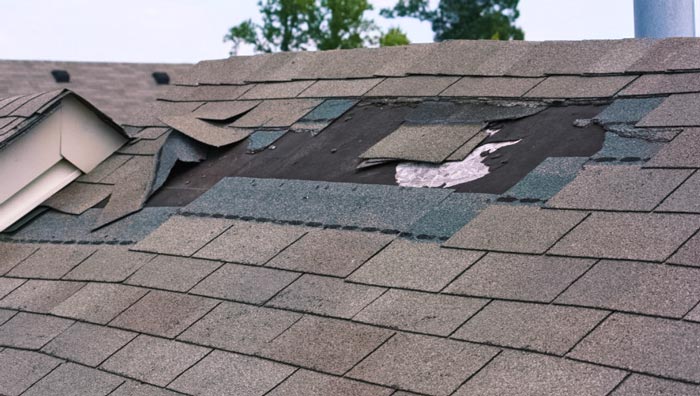
    Roofs can experience various types of damage due to weather conditions, aging, structural issues, and external factors. Some common types of roof damage include wind damage, hail damage, water-related damage such as leaks and ponding water, age-related wear and tear, and structural problems like roof sagging and punctures. Each type of damage requires specific attention and repair techniques to ensure the longevity and functionality of the roof.

    Weather-Related Roof Damage

    Wind and Storm Damage

    Wind and storm damage can wreak havoc on roofs, compromising their integrity and leading to potential leaks and other issues. Understanding the causes and signs of wind damage is essential for homeowners.

    Causes and signs of wind damage

    Strong winds can arise from severe storms, hurricanes, or even regular weather patterns in certain regions. They can cause various types of roof damage, such as:

    • Dislodged or missing shingles: High winds can loosen or tear off shingles, leaving the underlying roof structure exposed.
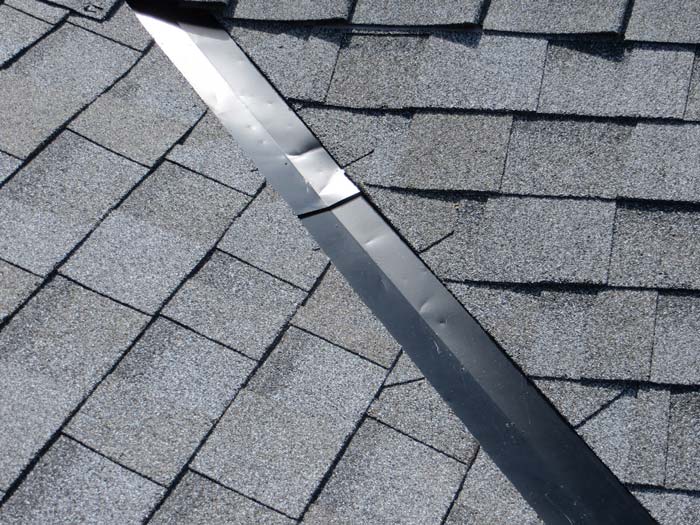
    • Lifted or damaged flashing: The flashing around chimneys, vents, and skylights can be lifted or damaged, allowing water to penetrate the roof.
    • Weakened or displaced fascia and soffits: Intense wind gusts can impact the fascia and soffits, leading to structural damage.

    Signs of wind damage may include visibly missing or damaged shingles, exposed areas of the roof, leaks, or water stains on interior ceilings or walls.

    Impact on roof components

    When wind damage occurs, it can affect various roof components:

    • Shingles: Damaged or missing shingles compromise the waterproofing and protective capabilities of the roof, making it susceptible to leaks and further damage.
    • Flashing: Lifted or damaged flashing allows water to infiltrate the roof, potentially leading to water-related damage and deterioration.
    • Gutters: Strong winds can cause debris and branches to impact gutters, leading to blockages and affecting proper drainage.

    Precautionary measures and repairs

    To mitigate wind damage, homeowners can take precautionary measures such as:

    • Ensuring proper installation: Roofing materials should be installed according to manufacturer guidelines and local building codes to withstand high winds.
    • Regular inspections: Periodic roof inspections by professionals can identify potential weaknesses and address them promptly.
    • Reinforcing vulnerable areas: Adding extra fasteners, using stronger adhesives, or reinforcing vulnerable components can enhance the roof’s resistance to wind damage.

    Hail Damage

    Hail can be a significant threat to roofs, causing various types of damage. Understanding how to identify hail damage, its common signs, and the necessary steps for assessing and restoring hail-damaged roofs is crucial for homeowners.

    Identifying hail damage on roofs

    Identifying hail damage requires a thorough inspection of the roof. Look for the following indicators:

    • Dented or cracked shingles: Hailstones can leave visible dents or cracks on shingles, compromising their integrity.
    • Bruised or punctured underlayment: The underlayment beneath the shingles may exhibit signs of bruising or punctures caused by the impact of hailstones.
    • Damaged flashing: Hail can also cause damage to flashing around roof penetrations such as chimneys, vents, and skylights.

    Common signs and consequences

    The consequences of hail damage can vary depending on the severity and size of the hailstones. Common signs include:

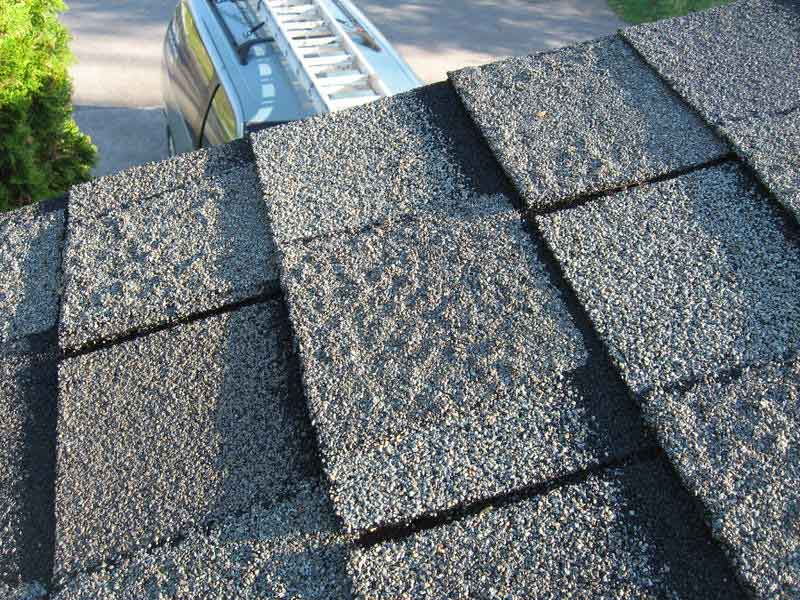
    • Granule loss: Hailstones can dislodge granules from the shingles, exposing the underlying material and reducing the roof’s protective capabilities.
    • Cracked or broken shingles: Hail impact can lead to shingles cracking or breaking, compromising their ability to shed water effectively.
    • Leaks and water infiltration: Hail damage can create vulnerabilities that allow water to penetrate the roof, leading to leaks and potential water damage within the structure.

    Assessing and restoring hail-damaged roofs

    If you suspect hail damage, it’s crucial to have a professional roofing contractor assess the extent of the damage. They will provide a comprehensive inspection and recommend appropriate restoration measures.

    • Insurance claims: In cases of significant hail damage, it may be necessary to file an insurance claim. Document the damage with photographs and consult with your insurance provider to understand the process and requirements.
    • Repairs and replacements: Depending on the severity of the hail damage, repairs or replacements may be necessary. This can involve replacing damaged shingles, addressing underlying issues, and restoring the roof’s integrity.

    fix leaky roof

    Water-Related Roof Damage

    Roof Leaks and Water Intrusion

    Roof leaks and water intrusion are common types of water-related roof damage that homeowners may encounter. Understanding the causes, detecting leaks, and knowing the consequences of water damage is essential to address these issues effectively.

    Causes and detection of leaks

    Roof leaks can be caused by various factors, including:

    • Damaged or missing shingles: Cracked or missing shingles create openings for water to penetrate the roof structure.
    • Damaged flashing: Improperly installed or deteriorated flashing around chimneys, vents, and skylights can allow water to infiltrate.
    • Clogged gutters: When gutters are clogged with debris, water can overflow and seep into the roof, causing damage over time.

    Detecting roof leaks requires a systematic approach:

    • Visual inspection: Look for water stains on ceilings or walls, peeling paint, or mold and mildew growth, which may indicate water intrusion.
    • Attic examination: Inspect the attic for signs of water damage, such as damp insulation, rotting wood, or water drips.

    Consequences of water damage

    Water damage can have severe consequences if left unaddressed:

    • Structural damage: Prolonged exposure to water can weaken the roof structure, leading to sagging, rot, or even collapse.
    • Mold and mildew growth: Excess moisture can create an ideal environment for mold and mildew to flourish, posing health risks and further damaging the property.
    • Electrical hazards: Water infiltration can compromise electrical systems, increasing the risk of electrical malfunctions or fires.

    Repair options for roof leaks

    Repairing roof leaks requires proper identification of the source and suitable repair techniques:

    • Patching: Small leaks caused by localized damage can often be repaired by applying sealants or patches to the affected areas.
    • Shingle replacement: If damaged shingles are the source of the leak, replacing the affected shingles can help prevent further water intrusion.
    • Flashing repair or replacement: Damaged flashing should be repaired or replaced to ensure proper water sealing around roof penetrations.

    repairs roofing maintenance

    Age-Related Roof Damage

    Signs of an Aging Roof

    Over time, roofs naturally deteriorate due to age-related factors. Recognizing the signs of an aging roof is crucial for homeowners to take proactive measures and address potential damage promptly.

    • Curling or buckling shingles: Shingles that have curled or buckled at the edges are indicative of an aging roof. This can occur due to prolonged exposure to the elements.
    • Cracked or missing shingles: As a roof ages, shingles may crack or become dislodged, leaving vulnerable areas that can lead to water intrusion and further damage.
    • Granule loss: Aging roofs often experience granule loss, which can be observed as a buildup of granules in gutters or downspouts. This indicates a decrease in the shingles’ protective capabilities.

    Effects of UV radiation and weathering

    UV radiation and weathering are two primary factors that contribute to the aging process of a roof. Understanding their effects can help homeowners grasp the importance of maintaining and protecting their roofs.

    • UV radiation: Prolonged exposure to the sun’s UV rays can cause shingles to become brittle, fade in color, and lose their structural integrity. This can lead to increased vulnerability to other types of roof damage.
    • Weathering: Extreme weather conditions such as rain, snow, hail, and fluctuating temperatures take a toll on the roof over time. They can cause the materials to expand, contract, and deteriorate, accelerating the aging process.

    Addressing age-related damage through maintenance

    Regular maintenance is key to extending the lifespan of an aging roof and minimizing potential damage. Homeowners should consider the following maintenance practices:

    • Inspections: Schedule periodic roof inspections by a professional to assess the condition of the roof, identify areas of concern, and address any potential issues promptly.
    • Repairs and replacements: Perform necessary repairs or replacements as soon as signs of age-related damage are identified. This includes replacing cracked or missing shingles and addressing areas of granule loss.
    • Cleaning and debris removal: Keep the roof clean and free from debris that can retain moisture and promote the growth of mold and algae, which can further deteriorate the roof.

    how to remove roof moss

    Vegetation-Related Roof Damage

    Moss and Algae Growth

    The presence of moss and algae on roofs is a common issue that can lead to various types of damage if left unaddressed. Understanding the impact of moss and algae, preventive measures, and the consequences of neglecting vegetation-related damage is crucial for maintaining a healthy roof.

    Impact on roof surfaces

    Moss and algae growth can have detrimental effects on roof surfaces:

    • Moisture retention: Moss and algae trap moisture, which can accelerate the deterioration of roofing materials, especially in humid environments. This can lead to the weakening of the roof structure over time.
    • Shingle damage: Moss and algae can penetrate beneath the shingles, causing them to lift, crack, or warp. This compromises the roof’s ability to shed water, leading to potential leaks and water damage.
    • Reduced lifespan: The presence of moss and algae can shorten the lifespan of roofing materials, resulting in the need for premature repairs or replacements.

    Preventing and removing moss and algae

    To prevent moss and algae growth on the roof, consider the following measures:

    • Regular roof maintenance: Keep the roof clean by removing debris, leaves, and twigs that can provide a favorable environment for moss and algae to thrive.
    • Trimming nearby trees: Ensure that tree branches are adequately trimmed to minimize shade and improve air circulation, reducing moisture buildup.
    • Zinc or copper strips: Installing strips of zinc or copper near the roof’s ridge can inhibit moss and algae growth by releasing small amounts of metal ions during rainfall.
    • Biocide treatments: Applying specialized biocide treatments can effectively eliminate existing moss and algae and inhibit their future growth.

    Consequences of neglecting vegetation-related damage

    Neglecting vegetation-related damage can lead to severe repercussions:

    • Structural degradation: Moss and algae can compromise the integrity of the roof, leading to leaks, water damage, and even structural issues if left unchecked.
    • Increased maintenance costs: Delaying the removal of moss and algae can result in more extensive damage, requiring costly repairs or even a complete roof replacement.
    • Aesthetics and curb appeal: Excessive moss and algae growth can make a roof appear unsightly, negatively impacting the overall aesthetics and value of a property.

    evaluating roof damage

    Structural Roof Damage

    Sagging Roofs

    Sagging roofs are a serious type of structural damage that can compromise the integrity and safety of a building. Understanding the causes, signs, and necessary actions to rectify this issue is essential for homeowners.

    Causes and signs of roof sagging

    Roof sagging can occur due to various factors, including:

    • Overload: Excessive weight on the roof, such as accumulated snow, heavy equipment, or multiple layers of roofing materials, can cause the roof structure to sag over time.
    • Poor construction or design: Inadequate construction techniques, improper use of materials, or insufficient support structures during the initial installation can lead to roof sagging.
    • Water damage: Prolonged water infiltration due to leaks or inadequate drainage can weaken the roof’s structural components, leading to sagging.

    Signs of roof sagging may include:

    • Visibly dipping or bowing sections of the roofline.
    • Cracked or distorted ceilings and walls inside the building.
    • Uneven or sagging areas on the roof surface.

    Structural implications and safety concerns

    A sagging roof indicates significant structural problems that should not be ignored. The implications of a sagging roof include:

    • Increased risk of roof collapse: The compromised structural integrity of a sagging roof poses a potential hazard to the occupants of the building, making it crucial to address the issue promptly.
    • Damage to other building components: Roof sagging can exert stress on the walls, windows, and foundation, potentially causing additional damage throughout the structure.

    Rectifying sagging roofs through reinforcements

    When dealing with a sagging roof, it is vital to consult a professional roofing contractor or structural engineer who can assess the severity of the damage and recommend appropriate measures. Reinforcements may include:

    • Installing additional support beams or trusses to strengthen the roof structure.
    • Removing excess weight, such as snow accumulation or unnecessary layers of roofing materials.
    • Repairing or replacing damaged structural components, such as rafters or joists.

    Free, No Obligation

    Request Your Free Estimate & Inspection

    Tell us about your roof and we’ll come take a look — no pressure, no cost. Or call us right now on (703) 964-6233.

    (703) 964-6233
    Contact Form Demo (#3)
    Owens Corning Preferred Contractor GAF System Plus CertainTeed SureStart PLUS BBB A+ Accredited HomeAdvisor

    RNC Roofing

    RNC Roofing and Construction Group — The Roofing Contractor Specialists. Protecting your home, one shingle at a time.

    Virginia

    (703) 964-6233 Sterling · Leesburg · Ashburn
    Loudoun & Fairfax County

    Maryland

    (703) 964-6233 Beltsville · District Heights
    All of Maryland
    © 2026 RNC Roofing and Construction Group — The Roofing Contractor Specialists Northern Virginia & Maryland
  • Can Clogged Gutters Cause Ceiling Leaks? | RNC Roofing

    Protecting your home, one shingle at a time VA (703) 964-6233| MD (703) 964-6233| Free Estimate & Inspection
    Homeowner Help

    Can Clogged Gutters Cause Ceiling Leaks? | RNC Roofing

    RNC Roofing and Construction Group April 21, 2023
    Can Clogged Gutters Cause Ceiling Leaks? | RNC Roofing

    Can Clogged Gutters Cause Ceiling Leaks?

    Ceiling leaks can be a nightmare for homeowners. They not only cause damage to your ceiling but also to your walls, floors, and electrical systems. In severe cases, they can even compromise the structural integrity of your home. While there are several reasons why your ceiling may be leaking, clogged gutters can be a major contributor. In the following sections, we will discuss how clogged gutters can lead to ceiling leaks and what you can do to prevent them.

    What Causes Ceiling Leaks?

    Ceiling leaks can be caused by several factors, including:

    • Damaged or missing shingles
    • Cracked or damaged flashing
    • Damaged roof vents
    • Ice dams
    • Clogged gutters
    • Condensation

    While all of these factors can contribute to ceiling leaks, clogged gutters are often overlooked as a potential cause.

    clean gutters

    How Clogged Gutters Can Cause Ceiling Leaks

    When gutters become clogged with debris such as leaves, twigs, and dirt, they are unable to channel water away from your home effectively. As a result, the water can overflow from the gutters and spill onto your roof, causing damage to your shingles and flashing. Over time, this can lead to water seeping into your home, causing ceiling leaks.Moreover, clogged gutters can also lead to ice dams during winter months. When gutters are clogged, water accumulates in them and freezes, forming ice dams. These ice dams prevent the water from draining properly, which causes it to back up into your roof and eventually seep into your home, causing ceiling leaks.

    signs of blistering roof , signs to replace your roof

    Signs of Clogged Gutters

    The following are some signs that your gutters may be clogged:

    • Water overflowing from the gutters during heavy rainfall
    • Sagging gutters
    • Water damage to the walls and ceilings
    • Mold growth
    • Insects and rodents nesting in the gutters

    prevent blistering shingles , preventing storm damage roof

    How to Prevent Clogged Gutters

    Preventing clogged gutters is essential to prevent ceiling leaks. The following are some steps you can take to prevent clogged gutters:

    • Regularly clean your gutters
    • Trim nearby trees to prevent leaves and twigs from falling into the gutters
    • Install gutter guards to prevent debris from accumulating in the gutters
    • Install downspout extensions to direct water away from your home’s foundation

    How Often Should You Clean Your Gutters?

    How often you should clean your gutters depends on several factors, such as the number of trees surrounding your home, the amount of rainfall you receive, and the size of your gutters. As a general rule, you should clean your gutters at least twice a year, preferably in the spring and fall. However, if you notice any signs of clogging, you should clean them immediately.

    repairing storm damage roof

    What to Do If You Have a Ceiling Leak

    If you notice water stains on your ceiling or walls, you may have a ceiling leak. The following are some steps you can take to prevent further damage:

    Locate the source of the leak by checking your attic or crawl space.

    If the leak is caused by clogged gutters, clean them immediately.

    Repair any damaged shingles, flashing, or vents.

    Remove any water-damaged materials such as drywall or insulation.

    Dry out the affected area using fans or dehumidifiers.

    Apply a mold inhibitor to prevent mold growth.

    If the leak is severe or you are unable to locate the source, you should contact a professional like RNC Roofing and Construction to inspect your roof today!

    View More Informative Articles

    Free, No Obligation

    Request Your Free Estimate & Inspection

    Tell us about your roof and we’ll come take a look — no pressure, no cost. Or call us right now on (703) 964-6233.

    (703) 964-6233
    Contact Form Demo (#3)
    Owens Corning Preferred Contractor GAF System Plus CertainTeed SureStart PLUS BBB A+ Accredited HomeAdvisor

    RNC Roofing

    RNC Roofing and Construction Group — The Roofing Contractor Specialists. Protecting your home, one shingle at a time.

    Virginia

    (703) 964-6233 Sterling · Leesburg · Ashburn
    Loudoun & Fairfax County

    Maryland

    (703) 964-6233 Beltsville · District Heights
    All of Maryland
    © 2026 RNC Roofing and Construction Group — The Roofing Contractor Specialists Northern Virginia & Maryland
  • How Often Should You Replace Your Roof? -By RNC Roofing

    Protecting your home, one shingle at a time VA (703) 964-6233| MD (703) 964-6233| Free Estimate & Inspection
    Homeowner Help

    How Often Should You Replace Your Roof? -By RNC Roofing

    RNC Roofing and Construction Group April 7, 2023
    How Often Should You Replace Your Roof? -By RNC Roofing

    How Often Should You Replace Your Roof?

    As a homeowner, one of the biggest investments you can make is in your roof and one of the biggest questions asked is how often should I replace my roof?. It is essential to ensure that your roof is in good condition to protect your home and family from the elements. However, how often should you replace your roof? This question does not have a straightforward answer since many factors determine the lifespan of your roof. In this article, we’ll explore how often you should replace your roof and the factors that can affect its lifespan.

    Factors That Affect Your Roof’s Lifespan

    The lifespan of a roof can vary widely depending on factors such as:

    Roof Material

    The type of roof material you have installed can affect its lifespan. For example, asphalt shingle roofs can last up to 20 years, while metal roofs can last up to 50 years or more.

    Climate

    Your roof’s lifespan can also be affected by your local climate. For example, roofs in areas with heavy snow or rainfall may have a shorter lifespan due to the added weight and moisture exposure.Click Here To Learn More About Storm Roof Damage

    heavy rain fall

    Installation Quality

    Proper installation is critical to the longevity of your roof. A poorly installed roof may not last as long as one installed correctly.

    repair roofing Leesburg VA

    Maintenance

    Regular maintenance can help extend the lifespan of your roof. Neglecting maintenance can cause damage that can shorten the roof’s lifespan.

    roof repair inspection icon

    The Recommended Replacement Schedule

    Here’s a general guideline for the recommended replacement schedule based on the material used:

    12-20 Years

    Composition Shingles

    picture of composition shingles , how often roof replace

    15-30 Years

    Asphalt Shingles

    ridge vent on roof , shingles

    20-25 Years

    Wood Shingles

    wood shingle roofing material , how often roof replace

    30-50 Years

    Rubber Roofs

    roofer roof , how often roof replace

    50-75 Years

    Metal Roofs

    signs of blistering roof , signs to replace your roof

    Signs For When To Replace Your Roof

    While there is no one-size-fits-all answer to how often you should replace your roof, there are some signs to look out for that may indicate it is time to replace your roof.

    Age: The age of your roof is a good indicator of when you should consider replacing it. Most roofs have a lifespan of 20-25 years, so if your roof is approaching that age, it may be time to replace it.

    Damaged Shingles: If you notice shingles that are cracked, curling, or missing, it may be time to replace your roof. Damaged shingles can expose your roof to moisture and cause further damage.

    Leaks: If you notice water stains or leaks in your home, it could be a sign that your roof is damaged and needs to be replaced.

    Sagging: If you notice any sagging in your roofline, it may be a sign of a structural issue that requires immediate attention.

    Energy Bills: If you notice an increase in your energy bills, it could be a sign that your roof is not insulating your home correctly, and it may be time to replace it or if you have any other concerns regarding your energy bill Click Here

    How often you should replace your roof depends on several factors, including the roof material, climate, installation quality, and maintenance. While the average lifespan of a roof is 20-25 years, some factors can shorten or extend that lifespan. If you notice any signs of damage or aging, it may be time to replace your roof or Contact a Professional.

    Read More Informative Articles

    Free, No Obligation

    Request Your Free Estimate & Inspection

    Tell us about your roof and we’ll come take a look — no pressure, no cost. Or call us right now on (703) 964-6233.

    (703) 964-6233
    Contact Form Demo (#3)
    Owens Corning Preferred Contractor GAF System Plus CertainTeed SureStart PLUS BBB A+ Accredited HomeAdvisor

    RNC Roofing

    RNC Roofing and Construction Group — The Roofing Contractor Specialists. Protecting your home, one shingle at a time.

    Virginia

    (703) 964-6233 Sterling · Leesburg · Ashburn
    Loudoun & Fairfax County

    Maryland

    (703) 964-6233 Beltsville · District Heights
    All of Maryland
    © 2026 RNC Roofing and Construction Group — The Roofing Contractor Specialists Northern Virginia & Maryland
  • Storm Damage Roof: Types, Prevention, and Repair Guide

    Protecting your home, one shingle at a time VA (703) 964-6233| MD (703) 964-6233| Free Estimate & Inspection
    Homeowner Help

    Storm Damage Roof: Types, Prevention, and Repair Guide

    RNC Roofing and Construction Group April 6, 2023
    Storm Damage Roof: Types, Prevention, and Repair Guide

    Storm damage Roof

    As a professional roofer, we understand that a storm damage can be a homeowner’s worst nightmare. From water leaks to mold growth, storm damage can cause significant structural damage to your home, leading to costly repairs. In this article, we will provide you with comprehensive information on storm damage to roofs, how to prevent it, and how to repair it. We will also focus on how to make your roof more storm-resistant and the steps you can take to ensure that your roof remains structurally sound for years to come.

    Types Of Storm Damage

    Hail Damage

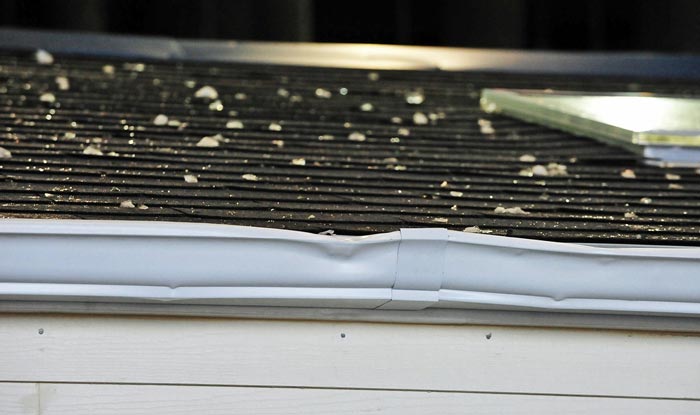
    Hailstones can cause dents, cracks, or holes in roofing materials, including asphalt shingles, metal roofs, and flat roofs.

    damaged white gutter , shingles , roof , hail damage , storm damaged roof

    Wind Damage

    Strong winds can lift shingles, tear off gutters, and damage flashing, causing leaks and other issues.

    cracked damaged shingles , roofing, blistering roof

    Water Damage

    Heavy rain or snow can cause water to penetrate through the roof’s surface, leading to leaks and water damage.

    dark areas on roofing from roof lean in heavy rain , peeling paint blistering roof

    Debris Damage

    Storms can bring debris such as tree branches, twigs, or rocks, which can cause significant damage to the roof.

    broken , dented roof flashing , roof leak in heavy rain

    Preventing Storm Damage to Roofs

    Preventing storm damage to your roof starts with proper maintenance and preparation. Here are some steps you can take to prevent storm damage to your roof:

    Regular Maintenance: Schedule regular roof inspections to identify and address any potential issues before they become major problems. Regular maintenance can also help you catch any storm damage early and make repairs before the damage worsens.

    Trimming Trees: Trim any overhanging branches that can cause damage to your roof during a storm. Overhanging branches can become a hazard during a storm, causing significant damage to your roof.

    Cleaning Gutters: Keep gutters and downspouts clean to prevent water from backing up and causing damage. Clogged gutters can cause water to overflow onto your roof, leading to water damage and other issues.

    Secure Loose Items: Secure any loose items on your roof, such as satellite dishes, to prevent them from becoming projectiles during a storm. Loose items can become a hazard during a storm, causing significant damage to your roof.

    prevent blistering shingles , preventing storm damage roof
    waterproofing prevent blistering shingles sign , storm damage roof resistant

    Making Your Roof More Storm Resistant

    Making your roof more storm-resistant is another way to prevent storm damage to your home. Here are some steps you can take to make your roof more storm-resistant:

    Install Impact-Resistant Roofing Materials: Impact-resistant roofing materials, such as asphalt shingles or metal roofing, can withstand the impact of hail and other debris.

    Strengthen Your Roof Decking: Adding extra support to your roof decking can make your roof more stable during high winds.

    Install Proper Flashing: Proper flashing can help prevent water from entering your home through the roof’s seams, preventing water damage.

    Install a Sealed Roof Deck: A sealed roof deck can prevent water from penetrating your roof’s surface, reducing the risk of water damage and leaks.

    Repairing Storm Damage to Roofs

    repairing storm damage roof

    If your roof has been damaged by a storm, it is essential to take immediate action to prevent further damage. Here are the steps you should take to repair storm damage to your roof:

    Safety First:

    Inspect Your Roof from the Ground: Before climbing onto your roof to inspect it, assess the safety risks. Ensure that the ladder is secure and stable before climbing onto your roof.

    Assess the Damage:

    Determine the extent of the damage to your roof. Look for missing or damaged shingles, flashing, or other roofing materials.

    Document the Damage:

    Take pictures of any damage you can see on your roof. This will be helpful when you file a claim with your insurance company. Make sure to take close-up shots of any damaged shingles, as well as wider shots that show the overall extent of the damage. If possible, take pictures from multiple angles.

    Contact Your Insurance Company:

    Once you have documented the damage, contact your insurance company as soon as possible. They will likely send out an adjuster to inspect the damage and determine the cost of repairs. Make sure to provide them with the pictures you took and any other relevant information they request.

    Time is of the essence:

    It’s crucial to act quickly and contact your insurance company as soon as you notice any potential storm damage to your roof. Most insurance policies have a time limit for filing a claim, and waiting too long could result in a denial of coverage. In addition, delaying repairs can lead to more extensive damage and more expensive repairs in the long run.

    Be wary of scams:

    Unfortunately, there are some unscrupulous roofing and insurance companies out there who may try to take advantage of homeowners in a vulnerable position. Be cautious of any contractor who shows up unannounced at your door offering to inspect your roof or promises to handle everything with your insurance company. Do your research and only work with reputable, licensed contractors who have a track record of quality work and good customer service.

    Choose your contractor wisely:

    Once your claim is approved, you’ll need to choose a contractor to handle the repairs. It’s important to choose a licensed and insured contractor with experience working with insurance claims. Don’t be tempted to choose the cheapest option, as this could lead to subpar workmanship and low-quality materials. Instead, look for a contractor with a strong reputation for quality work and excellent customer service.

    Get Professional Help:

    It is important to have a professional roofing contractor assess the damage as well. They can provide you with an estimate for repairs and can help you determine the best course of action. It is important to choose a reputable roofing contractor with experience in storm damage repairs. Look for reviews online and ask for references.

    Temporary Repairs:

    In some cases, it may be necessary to make temporary repairs to prevent further damage while you wait for repairs. This could include covering damaged areas with tarps or plastic sheeting, or using roofing cement to seal damaged shingles.

    Preventing Future Damage:

    There are steps you can take to help prevent future storm damage to your roof. Regular maintenance, such as cleaning gutters and trimming trees, can help prevent debris buildup on your roof. It is also a good idea to have your roof inspected regularly

    contact rnc roofing and construction

    Contact a Professional Today

    RNC Roofing and Construction

    Storm damage to your roof can be a stressful and overwhelming experience. However, by taking the right steps and working with professionals, you can ensure that your roof is repaired quickly and effectively. Remember to document the damage, contact your insurance company, get professional help, make temporary repairs if necessary, understand the insurance claims process, and take steps to prevent future damage. By following these guidelines, you can help protect your home and ensure that your roof remains in good condition for years to come. Read More Here About Storm Damage Roofs.

    View More Informative Articles

    Free, No Obligation

    Request Your Free Estimate & Inspection

    Tell us about your roof and we’ll come take a look — no pressure, no cost. Or call us right now on (703) 964-6233.

    (703) 964-6233
    Contact Form Demo (#3)
    Owens Corning Preferred Contractor GAF System Plus CertainTeed SureStart PLUS BBB A+ Accredited HomeAdvisor

    RNC Roofing

    RNC Roofing and Construction Group — The Roofing Contractor Specialists. Protecting your home, one shingle at a time.

    Virginia

    (703) 964-6233 Sterling · Leesburg · Ashburn
    Loudoun & Fairfax County

    Maryland

    (703) 964-6233 Beltsville · District Heights
    All of Maryland
    © 2026 RNC Roofing and Construction Group — The Roofing Contractor Specialists Northern Virginia & Maryland
  • Replacing Your Roof in Spring: Enhancing Value and Protection

    Protecting your home, one shingle at a time VA (703) 964-6233| MD (703) 964-6233| Free Estimate & Inspection
    Homeowner Help

    Replacing Your Roof in Spring: Enhancing Value and Protection

    RNC Roofing and Construction Group November 9, 2022
    Replacing Your Roof in Spring: Enhancing Value and Protection

    Replacing Your Roof in Spring: Enhancing Value and Protection

    Maintaining a structurally sound roof is vital to safeguard your home from various weather conditions, such as rain, snow, wind, and extreme temperatures. Over time, roofs can deteriorate due to aging, wear and tear, and exposure to the elements. Regular inspections and necessary repairs are essential to ensure your roof remains in optimal condition. However, in some cases, roof replacement becomes necessary to guarantee maximum protection.

    Understanding the Optimal Timing for Roof Replacement

    The Significance of Timing and Weather Conditions

    When it comes to replacing your roof, timing is crucial. The weather conditions during the installation process can greatly impact the outcome and durability of your new roof. Spring, with its mild and predictable weather patterns, emerges as an ideal season for roof replacement. The moderate temperatures and reduced chances of extreme weather events allow for a smoother and more efficient installation process.

    Spring: An Ideal Season for Roof Replacement

    Spring brings a host of advantages that make it the optimal time to replace your roof. First, the mild temperatures of spring provide a favorable working environment for roofing contractors. Extreme heat or cold can impede the proper sealing of roofing materials, making it challenging to achieve a reliable and long-lasting installation. By choosing spring, you ensure that the materials bond effectively, resulting in a structurally sound roof.

    Effects of Winter on Roofs and the Need for Spring Repairs

    Winter can be harsh on roofs, exposing them to freezing temperatures, heavy snow, ice dams, and moisture infiltration. These factors can cause damage to shingles, compromise the integrity of the roof’s structure, and increase the risk of leaks. Therefore, it is essential to inspect your roof after the winter season and address any existing issues promptly.Replacing your roof in spring allows you to tackle the damage caused by winter effectively. It ensures that any vulnerabilities or weaknesses are addressed before the more intense weather conditions of summer arrive. By being proactive in spring, you can prevent further deterioration and extend the lifespan of your roof.

    vac home improvement

    Taking Advantage of Milder Weather Conditions

    Explaining the Impact of Weather on the Roof Replacement Process

    Weather plays a significant role in the roof replacement process. Extreme temperatures, high humidity, or inclement weather can pose challenges and affect the quality of the installation. Optimal weather conditions are crucial to ensure that the roofing materials adhere correctly and that the overall process proceeds smoothly.

    Detailing How Spring Offers Favorable Conditions for Efficient Roof Installation

    Spring, with its milder weather conditions, provides an excellent opportunity for efficient roof replacement. The moderate temperatures allow for better flexibility of roofing materials, making them easier to handle and install. Additionally, the reduced moisture levels in the air during spring help ensure proper bonding of shingles, preventing issues such as lifting or warping that can occur in more humid conditions. Furthermore, spring offers longer daylight hours, providing contractors with ample time to complete the installation without feeling rushed. The extended daylight allows for better visibility and facilitates the roofing team’s ability to inspect and address any potential issues that may arise during the installation process.

    Benefits of Avoiding Extreme Temperatures and Inclement Weather during the Replacement

    By choosing to replace your roof in spring, you can avoid the challenges associated with extreme temperatures. High temperatures can cause materials to expand and become more pliable, making them susceptible to damage during installation. On the other hand, freezing temperatures can hinder the proper sealing and adhesion of roofing components, leading to potential leaks or premature deterioration.

    winter season best time to replace roof

    Addressing Winter Damage and Wear

    Highlighting the Potential Damage Caused by Winter Elements to Roofs

    Winter can take a toll on roofs, subjecting them to various damaging elements. Snow, ice, freezing temperatures, and fluctuating weather conditions can lead to significant wear and tear over time. It’s essential to address these issues to maintain a structurally sound roof.

    Discussing Common Issues like Ice Dams, Snow Accumulation, and Water Infiltration

    One of the most common problems during winter is the formation of ice dams. When snow accumulates on the roof, uneven heat distribution causes the melting snow to refreeze at the eaves, creating ice dams. These dams prevent proper drainage, leading to water pooling and potential leaks. Snow accumulation itself can also put excessive weight on the roof, potentially causing structural damage. Furthermore, winter brings an increased risk of water infiltration. As snow and ice melt, water can seep into the smallest cracks or gaps in the roof’s surface, leading to moisture penetration and subsequent damage to the underlying structure. This moisture intrusion can result in rot, mold growth, and compromised insulation, affecting both the roof’s integrity and the overall indoor environment.

    Explaining How Early Spring Roof Replacement Helps Prevent Further Deterioration

    Replacing your roof early in spring is a proactive approach to preventing further deterioration caused by winter damage. By promptly addressing issues such as ice dams, snow accumulation, and water infiltration, you can safeguard your home from potential long-term consequences. A new roof installed in early spring ensures that any existing problems are resolved, minimizing the risk of further damage as the seasons progress. It provides a fresh start and strengthens the roof’s ability to withstand the challenges of the upcoming year, including heavy rain, strong winds, and the heat of summer.

    wind damage roof repair

    Preparing Your Roof for Summer Challenges

    Upcoming Summer Season and Its Potential Challenges for Roofs

    As spring transitions into summer, it’s essential to prepare your roof for the upcoming season’s challenges. Summer brings its own set of weather conditions that can impact the longevity and performance of your roof. By understanding these challenges, you can take proactive steps to ensure your roof remains in optimal condition.

    How a Newly Replaced Roof Can Better Withstand Intense Heat, UV Radiation, and Heavy Rainstorms

    A newly replaced roof provides enhanced protection against the intense heat, UV radiation, and heavy rainstorms commonly experienced during summer. By choosing the right roofing materials and installing them during spring, you create a strong defense against these challenges. The materials used in a roof replacement, such as heat-reflective shingles or metal roofing, can help mitigate the effects of intense heat. These materials reflect a significant portion of the sun’s rays, reducing the amount of heat absorbed by the roof and minimizing thermal expansion, which can lead to premature aging and deterioration.

    energy efficiency spring roofing

    Maximizing Energy Efficiency

    Exploring How a New Roof in Spring Can Improve Energy Efficiency

    Replacing your roof in spring provides an excellent opportunity to enhance the energy efficiency of your home. An old or damaged roof can compromise insulation, ventilation, and solar reflectance, leading to energy loss and increased utility bills. By investing in a new roof during the spring season, you can optimize energy efficiency and enjoy long-term cost savings.

    Discussing the Benefits of Proper Insulation, Ventilation, and Solar Reflectance

    Proper insulation is crucial for maintaining a comfortable indoor temperature and reducing the strain on your cooling system during the hot summer months. A new roof installation allows for the integration of modern insulation materials, such as spray foam or fiberglass batts, which effectively minimize heat transfer between the interior and exterior of your home. This insulation helps to keep your home cooler in the summer, reducing the need for excessive air conditioning and lowering energy consumption. In addition to insulation, proper ventilation plays a vital role in maximizing energy efficiency. Adequate airflow through the attic and roof space helps regulate temperature and prevent the buildup of heat and moisture. A well-ventilated roof allows hot air to escape, reducing the need for excessive air conditioning and improving overall energy efficiency.

    How a Well-Insulated Roof Can Reduce Cooling Costs During Hot Summer Months

    When your roof is properly insulated, it acts as a barrier against heat transfer, keeping your home cooler and reducing the need for excessive air conditioning. This directly translates into lower cooling costs during the hot summer months. By investing in a new roof in spring and ensuring proper insulation, you can enjoy a more energy-efficient home, reduce your carbon footprint, and save money on your utility bills.

    financing roofing ashburn va

    Enhancing the Value of Your Home

    Explaining How a Roof Replacement Can Increase Property Value

    Replacing your roof in spring is not only a practical decision but also a smart investment that can significantly enhance the value of your home. A new roof is an attractive feature for potential buyers and can make your property stand out in the competitive real estate market. It gives the impression of a well-maintained and cared-for home, which can increase its overall market value. When potential buyers consider purchasing a home, they often prioritize the condition of the roof. By replacing your roof in spring, you ensure that your property has a fresh, sturdy, and visually appealing roof that can serve as a selling point. This investment not only offers peace of mind to potential buyers but also increases their confidence in the overall quality and condition of the property.

    How a New Roof Improves Curb Appeal and Boosts Buyer Confidence

    The roof is a prominent visual element of your home’s exterior, contributing significantly to its curb appeal. A worn-out, damaged, or outdated roof can detract from the overall aesthetic appeal of your property. On the other hand, a new roof instantly revitalizes the look of your home, making it more visually appealing and appealing to potential buyers. Aesthetics aside, a new roof also boosts buyer confidence. It provides assurance that the home is protected from the elements and that they won’t have to worry about costly roof repairs or replacements in the near future. A well-maintained roof indicates that the homeowner has taken care of the property, giving buyers the confidence to move forward with the purchase.

    Highlighting the Potential Return on Investment and Long-Term Savings

    While replacing your roof in spring requires an initial investment, it offers long-term financial benefits. A new roof can provide a high return on investment by increasing the value of your home. The money spent on the roof replacement can be recouped when selling the property, making it a worthwhile investment.

    Free, No Obligation

    Request Your Free Estimate & Inspection

    Tell us about your roof and we’ll come take a look — no pressure, no cost. Or call us right now on (703) 964-6233.

    (703) 964-6233
    Contact Form Demo (#3)
    Owens Corning Preferred Contractor GAF System Plus CertainTeed SureStart PLUS BBB A+ Accredited HomeAdvisor

    RNC Roofing

    RNC Roofing and Construction Group — The Roofing Contractor Specialists. Protecting your home, one shingle at a time.

    Virginia

    (703) 964-6233 Sterling · Leesburg · Ashburn
    Loudoun & Fairfax County

    Maryland

    (703) 964-6233 Beltsville · District Heights
    All of Maryland
    © 2026 RNC Roofing and Construction Group — The Roofing Contractor Specialists Northern Virginia & Maryland
  • Roof Replacement Cost for 2022 in Virginia and Maryland

    Protecting your home, one shingle at a time VA (703) 964-6233| MD (703) 964-6233| Free Estimate & Inspection
    Home Improvement

    Roof Replacement Cost for 2022 in Virginia and Maryland

    RNC Roofing and Construction Group March 7, 2022
    Roof Replacement Cost for 2022 in Virginia and Maryland

    Whether you’re considering limited roof repair and maintenance, or complete roof replacement, there are five main factors to evaluate when you begin researching the cost of a new roof. Pay particular attention to the following areas when requesting quotes from roofing contractors:

    Company reputation, Quality of roofing materials, Installation methods and techniques, Crew experience and expertise, and Warranty.

    Choosing a roofing contractor and negotiating cost is a matter of achieving a balanced mix of how highly you value each of those five factors.

    The Roofing Company and Their Reputation.

    There’s a lot more to selecting a roofing contractor than simply searching the internet for “roofers near me.” Just as no two roofs are the same, not all roofing companies are created equal.

    A good first step is to check the Better Business Bureau website to see how highly the company is rated and whether there are any unresolved consumer complaints about them. It’s also important to find a company with a solid track record of roof repair and installation in northern Virginia and Maryland. They’ll be most familiar with the problems that commonly affect roofs in your area, and they’ll have the most experience solving those specific problems. It also will make it easier for you to check out their work by visiting nearby homes. And always ask to see proof the roofing company you choose is fully licensed and insured, so you are not held responsible in the event of accident.

    Quality of Roofing Materials.

    Quality of Roofing Materials. The materials you use to replace your roof will affect the cost, durability, and curb appeal of your investment. Asphalt shingles are the most common material, and they come in a variety of styles and price points. Other types of roof covering include slate, tile, cedar shakes, metal, and plastic polymers. Some of these options may not be possible to install on your home depending on your home’s age or construction. Although the shingles are what everyone sees, there are additional materials to consider when replacing your roof. The most common materials include: The wood decking, A water/ice barrier, Starter strip, Flashing, Drip edge, Underlayment, Ridge caps, And possibly other specialized materials depending on your particular project. Don’t ignore these “hidden” materials just because they’re not obvious to your eye. Make sure you know all the specific roofing components that will be included in the price you negotiate for your roof. Verify also that all supplies will be top grade, first run, new material — no seconds, expired, or previously installed materials.

    Roofing Installation Method and Techniques.

    The average cost to replace a roof is highly dependent on the materials and installation methods used. The two factors are closely related and affect one another. Following are some of the major factors in roof installation you should clarify up front so you know exactly what you’re paying for, and why one roofing estimate may be higher or lower than another.  
    Re-roof, or replace? Re-roofing means nailing down a fresh layer of shingles over existing shingles. Replacement means stripping the roof to the wood decking and installing an all-new roof. Re-roofing is much less expensive and is acceptable in some situations. On the other hand, it might be a bad idea, dangerous, or even impossible in some cases. Make sure you know which one is right for you, and the difference in cost.
    Water/ice barrier and underlayment. Various materials and suppliers may be used for these two important layers of your roof. Each will perform differently in terms of leak prevention, temperature regulation inside your home, durability, and longevity. Installation methods will depend on what type of shingle material you choose, home age and construction, environmental factors, and more. Costs vary by installation method and material. Make sure you know which options are included in your price quote. Not-so-obvious roof components. There’s a lot more included in the average cost of a new roof than the top layer of shingles everyone sees. Depending on your home’s age and condition, you may even need to replace some or all of the wood decking that forms the first layer of your roof. Other possible special installation considerations include soffit vents, exhaust vents, ridge vent replacement, drip edging, and even gutters. The more not-so-obvious components you need or choose to install, the greater the cost.

    Lorem ipsum dolor sit amet, consectetur adipiscing elit. Ut elit tellus, luctus nec ullamcorper mattis, pulvinar dapibus leo.

    Free, No Obligation

    Request Your Free Estimate & Inspection

    Tell us about your roof and we’ll come take a look — no pressure, no cost. Or call us right now on (703) 964-6233.

    (703) 964-6233
    Contact Form Demo (#3)
    Owens Corning Preferred Contractor GAF System Plus CertainTeed SureStart PLUS BBB A+ Accredited HomeAdvisor

    RNC Roofing

    RNC Roofing and Construction Group — The Roofing Contractor Specialists. Protecting your home, one shingle at a time.

    Virginia

    (703) 964-6233 Sterling · Leesburg · Ashburn
    Loudoun & Fairfax County

    Maryland

    (703) 964-6233 Beltsville · District Heights
    All of Maryland
    © 2026 RNC Roofing and Construction Group — The Roofing Contractor Specialists Northern Virginia & Maryland
  • Materials Included With Your Roof Replacement.

    Protecting your home, one shingle at a time VA (703) 964-6233| MD (703) 964-6233| Free Estimate & Inspection
    Home Improvement

    Materials Included With Your Roof Replacement.

    RNC Roofing and Construction Group October 11, 2021
    Materials Included With Your Roof Replacement.

      Your Roof is more than just the shingles you see from the street, because it is a combination of different roofing materials and components that come together to form a complete roof system. What are these material and why are they important to your roof? RNC Construction Group helps you Understand what constitutes a roof, we break it down for you.  

    Roof Deck.

    The platform is the plywood boards that form the structure of your roof. These Plywood are where the shingles and other components are installed. Our RNC Constructions crews will not know you will have rotten boards until they finish tearing off the old roof. Our guys will document and capture pictures and share with you. At RNC Construction group our goal is to always keep our clients in the loop of the project.  

    Roof Flashing.

    The Roof Flashing is a metal that is placed anywhere the shingles lean against something, such as a wall, chimney or open valleys. If your flashing is not tarnished and the integrity of the metal is still strong, then there is no need for replacement. However, RNC construction Group will determine how strong and if your flashing is still in good conditions.  

    Underlayment.

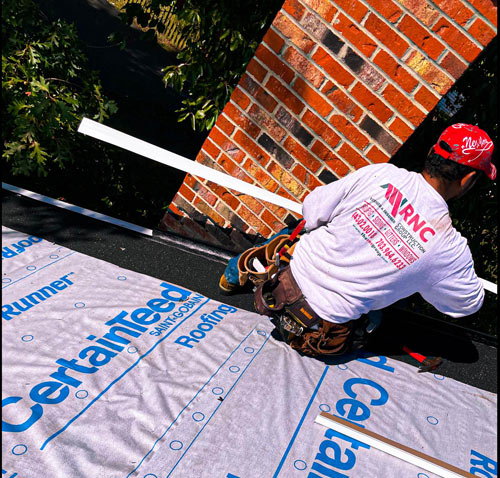
    The underlayment is a felt material, that is used over the deck to provide additional protection, making it a crucial component for you roof. Underlayment is your roof system’s last line of defense for your deck. It is important to invest in the best possible roofing components that is why we offer a system that includes Certified by the supply.  

    Drip Edge.

    Is the metal Flashing that’s installed at the edges of the roof to help control the flow of water away from your fascia and other roofing components.  

    Ice Water Shield.

    Your Valleys are crucial to keep water flowing in the right direction down your roof. Because of this, they need something to protect them from the constant flow of water every time it rains. That’s why is called the waterproof membrane because it protects your roof during winter and rain season.  

    Asphalt Shingles

    Your shingles are the top layer of your roof that is visible to the outside world. When people think of a roof replacement, they usually only think of their shingles, RNC construction Group has certifications of roof tile suppliers that provide 50 year warrantee (CertainTeed, GAF, OwenScorning.  

    Ridge Capping.

    Ridge Capping Is the trim Installed at the peak where the two slopes of a roof meet. They’re thicker than regular shingles so our crews at RNC Construction Group bent to form to the ridges on your roof.  

    Pipe Boots

    Roof Pipes must be covered properly with synthetic rubber around your roof penetration so that water does not run into your home. That’s where tube boots come in handy because it prevents leak.

    Free, No Obligation

    Request Your Free Estimate & Inspection

    Tell us about your roof and we’ll come take a look — no pressure, no cost. Or call us right now on (703) 964-6233.

    (703) 964-6233
    Contact Form Demo (#3)
    Owens Corning Preferred Contractor GAF System Plus CertainTeed SureStart PLUS BBB A+ Accredited HomeAdvisor

    RNC Roofing

    RNC Roofing and Construction Group — The Roofing Contractor Specialists. Protecting your home, one shingle at a time.

    Virginia

    (703) 964-6233 Sterling · Leesburg · Ashburn
    Loudoun & Fairfax County

    Maryland

    (703) 964-6233 Beltsville · District Heights
    All of Maryland
    © 2026 RNC Roofing and Construction Group — The Roofing Contractor Specialists Northern Virginia & Maryland
  • Roof Replacement Cost for 2021 in Virginia and Maryland

    Protecting your home, one shingle at a time VA (703) 964-6233| MD (703) 964-6233| Free Estimate & Inspection
    Home Improvement

    Roof Replacement Cost for 2021 in Virginia and Maryland

    RNC Roofing and Construction Group February 15, 2021
    Roof Replacement Cost for 2021 in Virginia and Maryland

    Whether you’re considering limited roof repair and maintenance, or complete roof replacement, there are five main factors to evaluate when you begin researching the cost of a new roof. Pay particular attention to the following areas when requesting quotes from roofing contractors:

    Company reputation, Quality of roofing materials, Installation methods and techniques, Crew experience and expertise, and Warranty.

    Choosing a roofing contractor and negotiating cost is a matter of achieving a balanced mix of how highly you value each of those five factors.

    The Roofing Company and Their Reputation.

    There’s a lot more to selecting a roofing contractor than simply searching the internet for “roofers near me.” Just as no two roofs are the same, not all roofing companies are created equal.

    A good first step is to check the Better Business Bureau website to see how highly the company is rated and whether there are any unresolved consumer complaints about them. It’s also important to find a company with a solid track record of roof repair and installation in northern Virginia and Maryland. They’ll be most familiar with the problems that commonly affect roofs in your area, and they’ll have the most experience solving those specific problems. It also will make it easier for you to check out their work by visiting nearby homes. And always ask to see proof the roofing company you choose is fully licensed and insured, so you are not held responsible in the event of accident.

    Quality of Roofing Materials.

    Quality of Roofing Materials. The materials you use to replace your roof will affect the cost, durability, and curb appeal of your investment. Asphalt shingles are the most common material, and they come in a variety of styles and price points. Other types of roof covering include slate, tile, cedar shakes, metal, and plastic polymers. Some of these options may not be possible to install on your home depending on your home’s age or construction. Although the shingles are what everyone sees, there are additional materials to consider when replacing your roof. The most common materials include: The wood decking, A water/ice barrier, Starter strip, Flashing, Drip edge, Underlayment, Ridge caps, And possibly other specialized materials depending on your particular project. Don’t ignore these “hidden” materials just because they’re not obvious to your eye. Make sure you know all the specific roofing components that will be included in the price you negotiate for your roof. Verify also that all supplies will be top grade, first run, new material — no seconds, expired, or previously installed materials.

    Roofing Installation Method and Techniques.

    The average cost to replace a roof is highly dependent on the materials and installation methods used. The two factors are closely related and affect one another. Following are some of the major factors in roof installation you should clarify up front so you know exactly what you’re paying for, and why one roofing estimate may be higher or lower than another.  
    Re-roof, or replace? Re-roofing means nailing down a fresh layer of shingles over existing shingles. Replacement means stripping the roof to the wood decking and installing an all-new roof. Re-roofing is much less expensive and is acceptable in some situations. On the other hand, it might be a bad idea, dangerous, or even impossible in some cases. Make sure you know which one is right for you, and the difference in cost.
    Water/ice barrier and underlayment. Various materials and suppliers may be used for these two important layers of your roof. Each will perform differently in terms of leak prevention, temperature regulation inside your home, durability, and longevity. Installation methods will depend on what type of shingle material you choose, home age and construction, environmental factors, and more. Costs vary by installation method and material. Make sure you know which options are included in your price quote. Not-so-obvious roof components. There’s a lot more included in the average cost of a new roof than the top layer of shingles everyone sees. Depending on your home’s age and condition, you may even need to replace some or all of the wood decking that forms the first layer of your roof. Other possible special installation considerations include soffit vents, exhaust vents, ridge vent replacement, drip edging, and even gutters. The more not-so-obvious components you need or choose to install, the greater the cost.

    Lorem ipsum dolor sit amet, consectetur adipiscing elit. Ut elit tellus, luctus nec ullamcorper mattis, pulvinar dapibus leo.

    Free, No Obligation

    Request Your Free Estimate & Inspection

    Tell us about your roof and we’ll come take a look — no pressure, no cost. Or call us right now on (703) 964-6233.

    (703) 964-6233
    Contact Form Demo (#3)
    Owens Corning Preferred Contractor GAF System Plus CertainTeed SureStart PLUS BBB A+ Accredited HomeAdvisor

    RNC Roofing

    RNC Roofing and Construction Group — The Roofing Contractor Specialists. Protecting your home, one shingle at a time.

    Virginia

    (703) 964-6233 Sterling · Leesburg · Ashburn
    Loudoun & Fairfax County

    Maryland

    (703) 964-6233 Beltsville · District Heights
    All of Maryland
    © 2026 RNC Roofing and Construction Group — The Roofing Contractor Specialists Northern Virginia & Maryland
  • Virginia Homeowner’s Guide to Replacing Your Roof in 2021

    Protecting your home, one shingle at a time VA (703) 964-6233| MD (703) 964-6233| Free Estimate & Inspection
    Home Improvement

    Virginia Homeowner’s Guide to Replacing Your Roof in 2021

    RNC Roofing and Construction Group November 17, 2020
    Virginia Homeowner’s Guide to Replacing Your Roof in 2021

    Roof replacement becomes a necessity at some point in the life of every home. In the best case scenario, a roof simply comes to the natural end of its life and needs to be replaced. Just looking at it you can see it’s old and worn, and replacing it is a matter of preventive maintenance rather than repair. If you ignore or put off doing that maintenance, however, you can wind up with more serious problems, including: Interior ceiling and wall damage, Mold, mildew, and the resulting health concerns, Risk of electrical fires, Higher energy bills, Discomfort in summer or winter months, and Compromised structural integrity of your home. Like anything else, it’s easier and less expensive to prevent problems, rather than let things get so bad you have no choice but to repair them. Roof replacement cost only goes up the longer you wait. If your roof is 15 to 20 years old or more, now’s the time to start planning to replace your roof in 2021. Reasons to replace your roof. There are many specific reasons for roof replacement, but most of them fall into two general categories. One on hand, your roof is your primary protection against scorching sun, soaking rain, freezing ice and snow, insects, wildlife, and all that nature has to throw at you. Exposure to all those elements naturally takes a toll, and eventually every roof simply wears out. If your roof is 15 to 20 years old or more, look for telltale signs of age and wear, including: Curled, worn, cupped, or cracked shingles, Storm and hail damage, such as missing or broken shingles, Mold, mildew, moss, and rot, Dark streaks caused by algae, Cracks that leak water or allow sunlight into your home. On the other hand, as one of its most highly visible features, the condition of your roof can dramatically affect how potential buyers (or pesky HOA inspectors) perceive your home. When considering the cost of a new roof, think of it as an investment not only in your comfort, safety, and security, but also in enhanced curb appeal and the increased value of your home when it comes time to sell. In the highly competitive Loudoun County, Virginia market, where new homes with fresh roofs are readily available, it’s important your home remains equally attractive to potential homebuyers. Re-roofing vs. Replacing. Re-roofing is the process of nailing down a fresh layer of shingles over an existing layer. Replacing your roof entails completely stripping the shingles and underlayment, inspecting the wood sheathing, making any necessary repairs, then installing new underlayment and shingles. While re-roofing can be less expensive up front, it may not be your best choice, nor the most cost-effective choice, in the long run. For one thing, a second layer of shingles will retain double the amount of heat in the summer, making roof-level rooms unbearably hot and requiring dramatically more air conditioning. What’s more, there are a few situations in which re-roofing isn’t an option, including: A roof that already has two layers of shingles, Damage to roof flashing or other structural damage, Homes with construction that can’t support the additional weight of a second layer of shingles, and A roof that sags, leaks water, or is covered in mold, mildew, or moss. In contrast, although the average cost to replace a roof may be higher than re-roofing, the benefits include: Ensuring all roofing issues are fully addressed at the same time, which saves money in the long run, Appropriate insulation and ventilation, which saves on heating and cooling costs, A more comfortable living space in cold and warm weather, Mold prevention for healthier air quality, Enhanced appearance, whether to enjoy for yourself, to comply with HOA requirements, or to boost the value of your home prior to selling it. Choosing your roofing materials You have a variety of materials to choose from when replacing your roof. Asphalt shingles are the most common, but other types include slate, concrete or clay tiles, cedar shakes, metal, various plastic polymers and more. Your choice of roofing material should also take into account a number of other factors, including style, color, durability and expected lifespan, weight, insulation value, Energy Star rating, cost, aesthetic appeal, and climate and weather conditions in your area. Questions to consider before settling on your roofing material include: How long will this roof last? Do I plan to live in the home for most of that period, or am I replacing the roof to sell my house? Will the construction and framing of my house support the weight of this material? Is this an appropriate material choice for the Northern Virginia region? Is my roof properly ventilated and does it have the required slope to install this type of material? Does this project involve repairing a roof leak, or skylight replacement or installation? Will the material work with the style of my home, and is this material permitted by local building codes or HOA guidelines? How much will my new roof cost? Do I expect to recoup some or all of that cost in energy savings or resale value? Whichever roofing material I select, how can I ensure I’m getting a top-quality product from a reputable manufacturer? What kind of warranty is provided for this type of roofing material? When replacing your roof, the materials that are used can make a huge difference not only in curb appeal, but in the longevity of your investment. That’s why we choose GAF and Certainteed as our material suppliers — two of the best brands available — to ensure your roof stays beautiful and hassle free for a long time to come. As a deeply experienced, fully insured, high-quality roofing service operating in Northern Virginia and Maryland, you can rely on RNC Construction to help you answer all of the questions above, and provide you with the trustworthy advice and guidance you need to select the best roof replacement for your home. If your roof is 15 years old or more, a new roof is one of the best investments you can make in 2021. You’ll enjoy the double benefit of enhanced comfort, safety, and lower energy costs while you live in your home, plus increased value when you sell your home.

    Free, No Obligation

    Request Your Free Estimate & Inspection

    Tell us about your roof and we’ll come take a look — no pressure, no cost. Or call us right now on (703) 964-6233.

    (703) 964-6233
    Contact Form Demo (#3)
    Owens Corning Preferred Contractor GAF System Plus CertainTeed SureStart PLUS BBB A+ Accredited HomeAdvisor

    RNC Roofing

    RNC Roofing and Construction Group — The Roofing Contractor Specialists. Protecting your home, one shingle at a time.

    Virginia

    (703) 964-6233 Sterling · Leesburg · Ashburn
    Loudoun & Fairfax County

    Maryland

    (703) 964-6233 Beltsville · District Heights
    All of Maryland
    © 2026 RNC Roofing and Construction Group — The Roofing Contractor Specialists Northern Virginia & Maryland
  • Virginia Homeowner’s Guide to Replacing Your Roof in 2023

    Protecting your home, one shingle at a time VA (703) 964-6233| MD (703) 964-6233| Free Estimate & Inspection
    Home Improvement

    Virginia Homeowner’s Guide to Replacing Your Roof in 2023

    RNC Roofing and Construction Group November 17, 2020
    Virginia Homeowner’s Guide to Replacing Your Roof in 2023

    Replacing Your Roof : Virginia Homeowner’s Guide 2023

    Roofs are designed to last for many years, but they are not indestructible. Over time, they are exposed to the elements and can sustain damage from weather events such as wind, rain, snow, and hail. Additionally, the quality of the installation and the maintenance of the roof can affect its lifespan. if your roof is between the ages of 15-20 years it might be time to start considering a roof replacement.The frequency of roof replacement depends on various factors, including the type of material used, the climate in which the building is located, and the quality of the installation and maintenance. In this article, we will explore these factors in more detail and provide insights into replacing your roof

    Factor That Affect the Life Expectancy of Roofs

    The lifespan of your roof is influenced by several factors, including the climate in which you live, the type of roofing material you have, the maintenance you perform, and the quality of installation. In this section, we will delve into each of these factors to help you better understand how they impact your roof’s longevity.

    Signs That Indicate a Roof Needs to be Replaced

    Age of the Roof

    The age of the roof is one of the most significant factors in determining whether it needs to be replaced. As roofs age, they become more susceptible to damage and wear and tear. If a roof is approaching the end of its expected lifespan, it may be time to consider replacement.

    Damaged Shingles

    Damaged or missing shingles can indicate that a roof needs to be replaced. Shingles that are cracked, curled, or warped are more susceptible to damage and may allow water to penetrate the roof. If a significant portion of the shingles is damaged, it may be time to replace the entire roof. Read More About Roof Maintenance Here

    Leaks

    Leaks are a clear indication that a roof needs to be replaced. If water is penetrating the roof and causing damage to the interior of the building, it is essential to take immediate action to replace the roof.

    Moss and Algae Growth

    Moss and algae growth on a roof can indicate that it is time for replacement. These organisms can trap moisture and cause damage to the shingles, leading to premature wear and tear. If the growth is extensive, it may be time to replace the roof.

    The Roof Replacement Process

    If a roof needs to be replaced, the process can seem daunting. However, with the right contractor and proper planning, it can be a smooth and stress-free experience. Here are the steps involved in the roof replacement process:

    Read More Of Our Articles

    Roofs are essential for the protection and structural integrity of any building. However, they do not last forever and require replacement over time. The frequency of replacement depends on various factors, including climate, material, installation, and maintenance. Signs that indicate a roof needs to be replaced include age, damaged shingles, leaks, and moss and algae growth. The roof replacement process involves choosing the right contractor, preparing for the replacement, removing the old roof, and installing the new roof.

    Free, No Obligation

    Request Your Free Estimate & Inspection

    Tell us about your roof and we’ll come take a look — no pressure, no cost. Or call us right now on (703) 964-6233.

    (703) 964-6233
    Contact Form Demo (#3)
    Owens Corning Preferred Contractor GAF System Plus CertainTeed SureStart PLUS BBB A+ Accredited HomeAdvisor

    RNC Roofing

    RNC Roofing and Construction Group — The Roofing Contractor Specialists. Protecting your home, one shingle at a time.

    Virginia

    (703) 964-6233 Sterling · Leesburg · Ashburn
    Loudoun & Fairfax County

    Maryland

    (703) 964-6233 Beltsville · District Heights
    All of Maryland
    © 2026 RNC Roofing and Construction Group — The Roofing Contractor Specialists Northern Virginia & Maryland