Tag: weather-related damage

  • Raised Shingles on Roof: Causes, Risks, and Solutions
    Protecting your home, one shingle at a time VA (703) 964-6233| MD (703) 964-6233| Free Estimate & Inspection
    Home Improvement

    Raised Shingles on Roof: Causes, Risks, and Solutions

    RNC Roofing and Construction Group September 13, 2023
    Raised Shingles on Roof: Causes, Risks, and Solutions

    Raised Shingles on Roof: Causes, Risks, and Solutions

    Addressing raised shingles promptly is essential for maintaining the integrity of your roof and the overall safety and comfort of your home. When shingles are lifted, they can expose your roof’s underlying structure to the elements, leading to potential water leaks, insulation problems, and even safety hazards.

    What Are Raised Shingles?

    When it comes to roofing issues, understanding the basics is the first step toward effective solutions. In this section, we will explore what raised shingles on roofs are, commonly referred to as “lifted roof shingles” or “elevated roofing material,” and the underlying causes that can lead to this problem.

    Definition and Explanation of Raised Shingles

    Raised shingles are sections of your roofing where the shingle material has lifted or become detached from its intended position. This can result in visible gaps or pockets on your roof’s surface, leaving it exposed to potential damage from the elements. To put it simply, raised shingles are like a gap in your home’s protective armor.

    While we primarily refer to them as raised shingles, it’s helpful to know that they may also be called “lifted roof shingles” or “elevated roofing material.” These terms are often used interchangeably in the industry and can help you better understand the issue when seeking information or assistance.

    Common Causes of Raised Shingles

    Now that we know what raised shingles are, let’s explore why they occur. There are several common causes, and understanding these factors can provide insights into how to prevent or address the issue effectively. In the next section, we’ll dive deeper into these causes to help you grasp the full picture of this roofing concern.
    wind damage roof repair

    Causes of Raised Shingles

    Understanding what leads to raised shingles on roofs is essential to prevent and address this issue effectively. Let’s delve into the various causes, grouped into three main categories: weather-related factors, poor installation practices, and age-related wear and tear.

    Weather-Related Factors

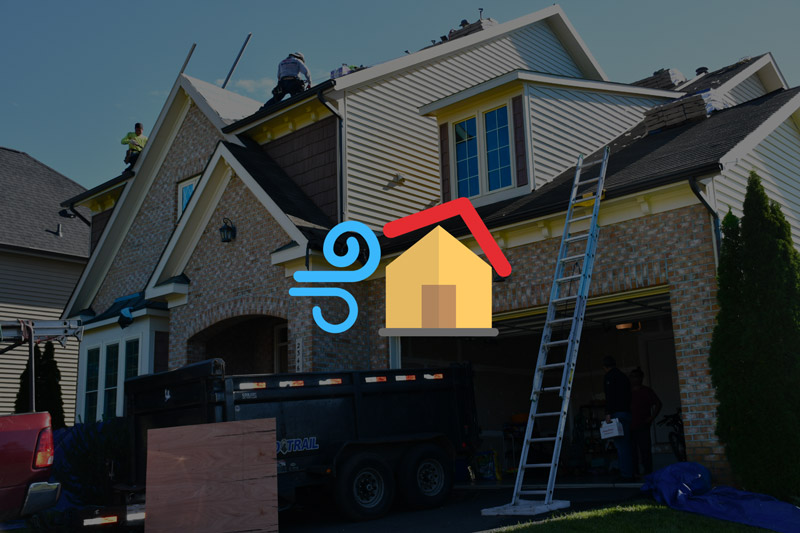
    Heavy Winds and Storms: Mother Nature can be relentless, and strong winds and severe storms are among the top culprits for raised shingles. When wind speeds pick up, they exert force on your roof’s shingles, potentially causing them to lift.

    • Extreme Temperature Fluctuations: Roofing materials expand and contract with temperature changes. Over time, this can lead to the adhesive properties of shingles weakening, making them more susceptible to lifting during temperature fluctuations.

    Poor Installation Practices

    Inadequate Sealing and Nailing: During the initial installation of your roof, improper sealing or nailing of shingles can leave them vulnerable to being lifted. Shingles must be securely fastened to prevent future issues.

    • Incorrect Alignment: If shingles are not aligned correctly during installation, they may not overlap properly. This misalignment can create weak points where wind and moisture can penetrate, potentially leading to raised shingles.

    Age and Wear

    • Effects of Aging on Roofing Materials: Like any other part of your home, your roof ages over time. As it does, the roofing materials can become less flexible and more prone to damage. Shingles may start to lose their grip, leading to raised areas.
    • Signs of Wear Leading to Raised Shingles: Keep an eye out for signs of wear and tear on your roof, such as cracked or missing shingles, loose granules, or visible gaps. These are indicators that your roof may be at risk of developing raised shingles.
    fix leaky roof

    Risks Associated with Raised Shingles

    Now that we understand what raised shingles on roofs are and what causes them, let’s explore the significant risks and potential consequences associated with this roofing issue. Addressing raised shingles promptly is crucial to avoid these problems.

    Leaks and Water Damage

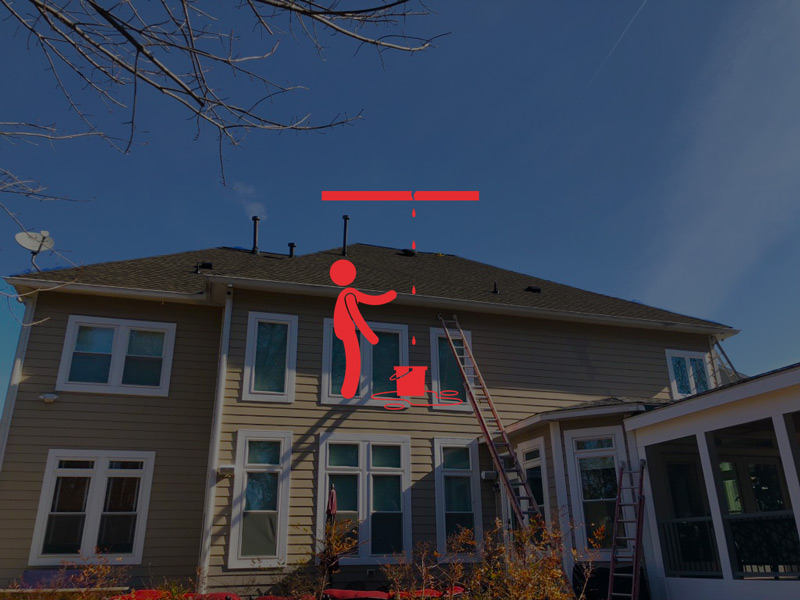
    How Raised Shingles Can Lead to Leaks: When shingles become raised or detached, they create openings in your roof’s protective barrier. Rainwater and moisture can easily infiltrate through these gaps, leading to leaks inside your home. These leaks may not be immediately noticeable but can cause extensive damage over time.

    • Potential Interior and Structural Damage: Left untreated, water leaks can damage your home’s interior, including ceilings, walls, and insulation. In severe cases, it can even compromise the structural integrity of your home. Timely repair of raised shingles is essential to prevent costly water damage.

    Decreased Energy Efficiency

    Insulation and Ventilation Issues: Raised shingles can disrupt your roof’s insulation and ventilation system. When the roofing material is lifted, it can impact the effectiveness of insulation, making it harder to maintain a comfortable temperature inside your home. Additionally, poor ventilation can lead to excess heat buildup in the summer and moisture problems in the winter.

    • Impact on Heating and Cooling Costs: As your home’s energy efficiency decreases, you may notice an increase in heating and cooling costs. Your HVAC system will have to work harder to maintain a comfortable indoor temperature, leading to higher energy bills.

    Safety Hazards

    Slipping Hazards: Raised shingles can create uneven surfaces on your roof, making it hazardous for anyone who needs to access the roof for maintenance or repairs. It’s essential to ensure the safety of those working on your roof.

    • Potential Damage to People and Property: In severe cases, raised shingles can pose a danger to both people and property. Shingles that become dislodged during a storm, for example, can cause damage to vehicles or harm individuals nearby.
    choosing roof contractor tips

    Detecting Raised Shingles

    Detecting raised shingles on your roof in their early stages is crucial to prevent further damage and costly repairs. In this section, we will discuss effective techniques for identifying raised shingles and the signs that should prompt you to seek professional assistance.

    Visual Inspection Techniques

    • Walking the Roof Safely: To perform a visual inspection, it’s essential to do so safely. If you’re comfortable and confident, carefully walk the roof, ensuring you take necessary precautions like using safety harnesses and proper footwear. This up-close examination allows you to spot raised shingles and other issues.
    • Using Binoculars for Close-up Examination: If walking the roof isn’t feasible or safe, using binoculars from a safe vantage point can provide a detailed view. Focus on different sections of the roof, paying close attention to areas where raised shingles are more likely to occur, such as roof edges or valleys.

    Signs to Look For

    Curling or Buckling Shingles: One of the most visible signs of raised shingles is shingle curling or buckling. When shingles lift, they can curl at the edges or develop noticeable waves. These irregularities are clear indicators of a problem.

    • Visible Gaps or Cracks: Inspect the shingle seams for any gaps or cracks. Raised shingles may create openings between shingles or cause them to crack along their surface. These openings can allow moisture to penetrate your roof.
    • Loose or Missing Granules: Raised shingles can sometimes result in the loss of granules, the protective layer on the shingle’s surface. Check for granules in your gutters or downspouts, as this can signal shingle problems.

    When to Seek Professional Help

    While some homeowners may be comfortable with DIY roof inspections, it’s crucial to recognize when it’s time to seek professional assistance. If you notice any of the above signs or are unsure about the condition of your roof, it’s wise to consult with a roofing professional. They have the expertise and tools to conduct a comprehensive assessment and recommend the necessary repairs or replacements.
    labor cost for roofing

    Solutions and Repairs

    When it comes to addressing raised shingles on your roof, you have several options for solutions and repairs. In this section, we’ll explore the choices available, from do-it-yourself (DIY) fixes to seeking professional assistance and preventive measures to keep your roof in optimal condition.

    DIY vs. Professional Repairs

    Before deciding on the best approach, it’s essential to weigh the pros and cons of DIY repairs versus seeking professional help. DIY repairs can be cost-effective for minor issues if you have the necessary skills, tools, and safety precautions. However, for more extensive or complex problems, it’s often safer and more efficient to consult a roofing professional who can ensure a long-lasting solution.

    Repairing Raised Shingles

    Re-nailing or Re-sealing: For minor instances of raised shingles, you can attempt to re-nail or re-seal them back into place. Carefully lift the affected shingle, apply roofing cement or sealant underneath, and then secure it with roofing nails. Be cautious not to further damage the shingle during this process.

    • Replacing Damaged Shingles: In cases where the shingles are significantly damaged or cannot be re-secured, replacement may be necessary. Gently remove the damaged shingle by prying up the surrounding shingles, and then replace it with a new one. Ensure proper alignment and secure it with roofing nails and sealant.

    Preventing Raised Shingles

    • Regular Roof Maintenance: The best way to prevent raised shingles is through regular roof maintenance. Schedule routine inspections to identify and address potential issues early. Clear debris, trim overhanging branches, and clean your gutters to ensure water can flow freely off your roof.
    • Choosing Durable Roofing Materials: When it’s time for a roof replacement or installation, choose durable roofing materials that are less likely to develop raised shingles over time. Discuss your options with a roofing professional to make an informed choice.
    • Professional Roof Inspections: Periodic inspections by a qualified roofing contractor are invaluable for maintaining your roof’s health. Professionals can identify and fix problems before they escalate, saving you time and money in the long run.

    View More Articles

    Free, No Obligation

    Request Your Free Estimate & Inspection

    Tell us about your roof and we’ll come take a look — no pressure, no cost. Or call us right now on (703) 964-6233.

    (703) 964-6233
    Contact Form Demo (#3)
    Owens Corning Preferred Contractor GAF System Plus CertainTeed SureStart PLUS BBB A+ Accredited HomeAdvisor

    RNC Roofing

    RNC Roofing and Construction Group — The Roofing Contractor Specialists. Protecting your home, one shingle at a time.

    Virginia

    (703) 964-6233 Sterling · Leesburg · Ashburn
    Loudoun & Fairfax County

    Maryland

    (703) 964-6233 Beltsville · District Heights
    All of Maryland
    © 2026 RNC Roofing and Construction Group — The Roofing Contractor Specialists Northern Virginia & Maryland
  • How Long Does Roof Repair Take? Factors and Quality Work

    Protecting your home, one shingle at a time VA (703) 964-6233| MD (703) 964-6233| Free Estimate & Inspection
    Homeowner Help

    How Long Does Roof Repair Take? Factors and Quality Work

    RNC Roofing and Construction Group June 22, 2023
    How Long Does Roof Repair Take? Factors and Quality Work

    How Long Does Roof Repair Take? Factors and Quality Work

    Several factors come into play when determining the duration of roof repairs. The extent and nature of the damage are key considerations. A simple patching job might take significantly less time than a complete replacement of damaged shingles or structural repairs. Additionally, accessibility and location challenges can affect repair timelines. Roofs with complex designs or hard-to-reach areas may require more time and effort to address the issues effectively.

    Types of Roof Repairs

    Shingle Replacement:

    One of the most common roof repairs involves replacing damaged or missing shingles. This task typically requires identifying the affected areas, carefully removing the old shingles, and installing new ones. The time required for shingle replacement depends on the number of shingles involved and the accessibility of the roof.

    Patching Leaks:

    Leaks can arise from various sources, such as damaged flashing or worn-out seals around vents and chimneys. Patching leaks involves identifying the source, repairing or replacing the damaged components, and ensuring proper sealing. The repair duration depends on the complexity and extent of the leaks.

    Structural Repairs: In some cases, roof repairs may involve addressing structural issues, such as weakened trusses, sagging supports, or deteriorated decking. These repairs require careful assessment and may involve collaboration with a structural engineer or contractor. The duration will vary depending on the severity of the damage and the necessary remedial actions.

    Complexity and Extent of Repairs

    Roof repair timelines can vary based on the complexity and extent of the repair required. Simple repairs, like replacing a few missing shingles, can be completed within a few hours or a day. However, more extensive repairs, such as structural issues or extensive water damage, may take several days or even weeks to address fully.

    Factors such as the size of the repair area, the availability of materials, and the expertise of the roofing contractor can also impact the duration. For instance, large-scale repairs on expansive roofs with intricate designs may require more time and specialized skills.

    cost of new roof in virginia

    Evaluating the Extent of Damage

    Thorough Inspection by a Roofing Professional

    A comprehensive inspection conducted by a qualified roofing professional is vital in determining the extent of damage and estimating the time required for roof repairs. Roofing experts possess the knowledge and experience to identify underlying issues that may not be apparent to the untrained eye. They carefully examine the roof, assessing the condition of shingles, flashing, seals, and other components. This evaluation helps in accurately understanding the scope of repairs needed and estimating the time required to address them effectively.

    Common Types of Damage and Their Impact on Repair Timeframes

    Roofs can suffer from various types of damage, each requiring different approaches and timelines for repair. Some common forms of damage include:

    • Leaks: Water penetration through the roof can cause extensive damage, including structural issues and mold growth. Repairing leaks involves locating the source, assessing the damage, and implementing necessary fixes. The time required for leak repairs depends on the complexity of the leak and the extent of damage caused.
    • Shingle Damage: Damaged or missing shingles compromise the roof’s integrity and leave it vulnerable to further issues. Repairing shingle damage involves identifying the affected areas, removing and replacing damaged shingles, and ensuring proper installation. The time needed for shingle repairs varies based on the number of shingles involved and the accessibility of the roof.
    • Weather-related Damage: Environmental factors, such as severe storms, hail, or high winds, can cause significant roof damage. Repairing weather-related damage may require addressing multiple issues, including shingle replacement, repairing or reinforcing the underlying structure, and ensuring proper weatherproofing. The duration of these repairs depends on the severity of the damage and the availability of resources.

    Role of Environmental Factors in Determining Damage

    Environmental factors, such as weather and climate, play a crucial role in determining the extent of damage to roofs. Harsh weather conditions, including heavy rain, snow, or extreme temperature fluctuations, can accelerate the deterioration of roofing materials. For example, prolonged exposure to moisture can lead to rot, while high winds can cause shingles to lift or blow off entirely. Evaluating the impact of environmental factors on roof damage helps in understanding the required repairs and estimating the repair timelines accurately.

    wood shingles

    Factors Influencing Roof Repair Timeline

    Size and Complexity of the Roof

    The size and complexity of a roof directly impact the time required for repairs. Larger roofs naturally require more materials, labor, and time to address the issues adequately. Additionally, roofs with intricate designs, multiple slopes, or unique architectural features may pose challenges during the repair process. The complexity of the roof’s structure influences the duration of repairs, as it may involve additional steps, specialized techniques, or the need to work in confined spaces.

    Accessibility and Location Challenges

    The accessibility and location of the roof significantly affect repair timelines. Roofs that are difficult to reach, such as those with steep slopes or located at significant heights, may require additional safety measures and specialized equipment. The time spent on setting up safety precautions, maneuvering around challenging areas, and ensuring the well-being of the roofing professionals can impact the overall duration of repairs.

    Availability of Materials and Resources

    The availability of materials and resources is another crucial factor influencing roof repair timelines. Some repairs may require specific roofing materials or components that need to be sourced and delivered. The time taken to procure these materials can add to the overall duration of the repair process. Additionally, the availability of skilled labor, tools, and equipment also plays a role in the efficiency and speed of repairs.

    Local Regulations and Permit Requirements

    Local regulations and permit requirements can impact the timeline of roof repairs. Certain jurisdictions may have specific regulations regarding roof repairs, such as obtaining permits or adhering to building codes. Complying with these requirements may introduce additional steps and potential delays in the repair process. It is important for homeowners and roofing contractors to be aware of and follow the necessary regulations to ensure a smooth and legal repair process

    labor cost for roofing

    Average Time Frames for Roof Repairs

    Breakdown of Repair Durations for Specific Issues

    When it comes to roof repairs, the duration can vary depending on the specific issues that need to be addressed. Here are some average timeframes for common roof repairs:

    • Leaks: Repairing a roof leak typically takes anywhere from a few hours to a couple of days, depending on the complexity of the leak and the extent of water damage. Locating the source of the leak, repairing damaged areas, and ensuring proper waterproofing are essential steps in the repair process.
    • Missing Shingles: Replacing missing shingles is relatively straightforward and can usually be completed within a day or two. The time required depends on the number of missing shingles and the accessibility of the roof. It’s important to address missing shingles promptly to prevent further damage and protect the underlying roof structure.
    • Flashing Problems: Repairing faulty flashing around chimneys, vents, or skylights involves removing the old flashing, applying new flashing, and ensuring a proper seal. The duration of flashing repairs can range from a few hours to a full day, depending on the complexity of the flashing system and the extent of repairs needed.

    Extent of Damage and Repair Timelines

    The extent of damage directly affects the timelines for roof repairs. Minor issues, such as a small leak or a few missing shingles, can be resolved relatively quickly. However, if the damage is more extensive, such as widespread water penetration or significant structural issues, the repair process may take longer.

    planning and scheduling

    Planning and Scheduling the Repair

    Importance of Communication and Coordination with Roofing Contractors

    Effective communication and coordination with roofing contractors are crucial for a smooth and efficient roof repair process. Homeowners should establish clear lines of communication with the contractor, discussing the project’s scope, timeline, and any specific requirements. This helps to align expectations and ensures that both parties are on the same page. Regular communication allows homeowners to stay informed about the progress of the repairs and address any concerns promptly. It also enables contractors to provide updates on the estimated completion time and any unforeseen challenges that may arise during the repair process. Maintaining open and transparent communication is key to a successful roof repair experience.

    Tips for Homeowners to Ensure an Efficient Repair Process

    • Plan Ahead: Schedule the roof repairs well in advance to allow sufficient time for preparation and ensure the availability of materials and contractors. Planning ahead minimizes potential delays and allows for a smoother workflow.
    • Clear the Work Area: Before the contractors arrive, clear the area around the roof, removing any obstacles or items that could impede the repair process. This includes moving vehicles, patio furniture, or any other belongings that might hinder access to the roof.
    • Provide Access: Ensure that the roofing contractors have easy access to the property and the roof. Clear pathways, gates, or locked areas to avoid unnecessary delays and facilitate a seamless repair process.
    • Consider Weather Conditions: Take into account weather forecasts when scheduling the repairs. Inclement weather can affect the ability to work on the roof safely, potentially leading to delays. Discuss contingency plans with the contractor in case of adverse weather conditions.

    Potential Delays and Unforeseen Challenges

    Despite careful planning, it’s essential to recognize that certain factors can cause delays and unforeseen challenges during roof repairs. Adverse weather conditions, unanticipated structural issues, or the need for additional repairs beyond the initial assessment can extend the project’s timeline.

    materials for roof replacement

    Factors Affecting Repair Duration vs. Quality Work

    Balancing Speed and Quality in Roof Repairs

    When it comes to roof repairs, finding the right balance between speed and quality is crucial. While homeowners understandably want their roof repaired quickly, it’s equally important to prioritize the quality of the workmanship. Rushing through repairs can compromise the long-term durability and reliability of the roof.

    The Impact of Rushed Repairs on Long-Term Durability and Reliability

    Quick fixes and rushed repairs may provide temporary relief, but they often fail to address the underlying issues adequately. This can result in recurring problems and the need for more frequent repairs in the future. It’s essential to invest in thorough and comprehensive repairs that address the root cause of the problem to ensure long-term durability. Additionally, rushing the repair process can lead to errors or oversight in the workmanship, compromising the quality of the repair. A poorly executed repair may not hold up against harsh weather conditions or stand the test of time, potentially causing further damage and inconvenience down the line.

    Finding Reputable Roofing Contractors Who Prioritize Speed and Quality

    To ensure both speed and quality in roof repairs, homeowners should seek reputable roofing contractors who prioritize both aspects. Here are a few tips to help find such contractors:

    • Research and Reviews: Conduct thorough research and read customer reviews to gauge the reputation of different roofing contractors. Look for contractors who have a track record of delivering high-quality work within reasonable timeframes.
    • Credentials and Experience: Verify the credentials and experience of the contractors. Check if they are licensed, insured, and have relevant certifications. Experience in handling similar repair projects is an added advantage.
    • Detailed Estimates: Request detailed repair estimates from multiple contractors. Assess the proposed timelines and compare them with the scope of work outlined. Avoid contractors who provide significantly shorter timelines without proper justification.

    Communication and Transparency:

    Prioritize contractors who communicate clearly, answer your questions satisfactorily, and provide updates throughout the repair process. Transparent communication ensures that you are aware of the progress and any unexpected delays.

    Free, No Obligation

    Request Your Free Estimate & Inspection

    Tell us about your roof and we’ll come take a look — no pressure, no cost. Or call us right now on (703) 964-6233.

    (703) 964-6233
    Contact Form Demo (#3)
    Owens Corning Preferred Contractor GAF System Plus CertainTeed SureStart PLUS BBB A+ Accredited HomeAdvisor

    RNC Roofing

    RNC Roofing and Construction Group — The Roofing Contractor Specialists. Protecting your home, one shingle at a time.

    Virginia

    (703) 964-6233 Sterling · Leesburg · Ashburn
    Loudoun & Fairfax County

    Maryland

    (703) 964-6233 Beltsville · District Heights
    All of Maryland
    © 2026 RNC Roofing and Construction Group — The Roofing Contractor Specialists Northern Virginia & Maryland