Tag: shingles

  • Elements of a Roof: Understanding Key Components for Longevity
    Protecting your home, one shingle at a time VA (703) 964-6233| MD (703) 964-6233| Free Estimate & Inspection
    Homeowner Help

    Elements of a Roof: Understanding Key Components for Longevity

    RNC Roofing and Construction Group August 28, 2023
    Elements of a Roof: Understanding Key Components for Longevity

    Elements of a Roof: Understanding Key Components for Longevity

    A roof is more than just a covering; it’s a shield that safeguards your home from the elements. Understanding the elements of a roof is crucial for homeowners, ensuring not only protection but also informed decisions for maintenance and repairs.

    Roof Structure

    Roof Framing

    Roof framing serves as the foundational framework for every roof, and understanding its components is essential.

    Trusses and Rafters: The Backbone of a Roof

    Trusses and rafters are the primary load-bearing members of a roof’s frame. Trusses, often pre-fabricated, offer strength and stability, distributing the weight evenly across the structure. Rafters, on the other hand, give the roof its traditional look, typically placed at specific intervals to support the roof’s shape and load.

    Roof Pitch: Understanding Slope Variations

    Roof pitch refers to the steepness of the roof’s slope. This element of roof design affects not only the aesthetics but also the functionality. Steeper pitches shed water and snow efficiently, reducing the risk of water damage and leaks. Shallower pitches, while easier to maintain, might require additional waterproofing measures.

    Roof Decking

    A solid roof deck forms the base upon which the rest of the roofing materials are installed.

    Plywood vs. OSB: Choosing the Right Roofing Material

    When it comes to roof decking, both plywood and oriented strand board (OSB) are popular choices. Plywood offers proven durability and resistance to moisture, while OSB is cost-effective and equally resilient. The choice often comes down to budget and regional climate considerations.

    Proper Roof Deck Preparation

    Regardless of the decking material, proper preparation is vital. Ensuring the roof deck is smooth, free from any irregularities, and adequately secured guarantees a stable foundation for the rest of the roofing system. Proper preparation also prevents potential problems like sagging or uneven surfaces.
    exploring pitched roofs

    Roofing Materials

    Roof Covering

    The choice of roofing materials is a critical decision that impacts both the aesthetics and functionality of your roof.

    Shingles: Varieties and Lifespan

    Shingles are one of the most common roofing options, available in a range of materials such as asphalt, wood, and synthetic compounds. Asphalt shingles, particularly, offer affordability and a good balance between durability and appearance. Wood shingles lend a natural charm, while synthetic options mimic the look of premium materials. Understanding the lifespan of each type helps you plan for maintenance and replacements.

    Metal Roofing: Durability and Energy Efficiency

    Metal roofing has gained popularity due to its exceptional durability and energy-efficient properties. It comes in various forms, including standing seam, corrugated, and metal shingles. Metal roofs are highly resistant to weathering, rust, and fire, making them a long-lasting choice. Additionally, their reflective surface contributes to energy savings by reducing heat absorption.

    Tiles and Slate: Aesthetic and Longevity

    For those seeking a distinct and elegant appearance, roof tiles and slate offer a timeless aesthetic. Roof tiles, available in clay or concrete, provide a Mediterranean or Spanish-style flair. Slate, on the other hand, boasts a sophisticated appearance and can last for generations when properly maintained. However, these options can be heavier and require sturdy roof framing.

    Underlayment and Insulation

    The layers beneath the visible roof covering play a crucial role in maintaining the integrity and efficiency of your roof.

    Importance of Roof Underlayment

    Roof underlayment acts as a secondary barrier against water infiltration. It provides an extra layer of protection in case moisture penetrates the outer roofing material. Synthetic underlayment offers lightweight durability, while traditional felt paper provides a cost-effective solution. Properly installed underlayment is essential to prevent leaks and extend your roof’s lifespan.

    roof ventilation

    Roof Ventilation

    Ridge Vents vs. Gable Vents

    Roof ventilation is a vital aspect that impacts the overall health and performance of your roof.

    Ridge Vents vs. Gable Vents: Making the Right Choice

    Ridge vents and gable vents are two popular options for ensuring proper airflow within your attic space. Ridge vents run along the peak of the roof, allowing hot air to escape naturally. Gable vents are located on the sides of the attic and facilitate cross-ventilation. Choosing between these options depends on your roof’s design, climate, and overall ventilation needs.

    The Science of Ventilation: How It Affects Your Roof

    Understanding the science behind ventilation is key to appreciating its significance. Without adequate airflow, heat and moisture can accumulate in the attic, leading to a range of problems, including premature roof deterioration, mold growth, and higher energy bills. Proper ventilation not only prolongs your roof’s lifespan but also contributes to a more comfortable living environment.

    Proper Ventilation for a Healthy Roof

    Achieving proper ventilation involves a combination of intake and exhaust vents. Intake vents, typically placed at the soffits, allow fresh air to enter the attic. Exhaust vents, such as ridge vents, turbine vents, or powered attic fans, ensure that hot and moist air is expelled. This continuous airflow prevents the formation of condensation and regulates attic temperatures.

    Balancing ventilation elements ensures that your roof maintains consistent temperature and humidity levels, protecting it from potential damage caused by extreme weather conditions. By choosing the appropriate vents and understanding the dynamics of air circulation, you contribute to the longevity and optimal performance of your roof.

    roof ventilation

    Flashing and Sealants

    Roof Flashing: Preventing Leaks at Vulnerable Points

    Properly installed roof flashing acts as a safeguard against leaks in areas of your roof susceptible to water penetration.

    Roof Flashing: The Shield Against Leaks

    Flashing consists of thin, weather-resistant materials, often metal, strategically placed at vulnerable points like roof valleys, chimneys, vents, and skylights. These areas are more prone to water intrusion due to their intersections and angles. Flashing redirects water away from these critical junctions, preventing moisture from seeping into your home’s interior.

    Sealants and Caulking: Protecting Against Water Intrusion

    Sealants and caulking are the unsung heroes of a watertight roof. These compounds provide an additional layer of protection around flashings, joints, and gaps.

    Enhancing Protection with Sealants

    Often silicone or roofing cement, form flexible barriers that fill gaps and seal edges. They create a tight seal between roofing materials, preventing water, wind-driven rain, and debris from infiltrating. Regular inspections and touch-ups ensure that these protective barriers remain intact.

    Maintenance Tips for Flashing and Sealants

    Proper maintenance of flashing and sealants is crucial for preventing potential leaks.

    Regular Inspection and Maintenance

    Scheduled roof inspections, ideally twice a year, allow you to identify any deterioration or damage to flashing and sealants. Look for signs of rust, cracks, or gaps that might compromise their effectiveness. Prompt repairs or replacements are necessary to ensure your roof’s continued protection.

    View More Articles

    Free, No Obligation

    Request Your Free Estimate & Inspection

    Tell us about your roof and we’ll come take a look — no pressure, no cost. Or call us right now on (703) 964-6233.

    (703) 964-6233
    Contact Form Demo (#3)
    Owens Corning Preferred Contractor GAF System Plus CertainTeed SureStart PLUS BBB A+ Accredited HomeAdvisor

    RNC Roofing

    RNC Roofing and Construction Group — The Roofing Contractor Specialists. Protecting your home, one shingle at a time.

    Virginia

    (703) 964-6233 Sterling · Leesburg · Ashburn
    Loudoun & Fairfax County

    Maryland

    (703) 964-6233 Beltsville · District Heights
    All of Maryland
    © 2026 RNC Roofing and Construction Group — The Roofing Contractor Specialists Northern Virginia & Maryland
  • Blistering Shingles- Here’s What You Need to Know!

    Protecting your home, one shingle at a time VA (703) 964-6233| MD (703) 964-6233| Free Estimate & Inspection
    Roof Maintenance

    Blistering Shingles- Here’s What You Need to Know!

    RNC Roofing and Construction Group March 31, 2023
    Blistering Shingles- Here’s What You Need to Know!

    How to Deal with Blistering Shingles: A Comprehensive Guide for Roofing

    At RNC Roofing and Construction, we know that a well-maintained roof is crucial for the safety and security of your home. If you are a homeowner, it is vital to keep an eye out for potential issues that could damage your roof’s integrity. One of these issues is blistering shingles. In this article, we will explore what blistering shingles are, what causes them, and what steps you can take to prevent and fix them.

    What are Blistering Shingles?

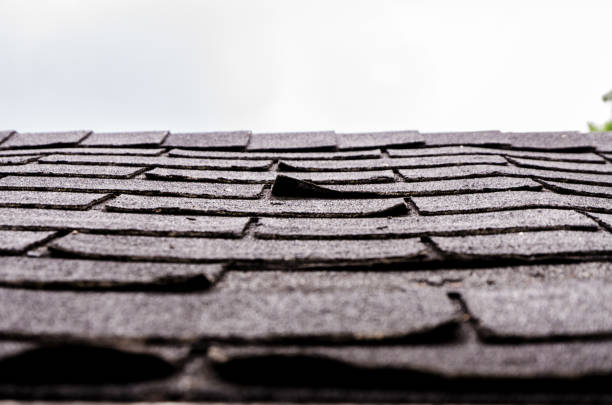
    Blistering shingles are a common roofing problem that occurs when bubbles or blisters form on the surface of your shingles. These blisters can range in size and can appear on individual shingles or in larger patches. Although blistering shingles may not seem serious, they can damage your roof’s integrity and lead to more significant issues if left unaddressed.Asphalt shingles are the most common type of shingle used on residential roofs in North America. They are made of a base material (either organic or fiberglass) coated with asphalt and topped with a layer of ceramic granules. When the asphalt in the shingles is exposed to high temperatures, it can soften and expand, causing the shingles to blister.

    What Causes Blistering Shingles?

    Several factors can cause blistering shingles. One common cause is excessive heat. When shingles are exposed to high temperatures for extended periods, they can begin to blister and bubble. This is particularly true for roofs that are poorly ventilated or located in areas with intense sunlight.Moisture is another common cause of blistering . When water gets trapped between the layers of your shingles, it can cause them to bubble and blister. That’s why it is essential to ensure that your roof is correctly waterproofed, and any leaks are repaired promptly.

    questions and concerns about roofing repair

    Why Are My Roof Shingles Blistering?

    Blistering Shingles is a common issue with asphalt shingles. There are two main reasons for blistering on shingles

    • Trapped Moisture

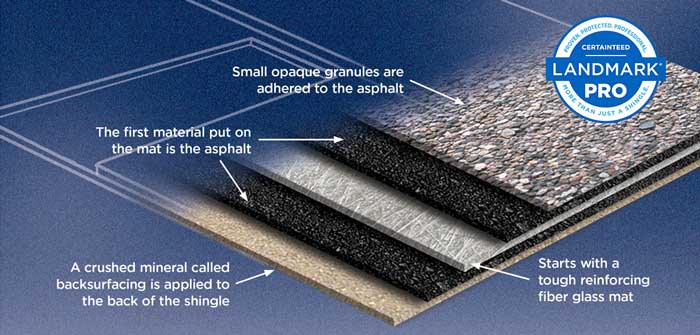
    The first cause of blistering on shingles is due to manufacturing errors that allow moisture to get trapped between the layers that comprise the shingle. Most asphalt roof shingles consist of three layers:

    -The backing, composed of paper or fiberglass

    -The asphalt

    The granules

    When the moisture stuck between these layers heats up from sun exposure or attic heat, it expands or turns to vapor, forming blisters.

    • Poor Ventilation

    Blistering on shingles may develop or worsen if your roof is poorly ventilated. A poorly ventilated roof allows heat and moisture to build up in the attic, leading to shingle deterioration and damage.

    certainteed shingle technology roofing
    prevent blistering shingles , preventing storm damage roof

    Preventing Blistering Shingles:

    The best way to prevent blistering is to ensure that your roof is correctly ventilated and waterproofed. Regular inspections and maintenance by a professional roofing contractor can achieve this. Additionally, it’s important to keep your gutters clear of debris and to remove any overhanging tree limbs that could damage your roof.

    Proper Roof Ventilation

    Ventilation is crucial in preventing blistering shingles. Attic vents allow for the release of warm, moist air that can build up in your attic. This, in turn, prevents the shingles from overheating and blistering. Proper attic ventilation also helps reduce energy costs by allowing hot air to escape, making it easier to cool your home.

    ventilation fan

    Waterproofing

    Waterproofing your roof is another critical step in preventing blistering shingles. Ensure that your roof is properly waterproofed by having a professional Roofing contractor install the right underlayment and ice and water shield. These materials help prevent moisture from getting trapped between the layers of your shingles and causing blisters. It’s essential to choose the right underlayment and ice and water shield for your roof type and climate, as different materials are designed to withstand different weather conditions.

    waterproofing prevent blistering shingles sign , storm damage roof resistant

    Regular Inspections and Maintenance

    Regular inspections and maintenance are critical in preventing shingles blistering. A professional roofing contractor can identify potential issues before they become significant problems and recommend the necessary repairs or replacements. It’s recommended to have your roof inspected at least once a year, especially after severe weather events.

    roof repair inspection icon

    Fixing Blistering Shingles:

    If you notice blistering on your shingles, it’s essential to address the issue promptly to prevent further damage. Here are some steps to follow

    • Call a Professional

    Fixing shingles blistering can be a complex and dangerous job, and it’s essential to call a professional roofing contractor to do the work. They have the necessary skills, equipment, and experience to fix the problem safely and effectively.

    • Identify the Cause

    The first step is to identify the cause of the problem. If the issue is due to poor ventilation, it’s essential to improve your attic ventilation. If it’s due to trapped moisture, you’ll need to replace the affected shingles.

    • Replace Damaged Shingles

    If the blistering is limited to a few shingles, it’s possible to replace them individually. However, if the problem is more widespread, it may be necessary to replace the entire roof.

    repairing storm damage roof

    Contact a Professional Today

    roofing quality
    contact rnc roofing and construction
    cracked damaged shingles , roofing, blistering roof

    Shingles Blistering may seem like a minor issue, but they can cause significant damage to your roof if left unaddressed. By understanding the causes of blistering and taking the necessary steps to prevent and fix them, you can ensure that your roof remains in excellent condition and protect your home and family from the elements.

    View More of Our Informative Post Here

    Free, No Obligation

    Request Your Free Estimate & Inspection

    Tell us about your roof and we’ll come take a look — no pressure, no cost. Or call us right now on (703) 964-6233.

    (703) 964-6233
    Contact Form Demo (#3)
    Owens Corning Preferred Contractor GAF System Plus CertainTeed SureStart PLUS BBB A+ Accredited HomeAdvisor

    RNC Roofing

    RNC Roofing and Construction Group — The Roofing Contractor Specialists. Protecting your home, one shingle at a time.

    Virginia

    (703) 964-6233 Sterling · Leesburg · Ashburn
    Loudoun & Fairfax County

    Maryland

    (703) 964-6233 Beltsville · District Heights
    All of Maryland
    © 2026 RNC Roofing and Construction Group — The Roofing Contractor Specialists Northern Virginia & Maryland
  • Blistering Roof Shingles | Guide to Repair and Prevention

    Protecting your home, one shingle at a time VA (703) 964-6233| MD (703) 964-6233| Free Estimate & Inspection
    Roof Maintenance

    Blistering Roof Shingles | Guide to Repair and Prevention

    RNC Roofing and Construction Group July 16, 2018
    Blistering Roof Shingles | Guide to Repair and Prevention

    Blistering Roof Shingles | Guide to Repair and Prevention

    Blistering shingles are characterized by raised bubbles or blisters on the surface of the shingles. These blisters can be caused by various factors, such as excessive heat, poor ventilation, or moisture-related problems. When the shingles blister, they become vulnerable to damage and can compromise the overall functionality of the roof.

    Identifying Blistering Shingles

    When it comes to identifying blistering shingles, there are several common signs and symptoms to look out for. These indicators can help you determine whether your roof has been affected by blistering. Keep an eye out for the following:

    Bubbles or raised areas on the surface of the shingles: Blistering shingles often exhibit visible bubbles or raised sections. These irregularities can be felt by running your hand over the surface of the shingles.

    Discoloration or changes in the appearance of shingles: Blistered shingles may appear discolored or have a different texture compared to unaffected areas. Look for variations in color, texture, or overall integrity of the shingles.

    Visual Inspection Techniques to Detect Blistering

    Performing a thorough visual inspection is crucial in detecting blistering shingles. By employing the following techniques, you can effectively identify the presence of blistering:

    • Observe the roof from a safe vantage point: Start by inspecting your roof from the ground or a safe distance using binoculars. Look for any signs of blistering, such as raised areas or discoloration.
    • Conduct a close-up inspection: If possible, climb a ladder and conduct a closer examination. Pay attention to individual shingles, checking for bubbles, raised sections, or other abnormalities. Be cautious and ensure your safety when accessing the roof.

    Differentiating Blistering from Other Roof Issues

    While blistering shingles share similarities with other roofing problems, understanding the distinctions is vital for accurate diagnosis. Here’s how you can differentiate blistering shingles from other roof issues:

    • Blistering vs. curling shingles: Curling shingles typically exhibit edges that curl upward or downward. In contrast, blistering shingles have raised sections or bubbles on the surface.
    • Blistering vs. granule loss: Blistering may cause some granules to dislodge from the shingles, but the raised sections are the primary distinguishing factor. Granule loss, on the other hand, results in a visible absence of granules on the shingle surface.

    summer season best time to replace roof

    Causes of Blistering Shingles

    Excessive Heat and Sun Exposure as a Leading Cause

    One of the primary factors that can lead to blistering shingles is excessive heat and prolonged exposure to the sun. When shingles are constantly exposed to high temperatures, the asphalt in the shingles can soften and become more susceptible to blistering. The heat causes the trapped moisture within the shingles to expand, resulting in the formation of bubbles or blisters on the surface.

    Poor Attic Ventilation and Its Impact on Shingle Health

    Inadequate attic ventilation can also contribute to the development of blistering shingles. When a roof lacks proper ventilation, heat can accumulate in the attic, causing the shingles to become excessively hot. This heat buildup accelerates the aging process of the shingles and increases the likelihood of blistering. It’s essential to ensure that your attic has proper ventilation to prevent the formation of blisters on the shingles.

    Moisture-Related Factors and Their Contribution to Blistering

    Moisture-related issues can significantly impact the health of your roof shingles and contribute to blistering. There are several moisture-related factors that can lead to blistering shingles:

    • Poor installation or damaged underlayment: If the underlayment beneath the shingles is not properly installed or has become damaged, it can allow moisture to seep into the shingle layers. Over time, this moisture can lead to blistering.
    • Trapped moisture within the shingle layers: In some cases, moisture can become trapped within the shingle layers during the manufacturing process. This trapped moisture can expand when exposed to heat, resulting in the formation of blisters.
    • Roof leaks and water damage: Roof leaks can introduce water into the shingle layers, leading to blistering. It is crucial to address any leaks promptly to prevent further damage.

    fix leaky roof

    Potential Consequences of Blistering Shingles

    Risk of Leaks and Water Damage to the Roof Structure

    Blistering shingles can pose a significant risk of leaks and water damage to the underlying roof structure. The raised bubbles or blisters on the shingle surface create vulnerable areas where water can penetrate. Over time, the trapped moisture can seep into the roof layers, compromising the integrity of the roof system. If left unaddressed, these leaks can lead to extensive water damage, rotting of the roof decking, and even structural issues within the home.

    Effects on Energy Efficiency and Indoor Climate Control

    Blistering shingles can also impact the energy efficiency of your home and indoor climate control. The raised areas on the shingle surface create pockets of trapped air, reducing the shingle’s ability to reflect sunlight and regulate heat. As a result, your home may experience increased heat absorption, leading to higher cooling costs during hot weather. Additionally, compromised shingles can allow air infiltration, affecting the insulation’s effectiveness and causing temperature fluctuations inside the house.

    Structural Implications and the Potential for Long-Term Damage

    Beyond the immediate risks of leaks and energy inefficiency, blistering shingles can have long-term structural implications. The presence of blisters indicates damage to the shingle’s protective layers and compromises its ability to withstand environmental stresses, such as wind and hail. Over time, these compromised shingles can deteriorate further, leading to more extensive damage and the potential for costly repairs or even a complete roof replacement.

    repairs roofing maintenance

    Repairing and Preventing Blistering Shingles

    When you notice blistering shingles on your roof, it’s essential to address the issue promptly to prevent further damage. Here are the steps to follow for immediate repair:

    Inspect the affected area: Carefully examine the blistered shingles to assess the extent of the damage and determine if nearby shingles are also affected.

    Gather necessary tools and materials: Prepare the tools required for the repair, such as a pry bar, roofing nails, hammer, roofing adhesive, and replacement shingles.

    Safely remove damaged shingles: Use a pry bar to carefully lift the blistered shingles, ensuring not to damage surrounding shingles. Peel back the shingle to expose the underlying layers.

    Replace shingles with proper techniques: Clean the exposed area and apply roofing adhesive to secure the replacement shingle. Press it down firmly and secure with roofing nails. Be sure to follow the manufacturer’s instructions for proper installation.

    Seal the repaired area: Apply a small amount of roofing adhesive around the edges of the replacement shingle to ensure a watertight seal.

    Strategies for Long-Term Prevention of Blistering

    While immediate repairs are essential, implementing preventive measures can help avoid future instances of blistering shingles. Here are some strategies to consider:

    Ensure proper attic ventilation: Proper attic ventilation plays a vital role in maintaining a healthy roof. It helps regulate temperature and moisture levels, reducing the likelihood of blistering. Consult a roofing professional to assess your attic ventilation and make necessary improvements.

    Install reflective or heat-resistant shingles: Consider using shingles with reflective or heat-resistant properties. These shingles are designed to minimize heat absorption and reduce the risk of blistering. They can help keep your roof cooler, especially in hot climates.

    Regular maintenance and inspections: Perform regular inspections of your roof to identify any potential issues, including blistering shingles. Schedule professional roof maintenance at least once a year to address minor problems before they escalate.

    repairs roofing maintenance

    When to Seek Professional Help

    While some blistering shingle repairs can be handled as a DIY project, it’s crucial to evaluate the complexity of the repair task before deciding to tackle it yourself. Factors to consider include:

    Extent of damage: If the blistering is limited to a small area and doesn’t involve significant structural issues, it may be manageable for a skilled DIY enthusiast. However, if the blistering covers a large portion of the roof or is accompanied by other signs of severe damage, it’s advisable to seek professional help.

    Roofing knowledge and experience: Assess your own expertise in roofing repairs. Repairing blistering shingles requires a good understanding of roofing techniques, including proper shingle installation and ensuring a watertight seal. If you lack the necessary knowledge and experience, it’s best to leave the job to professionals.

    Recognizing Situations That Require Professional Intervention

    Certain situations indicate the need for professional intervention when dealing with blistering shingles:

    • Widespread blistering: If the blistering is widespread and affects a significant portion of the roof, it indicates a more severe underlying issue. A professional roofer can assess the extent of the damage and provide comprehensive repairs or recommend a roof replacement if necessary.
    • Roof age and warranty considerations: If your roof is relatively new and still under warranty, attempting repairs yourself may void the warranty. It’s essential to consult the manufacturer’s guidelines and consider professional assistance to ensure warranty coverage.
    • Safety concerns: Working on a roof can be dangerous, especially for those without proper safety training and equipment. If you’re uncomfortable with heights or lack the necessary safety gear, it’s safer to hire a professional who is equipped to handle the job safely.

    Benefits of Hiring an Experienced Roofing Contractor

    • Expertise and knowledge: Professional roofers have extensive knowledge of roof repair techniques and materials. They can accurately assess the condition of blistering shingles, identify underlying causes, and provide effective solutions.
    • Quality workmanship: Roofing contractors are equipped with the tools, equipment, and expertise to deliver high-quality repairs. They can ensure that the replacement shingles are properly installed, minimizing the risk of future issues.
    • Time and cost savings: Hiring professionals can save you time and effort by completing the repairs efficiently. Additionally, they have access to wholesale material prices, potentially reducing the overall cost of repairs compared to purchasing materials individually.

    View More Articles

    Free, No Obligation

    Request Your Free Estimate & Inspection

    Tell us about your roof and we’ll come take a look — no pressure, no cost. Or call us right now on (703) 964-6233.

    (703) 964-6233
    Contact Form Demo (#3)
    Owens Corning Preferred Contractor GAF System Plus CertainTeed SureStart PLUS BBB A+ Accredited HomeAdvisor

    RNC Roofing

    RNC Roofing and Construction Group — The Roofing Contractor Specialists. Protecting your home, one shingle at a time.

    Virginia

    (703) 964-6233 Sterling · Leesburg · Ashburn
    Loudoun & Fairfax County

    Maryland

    (703) 964-6233 Beltsville · District Heights
    All of Maryland
    © 2026 RNC Roofing and Construction Group — The Roofing Contractor Specialists Northern Virginia & Maryland
  • Summer Roofing Issues: Shrinking, Blistering, & Curling Shingles

    Protecting your home, one shingle at a time VA (703) 964-6233| MD (703) 964-6233| Free Estimate & Inspection
    Roof Maintenance

    Summer Roofing Issues: Shrinking, Blistering, & Curling Shingles

    RNC Roofing and Construction Group July 16, 2018
    Summer Roofing Issues: Shrinking, Blistering, & Curling Shingles

    With the blistering heat of summer beating down on your rooftop, you may begin to notice that your roofing materials are looking dry, damaged, or weathered. With our guide, learn how to recognize the signs of a deteriorating roof and their causes.

    Shrinking Shingles

    While it’s probably not noticeable on the surface, your shingles will contract in cold temperatures and expand during warm weather. During summer, temperatures tend to spike and drop dramatically, depending on the time of day, which causes a process known as thermal cycling. Depending on how dramatic the temperature differences are in your region, your roof shingles can deteriorate rapidly, and your roof’s stability could be at risk.

    “Craze-cracking” is a tell-tale sign of shrinking shingles—if you notice continuous cracking in your shingles’ weather surfaces, contact RNC for a consultation from a roofing professional today.

    Blistering Shingles

    Blistering ShingleBlistering shingles can be identified by their bubbled appearance, and while they’re typically a sign of natural aging, they can be indicative that your attic isn’t properly ventilated, or debris has built onto the roof.
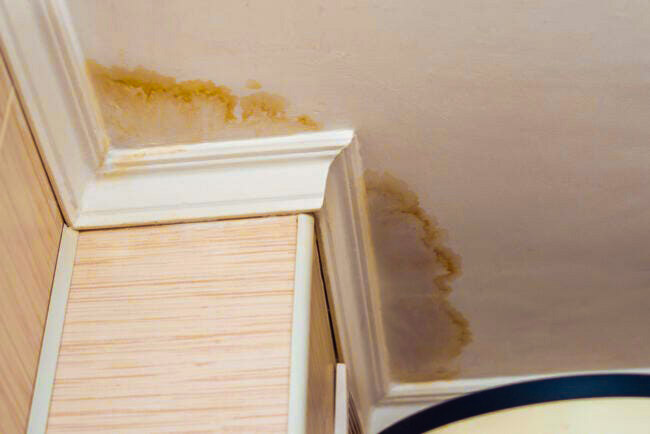
    As long as the blisters on the shingles keep their granules, they shouldn’t affect your roof’s lifespan or overall health. If these blisters “pop” and their granules become dislodged, those areas will be especially sensitive to sunlight and heat, which could lessen your roof’s lifespan and make your shingles prone to granule loss.

    Curling Shingles

    Curling shingles can be easy to spot, as they disrupt the uniform pattern of your roof shingles. Typically, they’re caused by improper storing of your roofing materials, but there are other reasons curling shingles can occur. A dry asphalt base, improper installation of roofing materials, and natural wear and tear of your roof can contribute to curling shingles.

    Unfortunately, this can leave your roofing structure vulnerable to extreme weather and moisture.

    If you find that your shingles are suffering from any of these summer roofing issues, contact RNC to get in touch with a roofing professional today!

    What separates The RNC Roofing Group from other residential roofing companies? With decades of experience installing, maintaining and repairing roofs we provide a knowledgeable, trustworthy and honest service to fulfill all your roofing needs. We are a Loudoun County, Virginia based residential roofing firm with an excellent reputation for quality and dependability. Whether it’s new construction, re-roofing or the challenge of leak repairs, no job is too large or too small.

    This post first published on The RNC Group, your Virginia residential roofing company.

    Free, No Obligation

    Request Your Free Estimate & Inspection

    Tell us about your roof and we’ll come take a look — no pressure, no cost. Or call us right now on (703) 964-6233.

    (703) 964-6233
    Contact Form Demo (#3)
    Owens Corning Preferred Contractor GAF System Plus CertainTeed SureStart PLUS BBB A+ Accredited HomeAdvisor

    RNC Roofing

    RNC Roofing and Construction Group — The Roofing Contractor Specialists. Protecting your home, one shingle at a time.

    Virginia

    (703) 964-6233 Sterling · Leesburg · Ashburn
    Loudoun & Fairfax County

    Maryland

    (703) 964-6233 Beltsville · District Heights
    All of Maryland
    © 2026 RNC Roofing and Construction Group — The Roofing Contractor Specialists Northern Virginia & Maryland
  • Roof Moss Removal guide | By RNC

    Protecting your home, one shingle at a time VA (703) 964-6233| MD (703) 964-6233| Free Estimate & Inspection
    Home Improvement

    Roof Moss Removal guide | By RNC

    RNC Roofing and Construction Group June 29, 2018
    Roof Moss Removal guide | By RNC

    How To Remove Roof Moss | Ultimate Guide By RNC

    Roof moss, also referred to as roof algae or roof lichen, is a plant-like organism that thrives in damp and shaded areas on the roof surface. It typically appears as greenish patches or clumps, and its growth is facilitated by moisture and lack of sunlight. Roof moss is a non-vascular plant that absorbs water and nutrients through its leaves, anchoring itself to the roof’s surface with root-like structures.

    Common Causes of Roof Moss Growth

    To effectively address roof moss growth, it’s important to understand its underlying causes. Several factors contribute to the development of roof moss, including:

    • Moisture: Excessive moisture accumulation on the roof due to rain, condensation, or inadequate drainage can create a favorable environment for moss growth.
    • Shade: Lack of direct sunlight, especially in areas shaded by trees or adjacent structures, allows roof moss to flourish.
    • Humidity: High humidity levels, prevalent in certain climates, contribute to the growth and persistence of roof moss.
    • Organic Debris: The presence of leaves, twigs, or other organic matter on the roof provides a nutrient-rich substrate for moss to take root.

    Identifying Roof Moss: Signs and Symptoms
    Detecting roof moss early on can help prevent further damage and facilitate timely removal. Look for the following signs and symptoms:

    • Green Patches or Clumps: Moss growth appears as green or greenish-black patches on the roof surface, typically in areas with limited sunlight.
    • Fuzzy Texture: Roof moss has a soft, fuzzy texture that distinguishes it from other substances like dirt or debris.
    • Raised or Bumpy Surface: As moss grows and spreads, it can cause the shingles or roofing materials to lift or become uneven.
    • Moisture Retention: Roof moss retains moisture, resulting in a consistently damp or wet roof surface.

    identifying roof algae

    The Dangers of Roof Moss


    Structural Damage: Impact on Shingles and Roofing Materials
    The presence of roof moss can lead to significant structural damage to your roof. As roof moss spreads and grows, it can penetrate and lift the shingles, compromising their integrity and protective function. This can result in water infiltration, leading to leaks and potential damage to the underlying roof structure. The weight of accumulated roof moss can also strain the roofing materials, causing them to deteriorate more rapidly. Addressing roof moss promptly is crucial to preserve the structural stability of your roof and avoid costly repairs.

    Increased Moisture Retention: Potential for Leaks and Rot
    One of the primary concerns with roof moss is its ability to retain moisture. Moss acts like a sponge, absorbing and holding water against the roof surface. This prolonged moisture exposure can seep through the shingles, underlayment, and into the roof’s structural components. Over time, the constant moisture can lead to rot, decay, and the growth of mold and mildew. Not only does this compromise the integrity of the roof, but it also poses health risks and can negatively impact indoor air quality. Removing roof moss effectively is crucial to prevent moisture-related issues and maintain a dry and healthy roof environment.

    Aesthetic Concerns: Impact on Curb Appeal and Property Value
    In addition to the structural and functional consequences, roof moss can also have aesthetic implications for your home. A roof covered in moss can appear unsightly and neglected, diminishing the overall curb appeal of your property. The green patches and clumps can be particularly noticeable, especially against lighter-colored roofs. Moreover, a moss-infested roof can create the perception of poor maintenance and lack of care, potentially affecting the perceived value of your home. By proactively addressing roof moss, you can enhance the visual appeal of your property and maintain its market value.

    common types of mold

    Effective Methods for Removing Roof Moss


    Structural Damage: Impact on Shingles and Roofing Materials
    The presence of roof moss can lead to significant structural damage to your roof. As roof moss spreads and grows, it can penetrate and lift the shingles, compromising their integrity and protective function. This can result in water infiltration, leading to leaks and potential damage to the underlying roof structure. The weight of accumulated roof moss can also strain the roofing materials, causing them to deteriorate more rapidly. Addressing roof moss promptly is crucial to preserve the structural stability of your roof and avoid costly repairs.

    Increased Moisture Retention: Potential for Leaks and Rot
    One of the primary concerns with roof moss is its ability to retain moisture. Moss acts like a sponge, absorbing and holding water against the roof surface. This prolonged moisture exposure can seep through the shingles, underlayment, and into the roof’s structural components. Over time, the constant moisture can lead to rot, decay, and the growth of mold and mildew. Not only does this compromise the integrity of the roof, but it also poses health risks and can negatively impact indoor air quality. Removing roof moss effectively is crucial to prevent moisture-related issues and maintain a dry and healthy roof environment.

    Aesthetic Concerns: Impact on Curb Appeal and Property Value
    In addition to the structural and functional consequences, roof moss can also have aesthetic implications for your home. A roof covered in moss can appear unsightly and neglected, diminishing the overall curb appeal of your property. The green patches and clumps can be particularly noticeable, especially against lighter-colored roofs. Moreover, a moss-infested roof can create the perception of poor maintenance and lack of care, potentially affecting the perceived value of your home. By proactively addressing roof moss, you can enhance the visual appeal of your property and maintain its market value.

    tpo roofing improvement

    Preventive Measures to Avoid Roof Moss Regrowth

    Regular Roof Inspections and Maintenance

    Schedule regular inspections to detect and address any early signs of roof moss growth. Clear debris, such as leaves and twigs, from the roof surface to prevent moisture accumulation and moss colonization. Additionally, inspect and repair any damaged or missing shingles promptly to maintain a robust and moss-resistant roof.

    Improving Roof Ventilation and Sun Exposure
    Proper roof ventilation is vital for preventing moss growth. Ensure that your roof has adequate airflow by installing ridge vents, soffit vents, or attic fans. This helps to maintain a dry environment that discourages moss from thriving. Additionally, trimming tree branches near the roof can promote sunlight exposure and inhibit moss growth.

    Trimming Overhanging Tree Branches
    Overhanging tree branches provide shade and retain moisture on the roof, creating an ideal environment for moss to grow. Trim back any branches that touch or hang over the roof to minimize shade and improve air circulation. By reducing shade and promoting sunlight exposure, you can deter moss growth and enhance the overall health of your roof.

    Installing Zinc or Copper Strips to Inhibit Moss Growth
    Zinc and copper are effective in preventing moss growth on roofs. These metals release trace amounts of chemicals when exposed to moisture, inhibiting moss and algae growth. Install zinc or copper strips near the ridge of your roof, as rainwater will disperse the metal particles and discourage moss colonization.

    View More Articles

    Free, No Obligation

    Request Your Free Estimate & Inspection

    Tell us about your roof and we’ll come take a look — no pressure, no cost. Or call us right now on (703) 964-6233.

    (703) 964-6233
    Contact Form Demo (#3)
    Owens Corning Preferred Contractor GAF System Plus CertainTeed SureStart PLUS BBB A+ Accredited HomeAdvisor

    RNC Roofing

    RNC Roofing and Construction Group — The Roofing Contractor Specialists. Protecting your home, one shingle at a time.

    Virginia

    (703) 964-6233 Sterling · Leesburg · Ashburn
    Loudoun & Fairfax County

    Maryland

    (703) 964-6233 Beltsville · District Heights
    All of Maryland
    © 2026 RNC Roofing and Construction Group — The Roofing Contractor Specialists Northern Virginia & Maryland
  • Homeowners’ Essential Spring Roof Maintenance Tips

    Protecting your home, one shingle at a time VA (703) 964-6233| MD (703) 964-6233| Free Estimate & Inspection
    Home Improvement

    Homeowners’ Essential Spring Roof Maintenance Tips

    RNC Roofing and Construction Group February 15, 2018
    Homeowners’ Essential Spring Roof Maintenance Tips

    Your roof may have survived high winds, ice, and heavy snow, but now it’s time to address any damage your roof endured during winter. Spring roof maintenance is an important part of increasing your roof’s lifespan. So, when it’s time to conduct your spring roof inspection, take the following tips into consideration.

    GUTTERS INSPECTION AND MAINTENANCE

    Gutters that have not been properly maintained can shorten the life span of your roof, which emphasizes the importance of cleaning your gutters at least once or twice a year. Remove large debris with a garden towel or by hand. Follow this step with power washing to clean out any remaining dirt or small debris.

    Keep in mind, you may have to check your gutters more often if trees are near your roof, as small twigs or leaves may buildup in your gutter.

    MAINTAINING SHINGLE INTEGRITY

    After inspecting and cleaning your gutters, be sure to examine your roof shingles.

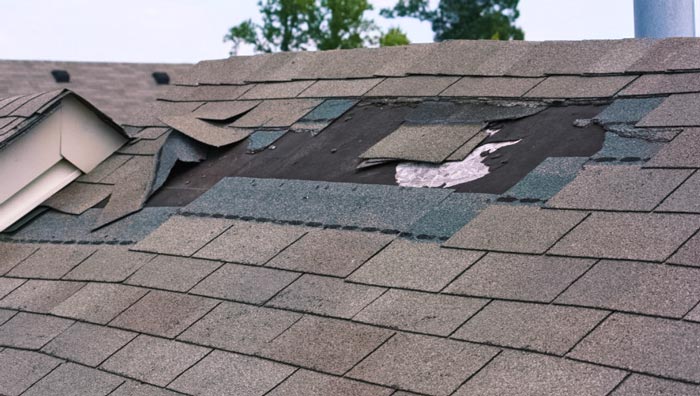
    Carefully climb onto your roof and survey the roof’s surface for any signs of damage. Visible signs of damage include the following: warping, missing shingles, grain loss, and discoloration. If your shingles look smooth, it’s most likely time to replace them.

    If your shingles need to be replaced, don’t panic, as it is a simple and relatively inexpensive process.

    First, remove the old shingle (if needed remove two or three surrounding shingles).

    After removing fasteners and nails, slide a new, identical shingle into place and nail it down. Cover each nail with a generous amount of roofing cement to prevent water penetration.

    Weigh the shingle down for at least a few hours, but preferably overnight.

    REPAIRING FLASHINGS

    Flashings, or the metal strips that prevent water from leaking under roof tiles, should be thoroughly examined during each semi-annual roof inspection. Over time, rain and wind can easily loosen flashing, which can lead to mold growth or overlooked water damage inside your home.

    While checking flashing, also check for cracked caulk. Scrape off any weathered or damaged caulk, clean, and reseal with fresh caulk.

    Keep in mind that while there are many methods that can be done by yourself to maintain your roof, severe damage or leaks should be left to an experienced Virginia roof repair expert. If you have any questions or concerns about your roof, contact us! Our reputation is based on service, safety, and quality, regardless of how large or small the job. Give us a call today!

    What separates The RNC Roofing Group from other residential roofing companies? With decades of experience installing, maintaining and repairing roofs we provide a knowledgeable, trustworthy and honest service to fulfill all your roofing needs. We are a Loudoun County, Virginia based residential roofing firm with an excellent reputation for quality and dependability. Whether it’s new construction, re-roofing or the challenge of leak repairs, no job is too large or too small.

    Free, No Obligation

    Request Your Free Estimate & Inspection

    Tell us about your roof and we’ll come take a look — no pressure, no cost. Or call us right now on (703) 964-6233.

    (703) 964-6233
    Contact Form Demo (#3)
    Owens Corning Preferred Contractor GAF System Plus CertainTeed SureStart PLUS BBB A+ Accredited HomeAdvisor

    RNC Roofing

    RNC Roofing and Construction Group — The Roofing Contractor Specialists. Protecting your home, one shingle at a time.

    Virginia

    (703) 964-6233 Sterling · Leesburg · Ashburn
    Loudoun & Fairfax County

    Maryland

    (703) 964-6233 Beltsville · District Heights
    All of Maryland
    © 2026 RNC Roofing and Construction Group — The Roofing Contractor Specialists Northern Virginia & Maryland