Tag: Roofing Issues

  • Raised Shingles on Roof: Causes, Risks, and Solutions
    Protecting your home, one shingle at a time VA (703) 964-6233| MD (703) 964-6233| Free Estimate & Inspection
    Home Improvement

    Raised Shingles on Roof: Causes, Risks, and Solutions

    RNC Roofing and Construction Group September 13, 2023
    Raised Shingles on Roof: Causes, Risks, and Solutions

    Raised Shingles on Roof: Causes, Risks, and Solutions

    Addressing raised shingles promptly is essential for maintaining the integrity of your roof and the overall safety and comfort of your home. When shingles are lifted, they can expose your roof’s underlying structure to the elements, leading to potential water leaks, insulation problems, and even safety hazards.

    What Are Raised Shingles?

    When it comes to roofing issues, understanding the basics is the first step toward effective solutions. In this section, we will explore what raised shingles on roofs are, commonly referred to as “lifted roof shingles” or “elevated roofing material,” and the underlying causes that can lead to this problem.

    Definition and Explanation of Raised Shingles

    Raised shingles are sections of your roofing where the shingle material has lifted or become detached from its intended position. This can result in visible gaps or pockets on your roof’s surface, leaving it exposed to potential damage from the elements. To put it simply, raised shingles are like a gap in your home’s protective armor.

    While we primarily refer to them as raised shingles, it’s helpful to know that they may also be called “lifted roof shingles” or “elevated roofing material.” These terms are often used interchangeably in the industry and can help you better understand the issue when seeking information or assistance.

    Common Causes of Raised Shingles

    Now that we know what raised shingles are, let’s explore why they occur. There are several common causes, and understanding these factors can provide insights into how to prevent or address the issue effectively. In the next section, we’ll dive deeper into these causes to help you grasp the full picture of this roofing concern.
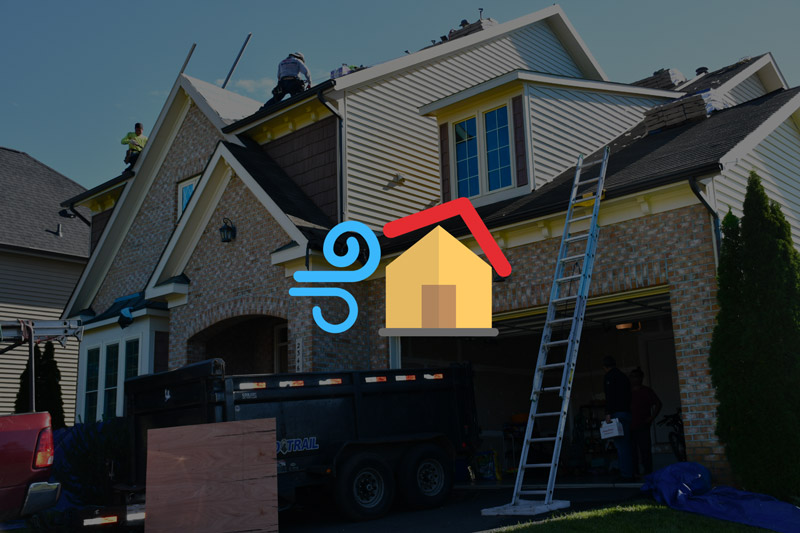
    wind damage roof repair

    Causes of Raised Shingles

    Understanding what leads to raised shingles on roofs is essential to prevent and address this issue effectively. Let’s delve into the various causes, grouped into three main categories: weather-related factors, poor installation practices, and age-related wear and tear.

    Weather-Related Factors

    Heavy Winds and Storms: Mother Nature can be relentless, and strong winds and severe storms are among the top culprits for raised shingles. When wind speeds pick up, they exert force on your roof’s shingles, potentially causing them to lift.

    • Extreme Temperature Fluctuations: Roofing materials expand and contract with temperature changes. Over time, this can lead to the adhesive properties of shingles weakening, making them more susceptible to lifting during temperature fluctuations.

    Poor Installation Practices

    Inadequate Sealing and Nailing: During the initial installation of your roof, improper sealing or nailing of shingles can leave them vulnerable to being lifted. Shingles must be securely fastened to prevent future issues.

    • Incorrect Alignment: If shingles are not aligned correctly during installation, they may not overlap properly. This misalignment can create weak points where wind and moisture can penetrate, potentially leading to raised shingles.

    Age and Wear

    • Effects of Aging on Roofing Materials: Like any other part of your home, your roof ages over time. As it does, the roofing materials can become less flexible and more prone to damage. Shingles may start to lose their grip, leading to raised areas.
    • Signs of Wear Leading to Raised Shingles: Keep an eye out for signs of wear and tear on your roof, such as cracked or missing shingles, loose granules, or visible gaps. These are indicators that your roof may be at risk of developing raised shingles.
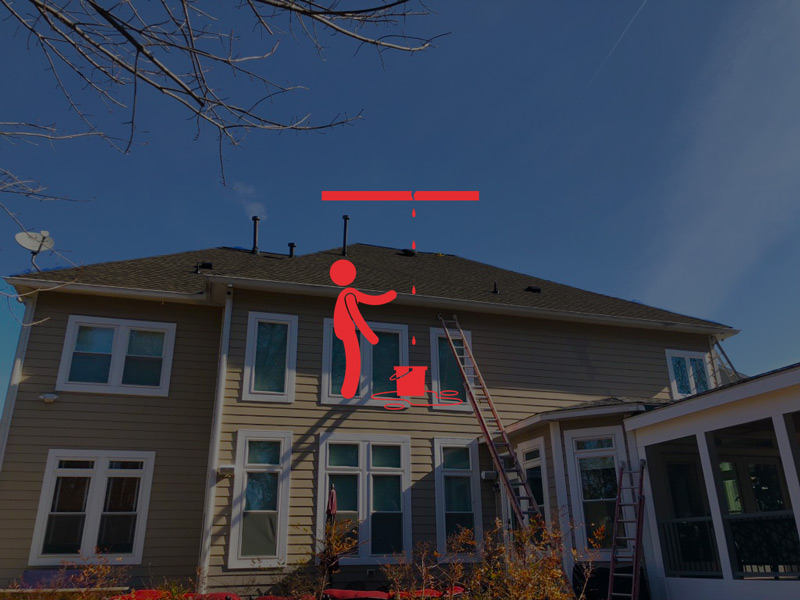
    fix leaky roof

    Risks Associated with Raised Shingles

    Now that we understand what raised shingles on roofs are and what causes them, let’s explore the significant risks and potential consequences associated with this roofing issue. Addressing raised shingles promptly is crucial to avoid these problems.

    Leaks and Water Damage

    How Raised Shingles Can Lead to Leaks: When shingles become raised or detached, they create openings in your roof’s protective barrier. Rainwater and moisture can easily infiltrate through these gaps, leading to leaks inside your home. These leaks may not be immediately noticeable but can cause extensive damage over time.

    • Potential Interior and Structural Damage: Left untreated, water leaks can damage your home’s interior, including ceilings, walls, and insulation. In severe cases, it can even compromise the structural integrity of your home. Timely repair of raised shingles is essential to prevent costly water damage.

    Decreased Energy Efficiency

    Insulation and Ventilation Issues: Raised shingles can disrupt your roof’s insulation and ventilation system. When the roofing material is lifted, it can impact the effectiveness of insulation, making it harder to maintain a comfortable temperature inside your home. Additionally, poor ventilation can lead to excess heat buildup in the summer and moisture problems in the winter.

    • Impact on Heating and Cooling Costs: As your home’s energy efficiency decreases, you may notice an increase in heating and cooling costs. Your HVAC system will have to work harder to maintain a comfortable indoor temperature, leading to higher energy bills.

    Safety Hazards

    Slipping Hazards: Raised shingles can create uneven surfaces on your roof, making it hazardous for anyone who needs to access the roof for maintenance or repairs. It’s essential to ensure the safety of those working on your roof.

    • Potential Damage to People and Property: In severe cases, raised shingles can pose a danger to both people and property. Shingles that become dislodged during a storm, for example, can cause damage to vehicles or harm individuals nearby.
    choosing roof contractor tips

    Detecting Raised Shingles

    Detecting raised shingles on your roof in their early stages is crucial to prevent further damage and costly repairs. In this section, we will discuss effective techniques for identifying raised shingles and the signs that should prompt you to seek professional assistance.

    Visual Inspection Techniques

    • Walking the Roof Safely: To perform a visual inspection, it’s essential to do so safely. If you’re comfortable and confident, carefully walk the roof, ensuring you take necessary precautions like using safety harnesses and proper footwear. This up-close examination allows you to spot raised shingles and other issues.
    • Using Binoculars for Close-up Examination: If walking the roof isn’t feasible or safe, using binoculars from a safe vantage point can provide a detailed view. Focus on different sections of the roof, paying close attention to areas where raised shingles are more likely to occur, such as roof edges or valleys.

    Signs to Look For

    Curling or Buckling Shingles: One of the most visible signs of raised shingles is shingle curling or buckling. When shingles lift, they can curl at the edges or develop noticeable waves. These irregularities are clear indicators of a problem.

    • Visible Gaps or Cracks: Inspect the shingle seams for any gaps or cracks. Raised shingles may create openings between shingles or cause them to crack along their surface. These openings can allow moisture to penetrate your roof.
    • Loose or Missing Granules: Raised shingles can sometimes result in the loss of granules, the protective layer on the shingle’s surface. Check for granules in your gutters or downspouts, as this can signal shingle problems.

    When to Seek Professional Help

    While some homeowners may be comfortable with DIY roof inspections, it’s crucial to recognize when it’s time to seek professional assistance. If you notice any of the above signs or are unsure about the condition of your roof, it’s wise to consult with a roofing professional. They have the expertise and tools to conduct a comprehensive assessment and recommend the necessary repairs or replacements.
    labor cost for roofing

    Solutions and Repairs

    When it comes to addressing raised shingles on your roof, you have several options for solutions and repairs. In this section, we’ll explore the choices available, from do-it-yourself (DIY) fixes to seeking professional assistance and preventive measures to keep your roof in optimal condition.

    DIY vs. Professional Repairs

    Before deciding on the best approach, it’s essential to weigh the pros and cons of DIY repairs versus seeking professional help. DIY repairs can be cost-effective for minor issues if you have the necessary skills, tools, and safety precautions. However, for more extensive or complex problems, it’s often safer and more efficient to consult a roofing professional who can ensure a long-lasting solution.

    Repairing Raised Shingles

    Re-nailing or Re-sealing: For minor instances of raised shingles, you can attempt to re-nail or re-seal them back into place. Carefully lift the affected shingle, apply roofing cement or sealant underneath, and then secure it with roofing nails. Be cautious not to further damage the shingle during this process.

    • Replacing Damaged Shingles: In cases where the shingles are significantly damaged or cannot be re-secured, replacement may be necessary. Gently remove the damaged shingle by prying up the surrounding shingles, and then replace it with a new one. Ensure proper alignment and secure it with roofing nails and sealant.

    Preventing Raised Shingles

    • Regular Roof Maintenance: The best way to prevent raised shingles is through regular roof maintenance. Schedule routine inspections to identify and address potential issues early. Clear debris, trim overhanging branches, and clean your gutters to ensure water can flow freely off your roof.
    • Choosing Durable Roofing Materials: When it’s time for a roof replacement or installation, choose durable roofing materials that are less likely to develop raised shingles over time. Discuss your options with a roofing professional to make an informed choice.
    • Professional Roof Inspections: Periodic inspections by a qualified roofing contractor are invaluable for maintaining your roof’s health. Professionals can identify and fix problems before they escalate, saving you time and money in the long run.

    View More Articles

    Free, No Obligation

    Request Your Free Estimate & Inspection

    Tell us about your roof and we’ll come take a look — no pressure, no cost. Or call us right now on (703) 964-6233.

    (703) 964-6233
    Contact Form Demo (#3)
    Owens Corning Preferred Contractor GAF System Plus CertainTeed SureStart PLUS BBB A+ Accredited HomeAdvisor

    RNC Roofing

    RNC Roofing and Construction Group — The Roofing Contractor Specialists. Protecting your home, one shingle at a time.

    Virginia

    (703) 964-6233 Sterling · Leesburg · Ashburn
    Loudoun & Fairfax County

    Maryland

    (703) 964-6233 Beltsville · District Heights
    All of Maryland
    © 2026 RNC Roofing and Construction Group — The Roofing Contractor Specialists Northern Virginia & Maryland
  • Rain Leakage in House: Prevention, Detection, and Repair

    Protecting your home, one shingle at a time VA (703) 964-6233| MD (703) 964-6233| Free Estimate & Inspection
    Home Improvement

    Rain Leakage in House: Prevention, Detection, and Repair

    RNC Roofing and Construction Group August 15, 2023
    Rain Leakage in House: Prevention, Detection, and Repair

    Rain Leakage in House: Prevention, Detection, and Repair

    Rain Leakage occurs when rainwater seeps through vulnerable points in a house’s exterior, such as roofs, walls, windows, and foundations. This moisture intrusion can gradually weaken the structural integrity of the building materials, leading to rot, decay, and eventual failure. Moreover, damp conditions provide an ideal breeding ground for mold and mildew, posing health risks to the occupants.

    Understanding the Causes of Rain Leakage

    Rain leakage in houses can stem from various factors, each playing a pivotal role in compromising the integrity of your home’s structure. By identifying these causes, you can take proactive measures to mitigate the risk of water infiltration.

    Roof Vulnerabilities

    One of the primary culprits behind rain leakage is roof damage. Whether it’s missing shingles, cracked tiles, or deteriorating flashing, any breach in the roof’s protective layer can allow rainwater to seep into your home. These vulnerabilities can be exacerbated by heavy rainfall, snow accumulation, and strong winds.

    Drainage System Inadequacies

    Poorly designed or clogged drainage systems can lead to rainwater pooling on your roof or around your foundation. This excess water increases the likelihood of rain leakage through compromised areas. Gutters that are improperly sloped or filled with debris can impede water flow, causing backups that put additional stress on your home’s exterior.

    Sealant and Caulking Breakdown

    Sealants and caulking around windows, doors, vents, and other openings can deteriorate over time due to exposure to the elements. This breakdown leaves gaps that rainwater can infiltrate. Regular inspections and maintenance of these seals are essential to prevent water from finding its way indoors.

    Weather Extremes

    Extreme weather conditions, such as heavy downpours and strong winds, can intensify rain leakage problems. In regions prone to frequent storms, the impact of rain and wind on vulnerable areas can result in accelerated water infiltration. These weather extremes highlight the necessity of fortified roofing and effective drainage systems.

    Real-Life Examples

    To underscore the importance of addressing rain leakage, let’s consider a real-life scenario. In a coastal town, a house with compromised roofing and inadequate gutter systems experienced repeated rainwater infiltration during monsoon season. The resulting interior damage necessitated costly repairs and mold remediation. This example emphasizes the significance of proactive maintenance and timely repairs to avoid such situations.

    identifying roof algae

    Detecting Rain Leakage Early

    Detecting rain leakage in its early stages is essential to prevent extensive damage and costly repairs. Here’s a comprehensive guide to help homeowners identify signs of water infiltration and take prompt action.

    Recognizing Warning Signs

    Water Stains: Keep an eye out for discolored patches on walls and ceilings, often accompanied by a yellow or brownish tint. These stains are indicative of water seeping through cracks or gaps.

    • Peeling Paint or Wallpaper: If you notice paint or wallpaper peeling off, it might be due to the underlying moisture weakening the adhesive. This is a clear indicator of rain leakage.
    • Damp Odors: Musty, damp odors in specific areas of your home can signal the presence of moisture intrusion. Investigate these areas promptly.

    Regular Visual Inspections

    Regularly inspect your home’s interior and exterior for any signs of rain leakage. Pay close attention to vulnerable areas, such as the attic, around windows and doors, and beneath sinks. These proactive checks can help you catch leaks before they escalate.

    Prompt Addressing

    Addressing rain leakage promptly is crucial. Ignoring the issue can lead to more significant damage over time, including structural deterioration, mold growth, and compromised insulation. Consult a professional to assess the extent of the leakage and recommend appropriate solutions.

    labor cost for roofing

    DIY Fixes and Temporary Solutions

    In the event of rain leakage, homeowners can take immediate steps to manage the situation before seeking professional assistance. While these measures offer temporary relief, it’s essential to keep in mind their limitations and the need for long-term solutions.

    Waterproof Sealants Application

    Applying waterproof sealants to the affected areas can help create a barrier against rainwater infiltration. Clean the area thoroughly, ensuring it’s dry and free from debris. Follow the manufacturer’s instructions to apply the sealant, and allow it to dry completely before testing its effectiveness.

    Temporary Patches and Barriers

    For minor leaks, using temporary patches can prevent further water entry. Use materials like plastic sheeting, waterproof tape, or even plastic bags to cover the leak temporarily. While this can help during emergencies, remember that it’s not a permanent fix and professional intervention is still necessary.

    Clearing Clogged Gutters and Drains

    Rainwater leakage can be exacerbated by clogged gutters and drains. Clear out leaves, twigs, and debris that may obstruct the flow of water. Proper drainage helps prevent water from pooling and reduces the risk of infiltration.

    The Importance of Expert Consultation

    While DIY fixes and temporary solutions can provide immediate relief, it’s crucial to recognize their limitations. These measures might not address underlying issues and can only serve as a stopgap until a permanent solution is implemented. Consulting roofing professionals is imperative to accurately diagnose the root cause of rain leakage and recommend appropriate repairs.

    contact professionals

    Professional Solutions and Repairs

    When rain leakage becomes a persistent issue, seeking professional assistance from roofing contractors is essential to ensure a thorough and lasting solution. These experts utilize a range of techniques and materials to address rain leakage effectively and prevent further damage to your house.

    Expert Techniques and Materials

    Roofing contractors employ specialized techniques to pinpoint the source of rain leakage accurately. They utilize advanced tools such as moisture detectors and thermal imaging to identify hidden vulnerabilities. By analyzing the data, they can determine the most appropriate repair methods.

    Comprehensive Roof Inspection

    Before initiating repairs, roofing professionals conduct a comprehensive inspection of your roof and its components. This step is crucial in identifying not only the visible signs of leakage but also underlying issues that might be contributing to the problem. From damaged shingles to compromised flashing, a thorough assessment guides the repair process.

    Tailored Repair Solutions

    Based on the inspection results, roofing experts propose tailored repair solutions. These may include replacing damaged roof shingles, reinforcing sealing around penetrations, and addressing any structural weaknesses. The goal is not only to fix the immediate issue but also to fortify your roof against future rain leakage.

    Importance of Professional Help

    While temporary fixes can provide short-term relief, engaging professionals is crucial for a permanent resolution. Roofing contractors possess the expertise, experience, and resources to address rain leakage comprehensively, ensuring that the underlying causes are eradicated.

    tpo roofing improvement

    Preventing Rain Leakage in the Future

    Preventing rain leakage is an essential aspect of maintaining the integrity of your home and ensuring its longevity. By adopting proactive measures and investing in quality, you can minimize the risk of water infiltration and its associated damages.

    Proactive Homeowner Practices

    Homeowners can take proactive steps to minimize the chances of rain leakage. Regularly inspect your roof for signs of wear and tear, focusing on shingles, flashing, and sealing. Address any minor issues promptly to prevent them from escalating into larger problems.

    Routine Roof Maintenance

    Regular roof maintenance is paramount in preventing rain leakage. Schedule annual inspections by professionals to identify and rectify potential vulnerabilities. Prompt repairs and upkeep extend the lifespan of your roof, reducing the likelihood of water infiltration.

    Proper Gutter Care

    Gutters play a crucial role in directing rainwater away from your house. Clean your gutters regularly to prevent clogs that can cause water to overflow and pool on your roof. Ensure proper drainage and consider gutter guards to minimize debris accumulation.

    Investing in Quality

    When it comes to roofing materials, insulation, and ventilation, quality matters. Invest in high-quality roofing materials designed to withstand weather extremes. Proper insulation and ventilation reduce the risk of condensation and moisture buildup within your home’s structure.

    Long-Term Protection

    By implementing these expert-recommended practices, homeowners can establish a strong defense against rain leakage. Proactive measures, routine maintenance, and investing in quality materials collectively contribute to a robust shield against the potential risks of water infiltration. Taking these steps not only preserves the value of your home but also ensures the comfort and safety of your living environment for years to come.

    Free, No Obligation

    Request Your Free Estimate & Inspection

    Tell us about your roof and we’ll come take a look — no pressure, no cost. Or call us right now on (703) 964-6233.

    (703) 964-6233
    Contact Form Demo (#3)
    Owens Corning Preferred Contractor GAF System Plus CertainTeed SureStart PLUS BBB A+ Accredited HomeAdvisor

    RNC Roofing

    RNC Roofing and Construction Group — The Roofing Contractor Specialists. Protecting your home, one shingle at a time.

    Virginia

    (703) 964-6233 Sterling · Leesburg · Ashburn
    Loudoun & Fairfax County

    Maryland

    (703) 964-6233 Beltsville · District Heights
    All of Maryland
    © 2026 RNC Roofing and Construction Group — The Roofing Contractor Specialists Northern Virginia & Maryland