Tag: Roofing components

  • Elements of a Roof: Understanding Key Components for Longevity

    Protecting your home, one shingle at a time VA (703) 964-6233| MD (703) 964-6233| Free Estimate & Inspection
    Homeowner Help

    Elements of a Roof: Understanding Key Components for Longevity

    RNC Roofing and Construction Group August 28, 2023
    Elements of a Roof: Understanding Key Components for Longevity

    Elements of a Roof: Understanding Key Components for Longevity

    A roof is more than just a covering; it’s a shield that safeguards your home from the elements. Understanding the elements of a roof is crucial for homeowners, ensuring not only protection but also informed decisions for maintenance and repairs.

    Roof Structure

    Roof Framing

    Roof framing serves as the foundational framework for every roof, and understanding its components is essential.

    Trusses and Rafters: The Backbone of a Roof

    Trusses and rafters are the primary load-bearing members of a roof’s frame. Trusses, often pre-fabricated, offer strength and stability, distributing the weight evenly across the structure. Rafters, on the other hand, give the roof its traditional look, typically placed at specific intervals to support the roof’s shape and load.

    Roof Pitch: Understanding Slope Variations

    Roof pitch refers to the steepness of the roof’s slope. This element of roof design affects not only the aesthetics but also the functionality. Steeper pitches shed water and snow efficiently, reducing the risk of water damage and leaks. Shallower pitches, while easier to maintain, might require additional waterproofing measures.

    Roof Decking

    A solid roof deck forms the base upon which the rest of the roofing materials are installed.

    Plywood vs. OSB: Choosing the Right Roofing Material

    When it comes to roof decking, both plywood and oriented strand board (OSB) are popular choices. Plywood offers proven durability and resistance to moisture, while OSB is cost-effective and equally resilient. The choice often comes down to budget and regional climate considerations.

    Proper Roof Deck Preparation

    Regardless of the decking material, proper preparation is vital. Ensuring the roof deck is smooth, free from any irregularities, and adequately secured guarantees a stable foundation for the rest of the roofing system. Proper preparation also prevents potential problems like sagging or uneven surfaces.
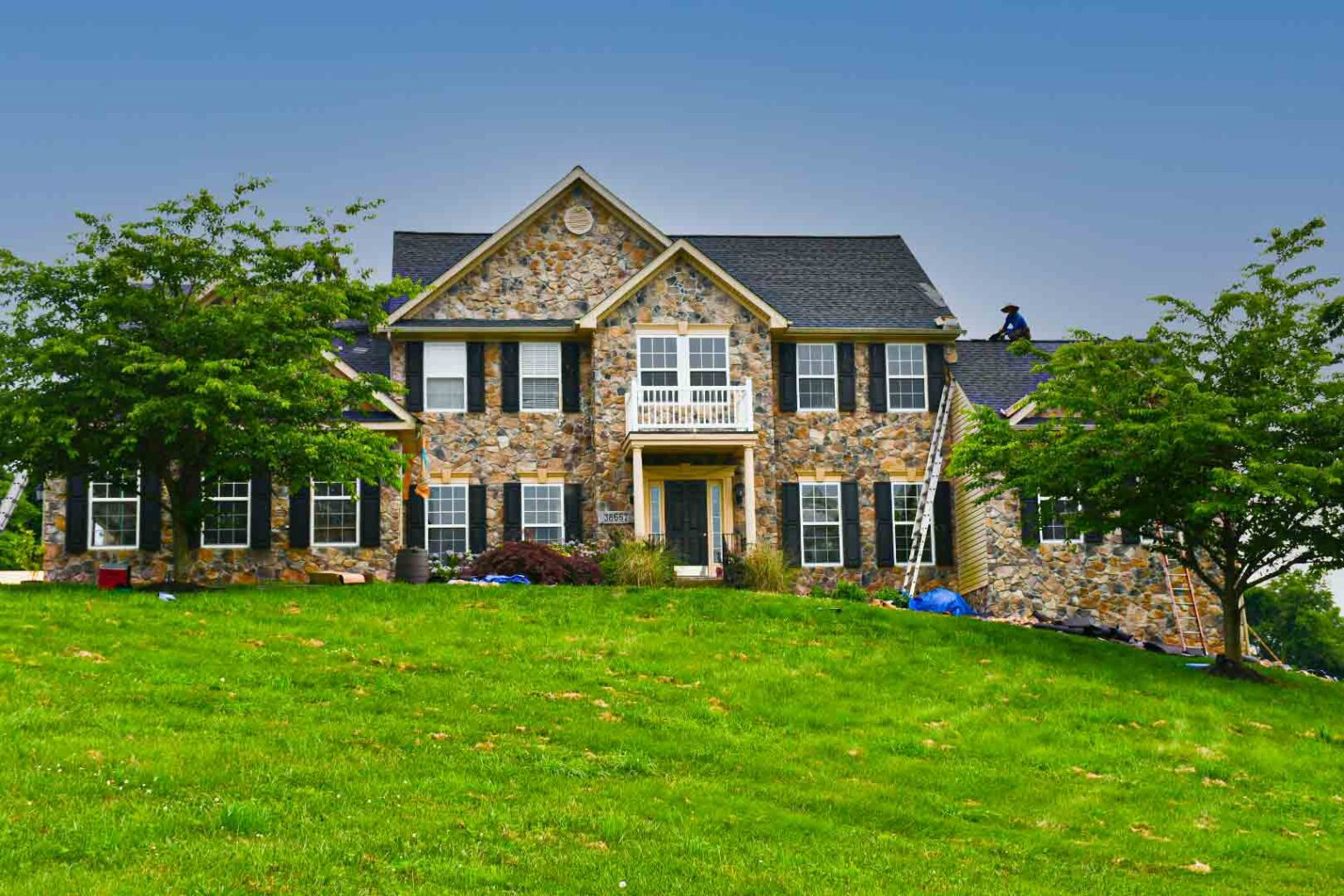
    exploring pitched roofs

    Roofing Materials

    Roof Covering

    The choice of roofing materials is a critical decision that impacts both the aesthetics and functionality of your roof.

    Shingles: Varieties and Lifespan

    Shingles are one of the most common roofing options, available in a range of materials such as asphalt, wood, and synthetic compounds. Asphalt shingles, particularly, offer affordability and a good balance between durability and appearance. Wood shingles lend a natural charm, while synthetic options mimic the look of premium materials. Understanding the lifespan of each type helps you plan for maintenance and replacements.

    Metal Roofing: Durability and Energy Efficiency

    Metal roofing has gained popularity due to its exceptional durability and energy-efficient properties. It comes in various forms, including standing seam, corrugated, and metal shingles. Metal roofs are highly resistant to weathering, rust, and fire, making them a long-lasting choice. Additionally, their reflective surface contributes to energy savings by reducing heat absorption.

    Tiles and Slate: Aesthetic and Longevity

    For those seeking a distinct and elegant appearance, roof tiles and slate offer a timeless aesthetic. Roof tiles, available in clay or concrete, provide a Mediterranean or Spanish-style flair. Slate, on the other hand, boasts a sophisticated appearance and can last for generations when properly maintained. However, these options can be heavier and require sturdy roof framing.

    Underlayment and Insulation

    The layers beneath the visible roof covering play a crucial role in maintaining the integrity and efficiency of your roof.

    Importance of Roof Underlayment

    Roof underlayment acts as a secondary barrier against water infiltration. It provides an extra layer of protection in case moisture penetrates the outer roofing material. Synthetic underlayment offers lightweight durability, while traditional felt paper provides a cost-effective solution. Properly installed underlayment is essential to prevent leaks and extend your roof’s lifespan.

    roof ventilation

    Roof Ventilation

    Ridge Vents vs. Gable Vents

    Roof ventilation is a vital aspect that impacts the overall health and performance of your roof.

    Ridge Vents vs. Gable Vents: Making the Right Choice

    Ridge vents and gable vents are two popular options for ensuring proper airflow within your attic space. Ridge vents run along the peak of the roof, allowing hot air to escape naturally. Gable vents are located on the sides of the attic and facilitate cross-ventilation. Choosing between these options depends on your roof’s design, climate, and overall ventilation needs.

    The Science of Ventilation: How It Affects Your Roof

    Understanding the science behind ventilation is key to appreciating its significance. Without adequate airflow, heat and moisture can accumulate in the attic, leading to a range of problems, including premature roof deterioration, mold growth, and higher energy bills. Proper ventilation not only prolongs your roof’s lifespan but also contributes to a more comfortable living environment.

    Proper Ventilation for a Healthy Roof

    Achieving proper ventilation involves a combination of intake and exhaust vents. Intake vents, typically placed at the soffits, allow fresh air to enter the attic. Exhaust vents, such as ridge vents, turbine vents, or powered attic fans, ensure that hot and moist air is expelled. This continuous airflow prevents the formation of condensation and regulates attic temperatures.

    Balancing ventilation elements ensures that your roof maintains consistent temperature and humidity levels, protecting it from potential damage caused by extreme weather conditions. By choosing the appropriate vents and understanding the dynamics of air circulation, you contribute to the longevity and optimal performance of your roof.

    roof ventilation

    Flashing and Sealants

    Roof Flashing: Preventing Leaks at Vulnerable Points

    Properly installed roof flashing acts as a safeguard against leaks in areas of your roof susceptible to water penetration.

    Roof Flashing: The Shield Against Leaks

    Flashing consists of thin, weather-resistant materials, often metal, strategically placed at vulnerable points like roof valleys, chimneys, vents, and skylights. These areas are more prone to water intrusion due to their intersections and angles. Flashing redirects water away from these critical junctions, preventing moisture from seeping into your home’s interior.

    Sealants and Caulking: Protecting Against Water Intrusion

    Sealants and caulking are the unsung heroes of a watertight roof. These compounds provide an additional layer of protection around flashings, joints, and gaps.

    Enhancing Protection with Sealants

    Often silicone or roofing cement, form flexible barriers that fill gaps and seal edges. They create a tight seal between roofing materials, preventing water, wind-driven rain, and debris from infiltrating. Regular inspections and touch-ups ensure that these protective barriers remain intact.

    Maintenance Tips for Flashing and Sealants

    Proper maintenance of flashing and sealants is crucial for preventing potential leaks.

    Regular Inspection and Maintenance

    Scheduled roof inspections, ideally twice a year, allow you to identify any deterioration or damage to flashing and sealants. Look for signs of rust, cracks, or gaps that might compromise their effectiveness. Prompt repairs or replacements are necessary to ensure your roof’s continued protection.

    View More Articles

    Free, No Obligation

    Request Your Free Estimate & Inspection

    Tell us about your roof and we’ll come take a look — no pressure, no cost. Or call us right now on (703) 964-6233.

    (703) 964-6233
    Contact Form Demo (#3)
    Owens Corning Preferred Contractor GAF System Plus CertainTeed SureStart PLUS BBB A+ Accredited HomeAdvisor

    RNC Roofing

    RNC Roofing and Construction Group — The Roofing Contractor Specialists. Protecting your home, one shingle at a time.

    Virginia

    (703) 964-6233 Sterling · Leesburg · Ashburn
    Loudoun & Fairfax County

    Maryland

    (703) 964-6233 Beltsville · District Heights
    All of Maryland
    © 2026 RNC Roofing and Construction Group — The Roofing Contractor Specialists Northern Virginia & Maryland
  • Parts of a Roof Names: Unveiling the Anatomy of Your Shelter

    Protecting your home, one shingle at a time VA (703) 964-6233| MD (703) 964-6233| Free Estimate & Inspection
    Home Improvement

    Parts of a Roof Names: Unveiling the Anatomy of Your Shelter

    RNC Roofing and Construction Group August 20, 2023
    Parts of a Roof Names: Unveiling the Anatomy of Your Shelter

    Parts of a Roof Names: Unveiling the Anatomy of Your Shelter

    Roof structures are more than just the uppermost layer of a building – they play a crucial role in safeguarding both the structure itself and the people within. A well-designed roof goes beyond aesthetics; it’s a shield against the elements, defending against rain, snow, wind, and more. As we delve into parts of a roof names, this article aims to shed light on the intricate components that collectively make up a roof, and the terminology associated with each part.

    The Roof Deck

    When we talk about the foundation of a roof, we’re referring to the roof deck – a critical component that sets the stage for everything else. Think of it as the canvas upon which the entire masterpiece of a roof is painted. The base layer of a roof structure, the roof deck provides a stable platform for the rest of the roofing elements to come together harmoniously.

    Materials Matter

    Roof decks are crafted using various materials, each with its unique characteristics and suitability. Plywood and oriented strand board (OSB) are two common choices. Plywood, known for its durability and strength, is often selected for its ability to withstand a variety of weather conditions. On the other hand, OSB, engineered by compressing wood strands with adhesives, offers its own set of advantages, including cost-effectiveness and structural integrity.

    A Supportive Role

    The role of the roof deck goes beyond being just a surface to build upon. It serves as the solid foundation that supports the weight of the entire roof structure – from the rafters to the roofing materials themselves. This foundational layer also helps distribute the load evenly, preventing any undue stress on specific points. As the backbone of the roof, the deck ensures stability, structural integrity, and longevity.

    roof flashing and underlayment

    Roofing Underlayment and Ice/Water Shield

    The Protective Layers

    Roofing underlayment is the unsung hero beneath the visible exterior of your roof. This vital layer, often overlooked, serves a paramount purpose in ensuring the longevity and weather-resistance of your roofing system. Acting as a barrier against leaks, moisture, and unwanted air infiltration, roofing underlayment acts as the safeguard between the roof deck and the final roofing materials.

    Snow, Ice, and Shielding

    For those in regions where snow and ice pose challenges, the ice and water shield becomes a crucial defender. Snow accumulation and freezing temperatures can lead to ice dams, causing water to seep underneath roofing materials. The ice and water shield is a specialized membrane that acts as a barrier against water infiltration, effectively preventing leaks that can cause damage to the roof and the structure beneath.

    Materials Matter, Again

    Roofing underlayment comes in different materials tailored to the specific needs of the roof. Traditional options include asphalt-saturated felt, a tried-and-true choice known for its durability and water-resistant properties. On the other hand, modern options like synthetic materials offer enhanced performance, better resistance to tear and moisture, and increased longevity.

    durability of metal roofing

    Roofing Material Varieties

    A Tapestry of Choices

    Roofing comes in an array of materials, each offering a distinct blend of functionality and aesthetics. From classic asphalt shingles to the timeless elegance of slate, the choices are as diverse as the landscapes they grace. Let’s take a tour through some of these remarkable roofing materials, each with its own tale to tell.

    Unveiling Unique Traits

    Metal roofing, known for its durability and versatility, can mimic other materials like shingles or tiles while delivering exceptional longevity. Clay tiles, on the other hand, are celebrated for their rustic charm and ability to withstand extreme weather conditions. Concrete tiles provide a modern twist with a wide range of colors and styles, marrying aesthetics with sturdiness. Lastly, the dignified beauty of slate tiles has stood the test of time, gracing historic buildings with its elegance.

    Weighing Pros and Cons

    As we explore these roofing materials, it’s important to consider their individual strengths and limitations. While asphalt shingles are cost-effective and easy to install, they might not offer the same lifespan as slate or metal. Metal roofing boasts longevity and energy efficiency, yet it can be pricier upfront. Clay and concrete tiles provide distinct aesthetics, but they can be heavier and require proper structural support. Slate, revered for its beauty and durability, demands specialized installation.

    Your Roof, Your Choice

    Selecting the right roofing material isn’t just about trends; it’s about aligning with your unique needs and preferences. Choosing the ideal roofing material involves assessing factors such as your local climate, budget, maintenance expectations, and desired appearance. Whether you prioritize eco-friendliness, longevity, or a specific aesthetic, each material has its own story to share and a role to play in your roofing journey.

    roof ventilation

    Roof Ventilation Systems

    Breathing Life into Your Roof

    Roof ventilation systems are the unsung heroes that ensure your roof breathes easy and stays in optimal condition. Their role goes beyond just preventing heat buildup – they contribute to a healthy, energy-efficient roof that stands the test of time. Let’s dive into the world of roof ventilation systems and discover how they impact your home’s well-being.

    Ventilation Components Unveiled

    Ventilation involves a symphony of components, each playing a vital role in maintaining a balanced airflow. Ridge vents are strategically placed along the roof’s peak, allowing hot air to escape from the attic. Soffit vents, located under the eaves, facilitate cool air intake, creating a continuous flow that keeps the roof environment temperate. Gable vents punctuate the sides of gable roofs, providing another outlet for warm air to exit.

    A Healthier Roof Environment

    Proper ventilation is essential in preventing moisture-related issues. When hot, moist air gets trapped in the attic, it can lead to mold growth, rot, and structural damage. Effective ventilation reduces humidity levels, preventing these problems and enhancing indoor air quality. Additionally, well-ventilated roofs reduce heat transfer, ensuring your home remains comfortable and energy-efficient.

    Lifespan Prolonged

    By maintaining a balanced temperature and moisture level, roof ventilation systems extend the lifespan of your roof. Heat-induced stress can accelerate wear and tear on roofing materials, causing premature deterioration. Proper ventilation, however, prevents excessive temperature fluctuations, preserving the integrity of shingles, tiles, and other roofing components.

    materials for roof replacement

    Flashing and Roof Penetrations

    Guardians Against Water

    Flashing is the unsung hero that shields your roof from water intrusion at its most vulnerable points. Picture it as the armor that prevents leaks and seepage in areas where the roof meets other structures. Its primary role is to create a watertight barrier that keeps moisture at bay, ensuring your roof remains sturdy and leak-free.

    A Symphony of Types

    Flashing comes in various forms, each tailored to address specific roofing challenges. Step flashing, for instance, provides protection where a sloped roof meets a vertical surface, like a chimney. Chimney flashing secures the intersection between the chimney and the roof, preventing water from seeping into the gaps. Valley flashing is designed to direct water away from the valleys formed by the meeting of two roof slopes.

    Where Roofs Penetrate

    Roof penetrations, such as chimneys, skylights, and vents, are vital components that enrich the functionality of a building but can pose challenges to a roof’s integrity. These elements, while adding value, create openings that must be managed with care. Proper flashing and sealing around these penetrations are essential to ensure a waterproof barrier and prevent potential leaks.

    Preserving the Whole

    Understanding flashing and roof penetrations is crucial to preserving the health of your roof and your entire structure. By preventing water intrusion and fortifying vulnerable points, flashing safeguards against potential damage and the costly repairs that can follow. Roof penetrations, when properly managed, complement your roof’s functionality without compromising its protective properties.

    gutters and downspouts

    Gutters and Downspouts

    Guiding Rainwater Wisely

    Gutters and downspouts form an essential duo in protecting your home’s integrity. Their primary role is to channel rainwater away from the roof and foundation, preventing potential damage that water accumulation can cause. These unassuming components play a critical role in ensuring your roof’s longevity and the structural soundness of your entire building.

    Diverse in Material and Form

    Gutters come in a variety of materials, ranging from traditional choices like aluminum and copper to more modern options like vinyl and stainless steel. Each material brings its own set of strengths, whether it’s durability, rust resistance, or affordability. Beyond material, gutters also come in various shapes and sizes, catering to different aesthetics and water-handling capacities.

    Maintenance and Longevity

    Maintaining your gutters is essential to their functionality and lifespan. Regular cleaning prevents clogs that can lead to overflow and water damage. Neglected gutters can cause leaks, erosion, and even foundation issues over time. Keeping gutters free from debris and ensuring proper drainage through downspouts is a small investment that pays off in protecting your home’s value.

    Installation and Beyond

    Proper installation is key to effective gutter performance. Ensuring the right pitch and correct positioning of downspouts is fundamental in directing water away from your roof and foundation. Additionally, routine maintenance includes removing leaves, sticks, and other debris that can obstruct water flow. Investing time in these steps can save you from major repairs down the line.

    View More Articles

    Free, No Obligation

    Request Your Free Estimate & Inspection

    Tell us about your roof and we’ll come take a look — no pressure, no cost. Or call us right now on (703) 964-6233.

    (703) 964-6233
    Contact Form Demo (#3)
    Owens Corning Preferred Contractor GAF System Plus CertainTeed SureStart PLUS BBB A+ Accredited HomeAdvisor

    RNC Roofing

    RNC Roofing and Construction Group — The Roofing Contractor Specialists. Protecting your home, one shingle at a time.

    Virginia

    (703) 964-6233 Sterling · Leesburg · Ashburn
    Loudoun & Fairfax County

    Maryland

    (703) 964-6233 Beltsville · District Heights
    All of Maryland
    © 2026 RNC Roofing and Construction Group — The Roofing Contractor Specialists Northern Virginia & Maryland