Tag: roof safety

  • Raised Shingles on Roof: Causes, Risks, and Solutions

    Protecting your home, one shingle at a time VA (703) 964-6233| MD (703) 964-6233| Free Estimate & Inspection
    Home Improvement

    Raised Shingles on Roof: Causes, Risks, and Solutions

    RNC Roofing and Construction Group September 13, 2023
    Raised Shingles on Roof: Causes, Risks, and Solutions

    Raised Shingles on Roof: Causes, Risks, and Solutions

    Addressing raised shingles promptly is essential for maintaining the integrity of your roof and the overall safety and comfort of your home. When shingles are lifted, they can expose your roof’s underlying structure to the elements, leading to potential water leaks, insulation problems, and even safety hazards.

    What Are Raised Shingles?

    When it comes to roofing issues, understanding the basics is the first step toward effective solutions. In this section, we will explore what raised shingles on roofs are, commonly referred to as “lifted roof shingles” or “elevated roofing material,” and the underlying causes that can lead to this problem.

    Definition and Explanation of Raised Shingles

    Raised shingles are sections of your roofing where the shingle material has lifted or become detached from its intended position. This can result in visible gaps or pockets on your roof’s surface, leaving it exposed to potential damage from the elements. To put it simply, raised shingles are like a gap in your home’s protective armor.

    While we primarily refer to them as raised shingles, it’s helpful to know that they may also be called “lifted roof shingles” or “elevated roofing material.” These terms are often used interchangeably in the industry and can help you better understand the issue when seeking information or assistance.

    Common Causes of Raised Shingles

    Now that we know what raised shingles are, let’s explore why they occur. There are several common causes, and understanding these factors can provide insights into how to prevent or address the issue effectively. In the next section, we’ll dive deeper into these causes to help you grasp the full picture of this roofing concern.
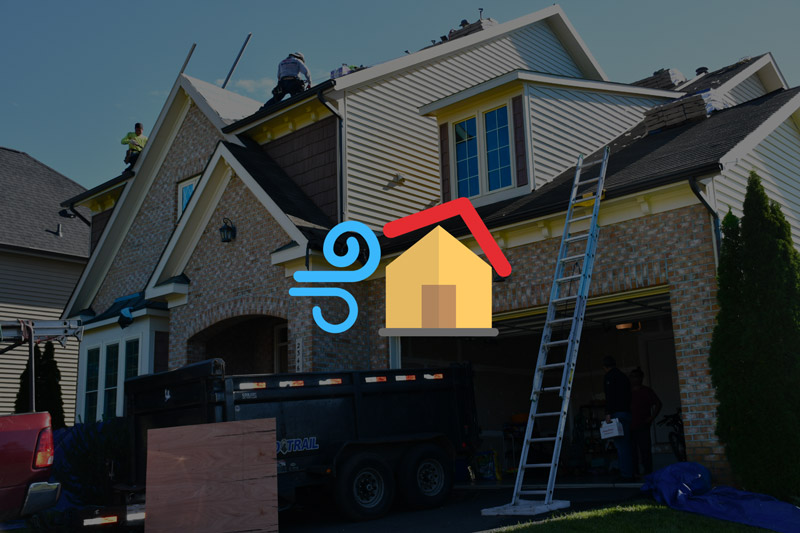
    wind damage roof repair

    Causes of Raised Shingles

    Understanding what leads to raised shingles on roofs is essential to prevent and address this issue effectively. Let’s delve into the various causes, grouped into three main categories: weather-related factors, poor installation practices, and age-related wear and tear.

    Weather-Related Factors

    Heavy Winds and Storms: Mother Nature can be relentless, and strong winds and severe storms are among the top culprits for raised shingles. When wind speeds pick up, they exert force on your roof’s shingles, potentially causing them to lift.

    • Extreme Temperature Fluctuations: Roofing materials expand and contract with temperature changes. Over time, this can lead to the adhesive properties of shingles weakening, making them more susceptible to lifting during temperature fluctuations.

    Poor Installation Practices

    Inadequate Sealing and Nailing: During the initial installation of your roof, improper sealing or nailing of shingles can leave them vulnerable to being lifted. Shingles must be securely fastened to prevent future issues.

    • Incorrect Alignment: If shingles are not aligned correctly during installation, they may not overlap properly. This misalignment can create weak points where wind and moisture can penetrate, potentially leading to raised shingles.

    Age and Wear

    • Effects of Aging on Roofing Materials: Like any other part of your home, your roof ages over time. As it does, the roofing materials can become less flexible and more prone to damage. Shingles may start to lose their grip, leading to raised areas.
    • Signs of Wear Leading to Raised Shingles: Keep an eye out for signs of wear and tear on your roof, such as cracked or missing shingles, loose granules, or visible gaps. These are indicators that your roof may be at risk of developing raised shingles.
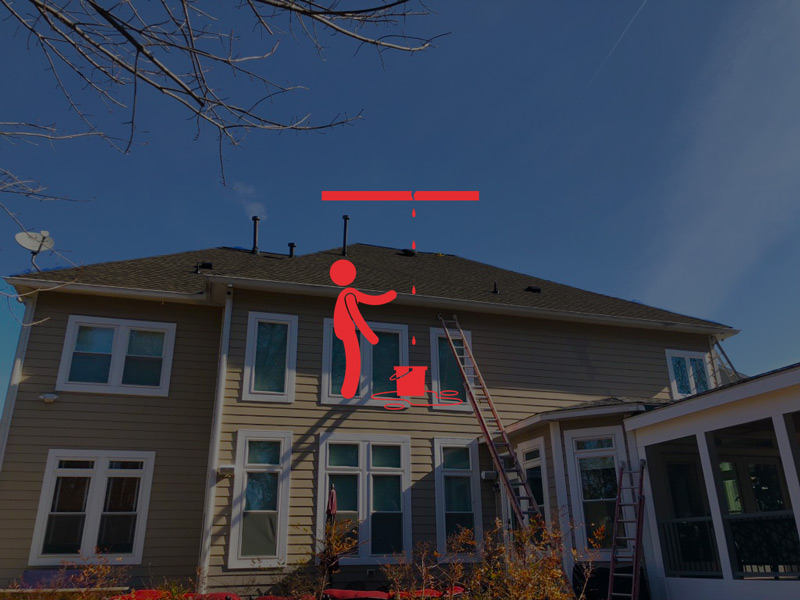
    fix leaky roof

    Risks Associated with Raised Shingles

    Now that we understand what raised shingles on roofs are and what causes them, let’s explore the significant risks and potential consequences associated with this roofing issue. Addressing raised shingles promptly is crucial to avoid these problems.

    Leaks and Water Damage

    How Raised Shingles Can Lead to Leaks: When shingles become raised or detached, they create openings in your roof’s protective barrier. Rainwater and moisture can easily infiltrate through these gaps, leading to leaks inside your home. These leaks may not be immediately noticeable but can cause extensive damage over time.

    • Potential Interior and Structural Damage: Left untreated, water leaks can damage your home’s interior, including ceilings, walls, and insulation. In severe cases, it can even compromise the structural integrity of your home. Timely repair of raised shingles is essential to prevent costly water damage.

    Decreased Energy Efficiency

    Insulation and Ventilation Issues: Raised shingles can disrupt your roof’s insulation and ventilation system. When the roofing material is lifted, it can impact the effectiveness of insulation, making it harder to maintain a comfortable temperature inside your home. Additionally, poor ventilation can lead to excess heat buildup in the summer and moisture problems in the winter.

    • Impact on Heating and Cooling Costs: As your home’s energy efficiency decreases, you may notice an increase in heating and cooling costs. Your HVAC system will have to work harder to maintain a comfortable indoor temperature, leading to higher energy bills.

    Safety Hazards

    Slipping Hazards: Raised shingles can create uneven surfaces on your roof, making it hazardous for anyone who needs to access the roof for maintenance or repairs. It’s essential to ensure the safety of those working on your roof.

    • Potential Damage to People and Property: In severe cases, raised shingles can pose a danger to both people and property. Shingles that become dislodged during a storm, for example, can cause damage to vehicles or harm individuals nearby.
    choosing roof contractor tips

    Detecting Raised Shingles

    Detecting raised shingles on your roof in their early stages is crucial to prevent further damage and costly repairs. In this section, we will discuss effective techniques for identifying raised shingles and the signs that should prompt you to seek professional assistance.

    Visual Inspection Techniques

    • Walking the Roof Safely: To perform a visual inspection, it’s essential to do so safely. If you’re comfortable and confident, carefully walk the roof, ensuring you take necessary precautions like using safety harnesses and proper footwear. This up-close examination allows you to spot raised shingles and other issues.
    • Using Binoculars for Close-up Examination: If walking the roof isn’t feasible or safe, using binoculars from a safe vantage point can provide a detailed view. Focus on different sections of the roof, paying close attention to areas where raised shingles are more likely to occur, such as roof edges or valleys.

    Signs to Look For

    Curling or Buckling Shingles: One of the most visible signs of raised shingles is shingle curling or buckling. When shingles lift, they can curl at the edges or develop noticeable waves. These irregularities are clear indicators of a problem.

    • Visible Gaps or Cracks: Inspect the shingle seams for any gaps or cracks. Raised shingles may create openings between shingles or cause them to crack along their surface. These openings can allow moisture to penetrate your roof.
    • Loose or Missing Granules: Raised shingles can sometimes result in the loss of granules, the protective layer on the shingle’s surface. Check for granules in your gutters or downspouts, as this can signal shingle problems.

    When to Seek Professional Help

    While some homeowners may be comfortable with DIY roof inspections, it’s crucial to recognize when it’s time to seek professional assistance. If you notice any of the above signs or are unsure about the condition of your roof, it’s wise to consult with a roofing professional. They have the expertise and tools to conduct a comprehensive assessment and recommend the necessary repairs or replacements.
    labor cost for roofing

    Solutions and Repairs

    When it comes to addressing raised shingles on your roof, you have several options for solutions and repairs. In this section, we’ll explore the choices available, from do-it-yourself (DIY) fixes to seeking professional assistance and preventive measures to keep your roof in optimal condition.

    DIY vs. Professional Repairs

    Before deciding on the best approach, it’s essential to weigh the pros and cons of DIY repairs versus seeking professional help. DIY repairs can be cost-effective for minor issues if you have the necessary skills, tools, and safety precautions. However, for more extensive or complex problems, it’s often safer and more efficient to consult a roofing professional who can ensure a long-lasting solution.

    Repairing Raised Shingles

    Re-nailing or Re-sealing: For minor instances of raised shingles, you can attempt to re-nail or re-seal them back into place. Carefully lift the affected shingle, apply roofing cement or sealant underneath, and then secure it with roofing nails. Be cautious not to further damage the shingle during this process.

    • Replacing Damaged Shingles: In cases where the shingles are significantly damaged or cannot be re-secured, replacement may be necessary. Gently remove the damaged shingle by prying up the surrounding shingles, and then replace it with a new one. Ensure proper alignment and secure it with roofing nails and sealant.

    Preventing Raised Shingles

    • Regular Roof Maintenance: The best way to prevent raised shingles is through regular roof maintenance. Schedule routine inspections to identify and address potential issues early. Clear debris, trim overhanging branches, and clean your gutters to ensure water can flow freely off your roof.
    • Choosing Durable Roofing Materials: When it’s time for a roof replacement or installation, choose durable roofing materials that are less likely to develop raised shingles over time. Discuss your options with a roofing professional to make an informed choice.
    • Professional Roof Inspections: Periodic inspections by a qualified roofing contractor are invaluable for maintaining your roof’s health. Professionals can identify and fix problems before they escalate, saving you time and money in the long run.

    View More Articles

    Free, No Obligation

    Request Your Free Estimate & Inspection

    Tell us about your roof and we’ll come take a look — no pressure, no cost. Or call us right now on (703) 964-6233.

    (703) 964-6233
    Contact Form Demo (#3)
    Owens Corning Preferred Contractor GAF System Plus CertainTeed SureStart PLUS BBB A+ Accredited HomeAdvisor

    RNC Roofing

    RNC Roofing and Construction Group — The Roofing Contractor Specialists. Protecting your home, one shingle at a time.

    Virginia

    (703) 964-6233 Sterling · Leesburg · Ashburn
    Loudoun & Fairfax County

    Maryland

    (703) 964-6233 Beltsville · District Heights
    All of Maryland
    © 2026 RNC Roofing and Construction Group — The Roofing Contractor Specialists Northern Virginia & Maryland
  • How to Clean TPO Roof: Maintenance and Cleaning Tips

    Protecting your home, one shingle at a time VA (703) 964-6233| MD (703) 964-6233| Free Estimate & Inspection
    Home Improvement

    How to Clean TPO Roof: Maintenance and Cleaning Tips

    RNC Roofing and Construction Group September 7, 2023
    How to Clean TPO Roof: Maintenance and Cleaning Tips

    How to Clean TPO Roof: Maintenance and Cleaning Tips

    When it comes to roofing materials, property owners often seek guidance on how to clean TPO (Thermoplastic Olefin). This material has emerged as a popular and reliable option for residential and commercial buildings alike due to its cost-effectiveness, durability, and energy efficiency.

    Understanding TPO Roofing

    Defining TPO Roofing: A Durable Solution

    TPO, or Thermoplastic Olefin, roofing is a modern and highly efficient roofing material that has gained widespread popularity in recent years. TPO roofs are known for their durability, versatility, and cost-effectiveness. They are composed of a single-ply membrane made from a blend of rubber and plastic materials, offering a strong yet flexible roofing solution.

    Advantages of TPO Roofing

    One of the key reasons behind the popularity of TPO roofing is its numerous advantages. TPO roofs are reflective, helping to reduce energy consumption by reflecting sunlight and heat away from the building. This reflective property not only makes them energy-efficient but also contributes to a more comfortable indoor environment. Additionally, TPO roofing is resistant to UV rays and chemical exposure, ensuring long-lasting performance.

    Understanding TPO Roofing Lifespan and Maintenance Needs

    While TPO roofing offers remarkable durability, it is not immune to the accumulation of dirt, debris, and environmental contaminants. Over time, these elements can take a toll on the appearance and functionality of your TPO roof. TPO roofing typically has a lifespan of 15 to 30 years, depending on factors such as climate, maintenance, and quality of installation.

    TPO roofs are particularly susceptible to dirt and debris due to their reflective surface, which can make even minor stains and discoloration noticeable. Regular cleaning and maintenance are essential to preserving the roof’s aesthetic appeal and performance.

    cleaning roof maintenance

    Preparing for TPO Roof Cleaning

    Safety First: The Importance of Protective Gear

    Before you embark on the journey to clean your TPO roof, it’s crucial to prioritize safety. Safety gear, including non-slip shoes, gloves, and safety goggles, should be your first consideration. TPO roofs can be slippery, especially when wet, and accidents can easily be prevented with the right attire.

    Tools of the Trade: What You’ll Need

    To ensure an effective TPO roof cleaning process, it’s essential to have the right tools and equipment at your disposal. A soft-bristle brush or a mop with a long handle is ideal for scrubbing away dirt and grime without causing damage to the TPO membrane. Additionally, a garden hose with a spray nozzle attachment will help you control the flow of water for rinsing.

    Inspect Before You Act: Roof Inspection

    Before you begin cleaning, take a few moments to inspect your TPO roof carefully. Look for any signs of damage, including punctures, tears, or loose seams. Identifying these issues before cleaning can prevent further damage and help you plan for necessary repairs.

    labor cost for roofing

    Cleaning TPO Roof Step by Step

    The Gentle Approach: Starting Right

    When it comes to cleaning your TPO roof, it’s crucial to begin with a gentle method. Harsh cleaning techniques can damage the TPO membrane, compromising its integrity and lifespan. Instead, opt for a soft and patient approach to maintain your roof’s quality.

    Mild Detergents and Specialized TPO Roof Cleaners

    To effectively remove dirt, stains, and debris from your TPO roof, consider using mild detergents or specialized TPO roof cleaners. These products are designed to break down and remove contaminants without causing harm to the roofing material. When using detergents, always follow the manufacturer’s instructions for the best results.

    A Soft Touch: Scrubbing with Care

    As you clean your TPO roof, use a soft-bristle brush or a mop with a gentle touch. The goal is to dislodge and lift away the accumulated grime without scratching or damaging the TPO membrane. Begin at one end of the roof and work your way methodically, taking your time to ensure thorough cleaning.

    Avoiding Harsh Chemicals

    While it might be tempting to use strong chemicals to tackle tough stains, it’s important to avoid them when cleaning your TPO roof. Harsh chemicals can cause irreparable damage to the TPO material, leading to costly repairs or replacements. Stick to mild detergents and TPO-specific cleaners for safe and effective results.

    how to remove roof moss

    Dealing with Stubborn Stains and Mold

    Common Challenges: Mold, Algae, and Stubborn Stains

    TPO roofs, like any outdoor surface, are susceptible to common issues such as m, and stubborn stains. These not only affect the appearance but can also compromise the roof’s performance. Let’s explore how to tackle these challenges effectively.

    Eco-Friendly Solutions: Mold and Algae Removal

    When faced with mold and algae on your TPO roof, it’s essential to opt for eco-friendly solutions. Harsh chemicals can harm the environment and, in some cases, the roofing material itself. Consider using a mixture of water and mild soap or a vinegar-water solution to gently remove mold and algae. Be sure to scrub gently to avoid damaging the TPO membrane.

    Avoid Abrasive Materials: Protecting Your Roof

    In the quest to eliminate stubborn stains, it’s important to avoid abrasive materials like wire brushes or abrasive pads. These can scratch and weaken the TPO membrane, leading to potential leaks or damage. Instead, stick to soft-bristle brushes, mops, or non-abrasive cleaning tools to protect your roof while effectively removing stains.

    how to clean algae from roof

    Rinsing and Drying

    Thorough Rinsing: A Critical Step

    After the cleaning process, the next crucial step is to ensure thorough rinsing of your TPO roof with clean water. This step is essential to remove any remaining cleaning solution, dirt, and debris. Rinsing will leave your roof looking pristine and ready to face the elements.

    Proper Drainage: Preventing Water Pooling

    As you rinse your TPO roof, pay close attention to proper drainage. Ensure that water flows smoothly off the roof, preventing any pooling. Pooling water can lead to water damage and even compromise the structural integrity of your roof over time.

    Natural Air Drying: Let It Breathe

    Once you’ve completed the rinsing process, allow your TPO roof to air dry naturally. Avoid using any external heat sources or fans, as excessive heat can damage the TPO membrane. Natural air drying ensures that your roof dries evenly and retains its integrity.

    repairs roofing maintenance

    Maintenance Tips and Final Thoughts

    Keeping Your TPO Roof Pristine: Maintenance Tips

    Maintaining a clean and long-lasting TPO roof extends beyond a single cleaning session. To ensure your TPO roof stays in top shape, consider these maintenance tips:

    • Regular Cleaning: Don’t wait until your roof is visibly dirty. Plan for regular cleaning sessions, ideally at least twice a year, to prevent dirt buildup and staining. Consistent cleaning helps maintain your roof’s aesthetics.
    • Clear Debris Promptly: Remove debris like leaves, branches, and dirt as soon as you notice them. Accumulated debris can trap moisture, leading to potential issues like mold or algae growth.
    • Gentle Cleaning: When it’s time to clean, always employ gentle cleaning methods using mild detergents or specialized TPO roof cleaners. Remember to scrub softly with a soft brush or mop to prevent damage.
    • Periodic Inspections: Conduct routine roof inspections to catch potential problems early. Look for signs of damage, loose seams, or punctures. Addressing these issues promptly can prevent more extensive damage.
    • Professional Help: For complex TPO roof issues or if you’re unsure about repairs, it’s advisable to consult professionals. They have the expertise to assess and address roof problems effectively.

    Free, No Obligation

    Request Your Free Estimate & Inspection

    Tell us about your roof and we’ll come take a look — no pressure, no cost. Or call us right now on (703) 964-6233.

    (703) 964-6233
    Contact Form Demo (#3)
    Owens Corning Preferred Contractor GAF System Plus CertainTeed SureStart PLUS BBB A+ Accredited HomeAdvisor

    RNC Roofing

    RNC Roofing and Construction Group — The Roofing Contractor Specialists. Protecting your home, one shingle at a time.

    Virginia

    (703) 964-6233 Sterling · Leesburg · Ashburn
    Loudoun & Fairfax County

    Maryland

    (703) 964-6233 Beltsville · District Heights
    All of Maryland
    © 2026 RNC Roofing and Construction Group — The Roofing Contractor Specialists Northern Virginia & Maryland
  • What To Do If Roof is Leaking During Storm: Expert Tips

    Protecting your home, one shingle at a time VA (703) 964-6233| MD (703) 964-6233| Free Estimate & Inspection
    Home Improvement

    What To Do If Roof is Leaking During Storm: Expert Tips

    RNC Roofing and Construction Group August 15, 2023
    What To Do If Roof is Leaking During Storm: Expert Tips

    What To Do If Roof is Leaking During Storm: Expert Tips

    During a storm, your roof is subjected to intense rain, wind, and sometimes hail. A compromised roof can quickly lead to extensive damage within your home. Recognizing signs of a leak becomes your first line of defense against potential structural issues, water damage, and mold growth.

    Immediate Precautions to Take

    Prioritizing Safety First

    In the event of a roof leak during a storm, safety should be your top concern. First and foremost, ensure you’re not exposed to electrical hazards. Avoid using any electrical appliances or touching switches in areas where water might have seeped through. Additionally, be cautious of slippery surfaces, both indoors and outdoors.

    Protecting Your Belongings

    Act swiftly to safeguard your belongings from potential water damage. Move valuable items, furniture, electronics, and other possessions away from the leak and any paths where water might flow. By taking this step, you’ll prevent costly damage to your belongings and minimize the extent of water-related losses.

    Temporary Water Containment

    When faced with a leaking roof, quick containment of the water is crucial. Place buckets, containers, or even large towels strategically to catch and control the dripping water. These makeshift measures can help mitigate the immediate impact of the leak, reducing the potential for further damage to your property.

    fix leaky roof

    Temporarily Mitigating the Leak

    Using Protective Coverings

    In the midst of a storm, utilizing protective coverings can help minimize the water’s impact on your home’s interior. Employ tarps, plastic sheets, or even repurposed blankets to create a barrier between the leaking roof and your living space. These coverings act as a shield, directing water away from the leak and preventing it from spreading further within your home.

    Creating an Effective Funnel System

    To efficiently manage the flow of water from the leaking area, consider crafting a funnel system. Arrange the coverings in a way that directs the water toward containers strategically placed to catch and contain the leakage. This systematic approach ensures that the water is channeled away from your home’s interior, mitigating the potential for widespread damage.

    Prioritizing Safety During Storms

    While it might be tempting to investigate or address the leak from the roof, it’s strongly advised against during a storm. Climbing onto a slippery, wet roof poses significant safety risks. Instead, opt for indoor solutions that do not jeopardize your well-being. By focusing on interior mitigation strategies, you’ll safeguard yourself and your property from potential harm.

    contact professionals

    Contacting Professionals for Immediate Assistance

    Prioritizing Expert Help

    In the event of a roof leak during a storm, seeking professional assistance is paramount. Whether the storm is ongoing or has passed, getting in touch with roofing experts is crucial for a swift resolution. Their specialized knowledge and experience can make a significant difference in addressing the issue effectively.

    The Role of Experienced Roofing Contractors

    Experienced roofing contractors play a pivotal role in managing leaks during storms. They possess the expertise to assess the extent of the damage caused by the leak. Their insights enable them to provide expert advice on the necessary steps to rectify the issue and prevent further deterioration.

    Selecting Reputable Roofing Companies

    When seeking professional help, it’s important to choose reputable roofing companies. Look for businesses with a proven track record of excellence in roofing services. To ensure reliability, check online reviews, ask for recommendations from friends and family, and verify the company’s credentials.

    Communicating Urgency

    When reaching out to roofing professionals, emphasize the urgency of the situation. Clearly convey that you’re dealing with a leak caused by a storm and require immediate assistance. Providing accurate details about the leak’s location, size, and any visible damage can help professionals better understand the scope of the issue.

    budgeting tips financing roof

    Documenting the Damage for Insurance Claims

    Capturing Evidence Through Documentation

    In the aftermath of a storm-induced roof leak, meticulous documentation of the damage is crucial. Use your smartphone or camera to take clear photographs and videos of the affected areas. Accompany these visuals with written descriptions that detail the extent of the leak, the areas impacted, and any visible structural damage.

    Preserving Maintenance and Repair Records

    To bolster your insurance claim, it’s valuable to maintain a record of past maintenance and repairs on your roof. This history provides context and demonstrates your commitment to keeping your home in good condition. It also helps paint a clearer picture of the pre-existing state of your roof before the storm-related leak occurred.

    Aiding the Insurance Claim Process

    Comprehensive documentation serves as compelling evidence when you file an insurance claim for the storm-related roof leak. The combination of photographs, written descriptions, and maintenance records provides a comprehensive view of the damage. This documentation enables your insurance provider to assess the situation accurately and expedites the claims process.

    budgeting tips financing roof

    Long-Term Solutions to Prevent Future Leaks

    Embracing Regular Roof Inspections and Maintenance

    Safeguarding your home against future storm-related leaks begins with a commitment to routine roof inspections and maintenance. Regular checks allow you to identify and address minor issues before they escalate into significant leaks. Partner with roofing professionals who specialize in comprehensive assessments, ensuring your roof’s longevity and resilience.

    Storms Unveil Vulnerabilities: The Need for Proactive Measures

    Storms have a knack for revealing the weak points in your roof’s structure. By exposing pre-existing vulnerabilities, storms underscore the importance of taking proactive steps to fortify your roof’s defenses. Addressing these weaknesses through timely repairs and upgrades can significantly reduce the likelihood of leaks during future storms.

    Exploring Potential Solutions

    Reinforcing critical elements of your roof can serve as a robust defense against leaks. Strengthening flashing, shingles, and sealant is essential to creating a watertight barrier. Collaborate with roofing experts to assess the most vulnerable areas and implement effective solutions that enhance your roof’s resilience.

    The Benefits of a Well-Maintained Roof

    A well-maintained roof not only protects your home from leaks but also offers an array of benefits. It improves energy efficiency, enhances curb appeal, and maintains the structural integrity of your property. Regular maintenance investments today can save you from the stress and costs of extensive repairs down the line.

    View More Articles

    Free, No Obligation

    Request Your Free Estimate & Inspection

    Tell us about your roof and we’ll come take a look — no pressure, no cost. Or call us right now on (703) 964-6233.

    (703) 964-6233
    Contact Form Demo (#3)
    Owens Corning Preferred Contractor GAF System Plus CertainTeed SureStart PLUS BBB A+ Accredited HomeAdvisor

    RNC Roofing

    RNC Roofing and Construction Group — The Roofing Contractor Specialists. Protecting your home, one shingle at a time.

    Virginia

    (703) 964-6233 Sterling · Leesburg · Ashburn
    Loudoun & Fairfax County

    Maryland

    (703) 964-6233 Beltsville · District Heights
    All of Maryland
    © 2026 RNC Roofing and Construction Group — The Roofing Contractor Specialists Northern Virginia & Maryland
  • Can a Roof be Replaced in the Rain? Risks and Recommendations

    Protecting your home, one shingle at a time VA (703) 964-6233| MD (703) 964-6233| Free Estimate & Inspection
    Home Improvement

    Can a Roof be Replaced in the Rain? Risks and Recommendations

    RNC Roofing and Construction Group June 26, 2023
    Can a Roof be Replaced in the Rain? Risks and Recommendations

    Can a Roof be Replaced in the Rain? Risks and Recommendations

    Now let’s address the question that homeowners often ponder: Can a roof be replaced in the rain? The short answer is that it is not advisable. Roof replacement is a complex process that requires careful planning, precise execution, and favorable weather conditions. While some minor repairs can be carried out in light rain, a full roof replacement is best done during dry weather to ensure optimal results.

    Understanding the Roof Replacement Process

    Explaining the Typical Steps Involved in Roof Replacement

    When considering roof replacement, it’s important to understand the typical steps involved. The process generally begins with an assessment of the existing roof to determine the extent of the damage and whether replacement is necessary. This involves inspecting the shingles, underlying structure, and identifying any leaks or weak areas.

    Next, the old roofing material is removed, ensuring a clean surface for the new installation. This step may involve removing the shingles, underlayment, and other components. Once the old roofing material is cleared, repairs or reinforcements to the underlying structure, such as the roof deck, may be carried out if required.

    Following the preparation stage, the installation of new roofing materials commences. This includes laying down a suitable underlayment, applying shingles or other roofing materials, and securing them in place. Flashing, vents, and other roof accessories are also installed to ensure proper functionality and waterproofing.

    Need for a Dry Working Environment during the Process

    During the roof replacement process, it is crucial to have a dry working environment. Dry conditions provide a stable and safe foundation for the roofers to carry out their work effectively. Rainy conditions can pose numerous challenges, such as slippery surfaces, reduced visibility, and compromised safety for the workers.

    Highlighting the Risks Associated with Performing Roof Replacement in Rainy Conditions

    Performing roof replacement in rainy conditions introduces various risks and compromises the quality of the work. The presence of rainwater on the roof makes it challenging to ensure proper adhesion and sealing of the roofing materials. This can lead to leaks, inadequate waterproofing, and reduced longevity of the new roof.

    identifying roof algae

    Safety Concerns during Roof Replacement in the Rain

    Increased Hazards for Workers on Slippery Surfaces

    When it comes to roof replacement in the rain, safety becomes a significant concern. Rainwater creates slippery surfaces, making it difficult for workers to maintain balance and stability while carrying out their tasks. The risk of slipping, tripping, and falling increases substantially, posing a threat to their well-being.

    Roofers need secure footing to navigate the roof and handle heavy materials. However, rain can create an unstable environment, jeopardizing their safety. Maneuvering on wet surfaces requires extra caution and reduces the efficiency and productivity of the roofing crew.

    Potential Accidents and Injuries Caused by Wet Conditions

    Performing roof replacement in the rain introduces a higher risk of accidents and injuries. Reduced visibility due to rain can impair workers’ ability to identify potential hazards, increasing the likelihood of accidents. Additionally, wet roofing materials and tools become harder to handle, potentially leading to mishaps and injuries.

    Falling from heights is a serious concern during roof replacement, and the presence of rain exacerbates the risk. Slippery surfaces make it harder to maintain a secure footing, increasing the chances of accidents that may result in severe injuries or even fatalities. It is crucial to prioritize the safety of the workers and mitigate these risks by avoiding roof replacement in rainy conditions.

    Negative Impact of Rainwater on the Structural Integrity of the Roof during Replacement

    Rainwater can have a detrimental effect on the structural integrity of the roof during the replacement process. Excessive moisture can seep into the roof’s underlying components, compromising their strength and stability. This can lead to sagging, rot, or decay of the roof deck, trusses, or supporting beams.

    Furthermore, rainwater that accumulates during the replacement process may not be adequately diverted, potentially causing pooling and subsequent water damage. Water infiltration can weaken the roof’s structure, lead to mold and mildew growth, and result in costly repairs down the line.

    wind damage roof repair

    Quality and Durability Considerations

    Importance of Proper Installation Techniques

    Proper installation techniques are crucial for ensuring the quality and durability of a roof. During roof replacement, specific procedures must be followed to guarantee a long-lasting and reliable result. These techniques include precise measurements, correct alignment, and appropriate fastening of roofing materials.

    When replacing a roof, it is essential to adhere to manufacturer guidelines and industry best practices. These guidelines provide instructions on material compatibility, proper ventilation, and sealing techniques. Following them diligently helps to maintain the integrity of the roof and maximize its lifespan.

    Potential Compromises to Quality during Roof Replacement in the Rain

    Roof replacement in the rain can compromise the quality of the installation. Rainwater can interfere with the proper adhesion and sealing of roofing materials, such as shingles or membranes. This can lead to suboptimal performance and an increased risk of leaks and water damage in the future.

    Moreover, wet conditions make it challenging to ensure precise alignment and accurate fastening of roofing components. The moisture can affect the stability and integrity of the installation, potentially resulting in loose or misaligned materials. These compromises may affect the overall quality and aesthetics of the roof.

    Long-Term Impact on the Roof’s Durability and Performance

    The decision to replace a roof in the rain can have long-term consequences for its durability and performance. The compromised installation due to wet conditions may lead to premature deterioration of the roofing materials. Inadequate adhesion and sealing can result in water infiltration, which can cause rot, mold, and structural damage over time.

    Additionally, a roof that has been replaced in the rain may be more susceptible to future issues. Poorly aligned or loosely fastened materials are more likely to be affected by strong winds, potentially leading to shingle blow-offs or other damage during storms.

    fix leaky roof

    Moisture Management Challenges

    Difficulties of Managing Moisture during Roof Replacement in the Rain

    Roof replacement in the rain presents significant challenges in managing moisture effectively. Rainwater can impede the ability to maintain a dry working environment, making it harder to ensure proper moisture control during the installation process. Managing and diverting water becomes more complex, increasing the risk of moisture-related issues.

    Potential for Water Infiltration during the Process

    During roof replacement in the rain, the potential for water infiltration becomes a real concern. Even with temporary coverings or tarps, water can find its way through vulnerable areas, such as exposed sections or areas that have not yet been fully sealed. This infiltration can compromise the structural integrity of the roof and lead to damage inside the home. Roofing materials, such as shingles or membranes, need to be installed on a dry surface to create a secure barrier against water intrusion. Installing them during rainy conditions increases the likelihood of gaps or insufficient adhesion, increasing the risk of leaks and water damage.

    Risks of Mold and Mildew Growth due to Trapped Moisture

    One of the significant risks associated with roof replacement in the rain is the potential for mold and mildew growth. Moisture can become trapped within the roof layers or in the underlying structures due to inadequate drying time during installation. This trapped moisture creates a favorable environment for mold and mildew to thrive, posing health risks and further damaging the roof’s integrity. Mold and mildew can deteriorate the materials, compromise indoor air quality, and cause respiratory issues for occupants. Additionally, the presence of mold or mildew can lead to costly remediation efforts and potentially affect the property value.

    repairs roofing maintenance

    Best Practices and Recommendations

    Ideal Weather Conditions for Roof Replacement

    To ensure a successful and long-lasting roof replacement, it is crucial to consider the ideal weather conditions. While it may be tempting to proceed with the project regardless of the weather, it is best to wait for dry conditions. By avoiding rain during the roof replacement process, you minimize the risks associated with moisture, water infiltration, and compromised installation.

    Optimal Seasons for Roof Replacement

    Timing your roof replacement is equally important. While roofs can be replaced throughout the year, certain seasons offer more favorable conditions. Spring and summer tend to provide extended periods of dry weather, making them ideal for roof replacement projects. However, local climate and weather patterns should also be taken into account.

    During the planning phase, consult with professional roofers who have extensive experience in your area. They can provide valuable insights into the best time to schedule your roof replacement based on local weather patterns, ensuring optimal conditions for a successful installation.

    Consulting with Professional Roofers for Expert Advice

    When contemplating a roof replacement, it is essential to consult with professional roofers who possess the expertise and experience in handling such projects. They can assess the current condition of your roof, evaluate the feasibility of replacement, and provide expert advice on scheduling considerations.

    Professional roofers understand the intricacies of weather conditions and their impact on roof replacements. They can guide homeowners in making informed decisions about the ideal time to proceed with the project. By working with professionals, homeowners can ensure the highest quality of workmanship, minimize risks, and receive valuable recommendations tailored to their specific circumstances.

    View More Articles

    Free, No Obligation

    Request Your Free Estimate & Inspection

    Tell us about your roof and we’ll come take a look — no pressure, no cost. Or call us right now on (703) 964-6233.

    (703) 964-6233
    Contact Form Demo (#3)
    Owens Corning Preferred Contractor GAF System Plus CertainTeed SureStart PLUS BBB A+ Accredited HomeAdvisor

    RNC Roofing

    RNC Roofing and Construction Group — The Roofing Contractor Specialists. Protecting your home, one shingle at a time.

    Virginia

    (703) 964-6233 Sterling · Leesburg · Ashburn
    Loudoun & Fairfax County

    Maryland

    (703) 964-6233 Beltsville · District Heights
    All of Maryland
    © 2026 RNC Roofing and Construction Group — The Roofing Contractor Specialists Northern Virginia & Maryland