Tag: roof integrity

  • Roof Leaking into Attic: Signs, Causes, and Solutions
    Protecting your home, one shingle at a time VA (703) 964-6233| MD (703) 964-6233| Free Estimate & Inspection
    Home Improvement

    Roof Leaking into Attic: Signs, Causes, and Solutions

    RNC Roofing and Construction Group July 19, 2023
    Roof Leaking into Attic: Signs, Causes, and Solutions

    Roof Leaking into Attic: Signs, Causes, and Solutions

    As a homeowner, it’s important to be aware of the hidden signs that indicate a roof leak. By recognizing these indicators early on, you can take timely action and prevent further water damage. We will explore these signs in detail, allowing you to be proactive in protecting your attic from the harmful effects of a leaky roof.

    Understanding Roof Leaks

    Common Causes of Roof Leaks

    • Aging Roof: Over time, roofs become more susceptible to leaks due to deterioration caused by exposure to weather elements, UV rays, and temperature fluctuations.
    • Damaged Shingles: Cracked, missing, or improperly installed shingles can create openings for water to enter the roof structure and eventually reach the attic.
    • Faulty Flashings: Flashings, which are thin metal strips that seal vulnerable areas such as chimneys, vents, and skylights, can deteriorate or become loose, allowing water to penetrate.
    • Poor Roof Installation: Inadequate installation techniques, including improper sealing of joints or insufficient underlayment, can lead to weak spots that are prone to leaks.

    Impact of a Roof Leak on the Attic and the Entire House

    A roof leak left unattended can have detrimental effects on both the attic and the overall integrity of the house. Here are some potential impacts:

    • Structural Damage: Water that infiltrates the attic can saturate the insulation, weaken the roof’s support structure, and compromise the stability of the entire roof system.
    • Mold and Mildew Growth: Excess moisture in the attic due to a roof leak creates an ideal environment for mold and mildew to thrive. These fungi can cause health issues for occupants and further damage the building materials.
    • Damaged Insulation: Water-soaked insulation loses its effectiveness, leading to decreased energy efficiency and increased heating or cooling costs.
    • Electrical Hazards: If water reaches electrical components in the attic, it can pose a significant safety risk, including short circuits or electrical fires.
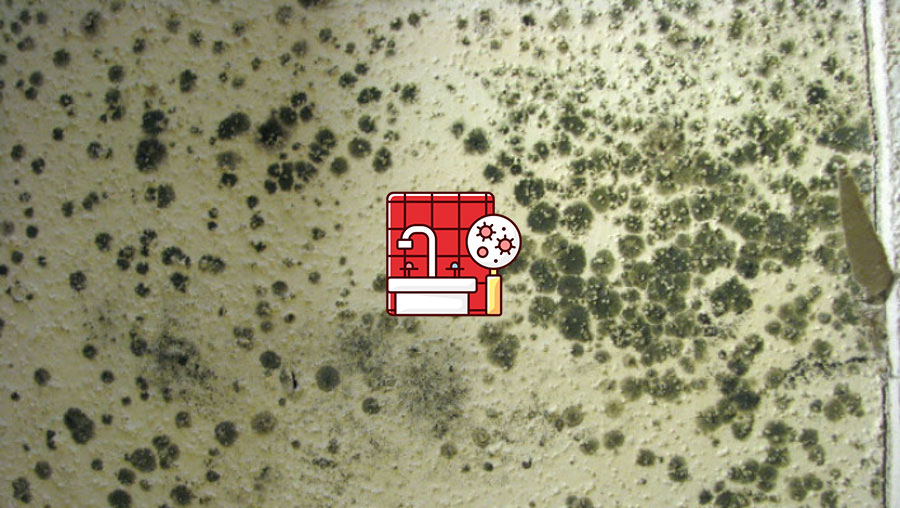
    mold in your walls

    Recognizing Hidden Signs of a Roof Leak

    Water Stains on the Ceiling and Walls

    One of the most apparent signs of a roof leak is the presence of water stains on the ceiling and walls. These stains can appear as discolored patches, often with a brownish or yellowish tint. They indicate that water has penetrated through the roof and made its way into the attic or the space between the roof and the ceiling. It’s important to address these stains promptly, as they can worsen over time and lead to further damage if the underlying cause is not resolved.

    Dampness or Musty Odors in the Attic

    If you notice a persistent dampness or musty odor in your attic, it could be a clear indication of a roof leak. When water enters the attic, it can create a humid environment that promotes the growth of mold and mildew. These fungi thrive in damp conditions and release distinct odors. Therefore, a musty smell in your attic should not be ignored, as it may signify an ongoing leak that needs attention.

    Increased Energy Bills due to Insulation Damage

    A roof leak can compromise the insulation in your attic, leading to decreased energy efficiency and higher utility bills. When insulation gets wet, it loses its effectiveness in regulating temperature and preventing heat transfer. As a result, your heating and cooling systems have to work harder to maintain a comfortable indoor environment, resulting in increased energy consumption. If you notice a sudden spike in your energy bills without a clear explanation, it’s worth investigating the possibility of a roof leak.

    Mold or Mildew Growth in the Attic

    The presence of mold or mildew in your attic is a red flag for a roof leak. These fungi thrive in moist environments and often develop in hidden corners or on surfaces affected by water infiltration. If you spot any mold growth on the attic walls, beams, or insulation, it indicates that there is excessive moisture entering your attic, likely from a leaking roof. Prompt action is necessary to prevent further mold proliferation and address the underlying leak issue.

    Sagging or Weakened Roof Structure

    A roof leak that goes undetected or unattended for a prolonged period can lead to structural damage, causing the roof to sag or weaken. This is a serious sign that the leak has progressed and affected the integrity of the roof’s supporting structure. If you notice any visible signs of sagging or weakened areas on your roof, it’s essential to have a professional inspection and repair performed immediately to prevent further damage and potential collapse.

    labor cost for roofing

    Temporary Measures to Mitigate Damage

    1. Tarps and Temporary Patches:

    • Covering the affected area with a waterproof tarp can provide immediate protection against water intrusion.
    • Securely fasten the tarp over the damaged portion of the roof using ropes or bungee cords.
    • Temporary patches, such as roofing cement or sealants, can be applied to small leaks or cracks in the roofing material as a temporary stop-gap measure.
    1. Clearing Debris from Gutters and Downspouts:

    • Clogged gutters and downspouts can contribute to roof leaks by causing water to overflow and seep into the attic.
    • Regularly inspect and clear any debris, such as leaves and twigs, from the gutters and downspouts to ensure proper water drainage away from the roof.
    1. Ensuring Proper Attic Ventilation and Insulation:

    • Inadequate ventilation and insulation in the attic can lead to condensation and moisture buildup, exacerbating the effects of a roof leak.
    • Check that attic vents are clear of obstructions and functioning properly to allow for proper air circulation.
    • Inspect and address any insulation issues, such as wet or damaged insulation, which may need to be temporarily removed and replaced after the leak is resolved.
    1. Taking Immediate Action:

    • Document the extent of the damage by taking photos and making notes to aid in insurance claims.
    • Safely move any valuable belongings or furniture away from the affected area to prevent further damage.
    • Place buckets or containers strategically to collect dripping water and prevent it from spreading to other areas of the attic or home.
    roof water damage

    Fixing the Roof Leak

    When it comes to fixing a roof leak into the attic, it is essential to hire a professional roofing contractor who possesses the necessary qualifications and expertise. Here are some key considerations to keep in mind:

    Hiring a Professional Roofing Contractor:

    • Look for a licensed and insured roofing contractor with a proven track record in handling roof leaks and repairs.
    • Seek recommendations from friends, family, or neighbors who have had positive experiences with roofing contractors.
    • Verify the contractor’s credentials and certifications to ensure they are qualified to work on your roof.

    Repair Options:

    • The approach to fixing a roof leak will depend on the severity and type of the leak. A professional contractor will conduct a thorough inspection to determine the best course of action.
    • Repair options may include shingle replacement, repairing damaged flashing, or applying roof coatings to reinforce the existing roofing material.
    • In some cases, if the damage is extensive or the roof is nearing the end of its lifespan, a roof replacement might be recommended.

    Exploring Potential Solutions:

    • Shingle Replacement: Damaged or missing shingles are a common cause of roof leaks. A professional contractor will carefully remove and replace the affected shingles, ensuring a proper seal to prevent future leaks.
    • Flashing Repair: Flashing around chimneys, vents, and skylights can deteriorate over time, leading to leaks. A skilled contractor will repair or replace damaged flashing to ensure water-tightness.
    • Roof Coatings: Applying a waterproof coating can provide an additional layer of protection against future leaks. The coating is applied directly to the roof surface, sealing any existing gaps or cracks.
    roof water damage

    Fixing the Roof Leak

    When it comes to fixing a roof leak into the attic, it is essential to hire a professional roofing contractor who possesses the necessary qualifications and expertise. Here are some key considerations to keep in mind:

    Hiring a Professional Roofing Contractor:

    • Look for a licensed and insured roofing contractor with a proven track record in handling roof leaks and repairs.
    • Seek recommendations from friends, family, or neighbors who have had positive experiences with roofing contractors.
    • Verify the contractor’s credentials and certifications to ensure they are qualified to work on your roof.

    Repair Options:

    • The approach to fixing a roof leak will depend on the severity and type of the leak. A professional contractor will conduct a thorough inspection to determine the best course of action.
    • Repair options may include shingle replacement, repairing damaged flashing, or applying roof coatings to reinforce the existing roofing material.
    • In some cases, if the damage is extensive or the roof is nearing the end of its lifespan, a roof replacement might be recommended.

    Exploring Potential Solutions:

    • Shingle Replacement: Damaged or missing shingles are a common cause of roof leaks. A professional contractor will carefully remove and replace the affected shingles, ensuring a proper seal to prevent future leaks.
    • Flashing Repair: Flashing around chimneys, vents, and skylights can deteriorate over time, leading to leaks. A skilled contractor will repair or replace damaged flashing to ensure water-tightness.
    • Roof Coatings: Applying a waterproof coating can provide an additional layer of protection against future leaks. The coating is applied directly to the roof surface, sealing any existing gaps or cracks.

    mold spread and growth

    Preventing Roof Leaks in the Future

    Regular Roof Inspections and Maintenance:

    • Schedule regular roof inspections, at least once a year, to identify any signs of damage or potential issues.
    • A professional roofer can assess the condition of your roof, detect early signs of damage, and address them promptly.
    • Regular maintenance, such as replacing damaged shingles, resealing flashing, and addressing minor issues, can prevent leaks from developing.

    Cleaning Gutters and Downspouts to Prevent Clogs:

    • Regularly clean your gutters and downspouts to prevent debris from accumulating and causing water backup.
    • Clogged gutters can lead to water overflow, which can seep into the attic and cause roof leaks.
    • Clearing leaves, twigs, and other debris will ensure proper water drainage away from the roof.

    Trimming Overhanging Tree Branches:

    • Trim tree branches that overhang your roof to minimize the risk of damage during storms or high winds.
    • Overhanging branches can scrape against the roof surface, dislodge shingles, and create entry points for water.

    Monitoring Attic Ventilation and Insulation:

    • Proper attic ventilation and insulation play a crucial role in preventing moisture buildup and condensation that can lead to roof leaks.
    • Ensure that attic vents are clear of obstructions and functioning correctly to allow for adequate air circulation.
    • Regularly inspect insulation for signs of damage, such as wet spots or mold growth, and address any issues promptly.

    Investing in High-Quality Roofing Materials and Professional Installation:

    • Choose high-quality roofing materials that are durable and designed to withstand harsh weather conditions.
    • Professional installation by experienced roofers ensures proper sealing and reduces the risk of installation errors that can lead to leaks.

    View More Articles

    Free, No Obligation

    Request Your Free Estimate & Inspection

    Tell us about your roof and we’ll come take a look — no pressure, no cost. Or call us right now on (703) 964-6233.

    (703) 964-6233
    Contact Form Demo (#3)
    Owens Corning Preferred Contractor GAF System Plus CertainTeed SureStart PLUS BBB A+ Accredited HomeAdvisor

    RNC Roofing

    RNC Roofing and Construction Group — The Roofing Contractor Specialists. Protecting your home, one shingle at a time.

    Virginia

    (703) 964-6233 Sterling · Leesburg · Ashburn
    Loudoun & Fairfax County

    Maryland

    (703) 964-6233 Beltsville · District Heights
    All of Maryland
    © 2026 RNC Roofing and Construction Group — The Roofing Contractor Specialists Northern Virginia & Maryland
  • Can a Roof be Replaced in the Rain? Risks and Recommendations

    Protecting your home, one shingle at a time VA (703) 964-6233| MD (703) 964-6233| Free Estimate & Inspection
    Home Improvement

    Can a Roof be Replaced in the Rain? Risks and Recommendations

    RNC Roofing and Construction Group June 26, 2023
    Can a Roof be Replaced in the Rain? Risks and Recommendations

    Can a Roof be Replaced in the Rain? Risks and Recommendations

    Now let’s address the question that homeowners often ponder: Can a roof be replaced in the rain? The short answer is that it is not advisable. Roof replacement is a complex process that requires careful planning, precise execution, and favorable weather conditions. While some minor repairs can be carried out in light rain, a full roof replacement is best done during dry weather to ensure optimal results.

    Understanding the Roof Replacement Process

    Explaining the Typical Steps Involved in Roof Replacement

    When considering roof replacement, it’s important to understand the typical steps involved. The process generally begins with an assessment of the existing roof to determine the extent of the damage and whether replacement is necessary. This involves inspecting the shingles, underlying structure, and identifying any leaks or weak areas.

    Next, the old roofing material is removed, ensuring a clean surface for the new installation. This step may involve removing the shingles, underlayment, and other components. Once the old roofing material is cleared, repairs or reinforcements to the underlying structure, such as the roof deck, may be carried out if required.

    Following the preparation stage, the installation of new roofing materials commences. This includes laying down a suitable underlayment, applying shingles or other roofing materials, and securing them in place. Flashing, vents, and other roof accessories are also installed to ensure proper functionality and waterproofing.

    Need for a Dry Working Environment during the Process

    During the roof replacement process, it is crucial to have a dry working environment. Dry conditions provide a stable and safe foundation for the roofers to carry out their work effectively. Rainy conditions can pose numerous challenges, such as slippery surfaces, reduced visibility, and compromised safety for the workers.

    Highlighting the Risks Associated with Performing Roof Replacement in Rainy Conditions

    Performing roof replacement in rainy conditions introduces various risks and compromises the quality of the work. The presence of rainwater on the roof makes it challenging to ensure proper adhesion and sealing of the roofing materials. This can lead to leaks, inadequate waterproofing, and reduced longevity of the new roof.

    identifying roof algae

    Safety Concerns during Roof Replacement in the Rain

    Increased Hazards for Workers on Slippery Surfaces

    When it comes to roof replacement in the rain, safety becomes a significant concern. Rainwater creates slippery surfaces, making it difficult for workers to maintain balance and stability while carrying out their tasks. The risk of slipping, tripping, and falling increases substantially, posing a threat to their well-being.

    Roofers need secure footing to navigate the roof and handle heavy materials. However, rain can create an unstable environment, jeopardizing their safety. Maneuvering on wet surfaces requires extra caution and reduces the efficiency and productivity of the roofing crew.

    Potential Accidents and Injuries Caused by Wet Conditions

    Performing roof replacement in the rain introduces a higher risk of accidents and injuries. Reduced visibility due to rain can impair workers’ ability to identify potential hazards, increasing the likelihood of accidents. Additionally, wet roofing materials and tools become harder to handle, potentially leading to mishaps and injuries.

    Falling from heights is a serious concern during roof replacement, and the presence of rain exacerbates the risk. Slippery surfaces make it harder to maintain a secure footing, increasing the chances of accidents that may result in severe injuries or even fatalities. It is crucial to prioritize the safety of the workers and mitigate these risks by avoiding roof replacement in rainy conditions.

    Negative Impact of Rainwater on the Structural Integrity of the Roof during Replacement

    Rainwater can have a detrimental effect on the structural integrity of the roof during the replacement process. Excessive moisture can seep into the roof’s underlying components, compromising their strength and stability. This can lead to sagging, rot, or decay of the roof deck, trusses, or supporting beams.

    Furthermore, rainwater that accumulates during the replacement process may not be adequately diverted, potentially causing pooling and subsequent water damage. Water infiltration can weaken the roof’s structure, lead to mold and mildew growth, and result in costly repairs down the line.

    wind damage roof repair

    Quality and Durability Considerations

    Importance of Proper Installation Techniques

    Proper installation techniques are crucial for ensuring the quality and durability of a roof. During roof replacement, specific procedures must be followed to guarantee a long-lasting and reliable result. These techniques include precise measurements, correct alignment, and appropriate fastening of roofing materials.

    When replacing a roof, it is essential to adhere to manufacturer guidelines and industry best practices. These guidelines provide instructions on material compatibility, proper ventilation, and sealing techniques. Following them diligently helps to maintain the integrity of the roof and maximize its lifespan.

    Potential Compromises to Quality during Roof Replacement in the Rain

    Roof replacement in the rain can compromise the quality of the installation. Rainwater can interfere with the proper adhesion and sealing of roofing materials, such as shingles or membranes. This can lead to suboptimal performance and an increased risk of leaks and water damage in the future.

    Moreover, wet conditions make it challenging to ensure precise alignment and accurate fastening of roofing components. The moisture can affect the stability and integrity of the installation, potentially resulting in loose or misaligned materials. These compromises may affect the overall quality and aesthetics of the roof.

    Long-Term Impact on the Roof’s Durability and Performance

    The decision to replace a roof in the rain can have long-term consequences for its durability and performance. The compromised installation due to wet conditions may lead to premature deterioration of the roofing materials. Inadequate adhesion and sealing can result in water infiltration, which can cause rot, mold, and structural damage over time.

    Additionally, a roof that has been replaced in the rain may be more susceptible to future issues. Poorly aligned or loosely fastened materials are more likely to be affected by strong winds, potentially leading to shingle blow-offs or other damage during storms.

    fix leaky roof

    Moisture Management Challenges

    Difficulties of Managing Moisture during Roof Replacement in the Rain

    Roof replacement in the rain presents significant challenges in managing moisture effectively. Rainwater can impede the ability to maintain a dry working environment, making it harder to ensure proper moisture control during the installation process. Managing and diverting water becomes more complex, increasing the risk of moisture-related issues.

    Potential for Water Infiltration during the Process

    During roof replacement in the rain, the potential for water infiltration becomes a real concern. Even with temporary coverings or tarps, water can find its way through vulnerable areas, such as exposed sections or areas that have not yet been fully sealed. This infiltration can compromise the structural integrity of the roof and lead to damage inside the home. Roofing materials, such as shingles or membranes, need to be installed on a dry surface to create a secure barrier against water intrusion. Installing them during rainy conditions increases the likelihood of gaps or insufficient adhesion, increasing the risk of leaks and water damage.

    Risks of Mold and Mildew Growth due to Trapped Moisture

    One of the significant risks associated with roof replacement in the rain is the potential for mold and mildew growth. Moisture can become trapped within the roof layers or in the underlying structures due to inadequate drying time during installation. This trapped moisture creates a favorable environment for mold and mildew to thrive, posing health risks and further damaging the roof’s integrity. Mold and mildew can deteriorate the materials, compromise indoor air quality, and cause respiratory issues for occupants. Additionally, the presence of mold or mildew can lead to costly remediation efforts and potentially affect the property value.

    repairs roofing maintenance

    Best Practices and Recommendations

    Ideal Weather Conditions for Roof Replacement

    To ensure a successful and long-lasting roof replacement, it is crucial to consider the ideal weather conditions. While it may be tempting to proceed with the project regardless of the weather, it is best to wait for dry conditions. By avoiding rain during the roof replacement process, you minimize the risks associated with moisture, water infiltration, and compromised installation.

    Optimal Seasons for Roof Replacement

    Timing your roof replacement is equally important. While roofs can be replaced throughout the year, certain seasons offer more favorable conditions. Spring and summer tend to provide extended periods of dry weather, making them ideal for roof replacement projects. However, local climate and weather patterns should also be taken into account.

    During the planning phase, consult with professional roofers who have extensive experience in your area. They can provide valuable insights into the best time to schedule your roof replacement based on local weather patterns, ensuring optimal conditions for a successful installation.

    Consulting with Professional Roofers for Expert Advice

    When contemplating a roof replacement, it is essential to consult with professional roofers who possess the expertise and experience in handling such projects. They can assess the current condition of your roof, evaluate the feasibility of replacement, and provide expert advice on scheduling considerations.

    Professional roofers understand the intricacies of weather conditions and their impact on roof replacements. They can guide homeowners in making informed decisions about the ideal time to proceed with the project. By working with professionals, homeowners can ensure the highest quality of workmanship, minimize risks, and receive valuable recommendations tailored to their specific circumstances.

    View More Articles

    Free, No Obligation

    Request Your Free Estimate & Inspection

    Tell us about your roof and we’ll come take a look — no pressure, no cost. Or call us right now on (703) 964-6233.

    (703) 964-6233
    Contact Form Demo (#3)
    Owens Corning Preferred Contractor GAF System Plus CertainTeed SureStart PLUS BBB A+ Accredited HomeAdvisor

    RNC Roofing

    RNC Roofing and Construction Group — The Roofing Contractor Specialists. Protecting your home, one shingle at a time.

    Virginia

    (703) 964-6233 Sterling · Leesburg · Ashburn
    Loudoun & Fairfax County

    Maryland

    (703) 964-6233 Beltsville · District Heights
    All of Maryland
    © 2026 RNC Roofing and Construction Group — The Roofing Contractor Specialists Northern Virginia & Maryland
  • Spring Roof Maintenance Essential Tips | By RNC

    Protecting your home, one shingle at a time VA (703) 964-6233| MD (703) 964-6233| Free Estimate & Inspection
    Home Improvement

    Spring Roof Maintenance Essential Tips | By RNC

    RNC Roofing and Construction Group February 15, 2018
    Spring Roof Maintenance Essential Tips | By RNC

    Spring Roof Maintenance Essential Tips

    Spring roof maintenance plays a crucial role in ensuring the longevity and durability of your roof. As the seasons transition from winter to spring, your roof faces new challenges such as heavy rains, wind, and potential damage from winter weather. Conducting regular maintenance during this time helps identify any issues that may have developed over the winter months and allows for timely repairs or adjustments.By investing time and effort into spring roof maintenance, you can prevent small problems from escalating into major, costly repairs down the line. A well-maintained roof not only protects your home from water leaks and structural damage but also contributes to its overall aesthetic appeal and market value.

    house , roofing

    Assessing the Roofs Condition

    • Conduct a visual inspection to identify any signs of damage or wear.

    When it comes to spring roof maintenance, a crucial first step is to conduct a thorough visual inspection of your roof. Begin by carefully examining the entire surface, paying close attention to details. Look for any visible signs of damage or wear that may have occurred during the winter months or due to other factors.Inspect the roof for cracked, curled, or blistered shingles. These could be indicators of aging or weather-related damage. Additionally, keep an eye out for shingles that have become loose or completely detached, as they may need to be replaced.

    • Look for loose or missing shingles that need to be replaced.

    During your inspection, be sure to check for any loose or missing shingles. These can leave your roof vulnerable to water leaks and further damage. If you come across loose shingles, carefully secure them back in place using roofing nails or consult a professional if the issue appears extensive. Missing shingles should be promptly replaced to maintain the roof’s integrity. Ignoring this issue can lead to water infiltration, which may result in costly repairs down the line. Ensure that the new shingles match the existing ones in terms of style and color for a seamless appearance.

    • Inspect the flashing and seals to ensure they are intact and in good condition.

    Flashing and seals are critical components of your roof’s waterproofing system. During the inspection, pay close attention to the flashing around chimneys, vents, skylights, and other roof penetrations. Look for signs of deterioration, such as rust, cracks, or gaps.Similarly, check the seals around these areas to ensure they are intact and providing a watertight barrier. Damaged flashing or seals can allow water to seep into your home, leading to moisture issues and potential structural damage. If you notice any problems, consult a professional to repair or replace the flashing and seals as needed.

    gutters and downspouts

    Clearing Debris and Cleaning the Roof

    • Remove leaves, branches, and other debris that may have accumulated on the roof.

    One important aspect of spring roof maintenance is clearing away any debris that has accumulated over time. Leaves, branches, and other debris can gather on the roof’s surface and in the gutters, potentially causing drainage issues and water buildup. Using a sturdy ladder and wearing appropriate safety gear, carefully remove the debris to ensure the roof remains free of obstructions.

    • Clear out gutters and downspouts to ensure proper drainage.

    While clearing debris from the roof, it’s equally important to pay attention to the gutters and downspouts. These components play a vital role in directing water away from your roof and foundation. Remove any leaves, twigs, or other debris that may have accumulated in the gutters. Ensure that the downspouts are clear and unobstructed, allowing water to flow freely.

    • Safely clean moss, algae, or mold that may be present on the roof’s surface.

    Springtime can promote the growth of moss, algae, or mold on your roof’s surface, especially in shaded areas or regions with high humidity. These organisms not only compromise the aesthetic appeal of your roof but can also lead to long-term damage if left unchecked. Using a gentle approach, consider cleaning the affected areas with a soft-bristle brush or low-pressure water stream to remove the growths.

    • Use appropriate cleaning solutions and tools to avoid damaging the roof.

    When cleaning your roof, it’s crucial to use the right cleaning solutions and tools to avoid causing any damage. Opt for mild, non-abrasive cleaners specifically formulated for roof cleaning. Avoid using harsh chemicals or high-pressure washers, as these can strip away protective layers and shingles’ granules. Additionally, ensure you follow safety guidelines and manufacturer instructions when using any cleaning tools or solutions.

    roof ventilation

    Ensuring Proper Ventilation

    • Recognize the importance of ventilation for a healthy roof.

    Proper ventilation is crucial for maintaining a healthy roof. It helps regulate temperature, control moisture levels, and prevent the accumulation of heat in the attic space. Adequate ventilation extends the lifespan of roofing materials, reduces the risk of mold and mildew growth, and enhances energy efficiency within your home.

    • Inspect and clean vents and exhaust fans to maintain proper airflow.

    As part of your spring roof maintenance routine, inspect the vents and exhaust fans to ensure they are clean and functioning effectively. Remove any debris, such as leaves or dust, that may have accumulated and obstructed the airflow. This allows fresh air to circulate freely, preventing moisture buildup and potential damage to the roof’s structure.

    • Clear any blocked air passages to ensure adequate ventilation.

    Blocked air passages can disrupt proper ventilation and compromise the health of your roof. Check for any obstructions, such as insulation or debris, that may be obstructing the flow of air. Clear these blockages to maintain consistent airflow throughout the attic and roof system.

    • Consider installing a ridge vent if additional ventilation is needed.

    In cases where your roof requires additional ventilation, consider installing a ridge vent. A ridge vent is a specialized ventilation system that runs along the peak of the roof. It allows hot air to escape, while intake vents located at the eaves draw in fresh, cooler air. This balanced airflow helps regulate the temperature and moisture levels in the attic, promoting a healthy environment for your roof.

    Addressing Repairs and Maintenance

    • Promptly fix minor issues to prevent them from escalating into larger problems.

    When it comes to spring roof maintenance, addressing minor issues promptly is key to preventing them from becoming major problems. Inspect your roof for any signs of damage, such as cracked or curling shingles, and address them as soon as possible. Taking care of small repairs early on can help maintain the overall integrity of your roof and save you from costlier repairs down the line.

    • Replace damaged or missing shingles to maintain the roof’s integrity.

    Damaged or missing shingles compromise the protection and longevity of your roof. If you notice any shingles that are cracked, broken, or completely missing, it’s crucial to replace them promptly. This helps maintain the waterproofing and structural integrity of your roof, preventing water infiltration and further damage to the underlying layers.

    • Repair leaks and damaged flashing to prevent water infiltration.

    Leaks can cause significant damage to your roof and the interior of your home. If you discover any signs of water infiltration, such as water stains on ceilings or walls, address them immediately. Identify the source of the leak and repair it, whether it’s a damaged seal around a vent or compromised flashing. Properly sealing these areas prevents water from entering your home and protects the overall health of your roof.

    • Reinforce weak spots or sagging areas to prevent further damage.

    Over time, certain areas of your roof may weaken or start to sag. It’s essential to reinforce these weak spots to prevent further damage. Consult a professional roofing contractor to assess the situation and determine the best course of action. Reinforcing weak areas ensures the structural integrity of your roof and minimizes the risk of collapse or additional damage during inclement weather

    roofing contact

    Contact Us Today

    Taking proactive steps to maintain your roof during the spring season is essential for ensuring its long-term durability. By prioritizing spring roof maintenance, you can safeguard your investment and avoid costly repairs in the future. Neglecting necessary maintenance can lead to issues such as water leaks, structural damage, and decreased energy efficiency. Contact RNC Roofing and Construction for more information or questions!

    View More Articles

    Free, No Obligation

    Request Your Free Estimate & Inspection

    Tell us about your roof and we’ll come take a look — no pressure, no cost. Or call us right now on (703) 964-6233.

    (703) 964-6233
    Contact Form Demo (#3)
    Owens Corning Preferred Contractor GAF System Plus CertainTeed SureStart PLUS BBB A+ Accredited HomeAdvisor

    RNC Roofing

    RNC Roofing and Construction Group — The Roofing Contractor Specialists. Protecting your home, one shingle at a time.

    Virginia

    (703) 964-6233 Sterling · Leesburg · Ashburn
    Loudoun & Fairfax County

    Maryland

    (703) 964-6233 Beltsville · District Heights
    All of Maryland
    © 2026 RNC Roofing and Construction Group — The Roofing Contractor Specialists Northern Virginia & Maryland