Tag: Prevention

  • Roof Fungus: Causes, Effects, Prevention, and Remediation

    Protecting your home, one shingle at a time VA (703) 964-6233| MD (703) 964-6233| Free Estimate & Inspection
    Home Improvement

    Roof Fungus: Causes, Effects, Prevention, and Remediation

    RNC Roofing and Construction Group September 7, 2023
    Roof Fungus: Causes, Effects, Prevention, and Remediation

    Roof Fungus: Causes, Effects, Prevention, and Remediation

    Roof fungus, also referred to as roof mold or roof mildew, is a common issue that can significantly affect the longevity and appearance of your roof. In this article, we will delve into the world of roof fungus, exploring its causes, effects, prevention, and remediation.

    What is Roof Fungus?

    Roof Fungus and Its Aliases

    Roof fungus, also known as roof mold or roof mildew, is a persistent issue that plagues many homeowners. These terms are often used interchangeably, describing the unwelcome growth of microorganisms on your roof’s surface.

    Roof Fungus vs. Algae and Lichen

    It’s essential to differentiate roof fungus from similar roofing problems, such as algae and lichen. While they may seem alike at first glance, they have distinct characteristics.

    Roof Fungus: The Intruder

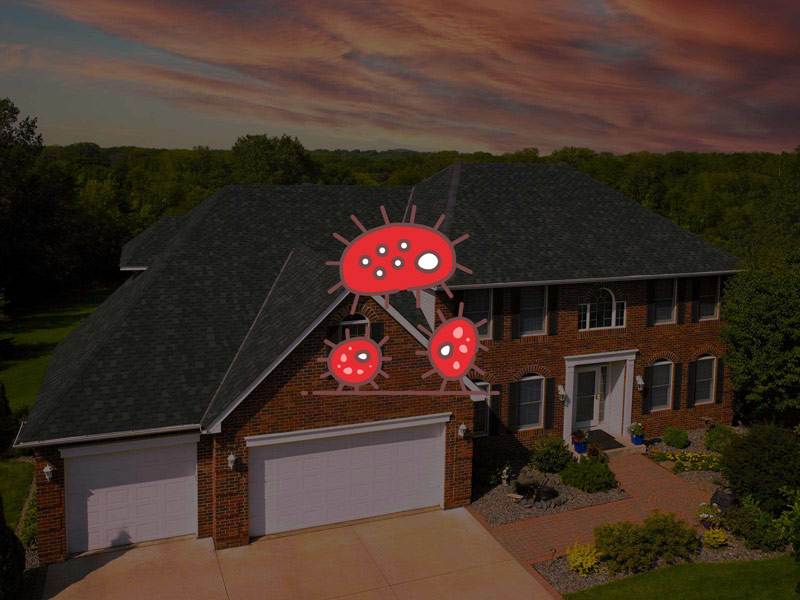
    Roof fungus is primarily composed of mold or mildew, which are types of fungi. Unlike algae, which are typically green, and lichen, which have a more complex structure, roof fungus appears as dark streaks, stains, or patches on your roof’s surface. It thrives in damp and shaded environments, making it a common sight in areas with high humidity or frequent rain.

    Algae and Lichen: The Lookalikes

    Algae, on the other hand, are usually green and can create a slimy appearance on your roof. Lichen, while also capable of darkening your roof’s color, have a distinct symbiotic relationship between algae and fungi.

    roof ventilation

    Causes of Roof Fungus

    Understanding the Culprits

    Roof fungus, commonly known as roof mold or roof mildew, can be a persistent headache for homeowners. It thrives due to several key factors, which we’ll explore in this section.

    Moisture’s Role

    Moisture is the primary fuel for roof fungus. When rainwater accumulates or your roof doesn’t effectively shed water, it creates a breeding ground for fungi. Roof fungus can take hold when moisture gets trapped in crevices and on shingles, allowing it to flourish.

    The Impact of Humidity

    High humidity levels in your local climate can also contribute to roof fungus growth. Areas with prolonged humidity provide ideal conditions for the development of these unwanted microorganisms. They thrive on the moisture in the air and on the roof’s surface.

    Poor Ventilation and Stagnant Air

    Inadequate ventilation within your attic or roof space can exacerbate roof fungus problems. When air becomes stagnant, moisture accumulates, creating an environment conducive to fungal growth. Proper ventilation systems help mitigate this risk by promoting air circulation and drying out the roof.


    .
    wind damage roof repair

    The Influence of Climate

    Shielding Your Roof from Fungal Intruders

    Now that we’ve explored what roof fungus is and what causes it, let’s delve into the proactive steps homeowners can take to prevent its unwelcome presence and maintain a healthy roof.

    Regular Roof Inspections

    Routine roof inspections are your first line of defense against roof fungus. Schedule regular checks to catch any signs of growth early. Look for dark streaks, stains, or patches, and remember that roof fungus can resemble dirt or grime, so a keen eye is essential.

    Proper Ventilation and Insulation

    A well-ventilated and properly insulated attic or roof space can make your roof less inviting to roof fungus. Adequate airflow helps keep the roof dry, reducing the conditions that fungi thrive in. Proper insulation also prevents moisture from seeping into your home.

    Gutter Maintenance and Debris Removal

    Clogged gutters and debris on your roof can trap moisture, providing an ideal environment for roof fungus. Regularly clean your gutters and remove leaves, branches, and other debris from your roof’s surface.

    H3: Algae-Resistant Roofing Materials

    Consider using algae-resistant roofing materials when it’s time for roof replacement. These materials are designed to inhibit the growth of not only algae but also roof fungus. Investing in them can pay off in the long run by extending the life of your roof.

    Professional Roof Cleaning and Maintenance

    While DIY efforts are essential, there’s no substitute for professional roof cleaning and maintenance. Experienced professionals have the tools and expertise to safely and effectively remove roof fungus and prevent its return. Regular maintenance can prolong your roof’s lifespan and save you from costly repairs down the line.


    .

    evaluating roof damage

    Effects of Roof Fungus

    The Impact of Roof Fungus

    Roof fungus, also known as roof mold or roof mildew, may appear harmless at first glance, but its effects on your roof and property can be significant and costly if left unattended.

    Weakening of Roof Materials

    One of the most concerning effects of roof fungus is its ability to compromise the integrity of your roof. Over time, the fungi can infiltrate and damage roofing materials, including shingles, tiles, and wood. This weakening can lead to leaks and structural issues, necessitating costly repairs or even roof replacement.

    Increased Energy Bills

    Roof fungus doesn’t just affect your roof’s physical structure; it can also impact your home’s energy efficiency. As it spreads, it can create a barrier that reduces insulation effectiveness. This leads to increased energy bills as your heating and cooling systems work harder to maintain a comfortable indoor temperature.

    Aesthetic Concerns and Reduced Property Value

    Beyond the practical concerns, the appearance of roof fungus can be unsightly. Dark streaks and stains can mar your roof’s visual appeal. Furthermore, if you’re considering selling your home, a roof with visible fungus can reduce its curb appeal and overall property value.

    Addressing roof fungus promptly is not just about maintaining the aesthetics of your home; it’s also about protecting your investment and ensuring a safe and energy-efficient living space.


    .

    labor cost for roofing

    Remediation and Treatment

    Resolving the Roof Fungus Dilemma

    If you’ve noticed the telltale signs of roof fungus, it’s crucial to address the issue promptly to prevent further damage and restore the health and appearance of your roof. In this section, we’ll guide you through the steps involved in treating roof fungus.

    Identification of the Fungus Type

    Before you can effectively treat roof fungus, it’s essential to identify the specific type of fungus infesting your roof. Roof fungus can vary in appearance, with different species presenting as dark streaks, stains, or patches. Understanding the type of fungus you’re dealing with can inform your treatment approach.

    Cleaning and Removal Techniques

    Once you’ve identified the fungus, the next step is to safely and thoroughly remove it from your roof. There are various cleaning techniques and solutions available, depending on the severity of the infestation and the roofing material used. These can include gentle brushing, power washing, or chemical treatments. It’s crucial to follow the manufacturer’s recommendations and safety guidelines when using any cleaning products.

    Roof Repairs or Replacements

    In some cases, the damage caused by roof fungus may require repairs or even roof replacement. If the fungus has weakened the roofing materials to the point of compromising your roof’s integrity, it’s essential to address these structural issues promptly. This step ensures your roof’s longevity and functionality.

    The Expertise of Roofing Contractors

    While some homeowners may opt for a DIY approach to roof fungus remediation, it’s often best to enlist the expertise of experienced roofing contractors. These professionals have the knowledge, tools, and safety measures necessary to ensure effective and safe treatment. Hiring a roofing contractor can also provide peace of mind that the issue will be resolved correctly.


    .

    Free, No Obligation

    Request Your Free Estimate & Inspection

    Tell us about your roof and we’ll come take a look — no pressure, no cost. Or call us right now on (703) 964-6233.

    (703) 964-6233
    Contact Form Demo (#3)
    Owens Corning Preferred Contractor GAF System Plus CertainTeed SureStart PLUS BBB A+ Accredited HomeAdvisor

    RNC Roofing

    RNC Roofing and Construction Group — The Roofing Contractor Specialists. Protecting your home, one shingle at a time.

    Virginia

    (703) 964-6233 Sterling · Leesburg · Ashburn
    Loudoun & Fairfax County

    Maryland

    (703) 964-6233 Beltsville · District Heights
    All of Maryland
    © 2026 RNC Roofing and Construction Group — The Roofing Contractor Specialists Northern Virginia & Maryland
  • Early Signs of Water Damage on Ceiling: Detection and Prevention

    Protecting your home, one shingle at a time VA (703) 964-6233| MD (703) 964-6233| Free Estimate & Inspection
    Home Improvement

    Early Signs of Water Damage on Ceiling: Detection and Prevention

    RNC Roofing and Construction Group August 15, 2023
    Early Signs of Water Damage on Ceiling: Detection and Prevention

    Early Signs of Water Damage on Ceiling: Detection and Prevention

    Recognizing the early signs of water damage is crucial to avoiding more extensive issues down the line.Water damage on ceilings can have far-reaching consequences if left unnoticed and untreated.Timely detection can save homeowners from costly repairs and structural complications. As an adept roofing contractor with years of experience, I’m here to provide you with valuable insights on identifying these telltale signs.

    Discoloration and Stains

    Discoloration and stains on the ceiling serve as crucial initial signals of potential water damage. These conspicuous marks are often the first indicators that something isn’t right overhead. The early signs of water damage on the ceiling, such as discolored patches, can manifest in various shades and patterns, including hues like yellow, brown, or even darker spots.

    Understanding the Visual Clues

    These telltale signs are like nature’s way of alerting you to a hidden issue. Stains, which can be as subtle as faint discolorations or as bold as distinct patches, catch the eye for a reason. They hint at the presence of excess moisture or leaks above, often indicating an ongoing problem that requires attention.

    Colors Tell a Story

    The color of the stain can also provide insights into the severity and duration of the water damage. Lighter stains might suggest a recent issue, while deeper shades could imply longstanding leakage. This color variation is due to the interaction between the moisture and the ceiling material, which can help identify the potential extent of the problem.

    Surprising Stain Locations

    It’s worth noting that the location of the stain isn’t always directly beneath the source of the water. Water has a sneaky way of traveling along surfaces, defying gravity and sometimes appearing quite distant from its origin. Thus, the presence of a stain might indicate that the water’s entry point is not immediately adjacent.

    evaluating roof damage

    Deterioration of Paint and Texture

    Water damage on ceilings can lead to notable changes in both the appearance and feel of the affected area. As early signs of water damage on the ceiling begin to emerge, you might notice that the paint undergoes distinct alterations. Water infiltration can cause the paint to bubble, crack, or even peel off entirely, revealing the substrate underneath.

    The Transformation of Texture

    Beyond the visual changes, water exposure can also impact the texture of your ceiling. What was once smooth and uniform may become uneven and irregular due to moisture-related damage. Flaking, peeling, or a rough surface texture can indicate that water has permeated the ceiling materials, leading to a change in its structure.

    Unearthing Hidden Indications

    When inspecting for water damage, it’s paramount to cast a thorough gaze across the entire ceiling. Pay close attention not only to the central area but also to the corners and edges. Water doesn’t discriminate; it can infiltrate even the least expected spaces. By meticulously surveying the complete surface, you can uncover subtle changes in paint and texture that could signify early-stage damage.

    A Preventive Approach

    Understanding the evolution of paint and texture changes due to water exposure empowers you to take proactive measures. By identifying these signs early on, you can intervene before the damage progresses further. Timely repairs can prevent the need for extensive restoration and ensure the aesthetic and structural integrity of your ceiling.

    fix leaky roof

    Sagging or Bulging

    Prolonged exposure to moisture can trigger a series of adverse effects on your ceiling. One of the most conspicuous indications is the sagging or bulging of ceiling materials. As early signs of water damage on the ceiling become evident, it’s essential to recognize these physical transformations and understand their implications.

    The Impact of Moisture

    Ceiling materials are typically designed to be sturdy and resilient. However, when exposed to persistent moisture, such as from leaks or condensation, they can gradually weaken. This weakening process weakens their structural integrity, leading to noticeable sagging or bulging in certain areas.

    The Telltale Feel

    When examining your ceiling, run your hand gently over the surface. Areas that have been compromised by water damage might feel different from the rest. They could feel soft, spongy, or even damp to the touch. These subtle tactile changes can serve as a clear indicator that moisture has penetrated the ceiling materials, causing them to lose their strength.

    Urgent Action Required

    Recognizing sagging or bulging in your ceiling should trigger an immediate response. These changes are not merely cosmetic; they can escalate into a more severe problem. Ignoring such signs might lead to a potential collapse, posing a risk to occupants and property alike. To avoid hazardous outcomes, it’s imperative to involve professionals promptly upon identifying these issues.

    common types of mold

    Musty Odors and Mold Growth

    While some early signs of water damage on the ceiling might be visible, others are more elusive yet equally crucial to detect. Hidden water damage can give rise to a host of issues, including the growth of mold and mildew. Recognizing the presence of mold through its distinct musty odors is a pivotal aspect of identifying potential water-related problems.

    The Unseen Consequences

    Water damage often goes beyond what meets the eye. When moisture infiltrates concealed spaces, it provides the perfect breeding ground for mold and mildew. These microscopic organisms thrive in damp environments, and their growth can be indicative of ongoing water issues within your ceiling’s structure.

    Musty Odors: A Clear Indicator

    Mold and mildew growth is often accompanied by unmistakable musty odors. These scents, while unpleasant, serve as potent early warnings of underlying water damage. If you notice such odors around your ceiling, it’s a strong sign that moisture has infiltrated the area, potentially causing deterioration and structural concerns.

    Safeguarding Your Space

    It’s important to be able to distinguish musty odors from other smells. While cooking or pets might contribute to various scents in your home, musty odors have a distinct dampness to them. Additionally, the odor might become more pronounced in humid conditions or after rainfall. If you suspect the presence of these odors, it’s recommended to further investigate the source and address it promptly.

    peeling wallpaper

    Peeling Wallpaper or Peeling Tape

    In the realm of early signs of water damage on the ceiling, subtlety often holds the key to early detection. Excess moisture, a persistent adversary, can quietly compromise the adhesives that hold up your ceiling’s aesthetics. When wallpaper or tape starts to peel away from the ceiling, it’s a discreet yet significant indicator of water-related concerns.

    Unraveling the Effects of Moisture

    Adhesives that secure wallpaper or tape to your ceiling rely on a stable environment. However, excess moisture can undermine their effectiveness, causing them to lose their grip over time. When these adhesives weaken, peeling and detachment occur, revealing an underlying issue that warrants your attention.

    A Glimpse Beneath the Surface

    Peeling areas not only disrupt the visual harmony but also unveil the substrate beneath. This layer might exhibit signs of discoloration or dampness, both indicative of moisture infiltration. What may appear as minor peeling could, in fact, hint at a more extensive underlying problem that requires immediate investigation.

    The Power of Thorough Examination

    While minor instances of peeling might be tempting to overlook, it’s imperative to treat them as early red flags. Investigating and addressing these signs promptly can help prevent potential escalation. Don’t underestimate the impact of seemingly minor changes; they could be pointing towards a larger water damage issue that demands attention.

    how old should a roof be before replaced

    Changes in Ceiling Structure

    Water’s insidious effects extend beyond mere aesthetics; they can impact the very structure of your ceiling. Understanding how early signs of water damage on the ceiling can affect its integrity is pivotal for preserving the overall safety and stability of your living space.

    A Weakening Foundation

    The infiltration of water can gradually erode the strength of the ceiling’s materials. Over time, this weakening might cause certain areas to feel softer or less robust than others. These changes in the structural makeup are indicative of the damage that water can silently inflict.

    Visible Indicators of Trouble

    In extreme instances, the consequences of water damage become visually apparent. Visible cracks might emerge on the ceiling’s surface, serving as unmistakable signs of structural stress. Additionally, severe water infiltration can lead to sagging, where certain sections of the ceiling appear lower than others, underscoring the urgency of addressing the issue.

    Seeking Professional Expertise

    The potential implications of changes in ceiling structure underscore the necessity of swift action. When you notice any of these signs, consulting a professional roofing contractor becomes paramount. Experts can assess the extent of the damage, determine its underlying causes, and recommend appropriate remedial actions.

    View More Articles

    Free, No Obligation

    Request Your Free Estimate & Inspection

    Tell us about your roof and we’ll come take a look — no pressure, no cost. Or call us right now on (703) 964-6233.

    (703) 964-6233
    Contact Form Demo (#3)
    Owens Corning Preferred Contractor GAF System Plus CertainTeed SureStart PLUS BBB A+ Accredited HomeAdvisor

    RNC Roofing

    RNC Roofing and Construction Group — The Roofing Contractor Specialists. Protecting your home, one shingle at a time.

    Virginia

    (703) 964-6233 Sterling · Leesburg · Ashburn
    Loudoun & Fairfax County

    Maryland

    (703) 964-6233 Beltsville · District Heights
    All of Maryland
    © 2026 RNC Roofing and Construction Group — The Roofing Contractor Specialists Northern Virginia & Maryland