Is Mold From a Leaky Roof Dangerous? : A Guide By RNC Roofing
RNC Roofing and Construction GroupApril 24, 2023
Is Mold From a Leaky Roof Dangerous?
Risks of Mold from a Leaky Roof
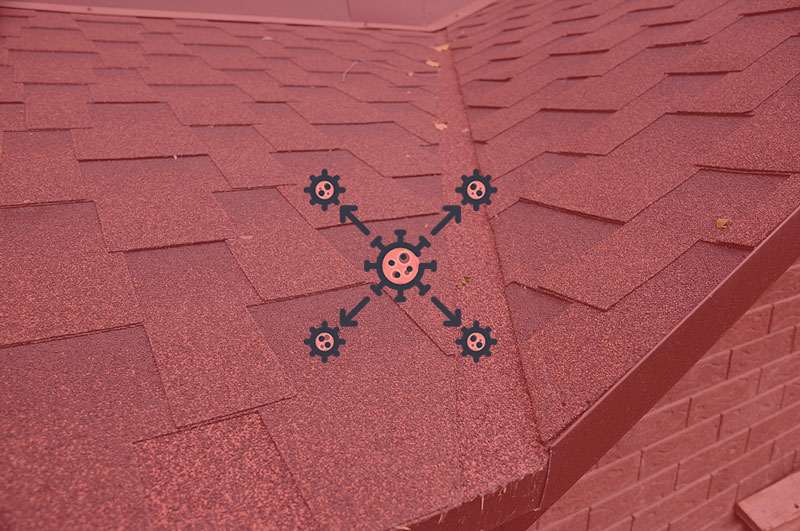
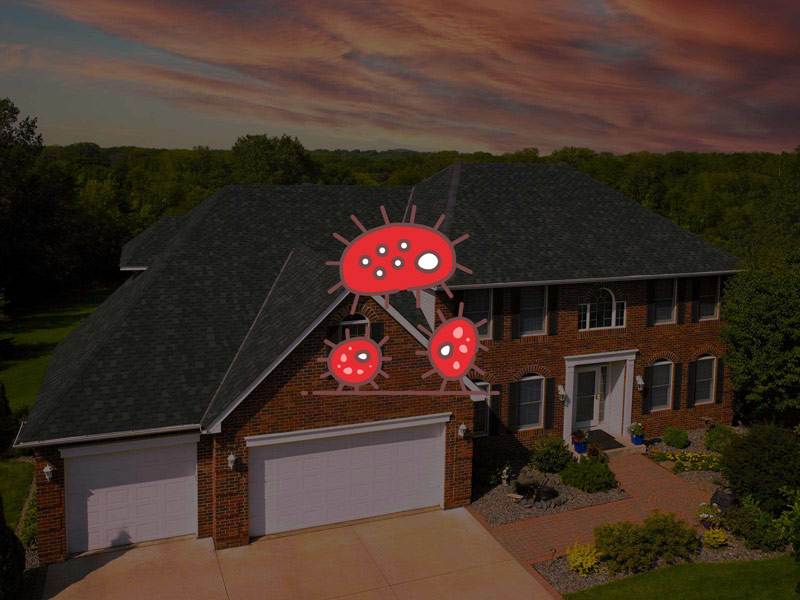
Is Mold From a Leaky Roof Dangerous? If you have a leaky roof, it can create a perfect environment for mold growth. Water can seep into your walls and ceilings, and it can create a damp and warm environment that mold spores can thrive in. The longer the leak goes unaddressed, the higher the risk of mold growth.Mold spores become problematic only when they settle in damp places, like a roof that leaks, and their impact on the people living in the affected premises may differ.
Understanding Mold
Mold is a type of fungus that grows in damp and warm environments. It can develop indoors and outdoors, and it can spread quickly if not addressed promptly. Mold spores can be present in the air, and they can enter your home through open windows, doors, and ventilation systems. Once they find a damp surface, they can start to grow and spread.
How Does Mold Develop?
Mold can develop in any area of your home that has moisture, including bathrooms, kitchens, basements, and crawl spaces. It can also develop on walls, ceilings, and floors if there is a leaky roof or plumbing issue. Mold can grow on any surface, including wood, drywall, and carpet.
Health Effects of Mold Exposure
Exposure to mold can have various negative effects on your health, including:
Allergic reactions
Respiratory problems
Skin irritation
Headaches
Fatigue
Irritation of the eyes, nose, and throat
The severity of these symptoms can depend on the type of mold and the duration of exposure.
Signs of Mold Growth
Some of the most common signs of mold growth include:
A musty odor
Discoloration on walls or ceilings
Peeling or bubbling paint or wallpaper
Visible mold growth on surfaces
Water stains on walls or ceilings
Preventing Mold Growth from a Leaky Roof
The best way to prevent mold growth from a leaky roof is to address the leak as soon as possible. You should also check your roof regularly for signs of damage or wear and tear. Other tips for preventing mold growth include:
The mold removal process typically involves the following steps:
Insurance
If you have mold growth in your home from a leaky roof, you may be wondering if your homeowner’s insurance will cover the cost of mold remediation. The answer depends on the cause of the mold growth and your specific insurance policy. Some insurance policies may cover mold remediation if it’s caused by a covered peril, such as a burst pipe or a storm. However, many policies exclude coverage for mold remediation.
DIY vs. Professional Mold Removal
While you may be tempted to try to remove mold yourself to save money, it’s essential to consider the risks. DIY mold removal can be dangerous and can spread the mold to other areas of your home. Professional mold remediation companies have the equipment, training, and experience to safely remove mold and prevent further spread.
Common Myths About Mold
There are many myths and misconceptions about mold, including:
Bleach kills mold: Bleach can kill some types of mold on non-porous surfaces, but it’s not effective on porous surfaces and can actually make the problem worse.
Mold is only a problem for people with allergies: While people with allergies may be more sensitive to mold, exposure to mold can have negative health effects on anyone.
You can remove mold with vinegar: While vinegar can be effective at removing some types of mold, it’s not effective on all types and may not completely eliminate the problem.
Read More of Our Articles
Mold growth from a leaky roof can be dangerous and can have negative effects on your health and property. It’s essential to address any leaks or water damage promptly and to hire a professional mold remediation company if you suspect mold growth in your home. By taking steps to prevent mold growth and addressing it promptly, you can keep your home safe and healthy.
Free, No Obligation
Request Your Free Estimate & Inspection
Tell us about your roof and we’ll come take a look — no pressure,
no cost. Or call us right now on
(571) 269-8153.
Roofing Energy Efficiency: Maximizing Sustainability and Savings
RNC Roofing and Construction GroupFebruary 10, 2023
Roof Energy Efficiency: Maximizing Sustainability and Savings
Roofing energy efficiency is a crucial aspect of creating an environmentally sustainable and cost-effective home. With the increasing emphasis on reducing energy consumption and minimizing carbon footprints, understanding the importance of energy efficiency in roofing systems is paramount. This article aims to provide a comprehensive overview of the subject, guiding homeowners and contractors towards making informed decisions about their roofing choices.
Understanding Roofing Energy Efficiency
Definition and Impact of Roofing Energy Efficiency
Roofing energy efficiency refers to the ability of a roofing system to effectively minimize energy consumption and optimize thermal performance. By employing various techniques and materials, energy-efficient roofs reduce heat transfer, maintain comfortable indoor temperatures, and decrease the reliance on heating and cooling systems. This results in lower energy bills and reduced environmental impact.
Insulation Materials and Their R-Value
Insulation plays a critical role in roofing energy efficiency. Insulation materials with high R-values, such as fiberglass, spray foam, or cellulose, effectively resist heat flow and prevent thermal energy loss. The R-value measures the insulation’s resistance to heat transfer, with higher values indicating greater efficiency in reducing energy consumption.
Reflective Properties of Roofing Materials
The choice of roofing materials significantly impacts energy efficiency. Reflective roofing materials, such as cool roofs or those with high solar reflectance, minimize heat absorption and reduce the need for air conditioning. Metal roofs, for example, offer excellent reflectivity, while clay or concrete tiles provide thermal mass properties that help regulate indoor temperatures.
Ventilation and Airflow Considerations
Proper ventilation and airflow are essential for maintaining roofing energy efficiency. Adequate ventilation systems, including ridge vents, soffit vents, and gable vents, facilitate the exchange of hot and cool air, preventing heat buildup in the attic space. This helps in reducing the strain on cooling systems and enhancing overall energy efficiency.
Evaluating Your Current Roofing System
Conducting a Comprehensive Assessment of Your Existing Roofing System’s Energy Efficiency
To ensure optimal roofing energy efficiency, it is crucial to evaluate your current roofing system. This assessment will help identify any potential areas for improvement and address common energy efficiency issues.
Identifying Common Energy Efficiency Issues in Roofs
Inspect your roof for common energy efficiency issues, such as inadequate insulation, air leaks, or damaged roofing materials. These issues can result in heat loss during winter and heat gain during summer, compromising energy efficiency. Addressing these issues promptly can significantly improve the overall performance of your roofing system.
Assessing Insulation Quality and Identifying Potential Areas for Improvement
Evaluate the quality and effectiveness of your roof insulation. Check for proper installation and insulation thickness to ensure optimal energy efficiency. Identify any gaps, compression, or deterioration in the insulation that might lead to energy loss. By identifying areas that require improvement, you can enhance the insulation’s ability to minimize heat transfer and improve energy efficiency.
Analyzing the Reflective Properties of the Roofing Materials
Consider the reflective properties of your roofing materials. Roofing materials with higher reflectivity, such as cool roofs or those with high solar reflectance, help deflect sunlight and reduce heat absorption. This can significantly improve energy efficiency by minimizing the need for air conditioning. Assess the current roofing material’s reflectivity and explore options for more energy-efficient alternatives if necessary.
Upgrading Roof Insulation for Optimal Energy Efficiency
Exploring Different Types of Insulation Materials for Roofs
When aiming to enhance roofing energy efficiency, upgrading roof insulation is a crucial step. Several insulation materials can effectively minimize heat transfer and improve energy performance.
Fiberglass Insulation
Fiberglass insulation is a commonly used material for roof insulation due to its affordability and effectiveness. It consists of fine glass fibers that trap air, reducing heat flow. Fiberglass insulation is available in rolls, batts, or loose-fill forms, offering flexibility in installation and coverage.
Spray Foam Insulation
Spray foam insulation is another excellent option for maximizing energy efficiency. It is applied as a liquid that expands and solidifies, creating a seamless insulating layer. Spray foam insulation fills gaps, cracks, and hard-to-reach areas, providing exceptional air sealing properties and thermal resistance.
Cellulose Insulation
Cellulose insulation is made from recycled paper products treated with fire-retardant chemicals. It offers good thermal performance and helps reduce energy consumption. Cellulose insulation is available as loose-fill or dense-packed, making it suitable for both new construction and retrofit projects.
Determining the Appropriate Insulation Type Based on Climate and Specific Requirements
Choosing the right insulation type is essential for achieving optimal energy efficiency in roofing systems. Factors such as climate, local building codes, and specific requirements should be considered. Consultation with a professional contractor can provide valuable guidance in selecting the most suitable insulation material for your specific needs.
Proper Installation Techniques and Considerations for Achieving Maximum Effectiveness
Proper installation is crucial for maximizing the effectiveness of roof insulation. It ensures a continuous and airtight barrier, minimizing thermal bridging and heat loss. Attention should be given to proper sealing of gaps, avoiding compression of insulation, and providing adequate ventilation to prevent moisture buildup. Following manufacturer guidelines and utilizing the expertise of a qualified contractor will help ensure proper installation techniques are employed.
Selecting Energy-Efficient Roofing Materials
Comparing Roofing Materials Based on Their Energy Efficiency Attributes
When it comes to enhancing roofing energy efficiency, selecting the right roofing material is crucial. Different materials offer varying levels of energy performance. Let’s explore some commonly used options:
Asphalt Shingles
Asphalt shingles are a popular choice due to their affordability and versatility. While they may not be the most energy-efficient option, advancements in technology have led to the development of cool asphalt shingles that incorporate reflective properties, reducing heat absorption and improving energy efficiency.
Metal Roofing
Metal roofs are known for their exceptional longevity and durability. They have excellent solar reflectance properties, helping to reduce heat transfer to the building’s interior. Metal roofs can also be combined with insulation layers to enhance energy efficiency further.
Clay or Concrete Tiles
Clay or concrete tiles are renowned for their thermal mass properties. They absorb heat during the day and release it gradually at night, helping to regulate indoor temperatures. This natural cooling effect can reduce the need for air conditioning, resulting in improved energy efficiency.
Green Roofs
Green roofs, or vegetative roofs, offer a unique approach to energy efficiency. They consist of a layer of vegetation and soil, providing natural insulation and reducing heat island effect. Green roofs can improve energy efficiency by reducing heat gain, enhancing air quality, and mitigating stormwater runoff.
Understanding the Benefits and Limitations of Each Material
While each roofing material has its benefits, it’s essential to consider their limitations as well. Factors such as cost, maintenance requirements, weight, and compatibility with your home’s structural integrity should be taken into account when selecting the most suitable option for your roofing energy efficiency goals.
Choosing the Most Suitable Roofing Material for Your Climate and Energy Goals
When choosing a roofing material, it is crucial to consider your local climate and specific energy goals. For instance, in hot climates, materials with high reflectivity and insulation properties may be more beneficial, while in colder regions, materials with excellent insulation and thermal mass qualities might be preferred. Consulting with a roofing professional can help determine the most suitable material for your specific needs.
Enhancing Ventilation and Airflow
The Role of Proper Ventilation in Maintaining Roofing Energy Efficiency
Proper ventilation plays a crucial role in maintaining optimal roofing energy efficiency. It helps regulate temperature, moisture levels, and airflow within the attic space, preventing heat buildup and reducing the strain on your cooling systems. By ensuring adequate ventilation, you can enhance the overall energy performance of your roofing system.
Types of Ventilation Systems for Roofs
There are several types of ventilation systems commonly used in roofing to promote airflow and ventilation:
Ridge Vents
Ridge vents are installed along the ridge line of the roof. They allow hot air to escape from the attic space, creating a natural flow of cool air from the eaves. Ridge vents work in conjunction with intake vents, such as soffit vents or gable vents, to create a balanced ventilation system.
Soffit Vents
Soffit vents are located in the underside of the eaves, allowing fresh air to enter the attic space. They help maintain proper airflow by drawing in cool air from outside, which displaces the hot air and removes excess moisture. Soffit vents work effectively when combined with exhaust vents, such as ridge vents or gable vents.
Gable Vents
Gable vents are installed on the gable ends of the roof. They facilitate the expulsion of hot air from the attic space, creating a natural flow of air. Gable vents work alongside intake vents to promote proper ventilation and prevent heat buildup.
Strategies for Optimizing Airflow and Preventing Heat Buildup in the Attic Space
To maximize the benefits of ventilation and prevent heat buildup in the attic space, consider the following strategies:
Ensure proper installation and sealing of vents to prevent air leaks.
Keep the attic well-insulated to minimize heat transfer between the attic and the living spaces.
Clear any obstructions, such as debris or insulation, that may hinder airflow through vents.
Regularly inspect and maintain your ventilation system to ensure its effectiveness
Maintenance and Tips for Sustaining Roofing Energy Efficiency
Regular Inspections and Maintenance Routines to Preserve Roofing Energy Efficiency
Regular inspections and maintenance routines are essential for preserving the energy efficiency of your roofing system. By identifying and addressing potential issues promptly, you can prevent energy loss and maintain optimal performance.
Identifying and Addressing Potential Issues Promptly
Regularly inspect your roof for signs of damage, such as cracked shingles, leaks, or gaps. Address these issues promptly to prevent further damage and energy loss. Pay attention to areas where insulation may have deteriorated or become compressed, compromising its effectiveness. Additionally, check for proper sealing around vents, chimneys, and other roof penetrations to ensure a tight envelope.
Additional Tips and Practices for Maximizing Roofing Energy Efficiency
Keep your roof clean and free of debris, as accumulated leaves or branches can trap moisture and hinder proper drainage, leading to potential energy loss.
Consider adding a reflective coating to your roof to enhance its solar reflectance and reduce heat absorption. These coatings, often called cool roof coatings, can help lower cooling costs and improve energy efficiency.
Install or upgrade attic insulation to meet recommended R-value guidelines for your region. Insulation helps to minimize heat transfer and maintain a comfortable indoor temperature.
Incorporate energy-efficient practices within your home, such as using energy-efficient appliances, sealing air leaks, and optimizing heating and cooling systems. These measures complement the energy efficiency of your roofing system.
Resources for Professional Assistance and Guidance
When it comes to maintaining and improving roofing energy efficiency, it can be beneficial to seek professional assistance. Roofing contractors with expertise in energy efficiency can provide guidance on insulation upgrades, ventilation improvements, and other measures specific to your roofing system. Additionally, energy efficiency programs or organizations in your region may offer resources and incentives for energy-saving initiatives.
View More Articles
Free, No Obligation
Request Your Free Estimate & Inspection
Tell us about your roof and we’ll come take a look — no pressure,
no cost. Or call us right now on
(571) 269-8153.