Tag: homeowner help

  • Copper Strips for Roof Moss: Preventing / Protecting
    Protecting your home, one shingle at a time VA (703) 964-6233| MD (703) 964-6233| Free Estimate & Inspection
    Home Improvement

    Copper Strips for Roof Moss: Preventing / Protecting

    RNC Roofing and Construction Group July 19, 2023
    Copper Strips for Roof Moss: Preventing / Protecting

    Copper Strips for Roof Moss: Preventing / Protecting

    Roof moss may appear harmless at first, but if left unchecked, it can cause significant damage to your roof and compromise its integrity. Moss retains moisture, which can seep into the roof’s underlying materials, leading to rot, decay, and even structural issues. Additionally, moss can accelerate the wear and tear of roofing materials, reducing their lifespan and necessitating premature repairs or replacements.

    How Copper Strips Work

    The Science Behind Copper Strips

    Copper strips provide an innovative and natural solution for preventing moss growth on roofs. Understanding the scientific principles behind how copper strips work can help homeowners make informed decisions when it comes to moss prevention.

    Mechanism of Moss Prevention

    Copper strips work by utilizing the antimicrobial properties of copper to hinder moss growth. When rainwater comes into contact with the copper strips, a process known as electrolysis occurs. This process leads to the release of copper ions into the water.

    Inhibition of Moss Development

    As rainwater flows over the copper strips, the copper ions are carried down the roof surface. These ions act as a deterrent to moss and other organic growth, disrupting their ability to thrive. Copper ions have the ability to penetrate the cells of moss, interfering with their metabolic processes and ultimately inhibiting their development.

    Long-Lasting Effectiveness

    One of the key advantages of copper strips is their long-lasting effectiveness in preventing moss regrowth. The continuous release of copper ions ensures a sustained barrier against moss colonization. Unlike chemical treatments that require repeated applications, copper strips provide a more durable solution, reducing the need for frequent maintenance and reapplication.

    Benefits of Copper Strips:

    Natural moss prevention: Copper strips offer a natural and environmentally friendly way to prevent moss growth without the use of harsh chemicals.

    • Minimal maintenance: Once installed, copper strips require little to no maintenance, making them a convenient option for homeowners.
    • Cost-effective solution: Considering their long-lasting effectiveness, copper strips provide a cost-effective moss prevention method in the long run.
    • Versatile application: Copper strips can be applied to various types of roofs and are compatible with different architectural styles.
    labor cost for roofing

    Installation and Placement of Copper Strips

    Step-by-Step Guide

    Preparation: Start by cleaning the roof surface to remove any existing moss, debris, or dirt. Ensure the roof is dry before proceeding with the installation.

    • Measure and cut: Measure the length of the roof ridge or the areas prone to moss growth. Use a sturdy pair of tin snips or metal cutters to cut copper strips to the appropriate length.
    • Placement: Position the copper strips along the ridge line or other susceptible areas, such as valleys or areas with heavy shade. Ensure a consistent and even placement of the strips across the roof surface.
    • Attachment: Secure the copper strips to the roof using roofing nails or screws. Make sure they are firmly fastened to withstand wind and weather conditions.
    • Overlap and seal: If required, overlap the copper strips to ensure complete coverage. Use a waterproof sealant or roofing cement to seal the joints and prevent water penetration.

    Suitable Roof Types

    Copper strips can be installed on various roof types, including asphalt shingles, wood shakes, and metal roofs. They are versatile and compatible with most roofing materials. Consult a professional or refer to manufacturer guidelines to ensure proper installation on specific roof types.

    Importance of Proper Placement

    Proper placement and positioning of copper strips are crucial for achieving maximum effectiveness in moss prevention. The key considerations include:

    • Ridge line placement: Installing copper strips along the roof ridge helps create a barrier that prevents moss growth from spreading to other areas of the roof.
    • Vulnerable areas: Identify areas of the roof that are prone to moss growth, such as areas with heavy shade or dampness. Install copper strips in these areas to target moss prevention.
    • Coverage and spacing: Ensure the copper strips cover a sufficient area to effectively deter moss growth. Adequate spacing between the strips allows for proper water runoff and copper ion dispersion.
    environmental impact shingles

    Benefits of Copper Strips

    Advantages of Copper Strips

    When it comes to moss prevention on roofs, copper strips offer several distinct advantages over other methods. Let’s explore the benefits of using copper strips and why they are a preferred choice for homeowners.

    Superior Moss Prevention

    Compared to alternative moss prevention methods, such as chemical treatments or regular manual cleaning, copper strips provide superior and long-lasting effectiveness. While chemical treatments may require frequent reapplication, copper strips create a continuous barrier against moss growth. The sustained release of copper ions inhibits moss development, ensuring your roof remains moss-free.

    Eco-Friendly Solution

    Copper strips are an eco-friendly moss prevention solution, making them a sustainable choice for homeowners. Unlike chemical treatments that introduce potentially harmful substances into the environment, copper is a natural material that does not pose any significant risks to the ecosystem. By opting for copper strips, you can effectively prevent moss growth while minimizing your environmental footprint.

    Preservation of Structural Integrity

    Moss growth on a roof can lead to serious damage over time, compromising its structural integrity. However, by installing copper strips, you can protect your roof from the detrimental effects of moss. Moss often retains moisture, which can seep into the underlying materials and cause decay, rot, and even structural issues. Copper strips act as a preventive measure, keeping your roof dry and extending its lifespan.

    Additional Benefits:

    • Cost-effective: Copper strips offer long-term savings by reducing the need for frequent moss cleaning or chemical treatments.
    • Low maintenance: Once installed, copper strips require minimal maintenance, providing a hassle-free solution for moss prevention.
    • Compatibility: Copper strips can be installed on various roof types, making them versatile and suitable for different architectural styles.
    fix leaky roof

    Signs of Roof Leak and Damage

    Identifying Roof Leak

    Roof leaks can cause significant damage if left undetected and untreated. Homeowners should be aware of the hidden signs of a roof leak to prevent further issues. By promptly identifying these signs, you can take the necessary steps to address the problem before it worsens.

    Water Stains and Discoloration

    Water stains or discoloration on ceilings or walls are common indicators of a roof leak. These stains typically appear as yellowish-brown patches and may gradually spread over time. Pay attention to any new or growing stains, as they often signal an active leak. Remember to inspect areas near chimneys, skylights, vents, and plumbing penetrations, as these are prone to leaks.

    Mold and Mildew Growth

    The presence of mold or mildew in your home can indicate a hidden roof leak. Mold thrives in damp environments, making a leaking roof an ideal breeding ground. Look for signs of mold growth on walls, ceilings, or in attic spaces. The appearance of musty odors can also be an indication of mold caused by moisture infiltration from a roof leak.

    Peeling or Bubbling Paint

    If you notice paint peeling or bubbling on your walls or ceilings, it may be due to water seepage from a roof leak. When water enters through the roof, it can cause the paint to lose adhesion and result in these visible signs. Examine areas where paint is blistering or peeling, as it could be an indication of an underlying leak.

    The Importance of Regular Roof Inspections

    Regular roof inspections are essential for early detection of leaks and to prevent extensive damage. Schedule professional roof inspections at least once a year, especially before the rainy season or after severe weather events. A qualified roofing contractor can assess the condition of your roof, identify potential issues, and address them promptly. Additionally, homeowners can perform visual inspections themselves, checking for loose or damaged shingles, cracked flashing, or any signs of wear and tear.

    View More Articles

    Free, No Obligation

    Request Your Free Estimate & Inspection

    Tell us about your roof and we’ll come take a look — no pressure, no cost. Or call us right now on (703) 964-6233.

    (703) 964-6233
    Contact Form Demo (#3)
    Owens Corning Preferred Contractor GAF System Plus CertainTeed SureStart PLUS BBB A+ Accredited HomeAdvisor

    RNC Roofing

    RNC Roofing and Construction Group — The Roofing Contractor Specialists. Protecting your home, one shingle at a time.

    Virginia

    (703) 964-6233 Sterling · Leesburg · Ashburn
    Loudoun & Fairfax County

    Maryland

    (703) 964-6233 Beltsville · District Heights
    All of Maryland
    © 2026 RNC Roofing and Construction Group — The Roofing Contractor Specialists Northern Virginia & Maryland
  • Signs You Need to Call a Roofing Contractor

    Protecting your home, one shingle at a time VA (703) 964-6233| MD (703) 964-6233| Free Estimate & Inspection
    Home Improvement

    Signs You Need to Call a Roofing Contractor

    RNC Roofing and Construction Group February 10, 2023
    Signs You Need to Call a Roofing Contractor

    Signs You Need to Call a Roofing Contractor

    When it comes to maintaining or repairing your roof, hiring a professional roofing contractor is essential. These skilled experts possess the knowledge, experience, and tools necessary to handle various roofing issues efficiently and safely. From inspections to repairs and replacements, roofing contractors are trained to assess the condition of your roof and provide the appropriate solutions.

    Visible Roof Damage

    Recognizing missing or damaged shingles

    One of the clear signs you need to call a roofing contractor is the presence of missing or damaged shingles. During a visual inspection of your roof, keep an eye out for any areas where shingles are completely absent or visibly cracked, broken, or deteriorated. These issues can leave your roof vulnerable to water infiltration, leading to leaks and potential structural damage. Addressing missing or damaged shingles promptly is crucial to prevent further deterioration and ensure the overall stability of your roof.

    Identifying curling or buckling shingles

    Another visible sign that warrants the expertise of a roofing contractor is the presence of curling or buckling shingles. Over time, exposure to weather elements can cause shingles to warp, resulting in a curled or buckled appearance. This distortion compromises their ability to effectively protect your roof. Curling or buckling shingles are often an indication of underlying moisture issues or inadequate ventilation, which can accelerate the deterioration of your roof if not addressed promptly.

    Noticing cracked or blistered shingles

    Cracked or blistered shingles are red flags indicating potential roof problems. Cracks may result from aging, extreme weather conditions, or improper installation. Similarly, blistering can occur when moisture becomes trapped underneath the shingle’s surface. These conditions weaken the shingles and compromise their ability to shield your roof from the elements. If you spot cracked or blistered shingles during your inspection, it’s crucial to involve a roofing contractor to evaluate the extent of the damage and recommend suitable repair or replacement options.

    Detecting loose or detached flashing

    Flashing refers to the metal strips or sheets used to seal roof transitions and prevent water from penetrating vulnerable areas, such as chimney joints, vents, or skylights. If you notice loose or detached flashing, it’s a sign that your roof’s protective barrier has been compromised. Damaged or improperly installed flashing can lead to water leaks and potential structural damage. Engaging a roofing contractor to assess the flashing and make the necessary repairs or replacements is crucial to maintain the integrity of your roof.

    fix leaky roof

    Leaks and Water Intrusion

    Identifying water stains on the ceiling or walls

    Water stains on your ceiling or walls are clear indicators that you need to call a roofing contractor. These stains often result from roof leaks, which can be caused by damaged or deteriorated roofing materials. Look for brown or yellowish discoloration, peeling paint, or bubbling wallpaper on your ceilings or walls. These signs suggest that water is penetrating your roof and making its way into your home’s interior. Addressing these leaks promptly is crucial to prevent further damage, such as weakened structural integrity or mold growth.

    Observing wet spots or mold growth in the attic

    When inspecting your attic, be on the lookout for wet spots or signs of mold growth. If you notice damp areas or visible mold patches on the attic ceiling or walls, it’s a sign that water is entering your attic space. This could be due to roofing issues such as damaged shingles, faulty flashing, or inadequate ventilation. Mold growth poses health risks and can spread to other areas of your home if left untreated. Contacting a roofing contractor is necessary to identify the source of the water intrusion and resolve the underlying roofing problem.

    Noticing water pooling on the roof surface

    Water pooling on your roof surface after rain or storms is another sign that you need professional assistance. Flat or low-slope roofs are particularly prone to water pooling, and it can lead to roof damage and leaks. Pooling water indicates that the roof’s drainage system is not functioning properly, possibly due to clogged gutters, sagging areas, or inadequate slope. A roofing contractor can evaluate the roof’s drainage system, identify potential issues, and recommend appropriate solutions to prevent water damage and prolong your roof’s lifespan.

    Understanding the significance of consistent roof leaks

    Consistent roof leaks, even if they seem minor, should not be ignored. Persistent leaks indicate an ongoing problem that requires the attention of a roofing contractor. Such leaks can lead to significant water damage, compromised structural integrity, and increased energy costs. Ignoring consistent roof leaks can result in more extensive and costly repairs down the line. It’s essential to have a roofing professional assess the situation, identify the root cause, and provide the necessary repairs or replacements to prevent further water intrusion and protect your home.

    delaying roof repairs

    Age and Wear

    Recognizing the typical lifespan of different roofing materials

    Knowing the typical lifespan of different roofing materials is essential in determining when to call a roofing contractor. Asphalt shingles, for example, have an average lifespan of 20 to 30 years, while metal roofs can last 40 to 70 years. By understanding the age of your roof and the material it’s made of, you can better assess its condition and determine if it’s time to seek professional help. Keep in mind that harsh weather conditions, poor maintenance, and other factors can impact the lifespan of your roof.

    Understanding the effects of weathering and deterioration

    Over time, exposure to the elements takes a toll on your roof, causing weathering and deterioration. UV rays, rain, snow, hail, and fluctuating temperatures can all contribute to the degradation of roofing materials. Signs of weathering and deterioration include faded or discolored shingles, cracked tiles, rusted metal, and brittle or curling materials. These visible signs indicate that your roof is no longer providing adequate protection and may require the attention of a roofing contractor.

    Identifying signs of aging, such as granule loss or sagging

    As roofs age, they exhibit specific signs that indicate the need for professional intervention. One common sign of an aging roof is granule loss on asphalt shingles. These granules protect the shingles from UV rays and provide fire resistance. When they start to wear off and accumulate in gutters or downspouts, it’s a clear indication that your roof is nearing the end of its lifespan. Additionally, sagging areas or a visibly uneven roof surface are signs of structural issues that should be addressed promptly.

    Importance of professional assessment for an aging roof

    When your roof reaches a certain age or shows signs of wear, it’s crucial to have it professionally assessed by a roofing contractor. While you may observe some visible signs of aging, a roofing professional can provide a comprehensive evaluation of your roof’s condition. They have the expertise to identify hidden damage or underlying issues that may not be apparent to an untrained eye. This assessment will help determine the best course of action, whether it’s repair, maintenance, or roof replacement, to ensure the safety and longevity of your home.

    storm damage roof repair

    Storm or Weather Damage

    Assessing the impact of severe weather conditions

    Severe weather conditions can wreak havoc on your roof, making it essential to know the signs that indicate you need to call a roofing contractor. Storms, high winds, heavy rain, and extreme temperature fluctuations can cause significant damage to your roof’s integrity. It’s crucial to assess the impact of these weather events on your roof. Look for visible signs of damage, such as missing or displaced shingles, damaged gutters, or debris scattered on your roof. Even if the damage appears minor, it’s wise to have a professional inspection to identify any underlying issues.

    Identifying signs of wind damage, such as lifted shingles or fallen debris

    Strong winds during a storm can cause considerable damage to your roof. Signs of wind damage include lifted or curled shingles, missing shingles, or shingles that have been torn or cracked. Additionally, fallen tree branches or debris on your roof are indicators of wind-related issues. If you notice any of these signs, it’s crucial to contact a roofing contractor promptly. They can assess the extent of the damage and provide the necessary repairs or replacements to restore the integrity of your roof.

    Recognizing hail damage, including dents and pockmarks

    Hailstorms can leave behind significant damage to your roof. When inspecting your roof after a hailstorm, look for dents, pockmarks, or bruised areas on your shingles or other roofing materials. Hail damage weakens the protective layers of your roof, making it more susceptible to leaks and other issues. If you observe any signs of hail damage, it’s vital to call a roofing contractor for a thorough inspection. They can evaluate the extent of the damage and recommend the appropriate repairs or replacements to ensure the longevity of your roof.

    Understanding the importance of prompt repairs after a storm

    After experiencing severe weather conditions, it’s crucial to prioritize prompt repairs for your roof. Delaying repairs can worsen existing damage and lead to more extensive problems, such as leaks or structural issues. Water intrusion resulting from storm damage can cause mold growth, rotting of underlying structures, or compromised insulation. By calling a roofing contractor without delay, you can mitigate the risk of further damage and protect the overall integrity of your home.

    energy efficiency spring roofing

    Energy Efficiency Concerns

    Understanding the role of the roof in energy conservation

    When it comes to energy efficiency, your roof plays a crucial role in keeping your home well-insulated. It acts as a protective barrier against heat transfer, helping to maintain a comfortable indoor temperature while reducing the need for excessive heating or cooling. Proper insulation and ventilation are essential for maximizing energy efficiency. A well-maintained roof with adequate insulation can prevent heat loss during the colder months and minimize heat gain during the hotter months, resulting in lower energy consumption and reduced utility costs.

    Identifying signs of poor insulation or ventilation

    Signs of poor insulation or ventilation can indicate the need to call a roofing contractor for assistance. Uneven indoor temperatures, drafts, and high energy bills are common indicators of inadequate insulation or ventilation. Additionally, if you notice excessive condensation or moisture buildup in your attic or around vents, it may suggest a ventilation problem. A professional roofing contractor can assess your roof’s insulation and ventilation systems, identifying any areas that require improvement to enhance energy efficiency and overall comfort.

    Recognizing the impact of a damaged roof on energy bills

    A damaged roof can have a significant impact on your energy bills. Leaks, gaps, or cracks in your roof can allow air infiltration, causing your heating and cooling systems to work harder to maintain a comfortable temperature. This results in increased energy consumption and higher utility costs. If you’ve noticed a sudden spike in your energy bills without a clear explanation, it’s important to consider the condition of your roof. Calling a roofing contractor to inspect and address any issues can help restore your roof’s integrity and improve energy efficiency.

    How a roofing contractor can help improve energy efficiency

    A professional roofing contractor can provide valuable assistance in improving your roof’s energy efficiency. They have the expertise to assess your roof’s insulation, ventilation, and overall condition. They can recommend and implement solutions such as adding insulation, sealing air leaks, installing proper ventilation systems, or replacing damaged roofing materials. These measures not only enhance energy efficiency but also contribute to the longevity and durability of your roof. By collaborating with a roofing contractor, you can create a more energy-efficient home and enjoy long-term savings on your energy bills.

    View More Articles

    Free, No Obligation

    Request Your Free Estimate & Inspection

    Tell us about your roof and we’ll come take a look — no pressure, no cost. Or call us right now on (703) 964-6233.

    (703) 964-6233
    Contact Form Demo (#3)
    Owens Corning Preferred Contractor GAF System Plus CertainTeed SureStart PLUS BBB A+ Accredited HomeAdvisor

    RNC Roofing

    RNC Roofing and Construction Group — The Roofing Contractor Specialists. Protecting your home, one shingle at a time.

    Virginia

    (703) 964-6233 Sterling · Leesburg · Ashburn
    Loudoun & Fairfax County

    Maryland

    (703) 964-6233 Beltsville · District Heights
    All of Maryland
    © 2026 RNC Roofing and Construction Group — The Roofing Contractor Specialists Northern Virginia & Maryland
  • Blistering Roof Shingles | Guide to Repair and Prevention

    Protecting your home, one shingle at a time VA (703) 964-6233| MD (703) 964-6233| Free Estimate & Inspection
    Roof Maintenance

    Blistering Roof Shingles | Guide to Repair and Prevention

    RNC Roofing and Construction Group July 16, 2018
    Blistering Roof Shingles | Guide to Repair and Prevention

    Blistering Roof Shingles | Guide to Repair and Prevention

    Blistering shingles are characterized by raised bubbles or blisters on the surface of the shingles. These blisters can be caused by various factors, such as excessive heat, poor ventilation, or moisture-related problems. When the shingles blister, they become vulnerable to damage and can compromise the overall functionality of the roof.

    Identifying Blistering Shingles

    When it comes to identifying blistering shingles, there are several common signs and symptoms to look out for. These indicators can help you determine whether your roof has been affected by blistering. Keep an eye out for the following:

    Bubbles or raised areas on the surface of the shingles: Blistering shingles often exhibit visible bubbles or raised sections. These irregularities can be felt by running your hand over the surface of the shingles.

    Discoloration or changes in the appearance of shingles: Blistered shingles may appear discolored or have a different texture compared to unaffected areas. Look for variations in color, texture, or overall integrity of the shingles.

    Visual Inspection Techniques to Detect Blistering

    Performing a thorough visual inspection is crucial in detecting blistering shingles. By employing the following techniques, you can effectively identify the presence of blistering:

    • Observe the roof from a safe vantage point: Start by inspecting your roof from the ground or a safe distance using binoculars. Look for any signs of blistering, such as raised areas or discoloration.
    • Conduct a close-up inspection: If possible, climb a ladder and conduct a closer examination. Pay attention to individual shingles, checking for bubbles, raised sections, or other abnormalities. Be cautious and ensure your safety when accessing the roof.

    Differentiating Blistering from Other Roof Issues

    While blistering shingles share similarities with other roofing problems, understanding the distinctions is vital for accurate diagnosis. Here’s how you can differentiate blistering shingles from other roof issues:

    • Blistering vs. curling shingles: Curling shingles typically exhibit edges that curl upward or downward. In contrast, blistering shingles have raised sections or bubbles on the surface.
    • Blistering vs. granule loss: Blistering may cause some granules to dislodge from the shingles, but the raised sections are the primary distinguishing factor. Granule loss, on the other hand, results in a visible absence of granules on the shingle surface.

    summer season best time to replace roof

    Causes of Blistering Shingles

    Excessive Heat and Sun Exposure as a Leading Cause

    One of the primary factors that can lead to blistering shingles is excessive heat and prolonged exposure to the sun. When shingles are constantly exposed to high temperatures, the asphalt in the shingles can soften and become more susceptible to blistering. The heat causes the trapped moisture within the shingles to expand, resulting in the formation of bubbles or blisters on the surface.

    Poor Attic Ventilation and Its Impact on Shingle Health

    Inadequate attic ventilation can also contribute to the development of blistering shingles. When a roof lacks proper ventilation, heat can accumulate in the attic, causing the shingles to become excessively hot. This heat buildup accelerates the aging process of the shingles and increases the likelihood of blistering. It’s essential to ensure that your attic has proper ventilation to prevent the formation of blisters on the shingles.

    Moisture-Related Factors and Their Contribution to Blistering

    Moisture-related issues can significantly impact the health of your roof shingles and contribute to blistering. There are several moisture-related factors that can lead to blistering shingles:

    • Poor installation or damaged underlayment: If the underlayment beneath the shingles is not properly installed or has become damaged, it can allow moisture to seep into the shingle layers. Over time, this moisture can lead to blistering.
    • Trapped moisture within the shingle layers: In some cases, moisture can become trapped within the shingle layers during the manufacturing process. This trapped moisture can expand when exposed to heat, resulting in the formation of blisters.
    • Roof leaks and water damage: Roof leaks can introduce water into the shingle layers, leading to blistering. It is crucial to address any leaks promptly to prevent further damage.

    fix leaky roof

    Potential Consequences of Blistering Shingles

    Risk of Leaks and Water Damage to the Roof Structure

    Blistering shingles can pose a significant risk of leaks and water damage to the underlying roof structure. The raised bubbles or blisters on the shingle surface create vulnerable areas where water can penetrate. Over time, the trapped moisture can seep into the roof layers, compromising the integrity of the roof system. If left unaddressed, these leaks can lead to extensive water damage, rotting of the roof decking, and even structural issues within the home.

    Effects on Energy Efficiency and Indoor Climate Control

    Blistering shingles can also impact the energy efficiency of your home and indoor climate control. The raised areas on the shingle surface create pockets of trapped air, reducing the shingle’s ability to reflect sunlight and regulate heat. As a result, your home may experience increased heat absorption, leading to higher cooling costs during hot weather. Additionally, compromised shingles can allow air infiltration, affecting the insulation’s effectiveness and causing temperature fluctuations inside the house.

    Structural Implications and the Potential for Long-Term Damage

    Beyond the immediate risks of leaks and energy inefficiency, blistering shingles can have long-term structural implications. The presence of blisters indicates damage to the shingle’s protective layers and compromises its ability to withstand environmental stresses, such as wind and hail. Over time, these compromised shingles can deteriorate further, leading to more extensive damage and the potential for costly repairs or even a complete roof replacement.

    repairs roofing maintenance

    Repairing and Preventing Blistering Shingles

    When you notice blistering shingles on your roof, it’s essential to address the issue promptly to prevent further damage. Here are the steps to follow for immediate repair:

    Inspect the affected area: Carefully examine the blistered shingles to assess the extent of the damage and determine if nearby shingles are also affected.

    Gather necessary tools and materials: Prepare the tools required for the repair, such as a pry bar, roofing nails, hammer, roofing adhesive, and replacement shingles.

    Safely remove damaged shingles: Use a pry bar to carefully lift the blistered shingles, ensuring not to damage surrounding shingles. Peel back the shingle to expose the underlying layers.

    Replace shingles with proper techniques: Clean the exposed area and apply roofing adhesive to secure the replacement shingle. Press it down firmly and secure with roofing nails. Be sure to follow the manufacturer’s instructions for proper installation.

    Seal the repaired area: Apply a small amount of roofing adhesive around the edges of the replacement shingle to ensure a watertight seal.

    Strategies for Long-Term Prevention of Blistering

    While immediate repairs are essential, implementing preventive measures can help avoid future instances of blistering shingles. Here are some strategies to consider:

    Ensure proper attic ventilation: Proper attic ventilation plays a vital role in maintaining a healthy roof. It helps regulate temperature and moisture levels, reducing the likelihood of blistering. Consult a roofing professional to assess your attic ventilation and make necessary improvements.

    Install reflective or heat-resistant shingles: Consider using shingles with reflective or heat-resistant properties. These shingles are designed to minimize heat absorption and reduce the risk of blistering. They can help keep your roof cooler, especially in hot climates.

    Regular maintenance and inspections: Perform regular inspections of your roof to identify any potential issues, including blistering shingles. Schedule professional roof maintenance at least once a year to address minor problems before they escalate.

    repairs roofing maintenance

    When to Seek Professional Help

    While some blistering shingle repairs can be handled as a DIY project, it’s crucial to evaluate the complexity of the repair task before deciding to tackle it yourself. Factors to consider include:

    Extent of damage: If the blistering is limited to a small area and doesn’t involve significant structural issues, it may be manageable for a skilled DIY enthusiast. However, if the blistering covers a large portion of the roof or is accompanied by other signs of severe damage, it’s advisable to seek professional help.

    Roofing knowledge and experience: Assess your own expertise in roofing repairs. Repairing blistering shingles requires a good understanding of roofing techniques, including proper shingle installation and ensuring a watertight seal. If you lack the necessary knowledge and experience, it’s best to leave the job to professionals.

    Recognizing Situations That Require Professional Intervention

    Certain situations indicate the need for professional intervention when dealing with blistering shingles:

    • Widespread blistering: If the blistering is widespread and affects a significant portion of the roof, it indicates a more severe underlying issue. A professional roofer can assess the extent of the damage and provide comprehensive repairs or recommend a roof replacement if necessary.
    • Roof age and warranty considerations: If your roof is relatively new and still under warranty, attempting repairs yourself may void the warranty. It’s essential to consult the manufacturer’s guidelines and consider professional assistance to ensure warranty coverage.
    • Safety concerns: Working on a roof can be dangerous, especially for those without proper safety training and equipment. If you’re uncomfortable with heights or lack the necessary safety gear, it’s safer to hire a professional who is equipped to handle the job safely.

    Benefits of Hiring an Experienced Roofing Contractor

    • Expertise and knowledge: Professional roofers have extensive knowledge of roof repair techniques and materials. They can accurately assess the condition of blistering shingles, identify underlying causes, and provide effective solutions.
    • Quality workmanship: Roofing contractors are equipped with the tools, equipment, and expertise to deliver high-quality repairs. They can ensure that the replacement shingles are properly installed, minimizing the risk of future issues.
    • Time and cost savings: Hiring professionals can save you time and effort by completing the repairs efficiently. Additionally, they have access to wholesale material prices, potentially reducing the overall cost of repairs compared to purchasing materials individually.

    View More Articles

    Free, No Obligation

    Request Your Free Estimate & Inspection

    Tell us about your roof and we’ll come take a look — no pressure, no cost. Or call us right now on (703) 964-6233.

    (703) 964-6233
    Contact Form Demo (#3)
    Owens Corning Preferred Contractor GAF System Plus CertainTeed SureStart PLUS BBB A+ Accredited HomeAdvisor

    RNC Roofing

    RNC Roofing and Construction Group — The Roofing Contractor Specialists. Protecting your home, one shingle at a time.

    Virginia

    (703) 964-6233 Sterling · Leesburg · Ashburn
    Loudoun & Fairfax County

    Maryland

    (703) 964-6233 Beltsville · District Heights
    All of Maryland
    © 2026 RNC Roofing and Construction Group — The Roofing Contractor Specialists Northern Virginia & Maryland
  • Summer Roofing Issues: Shrinking, Blistering, & Curling Shingles

    Protecting your home, one shingle at a time VA (703) 964-6233| MD (703) 964-6233| Free Estimate & Inspection
    Roof Maintenance

    Summer Roofing Issues: Shrinking, Blistering, & Curling Shingles

    RNC Roofing and Construction Group July 16, 2018
    Summer Roofing Issues: Shrinking, Blistering, & Curling Shingles

    With the blistering heat of summer beating down on your rooftop, you may begin to notice that your roofing materials are looking dry, damaged, or weathered. With our guide, learn how to recognize the signs of a deteriorating roof and their causes.

    Shrinking Shingles

    While it’s probably not noticeable on the surface, your shingles will contract in cold temperatures and expand during warm weather. During summer, temperatures tend to spike and drop dramatically, depending on the time of day, which causes a process known as thermal cycling. Depending on how dramatic the temperature differences are in your region, your roof shingles can deteriorate rapidly, and your roof’s stability could be at risk.

    “Craze-cracking” is a tell-tale sign of shrinking shingles—if you notice continuous cracking in your shingles’ weather surfaces, contact RNC for a consultation from a roofing professional today.

    Blistering Shingles

    Blistering ShingleBlistering shingles can be identified by their bubbled appearance, and while they’re typically a sign of natural aging, they can be indicative that your attic isn’t properly ventilated, or debris has built onto the roof.
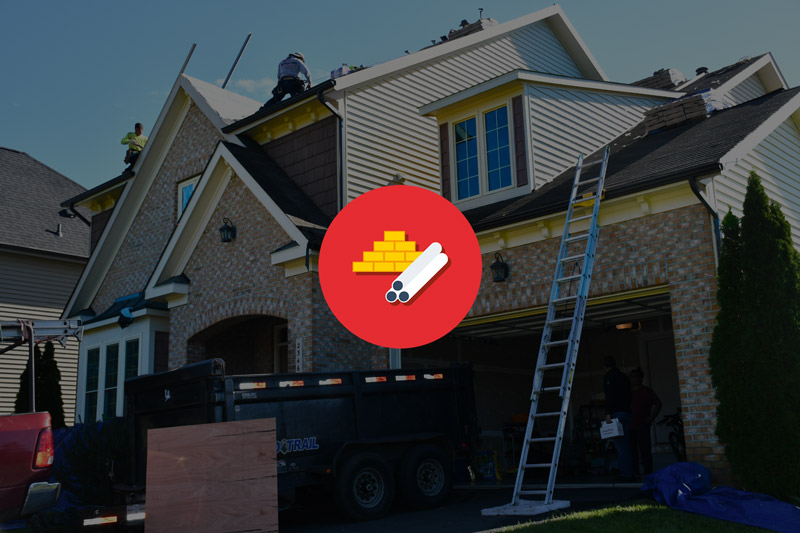
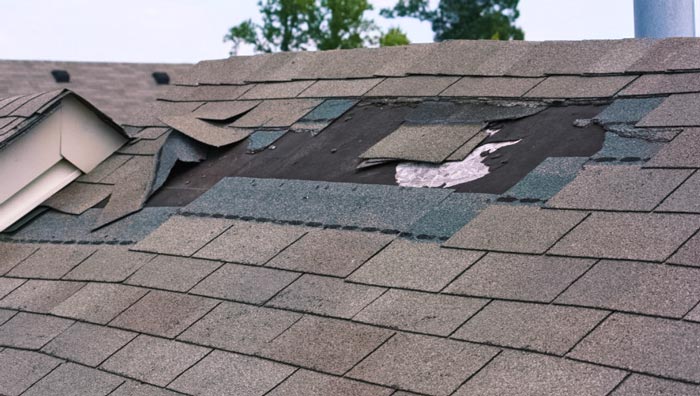
    As long as the blisters on the shingles keep their granules, they shouldn’t affect your roof’s lifespan or overall health. If these blisters “pop” and their granules become dislodged, those areas will be especially sensitive to sunlight and heat, which could lessen your roof’s lifespan and make your shingles prone to granule loss.

    Curling Shingles

    Curling shingles can be easy to spot, as they disrupt the uniform pattern of your roof shingles. Typically, they’re caused by improper storing of your roofing materials, but there are other reasons curling shingles can occur. A dry asphalt base, improper installation of roofing materials, and natural wear and tear of your roof can contribute to curling shingles.

    Unfortunately, this can leave your roofing structure vulnerable to extreme weather and moisture.

    If you find that your shingles are suffering from any of these summer roofing issues, contact RNC to get in touch with a roofing professional today!

    What separates The RNC Roofing Group from other residential roofing companies? With decades of experience installing, maintaining and repairing roofs we provide a knowledgeable, trustworthy and honest service to fulfill all your roofing needs. We are a Loudoun County, Virginia based residential roofing firm with an excellent reputation for quality and dependability. Whether it’s new construction, re-roofing or the challenge of leak repairs, no job is too large or too small.

    This post first published on The RNC Group, your Virginia residential roofing company.

    Free, No Obligation

    Request Your Free Estimate & Inspection

    Tell us about your roof and we’ll come take a look — no pressure, no cost. Or call us right now on (703) 964-6233.

    (703) 964-6233
    Contact Form Demo (#3)
    Owens Corning Preferred Contractor GAF System Plus CertainTeed SureStart PLUS BBB A+ Accredited HomeAdvisor

    RNC Roofing

    RNC Roofing and Construction Group — The Roofing Contractor Specialists. Protecting your home, one shingle at a time.

    Virginia

    (703) 964-6233 Sterling · Leesburg · Ashburn
    Loudoun & Fairfax County

    Maryland

    (703) 964-6233 Beltsville · District Heights
    All of Maryland
    © 2026 RNC Roofing and Construction Group — The Roofing Contractor Specialists Northern Virginia & Maryland
  • Roofing Maintenance | A Comprehensive Guide By RNC Roofing

    Protecting your home, one shingle at a time VA (703) 964-6233| MD (703) 964-6233| Free Estimate & Inspection
    Homeowner Help

    Roofing Maintenance | A Comprehensive Guide By RNC Roofing

    RNC Roofing and Construction Group May 15, 2017
    Roofing Maintenance | A Comprehensive Guide By RNC Roofing

    Roofing Maintenance | A Comprehensive Guide

    Roofing maintenance essential for several reasons. First, it helps prevent costly repairs and replacements down the line by catching problems early on. Second, it ensures that your roof remains structurally sound and can protect your home from the elements. Finally, it can help improve the energy efficiency of your home by keeping your roof in good condition and reducing the need for heating and cooling.

    Common Types of Roof Maintenance

    • Inspection: Regular inspections are essential to identify potential issues before they become major problems. Inspections should be conducted at least twice a year, ideally in the spring and fall.
    • Cleaning: Regular cleaning is important to prevent debris from building up on your roof. Debris can trap moisture, leading to mold and rot. It can also create a fire hazard in dryer climates.
    • Repair: Small issues, such as missing or damaged shingles or cracks in the flashing, can be repaired quickly and easily with the help of a professional. Ignoring these small issues can lead to major problems down the line.
    • Replacement: If your roof is beyond repair, or if it has reached the end of its lifespan, replacement is necessary. A professional roofer can help you choose the right material for your replacement roof

    roof inspection reston , roof maintenance tips , tpo roofing

    Importance of Regular Roof Inspections

    Regular roof inspections can help identify potential problems before they become major issues. By catching small problems early on, you can prevent costly repairs or even the need for a full roof replacement. Inspections also help ensure that your roof is structurally sound and can protect your home from the elements.

    When to Hire a Professional for Inspection

    You should have your roof inspected at least twice a year, ideally in the spring and fall. However, if you notice any of the following signs, you should have your roof inspected by a professional as soon as possible:

    • Signs of water damage on your ceilings or walls
    • Visible damage to your roof, such as missing shingles or damaged flashing
    • Pests or animals on your roof, which can damage your roof or create entry points for water

    Regular inspections, along with proper maintenance and repair, can help ensure that your roof remains in good condition for years to come. Don’t neglect your roof – regular inspections can save you money and prevent headaches in the long run.

    Regular roof inspections can help identify potential problems before they become major issues. By catching small problems early on, you can prevent costly repairs or even the need for a full roof replacement. Inspections also help ensure that your roof is structurally sound and can protect your home from the elements.

    1. What to Look for During Inspection

    During a roof inspection, you should look for a few key things. These include:

    • Missing or damaged shingles: Shingles that are cracked, curling, or missing can allow water to penetrate your roof, leading to leaks and water damage.
    • Damage to flashing: Flashing is the material that seals the joints and seams in your roof. If it is damaged, it can allow water to penetrate your roof.
    • Signs of wear and tear: Over time, all roofs will experience wear and tear. Look for signs of damage, such as loose or deteriorating materials.
    • Debris or vegetation: Debris, such as leaves or branches, can trap moisture and lead to mold and rot. Vegetation, such as moss or algae, can also trap moisture and damage your roof.

    cleaning roof maintenance

    Cleaning Your Roof

    Regular cleaning is an important part of roof maintenance. Here’s why

    Why Cleaning is Important

    Dirt, debris, and other contaminants can accumulate on your roof over time, compromising its integrity and shortening its lifespan. Additionally, debris can trap moisture, leading to mold growth and other issues. By regularly cleaning your roof, you can extend its life, prevent damage, and ensure that it continues to protect your home.

    Types of Debris that Need to be Cleaned

    There are several types of debris that commonly accumulate on roofs, including:

    • Leaves: Leaves can trap moisture and create an environment for mold and rot.
    • Branches: Branches can scratch and damage your roof, as well as trap moisture.
    • Moss: Moss can trap moisture, leading to damage and decay.
    • Algae: Algae can cause discoloration and decay.

    repairs roofing maintenance

    Repairs

    Timely repairs are crucial to maintaining the integrity of your roof. Here’s why:

    Importance of Timely Repairs

    • If you neglect repairs to your roof, even small problems can quickly escalate into larger and more expensive issues. By addressing issues promptly, you can extend the life of your roof and avoid more costly repairs down the line. Additionally, timely repairs can help prevent water damage and other problems that can be costly to repair.

    Common Types of Roof Damage

    There are several types of roof damage that are common in both residential and commercial settings, including:

    • Leaks: Leaks can be caused by a variety of factors, including damage to shingles, flashing, or other roof components.
    • Hail damage: Hail can cause dents and other damage to your roof, which can lead to leaks.
    • Wind damage: High winds can cause shingles to lift or blow off, which can compromise the integrity of your roof.
    • Tree damage: Falling branches or trees can cause significant damage to your roof.

    replacement of roofing maintenance

    Replacement

    Signs that indicate the need for replacement

    Roof replacement is a significant investment that requires careful consideration. However, it is often necessary if your roof is experiencing severe damage or has exceeded its lifespan. Here are some signs that indicate it may be time to replace your roof:

    • Age: Most roofing materials have a lifespan of 15-25 years. If your roof is reaching or exceeding that age, it may be time to consider a replacement.
    • Shingle damage: If you notice missing, cracked, or curled shingles, it is a sign that your roof is deteriorating, and you may need a replacement.
    • Energy bills: If your energy bills are increasing without any reason, it may be a sign that your roof is not providing adequate insulation, and you may need to replace it.

    roof shingle designs

    Choosing the Right Roofing Material

    Choosing the right roofing material is crucial to ensure that your roof lasts long and provides adequate protection. There are various roofing materials available, each with its advantages and disadvantages. Here are some popular roofing materials you can choose from:

    • Asphalt shingles: Asphalt shingles are the most commonly used roofing material due to their affordability and durability. They are available in various colors and styles and are easy to install.
    • Metal roofing: Metal roofing is becoming increasingly popular due to its durability, energy efficiency, and low maintenance. It is available in various colors and styles and can last for more than 50 years.
    • Tile roofing: Tile roofing is popular in warmer climates as it is energy efficient and can last for more than 100 years. However, it is heavy and requires professional installation.
    • Slate roofing: Slate roofing is the most expensive roofing material but provides excellent durability and fire resistance. It is available in various colors and styles and can last for more than 100 years.

    advantages of roofing maintenance

    Advantages of Roofing Maintenance

    Regular maintenance is crucial for extending the lifespan of your roof and avoiding costly repairs or replacements. Here are some of the top advantages of roofing maintenance:

    Increases Roof Lifespan

    • Roofing materials are exposed to harsh weather conditions such as rain, snow, and wind, which can cause damage over time. Regular maintenance can help prevent and address issues before they turn into major problems, ultimately extending the lifespan of your roof. On average, a well-maintained roof can last up to 20 years longer than a neglected one.

    Saves Money in the Long Run

    • While some may view roofing maintenance as an unnecessary expense, the truth is that it can actually save you money in the long run. Catching and addressing issues early can prevent costly repairs or replacements down the line. In fact, studies show that homeowners who invest in regular maintenance end up saving up to 50% on roofing costs over a 10-year period.

    Maintains Energy Efficiency

    A poorly maintained roof can lead to energy loss, causing your heating and cooling systems to work harder and ultimately increasing your energy bills. Regular maintenance can help identify and address issues with insulation, ventilation, and other factors that can impact the energy efficiency of your home.

    Enhances Curb Appeal

    • In addition to its functional benefits, roofing maintenance can also improve the appearance of your home. Regular cleaning, repairs, and replacements can help maintain the aesthetic appeal of your roof, enhancing the overall curb appeal of your property.

    insurance for mold

    Prevent Damage

    Regular maintenance is crucial to the longevity and durability of your roof. By implementing a regular maintenance schedule, you can prevent major problems from occurring and save yourself money in the long run. Here are some preventative measures that you can take to keep your roof in excellent condition:

    Regular Maintenance Schedule

    • Having a regular maintenance schedule is essential to keep your roof in excellent condition. You should have your roof inspected at least once a year by a professional to ensure that there are no underlying issues. Regular maintenance should include cleaning, repairs, and replacements as necessary. By implementing a regular maintenance schedule, you can catch any issues early and prevent them from turning into major problems.

    Protective Coatings

    • Protective coatings are an excellent way to protect your roof from the elements. These coatings are applied to the surface of your roof and can help to protect against UV rays, water damage, and other environmental factors. Protective coatings can extend the life of your roof and help to prevent costly repairs.

    Proper Ventilation

    • Proper ventilation is essential to the health of your roof. Good ventilation helps to regulate the temperature in your attic and prevents the buildup of moisture, which can cause mold and mildew to grow. Adequate ventilation also helps to prevent ice dams from forming during the winter months, which can cause significant damage to your roof.

    Professional Inspection

    • Hiring a professional to inspect your roof is one of the best preventative measures that you can take. A professional can identify potential problems before they become major issues, saving you time and money in the long run. During an inspection, the professional will check for signs of damage, leaks, and wear and tear. They will also check your flashing, gutters, and downspouts to ensure that they are functioning correctly.

    Read More Articles Here!

    Free, No Obligation

    Request Your Free Estimate & Inspection

    Tell us about your roof and we’ll come take a look — no pressure, no cost. Or call us right now on (703) 964-6233.

    (703) 964-6233
    Contact Form Demo (#3)
    Owens Corning Preferred Contractor GAF System Plus CertainTeed SureStart PLUS BBB A+ Accredited HomeAdvisor

    RNC Roofing

    RNC Roofing and Construction Group — The Roofing Contractor Specialists. Protecting your home, one shingle at a time.

    Virginia

    (703) 964-6233 Sterling · Leesburg · Ashburn
    Loudoun & Fairfax County

    Maryland

    (703) 964-6233 Beltsville · District Heights
    All of Maryland
    © 2026 RNC Roofing and Construction Group — The Roofing Contractor Specialists Northern Virginia & Maryland
  • Maintaining The Integrity Of Your Roof | By RNC Roofing

    Protecting your home, one shingle at a time VA (703) 964-6233| MD (703) 964-6233| Free Estimate & Inspection
    Home Improvement

    Maintaining The Integrity Of Your Roof | By RNC Roofing

    RNC Roofing and Construction Group May 15, 2017
    Maintaining The Integrity Of Your Roof | By RNC Roofing

    Roof Integrity | A Comprehensive Guide By RNC

    Maintaining the integrity of a roof is critical to the long-term health and safety of a building and its occupants. A roof in poor condition can lead to a host of problems, including leaks, water damage, mold growth, and structural failure. These issues can be costly to repair and can even pose a risk to the health and safety of those who live or work inside the building.

    Factors Affecting Roof Integrity

    • Climate: Extreme temperatures, precipitation, and wind can all take a toll on a roof over time.
    • Roof age: As a roof ages, it becomes more susceptible to damage and may need more frequent repairs and maintenance.
    • Roof design and installation: Poor design and installation can lead to problems such as leaks, poor drainage, and insufficient ventilation.
    • Maintenance and repairs: Regular maintenance and timely repairs can help extend the life of a roof and prevent minor problems from becoming major issues.
    • Environmental factors: Trees, wildlife, and other environmental factors can damage a roof and should be taken into account when designing and maintaining a roof system.

    summer season best time to replace roof

    Climate

    The climate is one of the most significant factors affecting roof integrity. Roofs are constantly exposed to the elements, including rain, snow, wind, and sun. Over time, these weather conditions can cause damage to the roof and compromise its structural integrity.

    Extreme Temperatures:

    • Extreme heat can cause the roof material to expand and contract, leading to cracks and fissures in the surface.
    • Extreme cold can cause the roof to become brittle and crack, especially with certain types of roofing materials like asphalt shingles.

    Precipitation:

    • Heavy rain, snow, and ice can all put pressure on the roof, leading to damage and leaks.
    • Water can seep into cracks and gaps in the roof, causing structural damage and promoting mold growth.

    Wind:

    • Strong winds can lift and remove roofing materials, exposing the underlayment and leading to leaks.
    • High winds can also cause branches and debris to fall on the roof, damaging the surface and underlying structure.

    cracked damaged shingles , roofing, blistering roof

    Roof Age

    Aging roofs are more susceptible to leaks due to the breakdown of roofing materials over time.Leaks can occur in areas where the roofing material has become brittle, cracked, or corroded.

    Damage:

    • Aging roofs may experience damage from weather events like hail, wind, and heavy rain.
    • Structural damage can also occur due to poor installation or lack of maintenance.

    Decreased Energy Efficiency:

    • Aging roofs may lose their ability to provide adequate insulation, which can lead to increased energy costs.
    • As roofs age, their reflective properties may also decrease, leading to increased heat absorption and higher cooling costs.

    Tips for Maintaining an Aging Roof

    Regular Inspections:

    • Regular inspections can help identify potential issues before they become major problems.
    • Inspections should be performed at least once a year, preferably in the spring or fall.

    Prompt Repairs:

    Any signs of damage or leaks should be addressed promptly to prevent further damage to the roof and the structure below.Quick repairs can also help extend the lifespan of an aging roof.

    Roof Replacement:

    • If a roof is beyond repair, replacement may be necessary.
    • When replacing an aging roof, building owners should choose high-quality materials and ensure proper installation to maximize the roof’s lifespan.

    roof installation , roof repair

    Impact of Roof Design and Installation

    The design and installation of a roof play a critical role in determining its durability and longevity. Proper design and installation can help ensure that a roof provides adequate protection against the elements and avoids structural damage.

    Improper Slope:

    • A roof’s slope should be appropriate for the climate and location to ensure proper drainage.
    • Insufficient slope can lead to standing water, which can damage the roofing material and cause leaks.

    Poor Ventilation:

    • Proper ventilation is essential to prevent moisture buildup in the attic or roof cavity.
    • Inadequate ventilation can lead to a buildup of heat and moisture, which can cause the roofing material to deteriorate.

    Incorrect Flashing:

    • Flashing is the material that seals the roof around chimneys, vents, and other protrusions.
    • Incorrect flashing installation can lead to leaks and other types of water damage.

    Choosing the Right Design / Ensuring Proper Installation

    Choose the Right Design:

    • The right roof design should take into account the climate, building codes, and aesthetic preferences.
    • Building owners should consult with a professional roofer or architect to determine the best design for their building.

    Hire a Professional:

    • A professional roofer with experience in roof design and installation can ensure that the roof is installed correctly.
    • Building owners should research potential contractors and choose one with a track record of quality work.

    Use Quality Materials:

    • High-quality roofing materials can make a significant difference in the durability and longevity of a roof.
    • Building owners should choose materials that are appropriate for their climate and budget and ensure that they are installed correctly.

    roofing maintenance

    Maintenance and Repairs

    Proper maintenance and timely repairs are essential to maintaining the integrity of a roof. Neglecting maintenance and repairs can lead to small problems escalating into larger and more costly issues, including complete roof failure.Here are some common maintenance and repair tasks that can help to preserve roof integrity:

    Regular inspections: Inspect your roof at least twice a year, in the spring and fall, to identify and address any issues early on.

    Clean gutters and downspouts: Clogged gutters and downspouts can cause water to overflow and damage your roof, so it’s essential to keep them clean.

    Remove debris: Debris like leaves, twigs, and branches can accumulate on your roof and trap moisture, leading to damage. Remove debris as soon as possible.

    Repair leaks promptly: If you notice any signs of a leak, such as water stains on your ceiling, address the issue promptly to avoid further damage.

    Replace damaged shingles: Damaged or missing shingles can compromise the integrity of your roof, so it’s important to replace them as soon as possible.

    Create a checklist: Create a checklist of maintenance and repair tasks that need to be performed regularly and stick to it.

    Hire a professional: Consider hiring a professional roofing contractor to perform regular inspections and maintenance tasks.

    Keep records: Keep detailed records of all maintenance and repairs performed on your roof, including the date and nature of the work performed.

    Address issues promptly: Address any issues promptly to avoid more significant and costly problems down the line.

    winter season best time to replace roof

    Environmental Factors

    Roofs are constantly exposed to various environmental factors that can cause damage and affect their overall integrity. Some of the common environmental factors that can affect roof integrity include:

    Sunlight: Exposure to prolonged sunlight can cause the roofing materials to deteriorate and break down over time.

    Wind: High winds can lift and tear off roof shingles, flashing, and other roofing components, leaving the roof vulnerable to water damage.

    Rain and moisture: Water can seep through the roof surface and cause structural damage, mold growth, and rot.

    Snow and ice: Heavy snow and ice can accumulate on the roof, putting excessive weight and stress on the roofing structure and causing damage.

    Nearby trees and wildlife: Falling tree branches, leaves, and animal activity can also cause damage to roofs.

    Specific environmental factors, such as nearby trees and wildlife, that can damage roofs:

    Nearby trees

    Overhanging branches: Trees with overhanging branches can cause damage to the roof by rubbing against it or breaking off and falling onto it.

    Leaf buildup: Leaves that accumulate on the roof can trap moisture and cause damage to the roofing material.

    Falling branches: Trees that are in close proximity to the roof can drop branches that can cause damage or puncture holes in the roofing material.

    Wildlife

    Birds and small animals: Birds, squirrels, and other small animals can create holes in the roof, and their nests can clog gutters and lead to water damage.

    Larger animals: Larger animals like raccoons and rodents can cause significant damage to roofs by tearing off shingles and creating holes.

    Minimizing environmental damage to roofs:

    Trim overhanging branches: Regularly trim branches that overhang the roof to prevent them from rubbing against the roof or falling onto it.

    Clean gutters: Regularly clean gutters to prevent leaf buildup and clogging, which can lead to water damage.

    Remove nearby trees: If trees are too close to the roof and pose a significant risk, consider removing them.

    Install animal barriers: Install animal barriers to prevent birds and small animals from entering the roof structure.

    Conduct regular inspections: Conduct regular inspections of the roof to detect any damage early and make repairs promptly.

    View More of Our Articles

    Free, No Obligation

    Request Your Free Estimate & Inspection

    Tell us about your roof and we’ll come take a look — no pressure, no cost. Or call us right now on (703) 964-6233.

    (703) 964-6233
    Contact Form Demo (#3)
    Owens Corning Preferred Contractor GAF System Plus CertainTeed SureStart PLUS BBB A+ Accredited HomeAdvisor

    RNC Roofing

    RNC Roofing and Construction Group — The Roofing Contractor Specialists. Protecting your home, one shingle at a time.

    Virginia

    (703) 964-6233 Sterling · Leesburg · Ashburn
    Loudoun & Fairfax County

    Maryland

    (703) 964-6233 Beltsville · District Heights
    All of Maryland
    © 2026 RNC Roofing and Construction Group — The Roofing Contractor Specialists Northern Virginia & Maryland