Tag: Home Maintenance

  • Hidden Signs of a Roof Leak: Unveiling the Telltale Indicators
    Protecting your home, one shingle at a time VA (703) 964-6233| MD (703) 964-6233| Free Estimate & Inspection
    Home Improvement

    Hidden Signs of a Roof Leak: Unveiling the Telltale Indicators

    RNC Roofing and Construction Group July 13, 2023
    Hidden Signs of a Roof Leak: Unveiling the Telltale Indicators

    Hidden Signs of a Roof Leak: Unveiling the Telltale Indicators

    As a responsible homeowner, being aware of the hidden signs of a roof leak is crucial in maintaining the integrity of your home and preventing potential damages. By recognizing these signs early on, you can take prompt action to address the issue and avoid more extensive repairs down the line.

    Assessing Interior Clues

    Stains and Discoloration on Ceilings and Walls

    One of the most common signs of a roof leak is the presence of stains or discoloration on your ceilings or walls. These stains may appear as dark patches, yellowing, or watermarks. They often indicate that water has penetrated through the roof and seeped into your home’s interior. Keep an eye out for these stains, especially in areas directly below the roof or near chimneys and skylights.

    Peeling Paint and Wallpaper

    If you notice peeling paint or wallpaper in certain areas of your home, it could be a result of water damage caused by a hidden roof leak. The moisture from the leak can cause the paint to bubble or peel off, and wallpaper may begin to loosen or show signs of deterioration. Pay attention to any unusual changes in your walls’ appearance, as they could be linked to a roof leak.

    Musty Odors and Mold Growth

    Hidden roof leaks can create a damp environment that fosters the growth of mold and mildew. If you detect a musty odor in your home, particularly in areas close to the roof, it may indicate the presence of mold caused by a leak. Additionally, keep an eye out for visible mold growth on walls, ceilings, or in the corners of rooms. Mold can not only damage your home’s structure but also pose health risks to you and your family.
    evaluating roof damage

    Examining Exterior Indicators

    Damaged or Missing Shingles

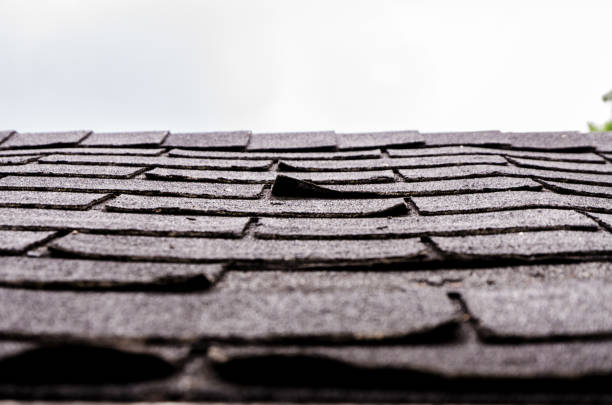
    One of the prominent signs of a roof leak is the presence of damaged or missing shingles. Inspect your roof regularly for any shingles that are cracked, broken, or completely absent. These damaged areas create vulnerable spots where water can penetrate the roof structure, leading to leaks. Keep an eye out for any shingles that appear dislodged, torn, or deteriorated, as they may indicate potential areas of concern.

    Curling, Buckling, or Warping Shingles

    Another exterior clue pointing to a hidden roof leak is the curling, buckling, or warping of shingles. Exposure to extreme weather conditions, age, and inadequate installation can cause shingles to lose their shape and integrity. These deformities compromise the effectiveness of your roof’s waterproofing capabilities, allowing water to seep through and infiltrate your home. Look for any noticeable curling or bulging of shingles, as well as sections that appear uneven or distorted.

    Accumulation of Granules in Gutters

    Inspecting your gutters can provide valuable insights into the condition of your roof. If you notice a significant accumulation of granules in the gutters, it may indicate deteriorating shingles. As shingles age, they tend to shed granules, which often end up in the gutter system. Excessive granule loss can weaken the shingles and compromise their ability to protect against water infiltration. Therefore, the presence of granules in the gutters can be an indication of potential roof leaks.
    how old should a roof be before replaced

    Inspecting Attic Leaks

    Water Stains or Dampness on Attic Rafters or Insulation

    Inspect the attic for any water stains or signs of dampness on the rafters or insulation. These stains can indicate a roof leak that has allowed water to seep through the roof structure. Look for discolored areas, dark patches, or areas that appear wet or damp to the touch. These signs suggest an ongoing or previous leak that may require immediate attention.

    Mold or Mildew Growth in the Attic

    The presence of mold or mildew in the attic is a strong indication of a hidden roof leak. Roof leaks create a moist environment, providing an ideal breeding ground for mold and mildew. Check for any visible signs of mold growth on the attic walls, ceilings, or in corners. If you detect a musty odor or see fuzzy patches of mold, it’s important to address the roof leak promptly to prevent further mold proliferation.

    Sunlight Penetration or Visible Holes

    During a daytime inspection, check for any signs of sunlight penetrating through the attic. Sunlight beams or visible holes in the roof indicate compromised areas where water can enter. Look for any gaps, cracks, or openings that allow light to pass through. Such openings should be repaired to prevent water infiltration and subsequent roof leaks.
    roof water damage

    Detecting Water In Other Areas

    Wet or Discolored Roof Decking

    Inspect the roof decking for any signs of wetness or discoloration. If you have access to your roof, carefully examine the surface. Wet spots or areas that appear darker than the surrounding decking can suggest the presence of a roof leak. By identifying these indications, you can narrow down the location of the leak and take appropriate action.

    Damaged Flashing around Chimneys, Skylights, or Vents

    Flashing plays a crucial role in preventing water penetration around chimneys, skylights, vents, and other roof penetrations. Check the condition of the flashing in these areas for any signs of damage, such as cracks, gaps, or missing sections. Faulty or deteriorated flashing can allow water to seep into your home, resulting in hidden roof leaks. Ensure the flashing is intact and properly sealed to maintain a watertight roof.

    Overflowing or Clogged Gutters

    While not directly related to the roof itself, overflowing or clogged gutters can contribute to roof leaks. When gutters are obstructed or unable to drain water effectively, it can lead to water backing up and seeping under the roof’s edge. Regularly inspect and clean your gutters to prevent water overflow, ensuring that they are functioning properly.
    fix leaky roof

    Steps to Address Roof Leaks

    Hiring a Professional Roofing Contractor

    Engaging the expertise of a professional roofing contractor is vital when dealing with roof leaks. A qualified contractor will have the knowledge and experience to identify the root cause of the leak and recommend appropriate solutions. They can conduct a thorough inspection of your roof, assess the extent of the damage, and provide expert advice on the necessary repairs. Hiring a professional ensures that the issue is addressed effectively and reduces the risk of recurring leaks.

    Conducting Regular Roof Inspections

    Regular roof inspections are essential to catch hidden signs of a roof leak before they escalate. Schedule professional roof inspections at least once a year, or after severe weather events, to detect any potential issues early on. During these inspections, the contractor can assess the condition of your roof, identify any signs of damage or leaks, and recommend preventive measures. Being proactive with regular inspections helps maintain the longevity and integrity of your roof.

    Importance of Timely Repairs to Prevent Further Damage

    Prompt repairs are crucial to prevent further damage caused by roof leaks. Ignoring or delaying repairs can result in more extensive and costly issues, such as structural damage, mold growth, and compromised insulation. As soon as signs of a roof leak are identified, take immediate action to address the problem. This may involve patching damaged areas, replacing broken shingles, or sealing gaps and cracks. Timely repairs help maintain the structural integrity of your roof and protect your home from potential water damage.

    View More Articles

    Free, No Obligation

    Request Your Free Estimate & Inspection

    Tell us about your roof and we’ll come take a look — no pressure, no cost. Or call us right now on (703) 964-6233.

    (703) 964-6233
    Contact Form Demo (#3)
    Owens Corning Preferred Contractor GAF System Plus CertainTeed SureStart PLUS BBB A+ Accredited HomeAdvisor

    RNC Roofing

    RNC Roofing and Construction Group — The Roofing Contractor Specialists. Protecting your home, one shingle at a time.

    Virginia

    (703) 964-6233 Sterling · Leesburg · Ashburn
    Loudoun & Fairfax County

    Maryland

    (703) 964-6233 Beltsville · District Heights
    All of Maryland
    © 2026 RNC Roofing and Construction Group — The Roofing Contractor Specialists Northern Virginia & Maryland
  • Roof Replacement Steps:Guide to a Sturdy and Protected Home

    Protecting your home, one shingle at a time VA (703) 964-6233| MD (703) 964-6233| Free Estimate & Inspection
    Home Improvement

    Roof Replacement Steps:Guide to a Sturdy and Protected Home

    RNC Roofing and Construction Group June 27, 2023
    Roof Replacement Steps:Guide to a Sturdy and Protected Home

    Roof Replacement Steps:Guide to a Sturdy and Protected Home

    Roof replacement is a crucial undertaking for homeowners that ensures the integrity and protection of their property. When considering a roof replacement, it’s important to understand the significance it holds for the overall well-being of your home. A sturdy and well-maintained roof provides a solid defense against external elements, including rain, snow, wind, and extreme temperatures.

    Assessing Roof Conditions

    Visual Inspection and Identifying Common Roofing Issues

    Before proceeding with a roof replacement, it’s essential to conduct a thorough visual inspection of your roof to identify any existing problems. Look for the following common roofing issues:

    • Leaks and Water Damage: Inspect your attic and ceilings for signs of water stains or mold growth. Check for any water penetration around skylights, vents, or chimneys.
    • Missing or Damaged Shingles: Look for shingles that are cracked, curled, blistered, or completely missing. These indicate potential vulnerabilities and may require replacement.
    • Aging and Wear: Assess the overall condition of your roof. Determine if it shows signs of aging, such as granule loss, significant fading, or deterioration.
    • Sagging or Uneven Roof: Check if your roof displays any noticeable sagging or unevenness, as it could indicate underlying structural issues that need immediate attention.

    Consulting with Roofing Professionals for a Thorough Assessment

    While a visual inspection provides a good starting point, it’s advisable to consult with roofing professionals for a comprehensive assessment. Experienced contractors can identify hidden problems and offer expert insights. They possess the necessary knowledge to evaluate the condition of your roof accurately.

    During the consultation, the roofing professional will likely perform the following:

    • Roof Measurement: Accurately measure the roof area to determine the scope of the replacement project and calculate the required materials.
    • Detailed Roof Analysis: Conduct a close examination of the roof’s components, including the underlayment, flashing, vents, and gutters. They will assess their condition and identify areas that need attention.

    Assessment of Structural Integrity: Evaluate the roof’s structural integrity to ensure it can support the weight of new materials and any additional layers, if applicable.

    Determining the Need for Roof Replacement

    Based on the visual inspection and professional assessment, it’s important to determine whether a roof replacement is necessary. Consider the following factors:

    • Extensive Damage: If the roof exhibits widespread damage, such as multiple leaks, severe shingle deterioration, or structural issues, a replacement may be the most practical solution.
    • Age of the Roof: Consider the age of your roof. Most asphalt shingle roofs have a lifespan of around 20 to 25 years. If your roof is approaching or exceeding this age, replacement is often recommended.
    • Cost of Repairs: Evaluate the cost of repairs compared to the cost of a replacement. If the repair expenses are significant or if the roof requires frequent repairs, a replacement may be a more cost-effective long-term solution.

    spring roof maintenance

    Planning and Preparation

    Selecting the Right Roofing Materials and Styles

    Choosing the appropriate roofing materials and styles is a crucial step in the roof replacement process. Consider the following factors when making your selection:

    • Material Durability: Assess the durability and longevity of different roofing materials, such as asphalt shingles, metal, tiles, or slate. Ensure the chosen material can withstand your local climate conditions and provide long-term protection.
    • Aesthetic Appeal: Explore various roofing styles and colors that complement your home’s architecture and enhance its curb appeal. Opt for a design that blends seamlessly with the overall aesthetic of your neighborhood.
    • Maintenance Requirements: Consider the maintenance needs of different roofing materials. Some may require more frequent inspections and repairs, while others offer low-maintenance options.

    Obtaining Necessary Permits and Approvals

    Before commencing any roof replacement project, it’s essential to obtain the required permits and approvals from local authorities. Follow these steps:

    • Research Local Regulations: Familiarize yourself with the specific building codes and regulations related to roof replacements in your area. Each locality may have its own set of requirements.
    • Submit Permit Applications: Complete the necessary permit applications and provide the required documentation, such as project details, contractor information, and material specifications. Pay any associated fees.
    • Await Approval: Wait for the permits to be approved before starting the roof replacement project. This ensures compliance with local regulations and prevents potential legal issues.

    Securing Proper Financing or Budgeting for the Project

    Roof replacements can be a significant financial investment. To ensure a smooth process, consider the following financing options and budgeting strategies:

    • Research Financing Options: Explore various financing avenues, such as personal loans, home equity loans, or contractor financing programs. Compare interest rates, repayment terms, and eligibility criteria.
    • Set a Realistic Budget: Assess your financial capabilities and set a budget for the roof replacement project. Consider the cost of materials, labor, permits, and potential unexpected expenses.
    • Obtain Multiple Quotes: Request quotes from reputable roofing contractors to compare prices and services offered. This allows you to make an informed decision based on your budget and desired quality.

    Scheduling and Logistics for a Smooth Roof Replacement Process

    Proper scheduling and logistical planning are essential to ensure a smooth roof replacement process. Consider the following aspects:

    • Contractor Availability: Coordinate with your chosen roofing contractor to determine their availability and schedule the project accordingly.
    • Weather Considerations: Check local weather forecasts and select a time of year with favorable weather conditions for the roof replacement. Avoid periods of heavy rainfall, extreme temperatures, or high winds.
    • Material Delivery and Waste Removal: Coordinate the delivery of roofing materials to ensure they arrive on time. Plan for proper waste removal and disposal throughout the project.

    labor cost for roofing

    Roof Removal and Preparation

    Safe Removal of Existing Roofing Materials

    The first step in a roof replacement project is safely removing the existing roofing materials. This process involves:

    • Taking Safety Precautions: Prioritize safety by wearing protective gear, such as gloves, goggles, and sturdy footwear. Use caution when working at heights and ensure proper ladder placement.
    • Removing Shingles: Begin by removing the shingles carefully using a roofing shovel or pry bar. Work systematically, starting from the top and moving downward. Dispose of the old shingles responsibly.
    • Inspecting for Damage: While removing the old roofing materials, inspect the underlying structure for any signs of damage, such as rot, decay, or weakened areas. Note these concerns for later assessment and repair.

    Assessing and Addressing Structural Concerns

    During the roof removal process, it’s essential to assess the structural integrity of the underlying roof components. Address any concerns to ensure a stable foundation for the new roof. Consider the following steps:

    • Inspecting the Decking: Thoroughly examine the roof decking for any signs of damage, such as rot or water penetration. Replace any compromised sections to ensure a solid base for the new roof.
    • Reinforcing Weakened Areas: If structural weaknesses are identified, reinforce them with additional support or framing to ensure the roof’s stability and longevity.
    • Consulting a Structural Engineer: In cases of significant structural concerns, it may be advisable to consult a structural engineer for a professional evaluation and guidance.

    Evaluating and Enhancing Roof Ventilation

    Proper roof ventilation is crucial for maintaining a healthy and efficient roofing system. During the roof replacement process, consider the following aspects of ventilation:

    • Inspecting Existing Ventilation: Evaluate the current ventilation system, including ridge vents, soffit vents, and exhaust fans. Ensure they are functioning correctly and free from blockages.
    • Assessing Ventilation Needs: Determine if the existing ventilation system is adequate for your specific roof design and local climate. Consider consulting with a roofing professional for expert advice.
    • Enhancing Ventilation: If necessary, install additional ventilation components to improve airflow and prevent moisture buildup, which can lead to damage and decreased energy efficiency.

    Preparing the Substrate for the New Roof Installation

    To ensure a proper installation and long-lasting roof, the substrate must be properly prepared. Follow these steps:

    • Clearing Debris: Remove any remaining debris, nails, or protruding objects from the roof surface. Thoroughly clean the substrate to create a smooth and even base.
    • Repairing Damaged Areas: Address any identified structural concerns or damaged sections of the roof substrate. Replace or repair them as necessary to provide a solid foundation.
    • Installing Underlayment: Apply an appropriate underlayment material, such as roofing felt or synthetic underlayment, to provide an additional layer of protection against moisture and improve overall performance.

    tpo roofing maintenance

    Roof Installation Techniques

    Installation of Roofing Underlayment and Moisture Barriers

    Proper installation of roofing underlayment and moisture barriers is essential for protecting your roof from water damage and ensuring its longevity. Follow these steps:

    • Selecting the Underlayment: Choose an appropriate underlayment material based on your climate, such as asphalt-saturated felt or synthetic underlayment. Ensure it meets industry standards for quality and durability.
    • Starting at the Eaves: Begin by installing the underlayment at the eaves of the roof, overlapping each row as per the manufacturer’s instructions. Use nails or staples to secure the underlayment, keeping it taut and free from wrinkles.
    • Installing Ice and Water Shield: In areas prone to ice dams or heavy rainfall, apply an ice and water shield along the roof’s eaves, valleys, and around roof penetrations. This provides an additional layer of protection against water infiltration.

    Selecting and Installing Roofing Shingles or Tiles

    Choosing the right roofing shingles or tiles and installing them correctly is vital for the aesthetics and functionality of your roof. Follow these guidelines:

    • Material Selection: Select roofing shingles or tiles that suit your climate, budget, and desired aesthetic. Consider factors such as durability, color options, and manufacturer warranties.
    • Starting with a Starter Course: Install a starter course of shingles or tiles along the eaves of the roof. This provides a secure base for the subsequent rows and ensures proper water shedding.
    • Nailing and Alignment: Follow the manufacturer’s guidelines for nailing patterns and placement. Ensure each shingle or tile is aligned properly and securely fastened to the roof deck.

    Properly Flashing Roof Penetrations and Chimneys

    Flashing is crucial for preventing water penetration around roof penetrations, such as vents, skylights, and chimneys. Follow these steps:

    • Evaluating Flashing Requirements: Assess the type and condition of existing flashing or determine the need for new flashing. Consider using corrosion-resistant materials for enhanced durability.
    • Proper Installation: Install flashing around roof penetrations, ensuring it is securely sealed and integrated with the roofing materials. Use appropriate flashing techniques for each specific penetration type.
    • Sealing and Caulking: Apply high-quality sealants and caulking to create watertight seals around flashing intersections and penetrations. Regularly inspect and maintain these areas to prevent water leaks.

    Implementing Effective Roofing Insulation

    Proper insulation contributes to energy efficiency and comfort within your home. Follow these guidelines:

    • Assessing Insulation Needs: Evaluate the current insulation levels and consider local building codes and recommended R-values. Determine if additional insulation is required for optimum energy efficiency.
    • Selecting Insulation Materials: Choose insulation materials that are suitable for your climate, such as fiberglass batts, spray foam, or rigid foam boards. Consider their thermal resistance properties and environmental impact.
    • Proper Installation: Install insulation in the attic and other areas as per the manufacturer’s guidelines. Ensure proper ventilation is maintained to prevent moisture buildup and maintain roof performance.

    repairs roofing maintenance

    Final Steps and Post-Installation Considerations

    Conducting a Thorough Quality Inspection

    Once the roof replacement is complete, it is crucial to conduct a thorough quality inspection to ensure that everything has been installed correctly and meets the desired standards. Here are the key steps:

    • Visual Inspection: Carefully examine the newly installed roof, checking for any visible defects, misaligned shingles or tiles, or areas that may require further attention.
    • Leak Testing: Perform a water test to verify that the roof is watertight. This involves directing a controlled amount of water onto specific areas of the roof and checking for any signs of leakage inside the building.

    Cleaning Up and Disposing of Construction Debris

    After the roof replacement project, it is essential to clean up and dispose of any construction debris properly. Follow these steps:

    • Debris Removal: Clear the work area of all leftover materials, such as old shingles, packaging, nails, and other debris. Use caution to prevent any damage or injury during the cleanup process.
    • Recycling and Disposal: Separate recyclable materials from non-recyclable waste. Dispose of the non-recyclable waste according to local regulations and guidelines. Consider recycling options for materials like asphalt shingles.

    Addressing Warranties, Maintenance, and Longevity

    To protect your investment and ensure the longevity of your new roof, address the following considerations:

    • Manufacturer Warranty: Review the warranty provided by the roofing materials manufacturer. Understand the terms and conditions, including any required maintenance or specific actions that may affect the warranty’s validity.
    • Regular Maintenance: Develop a maintenance plan for your new roof, including periodic inspections, gutter cleaning, and addressing any potential issues promptly. Regular maintenance can extend the lifespan of your roof and prevent costly repairs.

    Ensuring Proper Roof Care and Regular Inspections

    To maintain the integrity and performance of your roof over time, follow these recommendations:

    • Maintain Good Roofing Practices: Keep the roof clean from debris, trim overhanging branches, and prevent the accumulation of leaves or other materials that could trap moisture and lead to roof deterioration.
    • Regular Inspections: Schedule regular roof inspections by a qualified professional to identify any potential issues early on. Inspections help catch problems like leaks, damaged shingles, or flashing issues before they escalate.

    View More Articles

    Free, No Obligation

    Request Your Free Estimate & Inspection

    Tell us about your roof and we’ll come take a look — no pressure, no cost. Or call us right now on (703) 964-6233.

    (703) 964-6233
    Contact Form Demo (#3)
    Owens Corning Preferred Contractor GAF System Plus CertainTeed SureStart PLUS BBB A+ Accredited HomeAdvisor

    RNC Roofing

    RNC Roofing and Construction Group — The Roofing Contractor Specialists. Protecting your home, one shingle at a time.

    Virginia

    (703) 964-6233 Sterling · Leesburg · Ashburn
    Loudoun & Fairfax County

    Maryland

    (703) 964-6233 Beltsville · District Heights
    All of Maryland
    © 2026 RNC Roofing and Construction Group — The Roofing Contractor Specialists Northern Virginia & Maryland
  • Can Clogged Gutters Cause Ceiling Leaks? | RNC Roofing

    Protecting your home, one shingle at a time VA (703) 964-6233| MD (703) 964-6233| Free Estimate & Inspection
    Homeowner Help

    Can Clogged Gutters Cause Ceiling Leaks? | RNC Roofing

    RNC Roofing and Construction Group April 21, 2023
    Can Clogged Gutters Cause Ceiling Leaks? | RNC Roofing

    Can Clogged Gutters Cause Ceiling Leaks?

    Ceiling leaks can be a nightmare for homeowners. They not only cause damage to your ceiling but also to your walls, floors, and electrical systems. In severe cases, they can even compromise the structural integrity of your home. While there are several reasons why your ceiling may be leaking, clogged gutters can be a major contributor. In the following sections, we will discuss how clogged gutters can lead to ceiling leaks and what you can do to prevent them.

    What Causes Ceiling Leaks?

    Ceiling leaks can be caused by several factors, including:

    • Damaged or missing shingles
    • Cracked or damaged flashing
    • Damaged roof vents
    • Ice dams
    • Clogged gutters
    • Condensation

    While all of these factors can contribute to ceiling leaks, clogged gutters are often overlooked as a potential cause.

    clean gutters

    How Clogged Gutters Can Cause Ceiling Leaks

    When gutters become clogged with debris such as leaves, twigs, and dirt, they are unable to channel water away from your home effectively. As a result, the water can overflow from the gutters and spill onto your roof, causing damage to your shingles and flashing. Over time, this can lead to water seeping into your home, causing ceiling leaks.Moreover, clogged gutters can also lead to ice dams during winter months. When gutters are clogged, water accumulates in them and freezes, forming ice dams. These ice dams prevent the water from draining properly, which causes it to back up into your roof and eventually seep into your home, causing ceiling leaks.

    signs of blistering roof , signs to replace your roof

    Signs of Clogged Gutters

    The following are some signs that your gutters may be clogged:

    • Water overflowing from the gutters during heavy rainfall
    • Sagging gutters
    • Water damage to the walls and ceilings
    • Mold growth
    • Insects and rodents nesting in the gutters

    prevent blistering shingles , preventing storm damage roof

    How to Prevent Clogged Gutters

    Preventing clogged gutters is essential to prevent ceiling leaks. The following are some steps you can take to prevent clogged gutters:

    • Regularly clean your gutters
    • Trim nearby trees to prevent leaves and twigs from falling into the gutters
    • Install gutter guards to prevent debris from accumulating in the gutters
    • Install downspout extensions to direct water away from your home’s foundation

    How Often Should You Clean Your Gutters?

    How often you should clean your gutters depends on several factors, such as the number of trees surrounding your home, the amount of rainfall you receive, and the size of your gutters. As a general rule, you should clean your gutters at least twice a year, preferably in the spring and fall. However, if you notice any signs of clogging, you should clean them immediately.

    repairing storm damage roof

    What to Do If You Have a Ceiling Leak

    If you notice water stains on your ceiling or walls, you may have a ceiling leak. The following are some steps you can take to prevent further damage:

    Locate the source of the leak by checking your attic or crawl space.

    If the leak is caused by clogged gutters, clean them immediately.

    Repair any damaged shingles, flashing, or vents.

    Remove any water-damaged materials such as drywall or insulation.

    Dry out the affected area using fans or dehumidifiers.

    Apply a mold inhibitor to prevent mold growth.

    If the leak is severe or you are unable to locate the source, you should contact a professional like RNC Roofing and Construction to inspect your roof today!

    View More Informative Articles

    Free, No Obligation

    Request Your Free Estimate & Inspection

    Tell us about your roof and we’ll come take a look — no pressure, no cost. Or call us right now on (703) 964-6233.

    (703) 964-6233
    Contact Form Demo (#3)
    Owens Corning Preferred Contractor GAF System Plus CertainTeed SureStart PLUS BBB A+ Accredited HomeAdvisor

    RNC Roofing

    RNC Roofing and Construction Group — The Roofing Contractor Specialists. Protecting your home, one shingle at a time.

    Virginia

    (703) 964-6233 Sterling · Leesburg · Ashburn
    Loudoun & Fairfax County

    Maryland

    (703) 964-6233 Beltsville · District Heights
    All of Maryland
    © 2026 RNC Roofing and Construction Group — The Roofing Contractor Specialists Northern Virginia & Maryland
  • Leaking Roof Mold: How it Develops and Prevention Tips-By RNC

    Protecting your home, one shingle at a time VA (703) 964-6233| MD (703) 964-6233| Free Estimate & Inspection
    Home Improvement

    Leaking Roof Mold: How it Develops and Prevention Tips-By RNC

    RNC Roofing and Construction Group April 13, 2023
    Leaking Roof Mold: How it Develops and Prevention Tips-By RNC

    Leaking Roof Mold: How it Develops and Prevention Tips-By RNC

    A leaking roof is not just a problem for your home’s structure; it can also lead to mold growth, which can be dangerous for your health. In this article, we’ll delve deeper into how a leaking roof can cause mold and provide comprehensive tips on how to prevent it.

    Understanding Mold

    Mold is a type of fungus that grows in damp and humid environments. It can be found indoors and outdoors, and mold spores are always present in the air. When mold spores come into contact with moisture, they can grow and spread quickly.

    How a Leaking Roof Can Cause Mold

    A leaking roof can create the perfect environment for mold growth. Water can enter your home through even the smallest cracks in your roof and accumulate on surfaces like ceilings, walls, and insulation. Mold can grow in as little as 24-48 hours, especially in areas with poor ventilation.Once mold has taken hold, it can be difficult to get rid of. It can spread quickly and release spores that can contaminate other areas of your home. That’s why it’s important to take action as soon as you notice a leaking roof or signs of mold growth.

    how a leaking roof can cause mold
    signs of blistering roof , signs to replace your roof

    Signs of a Leaking Roof

    It’s not always easy to detect a leaking roof, especially if the damage is minor. However, there are some signs you can look out for:

    • Water stains on your ceiling or walls
    • Damp or musty smells in your home
    • Discoloration or peeling paint on your walls
    • Visible damage to your roof, such as missing or damaged shingles or tiles

    If you notice any of these signs, it’s important to act quickly to prevent further damage and mold growth

    How to Prevent Mold from a Leaking Roof

    Here are some tips to help prevent mold growth from a leaking roof:

    prevent blistering shingles , preventing storm damage roof
    roof repair inspection icon

    Inspect Your Roof Regularly

    Regular roof inspections can help you spot damage early and prevent leaks from occurring. Check your roof for missing or damaged shingles, cracks, or other signs of wear and tear. You should also check for debris, such as leaves or branches, that can accumulate on your roof and trap moisture.

    gutter replacement

    Keep Your Gutters Clean

    Clogged gutters can cause water to back up onto your roof, creating a moist environment that is conducive to mold growth. Make sure to clean your gutters regularly and remove any debris that may be blocking the flow of water.

    ventilation fan

    Maintain Proper Ventilation

    Proper ventilation can help reduce humidity levels in your home and prevent mold growth. Make sure that your attic and crawl space are properly ventilated, and consider installing exhaust fans in your bathrooms and kitchen to help remove excess moisture.Read More Here About Proper Ventilation.

    waterproofing prevent blistering shingles sign , storm damage roof resistant

    Use Mold-Resistant Materials

    When replacing your roof or making repairs, consider using mold-resistant materials. Metal, tile, and slate roofs are less likely to support mold growth than traditional roofing materials like asphalt shingles.

    roofing contact

    Hire a Professional

    If you are not comfortable inspecting or repairing your roof yourself, consider hiring a professional roofing contractor. A qualified contractor can inspect your roof for damage, make any necessary repairs, and provide recommendations for preventing mold growth.

    mold symbol roof leak background

    Dealing With Mold Yourself

    If you suspect that you have mold growth in your home, it’s important to take action as soon as possible. Here are some tips for dealing with mold:

    • Wear Protective Gear

    Mold can be hazardous to your health, so it’s important to wear protective gear when cleaning it up. This includes gloves, a mask, and eye protection.

    • Clean and Dry Affected Areas

    If mold growth is limited to a small area, you If mold growth is limited to a small area, you may be able to clean it yourself. To clean mold, mix a solution of one part bleach to ten parts water and use a stiff brush to scrub the affected area. Be sure to rinse the area thoroughly with water and allow it to dry completely. If the affected area is larger than ten square feet, it’s best to contact a professional mold remediation company to handle the job.

    Contact a Professional

    A leaking roof can lead to mold growth, which can be harmful to your health. It’s important to take action as soon as you notice signs of a leak or mold growth to prevent further damage and protect your health. Regular roof inspections, proper ventilation, and using mold-resistant materials can all help prevent leaking roofs and mold growth. If you do experience mold growth, make sure to clean and dry affected areas promptly, and consider hiring a professional mold remediation company for larger jobs. By taking these steps, you can protect your home and your health from the harmful effects of leaking roofs and mold growth.

    More Informative Articles

    Free, No Obligation

    Request Your Free Estimate & Inspection

    Tell us about your roof and we’ll come take a look — no pressure, no cost. Or call us right now on (703) 964-6233.

    (703) 964-6233
    Contact Form Demo (#3)
    Owens Corning Preferred Contractor GAF System Plus CertainTeed SureStart PLUS BBB A+ Accredited HomeAdvisor

    RNC Roofing

    RNC Roofing and Construction Group — The Roofing Contractor Specialists. Protecting your home, one shingle at a time.

    Virginia

    (703) 964-6233 Sterling · Leesburg · Ashburn
    Loudoun & Fairfax County

    Maryland

    (703) 964-6233 Beltsville · District Heights
    All of Maryland
    © 2026 RNC Roofing and Construction Group — The Roofing Contractor Specialists Northern Virginia & Maryland
  • Storm Damage Roof: Types, Prevention, and Repair Guide

    Protecting your home, one shingle at a time VA (703) 964-6233| MD (703) 964-6233| Free Estimate & Inspection
    Homeowner Help

    Storm Damage Roof: Types, Prevention, and Repair Guide

    RNC Roofing and Construction Group April 6, 2023
    Storm Damage Roof: Types, Prevention, and Repair Guide

    Storm damage Roof

    As a professional roofer, we understand that a storm damage can be a homeowner’s worst nightmare. From water leaks to mold growth, storm damage can cause significant structural damage to your home, leading to costly repairs. In this article, we will provide you with comprehensive information on storm damage to roofs, how to prevent it, and how to repair it. We will also focus on how to make your roof more storm-resistant and the steps you can take to ensure that your roof remains structurally sound for years to come.

    Types Of Storm Damage

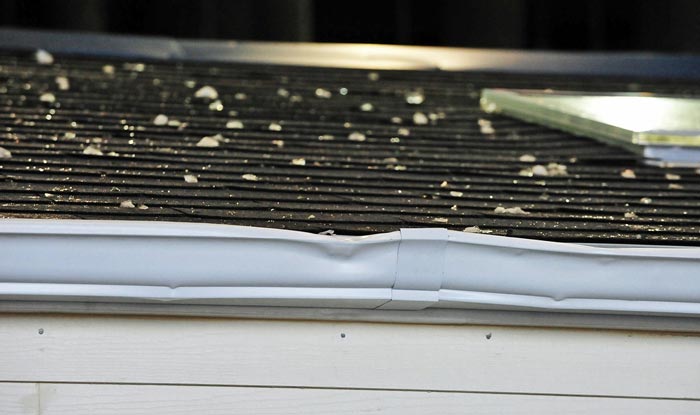
    Hail Damage

    Hailstones can cause dents, cracks, or holes in roofing materials, including asphalt shingles, metal roofs, and flat roofs.

    damaged white gutter , shingles , roof , hail damage , storm damaged roof

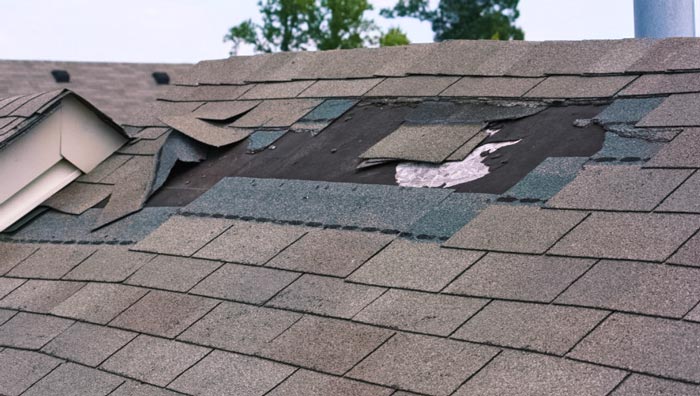
    Wind Damage

    Strong winds can lift shingles, tear off gutters, and damage flashing, causing leaks and other issues.

    cracked damaged shingles , roofing, blistering roof

    Water Damage

    Heavy rain or snow can cause water to penetrate through the roof’s surface, leading to leaks and water damage.

    dark areas on roofing from roof lean in heavy rain , peeling paint blistering roof

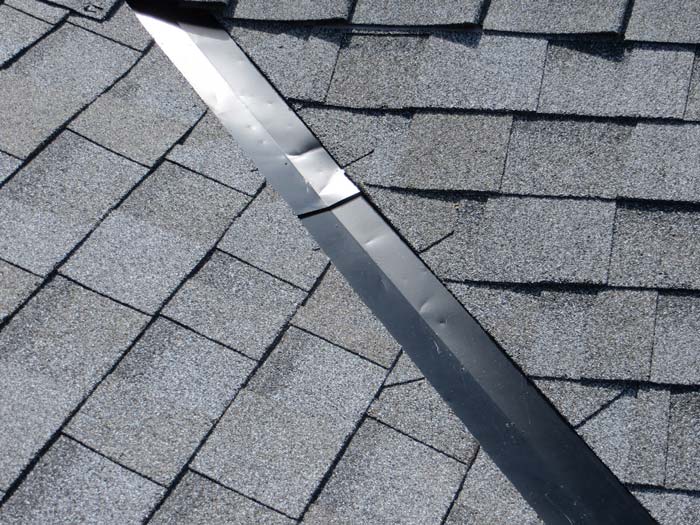
    Debris Damage

    Storms can bring debris such as tree branches, twigs, or rocks, which can cause significant damage to the roof.

    broken , dented roof flashing , roof leak in heavy rain

    Preventing Storm Damage to Roofs

    Preventing storm damage to your roof starts with proper maintenance and preparation. Here are some steps you can take to prevent storm damage to your roof:

    Regular Maintenance: Schedule regular roof inspections to identify and address any potential issues before they become major problems. Regular maintenance can also help you catch any storm damage early and make repairs before the damage worsens.

    Trimming Trees: Trim any overhanging branches that can cause damage to your roof during a storm. Overhanging branches can become a hazard during a storm, causing significant damage to your roof.

    Cleaning Gutters: Keep gutters and downspouts clean to prevent water from backing up and causing damage. Clogged gutters can cause water to overflow onto your roof, leading to water damage and other issues.

    Secure Loose Items: Secure any loose items on your roof, such as satellite dishes, to prevent them from becoming projectiles during a storm. Loose items can become a hazard during a storm, causing significant damage to your roof.

    prevent blistering shingles , preventing storm damage roof
    waterproofing prevent blistering shingles sign , storm damage roof resistant

    Making Your Roof More Storm Resistant

    Making your roof more storm-resistant is another way to prevent storm damage to your home. Here are some steps you can take to make your roof more storm-resistant:

    Install Impact-Resistant Roofing Materials: Impact-resistant roofing materials, such as asphalt shingles or metal roofing, can withstand the impact of hail and other debris.

    Strengthen Your Roof Decking: Adding extra support to your roof decking can make your roof more stable during high winds.

    Install Proper Flashing: Proper flashing can help prevent water from entering your home through the roof’s seams, preventing water damage.

    Install a Sealed Roof Deck: A sealed roof deck can prevent water from penetrating your roof’s surface, reducing the risk of water damage and leaks.

    Repairing Storm Damage to Roofs

    repairing storm damage roof

    If your roof has been damaged by a storm, it is essential to take immediate action to prevent further damage. Here are the steps you should take to repair storm damage to your roof:

    Safety First:

    Inspect Your Roof from the Ground: Before climbing onto your roof to inspect it, assess the safety risks. Ensure that the ladder is secure and stable before climbing onto your roof.

    Assess the Damage:

    Determine the extent of the damage to your roof. Look for missing or damaged shingles, flashing, or other roofing materials.

    Document the Damage:

    Take pictures of any damage you can see on your roof. This will be helpful when you file a claim with your insurance company. Make sure to take close-up shots of any damaged shingles, as well as wider shots that show the overall extent of the damage. If possible, take pictures from multiple angles.

    Contact Your Insurance Company:

    Once you have documented the damage, contact your insurance company as soon as possible. They will likely send out an adjuster to inspect the damage and determine the cost of repairs. Make sure to provide them with the pictures you took and any other relevant information they request.

    Time is of the essence:

    It’s crucial to act quickly and contact your insurance company as soon as you notice any potential storm damage to your roof. Most insurance policies have a time limit for filing a claim, and waiting too long could result in a denial of coverage. In addition, delaying repairs can lead to more extensive damage and more expensive repairs in the long run.

    Be wary of scams:

    Unfortunately, there are some unscrupulous roofing and insurance companies out there who may try to take advantage of homeowners in a vulnerable position. Be cautious of any contractor who shows up unannounced at your door offering to inspect your roof or promises to handle everything with your insurance company. Do your research and only work with reputable, licensed contractors who have a track record of quality work and good customer service.

    Choose your contractor wisely:

    Once your claim is approved, you’ll need to choose a contractor to handle the repairs. It’s important to choose a licensed and insured contractor with experience working with insurance claims. Don’t be tempted to choose the cheapest option, as this could lead to subpar workmanship and low-quality materials. Instead, look for a contractor with a strong reputation for quality work and excellent customer service.

    Get Professional Help:

    It is important to have a professional roofing contractor assess the damage as well. They can provide you with an estimate for repairs and can help you determine the best course of action. It is important to choose a reputable roofing contractor with experience in storm damage repairs. Look for reviews online and ask for references.

    Temporary Repairs:

    In some cases, it may be necessary to make temporary repairs to prevent further damage while you wait for repairs. This could include covering damaged areas with tarps or plastic sheeting, or using roofing cement to seal damaged shingles.

    Preventing Future Damage:

    There are steps you can take to help prevent future storm damage to your roof. Regular maintenance, such as cleaning gutters and trimming trees, can help prevent debris buildup on your roof. It is also a good idea to have your roof inspected regularly

    contact rnc roofing and construction

    Contact a Professional Today

    RNC Roofing and Construction

    Storm damage to your roof can be a stressful and overwhelming experience. However, by taking the right steps and working with professionals, you can ensure that your roof is repaired quickly and effectively. Remember to document the damage, contact your insurance company, get professional help, make temporary repairs if necessary, understand the insurance claims process, and take steps to prevent future damage. By following these guidelines, you can help protect your home and ensure that your roof remains in good condition for years to come. Read More Here About Storm Damage Roofs.

    View More Informative Articles

    Free, No Obligation

    Request Your Free Estimate & Inspection

    Tell us about your roof and we’ll come take a look — no pressure, no cost. Or call us right now on (703) 964-6233.

    (703) 964-6233
    Contact Form Demo (#3)
    Owens Corning Preferred Contractor GAF System Plus CertainTeed SureStart PLUS BBB A+ Accredited HomeAdvisor

    RNC Roofing

    RNC Roofing and Construction Group — The Roofing Contractor Specialists. Protecting your home, one shingle at a time.

    Virginia

    (703) 964-6233 Sterling · Leesburg · Ashburn
    Loudoun & Fairfax County

    Maryland

    (703) 964-6233 Beltsville · District Heights
    All of Maryland
    © 2026 RNC Roofing and Construction Group — The Roofing Contractor Specialists Northern Virginia & Maryland
  • 5 Unexpected Dangers of a Leaky Roof

    Protecting your home, one shingle at a time VA (703) 964-6233| MD (703) 964-6233| Free Estimate & Inspection
    Home Improvement

    5 Unexpected Dangers of a Leaky Roof

    RNC Roofing and Construction Group June 1, 2018
    5 Unexpected Dangers of a Leaky Roof

    Attic or Ceiling Damage

    Initially, roof leaks will damage the attic area and any items stored there. If there is no attic, roof leaks will cause damage directly to your interior ceiling. This damage can be difficult to notice, as homeowners don’t typically inspect their ceilings regularly. Small ceiling leaks can cause spots of slight discoloration, sagging ceilings, bulging drywall, and bubbling ceiling plaster, while larger ceiling leaks can produce a visible hole where water can come through.

    Interior Mold and Mildew

    One of the more serious consequences of a roof leak is the growth of mold and mildew. Mold can spread to your home’s HVAC system, which in turn, allows it to invade your carpets, furniture, and clothing through vents.

    Chronic water intrusion typically results in the growth of black mold. Toxic black mold is rare, but even non-toxic black mold can have dire consequences. Non-toxic black mold attacks ceiling tiles, wood framing, and wall and floor coverings.

    Health Consequences of Mold and Mildew

    According to the Centers for Disease Control and Prevention (CDC), molds can cause nasal stuffiness, throat irritation, coughing or wheezing, eye irritation, or, in some cases, skin irritation, and those with mold allergies can have more severe reactions. Mold can be especially dangerous to those with compromised immune systems, as they can get serious lung infections.

    Fire Hazards

    If electric wiring is present in your attic or ceilings, a leak can pose a fire hazard. A leaky roofing could potentially trigger an electrical fire, especially if broken wiring is present. It is recommended that you turn off electricity to the affected area, and have an electrician examine it as soon as possible.

    Compromised Structural Integrity

    Another pressing concern caused by a leaky roof is the compromising of your home’s structural integrity. Ceiling joists, rafters, wall framing, fascia boards, and even exterior trim can become deteriorated if they fall victim to water intrusion. Rotted structural components of your home can lead to serious problems that will require you to seek assistance from a professional contractor.

    To avoid all the possible consequences of a leaky roof, call RNC for a roof inspection today!

    What separates The RNC Roofing Group from other residential roofing companies? With decades of experience installing, maintaining and repairing roofs we provide a knowledgeable, trustworthy and honest service to fulfill all your roofing needs. We are a Loudoun County, Virginia based residential roofing firm with an excellent reputation for quality and dependability. Whether it’s new construction, re-roofing or the challenge of leak repairs, no job is too large or too small.

    This post first published on The RNC Group, your Virginia residential roofing company.

    Apply for new roof financing!

    Free, No Obligation

    Request Your Free Estimate & Inspection

    Tell us about your roof and we’ll come take a look — no pressure, no cost. Or call us right now on (703) 964-6233.

    (703) 964-6233
    Contact Form Demo (#3)
    Owens Corning Preferred Contractor GAF System Plus CertainTeed SureStart PLUS BBB A+ Accredited HomeAdvisor

    RNC Roofing

    RNC Roofing and Construction Group — The Roofing Contractor Specialists. Protecting your home, one shingle at a time.

    Virginia

    (703) 964-6233 Sterling · Leesburg · Ashburn
    Loudoun & Fairfax County

    Maryland

    (703) 964-6233 Beltsville · District Heights
    All of Maryland
    © 2026 RNC Roofing and Construction Group — The Roofing Contractor Specialists Northern Virginia & Maryland
  • Drone Roof Inspections: After the Job is Done

    Protecting your home, one shingle at a time VA (703) 964-6233| MD (703) 964-6233| Free Estimate & Inspection
    Homeowner Help

    Drone Roof Inspections: After the Job is Done

    RNC Roofing and Construction Group May 3, 2018
    Drone Roof Inspections: After the Job is Done

    At RNC, we constantly emphasize the importance of roof inspections, as getting your roof inspected will ensure that any weak areas or potential leaks can be addressed and repaired before they become a problem. While many take this on the traditional way, recent technology has allowed for a safer and faster roof inspection.

    This technology has come in the form of drones. Drones, usually used for entertainment or professional photography, are fundamentally changing the way roof inspections are performed. Drones can offer an accurate, safe, relatively low-cost, and quick inspection.

    However, not just any drone can be used for this application. There are camera-drones specifically suited for roof inspection purposes. The drones listed below are $500 or less, and although this amount seems expensive, after the initial investment, the money you will save in manual roof inspections will be monumental.

    DJI Phantom 3 Standard ($491.98)

    This drone is relatively low-cost, with fair camera quality. The DJI Phantom 3 Standard drone has 2.7K camera quality, and while 4K is preferable, 2.7K is high-quality enough for inspection purposes. Also, the video can stream real-time to your tablet or smartphone.

    Parrot Bebop 2 ($399.99)

    This drone is also low-cost, with a 14mpx camera and FPV capabilities. Parrot also offers a bundle with a VR headset, for an even better drone experience.

    Yuneec Q500 4K Typhoon Quadcopter Drone ($369.99)

    This drone is affordable, with 4K camera-quality, 1080p video recording at up to 120 fps, and it takes photos at 12-megapixels. The video streams live directly to the controller screen.

    To view more drones recommended for roof inspections click here.

    As you can see, the advancement of drone technology allows for a safe, fast, and high-quality roof inspection. If you find any damage or leaks during the course of your drone roof inspection, or you prefer to do things the traditional way, give us a call or click here for a quote!

    What separates The RNC Roofing Group from other residential roofing companies? With decades of experience installing, maintaining and repairing roofs we provide a knowledgeable, trustworthy and honest service to fulfill all your roofing needs. We are a Loudoun County, Virginia based residential roofing firm with an excellent reputation for quality and dependability. Whether it’s new construction, re-roofing or the challenge of leak repairs, no job is too large or too small.

    This post first published on The RNC Group, your Virginia residential roofing company.

    Free, No Obligation

    Request Your Free Estimate & Inspection

    Tell us about your roof and we’ll come take a look — no pressure, no cost. Or call us right now on (703) 964-6233.

    (703) 964-6233
    Contact Form Demo (#3)
    Owens Corning Preferred Contractor GAF System Plus CertainTeed SureStart PLUS BBB A+ Accredited HomeAdvisor

    RNC Roofing

    RNC Roofing and Construction Group — The Roofing Contractor Specialists. Protecting your home, one shingle at a time.

    Virginia

    (703) 964-6233 Sterling · Leesburg · Ashburn
    Loudoun & Fairfax County

    Maryland

    (703) 964-6233 Beltsville · District Heights
    All of Maryland
    © 2026 RNC Roofing and Construction Group — The Roofing Contractor Specialists Northern Virginia & Maryland
  • Maintaining The Integrity Of Your Roof | By RNC Roofing

    Protecting your home, one shingle at a time VA (703) 964-6233| MD (703) 964-6233| Free Estimate & Inspection
    Home Improvement

    Maintaining The Integrity Of Your Roof | By RNC Roofing

    RNC Roofing and Construction Group May 15, 2017
    Maintaining The Integrity Of Your Roof | By RNC Roofing

    Roof Integrity | A Comprehensive Guide By RNC

    Maintaining the integrity of a roof is critical to the long-term health and safety of a building and its occupants. A roof in poor condition can lead to a host of problems, including leaks, water damage, mold growth, and structural failure. These issues can be costly to repair and can even pose a risk to the health and safety of those who live or work inside the building.

    Factors Affecting Roof Integrity

    • Climate: Extreme temperatures, precipitation, and wind can all take a toll on a roof over time.
    • Roof age: As a roof ages, it becomes more susceptible to damage and may need more frequent repairs and maintenance.
    • Roof design and installation: Poor design and installation can lead to problems such as leaks, poor drainage, and insufficient ventilation.
    • Maintenance and repairs: Regular maintenance and timely repairs can help extend the life of a roof and prevent minor problems from becoming major issues.
    • Environmental factors: Trees, wildlife, and other environmental factors can damage a roof and should be taken into account when designing and maintaining a roof system.

    summer season best time to replace roof

    Climate

    The climate is one of the most significant factors affecting roof integrity. Roofs are constantly exposed to the elements, including rain, snow, wind, and sun. Over time, these weather conditions can cause damage to the roof and compromise its structural integrity.

    Extreme Temperatures:

    • Extreme heat can cause the roof material to expand and contract, leading to cracks and fissures in the surface.
    • Extreme cold can cause the roof to become brittle and crack, especially with certain types of roofing materials like asphalt shingles.

    Precipitation:

    • Heavy rain, snow, and ice can all put pressure on the roof, leading to damage and leaks.
    • Water can seep into cracks and gaps in the roof, causing structural damage and promoting mold growth.

    Wind:

    • Strong winds can lift and remove roofing materials, exposing the underlayment and leading to leaks.
    • High winds can also cause branches and debris to fall on the roof, damaging the surface and underlying structure.

    cracked damaged shingles , roofing, blistering roof

    Roof Age

    Aging roofs are more susceptible to leaks due to the breakdown of roofing materials over time.Leaks can occur in areas where the roofing material has become brittle, cracked, or corroded.

    Damage:

    • Aging roofs may experience damage from weather events like hail, wind, and heavy rain.
    • Structural damage can also occur due to poor installation or lack of maintenance.

    Decreased Energy Efficiency:

    • Aging roofs may lose their ability to provide adequate insulation, which can lead to increased energy costs.
    • As roofs age, their reflective properties may also decrease, leading to increased heat absorption and higher cooling costs.

    Tips for Maintaining an Aging Roof

    Regular Inspections:

    • Regular inspections can help identify potential issues before they become major problems.
    • Inspections should be performed at least once a year, preferably in the spring or fall.

    Prompt Repairs:

    Any signs of damage or leaks should be addressed promptly to prevent further damage to the roof and the structure below.Quick repairs can also help extend the lifespan of an aging roof.

    Roof Replacement:

    • If a roof is beyond repair, replacement may be necessary.
    • When replacing an aging roof, building owners should choose high-quality materials and ensure proper installation to maximize the roof’s lifespan.

    roof installation , roof repair

    Impact of Roof Design and Installation

    The design and installation of a roof play a critical role in determining its durability and longevity. Proper design and installation can help ensure that a roof provides adequate protection against the elements and avoids structural damage.

    Improper Slope:

    • A roof’s slope should be appropriate for the climate and location to ensure proper drainage.
    • Insufficient slope can lead to standing water, which can damage the roofing material and cause leaks.

    Poor Ventilation:

    • Proper ventilation is essential to prevent moisture buildup in the attic or roof cavity.
    • Inadequate ventilation can lead to a buildup of heat and moisture, which can cause the roofing material to deteriorate.

    Incorrect Flashing:

    • Flashing is the material that seals the roof around chimneys, vents, and other protrusions.
    • Incorrect flashing installation can lead to leaks and other types of water damage.

    Choosing the Right Design / Ensuring Proper Installation

    Choose the Right Design:

    • The right roof design should take into account the climate, building codes, and aesthetic preferences.
    • Building owners should consult with a professional roofer or architect to determine the best design for their building.

    Hire a Professional:

    • A professional roofer with experience in roof design and installation can ensure that the roof is installed correctly.
    • Building owners should research potential contractors and choose one with a track record of quality work.

    Use Quality Materials:

    • High-quality roofing materials can make a significant difference in the durability and longevity of a roof.
    • Building owners should choose materials that are appropriate for their climate and budget and ensure that they are installed correctly.

    roofing maintenance

    Maintenance and Repairs

    Proper maintenance and timely repairs are essential to maintaining the integrity of a roof. Neglecting maintenance and repairs can lead to small problems escalating into larger and more costly issues, including complete roof failure.Here are some common maintenance and repair tasks that can help to preserve roof integrity:

    Regular inspections: Inspect your roof at least twice a year, in the spring and fall, to identify and address any issues early on.

    Clean gutters and downspouts: Clogged gutters and downspouts can cause water to overflow and damage your roof, so it’s essential to keep them clean.

    Remove debris: Debris like leaves, twigs, and branches can accumulate on your roof and trap moisture, leading to damage. Remove debris as soon as possible.

    Repair leaks promptly: If you notice any signs of a leak, such as water stains on your ceiling, address the issue promptly to avoid further damage.

    Replace damaged shingles: Damaged or missing shingles can compromise the integrity of your roof, so it’s important to replace them as soon as possible.

    Create a checklist: Create a checklist of maintenance and repair tasks that need to be performed regularly and stick to it.

    Hire a professional: Consider hiring a professional roofing contractor to perform regular inspections and maintenance tasks.

    Keep records: Keep detailed records of all maintenance and repairs performed on your roof, including the date and nature of the work performed.

    Address issues promptly: Address any issues promptly to avoid more significant and costly problems down the line.

    winter season best time to replace roof

    Environmental Factors

    Roofs are constantly exposed to various environmental factors that can cause damage and affect their overall integrity. Some of the common environmental factors that can affect roof integrity include:

    Sunlight: Exposure to prolonged sunlight can cause the roofing materials to deteriorate and break down over time.

    Wind: High winds can lift and tear off roof shingles, flashing, and other roofing components, leaving the roof vulnerable to water damage.

    Rain and moisture: Water can seep through the roof surface and cause structural damage, mold growth, and rot.

    Snow and ice: Heavy snow and ice can accumulate on the roof, putting excessive weight and stress on the roofing structure and causing damage.

    Nearby trees and wildlife: Falling tree branches, leaves, and animal activity can also cause damage to roofs.

    Specific environmental factors, such as nearby trees and wildlife, that can damage roofs:

    Nearby trees

    Overhanging branches: Trees with overhanging branches can cause damage to the roof by rubbing against it or breaking off and falling onto it.

    Leaf buildup: Leaves that accumulate on the roof can trap moisture and cause damage to the roofing material.

    Falling branches: Trees that are in close proximity to the roof can drop branches that can cause damage or puncture holes in the roofing material.

    Wildlife

    Birds and small animals: Birds, squirrels, and other small animals can create holes in the roof, and their nests can clog gutters and lead to water damage.

    Larger animals: Larger animals like raccoons and rodents can cause significant damage to roofs by tearing off shingles and creating holes.

    Minimizing environmental damage to roofs:

    Trim overhanging branches: Regularly trim branches that overhang the roof to prevent them from rubbing against the roof or falling onto it.

    Clean gutters: Regularly clean gutters to prevent leaf buildup and clogging, which can lead to water damage.

    Remove nearby trees: If trees are too close to the roof and pose a significant risk, consider removing them.

    Install animal barriers: Install animal barriers to prevent birds and small animals from entering the roof structure.

    Conduct regular inspections: Conduct regular inspections of the roof to detect any damage early and make repairs promptly.

    View More of Our Articles

    Free, No Obligation

    Request Your Free Estimate & Inspection

    Tell us about your roof and we’ll come take a look — no pressure, no cost. Or call us right now on (703) 964-6233.

    (703) 964-6233
    Contact Form Demo (#3)
    Owens Corning Preferred Contractor GAF System Plus CertainTeed SureStart PLUS BBB A+ Accredited HomeAdvisor

    RNC Roofing

    RNC Roofing and Construction Group — The Roofing Contractor Specialists. Protecting your home, one shingle at a time.

    Virginia

    (703) 964-6233 Sterling · Leesburg · Ashburn
    Loudoun & Fairfax County

    Maryland

    (703) 964-6233 Beltsville · District Heights
    All of Maryland
    © 2026 RNC Roofing and Construction Group — The Roofing Contractor Specialists Northern Virginia & Maryland
  • 5 Roofing Tips For New Homeowners | RNC Roofing

    Protecting your home, one shingle at a time VA (703) 964-6233| MD (703) 964-6233| Free Estimate & Inspection
    Home Improvement

    5 Roofing Tips For New Homeowners | RNC Roofing

    RNC Roofing and Construction Group January 5, 2017
    5 Roofing Tips For New Homeowners | RNC Roofing

    5 Roofing Tips For New Homeowners

    As a new homeowner, you may have many questions about how to take care of your home, and one of the most important aspects of home maintenance is roof care. Your roof is the first line of defense against the elements, and keeping it in good condition is essential for the safety and comfort of your family. In this article, we’ll share 5 roofing tips that every new homeowner should know to ensure their roof lasts for years to come.

    Tip #1:Get a Professional Roof inspection

    Before you move into your new home, it’s essential to have a professional roof inspection. A professional roofing contractor will assess the condition of your roof and identify any potential issues that may need to be addressed. This inspection is crucial to ensure that your roof is in good condition, and it will give you peace of mind knowing that you won’t be surprised by any unexpected repairs.

    Here are some reasons why a professional roof inspection is important:

    • Roofing experts can identify signs of wear and tear, leaks, and other issues that could affect the lifespan of your roof.
    • Early detection of problems can save you money in the long run by preventing expensive repairs.
    • You’ll have a better idea of how much life is left in your roof, which can help you plan for future repairs or replacement.

    clean gutters

    Tip #2:Keep Your Gutters Clean

    Your gutters play an essential role in keeping your roof in good condition. They channel water away from your home’s foundation, preventing water damage and mold growth. However, if your gutters are clogged with debris, they can’t do their job properly, and water can overflow onto your roof, causing leaks and other damage. That’s why it’s crucial to keep your gutters clean.

    Here are some tips for maintaining clean gutters:

    • Clean your gutters at least twice a year, or more often if you live in an area with a lot of trees or heavy rainfall.
    • Use a sturdy ladder and wear gloves to protect your hands.
    • Use a garden hose to flush out debris and ensure that water is flowing freely through your gutters.
    • Consider installing gutter guards to prevent debris from accumulating in your gutters.

    damaged blistering shingles

    Tip #3:Check Your Roof for Damage Regularly

    Roof damage can happen for many reasons, including severe weather, tree branches, and pests. Catching roof damage early is crucial to prevent expensive repairs down the road. Regular roof maintenance can help you catch problems before they become major issues.

    Here are some signs of roof damage to look out for:

    • Missing or broken shingles: These can be caused by wind, hail, or other severe weather conditions.
    • Leaks: Water stains on your ceiling or walls can indicate a leaky roof.
    • Cracks or holes: These can be caused by debris or foot traffic on your roof.
    • Sagging: A sagging roof may indicate that there is structural damage that needs to be addressed immediately.

    If you notice any of these signs, it’s important to have a roofing professional assess the damage and recommend repairs.

    tree branch hanging on roof. Overhanging tree branch

    Tip #4:Trim Trees Near Your Roof

    Trees provide shade and beauty to your home, but they can also be a hazard to your roof. Overhanging branches can scratch your roof, damage your shingles, and even fall on your roof during a storm causing significant damage. It’s essential to trim trees near your roof to prevent any of these problems from occurring. Here are some tips for tree trimming:

    • Trim branches that are within six feet of your roof.
    • Cut branches that hang over your roof.
    • Prune branches that touch or rub against your roof.
    • Remove any dead or diseased trees near your house.

    When trimming trees, make sure to use the proper equipment and techniques. If you are unsure how to do it yourself, consider hiring a professional tree service to do it for you. Not only will they have the necessary tools and experience, but they will also ensure that the job is done safely.

    roof inspection reston , roof maintenance tips , tpo roofing

    Tip #5:Regularly Inspect Your Roof

    Regular roof inspections are crucial to maintaining the health of your roof. As a new homeowner, you should inspect your roof at least twice a year, once in the spring and once in the fall. Here are some things to look for during a roof inspection:

    • Check for any missing or damaged shingles.
    • Look for any cracks or holes in your roof.
    • Check for any signs of water damage or leaks.
    • Inspect your gutters for debris or damage.
    • Look for any signs of animal or insect infestation.

    By regularly inspecting your roof, you can catch any potential problems early on and prevent them from turning into more significant issues. If you notice any issues during your inspection, be sure to address them promptly.

    house , roofing

    Look After Your Home

    Your roof is one of the most important parts of your home, and it’s essential to take care of it. As a new homeowner, following these five roofing tips can help you keep your roof in excellent condition and prevent any major issues from occurring. Remember to keep your gutters clean, address any leaks promptly, consider ventilation, trim trees near your roof, and regularly inspect your roof.

    Learn More Here

    Free, No Obligation

    Request Your Free Estimate & Inspection

    Tell us about your roof and we’ll come take a look — no pressure, no cost. Or call us right now on (703) 964-6233.

    (703) 964-6233
    Contact Form Demo (#3)
    Owens Corning Preferred Contractor GAF System Plus CertainTeed SureStart PLUS BBB A+ Accredited HomeAdvisor

    RNC Roofing

    RNC Roofing and Construction Group — The Roofing Contractor Specialists. Protecting your home, one shingle at a time.

    Virginia

    (703) 964-6233 Sterling · Leesburg · Ashburn
    Loudoun & Fairfax County

    Maryland

    (703) 964-6233 Beltsville · District Heights
    All of Maryland
    © 2026 RNC Roofing and Construction Group — The Roofing Contractor Specialists Northern Virginia & Maryland