Tag: home aesthetics

  • Shingle Algae: Understanding, Prevention, and Treatment
    Protecting your home, one shingle at a time VA (703) 964-6233| MD (703) 964-6233| Free Estimate & Inspection
    Home Improvement

    Shingle Algae: Understanding, Prevention, and Treatment

    RNC Roofing and Construction Group September 18, 2023
    Shingle Algae: Understanding, Prevention, and Treatment

    Shingle Algae: Understanding, Prevention, and Treatment

    Shingle algae, scientifically known as Gloeocapsa magma, is a type of cyanobacteria that tends to thrive in humid and shaded environments. It manifests as unsightly dark streaks or patches on your roof, often resembling black or greenish mold. While it might look harmless, shingle algae can be a nuisance that gradually degrades the quality of your roofing material.

    Identifying Shingle Algae

    Shingle algae can often go unnoticed until it becomes a glaring issue. In this section, we’ll explore how to identify shingle algae and avoid common mistakes when distinguishing it from other roof-related concerns.

    Understanding the Appearance of Shingle Algae

    Shingle algae typically makes its presence known through distinct visual cues. When you inspect your roof, look for dark streaks or stains that resemble mold or mildew. These streaks may appear black, greenish, or even brownish, depending on the specific strain of algae. They often cluster in shaded areas, where moisture tends to linger.

    While the appearance of shingle algae is quite characteristic, it’s essential to note that it differs from other roof issues. Unlike algae, moss presents as a thicker, fuzzy growth on the roof’s surface. Lichen, on the other hand, can resemble small patches of greenish or whitish organisms. By correctly identifying shingle algae, you can take appropriate steps to address it.

    Common Mistakes: Is it Algae or Something Else?

    Misidentifying roof issues can lead to ineffective solutions or unnecessary concerns. One common mistake is confusing shingle algae with mold or mildew. While the appearance may be similar, the treatment methods differ, and mistaking one for the other can lead to wasted time and resources.
    evaluating roof damage

    Causes and Contributing Factors

    Understanding the causes and contributing factors of shingle algae growth is essential to combat this roofing nuisance effectively. In this section, we’ll explore the environmental elements, roofing material composition, and roof orientation and shading that play a role in shingle algae development.

    Environmental Factors

    Shingle algae thrives in specific environmental conditions. It has a particular fondness for humid climates and areas with consistent rainfall. If your home is situated in a region with high humidity levels, the chances of encountering shingle algae issues are considerably higher. Frequent rain provides the moisture that algae needs to proliferate.

    Furthermore, shingle algae is more likely to appear on north-facing or shaded roofs. The reduced sunlight and longer periods of moisture retention on these surfaces create a perfect breeding ground for algae. So, if your roof is frequently in the shade or faces north, be extra vigilant.

    Roofing Material Composition

    The type of roofing materials you have can also influence shingle algae growth. Asphalt shingles, which are common on many residential roofs, provide an ideal substrate for algae to cling to and feed on. The limestone filler used in asphalt shingles acts as a food source for shingle algae, enabling it to multiply and spread.

    While algae-resistant shingles are available, traditional asphalt shingles are still susceptible to infestation. Recognizing this vulnerability can help you take proactive measures to prevent and manage algae growth.

    Roof Orientation and Shading

    The orientation and shading of your roof can significantly impact its susceptibility to shingle algae. North-facing roofs tend to receive less direct sunlight throughout the day, leading to longer periods of moisture retention. This extended moisture exposure creates an environment where shingle algae can thrive.
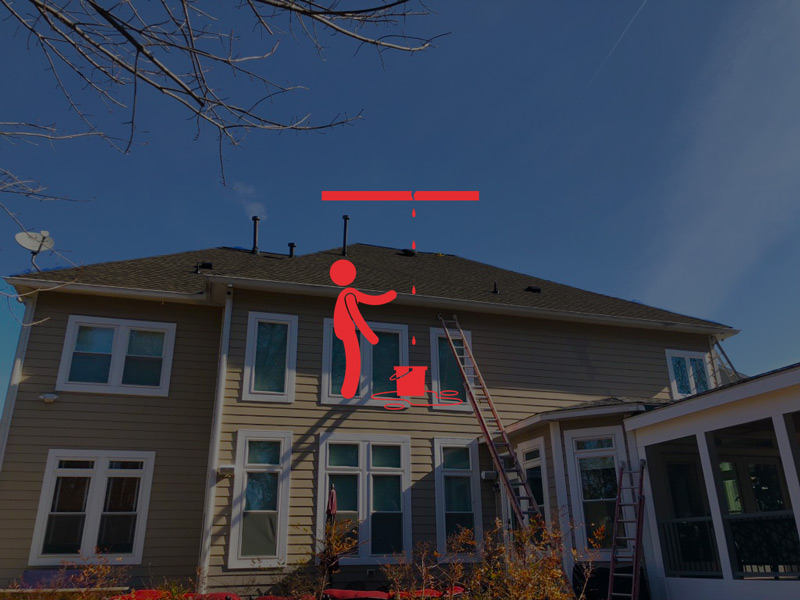
    fix leaky roof

    Impact of Shingle Algae

    Shingle algae may seem like a mere aesthetic nuisance, but its presence on your roof can have far-reaching consequences. In this section, we’ll explore the multifaceted impact of shingle algae on your home, from cosmetic damage to structural concerns and even health implications.

    Cosmetic Damage: Black Streaks and Stains

    The most apparent consequence of shingle algae is the unsightly appearance it imparts on your roof. The black streaks and stains caused by the algae can significantly diminish your home’s curb appeal. These dark blemishes can make a once-pristine roof appear neglected and aged, potentially affecting your property’s overall visual appeal.

    Moreover, these stains are more than just surface-level eyesores. They represent a deeper issue, as shingle algae actively feeds on the roofing material. Over time, this feeding can lead to further discoloration and even structural deterioration, which brings us to the next point.

    Structural Consequences

    Beyond cosmetic concerns, shingle algae can have structural repercussions for your roof. As mentioned earlier, algae’s tendency to feed on the limestone filler within asphalt shingles can weaken the material. This weakening can lead to shingle degradation and a reduced lifespan for your roof.

    Furthermore, the presence of shingle algae can contribute to moisture retention on your roof’s surface. Excess moisture, especially in shaded areas, can promote the growth of moss and lichen. These organisms, when allowed to proliferate, can exacerbate the structural problems caused by shingle algae and potentially compromise the integrity of your roof.

    Health Implications

    While the health implications of shingle algae are less direct than its cosmetic and structural impacts, they should not be underestimated. Shingle algae can potentially harbor allergens and irritants that become airborne when disturbed. If these particles find their way into your home, they could exacerbate respiratory issues and allergies, especially for individuals with sensitivities.
    repairs roofing maintenance

    Prevention and Treatment

    Now that we’ve explored the causes and consequences of shingle algae, it’s time to discuss how to prevent its growth and tackle existing issues. This section provides insights into both DIY preventative measures and professional treatments.

    Roof Maintenance Tips

    Regular roof maintenance is a crucial first step in preventing shingle algae from taking hold. Here are some simple yet effective tips to keep your roof in top condition:

    • Routine Cleaning: Gently remove debris like leaves and branches from your roof to prevent moisture buildup. Ensure your gutters are clear to facilitate proper drainage.
    • Trim Overhanging Branches: If you have nearby trees, trim branches that cast shadows on your roof. Increased sunlight exposure can discourage algae growth.
    • Zinc or Copper Strips: Consider installing zinc or copper strips along the ridges of your roof. These metals release ions that inhibit algae growth over time.

    Environmentally Friendly Solutions

    If you prefer eco-friendly options, there are natural solutions you can use to deter shingle algae. For instance:

    • Vinegar Spray: A mixture of water and white vinegar can be sprayed on affected areas. This can help remove existing algae and deter its return.
    • Sunlight: Prune trees and remove objects that cast shadows on your roof. Allowing more sunlight exposure can hinder algae growth.

    Roof Cleaning Services

    When shingle algae has already taken hold, professional roof cleaning services can be a highly effective solution. These services employ methods like soft washing, which uses low-pressure water and specialized cleaning agents to safely remove algae and stains without damaging your shingles.

    Algae-Resistant Shingles

    If you’re planning to replace your roof or install new shingles, consider investing in algae-resistant shingles. These shingles are designed with built-in granules that release copper over time, preventing algae growth. While this is a more proactive approach, it can save you from future algae-related hassles.

    View More Articles

    Free, No Obligation

    Request Your Free Estimate & Inspection

    Tell us about your roof and we’ll come take a look — no pressure, no cost. Or call us right now on (703) 964-6233.

    (703) 964-6233
    Contact Form Demo (#3)
    Owens Corning Preferred Contractor GAF System Plus CertainTeed SureStart PLUS BBB A+ Accredited HomeAdvisor

    RNC Roofing

    RNC Roofing and Construction Group — The Roofing Contractor Specialists. Protecting your home, one shingle at a time.

    Virginia

    (703) 964-6233 Sterling · Leesburg · Ashburn
    Loudoun & Fairfax County

    Maryland

    (703) 964-6233 Beltsville · District Heights
    All of Maryland
    © 2026 RNC Roofing and Construction Group — The Roofing Contractor Specialists Northern Virginia & Maryland
  • Dark Shingles vs Light Shingles: Stay Informed On Your Roof

    Protecting your home, one shingle at a time VA (703) 964-6233| MD (703) 964-6233| Free Estimate & Inspection
    Home Improvement

    Dark Shingles vs Light Shingles: Stay Informed On Your Roof

    RNC Roofing and Construction Group September 6, 2023
    Dark Shingles vs Light Shingles: Stay Informed On Your Roof

    Dark Shingles vs Light Shingles: Stay Informed On Your Roof

    In the world of roofing, choosing the right material can be a critical decision for homeowners. One of the key choices they face is between dark shingles and light shingles, each offering its own set of advantages and considerations. In this article, we will explore the factors that should guide your decision when it comes to selecting the ideal roofing material for your home.

    Understanding Dark Shingles

    When it comes to roofing, dark shingles are a popular choice that offers a distinct set of characteristics. Let’s delve into what defines dark shingles and explore the advantages and drawbacks associated with them.

    Defining Dark Shingles

    Dark shingles, as the name suggests, are roofing materials that come in deep, rich colors. These shingles are typically darker shades of brown, gray, black, or even deep red. They are known for their ability to absorb and retain heat.

    Advantages of Choosing Dark Shingles

    Energy Efficiency in Colder Climates: Dark shingles excel in colder regions. They absorb sunlight and heat, which can help melt snow and ice on the roof more effectively. This can prevent the formation of ice dams and potential roof damage caused by the weight of accumulated snow.

    Enhanced Curb Appeal on Certain Architectural Styles: Dark shingles often provide a striking contrast to light-colored siding or architectural elements. They can lend a sophisticated and classic look to homes with specific design aesthetics.

    Drawbacks of Dark Shingles

    Increased Heat Absorption in Hot Climates: While the heat-absorbing quality of dark shingles can be an advantage in cold climates, it can be a drawback in hotter regions. Dark shingles can make your home warmer in the summer, potentially increasing cooling costs.

    Potential for Quicker Fading and Wear: Dark shingles may be more prone to fading over time due to their exposure to the sun’s ultraviolet (UV) rays. This can affect their appearance and longevity, leading to the need for more frequent replacements or repairs.

    exploring pitched roofs

    Exploring Light Shingles

    Light shingles, are a distinct category of roofing materials that bring their own unique qualities to the table. In this section, we will define and describe light shingles and delve into their advantages and disadvantages.

    Defining Light Shingles

    Light shingles are roofing materials that come in softer and lighter colors. These shingles typically include shades of beige, light gray, or even white. They are known for their reflective properties and their ability to resist heat absorption.

    Benefits of Opting for Light Shingles

    Reflective Properties for Energy Savings in Warm Climates: Light shingles excel in warmer regions. Their reflective surfaces bounce back a significant amount of sunlight, reducing heat absorption. This can help keep your home cooler during hot summers, potentially leading to energy savings and increased comfort.

    Reduced Heat Absorption, Potentially Extending the Roof’s Lifespan: Light shingles are less likely to absorb excessive heat. This quality can contribute to a longer lifespan for your roof by reducing the wear and tear caused by temperature fluctuations.

    Drawbacks of Light Shingles

    May Not Complement All Architectural Styles: While light shingles offer several advantages, they may not be the ideal choice for all architectural styles. Some homeowners may find that light shingles do not harmonize as well with the overall aesthetics of their homes.

    Less Effective at Melting Ice and Snow in Cold Climates: In regions with heavy snowfall and cold winters, light shingles may not be as effective at melting ice and snow compared to their dark counterparts. This can lead to the formation of ice dams, which may require extra maintenance.

    factors influencing roof replacement

    Factors to Consider

    When it comes to choosing between dark shingles and light shingles, homeowners should weigh several key factors to make an informed decision that suits their unique needs and circumstances. Let’s explore these essential considerations:

    Climate and Local Weather Patterns

    One of the foremost factors to ponder is your local climate. The weather in your region plays a pivotal role in determining the ideal shingle color for your roof. In colder climates, where snow and ice are prevalent during winter months, dark shingles might be advantageous. They can help melt snow and ice more efficiently, potentially preventing ice dams and the associated roof damage. In contrast, light shingles are better suited for warmer climates, where their reflective properties can reduce heat absorption and contribute to energy savings.

    Architectural Style and Home Aesthetics

    Consider the architectural style and overall aesthetics of your home. The color of your shingles should harmonize with your home’s design. Dark shingles can provide a classic and bold appearance, complementing certain architectural styles. On the other hand, light shingles offer a softer and more contemporary look. It’s important to choose a shingle color that enhances your home’s curb appeal and fits seamlessly with its style.

    Energy Efficiency Goals

    If you have specific energy efficiency goals for your home, such as reducing heating or cooling costs, your choice of shingle color can impact your success. Dark shingles can aid in heating your home more effectively in cold climates but may increase cooling costs in hot regions. Light shingles, with their reflective properties, are better suited for reducing cooling costs in warm climates. It’s essential to align your energy efficiency goals with your shingle choice.

    Long-Term Maintenance and Cost Considerations

    Roofing is a long-term investment, and the choice of shingle color can influence maintenance and replacement costs over time. Dark shingles may require more frequent maintenance and replacement due to potential fading and wear. Light shingles, by contrast, may have a longer lifespan. Consider the long-term cost implications and maintenance requirements associated with your chosen shingle color.

    what is roof flashing

    Making an Informed Decision

    Conduct a Climate Analysis for Your Region

    Start by assessing the climate in your local area. The weather patterns and temperature extremes in your region should play a pivotal role in your decision-making process. If you live in a colder climate with heavy snowfall, dark shingles may be more advantageous for their heat-absorbing properties, which can help prevent ice dams. Conversely, if you reside in a warmer area, light shingles with their reflective qualities may be a better fit, potentially reducing cooling costs.

    Consult with a Roofing Professional for Expert Advice

    Don’t hesitate to seek the expertise of a professional roofing contractor. They have hands-on experience and can provide valuable insights tailored to your specific situation. A roofing professional can assess your home, consider your climate, and discuss your aesthetic preferences to recommend the most suitable shingle color for your needs. Their advice can be invaluable in making the right choice.

    Consider the Long-Term Cost Implications

    Roofing is a long-term investment, and your choice of shingle color can impact maintenance and replacement costs over the years. While dark shingles may excel in certain climates, they might require more frequent maintenance and replacements due to potential fading. On the other hand, light shingles may have a longer lifespan. Consider not only the upfront cost but also the long-term expenses associated with your chosen shingle color.

    Factor in Personal Aesthetic Preferences

    Your home is an expression of your personal style, and the color of your shingles should complement your aesthetic preferences. Consider how each shingle color option will blend with your home’s architecture and exterior design. Visualize the final look and feel of your home with both dark and light shingles to ensure your choice aligns with your vision.

    View More Articles

    Free, No Obligation

    Request Your Free Estimate & Inspection

    Tell us about your roof and we’ll come take a look — no pressure, no cost. Or call us right now on (703) 964-6233.

    (703) 964-6233
    Contact Form Demo (#3)
    Owens Corning Preferred Contractor GAF System Plus CertainTeed SureStart PLUS BBB A+ Accredited HomeAdvisor

    RNC Roofing

    RNC Roofing and Construction Group — The Roofing Contractor Specialists. Protecting your home, one shingle at a time.

    Virginia

    (703) 964-6233 Sterling · Leesburg · Ashburn
    Loudoun & Fairfax County

    Maryland

    (703) 964-6233 Beltsville · District Heights
    All of Maryland
    © 2026 RNC Roofing and Construction Group — The Roofing Contractor Specialists Northern Virginia & Maryland
  • How Many Years to Replace Roof: Tips for Roof Replacement

    Protecting your home, one shingle at a time VA (703) 964-6233| MD (703) 964-6233| Free Estimate & Inspection
    Home Improvement

    How Many Years to Replace Roof: Tips for Roof Replacement

    RNC Roofing and Construction Group September 5, 2023
    How Many Years to Replace Roof: Tips for Roof Replacement

    How Many Years to Replace Roof: Tips for Roof Replacement

    When it comes to home maintenance, one crucial aspect that often gets overlooked until it’s too late is the roof. A well-maintained roof not only protects your home from the elements but also adds to its overall aesthetics and value. But how often should you be considering a roof replacement? In this article, we’ll explore the factors that determine when and how often you should replace your roof.

    Understanding the Lifespan of a Roof

    Asphalt shingles are the most popular roofing material in the United States due to their affordability and durability. On average, you can expect asphalt shingles to last anywhere from 20 to 30 years. However, the actual lifespan can vary based on factors such as the quality of shingles, installation, and local weather conditions.

    Metal Roofing

    Metal roofing, including options like steel and aluminum, is known for its longevity. A well-maintained metal roof can easily last 50 years or more, making it a wise long-term investment. Metal roofs are highly resistant to weather-related damage, including hail and high winds.

    Wood Shingles

    Wood shingles provide a classic and timeless look to your home. However, they require more maintenance and have a lifespan of around 25 to 30 years. Regular maintenance, such as staining or sealing, can help extend their lifespan.

    Tile Roofing

    Tile roofing, often seen in Mediterranean-style homes, can last up to 50 years or more when properly maintained. Tile roofs are particularly resilient against fire and can withstand extreme temperatures.

    Slate Roofing

    Slate roofing is renowned for its beauty and longevity. With proper care, a slate roof can last a century or more.is a natural stone that is incredibly durable and resistant to weathering.

    factors influencing roof replacement

    Factors Influencing Roof Replacement

    Weather Conditions

    Extreme weather conditions, such as heavy storms, hail, or extreme temperatures, can significantly reduce the lifespan of your roof. Inspect your roof regularly after such events and consider repairs or replacement if damage is extensive. Harsh climates can also lead to more frequent roof replacements.

    Roof Maintenance

    Regular roof maintenance, including inspections and repairs, can extend its lifespan. Neglecting maintenance can lead to premature replacement. It’s essential to keep your roof clean and free of debris, as clogged gutters and trapped moisture can accelerate deterioration.

    Roof Installation

    The quality of the initial installation plays a critical role in determining how long your roof will last. Hiring a reputable roofing contractor is essential for ensuring longevity. A poorly installed roof is likely to experience problems much sooner, leading to costly repairs or replacement.

    Roof Ventilation

    Proper roof ventilation helps regulate temperature and moisture, which can impact the longevity of your roof. Make sure your attic has adequate ventilation to prevent moisture buildup and heat-related damage. Inadequate ventilation can cause shingles to blister and curl, reducing their lifespan.

    Material Quality

    The quality of the roofing materials used is a significant factor in determining how long a roof will last. Investing in high-quality, durable materials may cost more upfront but can save you money in the long run by extending the roof’s lifespan. Cheaper materials may deteriorate more quickly and require replacement sooner.

    Free, No Obligation

    Request Your Free Estimate & Inspection

    Tell us about your roof and we’ll come take a look — no pressure, no cost. Or call us right now on (703) 964-6233.

    (703) 964-6233
    Contact Form Demo (#3)
    Owens Corning Preferred Contractor GAF System Plus CertainTeed SureStart PLUS BBB A+ Accredited HomeAdvisor

    RNC Roofing

    RNC Roofing and Construction Group — The Roofing Contractor Specialists. Protecting your home, one shingle at a time.

    Virginia

    (703) 964-6233 Sterling · Leesburg · Ashburn
    Loudoun & Fairfax County

    Maryland

    (703) 964-6233 Beltsville · District Heights
    All of Maryland
    © 2026 RNC Roofing and Construction Group — The Roofing Contractor Specialists Northern Virginia & Maryland