Tag: damaged shingles

  • Raised Shingles on Roof: Causes, Risks, and Solutions

    Protecting your home, one shingle at a time VA (703) 964-6233| MD (703) 964-6233| Free Estimate & Inspection
    Home Improvement

    Raised Shingles on Roof: Causes, Risks, and Solutions

    RNC Roofing and Construction Group September 13, 2023
    Raised Shingles on Roof: Causes, Risks, and Solutions

    Raised Shingles on Roof: Causes, Risks, and Solutions

    Addressing raised shingles promptly is essential for maintaining the integrity of your roof and the overall safety and comfort of your home. When shingles are lifted, they can expose your roof’s underlying structure to the elements, leading to potential water leaks, insulation problems, and even safety hazards.

    What Are Raised Shingles?

    When it comes to roofing issues, understanding the basics is the first step toward effective solutions. In this section, we will explore what raised shingles on roofs are, commonly referred to as “lifted roof shingles” or “elevated roofing material,” and the underlying causes that can lead to this problem.

    Definition and Explanation of Raised Shingles

    Raised shingles are sections of your roofing where the shingle material has lifted or become detached from its intended position. This can result in visible gaps or pockets on your roof’s surface, leaving it exposed to potential damage from the elements. To put it simply, raised shingles are like a gap in your home’s protective armor.

    While we primarily refer to them as raised shingles, it’s helpful to know that they may also be called “lifted roof shingles” or “elevated roofing material.” These terms are often used interchangeably in the industry and can help you better understand the issue when seeking information or assistance.

    Common Causes of Raised Shingles

    Now that we know what raised shingles are, let’s explore why they occur. There are several common causes, and understanding these factors can provide insights into how to prevent or address the issue effectively. In the next section, we’ll dive deeper into these causes to help you grasp the full picture of this roofing concern.
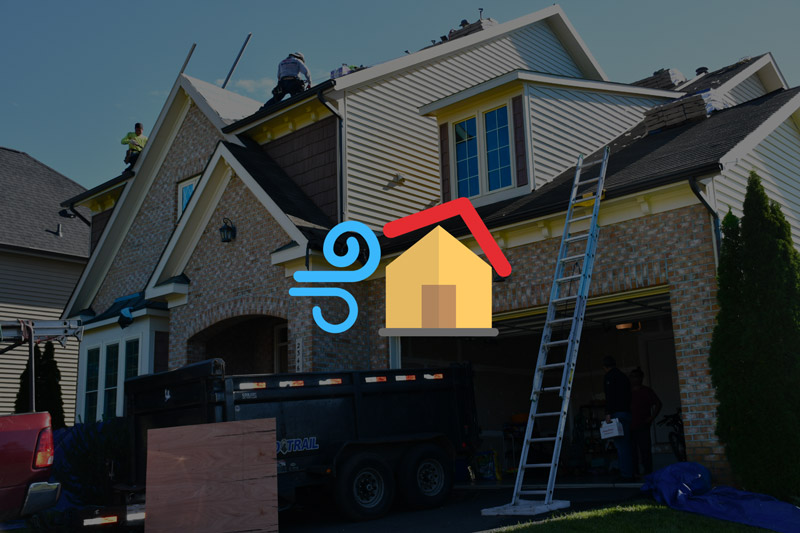
    wind damage roof repair

    Causes of Raised Shingles

    Understanding what leads to raised shingles on roofs is essential to prevent and address this issue effectively. Let’s delve into the various causes, grouped into three main categories: weather-related factors, poor installation practices, and age-related wear and tear.

    Weather-Related Factors

    Heavy Winds and Storms: Mother Nature can be relentless, and strong winds and severe storms are among the top culprits for raised shingles. When wind speeds pick up, they exert force on your roof’s shingles, potentially causing them to lift.

    • Extreme Temperature Fluctuations: Roofing materials expand and contract with temperature changes. Over time, this can lead to the adhesive properties of shingles weakening, making them more susceptible to lifting during temperature fluctuations.

    Poor Installation Practices

    Inadequate Sealing and Nailing: During the initial installation of your roof, improper sealing or nailing of shingles can leave them vulnerable to being lifted. Shingles must be securely fastened to prevent future issues.

    • Incorrect Alignment: If shingles are not aligned correctly during installation, they may not overlap properly. This misalignment can create weak points where wind and moisture can penetrate, potentially leading to raised shingles.

    Age and Wear

    • Effects of Aging on Roofing Materials: Like any other part of your home, your roof ages over time. As it does, the roofing materials can become less flexible and more prone to damage. Shingles may start to lose their grip, leading to raised areas.
    • Signs of Wear Leading to Raised Shingles: Keep an eye out for signs of wear and tear on your roof, such as cracked or missing shingles, loose granules, or visible gaps. These are indicators that your roof may be at risk of developing raised shingles.
    fix leaky roof

    Risks Associated with Raised Shingles

    Now that we understand what raised shingles on roofs are and what causes them, let’s explore the significant risks and potential consequences associated with this roofing issue. Addressing raised shingles promptly is crucial to avoid these problems.

    Leaks and Water Damage

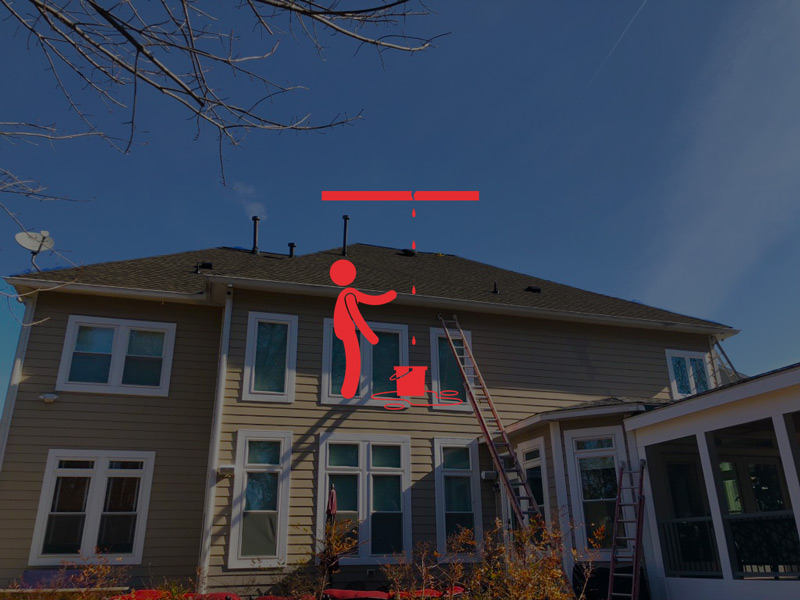
    How Raised Shingles Can Lead to Leaks: When shingles become raised or detached, they create openings in your roof’s protective barrier. Rainwater and moisture can easily infiltrate through these gaps, leading to leaks inside your home. These leaks may not be immediately noticeable but can cause extensive damage over time.

    • Potential Interior and Structural Damage: Left untreated, water leaks can damage your home’s interior, including ceilings, walls, and insulation. In severe cases, it can even compromise the structural integrity of your home. Timely repair of raised shingles is essential to prevent costly water damage.

    Decreased Energy Efficiency

    Insulation and Ventilation Issues: Raised shingles can disrupt your roof’s insulation and ventilation system. When the roofing material is lifted, it can impact the effectiveness of insulation, making it harder to maintain a comfortable temperature inside your home. Additionally, poor ventilation can lead to excess heat buildup in the summer and moisture problems in the winter.

    • Impact on Heating and Cooling Costs: As your home’s energy efficiency decreases, you may notice an increase in heating and cooling costs. Your HVAC system will have to work harder to maintain a comfortable indoor temperature, leading to higher energy bills.

    Safety Hazards

    Slipping Hazards: Raised shingles can create uneven surfaces on your roof, making it hazardous for anyone who needs to access the roof for maintenance or repairs. It’s essential to ensure the safety of those working on your roof.

    • Potential Damage to People and Property: In severe cases, raised shingles can pose a danger to both people and property. Shingles that become dislodged during a storm, for example, can cause damage to vehicles or harm individuals nearby.

    choosing roof contractor tips

    Detecting Raised Shingles

    Detecting raised shingles on your roof in their early stages is crucial to prevent further damage and costly repairs. In this section, we will discuss effective techniques for identifying raised shingles and the signs that should prompt you to seek professional assistance.

    Visual Inspection Techniques

    • Walking the Roof Safely: To perform a visual inspection, it’s essential to do so safely. If you’re comfortable and confident, carefully walk the roof, ensuring you take necessary precautions like using safety harnesses and proper footwear. This up-close examination allows you to spot raised shingles and other issues.
    • Using Binoculars for Close-up Examination: If walking the roof isn’t feasible or safe, using binoculars from a safe vantage point can provide a detailed view. Focus on different sections of the roof, paying close attention to areas where raised shingles are more likely to occur, such as roof edges or valleys.

    Signs to Look For

    Curling or Buckling Shingles: One of the most visible signs of raised shingles is shingle curling or buckling. When shingles lift, they can curl at the edges or develop noticeable waves. These irregularities are clear indicators of a problem.

    • Visible Gaps or Cracks: Inspect the shingle seams for any gaps or cracks. Raised shingles may create openings between shingles or cause them to crack along their surface. These openings can allow moisture to penetrate your roof.
    • Loose or Missing Granules: Raised shingles can sometimes result in the loss of granules, the protective layer on the shingle’s surface. Check for granules in your gutters or downspouts, as this can signal shingle problems.

    When to Seek Professional Help

    While some homeowners may be comfortable with DIY roof inspections, it’s crucial to recognize when it’s time to seek professional assistance. If you notice any of the above signs or are unsure about the condition of your roof, it’s wise to consult with a roofing professional. They have the expertise and tools to conduct a comprehensive assessment and recommend the necessary repairs or replacements.

    labor cost for roofing

    Solutions and Repairs

    When it comes to addressing raised shingles on your roof, you have several options for solutions and repairs. In this section, we’ll explore the choices available, from do-it-yourself (DIY) fixes to seeking professional assistance and preventive measures to keep your roof in optimal condition.

    DIY vs. Professional Repairs

    Before deciding on the best approach, it’s essential to weigh the pros and cons of DIY repairs versus seeking professional help. DIY repairs can be cost-effective for minor issues if you have the necessary skills, tools, and safety precautions. However, for more extensive or complex problems, it’s often safer and more efficient to consult a roofing professional who can ensure a long-lasting solution.

    Repairing Raised Shingles

    Re-nailing or Re-sealing: For minor instances of raised shingles, you can attempt to re-nail or re-seal them back into place. Carefully lift the affected shingle, apply roofing cement or sealant underneath, and then secure it with roofing nails. Be cautious not to further damage the shingle during this process.

    • Replacing Damaged Shingles: In cases where the shingles are significantly damaged or cannot be re-secured, replacement may be necessary. Gently remove the damaged shingle by prying up the surrounding shingles, and then replace it with a new one. Ensure proper alignment and secure it with roofing nails and sealant.

    Preventing Raised Shingles

    • Regular Roof Maintenance: The best way to prevent raised shingles is through regular roof maintenance. Schedule routine inspections to identify and address potential issues early. Clear debris, trim overhanging branches, and clean your gutters to ensure water can flow freely off your roof.
    • Choosing Durable Roofing Materials: When it’s time for a roof replacement or installation, choose durable roofing materials that are less likely to develop raised shingles over time. Discuss your options with a roofing professional to make an informed choice.
    • Professional Roof Inspections: Periodic inspections by a qualified roofing contractor are invaluable for maintaining your roof’s health. Professionals can identify and fix problems before they escalate, saving you time and money in the long run.

    View More Articles

    Free, No Obligation

    Request Your Free Estimate & Inspection

    Tell us about your roof and we’ll come take a look — no pressure, no cost. Or call us right now on (703) 964-6233.

    (703) 964-6233
    Contact Form Demo (#3)
    Owens Corning Preferred Contractor GAF System Plus CertainTeed SureStart PLUS BBB A+ Accredited HomeAdvisor

    RNC Roofing

    RNC Roofing and Construction Group — The Roofing Contractor Specialists. Protecting your home, one shingle at a time.

    Virginia

    (703) 964-6233 Sterling · Leesburg · Ashburn
    Loudoun & Fairfax County

    Maryland

    (703) 964-6233 Beltsville · District Heights
    All of Maryland
    © 2026 RNC Roofing and Construction Group — The Roofing Contractor Specialists Northern Virginia & Maryland
  • Interlocking Asphalt Shingles | Roofing Solutions for Durability

    Protecting your home, one shingle at a time VA (703) 964-6233| MD (703) 964-6233| Free Estimate & Inspection
    Homeowner Help

    Interlocking Asphalt Shingles | Roofing Solutions for Durability

    RNC Roofing and Construction Group August 22, 2023
    Interlocking Asphalt Shingles | Roofing Solutions for Durability

    Interlocking Asphalt Shingles | Roofing Solutions for Durability

    When it comes to safeguarding your home, the choice of roofing materials becomes crucial. Interlocking asphalt shingles, often referred to as interlocking asphalt tiles, are a notable choice due to their exceptional durability and inherent weather resistance. These shingles are engineered to withstand the challenges posed by changing weather conditions, including rain, wind, UV rays, and temperature fluctuations.

    Understanding Interlocking Asphalt Shingles

    Composition of Interlocking Asphalt Shingles

    Interlocking asphalt shingles, also known as connectable asphalt roofing tiles, are engineered from a combination of essential materials. The primary components include asphalt, a fiberglass mat, mineral granules, and layers of adhesive. This strategic composition contributes to the shingles’ remarkable durability and resilience against external forces.

    The Advantages of Asphalt Shingles

    Among the various roofing materials available, asphalt shingles stand out for their array of benefits. These shingles offer an optimal balance of qualities that make them a preferred choice for homeowners. Notably, they provide cost-effectiveness, making them a budget-friendly option without compromising on quality. The versatility of asphalt shingles allows them to complement a wide range of architectural styles while offering dependable protection.

    Ease of Installation for Effortless Roofs

    When considering roofing solutions, the installation process matters significantly. Interlocking asphalt shingles come with the advantage of easy installation. Roofing professionals appreciate their straightforward fitting process, which not only saves time but also minimizes installation-related expenses. Homeowners can trust that these shingles, along with their synonymous counterparts, will be efficiently installed to create a secure and visually appealing roof.

    advantages of roofing maintenance

    Advantages of Interlocking Design

    The Strength of Interlocking Mechanism

    The design of interlocking asphalt shingles is ingeniously engineered to reinforce the overall roof structure. The interlocking mechanism, sometimes referred to as connectable design, ensures a secure and snug fit between adjacent shingles. This interconnection creates a unified surface that enhances the roof’s integrity, effectively withstanding external pressures.

    A Barrier Against the Elements

    When it comes to safeguarding your home against the elements, the interlocking design plays a pivotal role. These shingles, and their synonymous alternatives, establish a formidable defense against adverse weather conditions. The snug interlocking not only prevents water infiltration through the seams but also guards against wind uplift, which is especially crucial in areas prone to storms and heavy winds.

    Comprehensive Protection for Your Home

    The significance of the interlocking design extends beyond its structural benefits. The prevention of water penetration and wind-driven damage translates to prolonged durability and longevity for your roofing system. This innovation, coupled with the inherent qualities of asphalt, ensures that your home remains protected from potential water leaks and structural compromise, ultimately contributing to a secure and comfortable living environment.

    what is roofing insulation

    Benefits of Asphalt Material

    Durability and Longevity in Challenging Conditions

    When it comes to roofing materials, interlocking asphalt shingles are a clear standout. Their robust composition and inherent properties grant them impressive durability and longevity. Thanks to their resistance to elements such as UV rays, heat, and impacts, these shingles maintain their structural integrity even in the face of challenging conditions. This reliability ensures that your roof remains steadfast over time, requiring minimal maintenance.

    Reflective Asphalt Shingles: Enhancing Energy Efficiency

    An often overlooked but vital aspect of asphalt shingles is their potential to enhance energy efficiency in your home. Reflective asphalt shingles, sometimes known as energy-efficient asphalt shingles, boast a reflective surface that minimizes the absorption of solar heat. By reflecting a significant portion of the sun’s rays, these shingles contribute to a cooler indoor environment, reducing the strain on your cooling systems during hot weather. This translates to potential savings on energy bills and a smaller carbon footprint.

    labor cost for roofing

    Installation Process of Interlocking Asphalt Shingles

    Step-by-Step Installation Guide

    Installing interlocking asphalt shingles is a systematic process that ensures a sturdy and aesthetically pleasing roofing outcome. Here’s a breakdown of the installation procedure, from initial preparation to achieving a seamless finish:

    Preparation

    Begin by preparing the roof surface. Ensure it is clean, dry, and free from any debris. This step forms the foundation for a successful installation.

    Underlayment

    Lay down an appropriate underlayment, such as roofing felt, to provide an additional barrier against moisture and create a smooth surface for the shingles.

    Starter Shingle Placement

    Position starter shingles along the eaves to create a secure base for the interlocking asphalt shingles. These starter shingles help prevent wind uplift and water infiltration.

    Interlocking Rows

    Start laying the interlocking asphalt shingles in rows, carefully aligning them to maintain a consistent appearance. The interlocking design facilitates a snug fit between shingles, enhancing the roof’s integrity.

    Precision in Installation Techniques

    The proper installation of interlocking asphalt shingles requires attention to detail and adherence to specific techniques:

    • Nailing Techniques

    Ensure each shingle is securely fastened with nails in the designated nailing area. Avoid overdriving or underdriving the nails to prevent damaging the shingles or compromising their integrity.

    • Alignment

    Maintain precise alignment throughout the installation process. This not only enhances the visual appeal but also contributes to a watertight roofing system.

    • Consistent Exposure

    Maintain a consistent exposure measurement between shingle rows. This uniformity creates a professional appearance while optimizing the shingles’ protective capabilities.

    A meticulous installation, guided by these steps and techniques, results in a roof that stands resilient against the elements and adds to the curb appeal of your home.

    repairs roofing maintenance

    Maintenance and Longevity

    Extending the Lifespan

    To ensure the lasting performance of interlocking asphalt shingles, regular maintenance practices are essential. By following these guidelines, you can extend the lifespan of your roofing investment:

    • Routine Inspections

    Conduct visual inspections at least twice a year, ideally in the spring and fall. Look for signs of wear, damage, or debris accumulation on the shingles and in the gutters.

    • Addressing Algae Growth

    Algae growth, often seen as dark streaks or discoloration, can mar the appearance of your roof. Use a mixture of water and mild detergent to gently clean affected areas, being cautious not to damage the shingles.

    Prompt Repairs for Optimal Protection

    Timely addressing potential issues is key to maintaining the integrity of your roof:

    • Tackling Damaged Shingles

    If you notice cracked, curled, or missing shingles, replace them promptly to prevent water infiltration and further damage.

    • Importance of Immediate Repairs

    Don’t delay repairs. Promptly address any issues to prevent minor problems from escalating into major structural concerns.

    • Expert Assistance

    While routine maintenance can be done by homeowners, engaging professional roofing contractors for comprehensive inspections is recommended. These experts can identify hidden issues and provide expert solutions to ensure the longevity of your interlocking asphalt shingles.

    View More Articles

    Free, No Obligation

    Request Your Free Estimate & Inspection

    Tell us about your roof and we’ll come take a look — no pressure, no cost. Or call us right now on (703) 964-6233.

    (703) 964-6233
    Contact Form Demo (#3)
    Owens Corning Preferred Contractor GAF System Plus CertainTeed SureStart PLUS BBB A+ Accredited HomeAdvisor

    RNC Roofing

    RNC Roofing and Construction Group — The Roofing Contractor Specialists. Protecting your home, one shingle at a time.

    Virginia

    (703) 964-6233 Sterling · Leesburg · Ashburn
    Loudoun & Fairfax County

    Maryland

    (703) 964-6233 Beltsville · District Heights
    All of Maryland
    © 2026 RNC Roofing and Construction Group — The Roofing Contractor Specialists Northern Virginia & Maryland
  • Can Clogged Gutters Cause Ceiling Leaks? | RNC Roofing

    Protecting your home, one shingle at a time VA (703) 964-6233| MD (703) 964-6233| Free Estimate & Inspection
    Homeowner Help

    Can Clogged Gutters Cause Ceiling Leaks? | RNC Roofing

    RNC Roofing and Construction Group April 21, 2023
    Can Clogged Gutters Cause Ceiling Leaks? | RNC Roofing

    Can Clogged Gutters Cause Ceiling Leaks?

    Ceiling leaks can be a nightmare for homeowners. They not only cause damage to your ceiling but also to your walls, floors, and electrical systems. In severe cases, they can even compromise the structural integrity of your home. While there are several reasons why your ceiling may be leaking, clogged gutters can be a major contributor. In the following sections, we will discuss how clogged gutters can lead to ceiling leaks and what you can do to prevent them.

    What Causes Ceiling Leaks?

    Ceiling leaks can be caused by several factors, including:

    • Damaged or missing shingles
    • Cracked or damaged flashing
    • Damaged roof vents
    • Ice dams
    • Clogged gutters
    • Condensation

    While all of these factors can contribute to ceiling leaks, clogged gutters are often overlooked as a potential cause.

    clean gutters

    How Clogged Gutters Can Cause Ceiling Leaks

    When gutters become clogged with debris such as leaves, twigs, and dirt, they are unable to channel water away from your home effectively. As a result, the water can overflow from the gutters and spill onto your roof, causing damage to your shingles and flashing. Over time, this can lead to water seeping into your home, causing ceiling leaks.Moreover, clogged gutters can also lead to ice dams during winter months. When gutters are clogged, water accumulates in them and freezes, forming ice dams. These ice dams prevent the water from draining properly, which causes it to back up into your roof and eventually seep into your home, causing ceiling leaks.

    signs of blistering roof , signs to replace your roof

    Signs of Clogged Gutters

    The following are some signs that your gutters may be clogged:

    • Water overflowing from the gutters during heavy rainfall
    • Sagging gutters
    • Water damage to the walls and ceilings
    • Mold growth
    • Insects and rodents nesting in the gutters

    prevent blistering shingles , preventing storm damage roof

    How to Prevent Clogged Gutters

    Preventing clogged gutters is essential to prevent ceiling leaks. The following are some steps you can take to prevent clogged gutters:

    • Regularly clean your gutters
    • Trim nearby trees to prevent leaves and twigs from falling into the gutters
    • Install gutter guards to prevent debris from accumulating in the gutters
    • Install downspout extensions to direct water away from your home’s foundation

    How Often Should You Clean Your Gutters?

    How often you should clean your gutters depends on several factors, such as the number of trees surrounding your home, the amount of rainfall you receive, and the size of your gutters. As a general rule, you should clean your gutters at least twice a year, preferably in the spring and fall. However, if you notice any signs of clogging, you should clean them immediately.

    repairing storm damage roof

    What to Do If You Have a Ceiling Leak

    If you notice water stains on your ceiling or walls, you may have a ceiling leak. The following are some steps you can take to prevent further damage:

    Locate the source of the leak by checking your attic or crawl space.

    If the leak is caused by clogged gutters, clean them immediately.

    Repair any damaged shingles, flashing, or vents.

    Remove any water-damaged materials such as drywall or insulation.

    Dry out the affected area using fans or dehumidifiers.

    Apply a mold inhibitor to prevent mold growth.

    If the leak is severe or you are unable to locate the source, you should contact a professional like RNC Roofing and Construction to inspect your roof today!

    View More Informative Articles

    Free, No Obligation

    Request Your Free Estimate & Inspection

    Tell us about your roof and we’ll come take a look — no pressure, no cost. Or call us right now on (703) 964-6233.

    (703) 964-6233
    Contact Form Demo (#3)
    Owens Corning Preferred Contractor GAF System Plus CertainTeed SureStart PLUS BBB A+ Accredited HomeAdvisor

    RNC Roofing

    RNC Roofing and Construction Group — The Roofing Contractor Specialists. Protecting your home, one shingle at a time.

    Virginia

    (703) 964-6233 Sterling · Leesburg · Ashburn
    Loudoun & Fairfax County

    Maryland

    (703) 964-6233 Beltsville · District Heights
    All of Maryland
    © 2026 RNC Roofing and Construction Group — The Roofing Contractor Specialists Northern Virginia & Maryland
  • Spring Roof Maintenance Essential Tips | By RNC

    Protecting your home, one shingle at a time VA (703) 964-6233| MD (703) 964-6233| Free Estimate & Inspection
    Home Improvement

    Spring Roof Maintenance Essential Tips | By RNC

    RNC Roofing and Construction Group February 15, 2018
    Spring Roof Maintenance Essential Tips | By RNC

    Spring Roof Maintenance Essential Tips

    Spring roof maintenance plays a crucial role in ensuring the longevity and durability of your roof. As the seasons transition from winter to spring, your roof faces new challenges such as heavy rains, wind, and potential damage from winter weather. Conducting regular maintenance during this time helps identify any issues that may have developed over the winter months and allows for timely repairs or adjustments.By investing time and effort into spring roof maintenance, you can prevent small problems from escalating into major, costly repairs down the line. A well-maintained roof not only protects your home from water leaks and structural damage but also contributes to its overall aesthetic appeal and market value.

    house , roofing

    Assessing the Roofs Condition

    • Conduct a visual inspection to identify any signs of damage or wear.

    When it comes to spring roof maintenance, a crucial first step is to conduct a thorough visual inspection of your roof. Begin by carefully examining the entire surface, paying close attention to details. Look for any visible signs of damage or wear that may have occurred during the winter months or due to other factors.Inspect the roof for cracked, curled, or blistered shingles. These could be indicators of aging or weather-related damage. Additionally, keep an eye out for shingles that have become loose or completely detached, as they may need to be replaced.

    • Look for loose or missing shingles that need to be replaced.

    During your inspection, be sure to check for any loose or missing shingles. These can leave your roof vulnerable to water leaks and further damage. If you come across loose shingles, carefully secure them back in place using roofing nails or consult a professional if the issue appears extensive. Missing shingles should be promptly replaced to maintain the roof’s integrity. Ignoring this issue can lead to water infiltration, which may result in costly repairs down the line. Ensure that the new shingles match the existing ones in terms of style and color for a seamless appearance.

    • Inspect the flashing and seals to ensure they are intact and in good condition.

    Flashing and seals are critical components of your roof’s waterproofing system. During the inspection, pay close attention to the flashing around chimneys, vents, skylights, and other roof penetrations. Look for signs of deterioration, such as rust, cracks, or gaps.Similarly, check the seals around these areas to ensure they are intact and providing a watertight barrier. Damaged flashing or seals can allow water to seep into your home, leading to moisture issues and potential structural damage. If you notice any problems, consult a professional to repair or replace the flashing and seals as needed.

    gutters and downspouts

    Clearing Debris and Cleaning the Roof

    • Remove leaves, branches, and other debris that may have accumulated on the roof.

    One important aspect of spring roof maintenance is clearing away any debris that has accumulated over time. Leaves, branches, and other debris can gather on the roof’s surface and in the gutters, potentially causing drainage issues and water buildup. Using a sturdy ladder and wearing appropriate safety gear, carefully remove the debris to ensure the roof remains free of obstructions.

    • Clear out gutters and downspouts to ensure proper drainage.

    While clearing debris from the roof, it’s equally important to pay attention to the gutters and downspouts. These components play a vital role in directing water away from your roof and foundation. Remove any leaves, twigs, or other debris that may have accumulated in the gutters. Ensure that the downspouts are clear and unobstructed, allowing water to flow freely.

    • Safely clean moss, algae, or mold that may be present on the roof’s surface.

    Springtime can promote the growth of moss, algae, or mold on your roof’s surface, especially in shaded areas or regions with high humidity. These organisms not only compromise the aesthetic appeal of your roof but can also lead to long-term damage if left unchecked. Using a gentle approach, consider cleaning the affected areas with a soft-bristle brush or low-pressure water stream to remove the growths.

    • Use appropriate cleaning solutions and tools to avoid damaging the roof.

    When cleaning your roof, it’s crucial to use the right cleaning solutions and tools to avoid causing any damage. Opt for mild, non-abrasive cleaners specifically formulated for roof cleaning. Avoid using harsh chemicals or high-pressure washers, as these can strip away protective layers and shingles’ granules. Additionally, ensure you follow safety guidelines and manufacturer instructions when using any cleaning tools or solutions.

    roof ventilation

    Ensuring Proper Ventilation

    • Recognize the importance of ventilation for a healthy roof.

    Proper ventilation is crucial for maintaining a healthy roof. It helps regulate temperature, control moisture levels, and prevent the accumulation of heat in the attic space. Adequate ventilation extends the lifespan of roofing materials, reduces the risk of mold and mildew growth, and enhances energy efficiency within your home.

    • Inspect and clean vents and exhaust fans to maintain proper airflow.

    As part of your spring roof maintenance routine, inspect the vents and exhaust fans to ensure they are clean and functioning effectively. Remove any debris, such as leaves or dust, that may have accumulated and obstructed the airflow. This allows fresh air to circulate freely, preventing moisture buildup and potential damage to the roof’s structure.

    • Clear any blocked air passages to ensure adequate ventilation.

    Blocked air passages can disrupt proper ventilation and compromise the health of your roof. Check for any obstructions, such as insulation or debris, that may be obstructing the flow of air. Clear these blockages to maintain consistent airflow throughout the attic and roof system.

    • Consider installing a ridge vent if additional ventilation is needed.

    In cases where your roof requires additional ventilation, consider installing a ridge vent. A ridge vent is a specialized ventilation system that runs along the peak of the roof. It allows hot air to escape, while intake vents located at the eaves draw in fresh, cooler air. This balanced airflow helps regulate the temperature and moisture levels in the attic, promoting a healthy environment for your roof.

    Addressing Repairs and Maintenance

    • Promptly fix minor issues to prevent them from escalating into larger problems.

    When it comes to spring roof maintenance, addressing minor issues promptly is key to preventing them from becoming major problems. Inspect your roof for any signs of damage, such as cracked or curling shingles, and address them as soon as possible. Taking care of small repairs early on can help maintain the overall integrity of your roof and save you from costlier repairs down the line.

    • Replace damaged or missing shingles to maintain the roof’s integrity.

    Damaged or missing shingles compromise the protection and longevity of your roof. If you notice any shingles that are cracked, broken, or completely missing, it’s crucial to replace them promptly. This helps maintain the waterproofing and structural integrity of your roof, preventing water infiltration and further damage to the underlying layers.

    • Repair leaks and damaged flashing to prevent water infiltration.

    Leaks can cause significant damage to your roof and the interior of your home. If you discover any signs of water infiltration, such as water stains on ceilings or walls, address them immediately. Identify the source of the leak and repair it, whether it’s a damaged seal around a vent or compromised flashing. Properly sealing these areas prevents water from entering your home and protects the overall health of your roof.

    • Reinforce weak spots or sagging areas to prevent further damage.

    Over time, certain areas of your roof may weaken or start to sag. It’s essential to reinforce these weak spots to prevent further damage. Consult a professional roofing contractor to assess the situation and determine the best course of action. Reinforcing weak areas ensures the structural integrity of your roof and minimizes the risk of collapse or additional damage during inclement weather

    roofing contact

    Contact Us Today

    Taking proactive steps to maintain your roof during the spring season is essential for ensuring its long-term durability. By prioritizing spring roof maintenance, you can safeguard your investment and avoid costly repairs in the future. Neglecting necessary maintenance can lead to issues such as water leaks, structural damage, and decreased energy efficiency. Contact RNC Roofing and Construction for more information or questions!

    View More Articles

    Free, No Obligation

    Request Your Free Estimate & Inspection

    Tell us about your roof and we’ll come take a look — no pressure, no cost. Or call us right now on (703) 964-6233.

    (703) 964-6233
    Contact Form Demo (#3)
    Owens Corning Preferred Contractor GAF System Plus CertainTeed SureStart PLUS BBB A+ Accredited HomeAdvisor

    RNC Roofing

    RNC Roofing and Construction Group — The Roofing Contractor Specialists. Protecting your home, one shingle at a time.

    Virginia

    (703) 964-6233 Sterling · Leesburg · Ashburn
    Loudoun & Fairfax County

    Maryland

    (703) 964-6233 Beltsville · District Heights
    All of Maryland
    © 2026 RNC Roofing and Construction Group — The Roofing Contractor Specialists Northern Virginia & Maryland