Tag: damaged roof

  • Weatherproofing Roofs: Ultimate Guide to Shielding Your Home
    Protecting your home, one shingle at a time VA (703) 964-6233| MD (703) 964-6233| Free Estimate & Inspection
    Homeowner Help

    Weatherproofing Roofs: Ultimate Guide to Shielding Your Home

    RNC Roofing and Construction Group August 14, 2023
    Weatherproofing Roofs: Ultimate Guide to Shielding Your Home

    Weatherproofing Roofs: Ultimate Guide to Shielding Your Home

    Weatherproofing roofs, also known as roof waterproofing, is a critical practice that safeguards your home from the harsh impacts of external elements. This method involves fortifying your roof against environmental factors such as rain, snow, UV rays, and temperature fluctuations, all of which can lead to gradual deterioration if not adequately addressed. By weatherproofing your roof, you create a resilient shield that extends the lifespan of your entire building structure.

    Assessing Your Roof’s Vulnerabilities

    When it comes to safeguarding your home through effective weatherproofing, a comprehensive assessment of your roof’s vulnerabilities is paramount. An experienced roofing contractor employs a meticulous inspection process to identify weak points that could compromise your roof’s integrity and the overall protection of your property.

    Thorough Inspection Process

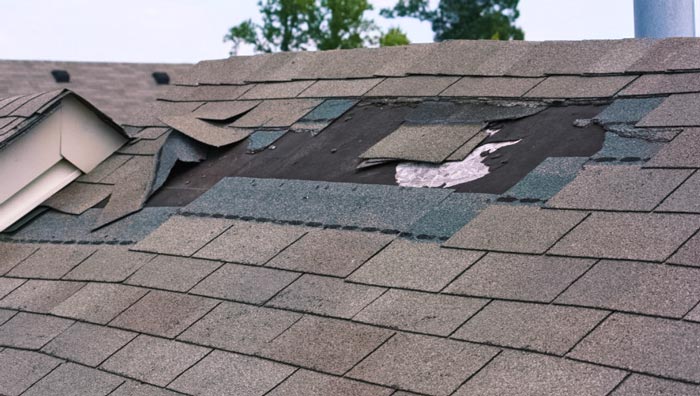
    Roof inspections are multifaceted endeavors that delve into the various aspects of your roof’s structure. The process typically begins with a visual assessment, where professionals examine the overall condition of the roof’s surface. This initial step helps identify visible signs of wear, such as cracked or missing shingles, damaged flashing, and deteriorating seals. Roof age, a key factor in its vulnerability, is also considered during this stage.

    Factors Influencing Vulnerability

    Roof vulnerability is influenced by a combination of factors that roofing contractors take into account. The type of materials used in the roof’s construction, as well as the geographical location of your property, play significant roles in determining how exposed your roof is to different weather conditions. Regions with heavy rainfall, for instance, may require different weatherproofing strategies compared to areas with harsh winters and snow accumulation.

    Critical Components to Examine

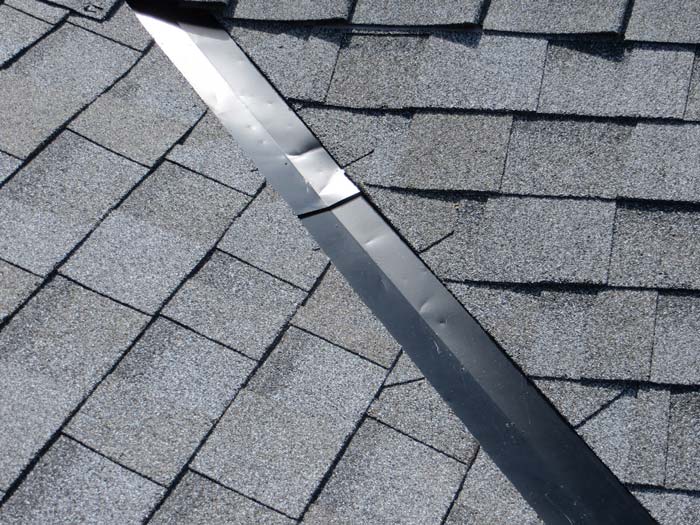
    Inspecting crucial roof components is essential for a thorough assessment. Roof flashing, responsible for sealing joints and preventing water infiltration, needs close attention. Additionally, seals around vents, chimneys, and other roof penetrations must be inspected carefully, as any weak points here can result in leaks. Shingles, the first line of defense against the elements, should be examined for signs of deterioration or damage.
    roof water damage

    Choosing the Right Weatherproofing Techniques

    When it comes to fortifying your roof against the elements, selecting the appropriate weatherproofing techniques is a critical step in ensuring its long-term resilience. The right approach varies based on the type of roof you have, such as asphalt shingles, metal, tile, or flat roofs. Let’s delve into the various strategies and materials that can effectively weatherproof your roof and protect your home.

    Tailoring Techniques to Roof Type

    Different roofing materials demand different weatherproofing strategies. For asphalt shingle roofs, ensuring a tight seal between shingles and applying a durable waterproof membrane is essential. Metal roofs benefit from coatings that prevent rust and deterioration, while flat roofs may require specialized membranes to prevent pooling water. Each type necessitates a customized approach to address its unique vulnerabilities.

    The Power of Quality Materials

    High-quality materials play a pivotal role in enhancing your roof’s weatherproofing capabilities. Underlayment acts as a secondary barrier against water infiltration, bolstering the primary roofing material’s resistance. Sealants applied to gaps, joints, and seams create an impermeable barrier that prevents moisture from penetrating. Waterproof membranes provide an additional layer of protection, safeguarding your roof from relentless rain and other external elements.

    Ensuring a Comfortable Indoor Environment

    Weatherproofing goes beyond external protection – it also influences your indoor comfort. Proper insulation plays a vital role in maintaining a stable indoor environment. By minimizing heat transfer, insulation helps regulate indoor temperatures, reducing the strain on your heating and cooling systems. Additionally, well-insulated roofs prevent the formation of ice dams and condensation-related problems that can compromise your roof’s integrity.
    labor cost for roofing

    Step-by-Step Weatherproofing Process

    Embarking on a weatherproofing journey for your roof involves a systematic approach that encompasses crucial stages from start to finish. By meticulously following these steps, you can ensure a robust and effective weatherproofing solution that safeguards your home against the elements.

    Preparation for Success

    Before you begin the weatherproofing process, prepare your work area. Clear the roof surface of debris, leaves, and dirt that might hinder proper adhesion. A clean canvas ensures that weatherproofing materials adhere securely and perform optimally. This step is vital as it sets the foundation for a successful weatherproofing project.

    Addressing Damage and Weak Points

    Inspect your roof for any existing damage or weak points. Repairing these areas before weatherproofing is crucial to prevent moisture infiltration and further deterioration. Replace damaged shingles, flashing, or seals. Be thorough in your examination to identify potential sources of leaks and vulnerabilities that could compromise your roof’s integrity.

    Applying Weatherproofing Measures

    Apply high-quality sealants to gaps, joints, and seams to create an impermeable barrier against water infiltration. Reinforce flashing around chimneys, vents, and other penetrations to ensure a tight seal. Properly apply the chosen protective membrane to provide an additional layer of defense against the elements. This membrane acts as a shield against rain, snow, and other potential hazards.

    Safety, Tools, and Challenges

    During the weatherproofing process, prioritize safety by using appropriate personal protective equipment (PPE) to prevent accidents and injuries. Use recommended tools for each task to ensure accurate and efficient application. Be mindful of potential challenges such as adverse weather conditions, which can impact the effectiveness of certain materials. Adapting to challenges with flexibility and precautionary measures is essential for a successful project.

    roofing maintenance

    Maintaining the Weatherproofed Roof

    Safeguarding the integrity of your weatherproofed roof extends beyond the initial efforts – consistent maintenance is the key to upholding its longevity and effectiveness. By staying proactive and addressing minor issues promptly, you can maximize the benefits of your weatherproofing endeavors and ensure lasting protection for your home.

    Preserving the Weatherproofing Investment

    Regular roof maintenance serves as a critical investment in maintaining the efficacy of your weatherproofing measures. While initial weatherproofing fortifies your roof, continuous care ensures that it remains impervious to the elements. By committing to regular maintenance, you safeguard your investment and prevent the need for extensive repairs down the line.

    Seasonal Maintenance Checklist

    Create a seasonal maintenance checklist to guide your efforts throughout the year. Start by clearing debris and leaves that may accumulate on the roof’s surface, as they can obstruct drainage and promote moisture retention. Inspect seals and flashing for signs of wear or damage, addressing any issues promptly to prevent leaks. This proactive approach prevents minor vulnerabilities from escalating into major problems.

    Harnessing Professional Inspections

    While homeowner-driven maintenance is crucial, scheduling professional inspections on a periodic basis further enhances your roof’s longevity. Experienced roofing contractors possess the expertise to identify potential issues that might elude untrained eyes. Early detection of leaks, damaged shingles, or compromised seals allows for swift intervention, minimizing the need for extensive repairs.

    A Lasting Shield Against the Elements

    In conclusion, maintaining a weatherproofed roof involves consistent efforts to ensure the continued efficacy of your initial weatherproofing investment. By adhering to a seasonal maintenance checklist and harnessing the expertise of professionals, you extend the life of your roof and its protective capabilities. Regular maintenance is not only a practical measure but also a strategic one, offering lasting peace of mind and a steadfast shield against the unpredictable elements.

    roofing maintenance

    Professional vs. DIY Weatherproofing

    When it comes to weatherproofing roofs, you have the choice between enlisting the expertise of a professional roofing contractor or embarking on a do-it-yourself (DIY) project. Understanding the pros and cons of each option is crucial in making an informed decision that aligns with your needs and capabilities.

    Benefits of Professional Expertise

    Opting for professional weatherproofing brings a wealth of advantages. Experienced roofing contractors possess in-depth knowledge of various roofing materials, techniques, and local weather patterns. Their expertise ensures a comprehensive approach, leaving no vulnerabilities overlooked. Professionals utilize top-tier materials and tools, guaranteeing a superior and lasting weatherproofing solution. Furthermore, their work often comes with warranties, providing you with added peace of mind.

    Expertise and Comprehensive Coverage

    Professionals excel in identifying subtle vulnerabilities that might escape the untrained eye. Their rigorous inspections and accurate diagnoses result in comprehensive coverage, leaving your roof fortified against a wide range of potential threats. Through their experience, they navigate challenges efficiently, minimizing errors and optimizing the effectiveness of weatherproofing efforts.

    The DIY Consideration

    While DIY weatherproofing can be cost-effective, it’s crucial to approach it with caution. Some tasks, such as cleaning the roof surface or removing debris, can be safely handled by homeowners. However, complex tasks like repairing damaged areas or applying sealants demand a certain level of expertise to ensure proper execution. Venturing into unfamiliar territory without the necessary skills might lead to inadequate protection or unintentional damage.

    Seeking a Balance

    If you’re inclined towards a DIY approach, consider tasks that align with your skill set and the nature of the work. For intricate tasks like applying sealants or installing membranes, seeking professional assistance is recommended to guarantee optimal results. Balancing your own capabilities with the expertise of professionals can help you achieve a weatherproofing solution that effectively shields your roof.

    View More Articles

    Free, No Obligation

    Request Your Free Estimate & Inspection

    Tell us about your roof and we’ll come take a look — no pressure, no cost. Or call us right now on (703) 964-6233.

    (703) 964-6233
    Contact Form Demo (#3)
    Owens Corning Preferred Contractor GAF System Plus CertainTeed SureStart PLUS BBB A+ Accredited HomeAdvisor

    RNC Roofing

    RNC Roofing and Construction Group — The Roofing Contractor Specialists. Protecting your home, one shingle at a time.

    Virginia

    (703) 964-6233 Sterling · Leesburg · Ashburn
    Loudoun & Fairfax County

    Maryland

    (703) 964-6233 Beltsville · District Heights
    All of Maryland
    © 2026 RNC Roofing and Construction Group — The Roofing Contractor Specialists Northern Virginia & Maryland
  • Roof Leaking into Attic: Signs, Causes, and Solutions

    Protecting your home, one shingle at a time VA (703) 964-6233| MD (703) 964-6233| Free Estimate & Inspection
    Home Improvement

    Roof Leaking into Attic: Signs, Causes, and Solutions

    RNC Roofing and Construction Group July 19, 2023
    Roof Leaking into Attic: Signs, Causes, and Solutions

    Roof Leaking into Attic: Signs, Causes, and Solutions

    As a homeowner, it’s important to be aware of the hidden signs that indicate a roof leak. By recognizing these indicators early on, you can take timely action and prevent further water damage. We will explore these signs in detail, allowing you to be proactive in protecting your attic from the harmful effects of a leaky roof.

    Understanding Roof Leaks

    Common Causes of Roof Leaks

    • Aging Roof: Over time, roofs become more susceptible to leaks due to deterioration caused by exposure to weather elements, UV rays, and temperature fluctuations.
    • Damaged Shingles: Cracked, missing, or improperly installed shingles can create openings for water to enter the roof structure and eventually reach the attic.
    • Faulty Flashings: Flashings, which are thin metal strips that seal vulnerable areas such as chimneys, vents, and skylights, can deteriorate or become loose, allowing water to penetrate.
    • Poor Roof Installation: Inadequate installation techniques, including improper sealing of joints or insufficient underlayment, can lead to weak spots that are prone to leaks.

    Impact of a Roof Leak on the Attic and the Entire House

    A roof leak left unattended can have detrimental effects on both the attic and the overall integrity of the house. Here are some potential impacts:

    • Structural Damage: Water that infiltrates the attic can saturate the insulation, weaken the roof’s support structure, and compromise the stability of the entire roof system.
    • Mold and Mildew Growth: Excess moisture in the attic due to a roof leak creates an ideal environment for mold and mildew to thrive. These fungi can cause health issues for occupants and further damage the building materials.
    • Damaged Insulation: Water-soaked insulation loses its effectiveness, leading to decreased energy efficiency and increased heating or cooling costs.
    • Electrical Hazards: If water reaches electrical components in the attic, it can pose a significant safety risk, including short circuits or electrical fires.

    mold in your walls

    Recognizing Hidden Signs of a Roof Leak

    Water Stains on the Ceiling and Walls

    One of the most apparent signs of a roof leak is the presence of water stains on the ceiling and walls. These stains can appear as discolored patches, often with a brownish or yellowish tint. They indicate that water has penetrated through the roof and made its way into the attic or the space between the roof and the ceiling. It’s important to address these stains promptly, as they can worsen over time and lead to further damage if the underlying cause is not resolved.

    Dampness or Musty Odors in the Attic

    If you notice a persistent dampness or musty odor in your attic, it could be a clear indication of a roof leak. When water enters the attic, it can create a humid environment that promotes the growth of mold and mildew. These fungi thrive in damp conditions and release distinct odors. Therefore, a musty smell in your attic should not be ignored, as it may signify an ongoing leak that needs attention.

    Increased Energy Bills due to Insulation Damage

    A roof leak can compromise the insulation in your attic, leading to decreased energy efficiency and higher utility bills. When insulation gets wet, it loses its effectiveness in regulating temperature and preventing heat transfer. As a result, your heating and cooling systems have to work harder to maintain a comfortable indoor environment, resulting in increased energy consumption. If you notice a sudden spike in your energy bills without a clear explanation, it’s worth investigating the possibility of a roof leak.

    Mold or Mildew Growth in the Attic

    The presence of mold or mildew in your attic is a red flag for a roof leak. These fungi thrive in moist environments and often develop in hidden corners or on surfaces affected by water infiltration. If you spot any mold growth on the attic walls, beams, or insulation, it indicates that there is excessive moisture entering your attic, likely from a leaking roof. Prompt action is necessary to prevent further mold proliferation and address the underlying leak issue.

    Sagging or Weakened Roof Structure

    A roof leak that goes undetected or unattended for a prolonged period can lead to structural damage, causing the roof to sag or weaken. This is a serious sign that the leak has progressed and affected the integrity of the roof’s supporting structure. If you notice any visible signs of sagging or weakened areas on your roof, it’s essential to have a professional inspection and repair performed immediately to prevent further damage and potential collapse.

    labor cost for roofing

    Temporary Measures to Mitigate Damage

    1. Tarps and Temporary Patches:

    • Covering the affected area with a waterproof tarp can provide immediate protection against water intrusion.
    • Securely fasten the tarp over the damaged portion of the roof using ropes or bungee cords.
    • Temporary patches, such as roofing cement or sealants, can be applied to small leaks or cracks in the roofing material as a temporary stop-gap measure.
    1. Clearing Debris from Gutters and Downspouts:

    • Clogged gutters and downspouts can contribute to roof leaks by causing water to overflow and seep into the attic.
    • Regularly inspect and clear any debris, such as leaves and twigs, from the gutters and downspouts to ensure proper water drainage away from the roof.
    1. Ensuring Proper Attic Ventilation and Insulation:

    • Inadequate ventilation and insulation in the attic can lead to condensation and moisture buildup, exacerbating the effects of a roof leak.
    • Check that attic vents are clear of obstructions and functioning properly to allow for proper air circulation.
    • Inspect and address any insulation issues, such as wet or damaged insulation, which may need to be temporarily removed and replaced after the leak is resolved.
    1. Taking Immediate Action:

    • Document the extent of the damage by taking photos and making notes to aid in insurance claims.
    • Safely move any valuable belongings or furniture away from the affected area to prevent further damage.
    • Place buckets or containers strategically to collect dripping water and prevent it from spreading to other areas of the attic or home.

    roof water damage

    Fixing the Roof Leak

    When it comes to fixing a roof leak into the attic, it is essential to hire a professional roofing contractor who possesses the necessary qualifications and expertise. Here are some key considerations to keep in mind:

    Hiring a Professional Roofing Contractor:

    • Look for a licensed and insured roofing contractor with a proven track record in handling roof leaks and repairs.
    • Seek recommendations from friends, family, or neighbors who have had positive experiences with roofing contractors.
    • Verify the contractor’s credentials and certifications to ensure they are qualified to work on your roof.

    Repair Options:

    • The approach to fixing a roof leak will depend on the severity and type of the leak. A professional contractor will conduct a thorough inspection to determine the best course of action.
    • Repair options may include shingle replacement, repairing damaged flashing, or applying roof coatings to reinforce the existing roofing material.
    • In some cases, if the damage is extensive or the roof is nearing the end of its lifespan, a roof replacement might be recommended.

    Exploring Potential Solutions:

    • Shingle Replacement: Damaged or missing shingles are a common cause of roof leaks. A professional contractor will carefully remove and replace the affected shingles, ensuring a proper seal to prevent future leaks.
    • Flashing Repair: Flashing around chimneys, vents, and skylights can deteriorate over time, leading to leaks. A skilled contractor will repair or replace damaged flashing to ensure water-tightness.
    • Roof Coatings: Applying a waterproof coating can provide an additional layer of protection against future leaks. The coating is applied directly to the roof surface, sealing any existing gaps or cracks.

    roof water damage

    Fixing the Roof Leak

    When it comes to fixing a roof leak into the attic, it is essential to hire a professional roofing contractor who possesses the necessary qualifications and expertise. Here are some key considerations to keep in mind:

    Hiring a Professional Roofing Contractor:

    • Look for a licensed and insured roofing contractor with a proven track record in handling roof leaks and repairs.
    • Seek recommendations from friends, family, or neighbors who have had positive experiences with roofing contractors.
    • Verify the contractor’s credentials and certifications to ensure they are qualified to work on your roof.

    Repair Options:

    • The approach to fixing a roof leak will depend on the severity and type of the leak. A professional contractor will conduct a thorough inspection to determine the best course of action.
    • Repair options may include shingle replacement, repairing damaged flashing, or applying roof coatings to reinforce the existing roofing material.
    • In some cases, if the damage is extensive or the roof is nearing the end of its lifespan, a roof replacement might be recommended.

    Exploring Potential Solutions:

    • Shingle Replacement: Damaged or missing shingles are a common cause of roof leaks. A professional contractor will carefully remove and replace the affected shingles, ensuring a proper seal to prevent future leaks.
    • Flashing Repair: Flashing around chimneys, vents, and skylights can deteriorate over time, leading to leaks. A skilled contractor will repair or replace damaged flashing to ensure water-tightness.
    • Roof Coatings: Applying a waterproof coating can provide an additional layer of protection against future leaks. The coating is applied directly to the roof surface, sealing any existing gaps or cracks.

    mold spread and growth

    Preventing Roof Leaks in the Future

    Regular Roof Inspections and Maintenance:

    • Schedule regular roof inspections, at least once a year, to identify any signs of damage or potential issues.
    • A professional roofer can assess the condition of your roof, detect early signs of damage, and address them promptly.
    • Regular maintenance, such as replacing damaged shingles, resealing flashing, and addressing minor issues, can prevent leaks from developing.

    Cleaning Gutters and Downspouts to Prevent Clogs:

    • Regularly clean your gutters and downspouts to prevent debris from accumulating and causing water backup.
    • Clogged gutters can lead to water overflow, which can seep into the attic and cause roof leaks.
    • Clearing leaves, twigs, and other debris will ensure proper water drainage away from the roof.

    Trimming Overhanging Tree Branches:

    • Trim tree branches that overhang your roof to minimize the risk of damage during storms or high winds.
    • Overhanging branches can scrape against the roof surface, dislodge shingles, and create entry points for water.

    Monitoring Attic Ventilation and Insulation:

    • Proper attic ventilation and insulation play a crucial role in preventing moisture buildup and condensation that can lead to roof leaks.
    • Ensure that attic vents are clear of obstructions and functioning correctly to allow for adequate air circulation.
    • Regularly inspect insulation for signs of damage, such as wet spots or mold growth, and address any issues promptly.

    Investing in High-Quality Roofing Materials and Professional Installation:

    • Choose high-quality roofing materials that are durable and designed to withstand harsh weather conditions.
    • Professional installation by experienced roofers ensures proper sealing and reduces the risk of installation errors that can lead to leaks.

    View More Articles

    Free, No Obligation

    Request Your Free Estimate & Inspection

    Tell us about your roof and we’ll come take a look — no pressure, no cost. Or call us right now on (703) 964-6233.

    (703) 964-6233
    Contact Form Demo (#3)
    Owens Corning Preferred Contractor GAF System Plus CertainTeed SureStart PLUS BBB A+ Accredited HomeAdvisor

    RNC Roofing

    RNC Roofing and Construction Group — The Roofing Contractor Specialists. Protecting your home, one shingle at a time.

    Virginia

    (703) 964-6233 Sterling · Leesburg · Ashburn
    Loudoun & Fairfax County

    Maryland

    (703) 964-6233 Beltsville · District Heights
    All of Maryland
    © 2026 RNC Roofing and Construction Group — The Roofing Contractor Specialists Northern Virginia & Maryland
  • Hidden Signs of a Roof Leak: Unveiling the Telltale Indicators

    Protecting your home, one shingle at a time VA (703) 964-6233| MD (703) 964-6233| Free Estimate & Inspection
    Home Improvement

    Hidden Signs of a Roof Leak: Unveiling the Telltale Indicators

    RNC Roofing and Construction Group July 13, 2023
    Hidden Signs of a Roof Leak: Unveiling the Telltale Indicators

    Hidden Signs of a Roof Leak: Unveiling the Telltale Indicators

    As a responsible homeowner, being aware of the hidden signs of a roof leak is crucial in maintaining the integrity of your home and preventing potential damages. By recognizing these signs early on, you can take prompt action to address the issue and avoid more extensive repairs down the line.

    Assessing Interior Clues

    Stains and Discoloration on Ceilings and Walls

    One of the most common signs of a roof leak is the presence of stains or discoloration on your ceilings or walls. These stains may appear as dark patches, yellowing, or watermarks. They often indicate that water has penetrated through the roof and seeped into your home’s interior. Keep an eye out for these stains, especially in areas directly below the roof or near chimneys and skylights.

    Peeling Paint and Wallpaper

    If you notice peeling paint or wallpaper in certain areas of your home, it could be a result of water damage caused by a hidden roof leak. The moisture from the leak can cause the paint to bubble or peel off, and wallpaper may begin to loosen or show signs of deterioration. Pay attention to any unusual changes in your walls’ appearance, as they could be linked to a roof leak.

    Musty Odors and Mold Growth

    Hidden roof leaks can create a damp environment that fosters the growth of mold and mildew. If you detect a musty odor in your home, particularly in areas close to the roof, it may indicate the presence of mold caused by a leak. Additionally, keep an eye out for visible mold growth on walls, ceilings, or in the corners of rooms. Mold can not only damage your home’s structure but also pose health risks to you and your family.

    evaluating roof damage

    Examining Exterior Indicators

    Damaged or Missing Shingles

    One of the prominent signs of a roof leak is the presence of damaged or missing shingles. Inspect your roof regularly for any shingles that are cracked, broken, or completely absent. These damaged areas create vulnerable spots where water can penetrate the roof structure, leading to leaks. Keep an eye out for any shingles that appear dislodged, torn, or deteriorated, as they may indicate potential areas of concern.

    Curling, Buckling, or Warping Shingles

    Another exterior clue pointing to a hidden roof leak is the curling, buckling, or warping of shingles. Exposure to extreme weather conditions, age, and inadequate installation can cause shingles to lose their shape and integrity. These deformities compromise the effectiveness of your roof’s waterproofing capabilities, allowing water to seep through and infiltrate your home. Look for any noticeable curling or bulging of shingles, as well as sections that appear uneven or distorted.

    Accumulation of Granules in Gutters

    Inspecting your gutters can provide valuable insights into the condition of your roof. If you notice a significant accumulation of granules in the gutters, it may indicate deteriorating shingles. As shingles age, they tend to shed granules, which often end up in the gutter system. Excessive granule loss can weaken the shingles and compromise their ability to protect against water infiltration. Therefore, the presence of granules in the gutters can be an indication of potential roof leaks.

    how old should a roof be before replaced

    Inspecting Attic Leaks

    Water Stains or Dampness on Attic Rafters or Insulation

    Inspect the attic for any water stains or signs of dampness on the rafters or insulation. These stains can indicate a roof leak that has allowed water to seep through the roof structure. Look for discolored areas, dark patches, or areas that appear wet or damp to the touch. These signs suggest an ongoing or previous leak that may require immediate attention.

    Mold or Mildew Growth in the Attic

    The presence of mold or mildew in the attic is a strong indication of a hidden roof leak. Roof leaks create a moist environment, providing an ideal breeding ground for mold and mildew. Check for any visible signs of mold growth on the attic walls, ceilings, or in corners. If you detect a musty odor or see fuzzy patches of mold, it’s important to address the roof leak promptly to prevent further mold proliferation.

    Sunlight Penetration or Visible Holes

    During a daytime inspection, check for any signs of sunlight penetrating through the attic. Sunlight beams or visible holes in the roof indicate compromised areas where water can enter. Look for any gaps, cracks, or openings that allow light to pass through. Such openings should be repaired to prevent water infiltration and subsequent roof leaks.

    roof water damage

    Detecting Water In Other Areas

    Wet or Discolored Roof Decking

    Inspect the roof decking for any signs of wetness or discoloration. If you have access to your roof, carefully examine the surface. Wet spots or areas that appear darker than the surrounding decking can suggest the presence of a roof leak. By identifying these indications, you can narrow down the location of the leak and take appropriate action.

    Damaged Flashing around Chimneys, Skylights, or Vents

    Flashing plays a crucial role in preventing water penetration around chimneys, skylights, vents, and other roof penetrations. Check the condition of the flashing in these areas for any signs of damage, such as cracks, gaps, or missing sections. Faulty or deteriorated flashing can allow water to seep into your home, resulting in hidden roof leaks. Ensure the flashing is intact and properly sealed to maintain a watertight roof.

    Overflowing or Clogged Gutters

    While not directly related to the roof itself, overflowing or clogged gutters can contribute to roof leaks. When gutters are obstructed or unable to drain water effectively, it can lead to water backing up and seeping under the roof’s edge. Regularly inspect and clean your gutters to prevent water overflow, ensuring that they are functioning properly.

    fix leaky roof

    Steps to Address Roof Leaks

    Hiring a Professional Roofing Contractor

    Engaging the expertise of a professional roofing contractor is vital when dealing with roof leaks. A qualified contractor will have the knowledge and experience to identify the root cause of the leak and recommend appropriate solutions. They can conduct a thorough inspection of your roof, assess the extent of the damage, and provide expert advice on the necessary repairs. Hiring a professional ensures that the issue is addressed effectively and reduces the risk of recurring leaks.

    Conducting Regular Roof Inspections

    Regular roof inspections are essential to catch hidden signs of a roof leak before they escalate. Schedule professional roof inspections at least once a year, or after severe weather events, to detect any potential issues early on. During these inspections, the contractor can assess the condition of your roof, identify any signs of damage or leaks, and recommend preventive measures. Being proactive with regular inspections helps maintain the longevity and integrity of your roof.

    Importance of Timely Repairs to Prevent Further Damage

    Prompt repairs are crucial to prevent further damage caused by roof leaks. Ignoring or delaying repairs can result in more extensive and costly issues, such as structural damage, mold growth, and compromised insulation. As soon as signs of a roof leak are identified, take immediate action to address the problem. This may involve patching damaged areas, replacing broken shingles, or sealing gaps and cracks. Timely repairs help maintain the structural integrity of your roof and protect your home from potential water damage.

    View More Articles

    Free, No Obligation

    Request Your Free Estimate & Inspection

    Tell us about your roof and we’ll come take a look — no pressure, no cost. Or call us right now on (703) 964-6233.

    (703) 964-6233
    Contact Form Demo (#3)
    Owens Corning Preferred Contractor GAF System Plus CertainTeed SureStart PLUS BBB A+ Accredited HomeAdvisor

    RNC Roofing

    RNC Roofing and Construction Group — The Roofing Contractor Specialists. Protecting your home, one shingle at a time.

    Virginia

    (703) 964-6233 Sterling · Leesburg · Ashburn
    Loudoun & Fairfax County

    Maryland

    (703) 964-6233 Beltsville · District Heights
    All of Maryland
    © 2026 RNC Roofing and Construction Group — The Roofing Contractor Specialists Northern Virginia & Maryland
  • What Materials Are Needed to Replace a Roof?

    Protecting your home, one shingle at a time VA (703) 964-6233| MD (703) 964-6233| Free Estimate & Inspection
    Homeowner Help

    What Materials Are Needed to Replace a Roof?

    RNC Roofing and Construction Group June 20, 2023
    What Materials Are Needed to Replace a Roof?

    What Materials Are Needed to Replace a Roof?

    Considerations for Roof Replacement

    The process of roof replacement involves several crucial considerations. First and foremost, you need to evaluate the existing condition of your roof. Assess any damage, leaks, or structural issues that may require attention. Additionally, consider the climate and weather patterns in your region, as different materials perform better in varying environments.

    Researching Roofing Materials

    To make an informed decision, it is essential to research the different roofing materials available. Explore options such as asphalt shingles, metal roofing, clay or concrete tiles, and wood shakes or shingles. Each material has its unique features, advantages, and considerations, allowing you to find the best fit for your specific needs and preferences.

    Energy Efficiency and Sustainability

    In recent years, energy efficiency and sustainability have become significant factors in roof replacement. Look for materials that offer good insulation properties, such as reflective coatings or energy-efficient underlayment. Consider eco-friendly options like recycled materials or those with high recyclability rates to minimize your environmental impact.

    Understanding Your Roofing Needs

    Assessing the Condition of Your Existing Roof

    Before embarking on a roof replacement project, it is essential to assess the condition of your current roof. Inspect for signs of damage, such as missing or broken shingles, leaks, or sagging areas. Look out for any structural issues that may need attention, as addressing them during the replacement process can save time and money in the long run. By understanding the current state of your roof, you can determine the necessary materials for the replacement.

    Determining the Scope of the Roof Replacement Project

    Once you have assessed the condition of your roof, it is important to determine the scope of the replacement project. Consider whether you need a complete roof replacement or if partial repairs would suffice. Assess the age of your roof and evaluate if it has reached its expected lifespan. Understanding the extent of the project will help you determine the amount and type of materials required.

    Identifying Specific Requirements Based on Your Roof Type and Slope

    Roofing materials vary depending on the type and slope of your roof. Different materials are suitable for different roof styles and angles. For instance, asphalt shingles are a common choice for sloped roofs due to their versatility and cost-effectiveness. In contrast, flat roofs may require materials like modified bitumen or EPDM rubber membranes. By identifying your roof type and slope, you can narrow down the options and choose materials that are compatible with your specific requirements.

    metal roofing

    Roofing Materials for Sloped Roofs

    Asphalt Shingles: Versatile and Cost-Effective

    Asphalt shingles are the most popular choice for sloped roofs due to their versatility, affordability, and wide range of styles. They are available in various colors, textures, and designs, allowing homeowners to find the perfect match for their preferences. Asphalt shingles are durable, easy to install, and provide reliable protection against the elements. However, they may have a shorter lifespan compared to some other materials and can be susceptible to damage in severe weather conditions.

    Metal Roofing: Longevity and Energy Efficiency

    Metal roofing, such as steel or aluminum, offers excellent longevity and durability. It can last up to 50 years or more with proper maintenance. Metal roofs are resistant to fire, rot, and insect damage. They provide energy efficiency benefits by reflecting sunlight, reducing cooling costs in hot climates. Metal roofing comes in a variety of styles, including standing seam panels, metal tiles, or shingles. However, metal roofs can be relatively expensive compared to other options and may require professional installation.

    Clay and Concrete Tiles: Classic and Durable

    Clay and concrete tiles add a touch of elegance and timeless beauty to sloped roofs. They are known for their durability, longevity, and resistance to fire and insect damage. Clay tiles have a distinctive aesthetic appeal, while concrete tiles offer more design options and are often more affordable. Both materials provide excellent insulation, helping to regulate indoor temperatures. However, clay and concrete tiles are heavier than other roofing materials, so it is important to ensure your roof structure can support their weight.

    Wood Shakes and Shingles: Natural and Rustic Charm

    Wood shakes and shingles provide a unique, natural look and rustic charm to sloped roofs. They are typically made from cedar, redwood, or pine, offering excellent insulation properties and a long lifespan when properly maintained. Wood roofing materials are environmentally friendly and biodegradable. However, they require regular maintenance to prevent moss, rot, or insect damage. Wood shakes and shingles may not be suitable for areas prone to wildfires or high humidity.

    materials for roof replacement

    Flat Roofing Materials

    Flat roofing systems are designed to have a minimal slope or no slope at all, making proper water drainage crucial. Unlike sloped roofs, flat roofs require materials that can create a waterproof barrier to prevent water penetration. Additionally, these materials should be durable enough to withstand foot traffic and the potential for standing water.

    Built-Up Roofing (BUR): Time-Tested Reliability

    Built-up roofing, commonly known as BUR, has been a popular choice for flat roofs for many years. It consists of multiple layers of bitumen and reinforced fabrics, creating a sturdy and durable roof. BUR provides excellent waterproofing properties and is resistant to ultraviolet (UV) radiation. However, the installation process can be labor-intensive, and the roof may require regular maintenance to prevent issues like blistering or cracking.

    Modified Bitumen Roofing: Flexibility and Strength

    Modified bitumen roofing is a modern alternative to traditional BUR. It combines bitumen (asphalt) with modifiers to enhance its flexibility, strength, and resistance to temperature extremes. This type of roofing material comes in rolls or sheets, making installation more efficient. Modified bitumen roofing offers good waterproofing capabilities, excellent UV resistance, and improved durability. However, it may require periodic maintenance and inspections to ensure optimal performance.

    EPDM (Rubber) Roofing: Versatile and Cost-Effective

    EPDM (ethylene propylene diene terpolymer) roofing is a popular choice for flat roofs due to its versatility and cost-effectiveness. It is a synthetic rubber membrane that can be installed as large sheets, reducing the number of seams and potential weak points. EPDM roofing provides excellent resistance against UV radiation, ozone, and weathering. It offers easy installation and low maintenance requirements. However, EPDM roofs can be susceptible to punctures and may have a shorter lifespan compared to other materials.

    TPO and PVC Single-Ply Membranes: Energy Efficiency and Durability

    Thermoplastic Olefin (TPO) and Polyvinyl Chloride (PVC) single-ply membranes are gaining popularity for flat roofs. They are lightweight, flexible, and available in different thicknesses. TPO and PVC membranes offer exceptional heat reflectivity, energy efficiency, and resistance to UV radiation. They provide reliable waterproofing and require minimal maintenance. However, it is crucial to choose high-quality membranes from reputable manufacturers to ensure long-term performance.

    roof flashing and underlayment

    Roofing Underlayment and Insulation

    When replacing a roof, it’s crucial to consider the materials used for underlayment and insulation. These components play a vital role in ensuring the longevity, durability, energy efficiency, and comfort of your roof. Here’s an overview of the importance of quality underlayment and the role of insulation:

    Importance of Quality Underlayment

    Underlayment is a protective layer installed between the roof deck and the roofing material. It acts as an additional barrier against water infiltration, helps prevent leaks, and provides an added layer of protection for your roof. Quality underlayment is essential for a reliable and long-lasting roof replacement. It helps to protect your home from potential water damage, moisture buildup, and ice dams. Additionally, it helps to create a smooth and even surface for the roofing material installation.

    Types of Underlayment Materials

    • a) Synthetic Underlayment: Synthetic underlayment is a popular choice due to its durability, resistance to tearing, and enhanced water resistance. It is typically made from polypropylene or polyethylene materials and provides excellent protection against water infiltration.
    1. b) Asphalt-Saturated Felt: Asphalt-saturated felt, also known as roofing felt or tar paper, has been used for many years as a traditional underlayment material. It is made from organic or fiberglass materials and offers good protection against water infiltration.
    • c) Rubberized Underlayment: Rubberized underlayment provides superior water resistance and is often used in areas prone to heavy rainfall or extreme weather conditions. It offers enhanced durability and flexibility, ensuring long-term performance.

    The Role of Insulation in Energy Efficiency and Comfort

    Insulation is a crucial component of your roof replacement project, as it helps regulate indoor temperatures, reduce energy consumption, and enhance overall comfort. Proper insulation minimizes heat transfer, keeping your home cooler in hot weather and warmer in cold weather. It also reduces energy costs by preventing air leaks and heat loss.

    Popular Insulation Options

    • a) Fiberglass Insulation: Fiberglass insulation is one of the most commonly used insulation materials. It consists of tiny glass fibers and offers excellent thermal performance, fire resistance, and sound absorption properties. Fiberglass insulation is available in batts or rolls, making it easy to install.
    • b) Cellulose Insulation: Cellulose insulation is made from recycled paper materials treated with fire retardants. It provides good thermal insulation and has the advantage of being environmentally friendly. Cellulose insulation is often blown into attics or walls, filling gaps and crevices effectively.
    • c) Spray Foam Insulation: Spray foam insulation is a versatile option that expands to fill cavities and creates an airtight seal. It provides excellent thermal insulation, minimizes air leakage, and improves energy efficiency. Professional installation is recommended for spray foam insulation.

    roof ventilation

    Flashing and Ventilation Systems

    Flashing and ventilation systems are essential components of a roof replacement project. They play a crucial role in preventing water infiltration, maintaining the structural integrity of the roof, and ensuring proper airflow. Here’s a closer look at the significance of flashing and the importance of ventilation:

    The Significance of Flashing in Preventing Water Infiltration

    Flashing is a critical element that prevents water from seeping into vulnerable areas of the roof, such as intersections, joints, and transitions. It creates a watertight seal, directing water away from these areas and protecting the underlying structure. Properly installed flashing is essential for preventing leaks and water damage, contributing to the overall longevity of the roof.

    Different Flashing Materials

    • a) Aluminum Flashing: Aluminum flashing is a popular choice due to its durability, resistance to corrosion, and affordability. It is lightweight and easy to work with, making it a preferred option for many roofers.
    • b) Copper Flashing: Copper flashing offers excellent durability and resistance to corrosion. It develops a beautiful patina over time, adding aesthetic appeal to the roof. Although slightly more expensive than other options, copper flashing is highly effective in preventing water infiltration.
    • c) Lead Flashing: Lead flashing is a traditional choice known for its malleability and long-term performance. It can be easily shaped and formed to fit various roof configurations, ensuring a secure seal against water intrusion.

    The Importance of Proper Ventilation for Roof Longevity

    Proper ventilation is essential for a healthy and long-lasting roof. It helps regulate temperature, remove excess moisture, and prevent the buildup of heat and condensation in the attic space. Adequate ventilation plays a key role in preventing issues such as mold growth, wood rot, and premature aging of roofing materials.

    Various Ventilation Options

    • a) Ridge Vents: Ridge vents are installed along the peak of the roof, allowing hot air to escape from the attic while drawing in cooler air from the soffit vents. This continuous airflow promotes efficient ventilation and helps maintain a balanced temperature inside the attic.
    • b) Soffit Vents: Soffit vents are located under the eaves of the roof and allow fresh air to enter the attic. They work in conjunction with ridge vents, creating a natural flow of air that keeps the attic properly ventilated.
    • c) Turbines: Turbine vents, also known as whirlybirds, use wind power to facilitate ventilation. As the wind blows, the spinning action of the turbines draws air out of the attic, enhancing airflow and removing stale air.

    View More Articles

    Free, No Obligation

    Request Your Free Estimate & Inspection

    Tell us about your roof and we’ll come take a look — no pressure, no cost. Or call us right now on (703) 964-6233.

    (703) 964-6233
    Contact Form Demo (#3)
    Owens Corning Preferred Contractor GAF System Plus CertainTeed SureStart PLUS BBB A+ Accredited HomeAdvisor

    RNC Roofing

    RNC Roofing and Construction Group — The Roofing Contractor Specialists. Protecting your home, one shingle at a time.

    Virginia

    (703) 964-6233 Sterling · Leesburg · Ashburn
    Loudoun & Fairfax County

    Maryland

    (703) 964-6233 Beltsville · District Heights
    All of Maryland
    © 2026 RNC Roofing and Construction Group — The Roofing Contractor Specialists Northern Virginia & Maryland
  • Types of Roof Damage | Understanding and Addressing Issues

    Protecting your home, one shingle at a time VA (703) 964-6233| MD (703) 964-6233| Free Estimate & Inspection
    Homeowner Help

    Types of Roof Damage | Understanding and Addressing Issues

    RNC Roofing and Construction Group June 20, 2023
    Types of Roof Damage | Understanding and Addressing Issues

    Types of Roof Damage | Understanding and Addressing Issues

    Roofs can experience various types of damage due to weather conditions, aging, structural issues, and external factors. Some common types of roof damage include wind damage, hail damage, water-related damage such as leaks and ponding water, age-related wear and tear, and structural problems like roof sagging and punctures. Each type of damage requires specific attention and repair techniques to ensure the longevity and functionality of the roof.

    Weather-Related Roof Damage

    Wind and Storm Damage

    Wind and storm damage can wreak havoc on roofs, compromising their integrity and leading to potential leaks and other issues. Understanding the causes and signs of wind damage is essential for homeowners.

    Causes and signs of wind damage

    Strong winds can arise from severe storms, hurricanes, or even regular weather patterns in certain regions. They can cause various types of roof damage, such as:

    • Dislodged or missing shingles: High winds can loosen or tear off shingles, leaving the underlying roof structure exposed.
    • Lifted or damaged flashing: The flashing around chimneys, vents, and skylights can be lifted or damaged, allowing water to penetrate the roof.
    • Weakened or displaced fascia and soffits: Intense wind gusts can impact the fascia and soffits, leading to structural damage.

    Signs of wind damage may include visibly missing or damaged shingles, exposed areas of the roof, leaks, or water stains on interior ceilings or walls.

    Impact on roof components

    When wind damage occurs, it can affect various roof components:

    • Shingles: Damaged or missing shingles compromise the waterproofing and protective capabilities of the roof, making it susceptible to leaks and further damage.
    • Flashing: Lifted or damaged flashing allows water to infiltrate the roof, potentially leading to water-related damage and deterioration.
    • Gutters: Strong winds can cause debris and branches to impact gutters, leading to blockages and affecting proper drainage.

    Precautionary measures and repairs

    To mitigate wind damage, homeowners can take precautionary measures such as:

    • Ensuring proper installation: Roofing materials should be installed according to manufacturer guidelines and local building codes to withstand high winds.
    • Regular inspections: Periodic roof inspections by professionals can identify potential weaknesses and address them promptly.
    • Reinforcing vulnerable areas: Adding extra fasteners, using stronger adhesives, or reinforcing vulnerable components can enhance the roof’s resistance to wind damage.

    Hail Damage

    Hail can be a significant threat to roofs, causing various types of damage. Understanding how to identify hail damage, its common signs, and the necessary steps for assessing and restoring hail-damaged roofs is crucial for homeowners.

    Identifying hail damage on roofs

    Identifying hail damage requires a thorough inspection of the roof. Look for the following indicators:

    • Dented or cracked shingles: Hailstones can leave visible dents or cracks on shingles, compromising their integrity.
    • Bruised or punctured underlayment: The underlayment beneath the shingles may exhibit signs of bruising or punctures caused by the impact of hailstones.
    • Damaged flashing: Hail can also cause damage to flashing around roof penetrations such as chimneys, vents, and skylights.

    Common signs and consequences

    The consequences of hail damage can vary depending on the severity and size of the hailstones. Common signs include:

    • Granule loss: Hailstones can dislodge granules from the shingles, exposing the underlying material and reducing the roof’s protective capabilities.
    • Cracked or broken shingles: Hail impact can lead to shingles cracking or breaking, compromising their ability to shed water effectively.
    • Leaks and water infiltration: Hail damage can create vulnerabilities that allow water to penetrate the roof, leading to leaks and potential water damage within the structure.

    Assessing and restoring hail-damaged roofs

    If you suspect hail damage, it’s crucial to have a professional roofing contractor assess the extent of the damage. They will provide a comprehensive inspection and recommend appropriate restoration measures.

    • Insurance claims: In cases of significant hail damage, it may be necessary to file an insurance claim. Document the damage with photographs and consult with your insurance provider to understand the process and requirements.
    • Repairs and replacements: Depending on the severity of the hail damage, repairs or replacements may be necessary. This can involve replacing damaged shingles, addressing underlying issues, and restoring the roof’s integrity.

    fix leaky roof

    Water-Related Roof Damage

    Roof Leaks and Water Intrusion

    Roof leaks and water intrusion are common types of water-related roof damage that homeowners may encounter. Understanding the causes, detecting leaks, and knowing the consequences of water damage is essential to address these issues effectively.

    Causes and detection of leaks

    Roof leaks can be caused by various factors, including:

    • Damaged or missing shingles: Cracked or missing shingles create openings for water to penetrate the roof structure.
    • Damaged flashing: Improperly installed or deteriorated flashing around chimneys, vents, and skylights can allow water to infiltrate.
    • Clogged gutters: When gutters are clogged with debris, water can overflow and seep into the roof, causing damage over time.

    Detecting roof leaks requires a systematic approach:

    • Visual inspection: Look for water stains on ceilings or walls, peeling paint, or mold and mildew growth, which may indicate water intrusion.
    • Attic examination: Inspect the attic for signs of water damage, such as damp insulation, rotting wood, or water drips.

    Consequences of water damage

    Water damage can have severe consequences if left unaddressed:

    • Structural damage: Prolonged exposure to water can weaken the roof structure, leading to sagging, rot, or even collapse.
    • Mold and mildew growth: Excess moisture can create an ideal environment for mold and mildew to flourish, posing health risks and further damaging the property.
    • Electrical hazards: Water infiltration can compromise electrical systems, increasing the risk of electrical malfunctions or fires.

    Repair options for roof leaks

    Repairing roof leaks requires proper identification of the source and suitable repair techniques:

    • Patching: Small leaks caused by localized damage can often be repaired by applying sealants or patches to the affected areas.
    • Shingle replacement: If damaged shingles are the source of the leak, replacing the affected shingles can help prevent further water intrusion.
    • Flashing repair or replacement: Damaged flashing should be repaired or replaced to ensure proper water sealing around roof penetrations.

    repairs roofing maintenance

    Age-Related Roof Damage

    Signs of an Aging Roof

    Over time, roofs naturally deteriorate due to age-related factors. Recognizing the signs of an aging roof is crucial for homeowners to take proactive measures and address potential damage promptly.

    • Curling or buckling shingles: Shingles that have curled or buckled at the edges are indicative of an aging roof. This can occur due to prolonged exposure to the elements.
    • Cracked or missing shingles: As a roof ages, shingles may crack or become dislodged, leaving vulnerable areas that can lead to water intrusion and further damage.
    • Granule loss: Aging roofs often experience granule loss, which can be observed as a buildup of granules in gutters or downspouts. This indicates a decrease in the shingles’ protective capabilities.

    Effects of UV radiation and weathering

    UV radiation and weathering are two primary factors that contribute to the aging process of a roof. Understanding their effects can help homeowners grasp the importance of maintaining and protecting their roofs.

    • UV radiation: Prolonged exposure to the sun’s UV rays can cause shingles to become brittle, fade in color, and lose their structural integrity. This can lead to increased vulnerability to other types of roof damage.
    • Weathering: Extreme weather conditions such as rain, snow, hail, and fluctuating temperatures take a toll on the roof over time. They can cause the materials to expand, contract, and deteriorate, accelerating the aging process.

    Addressing age-related damage through maintenance

    Regular maintenance is key to extending the lifespan of an aging roof and minimizing potential damage. Homeowners should consider the following maintenance practices:

    • Inspections: Schedule periodic roof inspections by a professional to assess the condition of the roof, identify areas of concern, and address any potential issues promptly.
    • Repairs and replacements: Perform necessary repairs or replacements as soon as signs of age-related damage are identified. This includes replacing cracked or missing shingles and addressing areas of granule loss.
    • Cleaning and debris removal: Keep the roof clean and free from debris that can retain moisture and promote the growth of mold and algae, which can further deteriorate the roof.

    how to remove roof moss

    Vegetation-Related Roof Damage

    Moss and Algae Growth

    The presence of moss and algae on roofs is a common issue that can lead to various types of damage if left unaddressed. Understanding the impact of moss and algae, preventive measures, and the consequences of neglecting vegetation-related damage is crucial for maintaining a healthy roof.

    Impact on roof surfaces

    Moss and algae growth can have detrimental effects on roof surfaces:

    • Moisture retention: Moss and algae trap moisture, which can accelerate the deterioration of roofing materials, especially in humid environments. This can lead to the weakening of the roof structure over time.
    • Shingle damage: Moss and algae can penetrate beneath the shingles, causing them to lift, crack, or warp. This compromises the roof’s ability to shed water, leading to potential leaks and water damage.
    • Reduced lifespan: The presence of moss and algae can shorten the lifespan of roofing materials, resulting in the need for premature repairs or replacements.

    Preventing and removing moss and algae

    To prevent moss and algae growth on the roof, consider the following measures:

    • Regular roof maintenance: Keep the roof clean by removing debris, leaves, and twigs that can provide a favorable environment for moss and algae to thrive.
    • Trimming nearby trees: Ensure that tree branches are adequately trimmed to minimize shade and improve air circulation, reducing moisture buildup.
    • Zinc or copper strips: Installing strips of zinc or copper near the roof’s ridge can inhibit moss and algae growth by releasing small amounts of metal ions during rainfall.
    • Biocide treatments: Applying specialized biocide treatments can effectively eliminate existing moss and algae and inhibit their future growth.

    Consequences of neglecting vegetation-related damage

    Neglecting vegetation-related damage can lead to severe repercussions:

    • Structural degradation: Moss and algae can compromise the integrity of the roof, leading to leaks, water damage, and even structural issues if left unchecked.
    • Increased maintenance costs: Delaying the removal of moss and algae can result in more extensive damage, requiring costly repairs or even a complete roof replacement.
    • Aesthetics and curb appeal: Excessive moss and algae growth can make a roof appear unsightly, negatively impacting the overall aesthetics and value of a property.

    evaluating roof damage

    Structural Roof Damage

    Sagging Roofs

    Sagging roofs are a serious type of structural damage that can compromise the integrity and safety of a building. Understanding the causes, signs, and necessary actions to rectify this issue is essential for homeowners.

    Causes and signs of roof sagging

    Roof sagging can occur due to various factors, including:

    • Overload: Excessive weight on the roof, such as accumulated snow, heavy equipment, or multiple layers of roofing materials, can cause the roof structure to sag over time.
    • Poor construction or design: Inadequate construction techniques, improper use of materials, or insufficient support structures during the initial installation can lead to roof sagging.
    • Water damage: Prolonged water infiltration due to leaks or inadequate drainage can weaken the roof’s structural components, leading to sagging.

    Signs of roof sagging may include:

    • Visibly dipping or bowing sections of the roofline.
    • Cracked or distorted ceilings and walls inside the building.
    • Uneven or sagging areas on the roof surface.

    Structural implications and safety concerns

    A sagging roof indicates significant structural problems that should not be ignored. The implications of a sagging roof include:

    • Increased risk of roof collapse: The compromised structural integrity of a sagging roof poses a potential hazard to the occupants of the building, making it crucial to address the issue promptly.
    • Damage to other building components: Roof sagging can exert stress on the walls, windows, and foundation, potentially causing additional damage throughout the structure.

    Rectifying sagging roofs through reinforcements

    When dealing with a sagging roof, it is vital to consult a professional roofing contractor or structural engineer who can assess the severity of the damage and recommend appropriate measures. Reinforcements may include:

    • Installing additional support beams or trusses to strengthen the roof structure.
    • Removing excess weight, such as snow accumulation or unnecessary layers of roofing materials.
    • Repairing or replacing damaged structural components, such as rafters or joists.

    Free, No Obligation

    Request Your Free Estimate & Inspection

    Tell us about your roof and we’ll come take a look — no pressure, no cost. Or call us right now on (703) 964-6233.

    (703) 964-6233
    Contact Form Demo (#3)
    Owens Corning Preferred Contractor GAF System Plus CertainTeed SureStart PLUS BBB A+ Accredited HomeAdvisor

    RNC Roofing

    RNC Roofing and Construction Group — The Roofing Contractor Specialists. Protecting your home, one shingle at a time.

    Virginia

    (703) 964-6233 Sterling · Leesburg · Ashburn
    Loudoun & Fairfax County

    Maryland

    (703) 964-6233 Beltsville · District Heights
    All of Maryland
    © 2026 RNC Roofing and Construction Group — The Roofing Contractor Specialists Northern Virginia & Maryland
  • Is Mold From a Leaky Roof Dangerous? : A Guide By RNC Roofing

    Protecting your home, one shingle at a time VA (703) 964-6233| MD (703) 964-6233| Free Estimate & Inspection
    Roof Maintenance

    Is Mold From a Leaky Roof Dangerous? : A Guide By RNC Roofing

    RNC Roofing and Construction Group April 24, 2023
    Is Mold From a Leaky Roof Dangerous? : A Guide By RNC Roofing

    Is Mold From a Leaky Roof Dangerous?

    Risks of Mold from a Leaky Roof

    Is Mold From a Leaky Roof Dangerous? If you have a leaky roof, it can create a perfect environment for mold growth. Water can seep into your walls and ceilings, and it can create a damp and warm environment that mold spores can thrive in. The longer the leak goes unaddressed, the higher the risk of mold growth.Mold spores become problematic only when they settle in damp places, like a roof that leaks, and their impact on the people living in the affected premises may differ.

    understanding mold

    Understanding Mold

    Mold is a type of fungus that grows in damp and warm environments. It can develop indoors and outdoors, and it can spread quickly if not addressed promptly. Mold spores can be present in the air, and they can enter your home through open windows, doors, and ventilation systems. Once they find a damp surface, they can start to grow and spread.

    How Does Mold Develop?

    Mold can develop in any area of your home that has moisture, including bathrooms, kitchens, basements, and crawl spaces. It can also develop on walls, ceilings, and floors if there is a leaky roof or plumbing issue. Mold can grow on any surface, including wood, drywall, and carpet.

    health effect of mold

    Health Effects of Mold Exposure

    Exposure to mold can have various negative effects on your health, including:

    • Allergic reactions
    • Respiratory problems
    • Skin irritation
    • Headaches
    • Fatigue
    • Irritation of the eyes, nose, and throat

    The severity of these symptoms can depend on the type of mold and the duration of exposure.

    signs of blistering roof , signs to replace your roof

    Signs of Mold Growth

    Some of the most common signs of mold growth include:

    • A musty odor
    • Discoloration on walls or ceilings
    • Peeling or bubbling paint or wallpaper
    • Visible mold growth on surfaces
    • Water stains on walls or ceilings

    preventing mold , preventing roof algae

    Preventing Mold Growth from a Leaky Roof

    The best way to prevent mold growth from a leaky roof is to address the leak as soon as possible. You should also check your roof regularly for signs of damage or wear and tear. Other tips for preventing mold growth include:

    • Keeping your home well-ventilated
    • Using a dehumidifier in damp areas
    • Fixing plumbing leaks promptly
    • Cleaning up spills and moisture immediately
    • Using mold-resistant paint and building materials

    Mold Removal Process

    The mold removal process typically involves the following steps:

    insurance for mold

    Insurance

    If you have mold growth in your home from a leaky roof, you may be wondering if your homeowner’s insurance will cover the cost of mold remediation. The answer depends on the cause of the mold growth and your specific insurance policy. Some insurance policies may cover mold remediation if it’s caused by a covered peril, such as a burst pipe or a storm. However, many policies exclude coverage for mold remediation.

    DIY vs. Professional Mold Removal

    While you may be tempted to try to remove mold yourself to save money, it’s essential to consider the risks. DIY mold removal can be dangerous and can spread the mold to other areas of your home. Professional mold remediation companies have the equipment, training, and experience to safely remove mold and prevent further spread.

    myths about mold

    Common Myths About Mold

    There are many myths and misconceptions about mold, including:

    • Bleach kills mold: Bleach can kill some types of mold on non-porous surfaces, but it’s not effective on porous surfaces and can actually make the problem worse.
    • Mold is only a problem for people with allergies: While people with allergies may be more sensitive to mold, exposure to mold can have negative health effects on anyone.
    • You can remove mold with vinegar: While vinegar can be effective at removing some types of mold, it’s not effective on all types and may not completely eliminate the problem.

    Read More of Our Articles

    Mold growth from a leaky roof can be dangerous and can have negative effects on your health and property. It’s essential to address any leaks or water damage promptly and to hire a professional mold remediation company if you suspect mold growth in your home. By taking steps to prevent mold growth and addressing it promptly, you can keep your home safe and healthy.

    Free, No Obligation

    Request Your Free Estimate & Inspection

    Tell us about your roof and we’ll come take a look — no pressure, no cost. Or call us right now on (703) 964-6233.

    (703) 964-6233
    Contact Form Demo (#3)
    Owens Corning Preferred Contractor GAF System Plus CertainTeed SureStart PLUS BBB A+ Accredited HomeAdvisor

    RNC Roofing

    RNC Roofing and Construction Group — The Roofing Contractor Specialists. Protecting your home, one shingle at a time.

    Virginia

    (703) 964-6233 Sterling · Leesburg · Ashburn
    Loudoun & Fairfax County

    Maryland

    (703) 964-6233 Beltsville · District Heights
    All of Maryland
    © 2026 RNC Roofing and Construction Group — The Roofing Contractor Specialists Northern Virginia & Maryland
  • Storm Damage Roof: Types, Prevention, and Repair Guide

    Protecting your home, one shingle at a time VA (703) 964-6233| MD (703) 964-6233| Free Estimate & Inspection
    Homeowner Help

    Storm Damage Roof: Types, Prevention, and Repair Guide

    RNC Roofing and Construction Group April 6, 2023
    Storm Damage Roof: Types, Prevention, and Repair Guide

    Storm damage Roof

    As a professional roofer, we understand that a storm damage can be a homeowner’s worst nightmare. From water leaks to mold growth, storm damage can cause significant structural damage to your home, leading to costly repairs. In this article, we will provide you with comprehensive information on storm damage to roofs, how to prevent it, and how to repair it. We will also focus on how to make your roof more storm-resistant and the steps you can take to ensure that your roof remains structurally sound for years to come.

    Types Of Storm Damage

    Hail Damage

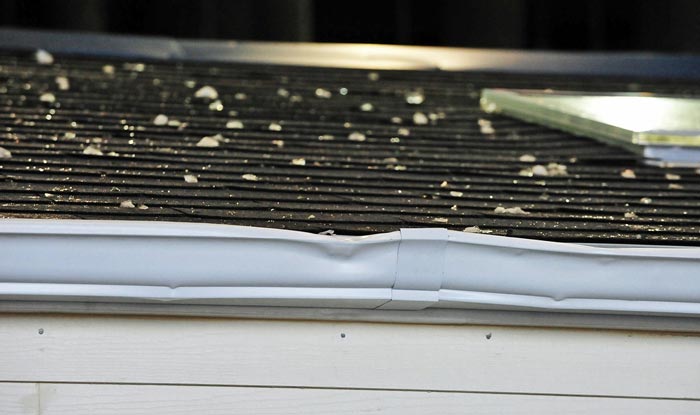
    Hailstones can cause dents, cracks, or holes in roofing materials, including asphalt shingles, metal roofs, and flat roofs.

    damaged white gutter , shingles , roof , hail damage , storm damaged roof

    Wind Damage

    Strong winds can lift shingles, tear off gutters, and damage flashing, causing leaks and other issues.

    cracked damaged shingles , roofing, blistering roof

    Water Damage

    Heavy rain or snow can cause water to penetrate through the roof’s surface, leading to leaks and water damage.

    dark areas on roofing from roof lean in heavy rain , peeling paint blistering roof

    Debris Damage

    Storms can bring debris such as tree branches, twigs, or rocks, which can cause significant damage to the roof.

    broken , dented roof flashing , roof leak in heavy rain

    Preventing Storm Damage to Roofs

    Preventing storm damage to your roof starts with proper maintenance and preparation. Here are some steps you can take to prevent storm damage to your roof:

    Regular Maintenance: Schedule regular roof inspections to identify and address any potential issues before they become major problems. Regular maintenance can also help you catch any storm damage early and make repairs before the damage worsens.

    Trimming Trees: Trim any overhanging branches that can cause damage to your roof during a storm. Overhanging branches can become a hazard during a storm, causing significant damage to your roof.

    Cleaning Gutters: Keep gutters and downspouts clean to prevent water from backing up and causing damage. Clogged gutters can cause water to overflow onto your roof, leading to water damage and other issues.

    Secure Loose Items: Secure any loose items on your roof, such as satellite dishes, to prevent them from becoming projectiles during a storm. Loose items can become a hazard during a storm, causing significant damage to your roof.

    prevent blistering shingles , preventing storm damage roof
    waterproofing prevent blistering shingles sign , storm damage roof resistant

    Making Your Roof More Storm Resistant

    Making your roof more storm-resistant is another way to prevent storm damage to your home. Here are some steps you can take to make your roof more storm-resistant:

    Install Impact-Resistant Roofing Materials: Impact-resistant roofing materials, such as asphalt shingles or metal roofing, can withstand the impact of hail and other debris.

    Strengthen Your Roof Decking: Adding extra support to your roof decking can make your roof more stable during high winds.

    Install Proper Flashing: Proper flashing can help prevent water from entering your home through the roof’s seams, preventing water damage.

    Install a Sealed Roof Deck: A sealed roof deck can prevent water from penetrating your roof’s surface, reducing the risk of water damage and leaks.

    Repairing Storm Damage to Roofs

    repairing storm damage roof

    If your roof has been damaged by a storm, it is essential to take immediate action to prevent further damage. Here are the steps you should take to repair storm damage to your roof:

    Safety First:

    Inspect Your Roof from the Ground: Before climbing onto your roof to inspect it, assess the safety risks. Ensure that the ladder is secure and stable before climbing onto your roof.

    Assess the Damage:

    Determine the extent of the damage to your roof. Look for missing or damaged shingles, flashing, or other roofing materials.

    Document the Damage:

    Take pictures of any damage you can see on your roof. This will be helpful when you file a claim with your insurance company. Make sure to take close-up shots of any damaged shingles, as well as wider shots that show the overall extent of the damage. If possible, take pictures from multiple angles.

    Contact Your Insurance Company:

    Once you have documented the damage, contact your insurance company as soon as possible. They will likely send out an adjuster to inspect the damage and determine the cost of repairs. Make sure to provide them with the pictures you took and any other relevant information they request.

    Time is of the essence:

    It’s crucial to act quickly and contact your insurance company as soon as you notice any potential storm damage to your roof. Most insurance policies have a time limit for filing a claim, and waiting too long could result in a denial of coverage. In addition, delaying repairs can lead to more extensive damage and more expensive repairs in the long run.

    Be wary of scams:

    Unfortunately, there are some unscrupulous roofing and insurance companies out there who may try to take advantage of homeowners in a vulnerable position. Be cautious of any contractor who shows up unannounced at your door offering to inspect your roof or promises to handle everything with your insurance company. Do your research and only work with reputable, licensed contractors who have a track record of quality work and good customer service.

    Choose your contractor wisely:

    Once your claim is approved, you’ll need to choose a contractor to handle the repairs. It’s important to choose a licensed and insured contractor with experience working with insurance claims. Don’t be tempted to choose the cheapest option, as this could lead to subpar workmanship and low-quality materials. Instead, look for a contractor with a strong reputation for quality work and excellent customer service.

    Get Professional Help:

    It is important to have a professional roofing contractor assess the damage as well. They can provide you with an estimate for repairs and can help you determine the best course of action. It is important to choose a reputable roofing contractor with experience in storm damage repairs. Look for reviews online and ask for references.

    Temporary Repairs:

    In some cases, it may be necessary to make temporary repairs to prevent further damage while you wait for repairs. This could include covering damaged areas with tarps or plastic sheeting, or using roofing cement to seal damaged shingles.

    Preventing Future Damage:

    There are steps you can take to help prevent future storm damage to your roof. Regular maintenance, such as cleaning gutters and trimming trees, can help prevent debris buildup on your roof. It is also a good idea to have your roof inspected regularly

    contact rnc roofing and construction

    Contact a Professional Today

    RNC Roofing and Construction

    Storm damage to your roof can be a stressful and overwhelming experience. However, by taking the right steps and working with professionals, you can ensure that your roof is repaired quickly and effectively. Remember to document the damage, contact your insurance company, get professional help, make temporary repairs if necessary, understand the insurance claims process, and take steps to prevent future damage. By following these guidelines, you can help protect your home and ensure that your roof remains in good condition for years to come. Read More Here About Storm Damage Roofs.

    View More Informative Articles

    Free, No Obligation

    Request Your Free Estimate & Inspection

    Tell us about your roof and we’ll come take a look — no pressure, no cost. Or call us right now on (703) 964-6233.

    (703) 964-6233
    Contact Form Demo (#3)
    Owens Corning Preferred Contractor GAF System Plus CertainTeed SureStart PLUS BBB A+ Accredited HomeAdvisor

    RNC Roofing

    RNC Roofing and Construction Group — The Roofing Contractor Specialists. Protecting your home, one shingle at a time.

    Virginia

    (703) 964-6233 Sterling · Leesburg · Ashburn
    Loudoun & Fairfax County

    Maryland

    (703) 964-6233 Beltsville · District Heights
    All of Maryland
    © 2026 RNC Roofing and Construction Group — The Roofing Contractor Specialists Northern Virginia & Maryland
  • Blistering Shingles- Here’s What You Need to Know!

    Protecting your home, one shingle at a time VA (703) 964-6233| MD (703) 964-6233| Free Estimate & Inspection
    Roof Maintenance

    Blistering Shingles- Here’s What You Need to Know!

    RNC Roofing and Construction Group March 31, 2023
    Blistering Shingles- Here’s What You Need to Know!

    How to Deal with Blistering Shingles: A Comprehensive Guide for Roofing

    At RNC Roofing and Construction, we know that a well-maintained roof is crucial for the safety and security of your home. If you are a homeowner, it is vital to keep an eye out for potential issues that could damage your roof’s integrity. One of these issues is blistering shingles. In this article, we will explore what blistering shingles are, what causes them, and what steps you can take to prevent and fix them.

    What are Blistering Shingles?

    Blistering shingles are a common roofing problem that occurs when bubbles or blisters form on the surface of your shingles. These blisters can range in size and can appear on individual shingles or in larger patches. Although blistering shingles may not seem serious, they can damage your roof’s integrity and lead to more significant issues if left unaddressed.Asphalt shingles are the most common type of shingle used on residential roofs in North America. They are made of a base material (either organic or fiberglass) coated with asphalt and topped with a layer of ceramic granules. When the asphalt in the shingles is exposed to high temperatures, it can soften and expand, causing the shingles to blister.

    What Causes Blistering Shingles?

    Several factors can cause blistering shingles. One common cause is excessive heat. When shingles are exposed to high temperatures for extended periods, they can begin to blister and bubble. This is particularly true for roofs that are poorly ventilated or located in areas with intense sunlight.Moisture is another common cause of blistering . When water gets trapped between the layers of your shingles, it can cause them to bubble and blister. That’s why it is essential to ensure that your roof is correctly waterproofed, and any leaks are repaired promptly.

    questions and concerns about roofing repair

    Why Are My Roof Shingles Blistering?

    Blistering Shingles is a common issue with asphalt shingles. There are two main reasons for blistering on shingles

    • Trapped Moisture

    The first cause of blistering on shingles is due to manufacturing errors that allow moisture to get trapped between the layers that comprise the shingle. Most asphalt roof shingles consist of three layers:

    -The backing, composed of paper or fiberglass

    -The asphalt

    The granules

    When the moisture stuck between these layers heats up from sun exposure or attic heat, it expands or turns to vapor, forming blisters.

    • Poor Ventilation

    Blistering on shingles may develop or worsen if your roof is poorly ventilated. A poorly ventilated roof allows heat and moisture to build up in the attic, leading to shingle deterioration and damage.

    certainteed shingle technology roofing
    prevent blistering shingles , preventing storm damage roof

    Preventing Blistering Shingles:

    The best way to prevent blistering is to ensure that your roof is correctly ventilated and waterproofed. Regular inspections and maintenance by a professional roofing contractor can achieve this. Additionally, it’s important to keep your gutters clear of debris and to remove any overhanging tree limbs that could damage your roof.

    Proper Roof Ventilation

    Ventilation is crucial in preventing blistering shingles. Attic vents allow for the release of warm, moist air that can build up in your attic. This, in turn, prevents the shingles from overheating and blistering. Proper attic ventilation also helps reduce energy costs by allowing hot air to escape, making it easier to cool your home.

    ventilation fan

    Waterproofing

    Waterproofing your roof is another critical step in preventing blistering shingles. Ensure that your roof is properly waterproofed by having a professional Roofing contractor install the right underlayment and ice and water shield. These materials help prevent moisture from getting trapped between the layers of your shingles and causing blisters. It’s essential to choose the right underlayment and ice and water shield for your roof type and climate, as different materials are designed to withstand different weather conditions.

    waterproofing prevent blistering shingles sign , storm damage roof resistant

    Regular Inspections and Maintenance

    Regular inspections and maintenance are critical in preventing shingles blistering. A professional roofing contractor can identify potential issues before they become significant problems and recommend the necessary repairs or replacements. It’s recommended to have your roof inspected at least once a year, especially after severe weather events.

    roof repair inspection icon

    Fixing Blistering Shingles:

    If you notice blistering on your shingles, it’s essential to address the issue promptly to prevent further damage. Here are some steps to follow

    • Call a Professional

    Fixing shingles blistering can be a complex and dangerous job, and it’s essential to call a professional roofing contractor to do the work. They have the necessary skills, equipment, and experience to fix the problem safely and effectively.

    • Identify the Cause

    The first step is to identify the cause of the problem. If the issue is due to poor ventilation, it’s essential to improve your attic ventilation. If it’s due to trapped moisture, you’ll need to replace the affected shingles.

    • Replace Damaged Shingles

    If the blistering is limited to a few shingles, it’s possible to replace them individually. However, if the problem is more widespread, it may be necessary to replace the entire roof.

    repairing storm damage roof

    Contact a Professional Today

    roofing quality
    contact rnc roofing and construction
    cracked damaged shingles , roofing, blistering roof

    Shingles Blistering may seem like a minor issue, but they can cause significant damage to your roof if left unaddressed. By understanding the causes of blistering and taking the necessary steps to prevent and fix them, you can ensure that your roof remains in excellent condition and protect your home and family from the elements.

    View More of Our Informative Post Here

    Free, No Obligation

    Request Your Free Estimate & Inspection

    Tell us about your roof and we’ll come take a look — no pressure, no cost. Or call us right now on (703) 964-6233.

    (703) 964-6233
    Contact Form Demo (#3)
    Owens Corning Preferred Contractor GAF System Plus CertainTeed SureStart PLUS BBB A+ Accredited HomeAdvisor

    RNC Roofing

    RNC Roofing and Construction Group — The Roofing Contractor Specialists. Protecting your home, one shingle at a time.

    Virginia

    (703) 964-6233 Sterling · Leesburg · Ashburn
    Loudoun & Fairfax County

    Maryland

    (703) 964-6233 Beltsville · District Heights
    All of Maryland
    © 2026 RNC Roofing and Construction Group — The Roofing Contractor Specialists Northern Virginia & Maryland