Category: Roofing Shingles

  • Spring Roof Maintenance Essential Tips | By RNC
    Protecting your home, one shingle at a time VA (703) 964-6233| MD (703) 964-6233| Free Estimate & Inspection
    Home Improvement

    Spring Roof Maintenance Essential Tips | By RNC

    RNC Roofing and Construction Group February 15, 2018
    Spring Roof Maintenance Essential Tips | By RNC

    Spring Roof Maintenance Essential Tips

    Spring roof maintenance plays a crucial role in ensuring the longevity and durability of your roof. As the seasons transition from winter to spring, your roof faces new challenges such as heavy rains, wind, and potential damage from winter weather. Conducting regular maintenance during this time helps identify any issues that may have developed over the winter months and allows for timely repairs or adjustments.By investing time and effort into spring roof maintenance, you can prevent small problems from escalating into major, costly repairs down the line. A well-maintained roof not only protects your home from water leaks and structural damage but also contributes to its overall aesthetic appeal and market value.
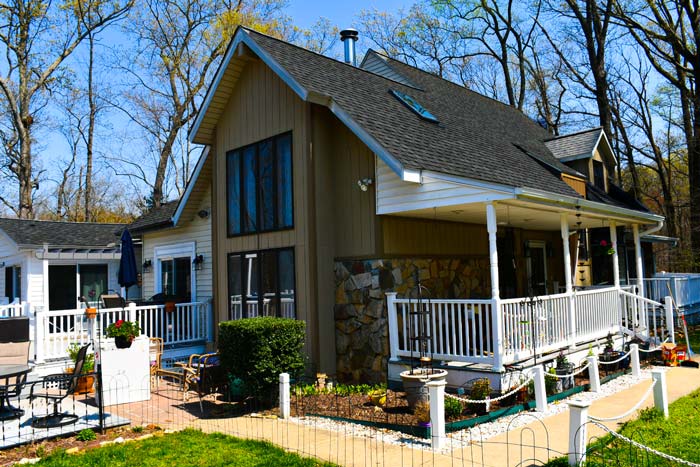
    house , roofing

    Assessing the Roofs Condition

    • Conduct a visual inspection to identify any signs of damage or wear.

    When it comes to spring roof maintenance, a crucial first step is to conduct a thorough visual inspection of your roof. Begin by carefully examining the entire surface, paying close attention to details. Look for any visible signs of damage or wear that may have occurred during the winter months or due to other factors.Inspect the roof for cracked, curled, or blistered shingles. These could be indicators of aging or weather-related damage. Additionally, keep an eye out for shingles that have become loose or completely detached, as they may need to be replaced.

    • Look for loose or missing shingles that need to be replaced.

    During your inspection, be sure to check for any loose or missing shingles. These can leave your roof vulnerable to water leaks and further damage. If you come across loose shingles, carefully secure them back in place using roofing nails or consult a professional if the issue appears extensive. Missing shingles should be promptly replaced to maintain the roof’s integrity. Ignoring this issue can lead to water infiltration, which may result in costly repairs down the line. Ensure that the new shingles match the existing ones in terms of style and color for a seamless appearance.

    • Inspect the flashing and seals to ensure they are intact and in good condition.

    Flashing and seals are critical components of your roof’s waterproofing system. During the inspection, pay close attention to the flashing around chimneys, vents, skylights, and other roof penetrations. Look for signs of deterioration, such as rust, cracks, or gaps.Similarly, check the seals around these areas to ensure they are intact and providing a watertight barrier. Damaged flashing or seals can allow water to seep into your home, leading to moisture issues and potential structural damage. If you notice any problems, consult a professional to repair or replace the flashing and seals as needed.
    gutters and downspouts

    Clearing Debris and Cleaning the Roof

    • Remove leaves, branches, and other debris that may have accumulated on the roof.

    One important aspect of spring roof maintenance is clearing away any debris that has accumulated over time. Leaves, branches, and other debris can gather on the roof’s surface and in the gutters, potentially causing drainage issues and water buildup. Using a sturdy ladder and wearing appropriate safety gear, carefully remove the debris to ensure the roof remains free of obstructions.

    • Clear out gutters and downspouts to ensure proper drainage.

    While clearing debris from the roof, it’s equally important to pay attention to the gutters and downspouts. These components play a vital role in directing water away from your roof and foundation. Remove any leaves, twigs, or other debris that may have accumulated in the gutters. Ensure that the downspouts are clear and unobstructed, allowing water to flow freely.

    • Safely clean moss, algae, or mold that may be present on the roof’s surface.

    Springtime can promote the growth of moss, algae, or mold on your roof’s surface, especially in shaded areas or regions with high humidity. These organisms not only compromise the aesthetic appeal of your roof but can also lead to long-term damage if left unchecked. Using a gentle approach, consider cleaning the affected areas with a soft-bristle brush or low-pressure water stream to remove the growths.

    • Use appropriate cleaning solutions and tools to avoid damaging the roof.

    When cleaning your roof, it’s crucial to use the right cleaning solutions and tools to avoid causing any damage. Opt for mild, non-abrasive cleaners specifically formulated for roof cleaning. Avoid using harsh chemicals or high-pressure washers, as these can strip away protective layers and shingles’ granules. Additionally, ensure you follow safety guidelines and manufacturer instructions when using any cleaning tools or solutions.

    roof ventilation

    Ensuring Proper Ventilation

    • Recognize the importance of ventilation for a healthy roof.

    Proper ventilation is crucial for maintaining a healthy roof. It helps regulate temperature, control moisture levels, and prevent the accumulation of heat in the attic space. Adequate ventilation extends the lifespan of roofing materials, reduces the risk of mold and mildew growth, and enhances energy efficiency within your home.

    • Inspect and clean vents and exhaust fans to maintain proper airflow.

    As part of your spring roof maintenance routine, inspect the vents and exhaust fans to ensure they are clean and functioning effectively. Remove any debris, such as leaves or dust, that may have accumulated and obstructed the airflow. This allows fresh air to circulate freely, preventing moisture buildup and potential damage to the roof’s structure.

    • Clear any blocked air passages to ensure adequate ventilation.

    Blocked air passages can disrupt proper ventilation and compromise the health of your roof. Check for any obstructions, such as insulation or debris, that may be obstructing the flow of air. Clear these blockages to maintain consistent airflow throughout the attic and roof system.

    • Consider installing a ridge vent if additional ventilation is needed.

    In cases where your roof requires additional ventilation, consider installing a ridge vent. A ridge vent is a specialized ventilation system that runs along the peak of the roof. It allows hot air to escape, while intake vents located at the eaves draw in fresh, cooler air. This balanced airflow helps regulate the temperature and moisture levels in the attic, promoting a healthy environment for your roof.

    Addressing Repairs and Maintenance

    • Promptly fix minor issues to prevent them from escalating into larger problems.

    When it comes to spring roof maintenance, addressing minor issues promptly is key to preventing them from becoming major problems. Inspect your roof for any signs of damage, such as cracked or curling shingles, and address them as soon as possible. Taking care of small repairs early on can help maintain the overall integrity of your roof and save you from costlier repairs down the line.

    • Replace damaged or missing shingles to maintain the roof’s integrity.

    Damaged or missing shingles compromise the protection and longevity of your roof. If you notice any shingles that are cracked, broken, or completely missing, it’s crucial to replace them promptly. This helps maintain the waterproofing and structural integrity of your roof, preventing water infiltration and further damage to the underlying layers.

    • Repair leaks and damaged flashing to prevent water infiltration.

    Leaks can cause significant damage to your roof and the interior of your home. If you discover any signs of water infiltration, such as water stains on ceilings or walls, address them immediately. Identify the source of the leak and repair it, whether it’s a damaged seal around a vent or compromised flashing. Properly sealing these areas prevents water from entering your home and protects the overall health of your roof.

    • Reinforce weak spots or sagging areas to prevent further damage.

    Over time, certain areas of your roof may weaken or start to sag. It’s essential to reinforce these weak spots to prevent further damage. Consult a professional roofing contractor to assess the situation and determine the best course of action. Reinforcing weak areas ensures the structural integrity of your roof and minimizes the risk of collapse or additional damage during inclement weather
    roofing contact

    Contact Us Today

    Taking proactive steps to maintain your roof during the spring season is essential for ensuring its long-term durability. By prioritizing spring roof maintenance, you can safeguard your investment and avoid costly repairs in the future. Neglecting necessary maintenance can lead to issues such as water leaks, structural damage, and decreased energy efficiency. Contact RNC Roofing and Construction for more information or questions!

    View More Articles

    Free, No Obligation

    Request Your Free Estimate & Inspection

    Tell us about your roof and we’ll come take a look — no pressure, no cost. Or call us right now on (703) 964-6233.

    (703) 964-6233
    Contact Form Demo (#3)
    Owens Corning Preferred Contractor GAF System Plus CertainTeed SureStart PLUS BBB A+ Accredited HomeAdvisor

    RNC Roofing

    RNC Roofing and Construction Group — The Roofing Contractor Specialists. Protecting your home, one shingle at a time.

    Virginia

    (703) 964-6233 Sterling · Leesburg · Ashburn
    Loudoun & Fairfax County

    Maryland

    (703) 964-6233 Beltsville · District Heights
    All of Maryland
    © 2026 RNC Roofing and Construction Group — The Roofing Contractor Specialists Northern Virginia & Maryland
  • Homeowners’ Essential Spring Roof Maintenance Tips

    Protecting your home, one shingle at a time VA (703) 964-6233| MD (703) 964-6233| Free Estimate & Inspection
    Home Improvement

    Homeowners’ Essential Spring Roof Maintenance Tips

    RNC Roofing and Construction Group February 15, 2018
    Homeowners’ Essential Spring Roof Maintenance Tips

    Your roof may have survived high winds, ice, and heavy snow, but now it’s time to address any damage your roof endured during winter. Spring roof maintenance is an important part of increasing your roof’s lifespan. So, when it’s time to conduct your spring roof inspection, take the following tips into consideration.

    GUTTERS INSPECTION AND MAINTENANCE

    Gutters that have not been properly maintained can shorten the life span of your roof, which emphasizes the importance of cleaning your gutters at least once or twice a year. Remove large debris with a garden towel or by hand. Follow this step with power washing to clean out any remaining dirt or small debris.

    Keep in mind, you may have to check your gutters more often if trees are near your roof, as small twigs or leaves may buildup in your gutter.

    MAINTAINING SHINGLE INTEGRITY

    After inspecting and cleaning your gutters, be sure to examine your roof shingles.

    Carefully climb onto your roof and survey the roof’s surface for any signs of damage. Visible signs of damage include the following: warping, missing shingles, grain loss, and discoloration. If your shingles look smooth, it’s most likely time to replace them.

    If your shingles need to be replaced, don’t panic, as it is a simple and relatively inexpensive process.

    First, remove the old shingle (if needed remove two or three surrounding shingles).

    After removing fasteners and nails, slide a new, identical shingle into place and nail it down. Cover each nail with a generous amount of roofing cement to prevent water penetration.

    Weigh the shingle down for at least a few hours, but preferably overnight.

    REPAIRING FLASHINGS

    Flashings, or the metal strips that prevent water from leaking under roof tiles, should be thoroughly examined during each semi-annual roof inspection. Over time, rain and wind can easily loosen flashing, which can lead to mold growth or overlooked water damage inside your home.

    While checking flashing, also check for cracked caulk. Scrape off any weathered or damaged caulk, clean, and reseal with fresh caulk.

    Keep in mind that while there are many methods that can be done by yourself to maintain your roof, severe damage or leaks should be left to an experienced Virginia roof repair expert. If you have any questions or concerns about your roof, contact us! Our reputation is based on service, safety, and quality, regardless of how large or small the job. Give us a call today!

    What separates The RNC Roofing Group from other residential roofing companies? With decades of experience installing, maintaining and repairing roofs we provide a knowledgeable, trustworthy and honest service to fulfill all your roofing needs. We are a Loudoun County, Virginia based residential roofing firm with an excellent reputation for quality and dependability. Whether it’s new construction, re-roofing or the challenge of leak repairs, no job is too large or too small.

    Free, No Obligation

    Request Your Free Estimate & Inspection

    Tell us about your roof and we’ll come take a look — no pressure, no cost. Or call us right now on (703) 964-6233.

    (703) 964-6233
    Contact Form Demo (#3)
    Owens Corning Preferred Contractor GAF System Plus CertainTeed SureStart PLUS BBB A+ Accredited HomeAdvisor

    RNC Roofing

    RNC Roofing and Construction Group — The Roofing Contractor Specialists. Protecting your home, one shingle at a time.

    Virginia

    (703) 964-6233 Sterling · Leesburg · Ashburn
    Loudoun & Fairfax County

    Maryland

    (703) 964-6233 Beltsville · District Heights
    All of Maryland
    © 2026 RNC Roofing and Construction Group — The Roofing Contractor Specialists Northern Virginia & Maryland
  • Components of Roof | Ultimate Guide By RNC

    Protecting your home, one shingle at a time VA (703) 964-6233| MD (703) 964-6233| Free Estimate & Inspection
    Home Improvement

    Components of Roof | Ultimate Guide By RNC

    RNC Roofing and Construction Group December 12, 2017
    Components of Roof | Ultimate Guide By RNC

    Components of Roof

    Roof Structure

    Roof Deck
    The roof deck is an integral part of any roofing system. It serves as the foundation for the entire roof and provides structural support. Typically made of plywood or oriented strand board (OSB), the roof deck is installed over the structural framework of the building. It acts as a sturdy base to which other roof components are attached.

    Roof Trusses or Rafters
    Roof trusses or rafters are essential components that give the roof its shape and support. They form the framework of the roof and are designed to carry the weight of the roof and any external forces, such as wind or snow loads. Trusses are pre-fabricated triangular structures made of wood or metal, while rafters are individual beams that are cut and assembled on-site.The roof trusses or rafters are strategically placed and spaced to distribute the load evenly across the roof structure, ensuring its stability and integrity. They provide the necessary support for the roof deck, as well as the roof covering material.Within the roof structure, each component plays a crucial role in maintaining the overall strength and durability of the roof. By understanding these essential components, homeowners and professionals can make informed decisions when it comes to roof maintenance, repairs, or even the installation of a new roof.

    roof shingle designs

    Roof Coverings

    Shingles
    Shingles are one of the most common types of roof coverings used in residential and commercial buildings. They are typically made from asphalt or fiberglass and are available in various shapes, sizes, and colors. Shingles provide a protective barrier against weather elements such as rain, snow, and UV rays.

    The installation process involves overlapping each shingle row, which helps create a watertight seal. The durability and lifespan of shingles depend on the quality of the materials used and the local climate conditions. Regular inspection and maintenance are essential to ensure the longevity and effectiveness of shingle roof coverings.

    Tiles
    Roof tiles are a popular choice for both residential and commercial buildings, offering durability and an aesthetically pleasing appearance. They are available in a variety of materials, including clay, concrete, and slate. Each material brings its unique advantages, such as clay tiles being fire-resistant, concrete tiles being cost-effective, and slate tiles offering exceptional durability.

    Roof tiles are typically interlocking and can withstand harsh weather conditions. They provide excellent insulation and can help regulate the temperature inside the building. Proper installation and regular maintenance are crucial to ensure the integrity of the roof and to prevent leaks or damage.

    Metal Roofing
    Metal roofing has gained popularity in recent years due to its durability, longevity, and energy efficiency. It is available in different metal materials such as steel, aluminum, copper, or zinc. Metal roofs offer excellent resistance against elements like rain, snow, hail, and wind.

    The installation of metal roofing involves using metal panels or sheets that are carefully attached to the roof structure. The panels are designed to interlock, providing a secure and weatherproof seal. Metal roofs require minimal maintenance and can last for several decades, making them a cost-effective choice in the long run.

    roof flashing and underlayment

    Flashing and Underlayment

    Flashing
    Flashing is a crucial component of a roof system that helps prevent water leakage at vulnerable areas, such as roof intersections, chimneys, vents, and skylights. It is typically made of metal, such as aluminum or galvanized steel, and is installed in overlapping layers to create a watertight seal.

    Flashing directs water away from critical areas by diverting it to the roof’s drainage system. It is strategically placed where different roof components meet or where the roof intersects with vertical surfaces. Common types of flashing include step flashing, chimney flashing, valley flashing, and drip edge flashing.

    Proper installation of flashing is essential to maintain the integrity of the roof and prevent water penetration. It should be inspected regularly to ensure that it remains intact and free from damage. Damaged or deteriorated flashing should be promptly repaired or replaced to prevent potential leaks and water damage.

    Underlayment
    Underlayment is a layer of material installed beneath the primary roof covering, providing an additional barrier against water penetration. It acts as a secondary line of defense and offers protection in case the primary roof covering gets damaged or fails.

    There are different types of underlayment available, including asphalt-saturated felt, synthetic underlayment, and rubberized asphalt membranes. The choice of underlayment depends on factors such as climate, roof slope, and the type of roof covering being used.

    Underlayment helps to improve the roof’s waterproofing capabilities and enhances its overall performance. It also provides an extra layer of insulation and can contribute to energy efficiency. Proper installation of underlayment is crucial to ensure its effectiveness and longevity.

    roof ventilation

    Ventilation

    Ridge Vents
    Ridge vents are an essential component of roof ventilation systems, allowing for the efficient exchange of air within the attic or roof space. They are installed along the ridgeline of the roof, providing an outlet for warm, moist air to escape.

    Ridge vents work in conjunction with intake vents, such as soffit vents, to create a continuous flow of air. As warm air rises, it exits through the ridge vents, while cooler air is drawn in through the soffit vents. This process helps regulate the temperature and moisture levels in the attic, preventing the buildup of heat and humidity that can lead to various problems, such as mold growth and premature deterioration of the roof components.

    By promoting proper airflow, ridge vents contribute to the overall health and longevity of the roof. They also aid in reducing energy costs by preventing the excessive heat buildup that can strain cooling systems during hot seasons.

    Soffit Vents
    Soffit vents are an integral part of roof ventilation systems, providing intake for fresh air into the attic or roof space. They are installed in the soffits, which are the underside of the roof’s overhangs.

    Soffit vents work in conjunction with ridge vents to create a continuous airflow. As cooler air enters through the soffit vents, it displaces the warm air, which then exits through the ridge vents. This continuous cycle helps maintain proper ventilation, preventing the accumulation of moisture and heat in the attic.

    Soffit vents come in various forms, such as individual vents, continuous vents, or perforated panels. They are strategically placed along the soffits to ensure optimal air circulation and prevent the formation of condensation and mold.

    Proper installation and maintenance of soffit vents are crucial for their effectiveness. Regular inspection and cleaning of the vents, as well as ensuring they are free from obstructions, will help maintain a well-ventilated and healthy roof space.

    gutters and downspouts

    Gutters and Downspouts

    Gutters
    Gutters are an integral part of the roofing system, responsible for channeling rainwater and melted snow away from the roof and the foundation of the building. They are typically installed along the eaves of the roof, collecting water that runs off the roof surface.

    Gutters are usually made of materials like aluminum, steel, or vinyl. They come in various shapes, sizes, and styles to accommodate different roof types and aesthetic preferences. The primary function of gutters is to prevent water from pooling on the roof, which can lead to leaks, water damage, and structural issues.

    Properly functioning gutters help protect the components of the roof by directing water away from the building. They prevent soil erosion, basement flooding, and damage to the foundation. Regular maintenance, including cleaning out debris and ensuring proper alignment, is essential to keep gutters working effectively.

    Downspouts
    Downspouts, also known as leaders or drainpipes, are connected to gutters and provide a pathway for water to flow from the roof to the ground. They play a crucial role in directing water away from the foundation and landscaping surrounding the building.

    Downspouts are typically vertical pipes attached to the corners or ends of gutters. They can be made of materials such as aluminum, vinyl, or steel. The size and number of downspouts depend on factors like the roof area and the expected volume of water runoff.

    Proper positioning of downspouts is vital to ensure efficient water drainage. They should extend several feet away from the foundation, allowing water to flow away from the building and prevent water-related issues, such as basement flooding or soil erosion.

    Regular inspection and maintenance of downspouts, including clearing any clogs or blockages, will help maintain their functionality and prevent water backup or overflow.

    update insulation

    Roof insulation

    Importance of Roof Insulation
    Roof insulation plays a crucial role in maintaining energy efficiency and comfort within a building. It acts as a barrier against heat transfer, helping to regulate the temperature inside and reduce energy consumption.

    Insulating the roof helps to prevent heat loss during colder seasons and minimize heat gain during hotter months. By creating a thermal envelope, it reduces the need for excessive heating and cooling, thereby lowering energy bills and reducing the carbon footprint of a building.

    Proper insulation also enhances the overall comfort of the living or working space by reducing temperature fluctuations and minimizing drafts. It creates a more stable and pleasant indoor environment.

    Additionally, roof insulation contributes to soundproofing, reducing the transmission of external noises into the building and creating a quieter interior.

    Types of Roof Insulation Materials
    There are various types of insulation materials available for roofs, each with its unique characteristics and benefits.

    • Fiberglass Insulation: Fiberglass insulation consists of fine glass fibers and is commonly used in both residential and commercial roofs. It is affordable, lightweight, and easy to install. Fiberglass insulation provides excellent thermal resistance and is available in rolls or batts.
    • Spray Foam Insulation: Spray foam insulation is a popular choice for roofs due to its exceptional insulating properties. It is applied as a liquid and expands to fill gaps and crevices, creating an airtight seal. Spray foam insulation provides superior energy efficiency and can conform to irregular roof shapes.
    • Cellulose Insulation: Cellulose insulation is made from recycled paper products treated with fire-retardant chemicals. It is an environmentally friendly option and provides excellent thermal and sound insulation. Cellulose insulation is typically blown into attics and can effectively insulate roof cavities.
    • Reflective Insulation: Reflective insulation is designed to reflect radiant heat away from the roof surface. It is often composed of aluminum foil or reflective films. Reflective insulation is particularly effective in hot climates, reducing heat gain and improving energy efficiency.

    View More Articles

    Free, No Obligation

    Request Your Free Estimate & Inspection

    Tell us about your roof and we’ll come take a look — no pressure, no cost. Or call us right now on (703) 964-6233.

    (703) 964-6233
    Contact Form Demo (#3)
    Owens Corning Preferred Contractor GAF System Plus CertainTeed SureStart PLUS BBB A+ Accredited HomeAdvisor

    RNC Roofing

    RNC Roofing and Construction Group — The Roofing Contractor Specialists. Protecting your home, one shingle at a time.

    Virginia

    (703) 964-6233 Sterling · Leesburg · Ashburn
    Loudoun & Fairfax County

    Maryland

    (703) 964-6233 Beltsville · District Heights
    All of Maryland
    © 2026 RNC Roofing and Construction Group — The Roofing Contractor Specialists Northern Virginia & Maryland
  • Types Of Asphalt Roofing Shingles | RNC Roofing and Construction

    Protecting your home, one shingle at a time VA (703) 964-6233| MD (703) 964-6233| Free Estimate & Inspection
    Roofing Shingles

    Types Of Asphalt Roofing Shingles | RNC Roofing and Construction

    RNC Roofing and Construction Group January 4, 2017
    Types Of Asphalt Roofing Shingles | RNC Roofing and Construction

    3-Tab

    dimensional shingles

    Dimensional

    Luxury

    The 3 Types of Asphalt Shingles

    Asphalt shingles are a popular roofing material due to their affordability, durability, and versatility. Homeowners can choose from three main types of asphalt shingles: 3-tab, architectural, and luxury shingles. Each type has its unique features, benefits, and drawbacks. In this comprehensive guide, we will provide detailed information about each type of asphalt shingle to help homeowners make an informed decision when selecting a roofing material for their home.

    about 3 tab shingles

    3-tab Shingles

    3-tab shingles are the most basic and affordable type of asphalt shingle. They have a flat, rectangular shape with three tabs cut into the lower edge, which creates a pattern that resembles individual shingles. These shingles are lightweight and easy to install, making them a popular choice for homeowners on a budget. They typically come with a 20- to 25-year warranty, but their lifespan can vary based on climate and maintenance.

    Installation

    3-tab shingles are easy to install and require less labor, which can reduce the overall cost of installation. They can be installed over existing shingles, which further reduces installation time and cost.

    Cost

    3-tab shingles are the most affordable option for homeowners on a tight budget. The cost per square foot ranges from $0.80 to $1.20, depending on the quality of the shingle and the location.


    Lifespan

    3-tab shingles have a lifespan of 15 to 25 years, depending on the climate and maintenance. They are prone to damage from strong winds, hail, and heavy rain, which can reduce their lifespan.

    Pros

    • Affordable option for homeowners on a budget
    • Lightweight and easy to install, reducing labor costs
    • Easy to repair in case of damage

    Cons

    • Shorter lifespan compared to other types of asphalt shingles
    • Less durable and more prone to damage than architectural or luxury shingles

    about dimensional shingles

    Dimensional Shingles

    Dimensional shingles, also known as architectural or laminate shingles, are a step up from 3-tab shingles in terms of durability and appearance. They have a multi-dimensional design with a thicker, textured appearance that mimics the look of traditional roofing materials such as wood or slate. Architectural shingles are more durable than 3-tab shingles, making them an excellent choice for homeowners who want a longer-lasting roof.

    Installation

    Architectural shingles require more labor and time to install than 3-tab shingles due to their thickness and weight. They cannot be installed over existing shingles, which adds to the cost of installation. However, they come in various colors and styles, allowing homeowners to choose a shingle that complements their home’s architectural style.


    Cost

    Architectural shingles are more expensive than 3-tab shingles due to their enhanced durability and appearance. The cost per square foot ranges from $1.50 to $4.00, depending on the quality of the shingle and the location.

    Lifespan

    Architectural shingles have a lifespan of up to 30 years or more, depending on the climate and maintenance. They are designed to withstand harsh weather conditions such as wind, rain, and hail, which makes them more durable than 3-tab shingles.

    Pros

    • Durable with a longer lifespan than 3-tab shingles
    • Designed to withstand harsh weather conditions
    • Provides extra insulation, reducing energy costs and improving indoor comfort

    Cons

    • More expensive than 3-tab shingles
    • Heavier than 3-tab shingles, which can increase installation time and costs

    about luxury shingles

    Luxury Shingles

    Luxury shingles are the highest-end asphalt shingles available in the market. They are thicker and heavier than architectural shingles, providing even more durability and resistance to extreme weather conditions. Luxury shingles also have a more refined appearance, mimicking the look of natural slate or wood shakes. These shingles are an excellent choice for homeowners who want the look and feel of high-end roofing materials without the high cost and maintenance.

    Installation

    Luxury shingles require professional installation due to their weight and thickness. They cannot be installed over existing shingles and require a solid, stable substrate to ensure proper installation. The installation process can be more time-consuming and costly than other types of shingles, but the results are worth the investment.

    Cost

    Luxury shingles are the most expensive option among asphalt shingles. The cost per square foot ranges from $4.00 to $6.00 or more, depending on the quality of the shingle and the location. However, their lifespan and durability make them a cost-effective choice in the long run.

    Lifespan

    Luxury shingles have the longest lifespan among all asphalt shingles, with a lifespan of up to 50 years or more. They are designed to withstand even the most extreme weather conditions, making them an excellent investment for homeowners who want a long-lasting roof.

    Pros

    • The highest level of durability and resistance to harsh weather conditions
    • The longest lifespan among all asphalt shingles
    • Provides an upscale look and feel without the high cost and maintenance of natural roofing materials

    Cons

    • The most expensive option among asphalt shingles
    • Requires professional installation and a stable substrate
    • Additional maintenance and care may be necessary to maintain the shingle’s appearance and performance over time.

    Factors to Consider When Choosing Asphalt Shingles

    When selecting asphalt shingles for your home, several factors should be considered, including:

    • Style: The architectural style of your home should also be considered when selecting shingles. Certain shingles will complement specific architectural styles better than others. For example, traditional homes may benefit from wood or slate-look shingles, while contemporary homes may look better with a sleek, modern shingle design.
    • Budget: The cost of the shingles and installation should be factored into your decision. While luxury shingles may provide the most extended lifespan and durability, they may not be a practical option for those on a tight budget.

    Read More of Our Articles

    Asphalt shingles are an excellent roofing material for homeowners looking for an affordable, durable, and versatile option. By understanding the different types of asphalt shingles and the factors to consider when selecting a roofing material, homeowners can make an informed decision that meets their needs and budget. Additionally, choosing a professional roofing contractor will ensure proper installation, maintenance, and repair of your roof

    Free, No Obligation

    Request Your Free Estimate & Inspection

    Tell us about your roof and we’ll come take a look — no pressure, no cost. Or call us right now on (703) 964-6233.

    (703) 964-6233
    Contact Form Demo (#3)
    Owens Corning Preferred Contractor GAF System Plus CertainTeed SureStart PLUS BBB A+ Accredited HomeAdvisor

    RNC Roofing

    RNC Roofing and Construction Group — The Roofing Contractor Specialists. Protecting your home, one shingle at a time.

    Virginia

    (703) 964-6233 Sterling · Leesburg · Ashburn
    Loudoun & Fairfax County

    Maryland

    (703) 964-6233 Beltsville · District Heights
    All of Maryland
    © 2026 RNC Roofing and Construction Group — The Roofing Contractor Specialists Northern Virginia & Maryland