Category: Roof Replacement

  • Roof Replacement Steps:Guide to a Sturdy and Protected Home

    Protecting your home, one shingle at a time VA (703) 964-6233| MD (703) 964-6233| Free Estimate & Inspection
    Home Improvement

    Roof Replacement Steps:Guide to a Sturdy and Protected Home

    RNC Roofing and Construction Group June 27, 2023
    Roof Replacement Steps:Guide to a Sturdy and Protected Home

    Roof Replacement Steps:Guide to a Sturdy and Protected Home

    Roof replacement is a crucial undertaking for homeowners that ensures the integrity and protection of their property. When considering a roof replacement, it’s important to understand the significance it holds for the overall well-being of your home. A sturdy and well-maintained roof provides a solid defense against external elements, including rain, snow, wind, and extreme temperatures.

    Assessing Roof Conditions

    Visual Inspection and Identifying Common Roofing Issues

    Before proceeding with a roof replacement, it’s essential to conduct a thorough visual inspection of your roof to identify any existing problems. Look for the following common roofing issues:

    • Leaks and Water Damage: Inspect your attic and ceilings for signs of water stains or mold growth. Check for any water penetration around skylights, vents, or chimneys.
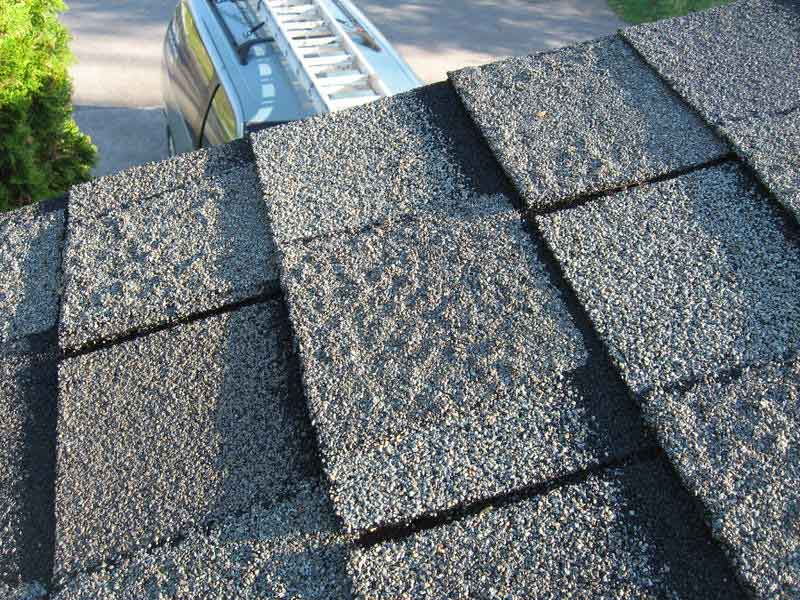
    • Missing or Damaged Shingles: Look for shingles that are cracked, curled, blistered, or completely missing. These indicate potential vulnerabilities and may require replacement.
    • Aging and Wear: Assess the overall condition of your roof. Determine if it shows signs of aging, such as granule loss, significant fading, or deterioration.
    • Sagging or Uneven Roof: Check if your roof displays any noticeable sagging or unevenness, as it could indicate underlying structural issues that need immediate attention.

    Consulting with Roofing Professionals for a Thorough Assessment

    While a visual inspection provides a good starting point, it’s advisable to consult with roofing professionals for a comprehensive assessment. Experienced contractors can identify hidden problems and offer expert insights. They possess the necessary knowledge to evaluate the condition of your roof accurately.

    During the consultation, the roofing professional will likely perform the following:

    • Roof Measurement: Accurately measure the roof area to determine the scope of the replacement project and calculate the required materials.
    • Detailed Roof Analysis: Conduct a close examination of the roof’s components, including the underlayment, flashing, vents, and gutters. They will assess their condition and identify areas that need attention.

    Assessment of Structural Integrity: Evaluate the roof’s structural integrity to ensure it can support the weight of new materials and any additional layers, if applicable.

    Determining the Need for Roof Replacement

    Based on the visual inspection and professional assessment, it’s important to determine whether a roof replacement is necessary. Consider the following factors:

    • Extensive Damage: If the roof exhibits widespread damage, such as multiple leaks, severe shingle deterioration, or structural issues, a replacement may be the most practical solution.
    • Age of the Roof: Consider the age of your roof. Most asphalt shingle roofs have a lifespan of around 20 to 25 years. If your roof is approaching or exceeding this age, replacement is often recommended.
    • Cost of Repairs: Evaluate the cost of repairs compared to the cost of a replacement. If the repair expenses are significant or if the roof requires frequent repairs, a replacement may be a more cost-effective long-term solution.

    spring roof maintenance

    Planning and Preparation

    Selecting the Right Roofing Materials and Styles

    Choosing the appropriate roofing materials and styles is a crucial step in the roof replacement process. Consider the following factors when making your selection:

    • Material Durability: Assess the durability and longevity of different roofing materials, such as asphalt shingles, metal, tiles, or slate. Ensure the chosen material can withstand your local climate conditions and provide long-term protection.
    • Aesthetic Appeal: Explore various roofing styles and colors that complement your home’s architecture and enhance its curb appeal. Opt for a design that blends seamlessly with the overall aesthetic of your neighborhood.
    • Maintenance Requirements: Consider the maintenance needs of different roofing materials. Some may require more frequent inspections and repairs, while others offer low-maintenance options.

    Obtaining Necessary Permits and Approvals

    Before commencing any roof replacement project, it’s essential to obtain the required permits and approvals from local authorities. Follow these steps:

    • Research Local Regulations: Familiarize yourself with the specific building codes and regulations related to roof replacements in your area. Each locality may have its own set of requirements.
    • Submit Permit Applications: Complete the necessary permit applications and provide the required documentation, such as project details, contractor information, and material specifications. Pay any associated fees.
    • Await Approval: Wait for the permits to be approved before starting the roof replacement project. This ensures compliance with local regulations and prevents potential legal issues.

    Securing Proper Financing or Budgeting for the Project

    Roof replacements can be a significant financial investment. To ensure a smooth process, consider the following financing options and budgeting strategies:

    • Research Financing Options: Explore various financing avenues, such as personal loans, home equity loans, or contractor financing programs. Compare interest rates, repayment terms, and eligibility criteria.
    • Set a Realistic Budget: Assess your financial capabilities and set a budget for the roof replacement project. Consider the cost of materials, labor, permits, and potential unexpected expenses.
    • Obtain Multiple Quotes: Request quotes from reputable roofing contractors to compare prices and services offered. This allows you to make an informed decision based on your budget and desired quality.

    Scheduling and Logistics for a Smooth Roof Replacement Process

    Proper scheduling and logistical planning are essential to ensure a smooth roof replacement process. Consider the following aspects:

    • Contractor Availability: Coordinate with your chosen roofing contractor to determine their availability and schedule the project accordingly.
    • Weather Considerations: Check local weather forecasts and select a time of year with favorable weather conditions for the roof replacement. Avoid periods of heavy rainfall, extreme temperatures, or high winds.
    • Material Delivery and Waste Removal: Coordinate the delivery of roofing materials to ensure they arrive on time. Plan for proper waste removal and disposal throughout the project.

    labor cost for roofing

    Roof Removal and Preparation

    Safe Removal of Existing Roofing Materials

    The first step in a roof replacement project is safely removing the existing roofing materials. This process involves:

    • Taking Safety Precautions: Prioritize safety by wearing protective gear, such as gloves, goggles, and sturdy footwear. Use caution when working at heights and ensure proper ladder placement.
    • Removing Shingles: Begin by removing the shingles carefully using a roofing shovel or pry bar. Work systematically, starting from the top and moving downward. Dispose of the old shingles responsibly.
    • Inspecting for Damage: While removing the old roofing materials, inspect the underlying structure for any signs of damage, such as rot, decay, or weakened areas. Note these concerns for later assessment and repair.

    Assessing and Addressing Structural Concerns

    During the roof removal process, it’s essential to assess the structural integrity of the underlying roof components. Address any concerns to ensure a stable foundation for the new roof. Consider the following steps:

    • Inspecting the Decking: Thoroughly examine the roof decking for any signs of damage, such as rot or water penetration. Replace any compromised sections to ensure a solid base for the new roof.
    • Reinforcing Weakened Areas: If structural weaknesses are identified, reinforce them with additional support or framing to ensure the roof’s stability and longevity.
    • Consulting a Structural Engineer: In cases of significant structural concerns, it may be advisable to consult a structural engineer for a professional evaluation and guidance.

    Evaluating and Enhancing Roof Ventilation

    Proper roof ventilation is crucial for maintaining a healthy and efficient roofing system. During the roof replacement process, consider the following aspects of ventilation:

    • Inspecting Existing Ventilation: Evaluate the current ventilation system, including ridge vents, soffit vents, and exhaust fans. Ensure they are functioning correctly and free from blockages.
    • Assessing Ventilation Needs: Determine if the existing ventilation system is adequate for your specific roof design and local climate. Consider consulting with a roofing professional for expert advice.
    • Enhancing Ventilation: If necessary, install additional ventilation components to improve airflow and prevent moisture buildup, which can lead to damage and decreased energy efficiency.

    Preparing the Substrate for the New Roof Installation

    To ensure a proper installation and long-lasting roof, the substrate must be properly prepared. Follow these steps:

    • Clearing Debris: Remove any remaining debris, nails, or protruding objects from the roof surface. Thoroughly clean the substrate to create a smooth and even base.
    • Repairing Damaged Areas: Address any identified structural concerns or damaged sections of the roof substrate. Replace or repair them as necessary to provide a solid foundation.
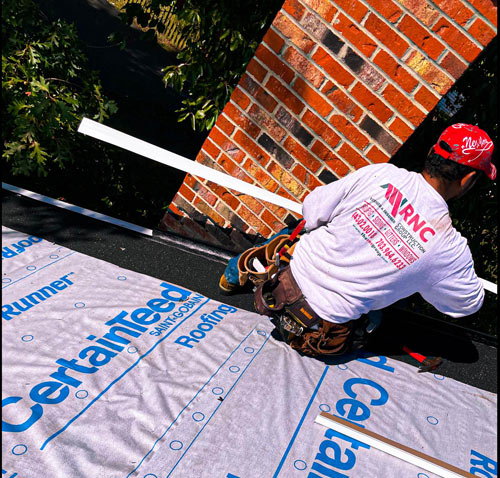
    • Installing Underlayment: Apply an appropriate underlayment material, such as roofing felt or synthetic underlayment, to provide an additional layer of protection against moisture and improve overall performance.

    tpo roofing maintenance

    Roof Installation Techniques

    Installation of Roofing Underlayment and Moisture Barriers

    Proper installation of roofing underlayment and moisture barriers is essential for protecting your roof from water damage and ensuring its longevity. Follow these steps:

    • Selecting the Underlayment: Choose an appropriate underlayment material based on your climate, such as asphalt-saturated felt or synthetic underlayment. Ensure it meets industry standards for quality and durability.
    • Starting at the Eaves: Begin by installing the underlayment at the eaves of the roof, overlapping each row as per the manufacturer’s instructions. Use nails or staples to secure the underlayment, keeping it taut and free from wrinkles.
    • Installing Ice and Water Shield: In areas prone to ice dams or heavy rainfall, apply an ice and water shield along the roof’s eaves, valleys, and around roof penetrations. This provides an additional layer of protection against water infiltration.

    Selecting and Installing Roofing Shingles or Tiles

    Choosing the right roofing shingles or tiles and installing them correctly is vital for the aesthetics and functionality of your roof. Follow these guidelines:

    • Material Selection: Select roofing shingles or tiles that suit your climate, budget, and desired aesthetic. Consider factors such as durability, color options, and manufacturer warranties.
    • Starting with a Starter Course: Install a starter course of shingles or tiles along the eaves of the roof. This provides a secure base for the subsequent rows and ensures proper water shedding.
    • Nailing and Alignment: Follow the manufacturer’s guidelines for nailing patterns and placement. Ensure each shingle or tile is aligned properly and securely fastened to the roof deck.

    Properly Flashing Roof Penetrations and Chimneys

    Flashing is crucial for preventing water penetration around roof penetrations, such as vents, skylights, and chimneys. Follow these steps:

    • Evaluating Flashing Requirements: Assess the type and condition of existing flashing or determine the need for new flashing. Consider using corrosion-resistant materials for enhanced durability.
    • Proper Installation: Install flashing around roof penetrations, ensuring it is securely sealed and integrated with the roofing materials. Use appropriate flashing techniques for each specific penetration type.
    • Sealing and Caulking: Apply high-quality sealants and caulking to create watertight seals around flashing intersections and penetrations. Regularly inspect and maintain these areas to prevent water leaks.

    Implementing Effective Roofing Insulation

    Proper insulation contributes to energy efficiency and comfort within your home. Follow these guidelines:

    • Assessing Insulation Needs: Evaluate the current insulation levels and consider local building codes and recommended R-values. Determine if additional insulation is required for optimum energy efficiency.
    • Selecting Insulation Materials: Choose insulation materials that are suitable for your climate, such as fiberglass batts, spray foam, or rigid foam boards. Consider their thermal resistance properties and environmental impact.
    • Proper Installation: Install insulation in the attic and other areas as per the manufacturer’s guidelines. Ensure proper ventilation is maintained to prevent moisture buildup and maintain roof performance.

    repairs roofing maintenance

    Final Steps and Post-Installation Considerations

    Conducting a Thorough Quality Inspection

    Once the roof replacement is complete, it is crucial to conduct a thorough quality inspection to ensure that everything has been installed correctly and meets the desired standards. Here are the key steps:

    • Visual Inspection: Carefully examine the newly installed roof, checking for any visible defects, misaligned shingles or tiles, or areas that may require further attention.
    • Leak Testing: Perform a water test to verify that the roof is watertight. This involves directing a controlled amount of water onto specific areas of the roof and checking for any signs of leakage inside the building.

    Cleaning Up and Disposing of Construction Debris

    After the roof replacement project, it is essential to clean up and dispose of any construction debris properly. Follow these steps:

    • Debris Removal: Clear the work area of all leftover materials, such as old shingles, packaging, nails, and other debris. Use caution to prevent any damage or injury during the cleanup process.
    • Recycling and Disposal: Separate recyclable materials from non-recyclable waste. Dispose of the non-recyclable waste according to local regulations and guidelines. Consider recycling options for materials like asphalt shingles.

    Addressing Warranties, Maintenance, and Longevity

    To protect your investment and ensure the longevity of your new roof, address the following considerations:

    • Manufacturer Warranty: Review the warranty provided by the roofing materials manufacturer. Understand the terms and conditions, including any required maintenance or specific actions that may affect the warranty’s validity.
    • Regular Maintenance: Develop a maintenance plan for your new roof, including periodic inspections, gutter cleaning, and addressing any potential issues promptly. Regular maintenance can extend the lifespan of your roof and prevent costly repairs.

    Ensuring Proper Roof Care and Regular Inspections

    To maintain the integrity and performance of your roof over time, follow these recommendations:

    • Maintain Good Roofing Practices: Keep the roof clean from debris, trim overhanging branches, and prevent the accumulation of leaves or other materials that could trap moisture and lead to roof deterioration.
    • Regular Inspections: Schedule regular roof inspections by a qualified professional to identify any potential issues early on. Inspections help catch problems like leaks, damaged shingles, or flashing issues before they escalate.

    View More Articles

    Free, No Obligation

    Request Your Free Estimate & Inspection

    Tell us about your roof and we’ll come take a look — no pressure, no cost. Or call us right now on (703) 964-6233.

    (703) 964-6233
    Contact Form Demo (#3)
    Owens Corning Preferred Contractor GAF System Plus CertainTeed SureStart PLUS BBB A+ Accredited HomeAdvisor

    RNC Roofing

    RNC Roofing and Construction Group — The Roofing Contractor Specialists. Protecting your home, one shingle at a time.

    Virginia

    (703) 964-6233 Sterling · Leesburg · Ashburn
    Loudoun & Fairfax County

    Maryland

    (703) 964-6233 Beltsville · District Heights
    All of Maryland
    © 2026 RNC Roofing and Construction Group — The Roofing Contractor Specialists Northern Virginia & Maryland
  • Can a Roof be Replaced in the Rain? Risks and Recommendations

    Protecting your home, one shingle at a time VA (703) 964-6233| MD (703) 964-6233| Free Estimate & Inspection
    Home Improvement

    Can a Roof be Replaced in the Rain? Risks and Recommendations

    RNC Roofing and Construction Group June 26, 2023
    Can a Roof be Replaced in the Rain? Risks and Recommendations

    Can a Roof be Replaced in the Rain? Risks and Recommendations

    Now let’s address the question that homeowners often ponder: Can a roof be replaced in the rain? The short answer is that it is not advisable. Roof replacement is a complex process that requires careful planning, precise execution, and favorable weather conditions. While some minor repairs can be carried out in light rain, a full roof replacement is best done during dry weather to ensure optimal results.

    Understanding the Roof Replacement Process

    Explaining the Typical Steps Involved in Roof Replacement

    When considering roof replacement, it’s important to understand the typical steps involved. The process generally begins with an assessment of the existing roof to determine the extent of the damage and whether replacement is necessary. This involves inspecting the shingles, underlying structure, and identifying any leaks or weak areas.

    Next, the old roofing material is removed, ensuring a clean surface for the new installation. This step may involve removing the shingles, underlayment, and other components. Once the old roofing material is cleared, repairs or reinforcements to the underlying structure, such as the roof deck, may be carried out if required.

    Following the preparation stage, the installation of new roofing materials commences. This includes laying down a suitable underlayment, applying shingles or other roofing materials, and securing them in place. Flashing, vents, and other roof accessories are also installed to ensure proper functionality and waterproofing.

    Need for a Dry Working Environment during the Process

    During the roof replacement process, it is crucial to have a dry working environment. Dry conditions provide a stable and safe foundation for the roofers to carry out their work effectively. Rainy conditions can pose numerous challenges, such as slippery surfaces, reduced visibility, and compromised safety for the workers.

    Highlighting the Risks Associated with Performing Roof Replacement in Rainy Conditions

    Performing roof replacement in rainy conditions introduces various risks and compromises the quality of the work. The presence of rainwater on the roof makes it challenging to ensure proper adhesion and sealing of the roofing materials. This can lead to leaks, inadequate waterproofing, and reduced longevity of the new roof.

    identifying roof algae

    Safety Concerns during Roof Replacement in the Rain

    Increased Hazards for Workers on Slippery Surfaces

    When it comes to roof replacement in the rain, safety becomes a significant concern. Rainwater creates slippery surfaces, making it difficult for workers to maintain balance and stability while carrying out their tasks. The risk of slipping, tripping, and falling increases substantially, posing a threat to their well-being.

    Roofers need secure footing to navigate the roof and handle heavy materials. However, rain can create an unstable environment, jeopardizing their safety. Maneuvering on wet surfaces requires extra caution and reduces the efficiency and productivity of the roofing crew.

    Potential Accidents and Injuries Caused by Wet Conditions

    Performing roof replacement in the rain introduces a higher risk of accidents and injuries. Reduced visibility due to rain can impair workers’ ability to identify potential hazards, increasing the likelihood of accidents. Additionally, wet roofing materials and tools become harder to handle, potentially leading to mishaps and injuries.

    Falling from heights is a serious concern during roof replacement, and the presence of rain exacerbates the risk. Slippery surfaces make it harder to maintain a secure footing, increasing the chances of accidents that may result in severe injuries or even fatalities. It is crucial to prioritize the safety of the workers and mitigate these risks by avoiding roof replacement in rainy conditions.

    Negative Impact of Rainwater on the Structural Integrity of the Roof during Replacement

    Rainwater can have a detrimental effect on the structural integrity of the roof during the replacement process. Excessive moisture can seep into the roof’s underlying components, compromising their strength and stability. This can lead to sagging, rot, or decay of the roof deck, trusses, or supporting beams.

    Furthermore, rainwater that accumulates during the replacement process may not be adequately diverted, potentially causing pooling and subsequent water damage. Water infiltration can weaken the roof’s structure, lead to mold and mildew growth, and result in costly repairs down the line.

    wind damage roof repair

    Quality and Durability Considerations

    Importance of Proper Installation Techniques

    Proper installation techniques are crucial for ensuring the quality and durability of a roof. During roof replacement, specific procedures must be followed to guarantee a long-lasting and reliable result. These techniques include precise measurements, correct alignment, and appropriate fastening of roofing materials.

    When replacing a roof, it is essential to adhere to manufacturer guidelines and industry best practices. These guidelines provide instructions on material compatibility, proper ventilation, and sealing techniques. Following them diligently helps to maintain the integrity of the roof and maximize its lifespan.

    Potential Compromises to Quality during Roof Replacement in the Rain

    Roof replacement in the rain can compromise the quality of the installation. Rainwater can interfere with the proper adhesion and sealing of roofing materials, such as shingles or membranes. This can lead to suboptimal performance and an increased risk of leaks and water damage in the future.

    Moreover, wet conditions make it challenging to ensure precise alignment and accurate fastening of roofing components. The moisture can affect the stability and integrity of the installation, potentially resulting in loose or misaligned materials. These compromises may affect the overall quality and aesthetics of the roof.

    Long-Term Impact on the Roof’s Durability and Performance

    The decision to replace a roof in the rain can have long-term consequences for its durability and performance. The compromised installation due to wet conditions may lead to premature deterioration of the roofing materials. Inadequate adhesion and sealing can result in water infiltration, which can cause rot, mold, and structural damage over time.

    Additionally, a roof that has been replaced in the rain may be more susceptible to future issues. Poorly aligned or loosely fastened materials are more likely to be affected by strong winds, potentially leading to shingle blow-offs or other damage during storms.

    fix leaky roof

    Moisture Management Challenges

    Difficulties of Managing Moisture during Roof Replacement in the Rain

    Roof replacement in the rain presents significant challenges in managing moisture effectively. Rainwater can impede the ability to maintain a dry working environment, making it harder to ensure proper moisture control during the installation process. Managing and diverting water becomes more complex, increasing the risk of moisture-related issues.

    Potential for Water Infiltration during the Process

    During roof replacement in the rain, the potential for water infiltration becomes a real concern. Even with temporary coverings or tarps, water can find its way through vulnerable areas, such as exposed sections or areas that have not yet been fully sealed. This infiltration can compromise the structural integrity of the roof and lead to damage inside the home. Roofing materials, such as shingles or membranes, need to be installed on a dry surface to create a secure barrier against water intrusion. Installing them during rainy conditions increases the likelihood of gaps or insufficient adhesion, increasing the risk of leaks and water damage.

    Risks of Mold and Mildew Growth due to Trapped Moisture

    One of the significant risks associated with roof replacement in the rain is the potential for mold and mildew growth. Moisture can become trapped within the roof layers or in the underlying structures due to inadequate drying time during installation. This trapped moisture creates a favorable environment for mold and mildew to thrive, posing health risks and further damaging the roof’s integrity. Mold and mildew can deteriorate the materials, compromise indoor air quality, and cause respiratory issues for occupants. Additionally, the presence of mold or mildew can lead to costly remediation efforts and potentially affect the property value.

    repairs roofing maintenance

    Best Practices and Recommendations

    Ideal Weather Conditions for Roof Replacement

    To ensure a successful and long-lasting roof replacement, it is crucial to consider the ideal weather conditions. While it may be tempting to proceed with the project regardless of the weather, it is best to wait for dry conditions. By avoiding rain during the roof replacement process, you minimize the risks associated with moisture, water infiltration, and compromised installation.

    Optimal Seasons for Roof Replacement

    Timing your roof replacement is equally important. While roofs can be replaced throughout the year, certain seasons offer more favorable conditions. Spring and summer tend to provide extended periods of dry weather, making them ideal for roof replacement projects. However, local climate and weather patterns should also be taken into account.

    During the planning phase, consult with professional roofers who have extensive experience in your area. They can provide valuable insights into the best time to schedule your roof replacement based on local weather patterns, ensuring optimal conditions for a successful installation.

    Consulting with Professional Roofers for Expert Advice

    When contemplating a roof replacement, it is essential to consult with professional roofers who possess the expertise and experience in handling such projects. They can assess the current condition of your roof, evaluate the feasibility of replacement, and provide expert advice on scheduling considerations.

    Professional roofers understand the intricacies of weather conditions and their impact on roof replacements. They can guide homeowners in making informed decisions about the ideal time to proceed with the project. By working with professionals, homeowners can ensure the highest quality of workmanship, minimize risks, and receive valuable recommendations tailored to their specific circumstances.

    View More Articles

    Free, No Obligation

    Request Your Free Estimate & Inspection

    Tell us about your roof and we’ll come take a look — no pressure, no cost. Or call us right now on (703) 964-6233.

    (703) 964-6233
    Contact Form Demo (#3)
    Owens Corning Preferred Contractor GAF System Plus CertainTeed SureStart PLUS BBB A+ Accredited HomeAdvisor

    RNC Roofing

    RNC Roofing and Construction Group — The Roofing Contractor Specialists. Protecting your home, one shingle at a time.

    Virginia

    (703) 964-6233 Sterling · Leesburg · Ashburn
    Loudoun & Fairfax County

    Maryland

    (703) 964-6233 Beltsville · District Heights
    All of Maryland
    © 2026 RNC Roofing and Construction Group — The Roofing Contractor Specialists Northern Virginia & Maryland
  • How Long Does Roof Repair Take? Factors and Quality Work

    Protecting your home, one shingle at a time VA (703) 964-6233| MD (703) 964-6233| Free Estimate & Inspection
    Homeowner Help

    How Long Does Roof Repair Take? Factors and Quality Work

    RNC Roofing and Construction Group June 22, 2023
    How Long Does Roof Repair Take? Factors and Quality Work

    How Long Does Roof Repair Take? Factors and Quality Work

    Several factors come into play when determining the duration of roof repairs. The extent and nature of the damage are key considerations. A simple patching job might take significantly less time than a complete replacement of damaged shingles or structural repairs. Additionally, accessibility and location challenges can affect repair timelines. Roofs with complex designs or hard-to-reach areas may require more time and effort to address the issues effectively.

    Types of Roof Repairs

    Shingle Replacement:

    One of the most common roof repairs involves replacing damaged or missing shingles. This task typically requires identifying the affected areas, carefully removing the old shingles, and installing new ones. The time required for shingle replacement depends on the number of shingles involved and the accessibility of the roof.

    Patching Leaks:

    Leaks can arise from various sources, such as damaged flashing or worn-out seals around vents and chimneys. Patching leaks involves identifying the source, repairing or replacing the damaged components, and ensuring proper sealing. The repair duration depends on the complexity and extent of the leaks.

    Structural Repairs: In some cases, roof repairs may involve addressing structural issues, such as weakened trusses, sagging supports, or deteriorated decking. These repairs require careful assessment and may involve collaboration with a structural engineer or contractor. The duration will vary depending on the severity of the damage and the necessary remedial actions.

    Complexity and Extent of Repairs

    Roof repair timelines can vary based on the complexity and extent of the repair required. Simple repairs, like replacing a few missing shingles, can be completed within a few hours or a day. However, more extensive repairs, such as structural issues or extensive water damage, may take several days or even weeks to address fully.

    Factors such as the size of the repair area, the availability of materials, and the expertise of the roofing contractor can also impact the duration. For instance, large-scale repairs on expansive roofs with intricate designs may require more time and specialized skills.

    cost of new roof in virginia

    Evaluating the Extent of Damage

    Thorough Inspection by a Roofing Professional

    A comprehensive inspection conducted by a qualified roofing professional is vital in determining the extent of damage and estimating the time required for roof repairs. Roofing experts possess the knowledge and experience to identify underlying issues that may not be apparent to the untrained eye. They carefully examine the roof, assessing the condition of shingles, flashing, seals, and other components. This evaluation helps in accurately understanding the scope of repairs needed and estimating the time required to address them effectively.

    Common Types of Damage and Their Impact on Repair Timeframes

    Roofs can suffer from various types of damage, each requiring different approaches and timelines for repair. Some common forms of damage include:

    • Leaks: Water penetration through the roof can cause extensive damage, including structural issues and mold growth. Repairing leaks involves locating the source, assessing the damage, and implementing necessary fixes. The time required for leak repairs depends on the complexity of the leak and the extent of damage caused.
    • Shingle Damage: Damaged or missing shingles compromise the roof’s integrity and leave it vulnerable to further issues. Repairing shingle damage involves identifying the affected areas, removing and replacing damaged shingles, and ensuring proper installation. The time needed for shingle repairs varies based on the number of shingles involved and the accessibility of the roof.
    • Weather-related Damage: Environmental factors, such as severe storms, hail, or high winds, can cause significant roof damage. Repairing weather-related damage may require addressing multiple issues, including shingle replacement, repairing or reinforcing the underlying structure, and ensuring proper weatherproofing. The duration of these repairs depends on the severity of the damage and the availability of resources.

    Role of Environmental Factors in Determining Damage

    Environmental factors, such as weather and climate, play a crucial role in determining the extent of damage to roofs. Harsh weather conditions, including heavy rain, snow, or extreme temperature fluctuations, can accelerate the deterioration of roofing materials. For example, prolonged exposure to moisture can lead to rot, while high winds can cause shingles to lift or blow off entirely. Evaluating the impact of environmental factors on roof damage helps in understanding the required repairs and estimating the repair timelines accurately.

    wood shingles

    Factors Influencing Roof Repair Timeline

    Size and Complexity of the Roof

    The size and complexity of a roof directly impact the time required for repairs. Larger roofs naturally require more materials, labor, and time to address the issues adequately. Additionally, roofs with intricate designs, multiple slopes, or unique architectural features may pose challenges during the repair process. The complexity of the roof’s structure influences the duration of repairs, as it may involve additional steps, specialized techniques, or the need to work in confined spaces.

    Accessibility and Location Challenges

    The accessibility and location of the roof significantly affect repair timelines. Roofs that are difficult to reach, such as those with steep slopes or located at significant heights, may require additional safety measures and specialized equipment. The time spent on setting up safety precautions, maneuvering around challenging areas, and ensuring the well-being of the roofing professionals can impact the overall duration of repairs.

    Availability of Materials and Resources

    The availability of materials and resources is another crucial factor influencing roof repair timelines. Some repairs may require specific roofing materials or components that need to be sourced and delivered. The time taken to procure these materials can add to the overall duration of the repair process. Additionally, the availability of skilled labor, tools, and equipment also plays a role in the efficiency and speed of repairs.

    Local Regulations and Permit Requirements

    Local regulations and permit requirements can impact the timeline of roof repairs. Certain jurisdictions may have specific regulations regarding roof repairs, such as obtaining permits or adhering to building codes. Complying with these requirements may introduce additional steps and potential delays in the repair process. It is important for homeowners and roofing contractors to be aware of and follow the necessary regulations to ensure a smooth and legal repair process

    labor cost for roofing

    Average Time Frames for Roof Repairs

    Breakdown of Repair Durations for Specific Issues

    When it comes to roof repairs, the duration can vary depending on the specific issues that need to be addressed. Here are some average timeframes for common roof repairs:

    • Leaks: Repairing a roof leak typically takes anywhere from a few hours to a couple of days, depending on the complexity of the leak and the extent of water damage. Locating the source of the leak, repairing damaged areas, and ensuring proper waterproofing are essential steps in the repair process.
    • Missing Shingles: Replacing missing shingles is relatively straightforward and can usually be completed within a day or two. The time required depends on the number of missing shingles and the accessibility of the roof. It’s important to address missing shingles promptly to prevent further damage and protect the underlying roof structure.
    • Flashing Problems: Repairing faulty flashing around chimneys, vents, or skylights involves removing the old flashing, applying new flashing, and ensuring a proper seal. The duration of flashing repairs can range from a few hours to a full day, depending on the complexity of the flashing system and the extent of repairs needed.

    Extent of Damage and Repair Timelines

    The extent of damage directly affects the timelines for roof repairs. Minor issues, such as a small leak or a few missing shingles, can be resolved relatively quickly. However, if the damage is more extensive, such as widespread water penetration or significant structural issues, the repair process may take longer.

    planning and scheduling

    Planning and Scheduling the Repair

    Importance of Communication and Coordination with Roofing Contractors

    Effective communication and coordination with roofing contractors are crucial for a smooth and efficient roof repair process. Homeowners should establish clear lines of communication with the contractor, discussing the project’s scope, timeline, and any specific requirements. This helps to align expectations and ensures that both parties are on the same page. Regular communication allows homeowners to stay informed about the progress of the repairs and address any concerns promptly. It also enables contractors to provide updates on the estimated completion time and any unforeseen challenges that may arise during the repair process. Maintaining open and transparent communication is key to a successful roof repair experience.

    Tips for Homeowners to Ensure an Efficient Repair Process

    • Plan Ahead: Schedule the roof repairs well in advance to allow sufficient time for preparation and ensure the availability of materials and contractors. Planning ahead minimizes potential delays and allows for a smoother workflow.
    • Clear the Work Area: Before the contractors arrive, clear the area around the roof, removing any obstacles or items that could impede the repair process. This includes moving vehicles, patio furniture, or any other belongings that might hinder access to the roof.
    • Provide Access: Ensure that the roofing contractors have easy access to the property and the roof. Clear pathways, gates, or locked areas to avoid unnecessary delays and facilitate a seamless repair process.
    • Consider Weather Conditions: Take into account weather forecasts when scheduling the repairs. Inclement weather can affect the ability to work on the roof safely, potentially leading to delays. Discuss contingency plans with the contractor in case of adverse weather conditions.

    Potential Delays and Unforeseen Challenges

    Despite careful planning, it’s essential to recognize that certain factors can cause delays and unforeseen challenges during roof repairs. Adverse weather conditions, unanticipated structural issues, or the need for additional repairs beyond the initial assessment can extend the project’s timeline.

    materials for roof replacement

    Factors Affecting Repair Duration vs. Quality Work

    Balancing Speed and Quality in Roof Repairs

    When it comes to roof repairs, finding the right balance between speed and quality is crucial. While homeowners understandably want their roof repaired quickly, it’s equally important to prioritize the quality of the workmanship. Rushing through repairs can compromise the long-term durability and reliability of the roof.

    The Impact of Rushed Repairs on Long-Term Durability and Reliability

    Quick fixes and rushed repairs may provide temporary relief, but they often fail to address the underlying issues adequately. This can result in recurring problems and the need for more frequent repairs in the future. It’s essential to invest in thorough and comprehensive repairs that address the root cause of the problem to ensure long-term durability. Additionally, rushing the repair process can lead to errors or oversight in the workmanship, compromising the quality of the repair. A poorly executed repair may not hold up against harsh weather conditions or stand the test of time, potentially causing further damage and inconvenience down the line.

    Finding Reputable Roofing Contractors Who Prioritize Speed and Quality

    To ensure both speed and quality in roof repairs, homeowners should seek reputable roofing contractors who prioritize both aspects. Here are a few tips to help find such contractors:

    • Research and Reviews: Conduct thorough research and read customer reviews to gauge the reputation of different roofing contractors. Look for contractors who have a track record of delivering high-quality work within reasonable timeframes.
    • Credentials and Experience: Verify the credentials and experience of the contractors. Check if they are licensed, insured, and have relevant certifications. Experience in handling similar repair projects is an added advantage.
    • Detailed Estimates: Request detailed repair estimates from multiple contractors. Assess the proposed timelines and compare them with the scope of work outlined. Avoid contractors who provide significantly shorter timelines without proper justification.

    Communication and Transparency:

    Prioritize contractors who communicate clearly, answer your questions satisfactorily, and provide updates throughout the repair process. Transparent communication ensures that you are aware of the progress and any unexpected delays.

    Free, No Obligation

    Request Your Free Estimate & Inspection

    Tell us about your roof and we’ll come take a look — no pressure, no cost. Or call us right now on (703) 964-6233.

    (703) 964-6233
    Contact Form Demo (#3)
    Owens Corning Preferred Contractor GAF System Plus CertainTeed SureStart PLUS BBB A+ Accredited HomeAdvisor

    RNC Roofing

    RNC Roofing and Construction Group — The Roofing Contractor Specialists. Protecting your home, one shingle at a time.

    Virginia

    (703) 964-6233 Sterling · Leesburg · Ashburn
    Loudoun & Fairfax County

    Maryland

    (703) 964-6233 Beltsville · District Heights
    All of Maryland
    © 2026 RNC Roofing and Construction Group — The Roofing Contractor Specialists Northern Virginia & Maryland
  • Best Time to Replace Roof | Choosing the Optimal Season

    Protecting your home, one shingle at a time VA (703) 964-6233| MD (703) 964-6233| Free Estimate & Inspection
    Home Improvement

    Best Time to Replace Roof | Choosing the Optimal Season

    RNC Roofing and Construction Group April 13, 2023
    Best Time to Replace Roof | Choosing the Optimal Season

    The Best Time to Replace Your Roof

    As a homeowner, it’s crucial to start thinking about the best time of year to replace your roof, especially if it has been 10 to 20 years since your last maintenance check. The weather, temperature, geographic climate, and appointment availability are all factors that can affect roofing replacement. While every season may have its advantages and disadvantages, roofing replacement is a job that can be done any time of the year when entrusted to a professional residential roofing contractor.So, what is the best season to replace your roof? Ultimately, the optimal time to get your roofing replaced is before it starts to cause problems or becomes a bigger inconvenience to you. The best season is mainly determined by your availability, your contractor’s availability, and unpredictable weather. Let’s take a closer look at each season and why they may or may not be the best time to replace your roofing.

    Winter

    Winter is a challenging time of year to replace your roof. However, it can be an excellent time for many homeowners because it’s usually a slower time for many roofing companies, creating greater flexibility for appointment scheduling. Depending on the climate of your geographic area, freezing temperatures and snow can interrupt roofing replacement projects or prevent sealants from setting. Extremely low temperatures can also cause roofing materials to become more susceptible to cracking. If you live in a state with mild winters, such as Florida, winter is a wonderful time of year for roofing repairs! Regardless, an experienced roofing contractor will have processes put in place to prevent or mediate complications.

    Cons of Winter Roof Replacement

    The biggest disadvantage of replacing a roof in the winter is the potential for snow and ice. These conditions can create hazards for the roofing crew and make the work more difficult, potentially leading to longer installation times and increased labor costs. Additionally, the cold temperatures can cause materials to become brittle and more difficult to work with.

    Spring

    Replacing your roof during early springtime is a good choice for many homeowners. The temperatures are not as extreme as either winter or summer, making roofing replacement a great spring-cleaning milestone to complete. Roofing damage caused during the colder months is often discovered during this time of year. Also, early spring is a great time to prep your roofing for any extreme weather that your state might see later in the season, such as thunderstorms in Florida or tornadoes in Oklahoma. However, if you wait too long, spring rain may throw a wrench into your roofing replacement plans. But, like winter, any quality roofing company should be able to adapt to such spring weather changes and get your roofing replaced on time.

    spring season best time to replace roof

    Cons of Spring Roof Replacement

    While you could get on the roofing crew’s schedule a little sooner, weather does tend to be wetter in the spring. This could cause your project to be pushed back slightly due to rain. However, with most companies, this delay only tends to be a day or two depending on if other projects were also moved due to weather.

    summer season best time to replace roof

    Summer

    The summertime is often the go-to season for roof replacement and maintenance. The warm temperature and often predictable weather make roofing during the summer months more straightforward. However, in states such as Florida, late summer can present higher temperatures than ideal for less-experienced roofing contractors. Also, if your state experiences extreme weather conditions such as tornadoes or hurricanes, it is worth noting through the later summer months until October. Florida is notorious for its hurricane season, typically experienced between May and September. Due to the damage frequently caused by hurricanes, the summer months can be quite a busy season for roofing replacement and repair! This can be a good thing–if you are engaging with a tenured roofing company that prepares for the extra workload often seen during the summer season.

    Cons of Summer Roof Replacement

    One of the biggest cons of getting a new roof installed in the summer is the extreme heat. High temperatures can make the work more difficult and uncomfortable for the roofing crew, and can also cause materials like shingles to become more pliable, potentially leading to damage or mistakes during installation.

    Fall

    Fall is commonly referred to as the best time of year to replace your roof. With spring’s mild temperatures and early summer’s weather consistency, fall is the universal go-to season for roofing replacement. Since this season is highly sought after, finding appointment times in the fall can become tedious, so it is best to plan ahead to beat the rush.Read More Here About Why Fall Is The Best Season To Replace Your Roof

    fall season best time to replace roof

    More Informative Articles

    Visit Our Home Page

    Free, No Obligation

    Request Your Free Estimate & Inspection

    Tell us about your roof and we’ll come take a look — no pressure, no cost. Or call us right now on (703) 964-6233.

    (703) 964-6233
    Contact Form Demo (#3)
    Owens Corning Preferred Contractor GAF System Plus CertainTeed SureStart PLUS BBB A+ Accredited HomeAdvisor

    RNC Roofing

    RNC Roofing and Construction Group — The Roofing Contractor Specialists. Protecting your home, one shingle at a time.

    Virginia

    (703) 964-6233 Sterling · Leesburg · Ashburn
    Loudoun & Fairfax County

    Maryland

    (703) 964-6233 Beltsville · District Heights
    All of Maryland
    © 2026 RNC Roofing and Construction Group — The Roofing Contractor Specialists Northern Virginia & Maryland
  • How Often Should You Replace Your Roof? -By RNC Roofing

    Protecting your home, one shingle at a time VA (703) 964-6233| MD (703) 964-6233| Free Estimate & Inspection
    Homeowner Help

    How Often Should You Replace Your Roof? -By RNC Roofing

    RNC Roofing and Construction Group April 7, 2023
    How Often Should You Replace Your Roof? -By RNC Roofing

    How Often Should You Replace Your Roof?

    As a homeowner, one of the biggest investments you can make is in your roof and one of the biggest questions asked is how often should I replace my roof?. It is essential to ensure that your roof is in good condition to protect your home and family from the elements. However, how often should you replace your roof? This question does not have a straightforward answer since many factors determine the lifespan of your roof. In this article, we’ll explore how often you should replace your roof and the factors that can affect its lifespan.

    Factors That Affect Your Roof’s Lifespan

    The lifespan of a roof can vary widely depending on factors such as:

    Roof Material

    The type of roof material you have installed can affect its lifespan. For example, asphalt shingle roofs can last up to 20 years, while metal roofs can last up to 50 years or more.

    Climate

    Your roof’s lifespan can also be affected by your local climate. For example, roofs in areas with heavy snow or rainfall may have a shorter lifespan due to the added weight and moisture exposure.Click Here To Learn More About Storm Roof Damage

    heavy rain fall

    Installation Quality

    Proper installation is critical to the longevity of your roof. A poorly installed roof may not last as long as one installed correctly.

    repair roofing Leesburg VA

    Maintenance

    Regular maintenance can help extend the lifespan of your roof. Neglecting maintenance can cause damage that can shorten the roof’s lifespan.

    roof repair inspection icon

    The Recommended Replacement Schedule

    Here’s a general guideline for the recommended replacement schedule based on the material used:

    12-20 Years

    Composition Shingles

    picture of composition shingles , how often roof replace

    15-30 Years

    Asphalt Shingles

    ridge vent on roof , shingles

    20-25 Years

    Wood Shingles

    wood shingle roofing material , how often roof replace

    30-50 Years

    Rubber Roofs

    roofer roof , how often roof replace

    50-75 Years

    Metal Roofs

    signs of blistering roof , signs to replace your roof

    Signs For When To Replace Your Roof

    While there is no one-size-fits-all answer to how often you should replace your roof, there are some signs to look out for that may indicate it is time to replace your roof.

    Age: The age of your roof is a good indicator of when you should consider replacing it. Most roofs have a lifespan of 20-25 years, so if your roof is approaching that age, it may be time to replace it.

    Damaged Shingles: If you notice shingles that are cracked, curling, or missing, it may be time to replace your roof. Damaged shingles can expose your roof to moisture and cause further damage.

    Leaks: If you notice water stains or leaks in your home, it could be a sign that your roof is damaged and needs to be replaced.

    Sagging: If you notice any sagging in your roofline, it may be a sign of a structural issue that requires immediate attention.

    Energy Bills: If you notice an increase in your energy bills, it could be a sign that your roof is not insulating your home correctly, and it may be time to replace it or if you have any other concerns regarding your energy bill Click Here

    How often you should replace your roof depends on several factors, including the roof material, climate, installation quality, and maintenance. While the average lifespan of a roof is 20-25 years, some factors can shorten or extend that lifespan. If you notice any signs of damage or aging, it may be time to replace your roof or Contact a Professional.

    Read More Informative Articles

    Free, No Obligation

    Request Your Free Estimate & Inspection

    Tell us about your roof and we’ll come take a look — no pressure, no cost. Or call us right now on (703) 964-6233.

    (703) 964-6233
    Contact Form Demo (#3)
    Owens Corning Preferred Contractor GAF System Plus CertainTeed SureStart PLUS BBB A+ Accredited HomeAdvisor

    RNC Roofing

    RNC Roofing and Construction Group — The Roofing Contractor Specialists. Protecting your home, one shingle at a time.

    Virginia

    (703) 964-6233 Sterling · Leesburg · Ashburn
    Loudoun & Fairfax County

    Maryland

    (703) 964-6233 Beltsville · District Heights
    All of Maryland
    © 2026 RNC Roofing and Construction Group — The Roofing Contractor Specialists Northern Virginia & Maryland
  • How Much Does a New Roof Cost in Maryland?

    Protecting your home, one shingle at a time VA (703) 964-6233| MD (703) 964-6233| Free Estimate & Inspection
    Maryland

    How Much Does a New Roof Cost in Maryland?

    RNC Roofing and Construction Group March 31, 2023
    How Much Does a New Roof Cost in Maryland?

    The Ultimate Guide to Roofing Costs in Maryland

    How Much Does a New Maryland Roof Cost?

    Roof replacement costs can vary significantly depending on a number of factors, but in Maryland, you can expect to pay anywhere from $5,000 to $30,000 or more for a full roof replacement. According to a 2023 cost vs. value report by Fixr.com the average cost to replace a 25-year shingle roof in Baltimore is around $24,700. While this may seem like a steep price tag, it’s important to understand what factors go into estimating the cost of a roof replacement in Maryland.

    Factors That Affect The Cost Of a New Roof In Maryland

    When it comes to estimating the cost of a roof replacement in Maryland, there are several factors that can influence the price. Here are some of the most important factors to consider:

    cost of roofing size of roof

    The Size of Your Roof:

    The size of your roof is one of the most significant factors that will impact the cost of your roof replacement. Most roofing companies charge by the square foot, so the larger your roof, the more you can expect to pay. Additionally, larger roofs require more labor, which can also increase the overall cost.

    gaf roofing
    owens corning roofing

    Materials:

    The materials you choose for your roof replacement can also have a significant impact on the cost. While most roofing contractors offer a range of materials at different price points, it’s important to remember that higher-quality materials will generally be more expensive. However, they may also last longer and require fewer repairs in the long run.View Our Selections of High Quality Materials Here

    dude in hardhat showing labor

    Labor:

    Labor costs are another important consideration when estimating the cost of a roof replacement in Maryland. While labor costs can vary from contractor to contractor, working with an efficient and experienced roofing company can help you get the most value for your money.

    stick figure climbing stairs showing steepness

    Steepness

    The steepness of your roof can also impact the overall cost of your roof replacement. Steeper roofs can be more difficult to work on, which can slow down the labor process and require additional equipment. Additionally, steep roofs can be more dangerous for roofers, which can lead to increased insurance costs for the contractor.

    damaged building in Maryland

    Unforeseen Damage

    In some cases, additional damage may be discovered during the roof replacement process. This can include damage to the plywood underlayment or water damage in the attic. If additional damage is discovered, it can add to the overall cost of your roof replacement.

    red chimney showing extra features

    Extra Features on the Roof

    If your roof features skylights, a chimney, or other additional features, it may require extra work and materials to replace damaged flashing and properly seal the roof during the replacement process. Alternatively, these features may need to be replaced entirely if they cannot be successfully repaired during the roof replacement.

    ventilation fan

    Ventilation Replacements

    Your roof is home to many of your home’s ventilation systems, including roof vents. During the roof replacement process, these vents may need to be replaced if they are damaged or if local building codes require it.

    gutter replacement

    Gutter Replacement

    If your gutters are damaged, it may be a good idea to replace them at the same time as your roof to save on additional labor costs down the line.

    waste removal basket

    Waste Removal

    When your old roof is torn off, the materials must be disposed of. This can add to the overall cost of a roof replacement. Dumpsters have to be brought on-site, and time has to be dedicated to disposing of the materials from your old roof. However, some roofing contractors may offer to include waste removal as part of their services, so it’s always a good idea to ask about it when you’re getting estimates.

    Choosing The Right Contractor

    When it comes to getting a roof replacement in Maryland, choosing the right contractor can make all the difference in terms of the cost and the quality of the work. Before hiring a roofing contractor, it’s important to do your research and ask the right questions. Here are some tips to help you choose the right contractor:

    choosing right contractor for cost of roofing

    Get Referrals

    Ask friends, family, and neighbors for referrals. If someone you know had a good experience with a roofing contractor, it’s a good sign that they do good work.

    Check Credentials

    Make sure the contractor you choose is licensed and insured. This will protect you in case something goes wrong during the project.

    Ask For References

    Ask the contractor for references from previous clients. If they’re hesitant to provide references, that could be a red flag.

    Get Multiple Estimates

    Always get multiple estimates from different contractors before making a decision. This will give you a better idea of what a fair price is for your project.

    Read Reviews

    Look for reviews of the contractor online. Sites like Yelp, Google, and Angie’s List can be great resources for finding reviews from previous clients.

    Why Should You Know This?

    A roof replacement can be a costly investment, but it’s also an important one. Your roof is what protects your home and everything inside it from the elements. If you’re in Maryland and need a roof replacement, make sure to do your research and choose a qualified, professional contractor. By understanding the factors that go into the cost of a roof replacement, you can make an informed decision about what type of roof to choose and how much you’re willing to spend.

    Free, No Obligation

    Request Your Free Estimate & Inspection

    Tell us about your roof and we’ll come take a look — no pressure, no cost. Or call us right now on (703) 964-6233.

    (703) 964-6233
    Contact Form Demo (#3)
    Owens Corning Preferred Contractor GAF System Plus CertainTeed SureStart PLUS BBB A+ Accredited HomeAdvisor

    RNC Roofing

    RNC Roofing and Construction Group — The Roofing Contractor Specialists. Protecting your home, one shingle at a time.

    Virginia

    (703) 964-6233 Sterling · Leesburg · Ashburn
    Loudoun & Fairfax County

    Maryland

    (703) 964-6233 Beltsville · District Heights
    All of Maryland
    © 2026 RNC Roofing and Construction Group — The Roofing Contractor Specialists Northern Virginia & Maryland
  • The Ultimate Guide to Roof Replacement

    Protecting your home, one shingle at a time VA (703) 964-6233| MD (703) 964-6233| Free Estimate & Inspection
    Home Improvement

    The Ultimate Guide to Roof Replacement

    RNC Roofing and Construction Group March 1, 2023
    The Ultimate Guide to Roof Replacement

    Your roof is a crucial component of your home’s structure. It protects you and your family from the elements and keeps your home safe and secure. However, over time, your roof will start to wear down and may need to be replaced. Replacing your roof can be a daunting task, but it’s essential to ensure the safety and longevity of your home. In this article, we’ll go over everything you need to know about replacement of your roof

    When to Replace Your Roof?:

    when to replace roof

    Determining when to replace your roof can be tricky.The lifespan of a roof is around 20-25 years, but several factors can impact its lifespan. These factors include the quality of the installation, the type of material used, and the climate of your area. If you’re unsure when to replace your roof, you can consult with a roofing professional who can assess the condition of your roof and give you recommendations.

    • Age – If your roof is over 20 years old, it’s likely time for a replacement.
    • Curling or Buckling Shingles – If your shingles are curling or buckling, it’s a sign that your roof is nearing the end of its lifespan.
    • Missing Shingles – Missing shingles can leave your roof vulnerable to leaks and water damage.
    • Water Damage – If you notice water stains on your ceiling or walls, it’s a sign that your roof is leaking.
    • Granule Loss – If you notice granules from your shingles in your gutters, it’s a sign that your roof is deteriorating.

    Choosing the Right Roofing Material:

    red roof icon over roofing job

    When it comes to replacing your roof, you have several roofing materials to choose from. Each material has its pros and cons, and the one you choose will depend on your budget, climate, and aesthetic preferences View Our Resources For More Information Some of the most common roofing materials include:

    gaf roofing
    owens corning roofing

    • Asphalt Shingles – These are the most popular roofing material due to their affordability and ease of installation.
    • Metal – Metal roofing is durable and long-lasting, making it an excellent choice for areas with severe weather.
    • Clay or Concrete Tiles – These roofing materials are durable and can give your home a unique look, but they can be expensive and heavy.
    • Wood Shingles or Shakes – These roofing materials can give your home a rustic look, but they require more maintenance than other materials.
    • Slate – Slate roofing is one of the most expensive roofing materials, but it’s also one of the most durable and long-lasting.

    When choosing a roofing material, it’s essential to consider factors such as cost, durability, and maintenance requirements.

    The Roofing Replacement Process:

    replacement icon roof replacement process

    Replacing your roof can be a complex process that requires several steps. Here’s what you can expect during the roofing replacement process:

    1. Inspection – Before replacing your roof, a roofing professional will inspect your current roof to determine the extent of the damage and assess if a replacement is necessary.
    2. Removal of Old Roofing Materials – Once it’s determined that a replacement is necessary, the old roofing materials will be removed to prepare for the new roof.
    3. Installation of Underlayment – An underlayment will be installed to provide a barrier between the roof deck and the shingles.
    4. Installation of New Roofing Materials – The new roofing materials will be installed according to the manufacturer’s instructions.
    5. Cleanup – Once the installation is complete, the roofing contractor will clean up the job site and dispose of the old roofing materials.

    How Long Does Roof Replacement Take?:

    hourglass , time it takes to replace roof. house with hour glass icon

    The time it takes to replace a roof varies depending on the factors mentioned above. In general, a roof replacement project can take anywhere from a few days to several weeks. A small roof with a simple design can take two to three days to replace, while a larger, more complex roof may take up to two weeks.

    Factors That Affect Roof Replacement Timeline:

    maintenance roofing

    Several factors can affect how long it takes to replace a roof. These factors include:

    • Size of the roof: The larger the roof, the longer it will take to replace. A smaller roof may take only a few days, while a larger one may take a week or more.
    • Roof type: Different types of roofs have different installation requirements, which can affect the timeline. For instance, a flat roof may be quicker to install than a pitched roof.
    • Weather conditions: Inclement weather such as rain or high winds can delay roof replacement. It’s best to plan the project during a season with favorable weather conditions to minimize delays.
    • Accessibility: The ease of accessing the roof can also affect how long it takes to replace. If the roof is difficult to access, it may take longer to remove and install the new roof.
    • Complexity of the job: Some roofs are more complicated to replace than others. A roof with many angles, valleys, or skylights may require more time to install.

    Tips for Successful Roof Replacement:

    red tips icon over house. tips for successful replacement of roof

    Here are some tips to help you stay within budget while still getting a high-quality replacement of roof:

    • Plan ahead: Start planning for your roof replacement early to give yourself enough time to research and compare options, as well as to save up for the cost.
    • Hire a professional: A professional roofing contractor has the expertise, tools, and experience needed to get the job done right. Hire a reputable contractor to avoid mistakes that could lead to costly repairs.
    • Choose a cost-effective roofing material: While there are many options available, some roofing materials are more cost-effective than others. Asphalt shingles are a popular and affordable choice for many homeowners.
    • Consider energy-efficient options: Energy-efficient roofing materials can help you save money on energy bills by reducing the amount of heat that enters your home during the summer months.
    • Get multiple quotes: Before hiring a contractor, get multiple quotes from different providers to compare prices and ensure you get the best value for your money.

    Factors That Effect The Cost of Replacing Your Roof:

    cost of roofing replacement

    The total cost of a roof replacement project depends on various factors such as the size and pitch of the roof, the type and quality of roofing material, the labor charges, and the complexity of the job. Typically, a complete roof replacement can cost anywhere from $5,000 to $15,000 or more, depending on these factors. To avoid any surprises, it’s recommended to get a detailed estimate from a reputable roofing contractor that includes all the costs involved in the project.

    1. Roof size: The larger the roof, the more materials and labor required, which can increase the cost.

    2. Roof pitch: A steeper roof pitch requires more safety equipment and can be more difficult to work on, which can increase the cost.

    3. Roofing materials: Different types of roofing materials have different costs, with some materials being more expensive than others.

    4. Roofing accessories: Additional items such as flashing, ventilation systems, and skylights can add to the cost.

    5. Removal of the old roof: The cost of removing the old roof and disposing of the debris can vary depending on the size of the roof and the amount of damage.

    6. Repairs: If there is damage to the underlying structure or decking, repairs will need to be made, which can increase the cost.

    7. Permit fees: Some areas require permits for roof replacement, which can add to the cost.

    8. Labor costs: The amount of time and labor required for the project can affect the overall cost, with more complex jobs requiring more time and labor.

    FAQ’s:

    Q and Q roofing replacement questions

    • Q: Can I replace my roof without hiring a contractor?
      A: While it’s possible to replace your roof on your own, it’s not recommended. Roof replacement is a complex and dangerous process that requires specialized knowledge and equipment.
    • Q: How long does a roof replacement take?
      A: The length of time required for a roof replacement can vary depending on the size and complexity of your roof. On average, a roof replacement can take between a few days and a few weeks.
    • Q: Is it possible to replace my roof while staying within budget?
      A: While it’s possible to replace your roof yourself, it’s not recommended. Replacing a roof can be dangerous and requires specialized tools and knowledge. It’s best to hire a professional roofing contractor to ensure the job is done correctly and safely.
    • Q: How often should I replace my roof?
      A: The lifespan of a roof depends on several factors, such as the type of material, the quality of installation, and the weather conditions in your area. However, most roofs last between 15 and 25 years. If your roof is approaching this age or showing signs of wear and tear, it may be time for a replacement.
    • Q: What happens if I don’t replace my roof?
      A: If you don’t replace your roof when it’s necessary, you risk serious damage to your home’s interior and structure. Leaks can cause water damage, mold growth, and even compromise the structural integrity of your home.
    • Q: How do I know if I need a roof replacement or repair?
      A: The decision to repair or replace your roof depends on the extent of the damage. In general, if your roof has significant damage, such as missing shingles or severe leaks, it may be time for a replacement. However, minor damage can often be repaired without the need for a full replacement.
    • Q: Can I choose any roofing material for my replacement roof?
      A: While you can choose any roofing material for your replacement roof, it’s important to consider factors such as cost, durability, and the weather conditions in your area. A professional roofing contractor can help you select the best material for your specific needs.
    • Q: Will replacing my roof increase the value of my home?
      A: Yes, replacing your roof can increase the value of your home. A new roof can improve the curb appeal of your home and provide added protection against weather damage, which can be attractive to potential buyers.
    • Q: Do I need to obtain permits for a roof replacement?
      A: Permit requirements for roof replacement vary depending on your location and the extent of the work being done. A professional roofing contractor can help you determine what permits are necessary for your specific project.
    • Q: Can I live in my home while the roof is being replaced?
      A: While it’s possible to live in your home during a roof replacement, it can be noisy and disruptive. It’s best to plan ahead and make arrangements to stay somewhere else if possible.
    • Q: What should I look for in a roofing contractor?
      A: When choosing a roofing contractor, it’s important to look for a licensed and insured professional with experience in roof replacement. It’s also a good idea to ask for references and to read online reviews before making a decision.

    Free, No Obligation

    Request Your Free Estimate & Inspection

    Tell us about your roof and we’ll come take a look — no pressure, no cost. Or call us right now on (703) 964-6233.

    (703) 964-6233
    Contact Form Demo (#3)
    Owens Corning Preferred Contractor GAF System Plus CertainTeed SureStart PLUS BBB A+ Accredited HomeAdvisor

    RNC Roofing

    RNC Roofing and Construction Group — The Roofing Contractor Specialists. Protecting your home, one shingle at a time.

    Virginia

    (703) 964-6233 Sterling · Leesburg · Ashburn
    Loudoun & Fairfax County

    Maryland

    (703) 964-6233 Beltsville · District Heights
    All of Maryland
    © 2026 RNC Roofing and Construction Group — The Roofing Contractor Specialists Northern Virginia & Maryland
  • Delaying Roof Repairs: Risks, Consequences, and Solutions

    Protecting your home, one shingle at a time VA (703) 964-6233| MD (703) 964-6233| Free Estimate & Inspection
    Maryland

    Delaying Roof Repairs: Risks, Consequences, and Solutions

    RNC Roofing and Construction Group August 22, 2022
    Delaying Roof Repairs: Risks, Consequences, and Solutions

    Delaying Roof Repairs: Risks, Consequences, and Solutions

    Regular roof maintenance is vital to ensure the longevity and functionality of your home’s roof. Neglecting necessary repairs can lead to significant risks and costly consequences. Your roof serves as the first line of defense against external elements such as rain, wind, and extreme weather conditions. It shields your property and its occupants from harm, making it crucial to address any issues promptly.

    Identifying Common Roof Problems

    Understanding common roofing issues is essential for homeowners to recognize potential problems and take timely action. Roofing problems can arise due to various factors such as age, weather conditions, improper installation, and lack of maintenance. By familiarizing yourself with these issues, you can be proactive in addressing them before they escalate.

    Recognizing Signs of Roof Damage

    Missing or Damaged Shingles: One of the most noticeable signs of roof damage is missing, cracked, or curled shingles. These issues can occur due to aging, wind damage, or improper installation. Keep an eye out for any shingles that appear discolored, deteriorated, or out of place.

    • Leaks and Water Stains: Water stains on ceilings or walls are clear indications of a roof leak. Pay attention to any discolored patches, peeling paint, or dripping water. Leaks can result from damaged flashing, deteriorated underlayment, or cracked roof tiles.
    • Sagging or Bowing Roof: A sagging or bowing roof indicates underlying structural problems. This issue often stems from excessive weight on the roof, compromised support beams, or water damage. If you notice any significant changes in the roofline, it is crucial to address it promptly.

    Linking Symptoms to Potential Risks

    Compromised Structural Integrity: Delaying roof repairs can lead to further damage to the roof’s structural integrity. This includes weakened support beams, rotting roof decking, and compromised load-bearing capacity. Over time, this can pose a safety risk and potentially result in a partial or total roof collapse.

    • Water Damage and Mold Growth: Roof leaks can allow water to seep into the underlying layers of the roof and the interior of the property. This can lead to extensive water damage, including rotting wood, weakened ceilings, and walls. The presence of moisture can also create an ideal environment for mold growth, which poses health risks to occupants.
    • Energy Inefficiency and Increased Costs: Damaged or poorly maintained roofs can compromise energy efficiency. Gaps, cracks, and inadequate insulation can lead to heat loss in winter and heat gain in summer, resulting in increased energy consumption and higher utility bills.

    tpo roofing maintenance

    The Dangers of Delaying Roof Repairs

    Delaying roof repairs can have serious consequences due to the progressive nature of roof damage. What may start as a small issue, if left unattended, can quickly escalate into more significant problems. For example, a minor leak can lead to water infiltration, causing rot and weakening the underlying structure of the roof. It’s crucial to address even seemingly minor issues promptly to prevent further deterioration and more extensive repairs down the line.

    Water Leaks and Structural Integrity

    One of the primary dangers of delaying roof repairs is the risk of water leaks and compromised structural integrity. When roof leaks are not promptly addressed, water can penetrate the roofing materials and seep into the underlying layers. This moisture intrusion can lead to rotting of wooden components, weakening of support beams, and compromising the overall stability of the roof structure. Furthermore, the presence of water can promote the growth of mold, which poses health risks to occupants.

    Impact on Energy Efficiency and Insulation

    Delaying roof repairs can also have a significant impact on energy efficiency and insulation. A damaged or poorly maintained roof may have gaps, cracks, or missing insulation, allowing air to escape or enter the property. This results in energy loss and an increased load on heating and cooling systems, leading to higher energy bills. Additionally, inadequate insulation can create temperature imbalances and discomfort within the living space.

    Increased Susceptibility to Pests and Mold Growth

    Roof damage that is left unaddressed provides an entry point for pests and encourages mold growth. Holes, gaps, or deteriorated roofing materials can invite pests such as rodents, birds, or insects into the attic or interior spaces. These unwanted visitors can cause damage, create noise, and pose health hazards. Moreover, the presence of moisture from roof leaks creates favorable conditions for mold growth, which not only damages the roof but also affects indoor air quality and can trigger allergies or respiratory issues.

    financing roofing ashburn va

    Estimating Cost

    Delaying roof repairs can lead to significant financial implications. What may initially seem like a minor issue can worsen over time, resulting in more extensive damage and higher repair costs. For example, a small roof leak left unattended can cause water damage to the underlying structure, insulation, and interior finishes. As the damage spreads, the complexity of the repair increases, and the associated costs rise. By addressing roof repairs promptly, homeowners can avoid unnecessary expenses and prevent the need for more extensive renovations.

    Potential for Extensive Damage and Replacement

    Neglecting roof repairs can result in extensive damage that may require roof replacement. The longer issues such as leaks, missing shingles, or damaged flashing persist, the greater the likelihood of more severe damage to the roof structure. This can compromise the integrity of the entire roofing system and necessitate a complete roof replacement. Roof replacement is a major expense and often involves additional costs such as labor, materials, and disposal fees. Timely repairs can help preserve the existing roof and prevent the need for costly replacements.

    Impact on Property Value and Insurance Coverage

    Delaying roof repairs can also have consequences for property value and insurance coverage. A damaged or poorly maintained roof can negatively impact the overall value of a property. Potential buyers may be hesitant to invest in a home with unresolved roof issues, or it may result in a lower appraisal value during a property assessment. Moreover, insurance providers may view a property with delayed roof repairs as a higher risk, leading to potential coverage limitations or increased premiums. By addressing roof repairs promptly, homeowners can protect the value of their property and maintain favorable insurance terms.

    health risk with mold

    Health and Safety Concerns

    Delaying roof repairs can also have consequences for property value and insurance coverage. A damaged or poorly maintained roof can negatively impact the overall value of a property. Potential buyers may be hesitant to invest in a home with unresolved roof issues, or it may result in a lower appraisal value during a property assessment. Moreover, insurance providers may view a property with delayed roof repairs as a higher risk, leading to potential coverage limitations or increased premiums. By addressing roof repairs promptly, homeowners can protect the value of their property and maintain favorable insurance terms.

    Indoor Air Quality and Respiratory Health Risks

    Delaying roof repairs can have a detrimental impact on indoor air quality, potentially leading to respiratory health risks. When roof damage allows water to enter the property, it creates a conducive environment for mold and mildew growth. These microorganisms release spores into the air, which, when inhaled, can trigger allergies, respiratory infections, or worsen existing respiratory conditions. By promptly addressing roof repairs, homeowners can safeguard the indoor air quality and protect the health of their family members.

    Structural Stability and Personal Safety Hazards

    Neglecting roof repairs can pose structural stability and personal safety hazards. A damaged roof may become weak and susceptible to collapse, especially during severe weather conditions. Loose or missing shingles, deteriorated flashing, or weakened support beams increase the risk of accidents, such as falling debris or potential roof cave-ins. Timely roof repairs ensure the structural integrity of the roof, reducing the risk of accidents and promoting a safe living environment.

    Increased Fire Risk Due to Compromised Roofing

    Delaying roof repairs can also contribute to an increased risk of fire. If the roofing materials, such as shingles or flashing, are damaged or missing, it exposes the underlying structure to the elements, including sparks or embers from nearby sources. These external fire sources can find their way into the property through compromised roofing, potentially leading to a fire hazard. Prompt roof repairs help maintain a protective barrier against external fire risks, reducing the likelihood of fire incidents.

    evaluating roof damage

    Long-Term Effects on Property

    Delaying roof repairs can have a negative impact on the curb appeal and overall aesthetics of a property. The roof is a prominent feature of any home, and visible signs of damage, such as missing shingles, sagging sections, or discolored patches, can detract from its visual appeal. A well-maintained roof contributes to the overall attractiveness of a property and enhances its curb appeal. By addressing roof repairs promptly, homeowners can preserve the aesthetics of their property and make a positive impression on potential buyers or visitors.

    Potential Damage to Other Property Components

    Neglected roof repairs can lead to potential damage to other components of a property. When water enters through a damaged roof, it can seep into the walls, ceilings, and insulation, causing further deterioration and compromising the integrity of these elements. Moisture can also reach electrical systems, posing a risk of electrical hazards. By addressing roof repairs in a timely manner, homeowners can prevent secondary damage to other property components and avoid additional repair costs.

    Considerations for Future Property Transactions

    The condition of the roof plays a crucial role in future property transactions. Prospective buyers typically conduct thorough inspections to assess the overall condition of the property, including the roof. Delayed roof repairs can raise concerns for potential buyers, affecting their decision-making process and potentially resulting in a lower offer or extended negotiation. Moreover, lenders and insurance companies may also scrutinize the condition of the roof, and unresolved issues can impact the financing or insurance terms for the property. By prioritizing roof repairs, homeowners can ensure a smooth property transaction process and maintain a competitive edge in the real estate market.

    View More Articles

    Free, No Obligation

    Request Your Free Estimate & Inspection

    Tell us about your roof and we’ll come take a look — no pressure, no cost. Or call us right now on (703) 964-6233.

    (703) 964-6233
    Contact Form Demo (#3)
    Owens Corning Preferred Contractor GAF System Plus CertainTeed SureStart PLUS BBB A+ Accredited HomeAdvisor

    RNC Roofing

    RNC Roofing and Construction Group — The Roofing Contractor Specialists. Protecting your home, one shingle at a time.

    Virginia

    (703) 964-6233 Sterling · Leesburg · Ashburn
    Loudoun & Fairfax County

    Maryland

    (703) 964-6233 Beltsville · District Heights
    All of Maryland
    © 2026 RNC Roofing and Construction Group — The Roofing Contractor Specialists Northern Virginia & Maryland
  • Roof Replacement Cost in Virginia | Expenses and Quality

    Protecting your home, one shingle at a time VA (703) 964-6233| MD (703) 964-6233| Free Estimate & Inspection
    Home Improvement

    Roof Replacement Cost in Virginia | Expenses and Quality

    RNC Roofing and Construction Group February 15, 2021
    Roof Replacement Cost in Virginia | Expenses and Quality

    Roof Replacement Cost in Virginia | Expenses and Quality

    Several factors contribute to the overall cost of roof replacement in Virginia. These factors include the size, pitch, and complexity of the roof. Additionally, the choice of roofing materials, insulation, ventilation systems, and necessary repairs to the underlying structure also impact the total expenses. Being aware of these factors allows homeowners to make informed decisions when budgeting for a roof replacement project.

    Assessing Your Roofing Needs

    Initial Inspection and Evaluation

    Before embarking on a roof replacement project, it is crucial to conduct a thorough initial inspection and evaluation of the existing roof. This assessment will help determine the condition of the roof and identify any areas that require attention. During the inspection, look for visible signs of damage, such as missing or cracked shingles, leaks, or sagging sections. It is essential to pay attention to roof ventilation during the inspection. Proper roof ventilation plays a significant role in maintaining the longevity and efficiency of a roof. It helps regulate temperature, prevent moisture buildup, and prolong the life of roofing materials. Inadequate ventilation can lead to issues such as roof deterioration, mold growth, and increased energy costs.

    Identifying Common Signs of Roof Damage

    Understanding the common signs of roof damage is vital in assessing your roofing needs accurately. Look for indications such as water stains on ceilings or walls, mold or mildew growth, peeling paint, or visible cracks on the roof surface. These signs may suggest underlying issues that require repair or replacement. When inspecting roof ventilation, be aware of symptoms that may indicate inadequate airflow. These include excessive heat buildup in the attic, condensation on interior surfaces, or the presence of a musty odor. Such signs could point to improper ventilation, highlighting the need for evaluation and potential improvements during the roof replacement process.

    Determining the Extent of Repair or Replacement Required

    Once you have identified the issues, it is crucial to determine the extent of repair or replacement required. Some minor roof damage may be resolved through repairs, while severe damage or an aging roof may necessitate a full replacement. Consider factors such as the age of the roof, the extent of damage, and the overall condition when making this determination. Regarding roof ventilation, evaluate whether the existing ventilation system adequately meets industry standards and guidelines. Assess if modifications or upgrades are necessary to improve airflow and ensure optimal ventilation. Proper ventilation contributes to the longevity of the new roof and enhances its performance in terms of energy efficiency and moisture control.

    gutters and downspouts

    Factors Influencing Roof Replacement Cost

    Roofing Material Options and Their Associated Costs

    The choice of roofing material significantly impacts the overall cost of roof replacement in Virginia. There are various options available, each with its unique characteristics and price range. Common roofing materials include asphalt shingles, metal, slate, wood shakes, and clay tiles.The cost of roofing materials varies based on factors such as durability, aesthetics, and longevity. Asphalt shingles are generally the most affordable option, while materials like slate and clay tiles tend to be more expensive due to their premium quality and longevity. Consider the pros and cons of each material and evaluate their costs to make an informed decision that aligns with your budget and preferences.

    Roof Size, Pitch, and Complexity of the Structure

    The size, pitch, and complexity of the roof also play a significant role in determining the roof replacement cost in Virginia. Larger roofs require more materials and labor, which can increase the overall expenses. Roofs with steep pitches or intricate designs may pose challenges during the installation process, potentially raising the cost due to the additional time and expertise required.

    When calculating the replacement cost, take accurate measurements of the roof’s surface area and factor in the pitch and complexity. This information will enable you to obtain accurate estimates from roofing contractors and plan your budget accordingly.

    Additional Components Affecting Cost (e.g., Insulation, Ventilation)

    In addition to roofing materials and roof size, several additional components can affect the overall cost of roof replacement in Virginia. One such crucial component is insulation. Proper insulation helps improve energy efficiency and reduces heating and cooling costs. Including insulation during the roof replacement process may have upfront costs but can result in long-term savings. Another essential factor to consider is roof ventilation. Adequate roof ventilation allows for proper airflow, reducing moisture buildup and extending the lifespan of the roof. Ventilation systems can include ridge vents, soffit vents, or exhaust fans, among other options. Incorporating proper ventilation may involve additional costs, but it is a vital investment to maintain a healthy and durable roof.

    replace symbol infront of house , how often roof replace

    Understanding the Roof Replacement Process

    Removal and Disposal of the Old Roof

    The roof replacement process in Virginia typically starts with the removal and disposal of the old roof. This step involves stripping off the existing roofing materials, such as shingles or tiles, to expose the underlying structure. Professional roofing contractors utilize specialized tools and techniques to ensure the safe and efficient removal of the old roof. Proper disposal of the old roof is essential for environmental reasons and may incur additional costs. Contractors adhere to local regulations and guidelines when disposing of the roofing materials, which may involve recycling or responsible waste management practices. By complying with these regulations, you contribute to sustainable practices and minimize the impact on the environment.

    Necessary Repairs to the Underlying Structure

    Once the old roof is removed, the underlying structure is inspected for any damage or issues that require attention. This step is crucial in ensuring a solid foundation for the new roof. Any identified problems, such as rotting or weakened rafters, will be addressed and repaired by skilled roofing professionals. During the inspection of the underlying structure, it is also essential to assess the roof ventilation system. Inadequate ventilation can cause moisture buildup and reduce the lifespan of the new roof. If necessary, improvements or modifications to the ventilation system will be made to ensure optimal airflow and proper moisture control.

    Installation of New Roofing Materials

    After the underlying structure is repaired and prepared, the installation of new roofing materials begins. The choice of roofing materials, as discussed in section III, influences the overall cost and durability of the new roof. Skilled roofers meticulously install the selected materials, following manufacturer guidelines and industry best practices. During the installation process, attention is given to roof ventilation to maintain proper airflow. Ventilation components, such as ridge vents, soffit vents, or exhaust fans, are installed to facilitate the movement of air and prevent moisture-related issues. Proper ventilation promotes the longevity and performance of the new roof, ensuring optimal energy efficiency and comfort.

    get written estimates , choosing roofing contractor

    Estimating Roof Replacement Costs in Virginia

    Gathering Quotes and Comparing Estimates

    When considering a roof replacement in Virginia, it’s crucial to gather quotes from multiple reputable roofing contractors. Requesting quotes allows you to compare different estimates and make an informed decision based on the cost and services provided. By reaching out to several contractors, you can gain a comprehensive understanding of the average roof replacement cost in Virginia and identify any outliers. During the quote gathering process, ensure that each contractor includes a breakdown of the costs involved, such as materials, labor, permits, and any additional services. This detailed information will help you assess the value you’re receiving for the price quoted and make an accurate cost comparison.

    Understanding Cost Variations Based on Location

    The cost of roof replacement in Virginia can vary depending on the specific location within the state. Factors such as local building codes, permit fees, and regional supply and demand dynamics can influence pricing. For instance, urban areas might have higher labor and material costs compared to rural regions. It’s essential to consider these location-based cost variations when estimating your roof replacement expenses. Consulting with local roofing experts who have experience in Virginia can provide valuable insights into the specific factors impacting the costs in your area.

    Importance of Considering Long-Term Value and Warranties

    While it’s tempting to focus solely on the upfront cost of roof replacement, it’s essential to consider long-term value and warranties. Investing in high-quality materials and professional installation can increase the initial cost but offer greater durability and longevity. Consider the warranties offered by roofing contractors and manufacturers. A comprehensive warranty not only provides peace of mind but also indicates the confidence the contractor has in their workmanship. By choosing a reputable contractor and opting for quality materials with longer warranties, you can potentially avoid unexpected expenses and enjoy a roof that stands the test of time.


    .

    understanding mold

    Tips for Managing Roof Replacement Costs

    Exploring Financing Options and Insurance Coverage

    Managing the cost of roof replacement in Virginia can be a significant concern for homeowners. One way to ease the financial burden is by exploring financing options. Some roofing contractors may offer financing plans or partnerships with lending institutions that can help spread out the cost over time. Additionally, it’s worth checking if your homeowner’s insurance policy covers roof replacement due to specific causes like storm damage or leaks. Understanding your insurance coverage can potentially reduce out-of-pocket expenses.

    Negotiating with Contractors and Seeking Competitive Bids

    When it comes to roof replacement, it’s crucial to obtain competitive bids from multiple contractors. This allows you to compare pricing, services offered, and overall value. When reviewing the bids, carefully consider the breakdown of costs and ensure that all necessary aspects, such as materials, labor, and permits, are included. It’s also essential to evaluate the reputation and experience of the contractors bidding on the project. Don’t hesitate to negotiate the terms and pricing to find a balance that works for both parties.

    Prioritizing Quality and Experience Over the Lowest Price

    While it may be tempting to choose the contractor with the lowest bid, it’s important to prioritize quality and experience. Remember that roof replacement is a long-term investment, and selecting a reputable and experienced contractor can save you money in the long run. Quality craftsmanship, the use of durable materials, and adherence to industry standards ensure a roof that withstands the test of time. Consider testimonials, reviews, and past projects to gauge the expertise and reliability of the contractor.

    View More Articles

    Free, No Obligation

    Request Your Free Estimate & Inspection

    Tell us about your roof and we’ll come take a look — no pressure, no cost. Or call us right now on (703) 964-6233.

    (703) 964-6233
    Contact Form Demo (#3)
    Owens Corning Preferred Contractor GAF System Plus CertainTeed SureStart PLUS BBB A+ Accredited HomeAdvisor

    RNC Roofing

    RNC Roofing and Construction Group — The Roofing Contractor Specialists. Protecting your home, one shingle at a time.

    Virginia

    (703) 964-6233 Sterling · Leesburg · Ashburn
    Loudoun & Fairfax County

    Maryland

    (703) 964-6233 Beltsville · District Heights
    All of Maryland
    © 2026 RNC Roofing and Construction Group — The Roofing Contractor Specialists Northern Virginia & Maryland
  • Wind Damage Roof Repair: Essential Tips and Techniques

    Protecting your home, one shingle at a time VA (703) 964-6233| MD (703) 964-6233| Free Estimate & Inspection
    Roof Maintenance

    Wind Damage Roof Repair: Essential Tips and Techniques

    RNC Roofing and Construction Group March 6, 2018
    Wind Damage Roof Repair: Essential Tips and Techniques

    Wind Damage Roof Repair: Essential Tips and Techniques

    Understanding the Impact of Wind Damage on Roofs

    Wind damage can wreak havoc on roofs, leading to a range of issues that require immediate attention. From loose shingles to structural damage, the impact of strong winds can compromise the integrity and functionality of your roof. It’s crucial to comprehend the potential consequences of wind damage to ensure timely and appropriate repairs. When high winds strike, they exert tremendous force on your roof, causing shingles, tiles, or other roofing materials to become dislodged or damaged. This can result in water leaks, which can further damage the underlying structure of your home. Additionally, if wind damage is left unaddressed, it can lead to more severe problems, such as mold growth, decreased energy efficiency, and even structural instability.

    Importance of Timely Wind Damage Roof Repairs

    Addressing wind damage promptly is essential to prevent further deterioration and mitigate potential risks. Delaying repairs can exacerbate the existing damage, allowing water infiltration and further compromising the structural integrity of your roof. By acting promptly, you can minimize the extent of the damage and avoid costly repairs down the line. Timely wind damage roof repairs not only protect your home but also preserve its value. A well-maintained roof enhances the curb appeal and marketability of your property. Furthermore, by promptly addressing wind damage, you can potentially prevent other issues from arising, such as interior water damage, mold infestation, or even the need for a full roof replacement.

    Inspection for Roof Wind Damage

    To effectively address wind damage roof repair, a comprehensive roof inspection is crucial. Begin by examining the overall condition of the roof, paying close attention to areas susceptible to wind damage, such as the edges, corners, and ridges. Inspect the shingles, tiles, or other roofing materials for any signs of displacement, cracks, or tears. During the inspection, check for loose or missing fasteners, such as nails or screws, which can indicate wind damage. Inspect the flashing around chimneys, vents, and skylights to ensure they are secure and undamaged. Use appropriate safety measures, such as a sturdy ladder and proper protective gear, while conducting the inspection.

    Identifying Common Signs of Wind Damage

    Identifying the common signs of wind damage is essential for accurate assessment. Look for lifted or curled shingles, as well as broken, cracked, or missing pieces. Additionally, check for granule loss on asphalt shingles, which can occur due to wind abrasion. Visible signs of leaks or water stains on the ceiling or walls inside the house may also indicate wind damage. Inspect the gutters and downspouts for accumulated roofing materials or debris, as these can be indications of wind damage. Furthermore, pay attention to any unusual noises, such as creaking or rattling sounds during windy conditions, which may suggest loose or damaged roofing components.

    Documenting the Extent of the Damage

    Once you have assessed the wind damage, it is crucial to document the extent of the damage thoroughly. Take detailed photographs or videos that clearly capture the affected areas. Make notes about the specific areas and types of damage observed, including the number of displaced shingles, cracked tiles, or any other visible issues. Accurate documentation serves multiple purposes. It helps communicate the scope of the damage to roofing professionals, assists with insurance claims, and provides a reference for monitoring the progress of repairs. Remember to include relevant details such as the date of the inspection, weather conditions at the time, and any other relevant information that may be useful later.


    repairs roofing maintenance

    Temporary Repairs to Prevent Further Damage

    Securing Loose or Damaged Roofing Materials

    After assessing the wind damage to your roof, it is essential to secure any loose or damaged roofing materials promptly. Begin by carefully inspecting the affected areas and identifying loose or displaced shingles, tiles, or other components. Using appropriate safety precautions, such as sturdy footwear and safety harnesses, carefully reposition and secure the materials back into place. Utilize roofing adhesives or sealants specifically designed for your roofing material to reinforce loose elements. Pay special attention to the edges and corners, as they are often more vulnerable to wind damage. By securing these materials promptly, you can prevent further damage and potential water leaks.

    Tarping or Boarding Up Vulnerable Areas

    In cases where wind damage is severe or immediate repairs cannot be conducted, it is crucial to protect your roof from further exposure to the elements. Tarping or boarding up vulnerable areas can provide temporary protection until comprehensive repairs can be made.Cover areas with missing or severely damaged roofing materials using heavy-duty tarps. Ensure the tarps are tightly secured to prevent wind uplift. For areas that require additional reinforcement, consider boarding up with plywood or similar materials. This temporary measure helps prevent water intrusion and further damage to the underlying structure.

    Mitigating Interior Water Damage

    Wind damage to the roof often leads to water infiltration, which can cause interior damage to your home. To mitigate the effects of water intrusion, address interior water damage promptly. Place buckets or containers to collect dripping water and use absorbent materials like towels or mops to soak up excess moisture. Inspect affected ceilings, walls, or insulation for signs of water stains or mold growth. If necessary, contact a professional water damage restoration company to assess the extent of the damage and initiate appropriate mitigation measures. Promptly addressing interior water damage helps minimize potential health hazards and prevents further deterioration of your home’s structure.

    contact professionals

    Seeking Professional Roofing Services

    When it comes to wind damage roof repair, engaging the services of a reputable roofing contractor is crucial. Start by researching and shortlisting potential contractors in your area. Look for companies that specialize in wind damage roof repairs or have extensive experience in handling similar projects. Check for licenses, certifications, and insurance coverage to ensure the contractor meets industry standards. Additionally, read online reviews and testimonials from previous customers to gauge their reputation and customer satisfaction levels. A reputable contractor will have a track record of delivering quality workmanship and exceptional customer service.

    Evaluating the Contractor’s Experience and Credentials

    Assessing the experience and credentials of a roofing contractor helps ensure that they have the necessary expertise to handle your wind damage roof repair effectively. Inquire about the number of years they have been in the industry and their specific experience with wind-related repairs. Ask for references or examples of similar projects they have successfully completed. Verify if the contractor holds certifications or memberships in professional organizations related to the roofing industry. These affiliations demonstrate their commitment to staying updated with the latest techniques and best practices. By evaluating their experience and credentials, you can make an informed decision and choose a contractor with the skills needed to address your specific repair needs.

    Obtaining Detailed Quotes and Timelines

    Before finalizing a roofing contractor, it is important to obtain detailed quotes and timelines for the project. Invite the shortlisted contractors to assess the damage and provide a written estimate that includes the scope of work, materials required, labor costs, and any additional charges. Ask about the estimated timeline for completing the repairs. A professional contractor will provide a reasonable timeframe based on the extent of the damage and their availability. Compare the quotes and timelines provided by different contractors to make an informed decision that aligns with your budget and time constraints. Contact RNC Roofing and Construction Today !

    tpo roofing maintenance

    Roof Repair Process

    Removing and Replacing Damaged Shingles or Tiles

    The first step in the comprehensive wind damage roof repair process is to remove and replace any damaged shingles or tiles. Carefully inspect the extent of the damage and identify the specific areas that require attention. Remove the compromised roofing materials, taking care not to cause further damage to the surrounding components. Replace the damaged shingles or tiles with new ones that match the existing roof material. Properly secure them in place using appropriate fasteners and techniques recommended by the manufacturer. This ensures a seamless integration and restores the protective barrier of the roof.

    Addressing Structural Issues and Reinforcement

    In some cases of severe wind damage, structural issues may arise that require additional attention. It is essential to address these issues promptly to restore the structural integrity of the roof. Engage the expertise of a professional roofing contractor to assess and determine the appropriate measures needed. Reinforce weakened or damaged structural elements to enhance the overall stability of the roof. This may involve strengthening trusses, repairing rafters, or reinforcing the underlying support system. It is crucial to ensure that the roof can withstand future wind events and maintain its integrity over time.

    Properly Sealing and Waterproofing the Roof

    To complete the comprehensive wind damage roof repair process, it is important to properly seal and waterproof the roof. This step is vital in preventing water penetration and ensuring long-term durability. Apply a high-quality roofing sealant or waterproofing membrane to all seams, joints, and areas prone to water infiltration. Inspect and repair any damaged or deteriorated flashing around chimneys, vents, and skylights. Properly sealing these areas prevents water from seeping into the roof system and causing further damage. Additionally, ensure that all roof penetrations, such as vents and pipes, are properly sealed to maintain the roof’s watertight integrity.

    Long-Term Prevention and Maintenance

    Enhancing Wind Resistance with Roofing Upgrades

    To minimize the risk of wind damage to your roof in the future, consider enhancing its wind resistance through roofing upgrades. Opt for impact-resistant shingles or tiles that are designed to withstand high winds. These materials are specifically engineered to provide increased durability and resistance against wind-driven debris.Additionally, evaluate the installation of a secondary water barrier, such as a self-adhering underlayment or ice and water shield, during roof replacement or repair. This extra layer of protection helps prevent water intrusion, even in case of damaged or missing shingles or tiles due to wind.

    Regular Roof Inspections and Maintenance Practices

    Regular roof inspections and maintenance practices play a vital role in identifying and addressing potential issues before they develop into significant problems. Schedule professional roof inspections at least once a year, preferably during the spring season, to detect any signs of wind damage or other issues. During inspections, pay attention to loose or damaged shingles, deteriorated flashing, and any signs of roof aging or wear. Promptly repair or replace any damaged or deteriorated components. Clear debris, such as leaves and branches, from the roof and gutters to ensure proper drainage and prevent blockages.

    Insurance Considerations for Wind Damage Coverage

    When it comes to wind damage roof repair, it is crucial to review your insurance policy and understand the coverage provided. Ensure that your policy includes adequate coverage for wind damage specifically, as some policies may have limitations or exclusions for certain types of wind events. Contact your insurance provider to discuss the details of your policy and any available endorsements or riders that can enhance wind damage coverage. Keep a detailed record of the condition of your roof, including photographs and inspection reports, to facilitate the claims process in the event of wind damage.Regularly review and update your insurance policy to ensure it aligns with the current state of your roof and your desired level of protection. By being proactive and adequately insured, you can have peace of mind knowing that you are financially prepared to address wind damage should it occur.

    View More Articles

    Free, No Obligation

    Request Your Free Estimate & Inspection

    Tell us about your roof and we’ll come take a look — no pressure, no cost. Or call us right now on (703) 964-6233.

    (703) 964-6233
    Contact Form Demo (#3)
    Owens Corning Preferred Contractor GAF System Plus CertainTeed SureStart PLUS BBB A+ Accredited HomeAdvisor

    RNC Roofing

    RNC Roofing and Construction Group — The Roofing Contractor Specialists. Protecting your home, one shingle at a time.

    Virginia

    (703) 964-6233 Sterling · Leesburg · Ashburn
    Loudoun & Fairfax County

    Maryland

    (703) 964-6233 Beltsville · District Heights
    All of Maryland
    © 2026 RNC Roofing and Construction Group — The Roofing Contractor Specialists Northern Virginia & Maryland