Roof replacement costs can vary significantly depending on a number of factors, but in Maryland, you can expect to pay anywhere from $5,000 to $30,000 or more for a full roof replacement. According to a 2023 cost vs. value report by Fixr.com the average cost to replace a 25-year shingle roof in Baltimore is around $24,700. While this may seem like a steep price tag, it’s important to understand what factors go into estimating the cost of a roof replacement in Maryland.
Factors That Affect The Cost Of a New Roof In Maryland
When it comes to estimating the cost of a roof replacement in Maryland, there are several factors that can influence the price. Here are some of the most important factors to consider:
The Size of Your Roof:
The size of your roof is one of the most significant factors that will impact the cost of your roof replacement. Most roofing companies charge by the square foot, so the larger your roof, the more you can expect to pay. Additionally, larger roofs require more labor, which can also increase the overall cost.
Materials:
The materials you choose for your roof replacement can also have a significant impact on the cost. While most roofing contractors offer a range of materials at different price points, it’s important to remember that higher-quality materials will generally be more expensive. However, they may also last longer and require fewer repairs in the long run.View Our Selections of High Quality Materials Here
Labor:
Labor costs are another important consideration when estimating the cost of a roof replacement in Maryland. While labor costs can vary from contractor to contractor, working with an efficient and experienced roofing company can help you get the most value for your money.
Steepness
The steepness of your roof can also impact the overall cost of your roof replacement. Steeper roofs can be more difficult to work on, which can slow down the labor process and require additional equipment. Additionally, steep roofs can be more dangerous for roofers, which can lead to increased insurance costs for the contractor.
Unforeseen Damage
In some cases, additional damage may be discovered during the roof replacement process. This can include damage to the plywood underlayment or water damage in the attic. If additional damage is discovered, it can add to the overall cost of your roof replacement.
Extra Features on the Roof
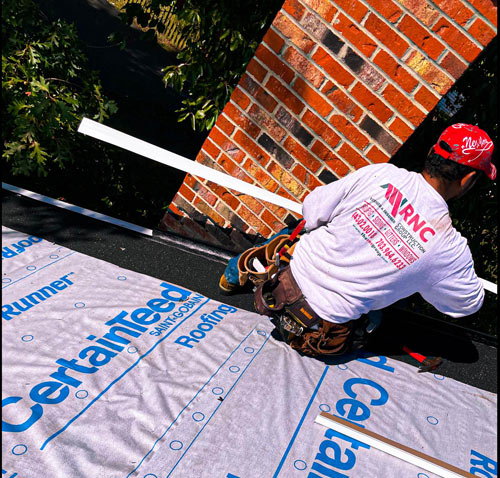
If your roof features skylights, a chimney, or other additional features, it may require extra work and materials to replace damaged flashing and properly seal the roof during the replacement process. Alternatively, these features may need to be replaced entirely if they cannot be successfully repaired during the roof replacement.
Ventilation Replacements
Your roof is home to many of your home’s ventilation systems, including roof vents. During the roof replacement process, these vents may need to be replaced if they are damaged or if local building codes require it.
Gutter Replacement
If your gutters are damaged, it may be a good idea to replace them at the same time as your roof to save on additional labor costs down the line.
Waste Removal
When your old roof is torn off, the materials must be disposed of. This can add to the overall cost of a roof replacement. Dumpsters have to be brought on-site, and time has to be dedicated to disposing of the materials from your old roof. However, some roofing contractors may offer to include waste removal as part of their services, so it’s always a good idea to ask about it when you’re getting estimates.
Choosing The Right Contractor
When it comes to getting a roof replacement in Maryland, choosing the right contractor can make all the difference in terms of the cost and the quality of the work. Before hiring a roofing contractor, it’s important to do your research and ask the right questions. Here are some tips to help you choose the right contractor:
Get Referrals
Ask friends, family, and neighbors for referrals. If someone you know had a good experience with a roofing contractor, it’s a good sign that they do good work.
Check Credentials
Make sure the contractor you choose is licensed and insured. This will protect you in case something goes wrong during the project.
Ask For References
Ask the contractor for references from previous clients. If they’re hesitant to provide references, that could be a red flag.
Get Multiple Estimates
Always get multiple estimates from different contractors before making a decision. This will give you a better idea of what a fair price is for your project.
Read Reviews
Look for reviews of the contractor online. Sites like Yelp, Google, and Angie’s List can be great resources for finding reviews from previous clients.
Why Should You Know This?
A roof replacement can be a costly investment, but it’s also an important one. Your roof is what protects your home and everything inside it from the elements. If you’re in Maryland and need a roof replacement, make sure to do your research and choose a qualified, professional contractor. By understanding the factors that go into the cost of a roof replacement, you can make an informed decision about what type of roof to choose and how much you’re willing to spend.
RNC Roofing and Construction GroupFebruary 10, 2023
Signs You Need to Call a Roofing Contractor
When it comes to maintaining or repairing your roof, hiring a professional roofing contractor is essential. These skilled experts possess the knowledge, experience, and tools necessary to handle various roofing issues efficiently and safely. From inspections to repairs and replacements, roofing contractors are trained to assess the condition of your roof and provide the appropriate solutions.
Visible Roof Damage
Recognizing missing or damaged shingles
One of the clear signs you need to call a roofing contractor is the presence of missing or damaged shingles. During a visual inspection of your roof, keep an eye out for any areas where shingles are completely absent or visibly cracked, broken, or deteriorated. These issues can leave your roof vulnerable to water infiltration, leading to leaks and potential structural damage. Addressing missing or damaged shingles promptly is crucial to prevent further deterioration and ensure the overall stability of your roof.
Identifying curling or buckling shingles
Another visible sign that warrants the expertise of a roofing contractor is the presence of curling or buckling shingles. Over time, exposure to weather elements can cause shingles to warp, resulting in a curled or buckled appearance. This distortion compromises their ability to effectively protect your roof. Curling or buckling shingles are often an indication of underlying moisture issues or inadequate ventilation, which can accelerate the deterioration of your roof if not addressed promptly.
Noticing cracked or blistered shingles
Cracked or blistered shingles are red flags indicating potential roof problems. Cracks may result from aging, extreme weather conditions, or improper installation. Similarly, blistering can occur when moisture becomes trapped underneath the shingle’s surface. These conditions weaken the shingles and compromise their ability to shield your roof from the elements. If you spot cracked or blistered shingles during your inspection, it’s crucial to involve a roofing contractor to evaluate the extent of the damage and recommend suitable repair or replacement options.
Detecting loose or detached flashing
Flashing refers to the metal strips or sheets used to seal roof transitions and prevent water from penetrating vulnerable areas, such as chimney joints, vents, or skylights. If you notice loose or detached flashing, it’s a sign that your roof’s protective barrier has been compromised. Damaged or improperly installed flashing can lead to water leaks and potential structural damage. Engaging a roofing contractor to assess the flashing and make the necessary repairs or replacements is crucial to maintain the integrity of your roof.
Leaks and Water Intrusion
Identifying water stains on the ceiling or walls
Water stains on your ceiling or walls are clear indicators that you need to call a roofing contractor. These stains often result from roof leaks, which can be caused by damaged or deteriorated roofing materials. Look for brown or yellowish discoloration, peeling paint, or bubbling wallpaper on your ceilings or walls. These signs suggest that water is penetrating your roof and making its way into your home’s interior. Addressing these leaks promptly is crucial to prevent further damage, such as weakened structural integrity or mold growth.
Observing wet spots or mold growth in the attic
When inspecting your attic, be on the lookout for wet spots or signs of mold growth. If you notice damp areas or visible mold patches on the attic ceiling or walls, it’s a sign that water is entering your attic space. This could be due to roofing issues such as damaged shingles, faulty flashing, or inadequate ventilation. Mold growth poses health risks and can spread to other areas of your home if left untreated. Contacting a roofing contractor is necessary to identify the source of the water intrusion and resolve the underlying roofing problem.
Noticing water pooling on the roof surface
Water pooling on your roof surface after rain or storms is another sign that you need professional assistance. Flat or low-slope roofs are particularly prone to water pooling, and it can lead to roof damage and leaks. Pooling water indicates that the roof’s drainage system is not functioning properly, possibly due to clogged gutters, sagging areas, or inadequate slope. A roofing contractor can evaluate the roof’s drainage system, identify potential issues, and recommend appropriate solutions to prevent water damage and prolong your roof’s lifespan.
Understanding the significance of consistent roof leaks
Consistent roof leaks, even if they seem minor, should not be ignored. Persistent leaks indicate an ongoing problem that requires the attention of a roofing contractor. Such leaks can lead to significant water damage, compromised structural integrity, and increased energy costs. Ignoring consistent roof leaks can result in more extensive and costly repairs down the line. It’s essential to have a roofing professional assess the situation, identify the root cause, and provide the necessary repairs or replacements to prevent further water intrusion and protect your home.
Age and Wear
Recognizing the typical lifespan of different roofing materials
Knowing the typical lifespan of different roofing materials is essential in determining when to call a roofing contractor. Asphalt shingles, for example, have an average lifespan of 20 to 30 years, while metal roofs can last 40 to 70 years. By understanding the age of your roof and the material it’s made of, you can better assess its condition and determine if it’s time to seek professional help. Keep in mind that harsh weather conditions, poor maintenance, and other factors can impact the lifespan of your roof.
Understanding the effects of weathering and deterioration
Over time, exposure to the elements takes a toll on your roof, causing weathering and deterioration. UV rays, rain, snow, hail, and fluctuating temperatures can all contribute to the degradation of roofing materials. Signs of weathering and deterioration include faded or discolored shingles, cracked tiles, rusted metal, and brittle or curling materials. These visible signs indicate that your roof is no longer providing adequate protection and may require the attention of a roofing contractor.
Identifying signs of aging, such as granule loss or sagging
As roofs age, they exhibit specific signs that indicate the need for professional intervention. One common sign of an aging roof is granule loss on asphalt shingles. These granules protect the shingles from UV rays and provide fire resistance. When they start to wear off and accumulate in gutters or downspouts, it’s a clear indication that your roof is nearing the end of its lifespan. Additionally, sagging areas or a visibly uneven roof surface are signs of structural issues that should be addressed promptly.
Importance of professional assessment for an aging roof
When your roof reaches a certain age or shows signs of wear, it’s crucial to have it professionally assessed by a roofing contractor. While you may observe some visible signs of aging, a roofing professional can provide a comprehensive evaluation of your roof’s condition. They have the expertise to identify hidden damage or underlying issues that may not be apparent to an untrained eye. This assessment will help determine the best course of action, whether it’s repair, maintenance, or roof replacement, to ensure the safety and longevity of your home.
Storm or Weather Damage
Assessing the impact of severe weather conditions
Severe weather conditions can wreak havoc on your roof, making it essential to know the signs that indicate you need to call a roofing contractor. Storms, high winds, heavy rain, and extreme temperature fluctuations can cause significant damage to your roof’s integrity. It’s crucial to assess the impact of these weather events on your roof. Look for visible signs of damage, such as missing or displaced shingles, damaged gutters, or debris scattered on your roof. Even if the damage appears minor, it’s wise to have a professional inspection to identify any underlying issues.
Identifying signs of wind damage, such as lifted shingles or fallen debris
Strong winds during a storm can cause considerable damage to your roof. Signs of wind damage include lifted or curled shingles, missing shingles, or shingles that have been torn or cracked. Additionally, fallen tree branches or debris on your roof are indicators of wind-related issues. If you notice any of these signs, it’s crucial to contact a roofing contractor promptly. They can assess the extent of the damage and provide the necessary repairs or replacements to restore the integrity of your roof.
Recognizing hail damage, including dents and pockmarks
Hailstorms can leave behind significant damage to your roof. When inspecting your roof after a hailstorm, look for dents, pockmarks, or bruised areas on your shingles or other roofing materials. Hail damage weakens the protective layers of your roof, making it more susceptible to leaks and other issues. If you observe any signs of hail damage, it’s vital to call a roofing contractor for a thorough inspection. They can evaluate the extent of the damage and recommend the appropriate repairs or replacements to ensure the longevity of your roof.
Understanding the importance of prompt repairs after a storm
After experiencing severe weather conditions, it’s crucial to prioritize prompt repairs for your roof. Delaying repairs can worsen existing damage and lead to more extensive problems, such as leaks or structural issues. Water intrusion resulting from storm damage can cause mold growth, rotting of underlying structures, or compromised insulation. By calling a roofing contractor without delay, you can mitigate the risk of further damage and protect the overall integrity of your home.
Energy Efficiency Concerns
Understanding the role of the roof in energy conservation
When it comes to energy efficiency, your roof plays a crucial role in keeping your home well-insulated. It acts as a protective barrier against heat transfer, helping to maintain a comfortable indoor temperature while reducing the need for excessive heating or cooling. Proper insulation and ventilation are essential for maximizing energy efficiency. A well-maintained roof with adequate insulation can prevent heat loss during the colder months and minimize heat gain during the hotter months, resulting in lower energy consumption and reduced utility costs.
Identifying signs of poor insulation or ventilation
Signs of poor insulation or ventilation can indicate the need to call a roofing contractor for assistance. Uneven indoor temperatures, drafts, and high energy bills are common indicators of inadequate insulation or ventilation. Additionally, if you notice excessive condensation or moisture buildup in your attic or around vents, it may suggest a ventilation problem. A professional roofing contractor can assess your roof’s insulation and ventilation systems, identifying any areas that require improvement to enhance energy efficiency and overall comfort.
Recognizing the impact of a damaged roof on energy bills
A damaged roof can have a significant impact on your energy bills. Leaks, gaps, or cracks in your roof can allow air infiltration, causing your heating and cooling systems to work harder to maintain a comfortable temperature. This results in increased energy consumption and higher utility costs. If you’ve noticed a sudden spike in your energy bills without a clear explanation, it’s important to consider the condition of your roof. Calling a roofing contractor to inspect and address any issues can help restore your roof’s integrity and improve energy efficiency.
How a roofing contractor can help improve energy efficiency
A professional roofing contractor can provide valuable assistance in improving your roof’s energy efficiency. They have the expertise to assess your roof’s insulation, ventilation, and overall condition. They can recommend and implement solutions such as adding insulation, sealing air leaks, installing proper ventilation systems, or replacing damaged roofing materials. These measures not only enhance energy efficiency but also contribute to the longevity and durability of your roof. By collaborating with a roofing contractor, you can create a more energy-efficient home and enjoy long-term savings on your energy bills.
View More Articles
Free, No Obligation
Request Your Free Estimate & Inspection
Tell us about your roof and we’ll come take a look — no pressure,
no cost. Or call us right now on
(571) 269-8153.
Delaying Roof Repairs: Risks, Consequences, and Solutions
RNC Roofing and Construction GroupAugust 22, 2022
Delaying Roof Repairs: Risks, Consequences, and Solutions
Regular roof maintenance is vital to ensure the longevity and functionality of your home’s roof. Neglecting necessary repairs can lead to significant risks and costly consequences. Your roof serves as the first line of defense against external elements such as rain, wind, and extreme weather conditions. It shields your property and its occupants from harm, making it crucial to address any issues promptly.
Identifying Common Roof Problems
Understanding common roofing issues is essential for homeowners to recognize potential problems and take timely action. Roofing problems can arise due to various factors such as age, weather conditions, improper installation, and lack of maintenance. By familiarizing yourself with these issues, you can be proactive in addressing them before they escalate.
Recognizing Signs of Roof Damage
Missing or Damaged Shingles: One of the most noticeable signs of roof damage is missing, cracked, or curled shingles. These issues can occur due to aging, wind damage, or improper installation. Keep an eye out for any shingles that appear discolored, deteriorated, or out of place.
Leaks and Water Stains: Water stains on ceilings or walls are clear indications of a roof leak. Pay attention to any discolored patches, peeling paint, or dripping water. Leaks can result from damaged flashing, deteriorated underlayment, or cracked roof tiles.
Sagging or Bowing Roof: A sagging or bowing roof indicates underlying structural problems. This issue often stems from excessive weight on the roof, compromised support beams, or water damage. If you notice any significant changes in the roofline, it is crucial to address it promptly.
Linking Symptoms to Potential Risks
Compromised Structural Integrity: Delaying roof repairs can lead to further damage to the roof’s structural integrity. This includes weakened support beams, rotting roof decking, and compromised load-bearing capacity. Over time, this can pose a safety risk and potentially result in a partial or total roof collapse.
Water Damage and Mold Growth:Roof leaks can allow water to seep into the underlying layers of the roof and the interior of the property. This can lead to extensive water damage, including rotting wood, weakened ceilings, and walls. The presence of moisture can also create an ideal environment for mold growth, which poses health risks to occupants.
Energy Inefficiency and Increased Costs: Damaged or poorly maintained roofs can compromise energy efficiency. Gaps, cracks, and inadequate insulation can lead to heat loss in winter and heat gain in summer, resulting in increased energy consumption and higher utility bills.
The Dangers of Delaying Roof Repairs
Delaying roof repairs can have serious consequences due to the progressive nature of roof damage. What may start as a small issue, if left unattended, can quickly escalate into more significant problems. For example, a minor leak can lead to water infiltration, causing rot and weakening the underlying structure of the roof. It’s crucial to address even seemingly minor issues promptly to prevent further deterioration and more extensive repairs down the line.
Water Leaks and Structural Integrity
One of the primary dangers of delaying roof repairs is the risk of water leaks and compromised structural integrity. When roof leaks are not promptly addressed, water can penetrate the roofing materials and seep into the underlying layers. This moisture intrusion can lead to rotting of wooden components, weakening of support beams, and compromising the overall stability of the roof structure. Furthermore, the presence of water can promote the growth of mold, which poses health risks to occupants.
Impact on Energy Efficiency and Insulation
Delaying roof repairs can also have a significant impact on energy efficiency and insulation. A damaged or poorly maintained roof may have gaps, cracks, or missing insulation, allowing air to escape or enter the property. This results in energy loss and an increased load on heating and cooling systems, leading to higher energy bills. Additionally, inadequate insulation can create temperature imbalances and discomfort within the living space.
Increased Susceptibility to Pests and Mold Growth
Roof damage that is left unaddressed provides an entry point for pests and encourages mold growth. Holes, gaps, or deteriorated roofing materials can invite pests such as rodents, birds, or insects into the attic or interior spaces. These unwanted visitors can cause damage, create noise, and pose health hazards. Moreover, the presence of moisture from roof leaks creates favorable conditions for mold growth, which not only damages the roof but also affects indoor air quality and can trigger allergies or respiratory issues.
Estimating Cost
Delaying roof repairs can lead to significant financial implications. What may initially seem like a minor issue can worsen over time, resulting in more extensive damage and higher repair costs. For example, a small roof leak left unattended can cause water damage to the underlying structure, insulation, and interior finishes. As the damage spreads, the complexity of the repair increases, and the associated costs rise. By addressing roof repairs promptly, homeowners can avoid unnecessary expenses and prevent the need for more extensive renovations.
Potential for Extensive Damage and Replacement
Neglecting roof repairs can result in extensive damage that may require roof replacement. The longer issues such as leaks, missing shingles, or damaged flashing persist, the greater the likelihood of more severe damage to the roof structure. This can compromise the integrity of the entire roofing system and necessitate a complete roof replacement. Roof replacement is a major expense and often involves additional costs such as labor, materials, and disposal fees. Timely repairs can help preserve the existing roof and prevent the need for costly replacements.
Impact on Property Value and Insurance Coverage
Delaying roof repairs can also have consequences for property value and insurance coverage. A damaged or poorly maintained roof can negatively impact the overall value of a property. Potential buyers may be hesitant to invest in a home with unresolved roof issues, or it may result in a lower appraisal value during a property assessment. Moreover, insurance providers may view a property with delayed roof repairs as a higher risk, leading to potential coverage limitations or increased premiums. By addressing roof repairs promptly, homeowners can protect the value of their property and maintain favorable insurance terms.
Health and Safety Concerns
Delaying roof repairs can also have consequences for property value and insurance coverage. A damaged or poorly maintained roof can negatively impact the overall value of a property. Potential buyers may be hesitant to invest in a home with unresolved roof issues, or it may result in a lower appraisal value during a property assessment. Moreover, insurance providers may view a property with delayed roof repairs as a higher risk, leading to potential coverage limitations or increased premiums. By addressing roof repairs promptly, homeowners can protect the value of their property and maintain favorable insurance terms.
Indoor Air Quality and Respiratory Health Risks
Delaying roof repairs can have a detrimental impact on indoor air quality, potentially leading to respiratory health risks. When roof damage allows water to enter the property, it creates a conducive environment for mold and mildew growth. These microorganisms release spores into the air, which, when inhaled, can trigger allergies, respiratory infections, or worsen existing respiratory conditions. By promptly addressing roof repairs, homeowners can safeguard the indoor air quality and protect the health of their family members.
Structural Stability and Personal Safety Hazards
Neglecting roof repairs can pose structural stability and personal safety hazards. A damaged roof may become weak and susceptible to collapse, especially during severe weather conditions. Loose or missing shingles, deteriorated flashing, or weakened support beams increase the risk of accidents, such as falling debris or potential roof cave-ins. Timely roof repairs ensure the structural integrity of the roof, reducing the risk of accidents and promoting a safe living environment.
Increased Fire Risk Due to Compromised Roofing
Delaying roof repairs can also contribute to an increased risk of fire. If the roofing materials, such as shingles or flashing, are damaged or missing, it exposes the underlying structure to the elements, including sparks or embers from nearby sources. These external fire sources can find their way into the property through compromised roofing, potentially leading to a fire hazard. Prompt roof repairs help maintain a protective barrier against external fire risks, reducing the likelihood of fire incidents.
Long-Term Effects on Property
Delaying roof repairs can have a negative impact on the curb appeal and overall aesthetics of a property. The roof is a prominent feature of any home, and visible signs of damage, such as missing shingles, sagging sections, or discolored patches, can detract from its visual appeal. A well-maintained roof contributes to the overall attractiveness of a property and enhances its curb appeal. By addressing roof repairs promptly, homeowners can preserve the aesthetics of their property and make a positive impression on potential buyers or visitors.
Potential Damage to Other Property Components
Neglected roof repairs can lead to potential damage to other components of a property. When water enters through a damaged roof, it can seep into the walls, ceilings, and insulation, causing further deterioration and compromising the integrity of these elements. Moisture can also reach electrical systems, posing a risk of electrical hazards. By addressing roof repairs in a timely manner, homeowners can prevent secondary damage to other property components and avoid additional repair costs.
Considerations for Future Property Transactions
The condition of the roof plays a crucial role in future property transactions. Prospective buyers typically conduct thorough inspections to assess the overall condition of the property, including the roof. Delayed roof repairs can raise concerns for potential buyers, affecting their decision-making process and potentially resulting in a lower offer or extended negotiation. Moreover, lenders and insurance companies may also scrutinize the condition of the roof, and unresolved issues can impact the financing or insurance terms for the property. By prioritizing roof repairs, homeowners can ensure a smooth property transaction process and maintain a competitive edge in the real estate market.
View More Articles
Free, No Obligation
Request Your Free Estimate & Inspection
Tell us about your roof and we’ll come take a look — no pressure,
no cost. Or call us right now on
(571) 269-8153.