Tag: blistering shingles

  • What Materials Are Needed to Replace a Roof?
    Protecting your home, one shingle at a time VA (571) 269-8153| MD (571) 269-8153| Free Estimate & Inspection
    Homeowner Help

    What Materials Are Needed to Replace a Roof?

    RNC Roofing and Construction Group June 20, 2023
    What Materials Are Needed to Replace a Roof?

    What Materials Are Needed to Replace a Roof?

    Considerations for Roof Replacement

    The process of roof replacement involves several crucial considerations. First and foremost, you need to evaluate the existing condition of your roof. Assess any damage, leaks, or structural issues that may require attention. Additionally, consider the climate and weather patterns in your region, as different materials perform better in varying environments.

    Researching Roofing Materials

    To make an informed decision, it is essential to research the different roofing materials available. Explore options such as asphalt shingles, metal roofing, clay or concrete tiles, and wood shakes or shingles. Each material has its unique features, advantages, and considerations, allowing you to find the best fit for your specific needs and preferences.

    Energy Efficiency and Sustainability

    In recent years, energy efficiency and sustainability have become significant factors in roof replacement. Look for materials that offer good insulation properties, such as reflective coatings or energy-efficient underlayment. Consider eco-friendly options like recycled materials or those with high recyclability rates to minimize your environmental impact.

    Understanding Your Roofing Needs

    Assessing the Condition of Your Existing Roof

    Before embarking on a roof replacement project, it is essential to assess the condition of your current roof. Inspect for signs of damage, such as missing or broken shingles, leaks, or sagging areas. Look out for any structural issues that may need attention, as addressing them during the replacement process can save time and money in the long run. By understanding the current state of your roof, you can determine the necessary materials for the replacement.

    Determining the Scope of the Roof Replacement Project

    Once you have assessed the condition of your roof, it is important to determine the scope of the replacement project. Consider whether you need a complete roof replacement or if partial repairs would suffice. Assess the age of your roof and evaluate if it has reached its expected lifespan. Understanding the extent of the project will help you determine the amount and type of materials required.

    Identifying Specific Requirements Based on Your Roof Type and Slope

    Roofing materials vary depending on the type and slope of your roof. Different materials are suitable for different roof styles and angles. For instance, asphalt shingles are a common choice for sloped roofs due to their versatility and cost-effectiveness. In contrast, flat roofs may require materials like modified bitumen or EPDM rubber membranes. By identifying your roof type and slope, you can narrow down the options and choose materials that are compatible with your specific requirements.
    metal roofing

    Roofing Materials for Sloped Roofs

    Asphalt Shingles: Versatile and Cost-Effective

    Asphalt shingles are the most popular choice for sloped roofs due to their versatility, affordability, and wide range of styles. They are available in various colors, textures, and designs, allowing homeowners to find the perfect match for their preferences. Asphalt shingles are durable, easy to install, and provide reliable protection against the elements. However, they may have a shorter lifespan compared to some other materials and can be susceptible to damage in severe weather conditions.

    Metal Roofing: Longevity and Energy Efficiency

    Metal roofing, such as steel or aluminum, offers excellent longevity and durability. It can last up to 50 years or more with proper maintenance. Metal roofs are resistant to fire, rot, and insect damage. They provide energy efficiency benefits by reflecting sunlight, reducing cooling costs in hot climates. Metal roofing comes in a variety of styles, including standing seam panels, metal tiles, or shingles. However, metal roofs can be relatively expensive compared to other options and may require professional installation.

    Clay and Concrete Tiles: Classic and Durable

    Clay and concrete tiles add a touch of elegance and timeless beauty to sloped roofs. They are known for their durability, longevity, and resistance to fire and insect damage. Clay tiles have a distinctive aesthetic appeal, while concrete tiles offer more design options and are often more affordable. Both materials provide excellent insulation, helping to regulate indoor temperatures. However, clay and concrete tiles are heavier than other roofing materials, so it is important to ensure your roof structure can support their weight.

    Wood Shakes and Shingles: Natural and Rustic Charm

    Wood shakes and shingles provide a unique, natural look and rustic charm to sloped roofs. They are typically made from cedar, redwood, or pine, offering excellent insulation properties and a long lifespan when properly maintained. Wood roofing materials are environmentally friendly and biodegradable. However, they require regular maintenance to prevent moss, rot, or insect damage. Wood shakes and shingles may not be suitable for areas prone to wildfires or high humidity.

    materials for roof replacement

    Flat Roofing Materials

    Flat roofing systems are designed to have a minimal slope or no slope at all, making proper water drainage crucial. Unlike sloped roofs, flat roofs require materials that can create a waterproof barrier to prevent water penetration. Additionally, these materials should be durable enough to withstand foot traffic and the potential for standing water.

    Built-Up Roofing (BUR): Time-Tested Reliability

    Built-up roofing, commonly known as BUR, has been a popular choice for flat roofs for many years. It consists of multiple layers of bitumen and reinforced fabrics, creating a sturdy and durable roof. BUR provides excellent waterproofing properties and is resistant to ultraviolet (UV) radiation. However, the installation process can be labor-intensive, and the roof may require regular maintenance to prevent issues like blistering or cracking.

    Modified Bitumen Roofing: Flexibility and Strength

    Modified bitumen roofing is a modern alternative to traditional BUR. It combines bitumen (asphalt) with modifiers to enhance its flexibility, strength, and resistance to temperature extremes. This type of roofing material comes in rolls or sheets, making installation more efficient. Modified bitumen roofing offers good waterproofing capabilities, excellent UV resistance, and improved durability. However, it may require periodic maintenance and inspections to ensure optimal performance.

    EPDM (Rubber) Roofing: Versatile and Cost-Effective

    EPDM (ethylene propylene diene terpolymer) roofing is a popular choice for flat roofs due to its versatility and cost-effectiveness. It is a synthetic rubber membrane that can be installed as large sheets, reducing the number of seams and potential weak points. EPDM roofing provides excellent resistance against UV radiation, ozone, and weathering. It offers easy installation and low maintenance requirements. However, EPDM roofs can be susceptible to punctures and may have a shorter lifespan compared to other materials.

    TPO and PVC Single-Ply Membranes: Energy Efficiency and Durability

    Thermoplastic Olefin (TPO) and Polyvinyl Chloride (PVC) single-ply membranes are gaining popularity for flat roofs. They are lightweight, flexible, and available in different thicknesses. TPO and PVC membranes offer exceptional heat reflectivity, energy efficiency, and resistance to UV radiation. They provide reliable waterproofing and require minimal maintenance. However, it is crucial to choose high-quality membranes from reputable manufacturers to ensure long-term performance.
    roof flashing and underlayment

    Roofing Underlayment and Insulation

    When replacing a roof, it’s crucial to consider the materials used for underlayment and insulation. These components play a vital role in ensuring the longevity, durability, energy efficiency, and comfort of your roof. Here’s an overview of the importance of quality underlayment and the role of insulation:

    Importance of Quality Underlayment

    Underlayment is a protective layer installed between the roof deck and the roofing material. It acts as an additional barrier against water infiltration, helps prevent leaks, and provides an added layer of protection for your roof. Quality underlayment is essential for a reliable and long-lasting roof replacement. It helps to protect your home from potential water damage, moisture buildup, and ice dams. Additionally, it helps to create a smooth and even surface for the roofing material installation.

    Types of Underlayment Materials

    • a) Synthetic Underlayment: Synthetic underlayment is a popular choice due to its durability, resistance to tearing, and enhanced water resistance. It is typically made from polypropylene or polyethylene materials and provides excellent protection against water infiltration.
    1. b) Asphalt-Saturated Felt: Asphalt-saturated felt, also known as roofing felt or tar paper, has been used for many years as a traditional underlayment material. It is made from organic or fiberglass materials and offers good protection against water infiltration.
    • c) Rubberized Underlayment: Rubberized underlayment provides superior water resistance and is often used in areas prone to heavy rainfall or extreme weather conditions. It offers enhanced durability and flexibility, ensuring long-term performance.

    The Role of Insulation in Energy Efficiency and Comfort

    Insulation is a crucial component of your roof replacement project, as it helps regulate indoor temperatures, reduce energy consumption, and enhance overall comfort. Proper insulation minimizes heat transfer, keeping your home cooler in hot weather and warmer in cold weather. It also reduces energy costs by preventing air leaks and heat loss.

    Popular Insulation Options

    • a) Fiberglass Insulation: Fiberglass insulation is one of the most commonly used insulation materials. It consists of tiny glass fibers and offers excellent thermal performance, fire resistance, and sound absorption properties. Fiberglass insulation is available in batts or rolls, making it easy to install.
    • b) Cellulose Insulation: Cellulose insulation is made from recycled paper materials treated with fire retardants. It provides good thermal insulation and has the advantage of being environmentally friendly. Cellulose insulation is often blown into attics or walls, filling gaps and crevices effectively.
    • c) Spray Foam Insulation: Spray foam insulation is a versatile option that expands to fill cavities and creates an airtight seal. It provides excellent thermal insulation, minimizes air leakage, and improves energy efficiency. Professional installation is recommended for spray foam insulation.

    roof ventilation

    Flashing and Ventilation Systems

    Flashing and ventilation systems are essential components of a roof replacement project. They play a crucial role in preventing water infiltration, maintaining the structural integrity of the roof, and ensuring proper airflow. Here’s a closer look at the significance of flashing and the importance of ventilation:

    The Significance of Flashing in Preventing Water Infiltration

    Flashing is a critical element that prevents water from seeping into vulnerable areas of the roof, such as intersections, joints, and transitions. It creates a watertight seal, directing water away from these areas and protecting the underlying structure. Properly installed flashing is essential for preventing leaks and water damage, contributing to the overall longevity of the roof.

    Different Flashing Materials

    • a) Aluminum Flashing: Aluminum flashing is a popular choice due to its durability, resistance to corrosion, and affordability. It is lightweight and easy to work with, making it a preferred option for many roofers.
    • b) Copper Flashing: Copper flashing offers excellent durability and resistance to corrosion. It develops a beautiful patina over time, adding aesthetic appeal to the roof. Although slightly more expensive than other options, copper flashing is highly effective in preventing water infiltration.
    • c) Lead Flashing: Lead flashing is a traditional choice known for its malleability and long-term performance. It can be easily shaped and formed to fit various roof configurations, ensuring a secure seal against water intrusion.

    The Importance of Proper Ventilation for Roof Longevity

    Proper ventilation is essential for a healthy and long-lasting roof. It helps regulate temperature, remove excess moisture, and prevent the buildup of heat and condensation in the attic space. Adequate ventilation plays a key role in preventing issues such as mold growth, wood rot, and premature aging of roofing materials.

    Various Ventilation Options

    • a) Ridge Vents: Ridge vents are installed along the peak of the roof, allowing hot air to escape from the attic while drawing in cooler air from the soffit vents. This continuous airflow promotes efficient ventilation and helps maintain a balanced temperature inside the attic.
    • b) Soffit Vents: Soffit vents are located under the eaves of the roof and allow fresh air to enter the attic. They work in conjunction with ridge vents, creating a natural flow of air that keeps the attic properly ventilated.
    • c) Turbines: Turbine vents, also known as whirlybirds, use wind power to facilitate ventilation. As the wind blows, the spinning action of the turbines draws air out of the attic, enhancing airflow and removing stale air.

    View More Articles

    Free, No Obligation

    Request Your Free Estimate & Inspection

    Tell us about your roof and we’ll come take a look — no pressure, no cost. Or call us right now on (571) 269-8153.

    (571) 269-8153
    Contact Form Demo (#3)
    Owens Corning Preferred Contractor GAF System Plus CertainTeed SureStart PLUS BBB A+ Accredited HomeAdvisor

    RNC Roofing

    RNC Roofing and Construction Group — The Roofing Contractor Specialists. Protecting your home, one shingle at a time.

    Virginia

    (571) 269-8153 Sterling · Leesburg · Ashburn
    Loudoun & Fairfax County

    Maryland

    (571) 269-8153 Beltsville · District Heights
    All of Maryland
    © 2026 RNC Roofing and Construction Group — The Roofing Contractor Specialists Northern Virginia & Maryland
  • Types of Roof Damage | Understanding and Addressing Issues

    Protecting your home, one shingle at a time VA (571) 269-8153| MD (571) 269-8153| Free Estimate & Inspection
    Homeowner Help

    Types of Roof Damage | Understanding and Addressing Issues

    RNC Roofing and Construction Group June 20, 2023
    Types of Roof Damage | Understanding and Addressing Issues

    Types of Roof Damage | Understanding and Addressing Issues

    Roofs can experience various types of damage due to weather conditions, aging, structural issues, and external factors. Some common types of roof damage include wind damage, hail damage, water-related damage such as leaks and ponding water, age-related wear and tear, and structural problems like roof sagging and punctures. Each type of damage requires specific attention and repair techniques to ensure the longevity and functionality of the roof.

    Weather-Related Roof Damage

    Wind and Storm Damage

    Wind and storm damage can wreak havoc on roofs, compromising their integrity and leading to potential leaks and other issues. Understanding the causes and signs of wind damage is essential for homeowners.

    Causes and signs of wind damage

    Strong winds can arise from severe storms, hurricanes, or even regular weather patterns in certain regions. They can cause various types of roof damage, such as:

    • Dislodged or missing shingles: High winds can loosen or tear off shingles, leaving the underlying roof structure exposed.
    • Lifted or damaged flashing: The flashing around chimneys, vents, and skylights can be lifted or damaged, allowing water to penetrate the roof.
    • Weakened or displaced fascia and soffits: Intense wind gusts can impact the fascia and soffits, leading to structural damage.

    Signs of wind damage may include visibly missing or damaged shingles, exposed areas of the roof, leaks, or water stains on interior ceilings or walls.

    Impact on roof components

    When wind damage occurs, it can affect various roof components:

    • Shingles: Damaged or missing shingles compromise the waterproofing and protective capabilities of the roof, making it susceptible to leaks and further damage.
    • Flashing: Lifted or damaged flashing allows water to infiltrate the roof, potentially leading to water-related damage and deterioration.
    • Gutters: Strong winds can cause debris and branches to impact gutters, leading to blockages and affecting proper drainage.

    Precautionary measures and repairs

    To mitigate wind damage, homeowners can take precautionary measures such as:

    • Ensuring proper installation: Roofing materials should be installed according to manufacturer guidelines and local building codes to withstand high winds.
    • Regular inspections: Periodic roof inspections by professionals can identify potential weaknesses and address them promptly.
    • Reinforcing vulnerable areas: Adding extra fasteners, using stronger adhesives, or reinforcing vulnerable components can enhance the roof’s resistance to wind damage.

    Hail Damage

    Hail can be a significant threat to roofs, causing various types of damage. Understanding how to identify hail damage, its common signs, and the necessary steps for assessing and restoring hail-damaged roofs is crucial for homeowners.

    Identifying hail damage on roofs

    Identifying hail damage requires a thorough inspection of the roof. Look for the following indicators:

    • Dented or cracked shingles: Hailstones can leave visible dents or cracks on shingles, compromising their integrity.
    • Bruised or punctured underlayment: The underlayment beneath the shingles may exhibit signs of bruising or punctures caused by the impact of hailstones.
    • Damaged flashing: Hail can also cause damage to flashing around roof penetrations such as chimneys, vents, and skylights.

    Common signs and consequences

    The consequences of hail damage can vary depending on the severity and size of the hailstones. Common signs include:

    • Granule loss: Hailstones can dislodge granules from the shingles, exposing the underlying material and reducing the roof’s protective capabilities.
    • Cracked or broken shingles: Hail impact can lead to shingles cracking or breaking, compromising their ability to shed water effectively.
    • Leaks and water infiltration: Hail damage can create vulnerabilities that allow water to penetrate the roof, leading to leaks and potential water damage within the structure.

    Assessing and restoring hail-damaged roofs

    If you suspect hail damage, it’s crucial to have a professional roofing contractor assess the extent of the damage. They will provide a comprehensive inspection and recommend appropriate restoration measures.

    • Insurance claims: In cases of significant hail damage, it may be necessary to file an insurance claim. Document the damage with photographs and consult with your insurance provider to understand the process and requirements.
    • Repairs and replacements: Depending on the severity of the hail damage, repairs or replacements may be necessary. This can involve replacing damaged shingles, addressing underlying issues, and restoring the roof’s integrity.

    fix leaky roof

    Water-Related Roof Damage

    Roof Leaks and Water Intrusion

    Roof leaks and water intrusion are common types of water-related roof damage that homeowners may encounter. Understanding the causes, detecting leaks, and knowing the consequences of water damage is essential to address these issues effectively.

    Causes and detection of leaks

    Roof leaks can be caused by various factors, including:

    • Damaged or missing shingles: Cracked or missing shingles create openings for water to penetrate the roof structure.
    • Damaged flashing: Improperly installed or deteriorated flashing around chimneys, vents, and skylights can allow water to infiltrate.
    • Clogged gutters: When gutters are clogged with debris, water can overflow and seep into the roof, causing damage over time.

    Detecting roof leaks requires a systematic approach:

    • Visual inspection: Look for water stains on ceilings or walls, peeling paint, or mold and mildew growth, which may indicate water intrusion.
    • Attic examination: Inspect the attic for signs of water damage, such as damp insulation, rotting wood, or water drips.

    Consequences of water damage

    Water damage can have severe consequences if left unaddressed:

    • Structural damage: Prolonged exposure to water can weaken the roof structure, leading to sagging, rot, or even collapse.
    • Mold and mildew growth: Excess moisture can create an ideal environment for mold and mildew to flourish, posing health risks and further damaging the property.
    • Electrical hazards: Water infiltration can compromise electrical systems, increasing the risk of electrical malfunctions or fires.

    Repair options for roof leaks

    Repairing roof leaks requires proper identification of the source and suitable repair techniques:

    • Patching: Small leaks caused by localized damage can often be repaired by applying sealants or patches to the affected areas.
    • Shingle replacement: If damaged shingles are the source of the leak, replacing the affected shingles can help prevent further water intrusion.
    • Flashing repair or replacement: Damaged flashing should be repaired or replaced to ensure proper water sealing around roof penetrations.

    repairs roofing maintenance

    Age-Related Roof Damage

    Signs of an Aging Roof

    Over time, roofs naturally deteriorate due to age-related factors. Recognizing the signs of an aging roof is crucial for homeowners to take proactive measures and address potential damage promptly.

    • Curling or buckling shingles: Shingles that have curled or buckled at the edges are indicative of an aging roof. This can occur due to prolonged exposure to the elements.
    • Cracked or missing shingles: As a roof ages, shingles may crack or become dislodged, leaving vulnerable areas that can lead to water intrusion and further damage.
    • Granule loss: Aging roofs often experience granule loss, which can be observed as a buildup of granules in gutters or downspouts. This indicates a decrease in the shingles’ protective capabilities.

    Effects of UV radiation and weathering

    UV radiation and weathering are two primary factors that contribute to the aging process of a roof. Understanding their effects can help homeowners grasp the importance of maintaining and protecting their roofs.

    • UV radiation: Prolonged exposure to the sun’s UV rays can cause shingles to become brittle, fade in color, and lose their structural integrity. This can lead to increased vulnerability to other types of roof damage.
    • Weathering: Extreme weather conditions such as rain, snow, hail, and fluctuating temperatures take a toll on the roof over time. They can cause the materials to expand, contract, and deteriorate, accelerating the aging process.

    Addressing age-related damage through maintenance

    Regular maintenance is key to extending the lifespan of an aging roof and minimizing potential damage. Homeowners should consider the following maintenance practices:

    • Inspections: Schedule periodic roof inspections by a professional to assess the condition of the roof, identify areas of concern, and address any potential issues promptly.
    • Repairs and replacements: Perform necessary repairs or replacements as soon as signs of age-related damage are identified. This includes replacing cracked or missing shingles and addressing areas of granule loss.
    • Cleaning and debris removal: Keep the roof clean and free from debris that can retain moisture and promote the growth of mold and algae, which can further deteriorate the roof.

    how to remove roof moss

    Vegetation-Related Roof Damage

    Moss and Algae Growth

    The presence of moss and algae on roofs is a common issue that can lead to various types of damage if left unaddressed. Understanding the impact of moss and algae, preventive measures, and the consequences of neglecting vegetation-related damage is crucial for maintaining a healthy roof.

    Impact on roof surfaces

    Moss and algae growth can have detrimental effects on roof surfaces:

    • Moisture retention: Moss and algae trap moisture, which can accelerate the deterioration of roofing materials, especially in humid environments. This can lead to the weakening of the roof structure over time.
    • Shingle damage: Moss and algae can penetrate beneath the shingles, causing them to lift, crack, or warp. This compromises the roof’s ability to shed water, leading to potential leaks and water damage.
    • Reduced lifespan: The presence of moss and algae can shorten the lifespan of roofing materials, resulting in the need for premature repairs or replacements.

    Preventing and removing moss and algae

    To prevent moss and algae growth on the roof, consider the following measures:

    • Regular roof maintenance: Keep the roof clean by removing debris, leaves, and twigs that can provide a favorable environment for moss and algae to thrive.
    • Trimming nearby trees: Ensure that tree branches are adequately trimmed to minimize shade and improve air circulation, reducing moisture buildup.
    • Zinc or copper strips: Installing strips of zinc or copper near the roof’s ridge can inhibit moss and algae growth by releasing small amounts of metal ions during rainfall.
    • Biocide treatments: Applying specialized biocide treatments can effectively eliminate existing moss and algae and inhibit their future growth.

    Consequences of neglecting vegetation-related damage

    Neglecting vegetation-related damage can lead to severe repercussions:

    • Structural degradation: Moss and algae can compromise the integrity of the roof, leading to leaks, water damage, and even structural issues if left unchecked.
    • Increased maintenance costs: Delaying the removal of moss and algae can result in more extensive damage, requiring costly repairs or even a complete roof replacement.
    • Aesthetics and curb appeal: Excessive moss and algae growth can make a roof appear unsightly, negatively impacting the overall aesthetics and value of a property.

    evaluating roof damage

    Structural Roof Damage

    Sagging Roofs

    Sagging roofs are a serious type of structural damage that can compromise the integrity and safety of a building. Understanding the causes, signs, and necessary actions to rectify this issue is essential for homeowners.

    Causes and signs of roof sagging

    Roof sagging can occur due to various factors, including:

    • Overload: Excessive weight on the roof, such as accumulated snow, heavy equipment, or multiple layers of roofing materials, can cause the roof structure to sag over time.
    • Poor construction or design: Inadequate construction techniques, improper use of materials, or insufficient support structures during the initial installation can lead to roof sagging.
    • Water damage: Prolonged water infiltration due to leaks or inadequate drainage can weaken the roof’s structural components, leading to sagging.

    Signs of roof sagging may include:

    • Visibly dipping or bowing sections of the roofline.
    • Cracked or distorted ceilings and walls inside the building.
    • Uneven or sagging areas on the roof surface.

    Structural implications and safety concerns

    A sagging roof indicates significant structural problems that should not be ignored. The implications of a sagging roof include:

    • Increased risk of roof collapse: The compromised structural integrity of a sagging roof poses a potential hazard to the occupants of the building, making it crucial to address the issue promptly.
    • Damage to other building components: Roof sagging can exert stress on the walls, windows, and foundation, potentially causing additional damage throughout the structure.

    Rectifying sagging roofs through reinforcements

    When dealing with a sagging roof, it is vital to consult a professional roofing contractor or structural engineer who can assess the severity of the damage and recommend appropriate measures. Reinforcements may include:

    • Installing additional support beams or trusses to strengthen the roof structure.
    • Removing excess weight, such as snow accumulation or unnecessary layers of roofing materials.
    • Repairing or replacing damaged structural components, such as rafters or joists.

    Free, No Obligation

    Request Your Free Estimate & Inspection

    Tell us about your roof and we’ll come take a look — no pressure, no cost. Or call us right now on (571) 269-8153.

    (571) 269-8153
    Contact Form Demo (#3)
    Owens Corning Preferred Contractor GAF System Plus CertainTeed SureStart PLUS BBB A+ Accredited HomeAdvisor

    RNC Roofing

    RNC Roofing and Construction Group — The Roofing Contractor Specialists. Protecting your home, one shingle at a time.

    Virginia

    (571) 269-8153 Sterling · Leesburg · Ashburn
    Loudoun & Fairfax County

    Maryland

    (571) 269-8153 Beltsville · District Heights
    All of Maryland
    © 2026 RNC Roofing and Construction Group — The Roofing Contractor Specialists Northern Virginia & Maryland
  • Blistering Shingles- Here’s What You Need to Know!

    Protecting your home, one shingle at a time VA (571) 269-8153| MD (571) 269-8153| Free Estimate & Inspection
    Roof Maintenance

    Blistering Shingles- Here’s What You Need to Know!

    RNC Roofing and Construction Group March 31, 2023
    Blistering Shingles- Here’s What You Need to Know!

    How to Deal with Blistering Shingles: A Comprehensive Guide for Roofing

    At RNC Roofing and Construction, we know that a well-maintained roof is crucial for the safety and security of your home. If you are a homeowner, it is vital to keep an eye out for potential issues that could damage your roof’s integrity. One of these issues is blistering shingles. In this article, we will explore what blistering shingles are, what causes them, and what steps you can take to prevent and fix them.

    What are Blistering Shingles?

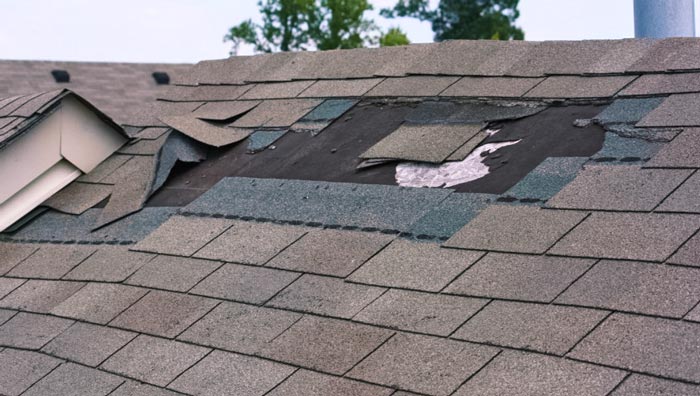
    Blistering shingles are a common roofing problem that occurs when bubbles or blisters form on the surface of your shingles. These blisters can range in size and can appear on individual shingles or in larger patches. Although blistering shingles may not seem serious, they can damage your roof’s integrity and lead to more significant issues if left unaddressed.Asphalt shingles are the most common type of shingle used on residential roofs in North America. They are made of a base material (either organic or fiberglass) coated with asphalt and topped with a layer of ceramic granules. When the asphalt in the shingles is exposed to high temperatures, it can soften and expand, causing the shingles to blister.

    What Causes Blistering Shingles?

    Several factors can cause blistering shingles. One common cause is excessive heat. When shingles are exposed to high temperatures for extended periods, they can begin to blister and bubble. This is particularly true for roofs that are poorly ventilated or located in areas with intense sunlight.Moisture is another common cause of blistering . When water gets trapped between the layers of your shingles, it can cause them to bubble and blister. That’s why it is essential to ensure that your roof is correctly waterproofed, and any leaks are repaired promptly.

    questions and concerns about roofing repair

    Why Are My Roof Shingles Blistering?

    Blistering Shingles is a common issue with asphalt shingles. There are two main reasons for blistering on shingles

    • Trapped Moisture

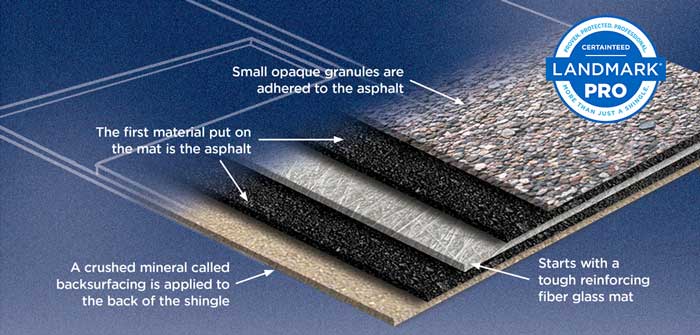
    The first cause of blistering on shingles is due to manufacturing errors that allow moisture to get trapped between the layers that comprise the shingle. Most asphalt roof shingles consist of three layers:

    -The backing, composed of paper or fiberglass

    -The asphalt

    The granules

    When the moisture stuck between these layers heats up from sun exposure or attic heat, it expands or turns to vapor, forming blisters.

    • Poor Ventilation

    Blistering on shingles may develop or worsen if your roof is poorly ventilated. A poorly ventilated roof allows heat and moisture to build up in the attic, leading to shingle deterioration and damage.

    certainteed shingle technology roofing
    prevent blistering shingles , preventing storm damage roof

    Preventing Blistering Shingles:

    The best way to prevent blistering is to ensure that your roof is correctly ventilated and waterproofed. Regular inspections and maintenance by a professional roofing contractor can achieve this. Additionally, it’s important to keep your gutters clear of debris and to remove any overhanging tree limbs that could damage your roof.

    Proper Roof Ventilation

    Ventilation is crucial in preventing blistering shingles. Attic vents allow for the release of warm, moist air that can build up in your attic. This, in turn, prevents the shingles from overheating and blistering. Proper attic ventilation also helps reduce energy costs by allowing hot air to escape, making it easier to cool your home.

    ventilation fan

    Waterproofing

    Waterproofing your roof is another critical step in preventing blistering shingles. Ensure that your roof is properly waterproofed by having a professional Roofing contractor install the right underlayment and ice and water shield. These materials help prevent moisture from getting trapped between the layers of your shingles and causing blisters. It’s essential to choose the right underlayment and ice and water shield for your roof type and climate, as different materials are designed to withstand different weather conditions.

    waterproofing prevent blistering shingles sign , storm damage roof resistant

    Regular Inspections and Maintenance

    Regular inspections and maintenance are critical in preventing shingles blistering. A professional roofing contractor can identify potential issues before they become significant problems and recommend the necessary repairs or replacements. It’s recommended to have your roof inspected at least once a year, especially after severe weather events.

    roof repair inspection icon

    Fixing Blistering Shingles:

    If you notice blistering on your shingles, it’s essential to address the issue promptly to prevent further damage. Here are some steps to follow

    • Call a Professional

    Fixing shingles blistering can be a complex and dangerous job, and it’s essential to call a professional roofing contractor to do the work. They have the necessary skills, equipment, and experience to fix the problem safely and effectively.

    • Identify the Cause

    The first step is to identify the cause of the problem. If the issue is due to poor ventilation, it’s essential to improve your attic ventilation. If it’s due to trapped moisture, you’ll need to replace the affected shingles.

    • Replace Damaged Shingles

    If the blistering is limited to a few shingles, it’s possible to replace them individually. However, if the problem is more widespread, it may be necessary to replace the entire roof.

    repairing storm damage roof

    Contact a Professional Today

    roofing quality
    contact rnc roofing and construction
    cracked damaged shingles , roofing, blistering roof

    Shingles Blistering may seem like a minor issue, but they can cause significant damage to your roof if left unaddressed. By understanding the causes of blistering and taking the necessary steps to prevent and fix them, you can ensure that your roof remains in excellent condition and protect your home and family from the elements.

    View More of Our Informative Post Here

    Free, No Obligation

    Request Your Free Estimate & Inspection

    Tell us about your roof and we’ll come take a look — no pressure, no cost. Or call us right now on (571) 269-8153.

    (571) 269-8153
    Contact Form Demo (#3)
    Owens Corning Preferred Contractor GAF System Plus CertainTeed SureStart PLUS BBB A+ Accredited HomeAdvisor

    RNC Roofing

    RNC Roofing and Construction Group — The Roofing Contractor Specialists. Protecting your home, one shingle at a time.

    Virginia

    (571) 269-8153 Sterling · Leesburg · Ashburn
    Loudoun & Fairfax County

    Maryland

    (571) 269-8153 Beltsville · District Heights
    All of Maryland
    © 2026 RNC Roofing and Construction Group — The Roofing Contractor Specialists Northern Virginia & Maryland
  • Blistering Roof Shingles | Guide to Repair and Prevention

    Protecting your home, one shingle at a time VA (571) 269-8153| MD (571) 269-8153| Free Estimate & Inspection
    Roof Maintenance

    Blistering Roof Shingles | Guide to Repair and Prevention

    RNC Roofing and Construction Group July 16, 2018
    Blistering Roof Shingles | Guide to Repair and Prevention

    Blistering Roof Shingles | Guide to Repair and Prevention

    Blistering shingles are characterized by raised bubbles or blisters on the surface of the shingles. These blisters can be caused by various factors, such as excessive heat, poor ventilation, or moisture-related problems. When the shingles blister, they become vulnerable to damage and can compromise the overall functionality of the roof.

    Identifying Blistering Shingles

    When it comes to identifying blistering shingles, there are several common signs and symptoms to look out for. These indicators can help you determine whether your roof has been affected by blistering. Keep an eye out for the following:

    Bubbles or raised areas on the surface of the shingles: Blistering shingles often exhibit visible bubbles or raised sections. These irregularities can be felt by running your hand over the surface of the shingles.

    Discoloration or changes in the appearance of shingles: Blistered shingles may appear discolored or have a different texture compared to unaffected areas. Look for variations in color, texture, or overall integrity of the shingles.

    Visual Inspection Techniques to Detect Blistering

    Performing a thorough visual inspection is crucial in detecting blistering shingles. By employing the following techniques, you can effectively identify the presence of blistering:

    • Observe the roof from a safe vantage point: Start by inspecting your roof from the ground or a safe distance using binoculars. Look for any signs of blistering, such as raised areas or discoloration.
    • Conduct a close-up inspection: If possible, climb a ladder and conduct a closer examination. Pay attention to individual shingles, checking for bubbles, raised sections, or other abnormalities. Be cautious and ensure your safety when accessing the roof.

    Differentiating Blistering from Other Roof Issues

    While blistering shingles share similarities with other roofing problems, understanding the distinctions is vital for accurate diagnosis. Here’s how you can differentiate blistering shingles from other roof issues:

    • Blistering vs. curling shingles: Curling shingles typically exhibit edges that curl upward or downward. In contrast, blistering shingles have raised sections or bubbles on the surface.
    • Blistering vs. granule loss: Blistering may cause some granules to dislodge from the shingles, but the raised sections are the primary distinguishing factor. Granule loss, on the other hand, results in a visible absence of granules on the shingle surface.

    summer season best time to replace roof

    Causes of Blistering Shingles

    Excessive Heat and Sun Exposure as a Leading Cause

    One of the primary factors that can lead to blistering shingles is excessive heat and prolonged exposure to the sun. When shingles are constantly exposed to high temperatures, the asphalt in the shingles can soften and become more susceptible to blistering. The heat causes the trapped moisture within the shingles to expand, resulting in the formation of bubbles or blisters on the surface.

    Poor Attic Ventilation and Its Impact on Shingle Health

    Inadequate attic ventilation can also contribute to the development of blistering shingles. When a roof lacks proper ventilation, heat can accumulate in the attic, causing the shingles to become excessively hot. This heat buildup accelerates the aging process of the shingles and increases the likelihood of blistering. It’s essential to ensure that your attic has proper ventilation to prevent the formation of blisters on the shingles.

    Moisture-Related Factors and Their Contribution to Blistering

    Moisture-related issues can significantly impact the health of your roof shingles and contribute to blistering. There are several moisture-related factors that can lead to blistering shingles:

    • Poor installation or damaged underlayment: If the underlayment beneath the shingles is not properly installed or has become damaged, it can allow moisture to seep into the shingle layers. Over time, this moisture can lead to blistering.
    • Trapped moisture within the shingle layers: In some cases, moisture can become trapped within the shingle layers during the manufacturing process. This trapped moisture can expand when exposed to heat, resulting in the formation of blisters.
    • Roof leaks and water damage: Roof leaks can introduce water into the shingle layers, leading to blistering. It is crucial to address any leaks promptly to prevent further damage.

    fix leaky roof

    Potential Consequences of Blistering Shingles

    Risk of Leaks and Water Damage to the Roof Structure

    Blistering shingles can pose a significant risk of leaks and water damage to the underlying roof structure. The raised bubbles or blisters on the shingle surface create vulnerable areas where water can penetrate. Over time, the trapped moisture can seep into the roof layers, compromising the integrity of the roof system. If left unaddressed, these leaks can lead to extensive water damage, rotting of the roof decking, and even structural issues within the home.

    Effects on Energy Efficiency and Indoor Climate Control

    Blistering shingles can also impact the energy efficiency of your home and indoor climate control. The raised areas on the shingle surface create pockets of trapped air, reducing the shingle’s ability to reflect sunlight and regulate heat. As a result, your home may experience increased heat absorption, leading to higher cooling costs during hot weather. Additionally, compromised shingles can allow air infiltration, affecting the insulation’s effectiveness and causing temperature fluctuations inside the house.

    Structural Implications and the Potential for Long-Term Damage

    Beyond the immediate risks of leaks and energy inefficiency, blistering shingles can have long-term structural implications. The presence of blisters indicates damage to the shingle’s protective layers and compromises its ability to withstand environmental stresses, such as wind and hail. Over time, these compromised shingles can deteriorate further, leading to more extensive damage and the potential for costly repairs or even a complete roof replacement.

    repairs roofing maintenance

    Repairing and Preventing Blistering Shingles

    When you notice blistering shingles on your roof, it’s essential to address the issue promptly to prevent further damage. Here are the steps to follow for immediate repair:

    Inspect the affected area: Carefully examine the blistered shingles to assess the extent of the damage and determine if nearby shingles are also affected.

    Gather necessary tools and materials: Prepare the tools required for the repair, such as a pry bar, roofing nails, hammer, roofing adhesive, and replacement shingles.

    Safely remove damaged shingles: Use a pry bar to carefully lift the blistered shingles, ensuring not to damage surrounding shingles. Peel back the shingle to expose the underlying layers.

    Replace shingles with proper techniques: Clean the exposed area and apply roofing adhesive to secure the replacement shingle. Press it down firmly and secure with roofing nails. Be sure to follow the manufacturer’s instructions for proper installation.

    Seal the repaired area: Apply a small amount of roofing adhesive around the edges of the replacement shingle to ensure a watertight seal.

    Strategies for Long-Term Prevention of Blistering

    While immediate repairs are essential, implementing preventive measures can help avoid future instances of blistering shingles. Here are some strategies to consider:

    Ensure proper attic ventilation: Proper attic ventilation plays a vital role in maintaining a healthy roof. It helps regulate temperature and moisture levels, reducing the likelihood of blistering. Consult a roofing professional to assess your attic ventilation and make necessary improvements.

    Install reflective or heat-resistant shingles: Consider using shingles with reflective or heat-resistant properties. These shingles are designed to minimize heat absorption and reduce the risk of blistering. They can help keep your roof cooler, especially in hot climates.

    Regular maintenance and inspections: Perform regular inspections of your roof to identify any potential issues, including blistering shingles. Schedule professional roof maintenance at least once a year to address minor problems before they escalate.

    repairs roofing maintenance

    When to Seek Professional Help

    While some blistering shingle repairs can be handled as a DIY project, it’s crucial to evaluate the complexity of the repair task before deciding to tackle it yourself. Factors to consider include:

    Extent of damage: If the blistering is limited to a small area and doesn’t involve significant structural issues, it may be manageable for a skilled DIY enthusiast. However, if the blistering covers a large portion of the roof or is accompanied by other signs of severe damage, it’s advisable to seek professional help.

    Roofing knowledge and experience: Assess your own expertise in roofing repairs. Repairing blistering shingles requires a good understanding of roofing techniques, including proper shingle installation and ensuring a watertight seal. If you lack the necessary knowledge and experience, it’s best to leave the job to professionals.

    Recognizing Situations That Require Professional Intervention

    Certain situations indicate the need for professional intervention when dealing with blistering shingles:

    • Widespread blistering: If the blistering is widespread and affects a significant portion of the roof, it indicates a more severe underlying issue. A professional roofer can assess the extent of the damage and provide comprehensive repairs or recommend a roof replacement if necessary.
    • Roof age and warranty considerations: If your roof is relatively new and still under warranty, attempting repairs yourself may void the warranty. It’s essential to consult the manufacturer’s guidelines and consider professional assistance to ensure warranty coverage.
    • Safety concerns: Working on a roof can be dangerous, especially for those without proper safety training and equipment. If you’re uncomfortable with heights or lack the necessary safety gear, it’s safer to hire a professional who is equipped to handle the job safely.

    Benefits of Hiring an Experienced Roofing Contractor

    • Expertise and knowledge: Professional roofers have extensive knowledge of roof repair techniques and materials. They can accurately assess the condition of blistering shingles, identify underlying causes, and provide effective solutions.
    • Quality workmanship: Roofing contractors are equipped with the tools, equipment, and expertise to deliver high-quality repairs. They can ensure that the replacement shingles are properly installed, minimizing the risk of future issues.
    • Time and cost savings: Hiring professionals can save you time and effort by completing the repairs efficiently. Additionally, they have access to wholesale material prices, potentially reducing the overall cost of repairs compared to purchasing materials individually.

    View More Articles

    Free, No Obligation

    Request Your Free Estimate & Inspection

    Tell us about your roof and we’ll come take a look — no pressure, no cost. Or call us right now on (571) 269-8153.

    (571) 269-8153
    Contact Form Demo (#3)
    Owens Corning Preferred Contractor GAF System Plus CertainTeed SureStart PLUS BBB A+ Accredited HomeAdvisor

    RNC Roofing

    RNC Roofing and Construction Group — The Roofing Contractor Specialists. Protecting your home, one shingle at a time.

    Virginia

    (571) 269-8153 Sterling · Leesburg · Ashburn
    Loudoun & Fairfax County

    Maryland

    (571) 269-8153 Beltsville · District Heights
    All of Maryland
    © 2026 RNC Roofing and Construction Group — The Roofing Contractor Specialists Northern Virginia & Maryland
  • Summer Roofing Issues: Shrinking, Blistering, & Curling Shingles

    Protecting your home, one shingle at a time VA (571) 269-8153| MD (571) 269-8153| Free Estimate & Inspection
    Roof Maintenance

    Summer Roofing Issues: Shrinking, Blistering, & Curling Shingles

    RNC Roofing and Construction Group July 16, 2018
    Summer Roofing Issues: Shrinking, Blistering, & Curling Shingles

    With the blistering heat of summer beating down on your rooftop, you may begin to notice that your roofing materials are looking dry, damaged, or weathered. With our guide, learn how to recognize the signs of a deteriorating roof and their causes.

    Shrinking Shingles

    While it’s probably not noticeable on the surface, your shingles will contract in cold temperatures and expand during warm weather. During summer, temperatures tend to spike and drop dramatically, depending on the time of day, which causes a process known as thermal cycling. Depending on how dramatic the temperature differences are in your region, your roof shingles can deteriorate rapidly, and your roof’s stability could be at risk.

    “Craze-cracking” is a tell-tale sign of shrinking shingles—if you notice continuous cracking in your shingles’ weather surfaces, contact RNC for a consultation from a roofing professional today.

    Blistering Shingles

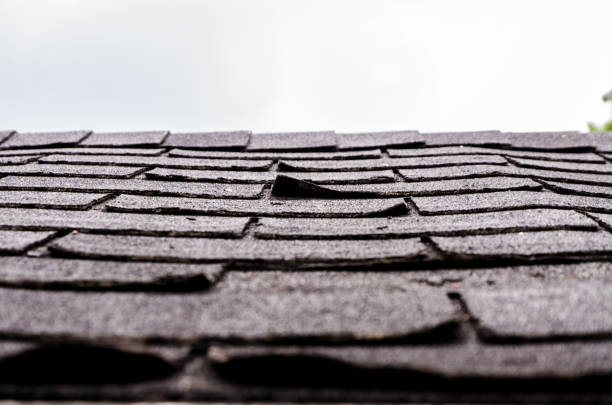
    Blistering ShingleBlistering shingles can be identified by their bubbled appearance, and while they’re typically a sign of natural aging, they can be indicative that your attic isn’t properly ventilated, or debris has built onto the roof.

    As long as the blisters on the shingles keep their granules, they shouldn’t affect your roof’s lifespan or overall health. If these blisters “pop” and their granules become dislodged, those areas will be especially sensitive to sunlight and heat, which could lessen your roof’s lifespan and make your shingles prone to granule loss.

    Curling Shingles

    Curling shingles can be easy to spot, as they disrupt the uniform pattern of your roof shingles. Typically, they’re caused by improper storing of your roofing materials, but there are other reasons curling shingles can occur. A dry asphalt base, improper installation of roofing materials, and natural wear and tear of your roof can contribute to curling shingles.

    Unfortunately, this can leave your roofing structure vulnerable to extreme weather and moisture.

    If you find that your shingles are suffering from any of these summer roofing issues, contact RNC to get in touch with a roofing professional today!

    What separates The RNC Roofing Group from other residential roofing companies? With decades of experience installing, maintaining and repairing roofs we provide a knowledgeable, trustworthy and honest service to fulfill all your roofing needs. We are a Loudoun County, Virginia based residential roofing firm with an excellent reputation for quality and dependability. Whether it’s new construction, re-roofing or the challenge of leak repairs, no job is too large or too small.

    This post first published on The RNC Group, your Virginia residential roofing company.

    Free, No Obligation

    Request Your Free Estimate & Inspection

    Tell us about your roof and we’ll come take a look — no pressure, no cost. Or call us right now on (571) 269-8153.

    (571) 269-8153
    Contact Form Demo (#3)
    Owens Corning Preferred Contractor GAF System Plus CertainTeed SureStart PLUS BBB A+ Accredited HomeAdvisor

    RNC Roofing

    RNC Roofing and Construction Group — The Roofing Contractor Specialists. Protecting your home, one shingle at a time.

    Virginia

    (571) 269-8153 Sterling · Leesburg · Ashburn
    Loudoun & Fairfax County

    Maryland

    (571) 269-8153 Beltsville · District Heights
    All of Maryland
    © 2026 RNC Roofing and Construction Group — The Roofing Contractor Specialists Northern Virginia & Maryland